
A high lipase result can be a quiet lab oddity or the first clue to acute pancreatitis. The difference is usually the symptom pattern, the degree of elevation, and what the surrounding labs are doing.



- Danger threshold: lipase above 3 times the lab upper limit plus typical upper abdominal pain is a pancreatitis-level warning pattern.
- Mild elevation: lipase less than 3 times the upper limit without pain is often non-emergency but should usually be repeated or explained.
- Typical range: many adult labs report lipase around 13-60 U/L, but reference ranges vary by method and country.
- Emergency symptoms: severe upper abdominal pain, repeated vomiting, fever, jaundice, fainting, confusion, or a racing pulse needs same-day urgent care.
- High lipase causes: pancreatitis, gallstones, kidney impairment, bowel disease, diabetes ketoacidosis, high triglycerides, medications, and macrolipase can all raise lipase.
- Pancreatitis clue: acute pancreatitis is usually diagnosed when 2 of 3 are present: typical pain, lipase or amylase above 3 times upper limit, or imaging evidence.
- Severity clue: the lipase number itself does not reliably grade pancreatitis severity; rising BUN, low calcium, high CRP, organ stress, and clinical condition matter more.
- Follow-up timing: mild isolated lipase is often rechecked in 1-2 weeks, while confirmed pancreatitis is managed by symptoms and complications rather than chasing lipase to normal.
When is high lipase dangerous versus mildly abnormal?
Yes — high lipase can be dangerous when it is more than 3 times the lab upper limit and comes with severe upper abdominal pain, vomiting, fever, jaundice, fainting, or confusion. A mildly high lipase without pain is often not an emergency, but it still deserves context, especially kidney function, liver enzymes, triglycerides, medicines, and repeat testing.
I am Thomas Klein, MD, and in clinical review I treat lipase as a pattern marker, not a stand-alone verdict. A lipase of 75 U/L in a lab with an upper limit of 60 U/L tells a very different story from a lipase of 720 U/L with crushing epigastric pain radiating to the back.
Kantesti is an AI blood test analyzer that reads lipase alongside liver, kidney, inflammatory, and metabolic markers rather than treating one flag as a diagnosis. If you are trying to understand amylase, lipase, and pancreatic panels together, our pancreatic blood test guide goes deeper into how these enzymes behave.
The practical split is this: lipase above 3 times the upper limit of normal is concerning for pancreatitis when symptoms fit, while isolated lipase under 3 times the upper limit is commonly caused by non-pancreatic issues. I have seen patients sent to emergency care for a lipase of 90 U/L and no pain; most of those cases needed a careful recheck, not panic.
What lipase level suggests pancreatitis?
A lipase level above 3 times the lab upper limit of normal supports pancreatitis when the pain pattern fits. If a lab uses 60 U/L as the upper limit, a result above about 180 U/L is the usual biochemical threshold clinicians take seriously.
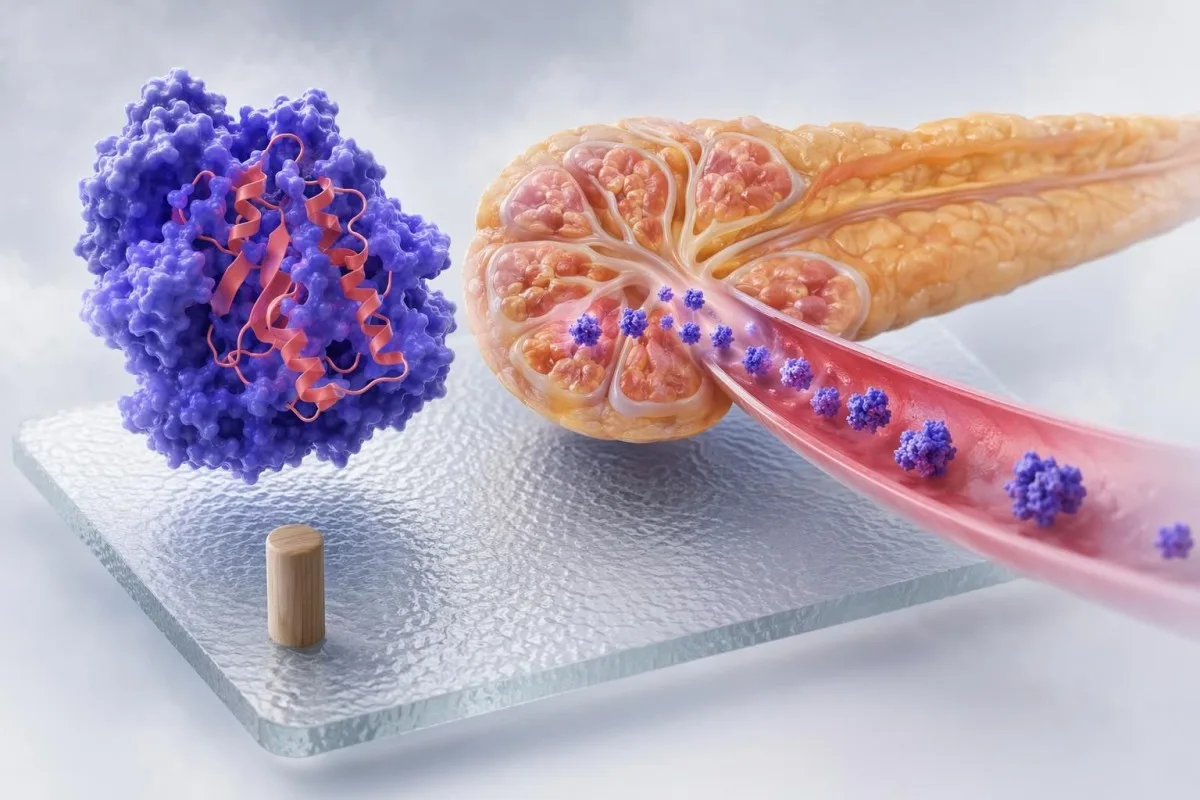
Many adult laboratories report a lipase reference interval near 13-60 U/L, but I have seen upper limits from the 50s to above 140 U/L depending on the analyzer and reagent. That is why the phrase high lipase should always be translated into multiples of the lab upper limit, not judged by the raw number alone.
The 2012 revised Atlanta classification states that acute pancreatitis is diagnosed when 2 of 3 criteria are present: characteristic abdominal pain, amylase or lipase at least 3 times the upper limit, or imaging findings consistent with pancreatitis (Banks et al., 2013). This is the reason clinicians do not diagnose pancreatitis from one mildly abnormal enzyme in a well-looking patient.
Reference range anxiety is real. If your result sits just outside the printed range, read it with the same skepticism we describe in our normal range traps: a borderline flag can reflect lab variation, recent illness, kidney clearance, or timing rather than an active pancreatic emergency.
Which high lipase symptoms need urgent care?
High lipase symptoms that need urgent care include severe steady upper abdominal pain, pain spreading to the back, repeated vomiting, fever, jaundice, fainting, confusion, shortness of breath, or a pulse persistently above 120 beats per minute. These symptoms matter more than a small difference between 300 and 500 U/L.
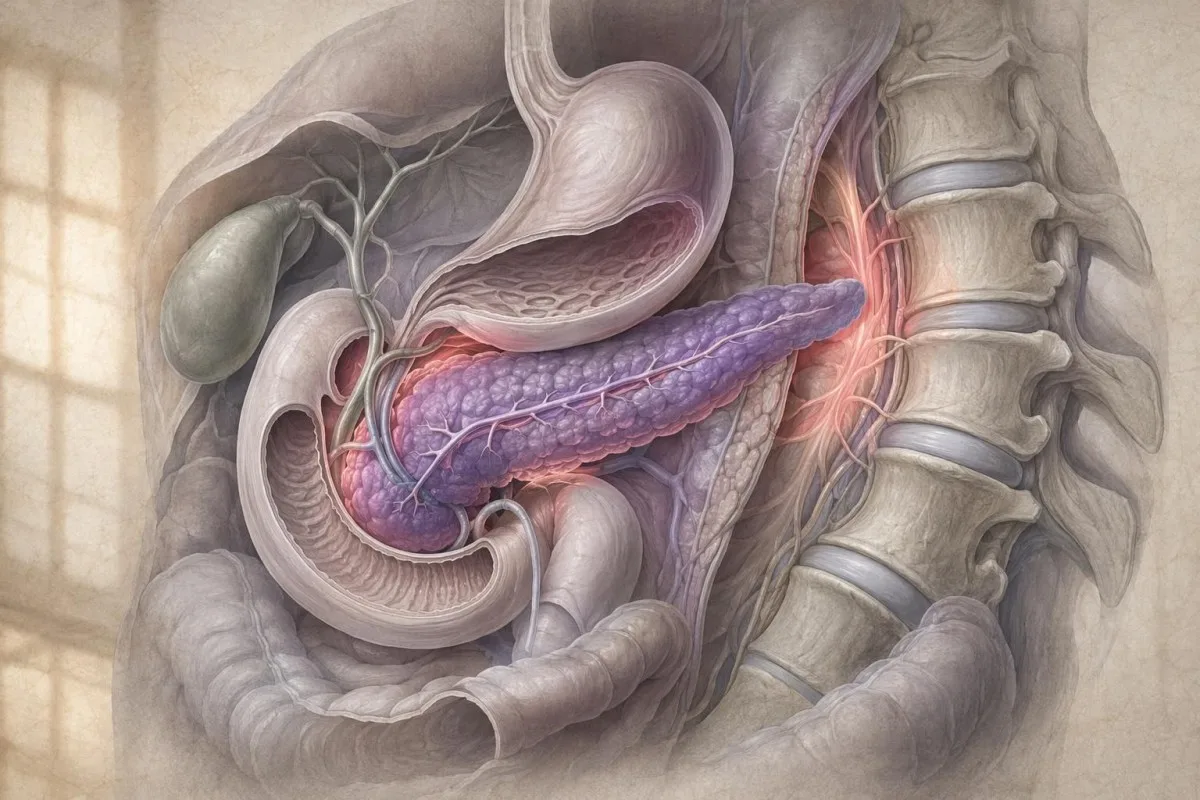
The pain of acute pancreatitis is usually deep, constant, and centered in the upper abdomen; many patients lean forward because lying flat feels worse. In my experience, the phrase patients use is often not pain but pressure, burning, or a belt tightening across the upper belly.
Call emergency services or go to an emergency department if high lipase comes with low blood pressure, blue lips, new confusion, or inability to keep fluids down for more than 6-8 hours. Those are not just pancreatitis warning signs; they are possible dehydration, sepsis, bleeding, or organ-stress clues, and our critical value guide explains why symptoms can outrank the printed lab flag.
Tenner et al. reported in the American College of Gastroenterology guideline that early assessment should focus on hemodynamic status, organ failure risk, and cause of pancreatitis rather than enzyme height alone (Tenner et al., 2013). Put plainly: a lipase of 450 U/L in a comfortable patient may be less urgent than 210 U/L in someone clammy, vomiting, and hypotensive.
What causes high lipase if it is not pancreatitis?
High lipase causes beyond pancreatitis include kidney impairment, gallbladder disease, bowel obstruction or ischemia, celiac disease, inflammatory bowel disease, diabetic ketoacidosis, infections, medications, and a harmless antibody-bound form called macrolipase. The pancreas is common, not automatic.
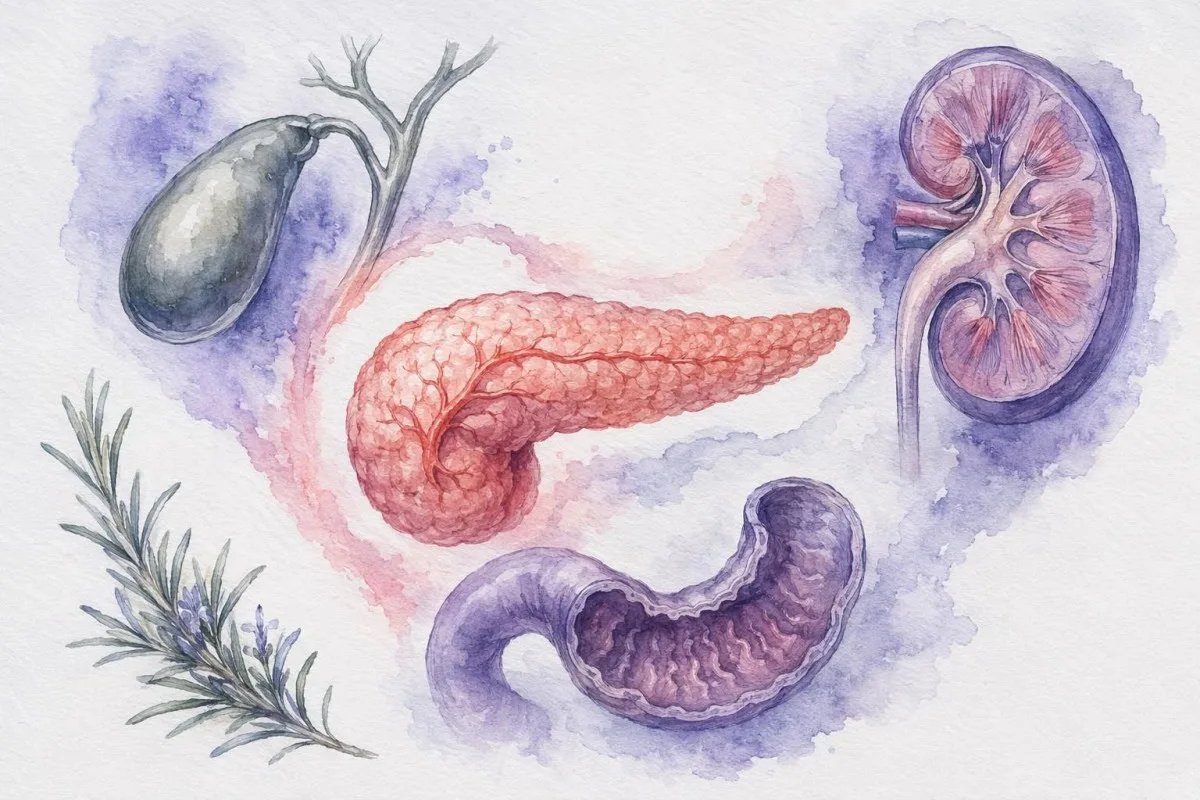
Lipase is partly cleared through the kidneys, so reduced filtration can leave more enzyme circulating. A patient with chronic kidney disease and eGFR 28 mL/min/1.73 m² may carry a lipase of 90-160 U/L for months without classic pancreatitis symptoms.
Bowel and biliary problems can also nudge lipase upward because nearby digestive tissues share enzyme and inflammatory signaling pathways. When lipase is mildly elevated with diarrhea, bloating, weight loss, or mucus in stool, I think more broadly than the pancreas and often look at the kind of patterns covered in our gut health labs.
Diabetic ketoacidosis is a classic trap: lipase may be elevated even without pancreatitis, and abdominal pain can come from acidosis itself. A glucose above 250 mg/dL, positive ketones, low bicarbonate, and an anion gap above about 12 mmol/L changes the interpretation immediately.
What lab pattern points to high lipase pancreatitis?
A high lipase pancreatitis pattern is lipase above 3 times the upper limit plus typical pain, often with raised white cell count, elevated CRP, abnormal liver enzymes, rising BUN, low calcium, or high triglycerides. Lipase confirms pancreatic enzyme release; the surrounding labs estimate cause and risk.
A white blood cell count above 12 x 10⁹/L can reflect stress or inflammation, while CRP above 150 mg/L at 48 hours is a classic marker associated with more severe pancreatitis. A rising BUN by 5 mg/dL or more during the first day is another warning clue because it can signal dehydration and worse outcomes.
ALT is surprisingly useful. An ALT above 150 IU/L during early acute pancreatitis strongly suggests a gallstone-related cause in many studies, which is why we read it with bilirubin, alkaline phosphatase, and GGT; our ALT pattern guide explains the liver-enzyme side of that puzzle.
Kantesti AI treats lipase as a branching point: pancreatic enzyme rise, biliary obstruction pattern, kidney clearance issue, metabolic trigger, or medication clue. That is closer to how physicians reason at the bedside than the simplistic high equals pancreatitis shortcut.
Which common triggers make lipase rise sharply?
The most common triggers for pancreatitis-level lipase rises are gallstones, alcohol-related pancreatic irritation, and very high triglycerides. Triglycerides above 1000 mg/dL or 11.3 mmol/L are a well-known pancreatitis risk zone, although attacks can occur lower in susceptible patients.

Gallstones can briefly block the pancreatic duct opening and trigger intense enzyme release. The clue is often a lipase spike with ALT, AST, bilirubin, alkaline phosphatase, or GGT rising in the same 24-48 hour window.
Alcohol-related pancreatitis is usually not from a single drink in isolation; it tends to reflect repeated pancreatic stress, high-fat meals, dehydration, and individual susceptibility. I have seen heavy weekend intake followed by lipase above 600 U/L on Monday, but the same number in another patient came from a tiny gallstone.
Triglycerides deserve special attention because the serum may look milky when levels are very high, and standard assays can occasionally be affected. If your triglycerides are high or borderline, our triglyceride risk guide explains why fasting repeat testing and glucose control can change the risk calculation.
Can kidney disease or medicines cause high lipase?
Yes, kidney disease and several medicines can cause high lipase without classic pancreatitis. Reduced kidney clearance, recent abdominal illness, GLP-1 receptor agonists, DPP-4 inhibitors, azathioprine, valproate, thiazides, loop diuretics, and opioids can all enter the differential.
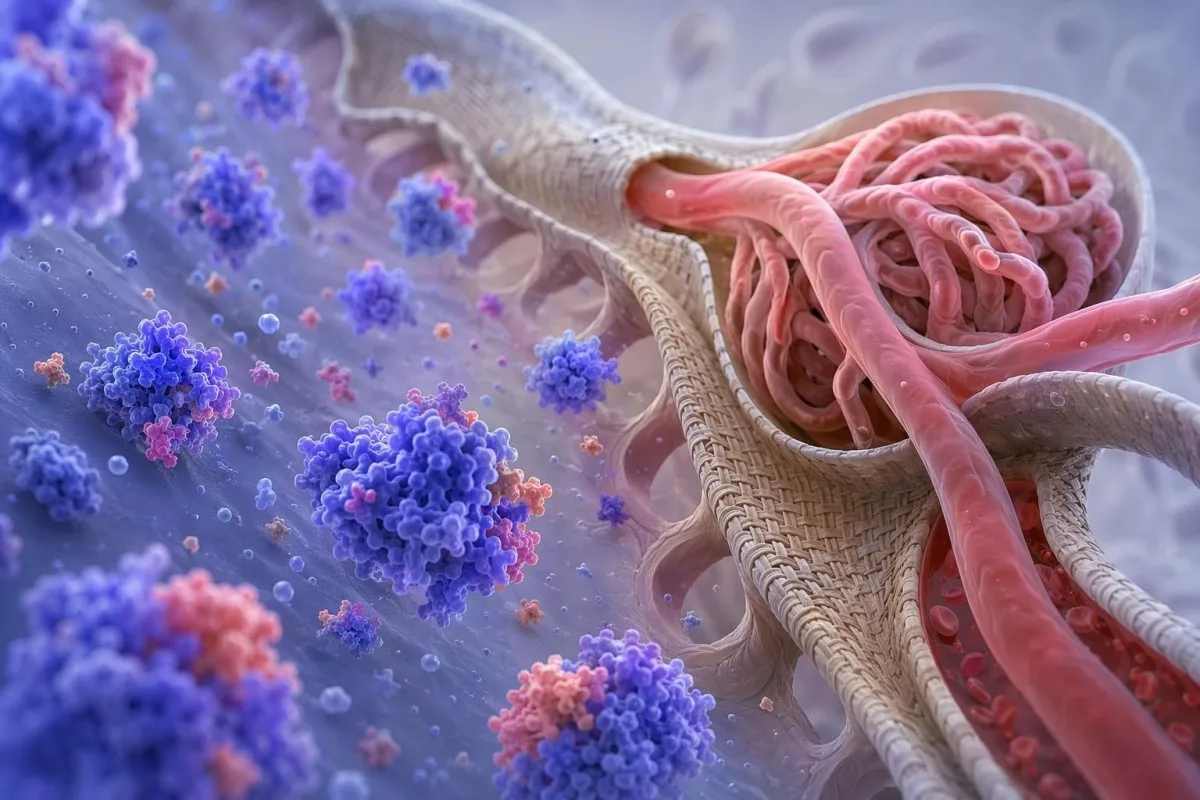
A creatinine rise from 0.9 to 1.6 mg/dL can make a mild lipase elevation more believable as a clearance issue. That is why I never read lipase without eGFR, BUN, hydration status, and sometimes urine findings; the creatinine interpretation guide is useful when kidney numbers are shifting at the same time.
Medication timing matters. If lipase rose from 45 to 140 U/L two weeks after starting a new drug, and there is nausea but no upper abdominal pain, the clinician may repeat the test, check amylase and liver enzymes, and decide whether the medication is plausible rather than stopping it blindly.
Kantesti is an AI lab test interpretation service built to flag these context collisions: high lipase with low eGFR is not the same pattern as high lipase with high ALT and bilirubin. That distinction can prevent both under-reaction and unnecessary panic.
What should you do after seeing a high lipase result?
Your next step depends on symptoms and the multiple above the lab upper limit. Severe symptoms plus lipase above 3 times the upper limit means urgent assessment, while mild isolated lipase often means checking context, repeating the test, and reviewing medications.
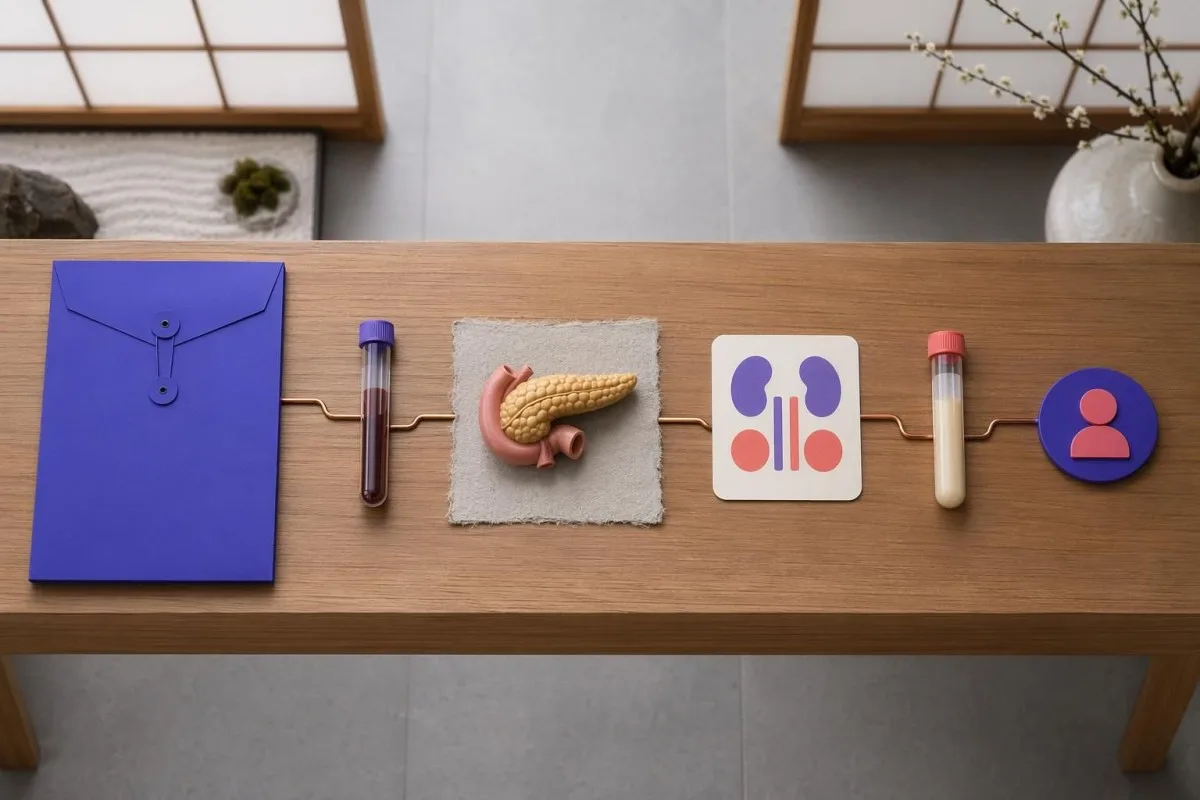
If you have severe abdominal pain, do not wait for a routine appointment just because the result came through a portal at night. A result of 220 U/L can be emergency-level if the upper limit is 60 U/L and the symptoms fit.
If you feel well and the result is 65-100 U/L with an upper limit of 60 U/L, I usually want the story: recent gastroenteritis, intense exercise, kidney function, diabetes control, alcohol, new medicines, and whether the lab was repeated. Our article on when to repeat abnormal labs explains why rechecking too soon can create more noise than clarity.
A sensible repeat panel often includes lipase, amylase, CBC, CMP, bilirubin, ALT, AST, alkaline phosphatase, GGT, triglycerides, glucose, calcium, creatinine, and sometimes CRP. That list is longer than many patients expect, but it is how we avoid turning one enzyme into a false diagnosis.
How long does lipase stay high after pancreatitis?
Lipase usually rises within 4-8 hours, peaks around 24 hours, and can stay elevated for 8-14 days after acute pancreatitis. A falling lipase does not always mean recovery, and a still-high lipase does not always mean worsening.
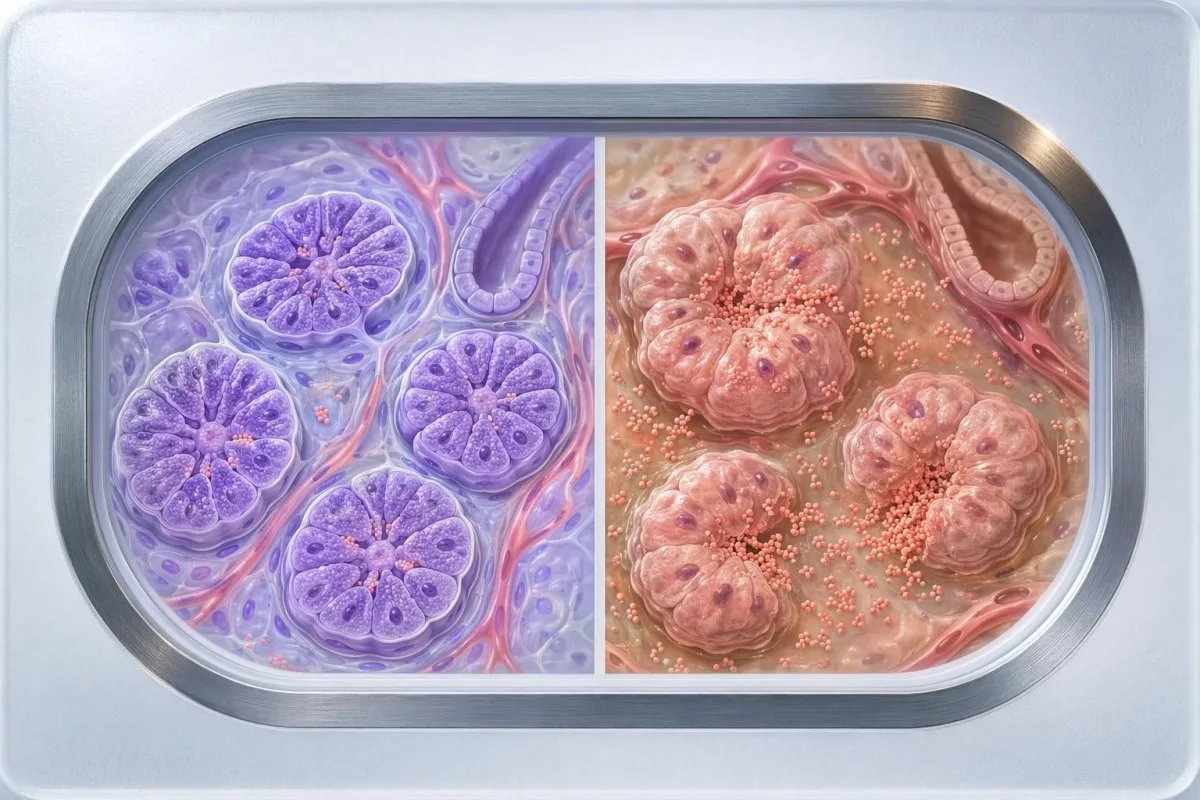
This surprises patients. Someone may feel 70% better while lipase remains 300 U/L because enzyme clearance trails behind the clinical story; hospital teams usually follow pain, fever, hydration, diet tolerance, oxygen level, kidney function, and complications more closely than daily lipase.
For mild isolated elevations, a repeat in 1-2 weeks is often more useful than the next morning unless symptoms are changing. If the result normalizes, I look for a temporary trigger; if it persists, I think about kidney clearance, medications, gut disease, macrolipase, or imaging.
Kantesti AI can compare lipase across visits and show whether a value is a spike, a plateau, or a slow drift. For patients who keep screenshots from different labs, our trend graph reading helps separate true biological movement from different reference ranges.
Who needs extra caution with elevated lipase?
Pregnant patients, children, older adults, immunosuppressed patients, and people with kidney disease or diabetes need extra caution when lipase is elevated. These groups may have less typical pain, faster dehydration, or narrower safety margins.

In pregnancy, upper abdominal pain with vomiting is easy to mislabel as reflux or food poisoning, but gallstones and high triglycerides can trigger pancreatitis. Same-day assessment is prudent if pain is severe, there is fever, jaundice, dehydration, or abnormal liver enzymes; our pregnancy lab red flags covers adjacent urgent patterns.
Children can have pancreatitis from viral illness, trauma, medicines, congenital duct problems, or metabolic disorders. Pediatric lipase ranges and thresholds vary by age and lab, so I avoid applying adult cutoffs rigidly to infants or toddlers.
Older adults sometimes present quietly: poor appetite, weakness, confusion, or a fall rather than textbook pain. NICE guidance on pancreatitis stresses early recognition and appropriate imaging or specialist review when symptoms and enzymes point to the diagnosis (NICE, 2018).
When does high lipase need imaging?
High lipase needs imaging when the diagnosis is uncertain, symptoms are severe, gallstones are suspected, jaundice is present, or the patient fails to improve within 48-72 hours. Ultrasound is often first for gallstones; CT is not always needed on day one.
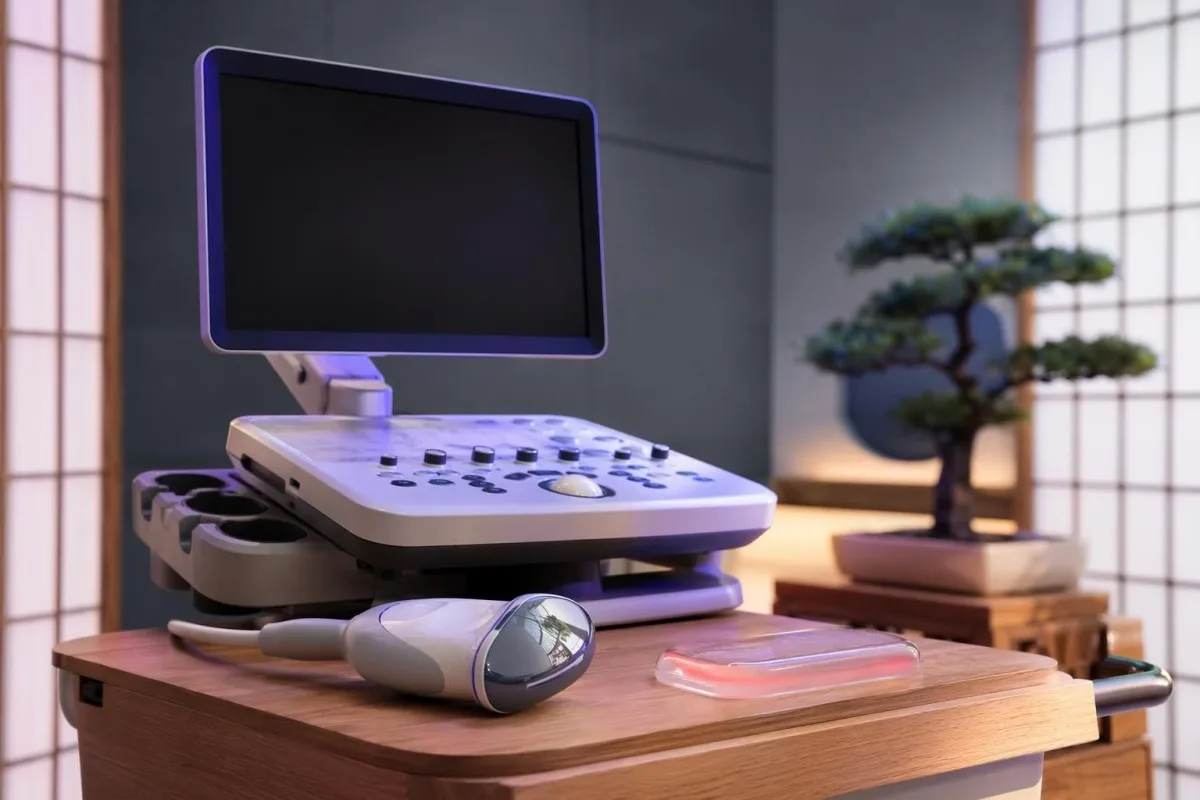
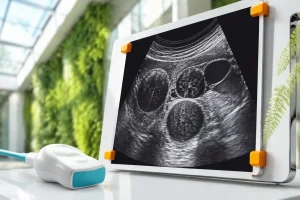
An abdominal ultrasound can detect gallstones, bile duct dilation, and some pancreatic swelling, but bowel gas often hides the pancreas. A normal ultrasound does not fully exclude pancreatitis, microlithiasis, or early biliary obstruction.
Contrast CT is most useful when the diagnosis is unclear, the patient deteriorates, or complications are suspected after the first 48-72 hours. Ordering CT too early can miss evolving tissue changes and expose the patient to contrast risk without changing management.
If your lipase is high but imaging is normal, the next move depends on the whole pattern, not embarrassment that the scan did not explain everything. A blood test second opinion can help when symptoms, enzyme level, and imaging seem to disagree.
What should you avoid after a high lipase result?
After a high lipase result, avoid alcohol, very fatty meals, dehydration, and self-stopping prescribed medicines without clinical advice. If severe pain or vomiting is present, food experiments and internet detox plans are the wrong move.

If pancreatitis is suspected, many clinicians initially recommend bowel rest or a cautious diet plan depending on severity, nausea, and hydration. For mild cases improving quickly, early low-fat oral intake may be used; for severe vomiting, fluids and hospital monitoring come first.
Do not assume supplements are harmless. High-dose vitamin D with hypercalcemia, certain herbal products, and multiple weight-loss agents can complicate abdominal symptoms or liver tests, so list everything you take, including injections and over-the-counter products.
Medication links are nuanced. GLP-1 receptor agonists and DPP-4 inhibitors have been discussed in pancreatitis safety reviews, but abdominal pain plus lipase should be reviewed individually rather than blamed automatically; our medication monitoring guide gives a safer way to think about timing.
How Kantesti reads lipase in clinical context
Kantesti is an AI biomarker interpretation platform that interprets lipase by combining the enzyme value, reference range, symptom clues, nearby biomarkers, medication context, and prior trends. That matters because lipase is a triage clue, not a diagnosis by itself.
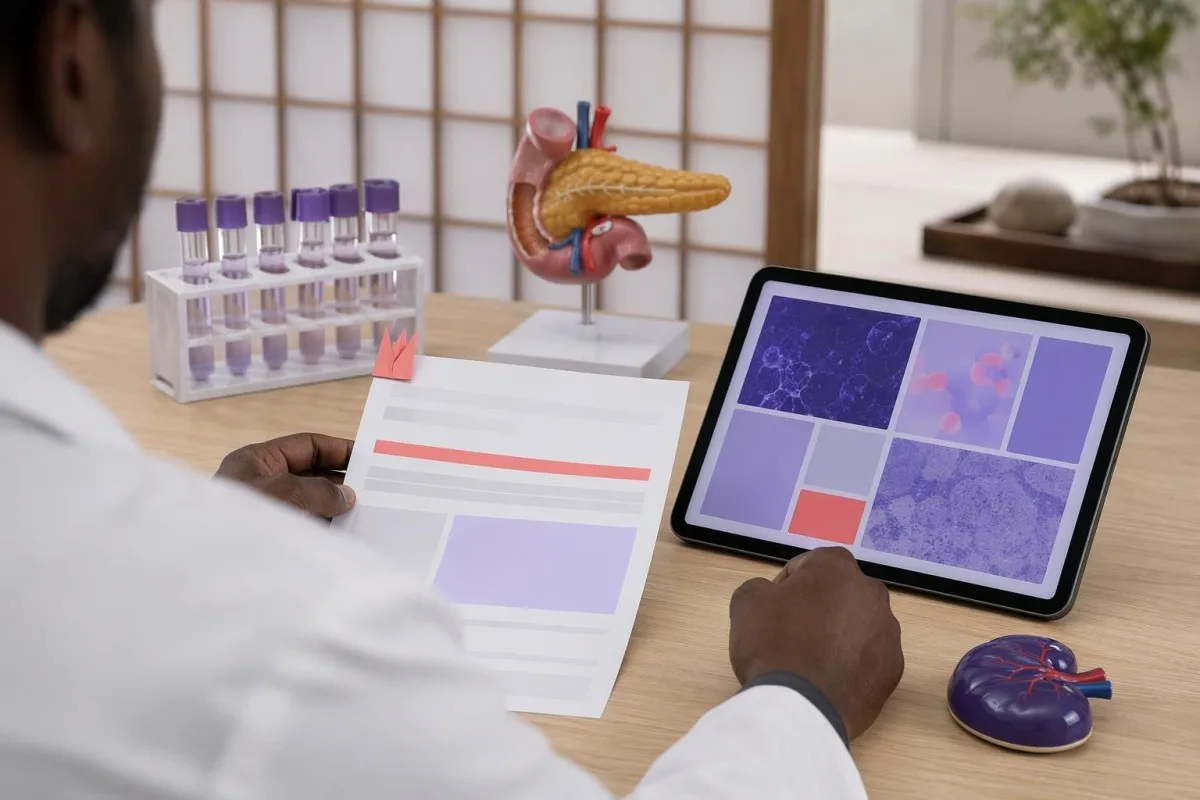
Our neural network reads uploaded PDFs and photos in about 60 seconds and maps lipase against markers such as amylase, ALT, bilirubin, creatinine, BUN, calcium, triglycerides, glucose, WBC, and CRP. The mechanics are described in our technology guide, including how structured biomarker extraction differs from generic text summarization.
The platform has been used by more than 2M people across 127+ countries and 75+ languages, which gives us a practical view of how reference intervals differ between labs. Our clinical validation process explains the medical oversight, benchmarking, and safety boundaries behind the interpretations.
Kantesti's output is not a replacement for emergency care. If you have a lipase result and want a structured explanation before a routine appointment, you can upload a lipase result; for company governance and privacy context, see our Kantesti background.
Research basis, clinical review, and bottom line
As of June 11, 2026, the safest answer is this: high lipase is dangerous when the clinical pattern suggests pancreatitis or another acute abdominal illness, but mild isolated elevation is often a follow-up problem rather than an emergency. I, Thomas Klein, MD, would rather see one worried patient early than one dehydrated patient late.
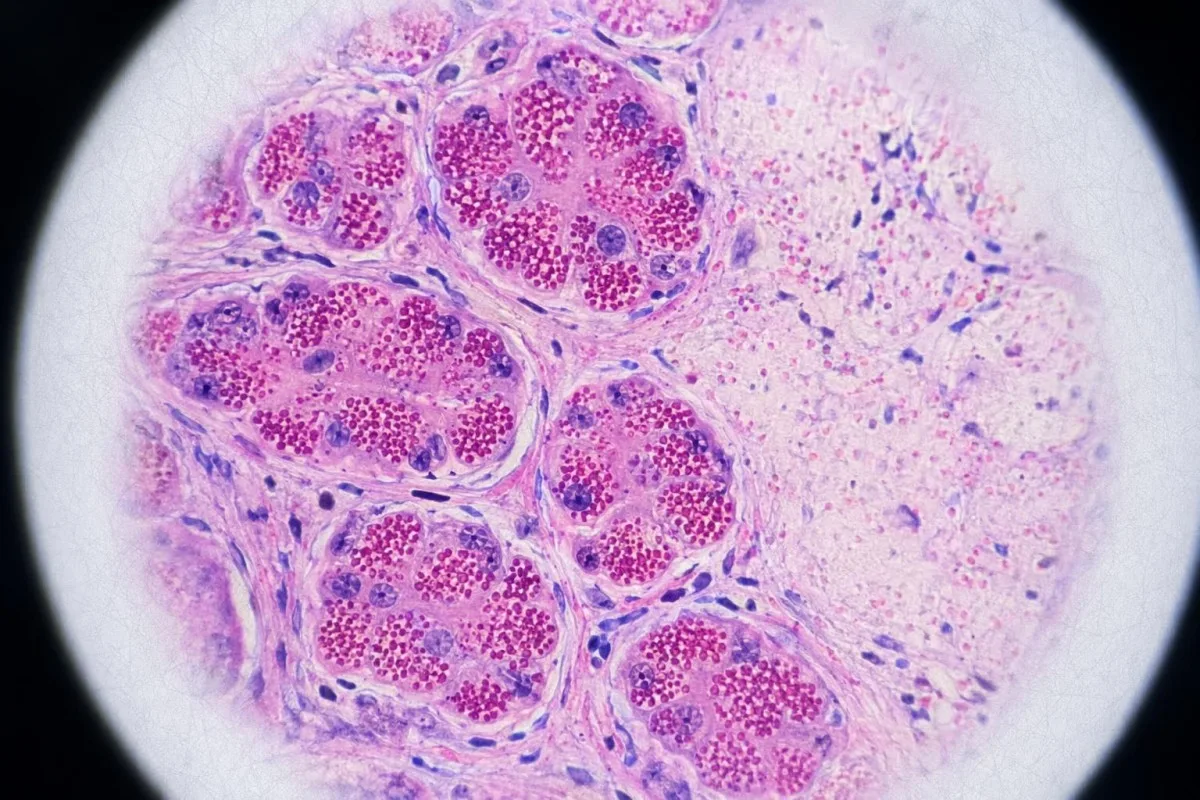
This article was written from physician review principles used in urgent-care triage, primary-care follow-up, and lab-pattern interpretation. Our medical advisory board reviews the safety framing for patient-facing content, especially where a lab abnormality can represent either a minor finding or an emergency.
Kantesti LTD. (2026). Multilingual AI Assisted Clinical Decision Support for Early Hantavirus Triage: Design, Engineering Validation, and Real-World Deployment Across 50,000 Interpreted Blood Test Reports. Figshare. DOI: deployed triage research.
Kantesti LTD. (2026). A Pre-Registered, Rubric-Based Automated Technical Benchmark of the Kantesti Blood-Test Interpretation Engine on 100,000 Synthetic Test Cases. Figshare. DOI: technical benchmark paper. External clinical interpretation in this article also follows pancreatitis diagnostic principles described by Banks et al. (2013), Tenner et al. (2013), and NICE (2018).
Frequently Asked Questions
Is high lipase dangerous if I have no pain?
High lipase without pain is less likely to be an emergency, especially if it is less than 3 times the lab upper limit. Many mild elevations around 1-2 times the upper limit come from kidney clearance, recent stomach illness, medicines, or lab variation. You should still review it with a clinician if it persists, rises, or appears with abnormal creatinine, liver enzymes, triglycerides, glucose, or calcium.
What lipase level means pancreatitis?
A lipase level above 3 times the upper limit of normal supports pancreatitis when typical upper abdominal pain or imaging findings are present. If the lab upper limit is 60 U/L, a result above about 180 U/L meets the enzyme criterion. Pancreatitis is not diagnosed from lipase alone; clinicians usually need 2 of 3 findings: typical pain, enzyme elevation, or imaging evidence.
Can lipase be high from kidney problems?
Yes, kidney impairment can raise lipase because the enzyme is cleared partly through the kidneys. A person with low eGFR or rising creatinine may have lipase values 1-3 times the upper limit without pancreatic inflammation. The combination of high lipase plus abnormal creatinine should be interpreted differently from high lipase plus severe upper abdominal pain and vomiting.
How long does lipase stay elevated after pancreatitis?
Lipase often rises within 4-8 hours of acute pancreatitis, peaks around 24 hours, and may remain elevated for 8-14 days. A lipase result can stay high after pain is improving, so doctors usually follow symptoms, hydration, kidney function, fever, oxygen level, and complications rather than waiting for lipase to normalize. Repeating lipase daily is rarely useful once the diagnosis is clear.
What are the most common high lipase causes?
The most common high lipase causes include acute pancreatitis, gallstones, alcohol-related pancreatic irritation, high triglycerides, kidney impairment, bowel disease, diabetic ketoacidosis, and medication effects. Triglycerides above 1000 mg/dL or 11.3 mmol/L are a recognized pancreatitis risk zone. A good follow-up panel often checks amylase, liver enzymes, bilirubin, creatinine, glucose, calcium, triglycerides, CBC, and CRP.
Should I go to the ER for high lipase?
Go to the ER for high lipase if you have severe constant upper abdominal pain, repeated vomiting, fever, jaundice, fainting, confusion, shortness of breath, or a racing pulse. Lipase above 3 times the upper limit with typical pain is a pancreatitis warning pattern that needs urgent assessment. If you feel well and the result is only mildly high, contact your clinician for repeat testing and context rather than using the ER automatically.
Do I need to fast before a repeat lipase blood test?
Lipase testing itself usually does not require fasting, so follow the laboratory’s instructions. If your clinician is also checking triglycerides, ask whether an 8- to 12-hour fast is needed, because recent meals can affect that result.
Should I ask about genetic testing after pancreatitis?
Genetic evaluation may be reasonable after recurrent unexplained pancreatitis, pancreatitis at a young age, or a close family history. A gastroenterologist can decide whether counseling or testing could clarify risk and prevention options.
Get AI-Powered Blood Test Analysis Today
Join over 2 million users worldwide who trust Kantesti for instant, accurate lab test analysis. Upload your blood test results and receive comprehensive interpretation of 15,000+ biomarkers in seconds.
📚 Referenced Research Publications
Klein, T., Mitchell, S., & Weber, H. (2026). Multilingual AI Assisted Clinical Decision Support for Early Hantavirus Triage: Design, Engineering Validation, and Real-World Deployment Across 50,000 Interpreted Blood Test Reports. Kantesti AI Medical Research.
Klein, T., Mitchell, S., & Weber, H. (2026). A Pre-Registered, Rubric-Based Automated Technical Benchmark of the Kantesti Blood-Test Interpretation Engine on 100,000 Synthetic Test Cases. Kantesti AI Medical Research.
📖 External Medical References
National Institute for Health and Care Excellence (2018). Pancreatitis: diagnosis and management. NICE guideline NG104. NICE Guideline.




⚕️ Medical Disclaimer
This article is for educational purposes only and does not constitute medical advice. Always consult a qualified healthcare provider for diagnosis and treatment decisions.
E-E-A-T Trust Signals
Experience
Physician-led clinical review of lab interpretation workflows.
Expertise
Laboratory medicine focus on how biomarkers behave in clinical context.
Authoritativeness
Written by Dr. Thomas Klein with review by Dr. Sarah Mitchell and Prof. Dr. Hans Weber.
Trustworthiness
Evidence-based interpretation with clear follow-up pathways to reduce alarm.