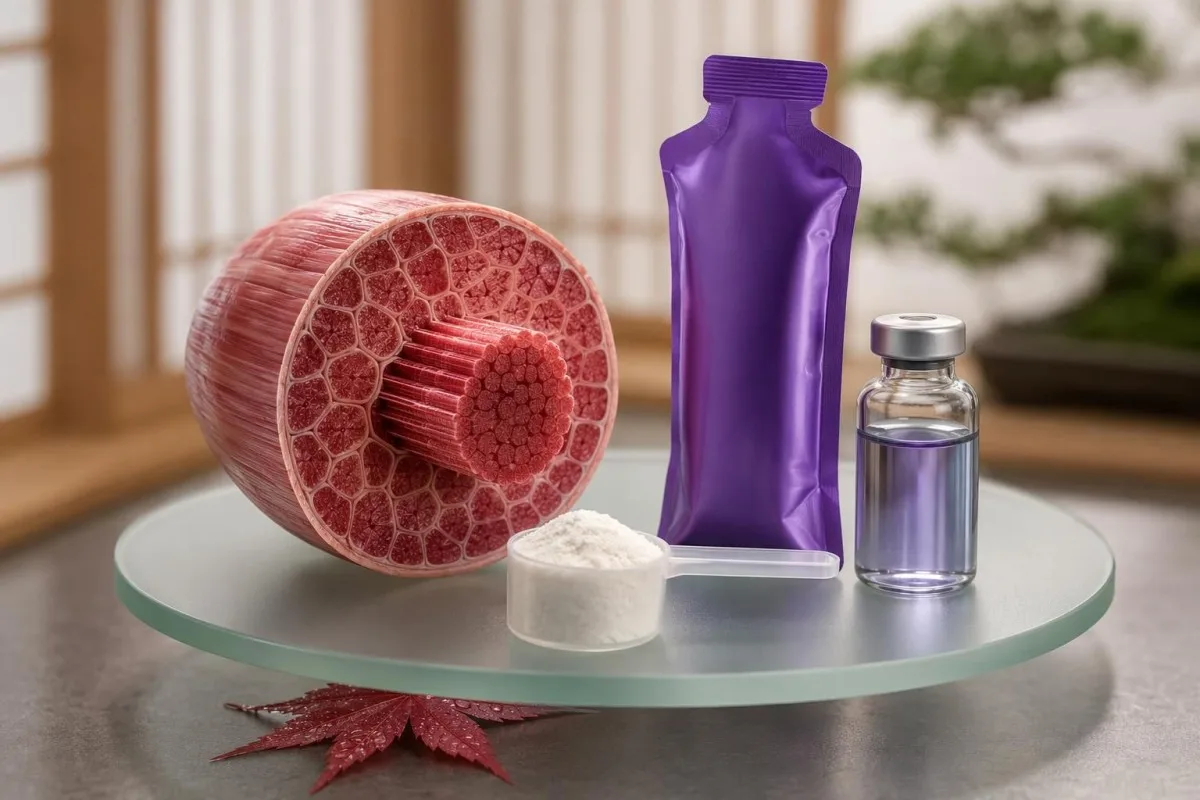
The useful supplement depends on the event, the training block, diet quality and your laboratory context. A product that helps repeated sprint performance can be pointless—or risky—during a high-mileage endurance block.



- Creatine monohydrate at 3–5 g daily is the best-supported supplement for strength and repeated high-intensity work; it can raise creatinine without damaging kidneys.
- Caffeine usually works at 1–3 mg/kg taken 45–60 minutes before exercise; doses above 6 mg/kg add side effects more reliably than performance.
- Iron should not be taken for fatigue alone; ferritin below 30 ng/mL in an endurance athlete merits a full iron assessment, not automatic high-dose treatment.
- Vitamin D doses above 4,000 IU daily need a clear clinical reason and follow-up 25(OH)D plus calcium testing.
- Carbohydrate at 30–60 g/hour supports sessions lasting 1–2.5 hours, while trained athletes may tolerate up to 90 g/hour from mixed glucose-fructose sources.
- Low energy availability can mimic supplement deficiency; recurrent bone stress injury, low libido, menstrual disruption or falling T3 need clinical assessment.
- Third-party batch testing lowers but does not eliminate contamination risk; athletes remain responsible for prohibited substances found in a supplement.
- Lab timing matters: avoid hard exercise for 24–48 hours before a baseline CK, creatinine, AST, ALT or ferritin panel when practical.
- Stop and reassess if a supplement coincides with jaundice, dark urine, severe muscle pain, palpitations, new neuropathy or persistent gastrointestinal symptoms.
Which sports supplements are actually worth considering?
Creatine monohydrate, carbohydrate, caffeine and protein have the clearest performance roles for most athletes, but each fits a different training demand. As of July 26, 2026, I would start with diet, sleep and a sport-specific gap rather than a large supplement stack; the International Olympic Committee makes the same point in its supplement consensus statement (Maughan et al., 2018).
For power athletes, creatine has the strongest case; for marathoners, carbohydrate availability and iron status usually matter more. Supplements for athletes should solve a defined problem—such as low dietary protein during travel, repeated sprint fatigue, or a verified nutrient deficit—not simply add expense and variables. My first question in clinic is always: what event, what weekly load, and what changed in the last eight weeks?
A 68 kg rugby player lifting four days weekly may reasonably use 3–5 g creatine daily and 20–30 g supplemental protein when meals fall short. A 52 kg runner with declining pace and heavy periods needs haemoglobin, ferritin, transferrin saturation and dietary review before buying iron; our endurance athlete lab guide explains why low ferritin and low energy availability can look remarkably alike.
Kantesti is an AI blood test analyzer that places supplement-relevant results beside age, sex, reported medicines and prior laboratory values rather than treating one flag as a diagnosis. Dr. Thomas Klein here: in my clinical experience, a modest benefit from one well-chosen product beats the all-too-common pattern of six products started on the same Monday.
Creatine: best dose, loading choices and kidney lab traps
Creatine monohydrate at 3–5 g per day improves high-intensity exercise capacity and lean mass gains with resistance training in most healthy adults. A loading phase of 0.3 g/kg/day for 5–7 days reaches muscle saturation faster, but it is optional and more likely to cause temporary water-weight gain or stomach upset.
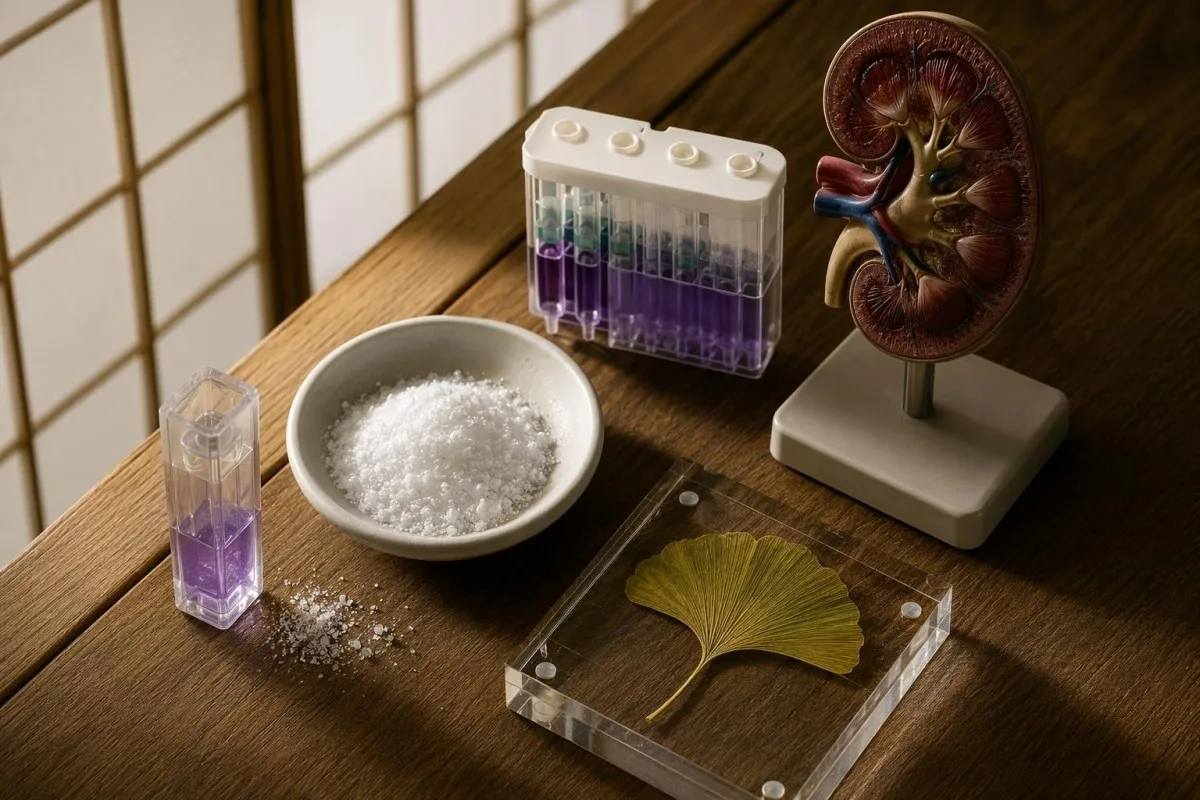
Creatine conversion to creatinine can move serum creatinine upward by roughly 0.1–0.3 mg/dL in some users, which may make a creatinine-based eGFR appear lower. A stable creatinine rise after starting creatine, with normal urine albumin-creatinine ratio and stable cystatin C, is usually a measurement issue rather than renal damage; see our guide to creatinine after exercise.
Kreider et al. (2017) concluded that creatine monohydrate is safe in healthy people at studied doses, although that finding does not erase risk in someone with known chronic kidney disease, a single kidney, recurrent dehydration, or nephrotoxic medicines. I ask those athletes to involve their clinician before starting and to use cystatin C or urine ACR when the creatinine result becomes difficult to interpret.
A practical schedule is baseline creatinine, eGFR, electrolytes and urine ACR when risk factors exist, then repeat after 8–12 weeks on a stable dose. Creatine does not require cycling, and I would avoid proprietary blends because they obscure the amount of creatine actually consumed.
Protein and carbohydrate: supplements that fill training gaps
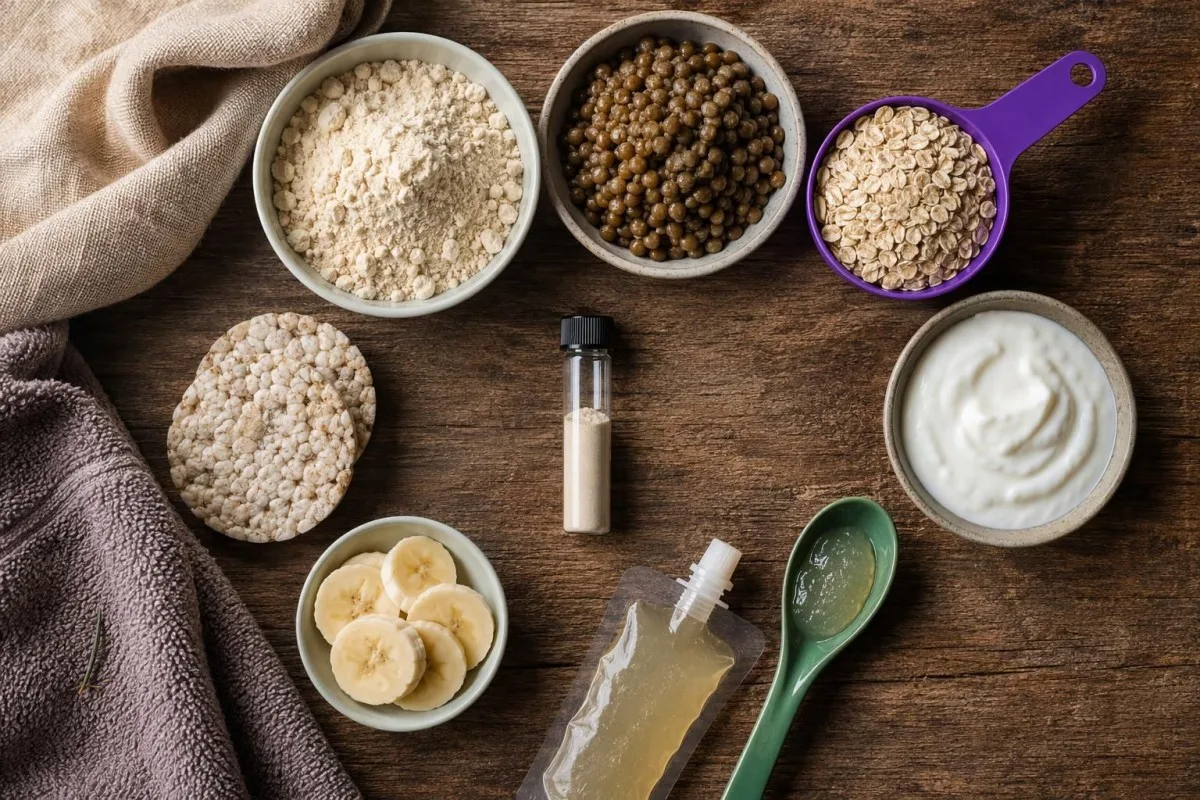
Daily protein of 1.2–2.0 g/kg suits most training adults, while endurance work at the lower end and heavy energy restriction or strength blocks at the upper end may justify different targets. Protein powder is food in a convenient form, not a substitute for adequate energy, carbohydrate or micronutrients.

A useful recovery serving is 0.25–0.40 g/kg of high-quality protein, often 20–40 g, within several hours after training; distributing protein across three to five meals is usually more effective than saving it all for one large shake. Our review of whey protein and kidney lab clues covers why a high-protein diet can raise urea without proving kidney damage.
For exercise lasting 1–2.5 hours, 30–60 g carbohydrate per hour is a sound starting range. For events longer than 2.5 hours, trained athletes can reach 90 g/hour using glucose plus fructose in about a 2:1 to 1:0.8 ratio; gut practice during ordinary training, not race day, determines whether this is useful.
Protein shakes are inappropriate as the sole response to unintentional weight loss, chronic diarrhoea, falling albumin or an eGFR below 60 mL/min/1.73 m² without clinical advice. A rising urea with normal creatinine in a dehydrated athlete often reflects fluid balance and protein intake, whereas rising creatinine plus albuminuria deserves a proper kidney review.
Caffeine, beta-alanine, nitrate and bicarbonate by event type
Caffeine at 1–3 mg/kg is often enough for endurance, team sport and repeated-sprint performance, and the optimal dose varies far more than gym folklore suggests. Beta-alanine, dietary nitrate and sodium bicarbonate are narrower tools: they mainly fit efforts where acidosis, repeated bursts or oxygen cost limits performance.
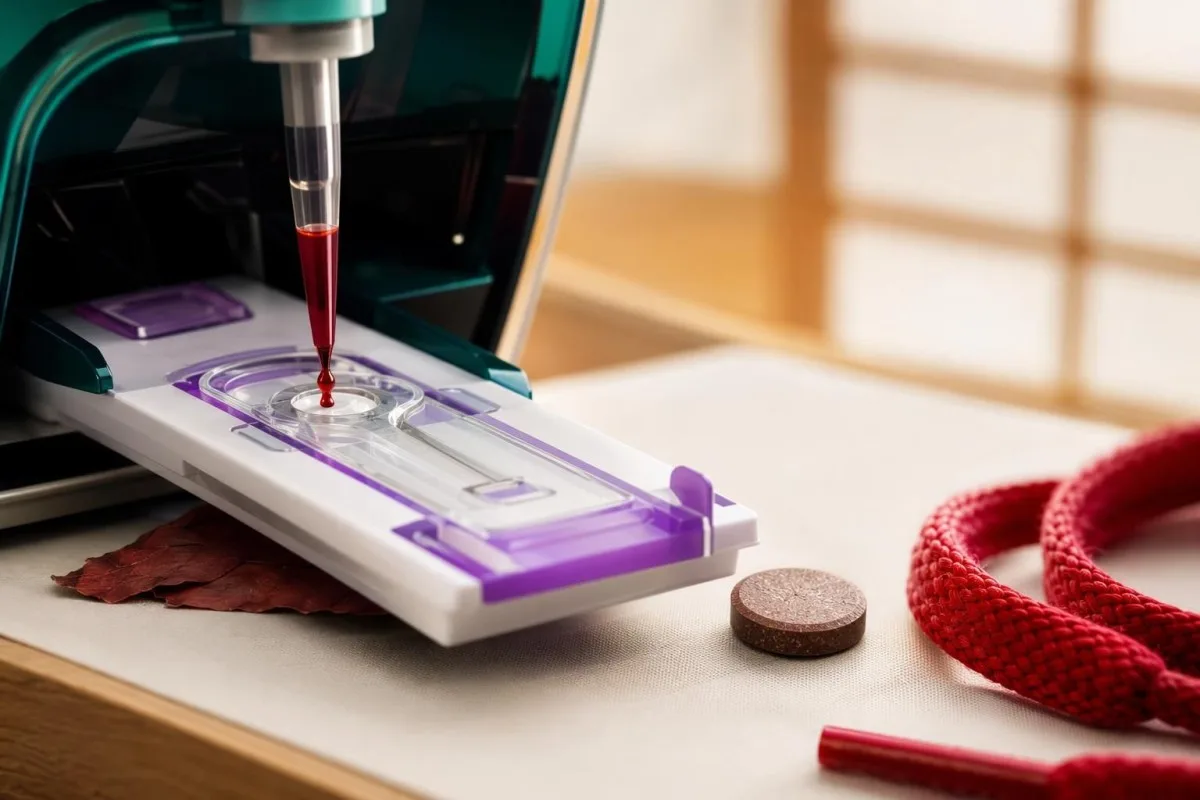
Guest et al. (2021) found that caffeine can improve several performance outcomes, but insomnia, tremor, anxiety and tachycardia rise with dose. Start at 1 mg/kg in training, take it 45–60 minutes before the key effort, and avoid late-day use if it shortens sleep; a 70 kg athlete does not need 400 mg to see whether 70–140 mg helps.
Beta-alanine at 3.2–6.4 g/day, divided into 0.8–1.6 g doses for at least four weeks, is most plausible for hard efforts lasting about 1–4 minutes. Tingling is harmless but annoying; nitrate from a standardized beetroot product supplies roughly 5–9 mmol, or 300–600 mg nitrate, 2–3 hours before an endurance or intermittent event.
Sodium bicarbonate at 0.2–0.3 g/kg taken 90–180 minutes before a high-intensity event can help some athletes, yet gastrointestinal urgency ruins more races than it saves. Runners who are testing these options should use the planning framework in our supplements for runners guide and never experiment first at competition.
Iron supplementation: when ferritin changes the answer
Ferritin below 15 ng/mL strongly supports depleted iron stores in adults, while a value below 30 ng/mL in a symptomatic endurance athlete deserves fuller assessment with haemoglobin, transferrin saturation and CRP. Ferritin rises with infection, liver stress and recent hard training, so a normal or high result can sometimes hide restricted iron availability.
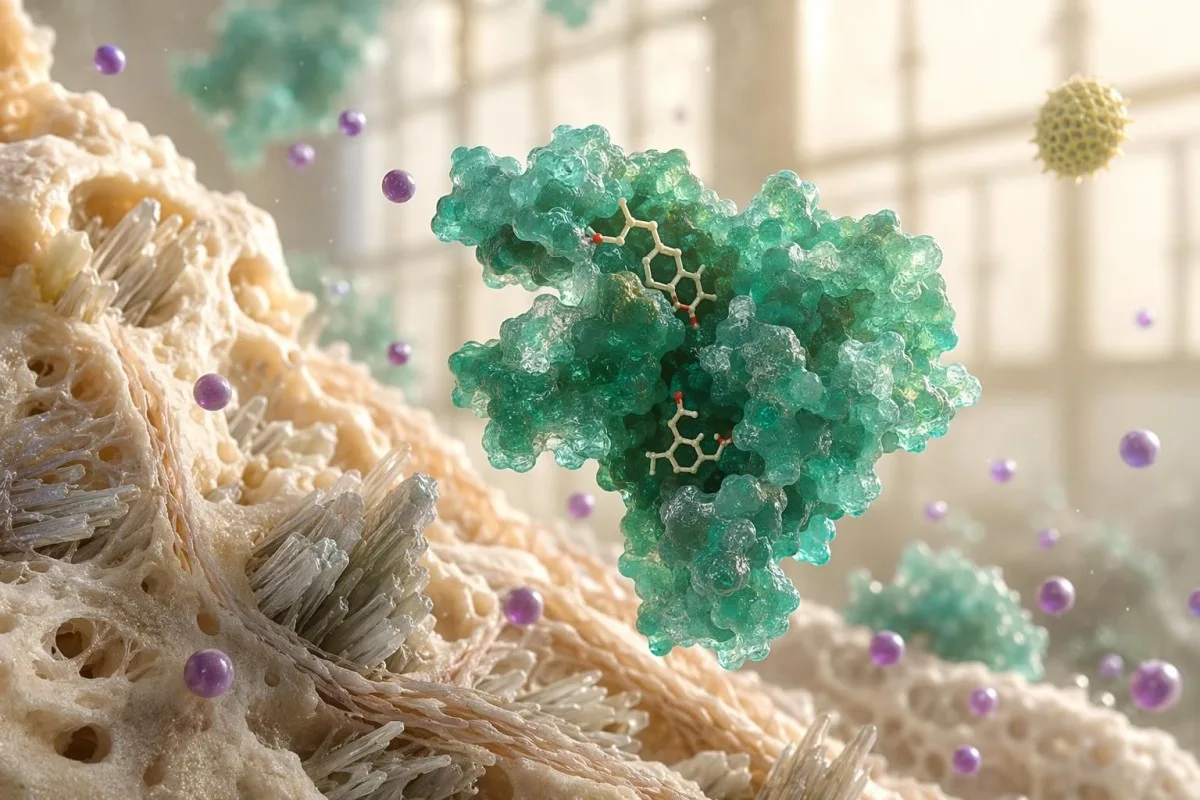
I commonly see a runner with ferritin of 22 ng/mL, normal haemoglobin, and a training block that has suddenly become miserable. That result may justify nutrition support and carefully supervised oral iron, but it is not proof that iron alone explains fatigue; ferritin ranges in women need particular context around menstrual loss, contraception and pregnancy.
For confirmed uncomplicated iron deficiency, 40–65 mg elemental iron once daily or on alternate days is commonly better tolerated than several daily doses. Recheck a CBC, ferritin and transferrin saturation after 6–8 weeks, and stop guessing if ferritin fails to rise, because coeliac disease, gastrointestinal loss, poor absorption or an incorrect diagnosis may be involved.
Transferrin saturation below 20% can support iron restriction, especially when ferritin is 30–100 ng/mL and CRP is raised. Our detailed iron studies reference explains why serum iron alone is too variable to guide athlete supplement dosage.
Vitamin D, calcium and magnesium: useful only in the right context
Vitamin D supplementation is most defensible when 25-hydroxyvitamin D is low, sunlight exposure is limited, or bone-stress risk is elevated. A routine adult upper intake level of 4,000 IU daily is a safety ceiling, not a performance target, and calcium or vitamin D should never be used to mask low energy availability.
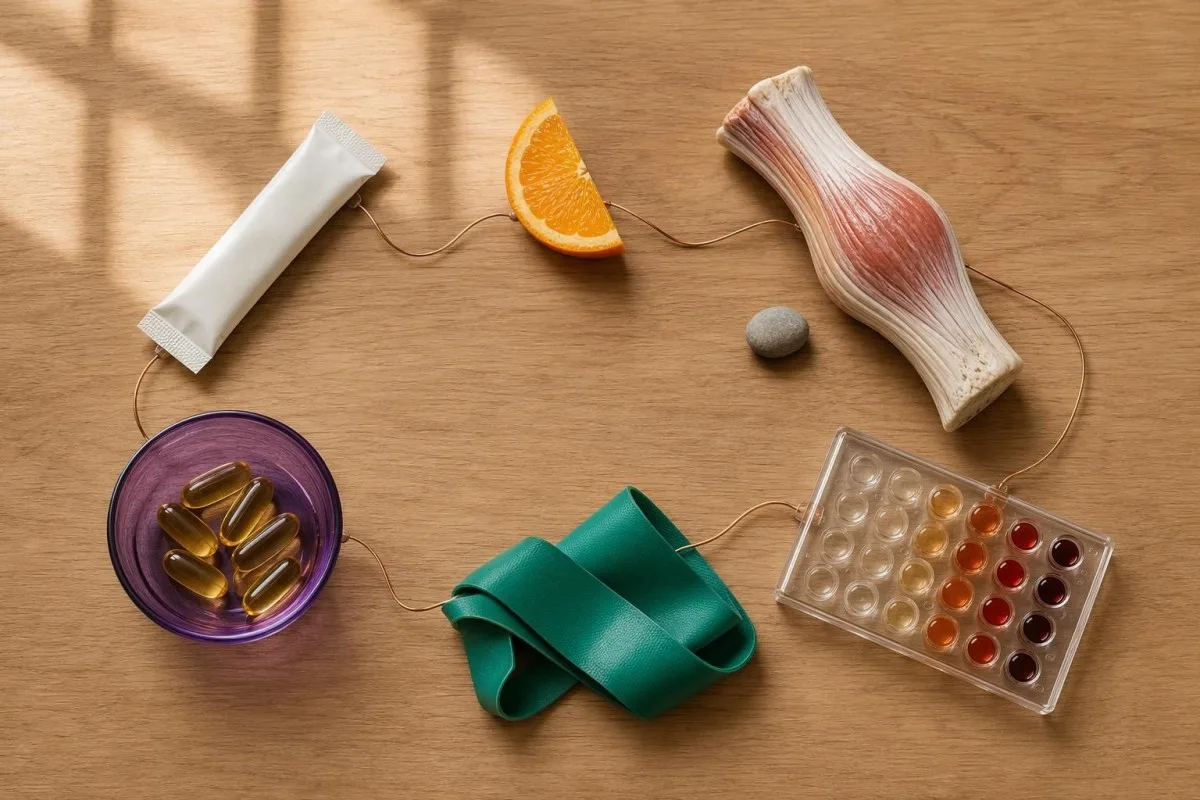
A 25(OH)D concentration below 20 ng/mL, or 50 nmol/L, is commonly treated as low for bone health, although international thresholds differ and some UK guidance uses 25 nmol/L for frank deficiency. In most athletes, 800–2,000 IU vitamin D3 daily is enough for modest correction; levels above 150 ng/mL, or 375 nmol/L, raise concern for toxicity and hypercalcaemia. Read more about high vitamin D results.
Calcium intake is usually better built from food toward roughly 1,000 mg/day for adults, with 1,200 mg/day relevant for some older adults and situations of higher bone risk. I check calcium, albumin, phosphate, alkaline phosphatase, creatinine and 25(OH)D when an athlete has recurrent stress injury; a normal calcium result does not rule out poor bone mineral status.
Magnesium is not a reliable cure for ordinary exercise cramps, but it can be sensible when diet is low, gastrointestinal losses exist, or a deficiency is documented. Supplemental magnesium above 350 mg/day commonly causes loose stools, and reduced kidney function increases accumulation risk; choose form and dose using our magnesium dosage guide.
Omega-3 and collagen: recovery claims versus evidence
Omega-3 and collagen may have focused roles, but neither replaces adequate carbohydrate, sleep or progressive loading. Omega-3 evidence for delayed-onset muscle soreness is mixed, while collagen research is most relevant to tendon or ligament rehabilitation rather than whole-body muscle recovery.
An omega-3 product should state its combined EPA plus DHA amount, not merely the total fish-oil weight. Doses of 1–2 g/day EPA plus DHA are commonly used in studies, but athletes taking anticoagulants, with a bleeding disorder, or before planned procedures should ask their prescriber first; our omega-3 supplement guide discusses product-label traps.
For a tendon rehabilitation session, 15 g gelatin or hydrolysed collagen with about 50 mg vitamin C taken 30–60 minutes beforehand is a plausible protocol, though the clinical evidence remains small and not every athlete notices a difference. I would frame it as a low-risk adjunct when total protein and rehabilitation loading are already appropriate, not as a shortcut around diagnosis.
Kantesti AI can compare triglycerides, liver enzymes, creatinine and reported supplement timing across repeated panels, but it cannot determine whether a sore tendon needs imaging or physiotherapy. Persistent focal pain, swelling or loss of function deserves assessment; our collagen safety article sets out sensible limits.
Baseline labs to check before starting a supplement stack
A CBC, ferritin with transferrin saturation, metabolic panel, 25(OH)D and urinalysis cover most lab concerns before an athlete begins multiple products. Add thyroid testing, B12, folate, CRP, cystatin C or reproductive hormones only when symptoms, diet pattern, medication use or training history gives a reason.
For fatigue or a performance drop, I begin with CBC indices, ferritin, iron saturation, CRP, electrolytes, creatinine, ALT, AST, fasting glucose and TSH when clinically indicated. Haemoglobin below the laboratory lower limit requires assessment regardless of athletic status; hard training is not an acceptable explanation for unexplained anaemia.
For supplements that may affect kidney, liver or mineral handling, baseline and a repeat at 8–12 weeks is more useful than monthly testing with changing doses. The before-and-after supplement testing plan is a practical way to record dose, brand, training load, alcohol intake, illness and sample timing beside results.
Kantesti is an AI biomarker interpretation platform that reads ferritin with CRP, creatinine with eGFR and exercise context, rather than presenting isolated red and green flags. Our biomarker reference guide also helps athletes understand which results are screening clues and which need clinician confirmation.
Match supplement choices to your sport and training load
Strength athletes usually gain most from creatine, protein sufficiency and carbohydrate around high-volume work, whereas endurance athletes more often need carbohydrate, sodium strategy and iron screening. Combat, aesthetic and weight-category sports require a different priority: preventing low energy availability and unsafe rapid weight loss.
Triathletes and ultrarunners should rehearse 30–90 g carbohydrate/hour and individualized fluid-sodium plans in conditions that resemble competition. Sodium losses vary wildly, but a starting drink concentration of 500–700 mg sodium per litre is often reasonable in prolonged heat work; our triathlete lab guide explains why post-race sodium alone cannot diagnose hydration status.
CrossFit and similar mixed-modality athletes may benefit from creatine and carbohydrate, but severe muscle pain, weakness, cola-coloured urine or marked swelling after an unfamiliar session is not a supplement problem. Creatine kinase values can exceed 5,000 IU/L after extreme exertion, yet symptoms, creatinine, potassium and urine findings determine urgency; see rhabdomyolysis warning labs.
Bodybuilders who use pre-workouts, fat-loss blends or hormones need a lower threshold for checking blood pressure, lipids, liver enzymes, haematocrit and kidney markers. A haematocrit above 54% on testosterone treatment is a recognised safety threshold for medical review, and our bodybuilder safety labs explain why supplement labels may not tell the whole story.
How training and supplements can distort lab results
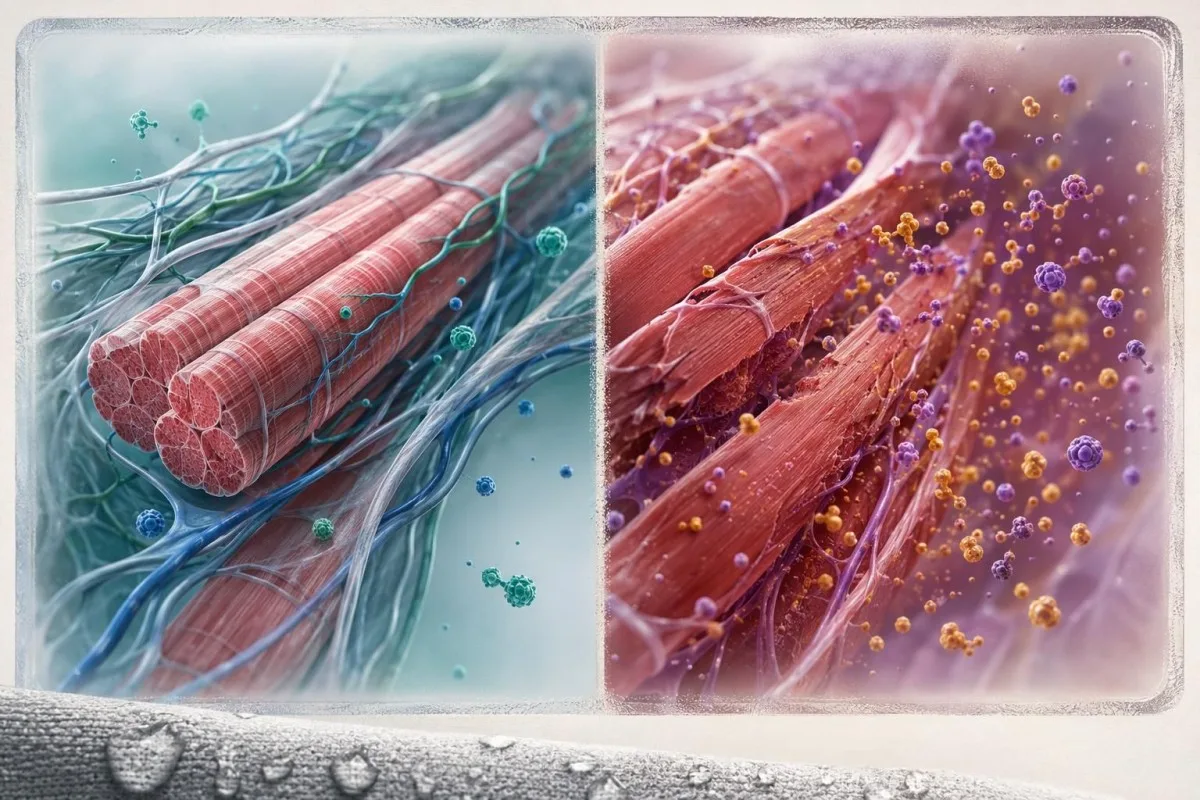
Hard exercise can temporarily elevate CK, AST, ALT, creatinine, white cells and bilirubin, so one post-workout panel can resemble disease. When the aim is a baseline health check, avoid unfamiliar high-intensity exercise for 24–48 hours and arrive normally hydrated unless a clinician gives different preparation instructions.

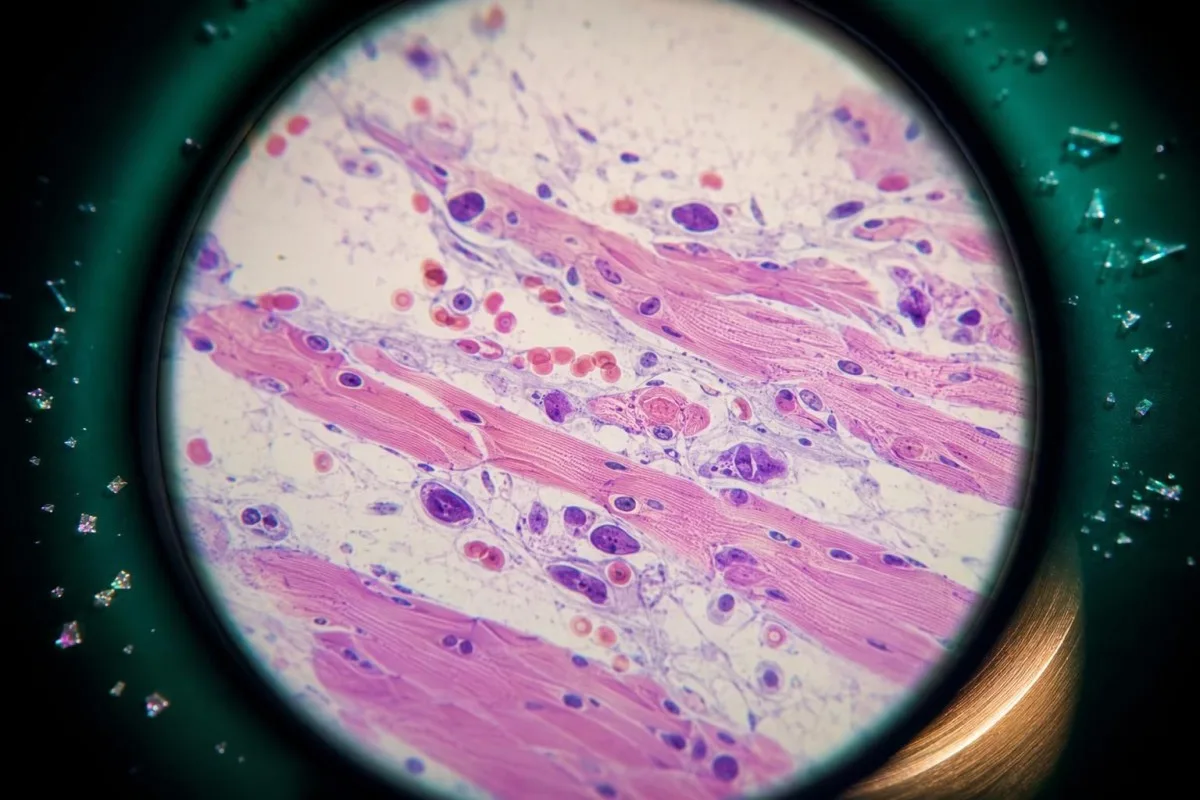
Creatine kinase often rises after eccentric training and may remain elevated for 3–7 days; the absolute number is less useful than symptoms, kidney function and the trend. AST is present in skeletal muscle, so AST 89 IU/L with normal bilirubin, normal GGT and a high CK after a marathon is often muscle-derived rather than liver disease; our exercise-related lab guide shows the usual patterns.
Biotin can interfere with some immunoassays and produce falsely high or low thyroid, hormone and cardiac-marker results. Most ordinary multivitamin doses are unlikely to matter, but people taking 5–10 mg/day for hair products should tell the laboratory and clinician; many services advise holding it for at least 48 hours, though assay-specific instructions vary.
Fasting panels can be altered by alcohol, intense exercise, dehydration, fish oil, B vitamins and an evening protein shake. Before a planned draw, record all products and use our guide on supplements before fasting tests rather than quietly stopping prescribed medication.
When fatigue is RED-S rather than a supplement deficiency
Low energy availability can cause fatigue, recurrent illness, poor recovery, menstrual disruption, low libido and bone stress injury even when standard blood tests look broadly normal. Energy availability below about 30 kcal/kg fat-free mass/day is associated with physiological disruption, but it is not a self-diagnosis or a single laboratory cutoff.
The pattern matters: falling performance plus recurrent bone pain, low mood, cold intolerance, reduced morning erections or cycle changes should trigger a nutrition and medical review. In females, irregular or absent periods are not a normal training adaptation; in males, low libido and low morning testosterone need similarly careful context.
Useful tests may include CBC, ferritin, metabolic panel, phosphate, magnesium, 25(OH)D, TSH, free T4 and targeted reproductive hormones, but no panel can diagnose RED-S alone. Phosphate below 0.8 mmol/L, especially with weakness, poor intake or recent rapid refuelling, needs prompt clinical attention; our article on low phosphate symptoms explains why.
Dr. Thomas Klein has seen athletes add iron, adaptogens and stimulant pre-workouts while the central problem was too little fuel for the workload. That is why I prefer a three-day food, training, sleep and symptom record before changing supplements: it exposes the mismatch that a single pill cannot fix.
Contamination, drug interactions and athletes who should avoid supplements
A third-party tested supplement reduces contamination risk but never guarantees it, and anti-doping rules use strict liability. Avoid products that hide doses in proprietary blends, make hormone-like claims, promise rapid fat loss, or rely on ingredients with several alternative names.
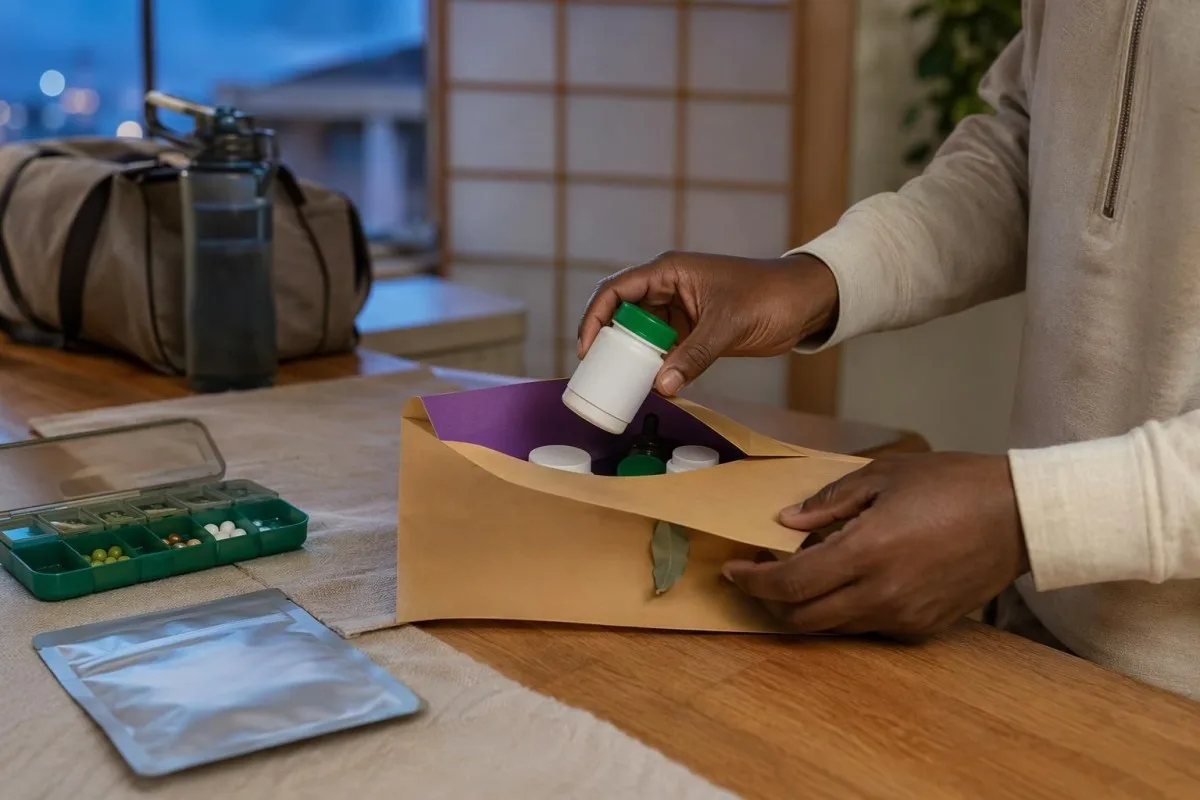
Maughan et al. (2018) warned that supplements can contain undeclared substances, particularly products marketed for muscle gain, sexual performance or rapid weight change. Keep photographs of the label, batch number, purchase source and start date; this documentation will not erase a doping violation, but it is clinically useful when symptoms or abnormal tests develop.
Stimulants can interact with ADHD medicines, decongestants, thyroid hormone and some antidepressants to increase palpitations or blood pressure. Curcumin, concentrated green-tea extracts, red yeast rice and multi-ingredient bodybuilding products have each been linked to liver injury reports, so new nausea, itching, dark urine, pale stool or jaundice means stop the non-essential product and seek care; review our guide to risky liver supplements.
People who are pregnant, breastfeeding, under 18, living with kidney or liver disease, taking anticoagulants, or managing bipolar disorder should not copy an adult athlete's stack from social media. The safer approach is one product at a time, a recorded dose, and a clinician or sports dietitian who knows the medicines involved.
A practical supplement lab monitoring schedule and stop rules
Most athletes need a baseline test and one repeat at 8–12 weeks, not constant laboratory testing. More frequent checks are sensible for prescribed iron, high-dose vitamin D, known kidney disease, hormone therapy, abnormal baseline results, or symptoms that emerge after a new product.

At baseline, record body mass, resting blood pressure, training hours, recent illness, menstrual or hormonal context, all medicines and exact product labels. At the repeat draw, use similar hydration, fasting status and exercise recovery; a ferritin result taken two days after a viral illness is not comparable with a rested pre-season result.
Stop the supplement and arrange timely review for ALT or AST more than three times the laboratory upper limit with symptoms, new bilirubin elevation, eGFR decline that persists after hydration and rest, calcium above range while taking vitamin D, or new anaemia. Potassium above 6.0 mmol/L, severe weakness, chest pain, fainting, confusion or very dark urine requires urgent assessment rather than online interpretation.
Kantesti's trend tools make side-by-side review of repeated results practical, particularly when a value changes after a new dose or a training camp. Our longitudinal lab review guide and clinical validation standards explain why a change from personal baseline can matter even inside a printed reference interval.
Research publication notes and the limits of AI guidance
No AI interpretation or article can clear a supplement as safe for every athlete; the decision still depends on symptoms, examination, medicines, event rules and verified laboratory methods. Kantesti is an AI-powered blood test analysis tool designed to organize laboratory context and follow-up questions, not to replace a sports physician, pharmacist or accredited sports dietitian.
Our medical content is reviewed against clinical sources and real-world laboratory interpretation principles. The Medical Advisory Board supports clinical oversight of this work; Dr. Thomas Klein's practical rule is simple: unexplained symptoms outrank a reassuring app result, and urgent symptoms should bypass digital tools entirely.
The following related publications are included for transparency but are not evidence that a supplement improves athletic performance: Diarrhea After Fasting, Black Specks in Stool & GI Guide 2026. (2026). Figshare. DOI. ResearchGate search. Academia.edu search.
Women's Health Guide: Ovulation, Menopause & Hormonal Symptoms. (2026). Figshare. DOI. ResearchGate search. Academia.edu search. These publications may be relevant to an athlete's wider clinical context, but supplement decisions should remain grounded in sport-specific evidence and clinician review.
Frequently Asked Questions
What are the safest supplements for athletes to start with?
Creatine monohydrate, protein powder used to meet food-based protein targets, carbohydrate products for prolonged exercise and moderate-dose caffeine have the best safety and performance evidence for many healthy adults. Start one product at a time, use the lowest effective dose, and record the brand and batch number. Creatine is usually 3–5 g/day, caffeine is usually 1–3 mg/kg, and carbohydrate during long exercise is commonly 30–60 g/hour. Athletes with kidney disease, liver disease, pregnancy, breastfeeding, medication interactions or an anti-doping obligation should get individualized advice first.
Should athletes take creatine if their creatinine is high?
A mildly elevated creatinine after starting creatine does not automatically mean kidney damage because creatine can increase creatinine generation. A repeat test after normal hydration and 24–48 hours without unusually hard exercise, plus cystatin C and urine albumin-creatinine ratio when appropriate, can separate a likely supplement effect from a kidney concern. Persistent eGFR decline, albumin in urine, swelling, high blood pressure or a creatinine rise greater than expected needs clinician review. Do not start or continue creatine without medical input if you have known chronic kidney disease.
What ferritin level should an endurance athlete have before taking iron?
Ferritin below 15 ng/mL strongly suggests depleted iron stores, while ferritin below 30 ng/mL in a symptomatic endurance athlete should prompt haemoglobin, transferrin saturation and CRP testing. There is no universal performance ferritin target for every athlete because ferritin rises with inflammation and recent hard exercise. For confirmed deficiency, clinicians often use 40–65 mg elemental iron daily or on alternate days and recheck CBC, ferritin and saturation after 6–8 weeks. Iron should not be taken indefinitely because excess iron can be harmful and can delay diagnosis of bleeding or malabsorption.
How much caffeine is safe before a race or workout?
Most athletes should begin with 1–3 mg/kg caffeine taken about 45–60 minutes before exercise, which equals 70–210 mg for a 70 kg athlete. Doses above 6 mg/kg rarely improve performance further and more often cause anxiety, tremor, reflux, palpitations or poor sleep. Avoid a late caffeine trial if sleep is already short, and be cautious when using ADHD medicines, decongestants, thyroid hormone or stimulant-containing pre-workouts. A personal training trial is safer than copying a teammate's dose.
Which blood tests should I get before taking athletic supplements?
A sensible focused baseline for athletes with fatigue, dietary restriction or a planned supplement stack includes CBC, ferritin, transferrin saturation, CRP, electrolytes, creatinine with eGFR, liver enzymes and 25-hydroxyvitamin D when bone risk or low sunlight exposure exists. Add urine albumin-creatinine ratio or cystatin C when creatine use, kidney risk or an unexplained creatinine elevation complicates interpretation. Repeat testing is usually most useful after 8–12 weeks on a stable product and stable training pattern. Results should be interpreted with recent exercise, hydration, illness and medicines documented.
Can athletes trust third-party tested supplements?
Third-party batch testing lowers the chance of contamination, but it cannot guarantee that a supplement is free of prohibited or undeclared substances. Athletes remain responsible for substances detected in their samples under strict-liability anti-doping rules. Choose products with transparent ingredient doses, retain the container and batch number, and avoid proprietary blends or rapid fat-loss and hormone-like claims. A supplement that is legal to purchase is not automatically safe, evidence-based or permitted in sport.
Should I stop taking biotin before having sports-related blood tests?
Yes—tell the laboratory and clinician about biotin, especially high-dose hair and nail products, because it can interfere with some hormone, thyroid and cardiac tests. Many labs advise stopping standard supplements for at least 48 hours, but follow the test-specific instructions you receive.
Get AI-Powered Blood Test Analysis Today
Join over 2 million users worldwide who trust Kantesti for instant, accurate lab test analysis. Upload your blood test results and receive comprehensive interpretation of 15,000+ biomarkers in seconds.
📚 Referenced Research Publications
Klein, T., Mitchell, S., & Weber, H. (2026). Diarrhea After Fasting, Black Specks in Stool & GI Guide 2026. Kantesti AI Medical Research.
Klein, T., Mitchell, S., & Weber, H. (2026). Women's Health Guide: Ovulation, Menopause & Hormonal Symptoms. Kantesti AI Medical Research.
📖 External Medical References






⚕️ Medical Disclaimer
This article is for educational purposes only and does not constitute medical advice. Always consult a qualified healthcare provider for diagnosis and treatment decisions.
E-E-A-T Trust Signals
Experience
Physician-led clinical review of lab interpretation workflows.
Expertise
Laboratory medicine focus on how biomarkers behave in clinical context.
Authoritativeness
Written by Dr. Thomas Klein with review by Dr. Sarah Mitchell and Prof. Dr. Hans Weber.
Trustworthiness
Evidence-based interpretation with clear follow-up pathways to reduce alarm.