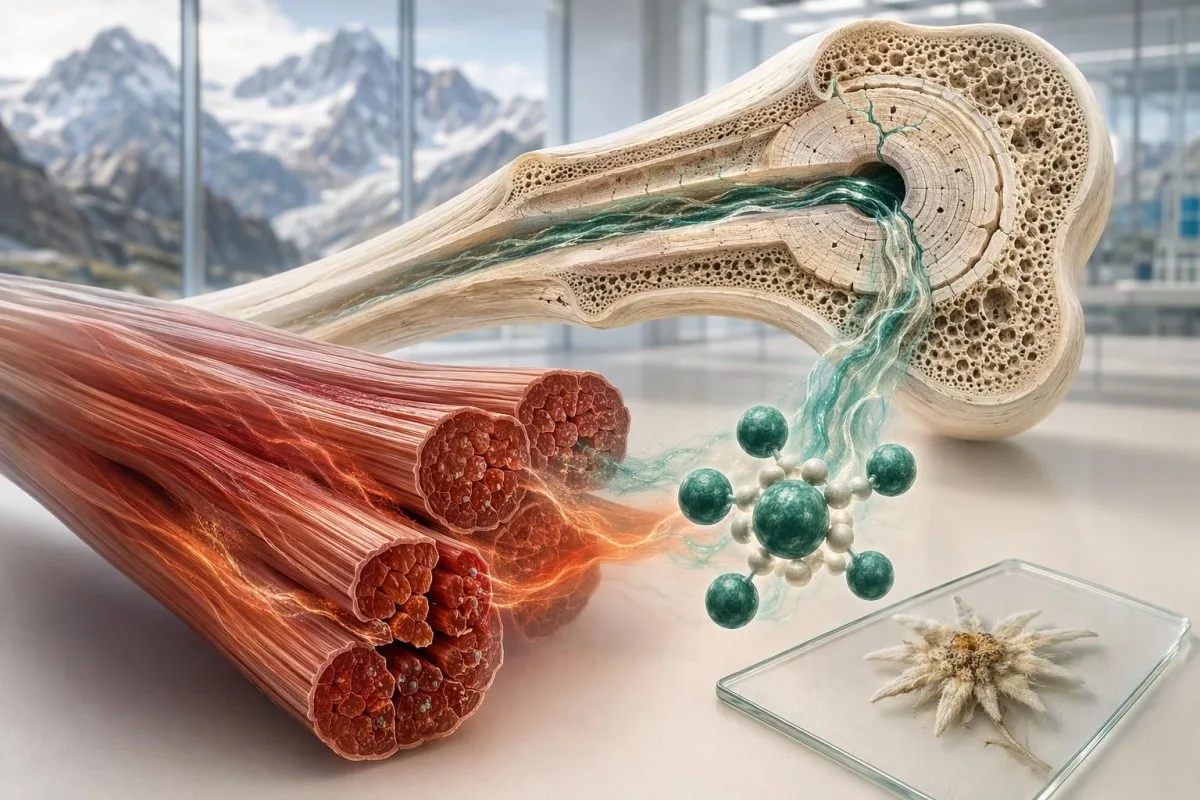
A low phosphate result is easy to miss because it often sits quietly on an electrolyte panel. The danger is that severe hypophosphatemia can affect muscles, bones, breathing and heart rhythm before a patient realises the number matters.


- Low phosphate symptoms usually appear when serum phosphate falls below about 0.65 mmol/L or 2.0 mg/dL, although frail patients may feel weak sooner.
- Severe hypophosphatemia is generally below 0.32 mmol/L or 1.0 mg/dL and can cause breathing weakness, confusion, seizures, arrhythmia or rhabdomyolysis.
- Normal adult phosphate is commonly about 0.80–1.50 mmol/L or 2.5–4.5 mg/dL, but laboratory ranges vary by age and country.
- Bone pain from low phosphate usually reflects weeks to months of deficiency, often with raised alkaline phosphatase, low vitamin D, high PTH or kidney phosphate wasting.
- Refeeding syndrome can drop phosphate within 24–72 hours after calories restart in malnourished people, especially when insulin drives phosphate into cells.
- Medication causes include phosphate binders, aluminium or magnesium antacids, some diuretics, acetazolamide, tenofovir, certain IV iron formulations and treatment of diabetic ketoacidosis.
- Alcohol use can lower phosphate through poor intake, vomiting, diarrhea, magnesium depletion and renal phosphate wasting; the pattern is often mixed rather than one clean cause.
- Repeat testing is reasonable for a mild isolated result if you feel well, but urgent care is needed for severe values or symptoms such as marked weakness, shortness of breath or chest palpitations.
What low phosphate symptoms usually mean
Low phosphate symptoms can include muscle weakness, bone pain, fatigue, tingling, poor appetite and, when severe, breathing trouble or confusion. In adults, phosphate below about 0.80 mmol/L or 2.5 mg/dL is usually low; below 0.32 mmol/L or 1.0 mg/dL can become an emergency. If the result is mildly low and you feel well, repeat testing is often safer than panic. If weakness is sudden, breathing feels hard or the value is severely low, seek urgent care.
When I review a low phosphate blood test, I first ask one plain question: is the patient ill, malnourished, drinking heavily, restarting food, or on a new medication? A healthy 35-year-old with phosphate of 0.74 mmol/L after a fasting morning draw is a very different story from a 72-year-old with 0.28 mmol/L, poor intake and breathlessness.
Kantesti is an AI blood test analyzer that reads phosphate beside calcium, magnesium, potassium, kidney function, vitamin D, alkaline phosphatase and glucose rather than treating one flagged number as the whole diagnosis. Our clinical workflow is reviewed with physician oversight through the medical advisory board, because electrolyte interpretation is one of those places where context beats a colour-coded flag.
I am Thomas Klein, MD, and in practice I have seen phosphate missed because it is not always included on a basic metabolic panel. A patient may be told that “electrolytes are fine” while phosphate was never checked; that matters in refeeding risk, alcohol withdrawal, diabetic ketoacidosis treatment and unexplained proximal weakness.
Why low phosphate can cause muscle weakness
Low phosphate causes weakness because phosphate is needed to make ATP, the energy currency used by skeletal muscle, respiratory muscle and heart muscle. Hypophosphatemia symptoms are usually mild until phosphate falls below about 0.65 mmol/L, but a rapid fall can feel worse than the absolute number suggests.
Phosphate is part of ATP, 2,3-DPG in red cells, cell membranes and intracellular signalling. Amanzadeh and Reilly described in Nature Clinical Practice Nephrology that severe hypophosphatemia can impair muscle contraction, oxygen delivery and cardiac function, particularly when phosphate is below 1.0 mg/dL or 0.32 mmol/L (Amanzadeh & Reilly, 2006).
The weakness is typically proximal: standing from a chair, climbing stairs, lifting groceries or raising the arms becomes oddly difficult. If CK is high as well, doctors start thinking about muscle injury; our separate guide to muscle weakness labs explains why CK, TSH and electrolytes are usually checked together.
One clinical trap: low phosphate can look like simple deconditioning after illness. I have seen patients discharged after pneumonia who “just could not get their legs back,” only to find phosphate, magnesium and vitamin D all low; correcting the cluster changed the rehabilitation plan within days.
How to read a low phosphate blood test
A low phosphate blood test is usually defined as serum phosphate below 0.80 mmol/L or 2.5 mg/dL in adults, though local ranges differ. The conversion is simple: mg/dL multiplied by 0.323 gives mmol/L, and mmol/L multiplied by 3.1 gives mg/dL.
Most adult laboratories report a reference interval around 0.80–1.50 mmol/L or 2.5–4.5 mg/dL. Children and teenagers often run higher because bone growth increases phosphate needs; a value that is low-normal in an adult may be low for a growing child.
Some European labs use slightly different lower limits, and fasting status can shift results modestly. If your phosphate is only 0.75 mmol/L, calcium is normal, kidney function is normal and you feel well, I usually want a repeat sample plus a medication and diet review before labelling it disease.
For a deeper range-focused discussion, see our guide to the normal phosphate range. The useful question is not “is the number red?” but “is the result persistent, severe, symptomatic or paired with another abnormality?”
When low phosphate needs urgent care
Low phosphate needs urgent care when the value is below 0.32 mmol/L or 1.0 mg/dL, or when symptoms include severe weakness, shortness of breath, confusion, seizures, fainting, chest pain or an irregular heartbeat. A moderate value can also be urgent if it is falling during refeeding or diabetic ketoacidosis treatment.
Breathing trouble is the symptom I do not like to see with low phosphate. The diaphragm and intercostal muscles need ATP just like the thigh muscles do; when phosphate is severely low, a patient may feel air-hungry even without lung disease.
Palpitations matter because phosphate rarely travels alone. Low potassium, low magnesium and acid-base shifts often coexist, which is why our irregular heartbeat lab guide puts electrolytes near the top of the urgent workup.
Emergency teams may repeat phosphate, check ECG, magnesium, potassium, calcium, kidney function, CK and blood gas depending on the story. A single low result from last week is less worrying than a same-day severe value with weakness, but if you are symptomatic, do not wait for a blog post or app interpretation.
Bone pain and low phosphate: the slower clue
Bone pain from low phosphate usually points to chronic phosphate deficiency rather than a one-off mildly low result. Long-term hypophosphatemia can impair bone mineralisation, causing osteomalacia in adults, stress fractures, waddling gait and raised alkaline phosphatase.
A useful pattern is phosphate low, alkaline phosphatase high, vitamin D low or borderline, and calcium sometimes normal. Normal calcium does not rule out phosphate-related bone disease because parathyroid hormone can defend calcium while phosphate remains depleted.
If bone pain is deep, symmetrical and worse with weight bearing, doctors often check 25-OH vitamin D, PTH, calcium, magnesium, ALP and sometimes urine phosphate. Our guide to low calcium results is helpful because calcium, PTH and phosphate often explain each other rather than acting as separate problems.
I have seen runners with shin pain blamed on training load when the biochemical pattern suggested osteomalacia risk. If ALP is raised, ALP isoenzymes can help separate bone from liver sources, especially when GGT and ALT are not telling a clean story.
Breathing trouble, heart rhythm and muscle injury
Severe hypophosphatemia can cause respiratory muscle weakness, arrhythmias, reduced heart contractility and rhabdomyolysis. These complications are uncommon with mild low phosphate, but risk rises sharply when phosphate drops below 0.32 mmol/L or 1.0 mg/dL.
Rhabdomyolysis means muscle fibres are injured enough to release CK and myoglobin. A CK result above 1,000 IU/L often triggers closer kidney monitoring, and very high values can threaten renal function; our CK blood test guide explains the thresholds clinicians use.
The heart issue is not just rhythm. Low phosphate can reduce myocardial ATP availability, and the effect may be amplified if magnesium or potassium is also low. That triple abnormality is why replacement is usually supervised rather than handled with over-the-counter supplements.
A small clinical clue: patients with severe phosphate depletion often describe weakness as “my muscles will not fire,” not ordinary tiredness. If that feeling comes with dark urine, chest symptoms or breathlessness, the safest next step is urgent assessment.
Refeeding risk after fasting, illness or weight loss
Refeeding syndrome can make phosphate fall within 24–72 hours after calories restart, especially after prolonged poor intake. Insulin moves phosphate, potassium and magnesium into cells, so the blood level can crash even when total body stores were already depleted.
Mehanna, Moledina and Travis wrote in BMJ that refeeding syndrome is preventable when high-risk patients are recognised before feeding is escalated (Mehanna et al., 2008). NICE nutrition guidance flags high risk with BMI below 16 kg/m², weight loss over 15%, little or no intake for more than 10 days, or low baseline potassium, magnesium or phosphate.
A second NICE high-risk pattern is any two of BMI below 18.5 kg/m², weight loss over 10%, little intake for more than 5 days, or a history of alcohol misuse, insulin, chemotherapy, antacids or diuretics. Our refeeding lab guide walks through the phosphate-potassium-magnesium triad in more detail.
In hospitals, very high-risk patients may start around 5–10 kcal/kg/day with thiamine and close electrolyte checks, but exact protocols vary. The home version is subtler: after a crash diet, eating disorder relapse, prolonged vomiting or GLP-1-related under-eating, restarting large carbohydrate meals can be risky if baseline phosphate is already low.
Medications that can lower phosphate
Medication-related low phosphate happens through reduced gut absorption, kidney phosphate wasting or intracellular shifts. Common culprits include phosphate binders, aluminium or magnesium antacids, acetazolamide, some diuretics, tenofovir, certain IV iron formulations and insulin during diabetic ketoacidosis treatment.
Liamis and colleagues reviewed medication-induced hypophosphatemia in QJM and highlighted that drug causes are often missed because phosphate is not always rechecked after treatment changes (Liamis et al., 2010). Ferric carboxymaltose, for example, can raise FGF23 activity and cause renal phosphate wasting in susceptible patients.
Antacids and binders work in the gut: they bind dietary phosphate so less reaches the bloodstream. This is clinically useful in high phosphate from kidney disease, but it can overshoot in a person with poor intake, diarrhea or low vitamin D; our medication monitoring timeline is built for exactly these follow-up questions.
Ask about non-prescription products. Patients often forget chewable antacids, bowel preparations, “detox” regimens and high-dose supplements because they do not feel like medicines, yet those details can explain a phosphate of 0.55 mmol/L far better than a rare endocrine diagnosis.
Alcohol use, diabetes treatment and phosphate shifts
Alcohol use and diabetes treatment are two of the commonest real-world low phosphate causes because they combine poor intake, vomiting, urinary losses and rapid intracellular shifts. In diabetic ketoacidosis, phosphate may look acceptable at first and then fall once insulin and fluids begin.
People with heavy alcohol use may have low phosphate, low magnesium, low potassium, low folate and abnormal liver enzymes at the same time. The phosphate result is not a moral judgement; it is a clue that nutrition, vomiting, diarrhea, renal losses and withdrawal physiology may all be active.
During diabetic ketoacidosis treatment, insulin drives glucose and phosphate into cells. A falling phosphate paired with improving glucose is not unusual, but replacement decisions depend on symptoms, severity and kidney function; our high glucose cutoffs guide explains why glucose context changes electrolyte risk.
Kantesti AI often flags this as a pattern rather than a single abnormality: glucose history, bicarbonate or CO2, potassium, magnesium, creatinine and phosphate trend together. A phosphate of 0.60 mmol/L after insulin treatment is interpreted differently from 0.60 mmol/L in a well outpatient on no medicines.
Kidney wasting versus gut loss
Low phosphate can come from poor intake, poor absorption, movement into cells or excessive kidney loss. Distinguishing kidney wasting from gut loss often requires urine phosphate, kidney function, PTH, vitamin D and medication review rather than serum phosphate alone.
If urine phosphate is high while serum phosphate is low, the kidneys are losing phosphate when they should be conserving it. Causes include hyperparathyroidism, Fanconi-type tubular injury, FGF23-mediated disorders, tenofovir exposure and some diuretics.
If urine phosphate is low, the body may be appropriately conserving phosphate because intake or absorption is poor. Chronic diarrhea, malabsorption, bariatric surgery, low vitamin D and phosphate-binding antacids move higher on the list; the kidney panel still matters, as shown in our renal function panel guide.
UK readers often see phosphate beside urea, creatinine, sodium and potassium in broader chemistry panels, but it is not always part of standard U&E testing. Our UK kidney results article explains why panel names differ between laboratories and countries.
The next labs doctors usually check
After a low phosphate result, doctors usually check calcium, magnesium, potassium, creatinine or eGFR, alkaline phosphatase, 25-OH vitamin D, PTH, glucose and sometimes urine phosphate. These tests tell whether the problem is nutritional, hormonal, renal, medication-related or a rapid shift into cells.
Magnesium deserves special attention because low magnesium can worsen PTH regulation and make potassium harder to correct. A normal serum magnesium does not always exclude depletion, which is why our magnesium testing guide discusses serum versus RBC magnesium in symptomatic patients.
Potassium is the partner I worry about in refeeding and DKA treatment. A potassium below 3.0 mmol/L plus phosphate below 0.50 mmol/L is a very different risk pattern from isolated mild phosphate; see our potassium range guide for symptom thresholds.
Kantesti is an AI lab test interpretation service that maps phosphate against more than 15,000 biomarkers in our biomarkers guide. In my experience, the most useful output is not a diagnosis label; it is a ranked list of “what else must be checked before this result makes sense.”
Diet, supplements and why self-treatment can backfire
Mild low phosphate can sometimes improve with better nutrition, but moderate or severe hypophosphatemia should not be self-treated without medical advice. Phosphate replacement can cause low calcium, high phosphate, diarrhea, kidney strain or calcium-phosphate deposits if the dose is wrong.
Phosphate-rich foods include dairy, eggs, fish, poultry, beans, lentils, nuts and whole grains. In a person with low intake and normal kidneys, food is often part of recovery; in advanced kidney disease, the same advice may be unsafe because phosphate can accumulate.
Oral phosphate products may provide roughly 250 mg phosphorus per tablet or sachet, but formulations vary widely by country. Hospital IV phosphate protocols often use weight-based mmol dosing with repeat calcium, potassium and kidney checks; that is not something to improvise after reading a lab flag.
Bariatric surgery, chronic diarrhea and malabsorption change the plan because phosphate deficiency may travel with vitamin D, calcium, magnesium, zinc, B12 and iron issues. Our bariatric supplement guide covers why post-surgery replacement is usually lab-guided rather than one supplement at a time.
How Kantesti interprets low phosphate in context
Kantesti interprets low phosphate by comparing severity, symptoms, trend, related minerals, kidney function, glucose shifts, medications and nutritional risk. A single phosphate result is useful, but the pattern around it is what separates repeat testing from urgent follow-up.
Kantesti is an AI-powered blood test analysis tool used by more than 2M people across 127+ countries, and our platform can read uploaded blood test PDFs or photos in about 60 seconds. For phosphate, Kantesti’s neural network checks whether calcium, ALP, magnesium, potassium, creatinine, vitamin D and glucose support the same clinical story.
If you want to try that workflow, you can upload results through the free blood test analysis page and compare the interpretation with your clinician’s advice. The point is not to replace care; it is to arrive at the appointment with the right questions, especially when the result is mild but repeated.
Our engineering team documents model testing and clinical oversight in the technology guide, and we also publish formal validation work such as the pre-registered benchmark of the Kantesti interpretation engine on synthetic test cases. As of June 27, 2026, I still tell patients the same thing: AI is strongest when it organises risk, not when it pretends certainty where medicine has grey zones.
Repeat-test checklist before your appointment
A repeat phosphate test is reasonable when the result is mildly low, you feel well, and there are no high-risk features such as malnutrition, refeeding, alcohol withdrawal, DKA treatment or severe weakness. Repeat sooner or seek urgent care if symptoms are present or the value is below 0.65 mmol/L.
Before repeating, write down fasting duration, recent vomiting or diarrhea, alcohol intake, new medicines, antacids, IV iron, insulin changes, supplements and major diet changes. Our repeat abnormal labs guide explains why timing and pre-test conditions can change the meaning of a borderline result.
Ask your clinician whether the repeat should include phosphate, calcium, magnesium, potassium, creatinine or eGFR, ALP, vitamin D and PTH. If bone pain is present, I usually want the bone-mineral pattern; if weakness is prominent, CK and thyroid testing may join the list.
In my notes as Thomas Klein, MD, the phrase I use is “low phosphate is a result, not a diagnosis.” Kantesti’s doctors review our clinical standards through medical validation, but your own clinician has the physical exam, medication chart and immediate safety responsibility.
Bottom line: mild isolated low phosphate can be a repeat-test problem, while severe or symptomatic low phosphate can be an urgent-care problem. The difference is not subtle when breathing, confusion, severe weakness, seizures, dark urine or palpitations are present.
Frequently Asked Questions
What are the first symptoms of low phosphate?
The first symptoms of low phosphate are often fatigue, muscle weakness, poor appetite, tingling or a heavy-leg feeling, especially when serum phosphate falls below about 0.65 mmol/L or 2.0 mg/dL. Many people with mild hypophosphatemia have no symptoms at all. Severe symptoms such as breathing difficulty, confusion, seizures, irregular heartbeat or profound weakness are more likely below 0.32 mmol/L or 1.0 mg/dL and need urgent medical assessment.
Can low phosphate cause bone pain?
Low phosphate can cause bone pain when the deficiency is chronic enough to impair bone mineralisation. Adults may develop osteomalacia, stress fractures, waddling gait or deep aching pain, often with raised alkaline phosphatase and abnormal vitamin D or PTH results. A one-off mildly low phosphate result is less likely to explain bone pain unless it persists or appears with other bone-mineral abnormalities.
When is a low phosphate blood test dangerous?
A low phosphate blood test is usually dangerous when phosphate is below 0.32 mmol/L or 1.0 mg/dL, or when symptoms such as shortness of breath, severe weakness, confusion, seizures, chest pain, palpitations or dark urine occur. Values between 0.32 and 0.64 mmol/L need prompt review, especially during refeeding, alcohol withdrawal or diabetic ketoacidosis treatment. Mild values around 0.65–0.79 mmol/L may be rechecked if the person is well and no high-risk features are present.
What causes low phosphate in adults?
Low phosphate causes in adults include poor intake, malabsorption, chronic diarrhea, alcohol use, refeeding syndrome, diabetic ketoacidosis treatment, respiratory alkalosis, hyperparathyroidism, kidney phosphate wasting and medication effects. Medicines that may contribute include phosphate binders, antacids, acetazolamide, diuretics, tenofovir, some IV iron products and insulin therapy. The cause is often mixed, so doctors usually check calcium, magnesium, potassium, kidney function, vitamin D, PTH and sometimes urine phosphate.
Should I take phosphate supplements for a low result?
Do not start phosphate supplements for moderate or severe low phosphate without medical advice, because replacement can cause diarrhea, low calcium, high phosphate or kidney-related complications. Mild low phosphate may improve with better nutrition if kidney function is normal and the cause is poor intake. If phosphate is below 0.65 mmol/L, symptoms are present, or you have kidney disease, refeeding risk or medication-related loss, replacement should be supervised.
How fast can phosphate drop during refeeding?
Phosphate can drop within 24–72 hours after calories restart in refeeding syndrome because insulin moves phosphate into cells. People at high risk include those with BMI below 16 kg/m², weight loss over 15%, little or no intake for more than 10 days, or low potassium, magnesium or phosphate before feeding. High-risk patients need thiamine, cautious calorie increases and close electrolyte monitoring rather than rapid unrestricted feeding.
Can anxiety or hyperventilation lower phosphate levels?
Yes. Rapid, prolonged breathing can cause respiratory alkalosis, which shifts phosphate from the bloodstream into cells and may temporarily lower the result. Seek assessment for ongoing breathlessness, marked weakness or a clearly low value, since another cause may also be present.
Get AI-Powered Blood Test Analysis Today
Join over 2 million users worldwide who trust Kantesti for instant, accurate lab test analysis. Upload your blood test results and receive comprehensive interpretation of 15,000+ biomarkers in seconds.
📚 Referenced Research Publications
Klein, T., Mitchell, S., & Weber, H. (2026). Nipah Virus Blood Test: Early Detection & Diagnosis Guide 2026. Kantesti AI Medical Research.
Klein, T., Mitchell, S., & Weber, H. (2026). B Negative Blood Type, LDH Blood Test & Reticulocyte Count Guide. Kantesti AI Medical Research.
📖 External Medical References
⚕️ Medical Disclaimer
This article is for educational purposes only and does not constitute medical advice. Always consult a qualified healthcare provider for diagnosis and treatment decisions.
E-E-A-T Trust Signals
Experience
Physician-led clinical review of lab interpretation workflows.
Expertise
Laboratory medicine focus on how biomarkers behave in clinical context.
Authoritativeness
Written by Dr. Thomas Klein with review by Dr. Sarah Mitchell and Prof. Dr. Hans Weber.
Trustworthiness
Evidence-based interpretation with clear follow-up pathways to reduce alarm.