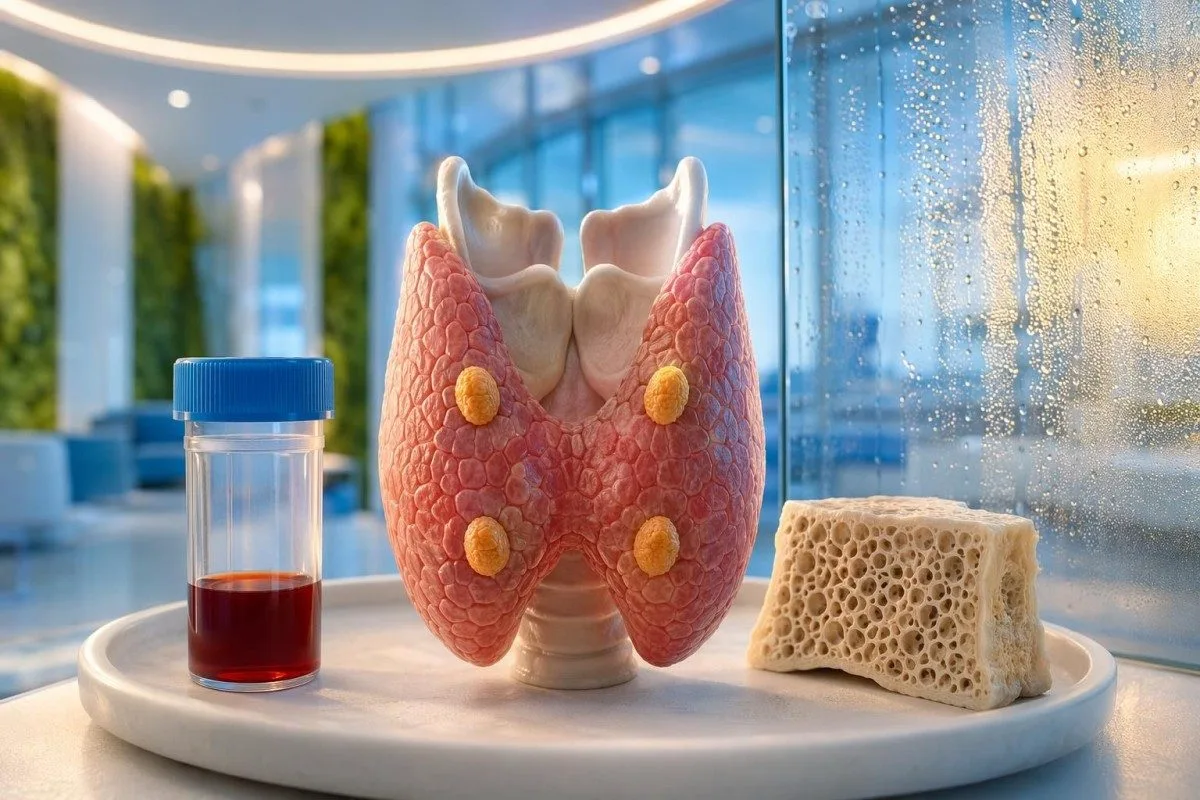
A low calcium result is often misread. The real question is whether calcium is truly low after you account for albumin, ionized calcium, magnesium, vitamin D, and PTH.


- Total calcium below 8.6 mg/dL often needs context; low albumin can make total calcium look low even when physiology is normal.
- Corrected calcium in mg/dL is measured calcium + 0.8 × (4.0 - albumin in g/dL), but this estimate is less reliable in critical illness or major pH shifts.
- Ionized calcium usually runs about 1.12-1.32 mmol/L in adults and is the best test when albumin or acid-base status is abnormal.
- Magnesium below 1.7 mg/dL can suppress PTH release and cause refractory low calcium until magnesium is replaced.
- 25-OH vitamin D below 20 ng/mL commonly drives low calcium with a compensatory high PTH pattern.
- PTH that is low or inappropriately normal when calcium is low points toward hypoparathyroidism or magnesium-related PTH failure.
- Urgent review is sensible when total calcium is below 7.5 mg/dL or ionized calcium is below 1.0 mmol/L, especially with tingling, spasm, palpitations, or confusion.
- Best next labs are albumin, ionized calcium, magnesium, phosphate, creatinine/eGFR, 25-OH vitamin D, and PTH on the same follow-up panel.
How to read a low calcium blood test before you worry
A low calcium blood test does not automatically mean true hypocalcemia. The first question is whether total calcium is low because albumin is low or whether ionized calcium—the biologically active form—is actually reduced; in my experience, that distinction changes management more than the raw number itself.
Roughly 40% of circulating calcium is bound to albumin, so a person with calcium 8.1 mg/dL and albumin 2.8 g/dL may have a normal physiologic calcium level. On Kantesti AI, we show calcium beside normal calcium ranges because the isolated lab flag is one of the commonest false alarms I see.
The traditional formula is corrected calcium = measured calcium + 0.8 × (4.0 - albumin in g/dL), or +0.02 × (40 - albumin in g/L) in SI units. As Thomas Klein, MD, I use it as a rough outpatient tool, but I trust it less when albumin is below about 2.5 g/dL, when the patient is critically ill, or when acid-base shifts are obvious.
Another trap is specimen contamination with EDTA, usually from a purple-top tube. That can falsely lower calcium and magnesium while potassium looks oddly high, so when the pattern feels off, I often repeat the sample before ordering a big workup.
Why ionized calcium sometimes matters more than corrected calcium
Respiratory alkalosis can lower ionized calcium within minutes because more calcium binds to albumin at higher pH. That is why a patient who is hyperventilating can have tingling hands or lip numbness with a normal total calcium and a low ionized calcium.
What counts as mildly low versus urgent hypocalcemia?
Adult total calcium is usually about 8.6-10.2 mg/dL, while ionized calcium is often 1.12-1.32 mmol/L. A mildly low total calcium is not automatically dangerous, but same-day review is sensible if total calcium is below 7.5 mg/dL or ionized calcium is below 1.0 mmol/L, especially with symptoms.
Symptoms follow ionized calcium more closely than total calcium. A patient with total calcium 8.0 mg/dL and normal ionized calcium may feel completely well, while someone with total calcium 8.7 mg/dL but acute alkalosis can cramp, tingle, or feel distinctly unwell.
Many labs issue a critical alert around 6.5-7.0 mg/dL for total calcium, although some European laboratories use slightly different SI cutoffs. If your report is near a red-zone value, compare it with our critical value guide and the rest of the electrolyte panel rather than treating calcium in isolation.
A blood pH rise of 0.1 can lower ionized calcium by roughly 0.05 mmol/L without changing total calcium much. That is one reason emergency clinicians often pair a quick chemistry panel with targeted testing, much like we explain in our guide to why the BMP gets ordered first.
Albumin, ionized calcium, magnesium, vitamin D, and PTH patterns
The quickest way to interpret low calcium is to read it as a pattern, not a lone number. In clinic, the five labs that usually settle the question are albumin, ionized calcium, magnesium, 25-OH vitamin D, and PTH.
If total calcium is low, albumin is low, and ionized calcium is normal, the problem is often pseudohypocalcemia rather than true calcium deficiency. In that setting I look for protein loss, liver disease, nephrotic patterns, or malnutrition, and our low albumin guide is usually more relevant than a calcium supplement.
If ionized calcium is low and magnesium is also low, magnesium may be the real bottleneck. Serum magnesium below 1.7 mg/dL can blunt PTH secretion and create end-organ resistance, so calcium often will not correct until magnesium is replaced; this is why I always check the magnesium blood test range in refractory cases.
If calcium is low, 25-OH vitamin D is below 20 ng/mL, and PTH is elevated, the pattern usually points to secondary hyperparathyroidism from vitamin D deficiency. According to Holick et al., 2011, vitamin D deficiency is defined as 25-OH vitamin D below 20 ng/mL, and in practice the vitamin D blood test is more useful here than ordering 1,25-dihydroxy vitamin D too early.
If calcium is low, phosphate is high, and PTH is low or inappropriately normal, I worry about hypoparathyroidism. That 'normal PTH' is actually abnormal in context, because PTH should rise when calcium falls; our PTH blood test guide helps patients see why a normal reference range does not always equal a normal physiologic response.
A shortcut I use in practice
Low calcium plus high PTH usually means the parathyroid glands are responding and the problem lies elsewhere—often vitamin D deficiency, chronic kidney disease, or malabsorption. Low calcium plus low or normal PTH points me back toward hypoparathyroidism, severe magnesium deficiency, or recent neck surgery much faster than generic internet lists do.
The common causes of low calcium adults actually have
The most common outpatient causes of low calcium are vitamin D deficiency, chronic kidney disease, low magnesium, and post-surgical hypoparathyroidism. Acute hospital causes such as pancreatitis, sepsis, citrate exposure from transfusion, and certain drugs matter too, but the pattern on the lab panel usually tells you which lane you are in.
Vitamin D deficiency remains common, especially in people with limited sun exposure, darker skin, obesity, malabsorption, or anticonvulsant use. According to Holick et al., 2011, 25-OH vitamin D below 20 ng/mL is deficiency, and the typical lab pattern is low-normal or low calcium, low phosphate or normal phosphate, and a compensatory high PTH; if that sounds familiar, start with our guide to a low vitamin D result.
Chronic kidney disease can lower calcium by reducing calcitriol production and raising phosphate. When eGFR falls below about 60 mL/min/1.73 m², I start paying closer attention to phosphate, PTH, and vitamin D together, which is why a renal function panel often clarifies the picture better than calcium alone.
The thing is, some of the most dramatic cases are medication-related or post-procedural. Denosumab, bisphosphonates, cinacalcet, cisplatin, and neck surgery can all produce clinically meaningful hypocalcemia, and when we review these cases on our AI blood test platform, the timeline—often 24 to 72 hours after thyroid or parathyroid surgery—matters almost as much as the number.
Symptoms that fit low calcium—and symptoms that usually do not
Low calcium most often causes tingling around the mouth, fingertip numbness, muscle cramps, twitching, hand spasm, or, in severe cases, seizures and arrhythmias. Vague fatigue alone is far less specific, which is where many people go wrong.
Perioral tingling, calf cramps, and carpopedal spasm are classic because low ionized calcium makes nerves and muscles more excitable. If weakness and cramping are the main story, I also review potassium because the overlap is real; our guide to normal potassium ranges is helpful for that comparison.
A sudden fall is usually more symptomatic than a slow one. I have seen patients after hyperventilation, recent neck surgery, or rapid citrate exposure feel distinctly worse at calcium 8.0 mg/dL than another patient who has drifted there slowly over months.
Classic bedside signs like Chvostek and Trousseau are interesting, but honestly they are less reliable than textbooks imply. If the only complaint is tiredness or brain fog, I think more broadly about iron, thyroid, sleep, B12, and mood, which is why our round-up of blood tests for fatigue often ends up being more useful than calcium alone.
Situations where a low calcium result means something different
A low calcium result can mean different things in pregnancy, endurance athletes, recent surgery, or hospital care. Context matters more than people expect, and this is one of those areas where the lab flag can mislead even careful patients.
Pregnancy often lowers total calcium because albumin falls with normal plasma-volume expansion, while ionized calcium usually stays stable. If a pregnant patient shows a borderline low total calcium, I prefer ionized calcium or a careful correction rather than assuming deficiency; our overview of prenatal blood tests gives the broader context.
I see this pattern in athletes too: tingling hands, cramping, and a 'low calcium' panic after intense exercise. Quite often the short-term issue is respiratory alkalosis from hard breathing or fluid shifts rather than chronic deficiency, so the right comparison is a recovery panel and performance context, much like we discuss in our guide to athlete lab tracking.
Older adults, bariatric patients, and people with chronic diarrhea can be trickier because low calcium may be the late clue, not the first one. By the time calcium drops, there may already be low magnesium, low vitamin D, or malabsorption in the background, which is why I ask about proton-pump inhibitors, bowel disease, and supplement tolerance before I assume anything simple.
Which follow-up labs make a low calcium result interpretable?
The follow-up labs that usually make a low calcium result interpretable are albumin, ionized calcium, magnesium, phosphate, creatinine/eGFR, 25-OH vitamin D, and PTH. If I only get one extra test, it is often ionized calcium; if I get a proper second pass, I want the whole pattern.
Albumin helps tell you whether total calcium is falsely low, magnesium tells you whether PTH can function normally, phosphate helps separate vitamin D deficiency from hypoparathyroidism or CKD, and creatinine/eGFR puts the kidneys back into the story. If kidney disease is even a mild possibility, our comparison of the renal panel versus CMP is worth a look.
Timing matters more than most people realize. Ionized calcium should be analyzed quickly from an appropriate whole-sample tube because delay and air exposure can change pH, and high-dose biotin supplements—often 5 to 10 mg daily in hair or nail products—can distort some immunoassays, including PTH in certain laboratory systems, just as assay interference complicates other tests in our biotin lab interference guide.
One practical point: do not jump to 1,25-dihydroxy vitamin D as the first screen. In ordinary vitamin D deficiency, 1,25-dihydroxy vitamin D can be normal or even high for a while because PTH pushes the conversion step, so 25-OH vitamin D is usually the correct first vitamin D test; our AI can pull that distinction into context even when the original PDF is messy.
What I like to see on the same day
PTH is best interpreted with same-day calcium, magnesium, and creatinine. A PTH of 35 pg/mL may look normal on paper, but if calcium is 7.6 mg/dL, that value is physiologically too low and should not reassure you.
Next steps that are sensible—not overreaction
The right next step depends on whether calcium is truly low and whether symptoms are present. Mild asymptomatic low total calcium with low albumin usually needs confirmation, while symptomatic low ionized calcium deserves same-day medical attention.
If total calcium is only slightly low and albumin is low as well, I usually repeat the panel before recommending treatment. Our guide to borderline blood test results is built for exactly this kind of situation, where the safest answer is often 'pause, confirm, then act.'
If ionized calcium is low and symptoms are active—hand spasm, worsening tingling, palpitations, confusion, or seizure—do not try to manage it at home. Cooper and Gittoes, 2008 emphasize that acute symptomatic hypocalcemia can require ECG monitoring and intravenous calcium in hospital, which is why I am much more cautious about symptom-heavy cases than mildly abnormal screening labs.
For outpatient replacement, most patients do better with modest, divided doses than with big boluses. Calcium carbonate is cheap but absorbs best with food and stomach acid, calcium citrate is often a better choice for people on acid-suppressing medication or after bariatric surgery, and absorption tends to plateau above about 500-600 mg elemental calcium at one time; if you want help organizing those questions, you can upload your results to our free demo at Try Free AI Blood Test Analysis.
How Kantesti AI interprets a calcium blood test pattern
Kantesti AI interprets a calcium blood test by reading calcium beside albumin, magnesium, phosphate, creatinine, vitamin D, and PTH rather than as a lone flag. That multi-marker approach is part of how we work at About Kantesti, and it is the only way I trust automated lab interpretation in this area.
In our review of more than 2 million uploaded lab histories, one-off low calcium flags are common but true high-risk hypocalcemia is much less common. Kantesti's neural network weighs the relationship between calcium and companion markers first, then adds trend history, age, medications, kidney function, and symptom context instead of overreacting to a single borderline number.
As Thomas Klein, MD, I insisted early on that our model should down-rank false alarms from low albumin and up-rank urgent patterns such as low ionized calcium with low magnesium or low calcium with inappropriately normal PTH. The clinical logic behind those rules is documented in our Medical Validation standards, because lab AI without transparent physiology is not good enough for YMYL medicine.
Our physician-reviewed edge cases go through the doctors on the Medical Advisory Board, and our platform is strongest when it can see trends instead of snapshots. A calcium that drifts from 9.4 to 8.8 to 8.2 mg/dL over a year tells me a different story than a single 8.2 mg/dL result, which is why I keep pushing patients to review their blood test history rather than chase one isolated report.
Research notes and the bottom line for patients
As of April 24, 2026, the bottom line is this: most low calcium results become explainable once you check albumin, ionized calcium, magnesium, vitamin D, and PTH together. The question is rarely 'Is calcium low?'—it is usually 'Why is it low, and is the active calcium low enough to matter right now?'
Holick et al., 2011 still anchors everyday vitamin D interpretation, but clinicians do disagree on the ideal target once deficiency is treated. For bone health, many patients do well once 25-OH vitamin D is above 30 ng/mL, though some authorities are comfortable with 20 ng/mL as sufficient in lower-risk adults; that debate matters far less than making sure the right vitamin D test was ordered in the first place.
Bilezikian et al., 2022 make a point I wish more patients heard earlier: PTH that is not elevated during hypocalcemia is not reassuring. And Cooper and Gittoes, 2008 remind us that acute symptomatic hypocalcemia is a clinical problem, not just a lab problem, because QT prolongation, spasm, and seizures track the physiologic disturbance better than a spreadsheet ever will.
So what does all this mean for you? As Thomas Klein, MD, I would not panic over a mildly low total calcium, but I also would not ignore a persistent trend, a low ionized calcium, or a pattern with low magnesium and abnormal PTH; if your result is confusing or you need a physician-reviewed interpretation pathway, you can Contact Us and our team will point you to the safest next step.
Frequently Asked Questions
What does low calcium mean on a calcium blood test?
Low calcium on a calcium blood test usually means either true hypocalcemia or a misleadingly low total calcium caused by low albumin. Adult total calcium is often 8.6-10.2 mg/dL, but ionized calcium of about 1.12-1.32 mmol/L is the better measure when albumin or pH is abnormal. The usual next labs are albumin, ionized calcium, magnesium, phosphate, PTH, 25-OH vitamin D, and creatinine/eGFR. If total calcium is below 7.5 mg/dL or symptoms such as spasm, palpitations, confusion, or seizure are present, seek same-day medical care.
Can low albumin make calcium look low when it is not?
Yes. About 40% of calcium in blood is bound to albumin, so a low albumin can lower total calcium even when ionized calcium is normal. Clinicians often estimate corrected calcium with the formula measured calcium + 0.8 × (4.0 - albumin in g/dL), but that estimate becomes less reliable in critical illness, very low albumin, or major acid-base shifts. When the result matters clinically, ionized calcium is usually the cleaner answer.
What is ionized calcium and when should I ask for it?
Ionized calcium is the free, biologically active fraction of calcium, and the adult reference range is often around 1.12-1.32 mmol/L. It is especially useful when albumin is low, pH is abnormal, symptoms are present despite a near-normal total calcium, or the corrected calcium formula seems unconvincing. I usually ask for ionized calcium after surgery, during acute illness, and when hyperventilation or alkalosis could be lowering the active calcium quickly. A low ionized value carries more clinical weight than a mildly low total calcium by itself.
Can low magnesium cause low calcium?
Yes, and this is one of the most missed patterns in routine practice. Magnesium below about 1.7 mg/dL can suppress PTH secretion and create resistance to PTH in target tissues, which means calcium may stay low until magnesium is corrected. That is why patients sometimes keep taking calcium and vitamin D with little improvement until the magnesium problem is found. When calcium is low and magnesium is also low, most clinicians treat magnesium as part of the main problem, not a side note.
Should I start calcium supplements right away after one low result?
Not always. A single mildly low total calcium result, especially with low albumin, often needs confirmation before treatment. If supplementation is appropriate, many adults absorb divided doses better than large single doses, and absorption tends to level off above about 500-600 mg elemental calcium at one time. Calcium citrate is often preferred in people taking acid-suppressing drugs or after bariatric surgery, while calcium carbonate usually works best with food.
When is low calcium an emergency?
Low calcium becomes urgent when the active calcium is low enough to affect nerves or the heart. Same-day medical evaluation is sensible when total calcium is below 7.5 mg/dL, ionized calcium is below 1.0 mmol/L, or symptoms such as carpopedal spasm, worsening tingling, palpitations, confusion, or seizure are present. Acute symptomatic hypocalcemia can prolong the QT interval and occasionally needs intravenous calcium with ECG monitoring in hospital. The combination of symptoms plus a low ionized calcium is what worries clinicians most.
Do I need to fast before a repeat calcium blood test?
A calcium test alone usually does not require fasting, but other tests ordered with it may. Follow your laboratory’s instructions and tell your clinician which supplements you take; do not stop prescribed medicines unless instructed.
How does chronic kidney disease affect a low calcium result?
Kidney disease can lower active vitamin D, raise phosphate, and alter PTH, so calcium should be interpreted alongside eGFR, phosphate, magnesium, vitamin D, and PTH. Do not self-treat with high-dose calcium; your clinician may need to tailor treatment to kidney function.
Can anxiety or fast breathing make low calcium symptoms feel worse?
Yes. Fast breathing can temporarily lower ionized calcium by changing blood pH, which may cause tingling around the mouth or fingers even if total calcium is unchanged. New weakness, fainting, chest pain, or persistent spasms need urgent medical advice.
Can low calcium happen after thyroid or parathyroid surgery?
Yes. Calcium can fall after thyroid or parathyroid surgery if the parathyroid glands are stunned, removed, or not making enough PTH. Tingling, cramps, or spasms in the first days after surgery should prompt same-day medical advice and usually a calcium check.
Get AI-Powered Blood Test Analysis Today
Join over 2 million users worldwide who trust Kantesti for instant, accurate lab test analysis. Upload your blood test results and receive comprehensive interpretation of 15,000+ biomarkers in seconds.
📚 Referenced Research Publications
Klein, T., Mitchell, S., & Weber, H. (2026). Nipah Virus Blood Test: Early Detection & Diagnosis Guide 2026. Kantesti AI Medical Research.
Klein, T., Mitchell, S., & Weber, H. (2026). B Negative Blood Type, LDH Blood Test & Reticulocyte Count Guide. Kantesti AI Medical Research.
📖 External Medical References
Bilezikian JP et al. (2022). Evaluation and Management of Hypoparathyroidism Summary Statement and Guidelines from the Second International Workshop. Journal of Bone and Mineral Research.
⚕️ Medical Disclaimer
This article is for educational purposes only and does not constitute medical advice. Always consult a qualified healthcare provider for diagnosis and treatment decisions.
E-E-A-T Trust Signals
Experience
Physician-led clinical review of lab interpretation workflows.
Expertise
Laboratory medicine focus on how biomarkers behave in clinical context.
Authoritativeness
Written by Dr. Thomas Klein with review by Dr. Sarah Mitchell and Prof. Dr. Hans Weber.
Trustworthiness
Evidence-based interpretation with clear follow-up pathways to reduce alarm.