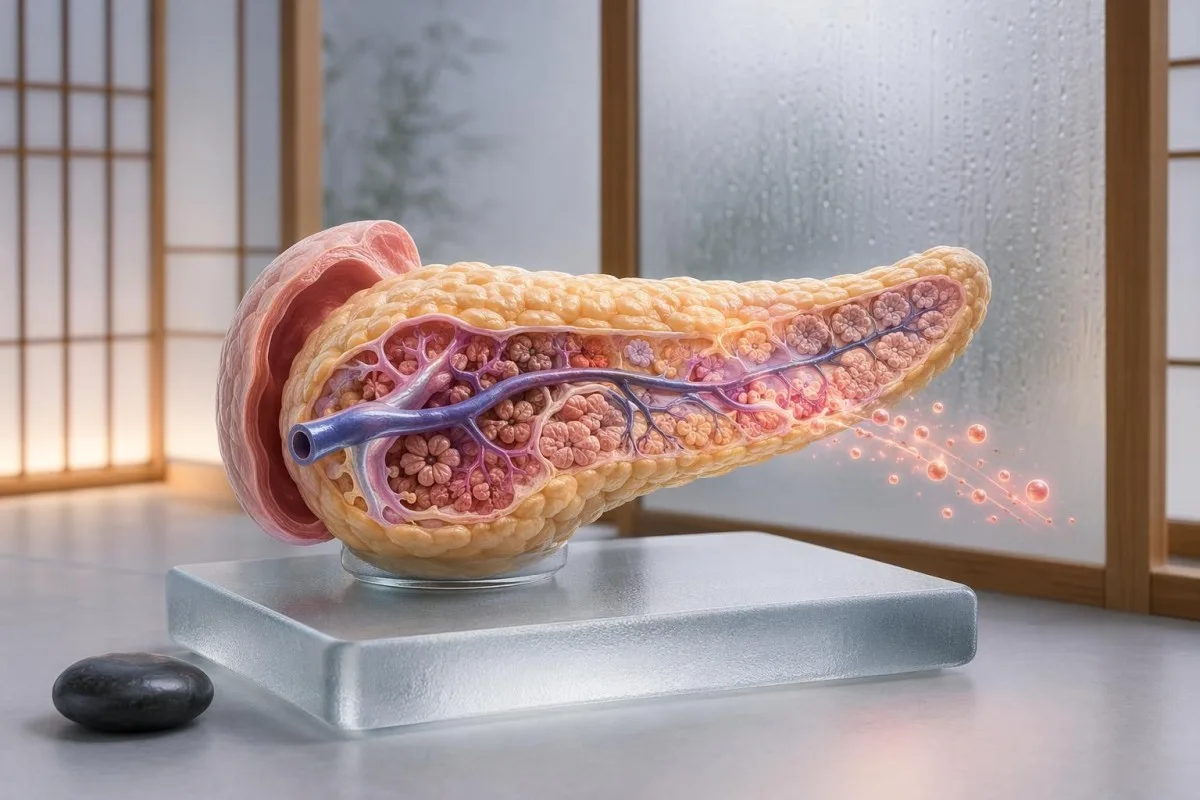
Ein erhöhtes Lipase-Ergebnis kann eine stille Laborauffälligkeit sein oder der erste Hinweis auf eine akute Pankreatitis. Der Unterschied liegt meist im Beschwerdebild, dem Ausmaß der Erhöhung und darin, was die umgebenden Laborwerte machen.



- Gefahrenschwelle: Lipase über dem 3-Fachen der oberen Laborgrenze plus typische Schmerzen im Oberbauch ist ein Warnmuster auf Pankreatitis-Niveau.
- Leichte Erhöhung: Lipase unter dem 3-Fachen der oberen Grenze ohne Schmerzen ist oft kein Notfall, sollte aber meist wiederholt oder erklärt werden.
- Typischer Bereich: Viele Laborwerte bei Erwachsenen berichten eine Lipase um 13–60 U/L, aber Referenzbereiche variieren je nach Methode und Land.
- Notfallsymptome: Starke Schmerzen im Oberbauch, wiederholtes Erbrechen, Fieber, Gelbsucht, Ohnmacht, Verwirrtheit oder ein rasender Puls erfordern eine dringende Abklärung noch am selben Tag.
- Ursachen für hohe Lipase: Pankreatitis, Gallensteine, Nierenbeeinträchtigung, Darmerkrankungen, diabetische Ketoazidose, hohe Triglyceride, Medikamente und Makrolipase können alle die Lipase erhöhen.
- Hinweis auf Pankreatitis: Eine akute Pankreatitis wird meist diagnostiziert, wenn 2 von 3 Kriterien vorliegen: typischer Schmerz, Lipase oder Amylase über dem 3-Fachen der oberen Grenze oder bildgebender Nachweis.
- Schweregrad-Hinweis: Die Lipase-Zahl selbst eignet sich nicht zuverlässig zur Einteilung der Pankreatitis-Schwere; steigendes BUN, niedriger Calciumspiegel, hoher CRP-Wert, Organspannung und der klinische Zustand sind aussagekräftiger.
- Zeitpunkt der Nachverfolgung: Eine milde isolierte Lipase wird häufig in 1–2 Wochen erneut kontrolliert, während eine bestätigte Pankreatitis anhand von Symptomen und Komplikationen behandelt wird – nicht indem man der Lipase hinterherjagt, bis sie normal ist.
Wann ist ein hoher Lipase-Wert gefährlich im Vergleich zu nur leicht abweichend?
Ja — hohe Lipase kann gefährlich sein wenn sie mehr als das 3-Fache der oberen Laborgrenze beträgt und mit starken Schmerzen im Oberbauch, Erbrechen, Fieber, Gelbsucht, Ohnmacht oder Verwirrtheit einhergeht. Eine nur leicht erhöhte Lipase ohne Schmerzen ist oft kein Notfall, verdient aber dennoch Einordnung – insbesondere die Nierenfunktion, Leberwerte, Triglyceride, Medikamente und eine erneute Testung.
Ich bin Thomas Klein, MD, und in der klinischen Beurteilung behandle ich Lipase als Mustermarker, nicht als alleinstehendes Urteil. Eine Lipase von 75 U/L in einem Labor mit einer oberen Grenze von 60 U/L erzählt eine ganz andere Geschichte als eine Lipase von 720 U/L mit quälenden epigastrischen Schmerzen, die in den Rücken ausstrahlen.
Kantesti ist ein KI-Bluttestanalysator die Lipase zusammen mit Leber-, Nieren-, Entzündungs- und Stoffwechselmarkern liest, statt eine einzelne Auffälligkeit als Diagnose zu behandeln. Wenn Sie versuchen, Amylase, Lipase und Pankreas-Panels gemeinsam zu verstehen, unser Pankreas-Bluttest-Leitfaden geht tiefer darauf ein, wie sich diese Enzyme verhalten.
Die praktische Einteilung ist diese: Lipase über dem 3-Fachen der oberen Normgrenze ist bei passenden Symptomen besorgniserregend für eine Pankreatitis, während eine isolierte Lipase unter dem 3-Fachen der oberen Normgrenze häufig durch nicht-pankreatische Ursachen verursacht wird. Ich habe Patienten gesehen, die mit einer Lipase von 90 U/L und ohne Schmerzen in die Notfallversorgung geschickt wurden; die meisten dieser Fälle brauchten eine sorgfältige erneute Kontrolle, nicht Panik.
Welcher Lipase-Wert spricht für eine Pankreatitis?
Ein Lipase-Wert über dem 3-Fachen der oberen Laborgrenze stützt eine Pankreatitis, wenn das Schmerzbild passt. Wenn ein Labor 60 U/L als obere Grenze verwendet, ist ein Ergebnis über etwa 180 U/L die übliche biochemische Schwelle, die Kliniker ernst nehmen.
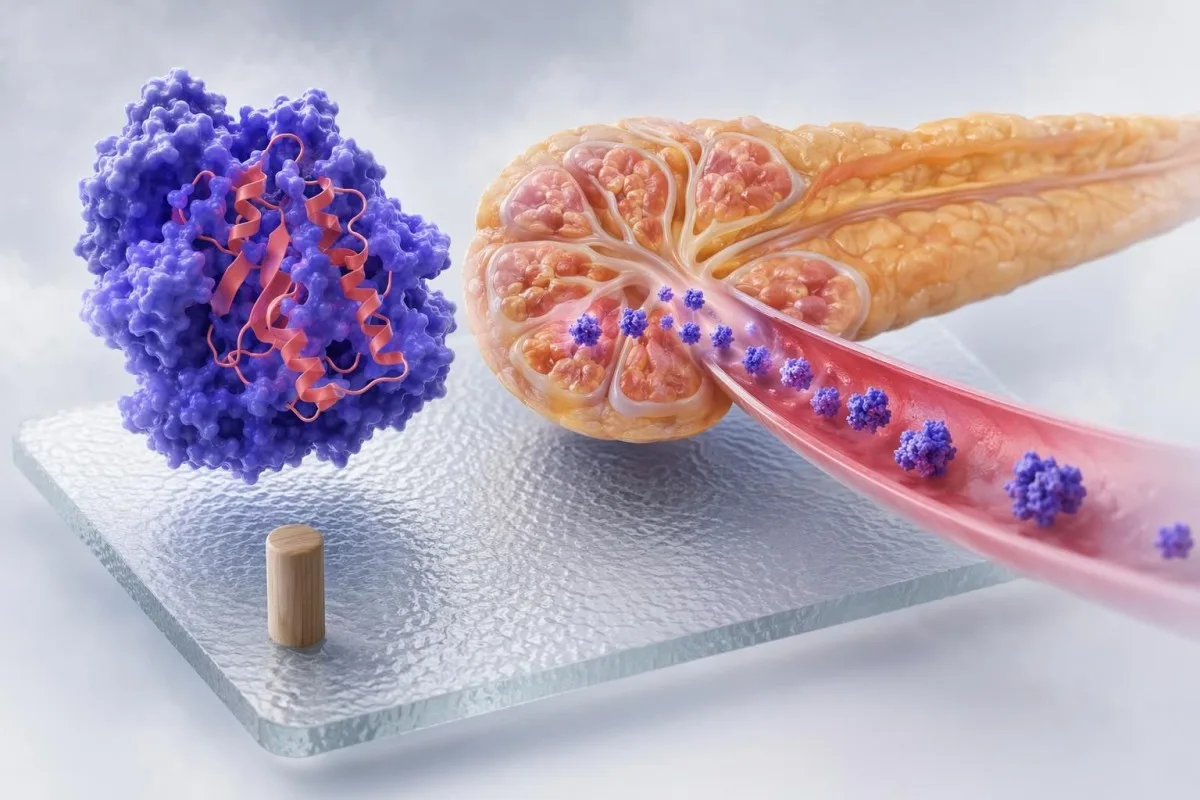
Viele Laboratorien für Erwachsene berichten ein Referenzintervall nahe 13–60 U/L, aber ich habe obere Grenzen von den 50ern bis über 140 U/L gesehen – je nach Analysator und Reagenz. Deshalb sollte der Ausdruck „hohe Lipase“ immer in Vielfachen der oberen Laborgrenze übersetzt werden und nicht allein anhand der Rohzahl beurteilt werden.
Die revidierte Atlanta-Klassifikation von 2012 besagt, dass eine akute Pankreatitis diagnostiziert wird, wenn 2 von 3 Kriterien vorliegen: charakteristische Bauchschmerzen, Amylase oder Lipase mindestens das 3-Fache der oberen Grenze oder bildgebende Befunde, die mit einer Pankreatitis vereinbar sind (Banks et al., 2013). Deshalb diagnostizieren Kliniker keine Pankreatitis anhand eines einzelnen mild abweichenden Enzyms bei einem insgesamt gut aussehenden Patienten.
Die Angst vor dem Referenzbereich ist real. Wenn Ihr Ergebnis knapp außerhalb des gedruckten Bereichs liegt, lesen Sie es mit derselben Skepsis, die wir in unserem Fallen im Normalbereichbeschreiben: ein grenzwertiges Warnsignal kann Laborstreuung, eine kürzlich durchgemachte Erkrankung, die Nieren-Clearance oder den Zeitpunkt widerspiegeln – statt einer aktiven pankreatischen Notfallsituation.
Welche Symptome bei hoher Lipase erfordern eine sofortige Abklärung?
Hohe Lipase-Symptome die einen sofortigen Behandlungsbedarf haben, sind: starke anhaltende Schmerzen im oberen Bauch, Ausstrahlung in den Rücken, wiederholtes Erbrechen, Fieber, Gelbsucht, Ohnmacht, Verwirrtheit, Atemnot oder ein Puls, der dauerhaft über 120 Schlägen pro Minute liegt. Diese Symptome sind wichtiger als eine kleine Differenz zwischen 300 und 500 U/L.
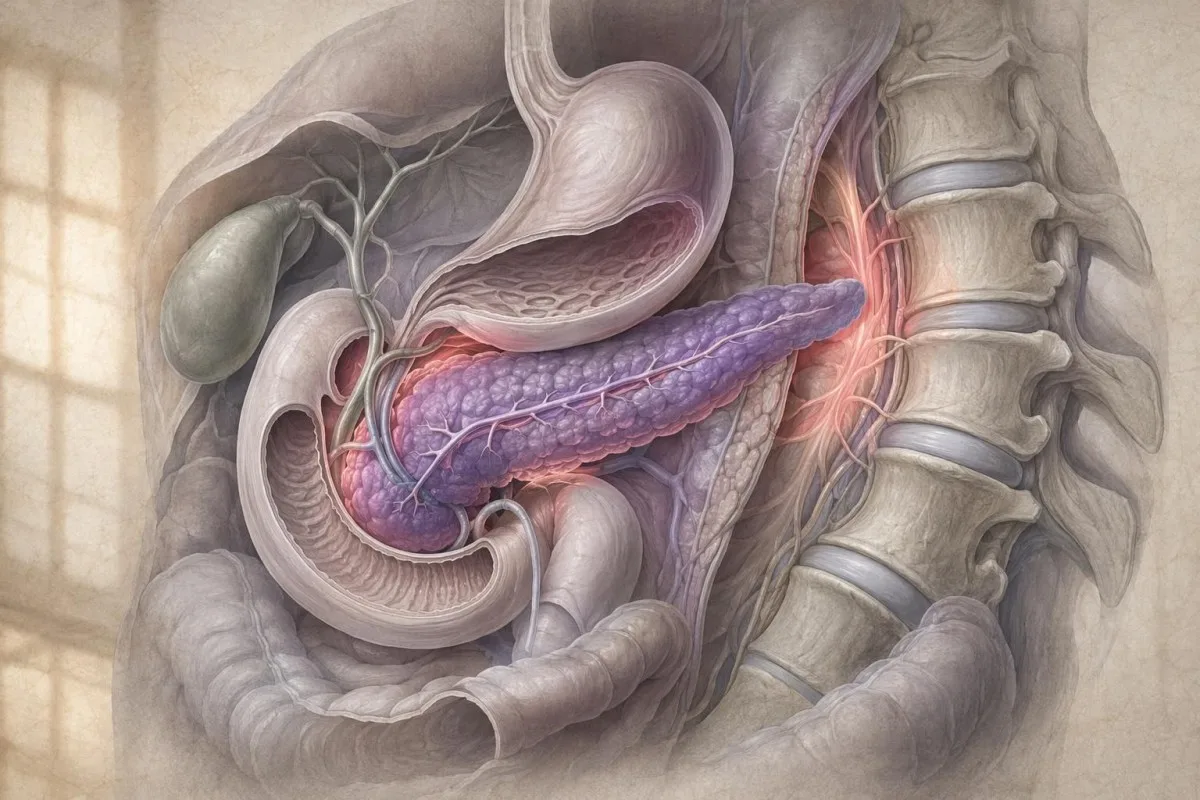
Der Schmerz bei akuter Pankreatitis ist meist tief, konstant und im Oberbauch zentriert; viele Patienten beugen sich nach vorn, weil im Liegen flach es sich schlimmer anfühlt. Nach meiner Erfahrung ist die Formulierung, die Patienten verwenden, oft nicht „Schmerz“, sondern „Druck“, „Brennen“ oder „ein Gürtel, der sich über den Oberbauch zusammenzieht“.
Rufen Sie den Notruf oder gehen Sie in eine Notaufnahme, wenn eine hohe Lipase mit niedrigem Blutdruck, blauen Lippen, neuer Verwirrtheit oder der Unfähigkeit einhergeht, Flüssigkeit länger als 6–8 Stunden bei sich zu behalten. Das sind nicht nur Warnzeichen für eine Pankreatitis; es können auch Hinweise auf mögliche Dehydratation, Sepsis, Blutungen oder eine Organbelastung sein, und unser Anleitung zu kritischen Werten erklärt, warum Symptome die gedruckte Laborwarnung übertreffen können.
Tenner et al. berichteten in der Leitlinie des American College of Gastroenterology, dass die frühe Beurteilung sich auf den hämodynamischen Status, das Risiko für Organversagen und die Ursache der Pankreatitis konzentrieren sollte – statt nur auf die Enzymhöhe (Tenner et al., 2013). Ganz einfach: Eine Lipase von 450 U/L bei einem komfortabel wirkenden Patienten kann weniger dringend sein als 210 U/L bei jemandem, der klamm ist, erbricht und hypotensiv ist.
Was kann eine erhöhte Lipase verursachen, wenn keine Pankreatitis vorliegt?
Ursachen für hohe Lipase über eine Pankreatitis hinaus umfassen: eine Nierenbeeinträchtigung, Erkrankungen der Gallenblase, einen Darmverschluss oder eine Ischämie, Zöliakie, entzündliche Darmerkrankungen, diabetische Ketoazidose, Infektionen, Medikamente und eine harmlose, an Antikörper gebundene Form namens Makrolipase. Die Bauchspeicheldrüse ist häufig, aber nicht automatisch.
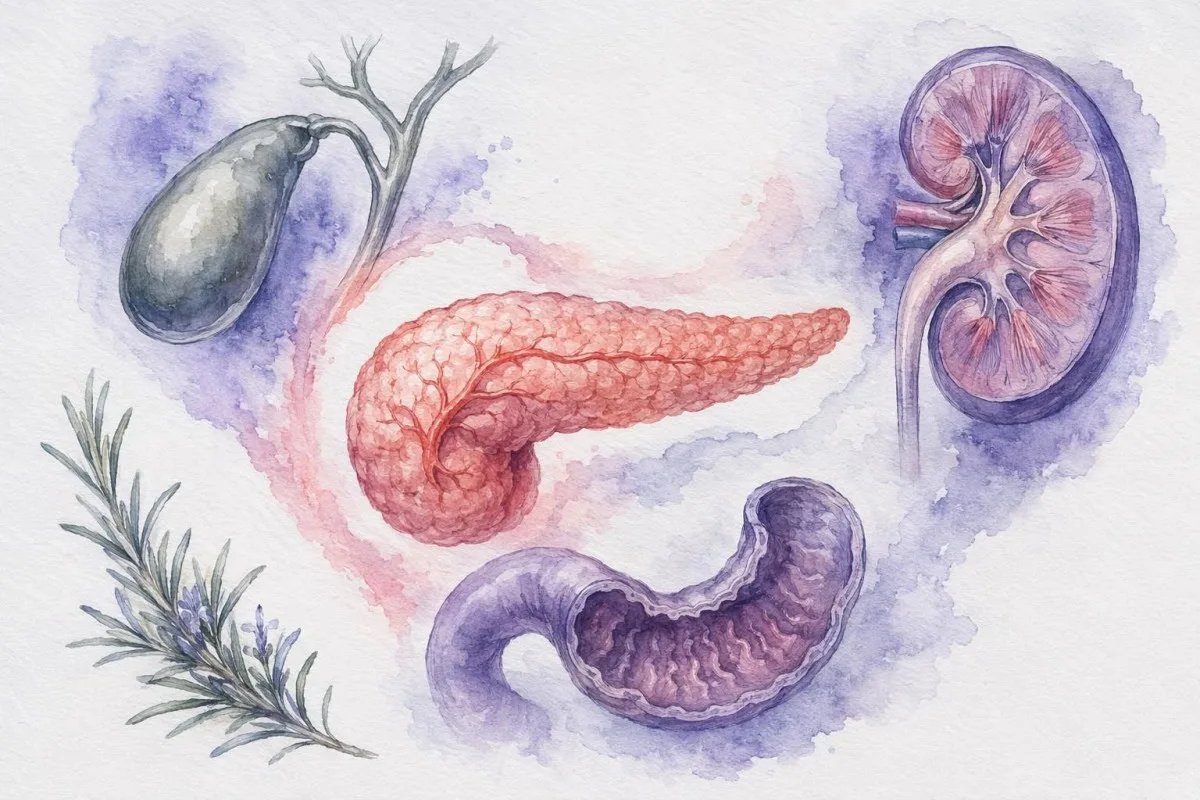
Lipase wird teilweise über die Nieren ausgeschieden, sodass eine verminderte Filtration mehr Enzym im Kreislauf belassen kann. Ein Patient mit chronischer Nierenerkrankung und eGFR 28 mL/min/1.73 m² kann eine Lipase von 90–160 U/L über Monate tragen, ohne klassische Symptome einer Pankreatitis.
Darm- und biliäre Probleme können die Lipase ebenfalls nach oben treiben, weil benachbarte Verdauungsgewebe Enzym- und Entzündungssignalwege gemeinsam nutzen. Wenn die Lipase nur mild erhöht ist zusammen mit Durchfall, Blähungen, Gewichtsverlust oder Schleim im Stuhl, denke ich breiter als nur an die Bauchspeicheldrüse und schaue oft auf die Muster, die in unserem Laboruntersuchungen zur Darmgesundheit.
Diabetische Ketoazidose ist eine klassische Falle: Die Lipase kann erhöht sein, auch ohne Pankreatitis, und Bauchschmerzen können allein durch die Azidose entstehen. Ein Glukosewert über 250 mg/dL, positive Ketone, ein niedriges Bicarbonat und eine Anionenlücke über etwa 12 mmol/L verändern die Interpretation sofort.
Welches Labor-Muster spricht für eine Pankreatitis mit hoher Lipase?
A Lipase-hohe Pankreatitis ist ein Muster: Lipase über dem 3-Fachen der oberen Normgrenze plus typische Schmerzen, oft mit erhöhtem Leukozytenwert, erhöhtem CRP, abnormen Leberenzymen, steigendem BUN, niedrigem Calcium oder hohen Triglyceriden. Die Lipase bestätigt die Freisetzung pankreatischer Enzyme; die umgebenden Laborwerte schätzen Ursache und Risiko.
Eine Leukozytenzahl über 12 x 10⁹/L kann Stress oder Entzündung widerspiegeln, während CRP über 150 mg/L nach 48 Stunden ein klassischer Marker ist, der mit einer schwereren Pankreatitis assoziiert ist. Ein ansteigendes BUN um 5 mg/dL oder mehr im Verlauf des ersten Tages ist ein weiterer Warnhinweis, weil es auf Dehydratation und ungünstigere Verläufe hindeuten kann.
ALT ist überraschend nützlich. Eine ALT über 150 IU/L während der frühen akuten Pankreatitis spricht in vielen Studien stark für eine gallensteinbedingte Ursache, weshalb wir sie zusammen mit Bilirubin, alkalischer Phosphatase und GGT lesen; unser ALT-Musterleitfaden erklärt die Leberenzym-Seite dieses Rätsels.
Kantesti KI behandelt Lipase als Verzweigungspunkt: Anstieg von Pankreasenzymen, biliäres Obstruktionsmuster, Problem der renalen Clearance, metabolischer Auslöser oder Medikamentenhinweis. Das ist näher daran, wie Ärztinnen und Ärzte am Krankenbett denken, als der vereinfachte Shortcut „hoch gleich Pankreatitis“.
Welche häufigen Auslöser lassen die Lipase schlagartig ansteigen?
Die häufigsten Auslöser für Lipase-Anstiege auf Pankreatitis-Niveau sind Gallensteine, alkoholbedingte Reizung der Bauchspeicheldrüse und sehr hohe Triglyceride. Triglyceride über 1000 mg/dL oder 11,3 mmol/L sind eine bekannte Risikozone für Pankreatitis, obwohl Anfälle auch bei anfälligen Patientinnen und Patienten niedriger auftreten können.

Gallensteine können den Ausführungsgang der Bauchspeicheldrüse kurzzeitig blockieren und eine intensive Enzymfreisetzung auslösen. Der Hinweis ist oft ein Lipase-Anstieg zusammen mit einem Anstieg von ALT, AST, Bilirubin, alkalischer Phosphatase oder GGT im selben 24- bis 48-Stunden-Zeitfenster.
Alkoholbedingte Pankreatitis entsteht normalerweise nicht durch ein einzelnes Getränk isoliert; sie spiegelt eher wiederholten Pankreasstress, fettreiche Mahlzeiten, Dehydrierung und die individuelle Anfälligkeit wider. Ich habe schon gesehen, dass eine starke Wochenendaufnahme am Montag zu einer Lipase über 600 U/L führte, aber dieselbe Zahl bei einer anderen Patientin/einem anderen Patienten von einem winzigen Gallenstein kam.
Triglyceride verdienen besondere Aufmerksamkeit, weil das Serum bei sehr hohen Werten milchig aussehen kann und Standardassays gelegentlich beeinflusst sein können. Wenn Ihre Triglyceride hoch oder grenzwertig sind, unser Triglycerid-Risikoleitfaden erklärt, warum eine nüchterne Wiederholungsmessung und die Kontrolle des Glukosestoffwechsels die Risikoberechnung verändern können.
Können Nierenerkrankungen oder Medikamente eine hohe Lipase verursachen?
Ja, Nierenerkrankungen und mehrere Medikamente können eine hohe Lipase verursachen, ohne dass eine klassische Pankreatitis vorliegt. Eine verminderte renale Clearance, eine kürzlich aufgetretene Bauchkrankheit, GLP-1-Rezeptoragonisten, DPP-4-Inhibitoren, Azathioprin, Valproat, Thiazide, Schleifendiuretika und Opioide können alle in die Differentialdiagnose einfließen.
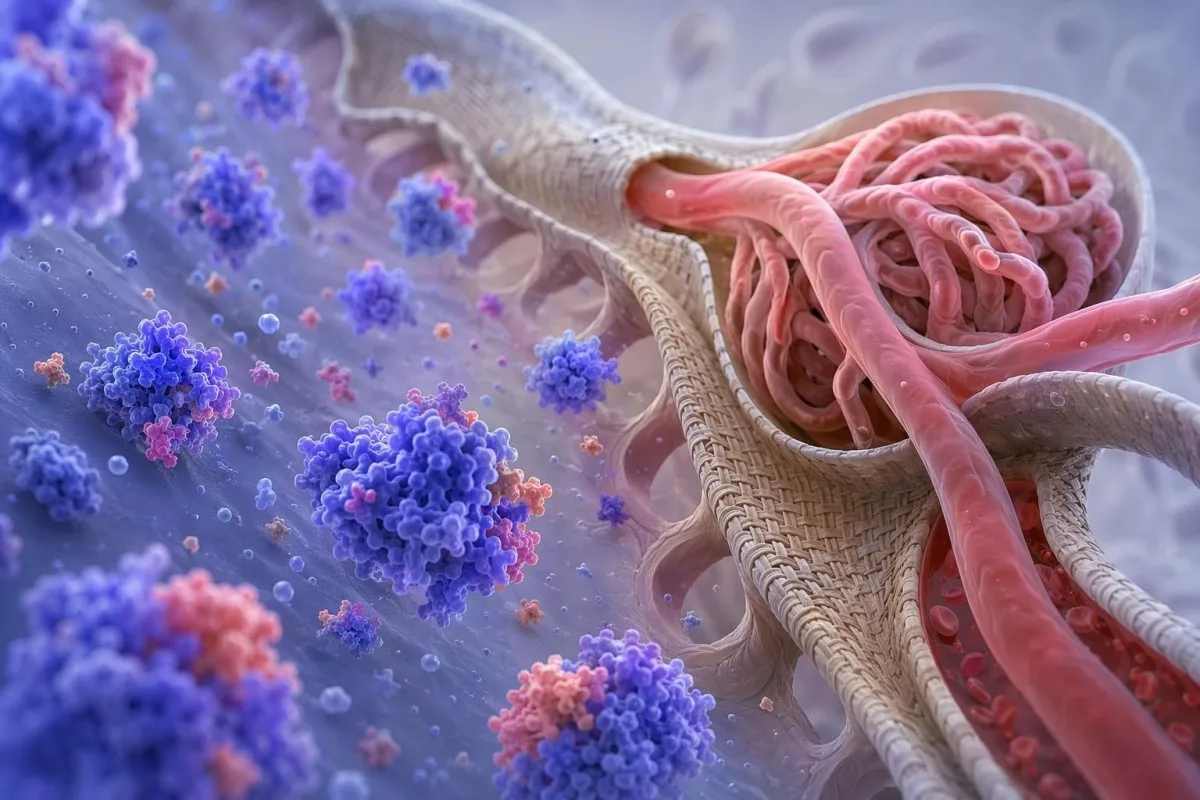
Ein Kreatininanstieg von 0,9 auf 1,6 mg/dL kann eine milde Lipaseerhöhung plausibler als ein Clearance-Problem erscheinen lassen. Deshalb lese ich niemals Lipase ohne eGFR, BUN, Hydratationsstatus und manchmal Urinbefunde; das Kreatinin-Interpretationsleitfaden ist nützlich, wenn sich die Nierenwerte gleichzeitig verschieben.
Der Zeitpunkt der Medikation ist wichtig. Wenn die Lipase zwei Wochen nach Beginn eines neuen Medikaments von 45 auf 140 U/L anstieg und Übelkeit vorliegt, aber keine Schmerzen im Oberbauch, kann die/der behandelnde Ärztin/Arzt den Test wiederholen, Amylase und Leberenzymwerte prüfen und entscheiden, ob das Medikament plausibel ist, statt es blind abzusetzen.
Kantesti ist ein KI-Labor-Befundinterpretationsservice entwickelt, um diese Kontextkollisionen zu markieren: Hohe Lipase bei niedrigem eGFR ist nicht dasselbe Muster wie hohe Lipase bei hohem ALT und Bilirubin. Diese Unterscheidung kann sowohl ein Unterreagieren als auch unnötige Panik verhindern.
Was sollten Sie tun, nachdem Sie ein erhöhtes Lipase-Ergebnis gesehen haben?
Der nächste Schritt hängt von den Symptomen und den mehreren oben über der Laborobergrenze ab. Schwere Symptome plus Lipase über dem 3-Fachen der Obergrenze bedeutet eine dringende Beurteilung, während eine milde isolierte Lipase oft bedeutet, den Kontext zu prüfen, den Test zu wiederholen und die Medikation zu überprüfen.
Wenn Sie starke Bauchschmerzen haben, warten Sie nicht einfach auf einen Routine-Termin, nur weil das Ergebnis nachts über ein Portal hereinkam. Ein Ergebnis von 220 U/L kann ein Notfallniveau sein, wenn die Obergrenze 60 U/L beträgt und die Symptome passen.
Wenn Sie sich gut fühlen und das Ergebnis 65–100 U/L beträgt bei einer Obergrenze von 60 U/L, möchte ich normalerweise die Geschichte wissen: kürzliche Gastroenteritis, intensives Training, Nierenfunktion, Diabeteskontrolle, Alkohol, neue Medikamente und ob das Labor wiederholt wurde. Unser Artikel dazu, wann Leitfaden zu wiederholt auffälligen Laborwerten erklärt, warum ein zu frühes Nachtesten mehr Lärm als Klarheit erzeugen kann.
Ein sinnvoller Wiederholungs-Panel umfasst häufig Lipase, Amylase, CBC, CMP, Bilirubin, ALT, AST, alkalische Phosphatase, GGT, Triglyceride, Glukose, Calcium, Kreatinin und manchmal CRP. Diese Liste ist länger als viele Patientinnen und Patienten erwarten, aber so vermeiden wir, dass ein einzelnes Enzym zu einer falschen Diagnose wird.
Wie lange bleibt die Lipase nach einer Pankreatitis erhöht?
Die Lipase steigt normalerweise innerhalb von 4–8 Stunden, erreicht ihren Höhepunkt etwa nach 24 Stunden und kann für 8–14 Tage nach einer akuten Pankreatitis erhöht bleiben. Eine fallende Lipase bedeutet nicht immer eine Erholung, und eine weiterhin hohe Lipase bedeutet nicht immer eine Verschlechterung.
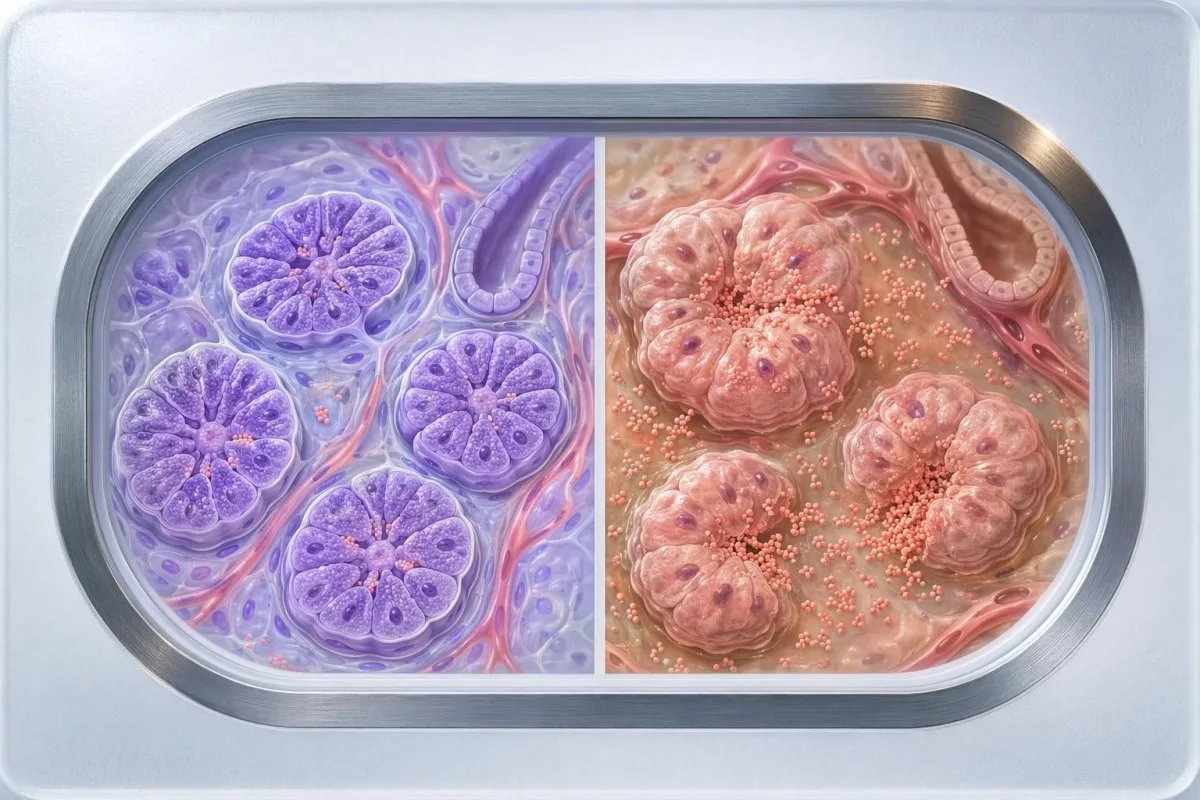
Das überrascht Patientinnen und Patienten. Jemand kann sich 70% besser fühlen, während die Lipase bei 300 U/L bleibt, weil die Enzym-Clearance dem klinischen Verlauf hinterherhinkt; Krankenhaus-Teams orientieren sich in der Regel stärker an Schmerzen, Fieber, Flüssigkeitszufuhr, Kostverträglichkeit, Sauerstoffsättigung, Nierenfunktion und Komplikationen als an der täglichen Lipase.
Bei milden, isolierten Erhöhungen ist eine Wiederholung in 1–2 Wochen oft hilfreicher als am nächsten Morgen, sofern sich die Symptome nicht ändern. Wenn sich der Wert normalisiert, suche ich nach einem vorübergehenden Auslöser; wenn es anhält, denke ich an Nieren-Clearance, Medikamente, Darmerkrankungen, Makrolipase oder Bildgebung.
Kantesti AI kann die Lipasewerte über verschiedene Besuche hinweg vergleichen und zeigen, ob ein Wert ein Peak, ein Plateau oder ein langsames Abdriften ist. Für Patientinnen und Patienten, die Screenshots von verschiedenen Laboren aufbewahren, unsere das Lesen von Trendgrafiken hilft dabei, echte biologische Veränderungen von unterschiedlichen Referenzbereichen zu trennen.
Wer braucht bei erhöhter Lipase besondere Vorsicht?
Schwangere, Kinder, ältere Erwachsene, immunsupprimierte Patientinnen und Patienten sowie Menschen mit Nierenerkrankungen oder Diabetes benötigen bei erhöhter Lipase besondere Vorsicht. Diese Gruppen können weniger typische Schmerzen haben, schneller dehydrieren oder engere Sicherheitsmargen aufweisen.

In der Schwangerschaft ist Oberbauchschmerz mit Erbrechen leicht als Reflux oder Lebensmittelvergiftung fehlzuordnen, aber Gallensteine und hohe Triglyceride können eine Pankreatitis auslösen. Eine Beurteilung am selben Tag ist sinnvoll, wenn der Schmerz stark ist, Fieber vorliegt, Gelbsucht besteht, Dehydratation vorliegt oder die Leberwerte abnormal sind; unser Schwangerschafts-Labor-Red-Flags deckt benachbarte dringliche Muster ab.
Kinder können eine Pankreatitis durch eine virale Erkrankung, ein Trauma, Medikamente, angeborene Gangprobleme oder metabolische Störungen bekommen. Die Lipase-Bereiche und -Schwellenwerte im Kindesalter variieren je nach Alter und Labor, daher wende ich erwachsene Grenzwerte nicht starr auf Säuglinge oder Kleinkinder an.
Ältere Menschen treten manchmal still in Erscheinung: schlechter Appetit, Schwäche, Verwirrtheit oder ein Sturz statt der typischen Lehrbuchschmerzen. Die NICE-Leitlinie zur Pankreatitis betont die frühe Erkennung und eine angemessene Bildgebung oder fachärztliche Beurteilung, wenn Symptome und Enzymwerte auf die Diagnose hindeuten (NICE, 2018).
Wann ist bei hoher Lipase eine Bildgebung nötig?
Ein hoher Lipasewert erfordert eine Bildgebung, wenn die Diagnose unklar ist, die Symptome stark sind, Gallensteine vermutet werden, ein Ikterus vorliegt oder der Patient sich innerhalb von 48–72 Stunden. Ultraschall ist häufig die erste Untersuchung bei Gallensteinen; ein CT wird nicht immer am ersten Tag benötigt.
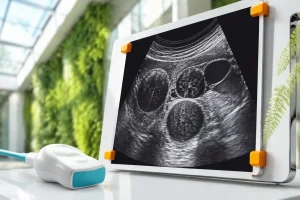
Ein abdominaler Ultraschall kann Gallensteine, eine Erweiterung der Gallengänge und einige Schwellungen der Bauchspeicheldrüse erkennen, aber Darmgas verdeckt die Bauchspeicheldrüse oft. Ein unauffälliger Ultraschall schließt eine Pankreatitis nicht vollständig aus, ebenso wenig eine Mikrolithiasis oder eine frühe biliäre Obstruktion.
Kontrastmittel-CT ist am nützlichsten, wenn die Diagnose unklar ist, der Patient sich verschlechtert oder Komplikationen nach den ersten 48–72 Stunden vermutet werden. Ein CT zu früh anzuordnen kann sich entwickelnde Gewebeveränderungen übersehen und den Patienten dem Kontrastmittelrisiko aussetzen, ohne die Behandlung zu ändern.
Wenn Ihre Lipase erhöht ist, die Bildgebung jedoch normal, hängt der nächste Schritt vom gesamten Muster ab – nicht von der Verlegenheit, dass der Scan nicht alles erklärt hat. Ein Bluttest-Zweitmeinung kann helfen, wenn Symptome, Enzymwert und Bildgebung so wirken, als würden sie nicht übereinstimmen.
Was sollten Sie nach einem erhöhten Lipase-Ergebnis vermeiden?
Vermeiden Sie nach einem erhöhten Lipase-Ergebnis Alkohol, sehr fettreiche Mahlzeiten, Dehydrierung und das eigenständige Absetzen verordneter Medikamente ohne klinischen Rat. Wenn starke Schmerzen oder Erbrechen vorliegen, sind Essens-Experimente und Internet-Entgiftungspläne der falsche Weg.

Wenn eine Pankreatitis vermutet wird, empfehlen viele Ärztinnen und Ärzte zunächst eine Darmpause oder einen vorsichtigen Ernährungsplan – je nach Schweregrad, Übelkeit und Hydrierung. Bei milden Fällen, die sich schnell bessern, kann eine frühe, fettarme orale Zufuhr verwendet werden; bei schwerem Erbrechen stehen zunächst Flüssigkeit und eine stationäre Überwachung im Vordergrund.
Gehen Sie nicht davon aus, dass Nahrungsergänzungsmittel harmlos sind. Hoch dosiertes Vitamin D mit Hyperkalzämie, bestimmte pflanzliche Produkte und mehrere Wirkstoffe zur Gewichtsreduktion können Bauchbeschwerden oder Leberwerte verkomplizieren; listen Sie alles auf, was Sie einnehmen, einschließlich Injektionen und frei verkäuflicher Produkte.
Medikamentenwirkungen sind differenziert zu betrachten. GLP-1-Rezeptoragonisten und DPP-4-Hemmer wurden in Sicherheitsübersichten zur Pankreatitis diskutiert, aber Bauchschmerzen plus Lipase sollten individuell überprüft werden, statt automatisch darauf geschoben zu werden; unser Medikamenten-Überwachungsleitfaden bietet einen sichereren Ansatz, um die zeitliche Einordnung zu denken.
Wie Kantesti die Lipase im klinischen Kontext liest
Kantesti ist ein KI-Biomarker-Interpretationsplattform interpretiert die Lipase, indem es den Enzymwert, den Referenzbereich, Hinweise aus den Symptomen, nahe Biomarker, den Kontext der Medikation und frühere Trends kombiniert. Das ist wichtig, weil Lipase ein Hinweis für die Triage ist, nicht allein eine Diagnose.
Unser neuronales Netzwerk liest hochgeladene PDFs und Fotos in etwa 60 Sekunden und ordnet die Lipase anhand von Markern wie Amylase, ALT, Bilirubin, Kreatinin, BUN, Kalzium, Triglyceriden, Glukose, WBC und CRP ein. Die Funktionsweise wird in unserem Technologie-Guide, beschrieben, einschließlich wie die strukturierte Extraktion von Biomarkern sich von generischer Textzusammenfassung unterscheidet.
Die Plattform wurde von mehr als 2M Menschen in 127+ Ländern und 75+ Sprachen genutzt, was uns einen praktischen Blick darauf gibt, wie sich Referenzintervalle zwischen Laboren unterscheiden. Unser Prozess der klinischen Validierung erläutert die medizinische Aufsicht, das Benchmarking und die Sicherheitsgrenzen hinter den Interpretationen.
Kantesti-Ausgabe ist kein Ersatz für die Notfallversorgung. Wenn Sie ein Lipase-Ergebnis haben und vor einem routinemäßigen Termin eine strukturierte Erklärung möchten, können Sie ein Lipase-Ergebnis; hochladen; zum Unternehmens-Management und zum Datenschutzkontext siehe unsere Kantesti-Hintergrund.
Forschungsgrundlage, klinische Übersicht und Fazit
Stand vom 11. Juni 2026 ist die sicherste Antwort diese: Ein hoher Lipasewert ist gefährlich, wenn das klinische Bild auf eine Pankreatitis oder eine andere akute Bauchkrankheit hindeutet, aber eine milde, isolierte Erhöhung ist oft ein Folgeproblem und keine Notfallsituation. Ich, Thomas Klein, MD, würde lieber einen besorgten Patienten früh sehen als einen dehydrierten Patienten spät.
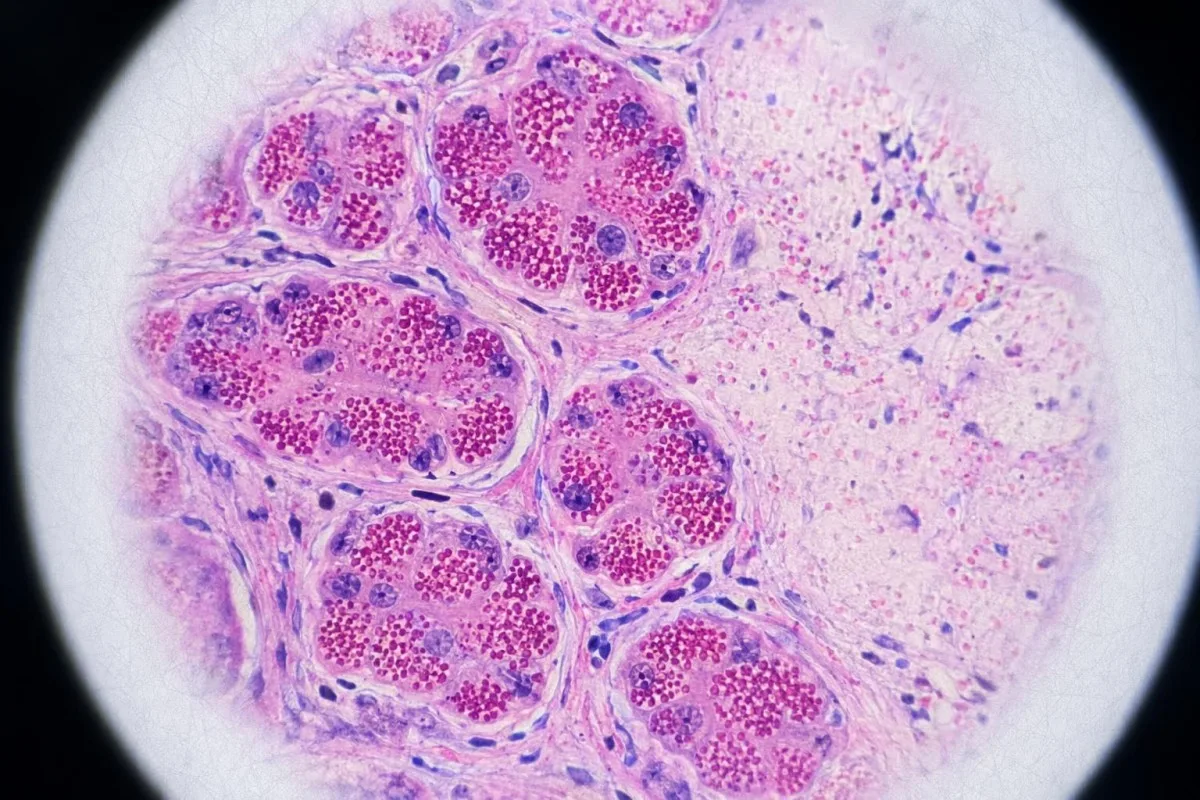
Dieser Artikel wurde nach den Prinzipien der ärztlichen Überprüfung verfasst, die in der Triage im Bereitschaftsdienst, in der Nachsorge in der Hausarztpraxis und bei der Interpretation von Laborbefunden angewendet werden. Unsere medizinischen Beirat Überprüfungen ordnen die Sicherheit für patientenorientierte Inhalte ein, insbesondere dort, wo eine Laborauffälligkeit entweder eine geringfügige Feststellung oder einen Notfall darstellen kann.
Kantesti LTD. (2026). Mehrsprachige KI-gestützte klinische Entscheidungsunterstützung für die frühe Hantavirus-Triage: Design, Engineering-Validierung und Einsatz in der realen Welt über 50.000 interpretierte Bluttestberichte. Figshare. DOI: eingesetzte Triage-Forschung.
Kantesti LTD. (2026). Eine vorregistrierte, rubrikbasierte automatisierte technische Benchmark der Kantesti-Bluttest-Interpretations-Engine anhand von 100.000 synthetischen Testfällen. Figshare. DOI: technisches Benchmark-Paper. Die externe klinische Interpretation in diesem Artikel folgt außerdem den von Banks et al. (2013), Tenner et al. (2013) und NICE (2018) beschriebenen diagnostischen Prinzipien bei Pankreatitis.
Häufig gestellte Fragen
Ist ein hoher Lipasewert gefährlich, wenn ich keine Schmerzen habe?
Eine erhöhte Lipase ohne Schmerzen ist weniger wahrscheinlich ein Notfall, insbesondere wenn sie weniger als das 3-Fache des oberen Laborreferenzwerts beträgt. Viele milde Erhöhungen im Bereich von 1–2-fach des oberen Grenzwerts entstehen durch eine renale Clearance, eine kürzlich durchgemachte Mageninfektion, Medikamente oder Laborstreuung. Sie sollten es dennoch mit einer Ärztin oder einem Arzt besprechen, wenn es fortbesteht, ansteigt oder zusammen mit einem abnormen Kreatinin, Leberenzymen, Triglyceriden, Glukose oder Calcium auftritt.
Was bedeutet ein Lipasewert für eine Pankreatitis?
Ein Lipasewert, der das Dreifache der oberen Normgrenze übersteigt, unterstützt eine Pankreatitis, wenn typische Oberbauchschmerzen oder bildgebende Befunde vorliegen. Wenn die Labor-obergrenze 60 U/l beträgt, erfüllt ein Ergebnis von etwa über 180 U/l die Enzymkriterien. Eine Pankreatitis wird nicht allein anhand der Lipase diagnostiziert; Ärztinnen und Ärzte benötigen üblicherweise 2 von 3 Befunden: typische Schmerzen, eine Enzymerhöhung oder einen bildgebenden Nachweis.
Kann Lipase aufgrund von Nierenproblemen erhöht sein?
Ja, eine Nierenfunktionsstörung kann die Lipase erhöhen, weil das Enzym teilweise über die Nieren ausgeschieden wird. Eine Person mit niedrigem eGFR oder ansteigendem Kreatinin kann Lipasewerte haben, die 1–3-mal über der oberen Normgrenze liegen, ohne dass eine Pankreasentzündung vorliegt. Die Kombination aus hoher Lipase plus abnormem Kreatinin sollte anders interpretiert werden als hohe Lipase plus starke Schmerzen im oberen Abdomen und Erbrechen.
Wie lange bleibt die Lipase nach einer Pankreatitis erhöht?
Die Lipase steigt häufig innerhalb von 4–8 Stunden bei einer akuten Pankreatitis an, erreicht ihren Höhepunkt etwa nach 24 Stunden und kann für 8–14 Tage erhöht bleiben. Ein Lipase-Wert kann auch dann hoch bleiben, wenn die Schmerzen sich bessern, sodass Ärztinnen und Ärzte in der Regel die Symptome, die Flüssigkeitszufuhr, die Nierenfunktion, Fieber, den Sauerstoffgehalt und Komplikationen verfolgen, statt darauf zu warten, dass sich die Lipase normalisiert. Eine tägliche Wiederholung der Lipase ist selten sinnvoll, sobald die Diagnose eindeutig ist.
Was sind die häufigsten Ursachen für einen erhöhten Lipasewert?
Zu den häufigsten Ursachen für eine erhöhte Lipase zählen eine akute Pankreatitis, Gallensteine, durch Alkohol bedingte Reizungen der Bauchspeicheldrüse, hohe Triglyceride, eine Nierenfunktionsstörung, Darmerkrankungen, diabetische Ketoazidose und medikamentenbedingte Effekte. Triglyceridwerte über 1000 mg/dL bzw. 11,3 mmol/L gelten als ein anerkanntes Risikobereich für eine Pankreatitis. Ein gutes Kontroll-Panel prüft häufig Amylase, Leberenzyme, Bilirubin, Kreatinin, Glukose, Calcium, Triglyceride, CBC und CRP.
Sollte ich wegen eines hohen Lipasewerts in die Notaufnahme gehen?
Gehen Sie in die Notaufnahme bei einem erhöhten Lipase-Wert, wenn Sie unter starken, anhaltenden Schmerzen im Oberbauch, wiederholtem Erbrechen, Fieber, Gelbsucht, Ohnmacht, Verwirrtheit, Atemnot oder einem rasenden Puls leiden. Eine Lipase über dem 3-Fachen der oberen Normgrenze mit typischen Schmerzen ist ein Warnmuster für eine Pankreatitis, das eine dringende Abklärung erfordert. Wenn Sie sich gut fühlen und der Wert nur leicht erhöht ist, wenden Sie sich an Ihre Ärztin/Ihren Arzt, um eine erneute Testung und den Kontext zu klären, statt automatisch die Notaufnahme aufzusuchen.
Do I need to fast before a repeat lipase blood test?
Die Lipase-Untersuchung selbst erfordert normalerweise kein Fasten, befolgen Sie daher die Anweisungen des Labors. Wenn Ihr Arzt auch Triglyceride überprüft, fragen Sie, ob eine 8- bis 12-stündige Fastenzeit erforderlich ist, da kürzliche Mahlzeiten dieses Ergebnis beeinflussen können.
Sollte ich nach einer Pankreatitis nach einem Gentest fragen?
Eine genetische Abklärung kann sinnvoll sein nach wiederkehrender ungeklärter Pankreatitis, einer Pankreatitis in jungen Jahren oder bei einer engen familiären Vorgeschichte. Ein Gastroenterologe kann entscheiden, ob eine Beratung oder ein Test helfen könnte, das Risiko und die Möglichkeiten zur Prävention zu klären.
Hol dir heute eine KI-gestützte Bluttest-Analyse
Schließe dich über 2 Millionen Nutzern weltweit an, die Kantesti für sofortige, genaue Laboranalysen vertrauen. Lade deine Blutwerte Ergebnisse hoch und erhalte in Sekunden eine umfassende Interpretation von 15,000+-Biomarkern.
📚 Referenzierte Forschungsveröffentlichungen
Klein, T., Mitchell, S., & Weber, H. (2026). Mehrsprachige KI-gestützte klinische Entscheidungsunterstützung für die Früherkennung von Hantavirus-Triage: Design, technische Validierung und reale Implementierung bei 50.000 interpretierten Bluttestergebnissen. Kantesti KI-Medizinische Forschung.
Klein, T., Mitchell, S., & Weber, H. (2026). Eine vorregistrierte, rubrikbasierte automatisierte technische Benchmark der Kantesti-Bluttest-Interpretations-Engine anhand von 100.000 synthetischen Testfällen. Kantesti KI-Medizinische Forschung.
📖 Externe medizinische Referenzen
Nationales Institut für Gesundheit und Pflegeexzellenz (2018). Pankreatitis: Diagnose und Management. NICE-Leitlinie NG104. NICE-Leitlinie.




⚕️ Medizinischer Haftungsausschluss
Dieser Artikel dient nur zu Bildungszwecken und stellt keine medizinische Beratung dar. Wende dich für Diagnose- und Behandlungsentscheidungen immer an eine qualifizierte medizinische Fachkraft.
E-E-A-T Vertrauenssignale
Erfahrung
Ärztlich geleitete klinische Überprüfung von Labor-Interpretations-Workflows.
Sachverstand
Fokus der Labormedizin darauf, wie Biomarker sich im klinischen Kontext verhalten.
Autorität
Verfasst von Dr. Thomas Klein, überprüft von Dr. Sarah Mitchell und Prof. Dr. Hans Weber.
Vertrauenswürdigkeit
Evidenzbasierte Interpretation mit klaren nächsten Schritten zur Reduzierung von Alarm.