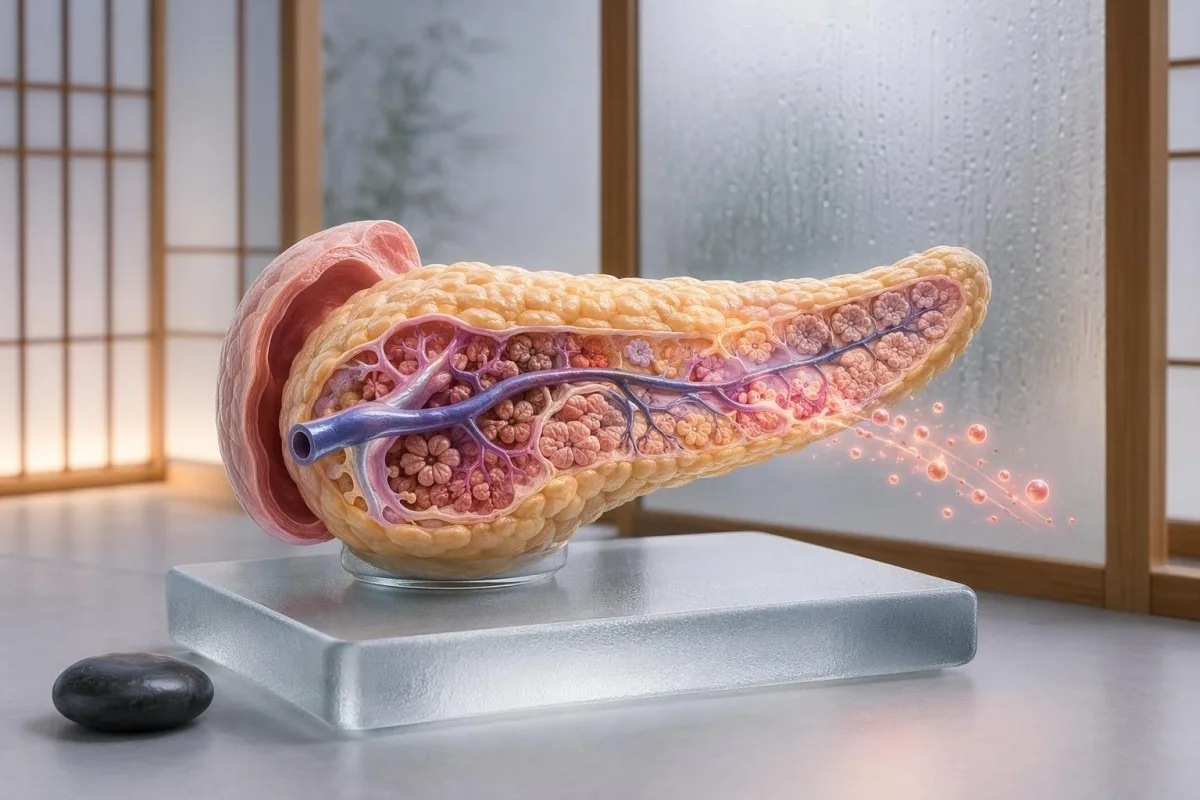
يۇقىرى لىپاز نەتىجىسى بەزىدە جىمجىت تەجرىبىخانا غەلىتە ئەھۋالى بولۇشى مۇمكىن ياكى ئۆتكۈر ئاشقازان ئاستى بېزى ياللۇغىنىڭ تۇنجى سىگنالى بولۇشى مۇمكىن. پەرق ئادەتتە كېسەللىك ئالامەتلىرىنىڭ ئەندىزىسى، كۆتۈرۈلۈش دەرىجىسى ۋە ئەتراپتىكى باشقا تەجرىبىخانا كۆرسەتكۈچلىرىنىڭ قانداق ئۆزگىرىۋاتقانلىقىدا بولىدۇ.


- خەتەر بوسۇغىسى: لىپاز تەجرىبىخانىنىڭ ئۈستۈنكى چەك قىممىتىدىن 3 ھەسسەدىن يۇقىرى بولۇپ، ئادەتتىكى ئۈستۈنكى قورساق ئاغرىقىمۇ بار بولسا، ئاشقازان ئاستى بېزى ياللۇغى دەرىجىلىك ئاگاھلاندۇرۇش ئەندىزىسى ھېسابلىنىدۇ.
- يېنىك دەرىجىدە يۇقىرىلىشىش: ئاغرىق بولمىغاندا لىپاز ئۈستۈنكى چەك قىممىتىدىن 3 ھەسسەدىن تۆۋەن بولسا، كۆپىنچە جىددىي ئەھۋال ئەمەس، ئەمما ئادەتتە قايتا تەكشۈرۈش ياكى چۈشەندۈرۈش كېرەك.
- ئادەتتىكى دائىرە: نۇرغۇن قۇرامىغا يەتكەنلەرنىڭ تەجرىبىخانا نەتىجىلىرىدە لىپاز 13–60 U/L ئەتراپىدا دوكلات قىلىنىدۇ، ئەمما پايدىلىنىش دائىرىسى ئۇسۇل ۋە دۆلەتكە قاراپ ئۆزگىرىدۇ.
- Emergency symptoms: ئېغىر ئۈستۈنكى قورساق ئاغرىقى، قايتا-قايتا قۇسۇش، قىزىتما، سارغىيىش، ھوشسىزلىنىش، گاڭگىراش ياكى تىزلىشىپ كەتكەن تومۇر (racing pulse) بولسا شۇ كۈنىلا جىددىي قۇتقۇزۇشقا بېرىش كېرەك.
- لىپازنىڭ يۇقىرى بولۇش سەۋەبلىرى: ئاشقازان ئاستى بېزى ياللۇغى، ئۆت تېشى، بۆرەك ئىقتىدارىنىڭ تۆۋەنلىشى، ئۈچەي كېسەللىكلىرى، دىئابېت كېتوئاسيدوزى، يۇقىرى Triglycerides، دورىلار ۋە macrolipase قاتارلىقلارنىڭ ھەممىسى لىپازنى يۇقىرى كۆتۈرەلەيدۇ.
- ئاشقازان ئاستى بېزى ياللۇغىنىڭ سىگنالى: ئۆتكۈر ئاشقازان ئاستى بېزى ياللۇغى ئادەتتە 3 نىڭ ئىچىدىن 2 سى بار بولغاندا دىياگنوز قىلىنىدۇ: تىپىك ئاغرىق، لىپاز ياكى ئامىلازا ئۈستۈنكى چەكنىڭ 3 ھەسسەدىن يۇقىرى بولۇشى ياكى تەسۋىرلەش (imaging) دەلىلى.
- خەۋەر-ئىشارەتنىڭ ئېغىرلىق دەرىجىسى: لىپاز سانىنىڭ ئۆزى پانكرېاتىتنىڭ ئېغىرلىق دەرىجىسىنى ئىشەنچلىك دەرىجىلەشتۈرۈپ بېرەلمەيدۇ؛ BUN نىڭ كۆتۈرۈلۈشى، كالتسىينىڭ تۆۋەن بولۇشى، CRP نىڭ يۇقىرى بولۇشى، ئەزا بېسىمى ۋە كىلىنىكىلىق ئەھۋال تېخىمۇ مۇھىم.
- نەتىجىلەر توردا كۆرۈلۈشتىن بۇرۇن تېلېفون قىلىشنى تەلەپ قىلىشى مۇمكىن.: يېنىك، يالغۇز لىپازنىڭ كۆتۈرۈلۈشى ھەمىشە 1-2 ھەپتە ئىچىدە قايتا تەكشۈرۈلىدۇ؛ ئەمما دەلىللەنگەن پانكرېاتىت كېسەللىك ئالامەتلىرى ۋە ئەگەشمىلەرگە قاراپ باشقۇرۇلىدۇ، لىپازنى نورمالغا چۈشۈرۈشنى قوغلىشىشقا ئەمەس.
لىپازنىڭ يۇقىرى بولۇشى قاچان خەتەرلىك، قاچان پەقەت يېنىك نورمالسىزلىق؟
ھەئە — لىپازنىڭ يۇقىرى بولۇشى خەتەرلىك بولالايدۇ ئەگەر ئۇ تەجرىبىخانىدىكى يۇقىرى چەكتىن 3 ھەسسەدىن كۆپ بولۇپ، ئۈستۈنكى قورساقنىڭ قاتتىق ئاغرىقى، قۇسۇش، قىزىتما، سارغىيىش، ھوشسىزلىنىش ياكى گاڭگىراش بىلەن بىللە كەلگەن بولسا. ئاغرىقسىز يېنىكلا يۇقىرى لىپاز ھەمىشە جىددىي ئەھۋال ئەمەس، لېكىن ئۇ يەنىلا مەزمۇنغا موھتاج؛ بولۇپمۇ بۆرەك ئىقتىدارى، جىگەر ئېنزىملىرى، LDL، دورىلار ۋە قايتا تەكشۈرۈش.
مەن توماس كلېين، MD، كىلىنىكىلىق باھالاشتا لىپازنى ئەندىزە بەلگىسى, ، يالغۇز ھۆكۈم قىلىپ ئەمەس، دەپ قارايمەن. تەجرىبىخانىدا يۇقىرى چەك 60 U/L بولغاندا 75 U/L لىپازنىڭ مەنىسى، ئارقا تەرەپكە تارقىلىدىغان قاتتىق ئېپىگاسترىيە ئاغرىقى بىلەن بىللە 720 U/L لىپازنىڭ مەنىسىدىن پۈتۈنلەي باشقا.
كانتېستى بىر AI قان تەكشۈرۈش ئانالىزچىسى جىگەر، بۆرەك، ياللۇغلىنىش ۋە مېتابولىك بىئوماركرلار بىلەن بىللە لىپازنى ئوقۇش كېرەك؛ بىرلا «ئالامەت»نى دىئاگنوز دەپ قوبۇل قىلماي. ئەگەر سىز ئامىلازا، لىپاز ۋە پانكرېاتىك پانېلنى بىرگە چۈشىنىشكە تىرىشىۋاتقان بولسىڭىز، بىزنىڭ ئاشقازان ئاستى بېزى قان تەكشۈرۈش يېتەكچىسى بۇ ئېنزىملىرىنىڭ قانداق ھەرىكەت قىلىدىغانلىقىنى تېخىمۇ چوڭقۇر چۈشەندۈرىدۇ.
ئەمەلىي بۆلۈنۈش مۇنداق: نورمالنىڭ يۇقىرى چەكتىن 3 ھەسسەدىن كۆپ لىپاز ئالامەتلەر ماس كەلگەندە پانكرېاتىت ئۈچۈن ئەندىشە پەيدا قىلىدۇ؛ ئەمما يالغۇز لىپاز نورمالنىڭ يۇقىرى چەكتىن 3 ھەسسەدىن تۆۋەن بولسا، كۆپىنچە پانكرېاتىتتىن باشقا مەسىلىلەردىن كېلىدۇ. مەن 90 U/L لىپاز بىلەن جىددىي قۇتقۇزۇشقا ئەۋەتىلگەن، ئەمما ئاغرىق يوق بىمارلارنى كۆردۈم؛ ئۇلارنىڭ كۆپىنچىسىگە ئالدىراشماي، ئەستايىدىل قايتا تەكشۈرۈش لازىم بولغان.
قايسى لىپاز دەرىجىسى ئاشقازان ئاستى بېزى ياللۇغىنى كۆرسىتىدۇ؟
لىپاز دەرىجىسى نورمالنىڭ يۇقىرى چەكتىن 3 ھەسسەدىن كۆپ بولسا ئاغرىق ئەندىزىسى ماس كەلگەندە پانكرېاتىتنى قوللايدۇ. ئەگەر بىر تەجرىبىخانىدا يۇقىرى چەك 60 U/L دەپ ئىشلىتىلسە، تەخمىنەن 180 U/L دىن يۇقىرى نەتىجە ئادەتتە كىلىنىكىيلەر ئەستايىدىل قارايدىغان بىيوخېمىيەلىك بوسۇغا ھېسابلىنىدۇ.
نۇرغۇن چوڭلار تەجرىبىخانىلىرى لىپازنىڭ پايدىلىنىش دائىرىسىنى تەخمىنەن 13-60 U/L, دەپ دوكلات قىلىدۇ، لېكىن مەن ئانالىز قىلغۇچ ۋە رېئاگېنتقا قاراپ يۇقىرى چەكنىڭ 50-يىللاردىن 140 U/L دىنمۇ ئېشىپ كېتىدىغانلىقىنى كۆردۈم. شۇڭا «يۇقىرى لىپاز» دېگەن ئىبارىنى ھەمىشە تەجرىبىخانىنىڭ يۇقىرى چەكتىن نەچچە ھەسسە دەپ تەرجىمە قىلىش كېرەك، پەقەت خام سانغا قاراپلا باھالاشقا بولمايدۇ.
2012-يىلدىكى تۈزىتىلگەن ئاتلانتا تۈرلەشتۈرۈشىدە ئېيتىلىشىچە، ئۆتكۈر پانكرېاتىت تۆۋەندىكىلەر بولغاندا دىئاگنوز قىلىنىدۇ: 3 تىن 2 خىل ئۆلچەم ئارقىلىق بەلگىلىگەن خاراكتېرلىك قورساق ئاغرىقى، ئامىلازا ياكى لىپاز نورمالنىڭ يۇقىرى چەكتىن كەم دېگەندە 3 ھەسسە يۇقىرى بولۇشى، ياكى پانكرېاتىتقا ماس كېلىدىغان تەسۋىرلەش نەتىجىلىرى (Banks et al., 2013). مانا بۇنىڭ سەۋەبىدىن كىلىنىكىيلەر ياخشى كۆرۈنۈۋاتقان بىماردا بىرلا يېنىك نورمالسىز ئېنزىمغا قاراپ پانكرېاتىتنى دىئاگنوز قىلمايدۇ.
پايدىلىنىش دائىرىسىدىن ئەندىشە قىلىش ھەقىقىي ئىش. ئەگەر نەتىجىڭىز بېسىلغان دائىرىنىڭ سىرتىغا تەخمىنەنلا چىققان بولسا، ئۇنى بىز نورمال دائىرە توزاقلىرىدە تەسۋىرلىگەن ئوخشاش گۇمان بىلەن ئوقۇڭ: چېگرەدىكى «ئالامەت» تەجرىبىخانا پەرقى، يېقىندا بولغان كېسەللىك، بۆرەك تازىلاش ۋاقتى ياكى پەقەت ۋاقىتقا مۇناسىۋەتلىك بولۇشى مۇمكىن؛ ئاكتىپ پانكرېاتىت جىددىي ئەھۋالى ئەمەس.
لىپاز يۇقىرى بولغاندا قايسى ئالامەتلەر جىددىي قۇتقۇزۇشنى تەلەپ قىلىدۇ؟
يۇقىرى لىپاز ئالامەتلىرى جىددىي قۇتقۇزۇشنى تەلەپ قىلىدىغانلىرى: ئېغىر، توختىماي داۋاملىشىدىغان ئۈستۈنكى قورساق ئاغرىقى، ئاغرىقنىڭ ئارقا تەرەپكە تارقىلىشى، قايتا-قايتا قۇسۇش، قىزىتما، سارغىيىش، ھوشسىزلىنىش، گاڭگىرىشىش، نەپسى قىيىنلىشىش ياكى تومۇرنىڭ داۋاملىق 120 قېتىم/مىنۇتتىن يۇقىرى بولۇشى. بۇ ئالامەتلەر 300 بىلەن 500 U/L ئارىسىدىكى كىچىك پەرقتىنمۇ مۇھىم.
ئۆتكۈر پانكرېئاتىتنىڭ ئاغرىقى ئادەتتە چوڭقۇر، توختىماي داۋاملىشىدىغان بولۇپ، ئۈستۈنكى قورساقنىڭ ئوتتۇرىسىغا مەركەزلەشكەن بولىدۇ؛ نۇرغۇن بىمارلار ئالدىغا ئېگىلىدۇ، چۈنكى ياتقاندا تېخىمۇ ناچار ھېس قىلىنىدۇ. مېنىڭ تەجرىبەمگە ئاساسەن، بىمارلار ئىشلىتىدىغان سۆز ھەمىشە ئاغرىق ئەمەس، بەلكى بېسىم، كۆيۈش ياكى ئۈستۈنكى قورساقنى بەلۋاغتەك چىڭىتىۋەتكەندەك ھېس بولىدۇ.
ئەگەر يۇقىرى لىپاز تۆۋەن قان بېسىم، كۆك لەۋلەر، يېڭىدىن باشلانغان گاڭگىرىشىش ياكى 6-8 سائەتتىن ئارتۇق سۇيۇقلۇقنى تۇتالماسلىق بىلەن بىللە كەلگەن بولسا، جىددىي قۇتقۇزۇش خىزمىتىگە تېلېفون قىلىڭ ياكى جىددىي قۇتقۇزۇش بۆلۈمىگە بېرىڭ. بۇلار پەقەتلا پانكرېئاتىتنىڭ ئاگاھلاندۇرۇش بەلگىسى ئەمەس؛ ئۇلار مۇمكىن بولغان سۇسىزلىنىش، سەپسىس، قاناش ياكى ئەزا-بېسىم ئالامەتلىرى بولۇشى مۇمكىن، ۋە critical value guide بىزنىڭ نېمە ئۈچۈن ئالامەتلەر بېسىپ چىقىرىلغان تەجرىبىخانا بەلگىسىدىن ئۈستۈن كېلىدىغانلىقىنى چۈشەندۈرىدۇ.
Tenner قاتارلىقلار American College of Gastroenterology نىڭ يېتەكچىلىك پىكرىدە، دەسلەپكى باھالاش فېرمېنتنىڭ ئېگىزلىكىگەلا ئەمەس، بەلكى گېمودىنامىكىلىق ئەھۋال، ئەزا كەملىك خەۋپى ۋە پانكرېئاتىتنىڭ سەۋەبىگە مەركەزلەشتۈرۈلۈشى كېرەكلىكىنى دوكلات قىلغان (Tenner et al., 2013). ئېنىق قىلىپ ئېيتقاندا: راھەت ھالەتتىكى بىماردا 450 U/L لىپاز 210 U/L دىنمۇ ئاز جىددىي بولۇشى مۇمكىن؛ ئەگەر ئۇ ئادەم تىترەپ-سوقۇلۇپ تۇرسا، قۇسسا ۋە قان بېسىمى تۆۋەن بولسا.
ئەگەر ئاشقازان ئاستى بېزى ياللۇغى بولمىسا، لىپازنىڭ يۇقىرى بولۇشىغا نېمە سەۋەب بولىدۇ؟
لىپازنىڭ يۇقىرى بولۇش سەۋەبلىرى پانكرېئاتىتتىن باشقا سەۋەبلەر: بۆرەك ئىقتىدارىنىڭ بۇزۇلۇشى، ئۆت خالتىسى كېسەللىكى، ئۈچەي توسۇلۇش ياكى ئىسكىمىيە، سىلىق كېسىلى (celiac disease)، ياللۇغلىنىش خاراكتېرلىك ئۈچەي كېسەللىكى، دىئابېتىك كېتوئاسيدوز، يۇقۇملىنىشلار، دورىلار ۋە ماكرولىپاز دەپ ئاتىلىدىغان زىيانسىز ئانتىتېلا-باغلانغان شەكىل. پانكرېاس كۆپ ئۇچرايدۇ، ئەمما ھەمىشە ئەمەس.
لىپازنىڭ بىر قىسمى بۆرەكلەر ئارقىلىق تازىلىنىدۇ، شۇڭا سۈزۈش تۆۋەنلىشى لىپازنىڭ تېخىمۇ كۆپ ئايلىنىپ تۇرۇشىغا سەۋەب بولىدۇ. سوزۇلما بۆرەك كېسەللىكى بار ۋە eGFR 28 mL/min/1.73 m² بولغان بىمار 90-160 U/L لىپازنى نەچچە ئايغىچە کلاسسىك پانكرېئاتىت ئالامەتلىرى بولماي ئېلىپ يۈرۈشى مۇمكىن.
ئۈچەي ۋە ئۆت يولى مەسىلىلىرىمۇ لىپازنى يۇقىرىغا سۈرۈپ قويالايدۇ، چۈنكى يېقىن ئەتراپتىكى ھەزىم توقۇلمىلىرى فېرمېنت ۋە ياللۇغلىنىش سىگنال يوللىرىنى ئورتاق ئىشلىتىدۇ. ئەگەر لىپاز ئازراقلا يۇقىرى بولسا ۋە ئىچى سۈرۈش، قورساق كۆپۈش، ئورۇقلاش ياكى ئۈچەيدىكى شىللىق ماددا بولسا، مەن دائىرىنى پانكرېاستىنمۇ كەڭرەك ئويلاپ، بىزنىڭ ئۈچەي ساغلاملىق تەكشۈرۈشلىرى.
دىئابېتىك كېتوئاسيدوز بىر كلاسسىك تۇزاق: لىپاز پانكرېئاتىت بولمىسىمۇ يۇقىرى بولۇشى مۇمكىن، قورساق ئاغرىقى بولسا كىسلاتالىقنىڭ ئۆزىدىن كېلىپ چىقىشى مۇمكىن. 250 mg/dL دىن يۇقىرى گلوكوز، مۇسبەت كېتونلار، تۆۋەن بىكاربونات ۋە تەخمىنەن 12 mmol/L دىن يۇقىرى ئانئون-گاپ شۇ دەقىقىدە چۈشەندۈرۈشنى دەرھال ئۆزگەرتىدۇ.
قايسى تەجرىبىخانا ئەندىزىسى يۇقىرى لىپازلىق ئاشقازان ئاستى بېزى ياللۇغىنى كۆرسىتىدۇ؟
A يۇقىرى لىپازلىق پانكرېئاتىت ئەندىزە: لىپاز ئۈستۈنكى چەكتىن 3 ھەسسە يۇقىرى بولۇشى ۋە ئادەتتىكى ئاغرىق بىلەن بىللە كېلىشى؛ كۆپىنچە ئاق قان ھۈجەيرىسى سانىنىڭ كۆپىيىشى، CRP نىڭ يۇقىرى بولۇشى، جىگەر فېرمېنتلىرىنىڭ نورمالسىزلىقى، BUN نىڭ ئۆرلىشى، كالتسىينىڭ تۆۋەن بولۇشى ياكى ترىگلىتسېرىدنىڭ يۇقىرى بولۇشى بىلەن ئۇچرايدۇ. لىپاز پانكرېاس فېرمېنتىنىڭ قويۇپ بېرىلگەنلىكىنى دەلىللەيدۇ؛ ئەتراپتىكى تەجرىبىخانا نەتىجىلىرى سەۋەب ۋە خەۋپنى مۆلچەرلەيدۇ.
ئاق قان ھۈجەيرىسى سانى 12 x 10⁹/L دىن يۇقىرى بولسا بېسىم ياكى ياللۇغلىنىشنى ئەكس ئەتتۈرەلەيدۇ، ئەمما 48 سائەتتىن كېيىن CRP 150 mg/L دىن يۇقىرى تېخىمۇ ئېغىر پانكرېئاتىت بىلەن مۇناسىۋەتلىك كلاسسىك بەلگە. تۇنجى كۈنىدە BUN نىڭ 5 mg/dL ياكى ئۇنىڭدىن كۆپ ئۆرلىشىمۇ يەنە بىر ئاگاھلاندۇرۇش ئىپ ئۇچى، چۈنكى ئۇ سۇسىزلىنىش ۋە تېخىمۇ ناچار نەتىجىلەرنى بىلدۈرۈپ قويۇشى مۇمكىن.
ALT ھەيران قالارلىق دەرىجىدە پايدىلىق. بىر ALT 150 IU/L دىن يۇقىرى ئۆتكۈر پانكرېئاتىتنىڭ دەسلەپكى باسقۇچىدا كۆپلىگەن تەتقىقاتلاردا ئۆت تېشىغا مۇناسىۋەتلىك سەۋەبنى كۈچلۈك كۆرسىتىدۇ؛ شۇڭا بىز ئۇنى بىليروبىن، ئىشقارىي فوسфатاز ۋە GGT بىلەن بىللە ئوقۇيمىز؛ بىزنىڭ ALT ئەندىزە يېتەكچىسى بۇ رىسقەتنىڭ جىگەر-فېرمېنت تەرىپىنى چۈشەندۈرىدۇ.
Kantesti AI لىپازىنى بىر «بۇتاق نۇقتىسى» دەپ قارايدۇ: ئاشقازان ئاستى بېزى فېرمېنتىنىڭ ئۆرلىشى، ئۆت يولى توسۇلۇش ئەندىزىسى، بۆرەك تازىلىشى مەسىلىسى، مېتابولىزىم قوزغاتقۇچىسى ياكى دورا ئىپادىسى. بۇ دوختۇرلارنىڭ كارىۋات يېنىدا ئويلىشىدىغان ئۇسۇلىغا تېخىمۇ يېقىن؛ ئاددىي «يۇقىرى بولسا ياللۇغلىنىش» دېگەن قىسقا يول ئەمەس.
لىپازنى تۇيۇقسىز يۇقىرى كۆتۈرىدىغان كۆپ ئۇچرايدىغان قوزغاتقۇچلار قايسىلار؟
پانكرېاتىت دەرىجىسىدىكى لىپاز ئۆرلىشىنىڭ ئەڭ كۆپ قوزغاتقۇچلىرى ئۆت تېشى، ئىسپىرت بىلەن مۇناسىۋەتلىك ئاشقازان ئاستى بېزىنى غىدىقلىنىش ۋە ناھايىتى يۇقىرى ترىگلىتسېرىدلار. Triglycerides 1000 mg/dL دىن 1000 mg/dL ياكى 11.3 mmol/L بولسا پانكرېاتىت خەۋپ-منطىقىغا بەك تونۇلغان، گەرچە ھۇجۇم بەزى سەزگۈر بىمارلاردا تۆۋەنرەكمۇ كۆرۈلۈشى مۇمكىن.
ئۆت تېشى قىسقا ۋاقىت پانكرېاتىك يولنىڭ ئېچىلىش نۇقتىسىنى توسۇپ، كۈچلۈك فېرمېنت قويۇپ بېرىشنى قوزغىتالايدۇ. ئىپ ئۇچۇرى ھەمىشە لىپازنىڭ ئۆرلىشى بولۇپ، شۇلا 24-48 سائەتلىك كۆزنەكتە ALT, AST, بىليروبىن، ئىشقارلىق فېرمېنت (alkaline phosphatase) ياكى GGT نىڭمۇ ئۆرلىشى بىلەن بىللە كېلىدۇ.
ئىسپىرت بىلەن مۇناسىۋەتلىك پانكرېاتىت ئادەتتە يالغۇز بىر قېتىملىق ئىچىمدىن بولمايدۇ؛ ئۇ كۆپ قېتىملىق ئاشقازان ئاستى بېزى بېسىمى، يۇقىرى مايلىق تاماق، سۇسىزلىنىش ۋە شەخسىي سەزگۈرلۈكنى ئەكس ئەتتۈرىدۇ. مەن ھەپتە ئاخىرىدىكى كۆپ ئىچىمدىن كېيىن دۈشەنبە كۈنى لىپاز 600 U/L دىن يۇقىرى بولغان ئەھۋالنى كۆردۈم، ئەمما باشقا بىر بىماردا ئوخشاش سان كىچىكلا ئۆت تېشىدىن چىققان.
Triglycerides ئالاھىدە دىققەتنى تەلەپ قىلىدۇ، چۈنكى ناھايىتى يۇقىرى بولغاندا زەرداب «سۇتەك» كۆرۈنۈشى مۇمكىن، ئۆلچەشنىڭ ئۆلچەملىك ئۇسۇللىرى بەزىدە تەسىرگە ئۇچرايدۇ. ئەگەر ترىگلىتسېرىدلىرىڭىز يۇقىرى ياكى چېگرادىن ئازراق يۇقىرى بولسا، بىزنىڭ ترىگلىتسېرىد خەۋپ-يېتەكچىسى نېمىشقا روزا تۇتۇپ قايتا تەكشۈرۈش ۋە قان قەنت كونترول قىلىش خەۋپ-ھېسابنى ئۆزگەرتەلەيدىغانلىقىنى چۈشەندۈرىدۇ.
بۆرەك كېسەللىكى ياكى دورىلار لىپازنى يۇقىرى قىلىپ قويامدۇ؟
ھەئە، بۆرەك كېسەللىكى ۋە بىر قانچە دورا classic پانكرېاتىتسىزلا يۇقىرى لىپاز كەلتۈرۈپ چىقىرىشى مۇمكىن. بۆرەك تازىلىشىنىڭ تۆۋەنلىشى، يېقىندا قورساق-ئاشقازان كېسەللىكى، GLP-1 رېسېپتور ئاگونىستلىرى، DPP-4 ئىنگىبىتورلىرى، ئازاثىئوپرېن، ۋالپروئات، تىيازىدلار، loop دىئۇرېتكلار ۋە ئوپىئوئىدلەرنىڭ ھەممىسىنى پەرقلەندۈرۈش تىزىملىكىگە كىرگۈزۈش كېرەك.
0.9 دىن 1.6 mg/dL غىچە بولغان كرىياتىنىننىڭ ئۆرلىشى يېنىك لىپاز ئۆرلىشىنى تازىلىش مەسىلىسى سۈپىتىدە تېخىمۇ ئىشەنچلىك قىلىپ قويىدۇ. شۇڭا مەن لىپازنى eGFR، BUN، سۇ-ھالىتى ۋە بەزىدە سۈيدۈك نەتىجىلىرىنى كۆرۈۋەتمەي تۇرۇپ ئوقۇمايمەن؛ كرىياتىننى قانداق ئوقۇش يېتەكچىسىگە ئەۋەتىمەن. بۆرەك سانلىرى شۇ ۋاقىتتا ئۆزگىرىۋاتقاندا پايدىلىق.
دورا ۋاقتى مۇھىم. ئەگەر لىپاز 45 دىن 140 U/L غىچە ئىككى ھەپتە يېڭى بىر دورىنى باشلىغاندىن كېيىن ئۆرلىگەن بولسا، ھەمدە كۆڭلى ئاينىش بار، ئەمما ئۈستۈنكى قورساق ئاغرىقى يوق بولسا، دوختۇر بەلكىم تەكشۈرۈشنى قايتىلاپ، ئامىلازا ۋە جىگەر فېرمېنتلىرىنى تەكشۈرۈپ، دورانىڭ توغرا كېلىدىغان-كەلمەيدىغانلىقىنى «باشتىن توختىتىپ قويۇش» ئەمەس، بەلكى پەقەت پەزىلەش ئارقىلىق قارار قىلىشى مۇمكىن.
كانتېستى بىر AI لابراتورىيە سىنىقىنى چۈشەندۈرۈش مۇلازىمىتىدە ئېلان قىلىنىدۇ بۇ خىل ئەھۋال-ئورۇن توقۇنۇشلىرىنى بايراق قىلىپ چىقىرىش ئۈچۈن قۇرۇلغان: تۆۋەن eGFR بىلەن يۇقىرى لىپاز، يۇقىرى ALT ۋە بىليروبىن بىلەن يۇقىرى لىپاز بىلەن ئوخشاش ئەندىزە ئەمەس. بۇ پەرق ھەم «كەم باھالاش» ھەم «ھاجەتسىز ئەندىشە» نىڭ ئالدىنى ئالالايدۇ.
لىپاز يۇقىرى نەتىجىسىنى كۆرگەندىن كېيىن نېمە قىلىش كېرەك؟
كېيىنكى قەدىمىڭىز ئالامەتلەرگە ۋە يۇقىرىدا تىلغا ئېلىنغان لابراتورىيە ئۈستۈنكى چېكىدىن ئېشىپ كەتكەن-كەتمىگەن سانلارغا باغلىق. ئېغىر ئالامەتلەر + لىپاز ئۈستۈنكى چەكنىڭ 3 ھەسسىسىدىن يۇقىرى بولسا دەرھال باھالاشنى كۆرسىتىدۇ؛ يېنىك، يالغۇز لىپاز ئۆرلىشى كۆپىنچە ئەھۋالنى تەكشۈرۈش، تەكشۈرۈشنى قايتىلاش ۋە دورىلارنى كۆرۈپ چىقىشنى بىلدۈرىدۇ.
ئەگەر سىزنىڭ ئېغىر قورساق ئاغرىقىڭىز بولسا، نەتىجە كېچىدە پورتال ئارقىلىق كەلگەن بولغاچقا پەقەت ئادەتتىكى ئۇچرىشىشنى ساقلىماڭ. 220 U/L بولغان نەتىجە، ئەگەر ئۈستۈنكى چەك 60 U/L بولسا ۋە ئالامەتلەر ماس كەلگەن بولسا، جىددىي دەرىجىلىك بولالايدۇ.
ئەگەر ئۆزىڭىز ياخشى ھېس قىلسىڭىز ۋە نەتىجە 65-100 U/L بولۇپ، ئۈستۈنكى چەك 60 U/L بولسا، مەن ئادەتتە ھېكايىنى سورايمەن: يېقىندا گاستروئېنتېرىت، كۈچلۈك چېنىقىش، بۆرەك ئىقتىدارى، دىئابېت كونترول، ئىسپىرت، يېڭى دورىلار، ۋە لابراتورىيە قايتا تەكشۈرۈلگەن-تەكلەنمىگەن. بىزنىڭ قايتا نورمالسىز تەجرىبىخانا نەتىجىلىرى نېمىشقا بەك تېز قايتا تەكشۈرۈشنىڭ ئېنىقلىقتىن كۆپ «شاۋقۇن» پەيدا قىلىپ قويىدىغانلىقىنى چۈشەندۈرىدۇ.
ئەقىلگە مۇۋاپىق قايتا تەكشۈرۈش تىزىملىكىدە كۆپىنچە لىپاز، ئامىلازا، CBC، CMP، بىليروبىن، ALT، AST، alkaline phosphatase، GGT، ترىگلىتسېرىدلار، گلوكوز، كالتسىي، كرىياتىنىن ۋە بەزىدە CRP بولىدۇ. بۇ تىزىملىك نۇرغۇن بىمارلار ئويلىغاندىن ئۇزۇن، ئەمما بۇ بىر فېرمېنتنى خاتا دىئاگنوزغا ئايلاندۇرماسلىقنىڭ ئۇسۇلى.
ئاشقازان ئاستى بېزى ياللۇغىدىن كېيىن لىپاز قانچىلىك ۋاقىت يۇقىرى بولۇپ تۇرىدۇ؟
Lipase ئادەتتە ئىچىدە ئۆرلەيدۇ 4-8 سائەت, ، 24 سائەت ئەتراپىدا ئەڭ يۇقىرى چوققىغا چىقىدۇ، ھەمدە 8-14 كۈن ئۆتكۈر پانكرېئاتىتتىن كېيىن يۇقىرى ھالەتتە قالىشى مۇمكىن. Lipase نىڭ تۆۋەنلىشى ھەمىشە ئەسلىگە كېلىشنى بىلدۈرمەيدۇ، يەنىلا يۇقىرى بولۇشى ھەمىشە ناچارلىشىشنى بىلدۈرمەيدۇ.
بۇ بىمارلارنى ھەيران قالدۇرىدۇ. بىر ئادەم ئۆزىنى 70% ياخشىراق ھېس قىلىشى مۇمكىن، ئەمما Lipase 300 U/L دا قالغان بولىدۇ؛ چۈنكى فېرمېنتنىڭ تازىلىنىشى بالىنىڭ بالىق ھېكايىسىگە قارىغاندا كېچىكىپ كېتىدۇ. دوختۇرخانا گۇرۇپپىلىرى ئادەتتە كۈندىلىك Lipase دىن كۆرە ئاغرىق، قىزىتما، سۇ تولۇقلاش، يېمەك-ئىچمەكگە بەرداشلىق، ئوكسىگېن دەرىجىسى، بۆرەك ئىقتىدارى ۋە ئەگەشمىلەرنى تېخىمۇ يېقىندىن كۆزىتىدۇ.
يېنىك، يالغۇز ئۆرلەشلەر ئۈچۈن، ئەگەر ئالامەتلەر ئۆزگىرىۋاتقان بولمىسا، كېلەركى ئەتىگەندىن كۆرە 1-2 ھەپتە ئىچىدە. قايتا تەكشۈرۈش كۆپىنچە تېخىمۇ پايدىلىق. نەتىجە نورماللاشسا، مەن ۋاقىتلىق قوزغاتقۇچىنى ئىزدەيمەن؛ ئەگەر داۋاملاشسا، بۆرەك تازىلىنىشى، دورىلار، ئۈچەي كېسەللىكى، ماكرولипازا ياكى تەسۋىرلەشنى ئويلايمەن.
Kantesti AI زىيارەتلەر ئارىسىدا Lipase نى سېلىشتۇرۇپ، بىر قىممەتنىڭ چوققا (spike) بولغان-بولمىغانلىقى، تەكشى (plateau) ھالەتتە تۇرغان-تۇرمايدىغانلىقى ياكى ئاستا-ئاستا سىيرىلىپ (slow drift) كەتكەن-كەتمىگەنلىكىنى كۆرسىتەلەيدۇ. ھەر خىل تەجرىبىخانىلاردىن ئېلىنغان ئېكران رەسىملىرىنى ساقلاپ قالغان بىمارلار ئۈچۈن، بىزنىڭ يۈزلىنىش گرافىكىنى ئوقۇش ھەقىقىي بىئولوگىيەلىك ئۆزگىرىشنى ئوخشىمىغان پايدىلىنىش دائىرىسىدىن ئايرىپ بېرىشكە ياردەم بېرىدۇ.
لىپازى يۇقىرى بولغاندا كىم تېخىمۇ ئېھتىيات قىلىشى كېرەك؟
ھامىلدار بىمارلار، بالىلار، ياشانغانلار، ئىممۇنىتېتنى باسىدىغان داۋالاشتا بولغان بىمارلار، شۇنداقلا بۆرەك كېسەللىكى ياكى دىئابېت بار كىشىلەر Lipase ئۆرلىگەندە تېخىمۇ ئېھتىيات قىلىشى كېرەك. بۇ گۇرۇپپىلاردا ئادەتتىكى ئاغرىق ئازراق بولۇشى، تېز سۇسىزلىنىش بولۇشى ياكى بىخەتەرلىك چېگراسى تار بولۇشى مۇمكىن.
ھامىلدارلىق مەزگىلىدە قورساقنىڭ ئۈستۈنكى قىسمىدىكى قورساق ئاغرىقى قۇسۇش بىلەن بىللە بولسا، ئۇنى ھەزىم قايتۇرۇش (reflux) ياكى يېمەك-ئىچمەكتىن زەھەرلىنىش دەپ خاتا بەلگە قويۇش ئاسان؛ ئەمما ئۆت تېشى ۋە يۇقىرى ترىگلىتسېرىد پانكرېئاتىتنى قوزغىتالايدۇ. ئاغرىق قاتتىق بولسا، قىزىتما بولسا، سارغىيىپ كېتىش (jaundice) بولسا، سۇسىزلىنىش بولسا ياكى جىگەر فېرمېنتلىرى نورمالسىز بولسا، شۇ كۈنىلا باھالاش مۇۋاپىق؛ بىزنىڭ ھامىلدارلىق تەكشۈرۈش نەتىجىسىدىكى قىزىل بايراقلىرىمىز يېقىن بولغان جىددىي ئەندىزىلەرنى ئۆز ئىچىگە ئالىدۇ.
بالىلاردا ۋىرۇسلۇق كېسەللىك، يارىلىنىش، دورىلار، تۇغما نەيچە مەسىلىسى ياكى ماددا ئالماشتۇرۇش قالايمىقانچىلىقىدىن پانكرېئاتىت بولۇشى مۇمكىن. بالىلارنىڭ لىپازا دائىرىسى ۋە بەلگىلىمە چېكى ياش ۋە تەجرىبىخانا بويىچە ئوخشىمايدۇ، شۇڭا مەن بوۋاق ياكى كىچىك بالىلارغا قۇرامىغا يەتكەنلەرنىڭ چېكىنى قاتتىق قوللىنىپ قويمايمەن.
ياشانغانلار بەزىدە جىمجىتلا كۆرۈنۈشى مۇمكىن: ئىشتىھا تۆۋەنلەش، ئاجىزلىق، گاڭگىرىشىش ياكى دەرسلىكتىكىدەك ئاغرىقنىڭ ئورنىغا يىقىلىپ چۈشۈش. پانكرېئاتىت توغرىسىدىكى NICE يېتەكچىلىكى كېسەللىك ئالامەتلىرى ۋە فېرمېنتلار دىئاگنوزغا ئىشارەت قىلغاندا بالدۇر تونۇش ۋە مۇۋاپىق تەسۋىرلەش ياكى مۇتەخەسسىس تەكشۈرۈشىنى تەكىتلەيدۇ (NICE, 2018).
لىپاز يۇقىرى بولغاندا قاچان تەسۋىرلەش (imaging) لازىم بولىدۇ؟
لىپازا يۇقىرى بولغاندا دىئاگنوز ئېنىق بولمىسا، ئالامەتلەر ئېغىر بولسا، ئۆت تېشى گۇمان قىلىنسا، سارغىيلىق بولسا ياكى بىمار ئىچىدە ياخشىلىماي قالسا تەسۋىرلەش لازىم. 48-72 سائەت. ئۆت تېشى ئۈچۈن كۆپىنچە ئالدى بىلەن ئۇلترا ئاۋاز (Ultrasound) قىلىنىدۇ؛ بىرىنچى كۈنىلا CT ھەممە ۋاقىت لازىم ئەمەس.
قورساق ئۇلترا ئاۋازى ئۆت تېشى، ئۆت نەيچىسىنىڭ كېڭىيىشى ۋە بەزى پانكرېئاتىت ئىششىقىنى بايقىيالايدۇ، ئەمما ئۈچەي گازى كۆپىنچە پانكرېاسنى يوشۇرىۋېتىدۇ. نورمال ئۇلترا ئاۋاز پانكرېئاتىتنى تولۇق رەت قىلمايدۇ، مىكرولىتىياز (microlithiasis) ياكى بالدۇر ئۆت يولى توسۇلۇشىنىمۇ تولۇق ئىنكار قىلمايدۇ.
كونتراستلىق CT دىئاگنوز ئېنىق بولمىغاندا، بىمار ناچارلىشىپ كەتكەندە ياكى بىرىنچى 48-72 سائەتتىن كېيىن ئەگەشمە گۇمان قىلىنغاندا ئەڭ كۆپ پايدىلىق. CT نى بەك بالدۇر زاكاز قىلىش تەرەققىي قىلىۋاتقان توقۇلما ئۆزگىرىشلىرىنى قولدىن بېرىپ قويۇشى ۋە باشقۇرۇشنى ئۆزگەرتمەستىن بىمارنى كونتراست خەۋپىگە ئۇچراتىشى مۇمكىن.
ئەگەر لىپازىڭىز يۇقىرى بولسىمۇ تەسۋىرلەش نورمال چىققان بولسا، كېيىنكى قەدەمدە پۈتۈن ئەندىزەگە قاراش كېرەك، تەسۋىرلەشنىڭ ھەممىنى چۈشەندۈرەلمىگەنلىكىدىن نومۇس قىلىش ئەمەس. A قان تەكشۈرۈشى بويىچە ئىككىنچى پىكىر ئالامەتلەر، فېرمېنت دەرىجىسى ۋە تەسۋىرلەش بىر-بىرىگە ماس كەلمىگەندەك كۆرۈنگەندە ياردەم قىلالايدۇ.
لىپاز يۇقىرى نەتىجىسىدىن كېيىن نېمىدىن ساقلىنىش كېرەك؟
لىپازا يۇقىرى نەتىجىدىن كېيىن، ئىسپىرت، بەك ياغلىق تاماق، سۇسىزلىنىش ۋە دوختۇرنىڭ كلنىكىلىق مەسلىھەتىسىزلا دورىنى ئۆزىڭىزچە توختىتىشتىن ساقلىنىڭ. ئەگەر ئېغىر ئاغرىق ياكى قۇسۇش بولسا، يېمەكلىك سىناشلىرى ۋە ئىنتېرنېتتىكى «detox» پىلانلىرى توغرا ھەرىكەت ئەمەس.
ئەگەر پانكرېئاتىت گۇمان قىلىنسا، نۇرغۇن دوختۇرلار دەسلەپتە ئۈچەي ئارامى (bowel rest) ياكى ئېغىرلىق دەرىجىسى، كۆڭلى ئاينىش ۋە سۇ تولۇقلاشقا ئاساسەن ئېھتىياتچان يېمەكلىك پىلانىنى تەۋسىيە قىلىدۇ. يېنىك ئەھۋال تېز ياخشىلىنىپ كەتسە، بالدۇر تۆۋەن ياغلىق ئېغىز ئارقىلىق يېمەكلىك ئىشلىتىلىشى مۇمكىن؛ ئېغىر قۇسۇش بولسا، ئالدى بىلەن سۇيۇقلۇق ۋە دوختۇرخانىدا كۆزىتىش كېلىدۇ.
تولۇقلىما دورىلارنى زىيانسىز دەپ پەرەز قىلماڭ. يۇقىرى مىقداردىكى ۋىتامىن D بىلەن قاندا كالتسىي يۇقىرى بولۇش (hypercalcemia)، بەزى ئۆسۈملۈك مەھسۇلاتلىرى ۋە كۆپ خىل ئورۇقلاش ۋاسىتىلىرى قورساق ئالامەتلىرى ياكى جىگەر تەكشۈرۈشىنى مۇرەككەپلەشتۈرۈپ قويىدۇ؛ شۇڭا سىز ئىستېمال قىلىۋاتقان ھەممىنى تىزىڭ، ئوكۇلنىمۇ ۋە رېتسىز (over-the-counter) مەھسۇلاتلارنىمۇ.
دورا باغلىنىشى (medication links) نۇقتىلىق. GLP-1 رېسېپتور ئاگونىستلىرى ۋە DPP-4 ئىنگىبىتورلىرى پانكرېئاتىتنىڭ بىخەتەرلىك باھالاشلىرىدا مۇزاكىرە قىلىنغان، ئەمما لىپازا بىلەن بىللە قورساق ئاغرىقىنى دەرھاللا ئەيىبلەپ قويماي، ھەر بىرىنى ئايرىم باھالاش كېرەك؛ بىزنىڭ كۆپ ئۇچرايدىغان دورا-قان تەكشۈرۈش جۈپلىرى ئۈچۈن مەن ئىشلىتىدىغان ئارىلىقلارنى تىزىپ بېرىدۇ. مەسىلەن، ئۇزۇن مۇددەتلىك مېتفورمىندا B12 نى ھەر 1–2 يىلدا بىر قېتىم تەكشۈرۈش ئەقىلگە مۇۋاپىق، ئەگەر نېۋروپاتىيە، گلوسىت، ماكرو سىتوز ياكى بىلىش ئالامەتلىرى كۆرۈلسە تېخىمۇ بالدۇر تەكشۈرۈش كېرەك. ۋاقىتنى ئويلاشنىڭ تېخىمۇ بىخەتەر ئۇسۇلىنى بېرىدۇ.
Kantesti نىڭ لىپازنى كىلىنىكىلىق ئەھۋالدا ئوقۇشى
كانتېستى بىر AI بىئوماركر ئىزاھلاش سۇپىسى لىپازىنى فېرمېنت قىممىتى، پايدىلىنىش دائىرىسى (reference range)، ئالامەت ئىشارەتلىرى، يېقىن بىئوماركرلار، دورا-كونتېكىستى ۋە ئىلگىرىكى ئۆزگىرىش يۈزلىنىشىنى بىرلەشتۈرۈپ چۈشەندۈرىدۇ. بۇ مۇھىم، چۈنكى لىپازا پەقەت «triage» ئىشارىتى، ئۆزىلا دىئاگنوز ئەمەس.
بىزنىڭ نېرۋا تورىمىز يۈكلەنگەن PDF ۋە رەسىملەرنى تەخمىنەن 60 سېكۇنتتا ئوقۇپ، لىپازىنى ئامىلازا (amylase)، ALT، بىليروبىن (bilirubin)، كرېئاتىن (creatinine)، BUN، كالتسىي (calcium)، ترىگلىتسېرىد (triglycerides)، گلوكوزا (glucose)، WBC ۋە CRP قاتارلىق بەلگىلەر بىلەن سېلىشتۇرىدۇ. مېخانىكىسى بىزنىڭ تېخنىكا يېتەكچىسى, دا تەسۋىرلەنگەن؛ بۇنىڭ ئىچىدە قۇرۇلما بويىچە بىئوماركر ئېلىشنىڭ ئادەتتىكى تېكىست يىغىنچاقلاشتىن قانداق پەرقلىنىدىغانلىقىمۇ بار.
بۇ سۇپىنى 127+ دۆلەتتىكى 2M دىن ئارتۇق ئادەم ۋە 75+ تىلدا ئىشلىتىپ كەلگەن، بۇ بىزگە تەجرىبىخانىلار ئارىسىدا پايدىلىنىش دائىرىسىنىڭ قانداق پەرقلىنىدىغانلىقىنى ئەمەلىي كۆز قاراش بىلەن كۆرۈپ بېرىدۇ. بىزنىڭ كلنىكىلىق تەكشۈرۈش (validation) جەريانى چۈشەندۈرۈشلەرنىڭ ئارقىسىدىكى داۋالاش نازارىتى، ئۆلچەم سېلىشتۇرۇش (benchmarking) ۋە بىخەتەرلىك چېگرالىرىنى چۈشەندۈرىدۇ.
Kantesti نىڭ چىقىرىلىشى جىددىي قۇتقۇزۇشنىڭ ئورنىنى ئالمايدۇ. ئەگەر سىزدە لىپازا نەتىجىسى بولسا ۋە ئادەتتىكى ئۇچرىشىشتىن بۇرۇن قۇرۇلما بويىچە چۈشەندۈرۈشنى خالىسىڭىز، سىز لىپازا نەتىجىسىنى; يۈكلىيەلەيسىز؛ شىركەت باشقۇرۇش ۋە مەخپىيەتلىك كونتېكىستى ئۈچۈن بىزنىڭ Kantesti ئارقا كۆرۈنۈشى.
تەتقىقات ئاساسى، كىلىنىكىلىق ئوبزور ۋە خۇلاسە
2026-يىلى 11-ئىيۇنغا قەدەر، ئەڭ بىخەتەر جاۋاب مۇنداق: ئەگەر بالىياتىك ئەھۋال «پانكرېئاتىت» ياكى باشقا بىر قېتىملىق (ئۆتكۈر) قورساق كېسەللىكىنى كۆرسىتىۋاتقان بولسا، يۇقىرى لىپاز خەتەرلىك؛ ئەمما يېنىك، يالغۇزلا ئۆرلەش كۆپىنچە جىددىي ئەھۋال ئەمەس، بەلكى كېيىنكى تەكشۈرۈش مەسىلىسى بولىدۇ. مەن، توماس كلېين، MD، كېچىكىپ سۇسىزلىنىپ قالغان بىمارنى كۆرۈشتىن كۆرە، ئەندىشە قىلىۋاتقان بىر بىمارنى بالدۇرراق كۆرۈشنى خالايمەن.
بۇ ماقالە جىددىي قۇتقۇزۇش (urgent-care) ئۈچۈن triage، دەسلەپكى داۋالاشتىن كېيىنكى ئەگىشىش (primary-care follow-up)، ۋە تەجرىبىخانا-ئۈلگە (lab-pattern) چۈشەندۈرۈش پرىنسىپلىرىدىن پايدىلىنىپ يازىلغان. بىز داۋالاش مەسلىھەتچىلەر ھەيئىتى بىمارغا قارىتىلغان مەزمۇننىڭ بىخەتەرلىك رامكىسىنى تەكشۈرۈپ چىقتۇق، بولۇپمۇ تەجرىبىخانا نورمالسىزلىقى كىچىك بىر بايقاشمۇ ياكى جىددىي ئەھۋالمۇ بولالايدىغان جايلاردا.
Kantesti LTD. (2026). بالدۇر Hantavirus نى دەسلەپكى ئايرىش ئۈچۈن كۆپ تىللىق AI ياردەملىك بالىيات قارار-قوللاش: لايىھە، قۇرۇلۇش، دەلىللەش ۋە 50,000 دانە تەرجىمە قىلىنغان قان تەكشۈرۈش دوكلاتى ئارىسىدا رېئال دۇنيا تەدبىقى. Figshare. DOI: triage تەتقىقاتى يولغا قويۇلدى.
Kantesti LTD. (2026). Kantesti قان تەكشۈرۈش چۈشەندۈرۈش ماتورىنىڭ 100,000 دانە سۈنئىي سىناق ئەھۋالىدىكى ئالدىن تىزىمغا ئېلىنغان، Rubric-ئاساسلىق ئاپتوماتىك تېخنىكىلىق Benchmark. Figshare. DOI: تېخنىكىلىق benchmark ماقالىسى. بۇ ماقالىدىكى تاشقى كلنىكىلىق چۈشەندۈرۈش يەنە Banks قاتارلىقلار (2013)، Tenner قاتارلىقلار (2013)، ۋە NICE (2018) تەسۋىرلىگەن پانكرېئاتىت دىياگنوز پرىنسىپلىرىغا ئەگىشىدۇ.
دائىم سورايدىغان سوئاللار
ئەگەر ئاغرىق يوق بولسا، يۇقىرى липаза خەتەرلىكمۇ؟
ئاغرىقسىز يۇقىرى لىپاز، بولۇپمۇ تەجرىبىخانا ئۈستۈنكى چېكىنىڭ 3 ھەسسىسىدىن تۆۋەن بولسا، جىددىي ئەھۋال بولۇش ئېھتىماللىقى تۆۋەنرەك. ئۈستۈنكى چەكنىڭ ئەتراپىدا 1-2 ھەسسە ئەتراپىدا كۆرۈلىدىغان نىسبەتەن يېنىك ئۆرلەشلەر بۆرەك ئارقىلىق تازىلىنىش، يېقىندا ئاشقازان كېسىلى، دورىلار ياكى تەجرىبىخانا ئۆزگىرىشىدىن كېلىپ چىقىشى مۇمكىن. ئەگەر ئۇ داۋاملاشسا، ئۆرلەپ كەتسە ياكى كرىياتىنىن، جىگەر ئېنزىملىرى، ترىگلىتسېرىدلار، گلوكوز ياكى كالتسىي بىلەن بىللە كۆرۈلسە، ئۇنى يەنىلا دوختۇر/كلىنىتسىست بىلەن كۆرۈپ چىقىشىڭىز كېرەك.
لیپاز دەرىجىسى قانداق بولسا پانكرېئاتىتنى بىلدۈرىدۇ؟
لیپاز دەرىجىسى نورمالنىڭ ئۈستۈنكى چېكىدىن 3 ھەسسەدىن يۇقىرى بولسا، ئادەتتىكى ئۈستۈنكى قورساق ئاغرىقى ياكى تەسۋىرلەش (imaging) نەتىجىلىرى بولغاندا پانكرېئاتىتنى قوللايدۇ. ئەگەر تەجرىبىخانا نورمالنىڭ ئۈستۈنكى چېكى 60 U/L بولسا، تەخمىنەن 180 U/L دىن يۇقىرى نەتىجە فېرمېنت شەرتىنى قاندۇرىدۇ. پانكرېئاتىت پەقەتلا لیپاز ئارقىلىق دىئاگنوز قىلىنمايدۇ؛ دوختۇرلار ئادەتتە 3 تىن 2 نى بايقىشى كېرەك: ئادەتتىكى ئاغرىق، فېرمېنتنىڭ يۇقىرىلىشى، ياكى تەسۋىرلەش دەلىلى.
لىپازا بۆرەك مەسىلىلىرىدىن يۇقىرى بولامدۇ؟
ھەئە، بۆرەك ئىقتىدارىنىڭ بۇزۇلۇشى لیپازىنى كۆتۈرەلەيدۇ، چۈنكى بۇ فېرمېنتنىڭ بىر قىسمى بۆرەكلەر ئارقىلىق تازىلىنىدۇ. eGFR تۆۋەن ياكى كرېئاتىنىن كۆتۈرۈلۈۋاتقان ئادەمدە لیپازا قىممىتى يۇقىرى چېگراسىدىن 1-3 ھەسسە يۇقىرى بولسىمۇ، ھەزىمە ئاستى بېزى ياللۇغلىنىشى بولماسلىقى مۇمكىن. يۇقىرى لیپازا بىلەن نورمالسىز كرېئاتىنىننىڭ بىرلەشمىسىنى، يۇقىرى لیپازا بىلەن ئېغىر ئۈستۈنكى قورساق ئاغرىقى ۋە قۇسۇشنىڭ بىرلەشمىسىدىن باشقىچە چۈشەندۈرۈش كېرەك.
پانكرېاتىتتىن كېيىن لیپاز قانچىلىك ۋاقىت يۇقىرى ھالەتتە تۇرىدۇ؟
Липаза кўпинча ўткир панкреатит бошланганидан кейин 4–8 соат ичида кўтарилади, тахминан 24 соат атрофида энг юқори даражага етади ва 8–14 кун давомида юқори бўлиб қолиши мумкин. Липаза натижаси оғриқ яхшиланиб бораётганидан кейин ҳам юқори бўлиб туриши мумкин, шунинг учун шифокорлар одатда липазанинг нормаллашишини кутмасдан, симптомлар, суюқлик билан таъминланиш (гидратация), буйрак фаолияти, иситма, кислород сатҳи ва асоратларни кузатиб боради. Ташхис аниқ бўлгандан кейин ҳар куни липазани қайта текшириш камдан-кам ҳолларда фойдали бўлади.
ئەڭ كۆپ ئۇچرايدىغان يۇقىرى липаза سەۋەبلىرى قايسىلار؟
ئەڭ كۆپ ئۇچرايدىغان يۇقىرى липаза سەۋەبلىرى: ئۆتكۈر پانكرېاتىت، ئۆت تېشى، ئىسپىرت بىلەن مۇناسىۋەتلىك پانكرېاسنىڭ غىدىقلىنىشى، يۇقىرى ترىگلىتسېرىد، بۆرەك ئىقتىدارىنىڭ بۇزۇلۇشى، ئۈچەي كېسەللىكلىرى، دىئابېتىك كېتوئاسيدوز، ۋە دورا تەسىرىنى ئۆز ئىچىگە ئالىدۇ. 1000 mg/dL دىن ياكى 11.3 mmol/L دىن يۇقىرى ترىگلىتسېرىد پانكرېاتىت خەۋىپىنىڭ ئېتىراپ قىلىنغان رايونى ھېسابلىنىدۇ. ياخشى كېيىنكى تەكشۈرۈش گۇرۇپپىسى دائىم ئامىلازا، جىگەر ئېنزىملىرى، بىلىرۇبىن، كرېئتىنىن، گلوكوزا، كالتسىي، ترىگلىتسېرىد، CBC ۋە CRP نى تەكشۈرىدۇ.
يۇقىرى لىپازا ئۈچۈن جىددىي قۇتقۇزۇش بۆلۈمىگە بارايمۇ؟
ئەگەر ئۈستۈنكى قورساقنىڭ ئېغىر، توختىماي ئاغرىشى، قايتا-قايتا قۇسۇش، قىزىتما، سارغىيىش، ھوشدىن كېتىش، گاڭگىرىشىش، نەپسىنىڭ قىسلىشىشى ياكى تومۇرنىڭ تېزلىشىشى بولسا، يۇقىرى لىپازا ئۈچۈن دەرھال ER غا بېرىڭ. ئۈستۈنكى چەكتىن 3 ھەسسەدىن يۇقىرى لىپازا ۋە تىپىك ئاغرىق بىلەن بىللە كېلىشى پانكرېاتىتنىڭ ئاگاھلاندۇرۇش ئەندىزىسى بولۇپ، جىددىي باھالاشنى تەلەپ قىلىدۇ. ئەگەر ئۆزىڭىزنى ياخشى ھېس قىلىۋاتقان بولسىڭىز ۋە نەتىجە پەقەت ئازراقلا يۇقىرى چىققان بولسا، ER غا ئاپتوماتىك بېرىشنىڭ ئورنىغا، قايتا تەكشۈرۈش ۋە ئەھۋال-كونتېكىست ئۈچۈن دوختۇرىڭىز بىلەن ئالاقىلىشىڭ.
پانكرېئاتىتتىن كېيىن گېن تەكشۈرۈشىنى سوراپ باقسام بولامدۇ؟
قايتا-قايتا سەۋەبى ئېنىق بولمىغان پانكرېئاتىت، ياش ۋاقتىدا يۈز بەرگەن پانكرېئاتىت، ياكى يېقىن ئائىلە تارىخى بولغان ئەھۋالدا گېننى باھالاش مۇۋاپىق بولۇشى مۇمكىن. گاسترونتېرولوگ خەتەر ۋە ئالدىنى ئېلىش تاللاشلىرىنى چۈشەندۈرۈشكە مەسلىھەت بېرىش ياكى تەكشۈرۈشنىڭ لازىم-لازىم ئەمەسلىكىنى قارار قىلالايدۇ.
بۈگۈنلا AI بىلەن قان تەكشۈرۈش تەھلىلى ئېلىڭ
دۇنيادىكى 2 مىليوندىن ئارتۇق ئىشلەتكۈچى Kantesti نى دەرھال، توغرا تەجرىبىخانا تەھلىلى ئۈچۈن ئىشەنچ قىلىدۇ. قان تەكشۈرۈش نەتىجىڭىزنى يوللاپ، 15,000+ بىئوماركىرلىرىنىڭ تولۇق چۈشەندۈرۈشىنى بىر نەچچە سېكۇنتتا ئېلىڭ.
📚 پايدىلىنىلغان تەتقىقات ئېلانلىرى
Klein, T., Mitchell, S., & Weber, H. (2026). Multilingual AI Assisted Clinical Decision Support for Early Hantavirus Triage: Design, Engineering Validation, and Real-World Deployment Across 50,000 Interpreted Blood Test Reports. Kantesti AI Medical Research.
Klein, T., Mitchell, S., & Weber, H. (2026). Kantesti قان تەكشۈرۈش چۈشەندۈرۈش ماتورىنىڭ 100,000 دانە سۈنئىي سىناق ئەھۋالىدىكى ئالدىن تىزىمغا ئېلىنغان، Rubric-ئاساسلىق ئاپتوماتىك تېخنىكىلىق Benchmark. Kantesti AI Medical Research.
📖 تاشقى داۋالاش پايدىلىنىش ماتېرىياللىرى
دۆلەتلىك ساغلاملىق ۋە داۋالاش مۇنەۋۋەرلىكى بويىچە ئىنستىتۇتى (National Institute for Health and Care Excellence) (2018). پانكرېئاتىت: دىياگنوز ۋە باشقۇرۇش. NICE يېتەكچىسى NG104. NICE يېتەكچى پىكرى.
⚕️ تېببىي ئەسكەرتىش
بۇ ماقالە پەقەت تەربىيە-ئوقۇتۇش مەقسىتى ئۈچۈن بولۇپ، داۋالاش مەسلىھەتىنى تەشكىل قىلمايدۇ. دىئاگنوز قويۇش ۋە داۋالاش قارارلىرى ئۈچۈن ھەمىشە لاياقەتلىك ساغلاملىق مۇلازىمىتى تەمىنلىگۈچى بىلەن مەسلىھەتلىشىڭ.
E-E-A-T ئىشەنچ سىگناللىرى
تەجرىبە
دوختۇر رەھبەرلىكىدىكى لابوراتورىيە تەبىرىنى چۈشەندۈرۈش خىزمەت ئېقىملىرىنى بالىياتقۇچلۇق تەكشۈرۈش.
مۇتەخەسسىسلىك
بىئوماركىرلارنىڭ كىلىنىكىلىق مۇھىتتا قانداق ھەرىكەت قىلىدىغانلىقىغا مەركەزلەشكەن لابوراتورىيە تېبابىتى.
ھوقۇقدارلىق
دوكتور توماس كلېين تەرىپىدىن يېزىلغان، دوكتور سارا ميتچېل ۋە پروف. دوكتور ھانس ۋېبېر تەرىپىدىن تەكشۈرۈلگەن.
ئىشەنچلىكلىك
ئاگاھلاندۇرۇشنى ئازايتىش ئۈچۈن ئېنىق كېيىنكى قەدەملەر بىلەن ئىسپات-ئاساسلىق تەبىر.