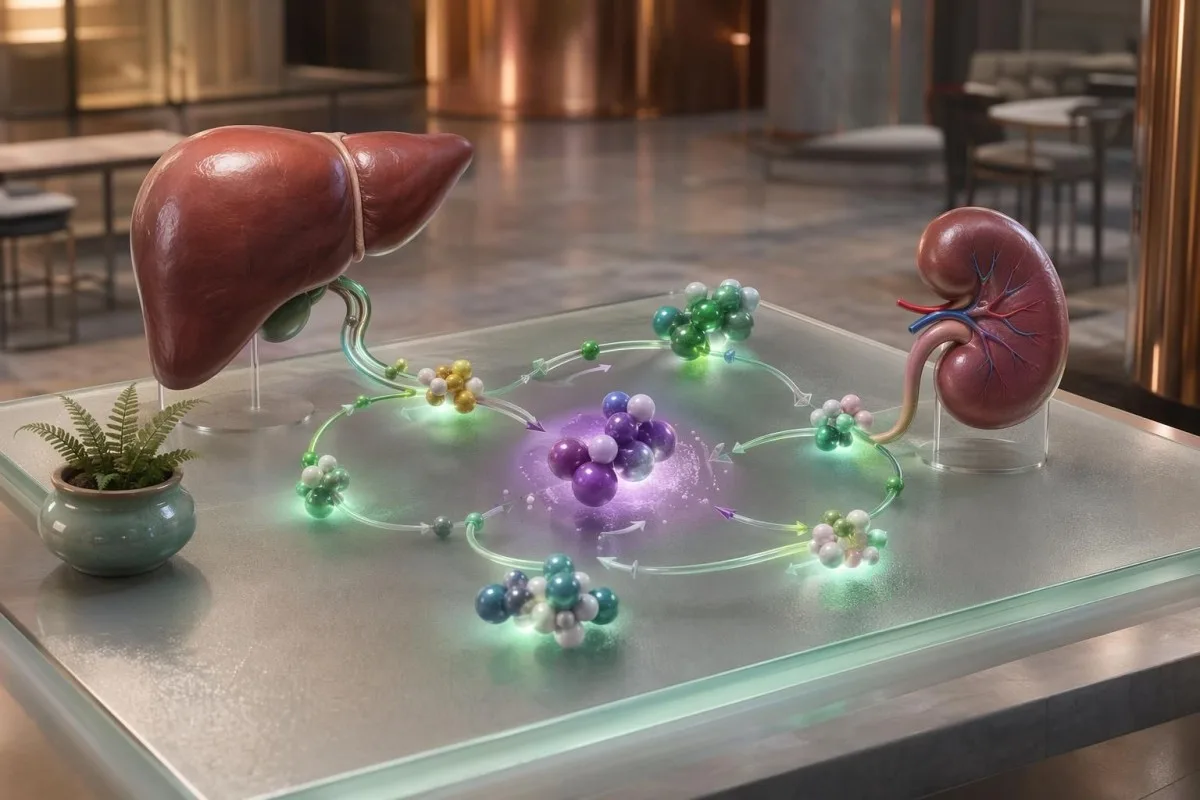
High homocysteine can be dangerous when it is persistent, above 15 µmol/L, or paired with B12 deficiency, kidney impairment, clotting history or family risk. A single borderline result is usually a clue, not a diagnosis.



- Normal homocysteine is usually about 5–15 µmol/L in adults, but some European labs flag values above 10–12 µmol/L.
- Mild elevation from 15–30 µmol/L often points to B12, folate, B6, thyroid, kidney, diet or medication factors.
- Moderate elevation from 30–100 µmol/L deserves a structured review, especially if eGFR is low or MMA is high.
- Severe elevation above 100 µmol/L is unusual and can suggest inherited homocysteine disorders or profound vitamin pathway disruption.
- High homocysteine symptoms are usually absent; symptoms more often come from B12 deficiency, anemia, nerve injury or clotting events.
- Follow-up markers that separate causes include active B12, methylmalonic acid, RBC folate, creatinine/eGFR, cystatin C, urine ACR, TSH and a medication review.
- Treatment should target the cause; B vitamins lower the number, but large trials did not show reliable heart attack prevention in all adults.
- Recheck timing is commonly 8–12 weeks after vitamin or medication changes, using the same lab when possible.
When high homocysteine becomes a real clinical concern
High homocysteine is potentially dangerous when it stays above 15 µmol/L, rises above 30 µmol/L, or appears with kidney disease, low B12 markers, clotting history, early stroke, pregnancy loss, or strong family risk. In clinic, I treat a borderline 13–16 µmol/L result very differently from a repeated 45 µmol/L result with numb feet and a high methylmalonic acid. For baseline ranges, our homocysteine range guide explains why lab cutoffs differ.
Kantesti is an AI blood test analyzer that reads homocysteine alongside B12, folate, MCV, creatinine, eGFR, thyroid markers and cardiovascular risk signals rather than treating one value as a verdict. That pattern matters because a 19 µmol/L result from vegan diet and low active B12 has a different risk story than 19 µmol/L in stage 3 chronic kidney disease.
As Thomas Klein, MD, I have seen patients panic over 12.8 µmol/L because the lab marked it red, then ignore an eGFR of 52 mL/min/1.73 m² sitting beside it. The homocysteine number is a smoke alarm; the follow-up panel tells us whether the smoke is coming from vitamin metabolism, renal clearance, medication effects or a rare inherited pathway.
The practical answer to is high homocysteine dangerous is this: it can be, but the danger is rarely from the number alone. Persistent elevation above 15 µmol/L deserves interpretation, above 30 µmol/L deserves follow-up, and above 100 µmol/L should trigger specialist evaluation rather than supplement guessing.
What level of homocysteine is dangerous in adults?
A homocysteine level above 15 µmol/L is generally elevated, above 30 µmol/L is more concerning, and above 100 µmol/L is a red-flag range for severe metabolic disturbance. Some laboratories use narrower reference intervals, so the pattern and the repeat result matter more than the printed flag. If your result feels borderline, compare it with the principles in our normal range guide.
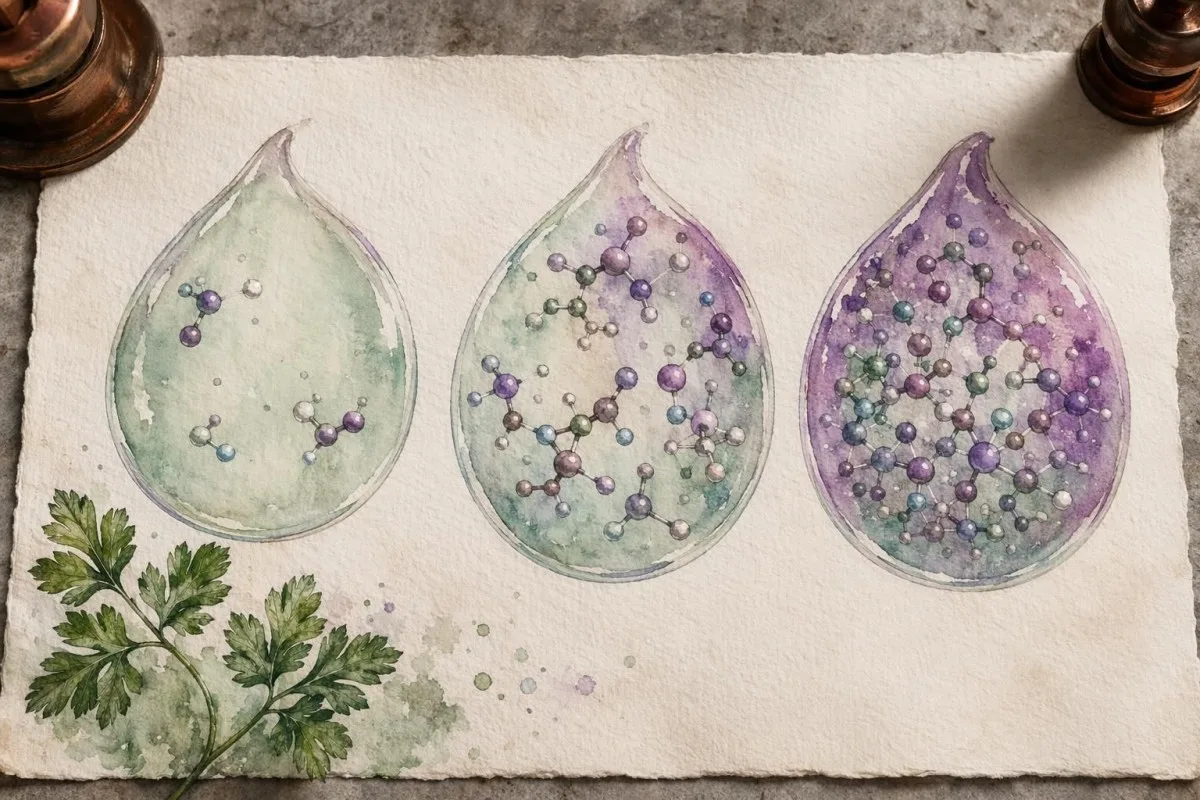
Most adult labs report 5–15 µmol/L as a typical fasting reference range, although I see cutoffs of 10, 12 and 14 µmol/L depending on country and assay. That variability is why a result of 14.6 µmol/L should not be interpreted like a potassium of 6.6 mmol/L; it is a risk clue, not an emergency value.
A value between 15 and 30 µmol/L often reflects remediable physiology: low B12 intake, poor absorption, folate insufficiency, low B6, hypothyroidism, smoking, coffee intake, reduced renal clearance or medication interference. In my experience, this band is where the most useful detective work happens.
Values above 30 µmol/L are not automatically catastrophic, but they are too high to dismiss if repeated. A level above 100 µmol/L is uncommon in ordinary nutrition deficiency and should raise the possibility of inherited homocystinuria, severe B12 pathway disruption, nitrous oxide exposure or combined kidney and vitamin problems.
High homocysteine causes when routine labs look normal
High homocysteine causes can hide behind normal routine labs because CBC, liver enzymes and serum B12 may stay in range while methylation, absorption or renal clearance is already strained. A standard panel can miss early B12 functional deficiency, subtle kidney filtration loss and medication-induced vitamin depletion. Our comprehensive panel guide shows why many routine panels do not include the decisive markers.

A normal hemoglobin of 14.2 g/dL and an MCV of 89 fL do not rule out early B12-related homocysteine elevation. Neurological B12 effects can appear before anemia, and serum B12 can look acceptable while active B12 delivery to tissues is poor.
Kidney effects can be equally quiet. Homocysteine rises as renal clearance falls, and a creatinine of 1.05 mg/dL can look ordinary in a small older adult while the eGFR is already below 60 mL/min/1.73 m².
Then there is the common medication story: metformin, proton pump inhibitors, anti-seizure drugs, methotrexate, levodopa and nitrous oxide can all shift homocysteine pathways. I ask about these before discussing genetics because medication effects are far more common than classic homocystinuria.
Vitamin-related patterns: B12, folate, B6 and riboflavin
Vitamin-related homocysteine elevation usually reflects impaired remethylation or transsulfuration, most often involving B12, folate, B6 or riboflavin. The most useful separation test is often methylmalonic acid, because high MMA points more strongly toward B12 deficiency than folate deficiency. For difficult B12 cases, see our active B12 guide.
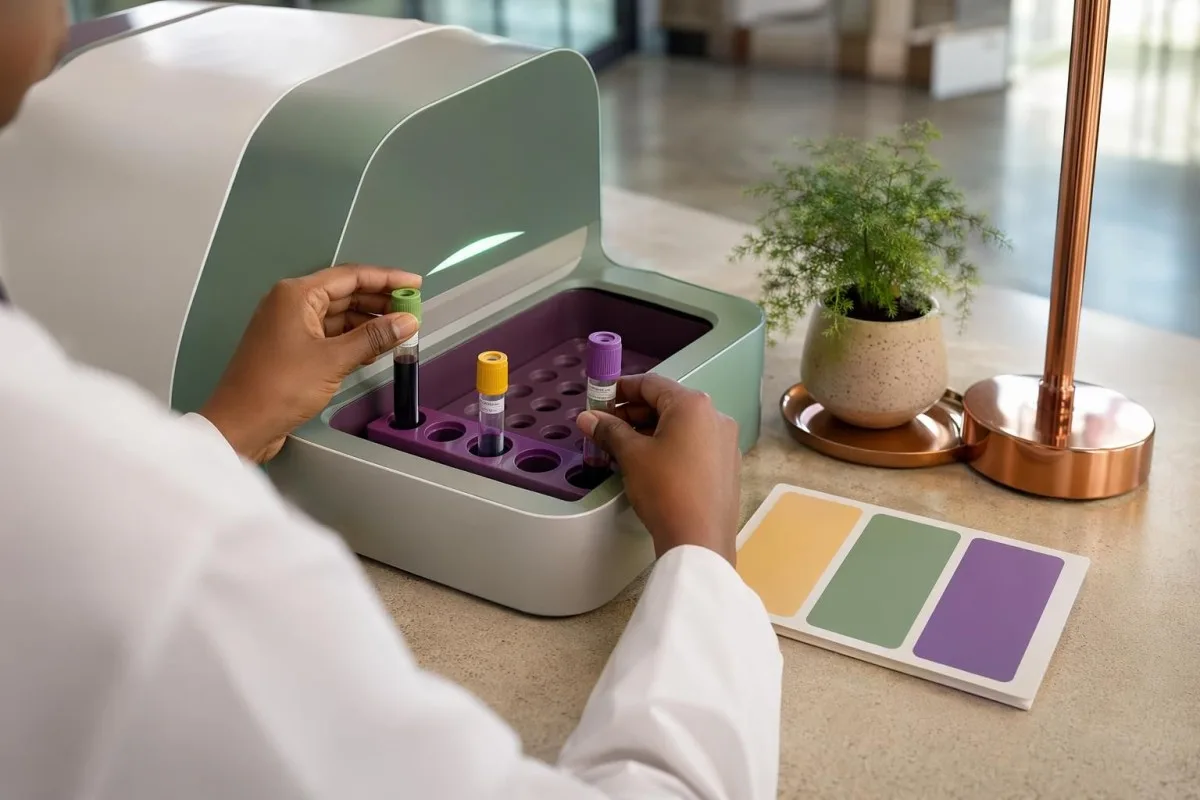
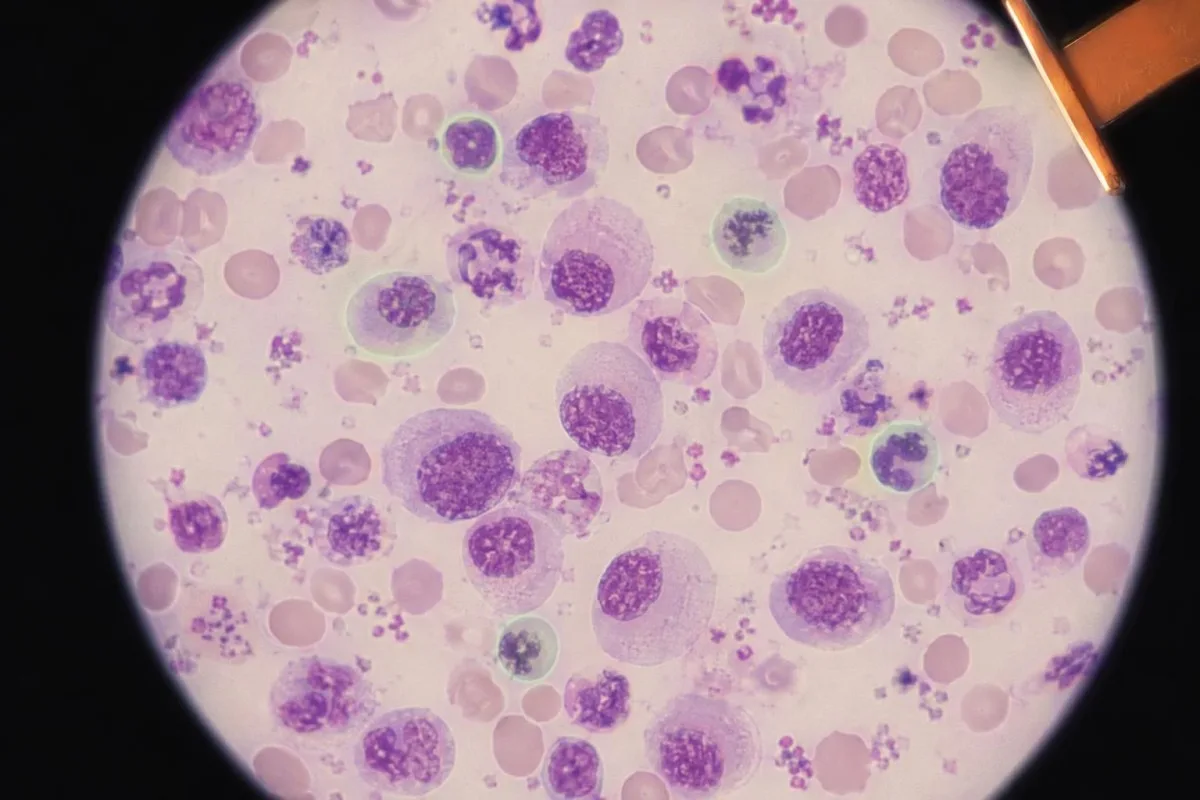
B12 helps convert homocysteine back into methionine, so low B12 often raises both homocysteine and methylmalonic acid. A serum B12 of 280 pg/mL may be called normal, but if MMA is above 0.40 µmol/L and symptoms fit, I take the functional deficiency seriously.
Folate deficiency tends to raise homocysteine with a normal MMA, although mixed deficiencies are common after restrictive diets, bariatric surgery or gut disease. RBC folate is slower-moving than serum folate and can be useful when last week’s multivitamin makes the serum result look falsely reassuring; our RBC folate guide goes deeper on that distinction.
B6 matters because it helps move homocysteine down the transsulfuration route toward cysteine. I am cautious with high-dose B6: chronic intakes above 100–200 mg/day can cause neuropathy in susceptible people, which is awkward when the patient already came in with tingling.
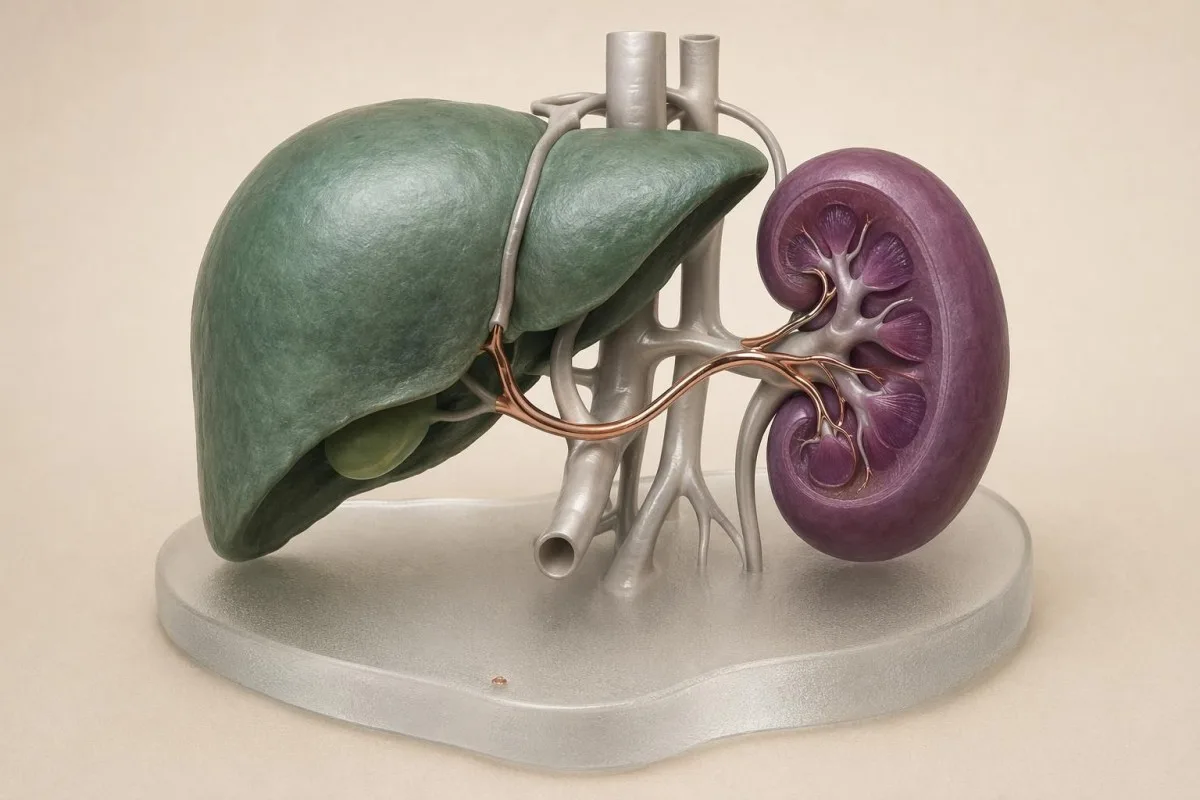
Kidney-related homocysteine patterns and hidden renal clues
Kidney-related high homocysteine usually appears when eGFR falls, cystatin C rises, or urine albumin-creatinine ratio shows early renal stress. Homocysteine is not a kidney function test, but it often behaves like a renal clearance marker once eGFR drops below about 60 mL/min/1.73 m². If creatinine seems misleading, compare it with our cystatin C guide.

A 72-year-old patient with creatinine 1.1 mg/dL may have an eGFR near 50, while a muscular 32-year-old with the same creatinine may be normal. That is why homocysteine interpretation should not stop at the raw creatinine value.
Urine ACR adds a different type of information: endothelial and glomerular leak. An ACR above 3 mg/mmol in UK units, or above 30 mg/g in US units, suggests kidney stress even when eGFR still looks acceptable; our urine ACR guide explains how early this can show up.
When homocysteine is mildly high and eGFR is below 60, I avoid framing the result as a simple folate problem. Vitamin correction may lower the number, but the kidney pattern still needs blood pressure, glucose, urine and medication review.
Medication and lifestyle causes that push homocysteine up
Medication-related high homocysteine is common with long-term metformin, proton pump inhibitors, anti-seizure medicines, methotrexate, levodopa and nitrous oxide exposure. Lifestyle contributors include smoking, heavy coffee intake, low protein quality, low leafy-green intake and high alcohol use. Long-term acid suppression is especially relevant, and we cover monitoring in our PPI lab guide.
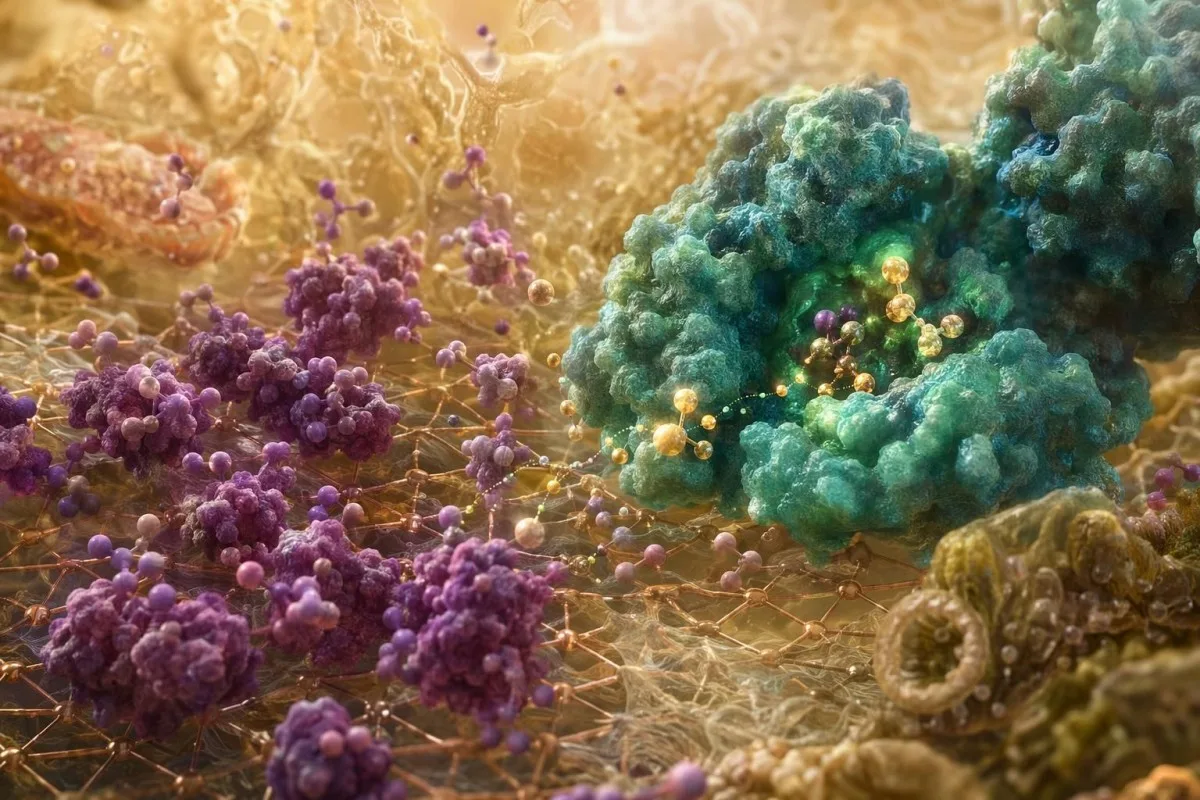
Metformin can reduce B12 absorption over time, particularly after 4 or more years of use or at doses of 1,500–2,000 mg/day. If homocysteine rises after starting therapy, the next step is not stopping metformin; it is checking B12 status properly, as outlined in our metformin lab guide.
Nitrous oxide is the one exposure I ask about very directly because it can inactivate B12 and produce neurological symptoms with a deceptively normal serum B12. I have seen homocysteine above 50 µmol/L after repeated recreational exposure, sometimes with gait instability before anemia appears.
Smoking and high alcohol intake can raise homocysteine by affecting oxidative stress, folate status and liver handling of methyl groups. A patient who smokes 15 cigarettes daily and drinks heavily on weekends may need a very different plan from someone with celiac disease and poor absorption.
Inherited homocysteine risk patterns: MTHFR and beyond
Inherited homocysteine disorders matter most when levels are very high, start early in life, cluster in families, or occur with unusual clotting, lens problems, developmental history or skeletal features. Common MTHFR variants are not the same as classic homocystinuria. For family pattern thinking, our hereditary marker guide gives a practical framework.

The common MTHFR C677T variant can modestly affect folate handling, but it usually does not produce homocysteine of 80–150 µmol/L by itself in folate-replete adults. I worry more when the biochemical pattern and clinical history fit, not when a direct-to-consumer genotype appears in isolation.
Classic cystathionine beta-synthase deficiency often produces very high total homocysteine and may show elevated methionine. Severe untreated cases can involve thrombosis, lens dislocation, osteoporosis and developmental differences, often long before routine adult preventive screening begins.
Family history changes the threshold for action. If a sibling had a venous clot at age 28, a parent had stroke before 50, or there have been recurrent pregnancy losses, a homocysteine of 22 µmol/L feels more clinically relevant than the same value in a low-risk 70-year-old with stable kidney disease.
High homocysteine symptoms: what patients actually feel
High homocysteine symptoms are usually absent; people feel symptoms from the cause or complication, not from homocysteine circulating quietly in the background. B12 deficiency may cause numbness, burning feet, memory changes, mouth soreness or anemia even when homocysteine is only mildly elevated. Our guide to B12 deficiency without anemia explains this common mismatch.
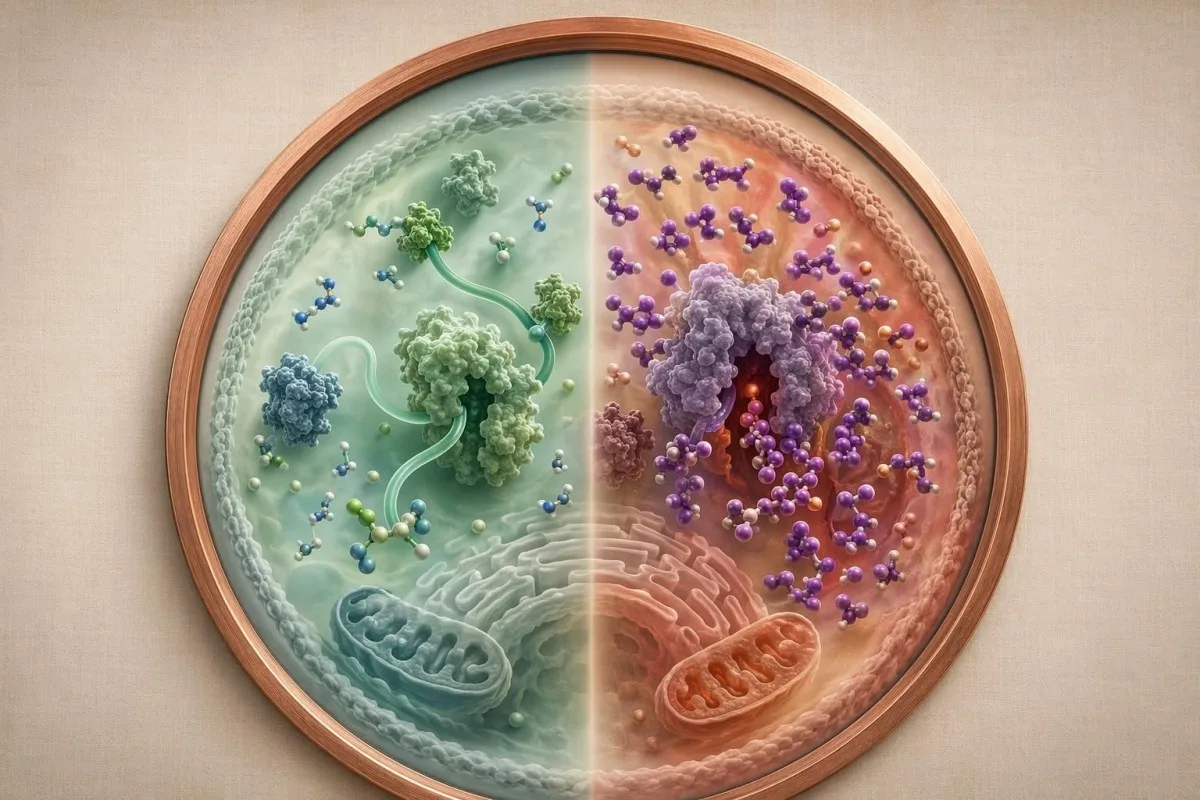
The symptom pattern I take seriously is tingling in both feet, balance trouble, new cognitive fog, glossitis or unexplained fatigue with homocysteine above 15 µmol/L and borderline B12. A normal hemoglobin does not make those symptoms harmless.
Vascular complications feel different: one-sided weakness, chest pressure, sudden breathlessness, calf swelling or sudden vision loss are urgent symptoms regardless of the homocysteine number. Those presentations need emergency care, not an 8-week supplement experiment.
Patients with numbness often arrive after months of normal routine labs. If the symptom is sensory, symmetrical and progressive, I usually want active B12, MMA, glucose or HbA1c, TSH and sometimes copper; our numbness lab guide covers that wider differential.
Heart, stroke and clot risk: what the evidence really says
High homocysteine is associated with higher vascular risk, but lowering homocysteine with B vitamins has not consistently lowered heart attack or stroke rates in large trials. That distinction is where many online explanations become too simplistic. The Homocysteine Studies Collaboration reported vascular associations in JAMA in 2002, but association is not proof that every supplement-lowered value prevents events.
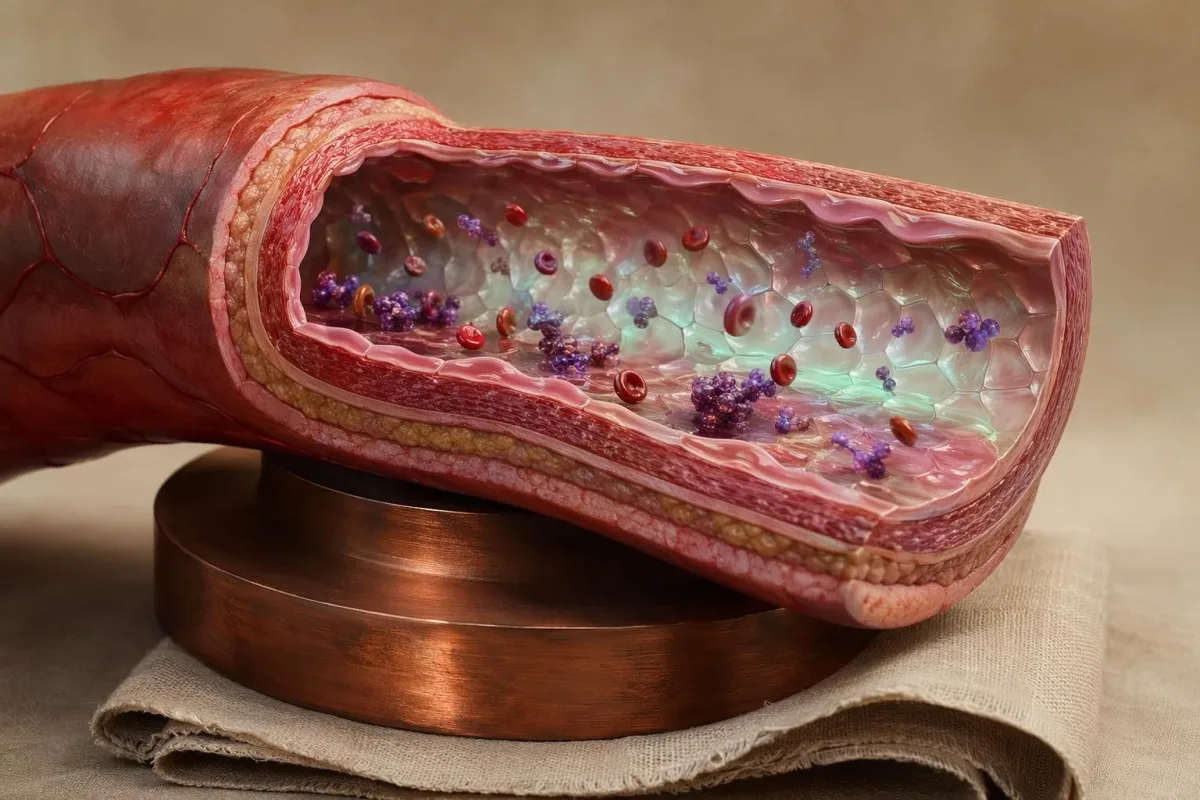
In practice, I read homocysteine beside ApoB, non-HDL cholesterol, LDL-C, blood pressure, HbA1c, kidney markers, smoking status and family history. A homocysteine of 18 µmol/L with ApoB 130 mg/dL is a different prevention conversation from 18 µmol/L with optimal lipids and no vascular history.
Lonn et al. reported in the 2006 NEJM HOPE-2 trial that folic acid plus vitamins B6 and B12 lowered homocysteine but did not significantly reduce the composite of cardiovascular death, myocardial infarction and stroke in the full high-risk cohort. The result did suggest fewer strokes, yet the overall message was not “B vitamins prevent heart attacks for everyone.”
For inherited lipid risk, homocysteine is not a replacement marker. If early heart disease runs in the family, I would rather combine it with markers such as ApoB and Lp(a); our high Lp(a) guide explains why inherited vascular risk can hide behind a normal routine cholesterol panel.
Follow-up markers that separate vitamin, kidney and inherited patterns
The best follow-up panel for high homocysteine includes active B12 or holotranscobalamin, methylmalonic acid, folate status, B6 where available, CBC indices, creatinine/eGFR, cystatin C, urine ACR, TSH and medication review. Kantesti is an AI blood test interpretation platform that groups these markers by likely cause rather than listing them as separate red and green flags. Our biomarker guide maps many of these markers in one place.
A vitamin pattern usually shows high homocysteine with low or borderline B12, high MMA, low RBC folate, macrocytosis or high RDW. A kidney pattern more often pairs homocysteine above 15–20 µmol/L with eGFR below 60, cystatin C elevation or albuminuria.
A medication pattern is diagnosed from timing as much as chemistry. If homocysteine rose from 11 to 24 µmol/L after 18 months on a new anti-seizure drug, the time course matters more than a one-time folate result.
An inherited pattern is more likely when total homocysteine is above 100 µmol/L, methionine is abnormal, symptoms began young or relatives have early thrombotic disease. In those cases, urine amino acids, plasma methionine, specialist metabolic review and targeted genetic testing may be appropriate.
Repeat testing and sample handling: avoiding false alarms
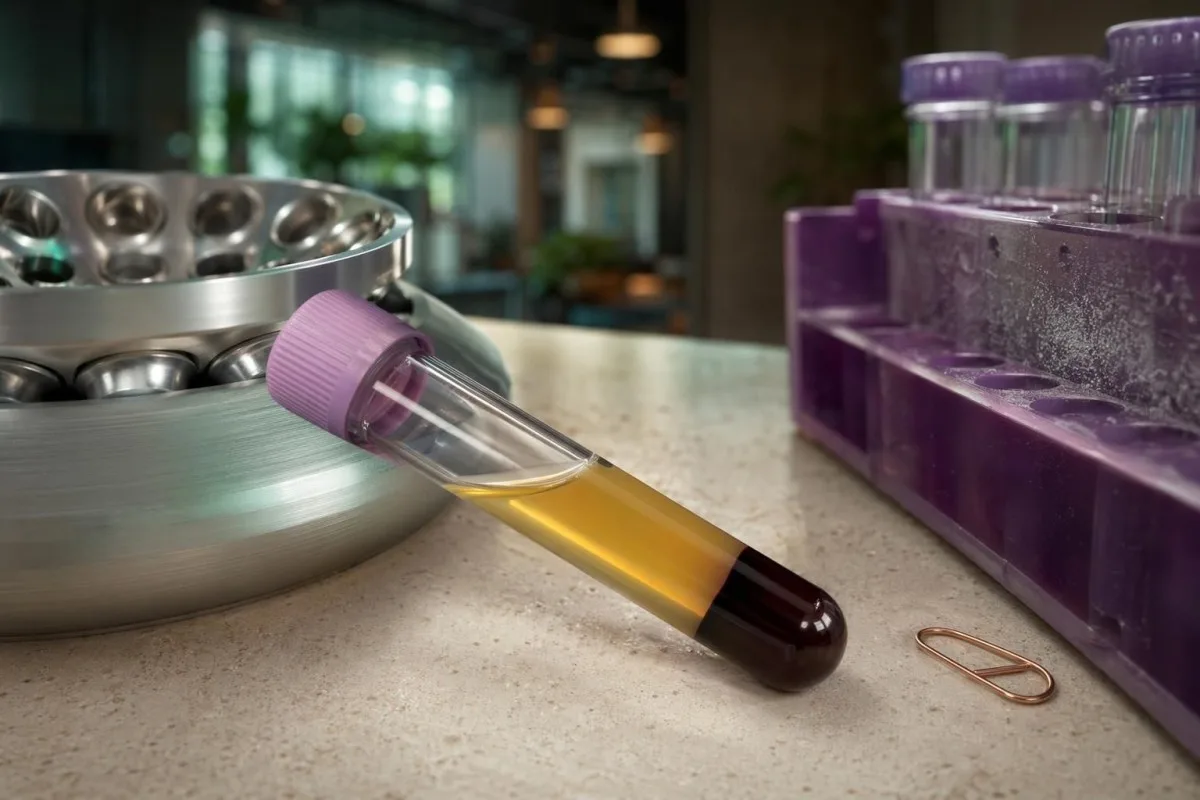
A high homocysteine result should often be repeated fasting, with prompt sample processing, especially when the value is borderline or does not fit the clinical picture. Homocysteine can drift if whole blood sits before separation, and different assays may not match perfectly. Our fasting blood test guide explains which results are most sensitive to preparation.

For borderline values between 12 and 18 µmol/L, I prefer a repeat after an overnight fast, no heavy alcohol for 48 hours, and no hard endurance session the day before. This is not because fasting magically fixes risk; it reduces noise.
Sample delay matters because cellular metabolism can alter measured homocysteine after collection. Many labs separate plasma quickly or use chilled handling, but if a remote collection site delays processing by several hours, a small elevation may be less trustworthy.
Use the same lab when tracking change. A shift from 28 to 16 µmol/L after B12 therapy is clinically meaningful, but a shift from 14.8 to 13.9 µmol/L across two different platforms may simply be analytical variation; our lab variability guide covers this problem in detail.
How to lower homocysteine safely without missing the cause
Lowering homocysteine safely means treating the cause: B12 if MMA is high, folate if folate stores are low, B6 only when appropriate, kidney-risk management when eGFR is reduced, and medication review when timing fits. Typical supplement plans are reassessed after 8–12 weeks, not indefinitely escalated. For supplement planning, start with our B12 dosing guide.
Common clinician-supervised regimens include oral B12 1,000 mcg/day, folic acid or methylfolate 400–1,000 mcg/day, and B6 10–50 mg/day when intake is low or medications justify it. I avoid casual chronic B6 megadosing because neuropathy risk can mimic the symptoms we are trying to fix.
Toole et al. reported in the 2004 JAMA VISP trial that high-dose B vitamins lowered homocysteine after stroke but did not clearly reduce recurrent vascular events compared with lower-dose vitamins. That trial is one reason I tell patients: lower the number when the cause is real, but do not mistake homocysteine for the whole cardiovascular risk story.
Diet still matters, especially for people with low folate intake. Leafy greens, legumes, citrus, eggs, dairy or fortified foods can support the pathway, but the best form depends on B12 status and pregnancy plans; our folate versus folic acid guide explains the nuance.
How Kantesti AI interprets homocysteine in context
Kantesti AI interprets homocysteine by comparing the value with vitamin markers, kidney markers, CBC indices, thyroid tests, medication context and prior trends. Kantesti is an AI biomarker interpretation platform used by people in 127+ countries, and our goal is to flag plausible patterns for discussion with a clinician, not replace diagnosis. The methodology is described in our technology guide.
If homocysteine is 23 µmol/L, B12 is 310 pg/mL, MMA is high and MCV is 96 fL, Kantesti’s neural network treats that as a likely functional B12 pattern. If the same homocysteine value appears with eGFR 48 and normal MMA, the priority shifts toward kidney-related interpretation.
We also look for contradictions. A patient with homocysteine 17 µmol/L, normal active B12, normal folate, normal eGFR and a delayed sample note may need a repeat test more than a supplement stack.
Our clinical review process is overseen by physicians and scientists, including my own editorial checks as Thomas Klein, MD. For readers who want the limits as well as the strengths of automation, our AI interpretation guide explains where human medical judgment still wins.
Kantesti research publications and medical review notes
As of June 11, 2026, homocysteine interpretation at Kantesti is reviewed as part of a broader medical-safety workflow that prioritizes trend context, unit accuracy and clinician follow-up prompts. This article was written under physician editorial oversight and aligns with our documented validation approach in clinical oversight.

Kantesti’s research library includes formal DOI-indexed work on symptom interpretation, patient education structure and multilingual health guidance. Those publications are not homocysteine trials, but they document the editorial and engineering standards we apply when explaining complex lab patterns across 75+ languages.
Kantesti LTD. (2026). Diarrhea After Fasting, Black Specks in Stool & GI Guide 2026. Figshare. DOI: 10.6084/m9.figshare.31438111. ResearchGate: https://www.researchgate.net/search/publication?q=Diarrhea%20After%20Fasting%20Black%20Specks%20in%20Stool%20GI%20Guide%202026. Academia.edu: https://www.academia.edu/search?q=Diarrhea%20After%20Fasting%20Black%20Specks%20in%20Stool%20GI%20Guide%202026. Related Kantesti page: GI guide 2026.
Kantesti LTD. (2026). Women's Health Guide: Ovulation, Menopause & Hormonal Symptoms. Figshare. DOI: 10.6084/m9.figshare.31830721. ResearchGate: https://www.researchgate.net/search/publication?q=Women's%20Health%20Guide%20Ovulation%20Menopause%20Hormonal%20Symptoms. Academia.edu: https://www.academia.edu/search?q=Women's%20Health%20Guide%20Ovulation%20Menopause%20Hormonal%20Symptoms. Related Kantesti page: women's health guide.
For medical accountability, Kantesti’s content is reviewed against physician-led safety standards and updated when guideline interpretation changes. You can review the clinicians behind that process on our Medical Advisory Board.
Frequently Asked Questions
Is high homocysteine dangerous if everything else is normal?
High homocysteine can still matter when other routine labs are normal because serum B12, CBC and creatinine may miss early functional deficiency or subtle renal clearance changes. A persistent value above 15 µmol/L deserves review, and a value above 30 µmol/L deserves a more structured follow-up panel. The most useful next tests are active B12 or holotranscobalamin, methylmalonic acid, RBC folate, eGFR, cystatin C, urine ACR and TSH.
What level of homocysteine is dangerous?
A typical adult homocysteine range is about 5–15 µmol/L, while 15–30 µmol/L is usually called mildly elevated. Levels from 30–100 µmol/L are more concerning and should be repeated with vitamin, kidney, thyroid and medication review. A level above 100 µmol/L is unusual and may suggest severe B12 pathway disruption, inherited homocysteine disorders or combined metabolic problems requiring specialist assessment.
Can high homocysteine cause symptoms?
High homocysteine itself usually causes no direct symptoms, so many people discover it on a lab panel. Symptoms usually come from the underlying cause, such as B12 deficiency causing numbness, burning feet, memory changes or anemia. Sudden one-sided weakness, chest pressure, calf swelling or sudden breathlessness should be treated as urgent symptoms regardless of the homocysteine result.
What are the most common high homocysteine causes?
The most common high homocysteine causes are low or poorly absorbed B12, folate insufficiency, low B6 intake, reduced kidney function, hypothyroidism, smoking and medication effects. Metformin, proton pump inhibitors, anti-seizure medicines, methotrexate, levodopa and nitrous oxide exposure can all contribute. Inherited disorders are less common but become more likely when levels exceed 100 µmol/L or there is early clotting in the family.
Does lowering homocysteine prevent heart attacks?
Lowering homocysteine with B vitamins does not reliably prevent heart attacks in all adults, even though high homocysteine is associated with vascular risk. Large trials such as VISP and HOPE-2 lowered homocysteine but did not show a clear overall reduction in major cardiovascular events for every treated group. Treatment is still appropriate when a real deficiency or metabolic cause is found, but homocysteine should be interpreted with ApoB, LDL-C, blood pressure, diabetes markers, kidney function and smoking status.
Which tests should I ask for after high homocysteine?
After high homocysteine, the usual follow-up tests are active B12 or holotranscobalamin, methylmalonic acid, serum or RBC folate, CBC with MCV and RDW, creatinine with eGFR, cystatin C, urine albumin-creatinine ratio and TSH. If the result is above 100 µmol/L, clinicians may add plasma methionine, urine amino acids and specialist metabolic testing. Medication history and sample handling details are part of the workup because they can change the interpretation.
How long does it take to lower homocysteine?
Homocysteine often improves within 8–12 weeks when the correct deficiency or medication-related cause is addressed. Oral B12 1,000 mcg/day and folate 400–1,000 mcg/day are common clinician-supervised ranges, though dosing depends on the cause and patient context. Recheck with the same lab when possible, because small changes of 1–2 µmol/L may reflect assay variation rather than real improvement.
Can nitrous oxide raise homocysteine levels?
Yes. Repeated recreational nitrous oxide use, and occasionally heavy exposure in other settings, can inactivate vitamin B12 and raise homocysteine. Seek prompt medical assessment if use is followed by tingling, weakness, unsteady walking, or memory changes; B12 testing alone may not fully reflect functional deficiency.
What should I do about an elevated homocysteine result before pregnancy?
Arrange a preconception appointment promptly, especially for a repeated result above 15 µmol/L or a history of clots or pregnancy loss. Most mild elevations have treatable causes; your clinician can check B12, folate, and kidney function and advise on prenatal folic acid rather than unsupervised high-dose supplements.
Get AI-Powered Blood Test Analysis Today
Join over 2 million users worldwide who trust Kantesti for instant, accurate lab test analysis. Upload your blood test results and receive comprehensive interpretation of 15,000+ biomarkers in seconds.
📚 Referenced Research Publications
Klein, T., Mitchell, S., & Weber, H. (2026). Diarrhea After Fasting, Black Specks in Stool & GI Guide 2026. Kantesti AI Medical Research.
Klein, T., Mitchell, S., & Weber, H. (2026). Women's Health Guide: Ovulation, Menopause & Hormonal Symptoms. Kantesti AI Medical Research.
📖 External Medical References





⚕️ Medical Disclaimer
This article is for educational purposes only and does not constitute medical advice. Always consult a qualified healthcare provider for diagnosis and treatment decisions.
E-E-A-T Trust Signals
Experience
Physician-led clinical review of lab interpretation workflows.
Expertise
Laboratory medicine focus on how biomarkers behave in clinical context.
Authoritativeness
Written by Dr. Thomas Klein with review by Dr. Sarah Mitchell and Prof. Dr. Hans Weber.
Trustworthiness
Evidence-based interpretation with clear follow-up pathways to reduce alarm.