
Yes — high ApoB can be dangerous because it reflects the number of artery-entering lipoprotein particles, not just cholesterol mass. Many people feel completely well while ApoB-driven plaque risk builds quietly for years.



- High ApoB is dangerous when it stays elevated because each ApoB-containing particle can enter the artery wall and contribute to plaque.
- ApoB ≥130 mg/dL is treated as a risk-enhancing factor in the 2018 AHA/ACC cholesterol guideline, especially when triglycerides are ≥200 mg/dL.
- ApoB has no direct symptoms in most people; chest pain, stroke symptoms, or calf pain usually mean vascular disease has already developed.
- LDL-C can look acceptable while ApoB is high when particles are cholesterol-poor, which often happens with insulin resistance, high triglycerides, diabetes, or visceral fat.
- ESC-style ApoB targets are usually <65 mg/dL for very high cardiovascular risk, <80 mg/dL for high risk, and <100 mg/dL for moderate risk.
- Follow-up labs that change urgency include LDL-C, non-HDL-C, triglycerides, Lp(a), HbA1c, hs-CRP, TSH, eGFR, urine ACR, ALT, and blood pressure.
- Urgent review is warranted when high ApoB appears with LDL-C ≥190 mg/dL, diabetes, CKD, smoking, premature family history, Lp(a) >50 mg/dL, or symptoms.
- Retesting is commonly done after 8–12 weeks of lifestyle or medication change, using the same units because 0.90 g/L equals 90 mg/dL.
High ApoB means particle-based risk, not just cholesterol
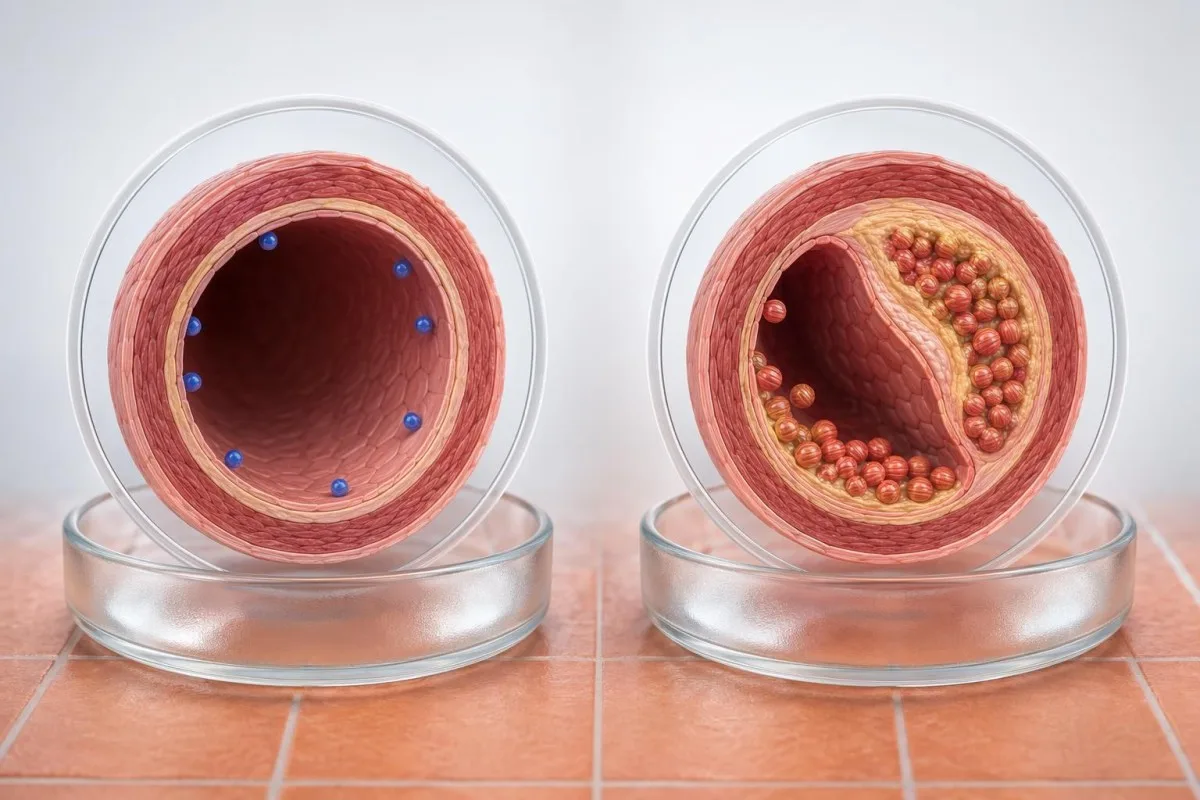
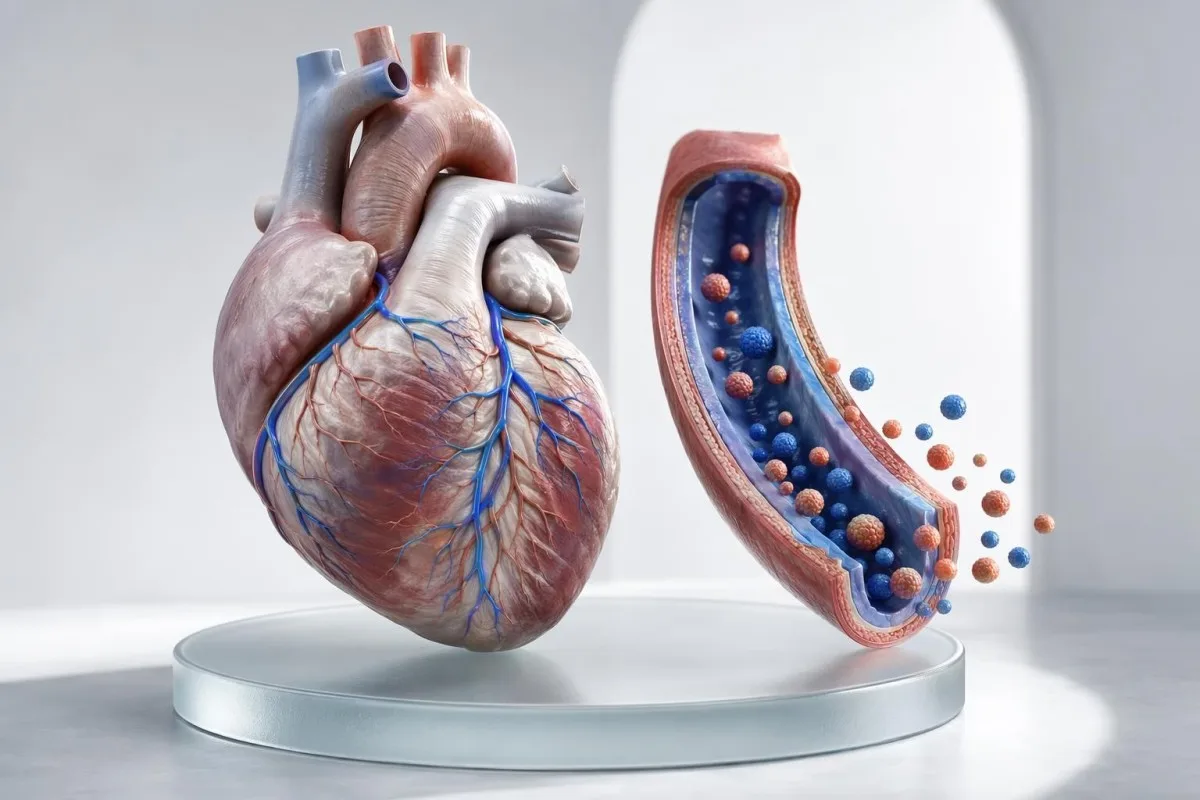
High ApoB can be dangerous because it measures the number of atherogenic particles that can enter artery walls. A person can have LDL-C of 95 mg/dL and still carry too many LDL, VLDL remnant, IDL, or Lp(a) particles; that is the hidden risk ApoB is built to reveal.
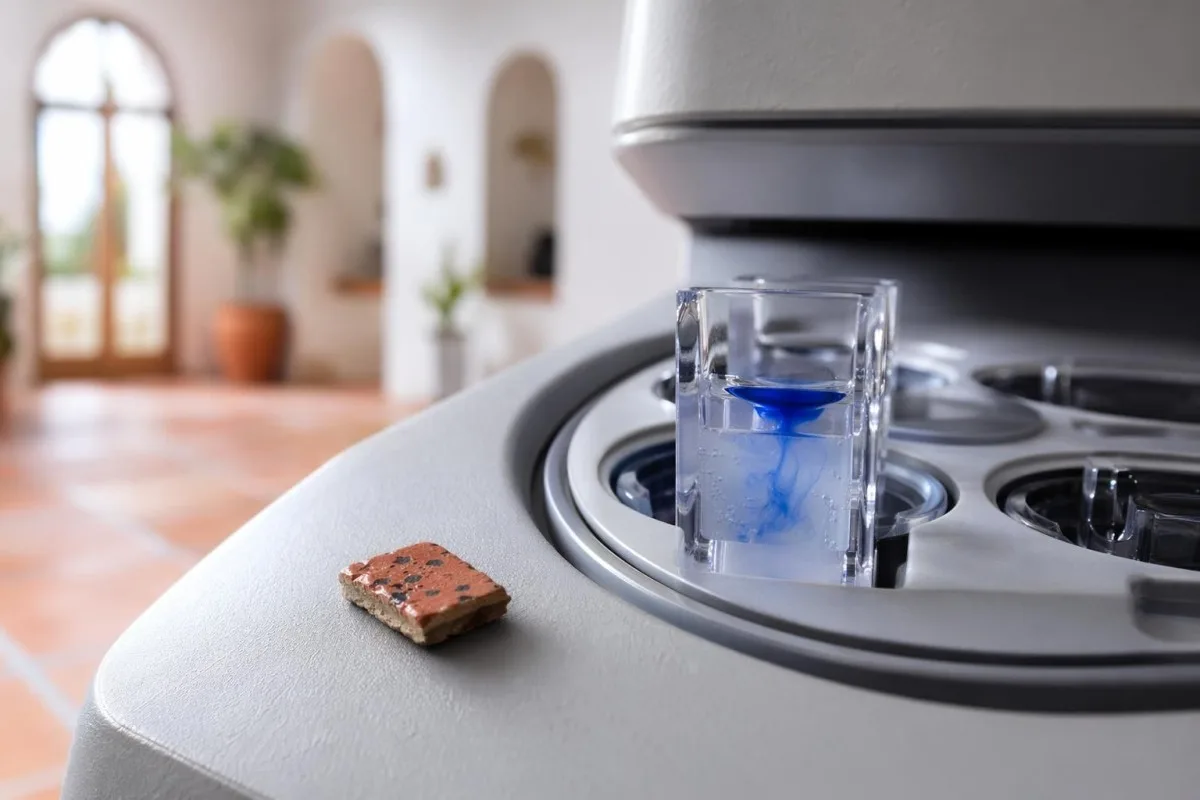
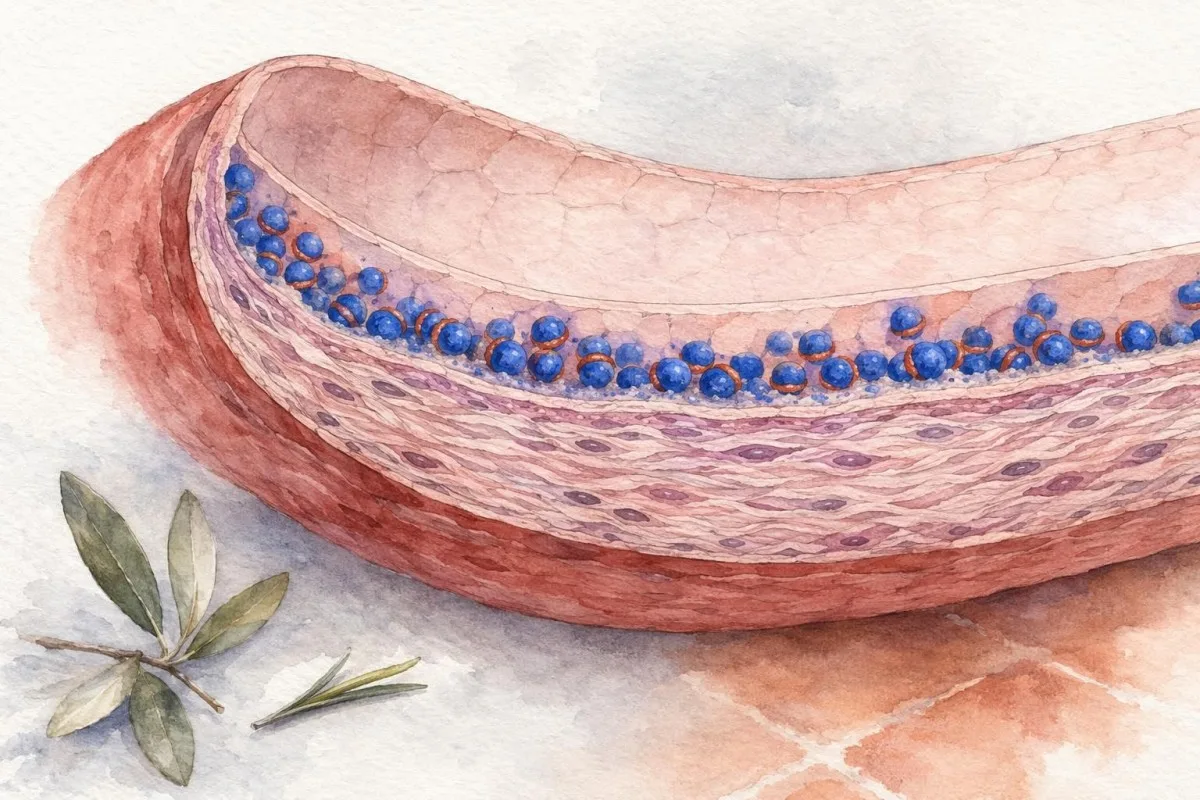
Each LDL, VLDL, IDL, remnant, and Lp(a) particle carries one ApoB100 molecule, so ApoB is a particle count proxy. The 2018 AHA/ACC cholesterol guideline lists ApoB ≥130 mg/dL as a risk-enhancing factor, particularly when triglycerides are ≥200 mg/dL (Grundy et al., 2019).
I’m Thomas Klein, MD, and when I review lipid panels clinically, the awkward cases are not the obviously high LDL-C results. The tricky ones are ApoB 115–140 mg/dL with LDL-C near 100 mg/dL, HbA1c 5.8%, triglycerides 180 mg/dL, and a parent who had a heart attack at 54.
Kantesti is an AI blood test analyzer that reads ApoB alongside LDL-C, non-HDL-C, triglycerides, HbA1c, and age-related risk patterns rather than treating it as a lonely number. For a deeper primer on why ApoB can expose risk missed by standard cholesterol testing, see our ApoB test guide. As of June 11, 2026, ApoB is still underused in routine primary care, despite being one of the more practical particle-based markers.
Why ApoB can be high when LDL-C looks acceptable
ApoB can be high with normal-looking LDL-C because LDL-C measures cholesterol weight, while ApoB estimates particle number. Small, cholesterol-poor particles may carry less cholesterol per particle, so the LDL-C number can look reassuring while the artery sees many more particle impacts.

Think of LDL-C as the cargo weight in delivery vans and ApoB as the number of vans on the road. A road with 1,000 half-empty vans may be more congested than a road with 500 full vans, even if the total cargo weight looks similar.
Discordance is most common when triglycerides are high, HDL-C is low, waist circumference is rising, or HbA1c is drifting upward. In that pattern, the liver often exports more VLDL, which later becomes remnant and LDL particles; ApoB captures that traffic better than LDL-C alone.
The European Atherosclerosis Society consensus statement described LDL and other ApoB-containing lipoproteins as causal in atherosclerotic cardiovascular disease, not merely associated with it (Ference et al., 2017). Patients who want the particle-count angle explained further may find our LDL particle guide useful, especially if their LDL-C and ApoB disagree.
ApoB ranges: what counts as optimal, borderline, or high
ApoB interpretation depends on baseline cardiovascular risk, not one universal normal range. In many lipid clinics, ApoB <80 mg/dL is reassuring for high-risk patients, while ApoB ≥130 mg/dL usually deserves clinician review even if LDL-C is only mildly abnormal.
The 2021 ESC cardiovascular prevention guideline uses ApoB treatment goals of <65 mg/dL for very high risk, <80 mg/dL for high risk, and <100 mg/dL for moderate risk (Visseren et al., 2021). Some laboratories still report broad reference intervals such as 60–117 mg/dL, but those ranges are not the same as prevention targets.
ApoB units cause unnecessary panic. A result of 0.95 g/L is the same as 95 mg/dL, and a result of 1.30 g/L is the same as 130 mg/dL; the decimal point is the main trap.
LDL-C still matters because treatment guidelines, insurance rules, and inherited lipid diagnoses often use LDL-C thresholds. If your report looks contradictory, compare ApoB with LDL risk cutoffs before assuming the lab made a mistake.
High ApoB symptoms: why most people feel completely normal
High ApoB usually causes no symptoms because particles injure arteries slowly and silently. Symptoms generally appear only after plaque narrows an artery, ruptures, or reduces blood flow to the heart, brain, kidneys, or legs.
ApoB itself does not cause fatigue, dizziness, headaches, or palpitations. I have seen people with ApoB above 150 mg/dL run half-marathons and feel terrific, which is precisely why relying on symptoms misses risk.
Symptoms that change the situation are vascular symptoms: chest pressure with exertion, shortness of breath that is new, one-sided weakness, transient speech trouble, or calf pain that reliably appears while walking. Those signs are not “high ApoB symptoms”; they are possible clues of coronary, cerebrovascular, or peripheral artery disease.
When I, Thomas Klein, MD, see high ApoB alongside troponin testing, abnormal ECG notes, or exertional chest symptoms, I stop thinking in wellness terms and treat it as a cardiovascular assessment problem. Our guide to heart blood markers explains why cholesterol markers predict risk but do not diagnose an active heart attack.
Common high ApoB causes linked to insulin resistance
Insulin resistance is one of the most common high ApoB causes because it increases VLDL production and remnant particles. The pattern often includes triglycerides above 150 mg/dL, HDL-C below 40 mg/dL in men or 50 mg/dL in women, and fasting glucose creeping above 100 mg/dL.

The liver behaves differently when insulin signaling is impaired. It packages more triglyceride into VLDL particles, and every VLDL particle carries ApoB100, so ApoB can rise before fasting glucose reaches the diabetes range.
A common clinical pattern is ApoB 105 mg/dL, triglycerides 210 mg/dL, HDL-C 38 mg/dL, ALT 48 IU/L, and HbA1c 5.9%. That combination often points toward visceral fat and fatty liver physiology rather than a purely cholesterol-food problem.
If ApoB is high and HbA1c still looks “normal,” fasting insulin or C-peptide may reveal earlier metabolic strain. Our insulin resistance test article covers why A1c can lag behind particle-based lipid changes by months or years.
Diet patterns that raise ApoB in real life
Diet can raise ApoB when it increases saturated fat load, weight gain, triglycerides, or liver VLDL output. The rise is highly individual: one person’s ApoB falls on a low-carb diet, while another person’s ApoB jumps from 85 to 145 mg/dL within 12 weeks.

I see the biggest ApoB surprises in lean, active patients who switch to butter-heavy ketogenic or carnivore-style eating. Their triglycerides may be 55 mg/dL and HDL-C 85 mg/dL, yet LDL-C and ApoB can climb sharply because hepatic LDL receptor clearance falls in some people.
Weight loss usually improves ApoB when it reduces visceral fat, but the first 4–8 weeks can look messy. During rapid fat loss, LDL-C may temporarily rise, triglycerides may fall, and ApoB may lag; that is why one isolated retest can mislead.
Alcohol and refined carbohydrate matter through a different route: triglyceride-rich VLDL. Patients experimenting with carbohydrate restriction should compare ApoB, LDL-C, triglycerides, and kidney markers using our low-carb lab guide rather than judging the diet from one lipid number.
Inherited clues: family history, Lp(a), and particle load
Inherited lipid risk is more likely when ApoB is high despite normal weight, good glucose markers, and consistent exercise. Premature cardiovascular disease means a heart attack, stroke, bypass, or stent before age 55 in a male first-degree relative or before 65 in a female first-degree relative.

Familial combined hyperlipidemia often produces ApoB elevation with variable LDL-C and triglycerides across different relatives. In one family, a parent may show LDL-C 170 mg/dL, a sibling may show triglycerides 260 mg/dL, and the shared clue may be ApoB above 120 mg/dL.
Lp(a) is a separate inherited particle that also contains ApoB100, so a high Lp(a) can raise ApoB and risk at the same time. A commonly used high Lp(a) threshold is >50 mg/dL or >125 nmol/L, though conversion between mg/dL and nmol/L is not reliable because particle size varies.
I usually ask about relatives, not just numbers. If a patient has ApoB 118 mg/dL and a father who needed a stent at 49, I treat that differently from ApoB 118 mg/dL in someone with no family events and excellent blood pressure; our Lp(a) risk guide explains that inherited layer.
Medical conditions and medicines that push ApoB up
High ApoB causes include hypothyroidism, kidney protein loss, chronic kidney disease, cholestatic liver disease, menopause, pregnancy, and several medications. The clue is often a new ApoB rise that appears together with TSH, urine protein, creatinine, or liver enzyme changes.
Hypothyroidism can reduce LDL receptor activity, so LDL-C and ApoB rise together. A TSH of 8 mIU/L with low-normal free T4 and ApoB 135 mg/dL is a different problem from ApoB 135 mg/dL with perfectly normal thyroid results.
Kidney disease changes lipid handling in a quieter way. Urine albumin-creatinine ratio ≥30 mg/g suggests kidney vascular stress, and nephrotic-range protein loss can drive marked LDL-C and ApoB elevation even when diet has not changed.
Medication history is not trivia here. Oral steroids, some progestins, isotretinoin, cyclosporine, certain HIV medicines, and older beta-blocker or thiazide patterns can worsen lipids; if kidney markers are part of the picture, our urine ACR guide gives the renal side of the risk assessment.
Follow-up labs that make ApoB interpretation sharper
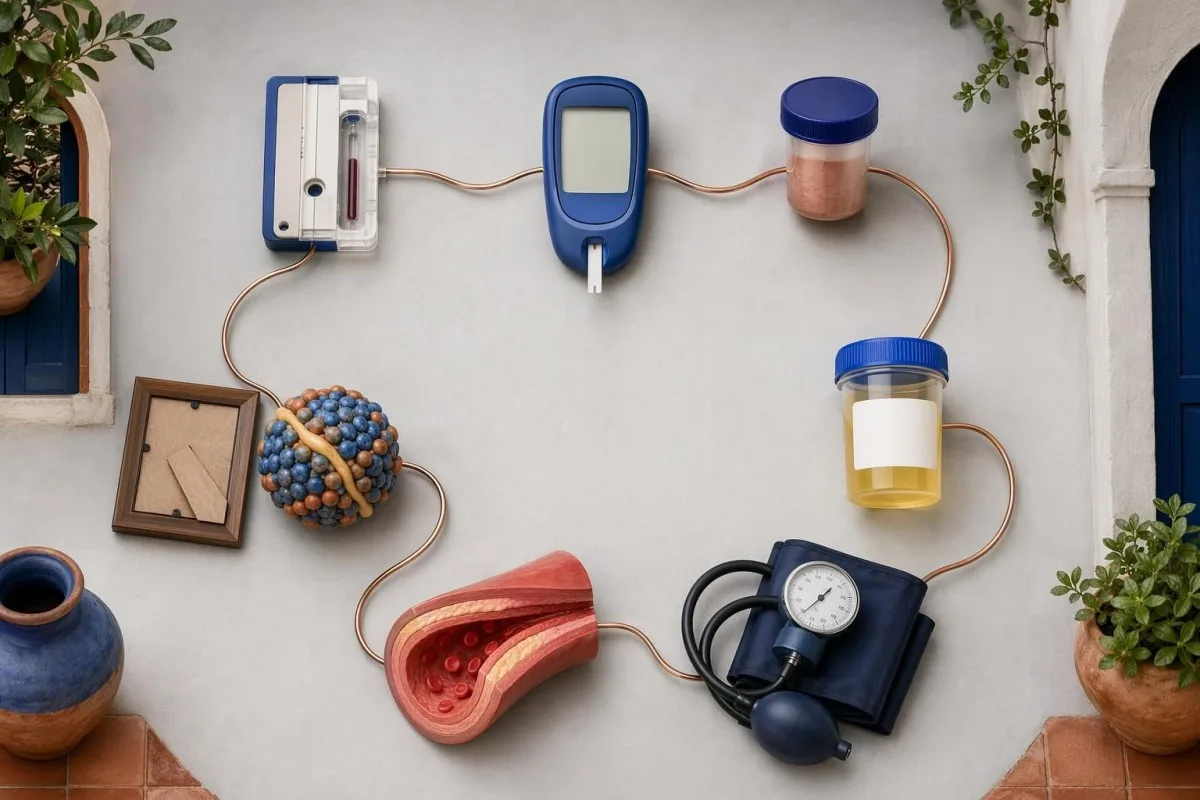
The best follow-up labs for high ApoB are a full lipid panel, non-HDL-C, triglycerides, Lp(a), HbA1c, glucose, TSH, ALT, eGFR, urine ACR, hs-CRP, and blood pressure. These results separate inherited particle excess from metabolic, thyroid, kidney, or inflammatory risk.
Non-HDL-C is total cholesterol minus HDL-C, and it captures cholesterol carried by LDL, VLDL, IDL, remnants, and Lp(a). A non-HDL-C goal is often about 30 mg/dL higher than the LDL-C goal, which is why non-HDL-C and ApoB usually travel together.
Kantesti is an AI lab test interpretation service that can compare ApoB with non-HDL-C, triglyceride-to-HDL ratio, HbA1c, ALT, TSH, and kidney markers in one report. That matters because ApoB 112 mg/dL with hs-CRP 0.4 mg/L is not the same signal as ApoB 112 mg/dL with hs-CRP 4.2 mg/L.
Kantesti AI maps results against our biomarker guide so users can see which missing tests would change interpretation. For lipid-specific context, our non-HDL cholesterol guide explains why non-HDL-C is a useful backup when ApoB is not available.
Risk factors that change urgency after a high ApoB result
High ApoB becomes more urgent when it appears with diabetes, smoking, hypertension, CKD, premature family history, Lp(a) elevation, inflammatory disease, or LDL-C ≥190 mg/dL. The number is not interpreted in isolation; the same ApoB can mean different treatment intensity in two people.
ApoB 105 mg/dL in a 28-year-old non-smoker with blood pressure 108/68 mmHg is usually a scheduled follow-up. ApoB 105 mg/dL in a 62-year-old smoker with HbA1c 7.4%, eGFR 52 mL/min/1.73 m², and urine ACR 80 mg/g is a much faster conversation.
The risk multipliers I pay attention to are not exotic: systolic blood pressure above 130 mmHg, HbA1c ≥6.5%, hs-CRP ≥2 mg/L, triglycerides ≥175 mg/dL, and a first-degree relative with early ASCVD. Kantesti AI flags clusters like this as follow-up triggers because combined signals matter more than a single red mark.
Women are often undertreated when their LDL-C looks only mildly elevated, especially after gestational diabetes, preeclampsia, early menopause, or autoimmune disease. Our article on women’s heart markers covers risk clues that standard calculators may underweight.
Repeat testing: fasting, units, and trend timing
ApoB usually does not require fasting, but fasting can help when triglycerides are high or the result conflicts with the lipid panel. After a major diet, weight, thyroid, or medication change, retesting after 8–12 weeks is usually more useful than retesting after a few days.

ApoB has less meal-to-meal variation than triglycerides, which can rise substantially after food. If non-fasting triglycerides are above 400 mg/dL, many clinicians repeat a fasting lipid panel because calculated LDL-C can become unreliable.
Within-person ApoB variation is often roughly 5–10%, depending on lab method, recent weight change, illness, and adherence to medication. A move from 101 to 106 mg/dL is not the same as a move from 101 to 145 mg/dL.
Use the same lab if possible, or at least the same units. Patients confused by fasting rules can use our fasting blood test guide to see which markers shift after food and which markers usually remain interpretable.
How clinicians lower ApoB and track response
ApoB falls when the number of atherogenic particles falls, through lifestyle change, weight loss, better insulin sensitivity, and lipid-lowering medicines when appropriate. Clinicians usually choose intensity based on absolute cardiovascular risk, not ApoB alone.
Soluble fiber, replacing saturated fat with unsaturated fat, weight loss of 5–10% when needed, and consistent aerobic activity can lower ApoB in many patients. The effect size varies; I have seen ApoB fall 15 mg/dL from diet alone, and I have seen no meaningful movement until thyroid disease or medication was addressed.
Statins lower ApoB by increasing LDL receptor clearance, while ezetimibe reduces intestinal cholesterol absorption and PCSK9 inhibitors increase LDL particle clearance further. A clinician may check ALT before starting therapy and may check CK if muscle symptoms occur, but routine CK testing is not needed for everyone.
Food changes are still worth doing even when medication is indicated because they improve triglycerides, glucose, blood pressure, and fatty liver markers. Our cholesterol-lowering foods guide is practical for diet changes, and our statin lab checklist explains baseline labs before treatment.
How Kantesti reads ApoB in full blood-test context
Kantesti reads ApoB as part of a risk pattern across lipids, glucose, thyroid, kidney, liver, inflammatory, and family-history signals. A single ApoB value is useful, but its meaning changes when triglycerides, HbA1c, TSH, eGFR, urine ACR, and Lp(a) are added.

Kantesti is an AI biomarker interpretation platform used by 2M+ people across 127+ countries to translate lab PDFs and photos into structured explanations in about 60 seconds. The platform does not diagnose heart disease; it helps users understand which results are concordant, discordant, missing, or worth discussing with a clinician.
Kantesti AI analyzes 15,000+ biomarkers across major lab panels, and our medical review workflow is described in our AI technology guide. For clinical quality standards and oversight, readers can review our medical validation process.
Thomas Klein, MD, and the Kantesti clinical team treat ApoB discordance as a reasoning problem, not a red-flag stamp. Our technical methods are also described in a pre-registered engine benchmark, which is separate from individual medical care and does not replace a clinician’s judgment.
When to seek care and what to ask after high ApoB
Seek urgent care for chest pressure, one-sided weakness, new trouble speaking, fainting, severe shortness of breath, or new leg pain with a cold or pale foot. High ApoB alone is usually not an emergency, but symptoms can change the situation immediately.

For non-urgent results, book a clinician review if ApoB is ≥130 mg/dL, LDL-C is ≥190 mg/dL, triglycerides are ≥500 mg/dL, or high ApoB appears with diabetes, CKD, smoking, or premature family history. Bring prior lipid panels if you have them; a 5-year trend often tells more truth than one printout.
Good questions are specific: “Is my ApoB concordant with LDL-C and non-HDL-C?”, “Should I check Lp(a) once?”, “Do I need TSH, urine ACR, or HbA1c?”, and “What ApoB target fits my risk category?” Most patients get clearer answers from those four questions than from asking whether cholesterol is simply good or bad.
Kantesti’s medical content is reviewed with physician oversight, and our medical advisory board page explains that structure. If your report feels confusing or your symptoms do not match the lab comments, our second opinion guide can help you decide what to bring to an appointment.
Frequently Asked Questions
Is high ApoB dangerous if my LDL cholesterol is normal?
Yes, high ApoB can still be dangerous when LDL cholesterol looks normal because ApoB reflects the number of atherogenic particles. LDL-C measures the cholesterol mass inside particles, while ApoB estimates particle count. A person with LDL-C around 95 mg/dL but ApoB 125 mg/dL may have many cholesterol-poor particles that still enter artery walls. The risk is higher if triglycerides are ≥175–200 mg/dL, HDL-C is low, or there is diabetes, smoking, CKD, or premature family history.
What ApoB level is considered high?
ApoB ≥130 mg/dL is commonly treated as high and is a risk-enhancing factor in the 2018 AHA/ACC cholesterol guideline, especially when triglycerides are ≥200 mg/dL. Many European prevention targets are stricter: <65 mg/dL for very high risk, <80 mg/dL for high risk, and <100 mg/dL for moderate risk. A result of 1.30 g/L equals 130 mg/dL, so unit conversion matters. The same ApoB value can carry different urgency depending on age, blood pressure, diabetes, kidney function, smoking, and family history.
Can high ApoB cause symptoms?
High ApoB usually causes no direct symptoms, even when it is clearly elevated. Symptoms such as chest pressure, stroke-like weakness, speech trouble, or walking-related calf pain usually reflect vascular disease rather than ApoB itself. That silent phase is why ApoB can be useful before symptoms appear. Any new chest pain, one-sided weakness, severe shortness of breath, or fainting needs urgent medical assessment regardless of the ApoB number.
What causes high ApoB?
High ApoB causes include insulin resistance, high triglycerides, visceral fat, diabetes, hypothyroidism, kidney protein loss, chronic kidney disease, cholestatic liver disease, menopause, pregnancy, inherited lipid disorders, and high Lp(a). Diet can contribute when saturated fat intake is high or when refined carbohydrates and alcohol raise VLDL production. Medications such as oral steroids, isotretinoin, cyclosporine, some progestins, and certain HIV medicines can also increase ApoB-containing particles. Follow-up labs help separate metabolic causes from thyroid, kidney, liver, genetic, and medication-related causes.
Which follow-up tests should I ask for after high ApoB?
Useful follow-up tests after high ApoB include a full lipid panel, non-HDL-C, triglycerides, Lp(a), HbA1c, fasting glucose, TSH, free T4 when indicated, ALT, eGFR, urine albumin-creatinine ratio, and hs-CRP. Blood pressure and family history are just as important as lab numbers. Lp(a) is often checked once in adulthood because it is mostly inherited, while HbA1c and triglycerides may need repeat monitoring. If triglycerides are above 400 mg/dL, a fasting repeat lipid panel can make LDL interpretation more reliable.
Can lifestyle lower ApoB, and how long does it take?
Lifestyle can lower ApoB, especially when high ApoB is driven by insulin resistance, weight gain, high saturated fat intake, or high triglycerides. A 5–10% weight loss, more soluble fiber, replacing saturated fat with unsaturated fat, and regular aerobic exercise can produce meaningful changes within 8–12 weeks in many people. The response varies widely because genetics, thyroid function, kidney disease, and medications can limit the effect. Clinicians often repeat ApoB after 8–12 weeks rather than after only a few days.
Do I need to fast for an ApoB test?
ApoB usually does not require fasting because particle number changes less after meals than triglycerides do. Fasting can still be helpful when triglycerides are high, when LDL-C is calculated, or when results conflict with symptoms and risk factors. If non-fasting triglycerides are above 400 mg/dL, many clinicians repeat a fasting lipid panel. Use the same units when comparing results because 0.90 g/L equals 90 mg/dL.
Does a high ApoB result mean I need a statin?
Not necessarily. Whether medication is appropriate depends on your ApoB level alongside your age, blood pressure, diabetes, smoking status, kidney health, family history, and any known artery disease; lifestyle changes may be enough for some lower-risk people.
Should my ApoB be rechecked after menopause?
Yes, a repeat lipid assessment is reasonable around the menopause transition, because declining estrogen can raise LDL cholesterol and ApoB. Timing depends on your overall risk and prior results; discuss earlier testing if you have diabetes, high blood pressure, or a strong family history.
Get AI-Powered Blood Test Analysis Today
Join over 2 million users worldwide who trust Kantesti for instant, accurate lab test analysis. Upload your blood test results and receive comprehensive interpretation of 15,000+ biomarkers in seconds.
📚 Referenced Research Publications
Klein, T., Mitchell, S., & Weber, H. (2026). Nipah Virus Blood Test: Early Detection & Diagnosis Guide 2026. Kantesti AI Medical Research.
Klein, T., Mitchell, S., & Weber, H. (2026). B Negative Blood Type, LDH Blood Test & Reticulocyte Count Guide. Kantesti AI Medical Research.
📖 External Medical References






⚕️ Medical Disclaimer
This article is for educational purposes only and does not constitute medical advice. Always consult a qualified healthcare provider for diagnosis and treatment decisions.
E-E-A-T Trust Signals
Experience
Physician-led clinical review of lab interpretation workflows.
Expertise
Laboratory medicine focus on how biomarkers behave in clinical context.
Authoritativeness
Written by Dr. Thomas Klein with review by Dr. Sarah Mitchell and Prof. Dr. Hans Weber.
Trustworthiness
Evidence-based interpretation with clear follow-up pathways to reduce alarm.