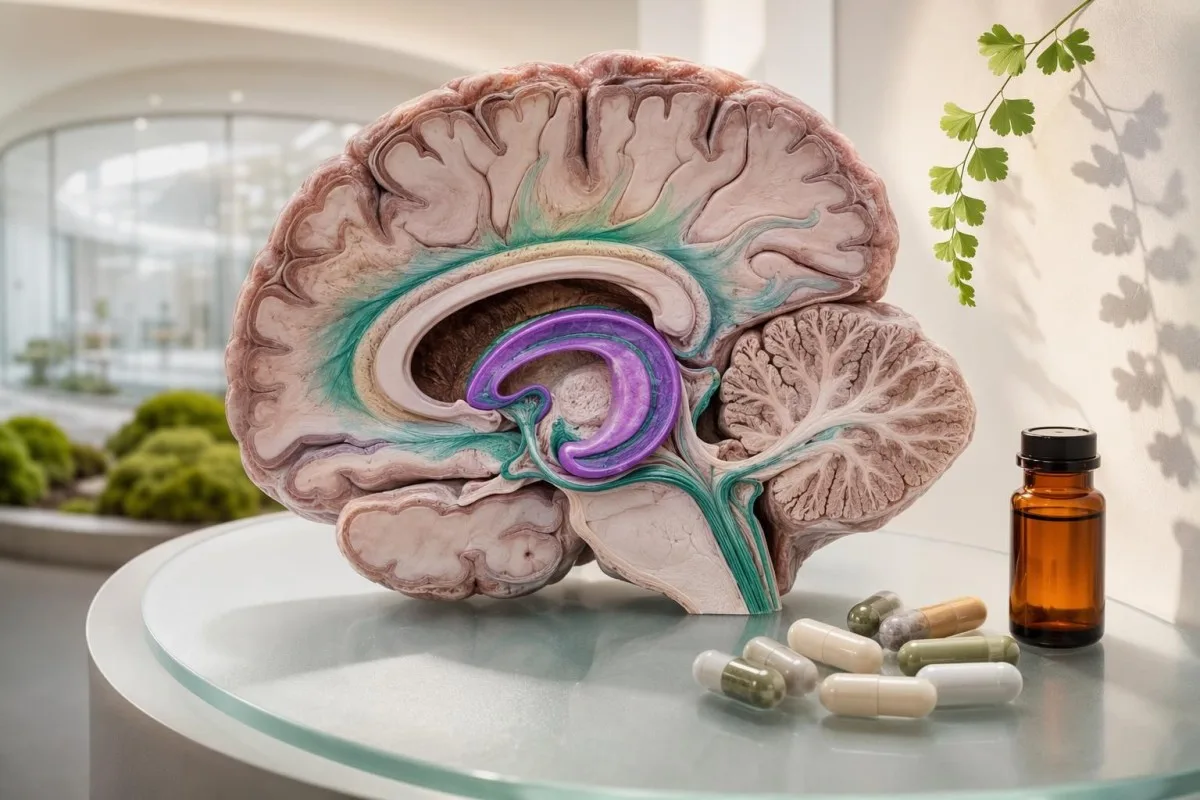
Most memory supplements do not reliably improve recall in healthy adults. The safer route is to correct a documented deficiency, review medicines and sleep, and investigate new or progressing symptoms before buying a blend.


- Bottom line no supplement consistently improves memory in healthy adults with normal nutrition and no cognitive disorder.
- Vitamin B12 below 200 pg/mL (148 pmol/L) usually supports deficiency; borderline results of 200-300 pg/mL often need methylmalonic acid context.
- Ferritin below 30 ng/mL can support iron deficiency when inflammation is absent, but iron should not be taken long-term without a reason.
- Omega-3 supplements support triglyceride lowering at prescription-strength doses, but trials have not shown dependable memory prevention in healthy older adults.
- Ginkgo and huperzine A can affect bleeding, heart rate, seizure threshold, and medicines used for cognition.
- Vitamin B6 can cause peripheral nerve injury at sustained high supplemental doses; more is not better for brain health.
- New memory loss with disorientation, missed bills, getting lost, personality change, weakness, or sudden onset needs medical assessment rather than a supplement trial.
- Testing first commonly includes CBC, B12 with MMA when appropriate, folate, TSH, ferritin and iron studies, glucose or HbA1c, kidney/liver markers, and a medication review.
Which supplements for memory actually help?
No over-the-counter product reliably sharpens memory in well-nourished, healthy adults. The best supplements for memory are usually treatments for a proven problem—such as vitamin B12 deficiency, iron deficiency, or thiamine depletion—not broad “nootropic” stacks. As of July 25, 2026, the most defensible advice is to test and treat a cause, then judge any low-risk trial by function rather than by a vague feeling of mental energy.
A reversible cause is more likely to respond than normal aging is. In my clinical work, a patient with low B12, untreated sleep apnea, depression, hypothyroidism, medication sedation, or anemia can feel dramatically clearer after the cause is addressed; a person with normal testing usually does not gain the same effect from capsules. Blood tests for memory loss explains the first laboratory questions worth asking.
Mild cognitive impairment deserves a clinical plan, not a shopping list. The American Academy of Neurology found no high-quality evidence supporting medicines for mild cognitive impairment and recommends regular exercise; the same caution applies to supplements marketed as cognitive cures (Petersen et al., 2018). A 6-month decline in handling finances or medications carries far more diagnostic weight than forgetting a name once or twice.
Kantesti is an AI blood test analyzer that places CBC, ferritin, B12, glucose, thyroid, kidney and liver results into one readable follow-up context. It can identify questions to take to a clinician, but neither our AI nor any supplement can diagnose Alzheimer disease, vascular cognitive impairment, or delirium from a lab report alone.
When memory symptoms need assessment before supplements
Sudden confusion, one-sided weakness, speech difficulty, a severe new headache, fever with confusion, or inability to stay awake requires urgent medical care. A supplement should never delay assessment of an abrupt cognitive change, because stroke, low glucose, medication toxicity, infection, seizure activity, and delirium can look like “brain fog.”
Progressive memory difficulty also warrants review when it affects daily independence. Repeating questions, getting lost on familiar routes, leaving cooking unattended, or making unusual financial errors are practical red flags, even when a person scores well on casual online memory tests. The WHO 2019 dementia-risk guideline emphasizes management of vascular risk, physical activity, tobacco avoidance, and social engagement rather than supplement-based prevention (World Health Organization, 2019).
Depression and sleep loss can imitate memory disease surprisingly well. I have seen a 46-year-old parent describe “my brain is broken” after 5 hours of fragmented sleep for months; after treating insomnia and iron deficiency, their word-finding recovered without a cognitive supplement. Sleep restriction affects attention first, and poor attention prevents a memory from being encoded in the first place.
Medication review is one of the highest-yield interventions. Diphenhydramine, some bladder medicines, benzodiazepines, opioids, certain anti-nausea drugs, and alcohol can add anticholinergic or sedating burden; combining several modestly sedating products is often worse than one obvious culprit. Our guide to blood tests for insomnia covers common lab contributors to poor sleep.
B12, folate and thiamine: supplements that matter when low
Vitamin B12, folate, and thiamine supplements help cognition when deficiency is present, but they do not reliably enhance memory above a normal nutritional baseline. B12 deficiency can cause slowed thinking, numbness, gait change, anemia, and mood symptoms; nerve symptoms may occur even when the CBC looks normal.
A serum B12 below 200 pg/mL, or 148 pmol/L, generally supports deficiency, while 200-300 pg/mL is an indeterminate zone. Methylmalonic acid rises when cells lack functional B12, although kidney impairment can raise it too; homocysteine is less specific because folate, B6, thyroid status, smoking, and renal function also influence it. Compare units and cutoffs with this B12 range guide.
Folic acid can correct anemia while allowing B12-related nerve injury to continue. That is why I prefer knowing B12 status before recommending folic acid doses above 400 micrograms daily for unexplained fatigue or memory symptoms. Serum folate below 3 ng/mL is commonly considered deficient, but recent intake can temporarily inflate the result.
Thiamine deficiency is uncommon in a varied diet but clinically urgent in people with heavy alcohol use, persistent vomiting, severe malnutrition, bariatric surgery, or prolonged poor intake. Oral thiamine is not an adequate substitute for urgent assessment when confusion, unsteady walking, or abnormal eye movements appear. A targeted thiamine testing guide is more useful than guessing from symptoms.
Iron, thyroid and glucose: common misses behind brain fog
Iron deficiency, thyroid dysfunction, and unstable glucose can impair attention and mental speed, so correcting them may help memory complaints more than a nootropic. These conditions require interpretation of patterns, because one isolated result can mislead.
Ferritin below 30 ng/mL supports depleted iron stores in many adults when CRP is not elevated, and transferrin saturation below 20% adds support for iron deficiency. Ferritin rises with infection, liver disease, and obesity-related inflammation, so a value of 80 ng/mL does not always mean iron stores are generous. Read the full iron studies interpretation before self-prescribing iron.
TSH reference intervals commonly run around 0.4-4.0 mIU/L, but symptom interpretation depends on free T4, pregnancy status, age, medicines, and whether the result is changing. Overt hypothyroidism can slow cognition, while excess thyroid hormone can fragment sleep and mimic anxiety; neither diagnosis should be made from a “thyroid support” supplement response. I see excessive iodine cause more trouble than benefit in people who already have autoimmune thyroid disease.
An HbA1c of 5.7-6.4% indicates prediabetes, while 6.5% or higher on confirmatory testing supports diabetes in most non-pregnant adults. Glucose swings can impair concentration within hours, whereas the HbA1c reflects roughly 8-12 weeks of glycaemic exposure. Glucose ranges for women offers practical context that also applies broadly to adults.
Sleep, mood and medicines often beat any memory pill
Sleep apnea, insomnia, depression, anxiety, hearing loss, and medication effects commonly produce memory complaints through impaired attention. Treating these factors is usually more effective than adding supplements for brain health, particularly when a person says they remember well after a genuinely restorative night.
Adults who sleep fewer than 7 hours regularly tend to report more concentration errors, but duration is only part of the story. Loud snoring, witnessed pauses in breathing, morning headache, resistant high blood pressure, and daytime sleepiness raise suspicion for obstructive sleep apnea, which needs formal clinical evaluation rather than melatonin alone. A normal CBC does not rule it out, although elevated hematocrit can occasionally be a clue.
Anticholinergic medicines can impair recent memory, especially after age 65. Examples include diphenhydramine, doxylamine, oxybutynin, amitriptyline, and some antipsychotics; stopping a prescribed drug suddenly can be unsafe, so the right move is a prescriber-led review. For sleep products specifically, see our careful review of supplements for sleep.
Hearing loss deserves a mention because the brain spends extra effort decoding sound, leaving less capacity for memory encoding. In my experience, patients sometimes call this “memory loss” when the first issue is missed conversation, social withdrawal, and fatigue. A hearing check, medication reconciliation, and depression screen can be more revealing than a $70 memory stack.
Omega-3 supplements: useful nutrient, modest memory evidence
Omega-3 supplements have not reliably prevented cognitive decline or improved memory in healthy adults, despite plausible biological effects in cell membranes. They may still be appropriate for selected cardiovascular or dietary reasons, but that is a different claim from improving recall.
A meta-analysis by Mazereeuw and colleagues found small, inconsistent cognitive effects from omega-3 trials, with results shaped by population, baseline diet, and study design rather than a clear universal benefit (Mazereeuw et al., 2012). In clinic, I frame fish oil as a nutritional or triglyceride discussion—not as treatment for new forgetfulness. The distinction prevents people from overlooking sleep, mood, and vascular risk.
Prescription omega-3 products use doses around 4 g daily for specific triglyceride indications, while consumer supplements often supply 250-1,000 mg combined EPA plus DHA. Higher doses can cause gastrointestinal upset and may increase atrial fibrillation risk in susceptible people; they also deserve discussion when someone takes anticoagulants or has an upcoming procedure. Our EPA and DHA guide separates food intake from therapeutic dosing.
Eating fish one or two times weekly can be a practical dietary choice for people who can and wish to do so, but no food or capsule cancels vascular risk. Blood pressure, smoking, physical inactivity, diabetes, hearing loss, and untreated depression have stronger evidence-based links to later cognitive decline than a low omega-3 index alone.
Citicoline, creatine and newer memory supplements
Citicoline and creatine have limited, situation-specific cognitive evidence, not proof that they improve long-term memory for most adults. Small trials can be interesting, but they should not outweigh a person's medical history, kidney function, pregnancy status, or medication list.
Citicoline, also called CDP-choline, has been studied more often in vascular cognitive impairment and post-stroke settings than in healthy younger adults. Typical study doses range from 500 mg to 2,000 mg daily, yet formulations and outcomes vary enough that I would not call it one of the best supplements for memory. Headache, insomnia, gastrointestinal upset, and interactions with cholinergic medicines are possible.
Creatine monohydrate at 3-5 g daily may modestly support short-term memory or reasoning during sleep deprivation and in some vegetarians, but the evidence is not a general cognitive prescription. It commonly raises serum creatinine because creatinine is a breakdown product of creatine; that lab shift does not automatically mean kidney damage. People with chronic kidney disease should ask their renal clinician before using it and can review cystatin C context.
Lion's mane, phosphatidylserine, acetyl-L-carnitine, and bacopa have preliminary or mixed findings, not consistent clinical-grade evidence for preventing dementia. Product purity is an extra uncertainty: a trial using a standardized extract cannot be assumed to apply to every online capsule bearing a similar name. If you try one low-risk product, change only one variable and reassess at 8-12 weeks.
Multivitamins and vitamin D for brain health
Multivitamins and vitamin D correct nutritional gaps, but neither is a dependable memory enhancer when laboratory levels and diet are already adequate. The sensible question is not “What is the highest dose?” but “What deficiency or dietary limitation are we actually treating?”
A 25-hydroxyvitamin D level below 12 ng/mL, or 30 nmol/L, indicates deficiency according to the U.S. National Academies framework, while 20 ng/mL or 50 nmol/L is adequate for most people’s bone health. Claims that everyone needs 40-60 ng/mL for cognition are not supported by a consensus guideline. High dosing can raise calcium and cause thirst, constipation, kidney stones, confusion, and rhythm problems.
The large COSMOS-Mind trials have suggested a small cognitive benefit from a daily multivitamin in some older adults, but this is not proof that every person with forgetfulness needs one. The effect size was modest, and multivitamins do not replace evaluation for B12 deficiency, anemia, depression, or neurodegenerative disease. People eating very restricted diets may have a clearer rationale than people with varied diets.
Kantesti AI is an AI biomarker interpretation platform that can show whether vitamin D, B12, calcium, kidney markers, and previous results are moving together or merely fluctuating. For vitamin D doses and follow-up timing, our D3 versus D2 article gives a practical starting point.
Memory supplements to avoid or treat with extra caution
Avoid proprietary blends with undisclosed doses, and use ginkgo, huperzine A, high-dose B6, and stimulant-containing products only with professional advice—or not at all. Their advertised cognitive benefit is uncertain, while adverse effects and interactions are real.
Ginkgo biloba has not shown consistent clinically meaningful benefit for preventing dementia or restoring memory, and it can increase bleeding risk. The concern becomes more practical with warfarin, apixaban, rivaroxaban, clopidogrel, aspirin, NSAIDs, epilepsy, or planned surgery. “Natural” is not a pharmacology exemption.
Huperzine A inhibits acetylcholinesterase, which means it acts more like a drug than a casual nutrient. It may cause nausea, vivid dreams, slowed heart rate, sweating, muscle cramps, or insomnia, and it can conflict with donepezil, rivastigmine, galantamine, anticholinergic medicines, and some anaesthetic plans. I am particularly cautious when someone has fainting episodes or a resting pulse below 55 beats per minute.
Vitamin B6 is frequently hidden in energy and brain blends. The U.S. adult upper limit is 100 mg daily, while the European Food Safety Authority set a lower adult upper limit of 12 mg daily in 2023 because chronic exposure can injure peripheral nerves. A vitamin B6 test guide is useful when tingling begins after supplement use.
Medicine interactions and quality checks before buying
A memory supplement can interact with prescription medicines even when its label appears harmless. The highest-risk combinations involve anticoagulants, antiplatelet medicines, antidepressants, seizure medicines, diabetes treatment, thyroid hormone, sedatives, and drugs that affect acetylcholine.
St John's wort can lower concentrations of many medicines by inducing drug-metabolising enzymes and transporters. It can reduce effectiveness of oral contraceptives, transplant medicines, anticoagulants, antiretrovirals, and some cancer treatments; it can also contribute to serotonin toxicity with serotonergic antidepressants. It is not a routine memory supplement, but it often appears in “mood and focus” blends.
High-dose zinc can create copper deficiency, and excess iodine can destabilize thyroid function. Zinc doses above 40 mg daily for months deserve a reason and monitoring, while kelp products can contain highly variable iodine amounts. Review high zinc and copper clues if a supplement regimen includes multiple minerals.
Choose products that disclose every ingredient and dose, use an independent quality program where available, and have one clear objective. A label with 18 ingredients makes side effects impossible to trace. Supplements and fasting blood tests also explains why biotin and other products should be disclosed before testing.
Blood tests to consider before memory supplements
A focused work-up for persistent memory symptoms often includes CBC, B12, folate, TSH, metabolic markers, glucose or HbA1c, and iron studies when history supports them. The exact panel should follow age, diet, menstrual or bleeding history, gastrointestinal disease, alcohol intake, medicines, neurological examination, and symptom speed.
A CBC can reveal anemia, macrocytosis, microcytosis, infection clues, and unexpectedly high hematocrit, but it cannot diagnose the reason by itself. An MCV above 100 fL raises questions about B12, folate, alcohol, liver disease, thyroid status, reticulocytes, and medicines; a normal MCV does not exclude B12 deficiency. Our CBC pattern overview clarifies what each component contributes.
Ferritin, transferrin saturation, CRP, and hemoglobin are best read as a pattern rather than as separate pass-fail marks. A ferritin of 18 ng/mL with fatigue and heavy periods is different from 18 ng/mL during an acute inflammatory illness, and a high ferritin with low transferrin saturation can reflect inflammation rather than iron overload. This is one reason a supplement trial can conceal the actual diagnosis.
Kantesti is an AI-powered blood test analysis tool that compares results over time and flags combinations worth discussing with a clinician. Before you upload or share results, use our privacy preparation checklist and preserve the laboratory's original units, reference intervals, collection date, fasting status, and supplement list.
How to try a supplement without fooling yourself
If a clinician agrees that a low-risk supplement trial is reasonable, use one product, one measured goal, and one stop date. Starting three capsules at once creates a familiar problem: nobody can tell what helped, what caused insomnia, or what changed a lab result.
Establish a baseline for 1-2 weeks before beginning. Track sleep duration, alcohol, exercise, mood, missed appointments, repeated questions, and one repeatable task such as recalling a shopping list after 20 minutes; this is not a diagnostic test, but it is better than relying on sales-page promises. Ask a relative for discreet feedback if that feels appropriate.
Use the smallest evidence-based dose for the specific indication and reassess by 8-12 weeks. For example, oral B12 replacement commonly uses 1,000 micrograms daily in many clinical settings, but dose and route depend on cause, severity, absorption, and neurological symptoms. Iron, vitamin D, and thyroid-related products require a different monitoring timetable.
Stop and seek advice for rash, palpitations, fainting, new tingling, dark urine, severe nausea, jaundice, agitation, or worse confusion. Dr. Thomas Klein's practical rule is simple: if the benefit cannot be described in a real-world function after a defined trial, there is rarely a reason to keep paying for it. Our before-and-after supplement labs guide helps structure retesting.
What supports memory better than supplements
Regular aerobic activity, strength work, blood-pressure control, diabetes prevention, hearing care, sleep treatment, and social or cognitive activity have stronger evidence for long-term brain health than most supplements. These measures work through vascular health, sleep, mood, sensory input, and physical resilience rather than one molecule in a capsule.
The AAN guideline advises regular exercise for mild cognitive impairment, with studies commonly using twice-weekly exercise programs over about 6 months (Petersen et al., 2018). A realistic initial target is 150 minutes weekly of moderate movement plus two strength sessions, adjusted for mobility, heart disease, pain, and clinician advice. Walking after meals can improve glucose exposure while also building a repeatable habit.
Mediterranean-style eating patterns are supported more by overall dietary evidence than isolated antioxidant pills. Prioritize vegetables, legumes, fruit, nuts where tolerated, whole grains, unsweetened dairy or alternatives, fish if desired, and olive oil; the useful pattern is consistency, not a single “brain food.” Our brain-health food guide links dietary choices to measurable nutrition and metabolic clues.
Blood pressure below 120/80 mmHg is considered normal for most adults, while persistent readings of 130/80 mmHg or higher merit cardiovascular risk discussion in many guidelines. Midlife vascular risk is relevant to later cognition, which is why the boring basics—blood pressure, LDL cholesterol, smoking cessation, sleep, and movement—deserve far more attention than expensive nootropics.
Memory supplements for adults over 65: extra cautions
Adults over 65 have a higher risk of side effects, kidney-related accumulation, falls, and medicine interactions from memory supplements. A product that seems tolerable for a 30-year-old can trigger dizziness, confusion, urinary retention, low pulse, or bleeding in an older person taking several medicines.
Kidney function changes the safety margin for magnesium, creatine, and many herbal products. An eGFR below 60 mL/min/1.73 m² persisting for at least 3 months defines chronic kidney disease, and an eGFR below 30 warrants particularly careful prescribing and supplement review. Chronic kidney disease stages explain why one low result may need confirmation.
Falls may be the first visible signal that a “brain” supplement is causing harm. Sedating blends, melatonin taken at excessive doses, antihistamines, cannabis-containing products, and blood-pressure-lowering herbs can combine with existing medicines. I encourage families to take every bottle—including teas, powders, and gummies—to one pharmacist-led review.
Kantesti is an AI lab test interpretation service designed to help people prepare clearer questions from their own laboratory reports and longitudinal trends. Our doctors and clinical reviewers work within defined limits, and the Medical Advisory Board supports the clinical oversight behind that approach; new functional decline still needs an in-person assessment.
A sensible next step for memory concerns
Start with symptom timing, functional change, sleep, medicines, mood, diet, alcohol, and targeted tests—not a supplement cart. The best supplements for memory are deficiency-specific treatments used at an appropriate dose, with a retest plan and a clear reason to stop.
Book medical review within days to weeks for progressive symptoms, and seek urgent care for sudden confusion or neurological signs. Bring a timeline, a complete medicine and supplement list, examples of real-world errors, sleep symptoms, alcohol intake, and family observations; this often shortens the route to an answer. A normal lab panel is reassuring in one sense, but it does not rule out depression, sleep apnea, hearing loss, or early neurocognitive disease.
Dr. Thomas Klein recommends treating a supplement as a hypothesis, not a lifelong identity. Correct documented B12, iron, folate, thiamine, or vitamin D problems; avoid high-dose blends; and give lifestyle measures enough time to work. If your memory problem is worsening despite normal routine testing, ask about formal cognitive screening and whether neurology, geriatrics, sleep medicine, mental health, or audiology referral fits.
Kantesti's clinical approach uses trend-aware interpretation and transparent limits rather than promising a diagnosis from one result. Readers who want to understand how our methodology is evaluated can review our clinical validation standards and AI technology guide.
Frequently Asked Questions
What is the best supplement for memory loss?
The best supplement for memory loss is usually the one that treats a documented cause, such as vitamin B12 for B12 deficiency, iron for confirmed iron deficiency, or thiamine for people at risk of thiamine depletion. No over-the-counter supplement consistently improves memory in healthy adults with normal nutritional status. A B12 level below 200 pg/mL, ferritin below about 30 ng/mL when inflammation is absent, or clear dietary deficiency creates a more rational treatment target. New, progressive, or functionally significant memory loss should be assessed clinically before starting a supplement.
Do omega-3 supplements improve memory?
Omega-3 supplements do not reliably improve memory or prevent dementia in healthy adults, although they remain useful for selected dietary and cardiovascular indications. Clinical trials have used doses from roughly 250 mg to 4 g daily of combined EPA and DHA, with inconsistent cognitive outcomes. Higher doses can cause gastrointestinal effects and may raise atrial fibrillation risk in susceptible people. Anyone using anticoagulants, antiplatelet medicines, or preparing for a procedure should review omega-3 dosing with a clinician.
Can low vitamin B12 cause memory problems?
Low vitamin B12 can cause slowed thinking, memory difficulty, depression, numbness, balance problems, and anemia, although not every person has all symptoms. Serum B12 below 200 pg/mL, or 148 pmol/L, usually supports deficiency, while results of 200-300 pg/mL often need methylmalonic acid and clinical context. Neurological symptoms can occur even when hemoglobin and MCV are normal. Treatment choice depends on severity, cause, diet, medicines such as metformin or proton-pump inhibitors, and whether absorption is impaired.
Is ginkgo biloba safe for memory?
Ginkgo biloba has not shown consistent, clinically meaningful memory benefit, and it can be unsafe for some people. It may increase bleeding risk when combined with warfarin, apixaban, rivaroxaban, clopidogrel, aspirin, or frequent NSAID use. People with epilepsy or a planned procedure should discuss ginkgo with a clinician because seizure and peri-procedural concerns also exist. Its safety profile is a reason not to treat it as a casual “natural” brain vitamin.
Which blood tests can help investigate memory problems?
Common first blood tests for persistent memory concerns include a CBC, vitamin B12, folate, TSH with free T4 when indicated, glucose or HbA1c, kidney and liver markers, and iron studies when anemia, dietary limitation, bleeding, or fatigue is possible. An HbA1c of 5.7-6.4% indicates prediabetes, while ferritin below 30 ng/mL can support iron deficiency if inflammation is absent. The right panel varies with symptom timing, age, alcohol use, medicines, gastrointestinal history, diet, and neurological findings. Blood tests can identify reversible contributors but cannot independently diagnose dementia.
Can too many vitamins cause brain fog?
Too many vitamins or minerals can cause symptoms that people describe as brain fog, particularly when products overlap. Excess vitamin D can raise calcium; high-dose vitamin B6 can injure peripheral nerves; excessive iodine can disrupt thyroid function; and too much magnesium is riskier when kidney function is reduced. The U.S. adult upper limit for supplemental vitamin B6 is 100 mg daily, while the European Food Safety Authority uses a more cautious 12 mg daily adult limit. Bring all capsules, gummies, powders, and fortified drinks to a medication review if symptoms began after a new regimen.
Can dehydration make memory or concentration temporarily worse?
Yes. Dehydration can cause headache, fatigue, dizziness, and reduced concentration, especially during heat, illness, or poor fluid intake. Drink regularly unless you have been told to limit fluids for heart, kidney, or liver disease.
Get AI-Powered Blood Test Analysis Today
Join over 2 million users worldwide who trust Kantesti for instant, accurate lab test analysis. Upload your blood test results and receive comprehensive interpretation of 15,000+ biomarkers in seconds.
📚 Referenced Research Publications
Klein, T., Mitchell, S., & Weber, H. (2026). Kantesti Research Team. (2026). Iron studies guide: TIBC, iron saturation & binding capacity. Zenodo. https://doi.org/10.5281/zenodo.18248745. Kantesti AI Medical Research.
Klein, T., Mitchell, S., & Weber, H. (2026). Kantesti Research Team. (2026). aPTT normal range: D-dimer, protein C blood clotting guide. Zenodo. https://doi.org/10.5281/zenodo.18262555. Kantesti AI Medical Research.
📖 External Medical References
World Health Organization (2019). Risk reduction of cognitive decline and dementia: WHO guidelines. World Health Organization.
⚕️ Medical Disclaimer
This article is for educational purposes only and does not constitute medical advice. Always consult a qualified healthcare provider for diagnosis and treatment decisions.
E-E-A-T Trust Signals
Experience
Physician-led clinical review of lab interpretation workflows.
Expertise
Laboratory medicine focus on how biomarkers behave in clinical context.
Authoritativeness
Written by Dr. Thomas Klein with review by Dr. Sarah Mitchell and Prof. Dr. Hans Weber.
Trustworthiness
Evidence-based interpretation with clear follow-up pathways to reduce alarm.