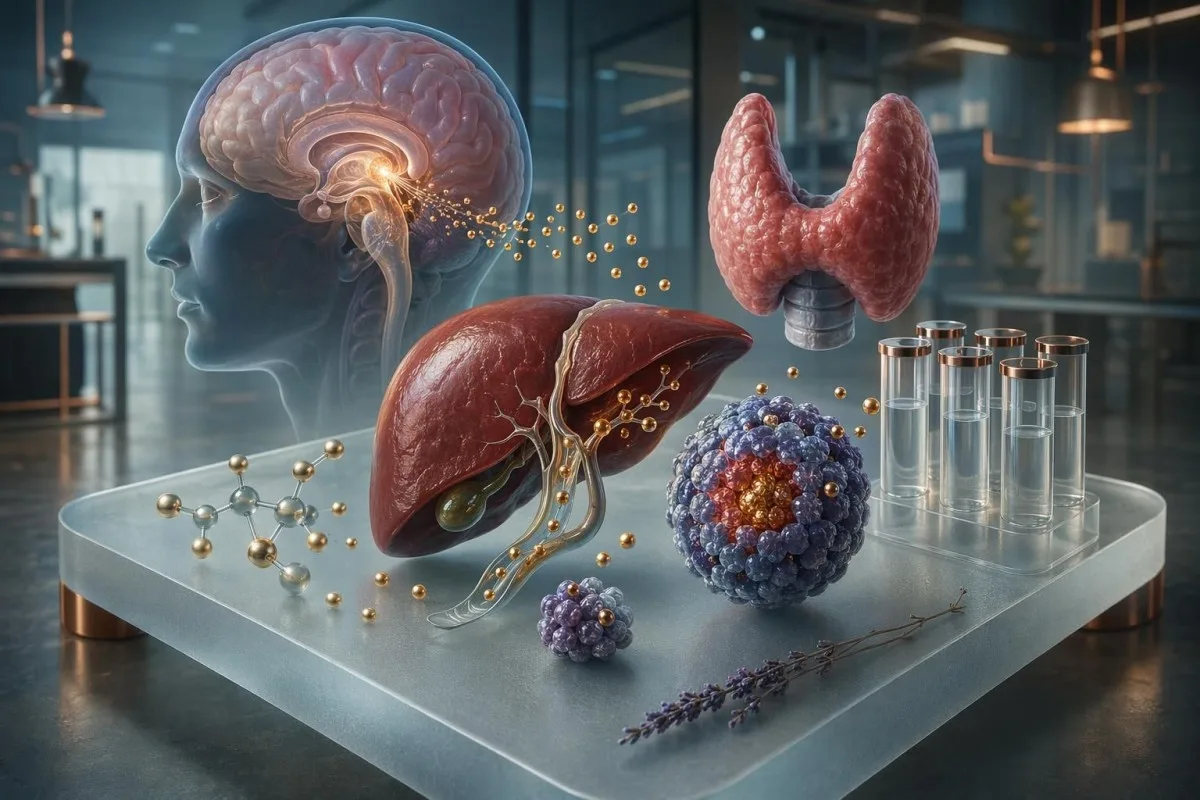
Melatonin is not a universal sleep fix. Lab patterns can show when iron, magnesium, thyroid, liver metabolism or medication timing is the real issue.


- Ferritin below 75 ng/mL can worsen restless legs and sleep fragmentation, even when hemoglobin is normal.
- TSAT below 20% supports iron-restricted physiology; melatonin will not fix leg discomfort from low iron availability.
- TSH below 0.1 mIU/L with high free T4 suggests hyperthyroid physiology, where sleep supplements often feel weak or paradoxical.
- Serum magnesium 1.7-2.2 mg/dL is the usual adult range, but low-normal results do not rule out intracellular depletion.
- eGFR below 30 mL/min/1.73 m² makes routine magnesium for sleep risky without clinician supervision.
- ALT or AST above 2-3 times the upper limit should prompt caution before melatonin because hepatic metabolism may be altered.
- Melatonin 0.3-1 mg taken 2-3 hours before the desired bedtime is usually more circadian than a 5-10 mg late-night dose.
- Supplement timing matters: magnesium, iron and calcium should usually be separated from levothyroxine by at least 4 hours.
- Glucose below 70 mg/dL overnight or repeated nocturnal highs can mimic insomnia and will not reliably improve with sedating supplements.
Which lab patterns decide whether sleep supplements help?
Supplements for sleep help when the lab pattern matches the sleep problem: low ferritin with restless legs, low magnesium with cramps, delayed circadian rhythm with normal safety labs, or mild nutrient gaps. They are often ineffective when insomnia is driven by hyperthyroidism, sleep apnea, glucose swings or stimulant medication. They can be risky with liver dysfunction, kidney impairment, anticoagulants, sedatives or pregnancy.
In my clinic, the person who says “melatonin does nothing” often has a clue sitting in plain sight: ferritin 18 ng/mL, TSH 0.08 mIU/L, ALT 92 IU/L, or eGFR 42 mL/min/1.73 m². A focused blood test for insomnia is not about ordering every marker under the sun; it is about spotting the handful of patterns that change the supplement decision.
Kantesti is an AI blood test analyzer that reads sleep-relevant markers such as ferritin, TSH, ALT, creatinine and glucose together rather than as isolated red or green flags. The reason our technology guide emphasizes patterns is simple: a ferritin of 42 ng/mL means something different in a 28-year-old runner with restless legs than in a 72-year-old man with CRP 38 mg/L.
As of June 5, 2026, I still see two common mistakes. One is taking 10 mg melatonin at midnight for a circadian problem that needed 0.5 mg at 8:30 pm; the other is using magnesium every night despite an eGFR below 30 mL/min/1.73 m². Neither is rare, and neither shows up on the bottle label.
The evidence is not as tidy as supplement marketing suggests. Ferracioli-Oda et al. found that melatonin shortened sleep onset by about 7 minutes on average in primary sleep disorders, which is meaningful for some people but not magic (Ferracioli-Oda et al., 2013). The American Academy of Sleep Medicine guideline by Sateia et al. advised against routine melatonin for chronic insomnia in adults because the average effect was small and inconsistent (Sateia et al., 2017).
Ferritin and restless legs: the overlooked sleep blocker
Low or low-normal ferritin can make sleep supplements look ineffective because restless legs and periodic limb movements keep waking the brain. In adults with restless legs symptoms, ferritin below 75 ng/mL is commonly used as a treatment threshold, even though many lab reports list 12-150 ng/mL as “normal” for adult women.
Ferritin below 30 ng/mL usually supports depleted iron stores, while ferritin 30-75 ng/mL may still matter in restless legs syndrome. The International Restless Legs Syndrome Study Group task force led by Allen et al. recommended considering iron treatment when ferritin is below 75 ng/mL or transferrin saturation is below 20% in the right clinical setting (Allen et al., 2018).
A clinical example: a 36-year-old teacher told me she had “failed” magnesium, glycine and 6 mg melatonin. Her hemoglobin was 12.8 g/dL, but ferritin was 14 ng/mL and MCV had drifted from 91 to 82 fL over 18 months. That slow drift is why I like comparing results over time, especially in patients reading our restless legs iron guide.
Iron deficiency can disturb dopamine signaling in the brain, which is one reason symptoms often feel worse at night rather than during the day. If leg crawling, evening agitation, or an urge to move is present, melatonin may sedate the patient slightly but leave the driver untouched.
Do not assume heavy periods are the only explanation. In men, postmenopausal women, frequent blood donors, endurance athletes and people using acid-suppressing medication, ferritin under 30 ng/mL deserves a search for diet, absorption or occult blood loss rather than a casual “take iron forever” plan.
Iron studies: when ferritin alone gives the wrong answer
Ferritin alone can mislead when inflammation, liver disease or recent infection raises ferritin despite poor iron availability. A more useful sleep-oriented iron panel includes ferritin, serum iron, TIBC or transferrin, transferrin saturation, CBC indices and often CRP.
Transferrin saturation below 20% suggests reduced circulating iron availability, especially when MCH or MCV is falling. A ferritin of 95 ng/mL with CRP 45 mg/L can still hide functional iron restriction; the body is locking iron away during tissue response.
The most common patient misconception is that a “normal ferritin” rules out an iron-related sleep problem. It does not. I have seen restless legs improve when TSAT rose from 12% to 24%, even though ferritin never dropped below the printed lab interval.
For a deeper reference on TIBC, saturation and binding patterns, our iron studies guide explains why serum iron is noisy after meals and why morning fasting samples are cleaner. Serum iron can swing by 30-50% across the day, so one isolated value should not decide long-term supplementation.
Iron is not a harmless sleep supplement. Oral iron commonly causes constipation or nausea, and taking it with calcium, tea, coffee or magnesium can blunt absorption. If ferritin is high, especially above 300 ng/mL in women or 400 ng/mL in men with abnormal liver enzymes, do not add iron just because sleep is poor.
Magnesium for sleep: useful only when kidney labs allow it
Magnesium for sleep may help cramps, migraine tendency, constipation-related discomfort or low intake, but it is not automatically safe. Serum magnesium is usually 1.7-2.2 mg/dL, and kidney function determines whether nightly supplementation is reasonable.
The adult supplemental upper limit for magnesium is 350 mg/day in the United States; that limit excludes magnesium naturally present in food. In practice, many patients do better starting at 100-200 mg elemental magnesium in the evening rather than jumping to 400 mg and blaming their gut later.
Serum magnesium can look normal while intracellular magnesium is suboptimal, but RBC magnesium is not standardized across all labs. Our magnesium blood test guide walks through why a serum value of 1.8 mg/dL is more persuasive when paired with cramps, low potassium, chronic proton pump inhibitor use or poor intake.
Kidney clearance is the safety hinge. An eGFR below 30 mL/min/1.73 m² increases the risk of magnesium accumulation, which can cause weakness, low blood pressure, slowed reflexes and, at high levels, rhythm problems. I would not treat that as a wellness experiment.
Form matters, but not as much as people think. Glycinate is often gentler and less laxative; citrate can help constipation but may cause loose stools. If you are choosing between forms, our magnesium form comparison is more useful than simply buying the bottle with the calmest label.
Thyroid signals that make melatonin look useless
Thyroid imbalance can overpower melatonin because excess thyroid hormone increases adrenergic tone, heat intolerance, palpitations and early waking. A TSH below 0.1 mIU/L with high free T4 or high free T3 points toward hyperthyroid physiology, not a melatonin deficiency.
The usual adult TSH reference interval is roughly 0.4-4.0 mIU/L, although some European laboratories use narrower upper limits near 3.5 mIU/L. A low TSH plus high free T4 is far more actionable than a borderline TSH alone, which is why our TSH timing guide stresses age, pregnancy status, medication and sample timing.
Biotin is the sneaky one. High-dose biotin, often 5-10 mg/day in hair or nail supplements, can falsely lower TSH and falsely raise free T4 or T3 in some immunoassays. Patients should usually stop high-dose biotin for 48-72 hours before thyroid testing, unless their clinician says otherwise.
I once reviewed a panel for a 44-year-old founder taking 9 mg melatonin nightly after months of 3 am awakenings. His TSH was 0.03 mIU/L, free T4 was 2.4 ng/dL, resting heart rate had climbed to 96 bpm, and he had lost 6 kg without trying. Melatonin was not failing; it was being asked to compete with thyroid excess.
The opposite pattern matters too. TSH above 10 mIU/L with low free T4 can bring fatigue, cold intolerance and low mood, but patients may still report poor sleep because they nap, feel unrefreshed, or develop coexisting sleep apnea. If antibodies are part of the picture, our Hashimoto’s thyroid guide gives the context that a supplement aisle cannot.
Liver metabolism and melatonin supplement safety
Melatonin supplement safety depends partly on liver metabolism because melatonin is mainly processed through hepatic CYP1A2 pathways. ALT or AST above 2-3 times the upper limit of normal, rising bilirubin, or unexplained GGT elevation should make you pause before adding nightly melatonin or sedating herbs.
ALT is commonly reported with an upper limit near 35-56 IU/L, depending on sex and laboratory method. GGT above about 60 IU/L in adult men or above about 40 IU/L in adult women often prompts a look at alcohol, fatty liver, bile duct strain or medication effects, especially when ALP is also high.
Kantesti is an AI biomarker interpretation platform that treats ALT, AST, ALP, GGT, bilirubin and albumin as a pattern, not a verdict. In our clinical workflow, a sleep supplement is lower priority when the same panel shows ALT 118 IU/L, GGT 140 IU/L and direct bilirubin 0.6 mg/dL; the liver story comes first. Our medical validation standards describe how these pattern flags are reviewed against clinical rules.
The liver connection is practical, not theoretical. Fluvoxamine can markedly increase melatonin exposure by inhibiting CYP1A2, so a “tiny” 3 mg dose may feel like much more. Smoking status also matters because smoking induces CYP1A2, and stopping smoking can change how certain drugs and possibly melatonin behave.
If liver enzymes are abnormal, use the same caution you would use before a new medicine. Our liver function guide explains why AST greater than ALT after hard exercise differs from AST greater than ALT with high GGT and low platelets.
Medication combinations that turn calm into risk
Sleep supplements become risky when combined with sedatives, anticoagulants, antidepressants, antiepileptics, blood pressure drugs, diabetes medication or immunosuppressants. The danger is usually not one dramatic interaction; it is additive sedation, altered drug levels, bleeding risk, falls or unstable glucose.
Melatonin can increase drowsiness when combined with benzodiazepines, Z-drugs, opioids, sedating antihistamines or alcohol. In older adults, that can turn a harmless-looking capsule into a fall risk at 2 am, especially if sodium is low or blood pressure medication was recently increased.
Bleeding risk is fuzzier, but I treat it seriously. Patients on warfarin, direct oral anticoagulants, aspirin plus clopidogrel, or high-dose omega-3 should discuss melatonin, valerian, chamomile extracts and magnesium changes with their clinician. A medication monitoring timeline helps because INR, creatinine and liver enzymes do not all need rechecking on the same day.
Diabetes medication adds another layer. Night sweats, vivid dreams and 3 am waking can be hypoglycemia, not anxiety. If a CGM or fingerstick shows glucose below 70 mg/dL overnight, sedating the patient may delay the correction of a real metabolic signal.
One informal rule from Dr. Thomas Klein: if the medication list is longer than five daily drugs, do not add a sedating supplement without checking interactions. That rule catches most of the preventable problems I see, especially in people who assume “natural” means pharmacologically invisible.
Supplement timing mistakes that sabotage sleep
Supplement timing can decide whether melatonin helps, does nothing or causes next-day fog. For circadian phase shifting, 0.3-1 mg melatonin is often taken 2-3 hours before the desired bedtime; for sleep-onset support, many clinicians use 1-3 mg about 30-60 minutes before bed.
More is not always stronger in the useful direction. A 10 mg dose at midnight may raise levels long after the natural melatonin window, causing morning grogginess without fixing the delayed clock. I usually ask patients to write the exact time taken, not just the dose.
Minerals also collide with medications. Magnesium, calcium and iron should usually be separated from levothyroxine by at least 4 hours because they can reduce absorption. They can also bind certain antibiotics and bisphosphonates, which is why our supplement timing guide keeps minerals in a separate lane from several prescription drugs.
Iron timing is a small science project. Taking iron every other morning with vitamin C may improve tolerability and absorption for some patients, while taking it with coffee can blunt the result. If ferritin fails to rise by 10-20 ng/mL after 8-12 weeks, I look for adherence, timing, inflammation or absorption issues before simply doubling the dose.
Light exposure is the unbottled supplement. Bright light in the first hour after waking and dim light 90 minutes before bed often changes melatonin response more than swapping brands. Patients hate this answer because it is free and slightly annoying.
Circadian delay versus true insomnia: choosing the right dose
Circadian delay needs timing more than sedation, while chronic insomnia often needs behavioral treatment and medical evaluation. If you naturally fall asleep at 2 am but sleep well until 10 am, melatonin timing and morning light may help more than a stronger bedtime sedative.
Melatonin has a short half-life, often quoted around 20-50 minutes for immediate-release products, though individual metabolism varies. That short half-life is why a properly timed low dose can shift the clock without acting like a sleeping tablet all night.
Delayed sleep-wake phase disorder is common in teenagers, students, remote workers and night-owl adults. Our night shift lab guide covers the metabolic side because circadian disruption can raise fasting glucose, triglycerides and blood pressure even when the person feels adapted.
True insomnia is different. The patient is sleepy at 10 pm, goes to bed, and then lies awake for hours or wakes repeatedly despite adequate sleep opportunity. That pattern is where the Sateia et al. AASM guideline becomes relevant: melatonin is not recommended as a routine chronic insomnia treatment in adults because the average benefit is small (Sateia et al., 2017).
I still use melatonin selectively. For jet lag, shift changes and delayed rhythm, 0.5 mg at the right time beats 5 mg at the wrong time in many patients. The lab role is making sure thyroid excess, iron deficiency, liver disease or unsafe medication combinations are not pretending to be a clock problem.
Glucose, electrolytes and night waking patterns
Night waking can be metabolic, especially when glucose, sodium, potassium or CO2 patterns are abnormal. Glucose below 70 mg/dL overnight, fasting glucose above 126 mg/dL, or frequent nighttime urination from hyperglycemia can mimic insomnia and will not reliably respond to melatonin.
Fasting glucose is usually normal below 100 mg/dL, prediabetes begins at 100-125 mg/dL, and diabetes is diagnosed at 126 mg/dL or higher on confirmatory testing. At bedtime, a glucose pattern that drops rapidly after alcohol, skipped meals or insulin changes can produce sweating, palpitations and sudden waking.
Electrolytes matter in a quieter way. Sodium below 135 mmol/L can cause fatigue, headache, confusion or unsteadiness, while potassium below 3.5 mmol/L can contribute to cramps and palpitations. If someone wakes with calf cramps, I check magnesium, potassium, calcium and kidney function before celebrating a supplement win.
Nocturia is another clue. Patients who wake four times to urinate often ask for sleep aids, but their A1c, glucose, sodium, creatinine or prostate markers may tell a different story. Our bedtime glucose guide explains why overnight numbers can disagree with a tidy morning A1c.
Alcohol deserves a mention because it is a sleep disruptor disguised as a sedative. It can shorten sleep latency yet worsen REM fragmentation, reflux, glucose instability and snoring. If GGT is high and sleep is poor, the most effective supplement may be a 2-week alcohol pause.
Women, hormones and life-stage lab clues before supplements
Women often need a life-stage lab check before sleep supplements because iron loss, thyroid autoimmunity, perimenopause, pregnancy, postpartum changes and breastfeeding can all change sleep physiology. The same 3 mg melatonin plan is not equally sensible across these contexts.
Heavy periods can lower ferritin long before hemoglobin drops. Ferritin below 30 ng/mL with normal hemoglobin is still early iron deficiency, and restless legs may show up before classic anemia symptoms. In this setting, melatonin can make someone drowsy but still leave leg-driven arousals untouched.
Perimenopause often brings hot flashes, night sweats and early morning waking. TSH, ferritin, CBC, fasting glucose and sometimes FSH or estradiol can help separate hormone-transition sleep disruption from thyroid disease, anemia or insulin resistance. Our women over 40 supplement guide covers the labs I ask about before adding capsules.
Pregnancy and breastfeeding require more caution than most supplement labels admit. Melatonin safety data are not strong enough for casual self-use in pregnancy, and iron dosing should be tied to ferritin, hemoglobin, gestational age and clinician advice. Magnesium may be appropriate in specific settings, but it should not be treated as a harmless universal sleep aid.
Postpartum sleep is not just sleep hygiene. I have reviewed new-mother panels showing ferritin 9 ng/mL, TSH 0.02 mIU/L from postpartum thyroiditis, and vitamin D 14 ng/mL in the same patient. That is not a melatonin problem; it is a recovery and endocrine problem.
Older adults: falls, kidney function and next-day sedation
Older adults are more vulnerable to next-day sedation, falls, low sodium, kidney-related magnesium accumulation and medication interactions. A sleep supplement that is tolerated at age 35 can be risky at age 78, especially with eGFR below 45 mL/min/1.73 m² or multiple prescriptions.
Kidney function declines with age even when creatinine looks deceptively normal. A creatinine of 1.0 mg/dL may be reassuring in a muscular 30-year-old but can represent substantially lower filtration in a frail 82-year-old. eGFR, cystatin C and medication dose history matter.
Falls are the outcome I worry about, not just sleepiness. Melatonin, antihistamines, valerian, cannabis products, alcohol and magnesium-related low blood pressure can stack with nocturia and poor lighting. Our elderly lab clues article covers sodium, hemoglobin, vitamin D and kidney markers that often sit behind “just getting older.”
The dose should shrink with age. I often prefer 0.3-1 mg melatonin rather than 5-10 mg in older adults, and I avoid adding it on the same week as a new sedative, antihypertensive or antidepressant. If someone has vivid dreams, morning confusion or imbalance, the trial has failed even if sleep duration increased.
Sleep apnea is common and missed. A rising hemoglobin or hematocrit, resistant blood pressure, high bicarbonate/CO2, morning headaches and loud snoring can all point toward breathing-related sleep disruption. Sedating supplements may make that situation worse by delaying proper testing.
How to retest after starting a sleep supplement
Retesting should match the supplement and the lab abnormality, not the calendar on the bottle. Ferritin usually deserves 8-12 weeks before judging oral iron, thyroid medication changes often need 6-8 weeks for TSH, and kidney or magnesium safety may need earlier review in higher-risk patients.
Kantesti is an AI-powered blood test analysis tool used by patients in 127+ countries to compare lab trends after diet, medication and supplement changes. When someone uploads a panel through our free upload workflow, our system can flag whether ferritin rose enough, ALT normalized, eGFR changed, or glucose patterns still explain night waking.
Trend beats drama. A ferritin rise from 12 to 28 ng/mL after 10 weeks is progress, even if the lab still marks it low; a jump from 80 to 420 ng/mL after unsupervised iron is a stop sign. The same logic applies to ALT, creatinine and TSH.
For sleep supplements, I ask patients to track four non-lab outcomes: sleep onset time, awakenings, morning grogginess and falls or near-falls. Pairing those with blood test trend analysis catches the difference between “I feel calmer” and “my safety markers are drifting.”
Do not retest everything too early. Ferritin may lag, HbA1c reflects roughly 2-3 months, and TSH can take 6-8 weeks to settle after levothyroxine changes. Magnesium and kidney safety, however, may need faster review if eGFR is reduced or doses are high.
When to stop self-experimenting and ask for medical review
Stop self-experimenting if insomnia is new, severe, associated with chest pain, suicidal thoughts, mania, pregnancy, black stools, unexplained weight loss, abnormal liver tests, eGFR below 45, or medication complexity. Supplements should not be used to muffle a red flag.
Dr. Thomas Klein’s practical cutoff is simple: if sleep changed suddenly and the blood panel changed too, review the panel before adding sedatives. New insomnia with TSH 0.05 mIU/L, hemoglobin 9.8 g/dL, sodium 128 mmol/L or ALT 240 IU/L is not a shopping problem.
Children, pregnant patients, transplant recipients, people with bipolar disorder and anyone taking anticoagulants or multiple sedatives should have clinician guidance before melatonin or herbal sleep products. The dose on the label does not know your INR, creatinine, psychiatric history or liver enzymes.
Kantesti’s doctors and reviewers work with clinical governance standards, and our medical advisory board helps keep patient-facing interpretation conservative where uncertainty is real. Sleep medicine is full of grey zones; the safest writing admits that.
Bottom line: use labs to narrow the question. Low ferritin may point to iron, low-normal magnesium with cramps may justify cautious magnesium, delayed circadian rhythm may respond to low-dose timed melatonin, and abnormal thyroid, liver, kidney, glucose or medication patterns should slow everything down.
Frequently Asked Questions
What labs should I check before taking melatonin?
Before taking melatonin regularly, check the lab patterns that commonly mimic insomnia: ferritin and iron saturation, TSH with free T4 when indicated, ALT, AST, GGT, bilirubin, creatinine or eGFR, fasting glucose or A1c, and electrolytes. Ferritin below 75 ng/mL can matter when restless legs symptoms are present. ALT or AST above 2-3 times the upper limit of normal should prompt caution because melatonin is mainly metabolized in the liver.
Can low ferritin make sleep supplements fail?
Yes, low ferritin can make sleep supplements seem ineffective when restless legs or periodic limb movements are disrupting sleep. Ferritin below 30 ng/mL usually suggests depleted iron stores, and ferritin below 75 ng/mL is often used as a treatment threshold in restless legs syndrome. Melatonin may make a person drowsy, but it does not correct iron-related leg discomfort.
Is magnesium for sleep safe with kidney disease?
Magnesium for sleep is not automatically safe in kidney disease because reduced filtration can allow magnesium to accumulate. An eGFR below 30 mL/min/1.73 m² is a major caution zone for routine magnesium supplementation unless a clinician is monitoring levels and symptoms. High magnesium can cause weakness, low blood pressure, slowed reflexes and heart rhythm problems.
What is the safest melatonin dose for sleep timing?
For circadian timing problems, many clinicians start with 0.3-1 mg melatonin taken 2-3 hours before the desired bedtime. For sleep-onset support, 1-3 mg taken about 30-60 minutes before bed is common, though chronic insomnia often needs non-supplement treatment. Higher doses such as 5-10 mg increase the chance of morning grogginess without reliably improving sleep.
Can thyroid problems cause melatonin not to work?
Yes, thyroid overactivity can make melatonin look weak because excess thyroid hormone can cause heat intolerance, palpitations, anxiety and early waking. A TSH below 0.1 mIU/L with high free T4 or free T3 suggests hyperthyroid physiology and needs medical evaluation. Melatonin does not correct the adrenergic drive of untreated hyperthyroidism.
Which medications interact with sleep supplements?
Sleep supplements can interact with sedatives, opioids, antihistamines, antidepressants, anticoagulants, antiepileptics, diabetes drugs, blood pressure medicines and immunosuppressants. The most common risks are additive sedation, falls, bleeding concerns, altered drug metabolism and unstable glucose. People taking warfarin, multiple sedatives, or more than five daily medications should ask a clinician before adding melatonin, valerian or high-dose magnesium.
How long should I wait before retesting labs after iron or magnesium?
After starting oral iron for low ferritin, retesting ferritin and CBC after 8-12 weeks is a reasonable interval for many adults. Magnesium safety labs may need earlier review if kidney function is reduced, doses exceed 200-350 mg/day, or symptoms such as weakness or low blood pressure occur. TSH usually needs 6-8 weeks after thyroid medication changes before the result stabilizes.
Can biotin supplements affect the thyroid tests used to investigate my sleep problems?
Yes, biotin in hair, skin and nail supplements can distort some thyroid blood tests, sometimes mimicking an overactive thyroid. Tell your clinician and laboratory what you take before testing; they can advise whether to pause biotin and for how long based on the dose and test.
Can I take melatonin or herbal sleep supplements during pregnancy or breastfeeding?
Do not start melatonin or herbal sleep products during pregnancy or breastfeeding without guidance from your obstetric clinician. Safety data are limited, and natural products can vary in dose and ingredients; sleep changes may also need treatment tailored to pregnancy or the postpartum period.
Should I use a sleep tracker before choosing a sleep supplement?
Yes, use a sleep tracker or simple diary for 1–2 weeks to record bedtime, wake time, naps, caffeine, alcohol, and supplement timing. Treat wearable sleep-stage scores cautiously; patterns and symptoms are more useful than one poor sleep number.
Get AI-Powered Blood Test Analysis Today
Join over 2 million users worldwide who trust Kantesti for instant, accurate lab test analysis. Upload your blood test results and receive comprehensive interpretation of 15,000+ biomarkers in seconds.
📚 Referenced Research Publications
Klein, T., Mitchell, S., & Weber, H. (2026). Nipah Virus Blood Test: Early Detection & Diagnosis Guide 2026. Kantesti AI Medical Research.
Klein, T., Mitchell, S., & Weber, H. (2026). B Negative Blood Type, LDH Blood Test & Reticulocyte Count Guide. Kantesti AI Medical Research.
📖 External Medical References
Allen RP et al. (2018). Evidence-based and consensus clinical practice guidelines for the iron treatment of restless legs syndrome/Willis-Ekbom disease in adults and children: an IRLSSG task force report. Sleep Medicine.
⚕️ Medical Disclaimer
This article is for educational purposes only and does not constitute medical advice. Always consult a qualified healthcare provider for diagnosis and treatment decisions.
E-E-A-T Trust Signals
Experience
Physician-led clinical review of lab interpretation workflows.
Expertise
Laboratory medicine focus on how biomarkers behave in clinical context.
Authoritativeness
Written by Dr. Thomas Klein with review by Dr. Sarah Mitchell and Prof. Dr. Hans Weber.
Trustworthiness
Evidence-based interpretation with clear follow-up pathways to reduce alarm.