
When restless legs wreck sleep, the lab pattern often matters more than one flagged result. Here is how clinicians read ferritin, iron saturation, kidney markers and nutrient clues without turning this into a generic iron article.



- Ferritin under 75 ng/mL can be clinically relevant in restless legs syndrome even when hemoglobin is normal.
- Transferrin saturation below 20% suggests iron is not readily available to tissues, including the brain, where restless legs pathways are affected.
- Ferritin above 100 ng/mL does not rule out iron-restricted physiology if CRP is high, kidney disease is present, or TSAT is low.
- eGFR below 60 mL/min/1.73 m² raises the possibility of chronic kidney disease-related restless legs, especially with anemia or high phosphate.
- Vitamin B12 below 200 pg/mL strongly supports deficiency; 200-400 pg/mL can still be symptomatic in some patients.
- Serum magnesium is a blunt tool; a normal result does not fully exclude low intracellular magnesium, but very low or high values matter.
- Medication review is not optional because antidepressants, dopamine blockers, sedating antihistamines and some nausea drugs can worsen restless legs.
- Iron treatment monitoring usually repeats ferritin and TSAT after 8-12 weeks, not after a few days, because iron stores move slowly.
Which blood tests matter when restless legs wake you up?
A blood test for restless legs usually starts with ferritin, serum iron, transferrin saturation, TIBC, CBC, kidney function, B12, folate, magnesium, calcium, glucose or HbA1c, thyroid markers and inflammation tests. As of April 29, 2026, many sleep clinicians treat ferritin below 75 ng/mL as potentially relevant to restless legs, even when the lab printout calls it normal.

I am Thomas Klein, MD, and in clinic I ask one symptom question before looking at the numbers: does the urge to move begin at rest, worsen in the evening, and improve with movement within minutes? If yes, a Kantesti AI review can help organize the lab pattern, but the diagnosis is still symptom-led.
The most missed pattern I see is low ferritin restless legs with a normal hemoglobin of 13.1 g/dL and a normal MCV of 86 fL. That patient is often told there is no anemia; the sleep problem continues because brain iron handling can be suboptimal before anemia appears.
A restless legs ferritin blood test should be interpreted beside inflammation and kidney markers. For a deeper look at why ferritin can fall before hemoglobin changes, see our guide to low ferritin with normal hemoglobin.
Ferritin thresholds doctors use for restless legs
Ferritin below 75 ng/mL is the main blood clue doctors look for when restless legs disrupt sleep. The 2018 IRLSSG iron treatment guideline supports checking iron status and considering treatment when ferritin is low or borderline in clinically typical restless legs syndrome (Allen et al., 2018).

Ferritin is an iron-storage protein, not a direct measurement of iron inside the brain. The reason the restless legs cutoff sits around 75 ng/mL is practical: several treatment algorithms observed better symptom response when stores were lifted above the low-normal range.
Some European laboratories still mark ferritin of 18 ng/mL as normal for a menstruating adult, and some US labs use 12 ng/mL as the lower limit. In my experience, those reference ranges are too low for a patient describing 2 a.m. leg crawling and repeated sleep interruption.
A ferritin result between 75 and 100 ng/mL is a grey zone. If transferrin saturation is below 20%, CRP is elevated, or the patient has kidney disease, I do not dismiss iron physiology just because ferritin has crossed 75; our ferritin range guide explains why the printed range can mislead.
Why iron saturation can change the ferritin story
Transferrin saturation, often abbreviated TSAT, shows how much iron is available for transport right now. In restless legs, TSAT below 20% can be a meaningful clue even when ferritin is normal or mildly high.

TSAT is calculated from serum iron and TIBC, and the usual adult reference interval is roughly 20-45%. Serum iron alone swings with meals, time of day and recent supplements, so an isolated serum iron of 52 µg/dL rarely answers the restless legs question.
When I review an iron blood test for restless legs, I look for the triangle: ferritin, TSAT and TIBC. Low ferritin with high TIBC is classic iron depletion; normal ferritin with low TSAT and high CRP suggests iron is being held away from circulation.
Kantesti AI interprets iron studies by comparing units, reference intervals and pattern logic rather than treating one flag as the answer. Our iron studies guide and the article on low saturation with normal ferritin go into the exact combinations.
CBC clues that appear before obvious anemia
A CBC can look normal in restless legs even when iron stores are too low for sleep-related symptoms. The subtle clues are falling MCV, rising RDW, low MCH and platelets drifting upward before hemoglobin drops.
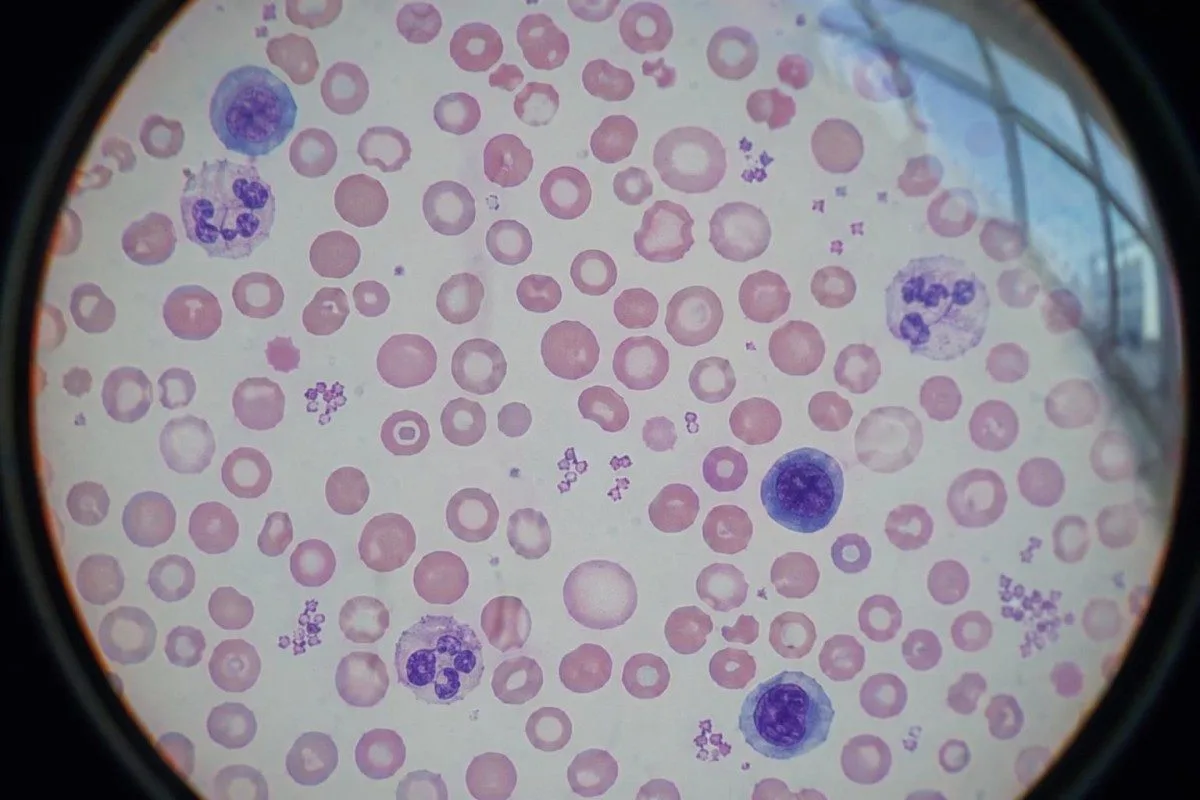
An adult hemoglobin of 12.5 g/dL may be normal on paper, but if that person previously ran at 14.2 g/dL, the trend matters. Kantesti's trend analysis often catches this because it compares prior baselines rather than only today’s reference interval.
MCV below 80 fL suggests microcytosis, yet restless legs patients often sit in the 82-88 fL range with low ferritin and no flag. The MCV blood test guide explains why cell size changes lag behind iron-store depletion.
RDW above about 14.5% means red cell size variability is increasing, which can be an early recovery or deficiency clue. If RDW is high with normal MCV, our RDW interpretation guide is more useful than staring at hemoglobin alone.
Kidney blood tests that can point to uremic restless legs
Kidney dysfunction can cause or worsen restless legs, especially when eGFR falls below 60 mL/min/1.73 m² or dialysis is needed. Creatinine, eGFR, BUN, bicarbonate, phosphate, calcium and hemoglobin help separate iron-related restless legs from kidney-related restless legs.
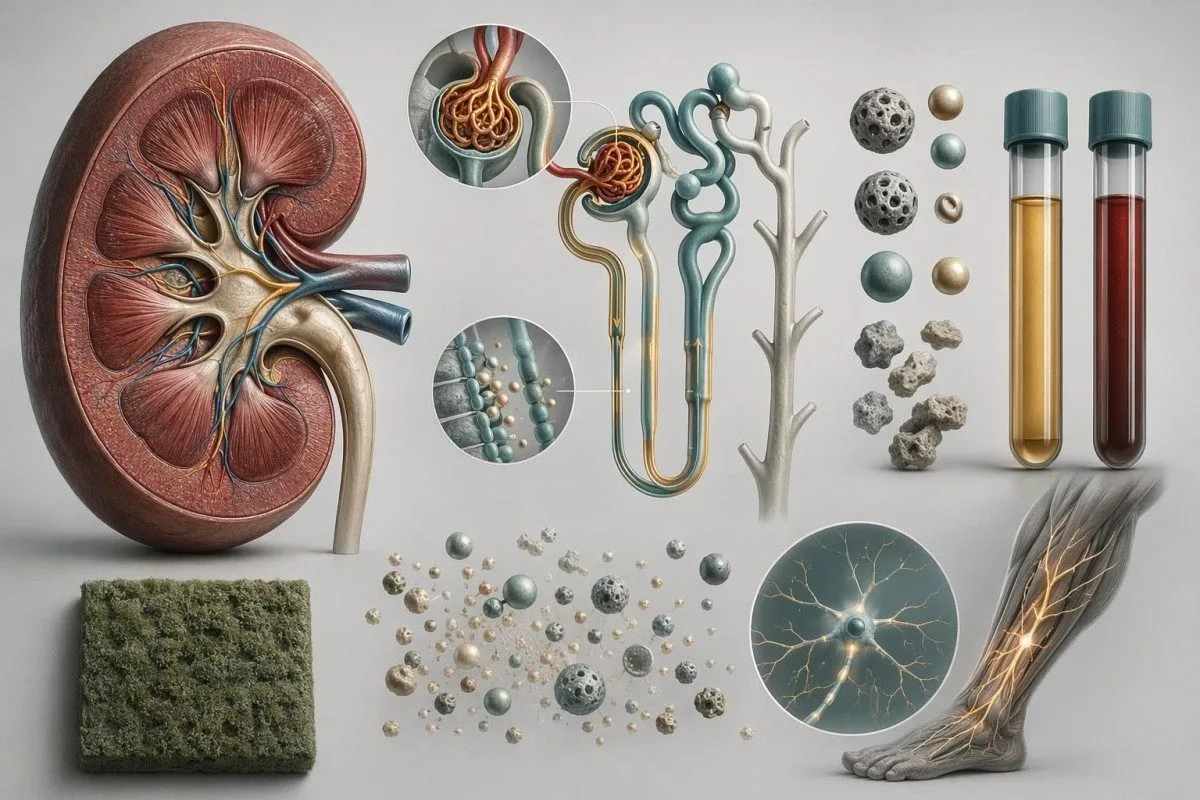
Chronic kidney disease changes iron handling, erythropoietin signaling and mineral balance at the same time. A patient with ferritin 180 ng/mL, TSAT 14%, hemoglobin 10.8 g/dL and eGFR 34 is not the same as a healthy runner with ferritin 28.
BUN above 20 mg/dL can reflect dehydration, protein intake or kidney clearance; it is not a restless legs marker by itself. The more useful pattern is reduced eGFR plus anemia, low TSAT or high phosphate, and our eGFR by age guide walks through those distinctions.
In kidney patients, I am cautious with magnesium and iron because accumulation and overload are real risks. If your report includes creatinine, BUN, electrolytes and albumin, the renal function panel guide helps frame what is kidney signal and what is background noise.
B12 and folate clues when symptoms feel nerve-like
Vitamin B12 deficiency can mimic or worsen restless legs because it affects nerve function and myelin maintenance. A B12 below 200 pg/mL strongly supports deficiency, while 200-400 pg/mL can still deserve follow-up if symptoms fit.
Patients do not always describe textbook tingling. One 46-year-old teacher told me her legs felt as if they were quietly fizzing after 9 p.m.; her ferritin was 84 ng/mL, but B12 was 176 pg/mL and MCV was 101 fL.
B12 deficiency without anemia is real, especially with metformin, acid-suppressing medicines, vegan diets or prior stomach surgery. Our article on B12 deficiency without anemia explains why a normal CBC cannot clear the diagnosis.
Folate usually moves in the opposite nutritional lane from iron, but it can still confuse the CBC by raising MCV. If B12 is borderline, many clinicians add methylmalonic acid, homocysteine or repeat testing rather than making a treatment decision from one mid-range value.
Magnesium, calcium and electrolytes: useful but easy to overread
Magnesium, calcium, potassium and sodium can affect cramps, twitching and sleep quality, but they do not diagnose restless legs syndrome. Serum magnesium is usually 1.7-2.2 mg/dL, and a normal result does not prove muscle or nerve magnesium stores are perfect.

The evidence linking magnesium supplements to true restless legs is honestly mixed. I still check magnesium when symptoms sound crampy, the patient uses diuretics or proton pump inhibitors, or potassium and calcium are also drifting.
Calcium below 8.6 mg/dL or above 10.2 mg/dL can change neuromuscular irritability, especially when albumin is abnormal. For magnesium interpretation, including the limits of serum testing, see our magnesium range guide.
Potassium below 3.5 mmol/L more often causes weakness, cramps or palpitations than classic restless legs. If symptoms are painful calf knots rather than an urge to move, the lab conversation should shift away from ferritin and toward electrolyte and medication causes.
Thyroid and glucose patterns that can mimic restless legs
Thyroid disease and glucose dysregulation can produce sleep disturbance, tremor, neuropathy or leg discomfort that resembles restless legs. TSH, free T4, fasting glucose and HbA1c help identify these lookalikes before treatment is aimed only at iron.

TSH below 0.4 mIU/L can fit overactive thyroid physiology, which may feel like inner restlessness rather than classic leg urge. TSH above 4.5 mIU/L can coexist with slow reflexes, cold intolerance and fatigue, but it does not by itself explain evening-only leg symptoms.
Diabetes-related neuropathy usually feels burning, numb or painful and may not improve quickly with movement. HbA1c of 6.5% or higher meets a diabetes diagnostic threshold in the right context, and our A1c versus fasting glucose guide explains why those two numbers can disagree.
I do not order a giant endocrine panel for every restless sleeper. I do check a focused thyroid panel when symptoms include palpitations, unexplained weight change, tremor, postpartum changes or a family history of thyroid disease.
High ferritin does not always mean iron is usable
Ferritin rises with inflammation, liver stress, infection, metabolic disease and kidney disease, so high ferritin can mask low iron availability. CRP, ESR, liver enzymes and TSAT help decide whether ferritin reflects storage or an inflammatory response.

A ferritin of 220 ng/mL with CRP 18 mg/L and TSAT 12% is not iron abundance in the useful sense. It is often functional iron restriction, where iron is present but poorly available for red cell production and, potentially, nervous system pathways.
CRP below 3 mg/L is generally reassuring, while CRP above 10 mg/L suggests a current inflammatory driver that can distort ferritin. Our inflammation blood test guide separates CRP, ESR and CBC clues without overcalling every mild elevation.
Ferritin above 300 ng/mL in women or 400 ng/mL in men deserves context before anyone adds iron. Liver enzymes, alcohol intake, metabolic syndrome and hemochromatosis risk all enter the decision; see our piece on high ferritin meaning before supplementing.
Medication-related clues your blood tests can support
Several medicines can worsen restless legs even when the blood tests look acceptable. Antidepressants, dopamine-blocking nausea drugs, antipsychotics, sedating antihistamines and some sleep aids are common culprits, and lab results help rule out treatable contributors before changing therapy.

I often see the timing tell the story: symptoms were mild for years, then became nightly 3 weeks after starting an SSRI or using diphenhydramine for sleep. A ferritin of 42 ng/mL makes that patient more vulnerable, but the medication trigger still matters.
Blood tests can also make medication changes safer. If a clinician considers iron, dopamine agents, gabapentinoids or kidney-adjusted dosing, creatinine, eGFR and liver markers become part of the prescribing conversation, as discussed in our medication monitoring guide.
Do not stop psychiatric or neurological medication abruptly because of restless legs. A careful taper or substitution may be needed, and sometimes raising ferritin above 75 ng/mL reduces symptoms enough that the original medicine can continue.
How doctors monitor iron treatment for restless legs
Iron treatment for restless legs is usually monitored with ferritin and TSAT after 8-12 weeks, not after a few days. The 2021 Mayo Clinic Proceedings updated algorithm recommends a full iron panel and uses ferritin and TSAT to guide oral versus intravenous iron decisions (Silber et al., 2021).

Typical oral elemental iron dosing lands around 40-65 mg once daily or every other day, often with vitamin C if tolerated. Every-other-day dosing can improve absorption and stomach tolerance for many people, though practice varies.
A practical monitoring target is ferritin above 75-100 ng/mL and TSAT in the 20-45% range, without overshooting. If ferritin rises sharply after an infusion, our post-infusion ferritin timeline explains why early numbers can look dramatic before settling.
Iron competes with calcium, tea, coffee and some medications for absorption. If you take thyroid hormone, antibiotics or minerals, the spacing rules in our supplement timing guide can prevent a well-meant plan from failing.
Patient patterns that change the lab interpretation
The same ferritin result can mean different things in a menstruating adult, vegan patient, endurance athlete, pregnant person, older adult or kidney patient. Restless legs blood work should be interpreted against bleeding risk, diet, inflammation, training load and medication history.

A 31-year-old distance runner with ferritin 24 ng/mL, normal hemoglobin and nighttime leg urges is a pattern I take seriously. Athletes can lose iron through sweat, gastrointestinal micro-losses and foot-strike hemolysis, and our athlete lab guide covers that quietly common pathway.
A vegan patient with ferritin 38 ng/mL and B12 260 pg/mL needs a different plan from someone with heavy menstrual bleeding and ferritin 10 ng/mL. The vegan blood test checklist helps separate iron, B12, iodine and vitamin D issues without making diet the villain.
Pregnancy and postpartum restless legs deserve special care because ferritin can fall quickly and treatment thresholds are individualized. I usually want obstetric input before iron dosing changes, especially if nausea, constipation, high ferritin or prior infusion reactions are part of the story.
How Kantesti reads a restless legs lab pattern
Kantesti AI interprets a restless legs blood panel by reading ferritin, TSAT, CBC, kidney markers, B12, magnesium, thyroid results and medication context together. Our AI blood test platform does not diagnose restless legs from labs alone; it highlights patterns that deserve clinician review.
In our analysis of more than 2M blood tests across 127+ countries, ferritin is one of the most context-dependent markers we see. A ferritin of 68 ng/mL may be reassuring in one report and clinically relevant in another if TSAT is 13%, CRP is 11 mg/L and symptoms are nightly.
Kantesti is built by Kantesti LTD, and readers can learn more about our clinical team and governance on About Us. Our neural network checks more than 15,000 biomarkers, unit conversions and cross-marker inconsistencies before producing a patient-friendly interpretation.
Our medical standards are described on the Medical Validation page, and the specialty benchmark is available in the Kantesti AI benchmark. Thomas Klein, MD reviews content like this with the same principle I use in clinic: symptoms first, labs second, safety always.
When blood tests are normal but restless legs continue
Normal blood tests do not rule out restless legs syndrome because the diagnosis is clinical. The updated IRLSSG diagnostic criteria require an urge to move the legs, worsening at rest, relief with movement, evening predominance and exclusion of mimics (Allen et al., 2014).

If ferritin is 125 ng/mL, TSAT 31%, eGFR 88, B12 520 pg/mL and magnesium 2.0 mg/dL, the lab work has done its job: it has narrowed the field. The next step may be sleep history, periodic limb movement assessment, medication review or checking for sleep apnea.
The common mimics are nighttime cramps, neuropathy, akathisia, venous discomfort, positional numbness and anxiety-related restlessness. Kantesti's AI interpretation guide explains where lab AI helps and where a clinician’s examination remains irreplaceable.
One practical clue: true restless legs usually improves while walking and returns when rest resumes. Painful calf tightening that lasts minutes and leaves soreness the next morning is more often cramp physiology than classic restless legs.
A practical lab checklist to bring to your doctor
A useful restless legs lab checklist includes ferritin, serum iron, TIBC, transferrin saturation, CBC with indices, creatinine, eGFR, BUN, electrolytes, calcium, magnesium, B12, folate, TSH, free T4, HbA1c, CRP and sometimes vitamin D. Bring symptom timing and medication dates with the results.
Ask for the actual numbers, not just normal or abnormal. A ferritin of 32 ng/mL and a ferritin of 118 ng/mL may both appear inside a broad lab range, but they tell very different restless legs stories.
If you already have a PDF or photo of your results, upload it to Try Free AI Blood Test Analysis for a structured interpretation in about 60 seconds. Kantesti AI can organize the pattern before your appointment, so the visit is spent on decisions rather than decoding abbreviations.
For medical oversight, our Medical Advisory Board reviews the standards behind our patient education and clinical workflows. Bottom line: do not self-prescribe high-dose iron if ferritin is high, TSAT is above 45%, kidney disease is present or you have a history of iron overload.
Frequently Asked Questions
What blood test is best for restless legs?
The best blood test for restless legs is not one test but an iron panel with ferritin, serum iron, TIBC and transferrin saturation. Ferritin below 75 ng/mL is often considered suboptimal in clinically typical restless legs syndrome, even if hemoglobin is normal. Doctors usually add CBC, kidney function, B12, magnesium, calcium, thyroid markers and glucose testing to look for mimics or contributors.
What ferritin level is too low for restless legs?
Many sleep clinicians treat ferritin below 75 ng/mL as too low or borderline for restless legs symptoms. Classic iron deficiency may use lower cutoffs such as 12-30 ng/mL, but restless legs thresholds are higher because brain iron handling may be affected before anemia appears. Ferritin between 75 and 100 ng/mL can still deserve review if transferrin saturation is below 20% or CRP is elevated.
Can you have restless legs with normal iron blood tests?
Yes, restless legs syndrome can occur with normal iron blood tests because the diagnosis is based on symptoms, not labs. Typical criteria include an urge to move, worsening at rest, evening predominance and relief with movement. If ferritin is above 100 ng/mL, TSAT is 20-45%, kidney function is stable and B12 is normal, doctors usually look harder for medications, neuropathy, cramps, sleep apnea or primary restless legs syndrome.
Does low iron saturation cause restless legs?
Low transferrin saturation can contribute to restless legs when it reflects poor iron availability. TSAT below 20% suggests iron transport is reduced, and this can matter even when ferritin is normal during inflammation or kidney disease. Doctors usually interpret TSAT together with ferritin, TIBC, CRP and CBC rather than acting on serum iron alone.
Should I take iron for restless legs if ferritin is normal?
Do not take high-dose iron for restless legs just because symptoms fit if ferritin and TSAT are normal. Iron may be inappropriate or risky when ferritin is high, TSAT is above 45-50%, liver tests are abnormal or iron overload is possible. A clinician may still consider iron when ferritin is 75-100 ng/mL with low TSAT, but the decision should be supervised.
Can kidney problems show up as restless legs at night?
Yes, chronic kidney disease can cause or worsen restless legs, especially when eGFR is below 60 mL/min/1.73 m² for at least 3 months or dialysis is needed. Kidney-related restless legs often overlaps with anemia, low transferrin saturation, high phosphate or medication changes. Creatinine, eGFR, BUN, electrolytes, calcium, phosphate and hemoglobin help doctors identify this pattern.
Is magnesium worth checking for restless legs?
Magnesium is worth checking when symptoms include cramps, twitching, diuretic use, proton pump inhibitor use or kidney disease. Serum magnesium is usually 1.7-2.2 mg/dL, but it is an imperfect measure of total body magnesium. A low result can contribute to neuromuscular symptoms, while supplementation should be cautious if kidney function is reduced.
Get AI-Powered Blood Test Analysis Today
Join over 2 million users worldwide who trust Kantesti for instant, accurate lab test analysis. Upload your blood test results and receive comprehensive interpretation of 15,000+ biomarkers in seconds.
📚 Referenced Research Publications
Klein, T., Mitchell, S., & Weber, H. (2026). Clinical Validation Framework v2.0 (Medical Validation Page). Kantesti AI Medical Research.
Klein, T., Mitchell, S., & Weber, H. (2026). AI Blood Test Analyzer: 2.5M Tests Analyzed | Global Health Report 2026. Kantesti AI Medical Research.
📖 External Medical References
Silber MH et al. (2021). The Management of Restless Legs Syndrome: An Updated Algorithm. Mayo Clinic Proceedings.






⚕️ Medical Disclaimer
This article is for educational purposes only and does not constitute medical advice. Always consult a qualified healthcare provider for diagnosis and treatment decisions.
E-E-A-T Trust Signals
Experience
Physician-led clinical review of lab interpretation workflows.
Expertise
Laboratory medicine focus on how biomarkers behave in clinical context.
Authoritativeness
Written by Dr. Thomas Klein with review by Dr. Sarah Mitchell and Prof. Dr. Hans Weber.
Trustworthiness
Evidence-based interpretation with clear follow-up pathways to reduce alarm.