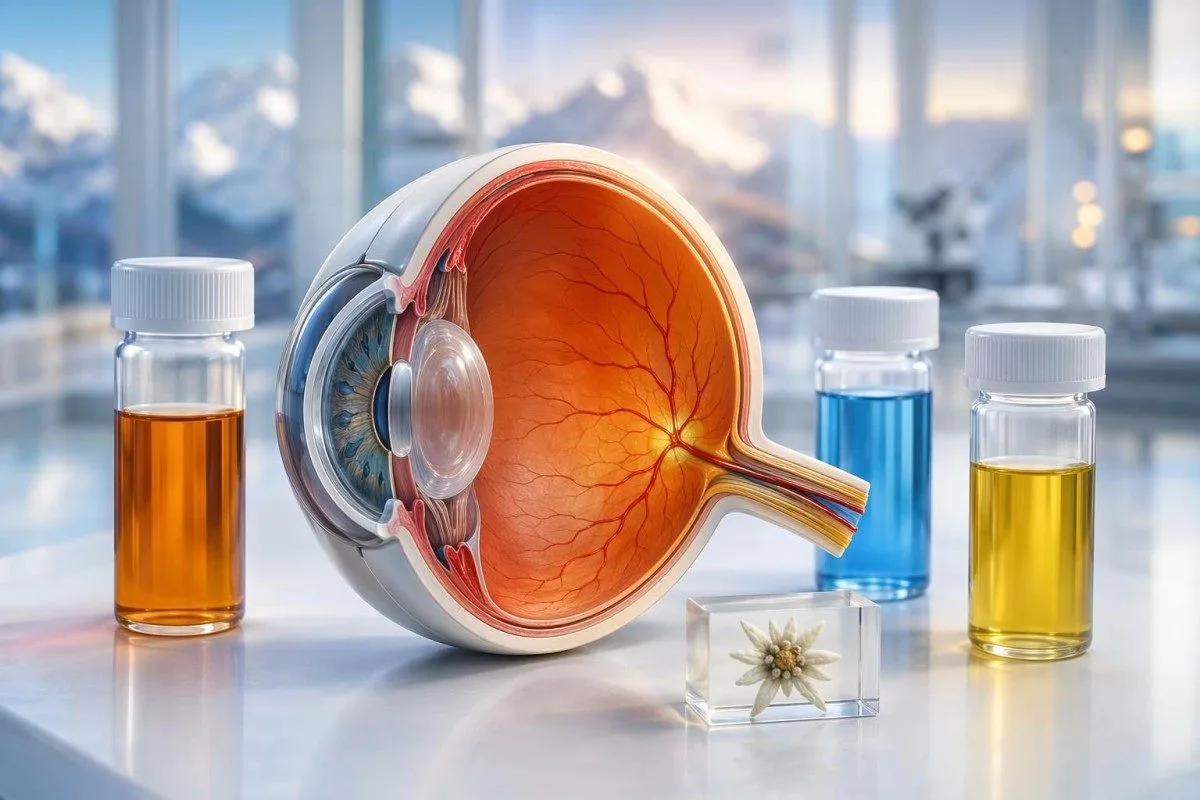
Blurry vision is often an eye problem, but systemic blood markers can expose the hidden driver. Sugar spikes, B12 deficiency, thyroid shifts and inflammation each leave a different laboratory fingerprint.



- Glucose and HbA1c are the first markers I check when blurred vision comes and goes; HbA1c ≥6.5% or fasting glucose ≥126 mg/dL meets diabetes criteria when confirmed.
- Post-meal glucose above 200 mg/dL at 2 hours can swell the lens and blur vision before diabetes is formally diagnosed.
- Vitamin B12 below 200 pg/mL strongly suggests deficiency, but neurological symptoms can appear with borderline results of 200-300 pg/mL.
- Methylmalonic acid above about 0.40 µmol/L supports functional B12 deficiency, especially with numbness or tingling fingers.
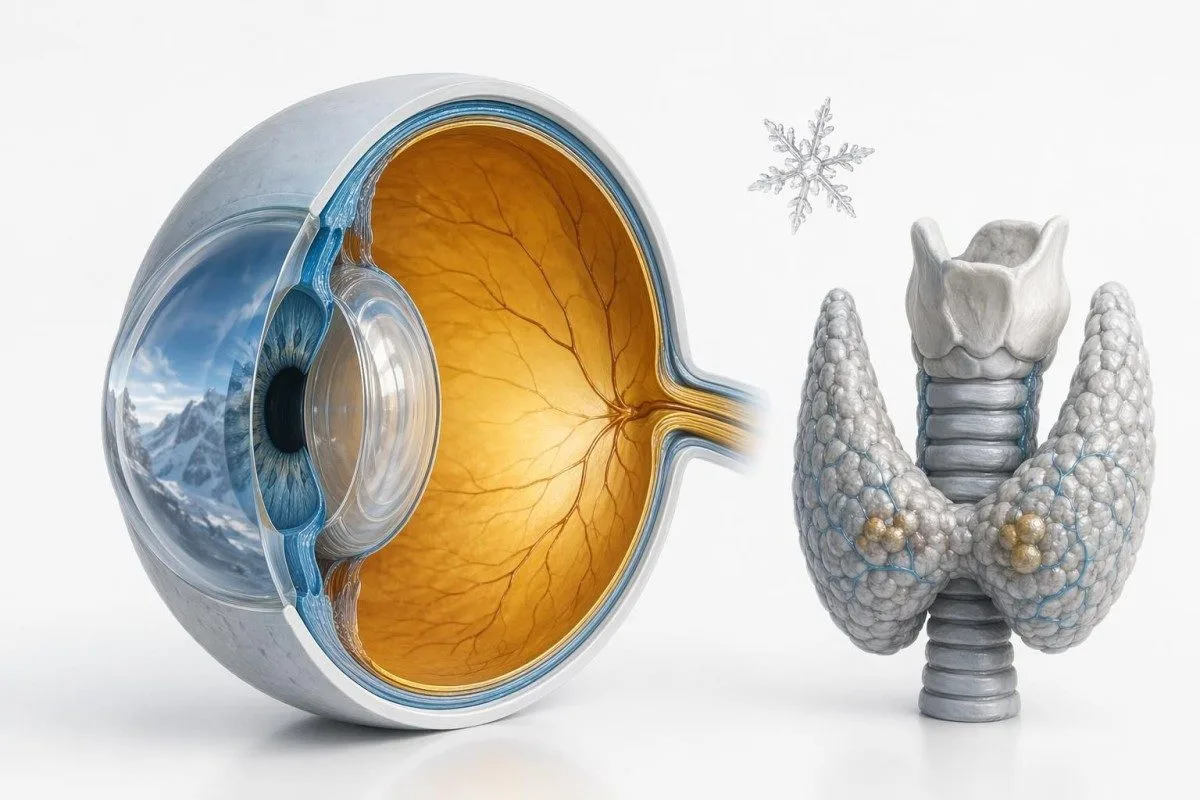
- TSH and free T4 help explain blurred vision with cold intolerance, dry eyes, eyelid puffiness, palpitations or thyroid eye symptoms.
- ESR and CRP are urgent markers when blurred vision occurs with new headache, jaw pain or scalp tenderness after age 50.
- CBC and ferritin can reveal anemia or iron deficiency that worsens eye strain, dizziness and retinal oxygen delivery.
- Red flags such as sudden vision loss, a curtain over vision, severe eye pain, one-sided weakness or glucose >300 mg/dL need urgent care, not just lab interpretation.
Which blood markers can explain blurry vision first?
A blood test for blurred vision can reveal systemic causes such as glucose spikes, diabetes risk, B12 deficiency, thyroid imbalance, anemia, kidney stress and inflammation. It cannot replace an eye exam. If vision loss is sudden, painful or one-sided, urgent eye care comes first; labs help explain the body-wide pattern behind recurring or unexplained blur.
In clinic, the most useful first panel is usually fasting glucose, HbA1c, CBC, B12, TSH, free T4, ESR, CRP, creatinine and electrolytes. Kantesti AI reads these together because a glucose of 118 mg/dL means something different in a 29-year-old with normal HbA1c than in a 62-year-old with rising triglycerides.
I see this pattern often: a patient changes glasses twice in 6 months, then the HbA1c comes back at 7.8%. The lens of the eye can swell when glucose rises, and the prescription may drift until sugar stabilizes for 4-6 weeks.
The practical trick is matching the timing of blur to the marker. Blur after meals points toward glucose; blur with numbness points toward B12 or anemia; blur with cold intolerance points toward thyroid; blur with headache after age 50 raises the stakes for ESR and CRP. For glucose disagreement, our guide on HbA1c versus fasting sugar is a useful companion.
How do glucose spikes blur vision before diabetes is obvious?
Glucose spikes can blur vision by changing the fluid balance and shape of the eye lens. A fasting glucose below 100 mg/dL may look normal, yet a 1-2 hour post-meal glucose above 180-200 mg/dL can still cause intermittent blur, thirst, fatigue and frequent urination.
The ADA Standards of Care in Diabetes—2026 define diabetes as HbA1c ≥6.5%, fasting plasma glucose ≥126 mg/dL, 2-hour oral glucose tolerance test ≥200 mg/dL, or random glucose ≥200 mg/dL with classic symptoms (American Diabetes Association Professional Practice Committee, 2026). Those cutoffs matter because eye symptoms sometimes appear during the gray zone.
A 2-hour post-meal glucose below 140 mg/dL is generally normal; 140-199 mg/dL suggests impaired glucose tolerance; ≥200 mg/dL suggests diabetes if confirmed. I often ask patients with afternoon blur to compare symptoms with a timed reading, because the story is more useful than one random number.
HbA1c is a 2-3 month average, not a spike detector. If your blur happens after rice, pasta, fruit juice or a sweet coffee, a normal HbA1c of 5.5% does not fully exclude glycemic swings. Our guide to post-meal blood sugar explains the timing more clearly, and the diabetes blood test guide covers confirmatory testing.
When does high sugar with blurred vision become urgent?
High sugar with blurred vision becomes urgent when glucose is very high, symptoms are severe, or the vision change is sudden. A random glucose above 300 mg/dL with dehydration, vomiting, abdominal pain, rapid breathing or confusion needs same-day medical care because ketoacidosis or hyperosmolar states can develop.
The number alone is not the whole story. A glucose of 260 mg/dL in a well-appearing person still needs prompt follow-up, but 260 mg/dL with ketones, bicarbonate below 18 mmol/L or an anion gap above 12 is a different conversation entirely.
For the eye itself, sudden floaters, flashes, a shadow like a curtain, severe eye pain, a red eye or a new blind spot should not wait for HbA1c. I have seen patients lose precious hours because they assumed every blur was diabetes, when the actual problem was retinal detachment or acute glaucoma.
Kantesti can help interpret the metabolic pattern after the urgent issue is addressed. If your report shows high sugar without a prior diagnosis, our article on high glucose without diabetes walks through stress, steroids, meals, infection and early insulin resistance.
Can B12 deficiency cause blurry vision, numbness or tingling fingers?
B12 deficiency can cause blurry vision through optic nerve dysfunction, and it can also cause numbness, burning feet, imbalance or tingling fingers. A blood test for numbness or a blood test for tingling fingers should usually include serum B12, CBC, MCV, methylmalonic acid and homocysteine when symptoms persist.
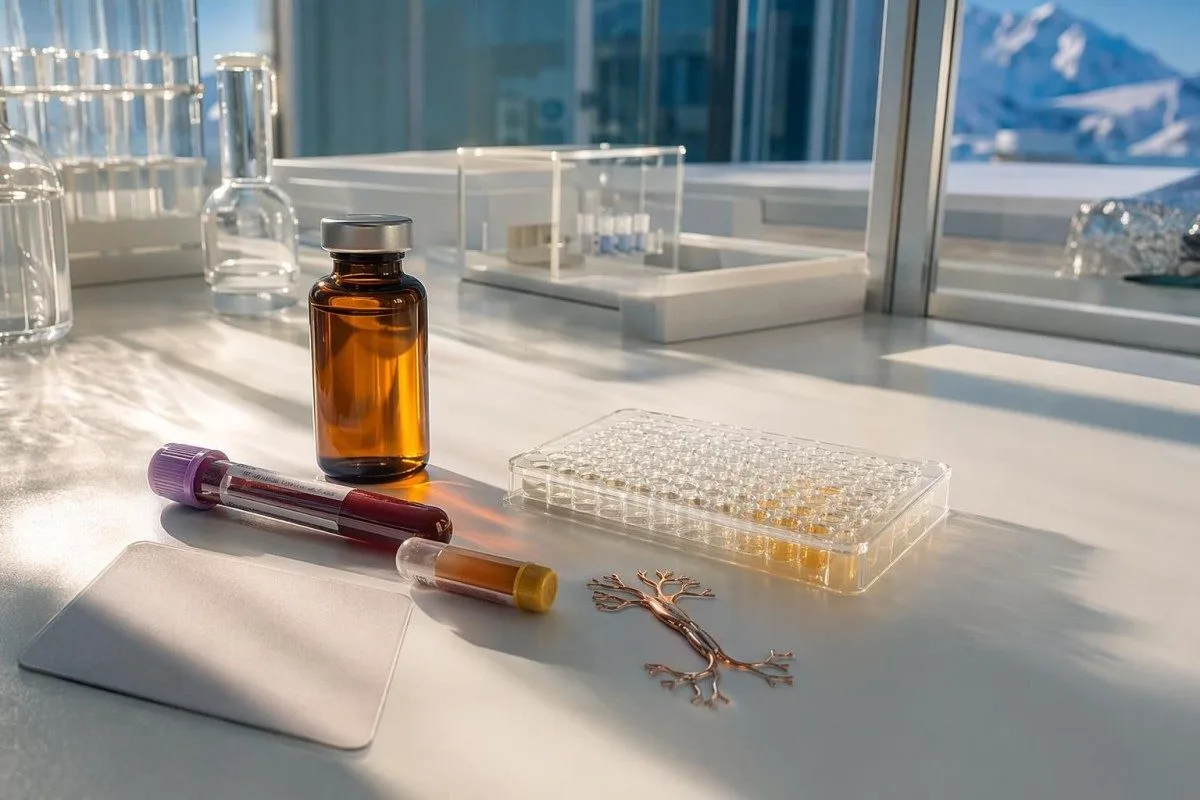
Serum B12 below 200 pg/mL is usually treated as deficient, while 200-300 pg/mL is borderline and needs context. Devalia et al. (2014) specifically emphasized that neurological symptoms can occur without anemia, which matches what many of us see in practice.
A 44-year-old vegan runner I reviewed had B12 of 236 pg/mL, normal hemoglobin and MCV of 91 fL, but clear tingling and dimmed color perception. MMA later came back at 0.62 µmol/L, and treatment improved the nerve symptoms over months rather than days.
The common misconception is that a normal CBC rules out B12 deficiency. It does not. If you are vegetarian, vegan, using metformin, taking long-term acid suppression, or have gut surgery history, our vitamin B12 test guide gives the next-lab sequence.
Why do MMA, homocysteine and CBC matter with borderline B12?
MMA and homocysteine help confirm functional B12 deficiency when serum B12 is borderline. MMA above about 0.40 µmol/L is more specific for B12 deficiency, while homocysteine above 15 µmol/L can rise with B12 deficiency, folate deficiency, kidney impairment or hypothyroidism.
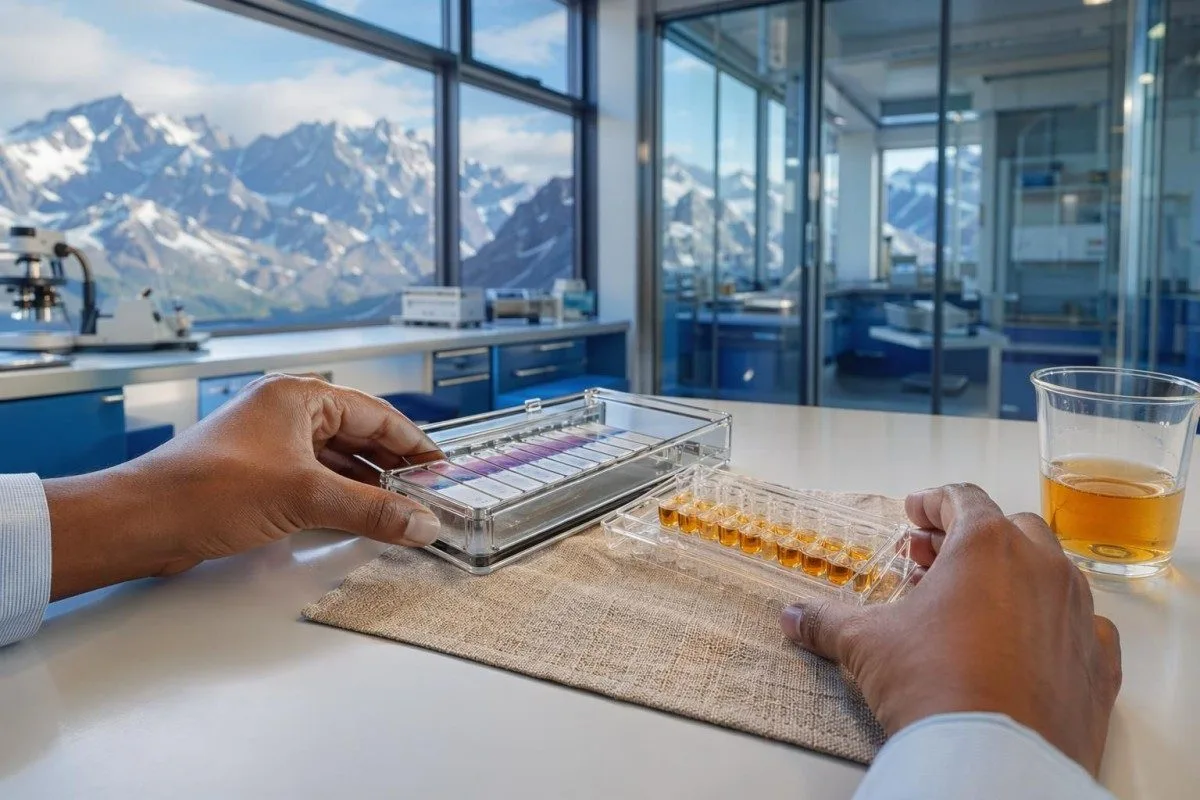
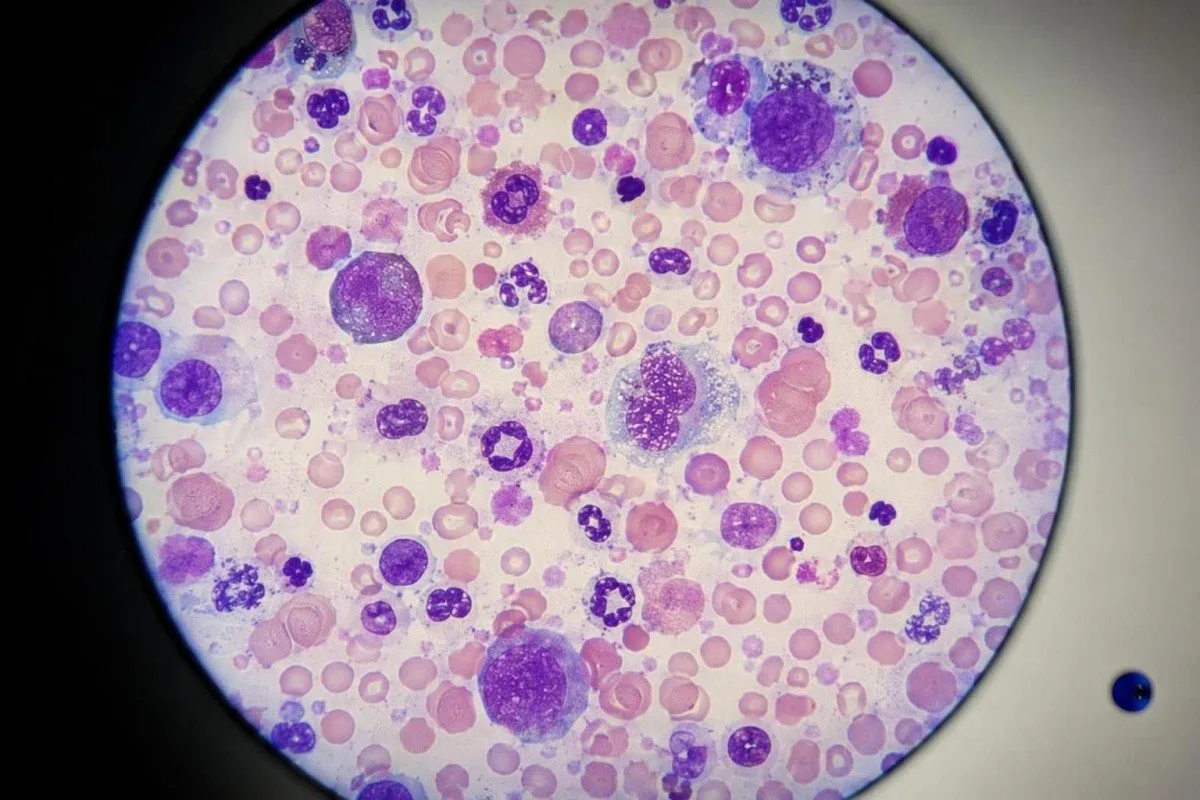
CBC clues are helpful but late. MCV above 100 fL suggests macrocytosis, yet neurological B12 symptoms may appear with MCV in the 80-96 fL range, particularly if iron deficiency pulls the cell size down at the same time.
Folate can mask the anemia of B12 deficiency while the nerve problem continues. That is why I do not like patients taking high-dose folic acid, such as 5 mg daily, without checking B12 when numbness, tingling or visual dimming is present.
Kantesti AI interprets CBC indices, B12 and metabolites as a pattern rather than a single flag. If your MCV is high or drifting upward, compare it with our MCV blood test guide and the normal B12 range article.
Which thyroid tests help with blurry vision and cold intolerance?
TSH and free T4 are the first thyroid tests for blurry vision with cold intolerance, fatigue, dry skin, constipation, eyelid puffiness or weight gain. A blood test for cold intolerance often starts with TSH because it is sensitive to underactive thyroid function in most non-pregnant adults.

A typical adult TSH reference interval is about 0.4-4.0 mIU/L, although some European laboratories use slightly narrower upper limits near 3.5 mIU/L. Free T4 often runs around 0.8-1.8 ng/dL, but the exact interval depends on the assay.
Hypothyroidism can blur vision indirectly through dry eye, eyelid swelling, slowed tear production and sometimes high cholesterol or anemia. Hyperthyroidism is more likely to cause eye prominence, gritty sensation, double vision or lid retraction, especially with Graves disease.
Timing matters more than many patients realize. Biotin supplements can distort thyroid immunoassays, and levothyroxine taken before the draw can shift free T4. For deeper cutoffs, our guide to the normal TSH range explains age, pregnancy and medication effects.
When do thyroid antibodies matter for eye symptoms?
Thyroid antibodies matter when blurred vision occurs with gritty eyes, lid swelling, eye pressure, double vision or a history of Graves disease. TRAb or TSI positivity supports Graves-related thyroid eye disease, while TPO antibodies support autoimmune thyroiditis but do not by themselves diagnose eye disease.

Ross et al. (2016) describe TRAb testing as useful in diagnosing Graves hyperthyroidism, especially when the clinical picture is not straightforward. In practice, I get more cautious when TSH is below 0.1 mIU/L and the patient reports new double vision or pressure behind the eyes.
Thyroid eye disease can sometimes appear when thyroid hormone levels are normal or after treatment has started. That surprises people. The immune process around the orbit does not always move in lockstep with TSH.
A complete thyroid panel may include TSH, free T4, free T3, TPO antibodies, thyroglobulin antibodies and TRAb or TSI depending on the symptom pattern. Our thyroid panel guide explains when extra markers add real value.
Which inflammation markers are dangerous with blurred vision?
ESR, CRP and CBC become dangerous clues when blurred vision appears with new headache, scalp tenderness, jaw pain, fever, shoulder pain or unexplained weight loss after age 50. This pattern can signal giant cell arteritis, where delayed treatment can lead to permanent vision loss.
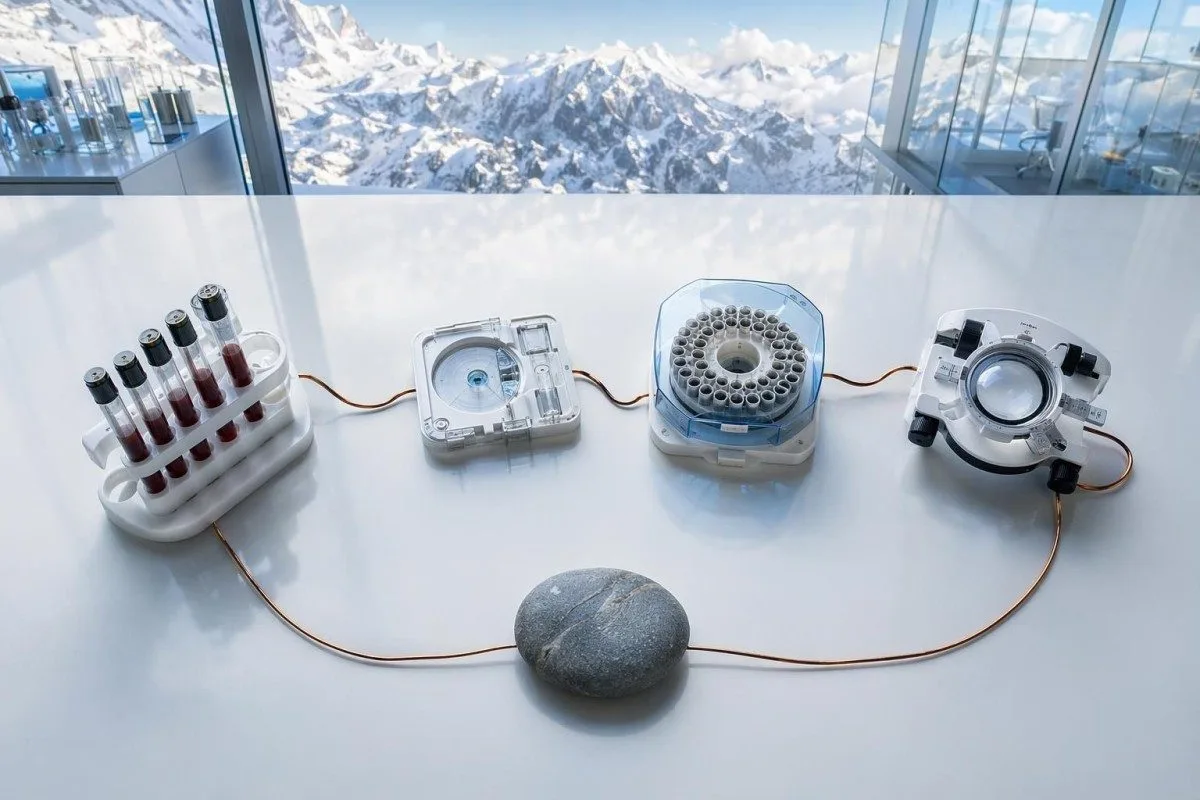
ESR above 50 mm/hr is common in giant cell arteritis, but a lower ESR does not fully exclude it. CRP above 10 mg/L adds concern, and platelets above 400 x 10^9/L can support the inflammatory pattern when the story fits.
The thing is, ordinary CRP elevations are common after infections, dental inflammation, intense training or autoimmune flares. I worry far more about CRP 28 mg/L plus jaw claudication than CRP 12 mg/L after a chest infection with no eye or head symptoms.
Kantesti AI can flag inflammatory combinations, but same-day clinical assessment is the safety step. For a broader comparison of ESR, CRP and CBC patterns, see our guide on blood tests for inflammation or use our AI-powered blood test interpretation when you already have the report.
Can anemia or iron deficiency make vision feel blurry?
Anemia and iron deficiency can make vision feel blurry by reducing oxygen delivery, worsening dizziness, causing headaches and increasing visual fatigue. Hemoglobin below 12 g/dL in adult women or below 13 g/dL in adult men meets the usual anemia definition, though pregnancy and altitude change interpretation.
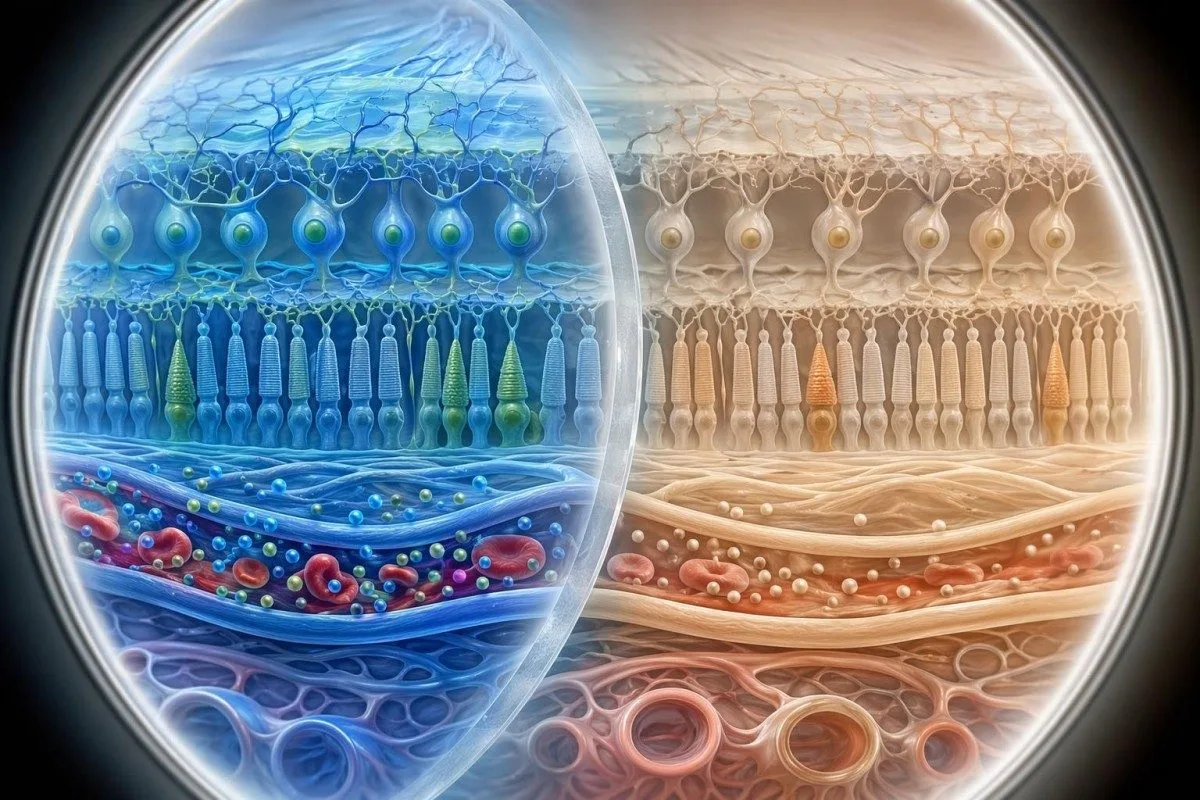
Iron deficiency may start before hemoglobin falls. Ferritin below 30 ng/mL often suggests depleted iron stores in symptomatic adults, while ferritin can look normal or high during inflammation because it is an acute-phase reactant.
A small but memorable pattern: patients with heavy periods, ferritin 8-15 ng/mL and normal hemoglobin often describe eye strain, restless legs and poor concentration before they ever call it anemia. Vision is not always the primary organ problem; the eyes are just where fatigue becomes obvious.
CBC indices add texture. Low MCH, low MCHC and rising RDW can appear before severe anemia, which is why I compare trend lines rather than one report. Our guide to low hemoglobin causes is useful if your CBC is flagged.
How do kidney markers and electrolytes connect to visual blur?
Kidney markers and electrolytes connect to blurred vision through hydration, osmotic shifts, blood pressure and medication clearance. Sodium below 130 mmol/L, sodium above 150 mmol/L, very high glucose, or significant kidney impairment can all affect mental clarity and sometimes visual stability.
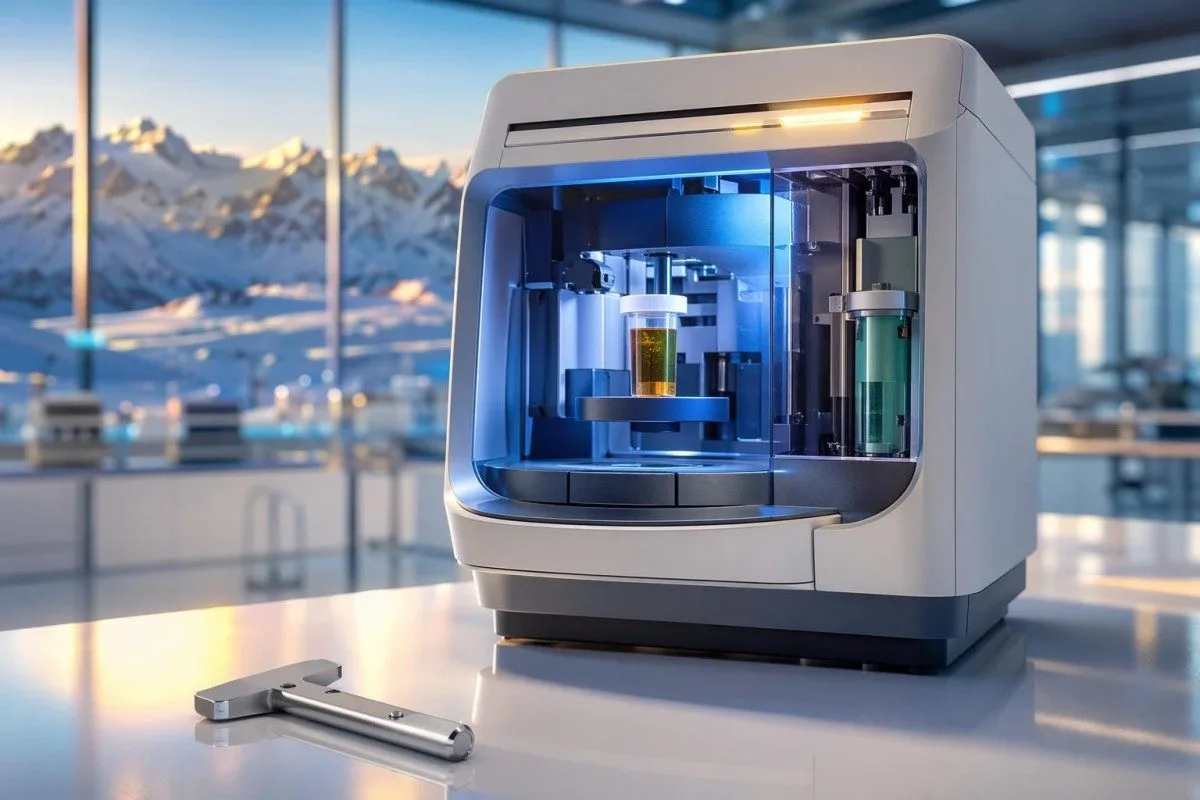
A basic metabolic panel checks sodium, potassium, chloride, CO2, creatinine, BUN, calcium and glucose. In emergency settings, it is ordered quickly because it can reveal dehydration, acidosis, kidney stress or dangerously abnormal potassium within the same clinical snapshot.
BUN/creatinine ratio above 20:1 often points toward dehydration or reduced kidney perfusion, though high protein intake and gastrointestinal fluid loss can also push it up. Dehydration can worsen dry eye and concentrate glucose, making intermittent blur feel worse.
Do not over-read a mildly high creatinine without eGFR, age, muscle mass and prior results. A muscular 31-year-old with creatinine 1.25 mg/dL is not the same as a frail 81-year-old with the same number. Our article on the BMP blood test explains why emergency doctors start there.
Which medicines and supplements can blur vision or distort labs?
Steroids, anticholinergic medicines, isotretinoin, some antihistamines, diabetes medicines and thyroid supplements can affect vision or the blood markers used to investigate it. High-dose biotin, often 5-10 mg daily, can also distort thyroid and hormone immunoassays.

Steroids are the classic example. Prednisolone can raise glucose within days, and long-term use can increase cataract or glaucoma risk; the blood test may show hyperglycemia while the eye exam shows pressure or lens changes.
Biotin deserves special attention because it can make TSH, free T4 or thyroid antibody results look falsely reassuring or falsely alarming depending on the assay design. Many laboratories advise stopping biotin for 48-72 hours before thyroid testing, but patients taking very high doses may need longer guidance from their clinician.
Medication timelines matter more than a tidy reference range. I ask patients to list dose, start date and symptom date before interpreting labs. Our medication blood test timeline helps connect drugs, lab shifts and symptoms without guessing.
How should you prepare for blood tests when vision is blurry?
Preparation depends on the suspected cause: fasting helps interpret glucose and triglycerides, morning timing helps thyroid and cortisol context, and symptom timing helps post-meal glucose interpretation. For recurrent blurred vision, write down the exact time of blur, meals, medicines and any one-sided symptoms.
For fasting glucose, 8-12 hours without calories is standard, but water is allowed. Coffee can raise glucose or cortisol in some people, and a hard workout the evening before can shift glucose, CK and inflammatory markers.
If the blur happens after meals, ask whether a fasting test alone is enough. A 2-hour oral glucose tolerance test or structured home glucose readings may catch a pattern that fasting labs miss, especially when HbA1c sits at 5.6-6.0%.
Bring the actual PDF or photo of the lab report, not just a screenshot of red flags. Units differ by country, and reference ranges differ by assay. Our guide to fasting blood test rules is a practical pre-test checklist.
How does Kantesti AI interpret blurred-vision lab patterns?
Kantesti AI interprets blurred-vision lab patterns by comparing glucose, HbA1c, CBC, B12, thyroid, inflammation, kidney and electrolyte markers against age, sex, units, timing and prior trends. Our platform analyzes more than 15,000 biomarkers across reports uploaded as PDFs or photos in about 60 seconds.
The advantage is not magic; it is pattern discipline. A B12 of 248 pg/mL with MCV 99 fL, homocysteine 18 µmol/L and tingling is treated differently from B12 248 pg/mL with normal metabolites and no symptoms.
In our analysis of 2M+ blood tests across 127+ countries, the most common miss is not a rare disease. It is a single-marker interpretation: high glucose blamed on breakfast, borderline B12 ignored, or TSH read without free T4 and medication timing.
Kantesti's neural network is clinically benchmarked and our methodology is described in medical validation materials. Readers who want the technical marker scope can use our biomarker guide, and our pre-registered validation work is available as a Kantesti AI Engine benchmark.
Which eye symptoms need urgent care even if labs are pending?
Sudden vision loss, a curtain over vision, new flashes or floaters, severe eye pain, a red painful eye, double vision, trauma, one-sided weakness, slurred speech or the worst headache of life needs urgent care. A blood test should not delay same-day eye or emergency assessment in these scenarios.
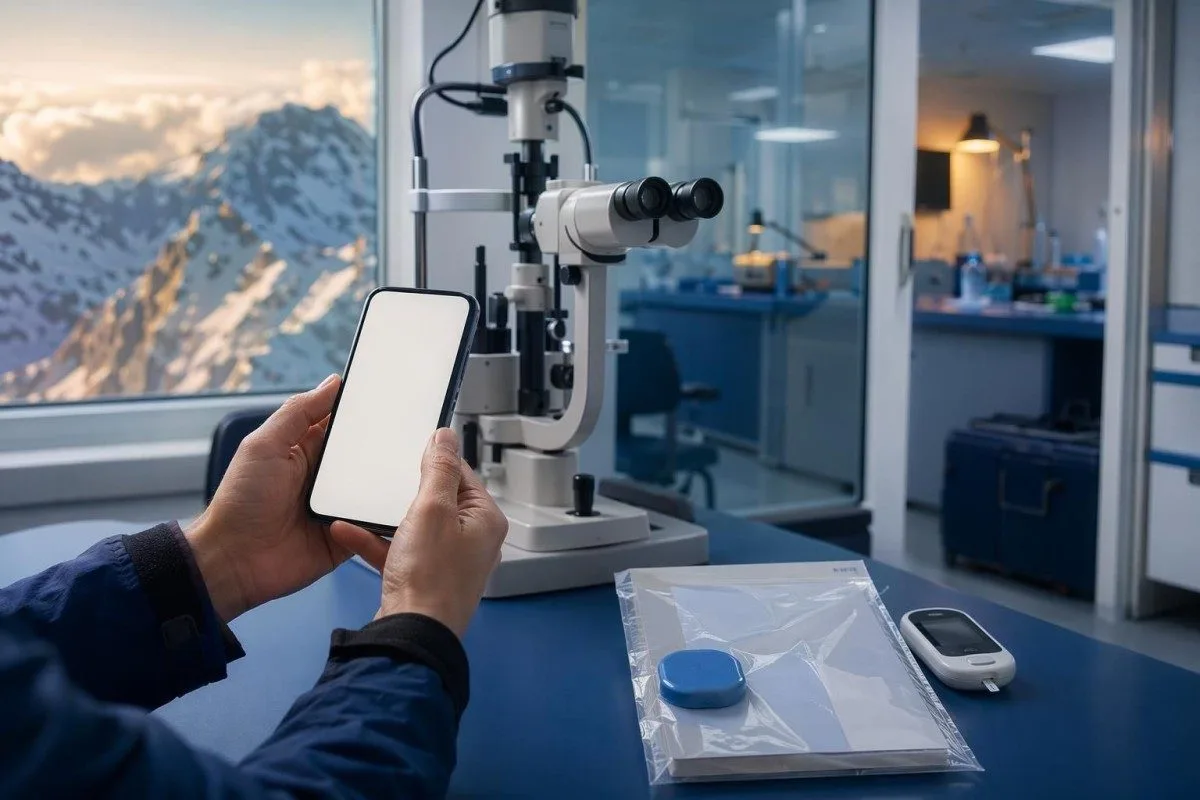
Retinal detachment, acute angle-closure glaucoma, stroke, optic neuritis and giant cell arteritis can all start with vision change. Some are time-sensitive within hours, not days, and a normal CBC or glucose does not make them safe.
If you are over 50 and blurred vision comes with jaw pain while chewing, scalp tenderness or new temple headache, clinicians often start steroids while arranging confirmation because the risk of permanent vision loss is high. ESR and CRP help, but treatment decisions may not wait for perfect data.
I tell patients to use a simple rule: sudden, severe, one-sided, painful or neurologic equals urgent. Later, labs can help explain risk and prevention. Our guide to critical blood test values explains which numbers should trigger faster contact.
What should you do next with blurred vision blood results?
The next step is to pair the blood results with an eye exam and symptom timeline. If your glucose, B12, thyroid, CBC, ESR or CRP is abnormal, discuss it with a clinician; if your vision change is sudden or painful, seek urgent care before waiting for interpretation.
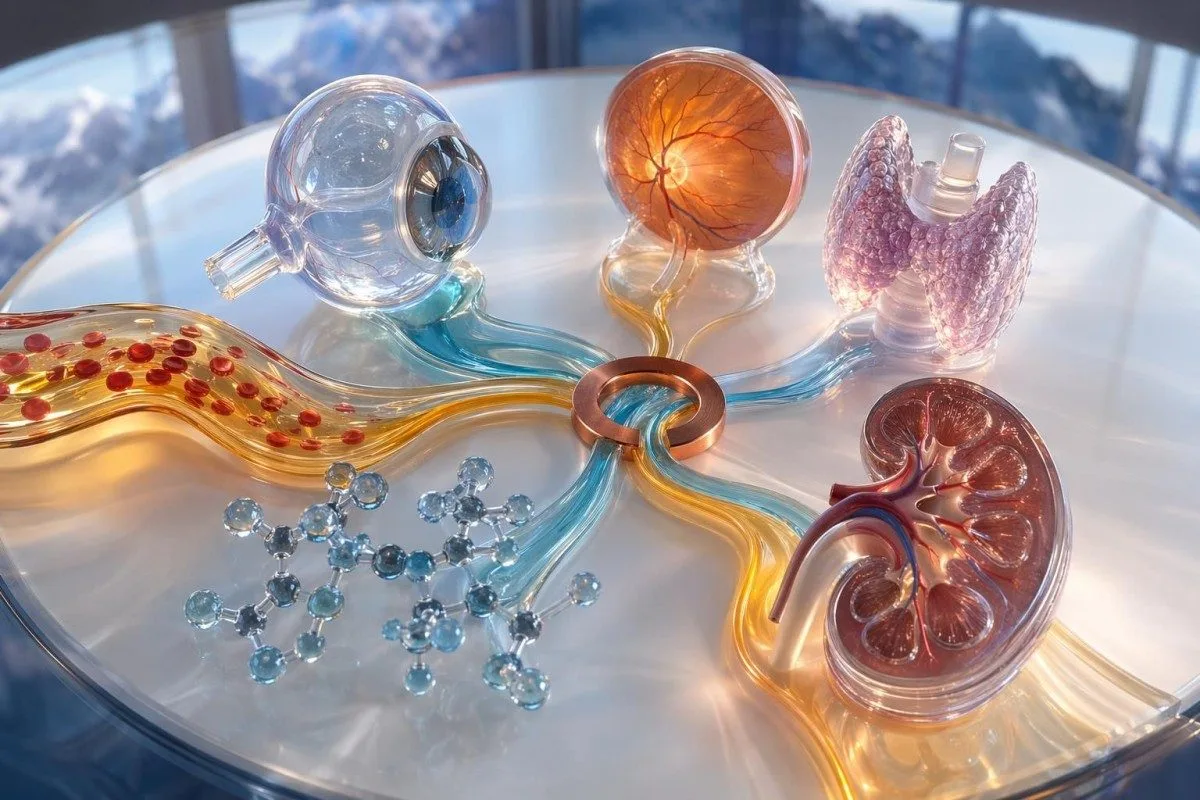
As of April 30, 2026, my usual advice is simple: do not buy new glasses while glucose is unstable, do not ignore B12 symptoms because hemoglobin is normal, and do not reassure yourself with a normal TSH if eye signs suggest Graves disease. Context beats a green tick on a lab portal.
You can upload your results to the free Kantesti demo for an AI interpretation, then take the output to your optometrist, GP, endocrinologist or ophthalmologist. Our doctors and reviewers are listed on the Medical Advisory Board, and Kantesti LTD details are available on About Us.
For the kt-research-section at the bottom, I include two Kantesti DOI publications that are relevant to CBC and kidney-pattern interpretation. They do not replace external guidelines, but they show how we document marker-specific reasoning in formal research records.
Frequently Asked Questions
What blood test should I ask for if I have blurred vision?
A first-line blood test panel for recurrent blurred vision usually includes fasting glucose, HbA1c, CBC, vitamin B12, TSH, free T4, ESR, CRP, creatinine and electrolytes. HbA1c ≥6.5% or fasting glucose ≥126 mg/dL suggests diabetes when confirmed, while B12 below 200 pg/mL suggests deficiency. Sudden, painful or one-sided vision change needs urgent eye care even if these blood tests are pending.
Can high blood sugar cause temporary blurry vision?
High blood sugar can cause temporary blurry vision by shifting fluid into the lens of the eye and changing its focusing power. A 2-hour post-meal glucose above 200 mg/dL is in the diabetes range if confirmed, and even 140-199 mg/dL can signal impaired glucose tolerance. Many patients find their vision stabilizes only after glucose has been controlled for about 4-6 weeks.
Can low B12 cause blurred vision and tingling fingers?
Low B12 can cause blurred vision through optic nerve involvement and can also cause tingling fingers, numb feet, burning sensations or balance problems. Serum B12 below 200 pg/mL is usually deficient, but neurological symptoms can occur at 200-300 pg/mL, especially if MMA is above about 0.40 µmol/L. A normal hemoglobin or MCV does not rule out B12-related nerve symptoms.
What blood test checks thyroid problems with cold intolerance?
The main blood test for cold intolerance is TSH, usually paired with free T4. A typical adult TSH range is about 0.4-4.0 mIU/L, while high TSH with low free T4 suggests overt hypothyroidism. If blurred vision comes with eye pressure, double vision or lid swelling, thyroid antibodies such as TRAb or TSI may be needed to assess Graves-related eye disease.
Can inflammation markers explain blurry vision?
Inflammation markers can explain blurry vision when symptoms suggest vascular or autoimmune inflammation. ESR above 50 mm/hr or CRP above 10 mg/L with new headache, jaw pain or scalp tenderness after age 50 raises concern for giant cell arteritis. This situation needs same-day medical assessment because vision loss can become permanent.
When is blurred vision an emergency rather than a lab problem?
Blurred vision is an emergency when it is sudden, severe, painful, one-sided, associated with flashes or floaters, or accompanied by weakness, slurred speech, confusion or the worst headache of life. Glucose above 300 mg/dL with vomiting, dehydration, ketones or confusion also needs urgent medical care. Blood tests can explain patterns, but they should not delay emergency eye or stroke assessment.
Get AI-Powered Blood Test Analysis Today
Join over 2 million users worldwide who trust Kantesti for instant, accurate lab test analysis. Upload your blood test results and receive comprehensive interpretation of 15,000+ biomarkers in seconds.
📚 Referenced Research Publications
Klein, T., Mitchell, S., & Weber, H. (2026). RDW Blood Test: Complete Guide to RDW-CV, MCV & MCHC. Kantesti AI Medical Research.
Klein, T., Mitchell, S., & Weber, H. (2026). BUN/Creatinine Ratio Explained: Kidney Function Test Guide. Kantesti AI Medical Research.
📖 External Medical References
American Diabetes Association Professional Practice Committee (2026). Standards of Care in Diabetes—2026. Diabetes Care.





⚕️ Medical Disclaimer
This article is for educational purposes only and does not constitute medical advice. Always consult a qualified healthcare provider for diagnosis and treatment decisions.
E-E-A-T Trust Signals
Experience
Physician-led clinical review of lab interpretation workflows.
Expertise
Laboratory medicine focus on how biomarkers behave in clinical context.
Authoritativeness
Written by Dr. Thomas Klein with review by Dr. Sarah Mitchell and Prof. Dr. Hans Weber.
Trustworthiness
Evidence-based interpretation with clear follow-up pathways to reduce alarm.