High HbA1c can be risky long before you feel unwell. The danger depends on the percentage, symptoms, glucose readings, pregnancy status, kidney risk, and whether the result is trustworthy.



- High HbA1c danger begins clinically at 6.5% because that level meets the usual diabetes diagnostic cutoff when confirmed.
- Prediabetes range is 5.7% to 6.4%, equal to 39–46 mmol/mol, and usually calls for structured lifestyle action rather than emergency care.
- HbA1c 7.0–7.9% is above many adult treatment targets and suggests average glucose near 154–180 mg/dL over recent weeks.
- HbA1c 8.0–9.9% usually means sustained hyperglycaemia and a higher risk of eye, kidney, nerve, and cardiovascular complications.
- HbA1c 10% or higher often needs prompt clinician review within days to 1–2 weeks, especially if fasting glucose is also high.
- HbA1c 12% or higher is not automatically an emergency by itself, but symptoms, ketones, vomiting, dehydration, pregnancy, or glucose above 300 mg/dL need urgent care.
- Silent high HbA1c is common because glucose can rise slowly, and many people adapt to thirst, fatigue, or night urination.
- False HbA1c readings can occur with anaemia, kidney disease, recent blood loss, haemoglobin variants, pregnancy, or altered red cell lifespan.
Yes, high HbA1c can be dangerous before symptoms appear
Yes — high HbA1c can be dangerous, especially above 8.0%, and results above 10–12% deserve prompt medical follow-up even if you feel fine. HbA1c reflects average glucose over roughly 8–12 weeks, so a high value means your blood vessels, nerves, kidneys, and eyes have been exposed to excess glucose for weeks, not just one bad meal.
I am Thomas Klein, MD, and when I review an HbA1c of 10.8% in someone who says they feel normal, I do not relax; I ask about thirst, weight loss, infections, ketones, glucose readings, and whether the result might be distorted. The danger is partly the number and partly the context.
Kantesti is an AI blood test analyzer that reads HbA1c alongside glucose, kidney markers, lipids, liver enzymes, blood count patterns, and trend history rather than treating one percentage as the whole story. For background on age-related cutoffs, our HbA1c range guide explains why a 6.4% result in a 32-year-old and a 78-year-old may lead to different conversations.
A single HbA1c of 6.5% or higher usually needs confirmation if there are no classic diabetes symptoms, but an HbA1c of 11.5% with weight loss and ketones is a different animal. That combination can signal insulin deficiency, not just lifestyle drift.
As a company, Kantesti Ltd is described on our About Us page, but clinically our approach is simple: numbers become safer when they are interpreted with symptoms, medication history, and prior results. A high HbA1c is not a moral failing; it is a risk signal that should trigger the right next step.
What HbA1c measures and why one percentage carries weeks of risk
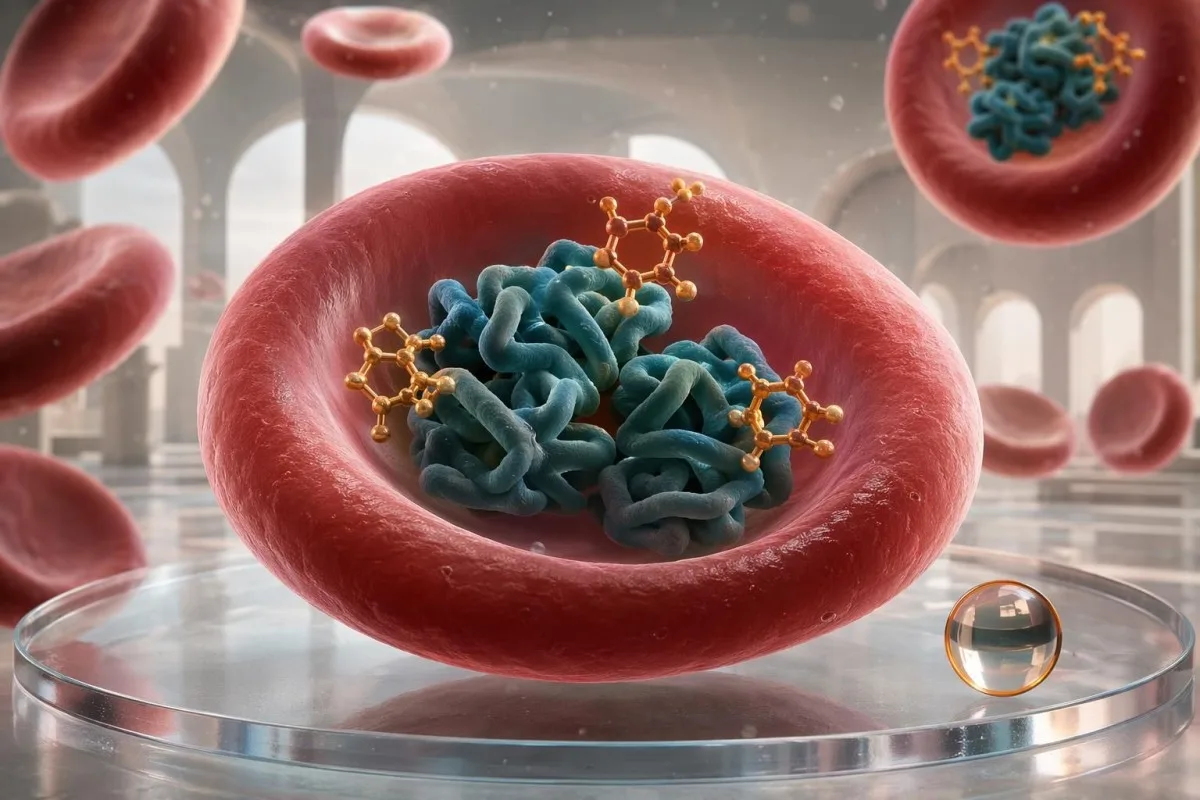
HbA1c measures the percentage of haemoglobin that has glucose attached to it, and it estimates average glucose exposure over about 2–3 months. It is weighted toward the most recent 4 weeks because younger red cells contribute more to the current result.

The ADAG study by Nathan et al. in Diabetes Care translated HbA1c into estimated average glucose using the equation eAG mg/dL = 28.7 × HbA1c − 46.7 (Nathan et al., 2008). By that formula, HbA1c 7.0% corresponds to about 154 mg/dL, while 10.0% corresponds to about 240 mg/dL.
That average hides spikes. A patient with fasting glucose near 120 mg/dL but repeated post-meal peaks above 260 mg/dL can land at HbA1c 7.3%, while another patient with steady fasting glucose near 170 mg/dL may land at a similar value but have a different risk pattern.
If your lab reports mmol/mol, the common anchors are 5.7% = 39 mmol/mol, 6.5% = 48 mmol/mol, 7.0% = 53 mmol/mol, and 10.0% = 86 mmol/mol. Our HbA1c conversion chart helps patients avoid misreading an international report as suddenly worse.
One practical wrinkle: HbA1c is not a real-time emergency marker. A glucose meter, venous glucose, ketones, bicarbonate, anion gap, and hydration status tell us whether today is dangerous.
HbA1c risk bands: from normal to dangerously high
HbA1c risk rises in bands, not by magic at one cutoff. As of June 11, 2026, the ADA diagnostic threshold for diabetes remains HbA1c 6.5% or higher when confirmed, while 5.7–6.4% is usually called prediabetes (ADA Professional Practice Committee, 2024).
The 6.5% cutoff exists because population studies found diabetic retinopathy becomes more common around that level, not because 6.4% is harmless and 6.5% is instantly catastrophic. I tell patients the cutoff is a clinical doorway, not a cliff.
HbA1c 7.0–7.9% usually means diabetes is present and not at many standard targets, although frail older adults may have safer individualized goals. HbA1c 8.0–9.9% is the range where I start looking harder for missed medication issues, steroid exposure, sleep disruption, or high post-meal glucose.
HbA1c 10.0–11.9% suggests average glucose around 240–295 mg/dL and usually deserves prompt follow-up, not a six-month wait. HbA1c 12.0% or higher is a same-week conversation in my clinic, especially if the patient has weight loss, recurrent infections, or glucose readings above 300 mg/dL.
If you are hovering near diagnosis, our article on A1c 6.5 meaning explains why repeat testing matters when symptoms are absent.
When a high HbA1c result needs urgent medical follow-up
A high HbA1c needs urgent follow-up when it is paired with acute symptoms or very high current glucose. Seek same-day medical advice for vomiting, deep breathing, confusion, severe dehydration, pregnancy, moderate-to-large ketones, or repeated glucose readings above 300 mg/dL.
HbA1c itself does not diagnose diabetic ketoacidosis or hyperosmolar hyperglycaemic state. Those diagnoses depend on current glucose, ketones, acid-base status, electrolytes, mental state, and fluid depletion.
A well-looking person with HbA1c 8.2% may usually arrange routine clinician review within a few weeks. A thin teenager with HbA1c 9.1%, weight loss, thirst, and positive ketones needs same-day assessment because type 1 diabetes can progress quickly.
Repeated glucose above 300 mg/dL, or 16.7 mmol/L, is a practical red flag even when HbA1c is not back yet. For current glucose thresholds and emergency patterns, see our high glucose cutoff guide.
The thing is, patients often bring me a high HbA1c and ask whether to exercise harder that night. If ketones are present or glucose is extremely high, hard exercise can worsen dehydration and ketone physiology; get medical guidance first.
High HbA1c causes doctors look for beyond sugar intake
High HbA1c causes include insulin resistance, insufficient insulin production, medication effects, sleep disruption, pregnancy-related diabetes, steroid exposure, and inaccurate HbA1c measurement. Diet matters, but it is rarely the only explanation when HbA1c jumps by 1–3 percentage points.
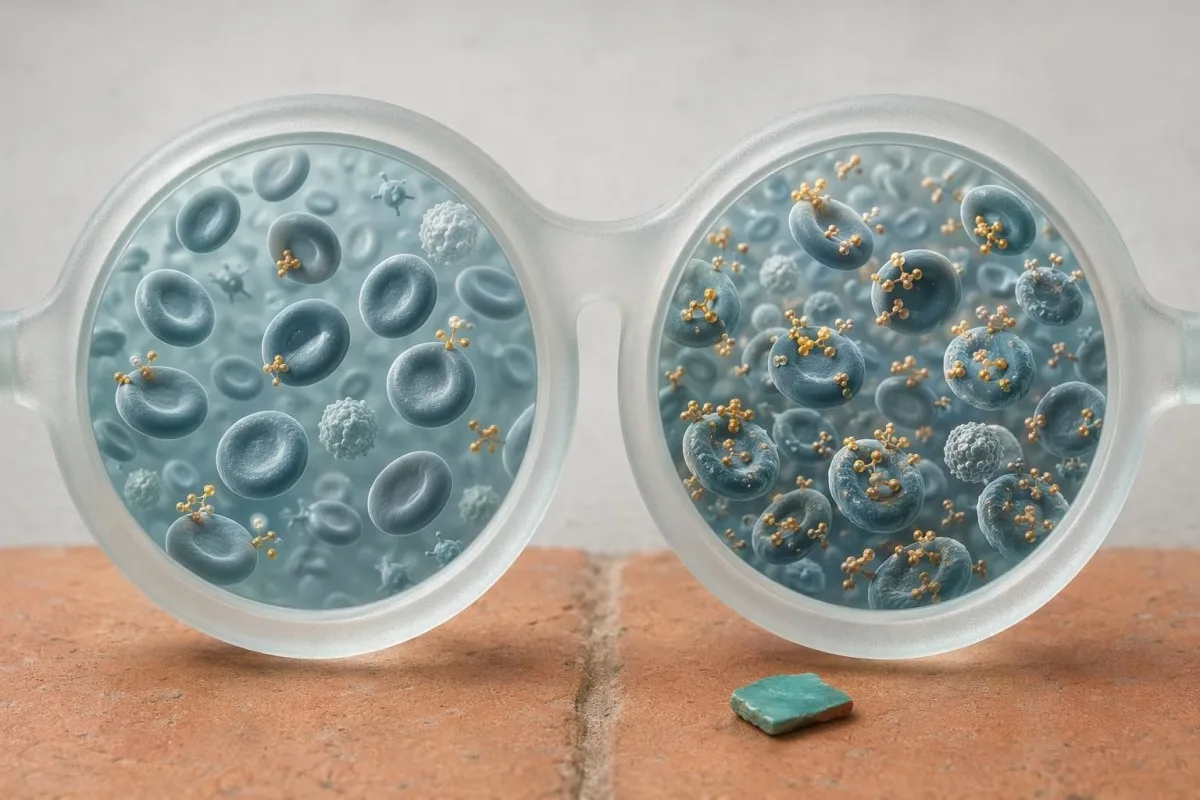
In our analysis of 2M+ blood tests, sudden HbA1c rises often cluster with weight gain, triglycerides above 150 mg/dL, low HDL, ALT elevation, and fasting insulin patterns suggesting insulin resistance. The insulin signal is often visible before HbA1c crosses 6.5%.
Common medication triggers include oral corticosteroids, repeated steroid injections, some antipsychotics, certain immunosuppressants, and high-dose niacin. I have seen HbA1c move from 6.9% to 9.4% after a winter of prednisone bursts for asthma, even without a dramatic diet change.
Sleep apnoea, night-shift work, chronic pain, depression, and high cortisol states can raise glucose through stress hormones and appetite changes. If HbA1c is rising while fasting glucose still looks normal, our insulin resistance test guide explains why insulin and post-meal testing may add useful clues.
Pancreatic disease is the cause people miss. Recurrent pancreatitis, pancreatic surgery, cystic fibrosis-related diabetes, and some pancreatic cancers can produce high HbA1c with weight loss rather than weight gain.
When HbA1c is high but the number may be misleading
HbA1c can be falsely high or falsely low when red cell lifespan is abnormal. Iron deficiency, B12 deficiency, kidney disease, liver disease, haemoglobin variants, pregnancy, transfusion, haemolysis, and recent blood loss can all distort the percentage.

Iron deficiency can falsely raise HbA1c because older circulating red cells have had more time to accumulate glycation. In practice, an HbA1c of 6.6% with ferritin 7 ng/mL and normal fasting glucose deserves confirmation before anyone labels the patient permanently diabetic.
Haemolysis, recent transfusion, and some haemoglobin variants can make HbA1c falsely low, which is arguably more dangerous because glucose risk gets hidden. Continuous glucose monitoring, fructosamine, glycated albumin, or a glucose tolerance test can be better in selected cases.
Pregnancy changes red cell turnover and glucose physiology, so HbA1c alone is not the main diagnostic tool for gestational diabetes. If your HbA1c does not match fingerstick or CGM readings, our HbA1c accuracy guide walks through the common mismatches.
Thomas Klein, MD, tip from clinic: always compare HbA1c with haemoglobin, MCV, RDW, creatinine/eGFR, and any recent transfusion or heavy bleeding history. One percentage without those checks can mislead very bright clinicians.
High HbA1c symptoms are often subtle or completely absent
High HbA1c symptoms may include thirst, frequent urination, night urination, blurred vision, fatigue, slow wound healing, recurrent genital yeast infections, and tingling feet. Many people with HbA1c 8–10% have no obvious symptoms because glucose rose gradually.

The kidney usually starts spilling glucose into urine around a blood glucose near 180 mg/dL, though the threshold varies by age and kidney function. That is why some patients notice thirst and urination only after post-meal readings become repeatedly high.
Blurred vision can come from temporary lens swelling caused by glucose shifts, not necessarily permanent eye damage. I warn patients not to buy expensive new glasses until glucose has stabilized for several weeks.
Kantesti is an AI blood test interpretation platform that pairs symptom prompts with lab patterns, which helps distinguish routine prediabetes follow-up from high-risk hyperglycaemia clues. If thirst is your main symptom, our constant thirst lab guide covers glucose, sodium, kidney, and medication patterns to check.
Absence of symptoms does not mean absence of harm. Retinal microaneurysms, early albumin leakage in urine, and small-fibre neuropathy can start before a patient has dramatic thirst or weight loss.
Short-term high A1c risks depend on current glucose and ketones
The short-term danger of high HbA1c comes from today’s glucose level, dehydration, ketones, electrolyte shifts, and insulin deficiency. HbA1c 11% tells us the last few months were unsafe; a fingerstick glucose of 420 mg/dL tells us today may be unsafe.

Diabetic ketoacidosis can occur with glucose above 250 mg/dL, positive ketones, low bicarbonate, and an elevated anion gap, though euglycaemic cases occur with SGLT2 inhibitor medicines. Hyperosmolar hyperglycaemic state often involves glucose above 600 mg/dL and marked dehydration.
People with type 2 diabetes can feel surprisingly normal at glucose 250–350 mg/dL if the rise has been slow. That false sense of safety is why I ask about dry mouth, dizziness on standing, reduced urination, infection symptoms, and mental clarity.
Kantesti's neural network flags high HbA1c more aggressively when the same report shows low sodium, high creatinine, high anion gap, or low bicarbonate, because that pattern can suggest acute metabolic stress. For diagnostic and monitoring differences, our diabetes blood test guide separates HbA1c, fasting glucose, random glucose, oral glucose tolerance, C-peptide, and ketones.
One common mistake is starting a very low-carb diet overnight when glucose is extremely high and ketones are already present. That may be fine for some stable adults under supervision, but it is not a substitute for urgent assessment when vomiting or dehydration is present.
Long-term high A1c risks rise with both level and duration
Long-term high A1c risks include retinopathy, kidney disease, neuropathy, heart attack, stroke, erectile dysfunction, fatty liver progression, and recurrent infections. The risk is cumulative: HbA1c 8.5% for 5 years is usually more damaging than one brief 8.5% result.

The UKPDS 33 trial in The Lancet showed intensive glucose control in newly diagnosed type 2 diabetes reduced microvascular endpoints compared with conventional control (UKPDS Group, 1998). That is why clinicians care about months and years of HbA1c exposure, not just today’s symptoms.
Kidney risk often appears first as urine albumin, not creatinine. A urine albumin-to-creatinine ratio above 30 mg/g, or 3 mg/mmol, can show early diabetic kidney injury while eGFR still looks normal.
Annual eye screening and urine ACR testing are not bureaucratic chores; they are the early-warning system. Our urine ACR kidney guide explains why albumin leakage can precede a creatinine rise by years.
The cardiovascular side is messier. HbA1c interacts with blood pressure, LDL cholesterol, smoking, kidney disease, sleep apnoea, and inflammation, so a person with HbA1c 7.4% and severe hypertension may be at higher near-term vascular risk than someone with HbA1c 8.2% and otherwise excellent markers.
Which HbA1c results can start with routine lifestyle changes?
Routine lifestyle changes are usually appropriate for HbA1c 5.7–6.4%, and sometimes for early confirmed diabetes near 6.5–7.0% if the person is stable. HbA1c 8% or higher often needs medication discussion as well as nutrition, activity, sleep, and weight strategy.

A realistic lifestyle target is 5–10% body-weight loss when weight is contributing to insulin resistance; this can lower HbA1c by roughly 0.3–1.0 percentage points in many adults. The response varies hugely, especially with sleep apnoea, steroid use, or pancreatic disease.
Exercise does not have to be heroic. A 10–20 minute walk after the largest meal can blunt post-meal glucose spikes, and 150 minutes per week of moderate aerobic activity plus 2 resistance sessions is a standard starting prescription.
Nutrition is not simply about removing sugar. Patients often need 25–38 g/day of fibre, fewer refined starches, adequate protein, and attention to liquid calories; our high sugar food swaps gives lab-based examples without turning food into punishment.
Medication should not be framed as failure. Metformin commonly lowers HbA1c by about 1.0–1.5 percentage points, while GLP-1 receptor agonists and SGLT2 inhibitors may be chosen for weight, heart, or kidney reasons depending on the patient.
How soon to recheck HbA1c and what target is realistic
HbA1c is usually rechecked every 3 months after a treatment change and every 6 months when stable. Because HbA1c reflects red cell turnover, repeating it after only 2–4 weeks may miss the full effect even when daily glucose has improved.

For many non-pregnant adults with diabetes, a common HbA1c target is below 7.0%, but clinicians individualize this. Frail older adults, people with severe hypoglycaemia risk, and those with limited life expectancy may need less aggressive targets such as below 8.0%.
The first 2 weeks after a diet or medicine change are better monitored with fasting and post-meal glucose than with HbA1c. If fasting glucose falls from 190 to 125 mg/dL quickly, HbA1c may still look high until older cells cycle out.
Our clinical standards work is summarized in medical validation, including how result interpretation is supervised rather than treated as a black-box verdict. I prefer patients to track the slope: HbA1c 10.2% to 8.6% in 3 months is progress, even though 8.6% still needs work.
If medication has just started, B12, kidney function, liver enzymes, and gastrointestinal tolerance can matter too. People beginning metformin may find our metformin lab follow-up useful when planning the next panel.
Pregnancy, children, older adults, and athletes need different interpretation
High HbA1c is interpreted differently in pregnancy, children, older adults, endurance athletes, and people with anaemia or kidney disease. The same 6.8% result can trigger very different follow-up depending on age, symptoms, red cell turnover, and hypoglycaemia risk.
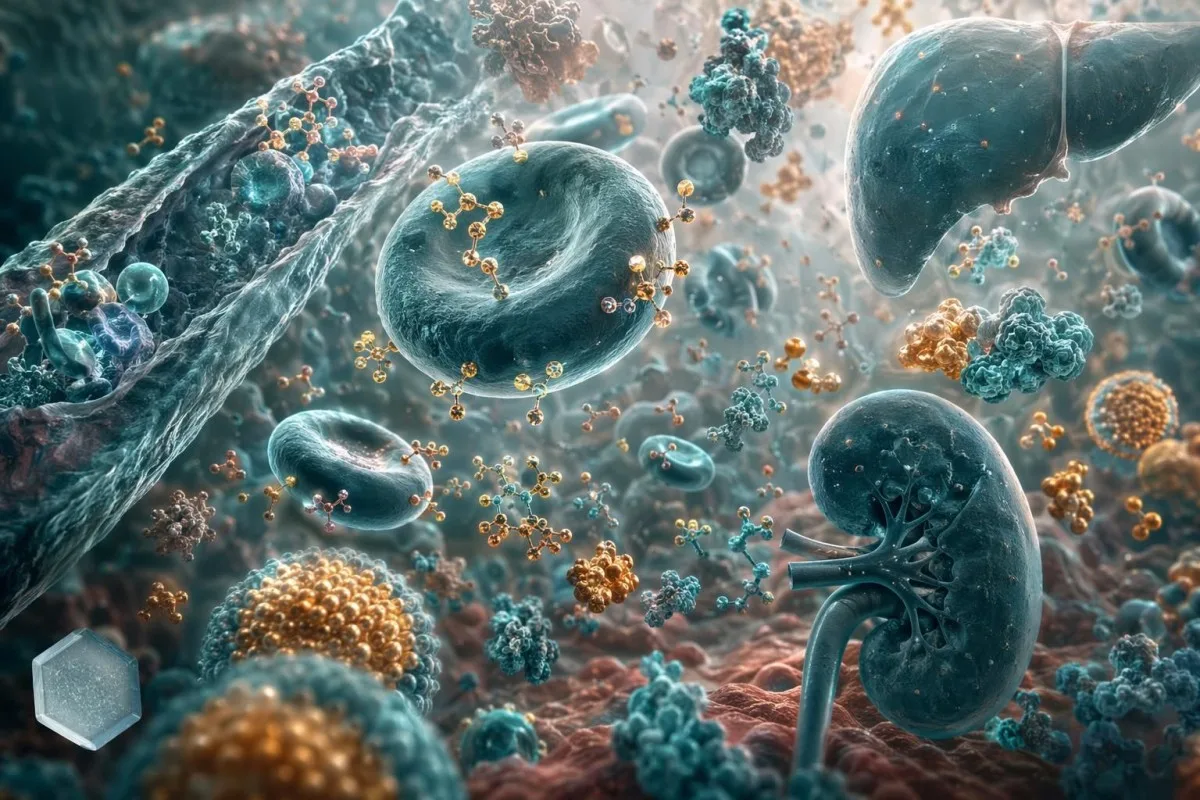
In pregnancy, HbA1c can miss post-meal glucose rises that matter for fetal growth, so an oral glucose tolerance test is often used for diagnosis. A result above target during pregnancy needs fast clinician input because treatment timelines are shorter.
Children with thirst, weight loss, bedwetting, and high glucose need urgent assessment regardless of HbA1c. Type 1 diabetes can present with a not-yet-astronomical HbA1c if symptoms developed over only a few weeks.
Older adults are different for the opposite reason: hypoglycaemia can be more immediately dangerous than a mildly high HbA1c. Falls, kidney function, cognition, appetite, and medication burden shape the safest target.
For pregnancy-specific glucose testing, our pregnancy tolerance test guide explains preparation and result timing. Athletes and low-carb eaters should also remember that HbA1c can disagree with fasting glucose when post-meal patterns, red cell lifespan, or training load differ.
How our AI reads high HbA1c in clinical context
A safe HbA1c interpretation checks glucose, symptoms, red cell indices, kidney markers, liver enzymes, lipids, medications, and trend history. Kantesti is an AI-powered blood test analysis tool used by 2M+ people across 127+ countries, but the output is designed to support, not replace, clinical care.
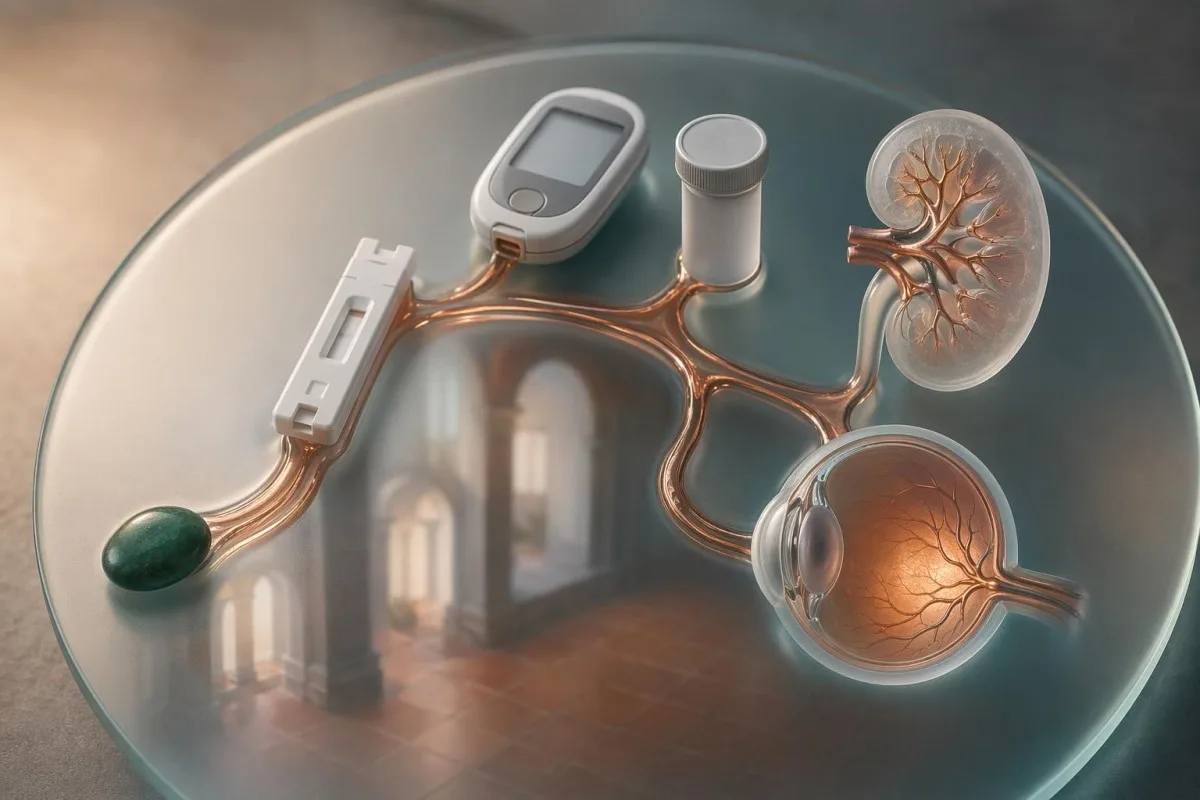
Our AI looks for patterns such as HbA1c 9.8% plus triglycerides 310 mg/dL, ALT 72 IU/L, and eGFR 58 mL/min/1.73 m², because that cluster suggests metabolic and kidney follow-up beyond glucose alone. A lonely HbA1c flag is less informative than a patterned risk map.
The technology guide explains how laboratory PDFs and photos are parsed before clinical rules and neural network scoring are applied. We also map units across countries, so 75 mmol/mol is not mistaken for 7.5%.
Kantesti is an AI biomarker interpretation platform that can read HbA1c beside more than 15,000 biomarkers, including haemoglobin, MCV, RDW, creatinine, eGFR, urine ACR, ALT, triglycerides, HDL, and C-peptide. The broader marker catalogue is described in our biomarker guide.
Privacy matters here because HbA1c can reveal chronic disease risk, pregnancy risk, and family health patterns. Our platform is GDPR-aligned, supports 75+ languages, and is used across multilingual family workflows without turning a lab report into a public data trail.
Bottom line: match the HbA1c number to the patient in front of you
The safest next step after a high HbA1c is to separate emergency risk from long-term risk. Symptoms, ketones, pregnancy, dehydration, and current glucose decide urgency; the HbA1c band then guides follow-up, treatment intensity, and repeat testing.
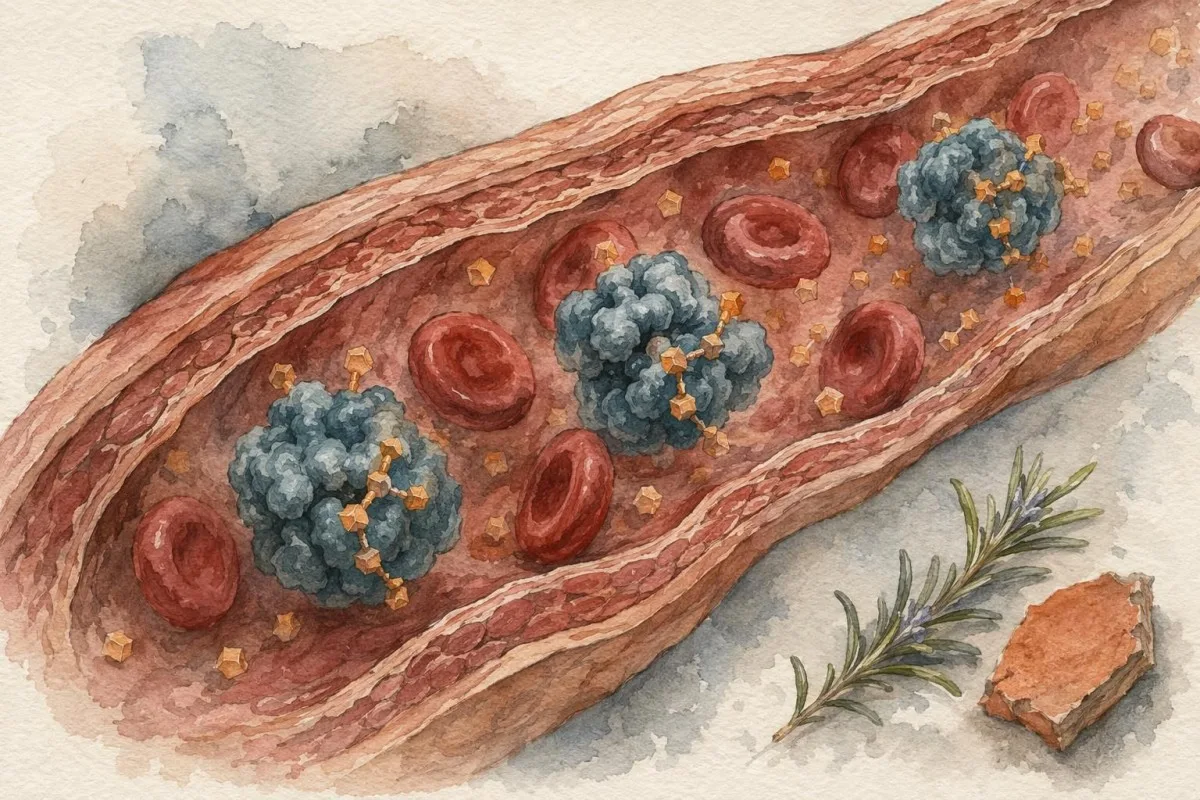
Thomas Klein, MD, clinical rule: HbA1c 5.7–6.4% needs a plan, HbA1c 6.5–7.9% needs confirmation and treatment discussion, HbA1c 8–9.9% needs active adjustment, and HbA1c 10% or higher should not sit untouched in an inbox. HbA1c 12% plus symptoms belongs in same-day care conversations.
Our doctors review content and safety logic through the medical advisory board, because high HbA1c advice has real consequences. A warm paragraph about diet is not enough when a patient may actually have insulin deficiency, ketones, or early kidney injury.
Kantesti research publications also document adjacent blood-test interpretation methods: Kantesti Ltd. (2026). Serum Proteins Guide: Globulins, Albumin & A/G Ratio Blood Test. Zenodo. https://doi.org/10.5281/zenodo.18316300. See the related serum proteins guide for albumin and globulin interpretation.
A second related publication is Kantesti Ltd. (2026). C3 C4 Complement Blood Test & ANA Titer Guide. Zenodo. https://doi.org/10.5281/zenodo.18353989. The companion complement test guide is not an HbA1c paper, but it shows the same clinical pattern-based approach we use when interpreting complex lab reports.
Frequently Asked Questions
Is high HbA1c dangerous if I have no symptoms?
Yes, high HbA1c can be dangerous without symptoms because it reflects weeks of elevated average glucose. Many people with HbA1c 8–10% have no obvious thirst, weight loss, or blurred vision, yet their eyes, kidneys, nerves, and arteries may still be exposed to excess glucose. HbA1c above 10% usually needs prompt clinician review, and HbA1c above 12% needs faster assessment if symptoms, ketones, pregnancy, dehydration, or glucose above 300 mg/dL are present.
What HbA1c level is considered dangerously high?
HbA1c 10% or higher is often treated as dangerously high because it suggests average glucose around 240 mg/dL or more over recent weeks. HbA1c 12% corresponds to an estimated average glucose near 298 mg/dL and should usually be reviewed the same week, especially with symptoms. The HbA1c number alone does not diagnose an emergency; current glucose, ketones, hydration, electrolytes, and mental state decide whether urgent care is needed.
Can HbA1c be high from stress or illness?
Stress and illness can raise HbA1c if they cause sustained glucose elevation for several weeks, not just one difficult day. Steroid medication, infection, poor sleep, pain, depression, high cortisol states, and reduced activity can all push glucose higher long enough to move HbA1c. A short viral illness may raise current glucose without changing HbA1c much unless the disturbance lasts long enough.
Does HbA1c of 6.5% always mean diabetes?
HbA1c of 6.5% or higher meets the usual diabetes diagnostic threshold when confirmed, or when accompanied by classic symptoms and high glucose. If there are no symptoms, clinicians often repeat HbA1c or confirm with fasting glucose or an oral glucose tolerance test. Anaemia, kidney disease, haemoglobin variants, pregnancy, recent transfusion, or recent blood loss can make HbA1c misleading.
How quickly can I lower a high HbA1c?
HbA1c usually changes meaningfully over 8–12 weeks because it reflects red cell turnover and recent glucose exposure. Daily glucose can improve within days after nutrition, exercise, or medication changes, but HbA1c may lag behind. A drop of 1–2 percentage points over 3 months can be realistic when starting effective treatment from a very high baseline, though the safe target depends on age, pregnancy status, kidney function, and hypoglycaemia risk.
What should I do after getting a high HbA1c result?
After a high HbA1c result, first check whether there are urgent symptoms such as vomiting, confusion, deep breathing, dehydration, weight loss, pregnancy, or ketones. If none are present, book clinician follow-up and compare HbA1c with fasting glucose, post-meal glucose, kidney function, urine albumin, lipids, blood count, and medications. HbA1c 5.7–6.4% usually calls for lifestyle planning, while HbA1c 8% or higher often needs medication review as well.
Can a continuous glucose monitor help explain why my HbA1c is high?
A continuous glucose monitor can reveal after-meal and overnight patterns that HbA1c cannot show. Review at least 10–14 days of readings with your clinician; CGM data complement rather than replace laboratory testing when HbA1c may be unreliable.
Do I need to fast before an HbA1c test?
No. HbA1c can be measured at any time of day and does not require fasting, because it reflects glucose exposure over the previous 2–3 months. If fasting glucose or triglycerides are ordered at the same visit, follow the laboratory’s fasting instructions.
Get AI-Powered Blood Test Analysis Today
Join over 2 million users worldwide who trust Kantesti for instant, accurate lab test analysis. Upload your blood test results and receive comprehensive interpretation of 15,000+ biomarkers in seconds.
📚 Referenced Research Publications
Klein, T., Mitchell, S., & Weber, H. (2026). Serum Proteins Guide: Globulins, Albumin & A/G Ratio Blood Test. Kantesti AI Medical Research.
Klein, T., Mitchell, S., & Weber, H. (2026). C3 C4 Complement Blood Test & ANA Titer Guide. Kantesti AI Medical Research.
📖 External Medical References
American Diabetes Association Professional Practice Committee (2024). 2. Diagnosis and Classification of Diabetes: Standards of Care in Diabetes—2024. Diabetes Care.






⚕️ Medical Disclaimer
This article is for educational purposes only and does not constitute medical advice. Always consult a qualified healthcare provider for diagnosis and treatment decisions.
E-E-A-T Trust Signals
Experience
Physician-led clinical review of lab interpretation workflows.
Expertise
Laboratory medicine focus on how biomarkers behave in clinical context.
Authoritativeness
Written by Dr. Thomas Klein with review by Dr. Sarah Mitchell and Prof. Dr. Hans Weber.
Trustworthiness
Evidence-based interpretation with clear follow-up pathways to reduce alarm.