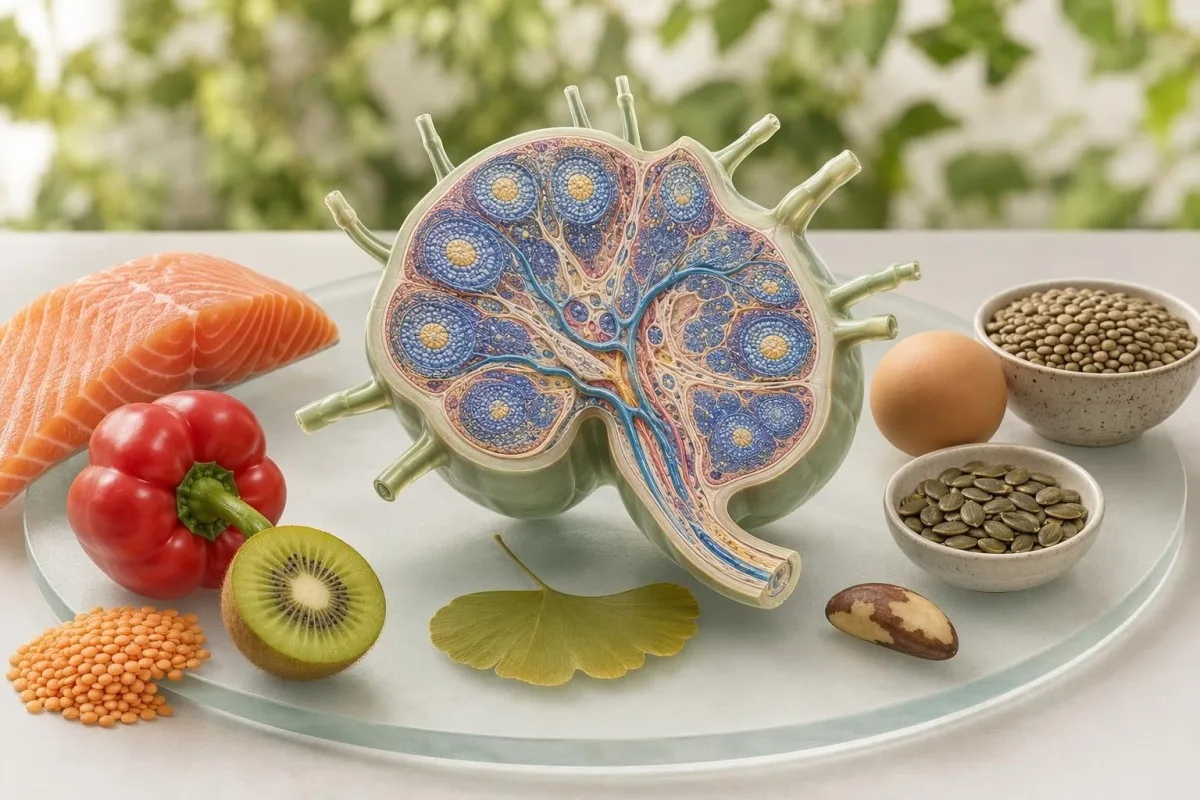
Food cannot make someone infection-proof, but correcting a genuine nutrient shortfall can improve immune-cell function. This evidence-led guide connects immune-supporting foods with the laboratory patterns that deserve context.



- Food reality check: Foods that boost immunity support normal immune function; they do not reliably prevent colds, flu, COVID-19, or other infections.
- Zinc: A fasting morning serum zinc result below about 70 µg/dL may support deficiency, but albumin, inflammation, and timing can alter the result.
- Selenium: Plasma selenium commonly runs about 70-150 µg/L; one Brazil nut can contain 50-90 µg, so daily handfuls can overshoot.
- Vitamin D: A 25-hydroxyvitamin D level below 25 nmol/L (10 ng/mL) indicates deficiency in UK guidance and warrants clinical follow-up.
- Vitamin C: Adults need 40 mg/day in UK guidance; one red pepper or two kiwis can exceed that without a supplement.
- Protein: Low albumin is not a routine dietary-protein gauge, but albumin below 35 g/L during recurrent illness deserves medical interpretation.
- CBC clues: An absolute neutrophil count below 1.5 × 10⁹/L is not fixed by food and should be interpreted with a clinician.
- Retesting: Recheck targeted nutrient labs after roughly 8-12 weeks of a sustained dietary change unless symptoms or a clinician indicate sooner.
What food can realistically do for immune function
Foods that boost immunity help the immune system work normally when they correct inadequate intake; they do not create a shield against infection. A practical pattern is vegetables and fruit, legumes, whole grains, nuts or seeds, and adequate protein, with zinc, selenium, vitamin D, vitamin C, folate, B12, and iron assessed when diet or symptoms point that way. As of July 26, 2026, no ordinary food has credible evidence for preventing every respiratory infection.
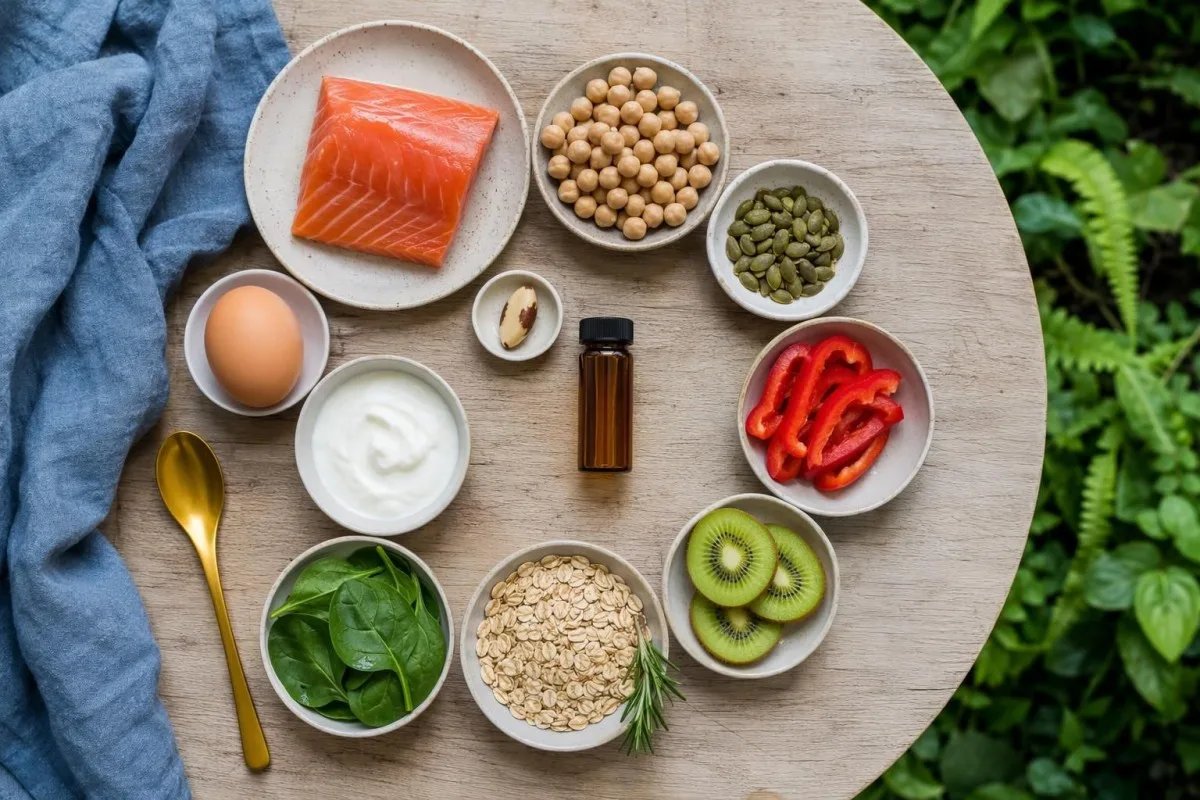
In 15 years of clinical practice, I have seen the same disappointment repeatedly: a patient buys expensive powders after three winter colds, yet has skipped meals, slept poorly, or has iron deficiency. Immune competence is a baseline function, not a dial to turn up. UK adult reference nutrient intakes include 9.5 mg zinc for men, 7 mg for women, and 60-75 µg selenium daily, depending on sex.
Kantesti is an AI blood test analyzer that places nutrient-related results beside the full blood count, C-reactive protein, albumin, kidney function, medicines, and prior results rather than calling one flagged value the explanation. That pattern-based approach follows our clinical validation standards: a low result may be actionable, but it still needs a plausible cause.
I usually start with regular meals rather than a so-called immune shot. A plate containing beans or fish, a brightly coloured vegetable, a fruit, and a whole grain can cover several relevant nutrients at once; it also adds fibre, which supplements do not reproduce. People trying a restrictive eating plan should review their diet-related lab changes before assuming fatigue is simply low immunity.
The useful clinical question
The useful question is not “which food prevents infection?” but “is intake adequate for my age, diet, absorption, and laboratory pattern?” That distinction matters most for older adults, people with coeliac disease or inflammatory bowel disease, people taking acid-suppressing drugs, and those on highly restricted diets. A food-first plan is sensible when there is no severe deficiency, weight loss, or malabsorption clue.
Why immune support is not the same as infection prevention
Adequate micronutrient intake supports barrier tissues and immune-cell signalling, but no meal can guarantee that a virus will not establish infection. Exposure dose, vaccination, sleep, age, chronic illness, and the specific organism often matter more than whether someone ate an orange that morning.

The biologic reason is straightforward: zinc helps transcription factors and cell division, vitamin C concentrates in some white cells, and vitamin D influences immune signalling. Those are necessary functions, not proof that extra intake above adequacy produces extra protection. Gombart, Pierre, and Maggini (2020) reviewed these overlapping roles and stressed that deficiencies, rather than routine high-dose use, are where the clearest functional concern lies.
Vitamin D illustrates the nuance. In an individual-participant meta-analysis of 25 trials, Martineau et al. (2017) found a modest reduction in acute respiratory infections with supplementation overall, with the most consistent signal among people receiving daily or weekly doses without large boluses. That does not mean vitamin-D-rich foods can replace vaccines, ventilation, hand hygiene, or prompt testing when clinically indicated.
One underappreciated issue is reverse causation: acute illness can lower appetite, albumin, circulating zinc, and serum iron before the lab visit. A result taken during fever is often a snapshot of the acute-phase response, not a clean nutritional audit. Our guide to CRP after infection explains why timing a repeat after recovery can prevent unnecessary supplements.
Claims I would avoid
Be sceptical of claims that garlic, citrus, mushrooms, or a supplement “kills viruses” in the body. These foods can be part of a nourishing diet, but the evidence does not support using them as treatment for pneumonia, sepsis, influenza, or persistent fever. New shortness of breath, chest pain, confusion, dehydration, or blue-grey lips needs urgent medical assessment, not a nutrition experiment.
The nutrient map behind immune-supporting foods
The most useful immune-supporting foods are those that supply nutrients commonly missed by a person's actual diet. Seafood, eggs, dairy or fortified alternatives, beans, lentils, leafy greens, fruit, nuts, seeds, and whole grains each contribute differently, so variety is more reliable than chasing one “superfood.”

Oysters, beef, pumpkin seeds, chickpeas, and fortified cereals are practical zinc food sources. Animal-source zinc is generally absorbed more efficiently because phytate in grains and legumes binds zinc; soaking, sprouting, fermenting, and eating legumes with varied meals can partly reduce that effect. A 30 g serving of pumpkin seeds provides roughly 2-3 mg zinc, not the 10 mg many labels imply.
Brazil nuts, seafood, eggs, poultry, and whole grains are selenium-rich foods, but their selenium content varies with soil. One Brazil nut may provide approximately 50-90 µg selenium, enough to meet most adult requirements in a single nut. That variability is why I rarely advise several Brazil nuts every day without knowing the person’s supplement use.
Vitamin C-rich produce is often easier than people think: one medium orange provides around 70 mg, and a half red pepper can provide more than 90 mg. Folate comes from legumes and greens, while B12 is concentrated in animal foods and fortified products. For a broader diet-and-results workflow, our blood-test nutrition plan focuses on observed gaps rather than generic food lists.
Build meals by overlap
A meal with salmon, lentils, leafy greens, and fruit covers more relevant nutrients than a stack of isolated capsules. It provides protein, B12, selenium, vitamin D in oily fish, folate, vitamin C, and fibre in one sitting. There is no requirement to eat these foods together; weekly consistency matters more than nutrient timing.
Zinc food sources and the laboratory clues that matter
Zinc deficiency can impair taste, wound healing, skin integrity, and immune-cell development, but serum zinc alone is an imperfect test. A fasting morning serum zinc value below roughly 70 µg/dL (10.7 µmol/L) may support low status in adults, although the laboratory’s own interval and the clinical setting take priority.
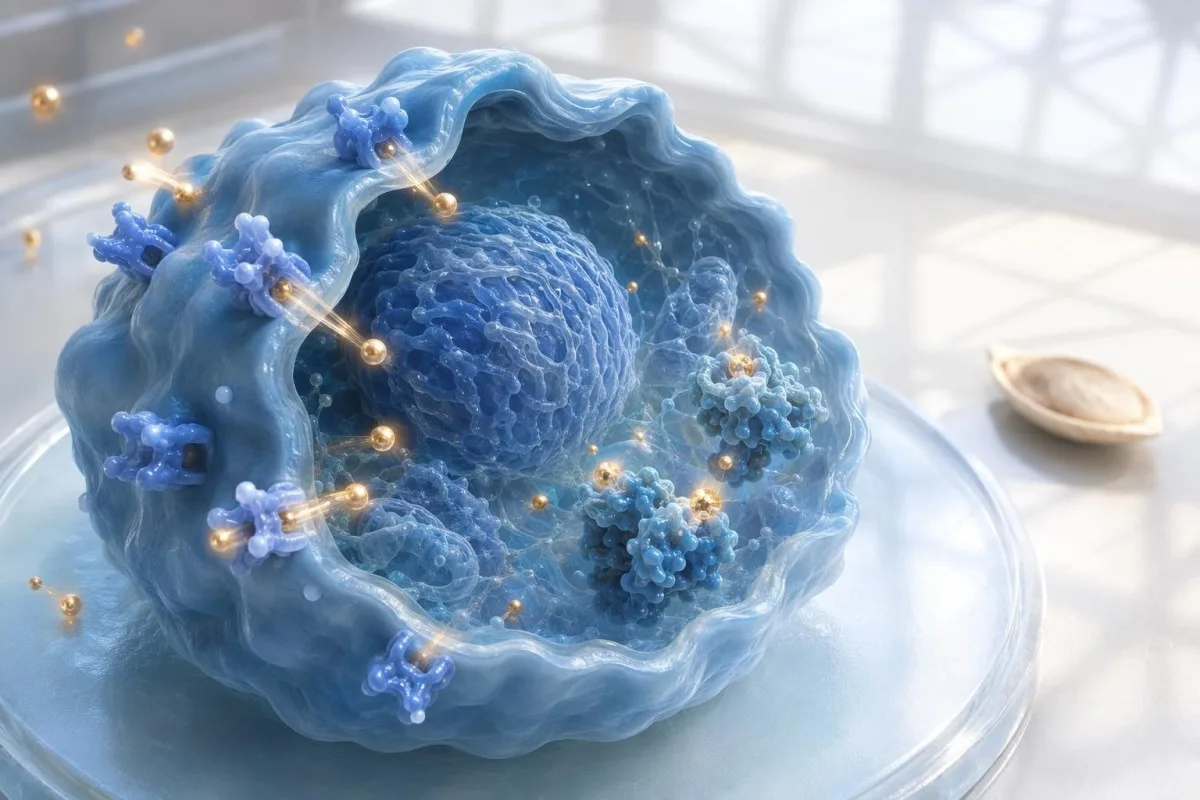
Serum zinc has a strong time-of-day effect and falls during acute inflammation because zinc shifts from circulation into the liver. A zinc result of 62 µg/dL with CRP 45 mg/L during bronchitis is less persuasive than the same result with CRP below 3 mg/L when well. Albumin also carries much circulating zinc, so low albumin can make interpretation trickier.
The adult tolerable upper intake level for zinc is 40 mg/day in US guidance from food plus supplements. Sustained doses above that can interfere with copper absorption and cause anaemia or neurological symptoms; I have seen this after months of “immune” lozenges and high-dose tablets. Copper, ceruloplasmin, CBC indices, and the dose history matter together.
Vegetarians and vegans can meet zinc needs, but a low-zinc pattern deserves more than a bigger supplement bottle. Ask about chronic diarrhoea, coeliac disease, bariatric surgery, denture adhesive, proton-pump inhibitors, and restrictive intake. Our detailed review of low zinc causes covers the diet, gut, and medication clues that change next steps.
A food-first zinc plan
Eating zinc-containing foods across two meals daily is usually safer than taking 25-50 mg supplements indefinitely. Examples include eggs and yoghurt, seafood, lean meat, tofu, lentils, pumpkin seeds, and fortified grains. If a clinician has diagnosed deficiency, treatment doses can be appropriate, but zinc should usually be rechecked with copper after 8-12 weeks.
Selenium-rich foods: useful range, narrow margin
Selenium supports antioxidant enzymes and thyroid-related proteins, but the gap between adequate and excessive intake is narrower than many people realise. Plasma or serum selenium commonly falls around 70-150 µg/L, though laboratories use different methods and reference intervals.

Selenium is incorporated into selenoproteins such as glutathione peroxidases, which help manage oxidative chemistry during normal immune activity. This is not a reason to push levels high. The European Food Safety Authority sets an adult tolerable upper intake level of 255 µg/day, while the US upper limit is 400 µg/day; the different numbers reflect uncertainty in toxicity thresholds.
A plasma selenium result below about 70 µg/L may indicate low status, particularly with very limited dietary intake or long-term parenteral nutrition. Yet selenium testing is not a routine explanation for every cold. In my experience, it becomes more useful when combined with thyroid disease, malabsorption, a highly restricted diet, or unexplained use of multiple supplements.
Hair and nail fragility, nausea, a metallic taste, and hair shedding can occur with selenium excess, but none is specific enough to self-diagnose. If someone is taking a 200 µg supplement plus Brazil nuts and a multivitamin, I ask them to stop stacking products before ordering more tests. See our practical guide to selenium test results for result-specific context.
The Brazil-nut misconception
Brazil nuts are not a measured-dose supplement because their selenium concentration can vary several-fold by growing region and batch. One nut on some days is a reasonable food choice for many adults; a daily handful is not a harmless wellness habit. People with kidney disease, thyroid treatment, or supplement regimens should ask their clinician before deliberately increasing selenium.
Vitamin D foods, sunlight, and a meaningful 25-OH result
Food alone often cannot correct marked vitamin D deficiency because few foods contain large amounts of vitamin D. Oily fish, egg yolks, fortified dairy or plant alternatives, and UV-exposed mushrooms contribute, while the 25-hydroxyvitamin D test is the standard blood marker for body stores.

NICE considers serum 25-hydroxyvitamin D below 25 nmol/L (10 ng/mL) deficient, while 25-50 nmol/L is often described as insufficient depending on the clinical setting. A result above 50 nmol/L generally meets UK population needs for bone health; some specialist targets differ for osteoporosis or malabsorption. The cutoff is not a direct measure of infection resistance.
A 100 g portion of cooked salmon may provide around 10-20 µg vitamin D, whereas a standard UK daily recommendation for adults is 10 µg during lower-sunlight months. This makes dietary support worthwhile but explains why clinician-guided supplementation is often needed for levels below 25 nmol/L. For food quantities and realistic expectations, read vitamin D foods and 25-OH.
Kantesti AI interprets 25-hydroxyvitamin D alongside calcium, phosphate, alkaline phosphatase, parathyroid hormone when available, kidney function, and the exact dose on the supplement label. A 25-OH vitamin D result above 125 nmol/L (50 ng/mL) is not automatically toxic, but persistent high results deserve a dose review; hypercalcaemia is the safety signal that changes urgency.
Avoid the megadose trap
Large intermittent vitamin D boluses are not equivalent to a modest daily regimen. Martineau et al. (2017) found the respiratory-infection signal was clearest with daily or weekly dosing rather than infrequent high boluses. Anyone with sarcoidosis, recurrent kidney stones, hypercalcaemia, or advanced kidney disease should get individual medical advice before supplementing.
Vitamin C, iron, and the barrier-function connection
Vitamin C supports collagen formation, antioxidant chemistry, and non-haem iron absorption, but more than adequacy does not reliably prevent common colds. Fruit and vegetables remain the preferred source because they bring potassium, folate, fibre, and diverse plant compounds along with vitamin C.
UK guidance sets the adult vitamin C reference nutrient intake at 40 mg/day, while US recommendations are 75 mg/day for women and 90 mg/day for men. One orange provides about 70 mg and a kiwi about 65 mg, so deficiency from low intake is usually preventable without powders. Smokers require an additional 35 mg/day in US guidance because oxidative exposure increases turnover.
Pairing lentils, beans, tofu, or spinach with a vitamin C-rich food can increase non-haem iron absorption. This matters when ferritin is low, but it is not a substitute for investigating blood loss, coeliac disease, or heavy periods. A ferritin below 15 ng/mL is highly specific for depleted iron stores in an otherwise well adult, whereas inflammation can make ferritin appear falsely reassuring.
The Cochrane review by Hemilä and Chalker (2013) found regular vitamin C supplementation did not reduce common-cold incidence in the general population, although it modestly shortened duration. That is a good example of a nutrient helping physiology without justifying cure claims. If iron studies are confusing, our iron studies reference guide explains why ferritin, transferrin saturation, and CRP belong together.
When gums and fatigue mean more
Bleeding gums, easy bruising, profound fatigue, or poor healing should not be labelled vitamin C deficiency from symptoms alone. Severe deficiency is uncommon but can occur with very restricted diets, alcohol dependence, food insecurity, or malabsorption. A clinician may check CBC, ferritin, folate, B12, CRP, and targeted vitamin testing rather than relying on one symptom.
Protein, B12, and folate: often missed immune foundations
Adequate protein, vitamin B12, and folate support the rapid cell turnover needed for immune-cell production. Deficits can show up as fatigue, mouth changes, anaemia, or abnormal blood counts, but no single symptom proves a nutritional cause.
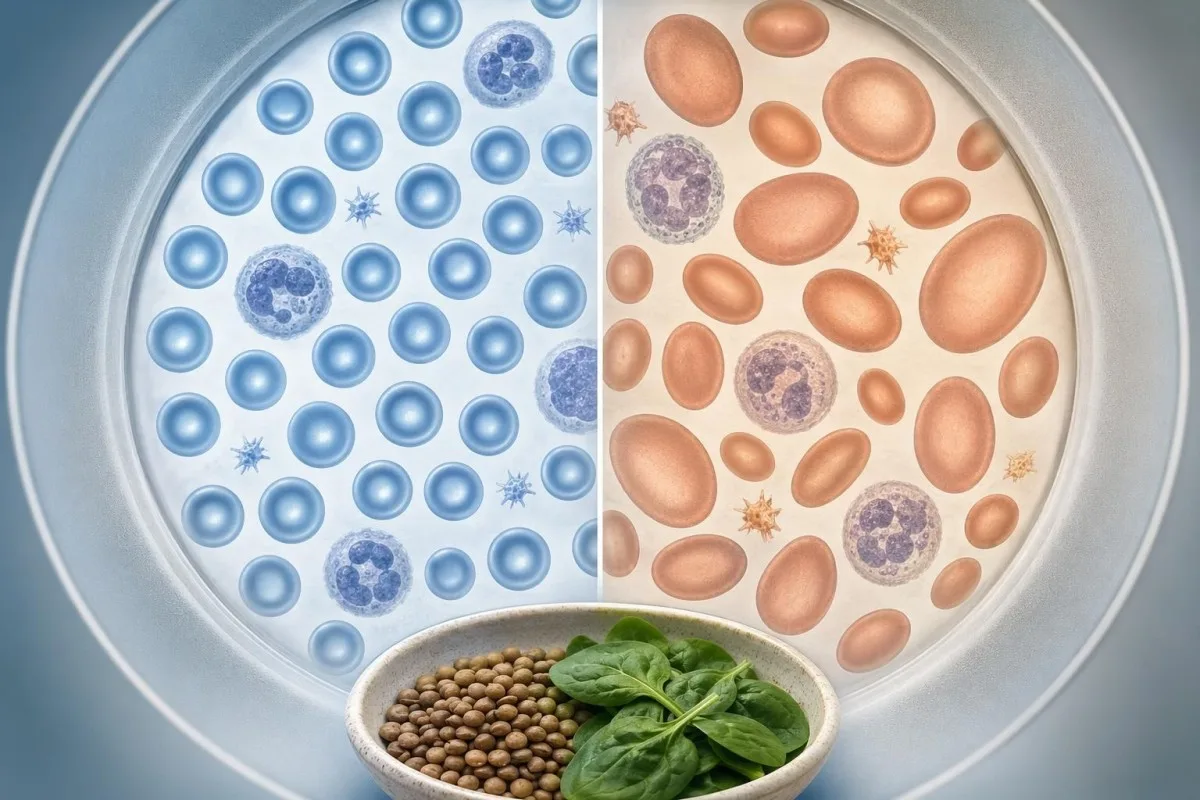
Most healthy adults need at least 0.8 g protein per kg body weight daily, while adults over 65 years or recovering from illness may need roughly 1.0-1.2 g/kg/day if kidney function and medical conditions allow. Protein intake should come from varied sources: fish, eggs, dairy, soy, beans, lentils, poultry, or meat. Albumin below 35 g/L is more often an illness, liver, kidney, or inflammatory clue than proof of low dietary protein.
A mean corpuscular volume above 100 fL can occur with B12 or folate deficiency, alcohol use, liver disease, hypothyroidism, reticulocytosis, and some medicines. B12 below 200 pg/mL (148 pmol/L) is commonly considered low, but borderline results around 200-350 pg/mL often need methylmalonic acid or homocysteine rather than guesswork. Folate should never be used to mask an untreated B12 deficiency.
People eating fully plant-based diets need a reliable B12-fortified food or supplement because unfortified plant foods do not provide dependable active B12. This is a routine preventive step, not a failure of the diet. Our plant-based nutrient recheck guide outlines useful intervals and the common laboratory pitfalls.
CBC changes need context
A high MCV with low haemoglobin should prompt a cause-based work-up, not an “immune booster.” In a patient with MCV 106 fL, haemoglobin 104 g/L, and B12 155 pg/mL, treating B12 is clinically urgent because nerve symptoms can become persistent. Conversely, a normal CBC does not fully exclude early B12 depletion.
Fibre, omega-3 foods, and the gut-immune interface
Dietary fibre supports gut microbial metabolism and mucosal barrier function, while oily fish supplies omega-3 fats that influence inflammatory signalling. These effects are real biology, but neither fibre nor fish oil should be described as an infection-prevention treatment.

Adults should aim for about 30 g fibre daily under UK recommendations, yet many people remain below 20 g. Beans, oats, barley, vegetables, fruit, nuts, and seeds feed microbial pathways that produce short-chain fatty acids such as butyrate. Increasing fibre too quickly can cause bloating, so I often suggest adding 5 g every few days with adequate fluids.
Two portions of oily fish weekly provide EPA and DHA as well as protein, selenium, iodine, and sometimes vitamin D. Fish is not required for immune health: walnuts, chia, flax, rapeseed oil, and algae-derived DHA can fit vegetarian or vegan patterns. The evidence for omega-3 supplements in preventing routine respiratory infection remains uncertain, especially in well-nourished adults.
Fibre also changes stool frequency and can alter how people interpret digestive symptoms. Persistent diarrhoea, blood in stool, unintended weight loss, or waking at night to pass stool is not a signal to simply add prebiotics. Our review of foods for gut health separates ordinary dietary adjustment from situations that need stool testing or clinical review.
Start with tolerance, not perfection
A tolerable 22 g fibre intake sustained for months is more useful than forcing 35 g for three days and stopping. In people with IBS, the specific fermentable carbohydrate type can matter as much as the total fibre number. Those with bowel narrowing, active inflammatory bowel disease, or recent abdominal surgery need personalised advice.
Lab clues that suggest a nutrient issue rather than “low immunity”
A nutrient-related immune concern usually appears as a pattern across symptoms, diet, inflammation markers, blood counts, and targeted tests—not as one isolated “immune score.” The highest-yield initial tests are often CBC with differential, ferritin with transferrin saturation, CRP, B12 or folate when indicated, and 25-hydroxyvitamin D in people at risk.

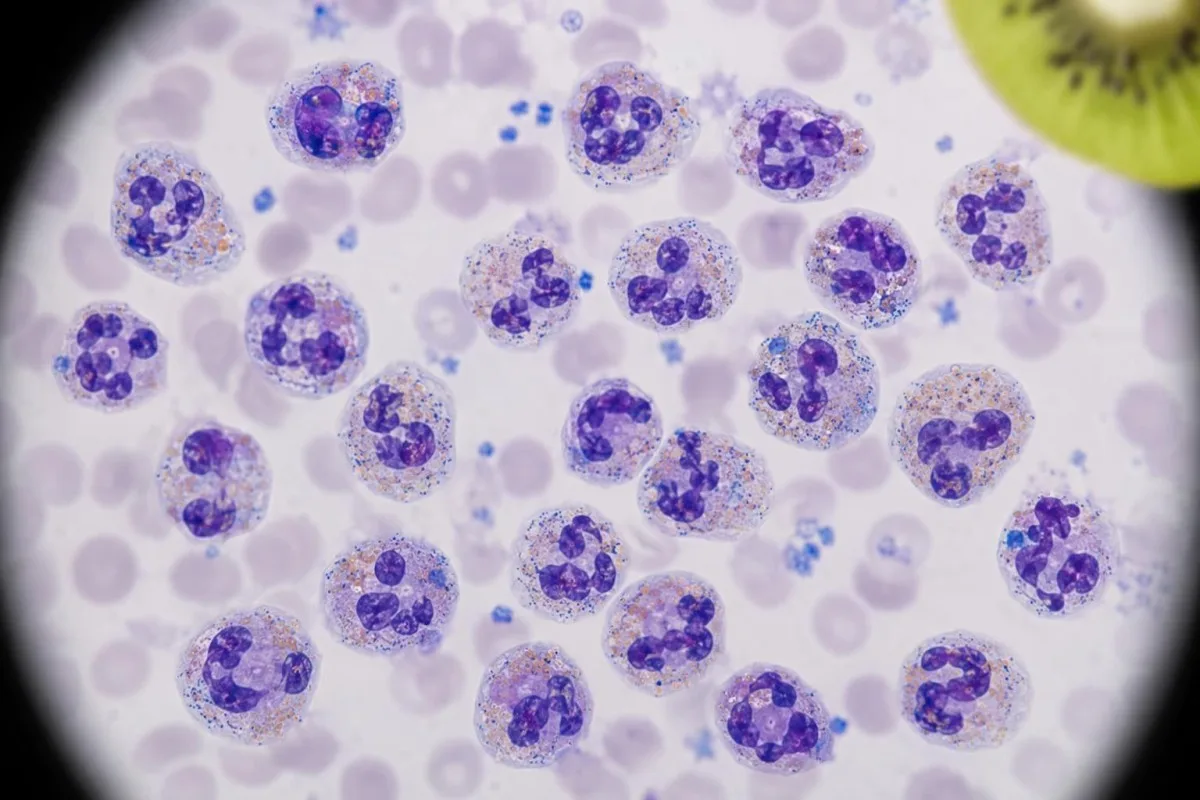
A total white blood cell count of 4.0-11.0 × 10⁹/L is a common adult reference interval, but the absolute neutrophil count is more informative for bacterial-infection defence. An ANC below 1.5 × 10⁹/L is neutropenia; below 0.5 × 10⁹/L carries substantially higher infection risk and requires prompt clinician-led evaluation. Food alone does not correct significant neutropenia.
Ferritin below 15 ng/mL strongly supports depleted iron stores in a well adult, while ferritin may rise with inflammation because it is an acute-phase protein. Transferrin saturation below 20% can strengthen the concern for insufficient available iron. This is why ferritin and CRP together often tell a more honest story than ferritin alone.
Kantesti is an AI blood test interpretation platform that analyses CBC indices, iron markers, vitamin results, CRP, and longitudinal change in their laboratory-specific units. In my own reviews, a mild isolated flag often settles with context; a cluster such as low ferritin, rising RDW, low haemoglobin, and fatigue deserves a clinician conversation. See our 15,000-marker biomarker guide for the terminology on laboratory reports.
Tests that are not routine screening
Zinc, selenium, copper, immunoglobulins, lymphocyte subsets, and functional antibody tests are targeted investigations, not universal annual panels. They become reasonable with recurrent unusual infections, malabsorption, severe dietary restriction, unexplained cytopenias, or specialist direction. Our explanation of immune-system blood tests clarifies what CD4/CD8 results can and cannot show.
Why illness, exercise, and supplements can distort results
Nutrient and immune-related blood tests are easiest to interpret when you are clinically well, hydrated, and have recorded supplements honestly. Fever, vigorous exercise, recent vaccination, alcohol, and a high-dose tablet taken that morning can shift several values without revealing a chronic problem.

CRP below 3 mg/L is often considered low cardiovascular-grade inflammation, but laboratories commonly report values below 5 mg/L as normal for acute care. A CRP of 55 mg/L can lower serum iron and zinc while raising ferritin, which can mimic or mask deficiencies. Repeating iron or zinc studies 2-4 weeks after recovery is often more informative when the clinical situation allows.
Biotin can interfere with some immunoassays, including certain thyroid and hormone tests, at doses found in hair-and-nail products. The effect depends on the assay and dose; many laboratories advise holding high-dose biotin for at least 48 hours, but patients should follow their laboratory or clinician’s instructions. Do not stop prescribed medication just to obtain a prettier result.
Fasting is not required for most vitamin or CBC tests, but it can improve comparability for serum iron, triglycerides, glucose, and sometimes zinc. Record the collection time, menstrual timing if relevant, recent infection, exercise, and supplements. Our supplement and fasting checklist is useful before a planned retest.
The result that changed overnight
A dramatic one-day shift should raise the possibility of timing, hydration, assay variation, or sample handling before it proves a nutritional reversal. For example, serum iron can vary substantially through the day, while haemoglobin rises with dehydration. A trend across two or three comparable draws is usually more clinically meaningful than a single perfect-looking number.
A food-first plan before buying an immune supplement
A safe first plan is to improve dietary variety for 8-12 weeks, then retest only the markers that were genuinely low or clinically relevant. This timeframe reflects red-cell turnover, food-habit stability, and the fact that vitamin D and iron stores do not transform after a weekend of better meals.

Start with one reliable breakfast source of protein, one vitamin C-rich fruit or vegetable daily, legumes at least three times weekly, and zinc-containing foods at two meals on most days. Include oily fish twice weekly if you eat fish, or use fortified alternatives and discuss vitamin D or B12 needs if your diet excludes animal foods. This structure commonly improves intake without creating unsafe overlaps.
Supplements can be appropriate for diagnosed deficiency, pregnancy, vegan B12 needs, limited sunlight exposure, malabsorption, or medical treatment plans. They are not automatically benign: zinc above 40 mg/day can lower copper, selenium can accumulate, and vitamin D can raise calcium in susceptible people. Our immune supplement safety guide covers doses and lab checks that deserve medical supervision.
Kantesti's AI biomarker interpretation platform can compare an old and new laboratory report while preserving the units, collection dates, and laboratory ranges that make trends interpretable. It does not diagnose immune deficiency or replace a clinician, but it can help a patient arrive with a clearer food, supplement, and symptom history. The method behind that workflow is described in our AI technology guide.
What to record before retesting
Write down supplement brand, dose, frequency, start date, dietary changes, recent illnesses, and whether the draw was fasting. A dose of “one tablet” is not enough information because products can contain 5 mg or 50 mg zinc. This small record often solves more interpretation problems than ordering a larger panel.
When recurrent infections need more than dietary support
Recurrent severe, unusual, persistent, or opportunistic infections require medical evaluation, even when diet is excellent. Nutrition can be one part of resilience, but it cannot safely explain away repeated pneumonia, deep infections, unexplained weight loss, persistent thrush, or fevers that keep returning.

Adults should seek medical review for two or more pneumonias, recurrent deep skin or organ infections, infections needing repeated intravenous antibiotics, or persistent symptoms with weight loss or night sweats. These are not diagnostic criteria by themselves, but they are meaningful patterns. Evaluation may include CBC with differential, immunoglobulins, HIV testing where appropriate, diabetes screening, kidney and liver tests, and targeted imaging or specialist referral.
Diabetes can impair immune defence when glucose is persistently high. A fasting glucose of 7.0 mmol/L (126 mg/dL) or higher on repeat testing, or HbA1c of 48 mmol/mol (6.5%) or higher, meets diagnostic thresholds for diabetes when confirmed in the correct clinical setting. Treating glucose dysregulation is more consequential than adding another antioxidant supplement.
Dr. Thomas Klein’s practical rule is simple: do not call repeated infections “low immunity” until the infection pattern, medication list, blood counts, glucose, and relevant exposures have been reviewed. Corticosteroids, chemotherapy, biologics, HIV, kidney disease, smoking, and sleep deprivation can all matter. Our guide to low white blood cell results explains why the differential count changes the risk discussion.
Same-day care signals
Fever with an ANC below 0.5 × 10⁹/L, new confusion, difficulty breathing, severe weakness, or rapidly worsening symptoms needs urgent same-day care. These situations are not appropriate for home immune remedies or waiting for a nutrient panel. If a person is immunosuppressed, the threshold for contacting their care team should be lower.
Using food and lab trends without overinterpreting them
The best use of nutrition-related laboratory results is to identify a plausible shortfall, make one sustainable change, and observe the trend with clinical context. A result outside range is a prompt for interpretation, not a verdict about your immune system or your effort.

Retest timing depends on the marker: vitamin D often needs 8-12 weeks after a dose change, iron indices may need 6-12 weeks or longer, and CBC recovery depends on the underlying cause. A stable ferritin increase of 8 ng/mL over several months can be more meaningful than a single 20 ng/mL jump taken during an inflammatory illness. Trends beat snapshots.
Kantesti is an AI-powered blood test analysis tool used across 127+ countries and 75+ languages to organise laboratory reports in roughly 60 seconds, while keeping the original result and reference range visible. Dr. Thomas Klein recommends using that summary as a question list for your clinician: “What changed, what might explain it, and what should I repeat?” It is decision support, not a prescription.
Medical oversight is particularly valuable when a result is markedly abnormal, symptoms are progressing, a child is involved, pregnancy is possible, or prescribed medication may be affected. Our doctors and reviewers follow published clinical standards, and the Medical Advisory Board provides oversight for the clinical framing used across Kantesti content.
Bottom line
Choose varied foods, correct confirmed deficiencies, and keep expectations realistic: diet supports normal immunity but does not replace prevention or treatment. The useful next action is usually a repeatable meal pattern and an appropriately timed retest, not a larger supplement stack. Learn more about the clinical team behind this work on our About Us page.
Frequently Asked Questions
What foods boost the immune system the most?
No single food boosts the immune system enough to prevent infection, but a varied diet can correct nutrient gaps that impair normal immune function. Useful choices include zinc food sources such as seafood, meat, eggs, beans, and pumpkin seeds; selenium-rich foods such as eggs, fish, and occasional Brazil nuts; and vitamin C-rich fruit and vegetables. Adults generally need 7-9.5 mg zinc and 60-75 µg selenium daily in UK reference nutrient intakes. If recurrent illness or fatigue persists, a CBC, ferritin, CRP, and targeted nutrient tests may be more informative than adding supplements.
Can eating more zinc prevent colds?
Eating adequate zinc supports normal immune-cell development, but more zinc does not reliably prevent colds in well-nourished adults. A fasting morning serum zinc value below about 70 µg/dL may support deficiency, although acute inflammation and low albumin can lower the result. Long-term zinc intake above 40 mg/day from food and supplements can reduce copper absorption and contribute to anaemia or neurological problems. Food sources spread across meals are usually safer than prolonged high-dose zinc tablets.
How many Brazil nuts should I eat for selenium?
For many adults, one Brazil nut occasionally or one on most days is enough because a single nut can contain roughly 50-90 µg selenium. Selenium content varies considerably by soil and batch, so Brazil nuts are not a precise-dose supplement. Plasma selenium commonly has a reference interval around 70-150 µg/L, although laboratory methods vary. Avoid combining frequent Brazil nuts with a selenium supplement unless a clinician has reviewed the total intake.
What vitamin D level is good for immunity?
A 25-hydroxyvitamin D result above 50 nmol/L (20 ng/mL) generally meets UK population needs for bone health, while a level below 25 nmol/L (10 ng/mL) is considered deficient by NICE. Vitamin D is involved in immune signalling, but no specific level guarantees protection from respiratory infections. Oily fish, eggs, and fortified foods help intake, though food alone often cannot correct marked deficiency. A persistent result above 125 nmol/L (50 ng/mL) should trigger a review of supplements and calcium with a clinician.
Can a blood test show a weak immune system?
A standard blood test cannot provide a single “immune strength” score, but it can identify patterns that warrant follow-up. A CBC with differential may show neutropenia, and an absolute neutrophil count below 1.5 × 10⁹/L is low; values below 0.5 × 10⁹/L carry much greater infection risk. Ferritin, transferrin saturation, CRP, vitamin B12, folate, vitamin D, glucose, and immunoglobulins may be appropriate depending on symptoms. Interpretation requires infection history, medication review, and the laboratory’s own reference range.
Should I take immune supplements every day?
Daily supplements are appropriate for some people, including those with confirmed deficiency, vegan B12 needs, pregnancy-related requirements, or clinician-advised vitamin D use, but they are not necessary for everyone. Zinc above 40 mg/day can impair copper absorption, and selenium excess can occur when 200 µg supplements are combined with Brazil nuts and multivitamins. A food-first plan for 8-12 weeks is reasonable for many adults without severe deficiency or malabsorption. Ask a clinician before starting high doses if you have kidney disease, high calcium, thyroid treatment, or take regular medication.
Do probiotic foods or supplements prevent respiratory infections?
Yogurt, kefir, and other fermented foods can be nutritious, but they do not reliably prevent colds or flu. Probiotic effects vary by strain and person; people with severely weakened immunity or central venous catheters should ask their clinician before using probiotic supplements.
Get AI-Powered Blood Test Analysis Today
Join over 2 million users worldwide who trust Kantesti for instant, accurate lab test analysis. Upload your blood test results and receive comprehensive interpretation of 15,000+ biomarkers in seconds.
📚 Referenced Research Publications
Klein, T., Mitchell, S., & Weber, H. (2026). Clinical Validation Framework v2.0 (Medical Validation Page). Kantesti AI Medical Research.
Klein, T., Mitchell, S., & Weber, H. (2026). AI Blood Test Analyzer: 2.5M Tests Analyzed | Global Health Report 2026. Kantesti AI Medical Research.
📖 External Medical References






⚕️ Medical Disclaimer
This article is for educational purposes only and does not constitute medical advice. Always consult a qualified healthcare provider for diagnosis and treatment decisions.
E-E-A-T Trust Signals
Experience
Physician-led clinical review of lab interpretation workflows.
Expertise
Laboratory medicine focus on how biomarkers behave in clinical context.
Authoritativeness
Written by Dr. Thomas Klein with review by Dr. Sarah Mitchell and Prof. Dr. Hans Weber.
Trustworthiness
Evidence-based interpretation with clear follow-up pathways to reduce alarm.