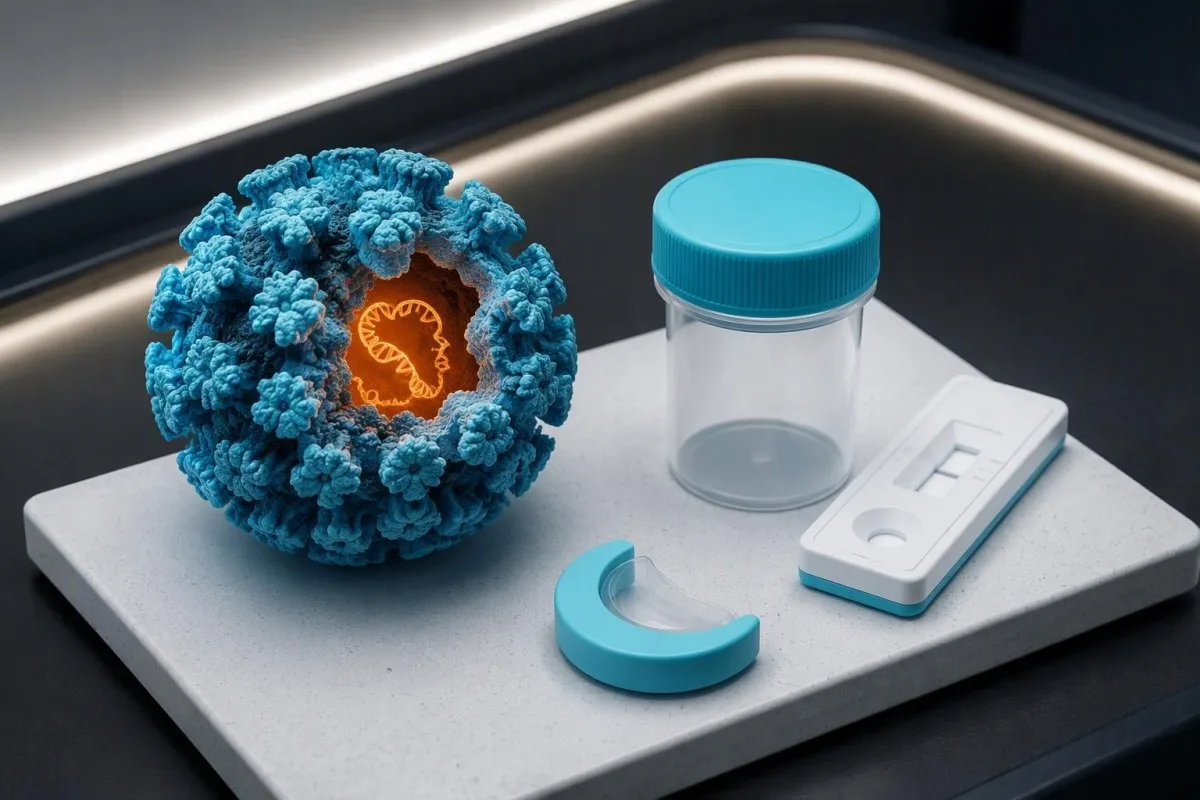
You can feel well while a stool PCR still detects norovirus RNA. Your symptoms, job, household contacts, and local infection-control rules matter more than a repeat result alone.



- Contagiousness is greatest during vomiting or diarrhea and the first few days afterward; a positive stool PCR cannot measure your individual transmission risk.
- The 48-hour rule means staying away from work or school, food preparation for others, and caregiving until at least 48 hours after the last vomiting or diarrhea episode, subject to local rules.
- Viral shedding can continue for 2 weeks or longer after recovery; detectable RNA does not establish that every detected particle can cause infection.
- Repeat PCR is generally not a routine clearance test for an otherwise recovered person; food-service or healthcare authorities may require a different process.
- Handwashing should use soap and water for at least 20 seconds; alcohol hand sanitizer alone is not a reliable substitute against norovirus.
- Surface disinfection may require a norovirus-effective product or bleach at 1,000–5,000 ppm, following the product label and surface instructions.
- Rehydration works best with oral rehydration solution when losses are substantial; start with 5–10 mL every 1–2 minutes if larger drinks trigger vomiting.
- Urgent dehydration signs include fainting, confusion, inability to retain fluids, or markedly reduced urination; infants, older adults, and immunocompromised people need earlier assessment.
What does a norovirus test positive result mean for contagiousness?
A norovirus test positive result does not tell you exactly how long you are contagious. Transmission risk is greatest during vomiting or diarrhea and the first few days afterward; stay home and avoid preparing food or caring for others until at least 48 hours after symptoms stop, unless local rules require longer.
Stool PCR can remain positive for 2 weeks or longer after recovery, because it detects viral genetic material rather than directly testing whether the sample can infect another person. Continued positivity should prompt careful hygiene, not an automatic assumption that your transmission risk remains as high as it was during active vomiting.
The 48-hour exclusion period is a practical risk-reduction rule, not a biological declaration that shedding has ended. A recovered office worker, a restaurant cook, and a transplant-ward nurse may have identical PCR reports but different return requirements because the consequences of transmission are different.
I’m Thomas Klein, MD, and the distinction I would emphasize is this: do not turn 1 positive PCR into a countdown that the test cannot support. Ask when the last vomiting or diarrhea occurred, whether symptoms have returned, and whether occupational health or public health must approve your return.
Kantesti is an AI blood test analyzer that helps explain accompanying electrolyte and kidney results when dehydration is being assessed; it does not establish norovirus contagiousness. Our role as an organization is described on the about our organization page, but no blood-analysis service can replace the symptom history behind a 48-hour decision.
Why can a positive norovirus PCR persist after symptoms resolve?
A positive norovirus PCR can persist because highly sensitive testing continues to detect RNA in stool after the acute illness has settled. A result obtained 10 days after recovery may reflect ongoing shedding, but the assay does not distinguish all infectious particles from noninfectious viral material.
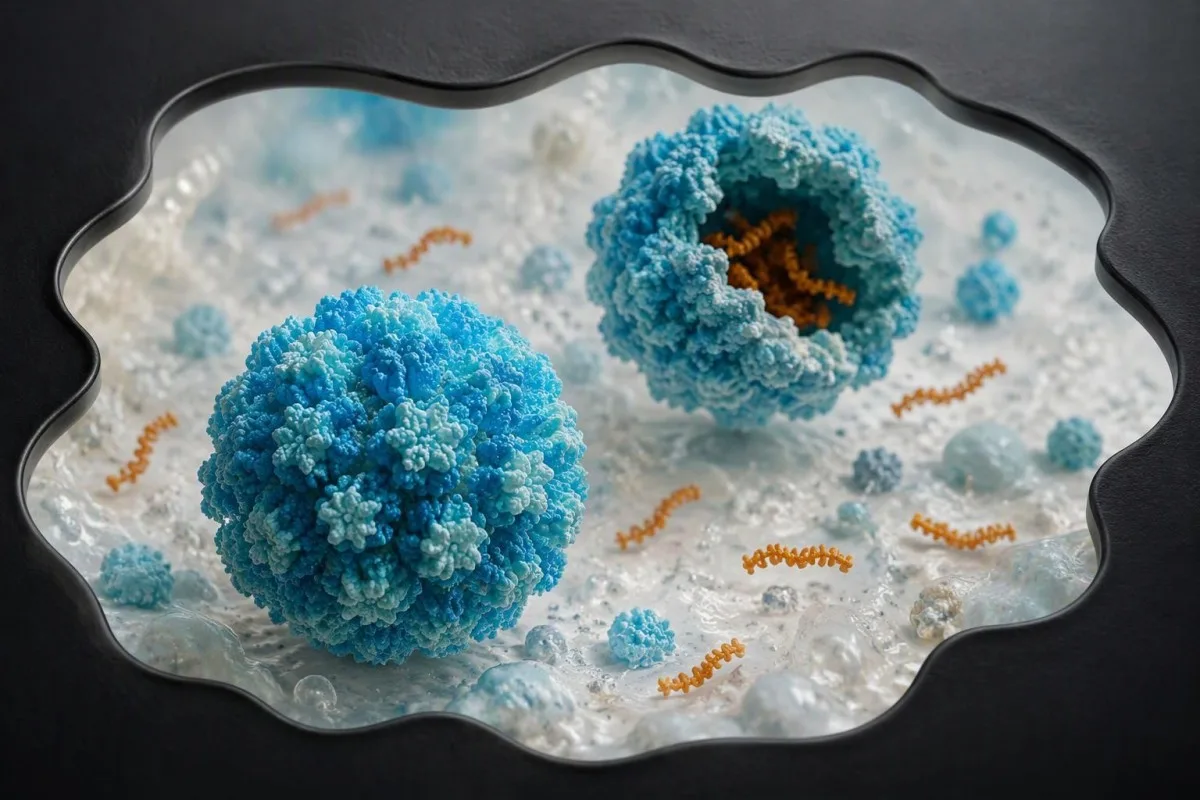
Norovirus is an RNA virus, so molecular laboratories commonly use reverse-transcription PCR to convert RNA into DNA before amplification. The laboratory’s detection threshold can be much lower than anything a patient could infer from symptoms; 1 reported positive is not a measurement of how much virus reaches another person.
Some results read “norovirus GI/GII detected” because the assay targets 2 major genogroups associated with human illness. That wording identifies the molecular target, not the severity of disease, the source of exposure, or whether the patient should remain excluded from work for another week.
Cycle threshold, or Ct, is not a validated norovirus return-to-work cutoff. A value such as 35 cannot safely be interpreted as “not contagious,” because assays, specimen consistency, extraction methods, and collection timing differ; many clinical gastrointestinal panels do not report Ct values at all.
A yes-or-no result and a viral quantity answer different questions, as our explanation of qualitative and quantitative results illustrates. Even 2 measurements from the same assay do not capture hand hygiene, vomiting-related contamination, or the vulnerability of the people you are about to care for.
How long does norovirus shedding after symptoms last?
Norovirus shedding after symptoms can continue for 2 weeks or longer, sometimes several weeks. The duration of detectable stool RNA is longer than the usual 1–3-day illness, and it should not be treated as an equivalent period of equally high contagiousness.
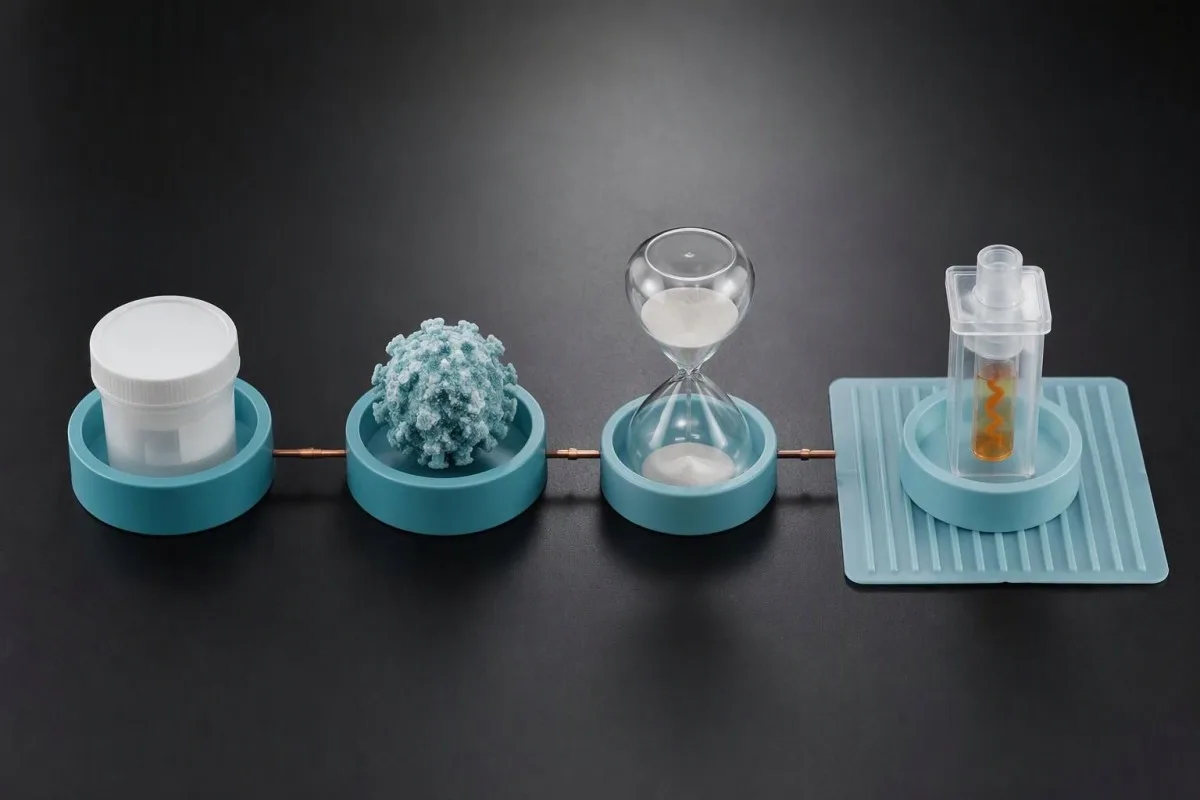
Norovirus symptoms usually begin 12–48 hours after exposure and commonly settle within 1–3 days. Those intervals describe typical illness, not a guarantee: older adults and people with impaired immunity may remain unwell longer, while some infected people have little or no noticeable gastrointestinal illness.
In a small experimental study of healthy volunteers, Atmar et al. (2008) detected stool RNA for a median of 28 days after inoculation, with a range of 13–56 days. These were molecular shedding measurements after deliberate exposure—not proof that participants were equally infectious throughout that period.
Shedding is a source of possible exposure, whereas contagiousness is the ability to transmit illness under real conditions. A person with 3 watery stools, shared bathroom access, and poor handwashing creates a different exposure opportunity from someone who has recovered and washes carefully after every toilet visit.
The stool consistency guide can help describe recovery accurately, but stool appearance cannot certify viral clearance. Record the last actual diarrhea episode rather than assuming that 1 soft but otherwise usual bowel movement means your exclusion clock must restart.
Do you need a negative PCR before returning to normal activities?
Most otherwise recovered people do not need a negative norovirus PCR before resuming ordinary activities after the required symptom-free interval. Routine repeat testing can stay positive for weeks without answering the return-to-work question; confirmed cases in regulated jobs may still require specific approval after 48 hours.
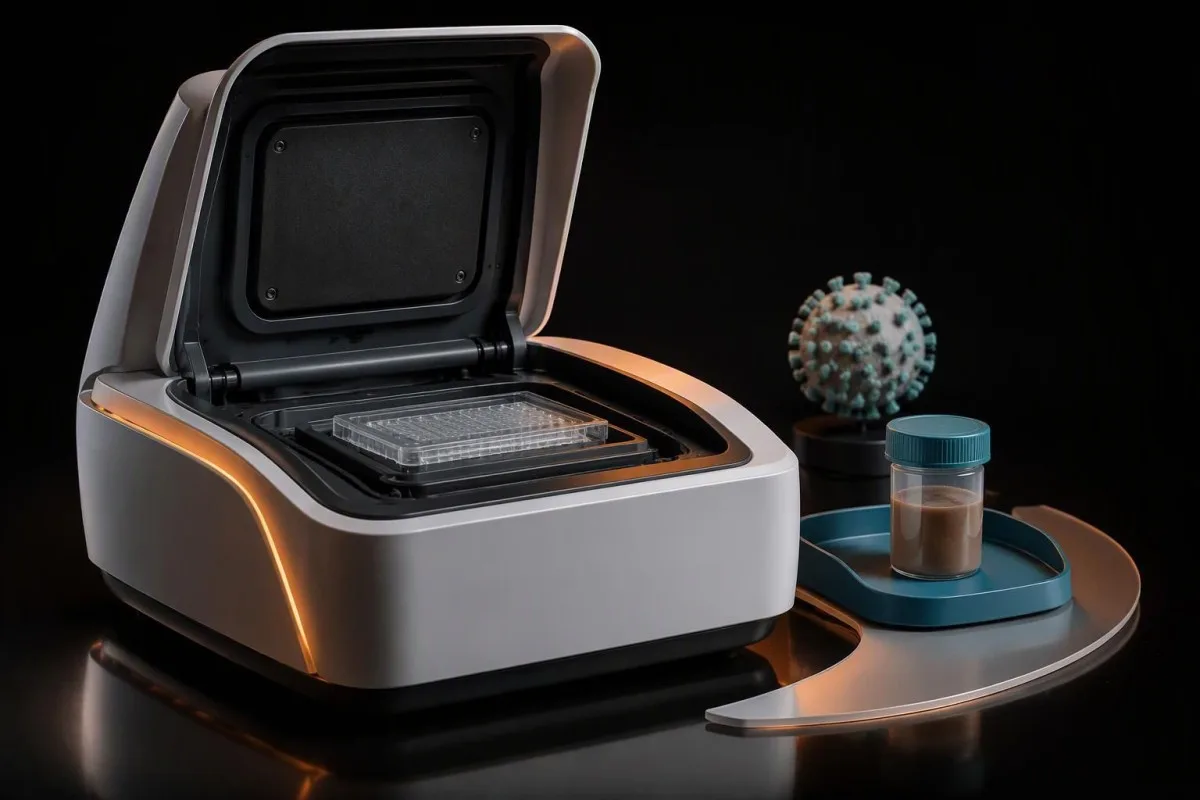
A test of cure is usually unnecessary after uncomplicated norovirus illness. Hall et al.’s 2011 CDC outbreak guideline separates laboratory detection from exclusion and prevention measures; the useful question is whether a new result would change treatment, public-health investigation, or the precautions needed in a high-risk setting.
A repeat positive result at day 14 can be difficult to interpret without the symptom timeline, while a negative result does not correct contamination already left on bathroom surfaces. Repeating a test simply to obtain reassurance may therefore create more uncertainty without lowering anyone’s exposure.
Different infections have different retesting rules. Our discussion of molecular retesting after treatment explains why a sensitive assay can remain positive after the clinical question has changed, but its timing recommendations must not be transferred to norovirus or used to invent a 4-week clearance rule.
For Kantesti, the clinical boundary is straightforward: a blood interpretation cannot issue an occupational infection-control certificate. Our clinical validation framework concerns the interpretation service; if your employer requests another stool sample after 48 hours of recovery, ask which policy or outbreak instruction makes that sample necessary.
When does the 48-hour return-to-work or school clock start?
The 48-hour clock starts after the last episode of vomiting or diarrhea—not after the stool sample was collected or the positive report arrived. Count 2 full days without either symptom, make sure you are well enough to participate, and follow stricter school, workplace, or public-health instructions.

Consider a hypothetical employee whose last diarrhea occurs at 8 a.m. Monday and who has no further vomiting or diarrhea. The earliest ordinary return under a 48-hour rule is 8 a.m. Wednesday; a positive laboratory report arriving Tuesday afternoon does not restart that clock by itself.
A new vomiting or diarrhea episode generally restarts the symptom-free interval. If vomiting recurs at 10 p.m. Tuesday, count another 48 hours from that episode, while considering whether recurrent symptoms need medical assessment rather than assuming the original illness is simply following its usual course.
Residual tiredness is not the same as active gastroenteritis, but fitness for work still matters. Someone who has completed 48 hours yet becomes dizzy on standing should not drive, operate equipment, or provide demanding care; that is a dehydration or functional-safety issue, not a PCR clearance issue.
During recovery, a temporary change in stool color is less useful than frequency, urgency, and wateriness; our guide to yellow stool during recovery explains that distinction. Ask a clinician if frequent loose stools persist beyond about 3 days, especially if the pattern is worsening rather than settling.
What should food handlers do after a positive norovirus test?
Food handlers should report vomiting, diarrhea, and a confirmed norovirus result to their manager and stay away from food work for at least 48 hours after symptoms stop. Local food-safety rules may require regulatory approval or a longer restriction; disposable gloves do not cancel an exclusion requirement.

Ready-to-eat foods are particularly vulnerable because they receive no further cooking step after handling. A recovered worker touching salad, fruit, sandwiches, or ice can still create an exposure if hand hygiene is poor; the first 48 hours after illness are not the time to substitute gloves for exclusion.
The CDC prevention guidance advises avoiding food preparation for others while ill and for at least 48 hours after symptoms end. Hall et al. (2011) also emphasize food-worker exclusion during outbreaks; neither source says that a persistently positive PCR alone provides a precise date when transmission becomes impossible.
A diagnosed food employee may face different rules from someone with undiagnosed short-lived diarrhea. In some jurisdictions, especially under food codes governing confirmed norovirus, manager notification and public-health permission are part of reinstatement; ask for the written procedure rather than assuming the 48-hour minimum is automatic legal clearance.
Do not seek antibiotics just to shorten an exclusion period: antibiotics do not treat norovirus. If diarrhea follows a recent antibiotic course or becomes prolonged, another diagnosis may need consideration; our guide to interpreting C. diff stool results explains why a second positive target on a stool panel requires its own clinical reasoning.
When can caregivers and healthcare workers return safely?
Caregivers and healthcare workers should avoid caring for others during norovirus illness and for at least 48 hours after vomiting and diarrhea stop. Hospitals, care homes, and transplant services may extend restrictions during outbreaks or for vulnerable patients; occupational health should make the final workplace decision.
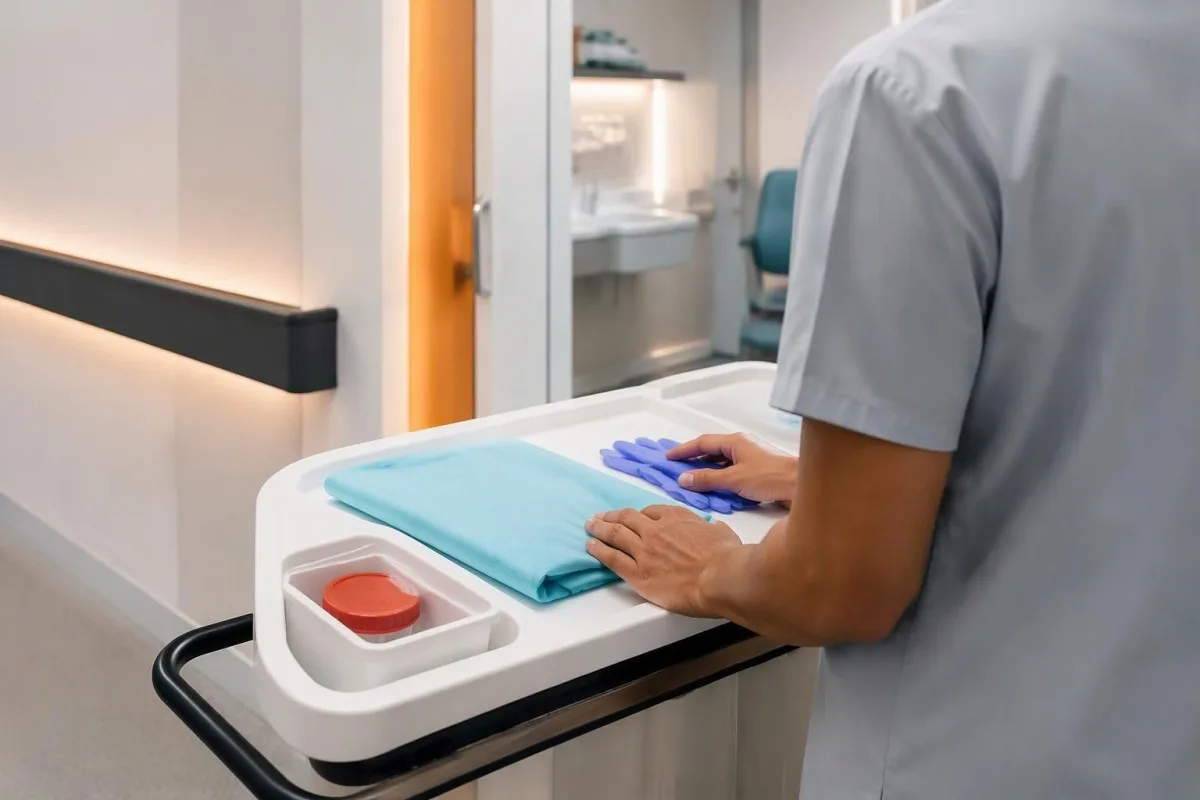
Healthcare outbreak precautions are not identical to community return advice. A facility may continue contact precautions for a patient for at least 48 hours after symptoms resolve and consider longer precautions for complex patients; that does not mean every recovered household member needs hospital-style isolation for 2 weeks.
For home care, 1 recovered caregiver is preferable to a rotation of several exposed visitors when practical. During the first 48 hours after symptoms stop, arrange another person to prepare food and provide close personal care if possible; if no substitute exists, seek advice and prioritize soap-and-water washing and environmental cleaning.
Young children can become dehydrated before an adult recognizes how much fluid they have lost. Track wet diapers, drinking, and alertness rather than waiting for a repeat PCR, and seek earlier help for infants; a child who cannot retain small 5–10 mL drinks needs a clinical hydration assessment.
Kantesti’s discussion of pediatric interpretation safety explains why adult laboratory ranges should not simply be applied to children. Whether the patient is 8 months or 80 years old, a reassuring laboratory summary must not override worsening alertness, poor drinking, or a caregiver’s concern.
How do you reduce household spread while shedding continues?
Soap-and-water handwashing and prompt cleaning of contaminated surfaces reduce household norovirus exposure even when shedding continues for 2 weeks or more. Alcohol hand sanitizer alone is not a reliable substitute; wash for at least 20 seconds after toilet use, diaper changes, and cleanup, and before handling food.
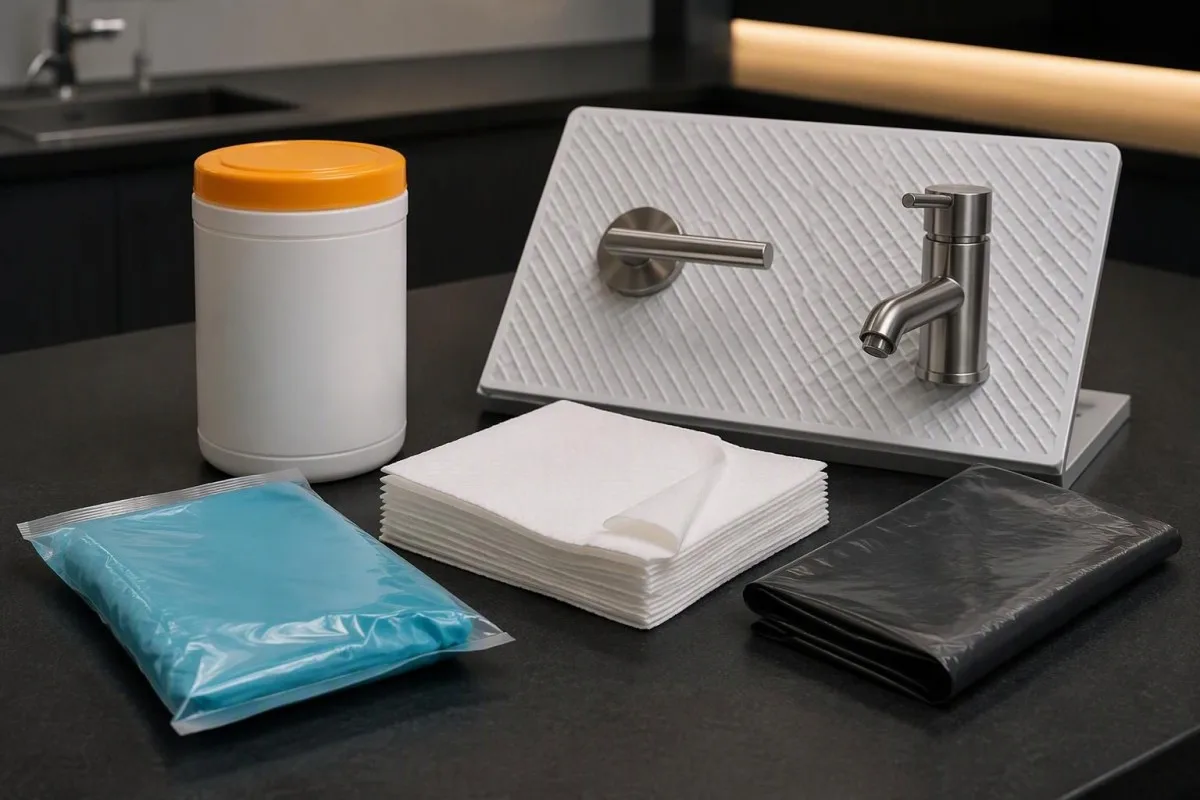
Clean visible material before disinfecting, because contamination can interfere with a product’s performance. CDC guidance recommends a norovirus-effective disinfectant or a bleach solution at 1,000–5,000 ppm for appropriate surfaces; follow the label, including wet contact time, ventilation, and whether the surface needs rinsing afterward.
Bleach concentrations differ between products and countries, so an improvised tablespoon recipe may produce the wrong strength. Never mix bleach with ammonia, acids, or other cleaners; the 1,000–5,000 ppm range describes a disinfecting solution, not permission to use undiluted bleach or to apply it to hands.
After a vomiting event, clean beyond the obvious spot: nearby taps, door handles, toilet surfaces, and shared objects can be contaminated. Wear gloves, avoid shaking soiled laundry, wash affected fabrics with detergent using the hottest suitable cycle, and dry thoroughly; there is no defensible universal “1-meter safe zone” around the spill.
Routine screening of well household contacts usually does not improve these precautions. A commercial gut microbiome test is not a norovirus clearance assay, and ordering 3 different stool products does not replace the prevention steps that matter after each toilet visit.
What is the best way to rehydrate during norovirus?
Oral rehydration solution is usually the best drink when norovirus causes substantial vomiting or diarrhea because it replaces water and electrolytes together. If larger drinks trigger vomiting, start with 5–10 mL every 1–2 minutes, then increase gradually as tolerated; severe dehydration may require intravenous fluids.
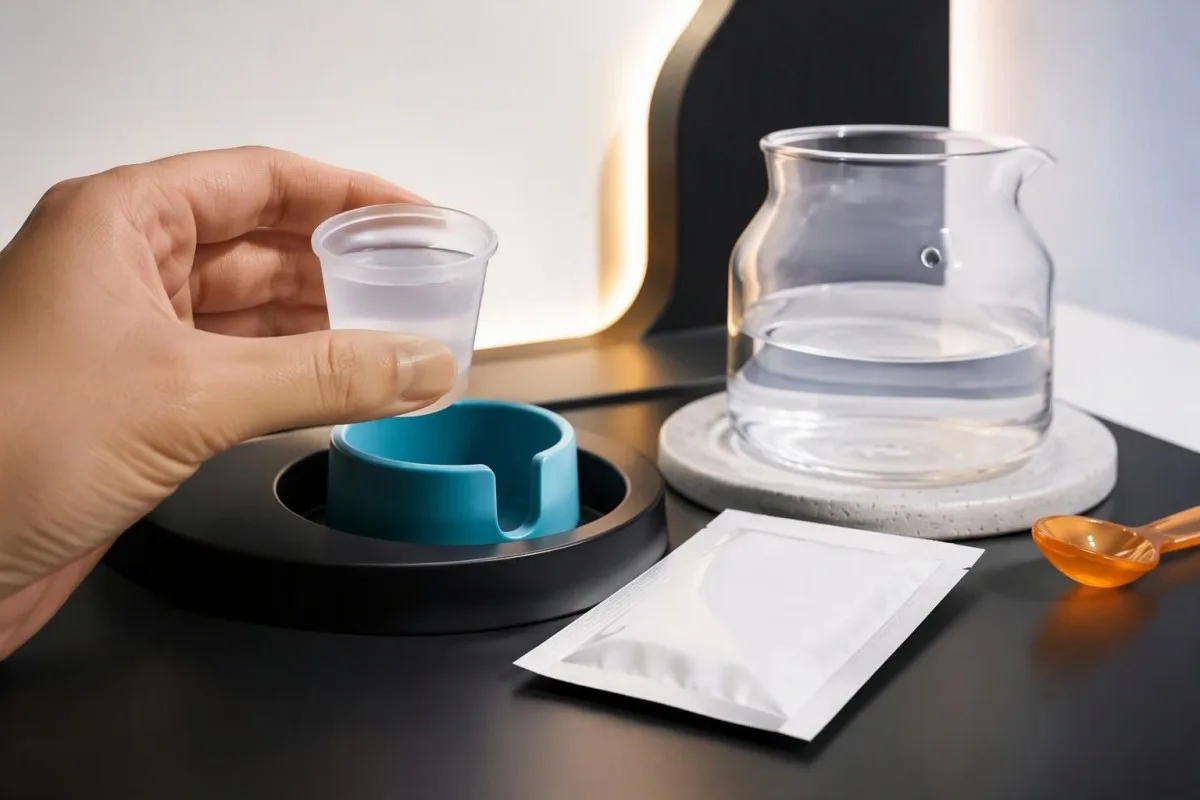
Oral rehydration solution uses glucose-assisted sodium absorption in the intestine, which can continue working during diarrheal illness. Standard reduced-osmolarity WHO solution contains 75 mmol/L sodium and 75 mmol/L glucose; this balanced formulation is not equivalent to a sports drink, fruit juice, or plain sugar water.
Use a commercially prepared solution or mix a sachet with exactly the stated amount of safe water. If the packet specifies 1 liter, using half that volume makes the solution too concentrated; adding extra sugar can worsen diarrhea, and adding extra salt can create a dangerous sodium load.
Continue breastfeeding and resume usual age-appropriate food as tolerated. For adults without fluid restrictions, roughly 200–250 mL after a loose stool can be a practical starting point, not a fixed prescription; children need weight-based advice, and people with heart or kidney disease should ask about their individual fluid plan.
Temporary appetite loss does not require a restrictive diet for 3 days, but alcohol and very sugary drinks can make recovery harder. Our diarrhea and digestive recovery guide discusses symptom patterns; persistent inability to drink is a reason to seek care rather than keep experimenting with foods.
Which dehydration warning signs need urgent medical care?
Seek urgent care for fainting, confusion, inability to keep fluids down, or markedly reduced urination during suspected norovirus. Adults passing little or no urine for around 8 hours, or infants with clearly fewer wet diapers, need prompt assessment; do not wait for a stool result to confirm the cause.
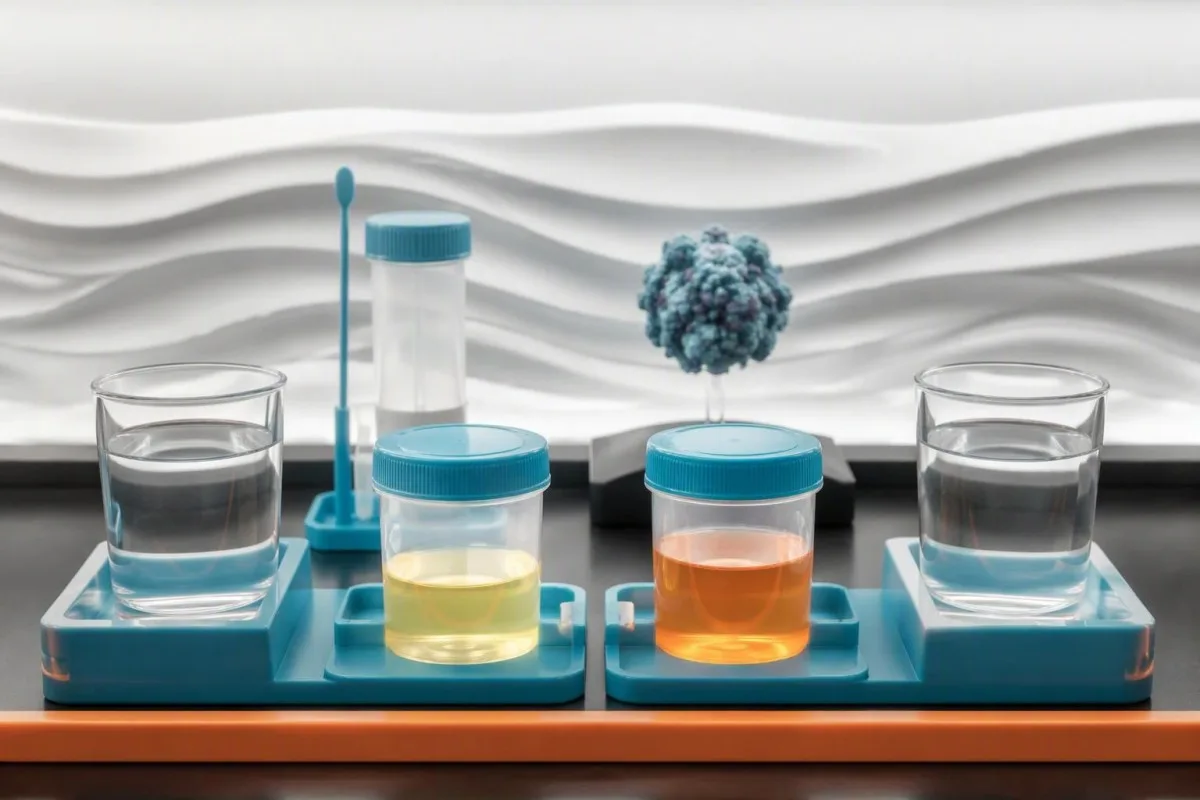
Urine output is more informative than urine color alone. Concentrated urine may look dark, but medicines, foods, and other illnesses also change its color; the combination of dark urine, very low output, and dizziness is more concerning than 1 darker-than-usual toilet visit, as our dark urine warning guide explains.
Babies need a lower threshold for advice than healthy adults. No wet diaper for roughly 6–8 hours, unusual sleepiness, a dry mouth, or noticeably fewer tears should prompt urgent clinical contact, especially when several signs occur together; a baby under 3 months with a temperature of 38°C or higher needs prompt medical assessment.
Severe localized abdominal pain, blood in stool, or black tarry stool is not something to dismiss because norovirus PCR is positive. A second problem can coexist with a detected virus; our explanation of blood in stool urgency helps distinguish warning patterns, but do not delay assessment to read another article.
People with diabetes, chronic kidney disease, pregnancy, advanced age, or impaired immunity should seek advice earlier if drinking or medication intake becomes difficult. In particular, diabetes with vomiting, abdominal discomfort, rapid breathing, or raised ketones can require emergency care; do not assume 1 positive norovirus result explains every symptom.
Can blood tests measure norovirus severity or contagiousness?
Blood tests can assess dehydration and complications, but they cannot determine norovirus contagiousness. Clinicians may order sodium, potassium, bicarbonate, urea or BUN, and creatinine when fluid loss is significant; sodium is commonly 135–145 mmol/L in adults, although the reporting laboratory’s range should guide interpretation.
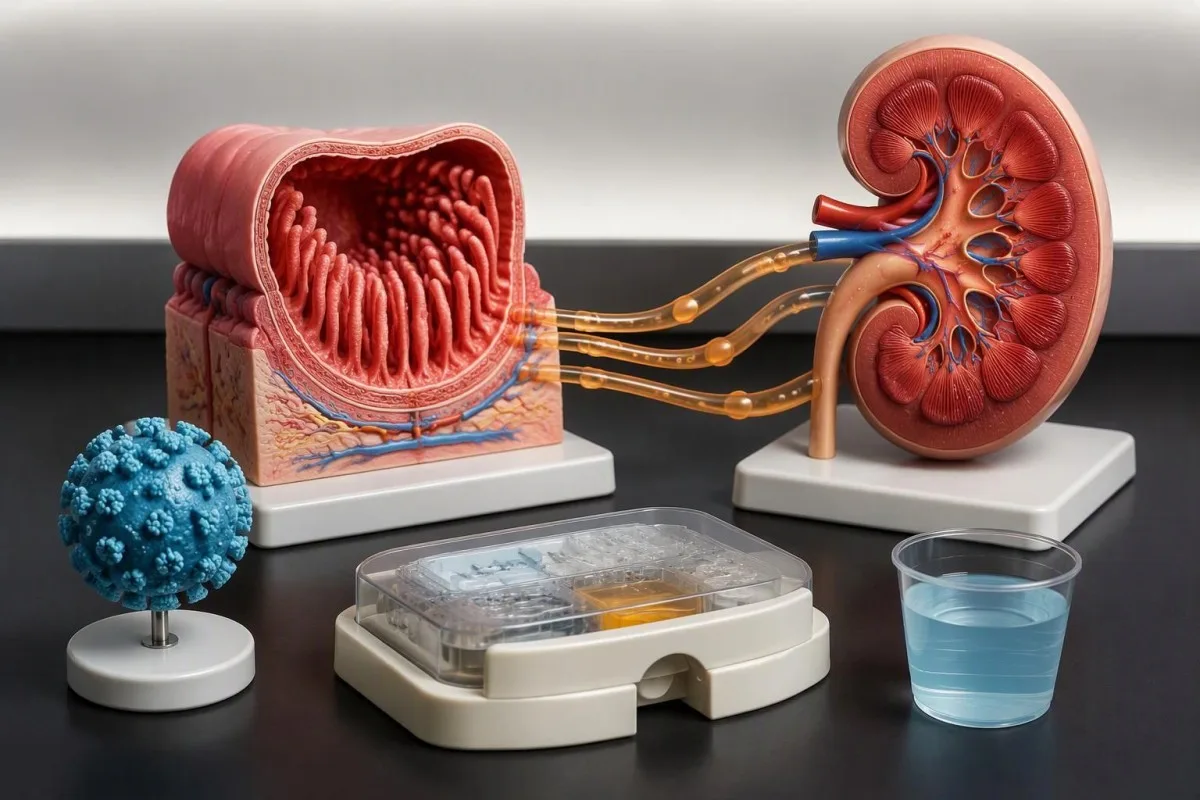
Potassium commonly has an adult reference interval around 3.5–5.0 mmol/L, but gastrointestinal losses and kidney function can push it in different directions. A value outside range needs interpretation alongside symptoms, medications, and sample quality; it is not a norovirus viral-load measurement, as our electrolyte panel interpretation guide explains.
Creatinine can rise when dehydration reduces kidney perfusion, and urea or BUN may rise disproportionately in some patients. The BUN and creatinine ratio provides supporting context, but a ratio above 20 when both are reported in mg/dL is not proof of dehydration and should not be applied unchanged to different units.
An acutely changing creatinine makes an automatically reported eGFR harder to interpret because the calculation assumes a relatively steady creatinine concentration. A creatinine increase of 0.3 mg/dL, approximately 26.5 µmol/L, within 48 hours can meet an acute kidney injury criterion; our kidney results after dehydration guide explains why follow-up matters.
Kantesti is an AI blood test interpretation platform that can help explain accompanying chemistry results and changes over time, not declare a stool PCR noninfectious. A sodium of 140 mmol/L does not authorize a food handler to return early, and a new creatinine rise should receive clinical attention even if vomiting stopped yesterday.
What changes if you are immunocompromised or remain ill?
Immunocompromised people can have prolonged norovirus illness and shedding, sometimes lasting months, so the ordinary 48-hour community rule may not be enough for their care setting. Persistent diarrhea after transplantation, chemotherapy, or immune-suppressing treatment warrants clinician-led assessment rather than repeated PCR testing without a management plan.
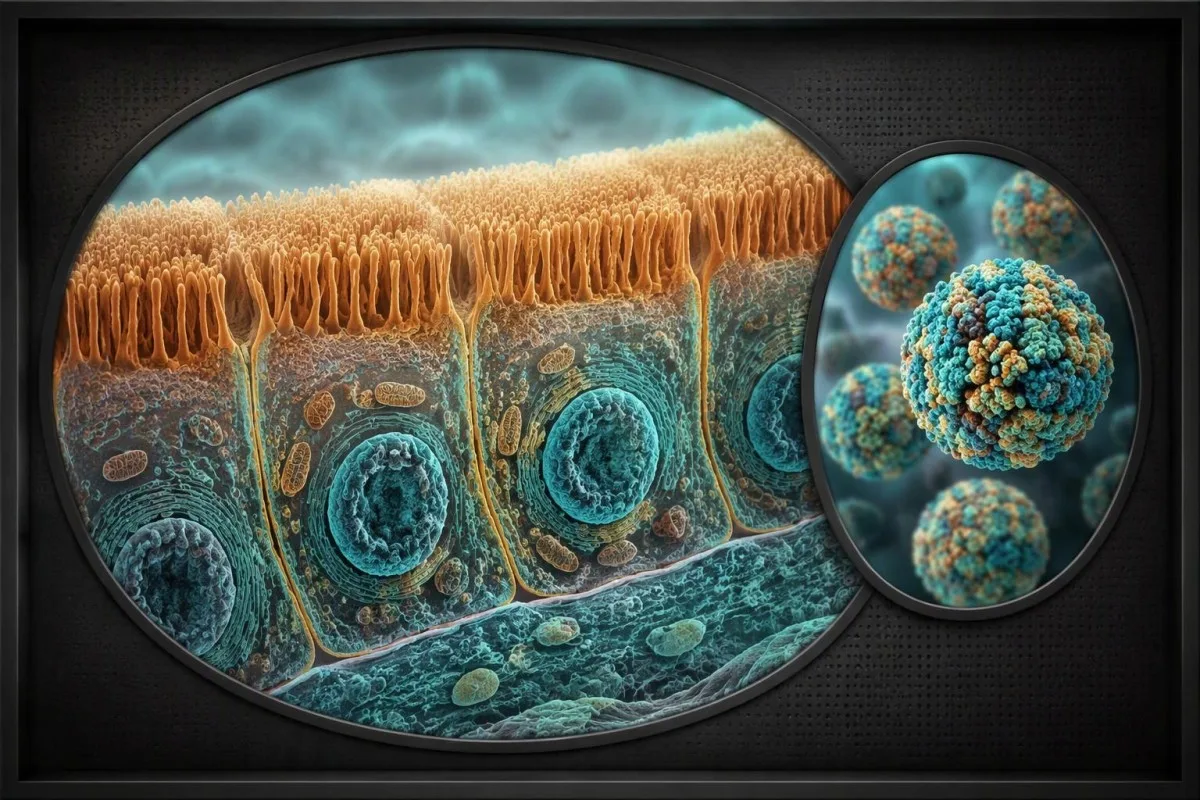
A transplant recipient with diarrhea for 2 weeks needs evaluation for more than dehydration. Norovirus may be contributing, but medication effects, other pathogens, and treatment-related complications can coexist; prolonged symptoms are not a reason to stop immune-suppressing medicines without speaking to the prescribing team.
Medication monitoring can become more complicated during diarrheal illness. Changes in intake, intestinal handling, and kidney function may affect drug exposure, so patients on medicines such as tacrolimus need individualized advice; a positive stool PCR alone does not tell a clinician whether 1 dose should be withheld or altered.
The meaning of a viral PCR depends on the pathogen, sample, and host. Our discussion of viral PCR after transplantation illustrates that principle, but BK-virus thresholds and graft-monitoring strategies must not be borrowed to interpret norovirus shedding for 4 weeks or longer.
Kantesti’s medical advisory board information describes the physicians associated with our clinical oversight. For an immunocompromised patient, the actionable next step is still the treating team’s plan: agree on hydration review, medication monitoring, and whether precautions should extend beyond 48 hours because of the patient’s condition or an outbreak.
What should you do today with a positive result?
Use 3 questions to decide your next step: are vomiting or diarrhea ongoing, have 48 symptom-free hours passed, and does your job or health condition require extra clearance? Seek care for dehydration or other warning signs first; do not wait for a negative PCR to address an urgent problem.
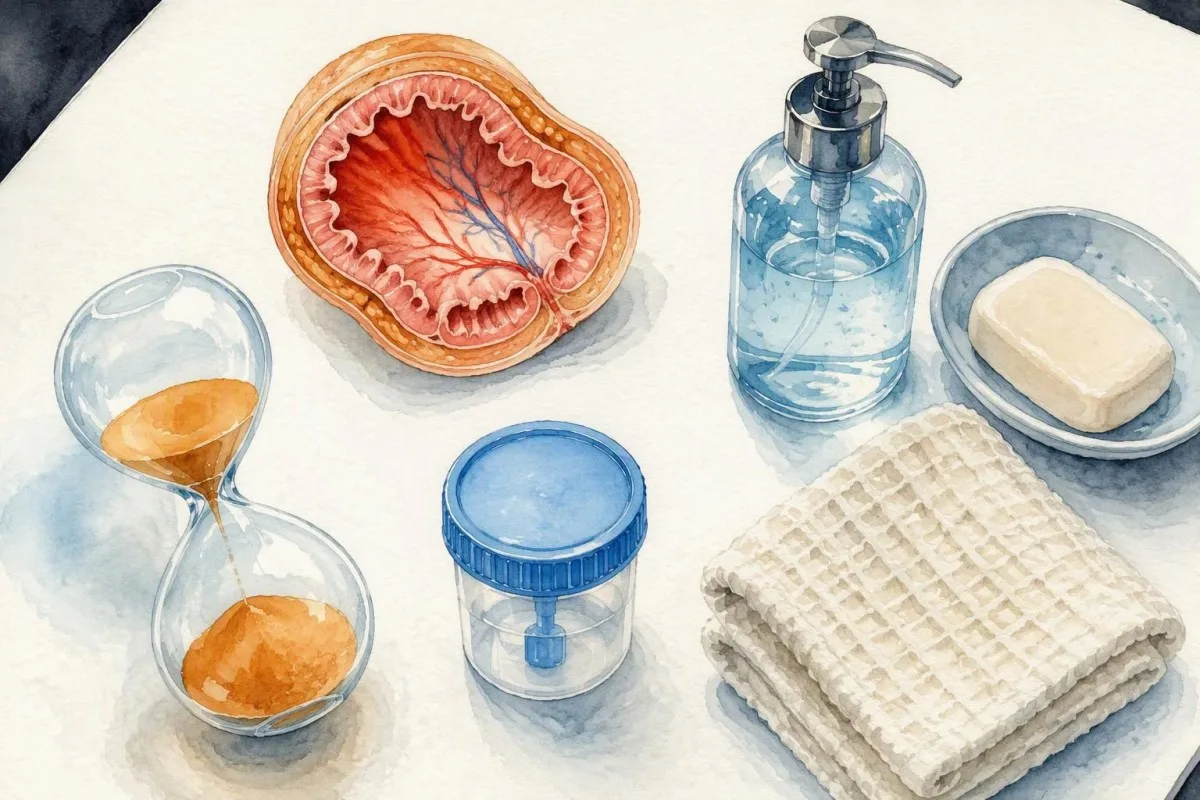
If symptoms are ongoing, stay home, hydrate, and avoid food preparation and caregiving for others. Write down the last vomiting or diarrhea time, your approximate drinking, and urine output over the next several hours; those 3 observations are usually more useful to a triage clinician than an isolated “detected” report.
If you have recovered for at least 48 hours, check your setting before returning. Office work may follow ordinary symptom-based guidance, while food handling, childcare, healthcare, and residential care may involve stricter instructions; contact the relevant manager or occupational-health service rather than treating all 4 settings as interchangeable.
Persistent diarrhea does not always mean ongoing norovirus activity is the only explanation. Stool inflammatory markers answer a different question from pathogen PCR, as our guide to calprotectin and lactoferrin testing explains; testing choices after 1–2 weeks should be driven by symptoms and clinical findings rather than a desire to make every result negative.
My practical advice as Thomas Klein, MD, is to keep the symptom timeline separate from the laboratory timeline: 48 hours is counted from recovery, not report delivery. Kantesti’s medical content standards describe our publishing principles; no article can certify that an individual’s transmission risk has reached zero.
Research publications and the limits of AI interpretation
Norovirus return advice should rest on relevant infection-control guidance and clinical context, not on an AI blood-analysis publication. As of October 24, 2026, this article distinguishes the 48-hour symptom-based minimum from prolonged molecular shedding; it does not introduce a new PCR cutoff or claim zero risk after recovery.
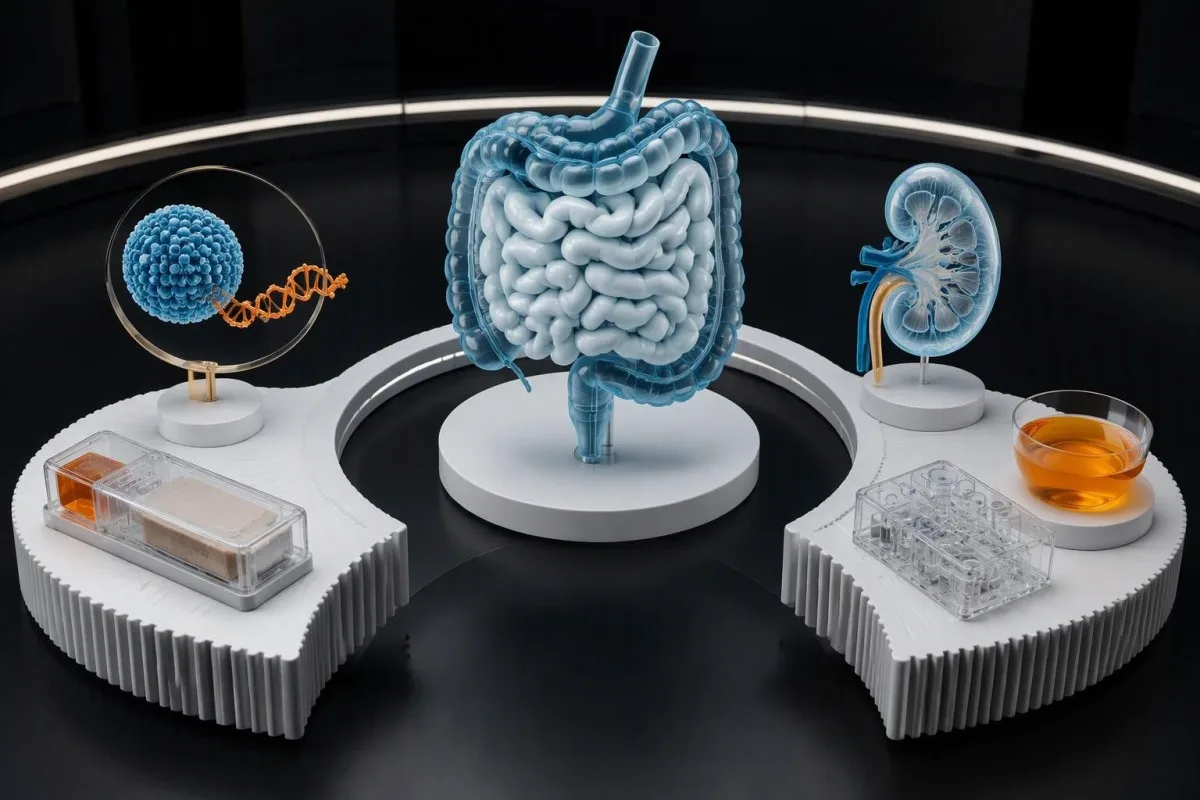
The directly relevant evidence here is the norovirus literature: Atmar et al. (2008) measured prolonged RNA shedding, while Hall et al. (2011) and CDC prevention guidance address exclusion and transmission prevention. The 28-day median from a volunteer study should not be repurposed as a universal isolation prescription.
Kantesti is an AI biomarker interpretation platform for understanding blood-test findings, including hydration-related chemistry when a clinician has ordered it. Our AI technology guide describes the approach, but neither a rapid interpretation nor 2 serial blood panels can measure whether stool contains transmissible norovirus.
APA-style repository citation: AI blood test analyzer: 2.5M tests analyzed | Global health report 2026. (2026). Zenodo. The DOI and discovery links are provided below; this company-related publication is separate from the 3 external medical references and is not presented as evidence for norovirus exclusion rules.
APA-style repository citation: RDW blood test: Complete guide to RDW-CV, MCV & MCHC. (n.d.). Zenodo. RDW concerns variation in red-cell size, not norovirus contagiousness; the 2 requested repository records are included for transparency, with search links that do not imply verified hosting on ResearchGate or Academia.edu.
Frequently Asked Questions
How long are you contagious after a positive norovirus test?
Norovirus transmission risk is greatest during vomiting or diarrhea and the first few days afterward, but a positive stool PCR cannot give an individual contagiousness deadline. Stay home and avoid preparing food or caring for others until at least 48 hours after the last vomiting or diarrhea episode, unless local rules require longer. Stool RNA may remain detectable for 2 weeks or more after recovery. Continue careful soap-and-water handwashing because the 48-hour rule reduces risk rather than proving that shedding has ended.
Can norovirus PCR stay positive after symptoms are gone?
Yes, norovirus PCR can remain positive for weeks after symptoms resolve because it detects viral RNA in stool. In Atmar et al.’s 2008 experimental study, RNA detection lasted a median of 28 days after inoculation, with a range of 13–56 days. Those measurements did not establish that participants were equally contagious throughout that period. A persistent positive result should therefore be interpreted with symptoms, immune status, and the exposure setting rather than used alone to extend exclusion indefinitely.
Do I need a negative norovirus test to return to work?
Most otherwise recovered people do not need a negative norovirus PCR to return to ordinary work after the required symptom-free interval. A common minimum is 48 hours after the last vomiting or diarrhea episode, provided you are well enough to work. Food handlers, healthcare workers, childcare staff, and people involved in an outbreak may need additional approval or restrictions under local rules. Ask your manager or occupational-health service about the applicable policy before arranging a repeat stool test.
When can a food handler return after norovirus?
A food handler should report norovirus illness or a confirmed result to their manager and remain away from food work for at least 48 hours after vomiting and diarrhea stop. Some jurisdictions require public-health or regulatory approval before a diagnosed employee returns, so completing 48 hours does not always provide automatic clearance. Gloves do not replace exclusion or soap-and-water handwashing. If symptoms recur, restart the symptom-free interval and seek advice about whether reassessment is needed.
Does hand sanitizer kill norovirus?
Alcohol hand sanitizer alone is not a reliable substitute for soap-and-water handwashing against norovirus. Wash your hands for at least 20 seconds after toilet use, diaper changes, or cleanup and before preparing or eating food. Sanitizer can be used in addition to washing, but it should not replace washing in a norovirus prevention plan. Contaminated surfaces also need cleaning followed by a norovirus-effective disinfectant used according to its label.
What dehydration symptoms with norovirus need urgent care?
Fainting, confusion, inability to retain fluids, or markedly reduced urination during norovirus illness require urgent medical assessment. An adult passing little or no urine for around 8 hours, or an infant with no wet diaper for roughly 6–8 hours, should receive prompt advice, especially if other dehydration signs are present. These are practical warning intervals rather than reasons to wait until the threshold is reached. Seek help earlier for infants, older adults, immunocompromised people, or anyone who is worsening despite small frequent drinks.
Get AI-Powered Blood Test Analysis Today
Join over 2 million users worldwide who trust Kantesti for instant, accurate lab test analysis. Upload your blood test results and receive comprehensive interpretation of 15,000+ biomarkers in seconds.
📚 Referenced Research Publications
Klein, T., Mitchell, S., & Weber, H. (2026). AI Blood Test Analyzer: 2.5M Tests Analyzed | Global Health Report 2026. Kantesti AI Medical Research.
Klein, T., Mitchell, S., & Weber, H. (2026). RDW Blood Test: Complete Guide to RDW-CV, MCV & MCHC. Kantesti AI Medical Research.
📖 External Medical References
Atmar RL et al. (2008). Norwalk Virus Shedding after Experimental Human Infection. Emerging Infectious Diseases.
Hall AJ et al. (2011). Updated Norovirus Outbreak Management and Disease Prevention Guidelines. MMWR Recommendations and Reports.
Centers for Disease Control and Prevention (n.d.). How to Prevent Norovirus. CDC Norovirus Prevention Guidance.


⚕️ Medical Disclaimer
This article is for educational purposes only and does not constitute medical advice. Always consult a qualified healthcare provider for diagnosis and treatment decisions.
E-E-A-T Trust Signals
Experience
Physician-led clinical review of lab interpretation workflows.
Expertise
Laboratory medicine focus on how biomarkers behave in clinical context.
Authoritativeness
Written by Dr. Thomas Klein with review by Dr. Sarah Mitchell and Prof. Dr. Hans Weber.
Trustworthiness
Evidence-based interpretation with clear follow-up pathways to reduce alarm.
