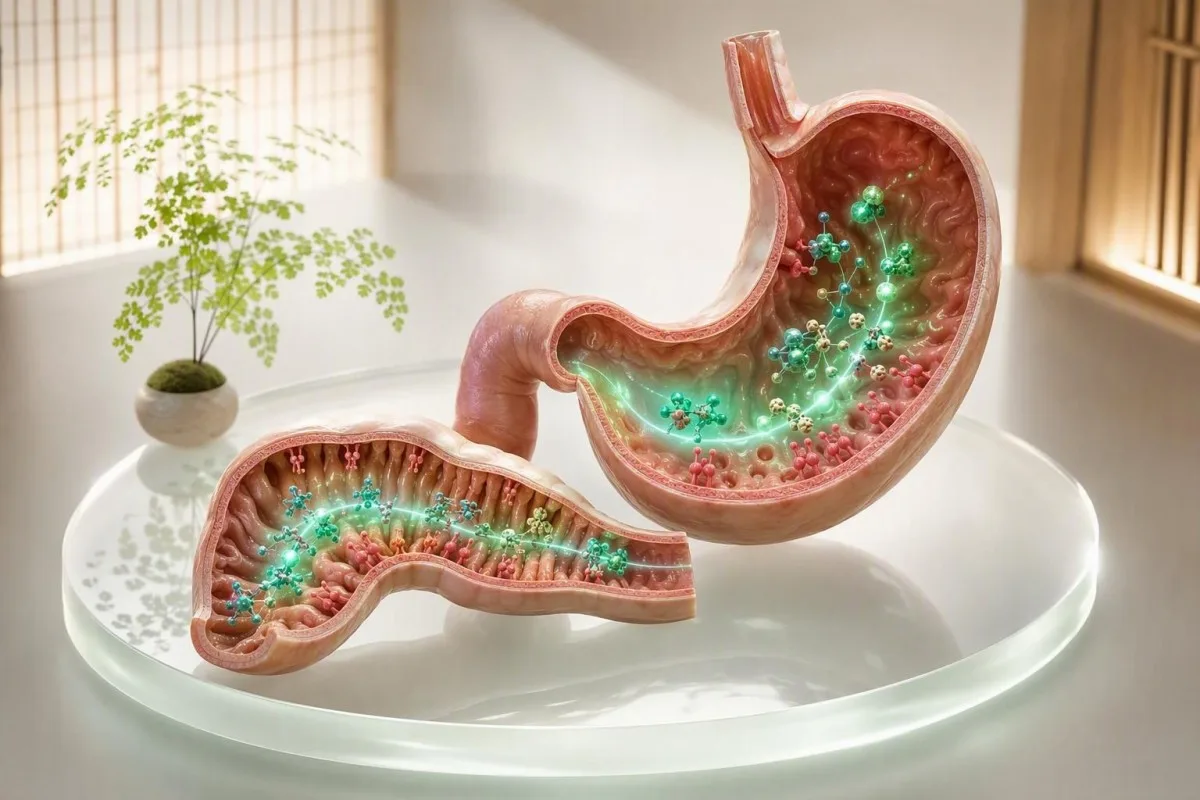
A vitamina B12 fiable provén de alimentos de orixe animal ou de produtos especificamente fortificados; unha dieta nutritiva non pode superar todos os problemas de absorción. Así axudo aos pacientes a axustar as súas eleccións alimentarias, síntomas, medicamentos e resultados de laboratorio.


- Necesidade diaria de B12 é de 2,4 mcg para a maioría dos adultos, 2,6 mcg no embarazo e 2,8 mcg durante a lactación.
- Mellores fontes alimentarias inclúen almeixas, fígado, peixe, carne, lácteos, ovos e alimentos fortificados con B12; os alimentos vexetais non fortificados non son fontes fiables.
- Fígado de tenreira proporciona aproximadamente 70 mcg de B12 por porción cociñada de 85 g, mentres que 250 ml de leite proporcionan aproximadamente 1,3 mcg.
- Teito de absorción significa que o factor intrínseco adoita absorber só uns 1,5-2 mcg dunha comida; aproximadamente o 1% dunha dose oral grande aínda pode entrar pasivamente.
- B12 sérica por debaixo de 200 pg/mL (148 pmol/L) apoia comúnmente a deficiencia, mentres que 200-300 pg/mL a miúdo necesita o contexto do ácido metilmalónico ou da B12 activa.
- Metformina e medicamentos supresores de ácido pode baixar o B12 co tempo, especialmente cando o uso se prolonga durante varios anos.
- Síntomas neurolóxicos como entumecemento, alteración da marcha, problemas de memoria ou perda da sensación de vibración requiren revisión médica mesmo se a anemia está ausente.
- A comida soa pode non corrixir a deficiencia causada por anemia perniciosa, cirurxía gástrica, malabsorción severa ou síntomas neurolóxicos significativos.
Que alimentos proporcionan a vitamina B12 máis fiable?
Os alimentos ricos en B12 son case exclusivamente alimentos animais e alimentos deliberadamente fortificados con cobalamina. As ameixas, o fígado, o peixe, a carne, o leite, o iogur, o queixo, os ovos, os cereais fortificados para o almorzo e as bebidas vexetais fortificadas son opcións fiables cando a etiqueta confirma o contido de B12.
As ameixas cociñadas poden proporcionar aproximadamente 84 mcg por 85 g, e o fígado de tenreira cociñado unhas 70 mcg por 85 g; ambos superan o requisito adulto moitas veces. Aínda fomento a variedade en lugar de depender do fígado con frecuencia, xa que o fígado tamén é excepcionalmente rico en vitamina A preformada e non é un alimento casual e diario no embarazo.
O peixe é un termo medio práctico: a troita cociñada proporciona unhas 5,4 mcg por 85 g, o salmón unhas 2,6 mcg, e o atún enlatado aproximadamente 2,5 mcg. Un paciente ao que non lle gusten os mariscos pode satisfacer as súas necesidades alimentarias con dúas porcións de peixe á semana máis produtos lácteos, ovos ou alimentos fortificados; o noso guía de B12 fronte a folato explica por que o folato non pode substituír á cobalamina.
Kantesti é un Analizador de análises de sangue con IA que sitúa un resultado de B12 xunto ao volume corpuscular medio, a hemoglobina, o folato, a función renal e o contexto da medicación. Iso importa porque unha persoa que come peixe dúas veces á semana aínda pode quedar deficiente se o problema é o factor intrínseco en lugar da inxestión.
Canta B12 hai nos alimentos cotiáns?
Unha soa porción de peixe, carne ou lácteos pode proporcionar parte ou a totalidade do obxectivo de 2,4 mcg para adultos, pero as cantidades difiren moito segundo o alimento e a porción. As etiquetas e as táboas de composición de alimentos son estimacións, non unha garantía do que chega á circulación.
Unha cunca de 250 ml de leite de vaca proporciona aproximadamente 1,3 mcg, 170 g de iogur natural, aproximadamente 1,0 mcg, un ovo grande, aproximadamente 0,5 mcg, e 85 g de tenreira magra cocida, aproximadamente 2,4 mcg. Polo tanto, os lácteos poden apoiar significativamente a inxestión, aínda que dous ovos no almorzo normalmente non cubren as necesidades de todo o día.
A miúdo observo un patrón enganoso en persoas que se autodenominan 'principalmente vegetarianas': ovos e queixo ocasionais poden previr unha deficiencia grave, pero a súa inxestión aínda flutúa por debaixo do obxectivo durante meses. Esta é unha razón pola que a fatiga merece unha análise máis ampla que inclúa escollas de alimentos ricos en ferro e non só un multivitamínico.
Thomas Klein, MD, aconsella aos pacientes que rexistren as porcións reais durante 7 días antes de decidir que a dieta é adecuada. Un diario de alimentos que revela só 0,5-1,0 mcg diarios é máis útil clinicamente que a vaga afirmación: 'Como saudable'.'
Son suficientes os alimentos fortificados con B12 para os veganos?
Os alimentos fortificados con B12 poden cubrir as necesidades dos veganos cando se consumen de forma consistente en cantidades medidas, pero os alimentos vexetais non fortificados non poden facelo de forma fiable. As algas mariñas, os cogomelos, os alimentos fermentados e a levedura nutricional sen unha etiqueta engadida de B12 non son substitutos fiables.
Moitas bebidas vexetais fortificadas proporcionan 0,4-1,0 mcg por 250 ml, mentres que unha porción de cereal fortificado pode achegar 1,0-6,0 mcg. Lea sempre a etiqueta local: os produtos varían segundo o país, a receita e o tamaño da porción, e 'contén vitaminas' non significa automaticamente que contén B12.
A cianocobalamina é o fortificante máis común porque se mantén estable durante o almacenamento e a cocción. A revisión de 2010 de O'Leary e Samman en Nutrients describe por que os análogos atopados nalgúns tipos de algas poden parecer quimicamente B12, pero non sustentan de forma fiable o estado de B12 humano (O'Leary & Samman, 2010).
Kantesti é un plataforma de interpretación de análise de sangue de IA utilízase para axudar aos lectores a ter nunha soa vista o patrón dietético, a B12 e os marcadores relacionados. As persoas que seguen unha dieta baseada en plantas tamén deben considerar unha proba planificada de deficiencias nutricionais no sangue en lugar de esperar a sentir formigueo ou esgotamento.
Cales son os requirimentos diarios de B12 por idade e etapa vital?
A maioría dos adultos necesitan 2,4 mcg de vitamina B12 ao día, mentres que o embarazo require 2,6 mcg e a lactación require 2,8 mcg. Estes obxectivos prevén a deficiencia en persoas con absorción normal; non son doses de tratamento para deficiencia establecida.
A Cantidade Diaria Recomendada nos Estados Unidos é de 0,4 mcg dende o nacemento ata os 6 meses, 0,9 mcg de 1 a 3 anos, 1,2 mcg de 4 a 8 anos, 1,8 mcg de 9 a 13 anos, e 2,4 mcg dende os 14 anos. A inxesta de nutrientes de referencia para adultos do Reino Unido é menor, con 1,5 mcg diarios, polo que as aplicacións internacionais de nutrición poden mostrar obxectivos diferentes sen que ningún deles sexa un erro.
Os adultos maiores adoitan necesitar a mesma cantidade dietética pero teñen unha maior probabilidade de malabsorción de B12 ligada aos alimentos debido a unha menor acidez estomacal, gastrite ou medicación. Un apetito normal non exclúe isto; a nosa guía sobre niveis de B12 en nenos tamén mostra por que o contexto específico da idade é importante.
A B12 almacénase no fígado, comumente en 2-5 mg, que é por iso que a inxestión reducida pode tardar 2-5 anos en manifestarse. Esa demora é clinicamente inconveniente: os síntomas poden xurdir moito despois de comezar unha dieta restritiva.
Como funciona a absorción da B12 despois de comela?
A absorción de B12 require ácido estomacal, encimas pancreáticas e factor intrínseco das células estomacais antes da absorción no íleo final. Un problema en calquera dos pasos pode facer que unha dieta rica en B12 sexa insuficiente.
A B12 ligada aos alimentos libérase das proteínas no estómago, únese primeiro á haptocorrina e despois transfírese ao factor intrínseco no intestino delgado. O complexo factor intrínseco-B12 absórbese no íleo terminal a través dun proceso mediado por receptores; esta é a razón pola que a enfermidade ou a extirpación dese segmento intestinal ten consecuencias.
A absorción do factor intrínseco satúrase aproximadamente en 1.5-2 mcg por comida, mentres que aproximadamente o 1% dunha dose oral grande pode atravesar por difusión pasiva. Esa pequena vía pasiva explica por que os clínicos ás veces usan doses de tratamento oral de 1.000-2.000 mcg, non porque ninguén precise 1.000 veces o requirimento dietético.
Para persoas con diarrea crónica, perda de peso inexplicable ou sospeita de enfermidade celíaca, un cálculo da inxestión non é suficiente. Discutir o momento axeitado dun desafío de glute antes da proba pode previr unha avaliación falsamente tranquilizadora.
Que bloquea a absorción da B12 incluso cunha boa dieta?
A anemia perniciosa, cirurxía gástrica ou intestinal, enfermidade celíaca, enfermidade de Crohn, metformina a longo prazo e a supresión ácida poden reducir a absorción de B12. Nestes casos, aumentar o peixe ou os cereais fortificados pode retardar o declive pero pode non corrixir a deficiencia.
A gastrite autoinmune pode destruír as células estomacais que producen o factor intrínseco e causar anemia perniciosa, un trastorno de absorción en lugar dunha falla dietética. A guía NICE NG239, publicada en 2024, recomenda considerar a proba de anticorpos anti-factor intrínseco cando se sospeita gastrite autoinmune, aínda que un resultado negativo non a exclúe totalmente.
A baixa B12 asociada á metformina é real pero variable. No estudo de resultados do Programa de Prevención da Diabetes, a B12 baixa ou borderline-baixa foi máis común coa metformina que co placebo despois de 5 anos, e o risco aumentou coa exposición máis longa (Aroda et al., 2016); esta é a razón pola que análises de sangue tras a metformina non debe centrarse só na glicosa.
Un paciente de 63 anos que revisei comía salmón semanalmente e bebía leite diariamente, pero tiña unha B12 de 156 pg/mL con dedos dos pés entumecidos despois de anos de metformina e omeprazol. A comida non foi o paso que faltaba: a absorción foi.
Que análises de sangue aclaran unha posible deficiencia de B12?
Unha B12 sérica inferior a 200 pg/mL, ou 148 pmol/L, adoita indicar deficiencia, mentres que 200-300 pg/mL é unha zona indeterminada que se beneficia dun contexto confirmatorio. O ácido metilmalónico, a homocisteína, a B12 activa, o hemograma completo e o folato poden resolver a incerteza.
O ácido metilmalónico adoita aumentar cando a B12 celular é inadecuada; unha MMA por riba de 0,40 micromol/L considérase a miúdo elevada, aínda que os límites do laboratorio difiren. O deterioro renal pode aumentar a MMA de forma independente, polo que un eGFR de 35 mL/min/1,73 m² cambia o significado do mesmo resultado.
A macrocitose é unha pista, non un requisito. Un MCV por riba 100 fL pode ocorrer con deficiencia de B12, pero a deficiencia temperá pode ter un MCV normal, e a deficiencia de ferro pode enmascarar parcialmente o aumento do tamaño celular; compare o resultado coa nosa guía de seguimento de MCV alto.
Kantesti é un Ferramenta de análise de probas de sangue impulsada por IA que interpreta a B12 con MMA, MCV, RDW, creatinina e cambios lonxitudinais en lugar de aplicar un único límite. O marco diagnóstico en Devalia et al. (2014) apoia de forma similar o uso de características clínicas e probas de segunda liña cando a B12 sérica non aclara a cuestión.
Pode a deficiencia de B12 causar síntomas sen anemia?
Si, a deficiencia de B12 pode causar síntomas nerviosos e cognitivos antes de que caia a hemoglobina ou aumente o MCV. O formigueo, os pés ardentes, a diminución do equilibrio, a perda da sensación de vibración, o baixo estado de ánimo e a néboa mental merecen unha avaliación cando persisten.
Unha hemoglobina de 13.2 g/dL e un MCV de 92 fL non descartan a deficiencia funcional de B12 nunha persoa con parestesia progresiva. A recuperación neurolóxica é menos predecible cando os síntomas estiveron presentes durante moitos meses, por iso non aconsello esperar a unha anemia evidente.
O folato pode normalizar a aparencia do hemograma mentres a lesión nerviosa relacionada coa B12 continúa. Este é o problema clínico detrás da advertencia sobre o ácido fólico en altas doses; consulte a nosa explicación sobre o enmascaramento da B12 polo folato alto para os detalles prácticos.
A avaliación urxente o mesmo día é sensata ante unha dificultade para camiñar que empeora rapidamente, nova confusión, debilidade marcada ou cambios intestinais e da vexiga. Estes síntomas teñen varias causas, pero a B12 debería formar parte dun diagnóstico diferencial rápido en lugar dun experimento con suplementos.
Cando pode a comida corrixir a baixa B12, e cando é necesario o tratamento?
A comida pode corrixir unha inxestión baixa marxinal en alguén con absorción intacta, pero a deficiencia confirmada por malabsorción a miúdo require tratamento oral a doses altas ou inxeccións. A elección depende da causa, gravidade, adherencia e achados neurolóxicos, non só do número sérico.
Para a insuficiencia dietética sen síntomas graves, os médicos poden usar cianocobalamina oral ou metilcobalamina en doses como 50-150 mcg diarios para o mantemento, con doses maiores ao corrixir a deficiencia. Os réximes exactos varían entre países e deben seguir o protocolo do médico tratante.
Anemia perniciosa, gastrectomía total, enfermidade ileal importante ou síntomas neurolóxicos substanciais adoitan cambiar a conversación. A nosa comparación detallada de inxeccións e tabletas de B12 explica por que as tabletas a doses altas aínda poden funcionar a través da absorción pasiva, mentres que as inxeccións poden ser preferidas cando a certeza ou a velocidade son importantes.
Na miña experiencia, un plan centrado na comida é unha excelente prevención pero unha terapia de rescate pobre para a malabsorción sintomática. O momento da reevaluación debe incluír os síntomas e os marcadores funcionais, non só un resultado de B12 que se eleva rapidamente despois dunha inxección.
¿A vitamina B12 metilada é mellor que a cianocobalamina?
A metilcobalamina e a cianocobalamina poden corrixir a deficiencia de B12 cando a dose e a absorción son adecuadas; a evidencia non mostra que a B12 metilada sexa universalmente superior. A cianocobalamina é estable, amplamente estudada e comúnmente usada en alimentos fortificados.
O corpo converte a cobalamina nas formas de coencima activas utilizadas pola metionina sintase e a metilmalonil-CoA mutase. A linguaxe de marketing en torno aos produtos 'metilados' a miúdo supera a evidencia clínica comparativa; a absorción, a dose, o custo e a consistencia adoitan ser máis decisivos.
A hidroxicobalamina úsase comúnmente por inxección en varios sistemas de saúde porque permanece no corpo máis tempo que a cianocobalamina. As persoas con enfermidade renal crónica ou trastornos metabólicos pouco comúns necesitan consello individual, xa que o MMA e a selección do tratamento poden volverse máis complicados.
Para unha comparación práctica da química do produto, a lóxica da dose e o seguimento de laboratorio, lea B12 metilada fronte a cianocobalamina. Non suspenda as inxeccións prescritas porque a etiqueta dun suplemento prometa unha forma máis 'natural'.
Como é un día práctico de alimentación rica en B12?
Unha dieta mixta pode alcanzar 2.4 mcg de B12 con comidas comúns, mentres que un patrón vegano require unha programación deliberada de alimentos fortificados ou un suplemento. O plan máis fiable é un que poida repetir durante viaxes, semanas ocupadas e cambios de apetito.
Un exemplo omnívoro é iogur no almorzo (1,0 mcg), un ovo no xantar (0,5 mcg), e 85 g de salmón na cea (2,6 mcg). Isto proporciona aproximadamente 4.1 mcg antes de ter en conta a variación da comida, mentres que repartir a inxestión entre as comidas resulta cómodo para a maioría da xente.
Un exemplo vexetariano fortificado podería usar unha bebida vexetal que achegue 1,0 mcg, cereais que acheguen 1.5 mcg, e levadura nutricional fortificada que achegue 1,0 mcg. O problema é a consistencia: cambiar de marca pode eliminar abruptamente o nutriente, polo que conserva unha foto da etiqueta nas túas notas de saúde.
A vitamina B12 pertence ao patrón máis amplo de nutrientes solubles en auga, proteínas, ferro e inxestión enerxética. A nosa guía de vitaminas hidrosolubles axuda a previr o erro común de tratar unha soa vitamina como a explicación completa da fatiga.
Quen debería estar especialmente alerta ante a baixa B12?
Os vexetarianos, os adultos maiores, as persoas que toman metformina ou supresores de ácido a longo prazo, os pacientes despois dunha cirurxía gástrica ou ileal e as persoas con enfermidade inflamatoria intestinal teñen un maior risco de deficiencia de B12. O risco aumenta cando están presentes máis dun factor.
O uso a longo prazo de inhibidores da bomba de protóns pode reducir a liberación de B12 da proteína alimentaria ao diminuír a acidez gástrica. A asociación non é un motivo para deixar un medicamento recetado abruptamente, pero é un motivo para preguntar se a vixilancia é apropiada despois de 2 anos ou máis de uso continuo.
As persoas maiores de 60 anos poden desenvolver malabsorción de cobalamina alimentaria mesmo cunha dieta variada, ás veces xunto a gastrite atrófica. Un nivel máis baixo de B12 neste grupo non é automaticamente 'só idade'; pode ser un sinal para investigar síntomas, medicamentos e historial autoinmune.
O noso guía de seguimento a longo prazo de IBP describe as discusións de laboratorio asociadas, incluíndo magnesio e ferro. Combinar B12 baixa con deficiencia de ferro inexplicada pode levar os clínicos cara a unha causa gástrica en lugar de dúas carencias dietéticas non relacionadas.
Cando se deben volver a probar os niveis de B12 despois de cambiar a dieta ou o tratamento?
A repetición das probas adoita ocorrer 8-12 semanas despois dun cambio na dieta ou tratamento oral, mentres que a gravidade dos síntomas e o método de tratamento poden xustificar unha revisión clínica máis temperá. Un resultado de B12 sérica pode aumentar rapidamente despois da suplementación e pode que non demostre a recuperación dos tecidos por si só.
Un hemograma completo pode mostrar unha resposta de reticulocitos dentro de aproximadamente 1 semana despois dun tratamento eficaz para a anemia megaloblástica, mentres que a hemoglobina adoita mellorar ao longo de varias semanas. Os síntomas nerviosos adoitan recuperarse máis lentamente e ás veces de forma incompleta, especialmente despois dunha deficiencia prolongada.
A suplementación intermitente pode facer que a B12 sérica pareza normal o día da proba mentres que a MMA, os síntomas ou a macrocitose seguen sendo preocupantes. Esta é unha razón para dicirlle ao clínico exactamente que tomaches, a dose e a data da última dose antes de interpretar os resultados.
Kantesti AI pode comparar B12, MCV, hemoglobina, RDW, folato e creatinina en varios informes para identificar se un cambio é clinicamente significativo. Para os lectores que aprenden esta habilidade, a nosa guía de análise de tendencias das análises de sangue explica por que un único resultado illado raramente é toda a historia.
Que ideas erróneas sobre a B12 poden atrasar a atención adecuada?
O maior erro sobre a B12 é que comer máis alimentos animais arranxará todos os resultados baixos. A dieta axuda na inxestión, pero non pode restaurar o factor intrínseco, reverter enfermidades intestinais ou substituír de forma segura a avaliación de síntomas neurolóxicos.
Outro mito é que un resultado alto de B12 sérica sempre significa un estado excelente. Un resultado superior a 900 pg/mL reflicte comúnmente suplementos ou inxeccións, pero a elevación persistente e inexplicada tamén pode ocorrer con enfermidades hepáticas, renais ou algunhas condicións hematolóxicas; o contexto importa máis que o pánico.
A partir do 1 de setembro de 2026, tamén advertiría contra o uso da mellora da enerxía despois dunha soa tableta como proba diagnóstica. Os efectos placebo, o sono, o estado do ferro, as enfermidades da tiroide, a depresión e os cambios na glucosa poden alterar a enerxía ao longo de 1-4 semanas sen confirmar a deficiencia de B12.
O contido clínico de Kantesti revísase co apoio do noso Consello Asesor Médico, pero unha interpretación da IA nunca substitúe o exame para síntomas neurolóxicos en progreso. Os lectores poden revisar o noso enfoque de validación clínica para comprender como formulamos as indicacións de seguimento en lugar de facer un diagnóstico.
Cales son os pasos seguintes máis seguros se se sospeita baixa B12?
Se ten entumecimiento persistente, problemas de equilibrio, cambios cognitivos, macrocitose inexplicada ou un resultado de B12 inferior a 200 pg/mL, busque revisión médica en lugar de depender unicamente da comida. O tratamento temperán é particularmente relevante cando os nervios poden estar implicados.
Leve unha lista de medicamentos, suplementos, patrón dietético, diagnósticos dixestivos, cirurxías, consumo de alcohol e informes de laboratorio anteriores. Un clínico poderá entón decidir se repetir a B12, pedir MMA ou homocisteína, comprobar o folato e o hemograma completo, ou investigar a anemia perniciosa e a malabsorción.
Thomas Klein, MD, recomenda evitar a alta dose de ácido fólico como autotratamento para a macrocitose inexplicada ata que a B12 sexa razoablemente avaliada. Se non hai sinais de alerta e a inxestión dietética é claramente baixa, un plan medido de alimentos ou suplementos cun resultado repetido en 8-12 semanas adoita ser sensato.
Kantesti conecta as tendencias dos informes de laboratorio con preguntas comprensibles para a súa cita, mantendo a decisión diagnóstica final co seu clínico. Explore o noso guía de referencia de biomarcadores para os termos de laboratorio que probablemente aparecerán xunto cun resultado de B12.
Preguntas frecuentes
Calquera alimento de orixe animal é unha boa fonte de vitamina B12. As mellores fontes son: * Fígado de tenreira * Amérixolas * Peixe (mexillóns, troita, salmón) * Carne de tenreira * Aves de curral * Ovos * Leite e produtos lácteos
As ameixas e o fígado de tenreira atópanse entre os alimentos máis ricos en vitamina B12. Unha ración cociñada de 85 g de ameixas pode achegar unhas 84 mcg de B12, mentres que a mesma porción de fígado de tenreira achega unhas 70 mcg; ambas superan amplamente o obxectivo diario para adultos de 2,4 mcg. O fígado non debe ser consumido como un alimento diario durante o embarazo debido ao seu moi alto contido de vitamina A preformada. Para as comidas habituais, o peixe, a carne, os lácteos, os ovos e os alimentos fortificados etiquetados son fontes máis prácticas.
Poden os veganos obter suficiente B12 só coa alimentación?
As persoas veganas poden satisfacer as súas necesidades de vitamina B12 unicamente a través dos alimentos cando usan regularmente produtos fortificados con B12 en cantidades medidas. As verduras non fortificadas, os cogomelos, as algas mariñas, o tempeh e a levadura nutricional non son fontes fiables de B12 porque o seu contido de cobalamina está ausente, é inconsistente ou pode incluír análogos inactivos. Moitas bebidas vexetais fortificadas proporcionan 0,4-1,0 mcg por 250 ml, pero as formulacións varían segundo o país e a marca. Un suplemento de B12 adoita ser unha salvagarda máis sinxela e fiable para as dietas veganas.
Cantidade de B12 que un adulto debe tomar ao día?
A maioría dos adultos precisan 2,4 mcg de vitamina B12 ao día segundo o Recommended Dietary Allowance dos Estados Unidos. O embarazo aumenta o obxectivo a 2,6 mcg ao día, e a lactación materna a 2,8 mcg ao día. O UK reference nutrient intake para adultos é de 1,5 mcg ao día, polo que as etiquetas nutricionais específicas de cada país poden diferir. Estes valores son obxectivos de prevención para unha absorción normal e son moito máis baixos que as doses de tratamento utilizadas para a deficiencia diagnosticada.
Podo corrixir a deficiencia de B12 comendo máis carne e ovos?
O aumento do consumo de carne, peixe, laticínios, ovos ou alimentos fortificados pode corrixir a deficiencia de B12 causada unicamente por baixa inxesta dietética, pero pode non ser efectivo cando a absorción está prexudicada. A anemia perniciosa, a enfermidade celíaca, a enfermidade de Crohn, a cirurxía gástrica, a cirurxía ileal, a metformina e o tratamento a longo prazo con supresores de ácido poden reducir a absorción a pesar dunha dieta rica en B12. Un nivel de B12 sérico inferior a 200 pg/mL ou 148 pmol/L xeralmente xustifica unha avaliación clínica da causa. Os síntomas neurolóxicos como adormecemento, mal equilibrio ou cambios cognitivos non deben ser tratados unicamente con alimentos.
Que axuda á absorción da B12?
A absorción da vitamina B12 depende dun procesamento gástrico axeitado, encimas pancreáticas, factor intrínseco e un íleo terminal funcionante. O factor intrínseco absorbe activamente só uns 1,5-2 mcg de B12 dunha comida, mentres que aproximadamente o 1% dunha dose oral grande pode entrar por difusión pasiva. Comer B12 cos alimentos é razoable, pero ningunha combinación específica de alimentos pode compensar a ausencia de factor intrínseco ou unha enfermidade ileal importante. Poden ser necesarias doses altas de B12 oral ou inxeccións cando a absorción está prexudicada.
Que nivel de B12 se considera baixo?
Un resultado de vitamina B12 sérica por debaixo de 200 pg/mL, equivalente a aproximadamente 148 pmol/L, adoita apoiar a deficiencia de B12, aínda que os laboratorios usan diferentes rangos de inmunoensaios. Os resultados entre 200-300 pg/mL considéranse a miúdo limitantes ou indeterminados e poden requirir ácido metilmalónico, homocisteína, B12 activa, hemograma completo, folato, función renal e contexto sintomático. O ácido metilmalónico por encima duns 0,40 micromol/L apoia a deficiencia celular de B12, pero tamén pode aumentar coa función renal reducida. Unha hemoglobina ou MCV normal non exclúe de forma fiable os síntomas nerviosos temperáns relacionados coa B12.
Obtén hoxe unha análise de sangue con IA
Únete a máis de 2 millóns de usuarios en todo o mundo que confían en Kantesti para obter unha análise instantánea e precisa das análises de laboratorio. Carga os teus resultados de análise de sangue e recibe unha interpretación completa de biomarcadores de 15,000+ en segundos.
📚 Publicacións de investigación citadas
Klein, T., Mitchell, S., & Weber, H. (2026). Proba de urobilinóxeno na urina: guía completa de urianálise 2026. Kantesti Investigación médica con IA.
Klein, T., Mitchell, S., & Weber, H. (2026). Guía de estudos sobre o ferro: TIBC, saturación de ferro e capacidade de unión. Kantesti Investigación médica con IA.
📖 Referencias médicas externas
⚕️ Aviso médico
Este artigo é só para fins educativos e non constitúe asesoramento médico. Consulta sempre un/ha profesional sanitario/a cualificado/a para decisións de diagnóstico e tratamento.
Sinais de confianza E-E-A-T
Experiencia
Revisión clínica dirixida por un médico dos fluxos de interpretación de análises.
Experiencia
Foco en medicina de laboratorio sobre como se comportan os biomarcadores no contexto clínico.
Autoridade
Escrito polo Dr. Thomas Klein, con revisión da Dra. Sarah Mitchell e do Prof. Dr. Hans Weber.
Fiabilidade
Interpretación baseada en evidencias con vías de seguimento claras para reducir a alarma.