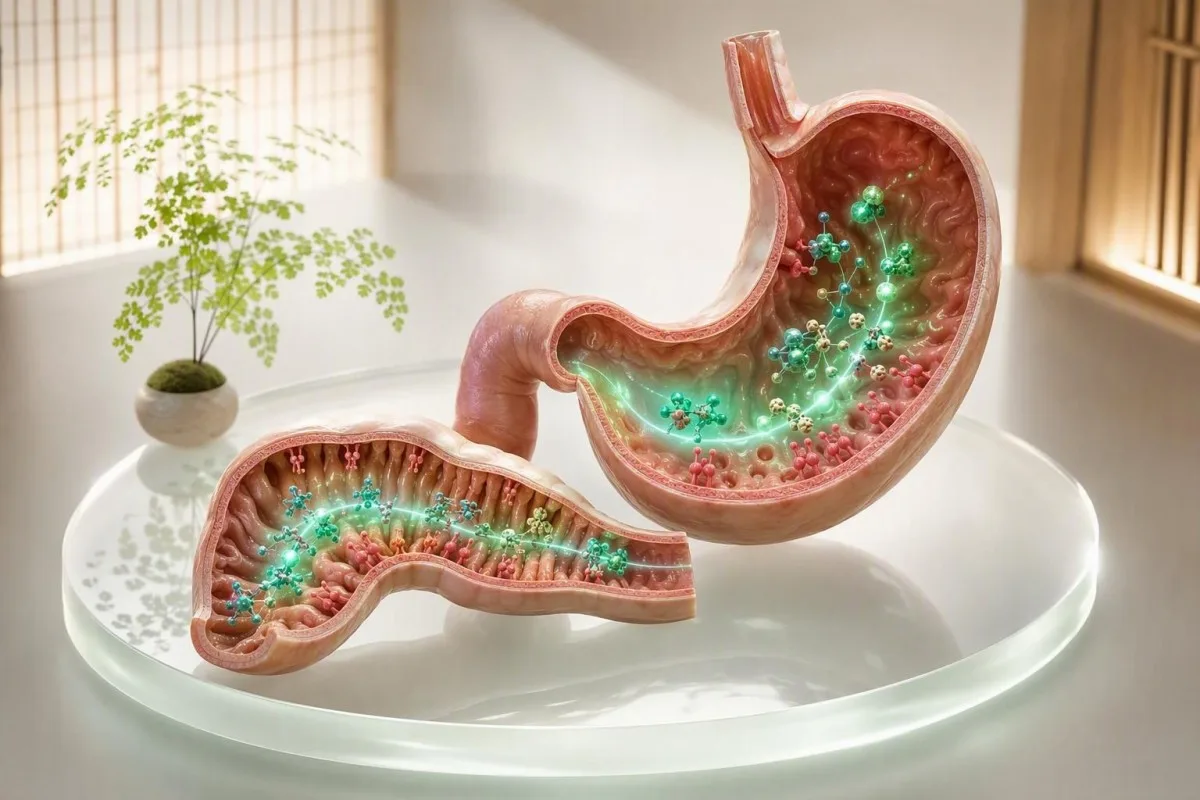
Áreiðanlegt magn af B12-vítamíni kemur úr dýraafurðum eða sérstaklega styrktum vörum; næringarríkt mataræði getur ekki yfirunnið öll frásogsvandamál. Hér er hvernig ég hjálpa sjúklingum að samræma matseðil, einkenni, lyf og rannsóknarniðurstöður.


- Dagleg B12-þörf er 2,4 mcg fyrir flesta fullorðna, 2,6 mcg á meðgöngu og 2,8 mcg á meðan á brjóstagjöf stendur.
- Bestu matvælaúrræði eru meðal annars skelfiskur, lifur, fiskur, kjöt, mjólkurvörur, egg og B12-styrkt matvæli; óstyrkt plöntufæði er ekki áreiðanleg uppspretta.
- Nautalifur gefur um það bil 70 mcg af B12 á hverja 85 g eldaða skammta, en 250 ml af mjólk gefur um það bil 1,3 mcg.
- Frásogshámark þýðir að innri þáttur gleypir venjulega aðeins um það bil 1,5-2 mcg úr máltíð; gróflega 1% af stórum skammti til inntöku getur samt borist óbeint.
- B12 í sermi undir 200 pg/mL (148 pmol/L) styður almennt skort, en 200-300 pg/mL þarf oft metýlmalónsýru eða virkt B12 samhengi.
- Metformín og sýrubindandi lyf getur lækkað B12 með tímanum, sérstaklega þegar notkunin heldur áfram í nokkur ár.
- Taugafræðileg einkenni svo sem dofi, breytt ganglag, minnisvandamál eða tap á titringsþreyingu krefjast læknisúttektar jafnvel þótt blóðleysi sé fjarverandi.
- Matvæli ein og sér leiðrétta hugsanlega ekki skort af völdum illkynja blóðleysis, magaaðgerðar, alvarlegrar vansogastöku eða marktækra taugasjúkdóma.
Hvaða matvæli veita áreiðanlegasta B12-vítamínið?
Matvæli með hátt magn af B12 eru næstum eingöngu dýraafurðir og matvæli sem eru sérstaklega styrkt með kóbalamíni. Skeldýr, lifur, fiskur, kjöt, mjólk, jógúrt, ostur, egg, styrkt morgunkorn og styrkt plöntudrykkir eru áreiðanlegir kostir þegar merkimiðinn staðfestir B12-innihald.
Eldaðir skeldýr geta veitt gróflega 84 mcg á 85 g, og elduð nautalifur um það bil 70 mcg á 85 g; báðir fara mörgum sinnum fram yfir kröfur fullorðinna. Ég hvet samt til fjölbreytni frekar en að treysta á lifur oft, vegna þess að lifur er einnig einstaklega rík af forformuðu A-vítamíni og er ekki hversdagsmatur í meðgöngu.
Fiskur er hagnýt millivegur: eldaður urriði gefur um 5,4 mcg á 85 g, lax um 2,6 mcg, og niðursoðinn túnfiskur um það bil 2,5 mcg. Sjúklingur sem hefur óbeit á skeldýrum getur venjulega mætt fæðuþörf sinni með tveimur skömmtum af fiski í viku auk mjólkurafurða, eggja eða styrktra matvæla; okkar leiðarvísinum okkar um B12 vs. folat útskýrir hvers vegna fólat getur ekki komið í stað kóbalamíns.
Kantesti er AI blóðprufugreiningartæki sem setur B12 niðurstöðu við hlið meðalþykktar rauðra blóðkorna, blóðrauða, fólats, nýrnastarfsemi og lyfjameðferðar. Það skiptir máli því einstaklingur sem borðar fisk tvisvar í viku getur samt orðið skortur ef vandamálið er innri þáttur frekar en inntaka.
Hversu mikið B12 er í daglegum matvælum?
Einn skammtur af fiski, kjöti eða mjólkurafurðum getur veitt hluta eða alla 2,4 mcg markmiðsins fyrir fullorðna, en magn er mjög mismunandi eftir matvælum og skömmtum. Merkingar og töflur um samsetningu matvæla eru áætlanir, ekki trygging fyrir því sem kemst í blóðrás.
250 ml bolli af kúamjólk gefur um það bil 1,3 míkróg, 170 g af venjulegu jógúrti um það bil 1,0 míkróg, eitt stórt egg um það bil 0,5 míkróg, og 85 g af soðnu magru nautakjöti um það bil 2,4 míkróg. Mjólkurvörur geta því stutt inntöku með merkjanlegum hætti, þótt tvö egg í morgunmat nái venjulega ekki þörfum alls dagsins.
Ég sé oft villandi mynstur hjá fólki sem lýsir sér sem 'aðallega grænmetisæta': einstaka egg og ostur geta komið í veg fyrir alvarlega uppþynningu, en inntaka þeirra er samt undir markmiði í marga mánuði. Þetta er ein ástæða þess að þreyta á skilið víðari skoðun sem felur í sér járnríkt fæðuval og ekki bara fjölvítamín.
Thomas Klein, MD, ráðleggur sjúklingum að skrá raunverulegan skammt í 7 daga áður en ákveðið er að fæði sé fullnægjandi. Matardagbók sem sýnir aðeins 0,5-1,0 míkróg daglega er klínískt gagnlegri en óljós fullyrðing, 'Ég borða hollan mat.'
Duga B12-styrkt matvæli fyrir vegan?
B12-styrkt matvæli geta mætt þörfum vegana þegar þau eru borðuð stöðugt í mældum skömmtum, en óstyrkt plöntufæði getur ekki áreiðanlega gert það. Þang, sveppir, gerjaðir matvæli og næringarþörungar án viðbætts B12 merkimiða eru ekki áreiðanlegir staðgenglar.
Margir styrktir jurtadrykkir gefa 0,4-1,0 mcg á 250 ml, á meðan styrkt kornvara getur gefið 1,0-6,0 mcg. Lestu staðbundna merkimiðann í hvert skipti: vörur eru mismunandi eftir löndum, uppskriftum og skammtastærðum, og 'innihalda vítamín' þýðir ekki sjálfkrafa að það inniheldur B12.
Sýanókóbalamín er algengasta styrkjandi efnið vegna þess að það helst stöðugt við geymslu og eldun. Endurskoðun O'Leary og Samman í Nutrients frá 2010 lýsir því hvers vegna lík efni sem finnast í sumum þörungum geta líkst B12 efnafræðilega en styðja ekki áreiðanlega B12-stöðu manna (O'Leary & Samman, 2010).
Kantesti er AI blóðrannsóknartúlkunarvettvangur notað til að hjálpa lesendum að setja fæðuvenjur, B12 og skyldar merkingar í eitt yfirlit. Fólk sem fylgir plöntubundnu mataræði ætti einnig að íhuga áætlaða blóðpróf vegna næringarskorts í stað þess að bíða eftir dofa eða þreytu.
Hverjar eru daglegar B12-þarfir eftir aldri og lífsstigum?
Flestir fullorðnir þurfa 2,4 mcg af B12-vítamíni daglega, á meðan meðganga krefst 2,6 mcg og brjóstagjöf krefst 2,8 mcg. Þessi skammtastærð kemur í veg fyrir skort hjá fólki með venjulega frásog; þetta eru ekki meðhöndlunarskammtar vegna staðfestrar skorts.
Ráðlagður dagskammtur í Bandaríkjunum er 0,4 mcg frá fæðingu til 6 mánaða, 0,9 mcg á aldrinum 1-3 ára, 1,2 mcg á aldrinum 4-8 ára, 1,8 mcg á aldrinum 9-13 ára, og 2,4 mcg frá 14 ára aldri. Viðmiðunar næringarinnihald fyrir fullorðna í Bretlandi er lægra, eða 1,5 mcg daglega, svo alþjóðleg næringarforrit geta sýnt mismunandi markmið án þess að annað sé villa.
Eldra fólk þarf oft sama fæðuinntöku en hefur meiri hættu á B12-upptökusjúkdómi vegna minnkaðs magansýru, magabólgu eða lyfja. Venjulegur matarlyst útilokar ekki þetta; leiðarvísir okkar um B12-magn hjá börnum sýnir einnig hvers vegna aldurssértæk samhengi skiptir máli.
B12 geymist í lifur, venjulega um 2-5 mg, sem er ástæðan fyrir því að það getur tekið 2-5 ár að uppgefin inntaka verði augljós. Þessi tafir eru klínískt óþægilegar: einkenni geta komið fram löngu eftir að takmarkandi mataræði hófst.
Hvernig virkar B12 frásog eftir að þú hefur borðað það?
B12 frásog krefst magasýru, brisensíma og innri þáttar frá magavöxtum fyrir upptöku í lok smáþarmans. Vandamál á einu stigi getur gert B12-ríkt mataræði ófullnægjandi.
B12 bundið í mat losnar frá próteini í maganum, binst fyrst haptocorrin, og flyst síðan til innri þáttar í smáþörmum. Innri þáttar-B12 flókið er frásogast í lok smáþarmans með viðtaka-miðluðu ferli; þetta er ástæðan fyrir því að sjúkdómur eða fjarlæging þessa hluta þarmanna hefur afleiðingar.
Innri þáttar frásog mettaðist við um það bil 1,5-2 mcg á máltíð, en um það bil 1% af stórum skammti til inntöku getur borist með óvirkri dreifingu. Þessi litla óvirka leið útskýrir hvers vegna læknar nota stundum 1.000-2.000 mcg skammta til inntöku, ekki vegna þess að einhver þarfnast 1.000 sinnum meiri skammta en mataræðisþörf.
Fyrir fólk með langvarandi niðurgang, óútskýrt þyngdartap eða grun um celiac-sjúkdóm, er inntökuútreikningur ekki nægjanlegur. Umræða um rétta tímasetningu á glúten áreynslu fyrir prófun getur komið í veg fyrir falskt róandi rannsókn.
Hvað hindrar B12 frásog jafnvel með góðu mataræði?
Pernicious Anemia, magabólgur eða þarmabólgur, celiac-sjúkdómur, Crohn's sjúkdómur, langtíma notkun metformins, og sýrubæling getur dregið úr B12 frásogi. Í þessum aðstæðum getur aukin neysla á fiski eða styrktum morgunkorni hægt á hnignun en leiðréttir ekki skort.
Autoimmune magasérfræðingur getur eyðilagt innri þátt-framleiðandi magavöxtur og valdið skaðlegt blóðleysi (pernicious anemia), frásogsskortur frekar en mataræðisvandamál. NICE leiðbeiningar NG239, gefnar út árið 2024, mæla með að íhuga próf fyrir mótefni gegn innri þætti þegar grunur leikur á autoimmune magasérfræðingur, þó neikvætt niðurstaða útiloki það ekki að fullu.
Metformin-tengt lágt B12 er raunverulegt en breytilegt. Í Diabetes Prevention Program Outcomes Study var lágt eða landamæralágt B12 algengara með metformini en samanburðarleysi eftir 5 ár, og áhættan jókst með lengri útsetningu (Aroda o.fl., 2016); þetta er ástæðan fyrir því að blóðrannsóknir eftir metformín ætti ekki að einblína á glúkósa eingöngu.
63 ára sjúklingur sem ég ræddi við borðaði lax í hverri viku og drakk mjólk daglega, en hafði samt 156 pg/mL B12 með dofnum tómum eftir margra ára notkun metformins og omeprazols. Matur var ekki skorturinn – frásog var.
Hvaða blóðprufur skýra mögulegan B12-skort?
Serum B12 undir 200 pg/mL, eða 148 pmol/L, styður oft skort, en 200-300 pg/mL er óákveðinn svæði sem gagnast af staðfestingum. Metýlmalónsýra, homocysteine, virkt B12, blóðkornatalning og fólat geta leyst óvissu.
Metýlmalónsýra hækkar venjulega þegar B12 í frumum er ófullnægjandi; MMA yfir 0.40 míkrómól/L er oft talin hækkuð, þó rannsóknarstofuviðmiðunarmörk séu mismunandi. Nýrnaskerðing getur hækkað MMA sjálfstætt, svo eGFR 35 mL/min/1.73 m² breytir merkingu sama niðurstöðu.
Stórfrumukvilla er vísbending, ekki krafa. MCV yfir 100 fL getur komið fram með B12 skorti, en snemma skortur getur haft eðlilegt MCV, og járnskortur getur að hluta til dulda frumufjölgun; berðu niðurstöðuna saman við okkar leiðbeiningar um hátt MCV.
Kantesti er AI-knúið blóðprófunargreiningartól sem les B12 með MMA, MCV, RDW, kreatíníni og lárviðarbreytingum frekar en að beita einu viðmiðunarmarki. Greiningarrömmunin í Devalia o.fl. (2014) styður á svipaðan hátt notkun klínískra eiginleika og annars stigs prófa þegar sermi B12 leysir ekki málið.
Getur B12-skortur valdið einkennum án blóðleysis?
Já, B12 skortur getur valdið taugasjúkdómum og vitrænum einkennum áður en blóðrauði fellur eða MCV hækkar. Tingling, brennandi fætur, minnkað jafnvægi, skynjunartap á titringi, lélegt skap og heilastjórn verðskulda mat þegar þau eru viðvarandi.
Blóðrauði 13.2 g/dL og MCV af 92 fL útiloka ekki hagnýtan B12 skort hjá einstaklingi með stigvaxandi paraesthesia. Taugabata er minna fyrirsjáanleg þegar einkenni hafa verið til staðar í marga mánuði, sem er ástæðan fyrir því að ég ráðlegg ekki að bíða eftir greinilegu blóðleysi.
Fólat getur normaliserað útlit blóðsþátta á meðan B12-tengd taugaskemmdir halda áfram. Þetta er klínískt vandamál á bak við viðvörunina um hátt skammta af fólínsýru; sjá útskýringu okkar á háu fólati sem dylur B12 fyrir hagnýt atriði.
Bráðamatilvik í dag er skynsamlegt vegna hratt versnandi gönguerfiðleika, nýrrar ruglings, áberandi veikleika eða breytinga á þörmum og þvagblöðru. Þessi einkenni hafa nokkrar orsakir, en B12 ætti að vera hluti af skjótum mismunandi greiningum fremur en tilraun með fæðubótarefni.
Hvenær getur matur leiðrétt lágt B12, og hvenær þarf meðferð?
Matur getur leiðrétt jaðarlægt lágt inntak hjá einstaklingi með óskaddaðar frásog, en staðfestur skortur vegna vanfrásogs þarf oft með háum skömmtum af inntöku meðferð eða sprautum. Val er háð orsök, alvarleika, fylgni og taugasjúkdómafræðilegum niðurstöðum – ekki bara sermisfjöldanum.
Fyrir mataræðisófullnægju án alvarlegra einkenna, geta læknar notað cyanocobalamin eða methylcobalamin í inntöku í skömmtum eins og 50-150 mcg daglega til viðhalds, með stærri skömmtum við leiðréttingu á skorti. Nákvæmar meðferðaráætlanir eru mismunandi milli landa og ættu að fylgja siðareglum meðferðarlæknis.
Pernicious anæmia, fullkominn magatúlgun, stór meltingarbólga í smáþörmum eða veruleg taugasjúkdómaeinkenni breyta venjulega samtalinu. Nákvæm samanburður okkar á B12 sprautum og töflum útskýrir hvers vegna stórir töflur geta samt virkað í gegnum óvirkilegt frásog, en sprautur geta verið æskilegri þegar vissu eða hraða er mikilvægt.
Að minni reynslu er mataræðisáætlun fyrst frábær forvarnir en léleg björgunarmeðferð við einkennum um vanfrásog. Endurskoðunartími ætti að fela í sér einkenni og hagnýta merkjamenn, ekki aðeins B12 niðurstöðu sem hækkar hratt eftir sprautu.
Er metýlerað B12 betra en blásýankóbalamín?
Methylcobalamin og cyanocobalamin geta bæði leiðrétt B12 skort þegar skammtur og frásog eru nægileg; gögn sýna ekki að metýlerað B12 sé almennt betra. Cyanocobalamin er stöðugt, víða rannsakað og almennt notað í styrktum matvælum.
Líkaminn breytir kóbalamíni í virk kóensímform sem eru notuð af metíónínsyntasa og metýlmalónýl-CoA mutasa. Auglýsingamálslið um 'metýleraðar' vörur fer oft fram úr samanburðargögnum klínískra gagna; frásog, skammtur, kostnaður og samræmi eru venjulega afgerandi.
Hydroxocobalamin er almennt notað með sprautu í nokkrum heilbrigðiskerfum vegna þess að það dvelur lengur í líkamanum en cyanocobalamin. Fólk með langvinna nýrnasjúkdóm eða óvenjulegar efnaskiptasjúkdómar þarf einstaklingsráðgjöf, því MMA og val á meðferð getur orðið flóknara.
Til praktískrar samanburðar á vörufræði, skammtalögfræði og rannsóknarfræðilegri eftirfylgni, lestu metýlerað B12 gegn cyanocobalamin. Hættu ekki við ávísaðar sprautur vegna þess að fæðubótarefni lofar meira 'náttúrulegu' formi.
Hvernig lítur hagnýt dagur af B12-ríku mataræði út?
Blönduð fæði getur náð 2,4 mcg af B12 með venjulegum máltíðum, en vegan mataræði þarf vísvitandi áætlun um styrkt matvæli eða fæðubótarefni. Áreiðanlegasta áætlunin er sú sem þú getur endurtekið í gegnum ferðalög, annasamar vikur og breytingar á matarlyst.
Eitt dæmi um altækisfæði er jógúrt í morgunmat (1,0 míkróg), egg í hádeginu (0,5 míkróg), og 85 g af laxi í kvöldmat (2,6 mcg). Þetta gefur gróflega 4,1 míkróg áður en tekið er tillit til matar- og taflabreytileika, á meðan dreifing inntöku yfir máltíðir er þægileg fyrir flesta.
Styrkt vegan dæmi gæti notað plöntudrykk sem gefur 1,0 míkróg, korn sem gefur 1,5 míkróg, og styrkt næringarger sem gefur 1,0 míkróg. Vandamálið er samkvæmni: að skipta um vörumerki getur skyndilega fjarlægt næringarefnið, svo geymdu ljósmynd af merkimiðanum í heilsuupplýsingum þínum.
B12 tilheyrir víðara mynstri vatnsleysanlegra næringarefna, próteina, járns og orkuinntöku. Okkar vatnsleysanlegt vítamín handbók hjálpar til við að koma í veg fyrir algeng mistök að líta á eitt vítamín sem alla skýringu á þreytu.
Hverjir ættu að vera sérstaklega vakandi fyrir lágu B12-magni?
Vegan, eldra fólk, fólk sem tekur metformín eða langvarandi sýruþrýstinga, sjúklingar eftir magaaðgerð eða smáþarmasaðgerð, og fólk með bólgusjúkdóm í þörmum eru í aukinni hættu á B12-skorti. Hætta eykst þegar fleiri en einn þáttur er til staðar.
Langvarandi notkun proton-pump inhibitor gæti dregið úr losun B12 úr fæðupróteini með því að lækka magasýru. Samhengið er ekki ástæða til að hætta ávísuðu lyfi skyndilega, en það er ástæða til að spyrja hvort eftirlit sé viðeigandi eftir 2 ár eða meira af samfelldri notkun.
Fólk eldra en 60 ára getur þróað með sér fæðu-kobalamín vansog jafnvel með fjölbreyttu fæði, stundum ásamt rýrnun í maga. Lægra B12-gildi í þessum hópi er ekki sjálfkrafa 'bara aldur'; það getur verið merki til að rannsaka einkenni, lyf og sjálfónæmisferil.
Okkar leiðbeiningar um langtíma eftirlit með PPI lýsir tengdum rannsóknarstofuumræðum, þar á meðal magnesíum og járni. Samsett lágt B12 með óútskýrðum járnskorti getur bent læknum í átt að orsök í maga frekar en tveimur óskyldum matarbilum.
Hvenær á að endurtaka B12-mælingar eftir breytingar á mataræði eða meðferð?
Endurprófun fer oft fram 8-12 vikum eftir breytingu á mataræði eða meðferð til inntöku, á meðan alvarleiki einkenna og meðferðaraðferð getur réttlætt fyrri klíníska úttekt. Serum B12 gildi getur hækkað hratt eftir viðbót og gæti ekki sannað vefjaendurheimt með sjálfum sér.
Full blóðkornatalning getur sýnt netfrumubrögð innan um 1 vika eftir árangursríka meðferð við stórfrumu blóðleysi, á meðan blóðrauði batnar venjulega á nokkrum vikum. Taugaeinkenni batna oft hægar og stundum ófullkomlega, sérstaklega eftir langvarandi skort.
Hætta og byrja viðbót getur látið serum B12 líta eðlilegt út á prófunardegi á meðan MMA, einkenni eða stórfrumufjölgun eru áfram áhyggjuefni. Þetta er ein ástæða til að segja lækninum nákvæmlega hvað þú tókst, skammtinn og dagsetningu síðasta skammts áður en niðurstöður eru túlkaðar.
Kantesti AI getur borið saman B12, MCV, blóðrauða, RDW, fólat og kreatínín yfir nokkrum skýrslum til að greina hvort breyting sé klínískt marktæk. Fyrir lesendur sem læra þessa færni, okkar leiðarvísir um greiningu á þróun blóðprófa útskýrir hvers vegna ein einangruð niðurstaða er sjaldan öll sagan.
Hvaða misskilningur um B12 getur tafið rétta meðferð?
Stærsta B12 misskilningurinn er að meiri neysla dýraafurða muni lagfæra öll lágu niðurstöður. Mataræði hjálpar til við inntöku, en það getur ekki endurnýjað innri þátt, snúið við þarmasjúkdómum, eða örugglega skipt út mati á taugasjúkdómseinkennum.
Annar miskilningur er að hátt B12 í sermi þýði alltaf framúrskarandi staða. Niðurstaða yfir 900 pg/mL endurspeglar oft fæðubótarefni eða sprautur, en viðvarandi óútskýrð hækkun getur einnig komið fram við lifrarsjúkdóm, nýrnasjúkdóm eða sumar blóðsjúkdóma; samhengi skiptir meira máli en panikk.
Frá og með 1. september 2026 myndi ég einnig vara við því að nota orkuaukningu eftir eina töflu sem greiningarpróf. Lyfleysuáhrif, svefn, járnstaða, skjaldkirtilssjúkdómur, þunglyndi og breytingar á blóðsykri geta öll haft áhrif á orku yfir 1-4 vikna án þess að staðfesta B12 skort.
Klínískt efni Kantesti er yfirfarið með stuðningi frá okkar Læknisfræðileg ráðgjafarnefnd, en gervigreindartúlkun kemur aldrei í stað skoðunar vegna versnandi taugasjúkdómseinkenna. Lesendur geta skoðað okkar klíníska staðfestingarleið til að skilja hvernig við skipuleggjum frekari spurningar í stað þess að greina.
Hver eru öruggustu næstu skref ef þú grunar lágt B12-magn?
Ef þú ert með viðvarandi doða, jafnvægisvandamál, vitræn vandamál, óútskýrða stórbjúgfrumuaukningu, eða B12 niðurstöðu undir 200 pg/mL, pantaðu læknisrannsókn frekar en að treysta á mat eingöngu. Snemmbær meðferð er sérstaklega mikilvæg þegar taugarnar geta verið í húfi.
Komið með lista yfir lyf, fæðubótarefni, mataræði, meltingarvandamál, aðgerðir, áfengisneyslu og fyrri rannsóknarniðurstöður. Læknir getur þá ákveðið hvort að endurtaka B12, panta MMA eða homocysteine, athugað fólat og blóðkornatalningu, eða rannsakað illkynja blóðleysi og vanfrásog.
Thomas Klein, MD, mælir með því að forðast háan skammt af fólínsýru sem sjálfsmeðferð við óútskýrðri stórbjúgfrumuaukningu þar til B12 hefur verið metið með sanngjörnum hætti. Ef þú ert ekki með rauð fánar og mataræðið er greinilega lítið, er mælt með mat eða fæðubótaráætlun með endurtekinni niðurstöðu á 8-12 vikur oft skynsamlegt.
Kantesti tengir þróun rannsóknarniðurstaðna við skiljanlegar spurningar fyrir tíma þinn, en heldur endanlegri greiningarákvörðun með þínum lækni. Skoðaðu okkar Tilvísunarhandbók um lífmerki fyrir rannsóknarorð sem líkleg eru til að birtast ásamt B12 niðurstöðu.
Algengar spurningar
Hvaða matur inniheldur mest af B12 vítamíni?
Muslingar og nautalifur eru meðal matvæla með mest magn af B12-vítamíni. Elduð skammtur af muslingum, 85 g, getur gefið um 84 míkrógraforma af B12, en sama skammtur af nautalifur gefur um 70 míkrógraforma; báðir fara langt yfir 2,4 míkrógraforma daglegur markmið fyrir fullorðna. Lifur ætti ekki að vera með í daglegum máltíðum á meðgöngu vegna mjög mikils innihalds af formynduðu A-vítamíni. Fyrir reglulegar máltíðir eru fiskur, kjöt, mjólkurvörur, egg og merkt styrkt matvæli hagnýtari uppsprettur.
Fá veganar nóg af B12 úr mat einum og sér?
Getur vegan fóður af B12-vítamíni eingöngu fengið með því að nota reglulega matvæli sem eru styrkt með B12 í mældum skömmtum. Óstyrkt grænmeti, sveppir, þang, tempeh og næringarþörungar eru ekki áreiðanlegar B12-uppsprettur vegna þess að kóbalamíninnihald þeirra er fjarverandi, óstöðugt eða getur innihaldið óvirka hliðstæður. Margir styrktir plöntudrykkir gefa 0,4-1,0 mcg á 250 ml, en samsetningar eru mismunandi eftir löndum og vörumerkjum. B12-bæta er oft einfaldari og áreiðanlegri vernd fyrir vegan mataræði.
Hversu mikið B12 ætti fullorðinn að fá á dag?
Samkvæmt bandarískum ráðlögðum dagskammti þurfa flestir fullorðnir 2,4 míkrógra (mcg) af B12-vítamíni daglega. Meðganga eykur þörfina í 2,6 míkrógra (mcg) daglega og brjóstagjöf eykur hana í 2,8 míkrógra (mcg) daglega. Viðmiðunarnæringarinntaka fyrir fullorðna í Bretlandi er 1,5 míkrógra (mcg) daglega, svo næringarmerkingar geta verið mismunandi eftir löndum. Þessar tölur eru til varnar gegn eðlilegri frásog og eru mun lægri en meðferðarskammtar sem notaðir eru við greindan skort.
Get ég lagað B12 skort með því að borða meira kjöt og egg?
Aukin neysla á kjöti, fiski, mjólkurvörum, eggjum eða styrktum matvælum getur leiðrétt B12 skort af völdum eingöngu lítils mataræðis, en það virkar kannski ekki þegar upptaka er skert. Pernicious anemia, coeliac disease, Crohn's disease, magaaðgerð, skurðaðgerð á smáþörmum (ileum), metformin og langvarandi sýruhemjandi meðferð geta dregið úr upptöku þrátt fyrir B12-ríkt fæði. B12 í sermi undir 200 pg/mL eða 148 pmol/L réttlætir almennt klínískt mat á orsök. Ekkert eitt matvæli ætti að nota til að meðhöndla taugasjúkdóma eins og dofa, lélegt jafnvægi eða breytingar á vitrænni starfsemi.
Hvað stuðlar að upptöku B12?
B12-vítamínupptaka fer eftir góðri magavinnslu, brisensímum, innri þætti og virkum endasvæðum í meltingarvegi. Innri þáttur tekur aðeins upp um 1,5-2 míkróg af B12 úr máltíð með virkum hætti, en gróflega 1% af stórum skammti til inntöku getur komist inn með óvirkri dreifingu. Að borða B12 með mat er skynsamlegt en engin sérstök fæðusamsetning getur yfirunnið skort á innri þætti eða alvarleg sjúkdómur í meltingarvegi. Háir skammtar af B12 til inntöku eða stungulyf gætu verið nauðsynlegir þegar upptaka er skert.
Hvaða B12 gildi telst lágt?
Lifvatn B12 gildi undir 200 pg/mL, sem jafngildir um 148 pmol/L, styðja almennt B12 skort, þó mismunandi rannsóknarstofur noti mismunandi viðmiðunarmörk. Niðurstöður frá 200-300 pg/mL eru oft taldar jaðartölur eða óákveðnar og gætu þarfnast metýlmalónsýru, hómósýtíns, virks B12, blóðtölu, fólats, nýrnastarfsemi og sjúkdómsgreiningar. Metýlmalónsýra yfir um 0.40 míkrómól/L styður frumusérstæðan B12 skort en getur einnig hækkað við skerta nýrnastarfsemi. Eðlilegt hemóglóbín eða MCV útilokar ekki áreiðanlega snemma B12-tengda taugasjúkdóma.
Fáðu AI-knúna greiningu á blóðprufum í dag
Vertu með yfir 2 milljónir notenda um allan heim sem treysta Kantesti fyrir tafarlausa og nákvæma greiningu á blóðprufum. Hladdu upp niðurstöðum blóðrannsókna þinna og fáðu yfirgripsmikla túlkun á 15,000+ lífmerkjum á sekúndum.
📚 Tilvísuð rannsóknarútgáfa
Klein, T., Mitchell, S., & Weber, H. (2026). Þvagþéttniþvagefni í þvagprófi: Leiðarvísir um heildarþvaggreining 2026. Kantesti AI Medical Research.
Klein, T., Mitchell, S., & Weber, H. (2026). Leiðbeiningar um járnrannsóknir: TIBC, járnmettun og bindingargeta. Kantesti AI Medical Research.
📖 Ytri læknisfræðilegar heimildir
⚕️ Fyrirvari vegna læknisfræðilegra mála
Þessi grein er eingöngu til fræðslu og felur ekki í sér læknisráðgjöf. Leitaðu alltaf til hæfs heilbrigðisstarfsmanns vegna ákvarðana um greiningu og meðferð.
E-E-A-T traustmerki
Reynsla
Læknastýrð klínísk yfirferð á vinnuferlum við túlkun rannsóknarniðurstaðna.
Sérþekking
Áhersla á rannsóknarstofulækningar: hvernig lífmarkarar hegða sér í klínísku samhengi.
Yfirvald
Skrifað af Dr. Thomas Klein með yfirferð Dr. Sarah Mitchell og próf. Dr. Hans Weber.
Traustleiki
Rökstudd túlkun byggð á gögnum með skýrum eftirfylgnileiðum til að draga úr ávörun.