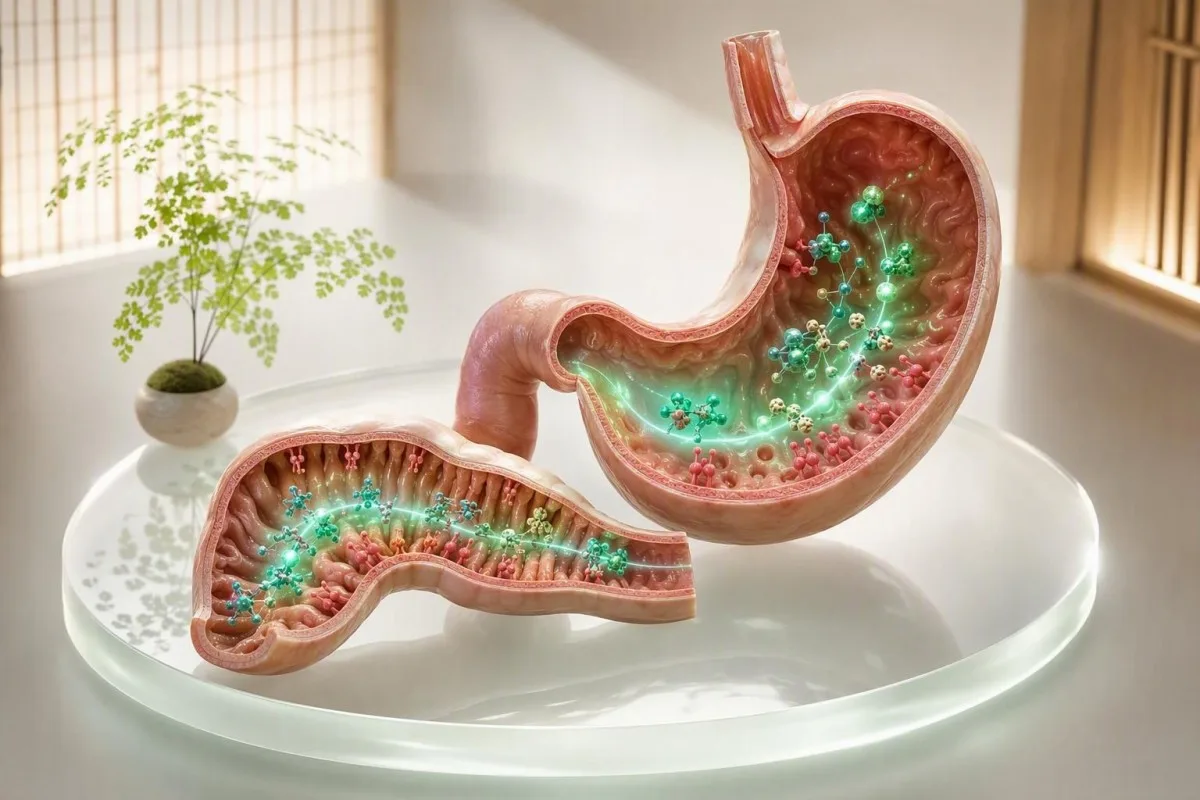
ວິຕາມິນ B12 ທີ່ເຊື່ອຖືໄດ້ມາຈາກອາຫານສັດ ຫຼື ຜະລິດຕະພັນທີ່ເສີມດ້ວຍວິຕາມິນໂດຍສະເພາະ; ອາຫານທີ່ມີຄຸນຄ່າທາງໂພຊະນາການບໍ່ສາມາດແກ້ໄຂທຸກບັນຫາການດູດຊຶມໄດ້. ນີ້ແມ່ນວິທີທີ່ຂ້ອຍຊ່ວຍຄົນເຈັບຈັບຄູ່ການເລືອກອາຫານ, ອາການ, ຢາ, ແລະຜົນການກວດໃນຫ້ອງທົດລອງ.


- ຄວາມຕ້ອງການວິຕາມິນ B12 ປະຈໍາວັນ ແມ່ນ 2.4 mcg ສໍາລັບຜູ້ໃຫຍ່ສ່ວນໃຫຍ່, 2.6 mcg ໃນລະຫວ່າງຖືພາ, ແລະ 2.8 mcg ໃນລະຫວ່າງການໃຫ້ນົມລູກ.
- ແຫຼ່ງອາຫານທີ່ດີທີ່ສຸດ ລວມມີຫອຍ, ຕັບ, ປາ, ຊີ້ນ, ນົມ, ໄຂ່, ແລະອາຫານເສີມວິຕາມິນ B12; ອາຫານຈາກພືດທີ່ບໍ່ໄດ້ເສີມແມ່ນແຫຼ່ງທີ່ບໍ່ເຊື່ອຖືໄດ້.
- ຕັບງົວ (Beef liver) ໃຫ້ວິຕາມິນ B12 ປະມານ 70 mcg ຕໍ່ການຮັບໃຊ້ 85 g ທີ່ປຸງແຕ່ງແລ້ວ, ໃນຂະນະທີ່ນົມ 250 mL ໃຫ້ວິຕາມິນ B12 ປະມານ 1.3 mcg.
- ລະດັບການດູດຊຶມສູງສຸດ ຫມາຍຄວາມວ່າປັດໄຈພາຍໃນໂດຍທົ່ວໄປດູດຊຶມພຽງແຕ່ປະມານ 1.5-2 mcg ຈາກອາຫານ; ປະມານ 1% ຂອງປະລິมาณການກິນທາງປາກໃຫຍ່ຍັງສາມາດເຂົ້າໄປໄດ້ໂດຍວິທີການແຜ່ລາມ.
- B12 ໃນເລືອດຕໍ່າກວ່າ 200 pg/mL (148 pmol/L) ມັກຈະສະຫນັບສະຫນູນການຂາດ, ໃນຂະນະທີ່ 200-300 pg/mL ມັກຈະຕ້ອງການອາຊິດ methylmalonic ຫຼືบริบท B12 ທີ່ເປັນປະໂຫຍດ.
- Metformin ແລະຢາຫຼຸດອາຊິດ ສາມາດເຮັດໃຫ້ລະດັບ B12 ຫຼຸດລົງໄດ້ໃນໄລຍະເວລາໜຶ່ງ, ໂດຍສະເພາະເມື່ອສືບຕໍ່ໃຊ້ເປັນເວລາຫຼາຍປີ.
- ອາການທາງປະສາດ ເຊັ່ນ ອາການຊາ, ການຍ່າງຜິດປົກກະຕິ, ບັນຫາຄວາມຈຳ, ຫລື ການສູນເສຍການຮັບຮູ້ການສັ່ນສະເທືອນ, ຕ້ອງໄດ້ຮັບການກວດສອບທາງການແພດ ເຖິງແມ່ນວ່າຈະບໍ່ມີໂລກເລືອດຈາງກໍ່ຕາມ.
- ອາຫານຢ່າງດຽວອາດຈະບໍ່ສາມາດແກ້ໄຂການຂາດສານອາຫານໄດ້ ທີ່ເກີດຈາກພະຍາດ pernicious anemia, ການຜ່າຕັດກະເພາະອາຫານ, ການດູດຊຶມທີ່ຮຸນແຮງ, ຫລື ອາການທາງລະບົບປະສາດທີ່ຮ້າຍແຮງ.
ອາຫານໃດໃຫ້ວິຕາມິນ B12 ທີ່ເຊື່ອຖືໄດ້ຫຼາຍທີ່ສຸດ?
ອາຫານທີ່ມີ B12 ສູງເກືອບທັງໝົດແມ່ນອາຫານຈາກສັດ ແລະ ອາຫານທີ່ເສີມດ້ວຍ cobalamin. ຫອຍ, ຕັບ, ປາ, ຊີ້ນ, ນົມ, ນົມສົ້ມ, ເນີຍແຂງ, ໄຂ່, ຫານປະເພດເມັດອາຫານເຊົ້າເສີມ, ແລະເຄື່ອງດື່ມຈາກພືດເສີມແມ່ນທາງເລືອກທີ່ເຊື່ອຖືໄດ້ເມື່ອປ້າຍຢືນຢັນເນື້ອໃນ B12.
ຫອຍທີ່ປຸງແຕ່ງສາມາດໃຫ້ປະມານ 84 mcg ຕໍ່ 85 g, ແລະຕັບງົວທີ່ປຸງແຕ່ງປະມານ 70 mcg ຕໍ່ 85 g; ທັງສອງຢ່າງນີ້ເກີນຄວາມຕ້ອງການຂອງຜູ້ໃຫຍ່ຫຼາຍເທົ່າ. ຂ້າພະເຈົ້າຍັງຄົງສົ່ງເສີມຄວາມຫຼາກຫຼາຍແທນທີ່ຈະອີງໃສ່ຕັບເລື້ອຍໆ, ເພາະວ່າຕັບຍັງມີວິຕາມິນ A ສູງຫຼາຍ ແລະບໍ່ແມ່ນອາຫານປະຈໍາວັນທໍາມະດາໃນເວລາຖືພາ.
ປາແມ່ນທາງເລືອກທີ່ເໝາະສົມ: ປາເທົາທີ່ປຸງແຕ່ງໃຫ້ປະມານ 5.4 mcg ຕໍ່ 85 g, ປາແຊວມອນປະມານ 2.6 mcg, ແລະປາກະປ໋ອງປະມານ 2.5 mcg. ຄົນເຈັບທີ່ບໍ່ມັກອາຫານທະເລໂດຍທົ່ວໄປສາມາດຕອບສະໜອງຄວາມຕ້ອງການອາຫານດ້ວຍການກິນປາສອງຄັ້ງຕໍ່ອາທິດ ພ້ອມກັບຜະລິດຕະພັນນົມ, ໄຂ່, ຫລື ອາຫານເສີມ; ຂອງພວກເຮົາ ຄູ່ມື B12 ທຽບກັບ folate ອະທິບາຍວ່າເປັນຫຍັງ folate ຈຶ່ງບໍ່ສາມາດທົດແທນ cobalamin ໄດ້.
ແຄນເທສຕີ ເປັນ AI ເຄື່ອງວິເຄາະເລືອດ ທີ່ວາງຜົນການກວດ B12 ໄວ້ຂ້າງໆຄ່າ mean corpuscular volume, haemoglobin, folate, ການເຮັດວຽກຂອງไต, ແລະບໍລິບົດຂອງຢາ. ສິ່ງນັ້ນມີຄວາມສຳຄັນ ເພາະຄົນທີ່ກິນປາສອງຄັ້ງຕໍ່ອາທິດຍັງສາມາດຂາດສານອາຫານໄດ້ ຖ້າບັນຫາແມ່ນ intrinsic factor ແທນທີ່ຈະເປັນການກິນ.
ວິຕາມິນ B12 ມີຢູ່ໃນອາຫານປະຈໍາວັນຫຼາຍປານໃດ?
ການກິນປາ, ຊີ້ນ, ຫລື ຜະລິດຕະພັນນົມໜຶ່ງຄັ້ງສາມາດໃຫ້ສ່ວນໜຶ່ງຫລືທັງໝົດຂອງເປົ້າໝາຍ 2.4 mcg ຂອງຜູ້ໃຫຍ່, ແຕ່ປະລິมาณຈະແຕກຕ່າງກັນຢ່າງຫຼວງຫຼາຍຕາມອາຫານ ແລະ ປະລິมาณ. ປ້າຍ ແລະ ຕາຕະລາງສ່ວນປະກອບອາຫານແມ່ນການປະເມີນ, ບໍ່ແມ່ນການຮັບປະກັນສິ່ງທີ່ຈະເຂົ້າສູ່ກະແສເລືອດ.
ນົມງົວ 250 mL 1 ຈອກ ໃຫ້ປະມານ 1.3 mcg, 170 g ຂອງໂຍເກິດທໍາມະດາປະມານ 1.0 mcg, ໄຂ່ໃຫຍ່ 1 ຫນ່ວຍປະມານ 0.5 mcg, ແລະຊີ້ນງົວບໍ່ຕິດມັນປຸງແຕ່ງແລ້ວ 85 g ປະມານ ນັ້ນຟັງດູນ້ອຍ, ແຕ່ຄວາມຕ້ອງການ B12 ຕໍ່ມື້ຂອງຜູ້ໃຫຍ່ມີພຽງແຕ່ປະມານ. ດັ່ງນັ້ນ, ຜະລິດຕະພັນນົມຈຶ່ງສາມາດສະຫນັບສະຫນູນການບໍລິໂພກໄດ້ຢ່າງມີຄວາມຫມາຍ, ເຖິງແມ່ນວ່າໄຂ່ສອງຫນ່ວຍໃນຕອນເຊົ້າໂດຍປົກກະຕິແລ້ວຈະບໍ່ຕອບສະຫນອງຄວາມຕ້ອງການຕະຫຼອດມື້.
ຂ້າພະເຈົ້າມັກຈະເຫັນຮູບແບບທີ່ເຮັດໃຫ້ເຂົ້າໃຈຜິດໃນບັນດາຜູ້ຄົນທີ່ອະທິບາຍຕົນເອງວ່າເປັນ 'ສ່ວນໃຫຍ່ແມ່ນຜັກ: ໄຂ່ແລະຊີສເປັນບາງໂອກາດສາມາດປ້ອງກັນການຂາດສານອາຫານຮ້າຍແຮງ, ແຕ່ການບໍລິໂພກຂອງພວກເຂົາຍັງຄົງຕ່ໍາກ່ວາເປົ້າຫມາຍເປັນເວລາຫລາຍເດືອນ. ນີ້ແມ່ນຫນຶ່ງໃນເຫດຜົນທີ່ຄວາມເມື່ອຍລ້າສົມຄວນໄດ້ຮັບການພິຈາລະນາຢ່າງກວ້າງຂວາງຂຶ້ນເຊິ່ງລວມມີ ທາງເລືອກອາຫານທີ່ມີທາດເຫຼັກສູງ ແລະບໍ່ພຽງແຕ່ວິຕາມິນຫຼາຍຊະນິດ.
Thomas Klein, MD, ແນະນໍາໃຫ້ຄົນເຈັບບັນທຶກສ່ວນທີ່ແທ້ຈິງເປັນເວລາ 7 ມື້ກ່ອນທີ່ຈະຕັດສິນໃຈວ່າອາຫານພຽງພໍ. ບັນທຶກອາຫານທີ່ສະແດງພຽງແຕ່ 0.5-1.0 mcg ຕໍ່ມື້ແມ່ນມີປະໂຫຍດທາງການແພດຫຼາຍກ່ວາຄໍາເວົ້າທີ່ບໍ່ຊັດເຈນ, 'ຂ້ອຍກິນອາຫານທີ່ມີສຸຂະພາບດີ.'
ອາຫານເສີມວິຕາມິນ B12 ພຽງພໍສໍາລັບຜູ້ກິນອາຫານມังสວິรัติບໍ?
ອາຫານເສີມ B12 ທີ່ມີວິຕາມິນ B12 ສາມາດຕອບສະຫນອງຄວາມຕ້ອງການສໍາລັບຜູ້ກິນຜັກໄດ້ເມື່ອກິນຢ່າງສม่ຳເສີໃນປະລິມານທີ່ວັດແທກໄດ້, ແຕ່ອາຫານຈາກພືດທີ່ບໍ່ເສີມບໍ່ສາມາດເຮັດໄດ້ຢ່າງເຊື່ອຖື. สาหร่ายทะเล, เห็ด, อาหารหมัก, และยีสต์โภชนาการที่ไม่มีฉลาก B12 เพิ่มเติมนั้นไม่สามารถทดแทนได้อย่างน่าเชื่อถือ.
许多强化植物奶提供 0.4-1.0 微克/250 毫升, ,而一份强化麦片可能提供 1.0-6.0 微克. 。每次都要阅读当地标签:产品因国家、配方和服务份量而异,并且'含有维生素'并不自动意味着它含有 B12。.
氰钴胺素是最常见的强化剂,因为它在储存和烹饪过程中保持稳定。O'Leary 和 Samman 在 2010 年《Nutrients》杂志上的评论描述了为什么某些藻类中的类似物在化学上可能与 B12 相似,但不能可靠地支持人类 B12 状况(O'Leary & Samman, 2010)。.
ແຄນເທສຕີ ເປັນ ແພລດຟອມການອ່ານຜົນກວດເລືອດຂອງ AI 用于帮助读者将饮食模式、B12 和相关标志物整合到一个视图中。遵循植物性饮食的人也应考虑计划性的 营养缺口血液检查 ,而不是等到出现刺痛或疲劳。.
ຄວາມຕ້ອງການວິຕາມິນ B12 ປະຈໍາວັນຕາມອາຍຸແລະໄລຍະຊີວິດແມ່ນເທົ່າໃດ?
大多数成年人每天需要 2.4 微克的维生素 B12,而孕妇需要 2.6 微克,哺乳期需要 2.8 微克。. 这些目标可以防止普通吸收能力的人出现缺乏症;它们不是已确诊缺乏症的治疗剂量。.
美国推荐膳食摄入量为 0.4 微克(出生至 6 个月), 0.9 微克(1-3 岁), 1.2 微克(4-8 岁), 1.8 微克(9-13 岁), ແລະ 2.4 微克(14 岁以上). 。英国成人参考营养摄入量较低,为 1.5 微克/天, ,因此国际营养应用程序可能显示不同的目标,但两者都不是错误。.
老年人通常需要相同的膳食摄入量,但由于胃酸减少、胃炎或药物治疗,食物结合的 B12 吸收不良的几率更高。食欲正常并不能排除这种情况;我们关于 儿童 B12 水平 的指南也显示了为什么年龄特定的背景很重要。.
B12 ຖືກເກັບຮັກສາໄວ້ໃນຕັບ, ໂດຍທົ່ວໄປແລ້ວແມ່ນ 2-5 mg, ນີ້ແມ່ນເຫດຜົນທີ່ການບໍລິໂພກທີ່ຫຼຸດລົງສາມາດໃຊ້ເວລາ 2-5 ປີກວ່າຈະເຫັນໄດ້ຊັດເຈນ. ຄວາມຊັກຊ້າຄັ້ງນີ້ແມ່ນບໍ່ສະດວກທາງຄລີນິກ: ອາການຕ່າງໆອາດຈະປະກົດຂຶ້ນດົນຫຼັງຈາກການເລີ່ມຕົ້ນອາຫານທີ່ຈຳກັດ.
ວິຕາມິນ B12 ດູດຊຶມແນວໃດຫຼັງຈາກກິນເຂົ້າໄປ?
ການດູດຊຶມ B12 ຕ້ອງການອາຊິດໃນກະເພາະອາຫານ, ເອນໄຊມ์ຂອງຕັບ, ແລະປັດໄຈພາຍໃນຈາກຈຸລັງກະເພາະອາຫານກ່ອນທີ່ຈະດູດຊຶມໃນລຳໄສ້ນ້ອຍສ່ວນປາຍ. ບັນຫາໃນຂັ້ນຕອນໃດຂັ້ນຕອນໜຶ່ງສາມາດເຮັດໃຫ້ອາຫານ B12 ສູງບໍ່ພຽງພໍ.
B12 ທີ່ຕິດພັນກັບອາຫານຈະຖືກປ່ອຍອອກຈາກໂປຣຕີນໃນກະເພາະອາຫານ, ຕິດພັນກັບ haptocorrin, ຈາກນັ້ນໂອນໄປຫາປັດໄຈພາຍໃນໃນລຳໄສ້ນ້ອຍ. ໂຄງສ້າງປັດໄຈພາຍໃນ-B12 ຖືກດູດຊຶມໃນລຳໄສ້ນ້ອຍສ່ວນປາຍຜ່ານຂະບວນການທີ່ຮັບສັນຍານ; ນີ້ແມ່ນເຫດຜົນທີ່ພະຍາດຫຼືການເອົາສ່ວນຂອງລຳໄສ້ນີ້ອອກມີຜົນກະທົບ.
ການດູດຊຶມປັດໄຈພາຍໃນຈະອີ່ມຕົວຢູ່ທີ່ປະມານ 1.5-2 mcg ຕໍ່ຄາບ, ໃນຂະນະທີ່ປະມານ 1% ຂອງປະລິມານສູງທີ່ກິນເຂົ້າໄປ ສາມາດຜ່ານການແຜ່ກະຈາຍແບບບໍ່ສະເພາະໄດ້. ພາກສ່ວນນ້ອຍໆແບບບໍ່ສະເພາະນີ້ອະທິບາຍວ່າເປັນຫຍັງທ່ານໝໍຈຶ່ງບາງຄັ້ງໃຊ້ປະລິມານການປິ່ນປົວ 1,000-2,000 mcg ໂດຍການກິນ, ບໍ່ແມ່ນຍ້ອນວ່າໃຜຕ້ອງການ 1,000 ເທົ່າຂອງຄວາມຕ້ອງການດ້ານອາຫານ.
ສຳລັບຜູ້ທີ່ມີອາການຖອກທ້ອງຊຳເຮື້ອ, ນ້ຳໜັກລຸດໂດຍບໍ່ມີສາເຫດ, ຫຼືສົງໄສວ່າເປັນພະຍາດ coeliac, ການຄິດໄລ່ການບໍລິໂພກບໍ່ພຽງພໍ. ການປຶກສາຫາລືກ່ຽວກັບເວລາທີ່ຖືກຕ້ອງຂອງ ການທ້າທາຍ gluten ກ່ອນການກວດ ສາມາດປ້ອງກັນການກວດຫາທີ່ຮັບປະກັນຢ່າງຜິດພາດ.
ຫຍັງກີດຂວາງການດູດຊຶມວິຕາມິນ B12 ເຖິງແມ່ນວ່າຈະກິນອາຫານທີ່ດີ?
ໂລກເລືອດຈາງ pernicious, ການຜ່າຕັດກະເພາະອາຫານຫຼືລຳໄສ້, ພະຍາດ coeliac, ພະຍາດ Crohn, ການໃຊ້ metformin ໄລຍະຍາວ, ແລະການຫຼຸດອາຊິດສາມາດຫຼຸດການດູດຊຶມ B12. ໃນສະພາບການເຫຼົ່ານີ້, ການເພີ່ມປາຫຼືເຂົ້າໜົມປັງເສີມອາດຈະຊັກຊ້າການຫຼຸດລົງແຕ່ອາດບໍ່ແກ້ໄຂການຂາດສານອາຫານ.
ພະຍາດກະເພາະອາຫານ autoimmune ສາມາດທຳລາຍຈຸລັງກະເພາະອາຫານທີ່ຜະລິດປັດໄຈພາຍໃນແລະເຮັດໃຫ້ເກີດ pernicious anemia, ຄວາມຜິດປົກກະຕິໃນການດູດຊຶມຫຼາຍກວ່າການຂາດອາຫານ. ຄຳແນະນຳ NICE NG239, ຈັດພີມມາໃນປີ 2024, ແນະນຳໃຫ້ພິຈາລະນາການກວດຫາ antibody ຕ້ານປັດໄຈພາຍໃນເມື່ອສົງໄສວ່າເປັນພະຍາດກະເພາະອາຫານ autoimmune, ເຖິງວ່າຜົນການກວດທີ່ເປັນລົບກໍ່ບໍ່ສາມາດຍົກເວັ້ນໄດ້ທັງໝົດ.
ການຂາດ B12 ທີ່ກ່ຽວຂ້ອງກັບ Metformin ແມ່ນແທ້ແຕ່ບໍ່ຄົງທີ່. ໃນການສຶກສາຜົນຂອງໂຄງການປ້ອງກັນພະຍາດເບົາຫວານ, B12 ຕ່ຳຫຼືຕ່ຳກາງແມ່ນພົບເຫັນຫຼາຍກວ່າໃນການໃຊ້ metformin ຫຼາຍກວ່າ placebo ຫຼັງຈາກ 5 ປີ, ແລະຄວາມສ່ຽງເພີ່ມຂຶ້ນເມື່ອໃຊ້ເວລາດົນກວ່າ (Aroda et al., 2016); ນີ້ແມ່ນເຫດຜົນທີ່ ការត្រួតពិនិត្យឈាម (blood work) បន្ទាប់ពី metformin ຄວນຈະບໍ່ສຸມໃສ່ພຽງແຕ່ລະດັບນ້ຳຕານໃນເລືອດ.
ຄົນເຈັບອາຍຸ 63 ປີທີ່ຂ້າພະເຈົ້າໄດ້ກວດໄດ້ກິນປາແຊວມອນອາທິດລະຄັ້ງ ແລະດື່ມນົມທຸກວັນ, ແຕ່ມີ B12 156 pg/mL ດ້ວຍອາການຊາທີ່ຕີນຫຼັງຈາກໃຊ້ metformin ແລະ omeprazole ຫຼາຍປີ. ອາຫານບໍ່ແມ່ນສິ່ງຂາດ - ການດູດຊຶມແມ່ນ.
ການກວດເລືອດໃດຊີ້ແຈງການຂາດວິຕາມິນ B12 ທີ່ເປັນໄປໄດ້?
serum B12 ຕ່ຳກວ່າ 200 pg/mL, ຫຼື 148 pmol/L, ໂດຍທົ່ວໄປແລ້ວສະໜັບສະໜູນການຂາດສານອາຫານ, ໃນຂະນະທີ່ 200-300 pg/mL ເປັນເຂດທີ່ບໍ່ແນ່ນອນເຊິ່ງໄດ້ຮັບປະໂຫຍດຈາກການຢືນຢັນສະພາບການ. Methylmalonic acid, homocysteine, active B12, full blood count, and folate ສາມາດແກ້ໄຂຄວາມບໍ່ແນ່ນອນໄດ້.
ອາຊິດ Methylmalonic ປົກກະຕິແລ້ວຈະເພີ່ມຂຶ້ນເມື່ອ B12 ຂອງຈຸລັງບໍ່ພຽງພໍ; MMA ທີ່ສູງກວ່າ 0.40 micromol/L ມັກຈະຖືກພິຈາລະນາວ່າສູງ, ເຖິງແມ່ນວ່າຈຸດຕັດຂອງຫ້ອງທົດລອງຈະແຕກຕ່າງກັນ. ຄວາມຜິດປົກກະຕິຂອງไตສາມາດເພີ່ມ MMA ໄດ້ໂດຍອິດສະຫຼະ, ດັ່ງນັ້ນ eGFR 35 mL/min/1.73 m² ຈະປ່ຽນຄວາມໝາຍຂອງຜົນດຽວກັນ.
Macrocytosis ເປັນຄໍາແນະນໍາ, ບໍ່ແມ່ນຂໍ້ກໍານົດ. MCV ທີ່ສູງກວ່າ 100 fL ຈະເກີດຂຶ້ນກັບການຂາດ B12, ແຕ່ການຂາດໃນໄລຍະເລີ່ມຕົ້ນສາມາດມີ MCV ປົກກະຕິ, ແລະການຂາດທາດເຫຼັກສາມາດປິດບັງການຂະຫຍາຍຈຸລັງໄດ້ບາງສ່ວນ; ປຽບທຽບຜົນກັບ ຄູ່ມືການຕິດຕາມ MCV ສູງຂອງພວກເຮົາ.
ແຄນເທສຕີ ເປັນ ឧបករណ៍វិភាគតេស្តឈាមដែលដំណើរការដោយ AI ທີ່ອ່ານ B12 ດ້ວຍ MMA, MCV, RDW, creatinine, ແລະການປ່ຽນແປງຕາມລວງຍາວ ແທນທີ່ຈະໃຊ້ຈຸດຕັດດຽວ. ໂຄງຮ່າງການວິນິດໄສໃນ Devalia et al. (2014) ໄດ້ສະຫນັບສະຫນູນການນໍາໃຊ້ຄຸນລັກສະນະທາງຄລີນິກແລະການທົດສອບຂັ້ນສອງເມື່ອ B12 ໃນເລືອດບໍ່ໄດ້ຕັດສິນໃຈ.
ການຂາດວິຕາມິນ B12 ສາມາດເຮັດໃຫ້ເກີດອາການໂດຍບໍ່ມີໂລກເລືອດຈາງໄດ້ບໍ?
ແມ່ນແລ້ວ, ການຂາດ B12 ສາມາດເຮັດໃຫ້ເກີດອາການທາງເສັ້ນປະສາດ ແລະ ທາງສະຕິ ກ່ອນທີ່ hemoglobin ຈະຫຼຸດລົງ ຫຼື MCV ຈະເພີ່ມຂຶ້ນ. ອາການຄັນ, ຕີນມີອາການໄໝ້, ການຊົງຕົວຫຼຸດລົງ, ການສູນເສຍຄວາມຮູ້ສຶກຂອງການສັ່ນສະເທືອນ, ອາລົມບໍ່ດີ, ແລະສະຫມອງມີໝອກຄວນໄດ້ຮັບການປະເມີນເມື່ອມັນຍັງຄົງຢູ່.
Hemoglobin ຂອງ 13.2 g/dL ແລະ MCV ຂອງ 92 fL ບໍ່ໄດ້ຍົກເວັ້ນການຂາດ B12 ທີ່ເຮັດວຽກໃນຄົນທີ່ມີ paraesthesia ທີ່ກ້າວຫນ້າ. ການຟື້ນຕົວຂອງລະບົບປະສາດແມ່ນຄາດເດົາໄດ້ໜ້ອຍລົງເມື່ອອາການມີມາຫຼາຍເດືອນ, ນັ້ນຄືເຫດຜົນທີ່ຂ້ອຍບໍ່ແນະນໍາໃຫ້ລໍຖ້າຈົນກ່ວາໂລກເລືອດຈາງຢ່າງຊັດເຈນ.
Folate ສາມາດເຮັດໃຫ້ຮູບລັກສະນະຂອງການນັບເລືອດເປັນປົກກະຕິ ໃນຂະນະທີ່ການບາດເຈັບຂອງເສັ້ນປະສາດທີ່ກ່ຽວຂ້ອງກັບ B12 ຍັງຄົງຢູ່. ນີ້ແມ່ນບັນຫາທາງຄລີນິກທີ່ຢູ່ເບື້ອງຫລັງຄໍາເຕືອນກ່ຽວກັບອາຊິດໂຟລິກຂະຫນາດສູງ; ເບິ່ງຄໍາອະທິບາຍຂອງພວກເຮົາກ່ຽວກັບ ອາຫານເສີມ folate ສູງທີ່ປິດບັງ B12 ສໍາລັບລາຍລະອຽດໃນການປະຕິບັດ.
ການປະເມີນດ່ວນໃນມື້ດຽວກັນແມ່ນມີຄວາມສົມເຫດສົມຜົນສຳລັບການຫຍຸ້ງຍາກໃນການຍ່າງທີ່ຮ້າຍແຮງຂຶ້ນຢ່າງໄວວາ, ຄວາມສັບສົນໃໝ່, ຄວາມອ່ອນແອຢ່າງຫຼວງຫຼາຍ, ຫຼືການປ່ຽນແປງຂອງລຳໄສ້ ແລະ ພົກຍ່ຽວ. ອາການເຫຼົ່ານີ້ມີຫຼາຍສາເຫດ, ແຕ່ B12 ຄວນເປັນສ່ວນໜຶ່ງຂອງການບົ່ງມະຕິທີ່ແຕກຕ່າງກັນຢ່າງທັນການ ແທນທີ່ຈະເປັນການທົດລອງອາຫານເສີມ.
ອາຫານສາມາດແກ້ໄຂວິຕາມິນ B12 ຕ່ໍາໄດ້ເມື່ອໃດ, ແລະຕ້ອງການການປິ່ນປົວເມື່ອໃດ?
ອາຫານສາມາດແກ້ໄຂການບໍລິໂພກຕ່ຳທີ່ຂອບເຂດໃນຄົນທີ່ມີການດູດຊຶມທີ່ສົມບູນ, ແຕ່ການຂາດແຄນທີ່ຢືນຢັນຈາກການດູດຊຶມບໍ່ໄດ້ມັກຕ້ອງການການປິ່ນປົວດ້ວຍຢາປະລິมาณສູງທາງປາກ ຫຼື ການສັກຢາ. ການເລືອກແມ່ນຂຶ້ນກັບສາເຫດ, ຄວາມຮຸນແຮງ, ການປະຕິບັດຕາມ, ແລະຜົນການກວດຫາອາການທາງລະບົບປະສາດ - ບໍ່ພຽງແຕ່ເລກໃນເລືອດ.
ສໍາລັບການຂາດແຄນອາຫານໂດຍບໍ່ມີອາການຮຸນແຮງ, ແພດອາດຈະໃຊ້ cyanocobalamin ທາງປາກ ຫຼື methylcobalamin ໃນປະລິมาณດັ່ງກ່າວ 50-150 mcg ຕໍ່ມື້ ເພື່ອຮັກສາ, ດ້ວຍປະລິມານທີ່ໃຫຍ່ກວ່າເມື່ອແກ້ໄຂການຂາດແຄນ. ລະບອບທີ່ແນ່ນອນແຕກຕ່າງກັນໄປໃນແຕ່ລະປະເທດ ແລະຄວນປະຕິບັດຕາມລະບຽບການຂອງແພດຜູ້ປິ່ນປົວ.
Pernicious anemia, gastrectomy ທັງໝົດ, ພະຍາດ ileal ໃຫຍ່, ຫຼືອາການທາງລະບົບປະສາດຢ່າງຫຼວງຫຼາຍມັກຈະປ່ຽນການສົນທະນາ. ການປຽບທຽບລະອຽດຂອງພວກເຮົາ B12 注射劑 和 片劑 ອະທິບາຍວ່າເປັນຫຍັງເມັດປະລິມານສູງຍັງສາມາດໃຊ້ໄດ້ຜ່ານການດູດຊຶມແບບ passive, ໃນຂະນະທີ່ການສັກຢາອາດເປັນທີ່ນິຍົມເມື່ອຄວາມແນ່ນອນຫຼືຄວາມໄວມີຄວາມສຳຄັນ.
ຈາກປະສົບການຂອງຂ້ອຍ, ແຜນການອາຫານກ່ອນແມ່ນການປ້ອງກັນທີ່ດີເລີດແຕ່ເປັນການປິ່ນປົວການຊ່ວຍເຫຼືອທີ່ບໍ່ດີສຳລັບການດູດຊຶມທີ່ມີອາການ. ເວລາໃນການກວດສອບຄືນຄວນປະກອບມີອາການ ແລະ ຕົວຊີ້ວັດການເຮັດວຽກ, ບໍ່ພຽງແຕ່ຜົນ B12 ທີ່ເພີ່ມຂຶ້ນຢ່າງໄວວາຫຼັງຈາກການສັກຢາ.
B12 đã methyl hóa có tốt hơn cyanocobalamin không?
Methylcobalamin ແລະ cyanocobalamin ສາມາດແກ້ໄຂການຂາດແຄນ B12 ໄດ້ເມື່ອປະລິມານ ແລະ ການດູດຊຶມພຽງພໍ; ຫຼັກຖານບໍ່ໄດ້ສະແດງໃຫ້ເຫັນວ່າ B12 ທີ່ເປັນ methylate ດີກວ່າທົ່ວໄປ. Cyanocobalamin ມີຄວາມໝັ້ນຄົງ, ໄດ້ຮັບການສຶກສາຢ່າງກວ້າງຂວາງ, ແລະຖືກໃຊ້ທົ່ວໄປໃນອາຫານເສີມ.
ຮ່າງກາຍປ່ຽນ cobalamin ໃຫ້ເປັນຮູບແບບ coenzyme ທີ່ໃຊ້ໄດ້ໂດຍ methionine synthase ແລະ methylmalonyl-CoA mutase. ພາສາການຕະຫຼາດອ້ອມຮອບຜະລິດຕະພັນ 'methylated' ມັກຈະລື່ນກາຍຫຼັກຖານທາງຄລີນິກທີ່ປຽບທຽບ; ການດູດຊຶມ, ປະລິມານ, ຄ່າໃຊ້ຈ່າຍ, ແລະຄວາມສອດຄ່ອງມັກຈະມີຄວາມຕັດສິນໃຈຫຼາຍກວ່າ.
Hydroxocobalamin ຖືກໃຊ້ທົ່ວໄປໂດຍການສັກຢາໃນຫຼາຍລະບົບສຸຂະພາບ ເພາະມັນຍັງຄົງຢູ່ໃນຮ່າງກາຍດົນກວ່າ cyanocobalamin. ຜູ້ທີ່ມີພະຍາດไตລ້ັງຊໍາເຮື້ອ ຫຼື ຄວາມຜິດປົກກະຕິຂອງການເຜົາຜານອາຫານທີ່ຜິດປົກກະຕິຕ້ອງການຄໍາແນະນໍາສ່ວນບຸກຄົນ, ເພາະວ່າ MMA ແລະການເລືອກການປິ່ນປົວອາດຈະສັບສົນກວ່າ.
ສໍາລັບການປຽບທຽບການປະຕິບັດຂອງສານເຄມີຜະລິດຕະພັນ, ເຫດຜົນຂອງປະລິມານ, ແລະການຕິດຕາມຜົນຫ້ອງທົດລອງ, ອ່ານ methylated B12 ທຽບກັບ cyanocobalamin. ຢ່າຢຸດສັກຢາຕາມໃບສັ່ງແພດ ເພາະປ້າຍອາຫານເສີມສັນຍາວ່າຈະເປັນຮູບແບບທີ່ເປັນທຳມະຊາດກວ່າ.
ການກິນອາຫານທີ່ອຸດົມດ້ວຍວິຕາມິນ B12 ທີ່ເປັນປະໂຫຍດປະຈໍາວັນເປັນແນວໃດ?
ອາຫານປະສົມສາມາດໄດ້ຮັບ B12 2.4 mcg ດ້ວຍອາຫານທຳມະດາ, ໃນຂະນະທີ່ອາຫານ vegan ຕ້ອງການການວາງແຜນອາຫານເສີມທີ່ຕັ້ງໃຈ ຫຼື ອາຫານເສີມ. ແຜນການທີ່ເຊື່ອຖືໄດ້ທີ່ສຸດແມ່ນແຜນທີ່ທ່ານສາມາດເຮັດຊ້ໍາໄດ້ຜ່ານການເດີນທາງ, ອາທິດທີ່ຫຍຸ້ງ, ແລະການປ່ຽນແປງຄວາມຢາກອາຫານ.
ຕົວຢ່າງໜຶ່ງທີ່ກິນທຸກຢ່າງແມ່ນໂຍເກິດໃນຕອນເຊົ້າ (1.0 mcg), ໄຂ່ໃນຕອນທ່ຽງ (0.5 mcg), ແລະ 85 g ປາແຊນມອນໃນຕອນແລງ (2.6 mcg). ນີ້ໃຫ້ປະມານ 4.1 mcg ກ່ອນທີ່ຈະຄຳນຶງເຖິງຄວາມແຕກຕ່າງຂອງອາຫານ, ໃນຂະນະທີ່ການແຈກຢາຍການກິນອາຫານໃນແຕ່ລະຄາບແມ່ນສະດວກສຳລັບຄົນສ່ວນໃຫຍ່.
ຕົວຢ່າງອາຫານ vegan ທີ່ເສີມແຮງອາດຈະໃຊ້ເຄື່ອງດື່ມຈາກພືດທີ່ໃຫ້ 1.0 mcg, ເຂົ້າຈີ່ໃຫ້ 1.5 mcg, ແລະເຊື້ອລາໂພຊະນາການທີ່ເສີມແຮງໃຫ້ 1.0 mcg. ສິ່ງທ້າທາຍແມ່ນຄວາມສອດຄ່ອງ: ການປ່ຽນຍີ່ຫໍ້ອາດເຮັດໃຫ້ສານອາຫານຫາຍໄປຢ່າງກະທັນຫັນ, ສະນັ້ນຄວນຮັກສາຮູບຖ່າຍຂອງປ້າຍຊື່ໄວ້ໃນບັນທຶກສຸຂະພາບຂອງທ່ານ.
B12 ຈັດຢູ່ໃນກຸ່ມຂອງສານອາຫານທີ່ລະລາຍໃນນໍ້າ, ໂປຣຕີນ, ທາດເຫຼັກ, ແລະການກິນພະລັງງານ. ຄູ່ມືວິຕາມິນທີ່ລະລາຍໃນນ້ ຳ ຂອງພວກເຮົາ ຊ່ວຍປ້ອງກັນຄວາມຜິດພາດທົ່ວໄປໃນການປິ່ນປົວວິຕາມິນໜຶ່ງຢ່າງເປັນຄຳອະທິບາຍທັງໝົດຂອງອາການອິດເມື່ອຍ.
ໃຜຄວນລະວັງການຂາດວິຕາມິນ B12 ໂດຍສະເພາະ?
ຜູ້ທີ່ຖືສິນອົດອາຫານແບບ vegan, ຜູ້ສູງອາຍຸ, ຜູ້ທີ່ກິນຢາ metformin ຫຼືຢາສະກັດກັ້ນອາຊິດໃນໄລຍະຍາວ, ຄົນເຈັບຫຼັງການຜ່າຕັດກະເພາະອາຫານ ຫຼື ລຳໄສ້ນ້ອຍ, ແລະຜູ້ທີ່ມີພະຍາດລຳໄສ້ອັກເສບ ມີຄວາມສ່ຽງຕໍ່ການຂາດ B12 ສູງຂຶ້ນ. ຄວາມສ່ຽງເພີ່ມຂຶ້ນເມື່ອມີຫຼາຍກວ່າໜຶ່ງປັດໄຈ.
ການໃຊ້ຢາ proton-pump inhibitor ໄລຍະຍາວອາດຫຼຸດການປ່ອຍ B12 ຈາກໂປຣຕີນອາຫານໂດຍການຫຼຸດອາຊິດໃນກະເພາະອາຫານ. ຄວາມກ່ຽວຂ້ອງກັນບໍ່ແມ່ນເຫດຜົນທີ່ຈະຢຸດຢາຕາມໃບສັ່ງໝໍຢ່າງກະທັນຫັນ, ແຕ່ມັນແມ່ນເຫດຜົນທີ່ຈະຖາມວ່າການຕິດຕາມກວດກາແມ່ນເໝາະສົມແລ້ວຫຼືບໍ່ ຫຼັງຈາກ 2 ປີຂຶ້ນໄປ ຂອງການໃຊ້ຢ່າງຕໍ່ເນື່ອງ.
ຜູ້ອາຍຸເກີນ 60 ປີ ສາມາດເກີດການດູດຊຶມ cobalamin ຈາກອາຫານໄດ້ເຖິງແມ່ນວ່າຈະກິນອາຫານທີ່ຫຼາກຫຼາຍ, ບາງຄັ້ງກໍ່ຄຽງຄູ່ກັບ atrophic gastritis. ລະດັບ B12 ທີ່ຕ່ຳລົງໃນກຸ່ມນີ້ບໍ່ແມ່ນ 'ພຽງແຕ່ອາຍຸ' ອັດຕະໂນມັດ; ມັນສາມາດເປັນສັນຍານໃຫ້ກວດສອບອາການ, ຢາ, ແລະປະຫວັດຂອງພູມຄຸ້ມກັນຕົນເອງ.
ຂອງພວກເຮົາ ຄູ່ມືການຕິດຕາມ PPI ໄລຍະຍາວ ສະຫຼຸບການປຶກສາຫາລືກ່ຽວກັບຫ້ອງທົດລອງທີ່ກ່ຽວຂ້ອງ, ລວມທັງແມກນີຊຽມ ແລະທາດເຫຼັກ. ການລວມເອົາ B12 ຕ່ຳເຂົ້າກັບການຂາດທາດເຫຼັກທີ່ບໍ່ສາມາດອະທິບາຍໄດ້ອາດຊີ້ໃຫ້ແພດເຫັນສາເຫດຂອງກະເພາະອາຫານແທນທີ່ຈະເປັນການຂາດອາຫານສອງຢ່າງທີ່ບໍ່ກ່ຽວຂ້ອງກັນ.
ຄວນກວດລະດັບວິຕາມິນ B12 ຄືນເມື່ອໃດຫຼັງຈາກປ່ຽນອາຫານຫຼືການປິ່ນປົວ?
ການກວດຊ້ຳເລື້ອຍໆມັກຈະເກີດຂຶ້ນ 8-12 ອາທິດຫຼັງຈາກການປ່ຽນແປງອາຫານ ຫຼືການປິ່ນປົວດ້ວຍວິທີກິນ, ໃນຂະນະທີ່ຄວາມຮຸນແຮງຂອງອາການ ແລະວິທີການປິ່ນປົວອາດຈະຮຽກຮ້ອງໃຫ້ມີການກວດສອບທາງຄລີນິກກ່ອນໜ້າ. ຜົນການກວດ B12 ໃນເລືອດສາມາດເພີ່ມຂຶ້ນຢ່າງໄວວາຫຼັງຈາກການເສີມອາຫານເສີມ ແລະອາດຈະບໍ່ພິສູດການຟື້ນຕົວຂອງເນື້ອເຍື່ອດ້ວຍຕົວມັນເອງ.
ການກວດເລືອດຄົບຖ້ວນອາດສະແດງການຕອບສະໜອງຂອງ reticulocyte ພາຍໃນປະມານ 1 ອາທິດ ຫຼັງຈາກການປິ່ນປົວ megaloblastic anemia ຢ່າງມີປະສິດທິພາບ, ໃນຂະນະທີ່ haemoglobin ໂດຍປົກກະຕິແລ້ວຈະດີຂຶ້ນໃນຫຼາຍອາທິດ. ອາການທາງເສັ້ນປະສາດໂດຍທົ່ວໄປແລ້ວຟື້ນຕົວຊ້າກວ່າ ແລະບາງຄັ້ງກໍ່ບໍ່ຄົບຖ້ວນ, ໂດຍສະເພາະຫຼັງຈາກຂາດສານອາຫານເປັນເວລາດົນ.
ການກິນຢາເສີມແບບຢຸດ-ເລີ່ມສາມາດເຮັດໃຫ້ serum B12 ປະກົດເປັນປົກກະຕິໃນມື້ກວດໃນຂະນະທີ່ MMA, ອາການ, ຫຼື macrocytosis ຍັງຄົງເປັນທີ່ໜ້າເປັນຫ່ວງ. ນີ້ແມ່ນໜຶ່ງໃນເຫດຜົນທີ່ຈະບອກແພດຢ່າງແນ່ນອນວ່າທ່ານໄດ້ກິນຫຍັງ, ປະລິมาณ, ແລະວັນທີຂອງຄັ້ງສຸດທ້າຍກ່ອນທີ່ຈະຕີຄວາມໝາຍຜົນ.
Kantesti AI ສາມາດປຽບທຽບ B12, MCV, haemoglobin, RDW, folate, ແລະ creatinine ໃນລາຍງານຫຼາຍສະບັບເພື່ອລະບຸວ່າການປ່ຽນແປງນັ້ນມີຄວາມໝາຍສຳຄັນທາງຄລີນິກຫຼືບໍ່. ສຳລັບຜູ້ອ່ານທີ່ຮຽນທັກສະນີ້, ຄູ່ມືການວິເຄາະແນວໂນ້ມການກວດເລືອດ ຂອງພວກເຮົາ ອະທິບາຍວ່າເປັນຫຍັງຜົນດຽວຈຶ່ງບໍ່ແມ່ນເລື່ອງທັງໝົດ.
ຄວາມເຂົ້າໃຈຜິດກ່ຽວກັບວິຕາມິນ B12 ອັນໃດທີ່ສາມາດຊັກຊ້າການດູແລທີ່ເໝາະສົມ?
ຂໍ້ຜິດພາດທີ່ໃຫຍ່ທີ່ສຸດກ່ຽວກັບ B12 ຄືການຄິດວ່າການກິນອາຫານຈາກສັດຫຼາຍຂຶ້ນຈະແກ້ໄຂຜົນທີ່ຕໍ່າທຸກຢ່າງ. ອາຫານຊ່ວຍໃນການໄດ້ຮັບ, ແຕ່ມັນບໍ່ສາມາດຟື້ນຟູປັດໄຈພາຍໃນ, ປ່ຽນແປງພະຍາດລຳໄສ້, ຫຼືປ່ຽນແທນການປະເມີນອາການທາງລະບົບປະສາດຢ່າງປອດໄພໄດ້.
ອີກຕຳນານໜຶ່ງຄືຜົນ B12 ໃນເລືອດສູງສະເໝີໄປໝາຍເຖິງສະຖານະທີ່ດີເລີດ. ຜົນທີ່ສູງກວ່າ 900 pg/mL ໂດຍທົ່ວໄປແລ້ວສະທ້ອນເຖິງອາຫານເສີມຫຼືການສັກຢາ, ແຕ່ການເພີ່ມຂຶ້ນທີ່ບໍ່ມີຄຳອະທິບາຍຢ່າງຕໍ່ເນື່ອງກໍສາມາດເກີດຂຶ້ນໄດ້ກັບພະຍາດຕັບ, ພະຍາດໝາກໄຂ່ຫຼັງ, ຫຼືສະພາບເລືອດບາງຢ່າງ; ສະພາບແວດລ້ອມມີຄວາມສຳຄັນຫຼາຍກວ່າຄວາມຕື່ນຕົກໃຈ.
ນັບແຕ່ວັນທີ 1 ກັນຍາ 2026 ເປັນຕົ້ນໄປ, ຂ້າພະເຈົ້າຍັງຈະເຕືອນບໍ່ໃຫ້ໃຊ້ການປັບປຸງພະລັງງານຫຼັງຈາກການກິນເມັດໜຶ່ງຄັ້ງເປັນຫຼັກຖານການວິນິດໄສ. ຜົນກະທົບຂອງຢາຫລອກ, ການນອນຫລັບ, ສະຖານະທາດເຫຼັກ, ພະຍາດຕ່ອມໄທລອຍ, ອາການຊຶມເສົ້າ, ແລະການປ່ຽນແປງຂອງນ້ຳຕານໃນເລືອດສາມາດປ່ຽນແປງພະລັງງານໄດ້ຕະຫລອດ , ໂດຍສະເພາະຫຼັງຈາກການອົດອາຫານ, ເຈັບປ່ວຍ, ຂາດນ້ຳ, ຫຼືອອກກຳລັງກາຍໜັກ. ຄວາມກັງວົນຈະເພີ່ມຂຶ້ນ ຖ້າຜົນເປັນຄັ້ງໃໝ່ ແລະມີຍ່ຽວສີເຂັ້ມ, ອາຈົມສີຈາງ, ເຈັບປວດ, ໄຂ້, ຫຼືສ່ວນ direct ສູງ. ການກວດຊ້ຳພາຍໃນ ໂດຍບໍ່ໄດ້ຢືນຢັນການຂາດ B12.
ເນື້ອໃນທາງຄລີນິກຂອງ Kantesti ໄດ້ຮັບການກວດສອບດ້ວຍການສະໜັບສະໜູນຈາກ ຄະນະທີ່ປຶກສາທາງການແພດ, ຂອງພວກເຮົາ, ແຕ່ການຕີຄວາມໝາຍຂອງ AI ບໍ່ມີວັນທົດແທນການກວດສອບອາການທາງລະບົບປະສາດທີ່ກ້າວໜ້າ. ຜູ້ອ່ານສາມາດກວດສອບ វិធីសាស្ត្រធ្វើឲ្យមានសុពលភាពផ្នែកព្យាបាល (clinical validation) ຂອງພວກເຮົາເພື່ອເຂົ້າໃຈວ່າພວກເຮົາວາງແຜນການຕອບສະໜອງຄຳຖາມແນວໃດແທນທີ່ຈະວິນິດໄສ.
ຈະເຮັດແນວໃດຕໍ່ໄປຢ່າງປອດໄພທີ່ສຸດ ຖ້າທ່ານສົງสัยວ່າຂາດວິຕາມິນ B12?
ຖ້າທ່ານມີອາການຊາຢ່າງຕໍ່ເນື່ອງ, ບັນຫາການຊົງຕົວ, ການປ່ຽນແປງທາງສະຕິ, ຄວາມຜິດປົກກະຕິຂອງເມັດເລືອດແດງຂະໜາດໃຫຍ່ທີ່ບໍ່ມີຄຳອະທິບາຍ, ຫຼືຜົນ B12 ຕ່ຳກວ່າ 200 pg/mL, ໃຫ້ຈັດການກວດສອບທາງການແພດແທນທີ່ຈະອີງໃສ່ອາຫານຢ່າງດຽວ. ການປິ່ນປົວແຕ່ເນิ่นໆມີຄວາມສຳຄັນໂດຍສະເພາະເມື່ອລະບົບປະສາດອາດກ່ຽວຂ້ອງ.
ນຳເອົາລາຍການຢາ, ອາຫານເສີມ, ຮູບແບບການກິນ, ການວິນິດໄສລະບົບຍ່ອຍອາຫານ, ການຜ່າຕັດ, ການດື່ມເຫຼົ້າ, ແລະລາຍງານຫ້ອງທົດລອງທີ່ຜ່ານມາມານຳ. ຈາກນັ້ນ, ແພດຜູ້ຮັກສາສາມາດຕັດສິນໃຈວ່າຈະກວດ B12 ຄືນ, ສັ່ງ MMA ຫຼື homocysteine, ກວດສອບ folate ແລະນັບເມັດເລືອດເຕັມ, ຫຼືກວດຫາພະຍາດ pernicious anemia ແລະ malabsorption.
Thomas Klein, MD, ແນະນຳໃຫ້ຫຼີກລ້ຽງການກິນກົດໂຟລິກໃນປະລິມານສູງເປັນການປິ່ນປົວຕົນເອງສຳລັບຄວາມຜິດປົກກະຕິຂອງເມັດເລືອດແດງຂະໜາດໃຫຍ່ທີ່ບໍ່ມີຄຳອະທິບາຍຈົນກວ່າ B12 ຈະໄດ້ຮັບການປະເມີນຢ່າງສົມເຫດສົມຜົນ. ຖ້າທ່ານບໍ່ມີອາການເຕືອນແລະການໄດ້ຮັບຈາກອາຫານຕ່ຳຢ່າງຊັດເຈນ, ແຜນການອາຫານຫຼືອາຫານເສີມທີ່ມີການວັດແທກດ້ວຍຜົນການກວດຄືນໃນ 8-12 ອາທິດ ແມ່ນມີຄວາມສົມເຫດສົມຜົນເລື້ອຍໆ.
Kantesti ເຊື່ອມຕໍ່ແນວໂນ້ມຂອງລາຍງານຫ້ອງທົດລອງກັບຄຳຖາມທີ່ເຂົ້າໃຈໄດ້ສຳລັບການນັດໝາຍຂອງທ່ານ, ໃນຂະນະທີ່ການຕັດສິນໃຈວິນິດໄສສຸດທ້າຍຍັງຄົງຢູ່ກັບແພດຜູ້ຮັກສາຂອງທ່ານ. ສຳຫຼວດ ຄູ່ມືອ້າງອີງ biomarker ຂອງພວກເຮົາສຳລັບສັບສັງການຫ້ອງທົດລອງທີ່ມີແນວໂນ້ມຈະປາກົດຂ້າງຄຽງກັບຜົນ B12.
ຄໍາຖາມທີ່ຖາມເລື້ອຍໆ
ອາຫານໃດມີວິຕາມິນ B12 ສູງທີ່ສຸດ?
ຫອຍ ແລະ ຕັບງົວແມ່ນບັນດາອາຫານທີ່ມີວິຕາມິນ B12 ສູງສຸດ. ອາຫານປະລິມານ 85 g ທີ່ປຸງແຕ່ງແລ້ວຂອງຫອຍ ສາມາດສະໜອງວິຕາມິນ B12 ໄດ້ປະມານ 84 mcg, ໃນຂະນະທີ່ຕັບງົວໃນປະລິມານດຽວກັນສະໜອງໄດ້ປະມານ 70 mcg; ທັງສອງຢ່າງແມ່ນສູງກວ່າເປົ້າໝາຍປະຈໍາວັນຂອງຜູ້ໃຫຍ່ 2.4 mcg ຢ່າງຫຼວງຫຼາຍ. ຕັບບໍ່ຄວນຖືກບໍລິໂພກເປັນອາຫານປະຈໍາວັນໃນລະຫວ່າງຖືພາ ເນື່ອງຈາກມີວິຕາມິນ A ສູງຫຼາຍ. ສໍາລັບອາຫານປົກກະຕິ, ປາ, ຊີ້ນ, ຜະລິດຕະພັນນົມ, ໄຂ່, ແລະອາຫານເສີມທີ່ຕິດປ້າຍແມ່ນແຫຼ່ງອາຫານທີ່ນໍາໃຊ້ໄດ້ຫຼາຍກວ່າ.
ຜັກກິນພືດສາມາດໄດ້ຮັບວິຕາມິນ B12 ພຽງພໍຈາກອາຫານຢ່າງດຽວບໍ?
ຜັກ, เห็ด, สาหร่าย, เทมเป้, และยีสต์โภชนาการที่ไม่เสริม B12 ไม่ใช่แหล่งโคบอลามินที่เชื่อถือได้ เนื่องจากปริมาณโคบอลามินในอาหารเหล่านี้ไม่มีอยู่จริง ไม่สม่ำเสมอ หรืออาจมีสารอนาล็อกที่ไม่ทำงาน การเสริม B12 อาจเป็นวิธีที่ง่ายและเชื่อถือได้มากกว่าสำหรับอาหารมังสวิรัติ.
ຜູ້ໃຫຍ່ຄວນໄດ້ຮັບວິຕາມິນ B12 ຈັກໜ່ວຍຕໍ່ມື້?
ຜູ້ໃຫຍ່ສ່ວນຫຼາຍຕ້ອງການວິຕາມິນ B12 2.4 mcg ຕໍ່ມື້ ຕາມປະລິມານອາຫານທີ່ແນະນຳຂອງສະຫະລັດອາເມລິກາ. ການຖືພາເພີ່ມເປົ້າໝາຍເປັນ 2.6 mcg ຕໍ່ມື້, ແລະການລ້ຽງລູກດ້ວຍນົມແມ່ເພີ່ມເປັນ 2.8 mcg ຕໍ່ມື້. ປະລິມານສານອາຫານອ້າງອີງສຳລັບຜູ້ໃຫຍ່ຂອງສະຫະລາຊະອານາຈັກແມ່ນ 1.5 mcg ຕໍ່ມື້, ດັ່ງນັ້ນປ້າຍໂພຊະນາການສະເພາະປະເທດອາດແຕກຕ່າງກັນ. ຄ່າເຫຼົ່ານີ້ແມ່ນເປົ້າໝາຍການປ້ອງກັນສຳລັບການດູດຊຶມປົກກະຕິ ແລະຕ່ຳກວ່າປະລິມານການປິ່ນປົວທີ່ໃຊ້ສຳລັບການຂາດສານອາຫານທີ່ຖືກວິນິດໄສ.
ຂ້ອຍສາມາດແກ້ໄຂໄຂທາດ B12 ດ້ວຍການກິນຊີ້ນແລະໄຂ່ຫຼາຍຂຶ້ນໄດ້ບໍ?
ການເພີ່ມການກິນຊີ້ນ, ປາ, ຜະລິດຕະພັນນົມ, ໄຂ່, ຫລື ອາຫານເສີມວິຕາມິນ B12 ທີ່ມີຄວາມເຂັ້ມຂຸ້ນສູງອາດຈະຊ່ວຍແກ້ໄຂອາການຂາດວິຕາມິນ B12 ທີ່ເກີດຈາກການກິນອາຫານໜ້ອຍພຽງຢ່າງດຽວ, ແຕ່ອາດຈະບໍ່ໄດ້ຜົນເມື່ອການດູດຊຶມຖືກຂັດຂວາງ. ພະຍາດເລືອດຈາງຈາກການຂາດປັດໄຈພາຍໃນ (Pernicious anemia), ພະຍາດເຍື່ອລຳໃສ້ແຕກ (coeliac disease), ພະຍາດໂຄຣນ (Crohn's disease), ການຜ່າຕັດກະເພາະອາຫານ, ການຜ່າຕັດລຳໃສ້ສ່ວນປາຍ (ileal surgery), ການກິນຢາ metformin, ແລະການໃຊ້ຢາຫຼຸດອາຊິດເປັນເວລາດົນສາມາດເຮັດໃຫ້ການດູດຊຶມຫຼຸດລົງໄດ້ເຖິງແມ່ນວ່າຈະກິນອາຫານທີ່ມີວິຕາມິນ B12 ສູງກໍຕາມ. ລະດັບວິຕາມິນ B12 ໃນເລືອດທີ່ຕ່ຳກວ່າ 200 pg/mL ຫລື 148 pmol/L ໂດຍທົ່ວໄປແລ້ວແມ່ນຮຽກຮ້ອງໃຫ້ມີການປະເມີນທາງການແພດກ່ຽວກັບສາເຫດ. ອາການທາງລະບົບປະສາດເຊັ່ນອາການຊາ, ການຊົງຕົວບໍ່ດີ, ຫລືການປ່ຽນແປງຄວາມຄິດຄວນຈະບໍ່ໄດ້ຮັບການປິ່ນປົວດ້ວຍອາຫານພຽງຢ່າງດຽວ.
ຫຍັງຊ່ວຍໃນການດູດຊຶມວິຕາມິນ B12?
ການດູດຊຶມວິຕາມິນ B12 ຂຶ້ນກັບການຍ່ອຍອາຫານໃນກະເພາະອາຫານທີ່ພຽງພໍ, ເອນໄຊມ໌ຂອງຕັບອ່ອນ, ປັດໄຈພາຍໃນ, ແລະ ileum ສຸດທ້າຍທີ່ເຮັດວຽກໄດ້. ປັດໄຈພາຍໃນດູດຊຶມວິຕາມິນ B12 ໄດ້ພຽງແຕ່ປະມານ 1.5-2 mcg ຈາກອາຫານເທົ່ານັ້ນ, ໃນຂະນະທີ່ປະມານ 1% ຂອງປະລິมาณວິຕາມິນ B12 ທີ່ກິນເຂົ້າໄປຫຼາຍໆສາມາດເຂົ້າສູ່ຮ່າງກາຍຜ່ານການແຜ່ກະຈາຍແບບບໍ່ມີປະສິດທິພາບ. ການກິນວິຕາມິນ B12 ກັບອາຫານແມ່ນມີເຫດຜົນ, ແຕ່ບໍ່ມີການປະສົມອາຫານສະເພາະໃດໆ ທີ່ສາມາດຊົດເຊີຍການຂາດປັດໄຈພາຍໃນ ຫຼື ພະຍາດ ileal ທີ່ຮ້າຍແຮງໄດ້. ວິຕາມິນ B12 ປະລິมาณສູງທີ່ກິນເຂົ້າໄປ ຫຼື ການສັກຢາອາດຈະຈຳເປັນເມື່ອການດູດຊຶມຖືກລົບກວນ.
ລະດັບ B12 ທີ່ຖືວ່າຕໍ່າແມ່ນເທົ່າໃດ?
ຜົນວິຕາມິນ B12 ໃນເລືອດຕໍ່າກວ່າ 200 pg/mL, ເທົ່າກັບປະມານ 148 pmol/L, ໂດຍທົ່ວໄປແມ່ນສະໜັບສະໜູນການຂາດ B12, ເຖິງແມ່ນວ່າຫ້ອງທົດລອງຈະໃຊ້ຊ່ວງການວິເຄາະທີ່ແຕກຕ່າງກັນ. ຜົນໄດ້ຮັບຕັ້ງແຕ່ 200-300 pg/mL ມັກຖືກພິຈາລະນາວ່າເປັນເສັ້ນຊາຍແດນ ຫຼື indeterminate ແລະ ອາດຈະຕ້ອງການ methylmalonic acid, homocysteine, active B12, full blood count, folate, kidney function, ແລະบริบทอาการ. Methylmalonic acid ສູງກວ່າປະມານ 0.40 micromol/L ສະໜັບສະໜູນການຂາດ B12 ຂອງຈຸລັງແຕ່ກໍ່ສາມາດເພີ່ມຂຶ້ນໄດ້ດ້ວຍການເຮັດວຽກຂອງไตທີ່ຫຼຸດລົງ. haemoglobin ປົກກະຕິ ຫຼື MCV ບໍ່ສາມາດຕັດສິ່ງທີ່ແນ່ນອນຕໍ່ອາການທາງເສັ້ນປະສາດທີ່ກ່ຽວຂ້ອງກັບ B12 ໃນໄລຍະເລີ່ມຕົ້ນໄດ້.
ຮັບການວິເຄາະຜົນກວດເລືອດດ້ວຍ AI ທັນທີ
ເຂົ້າຮ່ວມຜູ້ໃຊ້ຫຼາຍກວ່າ 2 ລ້ານຄົນທົ່ວໂລກ ທີ່ໄວ້ໃຈ Kantesti ສຳລັບການວິເຄາະການກວດເລືອດທີ່ທັນທີ ແລະຖືກຕ້ອງ. ອັບໂຫຼດຜົນກວດເລືອດຂອງທ່ານ ແລະຮັບການຕີຄວາມໝາຍຢ່າງຄົບຖ້ວນຂອງ biomarker 15,000+ ໃນວິນາທີ.
📚 ບົດຄວາມວິຈັຍທີ່ອ້າງອີງ
Klein, T., Mitchell, S., & Weber, H. (2026). Urobilinogen ໃນການກວດຍ່ຽວ: ຄູ່ມືການກວດຍ່ຽວຄົບຖ້ວນ 2026. ການຄົ້ນຄວ້າທາງການແພດຂອງ AI Kantesti.
Klein, T., Mitchell, S., & Weber, H. (2026). ຄູ່ມືການສຶກສາທາດເຫຼັກ: TIBC, ຄວາມອີ່ມຕົວຂອງທາດເຫຼັກ ແລະ ຄວາມສາມາດໃນການຜູກມັດ. ການຄົ້ນຄວ້າທາງການແພດຂອງ AI Kantesti.
📖 ເອກະສານອ້າງອີງທາງການແພດພາຍນອກ
⚕️ ຂໍ້ສັງເກດທາງການແພດ
ບົດຄວາມນີ້ມີຈຸດປະສົງເພື່ອການສຶກສາເທົ່ານັ້ນ ແລະບໍ່ແມ່ນຄຳແນະນຳທາງການແພດ. ຄວນປຶກສາຜູ້ໃຫ້ບໍລິການດ້ານສຸຂະພາບທີ່ມີຄຸນວຸດທິສະເໝີ ສຳລັບການວິນິດໄຊ ແລະ ການຕັດສິນໃຈດ້ານການຮັກສາ.
ສັນຍານຄວາມໄວ້ໃຈ E-E-A-T
ປະສົບການ
ການທົບທວນຄລີນິກຂອງແພດຜູ້ນຳພາ ກ່ຽວກັບຂັ້ນຕອນການຕີຄວາມໝາຍຜົນການກວດໃນຫ້ອງທົດລອງ.
ຄວາມຊ່ຽວຊານ
ວິຊາການແພດທົດລອງ (ການແພດທາງຫ້ອງທົດລອງ) ເນັ້ນໃສ່ວ່າຕົວຊີ້ວັດ (biomarkers) ມີພຶດຕິກຳແນວໃດໃນບັນບົດທາງຄລີນິກ.
ຄວາມເປັນອຳນາດ
ຂຽນໂດຍທ່ານດຣ. Thomas Klein ໂດຍມີການກວດທານໂດຍທ່ານດຣ. Sarah Mitchell ແລະ ສາດສະດາຈານດຣ. Hans Weber.
ຄວາມໜ້າເຊື່ອຖື
ການຕີຄວາມໝາຍອີງຕາມຫຼັກຖານດ້ວຍເສັ້ນທາງຕິດຕາມທີ່ຊັດເຈນ ເພື່ອຫຼຸດການຕົກໃຈ.