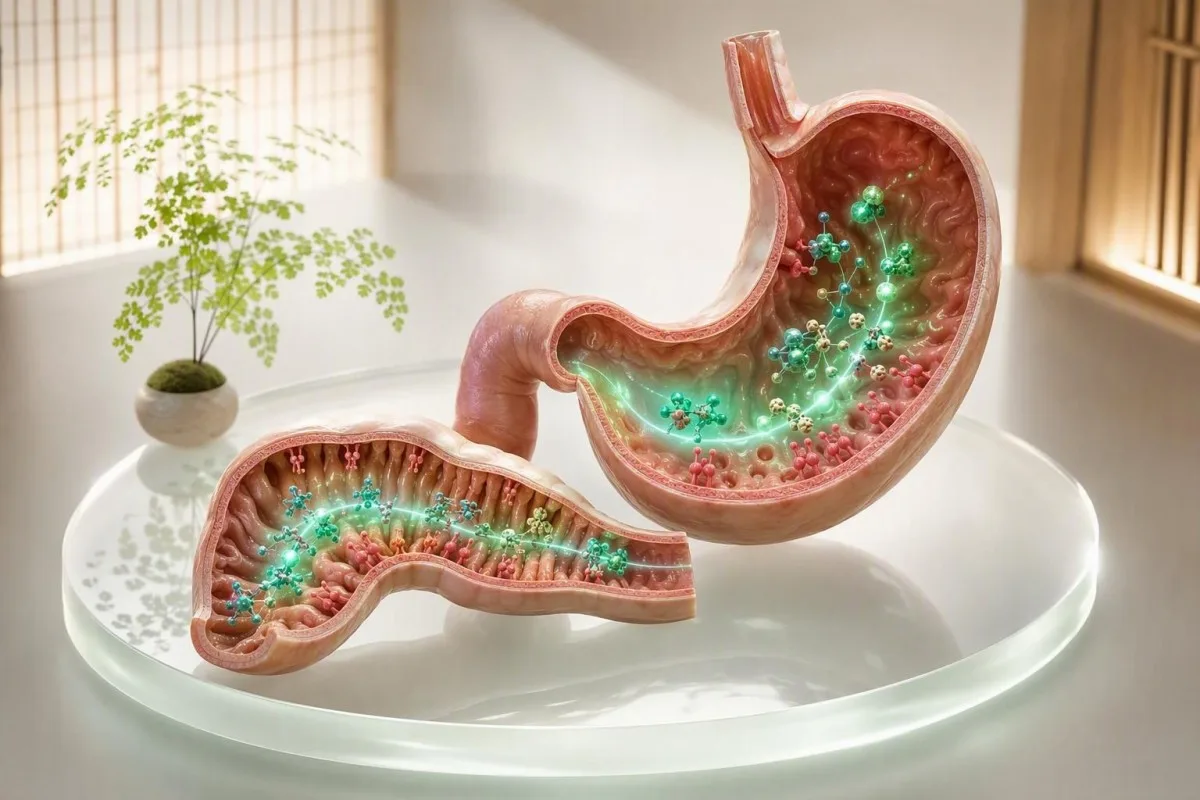
Vitamina B12 e besueshme vjen nga ushqimet shtazore ose produkte të posaçërisht të pasuruara; një dietë ushqyese nuk mund të kapërcejë çdo problem të përthithjes. Ja si i ndihmoj pacientët të përputhin zgjedhjet ushqimore, simptomat, ilaçet dhe rezultatet laboratorike.


- Nevoja ditore për B12 është 2.4 mcg për shumicën e të rriturve, 2.6 mcg gjatë shtatzënisë dhe 2.8 mcg gjatë ushqyerjes me gji.
- Burimet më të mira ushqimore përfshijnë klamat, mëlçinë, peshkun, mishin, qumështin, vezët dhe ushqimet e pasuruara me B12; ushqimet bimore të pasuruara nuk janë burime të besueshme.
- Mëlçia e viçit ofron rreth 70 mcg B12 për 85 g servirje të gatuar, ndërsa 250 ml qumësht ofron rreth 1.3 mcg.
- Tavan i përthithjes do të thotë se faktori i brendshëm zakonisht thith vetëm rreth 1.5-2 mcg nga një vakt; rreth 1% e një doze orale të madhe mund të hyjë pasivisht.
- B12 në serum nën 200 pg/mL (148 pmol/L) zakonisht mbështet mungesën, ndërsa 200-300 pg/mL shpesh kërkon acid metilmalonik ose kontekst të B12 aktive.
- Metformina dhe medikamentet frenuese të aciditetit mund të ulë B12 me kalimin e kohës, veçanërisht kur përdorimi vazhdon për disa vjet.
- Simptomat neurologjike të tilla si mpirja, ndryshimi i ecjes, problemet me kujtesën ose humbja e ndjesisë së vibrimit kërkojnë rishikim mjekësor edhe nëse anemia mungon.
- Vetëm ushqimi mund të mos korrigjojë mungesën të shkaktuar nga anemia pernicioze, operacioni gastrik, malabsorbimi i rëndë ose simptomat neurologjike të rëndësishme.
Cilat ushqime ofrojnë vitaminën B12 më të besueshme?
Ushqimet e pasura me B12 janë pothuajse ekskluzivisht ushqime shtazore dhe ushqime të pasuruara qëllimisht me kobalaminë. Kastravecat, mëlçia, peshku, mishi, qumështi, jogurti, djathi, vezët, drithërat e mëngjesit të pasuruara dhe pijet bimore të pasuruara janë zgjedhje të besueshme kur etiketa konfirmon përmbajtjen e B12.
Kastravecat e gatuara mund të ofrojnë rreth 84 mcg për 85 g, dhe mëlçia e viçit e gatuar rreth 70 mcg për 85 g; të dyja i tejkalojnë kërkesat e të rriturve shumë herë. Unë ende inkurajoj shumëllojshmërinë, sesa të mbështetesh në mëlçi shpesh, sepse mëlçia është gjithashtu jashtëzakonisht e pasur me vitaminë A të formuar paraprakisht dhe nuk është ushqim i rastësishëm ditor gjatë shtatëzanisë.
Peshku është një rrugë e mesme praktike: trofta e gatuar ofron rreth 5.4 mcg për 85 g, salmoni rreth 2.6 mcg, dhe tuna në formë të konservuar rreth 2.5 mcg. Një pacient që nuk i pëlqen ushqimet e detit zakonisht mund të plotësojë nevojat ushqimore me dy racione peshku në javë plus qumësht, vezë ose ushqime të pasuruara; ynë udhëzuesin tonë B12 kundrejt folatit shpjegon pse folati nuk mund të zëvendësojë kobalaminën.
Kantesti është një Analizues i testeve të gjakut AI që vendos një rezultat të B12 krahas vëllimit mesatar të eritrociteve, hemoglobinës, folateve, funksionit të veshkave dhe kontekstit të medikamenteve. Kjo ka rëndësi sepse një person që ha peshk dy herë në javë ende mund të bëhet me mungesë nëse problemi është faktori i brendshëm dhe jo marrja.
Sa B12 ka në ushqimet e përditshme?
Një racion i vetëm peshku, mishi ose qumështi mund të sigurojë pjesërisht ose tërësisht objektivin prej 2.4 mcg për të rriturit, por sasia ndryshon ndjeshëm sipas ushqimit dhe porcionit. Etiketat dhe tabelat e përbërjes ushqimore janë vlerësime, jo garanci për atë që arrin në qarkullim.
Një gotë qumësht lope prej 250 ml siguron rreth 1.3 mcg, 170 g kos me kos të thjeshtë rreth 1.0 mcg, një vezë e madhe rreth 0.5 mcg, dhe 85 g mish viçi pa dhjamë të gatuar rreth 2.4 mcg. Prandaj qumështi mund të mbështesë në mënyrë kuptimplote marrjen, megjithëse dy vezë në mëngjes zakonisht nuk plotësojnë nevojën e gjithë ditës.
Shpesh shoh një model mashtrues te njerëzit që përshkruhen si 'kryesisht vegetarianë': vezët dhe djathrat e rastit mund të parandalojnë një mungesë të rëndë, megjithatë marrja e tyre ende luhatet nën objektiv për muaj. Kjo është një arsye pse lodhja meriton një vështrim më të gjerë që përfshin zgjedhje ushqimore të pasura me hekur dhe jo vetëm një multivitaminë.
Thomas Klein, MD, këshillon pacientët të regjistrojnë porcionet aktuale për 7 ditë para se të vendosin se dieta është adekuate. Një ditar ushqimor që zbulon vetëm 0.5-1.0 mcg në ditë është më i dobishëm klinikisht sesa deklarata e paqartë, 'Unë ha shëndetshëm'.'
A janë të mjaftueshme ushqimet e pasuruara me B12 për veganët?
Ushqimet e fortifikuara me B12 mund të plotësojnë nevojat e veganëve kur konsumohen në mënyrë të qëndrueshme në sasi të matura, por ushqimet bimore të pa fortifikuara nuk mund ta bëjnë këtë në mënyrë të besueshme. Alga deti, kërpudhat, ushqimet e fermentuara dhe maja ushqyese pa etiketë të shtuar B12 nuk janë zëvendësime të besueshme.
Shumë pije bimore të fortifikuara ofrojnë 0.4-1.0 mcg për 250 mL, ndërsa një racion i fortifikuar drithërash mund të sigurojë 1.0-6.0 mcg. Lexoni etiketën lokale çdo herë: produktet ndryshojnë sipas vendit, recetës dhe madhësisë së servirjes, dhe 'përmban vitamina' nuk do të thotë automatikisht që përmban B12.
Cjanokobalamina është fortifikuesi më i zakonshëm sepse mbetet stabile gjatë ruajtjes dhe gatimit. Rishikimi i vitit 2010 nga O'Leary dhe Samman në Nutrients përshkruan pse analogët e gjetur në disa alga mund të ngjajnë kimikisht me B12, por nuk mbështesin në mënyrë të besueshme statusin e B12 te njerëzit (O'Leary & Samman, 2010).
Kantesti është një platformë e interpretimit të analizave të gjakut AI përdoret për t'i ndihmuar lexuesit të vendosin në një pamje të përbashkët regjimin ushqimor, B12 dhe shenuesit e lidhur. Njerëzit që ndjekin një dietë bimore duhet gjithashtu të marrin parasysh një të planifikuar test gjaku për mungesë nutrientësh në vend që të presin për ndjesi shpimi ose lodhje.
Cilat janë kërkesat ditore të B12 sipas moshës dhe fazës së jetës?
Shumica e të rriturve kanë nevojë për 2.4 mcg vitaminë B12 në ditë, ndërsa shtatzënia kërkon 2.6 mcg dhe gjidhënia kërkon 2.8 mcg. Këto objektiva parandalojnë mungesën te njerëzit me absorbim normal; ato nuk janë doza trajtimi për mungesë të dokumentuar.
Rekomandimi i Marrjes Dietike të Rekomanduar nga Shtetet e Bashkuara është 0.4 mcg nga lindja deri në 6 muaj, 0.9 mcg në moshën 1-3 vjeç, 1.2 mcg në moshën 4-8 vjeç, 1.8 mcg në moshën 9-13 vjeç, dhe 2.4 mcg nga mosha 14 vjeç. Marrja referuese e nutrientëve për të rriturit në Mbretërinë e Bashkuar është më e ulët në 1.5 mcg në ditë, kështu që aplikacionet ndërkombëtare të të ushqyerit mund të shfaqin objektiva të ndryshme pa qenë asnjëra prej tyre gabim.
Të moshuarit shpesh kanë nevojë për të njëjtën sasi dietike, por kanë një shans më të lartë për malabsorbim të B12 të lidhur me ushqimin nga aciditeti i reduktuar i stomakut, gastriti ose medikamentet. Një oreks normal nuk e përjashton këtë; guida jonë për nivelet e B12 te fëmijët gjithashtu tregon pse konteksti specifik për moshën ka rëndësi.
B12 ruhet në mëlçi, zakonisht në sasinë 2-5 mg, gjë që shpjegon pse mungesa e marrjes mund të marrë 2-5 vjet për t'u bërë e dukshme. Kjo vonesë është e papërshtatshme klinikisht: simptomat mund të shfaqen shumë kohë pasi ka filluar një dietë kufizuese.
Si funksionon përthithja e B12 pasi e hani atë?
Absorbimi i B12 kërkon acid stomaku, enzima pankreatike dhe faktorin e brendshëm nga qelizat e stomakut para thithjes në ileumin terminal. Një problem në cilindo hap mund ta bëjë një dietë me B12 të lartë të pamjaftueshme.
B12 e lidhur me ushqimin lirohet nga proteinat në stomak, lidhet së pari me haptokorrinën, pastaj transferohet te faktori i brendshëm në zorrën e hollë. Kompleksi faktor-i brendshëm-B12 absorbohet në ileumin terminal përmes një procesi të ndërmjetësuar nga receptorët; kjo është arsyeja pse sëmundja ose heqja e atij segmenti të zorrës ka pasoja.
Absorbimi i faktorit të brendshëm ngopet në rreth 1.5-2 mcg për vakt, ndërsa rreth 1% e një doze të madhe orale mund të kalojë përmes difuzionit pasiv. Kjo shteg pasiv i vogël shpjegon pse klinicistët ndonjëherë përdorin doza trajtimi orale prej 1.000-2.000 mcg, jo sepse dikujt i nevojitet 1.000 herë më shumë se nevoja dietike.
Për njerëzit me diarre kronike, humbje peshe të pashpjegueshme, ose dyshim për sëmundje celiake, një llogaritje e marrjes nuk është e mjaftueshme. Diskutimi i kohës së duhur të sfidës me gluten para testimit mund të parandalojë një vlerësim të rremë qetësues.
Çfarë pengon përthithjen e B12 edhe me një dietë të mirë?
Anemia Pernicioze, kirurgjia e stomakut ose zorrëve, sëmundja celiake, sëmundja Crohn, metformina afatgjatë dhe supresioni i aciditetit mund të zvogëlojnë absorbimin e B12. Në këto rrethana, rritja e peshkut ose drithërave të fortifikuara mund ta ngadalësojë rënien, por nuk mund ta korrigjojë mungesën.
Gastriti autoimun mund të shkatërrojë qelizat e stomakut që prodhojnë faktorin e brendshëm dhe të shkaktojë aneminë pernicioze, një çrregullim absorbimi dhe jo një dështim dietik. Udhëzimi i NICE NG239, i botuar në vitin 2024, rekomandon marrjen në konsideratë të testit të antitrupave anti-faktor brendshëm kur dyshohet gastriti autoimun, megjithëse një rezultat negativ nuk e përjashton plotësisht atë.
Mungesa e B12 e lidhur me metforminën është reale, por e ndryshueshme. Në studimin e rezultateve të Programit të Parandalimit të Diabetit, B12 e ulët ose kufitare-e ulët ishte më e zakonshme me metforminën sesa me placebo pas 5 vitesh, dhe rreziku u rrit me ekspozim më të gjatë (Aroda et al., 2016); kjo është arsyeja pse analizat e gjakut pas metforminës nuk duhet të përqendrohet vetëm te glukoza.
Një paciente 63-vjeçare që shqytova hante salmon çdo javë dhe pinte qumësht çdo ditë, megjithatë kishte B12 prej 156 pg/mL me gishta të mpirë pas vitesh me metforminë dhe omeprazol. Ushqimi nuk ishte hapi i humbur—absorbimi ishte.
Cilat teste gjaku sqarojnë një mungesë të mundshme të B12?
B12 e ulët në serum nën 200 pg/mL, ose 148 pmol/L, zakonisht mbështet mungesën, ndërsa 200-300 pg/mL është një zonë e papërcaktuar që përfiton nga konteksti konfirmues. Acidi metilmalonik, homocisteina, B12 aktive, numërimi i plotë i gjakut dhe folati mund të zgjidhin pasigurinë.
Acidi metilmalonik zakonisht rritet kur B12 qelizore është e pamjaftueshme; një MMA mbi 0.40 mikromol/L shpesh konsiderohet i ngritur, megjithëse kufijtë e laboratorit ndryshojnë. Dëmtimi i veshkave mund të rrisë MMA-në në mënyrë të pavarur, kështu që një eGFR prej 35 mL/min/1.73 m² ndryshon kuptimin e të njëjtit rezultat.
Makrocitoza është një tregues, jo një kërkesë. Një MCV mbi 100 fL mund të ndodhë me mungesë B12, por mungesa e hershme mund të ketë MCV normale, dhe mungesa e hekurit mund të maskojë pjesërisht zmadhimin e qelizave; krahasoni rezultatin me udhëzuesin tonë për MCV të lartë pasuese.
Kantesti është një Mjet për analizën e testeve të gjakut me AI i cili lexon B12 me MMA, MCV, RDW, kreatininë dhe ndryshime gjatësorë në vend që të aplikojë një kufi të vetëm. Korniza diagnostikuese në Devalia et al. (2014) mbështet në mënyrë të ngjashme përdorimin e veçorive klinike dhe testeve të dytë kur B12 serum nuk e sqaron çështjen.
A mund të shkaktojë mungesa e B12 simptoma pa anemi?
Po, mungesa e B12 mund të shkaktojë simptoma nervore dhe kognitive para se të bjerë hemoglobina ose të rritet MCV. Shqetësimi, djegia e këmbëve, ulja e balancës, humbja e ndjesisë së vibracionit, disponimi i ulët dhe mjegulla e trurit meritojnë vlerësim kur ato vazhdojnë.
Një hemoglobinë prej 13.2 g/dL dhe MCV prej 92 fL nuk përjashtojnë mungesën funksionale të B12 tek një person me parestezi progresive. Rikthimi neurologjik është më pak i parashikueshëm kur simptomat kanë qenë të pranishme për shumë muaj, prandaj unë nuk këshilloj të pritet për anemi të dukshme.
Folati mund të normalizojë pamjen e numërimit të gjakut ndërsa dëmtimi nervor i lidhur me B12 vazhdon. Kjo është çështja klinike pas paralajmërimit për acid folik në dozë të lartë; shikoni shpjegimin tonë për maskimin e B12 nga folati i lartë për detajet praktike.
Vlerësimi urgjent brenda së njëjtës ditë është i arsyeshëm për vështirësi në ecje që përkeqësohet me shpejtësi, konfuzion të ri, dobësi të theksuar ose ndryshime në zorrë dhe fshikëz. Këto simptoma kanë disa shkaqe, por B12 duhet të jetë pjesë e një diagnoze diferenciale të shpejtë, më tepër sesa një eksperiment me suplemente.
Kur mund ta korrigjojë ushqimi nivelin e ulët të B12, dhe kur nevojitet trajtim?
Ushqimi mund të korrigjojë një marrje të ulët margjinale te dikush me absorbim të paprekur, por mungesa e konfirmuar nga malabsorbimi shpesh kërkon trajtim me dozë të lartë orale ose injeksione. Zgjedhja varet nga shkaku, ashpërsia, përputhshmëria dhe gjetjet neurologjike—jo thjesht numri në serum.
Për mungesë dietike pa simptoma të rënda, mjekët mund të përdorin cyanocobalamin ose methylcobalamin orale në doza siç janë 50-150 mcg në ditë për mirëmbajtje, me doza më të mëdha kur korrigjohet mungesa. Regjimet e sakta ndryshojnë në vende të ndryshme dhe duhet të ndjekin protokollin e mjekut që trajton.
Anemia Pernicioze, gastrektomia totale, sëmundja e rëndë e ileumit, ose simptomat neurologjike të konsiderueshme zakonisht ndryshojnë bisedën. Krahasimi ynë i detajuar i injeksioneve dhe tabletave të B12 shpjegon pse tabletat me dozë të lartë mund të funksionojnë ende përmes absorbimit pasiv, ndërsa injeksionet mund të preferohen kur siguria ose shpejtësia kanë rëndësi.
Nga përvoja ime, një plan që fillon me ushqimin është parandalim i shkëlqyer, por terapi e dobët shpëtuese për malabsorbimin simptomatik. Koha e rivlerësimit duhet të përfshijë simptomat dhe shenjat funksionale, jo vetëm një rezultat B12 që rritet shpejt pas një injeksioni.
A është B12 e metiluar më e mirë se cianokobalamina?
Methylcobalamin dhe cyanocobalamin mund të korrigjojnë të dyja mungesën e B12 kur doza dhe absorbimi janë adekuate; provat nuk tregojnë se B12 e metiluar është universalisht superiore. Cyanocobalamin është stabil, i studiuar gjerësisht dhe përdoret zakonisht në ushqime të pasuruara.
Trupi konverton kobalaminën në forma aktive të koenzimës të përdorura nga metionin sintaza dhe metilmalonil-CoA mutaza. Gjuha e marketingut rreth produkteve 'të metiluara' shpesh tejkalon provat klinike krahasuese; absorbimi, doza, kostoja dhe konsistenca janë zakonisht më vendimtare.
Hydroxocobalamin përdoret zakonisht me injeksion në disa sisteme shëndetësore sepse mbetet në trup më gjatë se cyanocobalamin. Njerëzit me sëmundje kronike të veshkave ose çrregullime metabolike të pazakonta kanë nevojë për këshilla individuale, sepse MMA dhe zgjedhja e trajtimit mund të bëhen më të komplikuar.
Për një krahasim praktik të kimisë së produktit, logjikës së dozimit dhe ndjekjes laboratorike, lexoni B12 e metiluar kundrejt cyanocobalamin. Mos ndërprisni injeksionet e përshkruara sepse një etiketë suplementi premton një formë më 'natyrale'.
Si duket një ditë praktike e të ngrënit me sasi të lartë B12?
Një dietë e përzier mund të arrijë 2.4 mcg B12 me vakte të zakonshme, ndërsa një mënyrë vegane kërkon planifikim të qëllimshëm të ushqimit të pasuruar ose një suplement. Plani më i besueshëm është ai që mund ta përsërisni gjatë udhëtimit, javëve të ngarkuara dhe ndryshimeve të oreksit.
Një shembull omnivor është jogurti në mëngjes (1.0 mcg), një vezë në drekë (0.5 mcg), dhe 85 g salmon në darkë (2.6 mcg). Kjo siguron përafërsisht 4.1 mcg para ndryshimit ushqim-tavolinë, ndërsa shpërndarja e marrjes në vakte të ndryshme është e rehatshme për shumicën e njerëzve.
Një shembull i fortifikuar vegan mund të përdorë një pije bimore që siguron 1.0 mcg, drithëra që sigurojnë 1.5 mcg, dhe maja ushqyese e fortifikuar që siguron 1.0 mcg. Sfida është konsistenca: ndryshimi i markave mund të heqë papritur lëndëshinë, prandaj ruani një foto të etiketës në shënimet tuaja shëndetësore.
B12 i përket modelit më të gjerë të lëndinave të tretshme në ujë, proteinave, hekurit dhe marrjes së energjisë. (our) guida për vitaminat e tretshme në ujë ndihmon në parandalimin e gabimit të zakonshëm të trajtimit të një vitamine si shpjegim të plotë për lodhjen.
Kush duhet të jetë veçanërisht vigjilent për nivelin e ulët të B12?
Vegans, të moshuarit, personat që marrin metformin ose frenues të acidit afatgjatë, pacientët pas operacionit gastrik ose ileal, dhe personat me sëmundje inflamatore të zorrëve kanë rrezik më të lartë të mungesës së B12. Rreziku rritet kur janë të pranishme më shumë se një faktor.
Përdorimi afatgjatë i frenuesve të pompës së protonit mund të zvogëlojë lirimin e B12 nga proteina ushqimore duke ulur aciditetin gastrik. Shoqërimi nuk është arsye për të ndërprerë papritur një mjekim të përshkruar, por është arsye për të pyetur nëse monitorimi është i përshtatshëm pas 2 vite ose më shumë të përdorimit të vazhdueshëm.
Personat e moshës mbi 60 vjet mund të zhvillojnë malabsorbim ushqim-kobalaminë edhe me një dietë të larmishme, ndonjëherë së bashku me gastrit atrofik. Një nivel më i ulët i B12 në këtë grup nuk është automatikisht 'vetëm mosha'; mund të jetë një sinjal për të hetuar simptomat, medikamentet dhe historinë autoimune.
Tonë udhëzues monitorimi afatgjatë i PPI përshkruan diskutimet e lidhura laboratorike, duke përfshirë magnezin dhe hekurin. Kombinimi i B12 të ulët me mungesë hekuri të pashpjegueshme mund t'i drejtojë klinistët drejt një shkaku gastrik në vend të dy boshllëqeve dietike të pakëndë.
Kur duhet të ripërsëriten nivelet e B12 pas ndryshimit të dietës ose trajtimit?
Rihidhja shpesh ndodh 8-12 javë pas një ndryshimi dietik ose trajtimi oral, ndërsa ashpërsia e simptomave dhe metoda e trajtimit mund të justifikojnë një rishikim mjekësor më të hershëm. Një rezultat i B12 në serum mund të rritet shpejt pas suplementimit dhe mund të mos dëshmojë vetëm rikuperimin e indeve.
Një analizë e plotë e gjakut mund të tregojë një përgjigje retikulocitare brenda rreth 1 javë pas trajtimit efektiv për aneminë megaloblastike, ndërsa hemoglobina zakonisht përmirësohet gjatë disa javëve. Simptomat nervore zakonisht rikuperohen më ngadalë dhe ndonjëherë jo plotësisht, veçanërisht pas mungesës së zgjatur.
Suplementimi me ndërprerje mund ta bëjë B12 në serum të duket normal ditën e testit, ndërsa MMA, simptomat ose makrocitoza mbeten shqetësuese. Kjo është një arsye për t'i treguar mjekut saktësisht çfarë keni marrë, dozën dhe datën e dozës së fundit para se të interpretohen rezultatet.
Kantesti AI mund të krahasojë B12, MCV, hemoglobinën, RDW, folatin dhe kreatininën në disa raporte për të identifikuar nëse një ndryshim është kuptimplotë klinikisht. Për lexuesit që mësojnë këtë aftësi, (our) udhëzuesi për analizën e trendit të analizave të gjakut shpjegon pse një rezultat i izoluar rrallëherë është e gjithë historia.
Cilat keqkuptime rreth B12 mund të vonojnë kujdesin e duhur?
Kequptimi më i madh për B12 është se ngrënia e më shumë ushqimeve shtazore do të rregullojë çdo rezultat të ulët. Dieta ndihmon në marrjen, por nuk mund të rivendosë faktorin intrinzik, të kthejë mbrapsht sëmundjet e zorrëve, ose të zëvendësojë në mënyrë të sigurtë vlerësimin e simptomave neurologjike.
Një tjetër mit është se një rezultat i lartë i B12 në serum gjithmonë nënkupton status të shkëlqyer. Një rezultat mbi 900 pg/mL zakonisht pasqyron suplemente ose injeksione, por ngritja e vazhdueshme e pashpjegueshme mund të ndodhë edhe me sëmundje të mëlçisë, sëmundje të veshkave, ose disa kushte hematologjike; konteksti ka më shumë rëndësi se paniku.
Që nga 1 shtatori 2026, unë gjithashtu do të paralajmëroja kundër përdorimit të përmirësimit të energjisë pas një tablete si provë diagnostike. Efektet e placebos, gjumi, statusi i hekurit, sëmundjet e tiroides, depresioni dhe ndryshimet e glukozës mund të ndryshojnë energjinë përgjatë 1-4 javë pa konfirmuar mungesën e B12.
Përmbajtja klinike e Kantesti shqyrtohet me mbështetjen nga Bordi Këshillimor Mjekësor, ynë, por interpretimi nga AI kurrë nuk zëvendëson ekzaminimin për simptomat neurologjike progresive. Lexuesit mund të shqyrtojnë qasja e validimit klinik tonë për të kuptuar se si ne hartojmë kërkesat e ndjekjes dhe jo për të bërë një diagnozë.
Cilat janë hapat e ardhshëm më të sigurt nëse dyshoni për nivel të ulët të B12?
Nëse keni mpirje të vazhdueshme, probleme me ekuilibrin, ndryshime kognitive, makrocitozë të pashpjegueshme, ose një rezultat B12 nën 200 pg/mL, planifikoni një rishikim mjekësor në vend që të mbështeteni vetëm te ushqimi. Trajtimi i hershëm është veçanërisht i rëndësishëm kur nervat mund të jenë të përfshirë.
Sillni një listë të medikamenteve, suplementeve, modelit dietik, diagnoza tretëse, operacioneve, konsumit të alkoolit dhe raporteve laboratorike të mëparshme. Mjeku mund të vendosë më pas nëse do të përsërisë B12, do të urdhërojë MMA ose homocisteinë, do të kontrollojë folatin dhe formulën e plotë të gjakut, ose do të hetojë aneminë pernicious dhe malabsorbimin.
Thomas Klein, MD, rekomandon shmangien e acidit folik në dozë të lartë si vetë-trajtim për makrocitozën e pashpjegueshme derisa B12 të jetë vlerësuar mjaftueshëm. Nëse nuk keni shenja paralajmëruese dhe marrja dietike është qartësisht e ulët, një plan i matur ushqimor ose suplementar me një rezultat të përsëritur pas 8-12 javë është shpesh i arsyeshëm.
Kantesti lidh trendët e raporteve laboratorike me pyetje të kuptueshme për takimin tuaj, duke ruajtur vendimin përfundimtar diagnostikues me mjekun tuaj. Eksploroni udhëzues referimi për biomarkuesit tonë për termat laboratorike që ka të ngjarë të shfaqen së bashku me një rezultat B12.
Pyetje të Shpeshta
Cili ushqim ka më shumë vitaminë B12?
Gozhdëzat dhe mëlçia e viçit janë ndër ushqimet më të pasura me vitaminë B12. Një racion i gatuar prej 85 g gozhdëzash mund të sigurojë rreth 84 mcg B12, ndërsa e njëjta sasi mëlçie viçi siguron rreth 70 mcg; të dyja tejkalojnë shumë vlerën ditore të synuar prej 2.4 mcg për të rriturit. Mëlçia nuk duhet të konsiderohet si ushqim ditor gjatë shtatzënisë për shkak të përmbajtjes shumë të lartë të vitaminës A të formuar. Për vakte të rregullta, peshku, mishi, produktet e qumështit, vezët dhe ushqimet e fortifikuara me etiketë janë burime më praktike.
A mund të marrin veganët mjaftueshëm B12 vetëm nga ushqimi?
Vegans mund t'i plotësojnë nevojat për vitaminën B12 nga ushqimi vetëm kur përdorin rregullisht produkte të fortifikuara me B12 në sasi të matura. Perimet, kërpudhat, algat, tempeh dhe maja ushqyese të pa-fortifikuara nuk janë burime të besueshme të B12 sepse përmbajtja e tyre e kobalaminës mungon, është e paqëndrueshme, ose mund të përfshijë analoge joaktive. Shumë pije bimore të fortifikuara ofrojnë 0.4-1.0 mcg për 250 mL, por formulimet ndryshojnë sipas vendit dhe markës. Një suplement B12 shpesh është një mbrojtje më e thjeshtë dhe më e besueshme për dietat vegane.
Sa B12 duhet të marrë një i rritur çdo ditë?
Shumica e të rriturve kanë nevojë për 2.4 mcg të vitaminës B12 në ditë, sipas rekomandimit të Shteteve të Bashkuara (Recommended Dietary Allowance). Shtatzënia e rrit nevojën në 2.6 mcg në ditë, dhe gjidhënia e rrit atë në 2.8 mcg në ditë. Niveli referencë i lëndëve ushqyese për të rriturit në MB (UK adult reference nutrient intake) është 1.5 mcg në ditë, prandaj etiketat ushqimore sipas vendit mund të ndryshojnë. Këto vlera janë objektiva parandalimi për thithje normale dhe janë shumë më të ulëta se dozat e trajtimit të përdorura për mungesë të diagnostikuar.
A mund ta kuroj mungesën e vitaminës B12 duke ngrënë më shumë mish dhe vezë?
Rritja e mishit, peshkut, produkteve të qumështit, vezëve ose ushqimeve të fortifikuara mund të korrigjojë mungesën e B12 shkaktuar vetëm nga marrja e pamjaftueshme dietike, por mund të mos funksionojë kur përthithja është dëmtuar. Anemia Pernicioze, sëmundja celiake (coeliac disease), sëmundja Crohn, kirurgjia e stomakut, kirurgjia e ileumit, metformina dhe trajtimi afatgjatë me frenues të acidit mund të zvogëlojnë përthithjen pavarësisht një diete të pasur me B12. Niveli i B12 në serum nën 200 pg/mL ose 148 pmol/L zakonisht kërkon vlerësim klinik të shkakut. Simptomat neurologjike si mpirja, problemet me ekuilibrin ose ndryshimet njohëse nuk duhet të trajtohen vetëm me ushqim.
Çfarë ndihmon absorbimin e B12?
Absorbimi i Vitaminës B12 varet nga përpunimi adekuat në stomak, enzimat pankreatike, faktori i brendshëm dhe një ileum terminal funksional. Faktori i brendshëm pasivisht absorbon vetëm rreth 1.5-2 mcg B12 nga një vakt, ndërsa rreth 1% e një doze të madhe orale mund të hyjnë përmes difuzionit pasiv. Marrja e B12 me ushqim është e arsyeshme, por asnjë kombinim specifik ushqimor nuk mund të kompensojë mungesën e faktorit të brendshëm ose sëmundjen e rëndë ileale. Mund të nevojiten doza të larta orale të B12 ose injeksione kur absorbimi është i dëmtuar.
Cili nivel i B12 konsiderohet i ulët?
Një rezultat i vitaminës B12 në serum nën 200 pg/mL, që i korrespondon rreth 148 pmol/L, zakonisht mbështet mungesën e B12, megjithëse laboratorët përdorin vargje të ndryshme analizash. Rezultatet nga 200-300 pg/mL shpesh konsiderohen kufitare ose të pacaktuara dhe mund të kenë nevojë për acid metilmalonik, homocisteinë, B12 aktive, numërim të plotë të gjakut, folate, funksionin e veshkave dhe kontekstin e simptomave. Acidi metilmalonik mbi rreth 0.40 mikromol/L mbështet mungesën qelizore të B12, por mund të rritet edhe me funksion të reduktuar të veshkave. Hemoglobina normale ose MCV nuk e përjashton me besueshmëri simptomat e hershme nervore të lidhura me B12.
Merrni sot analizë të analizave të gjakut me AI
Bashkohuni me mbi 2 milionë përdorues në mbarë botën që i besojnë Kantesti për analizë të menjëhershme dhe të saktë të analizave laboratorike. Ngarkoni rezultatet e analizave të gjakut dhe merrni interpretim gjithëpërfshirës të biomarkerëve të 15,000+ brenda sekondash.
📚 Publikime kërkimore të cituara
Klein, T., Mitchell, S., & Weber, H. (2026). Testi i Urobilinogjenit në Urinë: Udhëzues i plotë për Analizën e Urinës 2026. Kantesti Kërkim Mjekësor me AI.
Klein, T., Mitchell, S., & Weber, H. (2026). Udhëzues për Studimet e Hekurit: TIBC, Ngopja e Hekurit dhe Kapaciteti Lidhës. Kantesti Kërkim Mjekësor me AI.
📖 Referenca të jashtme mjekësore
⚕️ Mohim përgjegjësie mjekësore
Ky artikull është vetëm për qëllime edukative dhe nuk përbën këshilla mjekësore. Gjithmonë konsultohuni me një ofrues të kualifikuar të kujdesit shëndetësor për vendimet e diagnozës dhe trajtimit.
Sinjalet e Besimit E-E-A-T
Përvoja
Rishikim klinik i udhëhequr nga mjeku i flukseve të punës për interpretimin e analizave.
Ekspertizë
Fokus i mjekësisë laboratorike mbi mënyrën se si sillen biomarkerët në kontekstin klinik.
Autoritariteti
Shkruar nga Dr. Thomas Klein me rishikim nga Dr. Sarah Mitchell dhe Prof. Dr. Hans Weber.
Besueshmëria
Interpretim i bazuar në prova, me rrugë të qarta për ndjekje për të reduktuar alarmin.