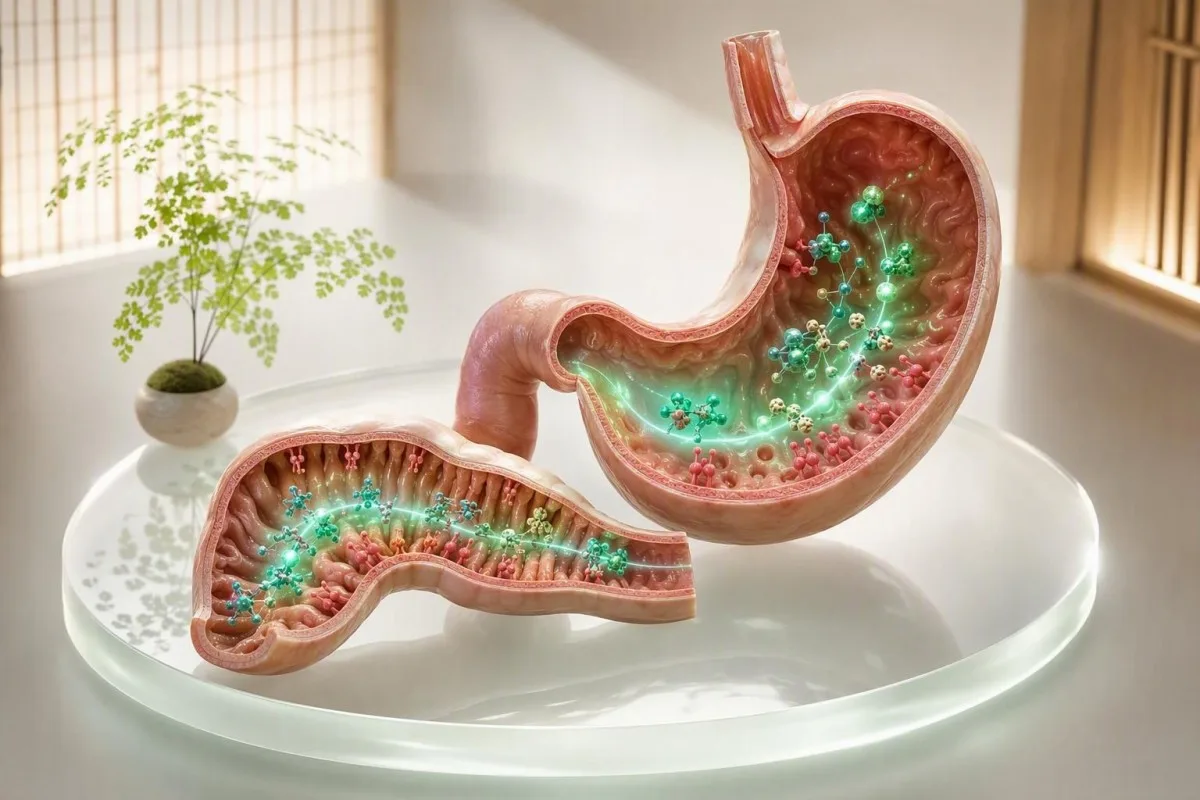
B12 bitamina fidagarria animalia-jatorriko elikagaietatik edo bereziki gotortutako produktuetatik dator; dieta elikagarri batek ezin ditu xurgapen-arazo guztiak gainditu. Hona hemen nola laguntzen diet pazienteei elikagaien aukerak, sintomak, botikak eta laborategiko emaitzak bat datozen.


- Eguneko B12 beharrak 2,4 mcg da heldu gehienentzat, 2,6 mcg haurdunaldian eta 2,8 mcg edoskitzaroan.
- Elikagai iturri onenak txirlak, gibela, arraina, haragia, esnekiak, arrautzak eta B12-z gotortutako elikagaiak dira; landare-elikagai gotortu gabeak ez dira iturri fidagarriak.
- Behi-gibela 85 g egosita zerbitzatu bakoitzeko 70 mcg B12 inguru ematen du, eta 250 ml esnek 1,3 mcg inguru ematen ditu.
- Xurgapen-muga esan nahi du faktore intrintsekoak normalean 1,5-2 mcg baino ez dituela xurgatzen otordu batetik; 1% handi bateko dosi oral baten inguru pasiboki sar daiteke oraindik.
- Serum B12 200 pg/mL azpitik (148 pmol/L) normalean gabeziari eusten dio, eta 200-300 pg/mL maiz azido metilmaloniko edo B12 aktiboaren testuingurua behar du.
- Metformina eta azidoa kentzeko botikak B12 maila jaitsi dezake denborarekin, batez ere urte askotan erabiltzen jarraitzen bada.
- Sintoma neurologikoak hala nola, erredurak, aldaketa gaitzetan, oroimen arazoak edo bibrazio zentzua galtzea bezalakoak, azterketa medikoa behar dute, nahiz eta anemia ez egon.
- Elikagaiek bakarrik ez dute konponduko defizita anemiak sortutakoak, urdaileko ebakuntzak, malabsorzio larriak edo sintoma neurologiko nabarmenak sortutakoak.
Zein elikagaik ematen dute B12 bitamina fidagarriena?
B12 kopuru handia duten elikagaiak ia esklusiboki animalia-elikagaiak dira eta kobalaminarekin berariaz aberastutako elikagaiak dira. Koxkak, gibela, arraina, haragia, esnea, jogurta, gazta, arrautzak, gosari-zereal aberastua eta landare-edari aberastuak aukera fidagarriak dira, etiketan B12 edukia berresten denean.
Egositako txirlak eman ditzakete gutxi gorabehera 84 mcg 85 g bakoitzeko, eta egositako txahal gibela, gutxi gorabehera 70 mcg 85 g bakoitzeko; biak helduen beharrizana askotan gainditzen dute. Oraindik aniztasuna sustatzen dut, gibelaren gainean sarri fidatu beharrean, gibela baita ere oso aberatsa da A bitamina aurrez prestatuan eta ez da haurdunaldian eguneroko elikagai kasuala.
Arraina bitarteko praktiko bat da: egositako amuarrainak gutxi gorabehera ematen du 5,4 mcg 85 g bakoitzeko, izokina gutxi gorabehera 2,6 mcg, eta hegaluze kontserbak gutxi gorabehera 2,5 mcg. Itsaskiak gorrotatzen dituen paziente batek normalean asteko bi arrain anoarekin, esnekiak, arrautzak edo elikagai aberastuekin bete ditzake beharrizanak; gure B12a vs folatoa giduan azaltzen da azaltzen du zergatik ezin duen folatoak kobalamina ordezkatu.
Kantesti bat da. AI odol-analisi analizatzailea B12 emaitza bolumen globular ertainarekin, hemoglobinarekin, folatoarekin, giltzurruneko funtzioarekin eta botiken testuinguruarekin batera jartzen duena. Hori garrantzitsua da, asteko bi arrain jaten dituen pertsona batek defizita izan dezakeelako, arazoa faktore intrintsekoa bada, ez sarrerakoa.
Zenbat B12 dago eguneroko elikagaietan?
Arrain, haragi edo esneki anoa bakar batek 2,4 mcg helduen helburuaren zati bat edo guztia eman dezake, baina kantitateak nabarmen aldatzen dira elikagaiaren eta anoaren arabera. Etiketak eta elikagai-konposizio taulak estimazioak dira, ez zirkulazioan sartzen denaren bermea.
Behi esne baso batek 250 ml inguru hornitzen ditu 1,3 mcg, 170 g jogur natural gutxi gorabehera 1,0 mcg, arrautza handi bat gutxi gorabehera 0,5 mcg, eta 85 g txahagi gihar egosi gutxi gorabehera 2,4 mcg. Esnekiak, beraz, egunean zehar B12 hornikuntzan lagundu dezake, nahiz eta gosarian bi arrautza hartzeak ez duen normalean egun osoko beharrizana betetzen.
Maiz ikusten dut eredu engainagarri bat 'besterik gabe begetariano' gisa deskribatzen duten pertsonengan: noizean behin arrautzak eta gaztak urritasun larria saihestu dezakete, baina haien hornikuntza hilabetez xede azpitik ibiltzen da. Hori dela eta, nekeak arreta zabalagoa merezi du, eta horrek barne hartzen ditu burdina duten elikagai aukerak eta ez soilik bitamina konplexua.
Thomas Klein, MD, pazienteei 7 egunez benetako anoak erregistratzeko gomendatzen die dieta nahikoa dela erabaki aurretik. Egunean 0,5-1,0 mcg bakarrik erakusten duen elikagaien egunkari bat 'osasuntsu jaten dut' esanahi lausoa baino erabilgarriagoa da klinikoki.'
Nahikoa al dira B12-z gotortutako elikagaiak veganentzat?
B12 elikagai gotorrek veganen beharrak bete ditzakete kantitate neurtuetan koherentziaz kontsumitzen direnean, baina landare-elikagai gotorgabeek ezin dute fidagarritasunez egin. Alga, perretxiko, elikagai hartzituak eta elikadura legamia B12 etiketarik gabe ez dira ordezko fidagarriak.
Landare-edari gotor askok 0.4-1.0 mcg ematen dituzte 250 mL bakoitzeko, eta zereal gotorren anoa batek 1.0-6.0 mcg. eman dezake. Irakurri beti tokiko etiketa: produktuak herrialdearen, errezeta eta anoaren arabera aldatzen dira, eta 'bitaminak ditu' esateak ez du automatikoki esan nahi B12 duela.
Zianokobalamina da gotortzailerik ohikoena, biltegiratzean eta egostean egonkor irauten duelako. O'Leary eta Samman-en 2010eko berrikuspenak Nutrients aldizkarian azaltzen du zergatik alga batzuetan aurkitzen diren analogikoak B12ren antzekoak izan daitezkeen kimikoki, baina ez duten fidagarritasunez onartzen gizakien B12 egoera (O'Leary & Samman, 2010).
Kantesti bat da. AI odol-analisien interpretazio-plataforma irakurleek dieta, B12 eta erlazionatutako markatzaileak ikuspegi berean jartzen laguntzeko erabiltzen da. Landare-oinarritutako dieta jarraitzen duten pertsonek nutrizio-hutsunea odol-proba ere kontuan hartu beharko lukete, tingling edo nekea itxaron beharrean.
Zeintzuk dira adinaren eta bizi-etaparen araberako eguneroko B12 beharrak?
Heldu gehienek 2.4 mcg B12 bitamina behar dituzte egunero, haurdunaldian 2.6 mcg eta edoskitzaroan 2.8 mcg behar dira. Helburu hauek xurgapen normala duten pertsonengan defizita prebenitzen dute; ez dira ezarritako defizita tratatzeko dosiak.
Estatu Batuetako Gomendatutako Dietaren Eranskinak honako hauek dira: 0.4 mcg jaiotzetik 6 hilabetera arte, 0.9 mcg 1-3 urte bitartean, 1.2 mcg 4-8 urte bitartean, 1.8 mcg 9-13 urte bitartean, eta 2.4 mcg 14 urtetik aurrera. Erresuma Batuko helduentzako Erreferentzia-nutrienteen Sarreraren zenbatekoa txikiagoa da, 1.5 mcg eguneko, beraz, nazioarteko nutrizio-aplikazioek helburu desberdinak bistara ditzakete, bata zein bestea akatsa izan gabe.
Heldu nagusiek sarritan dieta-kantitate bera behar dute, baina janari loturiko B12 malabsorbzio-arriskua handiagoa dute, urdaileko azido gutxituagatik, gastritisa edo botikengatik. Inurri-nahia normalak ez du hori baztertzen; gure gida haurrengan B12 mailak ere erakusten du zergatik den adinaren araberako testuingurua garrantzitsua.
B12 gibelean metatzen da, normalean 2-5 mg, horregatik agerikoa izan dadin 2-5 urte behar dira kontsumoa gutxitzen bada. Atzerapen hori deserosoa da klinikoki: sintomak dieta murriztaile bat hasi eta askoz geroago ager daitezke.
Nola funtzionatzen du B12aren xurgapenak jan ondoren?
B12 xurgapenak urdaileko azidoa, pankreako entzimak eta urdaileko zelulen faktore intrintsekoa behar ditu azken heste meharrean xurgatu aurretik. Pausuetakoren batean arazo bat izateak B12 dietaren nahikotasuna mugatu dezake.
Elikagaiei lotutako B12 proteinetatik askatzen da urdailean, lehenik haptocorrinari lotzen zaio, gero heste meharrean faktore intrintsekoari transferitzen zaio. Faktore intrintseko-B12 konplexua heste meharreko azken zatian xurgatzen da hartzaile bidezko prozesu baten bidez; horregatik du eragina heste-zati horren gaixotasunak edo kentzeak.
Faktore intrintsekoa xurgatzeko edukiera gutxi gorabehera Saturatzen da 1.5-2 mcg otorduko, nahiz eta dosi ateral handi baten 1% difusio pasiboaren bidez barreiatu daitekeen. Difusio-bide pasibo txiki horrek azaltzen du zergatik erabiltzen dituzten klinizinek batzuetan 1.000-2.000 mcg-ko dosi ateralak, ez inork behar duelako dietaren beharrizana baino 1.000 aldiz gehiago.
Diarrea kronikoa, pisua galtzea azaldu gabea edo koializko gaixotasuna susmatzen duten pertsonentzat, ez da nahikoa kontsumoaren kalkulua egitea. Egokitze-denboraren inguruko eztabaida probak egin aurretik gluten-erronka egitea errefusatutako lan-ikerketa saihestu dezake.
Zerk blokeatzen du B12aren xurgapena dieta ona izan arren?
Anemia perniziosoa, urdaileko edo hesteko ebakuntzak, koializko gaixotasuna, Crohn-en gaixotasuna, metformina luze-luze hartzea eta azido-zapalketak B12 xurgapena murriztu dezakete. Egoera horietan, arrain edo zereal gotortuen kontsumoa handitzeak moteldu egin dezake gainbehera, baina ez du nahikotasunik zuzendu.
Gastritis autoimmuneak faktore intrintsekoa sortzen duten urdaileko zelulak suntsitu ditzake eta horren eraginez anemia periziosoa, dietaren porrot bat baino xurgapen-nahaste bat eraginez. NICE 2024an argitaratutako NG239 gidan, faktore intrintsekoaren aurkako antigorputzen probak kontuan har ditzala gomendatzen du gastritis autoimmunea susmatzen denean, nahiz eta emaitza negatibo batek ez duen erabat baztertzen.
Metforminarekin lotutako B12 maila baxua erreala da baina aldakorra. Diabetes Prevention Program Outcomes Study-n, B12 maila baxua edo marjinala metformina dutenengan ohikoagoa zen placebo-arekin baino 5 urte igaro ondoren, eta arriskua handitu egin zen esposizio luzeagoarekin (Aroda et al., 2016); horregatik odol-analisietarako metformina ondoren ez da glukosa bakarrik kontuan hartu behar.
Nik berrikusitako 63 urteko paziente batek urdaiazpiko astero jaten zuen eta esnea egunero edaten zuen, hala ere B12 maila 156 pg/mL zuen eta behatz-nerbioak larrituta zituen metformina eta omeprazola urteetan hartu ondoren. Elikagaiak ez zen falta izan – xurgapena zen.
Zein odol-analisiek argitzen dute B12aren gabezi posible bat?
200 pg/mL azpiko serum B12, edo 148 pmol/L, normalean nahikotasuna adierazten du, 200-300 pg/mL arteko gunea eztabaidagarria da eta testuinguru egiaztatzaile batetik etekina ateratzen du. Azido metilmalonikoa, homozisteina, B12 aktiboa, odol-konketa osoa eta folatoa zalantza argitu dezakete.
Azido metilmalonikoa (MMA) altxatu ohi da B12 zelularra nahikoa ez denean; 0,40 mikromol/L-tik gorako MMA 0.40 micromol/L askotan altuegi gisa hartzen da, nahiz eta laborategiko atalaseak desberdinak izan. Giltzurrunetako nahasteek MMA igo dezakete modu independentean, beraz, 35 mL/min/1,73 m²-ko eGFR batek emaitza beraren esanahia aldatzen du.
Makrozitosia iradokizun bat da, ez betebeharra. Gure 100 fL B12ren gabeziak sor ditzake, baina hasierako gabeziak MCV normala izan dezake, eta burdinaren gabeziak zelulen handipena neurri batean estali dezake; alderatu emaitza gure MCV altuen jarraipen-gida.
Kantesti bat da. AI bidezko odol-analisien analisi-tresna B12 MMA, MCV, RDW, kreatinina eta aldaketa longitudinalekin irakurtzen duena, atalase bakar bat aplikatu beharrean. Devalia et al. (2014) sistemako esparru diagnostikoak antzera onartzen du ezaugarri klinikoak eta bigarren mailako probak erabiltzea, serumeko B12ak galdera argitzen ez duenean.
Egon al daiteke B12aren gabeziak anemiarik gabe sintomak eragin?
Bai, B12ren gabeziak nerbio- eta kognizio-sintomak sor ditzake hemoglobinak jaitsi edo MCV igo baino lehen. Azkura, oinen erredura, oreka gutxitua, bibrazio-zentzua galtzea, aldarte txarra eta garuneko lausotasunak ebaluazioa merezi dute iraunkorrak badira.
Hemoglobina bat 13,2 g/dL eta MCV bat 92 fL ez dute baztertzen B12 funtzionalaren gabeziarik pertsona batean, pazientzia progresiboa duena. Odol-nerbioen berreskuratzea ez da hain aurreikusgarria sintomak hilabete askotan egon direnean, horregatik ez dut gomendatzen anemia agerikoa izateko itxarotea.
Folatoak odol-kontuaren itxura normalizatu dezake B12rekin lotutako nerbio-lesioak jarraitzen duen bitartean. Hori da azido foliko altuaren inguruko ohartarazpenaren atzean dagoen arazo klinikoa; ikusi gure azterketa folato altuak B12 estaltzen duena xehetasun praktikoetarako.
Premiazko egun bereko ebaluazioa egokia da ibiltzeko zailtasuna azkar okertzen denean, nahasmendu berria sortzen denean, ahultasun nabarmena denean edo hesteetako eta maskuriko aldaketak sortzen direnean. Sintoma horiek kausa asko dituzte, baina B12-ak berehalako diagnostiko diferentzial baten parte izan beharko luke, osagarri esperimentu bat izan beharrean.
Noiz zuzendu dezake elikagaiak B12 maila baxua, eta noiz behar da tratamendua?
Elikagaiak xurgapen egokia duen norbaitengan gutxieneko sarrera baxua zuzendu dezake, baina xurgapen txarreko gabezia frogatuak tratamendu ateral edo injekzio dosi altuak behar ditu askotan. Aukeraketa kausaren, larritasunaren, atxikipenaren eta aurkikuntza neurologikoen araberakoa da, ez serum zenbaki soilaren araberakoa.
Sintoma larriak ez dituen elikadura nahikotasunerako, klinikoek zianokobalamina ateral edo metil-kobalamina erabil dezakete, adibidez, honako dosietan: 50-150 mcg eguneko mantentze-lanetarako, eta dosi handiagoak gabezia zuzentzerakoan. Erregimen zehatzak herrialdeen arabera aldatzen dira eta tratamendu klinikoaren protokoloari jarraitu beharko lioke.
Anemia perniziosoa, gastrektomia totala, ileoko gaixotasun garrantzitsua edo sintoma neurologiko nabarmenak normalean aldatzen dute elkarrizketa. Gure konparazio zehatzak B12 injekzioak eta tabletak azaltzen du zergatik tablet dosi altuek pasiboki xurgapenaren bidez funtziona dezaketen oraindik, injekzioak hobetsi daitezkeen bitartean ziurtasuna edo abiadura garrantzitsua denean.
Nire esperientzian, elikagaiak lehenik jartzeko plana prebentzio bikaina da, baina salbamendu terapia txarra xurgapen txar sintomatikorako. Berrikuspenaren denborak sintomak eta funtzio-markatzaileak barne hartu beharko lituzke, ez soilik injekzio baten ondoren azkar igotzen den B12 emaitza bat.
Al da B12 metilatua hobea zianokobalamina baino?
Metil-kobalaminak eta zianokobalaminak B12 gabezia zuzendu dezakete dosia eta xurgapena egokiak direnean; frogak ez du erakusten metil-kobalamina unibertsalki hobea denik. Zianokobalamina egonkorra da, asko aztertua, eta elikagai gotortuetan ohikoa da.
Gorputzak kobalamina eraldatzen du metionina sintasaren eta metilmalonil-CoA mutasaren bidez erabiltzen diren koentzima forma aktiboetan. 'Metilatutako' produktuen inguruko marketin-lengoaia sarritan frogak kliniko konparatiboak baino haratago doa; xurgapena, dosia, kostua eta koherentzia izaten dira erabakigarrienak normalean.
Hidroxokobalamina ohikoa da injekzio bidez erabiltzen den hainbat osasun sistematan, zianokobalamina baino denbora gehiago irauten duelako gorputzean. Giltzurrunetako gaixotasun kronikoa edo nahaste metaboliko arraroak dituzten pertsonek banakako aholkua behar dute, MMA eta tratamendu aukerak konplexuagoak izan daitezkeelako.
Produktuen kimikaren, dosiaren logikaren eta laborategiko jarraipenaren konparazio praktiko bat lortzeko, irakurri metilatutako B12 zianokobalaminaren aurrean. Ez utzi agindutako injekzioak eteteari, osagarri batek 'naturalagoa' den forma bat agintzen duelako.
Nolakoa da B12 askoko elikagaien egun praktiko bat?
Elikadura nahasketa batek 2,4 mcg B12 har dezake ohiko otorduekin, baina eredu begano batek elikagai gotortuen plangintza kontzientea edo osagarri bat behar du. Plan fidagarriena bidaian, aste okupatuetan eta gose-aldaketetan errepika dezakezuna da.
Adibide begetariano bat gosarako jogurta da (1,0 mcg), bazkarirako arrautza bat (0,5 mcg), eta afaltzeko 85 g izokin (2,6 mcg). Honek gutxi gorabehera ematen du 4.1 mcg janari-taularen aldaketa kontuan hartu aurretik, eta otorduetan banatzea erosoa da gehienentzat.
Veganentzako adibide aberastu batek landare-enzipe bat erabil lezake, eta horrek ematen du 1,0 mcg, zereal bat ematen duena 1.5 mcg, eta elikagai-legamia aberastua ematen duena 1,0 mcg. Kontua da koherentzia: marka aldatzeak mantenugai hori bat-batean kentzea ekar dezake, beraz, gorde etiketaren argazki bat zure osasun-oharretan.
B12 ur-disolbagarriak diren mantenugaien, proteinen, burdinaren eta energiaren ingestaren patroi zabalago batean sartzen da. Gure ur-disolbagarrien bitamina gida nekeriaren azalpen oso gisa bitamina bakarra tratatzearen ohiko akatsa saihesten laguntzen du.
Nork jarri behar du arreta berezia B12 maila baxuari?
Begetarianoek, adinekoek, metformina edo azido-suprimitzaileak epe luzera hartzen dituztenek, urdaileko edo hesteetako kirurgia izan duten pazienteek eta hesteetako hanturazko gaixotasuna dutenek B12-defizitaren arrisku handiagoa dute. Arriskua handitu egiten da faktore bat baino gehiago dagoenean.
Azido-ponpa inhibitzaileen epe luzeko erabilerak janari-proteinetatik B12 askatzea murriztu dezake, urdaileko azidotasuna jaitsiz. Elkarte hori ez da agindutako botikak bat-batean hartzeari uzteko arrazoia, baina galdetzeko arrazoia da ea berrikuspen egokia den honako hau ondoren 2 urte edo gehiago erabilera jarraituaren.
Adin nagusiko pertsonak 60 urte inguru baino lehen janari-kobalamina malabsorzioa sor dezakete, dieta askotarikoa izan arren, batzuetan gastriti atrofikoarekin batera. Talde honetan B12 maila baxua ez da automatikoki 'adina dela eta'; sintomak, botikak eta historia autoimmunea aztertzeko seinale izan daiteke.
Gure $[\text{long-term PPI monitoring guide}]$ lotutako laborategiko eztabaidak jasotzen ditu, magnesioa eta burdina barne. B12 baxua burdinaren defizit ez-azalduarekin konbinatzeak bi elikadura-hutsune desberdin baino, sabeleko kausa batengana eraman ditzake klinikoak.
Noiz berriro probatu behar dira B12 mailak dieta edo tratamendua aldatu ondoren?
Berriro probatzea dieta edo ahozko tratamendua aldatu ondoren 8-12 aste ingurura egiten da, eta sintomen larritasunak eta tratamendu metodoak azkarrago berrikustea justifika dezake. Serum B12 emaitza azkar igo daiteke osagarrien ondoren eta ez du frogatzen ehunaren berreskurapena bere kabuz.
Odol-konketa oso batek erredikulozitoen erantzuna erakuts dezake gutxi gorabehera 1 aste anemia megaloblastikoaren tratamendu eraginkorraren ondoren, eta hemoglobinak, normalean, zenbait astez hobetzen dira. Nerbio-sintomak polikiago eta batzuetan osatugabe berreskuratzen dira, batez ere luzatutako defizitaren ondoren.
Osagarriak eteten eta hasten bada, serum B12 normala izan daiteke proba egunean, MMA, sintomak edo makrozitosia kezka ematen duten bitartean. Hau da klinikoari zehazki hartu duzuna, dosia eta azken dosiaren data kontatu beharraren arrazoietako bat, emaitzak interpretatu aurretik.
Kantesti AI B12, MCV, hemoglobinaren, RDW, folatoaren eta kreatininaren arteko aldea alderatu dezake hainbat txostenetan, aldaketa klinikoki esanguratsua den identifikatzeko. Trebetasun hau ikasten duten irakurleentzat, gure odol-analisien joeren gida azalduz, emaitza bakartu bat inoiz ez dela istorio osoa.
Zein B12 nahasmenek atzeratu dezakete arreta egokia?
B12ren aurreiritzi handiena da elikagai animalia gehiago jateak emaitza baxu guztiak konponduko dituela. Dietak laguntzen du kontsumoan, baina ezin du faktore intrintsekoa berreskuratu, hesteetako gaixotasuna alderantziratu edo nerbio-sintomen ebaluazioa segurtasunez ordezkatu.
Beste mito bat da serumeko B12 emaitza altu batek beti esan nahi duela egoera bikaina dela. 900 pg/mL-tik gorako balioek emaitza altu batek gehienetan osagarriak edo injekzioak islatzen ditu, baina etengabeko altxatze ezezagunak gibeleko gaixotasuna, giltzurrunetako gaixotasuna edo odol-baldintza batzuk ere izan ditzake; testuinguruak izua baino gehiago axola du.
2026ko irailaren 1etik aurrera, tablet bakarraren ondoren energiaren hobekuntza frogak egitearen aurka ere ohartaraziko nuke. Plazeboko efektuek, loak, burdinaren egoerak, tiroide-gaixotasunak, depresioak eta glukosaren aldaketek energia eragin dezakete 1-4 aste B12 defizita egiaztatu gabe.
Kantestiren eduki klinikoa berrikusten da gure laguntzarekin Medikuntza Aholku Batzordea, baina AI baten interpretazioak ez du inoiz azterketa ordezkatu behar nerbio-sintomen bilakaeraren aurrean. Irakurleek gure berrikusi dezakete baliozkotze klinikoaren ikuspegia jarraipen-galderak nola egiten ditugun ulertzeko, diagnostiko bat egin beharrean.
Zeintzuk dira hurrengo urrats seguruenak B12 maila baxua susmatzen baduzu?
Zenbait aldiz, zorabioak, oreka arazoak, aldaketa kognitiboak, makrozitosi ezezaguna edo 200 pg/mL azpiko B12 emaitza badituzu, egin mediku-azterketa bat elikagaietan soilik konpondu beharrean. Tratamendu goiztiarra bereziki garrantzitsua da nerbioak tartean egon daitezkeenean.
Eraman medikamentuen, osagarrien, dietaren, digestio-diagnostikoen, ebakuntzen, alkohol-kontsumoaren eta aurreko laborategiko txostenen zerrenda. Klinizistak erabaki dezake B12 errepikatu, MMA edo homozisteina agindu, folatoa eta odol-konputu osoa egiaztatu, edo anemia perniziosa eta malabsorzioa ikertu.
Thomas Klein, MD, gomendatzen du azido foliko dosi altua ez erabiltzea makrozitosi ezezagunaren autotratamendu gisa, B12 nahiko ebaluatu arte. Ez badituzu arrazoirik eta dietaren kontsumoa argi eta garbi baxua bada, elikagai edo osagarri plan bat neurriz eginda, errepikapen batekin 8-12 astean askotan zentzuzkoa da.
Kantesti-k laborategiko txostenen joerak zure hitzordurako ulertzeko moduko galderetara lotzen ditu, azken diagnostiko-erabakia zure klinizistarekin utziz. Ezagutu gure biomarkatzaileen erreferentzia gida B12 emaitza batekin batera ager daitezkeen laborategiko terminoetarako.
Maiz egiten diren galderak
Zein elikagai da B12 bitamina gehien duena?
Txirlak eta behi-gibela dira B12 bitamina gehien duten elikagaien artean. Txirlen 85 g-ko anoa egosi batek B12aren 84 mcg inguru eman ditzake, eta gibelaren anoa berak 70 mcg inguru ematen ditu; biak ala biak helduen eguneroko 2.4 mcg-ko helburua oso gainditzen dute. Gibela ez da eguneroko elikagai gisa hartu behar haurdunaldian, aurrez prestatutako A bitaminaren eduki oso altua dela eta. Ohiko otorduetarako, arrainak, haragia, esnekiak, arrautzak eta etiketadun elikagai gotortuak dira iturri praktikoagoak.
Behar adina B12 lor dezakete veganek janariz bakarrik?
Begetarianoek (begenarianoek) B12 bitaminaren beharrak elikagaietatik bakarrik lor ditzakete, B12rekin indartutako produktuak kantitate neurtuetan aldizka erabiltzen badituzte. Indartu gabeko barazkiak, perretxikoak, itsas algak, tenpe eta legamia elikagarria ez dira B12 iturri fidagarriak, haien kobalamina edukia ez delako agertzen, ez da koherentea edo baliteke baliogabeak diren analogikoak barne hartzea. Landare-edari indartu askok 0,4-1,0 mcg ematen dituzte 250 ml bakoitzeko, baina formulazioak herrialdearen eta markaren arabera aldatzen dira. B12 osagarri bat sarritan segurtasun neurri sinpleagoa eta fidagarriagoa da begetarianoen (begenarianoen) dietetarako.
Zenbat B12-ko beharko luke heldu batek egunero?
Heldu gehienek eguneko 2,4 mcg B12 bitamina behar dute Estatu Batuetako Elikadura Gomendatutako Eraginaren arabera. Haurdunaldian, eguneko 2,6 mcg-ra igotzen da helburua, eta edoskitzean, 2,8 mcg-ra egunero. Erresuma Batuko helduen elikadura-erreferentziaren eguneko sarrera 1,5 mcg da, beraz, herrialdearen araberako elikadura-etiketek desberdinak izan daitezke. Balio hauek xurgapen normalerako prebentzio-helburuak dira eta diagnostikatutako gabeziarako erabiltzen diren tratamendu-dosiak baino askoz txikiagoak dira.
Bai al dezaket B12 bitamina gabeziari haragi eta arrautza gehiago janaz?
Haragi, arrain, esneki, arrautza edo elikagai gotortuen kontsumoa handitzeak B12 bitaminaren gabeziari aurre egin diezaioke, baldin eta elikaduraren bidezko sarreraren ondoriozkoa bada soilik; baina baliteke ez funtzionatzea xurgapena kaltetuta dagoenean. Anemia perniziosoa, zeliakia, Crohn-en gaixotasuna, urdaileko kirurgia, ileoko kirurgia, metformina eta azido-ezabatze tratamendu luzeak B12 bitaminaren dieta aberatsa izan arren xurgapena murriztu dezakete. Serum B12 maila 200 pg/mL edo 148 pmol/L baino txikiagoa bada, oro har, kausaren balorazio klinikoa justifikatzen du. Sintoma neurologikoak, hala nola, listu egitea, oreka txarra edo aldaketa kognitiboa, ez dira elikaduraz bakarrik tratatu behar.
Zerk laguntzen du B12 xurgapenean?
B12 bitaminaren xurgapena urdaileko prozesatze egokiaren, pankreako entzimen, faktore intrintsekoaren eta ileon terminal funtzional baten araberakoa da. Faktore intrintsekoak bazkari batetik 1,5-2 mcg B12 inguru baino ez du aktiboki xurgatzen, dosi ateral handi baten inguru difusio pasiboaren bidez sar daitekeen bitartean. B12 janariarekin jatea arrazoizkoa da, baina janari-konbinazio zehatz batek ezin dio aurre egin falta zaion faktore intrintsekoari edo ileoko gaixotasun handiari. Aho bidezko B12 dosi altua edo injekzioak beharrezkoak izan daitezke xurgapena kaltetuta dagoenean.
Zein B12 maila hartzen da baxutzat?
Serumeko B12 bitaminaren emaitza 200 pg/mL baino txikiagoa, 148 pmol/L ingurukoa dena, B12aren gabeziari eusten dio normalean, nahiz eta laborategiek saiakuntza-tarte desberdinak erabili. 200-300 pg/mL arteko emaitzak askotan mugakoak edo zehaztugabeak dira eta azido metilmalonikoa, homozisteina, B12 aktiboa, odol-osasun osoa, folatoa, giltzurrunetako funtzioa eta sintomen testuingurua behar ditzakete. Azido metilmalonikoa 0,40 mikromol/L baino gehiago izateak B12aren gabeziari eusten dio zelularki, baina giltzurrunetako funtzioa murriztuta ere igo daiteke. Hemoglobina edo MCV normal batek ez du fidagarritasunez baztertzen B12arekin lotutako lehenengo nerbio-sintomak.
Lortu gaur AI bidezko odol-analisien analisia
Batu mundu osoko 2 milioi erabiltzaile baino gehiagok Kantesti-n konfiantza dutenak, laborategiko analisiak berehala eta zehaztasunez aztertzeko. Igo zure odol-analisien emaitzak eta jaso 15,000+ biomarkatzaileen interpretazio integrala segundo gutxitan.
📚 Erreferentziatutako ikerketa-argitalpenak
Klein, T., Mitchell, S., & Weber, H. (2026). Gernuko urobilinogenoaren proba: Gernu-analisia osoaren gida 2026. Kantesti AI Medical Research.
Klein, T., Mitchell, S., & Weber, H. (2026). Burdinaren Ikerketen Gida: TIBC, Burdinaren Saturazioa eta Lotura-ahalmena. Kantesti AI Medical Research.
📖 Kanpoko erreferentzia medikoak
⚕️ Ohar medikoa
Artikulu hau hezkuntza-helburuetarako da soilik eta ez du mediku-aholkurik ematen. Diagnostiko- eta tratamendu-erabakietarako, beti kontsultatu osasun-profesional kualifikatu bati.
E-E-A-T Konfiantza-seinaleak
Esperientzia
Medikuek gidatutako berrikuspen klinikoa laborategiko interpretazioaren lan-fluxuei buruz.
Espezializazioa
Laborategiko medikuntzaren ikuspegia biomarkatzaileek testuinguru klinikoan nola jokatzen duten aztertzean.
Autoritatea
Dr. Thomas Klein-ek idatzia, eta Dr. Sarah Mitchell eta Prof. Dr. Hans Weber-ek berrikusia.
Fidagarritasuna
Ebidentzian oinarritutako interpretazioa, alarma murrizteko jarraipen-bide argiekin.