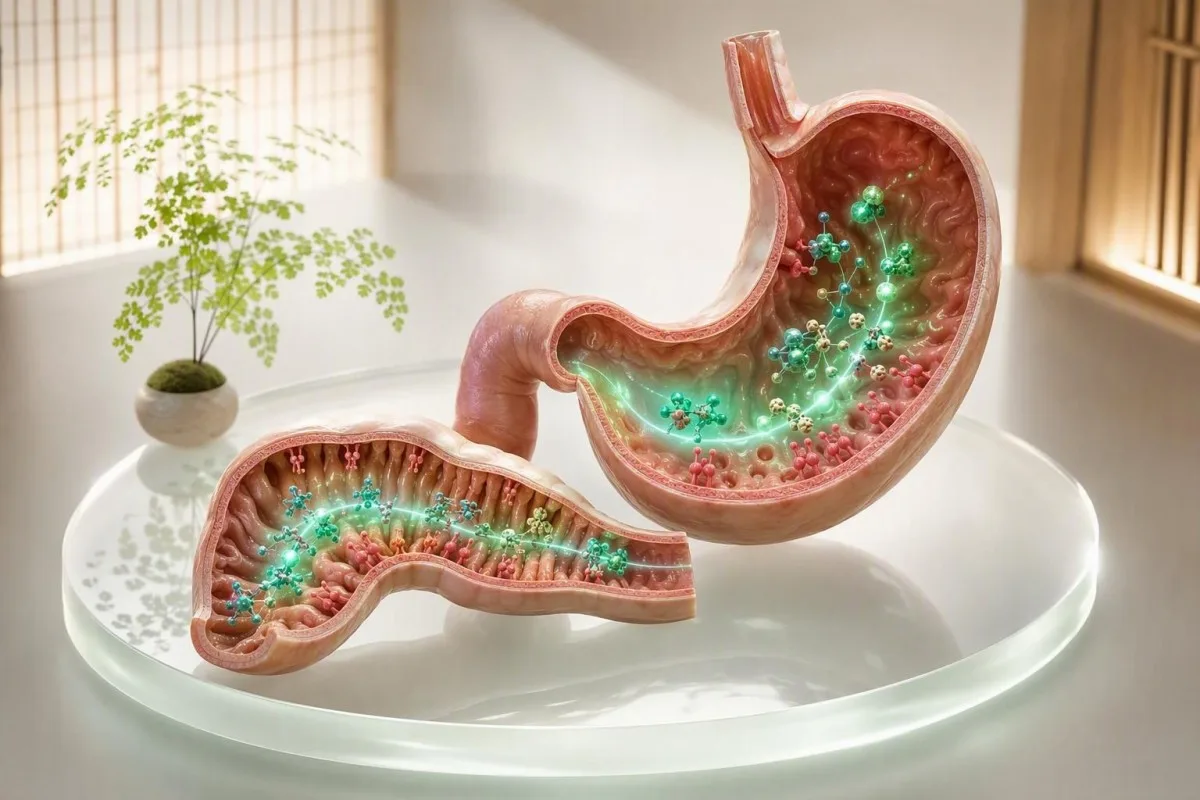
Niezawodne źródło witaminy B12 stanowią produkty odzwierzęce lub specjalnie fortyfikowane; odżywcza dieta nie jest w stanie pokonać każdego problemu z wchłanianiem. Oto jak pomagam pacjentom dopasować wybory żywieniowe, objawy, leki i wyniki laboratoryjne.


- Dzienne zapotrzebowanie na B12 wynosi 2,4 mcg dla większości dorosłych, 2,6 mcg w ciąży i 2,8 mcg podczas karmienia piersią.
- Najlepsze źródła pokarmowe obejmują małże, wątróbkę, ryby, mięso, nabiał, jaja i produkty fortyfikowane witaminą B12; niefortyfikowane produkty roślinne nie są wiarygodnymi źródłami.
- Wątroba wołowa dostarcza około 70 mcg B12 na 85 g porcji po obróbce cieplnej, podczas gdy 250 ml mleka dostarcza około 1,3 mcg.
- Pułap wchłaniania oznacza, że czynnik wewnętrzny zazwyczaj wchłania tylko około 1,5-2 mcg z posiłku; około 1% dużej dawki doustnej nadal może przenikać biernie.
- Witamina B12 w surowicy poniżej 200 pg/ml (148 pmol/L) często wskazuje na niedobór, podczas gdy 200-300 pg/mL często wymaga analizy kwasu metylomalonowego lub kontekstu aktywnej B12.
- Metformina i leki zmniejszające wydzielanie kwasu może z czasem obniżać poziom B12, zwłaszcza gdy stosowanie trwa przez kilka lat.
- Objawy neurologiczne takie jak drętwienie, zmiana chodu, problemy z pamięcią lub utrata czucia wibracji wymagają oceny lekarskiej, nawet jeśli anemia jest nieobecna.
- Samo jedzenie może nie naprawić niedoboru spowodowanego anemią złośliwą, operacją żołądka, ciężkim zespołem złego wchłaniania lub znacznymi objawami neurologicznymi.
Które produkty spożywcze dostarczają najbardziej niezawodnej witaminy B12?
Pokarmy bogate w B12 to prawie wyłącznie produkty zwierzęce i żywność celowo wzbogacana kobalaminą. Małże, wątróbka, ryby, mięso, mleko, jogurt, ser, jajka, wzbogacone płatki śniadaniowe i wzbogacone napoje roślinne to pewne wybory, gdy etykieta potwierdza zawartość B12.
Gotowane małże mogą dostarczyć około 84 mcg na 85 g, a gotowana wątróbka wołowa około 70 mcg na 85 g; oba przekraczają wielokrotnie zapotrzebowanie dorosłego. Nadal zachęcam do różnorodności, zamiast polegać często na wątróbce, ponieważ wątróbka jest również wyjątkowo bogata w gotowy witaminę A i nie jest codziennym pokarmem w ciąży.
Ryby są praktycznym kompromisem: gotowany pstrąg dostarcza około 5,4 mcg na 85 g, łosoś około 2,6 mcg, a tuńczyk z puszki około 2,5 mcg. Pacjent, który nie lubi owoców morza, zazwyczaj może zaspokoić potrzeby żywieniowe, spożywając dwa razy w tygodniu porcje ryb, plus produkty mleczne, jajka lub wzbogacone produkty; nasza przewodniku B12 vs foliany wyjaśnia, dlaczego kwas foliowy nie może zastąpić kobalaminy.
Kantesti jest Analizator do badań krwi AI które umieszcza wynik B12 obok średniej objętości ciałek czerwonych, hemoglobiny, kwasu foliowego, funkcji nerek i kontekstu leczenia. Ma to znaczenie, ponieważ osoba spożywająca ryby dwa razy w tygodniu nadal może mieć niedobory, jeśli problemem jest czynnik wewnętrzny, a nie spożycie.
Ile B12 znajduje się w codziennych produktach spożywczych?
Jedna porcja ryby, mięsa lub nabiału może dostarczyć część lub całość docelowej ilości 2,4 mcg dla dorosłych, ale ilości te znacznie różnią się w zależności od produktu i porcji. Etykiety i tabele składu żywności są szacunkowe, a nie gwarancją tego, co trafia do krwiobiegu.
Kubek mleka krowiego o pojemności 250 ml dostarcza około 1,3 mcg, 170 g jogurtu naturalnego, czyli około 1,0 mcg, jedno duże jajko, czyli około 0,5 mcg, 85 g ugotowanej chudej wołowiny, czyli około 2,4 mcg. Produkty mleczne mogą zatem znacząco wspomagać spożycie, chociaż dwa jajka na śniadanie zazwyczaj nie pokrywają całodziennego zapotrzebowania.
Często widzę mylący schemat u osób, które określają siebie jako 'głównie wegetarian'? okazjonalne spożycie jajek i sera może zapobiec poważnemu niedoborowi, jednak ich spożycie nadal utrzymuje się poniżej celu przez miesiące. To jeden z powodów, dla których przyczyny zmęczenia należy szukać szerzej, uwzględniając wybory żywieniowe bogate w żelazo , a nie tylko multiwitaminy.
Thomas Klein, MD, radzi pacjentom, aby przez 7 dni zapisywali rzeczywiste porcje przed stwierdzeniem, że dieta jest wystarczająca. Dziennik żywieniowy wskazujący jedynie 0,5-1,0 mcg dziennie jest bardziej użyteczny klinicznie niż niejasne stwierdzenie 'jem zdrowo'.'
Czy produkty fortyfikowane witaminą B12 są wystarczające dla wegan?
Wzbogacona żywność w B12 może zaspokoić potrzeby wegan, gdy jest spożywana konsekwentnie w odmierzonych ilościach, ale nie wzbogacona żywność roślinna nie może tego zagwarantować. Wodorosty, grzyby, żywność fermentowana i płatki drożdżowe bez etykiety z dodatkiem B12 nie są niezawodnymi zamiennikami.
Wiele wzbogaconych napojów roślinnych dostarcza 0,4–1,0 mcg na 250 ml, podczas gdy porcja wzbogaconego płatku śniadaniowego może dostarczyć 1,0–6,0 mcg. Zawsze czytaj lokalne etykiety: produkty różnią się w zależności od kraju, przepisu i wielkości porcji, a 'zawiera witaminy' nie oznacza automatycznie, że zawiera B12.
Cyjanokobalamina jest najczęstszym środkiem wzbogacającym, ponieważ pozostaje stabilna podczas przechowywania i gotowania. Przegląd O’Leary i Sammana z 2010 r. opublikowany w Nutrients opisuje, dlaczego analogi obecne w niektórych algach mogą chemicznie przypominać B12, ale nie zapewniają niezawodnego wsparcia dla statusu B12 u ludzi (O’Leary & Samman, 2010).
Kantesti jest platforma do interpretacji wyników badań krwi AI używany do pomocy czytelnikom w połączeniu wzorców żywieniowych, B12 i powiązanych markerów. Osoby stosujące dietę roślinną powinny również rozważyć zaplanowane badanie krwi na niedobory składników odżywczych zamiast czekać na mrowienie lub wyczerpanie.
Jakie jest dzienne zapotrzebowanie na B12 w zależności od wieku i etapu życia?
Większość dorosłych potrzebuje 2,4 mcg witaminy B12 dziennie, podczas gdy ciąża wymaga 2,6 mcg, a karmienie piersią 2,8 mcg. Te cele zapobiegają niedoborom u osób z prawidłowym wchłanianiem; nie są to dawki lecznicze w przypadku stwierdzonego niedoboru.
Zalecane dzienne spożycie w Stanach Zjednoczonych wynosi 0,4 mcg od urodzenia do 6 miesięcy, 0,9 mcg w wieku 1-3 lat, 1,2 mcg w wieku 4-8 lat, 1,8 mcg w wieku 9-13 lat, I 2,4 mcg od 14 lat. Brytyjskie zalecane spożycie dla dorosłych jest niższe i wynosi 1,5 mcg dziennie, więc międzynarodowe aplikacje dotyczące żywienia mogą wyświetlać różne cele, bez tego, aby którekolwiek z nich były błędem.
Osoby starsze często potrzebują takiej samej ilości diety, ale mają większe ryzyko zaburzeń wchłaniania B12 związanych z jedzeniem z powodu zmniejszonego kwasu żołądkowego, zapalenia błony śluzowej żołądka lub leków. Prawidłowy apetyt nie wyklucza tego; nasz przewodnik po poziomach B12 u dzieci pokazuje również, dlaczego kontekst zależny od wieku ma znaczenie.
Witamina B12 jest magazynowana w wątrobie, zazwyczaj w ilości 2-5 mg, dlatego też niedostateczne spożycie może objawiać się po 2-5 latach. Takie opóźnienie jest klinicznie niewygodne: objawy mogą pojawić się długo po rozpoczęciu restrykcyjnej diety.
Jak działa wchłanianie B12 po spożyciu?
Wchłanianie witaminy B12 wymaga kwasu żołądkowego, enzymów trzustkowych i czynnika wewnętrznego z komórek żołądka przed wchłonięciem w końcowym odcinku jelita krętego. Problem na którymkolwiek z tych etapów może sprawić, że dieta bogata w witaminę B12 będzie niewystarczająca.
Witamina B12 związana z pożywieniem jest uwalniana z białka w żołądku, najpierw wiąże się z haptokoryną, a następnie przechodzi do czynnika wewnętrznego w jelicie cienkim. Kompleks czynnika wewnętrznego i witaminy B12 jest wchłaniany w końcowym odcinku jelita krętego poprzez proces zależny od receptora; dlatego choroby lub usunięcie tego segmentu jelita mają konsekwencje.
Wchłanianie czynnika wewnętrznego nasyca się przy około 1,5-2 mcg na posiłek, podczas gdy około 1% dużej dawki doustnej może przenikać przez dyfuzję bierną. Ta niewielka pasywna ścieżka wyjaśnia, dlaczego lekarze czasami stosują dawki doustne 1000-2000 mcg, a nie dlatego, że ktoś potrzebuje 1000-krotności dziennego zapotrzebowania.
U osób z przewlekłą biegunką, niewyjaśnioną utratą wagi lub podejrzeniem celiakii, samo obliczenie spożycia nie wystarczy. Omówienie właściwego momentu na wykonanie gluten challenge przed badaniem może zapobiec fałszywie uspokajającemu wynikowi badań.
Co blokuje wchłanianie B12 nawet przy dobrej diecie?
Anemia złośliwa, operacje żołądka lub jelit, celiakia, choroba Leśniowskiego-Crohna, długotrwałe stosowanie metforminy i leków zmniejszających wydzielanie kwasu żołądkowego mogą zmniejszać wchłanianie witaminy B12. W takich przypadkach zwiększenie spożycia ryb lub wzbogaconych płatków zbożowych może spowolnić spadek, ale może nie skorygować niedoboru.
Zapalenie błony śluzowej żołądka o podłożu autoimmunologicznym może niszczyć komórki żołądka produkujące czynnik wewnętrzny i powodować niedokrwistość złośliwa, zaburzenie wchłaniania, a nie błąd dietetyczny. Wytyczne NICE NG239, opublikowane w 2024 roku, zalecają rozważenie badania przeciwciał przeciwko czynnikowi wewnętrznemu, gdy podejrzewa się zapalenie błony śluzowej żołądka o podłożu autoimmunologicznym, chociaż negatywny wynik nie wyklucza go całkowicie.
Niedobór witaminy B12 związany z metforminą jest realny, ale zmienny. W badaniu Diabetes Prevention Program Outcomes Study, niski lub graniczący z niskim poziom witaminy B12 był częstszy przy stosowaniu metforminy niż placebo po 5 latach, a ryzyko wzrastało wraz z dłuższym czasem ekspozycji (Aroda i in., 2016); dlatego badań krwi po metforminie nie powinno skupiać się tylko na glukozie.
63-letnią pacjentkę, którą miałem okazję przyjąć, jadła łososia co tydzień i piła mleko codziennie, a mimo to miała poziom B12 156 pg/mL z drętwieniem palców po latach stosowania metforminy i omeprazolu. Pokarm nie był brakującym ogniwem – wchłanianie było.
Które testy krwi wyjaśniają możliwe niedobory B12?
Poziom B12 w surowicy poniżej 200 pg/mL, czyli 148 pmol/L, zazwyczaj wskazuje na niedobór, podczas gdy 200-300 pg/mL to strefa niejednoznaczna, która wymaga potwierdzenia. Kwas metylomalonowy, homocysteina, aktywna B12, pełna morfologia krwi i kwas foliowy mogą rozwiać niepewność.
Kwas metylomalonowy zwykle wzrasta, gdy B12 w komórkach jest niewystarczające; MMA powyżej 0,40 mikromola/l jest często uważane za podwyższone, chociaż progi laboratoryjne się różnią. Zaburzenia czynności nerek mogą niezależnie podnosić MMA, więc eGFR wynoszący 35 mL/min/1,73 m² zmienia znaczenie tego samego wyniku.
Makrocytoza jest wskazówką, nie wymogiem. MCV powyżej 100 fL może wystąpić przy niedoborze B12, ale wczesny niedobór może mieć prawidłowe MCV, a niedobór żelaza może częściowo maskować powiększenie komórek; porównaj wynik z naszym przewodnikiem po wysokim MCV.
Kantesti jest Narzędzie do analizy wyników badań krwi oparte na AI który interpretuje B12 z MMA, MCV, RDW, kreatyniną i zmianami długoterminowymi, zamiast stosować pojedynczy próg. Ramy diagnostyczne w pracy Devalia i in. (2014) podobnie wspierają wykorzystanie cech klinicznych i testów drugiego rzutu, gdy stężenie B12 w surowicy nie wyjaśnia problemu.
Czy niedobór B12 może powodować objawy bez anemii?
Tak, niedobór B12 może powodować objawy neurologiczne i poznawcze, zanim spadnie hemoglobina lub wzrośnie MCV. Mrowienie, pieczenie stóp, osłabione równowaga, utrata czucia wibracji, obniżony nastrój i mgła mózgowa wymagają oceny, gdy się utrzymują.
Hemoglobina 13,2 g/dL i MCV 92 fL nie wykluczają czynnościowego niedoboru B12 u osoby z postępującą parestezją. Poprawa neurologiczna jest mniej przewidywalna, gdy objawy występują od wielu miesięcy, dlatego nie zalecam czekania na jawną anemię.
Kwas foliowy może normalizować wygląd morfologii krwi, podczas gdy uszkodzenie nerwów związane z B12 postępuje. Jest to problem kliniczny stojący za ostrzeżeniem o dużych dawkach kwasu foliowego; zobacz nasze wyjaśnienie maskowania B12 przez wysoki poziom folianów dla szczegółów praktycznych.
Pilna ocena w tym samym dniu jest rozsądna w przypadku szybko nasilających się trudności z chodzeniem, nowego splątania, znacznego osłabienia lub zmian w zakresie jelit i pęcherza moczowego. Objawy te mają kilka przyczyn, ale B12 powinna być częścią szybkiej diagnostyki różnicowej, a nie eksperymentem z suplementacją.
Kiedy dieta może wyrównać niski poziom B12, a kiedy potrzebne jest leczenie?
Pożywienie może wyrównać marginalny niedobór u osoby z zachowanym wchłanianiem, ale potwierdzony niedobór wynikający z zaburzeń wchłaniania często wymaga wysokodawkowanego leczenia doustnego lub iniekcji. Wybór zależy od przyczyny, ciężkości, przestrzegania zaleceń i wyników neurologicznych — nie tylko od liczby w surowicy.
W przypadku niedoboru w diecie bez ciężkich objawów, lekarze mogą stosować cyjanokobalaminę doustną lub metylokobalaminę w dawkach takich jak 50-150 mcg dziennie w celu podtrzymania, z większymi dawkami podczas korygowania niedoboru. Dokładne schematy różnią się w zależności od kraju i powinny być zgodne z protokołem lekarza prowadzącego.
Anemia złośliwa, całkowita gastrektomia, poważne choroby jelita krętego lub znaczne objawy neurologiczne zazwyczaj zmieniają podejście. Nasze szczegółowe porównanie zastrzyków i tabletek B12 wyjaśnia, dlaczego wysokie dawki tabletek mogą nadal działać poprzez bierne wchłanianie, podczas gdy iniekcje mogą być preferowane, gdy liczy się pewność lub szybkość.
Moim zdaniem, plan oparty na żywności jest doskonałą profilaktyką, ale słabą terapią ratunkową w przypadku objawowych zaburzeń wchłaniania. Czas ponownego badania powinien obejmować objawy i markery funkcjonalne, a nie tylko wynik B12, który szybko rośnie po iniekcji.
Czy zmetylowana witamina B12 jest lepsza niż cyjanokobalamina?
Metylokobalamina i cyjanokobalamina mogą oba korygować niedobór B12, gdy dawka i wchłanianie są odpowiednie; dowody nie wskazują, że metylowana B12 jest powszechnie lepsza. Cyjanokobalamina jest stabilna, szeroko badana i powszechnie stosowana w żywności wzbogaconej.
Organizm przekształca kobalaminę w aktywne formy koenzymów wykorzystywane przez syntazę metioniny i mutazę metylomalonylo-CoA. Język marketingowy wokół produktów 'metylowanych' często wyprzedza porównawcze dowody kliniczne; wchłanianie, dawka, koszt i spójność są zazwyczaj bardziej decydujące.
Wodorotlenek kobalaminy jest powszechnie stosowany w formie iniekcji w kilku systemach opieki zdrowotnej, ponieważ pozostaje w organizmie dłużej niż cyjanokobalamina. Osoby z przewlekłą chorobą nerek lub rzadkimi zaburzeniami metabolicznymi wymagają indywidualnej porady, ponieważ MMA i wybór leczenia mogą stać się bardziej skomplikowane.
Aby uzyskać praktyczne porównanie chemii produktów, logiki dawkowania i kontroli laboratoryjnej, zapoznaj się z metylowana B12 vs. cyjanokobalamina. Nie przerywaj przepisanych iniekcji tylko dlatego, że etykieta suplementu obiecuje bardziej 'naturalną' formę.
Jak wygląda praktyczny dzień diety bogatej w B12?
Zróżnicowana dieta może dostarczyć 2,4 mcg B12 ze zwykłych posiłków, podczas gdy dieta wegańska wymaga świadomego planowania żywności wzbogaconej lub suplementu. Najbardziej niezawodny plan to taki, który można powtarzać podczas podróży, intensywnych tygodni i zmian apetytu.
Jednym z przykładów diety wszystkożernej jest jogurt na śniadanie (1,0 mcg), jajko na lunch (0,5 mcg) i 85 g łososia na obiad (2,6 mcg). Daje to w przybliżeniu 4,1 mcg przed uwzględnieniem zmienności między posiłkami, podczas gdy rozłożenie spożycia na kilka posiłków jest wygodne dla większości ludzi.
Wzbogacony wegański przykład może wykorzystywać napój roślinny dostarczający 1,0 mcg, płatki śniadaniowe dostarczające 1,5 mcg, i wzbogacone płatki drożdżowe dostarczające 1,0 mcg. Wyzwaniem jest konsekwencja: zmiana marki może nagle usunąć składnik odżywczy, dlatego przechowuj zdjęcie etykiety w swoich notatkach dotyczących zdrowia.
B12 wpisuje się w szerszy wzorzec rozpuszczalnych w wodzie składników odżywczych, białka, żelaza i spożycia energii. Nasz przewodnik po witaminach rozpuszczalnych w wodzie pomaga zapobiec powszechnemu błędowi polegającemu na traktowaniu jednej witaminy jako jedynego wyjaśnienia zmęczenia.
Kto powinien być szczególnie wyczulony na niski poziom B12?
Weganie, osoby starsze, osoby przyjmujące metforminę lub długotrwałe leki zobojętniające kwas, pacjenci po operacji żołądka lub jelita krętego oraz osoby z zapalnymi chorobami jelit mają wyższe ryzyko niedoboru B12. Ryzyko wzrasta, gdy występuje więcej niż jeden czynnik.
Długotrwałe stosowanie inhibitorów pompy protonowej może zmniejszyć uwalnianie B12 z białka pokarmowego poprzez obniżenie kwasowości żołądka. Związek ten nie jest powodem do nagłego odstawienia przepisanych leków, ale jest powodem, aby zapytać, czy odpowiednie jest monitorowanie po 2 latach lub dłużej ciągłego stosowania.
Osoby powyżej 60. rokiem życia mogą rozwinąć zaburzenia wchłaniania kobalaminy z pożywienia nawet przy zróżnicowanej diecie, czasami wraz z zapaleniem zanikowym błony śluzowej żołądka. Niższy poziom B12 w tej grupie nie jest automatycznie 'tylko wiekiem'; może być sygnałem do zbadania objawów, leków i historii autoimmunologicznej.
Nasz przewodnik po długoterminowym monitorowaniu PPI przedstawia powiązane dyskusje laboratoryjne, w tym dotyczące magnezu i żelaza. Połączenie niskiego poziomu B12 z niewyjaśnionym niedoborem żelaza może skierować lekarzy w stronę przyczyny żołądkowej, a nie dwóch niepowiązanych luk żywieniowych.
Kiedy należy ponownie wykonać testy poziomu B12 po zmianie diety lub leczenia?
Ponowne badanie często odbywa się 8-12 tygodni po zmianie diety lub leczenia doustnego, podczas gdy ciężkość objawów i metoda leczenia mogą uzasadniać wcześniejszą konsultację kliniczną. Wynik B12 w surowicy może szybko wzrosnąć po suplementacji i sam w sobie nie może udowodnić regeneracji tkanki.
Pełna morfologia krwi może wykazać odpowiedź retikulocytów w ciągu około 1 tygodnia po skutecznym leczeniu niedokrwistości megaloblastycznej, podczas gdy hemoglobina zwykle poprawia się w ciągu kilku tygodni. Objawy neurologiczne zwykle ustępują wolniej i czasami niecałkowicie, zwłaszcza po długotrwałym niedoborze.
Przerywana suplementacja może spowodować, że poziom B12 w surowicy będzie wyglądał normalnie w dniu badania, podczas gdy MMA, objawy lub makrocytoza nadal budzą niepokój. Jest to jeden z powodów, dla których należy dokładnie poinformować lekarza o tym, co się przyjmowało, dawce i dacie ostatniej dawki przed interpretacją wyników.
Kantesti AI może porównać B12, MCV, hemoglobinę, RDW, kwas foliowy i kreatyninę z kilku raportów, aby zidentyfikować, czy zmiana jest klinicznie znacząca. Dla czytelników uczących się tej umiejętności, nasza przewodnik do analizy trendów wyników badań krwi wyjaśnia, dlaczego jeden izolowany wynik rzadko stanowi całą historię.
Jakie błędne przekonania dotyczące B12 mogą opóźnić właściwą opiekę?
Największym błędnym przekonaniem dotyczącym witaminy B12 jest to, że spożywanie większej ilości produktów zwierzęcych rozwiąże każdy niski wynik. Dieta pomaga w spożyciu, ale nie może przywrócić czynnika wewnętrznego, odwrócić choroby jelit ani bezpiecznie zastąpić oceny objawów neurologicznych.
Innym mitem jest to, że wysoki poziom B12 w surowicy zawsze oznacza doskonały stan. Wynik powyżej 900 pg/ml często odzwierciedla suplementy lub zastrzyki, ale utrzymujące się niewyjaśnione podwyższenie może również wystąpić w chorobach wątroby, chorobach nerek lub niektórych schorzeniach hematologicznych; kontekst ma większe znaczenie niż panika.
Od 1 września 2026 r. odradzałbym również wykorzystywanie poprawy energii po jednej tabletce jako dowodu diagnostycznego. Efekty placebo, sen, stan żelaza, choroby tarczycy, depresja i zmiany poziomu glukozy mogą wpływać na poziom energii 1-4 tygodni bez potwierdzenia niedoboru B12.
Treść kliniczna Kantesti jest recenzowana przy wsparciu naszego Rada doradcza ds. medycznych, ale interpretacja AI nigdy nie zastąpi badania postępujących objawów neurologicznych. Czytelnicy mogą zapoznać się z naszym podejście do walidacji klinicznej , aby zrozumieć, jak formułujemy podpowiedzi dotyczące dalszych kroków, zamiast stawiać diagnozę.
Jakie są najbezpieczniejsze kolejne kroki, jeśli podejrzewasz niski poziom B12?
Jeśli masz uporczywe drętwienie, problemy z równowagą, zmiany poznawcze, niewyjaśnioną makrocytozę lub wynik B12 poniżej 200 pg/mL, skonsultuj się z lekarzem, zamiast polegać wyłącznie na diecie. Wczesne leczenie jest szczególnie istotne, gdy mogą być zaangażowane nerwy.
Przynieś listę leków, suplementów, schematu diety, diagnoz trawiennych, operacji, spożycia alkoholu i poprzednich wyników laboratoryjnych. Lekarz może następnie zdecydować, czy powtórzyć badanie B12, zlecić MMA lub homocysteinę, sprawdzić kwas foliowy i pełną morfologię krwi, czy zbadać anemię złośliwą i zaburzenia wchłaniania.
Thomas Klein, MD, zaleca unikanie dużych dawek kwasu foliowego jako samodzielnego leczenia niewyjaśnionej makrocytozy do czasu rozsądnej oceny B12. Jeśli nie masz żadnych sygnałów ostrzegawczych, a spożycie diety jest wyraźnie niskie, rozsądnym rozwiązaniem jest odpowiednio dobrana dieta lub plan suplementacji z powtórnym wynikiem za 8-12 tygodniach .
Kantesti łączy trendy wyników laboratoryjnych z zrozumiałe pytania na wizytę, jednocześnie pozostawiając ostateczną decyzję diagnostyczną lekarzowi prowadzącemu. Zapoznaj się z naszym przewodnik referencyjny po biomarkerach , aby poznać terminy laboratoryjne, które prawdopodobnie pojawią się obok wyniku B12.
Często zadawane pytania
Jaka żywność ma najwięcej witaminy B12?
Małże i wątróbka wołowa należą do produktów spożywczych o najwyższej zawartości witaminy B12. Ugotowana porcja małży o wadze 85 g może dostarczyć około 84 mcg B12, podczas gdy taka sama porcja wątróbki wołowej dostarcza około 70 mcg; obie wartości znacznie przekraczają docelową dzienną dawkę dla dorosłych wynoszącą 2,4 mcg. Wątróbki nie należy spożywać na co dzień w ciąży ze względu na bardzo wysoką zawartość gotowej witaminy A. Do regularnych posiłków praktyczniejszymi źródłami są ryby, mięso, nabiał, jaja i oznakowane żywność wzbogacana.
Czy weganie mogą wystarczająco dostarczyć witaminy B12 z samych produktów spożywczych?
Weganie mogą zaspokoić zapotrzebowanie na witaminę B12 z pożywienia tylko wtedy, gdy regularnie spożywają produkty fortyfikowane B12 w określonych ilościach. Nie fortyfikowane warzywa, grzyby, wodorosty, tempeh i płatki drożdżowe nie są wiarygodnymi źródłami B12, ponieważ zawartość kobalaminy jest w nich nieobecna, niestabilna lub może zawierać nieaktywne analogi. Wiele fortyfikowanych napojów roślinnych dostarcza 0,4-1,0 mcg na 250 ml, ale ich skład różni się w zależności od kraju i marki. Suplementacja B12 jest często prostszym i bardziej niezawodnym zabezpieczeniem dla diety wegańskiej.
Ile witaminy B12 powinien przyjmować dorosły każdego dnia?
Większość dorosłych potrzebuje 2,4 mcg witaminy B12 dziennie zgodnie z zaleceniami United States Recommended Dietary Allowance. Ciąża zwiększa docelową ilość do 2,6 mcg dziennie, a karmienie piersią zwiększa ją do 2,8 mcg dziennie. Brytyjska referencyjna ilość składników odżywczych dla dorosłych wynosi 1,5 mcg dziennie, dlatego krajowe etykiety żywieniowe mogą się różnić. Te wartości są docelowymi poziomami profilaktycznymi dla prawidłowego wchłaniania i są znacznie niższe niż dawki lecznicze stosowane w przypadku zdiagresowanego niedoboru.
Czy mogę naprawić niedobór witaminy B12 jedząc więcej mięsa i jajek?
Zwiększenie spożycia mięsa, ryb, nabiału, jajek lub żywności fortyfikowanej może skorygować niedobór witaminy B12 spowodowany wyłącznie niskim spożyciem w diecie, ale może nie zadziałać, gdy wchłanianie jest upośledzone. Anemia złośliwa, choroba trzewna (celiakia), choroba Leśniowskiego-Crohna, operacje żołądka, resekcja jelita krętego, metformina i długotrwałe leczenie zmniejszające wydzielanie kwasu mogą ograniczać wchłanianie pomimo diety bogatej w witaminę B12. Poziom witaminy B12 w surowicy poniżej 200 pg/mL lub 148 pmol/L zazwyczaj uzasadnia kliniczną ocenę przyczyny. Objawów neurologicznych, takich jak drętwienie, słaba równowaga lub zmiany poznawcze, nie należy leczyć samą dietą.
Co pomaga we wchłanianiu witaminy B12?
Wchłanianie witaminy B12 zależy od odpowiedniego przetwarzania w żołądku, enzymów trzustkowych, czynnika wewnętrznego i sprawnego krętnika końcowego. Czynnik wewnętrzny aktywnie wchłania tylko około 1,5-2 mcg B12 z posiłku, podczas gdy około 1% dużej dawki doustnej może przeniknąć poprzez dyfuzję bierną. Spożywanie B12 z jedzeniem jest rozsądne, ale żadna specyficzna kombinacja pokarmów nie jest w stanie zrekompensować braku czynnika wewnętrznego ani znaczącej choroby krętnika. W przypadku zaburzeń wchłaniania mogą być potrzebne wysokie dawki B12 doustnie lub iniekcje.
Jaki poziom witaminy B12 jest uważany za niski?
Wynik witaminy B12 w surowicy poniżej 200 pg/mL, co odpowiada około 148 pmol/L, zazwyczaj potwierdza niedobór B12, chociaż laboratoria stosują różne zakresy oznaczeń. Wyniki od 200-300 pg/mL są często uważane za graniczne lub niejednoznaczne i mogą wymagać badania kwasu metylomalonowego, homocysteiny, aktywnej witaminy B12, morfologii krwi, kwasu foliowego, funkcji nerek i oceny kontekstu objawów. Kwas metylomalonowy powyżej około 0,40 µmol/L potwierdza niedobór B12 w komórkach, ale może również wzrosnąć przy obniżonej funkcji nerek. Prawidłowa hemoglobina lub MCV nie wyklucza wiarygodnie wczesnych objawów neurologicznych związanych z niedoborem B12.
Uzyskaj analizę wyników badań krwi zasilaną przez AI już dziś
Dołącz do ponad 2 milionów użytkowników na całym świecie, którzy ufają Kantesti w zakresie natychmiastowej, dokładnej analizy badań laboratoryjnych. Prześlij swoje wyniki badań krwi i otrzymaj kompleksową interpretację biomarkerów 15,000+ w kilka sekund.
📚 Publikacje badawcze z odniesieniami
Klein, T., Mitchell, S., & Weber, H. (2026). Urobilinogen w badaniu moczu: przewodnik po pełnej analizie moczu 2026.Kantesti AI Medical Research.
Klein, T., Mitchell, S., & Weber, H. (2026). Przewodnik po badaniach nad żelazem: TIBC, nasycenie żelazem i zdolność wiązania.Kantesti AI Medical Research.
📖 Zewnętrzne medyczne źródła odniesienia
⚕️ Zastrzeżenie medyczne
Ten artykuł ma wyłącznie charakter edukacyjny i nie stanowi porady medycznej. Zawsze konsultuj decyzje dotyczące diagnozy i leczenia z wykwalifikowanym pracownikiem ochrony zdrowia.
Sygnały zaufania E-E-A-T
Doświadczenie
Kliniczna weryfikacja procesów interpretacji przez lekarza.
Ekspertyza
Medycyna laboratoryjna skupiona na tym, jak zachowują się biomarkery w kontekście klinicznym.
Autorytatywność
Napisane przez dr. Thomasa Kleina, z recenzją dr Sarah Mitchell i prof. dr. Hansa Webera.
Solidność
Interpretacja oparta na dowodach, z jasnymi ścieżkami dalszego postępowania, aby ograniczyć alarm.