ئىشەنچلىك ۋىتامىن B12 ھايۋانلار يېمەكلىكىدىن ياكى مەلۇم قىلىنغان مەھسۇلاتلاردىن كېلىدۇ؛ ئىشلەپچىقىرىش يېمەكلىكى ھەر خىل يۇتۇش مەسىلىسىنى تۈزەتمەيدۇ. مەن كېسەلگە گىرىپتار بولغانلارغا يېمەكلىك تاللاش، ئالامەت، دورا ۋە تەكشۈرۈش نەتىجىلىرىنى ماسلاشتۇرىمەن.


- كۈندىلىك B12 ئېھتىياچى كۆپىنچە قۇرامىغا يەتكەنلەر ئۈچۈن 2.4 مىكروگىرام، ھامىلدارلىق مەزگىلىدە 2.6 مىكروگىرام، سۈت ئەمگىزگەن ۋاقتىدا 2.8 مىكروگىرام.
- ئەڭ ياخشى يېمەكلىك مەنبەلىرى قۇلۇم، جىگەر، بېلىق، گۆش، سۈت مەھسۇلاتلىرى، تۇخۇم ۋە B12 بىلەن موللاشتۇرۇلغان يېمەكلىكلەرنى ئۆز ئىچىگە ئالىدۇ؛ موللاشتۇرۇلمىغان ئۆسۈملۈك يېمەكلىكلىرى ئىشەنچلىك مەنبە ئەمەس.
- كالا جىگىرى ھەر 85 گرام پىشۇرۇلغان نەرسىدىن تەخمىنەن 70 مىكروگىرام B12 بېرىدۇ، 250 مىللىلېتىر سۈت تەخمىنەن 1.3 مىكروگىرام بېرىدۇ.
- Absorption ceiling ئىچكى ئامىلنىڭ ئادەتتە بىر قېتىملىق يېمەكلىكتىن تەخمىنەن 1.5-2 مىكروگىرامنى سۈمۈرۈلىدىغانلىقىنى كۆرسىتىدۇ؛ يۇقىرى ئىچىملىك مىقدارىنىڭ تەخمىنەن 1% پاسسىپ يول بىلەن سۈمۈرۈلەلەيدۇ.
- زەردابتىكى B12 200 pg/mL دىن تۆۋەن (148 pmol/L) ئادەتتە كەملىكنى قوللايدۇ، 200-300 pg/mL بولسا مېتىلمالونىك كىسلاتاسى ياكى ئاكتىپ B12 قىسقىچە نۇسخىسىنى تەلەپ قىلىدۇ.
- مېتفورمىن ۋە كىسلاتا چەكلەش دورىلىرى B12 نى ۋاقىتنىڭ ئۆتۈشىگە ئەگىشىپ تۆۋەنلىتىشى مۇمكىن، بولۇپمۇ نەچچە يىل داۋاملاشسا.
- نېرۋا ئالامەتلىرى مەينە، يۈرۈش ئۆزگىرىشى، ئەستە ساقلاش مەسىلىسى ياكى تىترەش سېزىمىنى يوقىتىش قاتارلىق ئەھۋاللاردا قان ئازلىق بولمىسىمۇ تېببىي كۆزدىن كەچۈرۈش تەلەپ قىلىدۇ.
- يېمەكلىك بىلەنلا كەملىكنى تۈزەپ بولمايدۇ زىيانلىق قان ئازلىق، قورساقنى ئوپېراتسىيە قىلىش، ئېغىر سۈمۈرۈلۈش ياكى كۆرۈنەرلىك نېرۋا بىئاراملىقى سەۋەبىدىن بولىدۇ.
قايسى يېمەكلىكلەر ئەڭ ئىشەنچلىك ۋىتامىن B12 نى بېرىدۇ؟
B12 مول يېمەكلىكلەر ئاساسەن ھايۋانات يېمەكلىكلىرى ۋە قوبالامىن بىلەن قوشۇلغان يېمەكلىكلەردۇر. قۇلماق، جىگەر، بېلىق، گۆش، سۈت، قېتىق، پىشلاق، تۇخۇم، قوشۇلغان تۇخۇم چېچەكلىرى ۋە قوشۇلغان ئۆسۈملۈك ئىچىملىكى، بەلگە B12 مەزمۇنىنى جەزملەشتۈرسە ئىشەنچلىك تاللاشلار.
پىشلاق قۇلماق بىر قىسىم 85 گرامغا 84 مىكروگىرام, ، پىشلاق كالىنىڭ جىگىرى تەخمىنەن 85 گرامغا 70 مىكروگىرام; ھەر ئىككىسى ياشانغانلارنىڭ تەلەپىدىن نەچچە ھەسسە ئېشىپ كېتىدۇ. مەن تېخى جىگەردىن دائىم پايدىلىنىشنى تاللاپ، خىلمۇخىللىقنى تەشەببۇس قىلىمەن، چۈنكى جىگەر ئالدىن ياسالغان A ۋىتامىنىدىن ناھايىتى مول، ھەمدە ھامىلدارلىق مەزگىلىدە دائىملىق يېمەكلىك ئەمەس.
بېلىق ھەقىقىي ئوتتۇرا تەرەپ: پىشلاق قورۇق سۇ بېلىقى تەخمىنەن 85 گرامغا 5.4 مىكروگىرام, ، سالمون تەخمىنەن 2.6 مىكروگىرام, ، ۋە قاچىلانغان تۇنا تەخمىنەن 2.5 مىكروگىرام. قۇلماق يېيىشنى ياقتۇرمايدىغان بىمار ئادەتتە ھەپتىدە ئىككى قېتىم بېلىق يېيىش، ئاندىن سۈت مەھسۇلاتلىرى، تۇخۇم ياكى قوشۇلغان يېمەكلىكلەر بىلەن يېمەكلىك ئېھتىياجىنى قاندۇرالايدۇ؛ بىزنىڭ B12 بىلەن فولېت قوللانمىسىدا چۈشەندۈرۈلگەن نىملىكىدىن فولاتنىڭ قوبالامىننىڭ ئورنىنى ئالالمايدىغانلىقىنى چۈشەندۈرىدۇ.
كانتېستى بىر AI قان تەكشۈرۈش ئانالىزچىسى B12 نەتىجىسىنى ئوتتۇرىچە ئۆپكە ھۈجەيرىسى، ھېم-گولبىن، فولات، بۆرەك فۇنكسىيىسى ۋە دورا مىقدارى بىلەن سېلىشتۇرغاندا. بۇ مۇھىم، چۈنكى ھەپتىدە ئىككى قېتىم بېلىق يېگەن كىشىمۇ مەسىلە ئىستېمالدىن كېلىپ چىققان بولسا، كەملىككە ئۇچرايدۇ.
كۈندىلىك يېمەكلىكلەردە قانچىلىك B12 بار؟
بىر قېتىم بېلىق، گۆش ياكى سۈت مەھسۇلاتلىرى 2.4 مىكروگىرام ياشانغانلار نىشانىنىڭ بىر قىسمىنى ياكى ھەممىسىنى تەمىنلىيەلەيدۇ، ئەمما يېمەكلىك ۋە قىسىملارغا قاراپ مىقدارى ئوخشىمايدۇ. بەلگىلەر ۋە يېمەكلىك-تۈزۈلۈش جەدۋەللىرى مۆلچەرلەش، ئايلىنىشقا قان قوشۇلغانلىقنىڭ كاپالىتى ئەمەس.
250 مىللىلېتىر قاچىدىكى سۈت تەخمىنەن 1.3 مكروگرام, ، 170 گرام ئەسلىيگىچە ياكى تەبىئىي قىيام بىلەن تويۇنغان ياكى بىر خىل يېمەكلىك. 1.0 مكروگرام, ، بىر چوڭ تۇخۇم تەخمىنەن 0.5 مكروگرام, ، 85 گرام پىشۇرۇلغان مايسیز قوينىڭ گۆشى تەخمىنەن 2.4 mcg. شۇڭا سۈت مەھسۇلاتلىرى كىرگۈزۈشنى زور دەرىجىدە قوللىشى مۇمكىن ، گەرچە ناشتىدا ئىككى تۇخۇم ھەمىشە بىر كۈنلۈك ئېھتىياجنى قاندۇرالمايدۇ.
مەن دائىم 'كۆپىنچە ۋېگېتېرىيان' دەپ تەسۋىرلىگەن كىشىلەردە يېرىم كۆزىتىلىدىغان ئەندىشىلىنەرلىك ئەھۋالنى كۆرىمەن: بەزىدە تۇخۇم ۋە پىشلاق ئېغىر چىقىپ كېتىشنى توختىتىشى مۇمكىن ، ئەمما ئۇلارنىڭ كىرگۈزۈشى يەنىلا ئايلار بويى پىلانلانغان سەۋىيىدىن تۆۋەن بولىدۇ. بۇ ئۆزگىرىشچانلىقنى تېخىمۇ كېڭەيتىپ تەكشۈرۈشنى تەلەپ قىلىدىغان سەۋەبلەرنىڭ بىرى. تۆمۈرگە باي يېمەكلىك تاللاشلىرى ھەمدە پەقەت كۆپ خىل ۋىتامىنغا ئىگە بولماسلىقى كېرەك.
Thomas Klein, MD, ماھارەتلىك كىشىلەرگە 7 كۈنلۈك ھەقىقىي قىسىملارنى خاتىرىلەشنى تەۋسىيە قىلىدۇ. پەقەت كۈنىگە 0.5-1.0 مىكروگرامنى كۆرسىتىدىغان يېمەكلىك كۈندىلىك خاتىرىسى 'مەن ساغلام يېمەكلىك' دېگەن بىر قىسىم ئىپادىلەنگەن بايانغا قارىغاندا سىنىپى جەھەتتىن پايدىلىق.'
B12 بىلەن قىممەتلەنگەن يېمەكلىكلەر ۋىگانلار ئۈچۈنمۇ يېتەرلىكمۇ؟
B12 بىلەن كۈچەيتىلگەن يېمەكلىكلەر ۋېگانلار ئۈچۈن دائىملىق مىقداردا ئىستېمال قىلىنغاندا ئېھتىياجنى قاندۇرالايدۇ ، ئەمما كۈچەيتىلمىگەن ئۆسۈملۈك يېمەكلىكلىرى ئۇنى ئىشەنچلىك ھالدا قىلالمايدۇ. دېڭىز يۈسۈنى، قۇمۇش، مايلاشتۇرۇلغان يېمەكلىكلەر ۋە B12 بەلگىسى قوشۇلمىغان يېمەكلىك مايسا ئېنىقسىز قىممەتتىكى ئورۇنbosى بولالمايدۇ.
نۇرغۇن قۇۋۋەتلەنگەن ئۆسۈملۈك ئىچىملىكى بېرىدۇ 250 مىللىلېتىرغا 0.4-1.0 مىكروگىرام, ، قۇۋۋەتلىك تائاملارنى قوشقاندا 1.0-6.0 مىكروگىرام. ھەر قېتىم يەرلىك بەلگەنى ئوقۇڭ: مەھسۇلاتلار دۆلەت، رېتسېپ ۋە مۇلازىمەت چوڭ-كىچىكلىكىگە ئوخشىمايدۇ، 'ۋىتامىنلارنى ئۆز ئىچىگە ئالىدۇ' دېگەن سۆز ئاپتوماتىك B12 نى ئۆز ئىچىگە ئالىدۇ دېگەننى بىلدۈرمەيدۇ.
سىيانوكوبالامىن ئەڭ كۆپ ئۇچرايدىغان قۇۋۋەتلىگۈچى، چۈنكى ئۇ ساقلاش ۋە پىشۇرۇش جەريانىدا مۇقىم قالىدۇ. 2010-يىللىق ئولېرى ۋە سامماننىڭ «Nutrients» ژورنىلىدىكى تەكشۈرۈشىدە، بەزى يۈسۈنلەردە تېپىلغان ئوخشاشلىقلىرى B12 غا خىمىيىلىك جەھەتتىن ئوخشاپ كېتىدىغان بولسىمۇ، لېكىن ئادەملەرنىڭ B12 ئەھۋالىنى ئىشەنچلىك قوللىمايدىغانلىقى چۈشەندۈرۈلىدۇ (O'Leary & Samman, 2010).
كانتېستى بىر AI قان تەكشۈرۈش نەتىجىسىنى چۈشەندۈرۈش سۇپىسى تائاملارنىڭ ئەندىزىسى، B12 ۋە مۇناسىۋەتلىك بەلگىلەرنى بىر كۆرۈنۈشكى ئېلىپ كېلىشكە ياردەم بېرىش ئۈچۈن ئىشلىتىلىدۇ. ئۆسۈملۈك تۈزۈلگەن يېمەكلىكلەرنى تاللىغانلار قەستەن ئوزۇقلۇق كەمچىلىكى قان تەكشۈرۈشى نىڭ چىۋىنلىق ياكى ھارغىنلىقنى ساقلىماي تۇرۇپلا ئويلاپ بېقىشى كېرەك.
ياش ۋە ھايات مەزگىلىگە قاراپ كۈندىلىك B12 تەلەپلىرى قانچىلىك؟
كۆپىنچە قۇرامىغا يەتكەنلەرگە كۈندە 2.4 مىكروگىرام ۋىتامىن B12 كېتىدۇ، ھامىلدارلىققا 2.6 مىكروگىرام، سۈت ئەمگىزىشكە 2.8 مىكروگىرام كېتىدۇ. بۇ نىشانلار نورمال سۈمۈرۈش ئىقتىدارى بار كىشىلەردە كەمچىلىكنى تىزگىنلەيدۇ؛ ئۇلار بار بولغان كەمچىلىكنى داۋالاش مىقدارى ئەمەس.
ئامېرىكا بىرلەشمە ئىشتاتلىرىنىڭ ئوزۇقلۇق تەۋسىيە قىلىنغان مىقدارى تۇغۇلغاندىن 6 ئايغىچە 0.4 مىكروگىرام, 1-3 ياش 0.9 مىكروگىرام, 4-8 ياش 1.2 مىكروگىرام, 9-13 ياش 1.8 مىكروگىرام, and 14 ياشتىن 2.4 مىكروگىرام. ئەنگلىيە قۇرامىغا يەتكەن بالىلارنىڭ پايدىلىنىش مىقدارى تۆۋەن بولۇپ، كۈندە 1.5 مىكروگىرام, ، شۇڭا خەلقئارالىق ئوزۇقلۇق ئەپلىرى ھەر ئىككىسى خاتالىق بولمىسىمۇ ئوخشىمىغان نىشانلارنى كۆرسىتىشى مۇمكىن.
ياشانغانلار كۆپىنچە بىر خىل يېمەكلىك مىقدارىنى تەلەپ قىلىدۇ، لېكىن ئاشقازان سۈيىنىڭ ئازىيىشى، گېترېت ياكى دورا ئىستېمال قىلىش سەۋەبىدىن يېمەكلىك بىلەن باغلىنىشلىق B12 نى سۈمۈرەلمەسلىك خەۋپى تېخىمۇ يۇقىرى. نورمال ئىشتىھا بۇنى ئىستىسنا قىلمايدۇ؛ بىزنىڭ بالىلاردا B12 سەۋىيىسى توغرىسىدىكى رەھبىرىمىزمۇ ياشقا ئائىت قىممەتنىڭ نېمىشقا مۇھىملىقىنى كۆرسىتىپ بېرىدۇ.
B12 نىگەرگە ساقلىنىدۇ، ئادەتتە 2-5 مىللىگىرام, ، شۇڭا يېتىشمەسلىك ئىستېمالىنىڭ ئېنىق بولۇشىغا 2-5 يىل ۋاقىت كېتىدۇ. بۇ كېچىكىش كلىنىك جەھەتتتىن ئەسەبىي: چەكلىمىلىك يېمەك-ئىچمەك باشلانغاندىن كېيىنلا كېسەللىك ئالامەتلىرى پەيدا بولۇشى مۇمكىن.
يېگەندىن كېيىن B12 يۇتۇش قانداق ئىشلەيدۇ؟
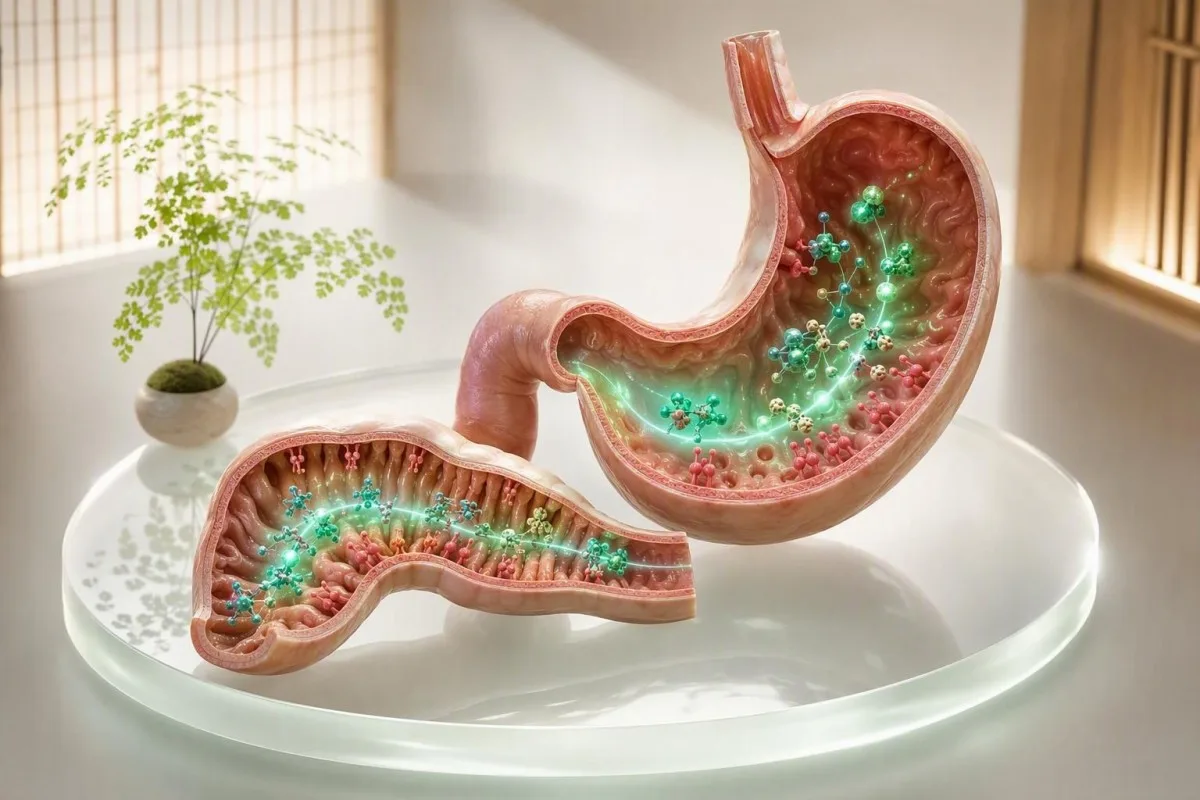
B12 نىڭ سۈمۈرۈلۈشى ئاشقازان كىسلاتاسى، پانكېراسلىق ئېنزىملار ۋە ئۈچەي ھۈجەيرىلىرىدىكى ئىچكى ئامىللارنى تەلەپ قىلىدۇ، ئاندىن ئاخىرقى ئۈچەيدە سۈمۈرۈلىدۇ. ھەر قانداق بىر باسقۇچتىكى مەسىلە B12 نىڭ كۆپ يېمەك-ئىچمەكلىرىنى يېتەرسىز قىلىشى مۇمكىن.
يېمەكلىك بىلەن باغلىنىشلىق B12 ئاشقازاندىكى ئاقسىل.
ئىچكى ئامىل سۈمۈرۈلۈشى تەخمىنەن تويۇنىدۇ 1.5-2 مىكروگىرام يېمەكلىك, ، شۇنىڭ بىلەن بىر ۋاقىتتا تەخمىنەن 1% چوڭ ئىستېمال مىقدارى پاسسىپ دىففۇزىيە بىلەن ئۆتەلەيدۇ. بۇ كىچىك پاسسىپ يول نېمە ئۈچۈن كلينىكا خادىملىرىنىڭ بەزىدە 1000-2000 مىكروگىراملىق ئىستېمال دورىسىنى ئىشلىتىدىغانلىقىنى چۈشەندۈرىدۇ، بۇ يېمەكلىك تەلەپ قىلىنغاندىنمۇ 1000 ھەسسە كۆپرەك ئىستېمال قىلىش ئېھتىياجى بارلىقىدىن ئەمەس.
ئۇزۇنغا سوزۇلغان دىئالىز، سەۋەبى نامەلۇم ئورۇقلاش ياكى چولپىن كېسىلى گۇمان قىلىنغان كىشىلەر ئۈچۈن، ئىستېمال مىقدارىنى ھېسابلاش يەتمەيدۇ. تەكشۈرۈشتىن بۇرۇنقى توغرا ۋاقتىنى مۇزاكىرە قىلىش گ lutennى چاقىرىش خاتا ئىشەنچلىك تەكشۈرۈشنى ئالدىنى ئالىدۇ.
ياخشى يېمەكلىك بولسىمۇ B12 يۇتۇشىنى نېمە توسىدۇ؟
پەرنىيوزا ئانېمىيەسى، ئاشقازان ياكى ئۈچەي ئوپېراتسىيەسى، چولپىن كېسىلى، كرون كېسىلى، ئۇزۇنغا سوزۇلغان مېتفورمىن ۋە كىسلاتا چەكلەش B12 نىڭ سۈمۈرۈلۈشىنى ئازايتىدۇ. بۇ ئەھۋاللاردا، بېلىق ياكى موللاشتۇرۇلغان بۇغداينى كۆپەيتىش ئازىيىشنى ئاستىلىتىدۇ، لېكىن قېمىتلىقنى تۈزەلمەيدۇ.
ئۆتتوزىملىق زىيانى ئۆزىگە خاس فاكتور ئىشلەپچىقارغان جىگەر ھۈجەيرىلىرىنى يوقىتىپ قويىدۇ ۋە پېرنىشۇس ئانېمىيە, نى كەلتۈرۈپ چىقىرىدۇ، بۇ يېمەك-ئىچمەك نورمالسىزلىقىدىن كۆپتۈر ئېلىش نورمالسىزلىقى. 2024-يىلى نەشر قىلىنغان NICE رەھبەرلىك ماتېرىيالى NG239، ئۆزىگە خاس زىيانىنى تەكشۈرۈش ئۈچۈن ئۆزىگە خاس فاكتورغا قارشى تۇرۇش تەكشۈرۈشىنى ئويلاشنى تەۋسىيە قىلىدۇ، گەرچە سەلبىي نەتىجە ئۇنى تولۇق رەت قىلمىسا.
مېتفورمىن بىلەن مۇناسىۋەتلىك تۆۋەن B12 ھەقىقىي ئەمما ئۆزگىرىشچان. دىئابىت پروگراممىسىنىڭ نەتىجىسىنى تەكشۈرۈش تەتقىقاتىدا، 5 يىلدىن كېيىن مېتفورمىنغا قارشى تۇرۇش ئۈچۈن تۆۋەن ياكى گىرۋەكلىك B12 ئادەتتىكىگە قارىغاندا كۆپ بولغان، ۋە يۇقىرى سۈرەتتە يۇقىرى سۈرەتتە (Aroda et al., 2016); بۇ سەۋەبتىن مېتفورمىندىن كېيىنكى قان تەكشۈرۈش قوللانمىمىز پەقەت گلوكوزىغالا ئەھمىيەت بېرىشى كېرەك.
مەن كۆرگەن 63 ياشلىق بىمار ھەپتىدە سالمون يېگەن ۋە كۈندە سۈت ئىچكەن، ئەمما مېتفورمىن ۋە ئومېپرازولنى كۆپ يىل ئىشلەتكەندىن كېيىن 156 pg/mL B12 ۋە بارماق ئۇچىنى ئۇيغۇن قىلدى. يېمەكلىك يېتىشمىگەن يەر ئەمەس - سۈمۈرۈش بولدى.
قايسى قان تەكشۈرۈشى B12 كەملىكىنى ئېنىقلايدۇ؟
200 pg/mL ياكى 148 pmol/L دىن تۆۋەن سېرۇم B12، يېتىشمەسلىكنى دائىم قوللايدۇ، 200-300 pg/mL بولسا بىر-بىرىگە تەڭ ئەمەس رايون بولۇپ، جەزملەشتۈرۈش سىرتىدىن پايدا ئالىدۇ. مېتىل مايالونىك كىسلاتاسى، ھوموسىستېين، ئاكتىپ B12، تولۇق قان تەكشۈرۈشى ۋە فولات بۇ گۇماننى يوقىتالايدۇ.
B12 كەملىك بولغاندا مېتىلمالونىك كىسلاتاسى ئادەتتە ئاشىدۇ؛ MMA نىڭ 0.40 مىكرو مول/L دىن يۇقىرى بولۇشى كۆپىنچە يۇقىرى دەپ قارىلىدۇ، گەرچە تەجرىبىخانا چەكلىمىسى پەرقلىق بولسىمۇ. بۆرەككە زىيان يېتىش MMA نى مۇستەقىل ئاشۇرالايدۇ، شۇڭا eGFR 35 mL/min/1.73 m² بولسا، ئوخشاش نەتىجىنىڭ مەنىسىنى ئۆزگەرتىدۇ.
ماكروتىكوزىس بىر ئىشارەت، ئەمما زۆرۈرىيىتى ئەمەس. MCV نىڭ ، MCV 100 fL دىن B12 كەملىكىدە كۆرۈلۈشى مۇمكىن، ئەمما دەسلەپكى كەملىكنىڭ MCV نورمال بولۇشى مۇمكىن، تۆمۈر كەملىكى بولسا ھۈجەيرە چوڭىيىشىنى قىسمەن يوشۇرۇپ قويىدۇ؛ نەتىجىنى بىزنىڭ يۇقىرى MCV كۆزىتىش قوللانمىسى.
كانتېستى بىر AI ئارقىلىق قوزغىتىلغان قان تەكشۈرۈش تەھلىل قورالى بىلەن سېلىشتۇرۇپ كۆرۈڭ، ئۇ بىرلا چەكنى قوللانماي، B12 نى MMA، MCV، RDW، كرېئېننېن ۋە ۋاقىتتىن-ۋاقىتتىن ئۆزگىرىشى بىلەن بىرلىكتە ئوقۇيدۇ. Devalia باشقىلار (2014) نىڭ تەشخىس رامكىسىمۇ سېرۇم B12 سوئالنى ھەل قىلمىغاندا، كلېنىك كۆرۈنۈش ۋە ئىككىنچى قاتلامدىكى تېستلارنى ئىشلىتىشنى قوللايدۇ.
B12 كەملىكى قاندىكى قاندىكى قاندىكى قاندىكى قاندىكى قاندىكى قاندىكى قاندىكى قاندىكى قاندىكى قاندىكى قاندىكى قاندىكى قاندىكى قاندىكى قاندىكى قاندىكى قاندىكى قاندىكى قاندىكى قاندىكى قاندىكى قاندىكى قاندىكى قاندىكى قاندىكى قاندىكى قاندىكى قاندىكى قاندىكى قاندىكى قاندىكى قاندىكى قاندىكى قاندىكى قاندىكى قاندىكى قاندىكى قاندىكى قاندىكى قاندىكى قاندىكى قاندىكى قاندىكى قاندىكى قاندىكى قاندىكى قاندىكى قاندىكى قاندىكى قاندىكى قاندىكى قاندىكى قاندىكى قاندىكى قاندىكى قاندىكى قاندىكى قاندىكى قاندىكى قاندىكى قاندىكى قاندىكى قاندىكى قاندىكى قاندىكى قاندىكى قاندىكى قاندىكى قاندىكى قاندىكى قاندىكى قاندىكى قاندىكى قاندىكى قاندىكى قاندىكى قاندىكى قاندىكى قاندىكى قاندىكى قاندىكى قاندىكى قاندىكى قاندىكى قاندىكى قاندىكى قاندىكى قاندىكى قاندىكى قاندىكى قاندىكى قاندىكى قاندىكى قاندىكى قاندىكى قاندىكى قاندىكى قاندىكى قاندىكى قاندىكى قاندىكى قاندىكى قاندىكى قاندىكى قاندىكى قاندىكى قاندىكى قاندىكى قاندىكى قاندىكى قاندىكى قاندىكى قاندىكى قاندىكى قاندىكى قاندىكى قاندىكى قاندىكى قاندىكى قاندىكى قاندىكى قاندىكى قاندىكى قاندىكى قاندىكى قاندىكى قاندىكى قاندىكى قاندىكى قاندىكى قاندىكى قاندىكى قاندىكى قاندىكى قاندىكى قاندىكى قاندىكى قاندىكى قاندىكى قاندىكى قاندىكى قاندىكى قاندىكى قاندىكى قاندىكى قاندىكى قاندىكى قاندىكى قاندىكى قاندىكى قاندىكى قاندىكى قاندىكى قاندىكى قاندىكى قاندىكى قاندىكى قاندىكى قاندىكى قاندىكى قاندىكى قاندىكى قاندىكى قاندىكى قاندىكى قاندىكى قاندىكى قاندىكى قاندىكى قاندىكى قاندىكى قاندىكى قاندىكى قاندىكى قاندىكى قاندىكى قاندىكى قاندىكى قاندىكى قاندىكى قاندىكى قاندىكى قاندىكى قاندىكى قاندىكى قاندىكى قاندىكى قاندىكى قاندىكى قاندىكى قاندىكى قاندىكى قاندىكى قاندىكى قاندىكى قاندىكى قاندىكى قاندىكى قاندىكى قاندىكى قاندىكى قاندىكى قاندىكى قاندىكى قاندىكى قاندىكى قاندىكى قاندىكى قاندىكى قاندىكى قاندىكى قاندىكى قاندىكى قاندىكى قاندىكى قاندىكى قاندىكى قاندىكى قاندىكى قاندىكى قاندىكى قاندىكى قاندىكى قاندىكى قاندىكى قاندىكى قاندىكى قاندىكى قاندىكى قاندىكى قاندىكى قاندىكى قاندىكى قاندىكى قاندىكى قاندىكى قاندىكى قاندىكى قاندىكى قاندىكى قاندىكى قاندىكى قاندىكى قاندىكى قاندىكى قاندىكى قاندىكى قاندىكى قاندىكى قاندىكى قاندىكى قاندىكى قاندىكى قاندىكى قاندىكى قاندىكى قاندىكى قاندىكى قاندىكى قاندىكى قاندىكى قاندىكى قاندىكى قاندىكى قاندىكى قاندىكى قاندىكى قاندىكى قاندىكى قاندىكى قاندىكى قاندىكى قاندىكى قاندىكى قاندىكى قاندىكى قاندىكى قاندىكى قاندىكى قاندىكى قاندىكى قاندىكى قاندىكى قاندىكى قاندىكى قاندىكى قاندىكى قاندىكى قاندىكى قاندىكى قاندىكى قاندىكى قاندىكى قاندىكى قاندىكى قاندىكى قاندىكى قاندىكى قاندىكى قاندىكى قاندىكى قاندىكى قاندىكى قاندىكى قاندىكى قاندىكى قاندىكى قاندىكى قاندىكى قاندىكى قاندىكى قاندىكى قاندىكى قاندىكى قاندىكى قاندىكى قاندىكى قاندىكى قاندىكى قاندىكى قاندىكى قاندىكى قاندىكى قاندىكى قاندىكى قاندىكى قاندىكى قاندىكى قاندىكى قاندىكى قاندىكى قاندىكى قاندىكى قاندىكى قاندىكى قاندىكى قاندىكى قاندىكى قاندىكى قاندىكى قاندىكى قاندىكى قاندىكى قاندىكى قاندىكى قاندىكى قاندىكى قاندىكى قاندىكى قاندىكى قاندىكى قاندىكى قاندىكى قاندىكى قاندىكى قاندىكى قاندىكى قاندىكى قاندىكى قاندىكى قاندىكى قاندىكى قاندىكى قاندىكى قاندىكى قاندىكى قاندىكى قاندىكى قاندىكى قاندىكى قاندىكى قاندىكى قاندىكى قاندىكى قاندىكى قاندىكى قاندىكى قاندىكى قاندىكى قاندىكى قاندىكى قاندىكى قاندىكى قاندىكى قاندىكى قاندىكى قاندىكى قاندىكى قاندىكى قاندىكى قاندىكى قاندىكى قاندىكى قاندىكى قاندىكى قاندىكى قاندىكى قاندىكى قاندىكى قاندىكى قاندىكى قاندىكى قاندىكى قاندىكى قاندىكى قاندىكى قاندىكى قاندىكى قاندىكى قاندىكى قاندىكى قاندىكى قاندىكى قاندىكى قاندىكى قاندىكى قاندىكى قاندىكى قاندىكى قاندىكى قاندىكى قاندىكى قاندىكى قاندىكى قاندىكى قاندىكى قاندىكى قاندىكى قاندىكى قاندىكى قاندىكى قاندىكى قاندىكى قاندىكى قاندىكى قاندىكى قاندىكى قاندىكى قاندىكى قاندىكى قاندىكى قاندىكى قاندىكى قاندىكى قاندىكى قاندىكى قاندىكى قاندىكى قاندىكى قاندىكى قاندىكى قاندىكى قاندىكى قاندىكى قاندىكى قاندىكى قاندىكى قاندىكى قاندىكى قاندىكى قاندىكى قاندىكى قاندىكى قاندىكى قاندىكى قاندىكى قاندىكى قاندىكى قاندىكى قاندىكى قاندىكى قاندىكى قاندىكى قاندىكى قاندىكى قاندىكى قاندىكى قاندىكى قاندىكى قاندىكى قاندىكى قاندىكى قاندىكى قاندىكى قاندىكى قاندىكى قاندىكى قاندىكى قاندىكى قاندىكى قاندىكى قاندىكى قاندىكى قاندىكى قاندىكى قاندىكى قاندىكى قاندىكى قاندىكى قاندىكى قاندىكى قاندىكى قاندىكى قاندىكى قاندىكى قاندىكى قاندىكى قاندىكى قاندىكى قاندىكى قاندىكى قاندىكى قاندىكى قاندىكى قاندىكى قاندىكى قاندىكى قاندىكى قاندىكى قاندىكى قاندىكى قاندىكى قاندىكى قاندىكى قاندىكى قاندىكى قاندىكى قاندىكى قاندىكى قاندىكى قاندىكى قاندىكى قاندىكى قاندىكى قاندىكى قاندىكى قاندىكى قاندىكى قاندىكى قاندىكى قاندىكى قاندىكى قاندىكى قاندىكى قاندىكى قاندىكى قاندىكى قاندىكى قاندىكى قاندىكى قاندىكى قاندىكى قاندىكى قاندىكى قاندىكى قاندىكى قاندىكى قاندىكى قاندىكى قاندىكى قاندىكى قاندىكى قاندىكى قاندىكى قاندىكى قاندىكى قاندىكى قاندىكى قاندىكى قاندىكى قاندىكى قاندىكى قاندىكى قاندىكى قاندىكى قاندىكى قاندىكى قاندىكى قاندىكى قاندىكى قاندىكى قاندىكى قاندىكى قاندىكى قاندىكى قاندىكى قاندىكى قاندىكى قاندىكى قاندىكى قاندىكى قاندىكى قاندىكى قاندىكى قاندىكى قاندىكى قاندىكى قاندىكى قاندىكى قاندىكى قاندىكى قاندىكى قاندىكى قاندىكى قاندىكى قاندىكى قاندىكى قاندىكى قاندىكى قاندىكى قاندىكى قاندىكى قاندىكى قاندىكى قاندىكى قاندىكى قاندىكى قاندىكى قاندىكى قاندىكى قاندىكى قاندىكى قاندىكى قاندىكى قاندىكى قاندىكى قاندىكى قاندىكى قاندىكى قاندىكى قاندىكى قاندىكى قاندىكى قاندىكى قاندىكى قاندىكى قاندىكى قاندىكى قاندىكى قاندىكى قاندىكى قاندىكى قاندىكى قاندىكى قاندىكى قاندىكى قاندىكى قاندىكى قاندىكى قاندىكى قاندىكى قاندىكى قاندىكى قاندىكى قاندىكى قاندىكى قاندىكى قاندىكى قاندىكى قاندىكى قاندىكى قاندىكى قاندىكى قاندىكى قاندىكى قاندىكى قاندىكى قاندىكى قاندىكى قاندىكى قاندىكى قاندىكى قاندىكى قاندىكى قاندىكى قاندىكى قاندىكى قاندىكى قاندىكى قاندىكى قاندىكى قاندىكى قاندىكى قاندىكى قاندىكى قاندىكى قاندىكى قاندىكى قاندىكى قاندىكى قاندىكى قاندىكى قاندىكى قاندىكى قاندىكى قاندىكى قاندىكى قاندىكى قاندىكى قاندىكى قاندىكى قاندىكى قاندىكى قاندىكى قاندىكى قاندىكى قاندىكى قاندىكى قاندىكى قاندىكى قاندىكى قاندىكى قاندىكى قاندىكى قاندىكى قاندىكى قاندىكى قاندىكى قاندىكى قاندىكى قاندىكى قاندىكى قاندىكى قاندىكى قاندىكى قاندىكى قاندىكى قاندىكى قاندىكى قاندىكى قاندىكى قاندىكى قاندىكى قاندىكى قاندىكى قاندىكى قاندىكى قاندىكى قاندىكى قاندىكى قاندىكى قاندىكى قاندىكى قاندىكى قاندىكى قاندىكى قاندىكى قاندىكى قاندىكى قاندىكى قاندىكى قاندىكى قاندىكى قاندىكى قاندىكى قاندىكى قاندىكى قاندىكى قاندىكى قاندىكى قاندىكى قاندىكى قاندىكى قاندىكى قاندىكى قاندىكى قاندىكى قاندىكى قاندىكى قاندىكى قاندىكى قاندىكى قاندىكى قاندىكى قاندىكى قاندىكى قاندىكى قاندىكى قاندىكى قاندىكى قاندىكى قاندىكى قاندىكى قاندىكى قاندىكى قاندىكى قاندىكى قاندىكى قاندىكى قاندىكى قاندىكى قاندىكى قاندىكى قاندىكى قاندىكى قاندىكى قاندىكى قاندىكى قاندىكى قاندىكى قاندىكى قاندىكى قاندىكى قاندىكى قاندىكى قاندىكى قاندىكى قاندىكى قاندىكى قاندىكى قاندىكى قاندىكى قاندىكى قاندىكى قاندىكى قاندىكى قاندىكى قاندىكى قاندىكى قاندىكى قاندىكى قاندىكى قاندىكى قاندىكى قاندىكى قاندىكى قاندىكى قاندىكى قاندىكى قاندىكى قاندىكى قاندىكى قاندىكى قاندىكى قاندىكى قاندىكى قاندىكى قاندىكى قاندىكى قاندىكى قاندىكى قاندىكى قاندىكى قاندىكى قاندىكى قاندىكى قاندىكى قاندىكى قاندىكى قاندىكى قاندىكى قاندىكى قاندىكى قاندىكى قاندىكى قاندىكى قاندىكى قاندىكى قاندىكى قاندىكى قاندىكى قاندىكى قاندىكى قاندىكى قاندىكى قاندىكى قاندىكى قاندىكى قاندىكى قاندىكى قاندىكى قاندىكى قاندىكى قاندىكى قاندىكى قاندىكى قاندىكى قاندىكى قاندىكى قاندىكى قاندىكى قاندىكى قاندىكى قاندىكى قاندىكى قاندىكى قاندىكى قاندىكى قاندىكى قاندىكى قاندىكى قاندىكى قاندىكى قاندىكى قاندىكى قاندىكى قاندىكى قاندىكى قاندىكى قاندىكى قاندىكى قاندىكى قاندىكى قاندىكى قاندىكى قاندىكى قاندىكى قاندىكى قاندىكى قاندىكى قاندىكى قاندىكى قاندىكى قاندىكى قاندىكى قاندىكى قاندىكى قاندىكى قاندىكى قاندىكى قاندىكى قاندىكى قاندىكى قاندىكى قاندىكى قاندىكى قاندىكى قاندىكى قاندىكى قاندىكى قاندىكى قاندىكى قاندىكى قاندىكى قاندىكى قاندىكى قاندىكى قاندىكى قاندىكى قاندىكى قاندىكى قاندىكى قاندىكى قاندىكى قاندىكى قاندىكى قاندىكى قاندىكى قاندىكى قاندىكى قاندىكى قاندىكى قاندىكى قاندىكى قاندىكى قاندىكى قاندىكى قاندىكى قاندىكى قاندىكى قاندىكى قاندىكى قاندىكى قاندىكى قاندىكى قاندىكى قاندىكى قاندىكى قاندىكى قاندىكى قاندىكى قاندىكى قاندىكى قاندىكى قاندىكى قاندىكى قاندىكى قاندىكى قاندىكى قاندىكى قاندىكى قاندىكى قاندىكى قاندىكى قاندىكى قاندىكى قاندىكى قاندىكى قاندىكى قاندىكى قاندىكى قاندىكى قاندىكى قاندىكى قاندىكى قاندىكى قاندىكى قاندىكى قاندىكى قاندىكى قاندىكى قاندىكى قاندىكى قاندىكى قاندىكى قاندىكى قاندىكى قاندىكى قاندىكى قاندىكى قاندىكى قاندىكى قاندىكى قاندىكى قاندىكى قاندىكى قاندىكى قاندىكى قاندىكى قاندىكى قاندىكى قاندىكى قاندىكى قاندىكى قاندىكى قاندىكى قاندىكى قاندىكى قاندىكى قاندىكى قاندىكى قاندىكى قاندىكى قاندىكى قاندىكى قاندىكى قاندىكى قاندىكى قاندىكى قاندىكى قاندىكى قاندىكى قاندىكى قاندىكى قاندىكى قاندىكى قاندىكى قاندىكى قاندىكى قاندىكى قاندىكى قاندىكى قاندىكى قاندىكى قاندىكى قاندىكى قاندىكى قاندىكى قاندىكى قاندىكى قاندىكى قاندىكى قاندىكى قاندىكى قاندىكى قاندىكى قاندىكى قاندىكى قاندىكى قاندىكى قاندىكى قاندىكى قاندىكى قاندىكى قاندىكى قاندىكى قاندىكى قاندىكى قاندىكى قاندىكى قاندىكى قاندىكى قاندىكى قاندىكى قاندىكى قاندىكى قاندىكى قاندىكى قاندىكى قاندىكى قاندىكى قاندىكى قاندىكى قاندىكى قاندىكى قاندىكى قاندىكى قاندىكى قاندىكى قاندىكى قاندىكى قاندىكى قاندىكى قاندىكى قاندىكى قاندىكى قاندىكى قاندىكى قاندىكى قاندىكى قاندىكى قاندىكى قاندىكى قاندىكى قاندىكى قاندىكى قاندىكى قاندىكى قاندىكى قاندىكى قاندىكى قاندىكى قاندىكى قاندىكى قاندىكى قاندىكى قاندىكى قاندىكى قاندىكى قاندىكى قاندىكى قاندىكى قاندىكى قاندىكى قاندىكى قاندىكى قاندىكى قاندىكى قاندىكى قاندىكى قاندىكى قاندىكى قاندىكى قاندىكى قاندىكى قاندىكى قاندىكى قاندىكى قاندىكى قاندىكى قاندىكى قاندىكى قاندىكى قاندىكى قاندىكى قاندىكى قاندىكى قاندىكى قاندىكى قاندىكى قاندىكى قاندىكى قاندىكى قاندىكى قاندىكى قاندىكى قاندىكى قاندىكى قاندىكى قاندىكى قاندىكى قاندىكى قاندىكى قاندىكى قاندىكى قاندىكى قاندىكى قاندىكى قاندىكى قاندىكى قاندىكى قاندىكى قاندىكى قاندىكى قاندىكى قاندىكى قاندىكى قاندىكى قاندىكى قاندىكى قاندىكى قاندىكى قاندىكى قاندىكى قاندىكى قاندىكى قاندىكى قاندىكى قاندىكى قاندىكى قاندىكى قاندىكى قاندىكى قاندىكى قاندىكى قاندىكى قاندىكى قاندىكى قاندىكى قاندىكى قاندىكى قاندىكى قاندىكى قاندىكى قاندىكى قاندىكى قاندىكى قاندىكى قاندىكى قاندىكى قاندىكى قاندىكى قاندىكى قاندىكى قاندىكى قاندىكى قاندىكى قاندىكى قاندىكى قاندىكى قاندىكى قاندىكى قاندىكى قاندىكى قاندىكى قاندىكى قاندىكى قاندىكى قاندىكى قاندىكى قاندىكى قاندىكى قاندىكى قاندىكى قاندىكى قاندىكى قاندىكى قاندىكى قاندىكى قاندىكى قاندىكى قاندىكى قاندىكى قاندىكى قاندىكى قاندىكى قاندىكى قاندىكى قاندىكى قاندىكى قاندىكى قاندىكى قاندىكى قاندىكى قاندىكى قاندىكى قاندىكى قاندىكى قاندىكى قاندىكى قاندىكى قاندىكى قاندىكى قاندىكى قاندىكى قاندىكى قاندىكى قاندىكى قاندىكى قاندىكى قاندىكى قاندىكى قاندىكى قاندىكى قاندىكى قاندىكى قاندىكى قاندىكى قاندىكى قاندىكى قاندىكى قاندىكى قاندىكى قاندىكى قاندىكى قاندىكى قاندىكى قاندىكى قاندىكى قاندىكى قاندىكى قاندىكى قاندىكى قاندىكى قاندىكى قاندىكى قاندىكى قاندىكى قاندىكى قاندىكى قاندىكى قاندىكى قاندىكى قاندىكى قاندىكى قاندىكى قاندىكى قاندىكى قاندىكى قاندىكى قاندىكى قاندىكى قاندىكى قاندىكى قاندىكى قاندىكى قاندىكى قاندىكى قاندىكى قاندىكى قاندىكى قاندىكى قاندىكى قاندىكى قاندىكى قاندىكى قاندىكى قاندىكى قاندىكى قاندىكى قاندىكى قاندىكى قاندىكى قاندىكى قاندىكى قاندىكى قاندىكى قاندىكى قاندىكى قاندىكى قاندىكى قاندىكى قاندىكى قاندىكى قاندىكى قاندىكى قاندىكى قاندىكى قاندىكى قاندىكى قاندىكى قاندىكى قاندىكى قاندىكى قاندىكى قاندىكى قاندىكى قاندىكى قاندىكى قاندىكى قاندىكى قاندىكى قاندىكى قاندىكى قاندىكى قاندىكى قاندىكى قاندىكى قاندىكى قاندىكى قاندىكى قاندىكى قاندىكى قاندىكى قاندىكى قاندىكى قاندىكى قاندىكى قاندىكى قاندىكى قاندىكى قاندىكى قاندىكى قاندىكى قاندىكى قاندىكى قاندىكى قاندىكى قاندىكى قاندىكى قاندىكى قاندىكى قاندىكى قاندىكى قاندىكى قاندىكى قاندىكى قاندىكى قاندىكى قاندىكى قاندىكى قاندىكى قاندىكى قاندىكى قاندىكى قاندىكى قاندىكى قاندىكى قاندىكى قاندىكى قاندىكى قاندىكى قاندىكى قاندىكى قاندىكى قاندىكى قاندىكى قاندىكى قاندىكى قاندىكى قاندىكى قاندىكى قاندىكى قاندىكى قاندىكى قاندىكى قاندىكى قاندىكى قاندىكى قاندىكى قاندىكى قاندىكى قاندىكى قاندىكى قاندىكى قاندىكى قاندىكى قاندىكى قاندىكى قاندىكى قاندىكى قاندىكى قاندىكى قاندىكى قاندىكى قاندىكى قاندىكى قاندىكى قاندىكى قاندىكى قاندىكى قاندىكى قاندىكى قاندىكى قاندىكى قاندىكى قاندىكى قاندىكى قاندىكى قاندىكى قاندىكى قاندىكى قاندىكى قاندىكى قاندىكى قاندىكى قاندىكى قاندىكى قاندىكى قاندىكى قاندىكى قاندىكى قاندىكى قاندىكى قاندىكى قاندىكى قاندىكى قاندىكى قاندىكى قاندىكى قاندىكى قاندىكى قاندىكى قاندىكى قاندىكى قاندىكى قاندىكى قاندىكى قاندىكى قاندىكى قاندىكى قاندىكى قاندىكى قاندىكى قاندىكى قاندىكى قاندىكى قاندىكى قاندىكى قاندىكى قاندىكى قاندىكى قاندىكى قاندىكى قاندىكى قاندىكى قاندىكى قاندىكى قاندىكى قاندىكى قاندىكى قاندىكى قاندىكى قاندىكى قاندىكى قاندىكى قاندىكى قاندىكى قاندىكى قاندىكى قاندىكى قاندىكى قاندىكى قاندىكى قاندىكى قاندىكى قاندىكى قاندىكى قاندىكى قاندىكى قاندىكى قاندىكى قاندىكى قاندىكى قاندىكى قاندىكى قاندىكى قاندىكى قاندىكى قاندىكى قاندىكى قاندىكى قاندىكى قاندىكى قاندىكى قاندىكى قاندىكى قاندىكى قاندىكى قاندىكى قاندىكى قاندىكى قاندىكى قاندىكى قاندىكى قاندىكى قاندىكى قاندىكى قاندىكى قاندىكى قاندىكى قاندىكى قاندىكى قاندىكى قاندىكى قاندىكى قاندىكى قاندىكى قاندىكى قاندىكى قاندىكى قاندىكى قاندىكى قاندىكى قاندىكى قاندىكى قاندىكى قاندىكى قاندىكى قاندىكى قاندىكى قاندىكى قاندىكى قاندىكى قاندىكى قاندىكى قاندىكى قاندىكى قاندىكى قاندىكى قاندىكى قاندىكى قاندىكى قاندىكى قاندىكى قاندىكى قاندىكى قاندىكى قاندىكى قاندىكى قاندىكى قاندىكى قاندىكى قاندىكى قاندىكى قاندىكى قاندىكى قاندىكى قاندىكى قاندىكى قاندىكى قاندىكى قاندىكى قاندىكى قاندىكى قاندىكى قاندىكى قاندىكى قاندىكى قاندىكى قاندىكى قاندىكى قاندىكى قاندىكى قاندىكى قاندىكى قاندىكى قاندىكى قاندىكى قاندىكى قاندىكى قاندىكى قاندىكى قاندىكى قاندىكى قاندىكى قاندىكى قاندىكى قاندىكى قاندىكى قاندىكى قاندىكى قاندىكى قاندىكى قاندىكى قاندىكى قاندىكى قاندىكى قاندىكى قاندىكى قاندىكى قاندىكى قاندىكى قاندىكى قاندىكى قاندىكى قاندىكى قاندىكى قاندىكى قاندىكى قاندىكى قاندىكى قاندىكى قاندىكى قاندىكى قاندىكى قاندىكى قاندىكى قاندىكى قاندىكى قاندىكى قاندىكى قاندىكى قاندىكى قاندىكى قاندىكى قاندىكى قاندىكى قاندىكى قاندىكى قاندىكى قاندىكى قاندىكى قاندىكى قاندىكى قاندىكى قاندىكى قاندىكى قاندىكى قاندىكى قاندىكى قاندىكى قاندىكى قاندىكى قاندىكى قاندىكى قاندىكى قاندىكى قاندىكى قاندىكى قاندىكى قاندىكى قاندىكى قاندىكى قاندىكى قاندىكى قاندىكى قاندىكى قاندىكى قاندىكى قاندىكى قاندىكى قاندىكى قاندىكى قاندىكى قاندىكى قاندىكى قاندىكى قاندىكى قاندىكى قاندىكى قاندىكى قاندىكى قاندىكى قاندىكى قاندىكى قاندىكى قاندىكى قاندىكى قاندىكى قاندىكى قاندىكى قاندىكى قاندىكى قاندىكى قاندىكى قاندىكى قاندىكى قاندىكى قاندىكى قاندىكى قاندىكى قاندىكى قاندىكى قاندىكى قاندىكى قاندىكى قاندىكى قاندىكى قاندىكى قاندىكى قاندىكى قاندىكى قاندىكى قاندىكى قاندىكى قاندىكى قاندىكى قاندىكى قاندىكى قاندىكى قاندىكى قاندىكى قاندىكى قاندىكى قاندىكى قاندىكى قاندىكى قاندىكى قاندىكى قاندىكى قاندىكى قاندىكى قاندىكى قاندىكى قاندىكى قاندىكى قاندىكى قاندىكى قاندىكى قاندىكى قاندىكى قاندىكى قاندىكى قاندىكى قاندىكى قاندىكى قاندىكى قاندىكى قاندىكى قاندىكى قاندىكى قاندىكى قاندىكى قاندىكى قاندىكى قاندىكى قاندىكى قاندىكى قاندىكى قاندىكى قاندىكى قاندىكى قاندىكى قاندىكى قاندىكى قاندىكى قاندىكى قاندىكى قاندىكى قاندىكى قاندىكى قاندىكى قاندىكى قاندىكى قاندىكى قاندىكى قاندىكى قاندىكى قاندىكى قاندىكى قاندىكى قاندىكى قاندىكى قاندىكى قاندىكى قاندىكى قاندىكى قاندىكى قاندىكى قاندىكى قاندىكى قاندىكى قاندىكى قاندىكى قاندىكى قاندىكى قاندىكى قاندىكى قاندىكى قاندىكى قاندىكى قاندىكى قاندىكى قاندىكى قاندىكى قاندىكى قاندىكى قاندىكى قاندىكى قاندىكى قاندىكى قاندىكى قاندىكى قاندىكى قاندىكى قاندىكى قاندىكى قاندىكى قاندىكى قاندىكى قاندىكى قاندىكى قاندىكى قاندىكى قاندىكى قاندىكى قاندىكى قاندىكى قاندىكى قاندىكى قاندىكى قاندىكى قاندىكى قاندىكى قاندىكى قاندىكى قاندىكى قاندىكى قاندىكى قاندىكى قاندىكى قاندىكى قاندىكى قاندىكى قاندىكى قاندىكى قاندىكى قاندىكى قاندىكى قاندىكى قاندىكى قاندىكى قاندىكى قاندىكى قاندىكى قاندىكى قاندىكى قاندىكى قاندىكى قاندىكى قاندىكى قاندىكى قاندىكى قاندىكى قاندىكى قاندىكى قاندىكى قاندىكى قاندىكى قاندىكى قاندىكى قاندىكى قاندىكى قاندىكى قاندىكى قاندىكى قاندىكى قاندىكى قاندىكى قاندىكى قاندىكى قاندىكى قاندىكى قاندىكى قاندىكى قاندىكى قاندىكى قاندىكى قاندىكى قاندىكى قاندىكى قاندىكى قاندىكى قاندىكى قاندىكى قاندىكى قاندىكى قاندىكى قاندىكى قاندىكى قاندىكى قاندىكى قاندىكى قاندىكى قاندىكى قاندىكى قاندىكى قاندىكى قاندىكى قاندىكى قاندىكى قاندىكى قاندىكى قاندىكى قاندىكى قاندىكى قاندىكى قاندىكى قاندىكى قاندىكى قاندىكى قاندىكى قاندىكى قاندىكى قاندىكى قاندىكى قاندىكى قاندىكى قاندىكى قاندىكى قاندىكى قاندىكى قاندىكى قاندىكى قاندىكى قاندىكى قاندىكى قاندىكى قاندىكى قاندىكى قاندىكى قاندىكى قاندىكى قاندىكى قاندىكى قاندىكى قاندىكى قاندىكى قاندىكى قاندىكى قاندىكى قاندىكى قاندىكى قاندىكى قاندىكى قاندىكى قاندىكى قاندىكى قاندىكى قاندىكى قاندىكى قاندىكى قاندىكى قاندىكى قاندىكى قاندىكى قاندىكى قاندىكى قاندىكى قاندىكى قاندىكى قاندىكى قاندىكى قاندىكى قاندىكى قاندىكى قاندىكى قاندىكى قاندىكى قاندىكى قاندىكى قاندىكى قاندىكى قاندىكى قاندىكى قاندىكى قاندىكى قاندىكى قاندىكى قاندىكى قاندىكى قاندىكى قاندىكى قاندىكى قاندىكى قاندىكى قاندىكى قاندىكى قاندىكى قاندىكى قاندىكى قاندىكى قاندىكى قاندىكى قاندىكى قاندىكى قاندىكى قاندىكى قاندىكى قاندىكى قاندىكى قاندىكى قاندىكى قاندىكى قاندىكى قاندىكى قاندىكى قاندىكى قاندىكى قاندىكى قاندىكى قاندىكى قاندىكى قاندىكى قاندىكى قاندىكى قاندىكى قاندىكى قاندىكى قاندىكى قاندىكى قاندىكى قاندىكى قاندىكى قاندىكى قاندىكى قاندىكى قاندىكى قاندىكى قاندىكى قاندىكى قاندىكى قاندىكى قاندىكى قاندىكى قاندىكى قاندىكى قاندىكى قاندىكى قاندىكى قاندىكى قاندىكى قاندىكى قاندىكى قاندىكى قاندىكى قاندىكى قاندىكى قاندىكى قاندىكى قاندىكى قاندىكى قاندىكى قاندىكى قاندىكى قاندىكى قاندىكى قاندىكى قاندىكى قاندىكى قاندىكى قاندىكى قاندىكى قاندىكى قاندىكى قاندىكى قاندىكى قاندىكى قاندىكى قاندىكى قاندىكى قاندىكى قاندىكى قاندىكى قاندىكى قاندىكى قاندىكى قاندىكى قاندىكى قاندىكى قاندىكى قاندىكى قاندىكى قاندىكى قاندىكى قاندىكى قاندىكى قاندىكى قاندىكى قاندىكى قاندىكى قاندىكى قاندىكى قاندىكى قاندىكى قاندىكى قاندىكى قاندىكى قاندىكى قاندىكى قاندىكى قاندىكى قاندىكى قاندىكى قاندىكى قاندىكى قاندىكى قاندىكى قاندىكى قاندىكى قاندىكى قاندىكى قاندىكى قاندىكى قاندىكى قاندىكى قاندىكى قاندىكى قاندىكى قاندىكى قاندىكى قاندىكى قاندىكى قاندىكى قاندىكى قاندىكى قاندىكى قاندىكى قاندىكى قاندىكى قاندىكى قاندىكى قاندىكى قاندىكى قاندىكى قاندىكى قاندىكى قاندىكى قاندىكى قاندىكى قاندىكى قاندىكى قاندىكى قاندىكى قاندىكى قاندىكى قاندىكى قاندىكى قاندىكى قاندىكى قاندىكى قاندىكى قاندىكى قاندىكى قاندىكى قاندىكى قاندىكى قاندىكى قاندىكى قاندىكى قاندىكى قاندىكى قاندىكى قاندىكى قاندىكى قاندىكى قاندىكى قاندىكى قاندىكى قاندىكى قاندىكى قاندىكى قاندىكى قاندىكى قاندىكى قاندىكى قاندىكى قاندىكى قاندىكى قاندىكى قاندىكى قاندىكى قاندىكى قاندىكى قاندىكى قاندىكى قاندىكى قاندىكى قاندىكى قاندىكى قاندىكى قاندىكى قاندىكى قاندىكى قاندىكى قاندىكى قاندىكى قاندىكى قاندىكى قاندىكى قاندىكى قاندىكى قاندىكى قاندىكى قاندىكى قاندىكى قاندىكى قاندىكى قاندىكى قاندىكى قاندىكى قاندىكى قاندىكى قاندىكى قاندىكى قاندىكى قاندىكى قاندىكى قاندىكى قاندىكى قاندىكى قاندىكى قاندىكى قاندىكى قاندىكى قاندىكى قاندىكى قاندىكى قاندىكى قاندىكى قاندىكى قاندىكى قاندىكى قاندىكى قاندىكى قاندىكى قاندىكى قاندىكى قاندىكى قاندىكى قاندىكى قاندىكى قاندىكى قاندىكى قاندىكى قاندىكى قاندىكى قاندىكى قاندىكى قاندىكى قاندىكى قاندىكى قاندىكى قاندىكى قاندىكى قاندىكى قاندىكى قاندىكى قاندىكى قاندىكى قاندىكى قاندىكى قاندىكى قاندىكى قاندىكى قاندىكى قاندىكى قاندىكى قاندىكى قاندىكى قاندىكى قاندىكى قاندىكى قاندىكى قاندىكى قاندىكى قاندىكى قاندىكى قاندىكى قاندىكى قاندىكى قاندىكى قاندىكى قاندىكى قاندىكى قاندىكى قاندىكى قاندىكى قاندىكى قاندىكى قاندىكى قاندىكى قاندىكى قاندىكى قاندىكى قاندىكى قاندىكى قاندىكى قاندىكى قاندىكى قاندىكى قاندىكى قاندىكى قاندىكى قاندىكى قاندىكى قاندىكى قاندىكى قاندىكى قاندىكى قاندىكى قاندىكى قاندىكى قاندىكى قاندىكى قاندىكى قاندىكى قاندىكى قاندىكى قاندىكى قاندىكى قاندىكى قاندىكى قاندىكى قاندىكى قاندىكى قاندىكى قاندىكى قاندىكى قاندىكى قاندىكى قاندىكى قاندىكى قاندىكى قاندىكى قاندىكى قاندىكى قاندىكى قاندىكى قاندىكى قاندىكى قاندىكى قاندىكى قاندىكى قاندىكى قاندىكى قاندىكى قاندىكى قاندىكى قاندىكى قاندىكى قاندىكى قاندىكى قاندىكى قاندىكى قاندىكى قاندىكى قاندىكى قاندىكى قاندىكى قاندىكى قاندىكى قاندىكى قاندىكى قاندىكى قاندىكى قاندىكى قاندىكى قاندىكى قاندىكى قاندىكى قاندىكى قاندىكى قاندىكى قاندىكى قاندىكى قاندىكى قاندىكى قاندىكى قاندىكى قاندىكى قاندىكى قاندىكى قاندىكى قاندىكى قاندىكى قاندىكى قاندىكى قاندىكى قاندىكى قاندىكى قاندىكى قاندىكى قاندىكى قاندىكى قاندىكى قاندىكى قاندىكى قاندىكى قاندىكى قاندىكى قاندىكى قاندىكى قاندىكى قاندىكى قاندىكى قاندىكى قاندىكى قاندىكى قاندىكى قاندىكى قاندىكى قاندىكى قاندىكى قاندىكى قاندىكى قاندىكى قاندىكى قاندىكى قاندىكى قاندىكى قاندىكى قاندىكى قاندىكى قاندىكى قاندىكى قاندىكى قاندىكى قاندىكى قاندىكى قاندىكى قاندىكى قاندىكى قاندىكى قاندىكى قاندىكى قاندىكى قاندىكى قاندىكى قاندىكى قاندىكى قاندىكى قاندىكى قاندىكى قاندىكى قاندىكى قاندىكى قاندىكى قاندىكى قاندىكى قاندىكى قاندىكى قاندىكى قاندىكى قاندىكى قاندىكى قاندىكى قاندىكى قاندىكى قاندىكى قاندىكى قاندىكى قاندىكى قاندىكى قاندىكى قاندىكى قاندىكى قاندىكى قاندىكى قاندىكى قاندىكى قاندىكى قاندىكى قاندىكى قاندىكى قاندىكى قاندىكى قاندىكى قاندىكى قاندىكى قاندىكى قاندىكى قاندىكى قاندىكى قاندىكى قاندىكى قاندىكى قاندىكى قاندىكى قاندىكى قاندىكى قاندىكى قاندىكى قاندىكى قاندىكى قاندىكى قاندىكى قاندىكى قاندىكى قاندىكى قاندىكى قاندىكى قاندىكى قاندىكى قاندىكى قاندىكى قاندىكى قاندىكى قاندىكى قاندىكى قاندىكى قاندىكى قاندىكى قاندىكى قاندىكى قاندىكى قاندىكى قاندىكى قاندىكى قاندىكى قاندىكى قاندىكى قاندىكى قاندىكى قاندىكى قاندىكى قاندىكى قاندىكى قاندىكى قاندىكى قاندىكى قاندىكى قاندىكى قاندىكى قاندىكى قاندىكى قاندىكى قاندىكى قاندىكى قاندىكى قاندىكى قاندىكى قاندىكى قاندىكى قاندىكى قاندىكى قاندىكى قاندىكى قاندىكى قاندىكى قاندىكى قاندىكى قاندىكى قاندىكى قاندىكى قاندىكى قاندىكى قاندىكى قاندىكى قاندىكى قاندىكى قاندىكى قاندىكى قاندىكى قاندىكى قاندىكى قاندىكى قاندىكى قاندىكى قاندىكى قاندىكى قاندىكى قاندىكى قاندىكى قاندىكى قاندىكى قاندىكى قاندىكى قاندىكى قاندىكى قاندىكى قاندىكى قاندىكى قاندىكى قاندىكى قاندىكى قاندىكى قاندىكى قاندىكى قاندىكى قاندىكى قاندىكى قاندىكى قاندىكى قاندىكى قاندىكى قاندىكى قاندىكى قاندىكى قاندىكى قاندىكى قاندىكى قاندىكى قاندىكى قاندىكى قاندىكى قاندىكى قاندىكى قاندىكى قاندىكى قاندىكى قاندىكى قاندىكى قاندىكى قاندىكى قاندىكى قاندىكى قاندىكى قاندىكى قاندىكى قاندىكى قاندىكى قاندىكى قاندىكى قاندىكى قاندىكى قاندىكى قاندىكى قاندىكى قاندىكى قاندىكى قاندىكى قاندىكى قاندىكى قاندىكى قاندىكى قاندىكى قاندىكى قاندىكى قاندىكى قاندىكى قاندىكى قاندىكى قاندىكى قاندىكى قاندىكى قاندىكى قاندىكى قاندىكى قاندىكى قاندىكى قاندىكى قاندىكى قاندىكى قاندىكى قاندىكى قاندىكى قاندىكى قاندىكى قاندىكى قاندىكى قاندىكى قاندىكى قاندىكى قاندىكى قاندىكى قاندىكى قاندىكى قاندىكى قاندىكى قاندىكى قاندىكى قاندىكى قاندىكى قاندىكى قاندىكى قاندىكى قاندىكى قاندىكى قاندىكى قاندىكى قاندىكى قاندىكى قاندىكى قاندىكى قاندىكى قاندىكى قاندىكى قاندىكى قاندىكى قاندىكى قاندىكى قاندىكى قاندىكى قاندىكى قاندىكى قاندىكى قاندىكى قاندىكى قاندىكى قاندىكى قاندىكى قاندىكى قاندىكى قاندىكى قاندىكى قاندىكى قاندىكى قاندىكى قاندىكى قاندىكى قاندىكى قاندىكى قاندىكى قاندىكى قاندىكى قاندىكى قاندىكى قاندىكى قاندىكى قاندىكى قاندىكى قاندىكى قاندىكى قاندىكى قاندىكى قاندىكى قاندىكى قاندىكى قاندىكى قاندىكى قاندىكى قاندىكى قاندىكى قاندىكى قاندىكى قاندىكى قاندىكى قاندىكى قاندىكى قاندىكى قاندىكى قاندىكى قاندىكى قاندىكى قاندىكى قاندىكى قاندىكى قاندىكى قاندىكى قاندىكى قاندىكى قاندىكى قاندىكى قاندىكى قاندىكى قاندىكى قاندىكى قاندىكى قاندىكى قاندىكى قاندىكى قاندىكى قاندىكى قاندىكى قاندىكى قاندىكى قاندىكى قاندىكى قاندىكى قاندىكى قاندىكى قاندىكى قاندىكى قاندىكى قاندىكى قاندىكى قاندىكى قاندىكى قاندىكى قاندىكى قاندىكى قاندىكى قاندىكى قاندىكى قاندىكى قاندىكى قاندىكى قاندىكى قاندىكى قاندىكى قاندىكى قاندىكى قاندىكى قاندىكى قاندىكى قاندىكى قاندىكى قاندىكى قاندىكى قاندىكى قاندىكى قاندىكى قاندىكى قاندىكى قاندىكى قاندىكى قاندىكى قاندىكى قاندىكى قاندىكى قاندىكى قاندىكى قاندىكى قاندىكى قاندىكى قاندىكى قاندىكى قاندىكى قاندىكى قاندىكى قاندىكى قاندىكى قاندىكى قاندىكى قاندىكى قاندىكى قاندىكى قاندىكى قاندىكى قاندىكى قاندىكى قاندىكى قاندىكى قاندىكى قاندىكى قاندىكى قاندىكى قاندىكى قاندىكى قاندىكى قاندىكى قاندىكى قاندىكى قاندىكى قاندىكى قاندىكى قاندىكى قاندىكى قاندىكى قاندىكى قاندىكى قاندىكى قاندىكى قاندىكى قاندىكى قاندىكى قاندىكى قاندىكى قاندىكى قاندىكى قاندىكى قاندىكى قاندىكى قاندىكى قاندىكى قاندىكى قاندىكى قاندىكى قاندىكى قاندىكى قاندىكى قاندىكى قاندىكى قاندىكى قاندىكى قاندىكى قاندىكى قاندىكى قاندىكى قاندىكى قاندىكى قاندىكى قاندىكى قاندىكى قاندىكى قاندىكى قاندىكى قاندىكى قاندىكى قاندىكى قاندىكى قاندىكى قاندىكى قاندىكى قاندىكى قاندىكى قاندىكى قاندىكى قاندىكى قاندىكى قاندىكى قاندىكى قاندىكى قاندىكى قاندىكى قاندىكى قاندىكى قاندىكى قاندىكى قاندىكى قاندىكى قاندىكى قاندىكى قاندىكى قاندىكى قاندىكى قاندىكى قاندىكى قاندىكى قاندىكى قاندىكى قاندىكى قاندىكى قاندىكى قاندىكى قاندىكى قاندىكى قاندىكى قاندىكى قاندىكى قاندىكى قاندىكى قاندىكى قاندىكى قاندىكى قاندىكى قاندىكى قاندىكى قاندىكى قاندىكى قاندىكى قاندىكى قاندىكى قاندىكى قاندىكى قاندىكى قاندىكى قاندىكى قاندىكى قاندىكى قاندىكى قاندىكى قاندىكى قاندىكى قاندىكى قاندىكى قاندىكى قاندىكى قاندىكى قاندىكى قاندىكى قاندىكى قاندىكى قاندىكى قاندىكى قاندىكى قاندىكى قاندىكى قاندىكى قاندىكى قاندىكى قاندىكى قاندىكى قاندىكى قاندىكى قاندىكى قاندىكى قاندىكى قاندىكى قاندىكى قاندىكى قاندىكى قاندىكى قاندىكى قاندىكى قاندىكى قاندىكى قاندىكى قاندىكى قاندىكى قاندىكى قاندىكى قاندىكى قاندىكى قاندىكى قاندىكى قاندىكى قاندىكى قاندىكى قاندىكى قاندىكى قاندىكى قاندىكى قاندىكى قاندىكى قاندىكى قاندىكى قاندىكى قاندىكى قاندىكى قاندىكى قاندىكى قاندىكى قاندىكى قاندىكى قاندىكى قاندىكى قاندىكى قاندىكى قاندىكى قاندىكى قاندىكى قاندىكى قاندىكى قاندىكى قاندىكى قاندىكى قاندىكى قاندىكى قاندىكى قاندىكى قاندىكى قاندىكى قاندىكى قاندىكى قاندىكى قاندىكى قاندىكى قاندىكى قاندىكى قاندىكى قاندىكى قاندىكى قاندىكى قاندىكى قاندىكى قاندىكى قاندىكى قاندىكى قاندىكى قاندىكى قاندىكى قاندىكى قاندىكى قاندىكى قاندىكى قاندىكى قاندىكى قاندىكى قاندىكى قاندىكى قاندىكى قاندىكى قاندىكى قاندىكى قاندىكى قاندىكى قاندىكى قاندىكى قاندىكى قاندىكى قاندىكى قاندىكى قاندىكى قاندىكى قاندىكى قاندىكى قاندىكى قاندىكى قاندىكى قاندىكى قاندىكى قاندىكى قاندىكى قاندىكى قاندىكى قاندىكى قاندىكى قاندىكى قاندىكى قاندىكى قاندىكى قاندىكى قاندىكى قاندىكى قاندىكى قاندىكى قاندىكى قاندىكى قاندىكى قاندىكى قاندىكى قاندىكى قاندىكى قاندىكى قاندىكى قاندىكى قاندىكى قاندىكى قاندىكى قاندىكى قاندىكى قاندىكى قاندىكى قاندىكى قاندىكى قاندىكى قاندىكى قاندىكى قاندىكى قاندىكى قاندىكى قاندىكى قاندىكى قاندىكى قاندىكى قاندىكى قاندىكى قاندىكى قاندىكى قاندىكى قاندىكى قاندىكى قاندىكى قاندىكى قاندىكى قاندىكى قاندىكى قاندىكى قاندىكى قاندىكى قاندىكى قاندىكى قاندىكى قاندىكى قاندىكى قاندىكى قاندىكى قاندىكى قاندىكى قاندىكى قاندىكى قاندىكى قاندىكى قاندىكى قاندىكى قاندىكى قاندىكى قاندىكى قاندىكى قاندىكى قاندىكى قاندىكى قاندىكى قاندىكى قاندىكى قاندىكى قاندىكى قاندىكى قاندىكى قاندىكى قاندىكى قاندىكى قاندىكى قاندىكى قاندىكى قاندىكى قاندىكى قاندىكى قاندىكى قاندىكى قاندىكى قاندىكى قاندىكى قاندىكى قاندىكى قاندىكى قاندىكى قاندىكى قاندىكى قاندىكى قاندىكى قاندىكى قاندىكى قاندىكى قاندىكى قاندىكى قاندىكى قاندىكى قاندىكى قاندىكى قاندىكى قاندىكى قاندىكى قاندىكى قاندىكى قاندىكى قاندىكى قاندىكى قاندىكى قاندىكى قاندىكى قاندىكى قاندىكى قاندىكى قاندىكى قاندىكى قاندىكى قاندىكى قاندىكى قاندىكى قاندىكى قاندىكى قاندىكى قاندىكى قاندىكى قاندىكى قاندىكى قاندىكى قاندىكى قاندىكى قاندىكى قاندىكى قاندىكى قاندىكى قاندىكى قاندىكى قاندىكى قاندىكى قاندىكى قاندىكى قاندىكى قاندىكى قاندىكى قاندىكى قاندىكى قاندىكى قاندىكى قاندىكى قاندىكى قاندىكى قاندىكى قاندىكى قاندىكى قاندىكى قاندىكى قاندىكى قاندىكى قاندىكى قاندىكى قاندىكى قاندىكى قاندىكى قاندىكى قاندىكى قاندىكى قاندىكى قاندىكى قاندىكى قاندىكى قاندىكى قاندىكى قاندىكى قاندىكى قاندىكى قاندىكى قاندىكى قاندىكى قاندىكى قاندىكى قاندىكى قاندىكى قاندىكى قاندىكى قاندىكى قاندىكى قاندىكى قاندىكى قاندىكى قاندىكى قاندىكى قاندىكى قاندىكى قاندىكى قاندىكى قاندىكى قاندىكى قاندىكى قاندىكى قاندىكى قاندىكى قاندىكى قاندىكى قاندىكى قاندىكى قاندىكى قاندىكى قاندىكى قاندىكى قاندىكى قاندىكى قاندىكى قاندىكى قاندىكى قاندىكى قاندىكى قاندىكى قاندىكى قاندىكى قاندىكى قاندىكى قاندىكى قاندىكى قاندىكى قاندىكى قاندىكى قاندىكى قاندىكى قاندىكى قاندىكى قاندىكى قاندىكى قاندىكى قاندىكى قاندىكى قاندىكى قاندىكى قاندىكى قاندىكى قاندىكى قاندىكى قاندىكى قاندىكى قاندىكى قاندىكى قاندىكى قاندىكى قاندىكى قاندىكى قاندىكى قاندىكى قاندىكى قاندىكى قاندىكى قاندىكى قاندىكى قاندىكى قاندىكى قاندىكى قاندىكى قاندىكى قاندىكى قاندىكى قاندىكى قاندىكى قاندىكى قاندىكى قاندىكى قاندىكى قاندىكى قاندىكى قاندىكى قاندىكى قاندىكى قاندىكى قاندىكى قاندىكى قاندىكى قاندىكى قاندىكى قاندىكى قاندىكى قاندىكى قاندىكى قاندىكى قاندىكى قاندىكى قاندىكى قاندىكى قاندىكى قاندىكى قاندىكى قاندىكى قاندىكى قاندىكى قاندىكى قاندىكى قاندىكى قاندىكى قاندىكى قاندىكى قاندىكى قاندىكى قاندىكى قاندىكى قاندىكى قاندىكى قاندىكى قاندىكى قاندىكى قاندىكى قاندىكى قاندىكى قاندىكى قاندىكى قاندىكى قاندىكى قاندىكى قاندىكى قاندىكى قاندىكى قاندىكى قاندىكى قاندىكى قاندىكى قاندىكى قاندىكى قاندىكى قاندىكى قاندىكى قاندىكى قاندىكى قاندىكى قاندىكى قاندىكى قاندىكى قاندىكى قاندىكى قاندىكى قاندىكى قاندىكى قاندىكى قاندىكى قاندىكى قاندىكى قاندىكى قاندىكى قاندىكى قاندىكى قاندىكى قاندىكى قاندىكى قاندىكى قاندىكى قاندىكى قاندىكى قاندىكى قاندىكى قاندىكى قاندىكى قاندىكى قاندىكى قاندىكى قاندىكى قاندىكى قاندىكى قاندىكى قاندىكى قاندىكى قاندىكى قاندىكى قاندىكى قاندىكى قاندىكى قاندىكى قاندىكى قاندىكى قاندىكى قاندىكى قاندىكى قاندىكى قاندىكى قاندىكى قاندىكى قاندىكى قاندىكى قاندىكى قاندىكى قاندىكى قاندىكى قاندىكى قاندىكى قاندىكى قاندىكى قاندىكى قاندىكى قاندىكى قاندىكى قاندىكى قاندىكى قاندىكى قاندىكى قاندىكى قاندىكى قاندىكى قاندىكى قاندىكى قاندىكى قاندىكى قاندىكى قاندىكى قاندىكى قاندىكى قاندىكى قاندىكى قاندىكى قاندىكى قاندىكى قاندىكى قاندىكى قاندىكى قاندىكى قاندىكى قاندىكى قاندىكى قاندىكى قاندىكى قاندىكى قاندىكى قاندىكى قاندىكى قاندىكى قاندىكى قاندىكى قاندىكى قاندىكى قاندىكى قاندىكى قاندىكى قاندىكى قاندىكى قاندىكى قاندىكى قاندىكى قاندىكى قاندىكى قاندىكى قاندىكى قاندىكى قاندىكى قاندىكى قاندىكى قاندىكى قاندىكى قاندىكى قاندىكى قاندىكى قاندىكى قاندىكى قاندىكى قاندىكى قاندىكى قاندىكى قاندىكى قاندىكى قاندىكى قاندىكى قاندىكى قاندىكى قاندىكى قاندىكى قاندىكى قاندىكى قاندىكى قاندىكى قاندىكى قاندىكى قاندىكى قاندىكى قاندىكى قاندىكى قاندىكى قاندىكى قاندىكى قاندىكى قاندىكى قاندىكى قاندىكى قاندىكى قاندىكى قاندىكى قاندىكى قاندىكى قاندىكى قاندىكى قاندىكى قاندىكى قاندىكى قاندىكى قاندىكى قاندىكى قاندىكى قاندىكى قاندىكى قاندىكى قاندىكى قاندىكى قاندىكى قاندىكى قاندىكى قاندىكى قاندىكى قاندىكى قاندىكى قاندىكى قاندىكى قاندىكى قاندىكى قاندىكى قاندىكى قاندىكى قاندىكى قاندىكى قاندىكى قاندىكى قاندىكى قاندىكى قاندىكى قاندىكى قاندىكى قاندىكى قاندىكى قاندىكى قاندىكى قاندىكى قاندىكى قاندىكى قاندىكى قاندىكى قاندىكى قاندىكى قاندىكى قاندىكى قاندىكى قاندىكى قاندىكى قاندىكى قاندىكى قاندىكى قاندىكى قاندىكى قاندىكى قاندىكى قاندىكى قاندىكى قاندىكى قاندىكى قاندىكى قاندىكى قاندىكى قاندىكى قاندىكى قاندىكى قاندىكى قاندىكى قاندىكى قاندىكى قاندىكى قاندىكى قاندىكى قاندىكى قاندىكى قاندىكى قاندىكى قاندىكى قاندىكى قاندىكى قاندىكى قاندىكى قاندىكى قاندىكى قاندىكى قاندىكى قاندىكى قاندىكى قاندىكى قاندىكى قاندىكى قاندىكى قاندىكى قاندىكى قاندىكى قاندىكى قاندىكى قاندىكى قاندىكى قاندىكى قاندىكى قاندىكى قاندىكى قاندىكى قاندىكى قاندىكى قاندىكى قاندىكى قاندىكى قاندىكى قاندىكى قاندىكى قاندىكى قاندىكى قاندىكى قاندىكى قاندىكى قاندىكى قاندىكى قاندىكى قاندىكى قاندىكى قاندىكى قاندىكى قاندىكى قاندىكى قاندىكى قاندىكى قاندىكى قاندىكى قاندىكى قاندىكى قاندىكى قاندىكى قاندىكى قاندىكى قاندىكى قاندىكى قاندىكى قاندىكى قاندىكى قاندىكى قاندىكى قاندىكى قاندىكى قاندىكى قاندىكى قاندىكى قاندىكى قاندىكى قاندىكى قاندىكى قاندىكى قاندىكى قاندىكى قاندىكى قاندىكى قاندىكى قاندىكى قاندىكى قاندىكى قاندىكى قاندىكى قاندىكى قاندىكى قاندىكى قاندىكى قاندىكى قاندىكى قاندىكى قاندىكى قاندىكى قاندىكى قاندىكى قاندىكى قاندىكى قاندىكى قاندىكى قاندىكى قاندىكى قاندىكى قاندىكى قاندىكى قاندىكى قاندىكى قاندىكى قاندىكى قاندىكى قاندىكى قاندىكى قاندىكى قاندىكى قاندىكى قاندىكى قاندىكى قاندىكى قاندىكى قاندىكى قاندىكى قاندىكى قاندىكى قاندىكى قاندىكى قاندىكى قاندىكى قاندىكى قاندىكى قاندىكى قاندىكى قاندىكى قاندىكى قاندىكى قاندىكى قاندىكى قاندىكى قاندىكى قاندىكى قاندىكى قاندىكى قاندىكى قاندىكى قاندىكى قاندىكى قاندىكى قاندىكى قاندىكى قاندىكى قاندىكى قاندىكى قاندىكى قاندىكى قاندىكى قاندىكى قاندىكى قاندىكى قاندىكى قاندىكى قاندىكى قاندىكى قاندىكى قاندىكى قاندىكى قاندىكى قاندىكى قاندىكى قاندىكى قاندىكى قاندىكى قاندىكى قاندىكى قاندىكى قاندىكى قاندىكى قاندىكى قاندىكى قاندىكى قاندىكى قاندىكى قاندىكى قاندىكى قاندىكى قاندىكى قاندىكى قاندىكى قاندىكى قاندىكى قاندىكى قاندىكى قاندىكى قاندىكى قاندىكى قاندىكى قاندىكى قاندىكى قاندىكى قاندىكى قاندىكى قاندىكى قاندىكى قاندىكى قاندىكى قاندىكى قاندىكى قاندىكى قاندىكى قاندىكى قاندىكى قاندىكى قاندىكى قاندىكى قاندىكى قاندىكى قاندىكى قاندىكى قاندىكى قاندىكى قاندىكى قاندىكى قاندىكى قاندىكى قاندىكى قاندىكى قاندىكى قاندىكى قاندىكى قاندىكى قاندىكى قاندىكى قاندىكى قاندىكى قاندىكى قاندىكى قاندىكى قاندىكى قاندىكى قاندىكى قاندىكى قاندىكى قاندىكى قاندىكى قاندىكى قاندىكى قاندىكى قاندىكى قاندىكى قاندىكى قاندىكى قاندىكى قاندىكى قاندىكى قاندىكى قاندىكى قاندىكى قاند
شۇنداق، B12 كەملىكى ھەتتا ھىموگلوبىن چۈشۈشتىن ياكى MCV نىڭ ئېشىشىدىن بۇرۇن نېرۋا ۋە ئىدراكى يىمجىملىقنى كەلتۈرۈپ چىقىرىدۇ. بارماق ئۇچى چىشلىشى، پۇتنى كۆيۈش، تەڭپۇڭلۇقنىڭ تۆۋەنلىشى، ۋىبراتسىيە تۇيغۇسىنىڭ يوقىلىشى، تۆۋەن كەيپىيات ۋە مېڭە تۇمانى ساقلانغاندائا بېكىتىشنى قارشى ئالىدۇ.
ھىموگلوبىن 13.2 g/dL ۋە MCV 92 fL ئىلگىرىلەپ كېتىۋاتقان پاراستېزىيەلىك ئادەمگە فانكسىيەلىك B12 كەملىكىنى رەت قىلمايدۇ. يىمجىملىق بىر نەچچە ئايدىن كۆپرەك ۋاقىتتىن كېيىن پەيدا بولغاندا، نېرۋا ئەسلىگە كېلىشچانلىقى تېخىمۇ ئاز چۈشەندۈرۈلىدۇ، بۇ سەۋەبتىن مەن ئاشكارا قان كېسىلىنى ساقلاشنى تەۋسىيە قىلمايمەن.
فولات قان-تەركىبىنىڭ كۆرۈنۈشىنى نورماللاشتۇرالايدۇ، B12 بىلەن مۇناسىۋەتلىك نېرۋا زىيىنى داۋاملىشىدۇ. بۇ يۇقىرى مىقداردىكى فولىك كىسلاتاسىغا قارشى ئاگاھلاندۇرۇشنىڭ سەۋەبى، بىزنىڭ چۈشەندۈرۈشىمىزنى كۆرۈڭ. يۇقىرى فولات B12 نى يوشۇرۇش ئەمەلىي تەپسىلاتلار ئۈچۈن.
ماغدورىي قوللىنىشتىكى تاقالماي تەرەققىي قىلىۋاتقان مېڭىش قىيىنچىلىقى، يېڭى چۈشەنچە، ئېنىق كۈچسىزلىنىش ياكى تەرەت-شەش تەرەپتىكى ئۆزگىرىشلەر ئۈچۈن جىددىي شۇ كۈنى تەكشۈرۈش ئەقىللىق. بۇ ئالامەتلەرنىڭ نۇرغۇن سەۋەبلىرى بار، ئەمما B12 نى قوشۇمچە تەجرىبىدىن كۆپرەك، تېزدىن پارس-كەتكەن دىياگنوز قويۇشنىڭ بىر قىسمى قىلىش كېرەك.
يەنە كان يىمەكلىك B12 نىڭ تۆۋەنلىكىنى تۈزەتكىلى بولىدۇ، قاچان داۋالاش كېتىشى كېرەك؟
يېمەكلىك سۈمۈرۈش ئىقتىدارى ساق قالغان كىشىدە ئاز مىقداردىكى قوبۇل قىلىشنى تۈزەتكىلى بولىدۇ، ئەمما يامان سۈمۈرۈلۈشتىن كەلگەن ئىسپاتلانغان كەمچىللىك كۆپىنچە ھاللاردا يۇقىرى مىقداردىكى ئېغىزلىق داۋالاش ياكى ئىچكى ئېتىش تەلەپ قىلىدۇ. تاللاش سەۋەبى، ئېغىرلىقى، ئىجرا قىلىشقا سادىقلىق ۋە نېرۋا ئىشلىرىدىكى بايقاشلارغا باغلىق - پەقەت قان سېرىقسىز رەقەملەرگە باغلىق ئەمەس.
ئېغىر ئالامەتلەر بولمىغان يېمەك-ئىچمەك كەمچىللىكى ئۈچۈن، كىلىنىكلار ئېغىزلىق سىيانوكوبالامىن ياكى مېتىل كۇبالامىننى تۆۋەندىكىدەك مىقداردا ئىشلىتىشى مۇمكىن. ھەر كۈنى 50-150 مىكروگىرام ئاسراش ئۈچۈن، كەمچىللىكنى تۈزەتكەندە تېخىمۇ چوڭ مىقداردا. ئېنىق رېجىملار دۆلەتلەر ئارا ئوخشىمايدۇ ۋە داۋالايدىغان كىلىنىكنىڭ ئىستراتېگىيىسىنى ئېتىبارغا ئېلىشى كېرەك.
پېرنىتسىيىلىك قان ئازلىق، تولۇق جىگەر سېلىش، ئۈچەينىڭ چوڭ كېسەللىكى ياكى كۆرۈنەرلىك نېرۋا ئالامەتلىرى ئادەتتە سۆھبەتنى ئۆزگەرتىدۇ. بىزنىڭ تەپسىلىي سېلىشتۇرمىز B12 ئوكۇللىرى ۋە تاختاي يۇقىرى مىقداردىكى تاختايلارنىڭ يەنىلا پاسسىپ سۈمۈرۈلۈش ئارقىلىق ئىشلەپ چىقىرىدىغانلىقىنى، جۈملىدىن ئىچكى ئېتىش ئىشەنچ ياكى تېزلىكنى ساقلىغاندا ياخشى كۆرۈلىدىغانلىقىنى چۈشەندۈرىدۇ.
مېنىڭ تەجرىبىم بويىچە، يېمەكلىك-بىرىنچى پروگرامما ياخشى ئالدىنى ئېلىش، ئەمما ئالامەتلىك يامان سۈمۈرۈلۈش ئۈچۈن ناچار قۇتقۇزۇش داۋاسى. قايتا تەكشۈرۈش ۋاقتى ئالامەتلەرنى ۋە فۇنكسىيەلىك بەلگىلەرنى ئۆز ئىچىگە ئېلىشى كېرەك، پەقەت ئېتىشتىن كېيىن تېز ئۆرلەيدىغان B12 نەتىجىسىلا ئەمەس.
مېتىللەنگەن B12 سىيانوكوبالامىنغا قارىغاندا ياخشىمۇ؟
مېتىل كۇبالامىن ۋە سىيانوكوبالامىن ھەر ئىككىسى B12 نىڭ كەمچىللىكىنى مىقدار ۋە سۈمۈرۈلۈش يېتەرلىك بولغاندا تۈزەتكىلى بولىدۇ؛ پاكىت مېتىللىق B12 نىڭ ھەممىگە قادىر تۈردە ئەۋزەل ئىكەنلىكىنى كۆرسەتمەيدۇ. سىيانوكوبالامىن مۇقىم، كەڭ تەتقىق قىلىنغان، ۋە قۇۋۋەتلەنگەن يېمەكلىكلەردە كۆپ قوللىنىلىدۇ.
بەدەن كوبالامىننى مېتېئونىن سىنتېز ۋە مېتىل مالونىل-CoA مۇتاس ئىشلىتىدىغان ئاكتىپ قوشۇمچە زەنجىرلەنگەن شەكىللەرگە ئايلاندۇرىدۇ. 'مېتىللىق' مەھسۇلاتلار ئەتراپىدىكى بازار تىلى كۆپىنچە سېلىشتۇرما كلىنىكىلىق پاكىتتىن ئېشىپ كېتىدۇ؛ سۈمۈرۈلۈش، مىقدار، تەننەرخ ۋە سىستېمىلىقلىق ئادەتتە تېخىمۇ مۇھىم.
Hydroxocobalamin نى نۇرغۇنلىغان ساقلىقنى ساقلاش سىستېمىلىرىدا سىيانوكوبالامىندىن تېخىمۇ ئۇزۇن ۋاقىت ساقلىنىدىغانلىقتىن، ئىچكى ئېتىش ئارقىلىق كۆپ قوللىنىلىدۇ. ئاقسىل كېسەللىكى ياكى غەلىتە مودا قالايمىقانچىلىقى بار كىشىلەر ئالاھىدە مەسلىھەت تەلەپ قىلىدۇ، چۈنكى MMA ۋە داۋالاش تاللاش تېخىمۇ مۇرەككەپ بولۇشى مۇمكىن.
مەھسۇلات خىمىيىسى، مىقداردىكى لوگىكا ۋە تەجرىبىخانا نەتىجىلىرىنى ئەمەلىي سېلىشتۇرۇش ئۈچۈن، ئوقۇڭ مېتىللىق B12 بىلەن سىيانوكوبالامىننى سېلىشتۇرۇش. قوشۇمچە بەلگىسى 'ئۇنىڭدىن تېخىمۇ تەبىئىي' شەكىلنى ۋەدە قىلغانلىقتىن، يېزىلغان ئىچكى ئېتىشنى توختاتماڭ.
B12 غا باي يېمەكلىكنىڭ ئەمەلىي بىر كۈنلۈك تۈزۈلۈشى قانداق بولىدۇ؟
ئادەتتىكى تاماق بىلەن 2.4 مىكروگىرام B12 گە يېتىش مۇمكىن، جۈملىدىن ئادەتتىكى تاماق بىلەن، ۋېگانچە پروگرامما قۇۋۋەتلەنگەن يېمەكلىكنى پىلانلاش ياكى قوشۇمچە قوبۇل قىلىشنى تەلەپ قىلىدۇ. ئەڭ ئىشەنچلىك پىلان ساياھەت، ئالدىراش ھەپتىلەر ۋە ئىشتىھا ئۆزگىرىش ئارقىلىق تەكرارلىيەلەيدىغان بىر پىلان.
بىر قوشۇملۇق مىسالى ناشتىدا (1.0 مكروگرام) ياغقۇچ، چۈشلۈكتە (0.5 مكروگرام) بىر تۇخۇم، ۋە كەچلىكتە 85 گ تولۇق بېلىق (2.6 مىكروگىرام). بۇ تەخمىنىي تەمىنلەيدۇ 4.1 مىكروگرام يېمەك-ئىچمەك پەرقىنى ھېسابقا قويماستىن بۇرۇن، كۆپىنچە كىشىلەر ئۈچۈن ئارام ئېلىش يېمەك-ئىچمەككە بۆلۈپ تارقىتىش پايدىلىق.
قۇۋۋەتلەنگەن ۋېگان مىسالىدا، بىر ئۆسۈملۈك ئىچىملىكى ئىشلىتىش مۇمكىن، ئۇ بېرىدۇ 1.0 مكروگرام, ، سېرىق سۈت بېرىدۇ 1.5 مىكروگرام, ، ۋە قۇۋۋەتلەنگەن يېمەكلىك چىۋىنى بېرىدۇ 1.0 مكروگرام. قىيىنچىلىقى بار ئىش چاستوتىسى: ماركىنى ئۆزگەرتىش ئوزۇقلۇقنى تۇيۇقسىز يوقىتىپ قويۇشى مۇمكىن، شۇڭا ساقلىق خاتىرىلىرىڭىزدا بەت رەسىمىنى ساقلاڭ.
B12 سۇدا ھەل بولىدىغان ئوزۇقلۇقلار، ئاقسىل، تۆمۈر ۋە ئېنېرگىيە ئىستېمالىنىڭ كەڭ دائىرىسىگە كىرىدۇ. بىزنىڭ سۇدا ئېرىيدىغان ۋىتامىن قوللانمىسى ھارغىنلىقنى بىر ۋىتامىننىڭ تولۇق چۈشەندۈرۈشى دەپ قاراشنى كۆپ ئۇچرايدىغان خاتالىقتىن ساقلايدۇ.
كىملەر B12 نىڭ تۆۋەنلىكىگە ئەستايىدىن ئالاھىدە دىققەت قىلىشى كېرەك؟
ۋېگانلار، ياشانغانلار، مېتفورمىن ياكى ئۇزۇن مۇددەتتىن بېرى كىسلاتا چەكلەش دورىسى ئىچىدىغانلار، ئاشقازان ياكى ئۈچەي ئوپېراتسىيەسىدىن كېيىنكى بىمارلار، ياللۇغ خاراكتېرلىك ئۈچەي كېسەللىكى بارلار B12 كەملىك خېيىمى بار. بىر قانچە ئامىل كۆپەيگەندە خەتەر ئاشىدۇ.
ئۇزۇن مۇددەتتىن بېرى ئاشقازان كىسلاتاسىنى تۆۋەنلەتكەنلىكتىن، دورىلارنى ئۇزۇنغا سېلىپ ئىشلىتىش ئاشقازان كىسلاتاسىنى تۆۋەنلەتكەنلىكتىن، ئاشقازان كىسلاتاسىنى تۆۋەنلەتكەنلىكتىن، ئاشقازان كىسلاتاسىنى تۆۋەنلەتكەنلىكتىن، ئاشقازان كىسلاتاسىنى تۆۋەنلەتكەنلىكتىن، ئاشقازان كىسلاتاسىنى تۆۋەنلەتكەنلىكتىن، ئاشقازان كىسلاتاسىنى تۆۋەنلەتكەنلىكتىن، ئاشقازان كىسلاتاسىنى تۆۋەنلەتكەنلىكتىن، ئاشقازان كىسلاتاسىنى تۆۋەنلەتكەنلىكتىن، ئاشقازان كىسلاتاسىنى تۆۋەنلەتكەنلىكتىن، ئاشقازان كىسلاتاسىنى تۆۋەنلەتكەنلىكتىن، ئاشقازان كىسلاتاسىنى تۆۋەنلەتكەنلىكتىن، ئاشقازان كىسلاتاسىنى تۆۋەنلەتكەنلىكتىن، ئاشقازان كىسلاتاسىنى تۆۋەنلەتكەنلىكتىن، ئاشقازان كىسلاتاسىنى تۆۋەنلەتكەنلىكتىن، ئاشقازان كىسلاتاسىنى تۆۋەنلەتكەنلىكتىن، ئاشقازان كىسلاتاسىنى تۆۋەنلەتكەنلىكتىن، ئاشقازان كىسلاتاسىنى تۆۋەنلەتكەنلىكتىن، ئاشقازان كىسلاتاسىنى تۆۋەنلەتكەنلىكتىن، ئاشقازان كىسلاتاسىنى تۆۋەنلەتكەنلىكتىن، ئاشقازان كىسلاتاسىنى تۆۋەنلەتكەنلىكتىن، ئاشقازان كىسلاتاسىنى تۆۋەنلەتكەنلىكتىن، ئاشقازان كىسلاتاسىنى تۆۋەنلەتكەنلىكتىن، ئاشقازان كىسلاتاسىنى تۆۋەنلەتكەنلىكتىن، ئاشقازان كىسلاتاسىنى تۆۋەنلەتكەنلىكتىن، ئاشقازان كىسلاتاسىنى تۆۋەنلەتكەنلىكتىن، ئاشقازان كىسلاتاسىنى تۆۋەنلەتكەنلىكتىن، ئاشقازان كىسلاتاسىنى تۆۋەنلەتكەنلىكتىن، ئاشقازان كىسلاتاسىنى تۆۋەنلەتكەنلىكتىن، ئاشقازان كىسلاتاسىنى تۆۋەنلەتكەنلىكتىن، ئاشقازان كىسلاتاسىنى تۆۋەنلەتكەنلىكتىن، ئاشقازان كىسلاتاسىنى تۆۋەنلەتكەنلىكتىن، ئاشقازان كىسلاتاسىنى تۆۋەنلەتكەنلىكتىن، ئاشقازان كىسلاتاسىنى تۆۋەنلەتكەنلىكتىن، ئاشقازان كىسلاتاسىنى تۆۋەنلەتكەنلىكتىن، ئاشقازان كىسلاتاسىنى تۆۋەنلەتكەنلىكتىن، ئاشقازان كىسلاتاسىنى تۆۋەنلەتكەنلىكتىن، ئاشقازان كىسلاتاسىنى تۆۋەنلەتكەنلىكتىن، ئاشقازان كىسلاتاسىنى تۆۋەنلەتكەنلىكتىن، ئاشقازان كىسلاتاسىنى تۆۋەنلەتكەنلىكتىن، ئاشقازان كىسلاتاسىنى تۆۋەنلەتكەنلىكتىن، ئاشقازان كىسلاتاسىنى تۆۋەنلەتكەنلىكتىن، ئاشقازان كىسلاتاسىنى تۆۋەنلەتكەنلىكتىن، ئاشقازان كىسلاتاسىنى تۆۋەنلەتكەنلىكتىن، ئاشقازان كىسلاتاسىنى تۆۋەنلەتكەنلىكتىن، ئاشقازان كىسلاتاسىنى تۆۋەنلەتكەنلىكتىن، ئاشقازان كىسلاتاسىنى تۆۋەنلەتكەنلىكتىن، ئاشقازان كىسلاتاسىنى تۆۋەنلەتكەنلىكتىن، ئاشقازان كىسلاتاسىنى تۆۋەنلەتكەنلىكتىن، ئاشقازان كىسلاتاسىنى تۆۋەنلەتكەنلىكتىن، ئاشقازان كىسلاتاسىنى تۆۋەنلەتكەنلىكتىن، ئاشقازان كىسلاتاسىنى تۆۋەنلەتكەنلىكتىن، ئاشقازان كىسلاتاسىنى تۆۋەنلەتكەنلىكتىن، ئاشقازان كىسلاتاسىنى تۆۋەنلەتكەنلىكتىن، ئاشقازان كىسلاتاسىنى تۆۋەنلەتكەنلىكتىن، ئاشقازان كىسلاتاسىنى تۆۋەنلەتكەنلىكتىن، ئاشقازان كىسلاتاسىنى تۆۋەنلەتكەنلىكتىن، ئاشقازان كىسلاتاسىنى تۆۋەنلەتكەنلىكتىن، ئاشقازان كىسلاتاسىنى تۆۋەنلەتكەنلىكتىن، ئاشقازان كىسلاتاسىنى تۆۋەنلەتكەنلىكتىن، ئاشقازان كىسلاتاسىنى تۆۋەنلەتكەنلىكتىن، ئاشقازان كىسلاتاسىنى تۆۋەنلەتكەنلىكتىن، ئاشقازان كىسلاتاسىنى تۆۋەنلەتكەنلىكتىن، ئاشقازان كىسلاتاسىنى تۆۋەنلەتكەنلىكتىن، ئاشقازان كىسلاتاسىنى تۆۋەنلەتكەنلىكتىن، ئاشقازان كىسلاتاسىنى تۆۋەنلەتكەنلىكتىن، ئاشقازان كىسلاتاسىنى تۆۋەنلەتكەنلىكتىن، ئاشقازان كىسلاتاسىنى تۆۋەنلەتكەنلىكتىن، ئاشقازان كىسلاتاسىنى تۆۋەنلەتكەنلىكتىن، ئاشقازان كىسلاتاسىنى تۆۋەنلەتكەنلىكتىن، ئاشقازان كىسلاتاسىنى تۆۋەنلەتكەنلىكتىن، ئاشقازان كىسلاتاسىنى تۆۋەنلەتكەنلىكتىن، ئاشقازان كىسلاتاسىنى تۆۋەنلەتكەنلىكتىن، ئاشقازان كىسلاتاسىنى تۆۋەنلەتكەنلىكتىن، ئاشقازان كىسلاتاسىنى تۆۋەنلەتكەنلىكتىن، ئاشقازان كىسلاتاسىنى تۆۋەنلەتكەنلىكتىن، ئاشقازان كىسلاتاسىنى تۆۋەنلەتكەنلىكتىن، ئاشقازان كىسلاتاسىنى تۆۋەنلەتكەنلىكتىن، ئاشقازان كىسلاتاسىنى تۆۋەنلەتكەنلىكتىن، ئاشقازان كىسلاتاسىنى تۆۋەنلەتكەنلىكتىن، ئاشقازان كىسلاتاسىنى تۆۋەنلەتكەنلىكتىن، ئاشقازان كىسلاتاسىنى تۆۋەنلەتكەنلىكتىن، ئاشقازان كىسلاتاسىنى تۆۋەنلەتكەنلىكتىن، ئاشقازان كىسلاتاسىنى تۆۋەنلەتكەنلىكتىن، ئاشقازان كىسلاتاسىنى تۆۋەنلەتكەنلىكتىن، ئاشقازان كىسلاتاسىنى تۆۋەنلەتكەنلىكتىن، ئاشقازان كىسلاتاسىنى تۆۋەنلەتكەنلىكتىن، ئاشقازان كىسلاتاسىنى تۆۋەنلەتكەنلىكتىن، ئاشقازان كىسلاتاسىنى تۆۋەنلەتكەنلىكتىن، ئاشقازان كىسلاتاسىنى تۆۋەنلەتكەنلىكتىن، ئاشقازان كىسلاتاسىنى تۆۋەنلەتكەنلىكتىن، ئاشقازان كىسلاتاسىنى تۆۋەنلەتكەنلىكتىن، ئاشقازان كىسلاتاسىنى تۆۋەنلەتكەنلىكتىن، ئاشقازان كىسلاتاسىنى تۆۋەنلەتكەنلىكتىن، ئاشقازان كىسلاتاسىنى تۆۋەنلەتكەنلىكتىن، ئاشقازان كىسلاتاسىنى تۆۋەنلەتكەنلىكتىن، ئاشقازان كىسلاتاسىنى تۆۋەنلەتكەنلىكتىن، ئاشقازان كىسلاتاسىنى تۆۋەنلەتكەنلىكتىن، ئاشقازان كىسلاتاسىنى تۆۋەنلەتكەنلىكتىن، ئاشقازان كىسلاتاسىنى تۆۋەنلەتكەنلىكتىن، ئاشقازان كىسلاتاسىنى تۆۋەنلەتكەنلىكتىن، ئاشقازان كىسلاتاسىنى تۆۋەنلەتكەنلىكتىن، ئاشقازان كىسلاتاسىنى تۆۋەنلەتكەنلىكتىن، ئاشقازان كىسلاتاسىنى تۆۋەنلەتكەنلىكتىن، ئاشقازان كىسلاتاسىنى تۆۋەنلەتكەنلىكتىن، ئاشقازان كىسلاتاسىنى تۆۋەنلەتكەنلىكتىن، ئاشقازان كىسلاتاسىنى تۆۋەنلەتكەنلىكتىن، ئاشقازان كىسلاتاسىنى تۆۋەنلەتكەنلىكتىن، ئاشقازان كىسلاتاسىنى تۆۋەنلەتكەنلىكتىن، ئاشقازان كىسلاتاسىنى تۆۋەنلەتكەنلىكتىن، ئاشقازان كىسلاتاسىنى تۆۋەنلەتكەنلىكتىن، ئاشقازان كىسلاتاسىنى تۆۋەنلەتكەنلىكتىن، ئاشقازان كىسلاتاسىنى تۆۋەنلەتكەنلىكتىن، ئاشقازان كىسلاتاسىنى تۆۋەنلەتكەنلىكتىن، ئاشقازان كىسلاتاسىنى تۆۋەنلەتكەنلىكتىن، ئاشقازان كىسلاتاسىنى تۆۋەنلەتكەنلىكتىن، ئاشقازان كىسلاتاسىنى تۆۋەنلەتكەنلىكتىن، ئاشقازان كىسلاتاسىنى تۆۋەنلەتكەنلىكتىن، ئاشقازان كىسلاتاسىنى تۆۋەنلەتكەنلىكتىن، ئاشقازان كىسلاتاسىنى تۆۋەنلەتكەنلىكتىن، ئاشقازان كىسلاتاسىنى تۆۋەنلەتكەنلىكتىن، ئاشقازان كىسلاتاسىنى تۆۋەنلەتكەنلىكتىن، ئاشقازان كىسلاتاسىنى تۆۋەنلەتكەنلىكتىن، ئاشقازان كىسلاتاسىنى تۆۋەنلەتكەنلىكتىن، ئاشقازان كىسلاتاسىنى تۆۋەنلەتكەنلىكتىن، ئاشقازان كىسلاتاسىنى تۆۋەنلەتكەنلىكتىن، ئاشقازان كىسلاتاسىنى تۆۋەنلەتكەنلىكتىن، ئاشقازان كىسلاتاسىنى تۆۋەنلەتكەنلىكتىن، ئاشقازان كىسلاتاسىنى تۆۋەنلەتكەنلىكتىن، ئاشقازان كىسلاتاسىنى تۆۋەنلەتكەنلىكتىن، ئاشقازان كىسلاتاسىنى تۆۋەنلەتكەنلىكتىن، ئاشقازان كىسلاتاسىنى تۆۋەنلەتكەنلىكتىن، ئاشقازان كىسلاتاسىنى تۆۋەنلەتكەنلىكتىن، ئاشقازان كىسلاتاسىنى تۆۋەنلەتكەنلىكتىن، ئاشقازان كىسلاتاسىنى تۆۋەنلەتكەنلىكتىن، ئاشقازان كىسلاتاسىنى تۆۋەنلەتكەنلىكتىن، ئاشقازان كىسلاتاسىنى تۆۋەنلەتكەنلىكتىن، ئاشقازان كىسلاتاسىنى تۆۋەنلەتكەنلىكتىن، ئاشقازان كىسلاتاسىنى تۆۋەنلەتكەنلىكتىن، ئاشقازان كىسلاتاسىنى تۆۋەنلەتكەنلىكتىن، ئاشقازان كىسلاتاسىنى تۆۋەنلەتكەنلىكتىن، ئاشقازان كىسلاتاسىنى تۆۋەنلەتكەنلىكتىن، ئاشقازان كىسلاتاسىنى تۆۋەنلەتكەنلىكتىن، ئاشقازان كىسلاتاسىنى تۆۋەنلەتكەنلىكتىن، ئاشقازان كىسلاتاسىنى تۆۋەنلەتكەنلىكتىن، ئاشقازان كىسلاتاسىنى تۆۋەنلەتكەنلىكتىن، ئاشقازان كىسلاتاسىنى تۆۋەنلەتكەنلىكتىن، ئاشقازان كىسلاتاسىنى تۆۋەنلەتكەنلىكتىن، ئاشقازان كىسلاتاسىنى تۆۋەنلەتكەنلىكتىن، ئاشقازان كىسلاتاسىنى تۆۋەنلەتكەنلىكتىن، ئاشقازان كىسلاتاسىنى تۆۋەنلەتكەنلىكتىن، ئاشقازان كىسلاتاسىنى تۆۋەنلەتكەنلىكتىن، ئاشقازان كىسلاتاسىنى تۆۋەنلەتكەنلىكتىن، ئاشقازان كىسلاتاسىنى تۆۋەنلەتكەنلىكتىن، ئاشقازان كىسلاتاسىنى تۆۋەنلەتكەنلىكتىن، ئاشقازان كىسلاتاسىنى تۆۋەنلەتكەنلىكتىن، ئاشقازان كىسلاتاسىنى تۆۋەنلەتكەنلىكتىن، ئاشقازان كىسلاتاسىنى تۆۋەنلەتكەنلىكتىن، ئاشقازان كىسلاتاسىنى تۆۋەنلەتكەنلىكتىن، ئاشقازان كىسلاتاسىنى تۆۋەنلەتكەنلىكتىن، ئاشقازان كىسلاتاسىنى تۆۋەنلەتكەنلىكتىن، ئاشقازان كىسلاتاسىنى تۆۋەنلەتكەنلىكتىن، ئاشقازان كىسلاتاسىنى تۆۋەنلەتكەنلىكتىن، ئاشقازان كىسلاتاسىنى تۆۋەنلەتكەنلىكتىن، ئاشقازان كىسلاتاسىنى تۆۋەنلەتكەنلىكتىن، ئاشقازان كىسلاتاسىنى تۆۋەنلەتكەنلىكتىن، ئاشقازان كىسلاتاسىنى تۆۋەنلەتكەنلىكتىن، ئاشقازان كىسلاتاسىنى تۆۋەنلەتكەنلىكتىن، ئاشقازان كىسلاتاسىنى تۆۋەنلەتكەنلىكتىن، ئاشقازان كىسلاتاسىنى تۆۋەنلەتكەنلىكتىن، ئاشقازان كىسلاتاسىنى تۆۋەنلەتكەنلىكتىن، ئاشقازان كىسلاتاسىنى تۆۋەنلەتكەنلىكتىن، ئاشقازان كىسلاتاسىنى تۆۋەنلەتكەنلىكتىن، ئاشقازان كىسلاتاسىنى تۆۋەنلەتكەنلىكتىن، ئاشقازان كىسلاتاسىنى تۆۋەنلەتكەنلىكتىن، ئاشقازان كىسلاتاسىنى تۆۋەنلەتكەنلىكتىن، ئاشقازان كىسلاتاسىنى تۆۋەنلەتكەنلىكتىن، ئاشقازان كىسلاتاسىنى تۆۋەنلەتكەنلىكتىن، ئاشقازان كىسلاتاسىنى تۆۋەنلەتكەنلىكتىن، ئاشقازان كىسلاتاسىنى تۆۋەنلەتكەنلىكتىن، ئاشقازان كىسلاتاسىنى تۆۋەنلەتكەنلىكتىن، ئاشقازان كىسلاتاسىنى تۆۋەنلەتكەنلىكتىن، ئاشقازان كىسلاتاسىنى تۆۋەنلەتكەنلىكتىن، ئاشقازان كىسلاتاسىنى تۆۋەنلەتكەنلىكتىن، ئاشقازان كىسلاتاسىنى تۆۋەنلەتكەنلىكتىن، ئاشقازان كىسلاتاسىنى تۆۋەنلەتكەنلىكتىن، ئاشقازان كىسلاتاسىنى تۆۋەنلەتكەنلىكتىن، ئاشقازان كىسلاتاسىنى تۆۋەنلەتكەنلىكتىن، ئاشقازان كىسلاتاسىنى تۆۋەنلەتكەنلىكتىن، ئاشقازان كىسلاتاسىنى تۆۋەنلەتكەنلىكتىن، ئاشقازان كىسلاتاسىنى تۆۋەنلەتكەنلىكتىن، ئاشقازان كىسلاتاسىنى تۆۋەنلەتكەنلىكتىن، ئاشقازان كىسلاتاسىنى تۆۋەنلەتكەنلىكتىن، ئاشقازان كىسلاتاسىنى تۆۋەنلەتكەنلىكتىن، ئاشقازان كىسلاتاسىنى تۆۋەنلەتكەنلىكتىن، ئاشقازان كىسلاتاسىنى تۆۋەنلەتكەنلىكتىن، ئاشقازان كىسلاتاسىنى تۆۋەنلەتكەنلىكتىن، ئاشقازان كىسلاتاسىنى تۆۋەنلەتكەنلىكتىن، ئاشقازان كىسلاتاسىنى تۆۋەنلەتكەنلىكتىن، ئاشقازان كىسلاتاسىنى تۆۋەنلەتكەنلىكتىن، ئاشقازان كىسلاتاسىنى تۆۋەنلەتكەنلىكتىن، ئاشقازان كىسلاتاسىنى تۆۋەنلەتكەنلىكتىن، ئاشقازان كىسلاتاسىنى تۆۋەنلەتكەنلىكتىن، ئاشقازان كىسلاتاسىنى تۆۋەنلەتكەنلىكتىن، ئاشقازان كىسلاتاسىنى تۆۋەنلەتكەنلىكتىن، ئاشقازان كىسلاتاسىنى تۆۋەنلەتكەنلىكتىن، ئاشقازان كىسلاتاسىنى تۆۋەنلەتكەنلىكتىن، ئاشقازان كىسلاتاسىنى تۆۋەنلەتكەنلىكتىن، ئاشقازان كىسلاتاسىنى تۆۋەنلەتكەنلىكتىن، ئاشقازان كىسلاتاسىنى تۆۋەنلەتكەنلىكتىن، ئاشقازان كىسلاتاسىنى تۆۋەنلەتكەنلىكتىن، ئاشقازان كىسلاتاسىنى تۆۋەنلەتكەنلىكتىن، ئاشقازان كىسلاتاسىنى تۆۋەنلەتكەنلىكتىن، ئاشقازان كىسلاتاسىنى تۆۋەنلەتكەنلىكتىن، ئاشقازان كىسلاتاسىنى تۆۋەنلەتكەنلىكتىن، ئاشقازان كىسلاتاسىنى تۆۋەنلەتكەنلىكتىن، ئاشقازان كىسلاتاسىنى تۆۋەنلەتكەنلىكتىن، ئاشقازان كىسلاتاسىنى تۆۋەنلەتكەنلىكتىن، ئاشقازان كىسلاتاسىنى تۆۋەنلەتكەنلىكتىن، ئاشقازان كىسلاتاسىنى تۆۋەنلەتكەنلىكتىن، ئاشقازان كىسلاتاسىنى تۆۋەنلەتكەنلىكتىن، ئاشقازان كىسلاتاسىنى تۆۋەنلەتكەنلىكتىن، ئاشقازان كىسلاتاسىنى تۆۋەنلەتكەنلىكتىن، ئاشقازان كىسلاتاسىنى تۆۋەنلەتكەنلىكتىن، ئاشقازان كىسلاتاسىنى تۆۋەنلەتكەنلىكتىن، ئاشقازان كىسلاتاسىنى تۆۋەنلەتكەنلىكتىن، ئاشقازان كىسلاتاسىنى تۆۋەنلەتكەنلىكتىن، ئاشقازان كىسلاتاسىنى تۆۋەنلەتكەنلىكتىن، ئاشقازان كىسلاتاسىنى تۆۋەنلەتكەنلىكتىن، ئاشقازان كىسلاتاسىنى تۆۋەنلەتكەنلىكتىن، ئاشقازان كىسلاتاسىنى تۆۋەنلەتكەنلىكتىن، ئاشقازان كىسلاتاسىنى تۆۋەنلەتكەنلىكتىن، ئاشقازان كىسلاتاسىنى تۆۋەنلەتكەنلىكتىن، ئاشقازان كىسلاتاسىنى تۆۋەنلەتكەنلىكتىن، ئاشقازان كىسلاتاسىنى تۆۋەنلەتكەنلىكتىن، ئاشقازان كىسلاتاسىنى تۆۋەنلەتكەنلىكتىن، ئاشقازان كىسلاتاسىنى تۆۋەنلەتكەنلىكتىن، ئاشقازان كىسلاتاسىنى تۆۋەنلەتكەنلىكتىن، ئاشقازان كىسلاتاسىنى تۆۋەنلەتكەنلىكتىن، ئاشقازان كىسلاتاسىنى تۆۋەنلەتكەنلىكتىن، ئاشقازان كىسلاتاسىنى تۆۋەنلەتكەنلىكتىن، ئاشقازان كىسلاتاسىنى تۆۋەنلەتكەنلىكتىن، ئاشقازان كىسلاتاسىنى تۆۋەنلەتكەنلىكتىن، ئاشقازان كىسلاتاسىنى تۆۋەنلەتكەنلىكتىن، ئاشقازان كىسلاتاسىنى تۆۋەنلەتكەنلىكتىن، ئاشقازان كىسلاتاسىنى تۆۋەنلەتكەنلىكتىن، ئاشقازان كىسلاتاسىنى تۆۋەنلەتكەنلىكتىن، ئاشقازان كىسلاتاسىنى تۆۋەنلەتكەنلىكتىن، ئاشقازان كىسلاتاسىنى تۆۋەنلەتكەنلىكتىن، ئاشقازان كىسلاتاسىنى تۆۋەنلەتكەنلىكتىن، ئاشقازان كىسلاتاسىنى تۆۋەنلەتكەنلىكتىن، ئاشقازان كىسلاتاسىنى تۆۋەنلەتكەنلىكتىن، ئاشقازان كىسلاتاسىنى تۆۋەنلەتكەنلىكتىن، ئاشقازان كىسلاتاسىنى تۆۋەنلەتكەنلىكتىن، ئاشقازان كىسلاتاسىنى تۆۋەنلەتكەنلىكتىن، ئاشقازان كىسلاتاسىنى تۆۋەنلەتكەنلىكتىن، ئاشقازان كىسلاتاسىنى تۆۋەنلەتكەنلىكتىن، ئاشقازان كىسلاتاسىنى تۆۋەنلەتكەنلىكتىن، ئاشقازان كىسلاتاسىنى تۆۋەنلەتكەنلىكتىن، ئاشقازان كىسلاتاسىنى تۆۋەنلەتكەنلىكتىن، ئاشقازان كىسلاتاسىنى تۆۋەنلەتكەنلىكتىن، ئاشقازان كىسلاتاسىنى تۆۋەنلەتكەنلىكتىن، ئاشقازان كىسلاتاسىنى تۆۋەنلەتكەنلىكتىن، ئاشقازان كىسلاتاسىنى تۆۋەنلەتكەنلىكتىن، ئاشقازان كىسلاتاسىنى تۆۋەنلەتكەنلىكتىن، ئاشقازان كىسلاتاسىنى تۆۋەنلەتكەنلىكتىن، ئاشقازان كىسلاتاسىنى تۆۋەنلەتكەنلىكتىن، ئاشقازان كىسلاتاسىنى تۆۋەنلەتكەنلىكتىن، ئاشقازان كىسلاتاسىنى تۆۋەنلەتكەنلىكتىن، ئاشقازان كىسلاتاسىنى تۆۋەنلەتكەنلىكتىن، ئاشقازان كىسلاتاسىنى تۆۋەنلەتكەنلىكتىن، ئاشقازان كىسلاتاسىنى تۆۋەنلەتكەنلىكتىن، ئاشقازان كىسلاتاسىنى تۆۋەنلەتكەنلىكتىن، ئاشقازان كىسلاتاسىنى تۆۋەنلەتكەنلىكتىن، ئاشقازان كىسلاتاسىنى تۆۋەنلەتكەنلىكتىن، ئاشقازان كىسلاتاسىنى تۆۋەنلەتكەنلىكتىن، ئاشقازان كىسلاتاسىنى تۆۋەنلەتكەنلىكتىن، ئاشقازان كىسلاتاسىنى تۆۋەنلەتكەنلىكتىن، ئاشقازان كىسلاتاسىنى تۆۋەنلەتكەنلىكتىن، ئاشقازان كىسلاتاسىنى تۆۋەنلەتكەنلىكتىن، ئاشقازان كىسلاتاسىنى تۆۋەنلەتكەنلىكتىن، ئاشقازان كىسلاتاسىنى تۆۋەنلەتكەنلىكتىن، ئاشقازان كىسلاتاسىنى تۆۋەنلەتكەنلىكتىن، ئاشقازان كىسلاتاسىنى تۆۋەنلەتكەنلىكتىن، ئاشقازان كىسلاتاسىنى تۆۋەنلەتكەنلىكتىن، ئاشقازان كىسلاتاسىنى تۆۋەنلەتكەنلىكتىن، ئاشقازان كىسلاتاسىنى تۆۋەنلەتكەنلىكتىن، ئاشقازان كىسلاتاسىنى تۆۋەنلەتكەنلىكتىن، ئاشقازان كىسلاتاسىنى تۆۋەنلەتكەنلىكتىن، ئاشقازان كىسلاتاسىنى تۆۋەنلەتكەنلىكتىن، ئاشقازان كىسلاتاسىنى تۆۋەنلەتكەنلىكتىن، ئاشقازان كىسلاتاسىنى تۆۋەنلەتكەنلىكتىن، ئاشقازان كىسلاتاسىنى تۆۋەنلەتكەنلىكتىن، ئاشقازان كىسلاتاسىنى تۆۋەنلەتكەنلىكتىن، ئاشقازان كىسلاتاسىنى تۆۋەنلەتكەنلىكتىن، ئاشقازان كىسلاتاسىنى تۆۋەنلەتكەنلىكتىن، ئاشقازان كىسلاتاسىنى تۆۋەنلەتكەنلىكتىن، ئاشقازان كىسلاتاسىنى تۆۋەنلەتكەنلىكتىن، ئاشقازان كىسلاتاسىنى تۆۋەنلەتكەنلىكتىن، ئاشقازان كىسلاتاسىنى تۆۋەنلەتكەنلىكتىن، ئاشقازان كىسلاتاسىنى تۆۋەنلەتكەنلىكتىن، ئاشقازان كىسلاتاسىنى تۆۋەنلەتكەنلىكتىن، ئاشقازان كىسلاتاسىنى تۆۋەنلەتكەنلىكتىن، ئاشقازان كىسلاتاسىنى تۆۋەنلەتكەنلىكتىن، ئاشقازان كىسلاتاسىنى تۆۋەنلەتكەنلىكتىن، ئاشقازان كىسلاتاسىنى تۆۋەنلەتكەنلىكتىن، ئاشقازان كىسلاتاسىنى تۆۋەنلەتكەنلىكتىن، ئاشقازان كىسلاتاسىنى تۆۋەنلەتكەنلىكتىن، ئاشقازان كىسلاتاسىنى تۆۋەنلەتكەنلىكتىن، ئاشقازان كىسلاتاسىنى تۆۋەنلەتكەنلىكتىن، ئاشقازان كىسلاتاسىنى تۆۋەنلەتكەنلىكتىن، ئاشقازان كىسلاتاسىنى تۆۋەنلەتكەنلىكتىن، ئاشقازان كىسلاتاسىنى تۆۋەنلەتكەنلىكتىن، ئاشقازان كىسلاتاسىنى تۆۋەنلەتكەنلىكتىن، ئاشقازان كىسلاتاسىنى تۆۋەنلەتكەنلىكتىن، ئاشقازان كىسلاتاسىنى تۆۋەنلەتكەنلىكتىن، ئاشقازان كىسلاتاسىنى تۆۋەنلەتكەنلىكتىن، ئاشقازان كىسلاتاسىنى تۆۋەنلەتكەنلىكتىن، ئاشقازان كىسلاتاسىنى تۆۋەنلەتكەنلىكتىن، ئاشقازان كىسلاتاسىنى تۆۋەنلەتكەنلىكتىن، ئاشقازان كىسلاتاسىنى تۆۋەنلەتكەنلىكتىن، ئاشقازان كىسلاتاسىنى تۆۋەنلەتكەنلىكتىن، ئاشقازان كىسلاتاسىنى تۆۋەنلەتكەنلىكتىن، ئاشقازان كىسلاتاسىنى تۆۋەنلەتكەنلىكتىن، ئاشقازان كىسلاتاسىنى تۆۋەنلەتكەنلىكتىن، ئاشقازان كىسلاتاسىنى تۆۋەنلەتكەنلىكتىن، ئاشقازان كىسلاتاسىنى تۆۋەنلەتكەنلىكتىن، ئاشقازان كىسلاتاسىنى تۆۋەنلەتكەنلىكتىن، ئاشقازان كىسلاتاسىنى تۆۋەنلەتكەنلىكتىن، ئاشقازان كىسلاتاسىنى تۆۋەنلەتكەنلىكتىن، ئاشقازان كىسلاتاسىنى تۆۋەنلەتكەنلىكتىن، ئاشقازان كىسلاتاسىنى تۆۋەنلەتكەنلىكتىن، ئاشقازان كىسلاتاسىنى تۆۋەنلەتكەنلىكتىن، ئاشقازان كىسلاتاسىنى تۆۋەنلەتكەنلىكتىن، ئاشقازان كىسلاتاسىنى تۆۋەنلەتكەنلىكتىن، ئاشقازان كىسلاتاسىنى تۆۋەنلەتكەنلىكتىن، ئاشقازان كىسلاتاسىنى تۆۋەنلەتكەنلىكتىن، ئاشقازان كىسلاتاسىنى تۆۋەنلەتكەنلىكتىن، ئاشقازان كىسلاتاسىنى تۆۋەنلەتكەنلىكتىن، ئاشقازان كىسلاتاسىنى تۆۋەنلەتكەنلىكتىن، ئاشقازان كىسلاتاسىنى تۆۋەنلەتكەنلىكتىن، ئاشقازان كىسلاتاسىنى تۆۋەنلەتكەنلىكتىن، ئاشقازان كىسلاتاسىنى تۆۋەنلەتكەنلىكتىن، ئاشقازان كىسلاتاسىنى تۆۋەنلەتكەنلىكتىن، ئاشقازان كىسلاتاسىنى تۆۋەنلەتكەنلىكتىن، ئاشقازان كىسلاتاسىنى تۆۋەنلەتكەنلىكتىن، ئاشقازان كىسلاتاسىنى تۆۋەنلەتكەنلىكتىن، ئاشقازان كىسلاتاسىنى تۆۋەنلەتكەنلىكتىن، ئاشقازان كىسلاتاسىنى تۆۋەنلەتكەنلىكتىن، ئاشقازان كىسلاتاسىنى تۆۋەنلەتكەنلىكتىن، ئاشقازان كىسلاتاسىنى تۆۋەنلەتكەنلىكتىن، ئاشقازان كىسلاتاسىنى تۆۋەنلەتكەنلىكتىن، ئاشقازان كىسلاتاسىنى تۆۋەنلەتكەنلىكتىن، ئاشقازان كىسلاتاسىنى تۆۋەنلەتكەنلىكتىن، ئاشقازان كىسلاتاسىنى تۆۋەنلەتكەنلىكتىن، ئاشقازان كىسلاتاسىنى تۆۋەنلەتكەنلىكتىن، ئاشقازان كىسلاتاسىنى تۆۋەنلەتكەنلىكتىن، ئاشقازان كىسلاتاسىنى تۆۋەنلەتكەنلىكتىن، ئاشقازان كىسلاتاسىنى تۆۋەنلەتكەنلىكتىن، ئاشقازان كىسلاتاسىنى تۆۋەنلەتكەنلىكتىن، ئاشقازان كىسلاتاسىنى تۆۋەنلەتكەنلىكتىن، ئاشقازان كىسلاتاسىنى تۆۋەنلەتكەنلىكتىن، ئاشقازان كىسلاتاسىنى تۆۋەنلەتكەنلىكتىن، ئاشقازان كىسلاتاسىنى تۆۋەنلەتكەنلىكتىن، ئاشقازان كىسلاتاسىنى تۆۋەنلەتكەنلىكتىن، ئاشقازان كىسلاتاسىنى تۆۋەنلەتكەنلىكتىن، ئاشقازان كىسلاتاسىنى تۆۋەنلەتكەنلىكتىن، ئاشقازان كىسلاتاسىنى تۆۋەنلەتكەنلىكتىن، ئاشقازان كىسلاتاسىنى تۆۋەنلەتكەنلىكتىن، ئاشقازان كىسلاتاسىنى تۆۋەنلەتكەنلىكتىن، ئاشقازان كىسلاتاسىنى تۆۋەنلەتكەنلىكتىن، ئاشقازان كىسلاتاسىنى تۆۋەنلەتكەنلىكتىن، ئاشقازان كىسلاتاسىنى تۆۋەنلەتكەنلىكتىن، ئاشقازان كىسلاتاسىنى تۆۋەنلەتكەنلىكتىن، ئاشقازان كىسلاتاسىنى تۆۋەنلەتكەنلىكتىن، ئاشقازان كىسلاتاسىنى تۆۋەنلەتكەنلىكتىن، ئاشقازان كىسلاتاسىنى تۆۋەنلەتكەنلىكتىن، ئاشقازان كىسلاتاسىنى تۆۋەنلەتكەنلىكتىن، ئاشقازان كىسلاتاسىنى تۆۋەنلەتكەنلىكتىن، ئاشقازان كىسلاتاسىنى تۆۋەنلەتكەنلىكتىن، ئاشقازان كىسلاتاسىنى تۆۋەنلەتكەنلىكتىن، ئاشقازان كىسلاتاسىنى تۆۋەنلەتكەنلىكتىن، ئاشقازان كىسلاتاسىنى تۆۋەنلەتكەنلىكتىن، ئاشقازان كىسلاتاسىنى تۆۋەنلەتكەنلىكتىن، ئاشقازان كىسلاتاسىنى تۆۋەنلەتكەنلىكتىن، ئاشقازان كىسلاتاسىنى تۆۋەنلەتكەنلىكتىن، ئاشقازان كىسلاتاسىنى تۆۋەنلەتكەنلىكتىن، ئاشقازان كىسلاتاسىنى تۆۋەنلەتكەنلىكتىن، ئاشقازان كىسلاتاسىنى تۆۋەنلەتكەنلىكتىن، ئاشقازان كىسلاتاسىنى تۆۋەنلەتكەنلىكتىن، ئاشقازان كىسلاتاسىنى تۆۋەنلەتكەنلىكتىن، ئاشقازان كىسلاتاسىنى تۆۋەنلەتكەنلىكتىن، ئاشقازان كىسلاتاسىنى تۆۋەنلەتكەنلىكتىن، ئاشقازان كىسلاتاسىنى تۆۋەنلەتكەنلىكتىن، ئاشقازان كىسلاتاسىنى تۆۋەنلەتكەنلىكتىن، ئاشقازان كىسلاتاسىنى تۆۋەنلەتكەنلىكتىن، ئاشقازان كىسلاتاسىنى تۆۋەنلەتكەنلىكتىن، ئاشقازان كىسلاتاسىنى تۆۋەنلەتكەنلىكتىن، ئاشقازان كىسلاتاسىنى تۆۋەنلەتكەنلىكتىن، ئاشقازان كىسلاتاسىنى تۆۋەنلەتكەنلىكتىن، ئاشقازان كىسلاتاسىنى تۆۋەنلەتكەنلىكتىن، ئاشقازان كىسلاتاسىنى تۆۋەنلەتكەنلىكتىن، ئاشقازان كىسلاتاسىنى تۆۋەنلەتكەنلىكتىن، ئاشقازان كىسلاتاسىنى تۆۋەنلەتكەنلىكتىن، ئاشقازان كىسلاتاسىنى تۆۋەنلەتكەنلىكتىن، ئاشقازان كىسلاتاسىنى تۆۋەنلەتكەنلىكتىن، ئاشقازان كىسلاتاسىنى تۆۋەنلەتكەنلىكتىن، ئاشقازان كىسلاتاسىنى تۆۋەنلەتكەنلىكتىن، ئاشقازان كىسلاتاسىنى تۆۋەنلەتكەنلىكتىن، ئاشقازان كىسلاتاسىنى تۆۋەنلەتكەنلىكتىن، ئاشقازان كىسلاتاسىنى تۆۋەنلەتكەنلىكتىن، ئاشقازان كىسلاتاسىنى تۆۋەنلەتكەنلىكتىن، ئاشقازان كىسلاتاسىنى تۆۋەنلەتكەنلىكتىن، ئاشقازان كىسلاتاسىنى تۆۋەنلەتكەنلىكتىن، ئاشقازان كىسلاتاسىنى تۆۋەنلەتكەنلىكتىن، ئاشقازان كىسلاتاسىنى تۆۋەنلەتكەنلىكتىن، ئاشقازان كىسلاتاسىنى تۆۋەنلەتكەنلىكتىن، ئاشقازان كىسلاتاسىنى تۆۋەنلەتكەنلىكتىن، ئاشقازان كىسلاتاسىنى تۆۋەنلەتكەنلىكتىن، ئاشقازان كىسلاتاسىنى تۆۋەنلەتكەنلىكتىن، ئاشقازان كىسلاتاسىنى تۆۋەنلەتكەنلىكتىن، ئاشقازان كىسلاتاسىنى تۆۋەنلەتكەنلىكتىن، ئاشقازان كىسلاتاسىنى تۆۋەنلەتكەنلىكتىن، ئاشقازان كىسلاتاسىنى تۆۋەنلەتكەنلىكتىن، ئاشقازان كىسلاتاسىنى تۆۋەنلەتكەنلىكتىن، ئاشقازان كىسلاتاسىنى تۆۋەنلەتكەنلىكتىن، ئاشقازان كىسلاتاسىنى تۆۋەنلەتكەنلىكتىن، ئاشقازان كىسلاتاسىنى تۆۋەنلەتكەنلىكتىن، ئاشقازان كىسلاتاسىنى تۆۋەنلەتكەنلىكتىن، ئاشقازان كىسلاتاسىنى تۆۋەنلەتكەنلىكتىن، ئاشقازان كىسلاتاسىنى تۆۋەنلەتكەنلىكتىن، ئاشقازان كىسلاتاسىنى تۆۋەنلەتكەنلىكتىن، ئاشقازان كىسلاتاسىنى تۆۋەنلەتكەنلىكتىن، ئاشقازان كىسلاتاسىنى تۆۋەنلەتكەنلىكتىن، ئاشقازان كىسلاتاسىنى تۆۋەنلەتكەنلىكتىن، ئاشقازان كىسلاتاسىنى تۆۋەنلەتكەنلىكتىن، ئاشقازان كىسلاتاسىنى تۆۋەنلەتكەنلىكتىن، ئاشقازان كىسلاتاسىنى تۆۋەنلەتكەنلىكتىن، ئاشقازان كىسلاتاسىنى تۆۋەنلەتكەنلىكتىن، ئاشقازان كىسلاتاسىنى تۆۋەنلەتكەنلىكتىن، ئاشقازان كىسلاتاسىنى تۆۋەنلەتكەنلىكتىن، ئاشقازان كىسلاتاسىنى تۆۋەنلەتكەنلىكتىن، ئاشقازان كىسلاتاسىنى تۆۋەنلەتكەنلىكتىن، ئاشقازان كىسلاتاسىنى تۆۋەنلەتكەنلىكتىن، ئاشقازان كىسلاتاسىنى تۆۋەنلەتكەنلىكتىن، ئاشقازان كىسلاتاسىنى تۆۋەنلەتكەنلىكتىن، ئاشقازان كىسلاتاسىنى تۆۋەنلەتكەنلىكتىن، ئاشقازان كىسلاتاسىنى تۆۋەنلەتكەنلىكتىن، ئاشقازان كىسلاتاسىنى تۆۋەنلەتكەنلىكتىن، ئاشقازان كىسلاتاسىنى تۆۋەنلەتكەنلىكتىن، ئاشقازان كىسلاتاسىنى تۆۋەنلەتكەنلىكتىن، ئاشقازان كىسلاتاسىنى تۆۋەنلەتكەنلىكتىن، ئاشقازان كىسلاتاسىنى تۆۋەنلەتكەنلىكتىن، ئاشقازان كىسلاتاسىنى تۆۋەنلەتكەنلىكتىن، ئاشقازان كىسلاتاسىنى تۆۋەنلەتكەنلىكتىن، ئاشقازان كىسلاتاسىنى تۆۋەنلەتكەنلىكتىن، ئاشقازان كىسلاتاسىنى تۆۋەنلەتكەنلىكتىن، ئاشقازان كىسلاتاسىنى تۆۋەنلەتكەنلىكتىن، ئاشقازان كىسلاتاسىنى تۆۋەنلەتكەنلىكتىن، ئاشقازان كىسلاتاسىنى تۆۋەنلەتكەنلىكتىن، ئاشقازان كىسلاتاسىنى تۆۋەنلەتكەنلىكتىن، ئاشقازان كىسلاتاسىنى تۆۋەنلەتكەنلىكتىن، ئاشقازان كىسلاتاسىنى تۆۋەنلەتكەنلىكتىن، ئاشقازان كىسلاتاسىنى تۆۋەنلەتكەنلىكتىن، ئاشقازان كىسلاتاسىنى تۆۋەنلەتكەنلىكتىن، ئاشقازان كىسلاتاسىنى تۆۋەنلەتكەنلىكتىن، ئاشقازان كىسلاتاسىنى تۆۋەنلەتكەنلىكتىن، ئاشقازان كىسلاتاسىنى تۆۋەنلەتكەنلىكتىن، ئاشقازان كىسلاتاسىنى تۆۋەنلەتكەنلىكتىن، ئاشقازان كىسلاتاسىنى تۆۋەنلەتكەنلىكتىن، ئاشقازان كىسلاتاسىنى تۆۋەنلەتكەنلىكتىن، ئاشقازان كىسلاتاسىنى تۆۋەنلەتكەنلىكتىن، ئاشقازان كىسلاتاسىنى تۆۋەنلەتكەنلىكتىن، ئاشقازان كىسلاتاسىنى تۆۋەنلەتكەنلىكتىن، ئاشقازان كىسلاتاسىنى تۆۋەنلەتكەنلىكتىن، ئاشقازان كىسلاتاسىنى تۆۋەنلەتكەنلىكتىن، ئاشقازان كىسلاتاسىنى تۆۋەنلەتكەنلىكتىن، ئاشقازان كىسلاتاسىنى تۆۋەنلەتكەنلىكتىن، ئاشقازان كىسلاتاسىنى تۆۋەنلەتكەنلىكتىن، ئاشقازان كىسلاتاسىنى تۆۋەنلەتكەنلىكتىن، ئاشقازان كىسلاتاسىنى تۆۋەنلەتكەنلىكتىن، ئاشقازان كىسلاتاسىنى تۆۋەنلەتكەنلىكتىن، ئاشقازان كىسلاتاسىنى تۆۋەنلەتكەنلىكتىن، ئاشقازان كىسلاتاسىنى تۆۋەنلەتكەنلىكتىن، ئاشقازان كىسلاتاسىنى تۆۋەنلەتكەنلىكتىن، ئاشقازان كىسلاتاسىنى تۆۋەنلەتكەنلىكتىن، ئاشقازان كىسلاتاسىنى تۆۋەنلەتكەنلىكتىن، ئاشقازان كىسلاتاسىنى تۆۋەنلەتكەنلىكتىن، ئاشقازان كىسلاتاسىنى تۆۋەنلەتكەنلىكتىن، ئاشقازان كىسلاتاسىنى تۆۋەنلەتكەنلىكتىن، ئاشقازان كىسلاتاسىنى تۆۋەنلەتكەنلىكتىن، ئاشقازان كىسلاتاسىنى تۆۋەنلەتكەنلىكتىن، ئاشقازان كىسلاتاسىنى تۆۋەنلەتكەنلىكتىن، ئاشقازان كىسلاتاسىنى تۆۋەنلەتكەنلىكتىن، ئاشقازان كىسلاتاسىنى تۆۋەنلەتكەنلىكتىن، ئاشقازان كىسلاتاسىنى تۆۋەنلەتكەنلىكتىن، ئاشقازان كىسلاتاسىنى تۆۋەنلەتكەنلىكتىن، ئاشقازان كىسلاتاسىنى تۆۋەنلەتكەنلىكتىن، ئاشقازان كىسلاتاسىنى تۆۋەنلەتكەنلىكتىن، ئاشقازان كىسلاتاسىنى تۆۋەنلەتكەنلىكتىن، ئاشقازان كىسلاتاسىنى تۆۋەنلەتكەنلىكتىن، ئاشقازان كىسلاتاسىنى تۆۋەنلەتكەنلىكتىن، ئاشقازان كىسلاتاسىنى تۆۋەنلەتكەنلىكتىن، ئاشقازان كىسلاتاسىنى تۆۋەنلەتكەنلىكتىن، ئاشقازان كىسلاتاسىنى تۆۋەنلەتكەنلىكتىن، ئاشقازان كىسلاتاسىنى تۆۋەنلەتكەنلىكتىن، ئاشقازان كىسلاتاسىنى تۆۋەنلەتكەنلىكتىن، ئاشقازان كىسلاتاسىنى تۆۋەنلەتكەنلىكتىن، ئاشقازان كىسلاتاسىنى تۆۋەنلەتكەنلىكتىن، ئاشقازان كىسلاتاسىنى تۆۋەنلەتكەنلىكتىن، ئاشقازان كىسلاتاسىنى تۆۋەنلەتكەنلىكتىن، ئاشقازان كىسلاتاسىنى تۆۋەنلەتكەنلىكتىن، ئاشقازان كىسلاتاسىنى تۆۋەنلەتكەنلىكتىن، ئاشقازان كىسلاتاسىنى تۆۋەنلەتكەنلىكتىن، ئاشقازان كىسلاتاسىنى تۆۋەنلەتكەنلىكتىن، ئاشقازان كىسلاتاسىنى تۆۋەنلەتكەنلىكتىن، ئاشقازان كىسلاتاسىنى تۆۋەنلەتكەنلىكتىن، ئاشقازان كىسلاتاسىنى تۆۋەنلەتكەنلىكتىن، ئاشقازان كىسلاتاسىنى تۆۋەنلەتكەنلىكتىن، ئاشقازان كىسلاتاسىنى تۆۋەنلەتكەنلىكتىن، ئاشقازان كىسلاتاسىنى تۆۋەنلەتكەنلىكتىن، ئاشقازان كىسلاتاسىنى تۆۋەنلەتكەنلىكتىن، ئاشقازان كىسلاتاسىنى تۆۋەنلەتكەنلىكتىن، ئاشقازان كىسلاتاسىنى تۆۋەنلەتكەنلىكتىن، ئاشقازان كىسلاتاسىنى تۆۋەنلەتكەنلىكتىن، ئاشقازان كىسلاتاسىنى تۆۋەنلەتكەنلىكتىن، ئاشقازان كىسلاتاسىنى تۆۋەنلەتكەنلىكتىن، ئاشقازان كىسلاتاسىنى تۆۋەنلەتكەنلىكتىن، ئاشقازان كىسلاتاسىنى تۆۋەنلەتكەنلىكتىن، ئاشقازان كىسلاتاسىنى تۆۋەنلەتكەنلىكتىن، ئاشقازان كىسلاتاسىنى تۆۋەنلەتكەنلىكتىن، ئاشقازان كىسلاتاسىنى تۆۋەنلەتكەنلىكتىن، ئاشقازان كىسلاتاسىنى تۆۋەنلەتكەنلىكتىن، ئاشقازان كىسلاتاسىنى تۆۋەنلەتكەنلىكتىن، ئاشقازان كىسلاتاسىنى تۆۋەنلەتكەنلىكتىن، ئاشقازان كىسلاتاسىنى تۆۋەنلەتكەنلىكتىن، ئاشقازان كىسلاتاسىنى تۆۋەنلەتكەنلىكتىن، ئاشقازان كىسلاتاسىنى تۆۋەنلەتكەنلىكتىن، ئاشقازان كىسلاتاسىنى تۆۋەنلەتكەنلىكتىن، ئاشقازان كىسلاتاسىنى تۆۋەنلەتكەنلىكتىن، ئاشقازان كىسلاتاسىنى تۆۋەنلەتكەنلىكتىن، ئاشقازان كىسلاتاسىنى تۆۋەنلەتكەنلىكتىن، ئاشقازان كىسلاتاسىنى تۆۋەنلەتكەنلىكتىن، ئاشقازان كىسلاتاسىنى تۆۋەنلەتكەنلىكتىن، ئاشقازان كىسلاتاسىنى تۆۋەنلەتكەنلىكتىن، ئاشقازان كىسلاتاسىنى تۆۋەنلەتكەنلىكتىن، ئاشقازان كىسلاتاسىنى تۆۋەنلەتكەنلىكتىن، ئاشقازان كىسلاتاسىنى تۆۋەنلەتكەنلىكتىن، ئاشقازان كىسلاتاسىنى تۆۋەنلەتكەنلىكتىن، ئاشقازان كىسلاتاسىنى تۆۋەنلەتكەنلىكتىن، ئاشقازان كىسلاتاسىنى تۆۋەنلەتكەنلىكتىن، ئاشقازان كىسلاتاسىنى تۆۋەنلەتكەنلىكتىن، ئاشقازان كىسلاتاسىنى تۆۋەنلەتكەنلىكتىن، ئاشقازان كىسلاتاسىنى تۆۋەنلەتكەنلىكتىن، ئاشقازان كىسلاتاسىنى تۆۋەنلەتكەنلىكتىن، ئاشقازان كىسلاتاسىنى تۆۋەنلەتكەنلىكتىن، ئاشقازان كىسلاتاسىنى تۆۋەنلەتكەنلىكتىن، ئاشقازان كىسلاتاسىنى تۆۋەنلەتكەنلىكتىن، ئاشقازان كىسلاتاسىنى تۆۋەنلەتكەنلىكتىن، ئاشقازان كىسلاتاسىنى تۆۋەنلەتكەنلىكتىن، ئاشقازان كىسلاتاسىنى تۆۋەنلەتكەنلىكتىن، ئاشقازان كىسلاتاسىنى تۆۋەنلەتكەنلىكتىن، ئاشقازان كىسلاتاسىنى تۆۋەنلەتكەنلىكتىن، ئاشقازان كىسلاتاسىنى تۆۋەنلەتكەنلىكتىن، ئاشقازان كىسلاتاسىنى تۆۋەنلەتكەنلىكتىن، ئاشقازان كىسلاتاسىنى تۆۋەنلەتكەنلىكتىن، ئاشقازان كىسلاتاسىنى تۆۋەنلەتكەنلىكتىن، ئاشقازان كىسلاتاسىنى تۆۋەنلەتكەنلىكتىن، ئاشقازان كىسلاتاسىنى تۆۋەنلەتكەنلىكتىن، ئاشقازان كىسلاتاسىنى تۆۋەنلەتكەنلىكتىن، ئاشقازان كىسلاتاسىنى تۆۋەنلەتكەنلىكتىن، ئاشقازان كىسلاتاسىنى تۆۋەنلەتكەنلىكتىن، ئاشقازان كىسلاتاسىنى تۆۋەنلەتكەنلىكتىن، ئاشقازان كىسلاتاسىنى تۆۋەنلەتكەنلىكتىن، ئاشقازان كىسلاتاسىنى تۆۋەنلەتكەنلىكتىن، ئاشقازان كىسلاتاسىنى تۆۋەنلەتكەنلىكتىن، ئاشقازان كىسلاتاسىنى تۆۋەنلەتكەنلىكتىن، ئاشقازان كىسلاتاسىنى تۆۋەنلەتكەنلىكتىن، ئاشقازان كىسلاتاسىنى تۆۋەنلەتكەنلىكتىن، ئاشقازان كىسلاتاسىنى تۆۋەنلەتكەنلىكتىن، ئاشقازان كىسلاتاسىنى تۆۋەنلەتكەنلىكتىن، ئاشقازان كىسلاتاسىنى تۆۋەنلەتكەنلىكتىن، ئاشقازان كىسلاتاسىنى تۆۋەنلەتكەنلىكتىن، ئاشقازان كىسلاتاسىنى تۆۋەنلەتكەنلىكتىن، ئاشقازان كىسلاتاسىنى تۆۋەنلەتكەنلىكتىن، ئاشقازان كىسلاتاسىنى تۆۋەنلەتكەنلىكتىن، ئاشقازان كىسلاتاسىنى تۆۋەنلەتكەنلىكتىن، ئاشقازان كىسلاتاسىنى تۆۋەنلەتكەنلىكتىن، ئاشقازان كىسلاتاسىنى تۆۋەنلەتكەنلىكتىن، ئاشقازان كىسلاتاسىنى تۆۋەنلەتكەنلىكتىن، ئاشقازان كىسلاتاسىنى تۆۋەنلەتكەنلىكتىن، ئاشقازان كىسلاتاسىنى تۆۋەنلەتكەنلىكتىن، ئاشقازان كىسلاتاسىنى تۆۋەنلەتكەنلىكتىن، ئاشقازان كىسلاتاسىنى تۆۋەنلەتكەنلىكتىن، ئاشقازان كىسلاتاسىنى تۆۋەنلەتكەنلىكتىن، ئاشقازان كىسلاتاسىنى تۆۋەنلەتكەنلىكتىن، ئاشقازان كىسلاتاسىنى تۆۋەنلەتكەنلىكتىن، ئاشقازان كىسلاتاسىنى تۆۋەنلەتكەنلىكتىن، ئاشقازان كىسلاتاسىنى تۆۋەنلەتكەنلىكتىن، ئاشقازان كىسلاتاسىنى تۆۋەنلەتكەنلىكتىن، ئاشقازان كىسلاتاسىنى تۆۋەنلەتكەنلىكتىن، ئاشقازان كىسلاتاسىنى تۆۋەنلەتكەنلىكتىن، ئاشقازان كىسلاتاسىنى تۆۋەنلەتكەنلىكتىن، ئاشقازان كىسلاتاسىنى تۆۋەنلەتكەنلىكتىن، ئاشقازان كىسلاتاسىنى تۆۋەنلەتكەنلىكتىن، ئاشقازان كىسلاتاسىنى تۆۋەنلەتكەنلىكتىن، ئاشقازان كىسلاتاسىنى تۆۋەنلەتكەنلىكتىن، ئاشقازان كىسلاتاسىنى تۆۋەنلەتكەنلىكتىن، ئاشقازان كىسلاتاسىنى تۆۋەنلەتكەنلىكتىن، ئاشقازان كىسلاتاسىنى تۆۋەنلەتكەنلىكتىن، ئاشقازان كىسلاتاسىنى تۆۋەنلەتكەنلىكتىن، ئاشقازان كىسلاتاسىنى تۆۋەنلەتكەنلىكتىن، ئاشقازان كىسلاتاسىنى تۆۋەنلەتكەنلىكتىن، ئاشقازان كىسلاتاسىنى تۆۋەنلەتكەنلىكتىن، ئاشقازان كىسلاتاسىنى تۆۋەنلەتكەنلىكتىن، ئاشقازان كىسلاتاسىنى تۆۋەنلەتكەنلىكتىن، ئاشقازان كىسلاتاسىنى تۆۋەنلەتكەنلىكتىن، ئاشقازان كىسلاتاسىنى تۆۋەنلەتكەنلىكتىن، ئاشقازان كىسلاتاسىنى تۆۋەنلەتكەنلىكتىن، ئاشقازان كىسلاتاسىنى تۆۋەنلەتكەنلىكتىن، ئاشقازان كىسلاتاسىنى تۆۋەنلەتكەنلىكتىن، ئاشقازان كىسلاتاسىنى تۆۋەنلەتكەنلىكتىن، ئاشقازان كىسلاتاسىنى تۆۋەنلەتكەنلىكتىن، ئاشقازان كىسلاتاسىنى تۆۋەنلەتكەنلىكتىن، ئاشقازان كىسلاتاسىنى تۆۋەنلەتكەنلىكتىن، ئاشقازان كىسلاتاسىنى تۆۋەنلەتكەنلىكتىن، ئاشقازان كىسلاتاسىنى تۆۋەنلەتكەنلىكتىن، ئاشقازان كىسلاتاسىنى تۆۋەنلەتكەنلىكتىن، ئاشقازان كىسلاتاسىنى تۆۋەنلەتكەنلىكتىن، ئاشقازان كىسلاتاسىنى تۆۋەنلەتكەنلىكتىن، ئاشقازان كىسلاتاسىنى تۆۋەنلەتكەنلىكتىن، ئاشقازان كىسلاتاسىنى تۆۋەنلەتكەنلىكتىن، ئاشقازان كىسلاتاسىنى تۆۋەنلەتكەنلىكتىن، ئاشقازان كىسلاتاسىنى تۆۋەنلەتكەنلىكتىن، ئاشقازان كىسلاتاسىنى تۆۋەنلەتكەنلىكتىن، ئاشقازان كىسلاتاسىنى تۆۋەنلەتكەنلىكتىن، ئاشقازان كىسلاتاسىنى تۆۋەنلەتكەنلىكتىن، ئاشقازان كىسلاتاسىنى تۆۋەنلەتكەنلىكتىن، ئاشقازان كىسلاتاسىنى تۆۋەنلەتكەنلىكتىن، ئاشقازان كىسلاتاسىنى تۆۋەنلەتكەنلىكتىن، ئاشقازان كىسلاتاسىنى تۆۋەنلەتكەنلىكتىن، ئاشقازان كىسلاتاسىنى تۆۋەنلەتكەنلىكتىن، ئاشقازان كىسلاتاسىنى تۆۋەنلەتكەنلىكتىن، ئاشقازان كىسلاتاسىنى تۆۋەنلەتكەنلىكتىن، ئاشقازان كىسلاتاسىنى تۆۋەنلەتكەنلىكتىن، ئاشقازان كىسلاتاسىنى تۆۋەنلەتكەنلىكتىن، ئاشقازان كىسلاتاسىنى تۆۋەنلەتكەنلىكتىن، ئاشقازان كىسلاتاسىنى تۆۋەنلەتكەنلىكتىن، ئاشقازان كىسلاتاسىنى تۆۋەنلەتكەنلىكتىن، ئاشقازان كىسلاتاسىنى تۆۋەنلەتكەنلىكتىن، ئاشقازان كىسلاتاسىنى تۆۋەنلەتكەنلىكتىن، ئاشقازان كىسلاتاسىنى تۆۋەنلەتكەنلىكتىن، ئاشقازان كىسلاتاسىنى تۆۋەنلەتكەنلىكتىن، ئاشقازان كىسلاتاسىنى تۆۋەنلەتكەنلىكتىن، ئاشقازان كىسلاتاسىنى تۆۋەنلەتكەنلىكتىن، ئاشقازان كىسلاتاسىنى تۆۋەنلەتكەنلىكتىن، ئاشقازان كىسلاتاسىنى تۆۋەنلەتكەنلىكتىن، ئاشقازان كىسلاتاسىنى تۆۋەنلەتكەنلىكتىن، ئاشقازان كىسلاتاسىنى تۆۋەنلەتكەنلىكتىن، ئاشقازان كىسلاتاسىنى تۆۋەنلەتكەنلىكتىن، ئاشقازان كىسلاتاسىنى تۆۋەنلەتكەنلىكتىن، ئاشقازان كىسلاتاسىنى تۆۋەنلەتكەنلىكتىن، ئاشقازان كىسلاتاسىنى تۆۋەنلەتكەنلىكتىن، ئاشقازان كىسلاتاسىنى تۆۋەنلەتكەنلىكتىن، ئاشقازان كىسلاتاسىنى تۆۋەنلەتكەنلىكتىن، ئاشقازان كىسلاتاسىنى تۆۋەنلەتكەنلىكتىن، ئاشقازان كىسلاتاسىنى تۆۋەنلەتكەنلىكتىن، ئاشقازان كىسلاتاسىنى تۆۋەنلەتكەنلىكتىن، ئاشقازان كىسلاتاسىنى تۆۋەنلەتكەنلىكتىن، ئاشقازان كىسلاتاسىنى تۆۋەنلەتكەنلىكتىن، ئاشقازان كىسلاتاسىنى تۆۋەنلەتكەنلىكتىن، ئاشقازان كىسلاتاسىنى تۆۋەنلەتكەنلىكتىن، ئاشقازان كىسلاتاسىنى تۆۋەنلەتكەنلىكتىن، ئاشقازان كىسلاتاسىنى تۆۋەنلەتكەنلىكتىن، ئاشقازان كىسلاتاسىنى تۆۋەنلەتكەنلىكتىن، ئاشقازان كىسلاتاسىنى تۆۋەنلەتكەنلىكتىن، ئاشقازان كىسلاتاسىنى تۆۋەنلەتكەنلىكتىن، ئاشقازان كىسلاتاسىنى تۆۋەنلەتكەنلىكتىن، ئاشقازان كىسلاتاسىنى تۆۋەنلەتكەنلىكتىن، ئاشقازان كىسلاتاسىنى تۆۋەنلەتكەنلىكتىن، ئاشقازان كىسلاتاسىنى تۆۋەنلەتكەنلىكتىن، ئاشقازان كىسلاتاسىنى تۆۋەنلەتكەنلىكتىن، ئاشقازان كىسلاتاسىنى تۆۋەنلەتكەنلىكتىن، ئاشقازان كىسلاتاسىنى تۆۋەنلەتكەنلىكتىن، ئاشقازان كىسلاتاسىنى تۆۋەنلەتكەنلىكتىن، ئاشقازان كىسلاتاسىنى تۆۋەنلەتكەنلىكتىن، ئاشقازان كىسلاتاسىنى تۆۋەنلەتكەنلىكتىن، ئاشقازان كىسلاتاسىنى تۆۋەنلەتكەنلىكتىن، ئاشقازان كىسلاتاسىنى تۆۋەنلەتكەنلىكتىن، ئاشقازان كىسلاتاسىنى تۆۋەنلەتكەنلىكتىن، ئاشقازان كىسلاتاسىنى تۆۋەنلەتكەنلىكتىن، ئاشقازان كىسلاتاسىنى تۆۋەنلەتكەنلىكتىن، ئاشقازان كىسلاتاسىنى تۆۋەنلەتكەنلىكتىن، ئاشقازان كىسلاتاسىنى تۆۋەنلەتكەنلىكتىن، ئاشقازان كىسلاتاسىنى تۆۋەنلەتكەنلىكتىن، ئاشقازان كىسلاتاسىنى تۆۋەنلەتكەنلىكتىن، ئاشقازان كىسلاتاسىنى تۆۋەنلەتكەنلىكتىن، ئاشقازان كىسلاتاسىنى تۆۋەنلەتكەنلىكتىن، ئاشقازان كىسلاتاسىنى تۆۋەنلەتكەنلىكتىن، ئاشقازان كىسلاتاسىنى تۆۋەنلەتكەنلىكتىن، ئاشقازان كىسلاتاسىنى تۆۋەنلەتكەنلىكتىن، ئاشقازان كىسلاتاسىنى تۆۋەنلەتكەنلىكتىن، ئاشقازان كىسلاتاسىنى تۆۋەنلەتكەنلىكتىن، ئاشقازان كىسلاتاسىنى تۆۋەنلەتكەنلىكتىن، ئاشقازان كىسلاتاسىنى تۆۋەنلەتكەنلىكتىن، ئاشقازان كىسلاتاسىنى تۆۋەنلەتكەنلىكتىن، ئاشقازان كىسلاتاسىنى تۆۋەنلەتكەنلىكتىن، ئاشقازان كىسلاتاسىنى تۆۋەنلەتكەنلىكتىن، ئاشقازان كىسلاتاسىنى تۆۋەنلەتكەنلىكتىن، ئاشقازان كىسلاتاسىنى تۆۋەنلەتكەنلىكتىن، ئاشقازان كىسلاتاسىنى تۆۋەنلەتكەنلىكتىن، ئاشقازان كىسلاتاسىنى تۆۋەنلەتكەنلىكتىن، ئاشقازان كىسلاتاسىنى تۆۋەنلەتكەنلىكتىن، ئاشقازان كىسلاتاسىنى تۆۋەنلەتكەنلىكتىن، ئاشقازان كىسلاتاسىنى تۆۋەنلەتكەنلىكتىن، ئاشقازان ك 2 يىل ياكى ئۇنىڭدىنمۇ كۆپ ئۈزلۈكسىز ئىشلىتىلگەندىن كېيىن تېخىمۇ مۇھىم بولىدۇ.
ياشتىن يۇقىرى كىشىلەر 60 ياشتىن بۇرۇنقى ئېركەكلەردە ئېرىكتىل ئىقتىدار قالايمىقانچىلىقى پەقەت تۇرمۇش سۈپىتى مەسىلىسىلا ئەمەس، بەلكى قان تومۇرغا مۇناسىۋەتلىك ئىشارەت بولالايدۇ؛ ئىسپات مۇكەممەل ئەمەس، ئەمما مېنىڭ تەجرىبەمگە ئاساسەن بۇ خولېستېرول تەكشۈرۈش گۇرۇپپىسىنى كېچىكتۈرمەسلىككە ياخشى سەۋەب. ھەتتا خىلمۇخىل يېمەك-ئىچمەك بىلەن تۇغۇلىدىغان يېمەكلىك-كوبالامىننى سۈمۈرۈۋېلىش يېتىشمەسلىكىنى كەلتۈرۈپ چىقىرىدۇ، بەزىدە ئاتروپىيەلىك جىگەر بىلەن بىللە. بۇ گۇرۇپپىدىكى تۆۋەن B12 سەۋىيىسى ئاپتوماتىك 'يالقۇن يېشى' ئەمەس؛ ئۇ يوشۇرۇن سەۋەبلەرنى، دورا ۋە ئۆزىگە خاس تارىخنى تەكشۈرۈشنىڭ بەلگىسى بولالايدۇ.
بىزنىڭ ئۇزۇن مۇددەتلىك PPI نازارەت قىلىش رەھبىرى ماگنىي ۋە تۆمۈرنى ئۆز ئىچىگە ئالغان مۇناسىۋەتلىك لاپاسلىق ئەسكەرتىشلىرىنى ئۆز ئىچىگە ئالىدۇ. تۆۋەن B12 نى چۈشەندۈرگىلى بولمايدىغان تۆمۈر يېتىشمەسلىكى بىلەن بىرلەشتۈرۈش كلىنىك خادىملىرىنى ئىككى خىل تۇغۇندىكى يېمەك-ئىچمەك جىگەرلىك سەۋەبىگە قاراپ باشقۇرالايدۇ.
يېمەك-ئىچمەك ياكى داۋالاشنى ئۆزگەرتكەندىن كېيىن B12 سەۋىيهسىنى قاچان قايتا تەكشۈرۈش كېرەك؟
قايتا تەكشۈرۈش دائىم يېمەك-ئىچمەك ياكى ئېغىزدا داۋالاش ئۆزگەرتكەندىن كېيىن 8-12 ھەپتە ئۆتكەندە بولىدۇ، جىددىي كېسەللىك ۋە داۋالاش ئۇسۇلى تېخىمۇ بالدۇرراق كلىنىك تەكشۈرۈشنى تەلەپ قىلىدۇ. سېرۇم B12 نەتىجىسى تولۇقلاشقا باشلىغاندىن كېيىن تېز سۈرەتتە ئۆسۈپ كېتىشى مۇمكىن، ئۆز-ئۆزىدىن توقۇلمىلارنىڭ ئەسلىگە كېلىشىنى ئىسپاتلىمايدۇ.
تولۇق قان تەكشۈرۈشى يېرىم كۈندە رېتىكۇلوسىيىت جاۋابىنى كۆرسىتىشى مۇمكىن 1 ھەپتە مېگالوبلاستىك قان تومۇر كېسەللىكىنى ئۈنۈملۈك داۋالىغاندىن كېيىن، ھەمدە ھېم (haemoglobin) دائىم نەچچە ھەپتە ئىچىدە ياخشىلىنىدۇ. نېرۋا يوشۇرۇن كېسەللىكلىرى دائىم تېخىمۇ ئاستا ۋە بەزىدە تولۇق بولمىسا ئەسلىگە كېلىدۇ، بولۇپمۇ ئۇزۇن يىللىق يېتىشمەسلىكتىن كېيىن.
توختىتىش-باشلاش تولۇقلاش سىناق كۈنىدە سېرۇم B12 نى نورمال كۆرسىتىشى مۇمكىن، ھالبۇكى MMA، يوشۇرۇن كېسەللىك ياكى ماكروتىكوزىيە يەنىلا خۇشاللىنارلىق بولۇپ قالىدۇ. بۇ سەۋەبلەرنىڭ بىرى، نەتىجىلەرنى چۈشەندۈرۈشتىن بۇرۇن، سىزگە نېمىنى ئىشلىتىپ، دورىنى ۋە ئەڭ ئاخىرقى دورا قوبۇل قىلغان ۋاقتىڭىزنى ئېنىق سۆزلەپ بېرىشىڭىز كېرەك.
Kantesti AI B12, MCV, ھېم (haemoglobin), RDW, فولات ۋە كرېئېننېننى بىر نەچچە دوكلات بىلەن سېلىشتۇرۇپ، ئۆزگىرىشنىڭ كلىنىك جەھەتتىن ئەھمىيەتلىك ئىكەنلىكىنى ئېنىقلاشقا بولىدۇ. بۇ ماھارەتنى ئۆگەنگەن ئوقۇغۇچىلار ئۈچۈن، بىزنىڭ قان تەكشۈرۈش يۈزلىنىشىنى تەھلىل قىلىش يېتەكچىسى بىر قېتىمقى نەتىجىنىڭ ھەممىسىنى ھەمىشە بىر يېرىم سۆزلەيدىغانلىقىنى چۈشەندۈرىدۇ.
Q B12 نىڭ قايسى خاتا چۈشەنچىلىرى توغرا ساقلىنىشنى كېچىكتۈرەلەيدۇ؟
B12 نىڭ ئەڭ چوڭ خاتا چۈشەنچىسى شۇكى، ھايۋاناتلار يېمەكلىكىنى كۆپرەك يېگەندە تۆۋەن نەتىجىلەرنى ھەل قىلالايدۇ. يېمەك-ئىچمەك ئىستېمالغا ياردەم بېرىدۇ، ئەمما ئۇ ئىچكى جەھەتتىن ساقىيەلمەيدۇ، ئۈچەي ئاغرىقىنى ئەسلىگە كەلتۈرەلمەيدۇ ياكى قان تومۇر كېسەللىكلىرىنى بىخەتەر ئىسپاتلاپ بېرەلمەيدۇ.
يەنە بىر قورقۇنچلۇق تۇغۇتتىن كېيىنكى B12 يۇقىرى نەتىجىسى ھەمىشە ياخشى ئەھۋالنى بىلدۈرىدۇ. نەتىجە تۆۋەندىكىدىن يۇقىرى 900 pg/mL دىن كۆپىنچە تولۇقلىما ياكى ئوكۇللارنى ئەكىس ئەتتۈرىدۇ، ئەمما داۋاملىق چۈشەندۈرگىلى بولمايدىغان ئېغىرلىشىش جىگەر كېسەللىكى، بۆرەك كېسەللىكى ياكى بەزى قان تومۇر كېسەللىكلىرى بىلەن يۈز بېرىشى مۇمكىن؛ ئەھۋالغا قاراشتىن كۆرە ئەھۋال تېخىمۇ مۇھىم.
2026-يىلى 9-ئاينىڭ 1-كۈنىدىن باشلاپ، بىر تابلېتكا يېگەندىن كېيىنكى ئېنېرگىيەنى ياخشىلىماقنى ئىسپات سۈپىتىدە ئىشلىتىشكە قارشى تۇرۇش كېرەك. يالغان پىلانىت، ئۇخلاش، تۆمۈر ئەھۋالى، قېلىنلىق، ھەزىم، ۋە گلوكوگوزا ئۆزگىرىشى ئېنېرگىيەنى ئۆزگەرتەلەيدۇ 1-4 ھەپتە B12 كەملىكىنى ئىسپاتلىماي تۇرۇپ.
Kantesti نىڭ سىياسىي مەزمۇنى بىزنىڭ قوللىشى بىلەن تەكشۈرۈلىدۇ داۋالاش مەسلىھەتچىلەر كومىتېتى, ، ئەمما سۈنئىي ئىدراكنى چۈشەندۈرۈش ھەرگىزمۇ ئەسەبىي كېسەللىك ئەگەشمە ئالامەتلىرىنى تەكشۈرۈشنى ئالماشتۇرمايدۇ. ئوقۇرمەنلەر بىزنىڭ كلىنىكىلىق دەلىللەش ئۇسۇلىمىز نى چۈشەندۈرۈپ، دىياگنوز قويۇشتىن كۆرە قانداق قىلىپ ئىز قوغلاش تەكلىپلىرىنى قوللىنىدىغانلىقىمىزنى چۈشىنەلەيدۇ.
B12 نىڭ تۆۋەنلىكىنى گۇمان قىلساڭلار، بىخەتەر تەرەققىيات قەدەملىرى قانداق بولىدۇ؟
ئەگەر سىزدە ئۇدا خۇشاللىق، تەڭپۇڭلۇق مەسىلىسى، ئويلىنىشچان ئۆزگىرىش، چۈشەندۈرگىلى بولمايدىغان ماكرو سىتو سىستوزى ياكى B12 نەتىجىسى 200 pg/mL دىن تۆۋەن بولسا، يېمەكلىككە تايىنىشتىن ئۆزگەرتىپ، داۋالاشنى تەكشۈرۈش كېرەك. نېرۋىلار ئۆز ئىچىگە ئالماقچى بولسا، بالدۇر داۋالاش بولۇپمۇ مۇناسىۋەتلىك.
دورا، تولۇقلىما، يېمەك-ئىچمەك ئەندىزىسى، ھەزىم قىلىش كېسەللىكلىرى، ئوپېراتسىيە، ئىسپىرت ئىستېمالى، ۋە ئىلگىرىكى تەجرىبىخانىدىن دوكلاتلارنى تىزىملانغان تىزىملىكنى ئېلىپ كېلىڭ. ئاندىن كلىنىك B12 نى تەكرارلاش، MMA ياكى ھوموسىستېيننى زاكاز قىلىش، فولات ۋە تولۇق قان تومۇرنى تەكشۈرۈش، ياكى يوشۇرۇن خاراكتېرلىك قان ئازلىق ۋە ھەزىم قىلىش مەسىلىسىنى تەكشۈرۈشنى قارار قىلالايدۇ.
Thomas Klein, MD, تەكلىپ بېرىدۇ، B12 كەم بولمىغان بولسا، يوشۇرۇن ماكرو سىتو سىستوزىنى ئۆزلۈكىدىن داۋالاشقا يۇقىرى دولقۇنلۇق فولوكۇسنى ئىشلىتىشنى رەت قىلىش. ئەگەر سىزدە قىزىل بايراق بولمىسا ۋە يېمەكلىك ئىستېمالى ئېنىق تۆۋەن بولسا، تەڭشەلگەن يېمەكلىك ياكى تولۇقلىما پىلانى بىلەن تەخمىنەن 8-12 ھەپتە كۆپىنچە ئەھمىيەتلىك.
Kantesti تەجرىبىخانىدىن ئۆزگىرىشنى كېلىشىم بويىچە سۇئاللار بىلەن باغلايدۇ، ھەمدە ئاخىرقى دىياگنوز قويۇش قارارىنى كلىنىك بىلەن بىللە ساقلايدۇ. بىزنىڭ biomarker پايدىلىنىش قوللانمىسى نى تەكشۈرۈپ، B12 نەتىجىسىگە قوشۇپ قويغىلى بولىدىغان تەجرىبىخانىدىن سۆزلەرنى ئۆگىنىڭ.
دائىم سورايدىغان سوئاللار
B12 نىڭ ئەڭ يۇقىرىلىقىنى قايسى يېمەكلىك ساقلايدۇ؟
clams, گۆش بېلىقى ۋە كالا جىگىرى B12 نىڭ ئەڭ يۇقىرى يېمەكلىكلىرىنىڭ بىرى. 85 گرام pişirilگەن clams B12 نى تەخمىنەن 84 مىكروگرام بىلەن تەمىنلەيدۇ، شۇنىڭ بىلەن بىرگە ئوخشاش مىقداردىكى كالا جىگىرى تەخمىنەن 70 مىكروگرام بىلەن تەمىنلەيدۇ؛ ھەر ئىككىسىمۇ كۈندىلىك چوڭلارنىڭ 2.4 مىكروگراملىق نىشانىدىن ھالقىپ كېتىدۇ. كالا جىگىرىنى ھامىلدارلىق مەزگىلىدە دائىملىق يېمەكلىك سۈپىتىدە ئىستىمال قىلماسلىق كېرەك، چۈنكى ئۇنىڭدا A نىڭ ئالدىنقى شەكىلدىكى ۋىتامىن مىقدارى ناھايىتى يۇقىرى. دائىملىق يېمەكلىك ئۈچۈن، بېلىق، گۆش، سۈت مەھسۇلاتلىرى، تۇخۇم ۋە بەلگە قويۇلغان قوراللىق يېمەكلىكلەر تېخىمۇ قۇلايلىق مەنبە.
ۋىگانلار يېمەكلىكتىنلا B12 نى يېتەرلىك ئالالاامدۇ؟
ۋېگانلار B12قا قېرىنداشلىقنى مۇنتەزەم ھالدا B12 بىلەن قۇۋۋەتلەنگەن يېمەكلىكلەرنى ئۆلچەملىك مىقداردا ئىشلىتىش ئارقىلىقلا تەمىنlayلالا. قۇۋۋەتلەنمىگەن كۆكتاتلار، قۇمۇچ، دېڭىز ئۆسۈملۈكلىرى، تېمپا ۋە ئوزۇقلۇق چىچەكلىرى بىلەن كۆپىيىش مەنبەسى ئەمەس، چۈنكى ئۇلارنىڭ كوبالامىن مىقدارى يوق، بىئارام ياكى ئاكتىپ بولمىغان ئوخشاش بولىدۇ. نۇرغۇن قۇۋۋەتلەنگەن ئۆسۈملۈك ئىچىملىكلىرى ھەر 250 مىللىتىرغا 0.4-1.0 مىكروگىرام بېرىدۇ، ئەمما تەركىبى دۆلەت ۋە ماركا بويىچە ئوخشىمايدۇ. B12 قۇۋۋەتلەندۈرگۈچى ۋېگان دىئاتى ئۈچۈن تېخىمۇ ئاددىي ۋە ئىشەنچلىك قوغدىغۇچى.
بويۇتلار ھەر كۈنى قانچە B12 يېمەكلىكىنى تاپشۇرۇۋېلىشى كېرەك؟
ئامېرىكا نوپۇس ئوزۇقلىنىش تەۋسىيەسىگە ئاساسلانغاندا, كۆپىنچە چوڭلارغا ھەر كۈنى 2.4 مىكروگىرام (mcg) B12 ۋىتامىن لازىم. ھامىلدارلىق بۇ مىقدارنى ھەر كۈنى 2.6 مىكروگىرام (mcg) غا, ئەميزدۈرۈش بولسا 2.8 مىكروگىرام (mcg) غا يۇقىرى كۆتۈرىدۇ. ئەنگلىيەدىكى چوڭلارنىڭ پايدىلىنىشچان ئوزۇقلۇق قوبۇل قىلىش مىقدارى ھەر كۈنى 1.5 مىكروگىرام (mcg) بولغاچقا, دۆلەت ئالاھىدىلىكىگە بىناەن ئوزۇقلۇق بەلگىسىدە پەرقلىق بولۇشى مۇمكىن. بۇ قىممەتلەر نورمال سۈمۈرۈلۈشنى ساقلاپ قېلىش ئۈچۈن ئالدىنى ئېلىش نىشانى بولۇپ, دىياگنوز قويۇلغان كەمچىللىكنى داۋالاشتىكى قوبۇل قىلىش مىقدارىدىن خېلىلا تۆۋەن.
گۆش ۋە تۇخۇم كۆپرەك يەپ B12 كەملىكنى تۈزەتكىلى بولامدۇ؟
گۆش، بېلىق، سۈت مەھسۇلاتلىرى، تۇخۇم ياكى قاچىلانغان يېمەكلىكلەرنى كۆپەيتىش ئوزۇقلۇق قوبۇل قىلىش تۆۋەن بولغانلىقتىن كېلىپ چىققان B12 كەملىكىنى تۈزەتكىلى بولىدۇ، ئەمما سۈمۈرۈلۈش ئىقتىدارى تۆۋەنلەپ كەتسە ئۇنىۋېرسال بولماي قالىدۇ. زىيانلىق قان كەمچىلىكى، چولتا ئۈچەي كېسەللىكى، كرون كېسەللىكى، قورۇق تۇقۇشى، ئۈچەي تۇقۇشى، مېتفورمىن ۋە ئۇزۇن مۇددەتلىك كىسلاتا باستۇرىدىغان داۋالاش B12 نى مول يېمەكلىكلەرگە قارىماي سۈمۈرۈلۈشنى ئازايتىدۇ. قان سېرۇمىدىكى B12 نىڭ 200 pg/mL ياكى 148 pmol/L دىن تۆۋەن بولۇشى ئادەتتە سەۋەبىنى كلىنىكىلىق باھالاشقا تېگىشلىك. تېرە تۈكۈلىشى، تەڭپۇڭسىزلىق ياكى ئېڭىنى ئۆزگەرتىش قاتارلىق نېرۋا سىستېمىسى simptomları پەقەت يېمەكلىك بىلەنلا داۋالىماслиقى كېرەك.
B12 نىڭ سۈمۈرۈلۈشىگە نېمە ياردەم بېرىدۇ؟
B12 نىڭ سۈمۈرۈلۈشى ئاشقازاننىڭ مۇۋاپىق بىر تەرەپ قىلىشىغا، بانكىرا فېرېمېنتىغا، ئىچكى مايغا ۋە ئۈچەينىڭ ئاخىرقى قىسمىنىڭ ئىقتىدارلىق بولۇشىغا باغلىق. ئىچكى ماي بىر تاماقتىن 1.5-2 مىكروگىرام B12 نى ئاكتىپلىق بىلەن سۈمۈرىدۇ، لېكىن زور ئېغىزلىق زەھەرلىنىشتە ئاددىي سۈمۈرۈلۈش ئارقىلىق% 1 ى ئۆتكەلگە كىرىشى مۇمكىن. B12 نى يېمەكلىك بىلەن بىللە يېيىش ئەقىلگە مۇۋاپىق، ئەمما ھېچقانداق ئالاھىدە يېمەكلىك بىرلەشمىسى ئىچكى ماينىڭ يوقلۇقى ياكى ئۈچەينىڭ ئېغىر كېسەللىكىنى يېڭەلمەيدۇ. سۈمۈرۈلۈش نورمالسىز بولغاندا، يۇقىرى مىقداردىكى ئېغىزلىق B12 ياكى ئوكۇللار تەلەپ قىلىنىشى مۇمكىن.
B12 مىقدارى قانچە بولسا تۆۋەن دەپ قارىلىدۇ؟
200 pg/mL (تەخمىنەن 148 pmol/L) تۆۋەن قان سېرۇمىدىكى ۋىتامىن B12 نەتىجىسى ئادەتتە B12 كەملىكنى ئىسپاتلايدۇ، گەرچە تەجرىبىخانىلار ئوخشىمىغان سىناق دائىرىلىرىنى ئىشلەتسە. 200-300 pg/mL نەتىجىلىرى دائىم چېگرىدا ياكى ئېنىقسىز ھېسابلىنىدۇ ۋە مېتىل مالونىي كىسلاتاسى، ھوموسىستېين، ئاكتىپ B12، قاندىكى پۈتۈن ھۈجەيرە، فولat، بۆرەك فۇنكىسىيەسى ۋە سىستېما ھالىتىنى تەلەپ قىلىشى مۇمكىن. مېتىل مالونىي كىسلاتاسى 0.40 مىكرو مول/L دىن ئاشسا ھۈجەيرە B12 كەملىكىنى ئىسپاتلايدۇ، ئەمما بۆرەك فۇنكىسىيەسى تۆۋەنلەنگەندە ياكى ئاشىدۇ. نورمال ھېم করবلو بىئىن ياكى MCV بېيجىڭ B12 بىلەن مۇناسىۋەتلىك دەسلەپكى نېرۋا ئەملىرىنى ئىشەنچلىك يوقىتالمايدۇ.
بۈگۈنلا AI بىلەن قان تەكشۈرۈش تەھلىلى ئېلىڭ
دۇنيادىكى 2 مىليوندىن ئارتۇق ئىشلەتكۈچى Kantesti نى دەرھال، توغرا تەجرىبىخانا تەھلىلى ئۈچۈن ئىشەنچ قىلىدۇ. قان تەكشۈرۈش نەتىجىڭىزنى يوللاپ، 15,000+ بىئوماركىرلىرىنىڭ تولۇق چۈشەندۈرۈشىنى بىر نەچچە سېكۇنتتا ئېلىڭ.
📚 پايدىلىنىلغان تەتقىقات ئېلانلىرى
Klein, T., Mitchell, S., & Weber, H. (2026). سۈيدۈك تەكشۈرۈشىدىكى Urobilinogen: 2026 تولۇق سۈيدۈك تەكشۈرۈش قوللانمىسى. Kantesti AI Medical Research.
Klein, T., Mitchell, S., & Weber, H. (2026). تۆمۈر تەتقىقات قوللانمىسى: TIBC، تۆمۈرنىڭ تويۇنۇش دەرىجىسى ۋە باغلىنىش ئىقتىدارى. Kantesti AI Medical Research.
📖 تاشقى داۋالاش پايدىلىنىش ماتېرىياللىرى
⚕️ تېببىي ئەسكەرتىش
بۇ ماقالە پەقەت تەربىيە-ئوقۇتۇش مەقسىتى ئۈچۈن بولۇپ، داۋالاش مەسلىھەتىنى تەشكىل قىلمايدۇ. دىئاگنوز قويۇش ۋە داۋالاش قارارلىرى ئۈچۈن ھەمىشە لاياقەتلىك ساغلاملىق مۇلازىمىتى تەمىنلىگۈچى بىلەن مەسلىھەتلىشىڭ.
E-E-A-T ئىشەنچ سىگناللىرى
تەجرىبە
دوختۇر رەھبەرلىكىدىكى لابوراتورىيە تەبىرىنى چۈشەندۈرۈش خىزمەت ئېقىملىرىنى بالىياتقۇچلۇق تەكشۈرۈش.
مۇتەخەسسىسلىك
بىئوماركىرلارنىڭ كىلىنىكىلىق مۇھىتتا قانداق ھەرىكەت قىلىدىغانلىقىغا مەركەزلەشكەن لابوراتورىيە تېبابىتى.
ھوقۇقدارلىق
دوكتور توماس كلېين تەرىپىدىن يېزىلغان، دوكتور سارا ميتچېل ۋە پروف. دوكتور ھانس ۋېبېر تەرىپىدىن تەكشۈرۈلگەن.
ئىشەنچلىكلىك
ئاگاھلاندۇرۇشنى ئازايتىش ئۈچۈن ئېنىق كېيىنكى قەدەملەر بىلەن ئىسپات-ئاساسلىق تەبىر.