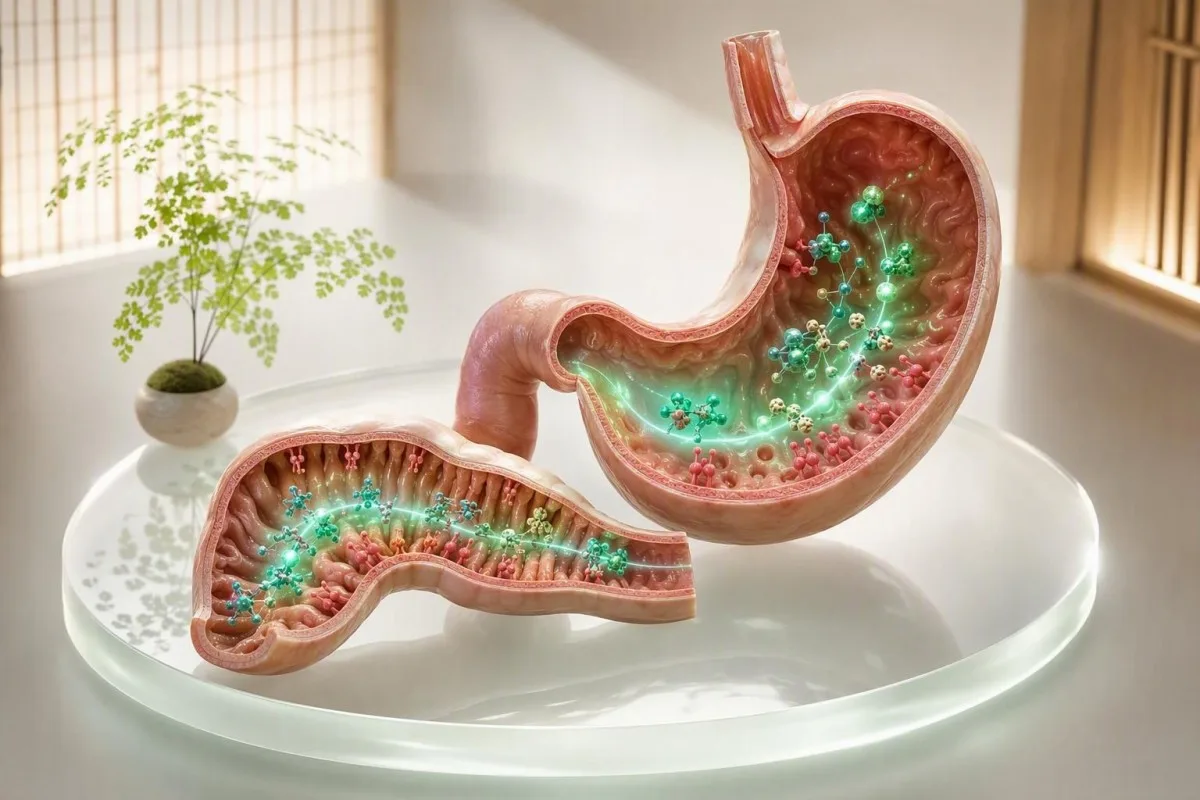
Tha vitimín B12 earbsach a’ tighinn bho bhiadh bheathaichean no toraidhean air an neartachadh gu sònraichte; chan urrainn daithead beathachaidh a h-uile duilgheadas gabhail a-steach a shàrachadh. Seo mar a chuidicheas mi euslaintich gus roghainnean bìdh, comharraidhean, cungaidhean-leigheis, agus toraidhean obair-lann a mhaidseadh.


- Feum làitheil air B12 tha 2.4 mcg airson a’ mhòr-chuid de dh’inbhich, 2.6 mcg rè torrachas, agus 2.8 mcg nuair a tha iad a’ biathadh air a’ bhroilleach.
- Na stòran bìdh as fheàrr a’ gabhail a-steach clams, grùthan, iasg, feòil, bainne, uighean, agus biadh air a neartachadh le B12; chan eil biadhan plannta neo-neartaichte nan stòran earbsach.
- Grùthan na bà a’ toirt timcheall air 70 mcg de B12 gach 85 g de fhrithealadh bruich, fhad ‘s a tha 250 mL de bhainne a’ toirt timcheall air 1.3 mcg.
- Mullach gabhail a-steach a’ ciallachadh gu bheil factar a-staigh mar as trice a’ gabhail a-steach timcheall air 1.5-2 mcg bho bhiadh; tha mu 1% de thomhas beòil mòr fhathast a’ dol a-steach gu fulangach.
- B12 serum fo 200 pg/mL (148 pmol/L) mar as trice a’ toirt taic do dhìth, fhad ‘s a tha 200-300 pg/mL mar as trice feumach air searbhag methylmalonic no co-theacs gnìomhach B12.
- Metformin agus cungaidhean-leigheis a chuireas stad air searbhag faoin B12 a lùghadh thar ùine, gu sònraichte nuair a mhaireas cleachdadh airson grunn bhliadhnaichean.
- Comharraidhean neurolach leithid numbness, atharrachadh air dòigh-coiseachd, duilgheadasan cuimhne, no call mothachadh air crith feumach air ath-sgrùdadh meidigeach eadhon ged a tha anemia a dhìth.
- Is dòcha nach cuir biadh leis fhèin às do dhìth air adhbhrachadh le pernicious anemia, obair-lannsa gastric, droch malabsorption, no comharran mòra eanchainn.
Dè am biadh a bheir am B12 as earbsaiche?
Tha biadhan àrd ann am B12 cha mhòr a-mhàin biadhan bheathaichean agus biadhan air an neartachadh gu dòigheil le cobalamin. Tha ean, grùthan, iasg, feòil, bainne, iogurt, càise, uighean, gràn bracaist neartaichte, agus deochan planntrais neartaichte nan roghainnean earbsach nuair a dhearbhas an leubal susbaint B12.
Faodaidh ean air am bruich a thoirt seachad timcheall air 84 mcg gach 85 g, agus grùthan-mharaich bruich mu 70 mcg gach 85 g; tha an dithis a’ dol thairis air an fheumalachd inbheach grunn thursan. Bidh mi fhathast a’ brosnachadh measgachadh seach a bhith an urra ris an grùthan gu tric, leis gu bheil an grùthan cuideachd gu math àrd ann an vitim A ro-fhoirmeil agus chan e biadh làitheil cas a th’ ann an torrachas.
Tha iasg na raon meadhan practaigeach: bidh truiteis bruich a’ toirt seachad timcheall air 5.4 mcg gach 85 g, bradan mu 2.6 mcg, agus tunna air a phasgadh timcheall air 2.5 mcg. Faodaidh euslainteach nach eil dèidheil air sligean biadh fhaighinn le dà bhiadh de dh'iasg gach seachdain a bharrachd air bainne, uighean, no biadhan neartaichte; tha ar stiùireadh B12 an aghaidh folate a’ mìneachadh carson nach urrainn searbhag folic a bhith na àite airson cobalamin.
Tha Kantesti na Anailisiche deuchainn fala AI a chuireas toradh B12 còmhla ri meud corpuscular cuibheasach, haemoglobin, searbhag folic, gnìomh dubhaig, agus co-theacsa cungaidh-leigheis. Tha sin cudromach leis gum faod neach ag ithe iasg dà uair san t-seachdain a bhith a’ fàs neo-leasaichte ma tha an duilgheadas na fhactar a-staigh seach gabhail a-steach.
Dè an ìre de B12 a tha ann am biadh làitheil?
Faodaidh aon bhiadh de dh’iasg, feòil, no bainne pàirt no a h-uile gin den targaid inbheach 2.4 mcg a thoirt seachad, ach tha na suimean ag atharrachadh gu mòr a rèir biadh agus cuibhreann. Tha leubail agus clàran co-dhèanamh bìdh nan tuairmsean, chan e gealltainn dè a ruigeas cuairteachadh.
Tha cupa 250 mL de bhainne bò a’ toirt timcheall air 1.3 mcg, 170 g de iogart nàdair mu thuairmeas 1.0 mcg, aon ugh mòr mu thuairmeas 0.5 mcg, agus 85 g de mhairt-fheòil lean bruich mu thuairmeas Tha sin coltach ri glè bheag, ach chan eil feumalachdan làitheil B12 inbheach ach mu dheidhinn. Faodaidh bainne, mar sin, taic a thoirt do dhaoine gu ciallach, ged nach bi dà ugh aig bracaist mar as trice a’ coinneachadh ri feum fad an latha.
Gu tric chì mi pàtran a tha a' cur dragh air daoine a tha ag ràdh gu bheil iad 'gu ìre mhòr nam glasraichear’: faodaidh uighean is càise bho àm gu àm casg a chuir air cion mòr, ach bidh an solar aca fhathast a’ dol sìos bho na bha dùil ris airson mìosan. Is e seo aon adhbhar a dh’ fheumas sgìos a bhith air a sgrùdadh nas fharsainge a tha a’ gabhail a-steach roghainnean bìdh anns a bheil iarann agus chan e dìreach ioma-bhitamin.
Tha Thomas Klein, MD, a' comhairleachadh euslaintich clàradh a dhèanamh air na fìor chuibhreannan airson 7 latha mus co-dhùin iad gu bheil an daithead gu leòr. Tha clàr bìdh a tha a' sealltainn dìreach 0.5-1.0 mcg gach latha nas feumail gu clionaigeach na an aithris ghairm, ‘Bidh mi ag ithe fallain.’
A bheil biadh air a neartachadh le B12 gu leòr airson vegans?
Faodaidh biadh làidir B12 coinneachadh ris na feuman airson vegans nuair a thèid an ithe gu cunbhalach ann an tomhasan tomhaiste, ach chan urrainn biadh glasraich gun làidir a bhith air an cleachdadh gu earbsach. Chan eil lìon mara, balgan-buachair, biadh coiptichte, agus giosta beathachaidh às aonais bileag B12 a bharrachd nan àitean earbsach.
Bidh mòran deoch làidir glasraich a gheibhear 0.4-1.0 mcg gach 250 mL, fhad ‘s a dh’ fhaodadh cuibhreann gràin neartachaidh a thoirt seachad 1.0-6.0 mcg. Leugh an leubal ionadail a h-uile turas: bidh toraidhean ag atharrachadh a rèir dùthaich, reasabaidh, agus meud seirbheis, agus chan eil 'anns vitamain' gu fèin-ghluasadach a’ ciallachadh gu bheil B12 ann.
Is e Cyanocobalamin an neartachaidh as cumanta oir tha e fhathast seasmhach tro stòradh agus còcaireachd. Tha an lèirmheas ann an 2010 le O'Leary agus Samman ann an Nutrients a’ toirt cunntas air carson a dh’ fhaodadh analogues a gheibhear ann an cuid de dh’ algaich a bhith coltach ri B12 gu ceimigeach ach nach eil iad a’ toirt taic earbsach do staid B12 daonna (O'Leary & Samman, 2010).
Tha Kantesti na àrd-ùrlar mìneachaidh deuchainn fala AI air an cleachdadh gus luchd-leughaidh a chuideachadh gus pàtran daithead, B12, agus comharran co-cheangailte a chur còmhla ann an aon shealladh. Bu chòir do dhaoine a leanas daithead stèidhichte air planntrais cuideachd beachdachadh air deuchainn fala falamh beathachaidh an àite a bhith a’ feitheamh ri tingling no sgìos.
Dè na feumalachdan B12 làitheil a rèir aois agus ìre beatha?
Feumaidh a’ mhòr-chuid de dh’ inbhich 2.4 mcg de bhiotamain B12 gach latha, fhad ‘s a dh’ fheumas torrachas 2.6 mcg agus bainne-cìche 2.8 mcg. Bidh na h-amasan sin a’ cur casg air dìth ann an daoine le gabhail àbhaisteach; chan e dòsan làimhseachaidh a th’ annta airson dìth stèidhichte.
Is e an Taisbeanadh Daithead Molta anns na Stàitean Aonaichte 0.4 mcg bho bhreith gu 6 mìosan, 0.9 mcg aig aois 1-3 bliadhna, 1.2 mcg aig 4-8 bliadhna, 1.8 mcg aig 9-13 bliadhna, agus 2.4 mcg bho aois 14 bliadhna. Tha an ìre beathachaidh iomraidh inbheach anns an RA nas ìsle aig 1.5 mcg gach latha, mar sin faodaidh aplacaidean beathachaidh eadar-nàiseanta amasan eadar-dhealaichte a thaisbeanadh gun gin dhiubh a bhith na mhearachd.
Bidh feum aig seann daoine gu tric air an aon uiread daithead ach tha cothrom nas motha aca air mì-ghabhail B12 ceangailte ri biadh bho lughdachadh searbhag stamag, gastritis, no cungaidh-leigheis. Chan eil deagh apait a’ cur seo às; tha an stiùireadh againn air ìrean B12 ann an clann cuideachd a’ sealltainn carson a tha co-theacsa aois-sònraichte cudromach.
B12 bidh e air a stòradh anns an grùthan, mar as trice aig 2-5 mg, is e sin as coireach gun urrainn do bhiadh neo-leòmachaidh a bhith a’ toirt 2-5 bliadhna airson a bhith follaiseach. Tha an dàil sin mì-ghoireasach gu clionaigeach: faodaidh comharran nochdadh fada an dèidh do dhaithead cuingealaichte tòiseachadh.
Ciamar a tha gabhail a-steach B12 ag obair às dèidh dhut ithe?
Feumaidh searbhag stamag, enzyman pancreatic, agus factar a-staigh bho cheallan stamag searbhag B12 mus tèid a ghabhail a-steach anns an ileum mu dheireadh. Faodaidh duilgheadas aig aon cheum sam bith a bhith a’ dèanamh daithead àrd-B12 neo-dhòrach.
Tha B12 ceangailte ri biadh air a leigeil ma sgaoil bho phròtain anns an stamag, an toiseach a’ ceangal ri haptocorrin, an uairsin a’ gluasad gu factar a-staigh anns a’ bhroinn bheag. Thathas a’ gabhail a-steach an t-iom-fhillte factar a-staigh-B12 anns an ileum crìche tro phròiseas air a riaghladh le gabhadairean; is e sin as coireach gu bheil tinneas no toirt air falbh an roinn sin den bhroinn aige builean.
Tha gabhail a-steach factar a-staigh a’ fàs làn aig timcheall air 1.5-2 mcg gach biadh, fhad ‘s a tha mu 1% de thomhas mòr beòil urrainn do dhol troimhe le sgaoileadh fulangach. Tha an t-slighe bheag fulangach seo a’ mìneachadh carson a bhios luchd-clionaigeach uaireannan a’ cleachdadh thomhas làimhseachaidh beòil de 1,000-2,000 mcg, chan ann air sgàth gu feum duine sam bith 1,000 uair an fheum daithead.
Dhaibhsan a tha a’ fulang le bhith a’ bhuinneach leantainneach, call cuideim gun mhìneachadh, no amharas air coeliac, chan eil cunntas daithead gu leòr. A’ bruidhinn air an ùine cheart de dùbhlan gluten mus dèanar deuchainn urrainn obair-chruaidh a tha a’ toirt misneachd gu meallta a sheachnadh.
Dè a chuireas bacadh air gabhail a-steach B12 eadhon le daithead math?
Faodaidh anemia Pernicious, obair-lannsa stamag no innidh, coeliac, galar Crohn, metformin fad-ùine, agus casg searbhag lùghdachadh a dhèanamh air gabhail a-steach B12. Anns na suidheachaidhean sin, faodaidh àrdachadh ann an iasg no sìol-ghràin làidir an crìonadh a dhèanamh nas slaodach ach is dòcha nach cuir e às do dìth.
Faodaidh gastritis fèin-dìonach ceallan stamag a dh’ fhàsas factar a-staigh a sgrios agus adhbharan anemia pernicious, eas-òrdugh gabhail a-steach seach fàiligeadh daithead. Tha stiùireadh NICE NG239, a chaidh fhoillseachadh ann an 2024, a’ moladh beachdachadh air deuchainn antibody an aghaidh factar a-staigh nuair a tha amharas ann air gastritis fèin-dìonach, ged nach cuir toradh àicheil às dha gu tur.
Tha B12 ìosal co-cheangailte ri Metformin fìor ach caochlaideach. Ann an sgrùdadh Diabetes Prevention Program Outcomes Study, bha B12 ìosal no mì-shoilleir nas cumanta le metformin na placebo an dèidh 5 bliadhna, agus dh’ èirich an cunnart le fuasgladh nas fhaide (Aroda et al., 2016); is e sin as coireach obair-lann fala às dèidh metformin nach bu chòir dhaibh fòcas a chuir air glùcois a-mhàin.
Bha euslainteach 63-bliadhna a rinn mi sgrùdadh ag ithe bradan seachdaineil agus ag òl bainne làitheil, gidheadh bha B12 aige de 156 pg/mL le òrdagan caillte an dèidh bhliadhnaichean de metformin agus omeprazole. Cha b’ e biadh an ceum a bha a dhìth - b’ e gabhail a-steach.
Dè na deuchainnean fala a shoilleireachas dìth B12 a dh’ fhaodadh a bhith ann?
Tha B12 serum fo 200 pg/mL, no 148 pmol/L, mar as trice a’ toirt taic do dìth, fhad ‘s a tha 200-300 pg/mL na raon neo-chinnteach a gheibh buannachd bho cho-theacsa dearbhaidh. Faodaidh searbhag methylmalonic, homocysteine, B12 gnìomhach, cunntas fala iomlan, agus folate neo-chinnt a rèiteach.
Mar as trice bidh searbhag methylmalonic ag èirigh nuair a tha B12 ceallach gu leòr; MMA os cionn 0.40 micromol/L gu tric air a mheas mar rud àrdaichte, ged a tha stad-loideadh obair-lann eadar-dhealaichte. Faodaidh dìth dubhaig MMA àrdachadh gu neo-eisimeileach, mar sin tha eGFR de 35 mL/min/1.73 m² ag atharrachadh brìgh an aon toradh.
Tha Macrocytosis na chomharra, chan e riatanas. MCV os cionn 100 fL faodaidh tachairt le dìth B12, ach faodaidh dìth tràth MCV àbhaisteach a bhith aige, agus faodaidh dìth iarainn milleadh air meudachadh cheallan a chuideachadh; dèan coimeas ris an toradh leis ar stiùireadh leanmhainn MCV àrd.
Tha Kantesti na Inneal mion-sgrùdaidh deuchainn fala le cumhachd AI a leughas B12 le MMA, MCV, RDW, creatinine, agus atharrachaidhean dìreach an taca ri bhith a’ cur stad air aon stad. Tha am frèam breithneachaidh ann an Devalia et al. (2014) coltach ris a’ toirt taic do bhith a’ cleachdadh feartan clionaigeach agus deuchainnean dàrna loidhne nuair nach eil serum B12 a’ fuasgladh na ceiste.
An urrainn do dhìth B12 comharraidhean adhbhrachadh gun anemia?
Tha, faodaidh dìth B12 comharran nerve agus cognitive adhbhrachadh mus tuit hemoglobin no mus àrdaich MCV. Tha caoineadh, losgadh casan, lughdachadh cothromachaidh, call mothachadh crathaidh, droch shunnd, agus ceò eanchainn airidh air measadh nuair a mhaireas iad.
Hemoglobin de 13.2 g/dL agus MCV de 92 fL na cuir às do dhìth B12 gnìomhach ann an neach le paraesthesia a tha a’ dol am meud. Tha ath-bheothachadh neurological nas lugha de ro-innseach nuair a tha comharraidhean air a bhith an làthair airson mòran mìosan, is e sin as coireach nach eil mi a’ moladh feitheamh ri anemia follaiseach.
Faodaidh folate cumadh cunntas fala a dhèanamh àbhaisteach fhad ‘s a tha milleadh nerve co-cheangailte ri B12 a’ leantainn. Is e seo an cùis chlinigeach air cùl an rabhaidh mu dhòsan àrda de fhola; faic ar mìneachadh air bidh fola àrd a’ falach B12 airson a’ mhion-fhiosrachaidh practaigeach.
Tha measadh luath tron aon latha riatanach airson duilgheadas coiseachd a tha a' fàs gu luath, ùr-chomharraidhean, laigse mhòr, no atharrachaidhean ann an clàr-bìdh agus bladder. Tha grunn adhbharan aig na comharran sin, ach bu chòir gum biodh B12 mar phàirt de dh'anail neo-dhreuchdail sgiobalta seach deuchainn cur-ris.
Cuin a dh’ fhaodas biadh B12 ìosal a chàradh, agus cuin a tha feum air làimhseachadh?
Faodaidh biadh dìoladh a dhèanamh airson tomhas beag ìosal ann an neach le gabhail a-steach slàn, ach feumaidh dìth dearbhte bho mhì-ghabhail gu tric làimhseachadh beòil àrd-dòs no stealladh. Tha an roghainn an urra ris an adhbhar, an cruinneas, an t-sàr-chumantas, agus na toraidhean neuraileach—chan ann dìreach an àireamh serum.
Airson dìth daithead gun chomharran cruaidh, faodaidh luchd-clionaigeach cyanocobalamin beòil no methylcobalamin a chleachdadh ann an dòsan mar 50-150 mcg gach latha airson cumail suas, le dòsan nas motha nuair a thathar a' cur às do dhìth. Bidh planaichean mionaideach ag atharrachadh bho dhùthaich gu dùthaich agus bu chòir dhaibh cumail ris a' phròtacal clionaigeach a tha a' làimhseachadh.
Tha anemia pernicious, gastrectomy gu lèir, galar mòr ileal, no comharran neuraileach mòra mar as trice ag atharrachadh a' chòmhraidh. Tha ar coimeas mionaideach de stealladh B12 agus tablaidean a' mìneachadh carson a dh'fhaodas tablaidean àrd-dòs obrachadh fhathast tro gabhail neo-ghnìomhach, fhad 's a dh'fhaodas stealladh a bhith air an taghadh nuair a tha cinnteachd no astar cudromach.
Nam’s eòlas, tha plana biadhaidh an toiseach na dìon sàr-mhath ach na droch làimhseachadh teasairginn airson mì-ghabhail symptomatic. Bu chòir gum bi ùine ath-sgrùdaidh a' gabhail a-steach comharran agus comharran gnìomh, chan ann dìreach toradh B12 a dh'èiricheas gu luath an dèidh stealladh.
A bheil B12 meitichte nas fheàrr na cyanocobalamin?
Faodaidh methylcobalamin agus cyanocobalamin dìth B12 a cheartachadh nuair a tha dòs agus gabhail iomchaidh; chan eil fianais a' sealltainn gu bheil B12 methylichte nas fheàrr gu h-uile-choitcheann. Tha Cyanocobalamin seasmhach, air a sgrùdadh gu farsaing, agus air a chleachdadh gu cumanta ann am biadhan neartaichte.
Bidh an corp a' tionndadh cobalamin gu cruthan coenzyme gnìomhach a chleachdas methionine synthase agus methylmalonyl-CoA mutase. Gu tric bidh cànan margaidheachd mu thoraidhean 'methylated' a' dol nas fhaide na fianais clionaigeach coimeasach; tha gabhail, dòs, cosgais, agus cunbhalachd mar as trice nas cinnteach.
Tha Hydroxocobalamin air a chleachdadh gu cumanta le stealladh ann an grunn shiostaman slàinte oir tha e a' fuireach san corp nas fhaide na cyanocobalamin. Feumaidh daoine le tinneas dubhaig cronach no easbhaidhean metabolach neo-àbhaisteach comhairle fa-leth, oir faodaidh MMA agus roghainn làimhseachaidh a bhith nas iom-fhillte.
Airson coimeas practaigeach de cheimigeachd toraidh, loidsig dòs, agus leanmhainn obair-lann, leugh methylated B12 an aghaidh cyanocobalamin. Na stad air stealladh a tha air an òrduchadh oir tha leubal cur-ris a' gealltainn cruth nas 'nàdarrach'.
Ciamar a tha latha practaigeach de dh’ ithe a tha beairteach ann am B12?
Faodaidh measgachadh daithead ruighinn 2.4 mcg de B12 le biadh àbhaisteach, ach feumaidh pàtran vegan clàr-ama biadh neartaichte fa-leth no cur-ris. Is e am plana as earbsaiche am fear as urrainn dhut ath-aithris tro shiubhal, seachdainean trang, agus atharrachaidhean ann an dùil.
Is e aon eisimpleir omnivorous iogart aig bracaist (1.0 mcg), ugh aig lòn (0.5 mcg), agus 85 g de bhradan aig dìnnear (2.6 mcg). Tha seo a' toirt timcheall air 4.1 mcg mus rudh a’ bhroinn, fhad ‘s a tha cleachdadh tro bhiadh freagarrach don mhòr-chuid de dhaoine.
Dh’ fhaodadh eisimpleir vegan leasaichte a bhith a’ cleachdadh dibhe planntrais a bheir seachad 1.0 mcg, gràn a bheir seachad 1.5 mcg, agus biadh-beathachaidh giosta leasaichte a bheir seachad 1.0 mcg. Is e dùbhlan cunbhalachd: faodaidh atharrachadh bhrand an cuid a thoirt air falbh gu h-obann, mar sin cùm dealbh den leubail anns na notaichean slàinte agad.
Tha B12 mar phàirt den phàtran nas fharsainge de bhiotamain uisge-sholubail, pròtain, iarann, agus cleachdadh lùtha. Tha ar stiùireadh airson bhiotamain a tha soluble ann an uisge a’ cuideachadh le casg a chur air a’ mhearachd cumanta a bhith a’ làimhseachadh aon bhiotamain mar an aon mhìneachadh airson sgìth.
Cò bu chòir a bhith gu sònraichte faiceallach mu B12 ìosal?
Tha cunnart nas àirde de dhroch bhiotamain B12 aig vegans, seann daoine, daoine a tha a’ gabhail metformin no luchd-bacadh searbhag fad-ùine, euslaintich às dèidh obair-lannsa gastric no ileal, agus daoine le galar innidh sèidteach. Tha an cunnart a’ meudachadh nuair a tha barrachd air aon fhactar an làthair.
Faodaidh cleachdadh luchd-bacadh pumpa proton fad-ùine crìonadh a dhèanamh air fuasgladh B12 bho phròtain bìdh le bhith a’ lughdachadh searbhachd gastric. Chan eil an ceangal na adhbhar airson cungaidh-leigheis òrdaichte a stad gu h-obann, ach is e adhbhar a th’ ann faighneachd a bheil sgrùdadh iomchaidh às dèidh 2 bliadhna no barrachd de chleachdadh leantainneach.
Faodaidh daoine a tha nas sine na 60 bliadhna a bhith a' leasachadh droch-chaitheamh bìdh-cobalamin eadhon le daithead measgaichte, uaireannan còmhla ri gastritis atrophic. Chan eil ìre nas ìsle de B12 san bhuidheann seo gu fèin-obrachail 'dìreach aois'; faodaidh e a bhith na chomharra air comharraidhean, cungaidhean-leigheis, agus eachdraidh autoimmune a sgrùdadh.
Ar stiùireadh sgrùdaidh PPI fad-ùine a’ comharrachadh còmhraidhean obair-lann co-cheangailte, a’ gabhail a-steach magnesium agus iarann. Faodaidh measgachadh de B12 ìseal le dìth iarain neo-shoilleir a bhith a’ stiùireadh luchd-clionaigeach a dh’ ionnsaigh adhbhar gastric seach dà bheàrn daithead neo-cheangailte.
Cuin a bu chòir ìrean B12 ath-dheuchainn às dèidh atharrachadh daithead no làimhseachaidh?
Bidh ath-dheuchainn gu tric a’ tachairt 8-12 seachdainean às dèidh atharrachadh daithead no leigheas beòil, fhad ‘s a dh’ fhaodadh cho dona sa tha comharraidhean agus an dòigh leigheis ath-sgrùdadh clionaigeach nas tràithe a dhèanamh riatanach. Faodaidh toradh B12 serum a bhith ag èirigh gu luath às dèidh cur-ris agus is dòcha nach dearbhaich e ath-bheothachadh clò leis fhèin.
Faodaidh cunntas iomlan fala sealltainn freagairt reticulocyte taobh a-staigh mu 1 seachdain às dèidh leigheas èifeachdach airson anemia megaloblastic, fhad ‘s a bhios haemoglobin mar as trice a’ leasachadh thairis air grunn sheachdainean. Bidh comharraidhean neònach a’ faighinn air ais nas slaodaiche agus uaireannan gu neo-iomlan, gu sònraichte às dèidh dìth fada.
Faodaidh stad is tòiseachadh air cur-ris B12 serum a dhèanamh a’ coimhead àbhaisteach air latha na deuchainn fhad ‘s a tha MMA, comharraidhean, no macrocytosis fhathast draghail. Is e seo aon adhbhar airson innse don neach-clionaigeach dìreach na ghabh thu, an dòigh, agus an ceann-latha mu dheireadh mus dèan thu mìneachadh air toraidhean.
Faodaidh AI Kantesti B12, MCV, haemoglobin, RDW, folate, agus creatinine a choimeas thairis air grunn aithisgean gus faighinn a-mach a bheil atharrachadh a’ ciallachadh gu clionaigeach. Dhaibhsan a tha ag ionnsachadh na sgile seo, tha ar stiùireadh mion-sgrùdaidh gluasad deuchainn fala a’ mìneachadh carson a tha aon toradh singilte tearc a’ ciallachadh an làn sgeulachd.
Dè na mì-bheachdan B12 a dh’ fhaodadh dàil a chuir air cùram ceart?
Is e am beachd-bheusach as motha mu B12 gu bheil ithe barrachd bìdh bheathaichean a’ rèiteachadh a h-uile toradh ìosal. Bidh daithead a’ cuideachadh le gabhail a-steach, ach cha bhith e comasach air factar a-staigh ath-nuadhachadh, tinneas caolan a thionndadh air ais, no measadh chomharran nearbhach a chur an àite gu sàbhailte.
Is e mìne eile gu bheil toradh àrd de B12 san t-seum a’ ciallachadh gu bheil an ìre sàr-mhath an-còmhnaidh. Toradh gu h-àrd 900 pg/mL gu tric a’ nochdadh stuthan no steallaidhean, ach faodaidh àrdachadh leantainneach gun mhìneachadh cuideachd tachairt le tinneas grùthan, tinneas dubhaig, no cuid de chumhachan hematologach; tha an co-theacsa nas cudromaiche na clisgeadh.
Bho 1 Sultain, 2026, chuirinn cuideachd rabhadh an aghaidh a bhith a’ cleachdadh leasachadh lùth às dèidh aon chlàr mar dhearbhadh breithneachaidh. Faodaidh buaidhean placebo, cadal, inbhe iarainn, tinneas thyroid, trom-inntinn, agus atharrachaidhean glùcois uile atharrachadh lùth thairis air 1-4 seachdainean gun dearbhadh easbhaidh B12.
Tha susbaint clionaigeach Kantesti air ath-sgrùdadh le taic bho ar Bòrd Comhairleachaidh Meidigeach, ach cha chuir mìneachadh AI an àite sgrùdadh airson comharran nearbhach a tha a’ dol air adhart. Faodaidh luchd-leughaidh ar n- an dòigh-obrach airson dearbhadh clionaigeach ath-sgrùdadh gus tuigsinn mar a bhios sinn a’ dèanamh ceistean leanmhainn seach breithneachadh a dhèanamh.
Dè na ceumannan a leanas as sàbhailte ma tha thu a’ toirt amharas air B12 ìosal?
Ma tha iomadachd leantainneach agad, duilgheadasan cothromachaidh, atharrachadh inntinneil, macrocytosis gun mhìneachadh, no toradh B12 fo 200 pg / mL, cuir air dòigh ath-sgrùdadh meidigeach seach a bhith a’ earbsa ann am biadh a-mhàin. Tha làimhseachadh tràth gu sònraichte buntainneach nuair a dh’ fhaodadh nerves a bhith an sàs.
Thoir liosta de chungaidh-leigheis, stuthan, pàtran daithead, breithneachadh cnàmhaidh, obair-lannsa, gabhail a-steach deoch-làidir, agus aithisgean obair-lann roimhe seo. Faodaidh neach-clionaigeach an uairsin co-dhùnadh a bheil e ri ath-aithris B12, MMA no homocysteine òrdachadh, folate agus cunntas fala iomlan a sgrùdadh, no anemia pernicious agus malabsorption a sgrùdadh.
Molaidh Thomas Klein, MD, a bhith a’ seachnadh searbhag folic àrd-dòs mar fhèin-leigheas airson macrocytosis gun mhìneachadh gus an tèid B12 a mheasadh gu reusanta. Mura h-eil comharran cunnairt agad agus gu bheil gabhail a-steach bìdh gu math ìosal, tha plana bìdh no stuthan tomhaiste le toradh ath-aithris ann an 8-12 seachdainean gu tric ciallach.
Tha Kantesti a’ ceangal gluasadan aithisg obair-lann ri ceistean a ghabhas tuigsinn airson do choinneamh, fhad ‘s a chumas e an co-dhùnadh breithneachaidh deireannach leis an neach-clionaigeach agad. Dèan sgrùdadh air ar stiùireadh fiosrachaidh bith-chomharran airson na teirmean obair-lann a dh’ fhaodadh nochdadh còmhla ri toradh B12.
Ceistean Bitheanta
Dè am biadh as àirde ann am bhiotaimin B12?
Tha dìtheanan is grùthan-mhara am measg nam biadh as beairtiche ann an vitimín B12. Faodaidh 85 g de dhìtheanan bruich a bhith a’ toirt seachad mu 84 mcg de B12, agus tha an aon chuibhreann de ghrùthan-mhara a’ toirt seachad mu 70 mcg; tha an dà chuid gu mòr nas àirde na an targaid làitheil inbheach de 2.4 mcg. Cha bu chòir grùthan a bhith air a làimhseachadh mar bhiadh làitheil rè torrachas air sgàth an t-susbaint gu math àrd de vitimín A a tha ann mu thràth. Airson biadh cunbhalach, tha iasg, feòil, bainne, uighean, agus biadhan ainmichte a tha air an neartachadh nan stòran nas practaigeach.
Am faigh vegans gu leòr de B12 bho bhiadh a-mhàin?
Faodaidh vegans coinneachadh ri feumalachdan bhiotaimin B12 bho bhiadh dìreach nuair a bhios iad a’ cleachdadh thoraidhean air an neartachadh le B12 gu cunbhalach ann an tomhasan tomhaiste. Chan eil glasraich, balgan-buachair, lìon-mara, tempeh, agus beirm beathachaidh nach eil air an neartachadh nan stòran earbsach de B12 leis gu bheil an susbaint cobalamin aca neo-làthaireach, neo-chunbhalach, no dh’ fhaodadh gum bi analag neo-ghnìomhach ann. Tha mòran de dheochan planntrais air an neartachadh a’ toirt seachad 0.4-1.0 mcg gach 250 mL, ach tha cumaidhean ag atharrachadh a rèir dùthaich is brannd. Tha cur-ris B12 gu tric na dhìon nas sìmplidh agus nas earbsaiche airson daithead vegan.
Dè an ìre de B12 a bu chòir do dh'inbheach fhaighinn gach latha?
Feumaidh a’ mhòr-chuid de dh’inbhich 2.4 mcg de bhiotaimin B12 gach latha a rèir Moladh Daitheadach a tha air a Mholadh anns na Stàitean Aonaichte. Bidh torrachas ag àrdachadh an amas gu 2.6 mcg gach latha, agus bidh màthraichean a tha a’ biathadh air a’ bhroilleach ga àrdachadh gu 2.8 mcg gach latha. Is e 1.5 mcg gach latha an tomhas iomraidh beathachaidh inbheach san RA, mar sin faodaidh bileagan beathachaidh a tha sònraichte do dhùthaich a bhith eadar-dhealaichte. Is e na luachan seo na h-amasan dìon airson gabhail a-steach àbhaisteach agus tha iad fada nas ìsle na na dòsan làimhseachaidh a thathas a’ cleachdadh airson dìth a chaidh a dhearbhadh.
An urrainn dhomh dìth B12 a leigheas le bhith ag ithe barrachd feòla agus uighean?
Faodaidh barrachd feòil, èisg, bainne, uighean, no biadh neartaichte ceartachadh easbhaidh B12 a tha air adhbhrachadh a-mhàin le dìth daithead, ach is dòcha nach obraich e nuair a tha gabhail a-steach air a mhilleadh. Faodaidh dìth fala buan, tinneas a’ chromain, galar Crohn, obair-lannsa stamag, obair-lannsa ileal, metformin, agus làimhseachadh fada le bhith a’ cur stad air searbhachd, casg a chuir air gabhail a-steach a dh’aindeoin daithead làn B12. Mar as trice tha B12 fala nas ìsle na 200 pg/mL no 148 pmol/L a’ gealltainn measadh clionaigeach air an adhbhar. Cha bu chòir comharran neuic a leithid caimeachadh, cothromachadh lag, no atharrachadh cognitive a bhith air an làimhseachadh le biadh a-mhàin.
Dè a chuidicheas le bhith a' gabhail a-steach B12?
Tha gabhail a-steach Bhiotaimin B12 an crochadh air pròiseasachd gu leòr stamag, enzyman pancreatic, factar a-staigh, agus ileum cinn-uidhe a tha ag obair. Tha factar a-staigh a’ gabhail a-steach gu gnìomhach dìreach mu 1.5-2 mcg de B12 bho bhiadh, fhad ‘s as urrainn do timcheall air 1% de thomhas mòr beòil a dhol a-steach tro sgaoileadh fulangach. Tha e reusanta biadh a ghabhail le B12, ach chan urrainn do chothlamadh bìdh sònraichte faighinn seachad air factar a-staigh a tha a dhìth no tinneas mòr ileal. Dh’fhaodadh gum bi feum air B12 beòil àrd-dòis no stealladh nuair a tha gabhail a-steach air a mhilleadh.
Dè an ìre de B12 a tha air a mheas gu bheil e ìosal?
Toradh vitimín B12 ann an searam fo 200 pg/mL, co-ionann ri timcheall air 148 pmol/L, gu tric a’ toirt taic do dhìth B12, ged a bhios diofar raointean sgrùdaidh aig obairlann. Thathas gu tric a’ beachdachadh air toraidhean bho 200-300 pg/mL mar rud cothromach no neo-chinnteach agus dh’fhaodadh gum bi feum air searbhag methylmalonic, homocysteine, B12 gnìomhach, làn chunntas fala, folate, gnìomh dubhaig, agus co-theacs nan comharran. Bidh searbhag methylmalonic os cionn timcheall air 0.40 micromol/L a’ toirt taic do dhìth B12 cealla ach faodaidh e cuideachd èirigh le gnìomh dubhaig nas lugha. Chan eil haemoglobin no MCV àbhaisteach a’ cur às gu earbsach do chomharran nerve tràth co-cheangailte ri B12.
Faigh Mion-sgrùdadh Deuchainn Fala le Cumhachd AI an-diugh
Thig còmhla ri còrr is 2 mhillean neach air feadh an t-saoghail a tha a’ earbsa Kantesti airson mion-sgrùdadh sa bhad, ceart air deuchainnean obair-lann. Luchdaich suas na toraidhean deuchainn fala agad agus faigh mìneachadh coileanta air biomarcair 15,000+ ann an diogan.
📚 Foillseachaidhean Rannsachaidh le Iomraidhean
Klein, T., Mitchell, S., & Weber, H. (2026). Urobilinogen ann an Deuchainn Fuaime: Stiùireadh Coileanta air Urinalysis 2026. Rannsachadh Leigheis AI Kantesti.
Klein, T., Mitchell, S., & Weber, H. (2026). Stiùireadh Sgrùdaidhean Iarainn: TIBC, Sàthadh Iarainn & Comas Ceangail. Rannsachadh Leigheis AI Kantesti.
📖 Iomraidhean Meidigeach Taobh a-muigh
⚕️ Àicheadh Meidigeach
Tha an artaigil seo dìreach airson adhbharan foghlaim agus chan eil e a’ dèanamh comhairle mheidigeach. Cuir fios an-còmhnaidh gu solaraiche cùram slàinte teisteanasach airson co-dhùnaidhean breithneachaidh is leigheis.
Comharran earbsa E-E-A-T
Eòlas
Lèirmheas clionaigeach air a stiùireadh le lighiche air sruthan-obrach mìneachaidh obair-lann.
Eòlas
Fòcas air leigheas obair-lann air mar a bhios bith-chomharraidhean (biomarkers) a’ giùlan ann an co-theacsa clionaigeach.
Ùghdarrasachd
Air a sgrìobhadh le Dr. Thomas Klein le ath-sgrùdadh le Dr. Sarah Mitchell agus Prof. Dr. Hans Weber.
Earbsachd
Mìneachadh stèidhichte air fianais le slighean leanmhainn soilleir gus dragh a lughdachadh.