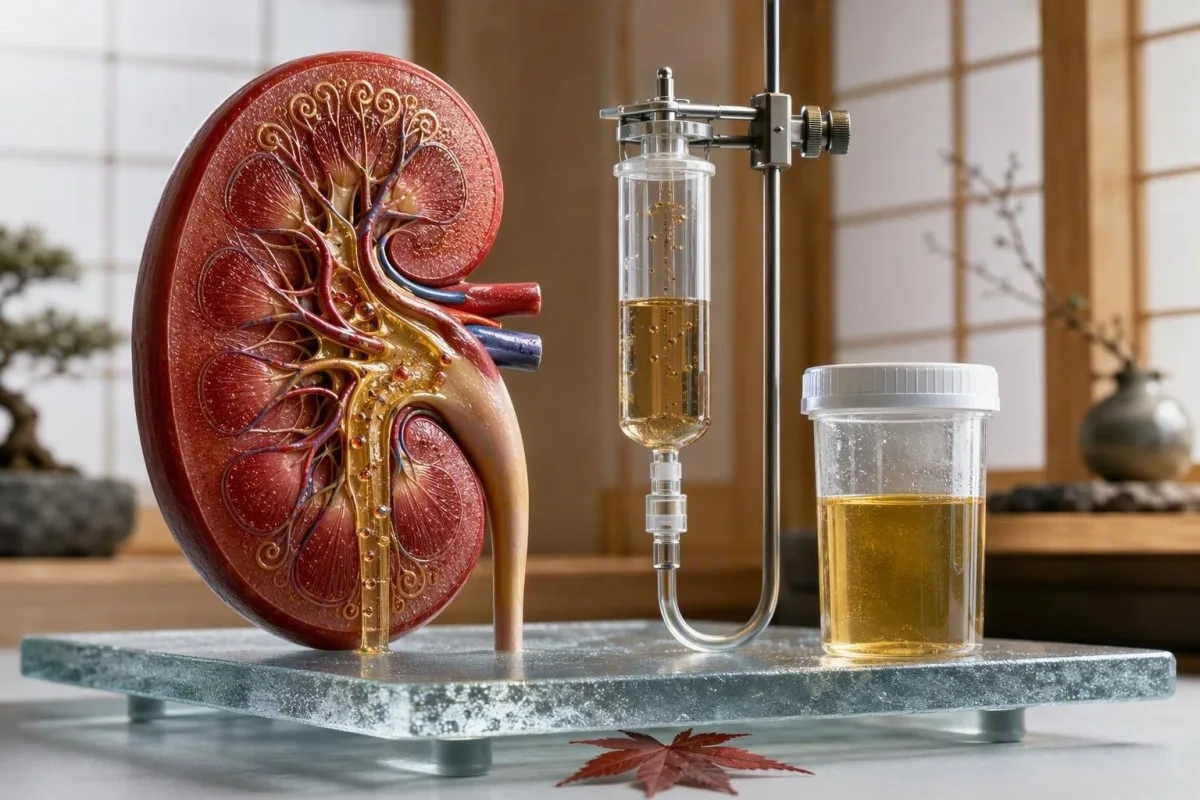
SIADH je vzorová diagnóza, nikoli jediný abnormální výsledek. Užitečné vodítko poskytují krev a moč odebrané přibližně ve stejnou dobu, které jsou následně interpretovány spolu s léky, funkcí štítné žlázy, kortizolem a objemovým stavem.


- Pravá hypotonic hypotonic hyponatremie znamená, že séra sodík je pod 135 mmol/l a měřená séra osmolalita je obvykle pod 275 mOsm/kg.
- Osmolalita moči u SIADH je nevhodně nad 100 mOsm/kg navzdory nízké sérové osmolalitě; ledviny zadržují vodu, když by měly vylučovat zředěnou moč.
- sodík v moči nad 30 mmol/l podporuje SIADH pouze po vyloučení diuretik, adrenální insuficience, onemocnění štítné žlázy a klinicky zjevné deplece tekutin.
- Dehydratační vzorec obvykle produkuje koncentrovanou moč s obsahem sodíku v moči pod 30 mmol/l, zvýšenou močovinou nebo BUN a známkami sníženého cirkulujícího objemu.
- Adrenální insuficience může vypadat téměř identicky jako SIADH, takže nízký ranní kortizol nebo nejednoznačný výsledek vyžaduje naléhavé klinické sledování před stanovením diagnózy SIADH.
- Závažné příznaky jako je záchvat, zmatenost, opakované zvracení nebo snížené vědomí s nízkým obsahem sodíku vyžaduje pohotovostní péči; léčba nesmí čekat na online interpretaci.
- Bezpečnost korekce věci: u chronické hyponatremie by se sérový sodík u pacientů s vysokým rizikem osmotické demyelinizace obecně neměl zvýšit o více než 8 mmol/l během jakéhokoli 24hodinového období.
- Načasování je důležité protože nitrožilní infuze fyziologického roztoku, dávka diuretika nebo několik litrů vody mohou během několika hodin změnit koncentraci sodíku v moči a osmolalitu.
Proč SIADH vyžaduje párové vyšetření krve a moči
A krevní test SIADH vzor je nízký sérový sodík s nízkou naměřenou sérovou osmolalitou, spojený s močí, která zůstává příliš koncentrovaná a relativně bohatá na sodík. V praktickém smyslu má tělo přebytek vody vzhledem k sodíku, protože aktivita antidiuretického hormonu se normálně nevypíná; samotná hodnota sodíku to nemůže dokázat.
Sérový sodík pod 135 mmol/l definuje hyponatremii, ale sodík je koncentrace spíše než míra celkového tělesného sodíku. Osoba může mít nízký sodík z retence vody, ztráty soli, vysoké hladiny glukózy, laboratorního artefaktu nebo jejich směsi; náš průvodce symptomům nízkého sodíku vysvětluje, proč se závažnost příznaků často řídí rychlostí poklesu spíše než přesným číslem.
První užitečná vidlice je naměřená sérová osmolalita: méně než 275 mOsm/kg naznačuje hypotonic hyponatremii, což je situace, kdy se zvažuje SIADH. Klinické pravidlo Dr. Thomase Kleina je jednoduché: nikdy neoznačujte SIADH na základě základního metabolického panelu před kontrolou glukózy, triglyceridů, celkového proteinu a ideálně naměřené osmolality.
Kantesti je Analyzátor krevních testů AI který čte sodík, glukózu, močovinu, kreatinin a spárované nálezy moči jako jeden fyziologický problém, nikoli jako soubor příznaků. V našich přehledech je nejnebezpečnější chybou uklidnění po naměření sodíku 122 mmol/l, když zpráva neobsahuje žádné současné vyšetření moči nebo anamnézu symptomů; naše klinické případy použití ukazují, proč ztráta kontextu mění další krok.
Co SIADH skutečně znamená
SIADH je zkratka pro syndrom nepřiměřené antidiurézy, historicky nazývaný sekrece nepřiměřeného antidiuretického hormonu. Syndrom může vzniknout v důsledku léků, nevolnosti, poruch plic nebo centrálního nervového systému, bolesti, pooperačního stresu a občasného zhoubného nádoru; laboratorní vzor identifikuje zpracování vody, nikoli základní spouštěč.
Séra sodík a osmolalita: potvrzení skutečného nadbytku vody
Sérová osmolalita pod 275 mOsm/kg se sodíkem pod 135 mmol/l potvrzuje hypotonic hyponatremii, ale sama o sobě SIADH nedetekuje. Normální nebo vysoká osmolalita nasměruje lékaře spíše k glukóze, mannitolu, kontrastním látkám, alkoholům nebo pseudohypotonemii.
Většina laboratoří hlásí vypočtenou osmolalitu, běžně odhadovanou jako 2 × sodík + glukóza + močovina v mmol/l, ale naměřená osmolalita je vhodnější, pokud je diagnóza nejasná. Smysluplný rozdíl mezi naměřenými a vypočtenými hodnotami může odhalit neměřené osmoly; to je jeden z důvodů, proč výsledek sodíku může být klinicky reálný, ale nemusí představovat SIADH.
Glukóza nad přibližně 13,9 mmol/l (250 mg/dL) snižuje naměřený sodík posunem vody z buněk do plazmy. Běžně používaná korekce přidává přibližně 1,6 až 2,4 mmol/l sodíku na každých 5,6 mmol/l (100 mg/dL) glukózy nad 5,6 mmol/l, ačkoli lékaři se neshodnou na přesném faktoru při velmi vysokých hladinách glukózy.
Velmi vysoké hladiny triglyceridů nebo paraproteinů mohou způsobit pseudonáhlou hyponatrémii při nepřímých iontově selektivních testech, zatímco naměřená osmolalita zůstává normální. Porovnejte výsledek sodíku s základní metabolický panel a zeptejte se, zda laboratoř použila přímou či nepřímou elektrodu, než předpokládat poruchu vodní bilance.
Osmolalita moči u SIADH: ledvinné vodítko, které změní případ
Osmolalita moči nad 100 mOsm/kg u hypotonického pacienta znamená přítomnost aktivity antidiuretického hormonu. U SIADH je osmolalita moči často 200 až 600 mOsm/kg, ačkoli žádná jednotlivá hodnota moči není diagnostická.
Osmolalita moči 100 mOsm/kg nebo méně indikuje téměř maximálně zředěnou moč a činí SIADH nepravděpodobnou. Tento vzor odpovídá primární polydipsii nebo nízkému příjmu solutů, kde příjem vody převyšuje schopnost ledvin vylučovat volnou vodu; je to zvláště relevantní u lidí konzumujících velmi málo bílkovin a soli.
Zde je kontraintuitivní bod: koncentrovaná moč automaticky neznamená dehydrataci. Hypovolémie i SIADH zvyšují antidiuretický hormon, ale dehydratace to dělá přiměřeně k zachování oběhu, zatímco SIADH to dělá navzdory klinicky adekvátnímu efektivnímu arteriálnímu objemu.
Evropské pokyny pro hyponatrémii doporučují osmolalitu moči jako časný rozlišovací prvek, protože fyzikální hodnocení objemu je často nespolehlivé (Spasovski et al., 2014). Přečtěte si naše hlubší vysvětlení test osmolality moči pokud vaše zpráva používá mOsm/kg místo specifické hmotnosti z proužku.
Proč jediná vzorek moči může klamat
Osmolalita moči může rychle klesnout po zklidnění nevolnosti, kontrole bolesti nebo po vysazení vyvolávajícího léku. Pokud byl vzorek moči odebrán po intravenózní tekutině, po kličkovém diuretiku nebo několik hodin po odběru krve, považuji jej za náznak, nikoli důkaz.
Sodík v moči: SIADH versus dehydratace a nízký efektivní objem
Sodík v moči nad 30 mmol/l podporuje SIADH u hypotonické hyponatremie, pokud je běžný příjem soli ve stravě a nejsou přítomna diuretika. Sodík v moči pod 30 mmol/l častěji naznačuje renální šetření sodíku z důvodu zvracení, průjmu, pocení, srdečního selhání, cirhózy nebo skutečné dehydratace.
U nekomplikované SIADH ledviny nešetří sodík, takže sodík v moči je běžně nad 30 mmol/l a může přesáhnout 60 mmol/l. Urea je často nízká a sérová kyselina močová může být pod 4 mg/dL (0,24 mmol/l) kvůli mírnému objemovému rozšíření, které zvyšuje clearance urátů.
68letá osoba užívající hydrochlorothiazid může mít sodík v moči 55 mmol/l a koncentrovanou moč po žaludečním viru; to neprokazuje SIADH. Hyponatremie spojená s thiazidy může napodobovat všechny klasické laboratorní rysy, proto seznam léků není administrativní detail, ale diagnostický údaj.
Sodík v moči je méně spolehlivý po diuretikách, při pokročilém onemocnění ledvin nebo při velmi nízkém příjmu sodíku ve stravě. Spárujte jej s kreatininem, ureou a elektrolytový panel spíše než treating 30 mmol/l cutoff jako rigidní zeď.
Frakční exkrece urátů
Zlomkový exkretor urátu nad 12% může podporovat SIADH, zvláště když diuretika zamlžují sodík v moči. Obvykle se normalizuje po úpravě SIADH, zatímco stavy renálního úbytku soli jej mohou udržovat zvýšený; toto je specializovaná oblast, ale může být užitečné, když příběh nesedí.
Jak se dehydratace liší od SIADH v laboratorních testech
Dehydratace obvykle způsobuje koncentrovanou moč s nízkým obsahem sodíku v moči, zvýšenou močovinu relativně ke kreatininu a klinické známky ztráty objemu. SIADH také často produkuje koncentrovanou moč, ale pacienti jsou obvykle klinicky euvolemičtí a nemají stejnou sodík šetřící odpověď ledvin.
Při zvracení, průjmu nebo silném pocení ledviny obvykle snižují obsah sodíku v moči na pod 20-30 mmol/l zatímco osmolalita moči stoupá nad 100 mOsm/kg. Močovina se může zvýšit nepoměrně ke kreatininu, ale tento poměr je ovlivněn příjmem bílkovin, gastrointestinálním krvácením, steroidy a funkcí jater, takže je podpůrný, nikoli definitivní.
U SIADH může být krevní tlak a fyzikální vyšetření normální, přesto jsou důležité jemné nálezy: žádné ortostatické příznaky, žádné suché sliznice, žádné periferní otoky a žádná přesvědčivá gastrointestinální ztráta. Viděl jsem pacienty označené jako "dehydrované" jednoduše proto, že jejich moč byla tmavá; barva moči je špatným ukazatelem fyziologie sodíku, jak naše průvodce tmavou močí diskutuje.
Opatrný výzva s izotonickým fyziologickým roztokem může pomoci ve vybraných monitorovaných prostředích: hypovolemická hyponatremie má tendenci se zlepšovat, protože objem potlačuje antidiuretický hormon. U SIADH nemusí fyziologický roztok zvýšit sodík nebo ho může zhoršit, když je moč mnohem koncentrovanější než infuze; nikdy by to neměl být domácí experiment.
Proč fyziologický roztok může zhoršit SIADH
Jeden litr 0,9% fyziologického roztoku obsahuje 154 mmol sodíku, ale ledvina produkující moč při 600 mOsm/kg může sodík vylučovat a zároveň zadržovat proporcionálně více vody. Tento "desalinační" efekt je nejpravděpodobnější, když je sodík v moči plus draslík vysoký ve srovnání se sodíkem v séru.
Adrenální insuficience: imitace SIADH, kterou musí lékaři vyloučit
Adrenální insuficience může způsobit nízký sodík, nízkou osmolalitu séra, osmolalitu moči nad 100 mOsm/kg a sodík v moči nad 30 mmol/l – téměř stejný vzorec jako SIADH. Stanovení kortizolu je proto součástí bezpečného vyšetření SIADH, zejména při únavě, úbytku hmotnosti, nízkém krevním tlaku, hyperkalemii nebo expozici steroidům.
Ranní hladina kortizolu v séru nad zhruba 15-18 mikrogramů/dl (414-497 nmol/l) obvykle činí klinicky významnou adrenální insuficienci nepravděpodobnou, v závislosti na metodě stanovení a kontextu. Hodnoty pod 3-5 mikrogramů/dl (83-138 nmol/l) jsou znepokojivé, zatímco mezilehlé výsledky často vyžadují test stimulace ACTH spíše než dohady.
Primární adrenální insuficience často způsobuje vysoký draslík kvůli nedostatku aldosteronu, ale sekundární adrenální insuficience může mít normální draslík a stále způsobovat těžkou hyponatremii. Mechanismus spočívá v nedostatku kortizolu zvyšujícím uvolňování antidiuretického hormonu, nikoli jednoduše ve ztrátě soli.
Expertní panel vedený Verbalisem z roku 2013 doporučuje před definitivním stanovením SIADH vyloučit adrenální insuficienci (Verbalis et al., 2013). Pokud je tato možnost ve vaší zprávě, náš přehled laboratorních příznaků Addisonovy choroby vám může pomoci připravit cílené otázky pro urgentní lékařské vyšetření.
Steroidní léky komplikují testování
Prednison, hydrokortison a některé injekční steroidy mohou ovlivnit interpretaci kortizolu a potlačit osu nadledvin. Nepřerušujte předepsané steroidy pro "čistý test"; náhlé vysazení může vyvolat adrenální krizi.
Vyšetření štítné žlázy: kdy hypotyreóza skutečně vysvětluje nízký sodík
Těžká hypotyreóza může zhoršit vylučování vody, ale běžná subklinická hypotyreóza zřídka vysvětluje významnou hyponatrémii. TSH a volný T4 se kontrolují před diagnostikou SIADH, protože hluboké selhání štítné žlázy je léčitelné a může se vyskytovat společně s jinými příčinami.
Klinicky významná hypothyroidní hyponatremie je nejpravděpodobnější u těžkého onemocnění, zejména u myxedémové fyziologie s nízkým volným T4, bradykardií, hypotermií nebo sníženým srdečním výdejem. TSH 6 mIU/L s normálním volným T4 je běžné a nemělo by se stát pohodlným vysvětlením pro sodík 121 mmol/L.
Kantesti AI je an platforma pro rozbor krevních výsledků AI který porovnává TSH a volný T4 se sodíkem, renálními funkcemi a načasováním léků, protože zvýrazněný výsledek TSH může odvádět pozornost od naléhavější příčiny související s nadledvinami nebo léky. Normální TSH nevylučuje centrální hypotyreózu; nízký volný T4 s nezvýšeným TSH si zaslouží jiný postup, vysvětlený v našem článku o nízký volný T4 s normálním TSH.
Substituční léčba štítné žlázy by měla být upravena pro stanovené indikace štítné žlázy, nikoli použita jako rychlá léčba sodíku. Podle mých zkušeností se sodík často zlepší až poté, co je řešen skutečný příčina zadržování vody – nevolnost, medikace, nedostatek kortizolu nebo nemoc.
Onemocnění hypofýzy mění vyšetření
Bolesti hlavy, příznaky zorného pole, nízké libido, nevysvětlitelně nízký krevní tlak nebo více nízkých hypofyzárních hormonů vyvolávají obavy z centrálního onemocnění hypofýzy. V takovém případě zkontrolujte kortizol před zahájením levotyroxinu, protože hormon štítné žlázy může zvýšit clearance kortizolu.
Těhotenství, vyšší věk a rozdíly tělesné velikosti při interpretaci SIADH
Těhotenství snižuje normální osmotický práh a sérový sodík o přibližně 4-5 mmol/L, takže sodík blízko 130 mmol/L může být fyziologický na začátku těhotenství, ale stále vyžaduje kontext. Starší dospělí mají vyšší riziko hyponatremie související s léky a často se prezentují pády nebo zmateností spíše než žízní.
Během nekomplikovaného těhotenství se sérová osmolalita typicky snižuje o přibližně 5-10 mOsm/kg a sodík se může ustálit blízko 130-134 mmol/L, protože se osmostat přenastaví. Sodík pod 130 mmol/L, neurologické příznaky, hypertenze, abnormality jater nebo proteinurie vyžadují naléhavé porodnické hodnocení spíše než odmítnutí jako běžná změna těhotenství.
U lidí starších 75 let se často překrývají SSRI, thiazidy, karbamazepin, desmopresin a diety s nízkým obsahem solí. Pokles sodíku pouze o 5 mmol/L může být významný, pokud je výchozí kognice křehká; první pozorovatelné příznaky mohou být nestabilita chůze a pády.
Filtrace ledvin se během těhotenství přirozeně mění a interpretace by měla používat reference s ohledem na těhotenství; náš průvodce pro těhotenské eGFR hodnoty vysvětluje, proč nahlášené eGFR není v těhotenství často ověřeno. Omezení tekutin by mělo být v těhotenství a při křehkosti individualizováno, nikoli kopírováno z obecného letáku o SIADH.
Nízká tělesná hmotnost není triviální detail
Osoba vážící 45 kg má méně celkové tělesné vody než osoba vážící 100 kg, takže stejný příjem vody nebo dávka léku může způsobit větší posun sodíku. Křehcí pacienti mají také menší fyziologickou rezervu, pokud se sodík rychle mění.
Účinky léků, které napodobují nebo spouštějí SIADH
Thiazidová diuretika, SSRI, SNRI, karbamazepin, oxkarbazepin, desmopresin a některé antipsychotika jsou časté lékové příčiny hypotonic hyponatremie. Některé způsobují skutečnou fyziologii SIADH, zatímco thiazidy mohou SIADH napodobovat kvůli narušenému zředění a ztrátě sodíku.
Hyponatremie spojená s thiazidy často začíná během prvního 2 týdnů po nasazení nebo zvýšení dávky, ale může se objevit i o několik měsíců později, když se přidá nemoc, snížený příjem potravy nebo nadměrný příjem vody. Kličková diuretika méně pravděpodobně způsobují tento specifický vzorec, protože snižují koncentrační schopnost ledvin.
Hyponatremie spojená s SSRI je nejčastější u starších dospělých, lidí s nízkou tělesnou hmotností a u těch, kteří současně užívají diuretika. Nové antidepresivum není automaticky viníkem, ale časová posloupnost je důležitější než učebnicový seznam: dokumentujte každé nasazení, vysazení a změnu dávky během předchozích 30 dnů.
Nevysazujte léky na záchvaty, psychiatrické léky, hormonální léky nebo léky na krevní tlak bez předepisujícího lékaře, který zná indikaci. Nízká hladina chloridů může doprovázet užívání diuretik a zvracení; naše vysvětlení nízkých hladin chloridů může pomoci rozlišit širší elektrolytový profil.
Volně prodejné přispívající faktory
Desmopressin používaný při noční močení si zaslouží zvláštní pozornost, protože volné pití po dávce může způsobit náhlé zadržení vody. NSAID mohou také zesílit účinek antidiuretického hormonu u vnímavých jedinců, zejména během současného onemocnění.
Nízký příjem solutů a nadbytek vody: vzory, které nejsou SIADH
Primární polydipsie a velmi nízký příjem rozpustných látek ve stravě obvykle způsobují osmolalitu moči 100 mOsm/kg nebo méně, na rozdíl od klasického SIADH. Rozdíl je důležitý, protože samotná přísná restrikce tekutin může přehlédnout podvýživu, onemocnění související s alkoholem nebo nebezpečnou rychlou korekci, jakmile se obnoví příjem rozpustných látek.
Ledviny potřebují rozpustné látky – hlavně močovinu z bílkovin a elektrolyty – k vylučování vody. S denním dostupným množstvím pouze 250 mOsm rozpustných látek může člověk vyloučit asi 2,5 l moči při 100 mOsm/kg, ale pouze 1 l, pokud antidiuretický hormon udržuje moč na 250 mOsm/kg.
U primární polydipsie je moč často nápadně zředěná a anamnéza může odhalit více než 4-6 l tekutin denně, i když vzpomínky jsou nedokonalé. U hyponatremie s nízkým obsahem rozpustných látek může být močovina nízká a anamnéza stravování může odhalit nedávné období nízkého příjmu bílkovin a soli.
Ketony, nízká hladina močoviny a úbytek hmotnosti mohou signalizovat podvýživu nebo prodloužené hladovění spíše než SIADH. Zkontrolujte náš článek o ketonech v moči pokud je přítomna ketóza; diabetická ketoacidóza je samostatná nouzová situace a může zkreslit interpretaci sodíku.
Riziko obnovení výživy
Když se obnoví výživa, sodík může stoupat rychleji, než se očekávalo, jak ledviny obnovují vylučování rozpustných látek. Týmy na pohotovosti často monitorují sodík u vysoce rizikových pacientů, někdy každé 2-4 hodiny během aktivní korekce.
Onemocnění ledvin, srdce a jater: nízký sodík bez SIADH
Srdeční selhání, cirhóza a pokročilé onemocnění ledvin způsobují hyponatremii v důsledku nízkého efektivního arteriálního objemu, nikoli primárního SIADH. Tyto stavy mohou stále produkovat koncentrovanou moč, ale otoky, snížená perfuze, nízká hladina albuminu nebo narušená filtrace obvykle mění celkový obraz.
U srdečního selhání a cirhózy může tělo obsahovat nadbytek celkové vody a sodíku, ale pociťuje nedostatečné arteriální plnění, což aktivuje antidiuretický hormon a dráhy zadržující sodík. Sodík v moči je často pod 30 mmol/l , pokud výsledky nekazí diuretika nebo poškození ledvin.
Pokročilé onemocnění ledvin omezuje jak vylučování vody, tak koncentraci moči, takže osmolalita moči může dosahovat hodnot blízkých osmolalitě plazmy kolem 250-350 mOsm/kg. V takové situaci klasické prahové hodnoty SIADH ztrácejí přesnost a vstup nefrologa je užitečnější než opakované testování náhodného vzorku moči.
Proteinurie, odlitky, albumin, trend kreatininu a edém nejsou vedlejší problémy; pomáhají identifikovat fyziologii. Náš praktický průvodce k specifická hmotnost moči vysvětluje, proč odhad pomocí testovacího proužku nemůže v komplexním případu onemocnění ledvin nahradit stanovenou osmolalitu moči.
Edém nevylučuje nebezpečí
Osoba s edémem může stále vyvinout závažné neurologické příznaky při hladině sodíku pod 120 mmol/L. Stav tekutin vysvětluje příčinu, ale nesnižuje naléhavost akutní symptomatické hyponatremie.
Načasování odběru, IV tekutiny a laboratorní úskalí
Krev a moč by měly být ideálně odebrány před podáním IV tekutin a během několika hodin od sebe, protože léčba může rychle změnit laboratorní výsledky SIADH. Opožděný vzorek moči může popisovat reakci na terapii, nikoli příčinu hyponatremie.
Litr fyziologického roztoku, dávka furosemidu, léčba proti nevolnosti, úleva od bolesti nebo přerušení podávání desmopresinu může v průběhu několika hodin změnit výdej moči a osmolalitu. Zaznamenejte přesné časy odběru, nedávný příjem tekutin, IV terapii a léky; tento všední detail často vyřeší zdánlivě rozporuplné laboratorní výsledky SIADH.
Hemolýza obvykle nevytváří falešně nízkou hladinu sodíku, ale významná hyperlipidemie, hyperproteinemie a kontaminace vzorku ano. Výsledek hladiny sodíku, který se ostře liší od včerejší hodnoty bez klinického vysvětlení, by měl vést k opakovanému odběru nebo přímému měření iontově selektivní elektrodou, nikoli k diagnóze pomocí tabulky.
Kantesti AI porovnává data a označuje nevěrohodné změny, ale nemůže vidět nezaznamenanou infuzi fyziologického roztoku nebo vynechanou dávku. Použijte časový rámec krevních testů k zaznamenání onemocnění, cvičení, hladovění, příjmu tekutin a lékových událostí vedle každého výsledku.
Specifická hmotnost moči není osmolalita
Specifická hmotnost odráží jak hmotnost částic, tak koncentraci a může být zkreslena glukózou, bílkovinami nebo kontrastními látkami. Hodnota 1,020 se u každého pacienta nespolehlivě nepřevádí na konkrétní hodnotu mOsm/kg.
Cílené vyšetření SIADH, které lékaři obvykle objednávají
Bezpečné hodnocení SIADH obvykle zahrnuje sérový sodík, draslík, glukózu, močovinu, kreatinin, stanovenou sérovou osmolalitu, osmolalitu moči, sodík v moči, TSH, volný T4 a ranní kortizol. Cílem je potvrdit hypotomickou hyponatremii a vyloučit reverzibilní mimikry před přidělením diagnózy SIADH.
Další testy závisí na kontextu: kyselina močová, jaterní markery, lipidový profil, celková bílkovina, ACTH, zobrazení hrudníku, zobrazení mozku nebo revize léků mohou být vhodné. U pacienta s viditelnou euvolémií a hladinou sodíku 126 mmol/L jsou současný pár osmolalit a kortizol obvykle informativnější než široké, nezaostřené testování.
Srovnání směrnic Hoorn a Zietse zdůrazňuje, že samotné hodnocení objemu má omezenou diagnostickou přesnost a podporuje biochemický přístup zaměřený nejprve na moč (Hoorn a Zietse, 2017). Proto by normálně vypadající vyšetření nemělo přebít osmolalitu moči 550 mOsm/kg a osmolalitu séra 260 mOsm/kg.
Dr. Thomas Klein doporučuje před návštěvou pořídit fotografii každé stránky výsledku, včetně doby odběru, referenčního intervalu a seznamu léků. Naše kontrolní seznam bezpečnosti lékařských zpráv AI vysvětluje, jak zachovat původní podrobnosti, které interpretace potřebuje.
Kdy je zobrazovací vyšetření relevantní
Nové, přetrvávající SIADH bez zjevného léku nebo akutního onemocnění může vyžadovat zobrazování hrudníku, zejména u starších lidí s expozicí kouření nebo s respiračními příznaky. Zobrazování je cíleno anamnézou a vyšetřením; není automaticky vyžadováno pro každou hodnotu sodíku 132 mmol/L.
Co znamenají hodnoty léčby a proč může být korekce sodíku nebezpečná
Těžká symptomatická hyponatremie se léčí v nemocnici pečlivě monitorovaným hypertonickým roztokem chloridu sodného, zatímco chronická léčba SIADH se zaměřuje na příčinu a řízenou vodní bilanci. Nebezpečí je oboustranné: neléčený otok mozku i příliš rychlá korekce mohou oba způsobit trvalé neurologické poškození.
V případě záchvatu, kómatu, hluboké zmatenosti nebo těžkého zvracení způsobeného hyponatremií, pokyny běžně používají 100-150 mL 3% roztoku chloridu sodného jako přerušovaný bolus s opakovanými kontrolami sodíku. Počátečním cílem je malý nárůst o přibližně 4-6 mmol/L ke snížení mozkového edému, nikoli okamžitá normalizace.
U chronické hyponatremie mnozí lékaři omezují korekci na 8 mmol/l během 24 hodin u osob s vysokým rizikem osmotické demyelinizace, včetně alkoholismu, podvýživy, závažného onemocnění jater, hypokalémie nebo velmi nízkého výchozího sodíku. Některé pokyny povolují 10 mmol/L během prvního dne u pacientů s nižším rizikem, ale já preferuji opatrnost, protože hodnota může neočekávaně stoupnout, jakmile klesne antidiuretický hormon.
Omezení tekutin často začíná kolem 800-1 000 mL denně u stabilního SIADH, ale jeho úspěšnost závisí na koncentraci moči a příjmu solutů. Močovina, kličková diuretika se solí nebo antagonisté vasopresinu jsou rozhodnutí specialisty; Kantesti je Nástroj pro analýzu krevních testů poháněný AI navrženo k označení relevantního vzoru, nikoli k předepisování nebo nahrazení urgentní péče. Prohlédněte si naše technickém klinickém dohledu při zvažování, jak je automatická interpretace lékařsky hodnocena.
Korekce draslíku také zvyšuje sodík
Draslík je účinný osmol, takže léčba hypokalémie může zvýšit sérový sodík i bez roztoku chloridu sodného. To se snadno přehlédne při výpočtu celkové 24hodinové míry korekce.
Kdy nízký sodík nebo možná SIADH vyžaduje naléhavou lékařskou péči
Vyhledejte okamžitou lékařskou pomoc v případě záchvatu, mdloby, nové závažné zmatenosti, výrazné ospalosti, opakovaného zvracení, silné bolesti hlavy nebo potíží s dýcháním při známé nebo podezřelé nízké hladině sodíku. Sodík pod 120 mmol/L si zaslouží klinické posouzení ve stejný den, i když se příznaky zdají mírné, zejména pokud je pokles pravděpodobně nedávný.
Okamžitě kontaktujte lékaře, který nařídil test, ohledně sodíku 125–129 mmol/l, nového užívání léku, léčby rakoviny, těhotenství, nadledvinových příznaků nebo významného klesajícího trendu. Neužívejte záměrně více vody, nesolte tablety ani neomezujte veškeré tekutiny, než obdržíte individuální radu; každý z těchto kroků může zhoršit jinou příčinu.
K 27. srpnu 2026 je nejužitečnějším příspěvkem pacienta přesná anamnéza: denní příjem tekutin, konzumace alkoholu, nedávné zvracení nebo průjem, všechny léky na předpis a doplňky stravy, nitrožilní tekutiny, bolest, nevolnost, plicní příznaky a předchozí hodnoty sodíku. Tato anamnéza často účinněji rozlišuje přechodné uvolnění antidiuretického hormonu od persistentního SIADH než dodatečný izolovaný chemický panel.
Lékařský tým Kantesti používá vzorové hodnocení výsledků s dohledem lékaře; čtenáři mohou vidět lékaře, kteří za tímto procesem stojí, na našich Lékařská poradní rada. Pokud jsou výsledky matoucí, přineste původní laboratorní zprávu a tento spárovaný testovací rámec licencovanému lékaři, namísto samoléčby číselné hodnoty sodíku.
Otázky, které si vzít na vaši schůzku
Zeptejte se, zda je hyponatremie potvrzena jako hypotonicá, zda byla moč odebrána před léčbou, zda byl zkontrolován kortizol a volný T4 a zda by lék nebo nízký příjem solutů mohl vysvětlit vzor. Tyto čtyři otázky udržují diskusi zaměřenou na příčiny, které mění léčbu.
Často kladené otázky
Jaké výsledky krevních testů naznačují SIADH?
SIADH je naznačena hladinou sodíku v séru pod 135 mmol/l, naměřenou osmolalitou séra pod 275 mOsm/kg, osmolalitou moči nad 100 mOsm/kg a hladinou sodíku v moči obvykle nad 30 mmol/l. Pacient je obvykle klinicky euvolemický, bez přesvědčivé dehydratace, edému, selhání ledvin, adrenální insuficience nebo těžké hypotyreózy. Nízká hladina močoviny a kyseliny močové v séru pod přibližně 4 mg/dl může podpořit diagnózu, ale žádná z nich sama o sobě není diagnostická. Lékaři musí tyto testy z krve a moči odebrané téměř ve stejnou dobu interpretovat.
Jaká je typická osmolalita moči u SIADH?
Osmolalita moči u SIADH je nevhodně nad 100 mOsm/kg i přes nízkou osmolalitu séra a mnoho pacientů má hodnoty mezi 200 a 600 mOsm/kg. Osmolalita moči 100 mOsm/kg nebo nižší je proti SIADH, protože ukazuje, že ledviny dokáží moč správně ředit. Dehydratace může také způsobit osmolalitu moči nad 100 mOsm/kg, takže je potřeba stanovit sodík v moči a posoudit klinický stav objemu. Vzorek odebraný po podání fyziologického roztoku, diuretik nebo léčby nevolnosti může být zavádějící.
Může dehydratace způsobit nízkou hladinu sodíku a vypadat jako SIADH?
Ano, dehydratace zvracením, průjmem, pocením nebo nedostatečným příjmem tekutin může způsobit hypotonicou hyponatremii s koncentrovanou močí nad 100 mOsm/kg. V případě prosté dehydratace je sodík v moči obvykle pod 20–30 mmol/l, protože ledviny šetří sodík a močovina se může zvýšit ve srovnání s kreatininem. SIADH má častěji sodík v moči nad 30 mmol/l bez zjevných známek deplece tekutin. Diuretika mohou tuto odlišnost zastřít, takže anamnéza léků je nezbytná.
Proč se při podezření na SIADH kontroluje kortizol?
Kortizol se kontroluje, protože nedostatečnost nadledvin může způsobit stejný vzorec nízkého sodíku, nízké osmolality séra a koncentrované moči jako SIADH. Ranní hladina kortizolu nad přibližně 15–18 mikrogramů/dl, v závislosti na metodě stanovení a klinickém prostředí, obvykle činí významnou nedostatečnost nadledvin nepravděpodobnou; výsledek pod 3–5 mikrogramů/dl je znepokojivý. Střední hodnoty často vyžadují test ACTH stimulace. Pominutí nedostatečnosti nadledvin je nebezpečné, protože vyžaduje náhradu steroidů, nikoli pouze omezení tekutin.
Může SSRI nebo diuretikum způsobit výsledky SIADH v laboratoři?
SSRI, SNRI, karbamazepin, oxkarbazepin a desmopresin mohou vyvolat retenci vody podobnou SIADH, zatímco thiazidová diuretika mohou úzce napodobit laboratorní nálezy SIADH. Hyponatremie asociovaná s thiazidy se často rozvine do 14 dnů od zahájení nebo zvýšení léčby, ale interkurentní onemocnění ji může vyvolat později. Koncentrace sodíku v moči může při obou stavech zůstat nad 30 mmol/l, takže časový rámec medikace je klinicky rozhodující. Pacienti by neměli přestat užívat předepsané psychiatrické léky, léky proti záchvatům nebo léky na krevní tlak bez porady s předepisujícím lékařem.
Jak rychle lze bezpečně korigovat nízkou hladinu sodíku?
Při chronické hyponatremii se mnoho lékařů snaží udržet korekci sodíku na úrovni 8 mmol/l nebo méně za 24 hodin u pacientů s vysokým rizikem osmotické demyelinizace, jako jsou pacienti s podvýživou, alkoholismem, závažným onemocněním jater, hypokalémií nebo velmi nízkou hladinou sodíku. Nouzové příznaky mohou vyžadovat bolusy 100-150 ml 3% fyziologického roztoku v nemocnici, aby se dosáhlo počátečního zvýšení o přibližně 4-6 mmol/l. Přesný cíl závisí na délce trvání, příznacích a rizikových faktorech. Léčba sodíkem vyžaduje opakované krevní testy, protože spontánní vodní diuréza může způsobit neočekávané zrychlení korekce.
Získejte analýzu krevních testů poháněnou AI ještě dnes
Přidejte se k více než 2 milionům uživatelů po celém světě, kteří důvěřují Kantesti pro okamžitou a přesnou analýzu laboratorních testů. Nahrajte své výsledky krevních testů a během několika sekund získejte komplexní interpretaci biomarkerů 15,000+.
📚 Odkazované publikace výzkumu
Klein, T., Mitchell, S., & Weber, H. (2026). Průvodce ženským zdravím: Ovulace, menopauza a hormonální příznaky. Kantesti AI Medical Research.
Klein, T., Mitchell, S., & Weber, H. (2026). Vícejazyčná AI podpora rozhodování v klinické praxi pro včasné třídění hantavirových infekcí: Návrh, inženýrské ověření a reálné nasazení napříč 50 000 interpretovanými zprávami o krevních testech. Kantesti AI Medical Research.
📖 Externí lékařské reference
⚕️ Lékařské prohlášení
Tento článek je pouze pro vzdělávací účely a nepředstavuje lékařské poradenství. Pro rozhodnutí o diagnóze a léčbě se vždy poraďte s kvalifikovaným poskytovatelem zdravotních služeb.
Signály důvěry E-E-A-T
Zažít
Lékařem vedená klinická revize pracovních postupů pro interpretaci laboratorních výsledků.
Odbornost
Zaměření laboratorní medicíny na to, jak se biomarkery chovají v klinickém kontextu.
Autoritativnost
Napsal Dr. Thomas Klein, recenze: Dr. Sarah Mitchell a Prof. Dr. Hans Weber.
Důvěryhodnost
Interpretace založená na důkazech s jasnými následnými kroky pro snížení poplachu.