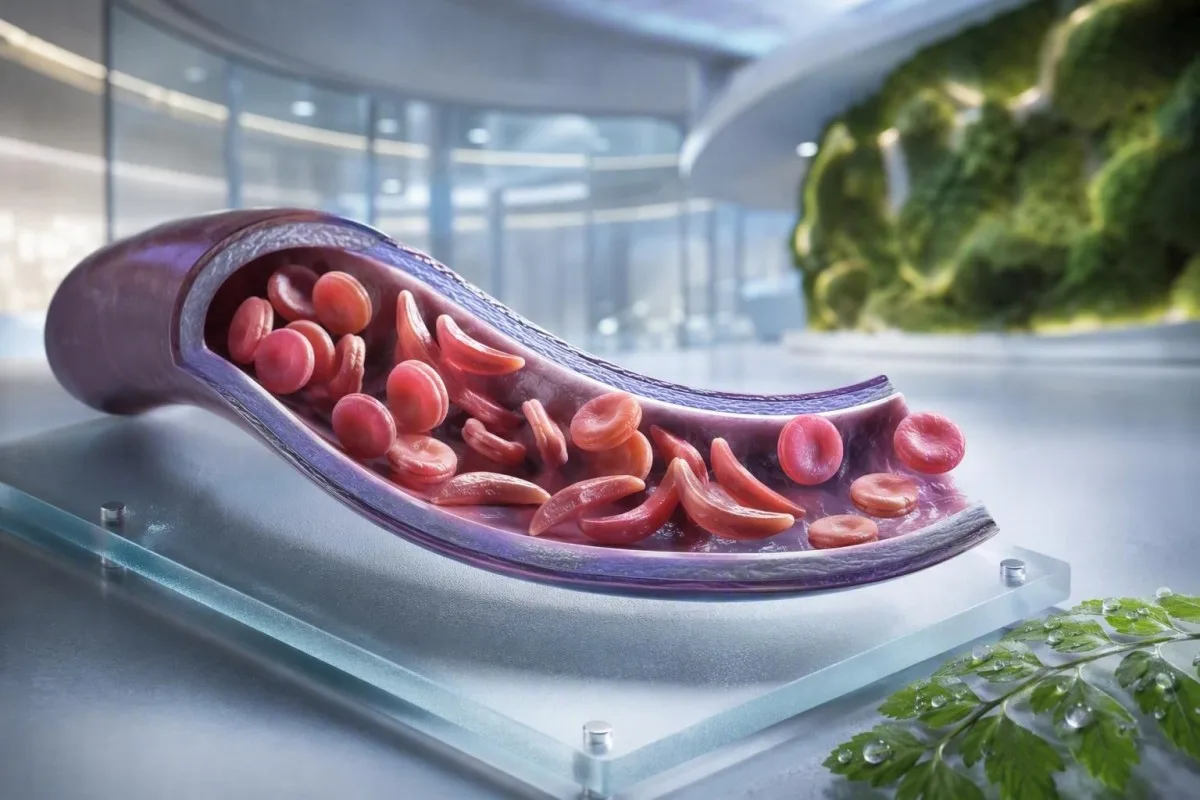
Upungufu wa seli mundu si kipimo kimoja, dalili moja, au kiwango kimoja cha uharaka. Mwongozo huu unaomzingatia mgonjwa unagawanya hali ya kuwa mbeba, ugonjwa uliothibitishwa, ufuatiliaji wa kawaida na hali zinazohitaji huduma ya dharura.


- Tabia ya seli mundu inamaanisha jeni moja la HbS; kwa kawaida haisababishi upungufu sugu wa damu au vipindi vya maumivu vinavyojirudia.
- Kipimo cha watoto wachanga hutambua watoto wengi walioathirika kabla dalili hazijaanza, ikiruhusu penicillini na ufuatiliaji wa mtaalamu kuanza mapema.
- Hemoglobin electrophoresis hutenganisha aina za hemoglobin na husaidia kuthibitisha HbSS, HbSC, HbS-beta thalassemia, au hali ya mbeba.
- Maumivu makali ya kifua, kupumua kwa shida, homa ya 38.5°C au zaidi, kuchanganyikiwa, au udhaifu mpya zinahitaji tathmini ya haraka ya dharura kwa mtu mwenye ugonjwa wa seli mundu.
- Dalili za kupumua kwa shida inaweza kuanza na kikohozi, homa, maumivu ya kifua, au kiwango cha chini cha oksijeni na inaweza kuzidi baada ya saa badala ya siku.
- Kushuka kwa kasi kwa hemoglobin kwa 2 g/dL au zaidi kutoka kwa kiwango cha kawaida cha mtu kunaweza kuashiria shida ya aplastic, kuhifadhiwa, kuvuja damu, au hemolisi iliyoharakishwa.
- Hesabu ya Reticulocyte husaidia kutofautisha mwitikio wa marongo unaofanya kazi kutoka kwa shida ya aplastic; hesabu ya chini wakati wa kuongezeka kwa upungufu wa damu ni muundo wa onyo.
- Hydroxyurea ni dawa inayobadilisha ugonjwa, sio tu dawa ya maumivu; ufuatiliaji kwa kawaida hujumuisha hesabu kamili ya damu kila wiki 4 wakati wa marekebisho ya kipimo.
Upungufu wa seli mundu unamaanisha nini—na hautimaanishi nini
Upungufu wa damu wa seli mundu kawaida hurejelea ugonjwa wa HbSS, ambapo mtu urithi jeni mbili zinazozalisha hemoglobin S; seli nyekundu za damu zinaweza kuwa ngumu, kuvunjika mapema, na kuzuia mishipa midogo. Tabia ya seli mundu ni tofauti: jeni moja la HbS kwa kawaida hujitosheleza kuambukizwa kwa urithi lakini haitoshi kusababisha upungufu sugu wa damu na vipindi vya mara kwa mara vya kuzuia mishipa vinavyoonekana katika HbSS.
Ugonjwa wa seli mundu ni neno pana ambalo linajumuisha HbSS, HbSC, HbS-beta-zero thalassemia, na HbS-beta-plus thalassemia. HbSS mara nyingi husababisha upungufu wa damu ulio wazi zaidi, lakini ukali hutofautiana sana hata ndani ya familia moja; kiwango cha chini cha hemoglobin cha 7.5 g/dL kinaweza kuwa thabiti kwa mtu mzima mmoja na hatari kwa mwingine ikiwa kimeshuka haraka.
Mabadiliko ya hemoglobin S hubadilisha amino asidi moja katika beta-globin: valine inachukua nafasi ya asidi ya glutamic kwenye nafasi ya 6. Chini ya oksijeni kidogo, upungufu wa maji mwilini, asidosis, au homa, molekyuli za HbS zinaweza kuungana ndani ya seli. Mabadiliko hayo ya kimwili yanaelezea kwa nini shida inaweza kutokea baada ya safari ndefu ya ndege, ugonjwa wa utumbo, au usiku wa ulaji mdogo wa maji.
Kantesti AI ni Mchambuzi wa mtihani wa damu wa AI ambayo huweka CBC, bilirubini, LDH, reticulocyte, creatinine, na matokeo ya awali katika mwonekano mmoja wa muda mrefu; haiathibitishi ugonjwa wa seli mundu kutoka kwa CBC pekee. Kwa ukaguzi wa vitendo wa kuripoti hemoglobin, angalia maana ya HGB.
Kufikia Septemba 4, 2026, bado nawaona wagonjwa wakidanganywa vibaya kwamba tabia na ugonjwa vinaweza kutumiwa kwa kubadilishana. Havifanani. Kanuni ya kimatibabu ya Dk. Thomas Klein ni rahisi: omba jenotipu kamili ya hemoglobin, sio taarifa isiyo wazi kwamba kipimo kilikuwa “chanya.”
Kwa nini jenotipu hubadilisha utunzaji
HbSC inaweza kuwa na hemoglobin ya juu kuliko HbSS lakini bado kusababisha matatizo ya retina, maumivu, au necrosis ya avascular. HbS-beta thalassemia inaweza kufanana na tabia au HbSS kulingana na kama uzalishaji wa beta-globin upo kwa sehemu, ndiyo maana upimaji wa molekuli wakati mwingine hurekebisha muundo wa electrophoresis usio wazi.
Dalili za ugonjwa wa seli mundu kulingana na umri na hali ya msingi
Dalili za ugonjwa wa seli mundu kwa kawaida hujumuisha maumivu ya mfupa au kifua yanayotokea mara kwa mara, uchovu, manjano, kupumua kwa shida, ukuaji uliocheleweshwa, na maambukizi ya mara kwa mara, lakini hakuna watu wawili wanaopata muundo sawa. Dalili kwa kawaida huonekana baada ya miezi 4 hadi 6 ya umri kwa sababu hemoglobin ya fetasi hulinda watoto wachanga hapo awali kutokana na kuunganishwa kwa HbS.
Dactylitis—uvimbe unaouma wa mikono au miguu—unaweza kuwa dalili ya kwanza inayoonekana kwa watoto wachanga. Kwa watoto wa umri wa kwenda shule, maumivu ya tumbo yanastahili uangalifu maalum kwa sababu kuvimbiwa, magonjwa ya kibofu cha nyongo, uvimbe wa wengu, na kuzuia mishipa vinaweza kuhisi sawa kwa kushangaza nyumbani.
Manjano katika ugonjwa wa seli mundu huonyesha kuvunjika kwa seli nyekundu za damu na kuongezeka kwa bilirubini isiyo ya moja kwa moja; haiimaanishi moja kwa moja hepatitis. Mkojo mweusi, kinyesi cha rangi hafifu, kuwashwa, homa, au maumivu ya tumbo ya juu kulia hubadilisha tathmini hiyo na kuhitaji uchunguzi wa sababu za ini na mfumo wa nyongo; mwongozo wetu wa ruwaza za bilirubini ya moja kwa moja inaeleza tofauti.
Watu wazima wanaweza kurekebisha maumivu ambayo yamekuwa ya mara kwa mara kwa taratibu. Kwa uzoefu wangu, mabadiliko kutoka kwa vipindi viwili vinavyosimamiwa nyumbani kwa mwaka hadi vipindi viwili kwa mwezi ni muhimu kimatibabu hata kama ziara za dharura hazijaongezeka. Kukosa usingizi, kukosa kazi, dalili za uume, hali ya chini ya akili, na kupungua kwa uwezo wa mazoezi vinapaswa kuandikwa kwa sababu mara nyingi hutangulia mabadiliko rasmi ya matibabu.
Mkazo wa hemoglobin wa 6 hadi 9 g/dL unaweza kuwa kiwango cha kawaida cha hali ya kawaida katika HbSS, wakati thamani chini ya 10 g/dL itakuwa isiyotarajiwa kwa watu wengi bila ugonjwa. Nambari inamaanisha, lakini mabadiliko kutoka kwa kiwango cha kibinafsi yanamaanisha zaidi.
Nani anapaswa kuzingatia kipimo cha kubeba seli mundu
Upimaji wa seli mundu ni wa busara kabla ya ujauzito au mapema katika ujauzito kwa mtu yeyote ambaye hali yake ya kubeba haijulikani, bila kujali mwonekano, jina la ukoo, au ukoo unaodhaniwa. Hali ya kubeba huambukizwa kwa urithi na mara nyingi hubakia haijulikani hadi uchunguzi wa mtoto mchanga au kipimo cha hemoglobin kisichotarajiwa cha kawaida.
Ikiwa wazazi wote wa kibiolojia hubeba lahaja inayohusiana na HbS au beta-thalassemia, kila mimba inaweza kuwa na nafasi ya 25% ya kurithi hali muhimu ya hemoglobini, kulingana na lahaja zinazohusika. Abiria anaweza kuwa na nishati ya kawaida, matokeo ya kawaida ya CBC, na hakuna historia ya vipindi vya maumivu.
Uchunguzi ni muhimu sana wakati mshirika mmoja ana HbAS, sifa ya HbC, sifa ya beta-thalassemia, microcytosis isiyoeleweka, au historia ya familia ya ugonjwa wa seli mundu. Kiasi kidogo cha seli zinazobeba chembe (mean corpuscular volume) hakipaswi kulaumiwa kwa upungufu wa chuma bila kuangalia ferritin na kuzingatia thalassemia; linganisha Vidokezo vya MCV na MCH.
Ripoti ya kimataifa ya Shirika la Afya Duniani ya mwaka 2022 ilikadiria kuwa matatizo ya hemoglobini yanabaki kuwa mzigo mkuu wa magonjwa ya kurithi, hasa ambapo upatikanaji wa uchunguzi wa watoto wachanga hauko sawa. Njia yenye heshima zaidi ni upatikanaji wa ulimwengu kwa uchunguzi wenye taarifa badala ya kutumia kabila kama lango.
Kantesti ni jukwaa la tafsiri ya vipimo vya damu la AI ambazo zinaweza kueleza matokeo yaliyoripotiwa ya HbS kwa lugha rahisi, lakini uthibitisho wa abiria na ushauri nasaha wa uzazi unahitaji maabara na daktari aliyeidhinishwa. Ikiwa wenzi wanapanga ujauzito, uliza ikiwa upimaji wa mshirika na ushauri nasaha wa maumbile unaweza kufanyika kabla ya utungisho badala ya baada ya matokeo kuwa nyeti kwa muda.
Jinsi upimaji wa hemoglobin unavyothibitisha utambuzi
Upimaji wa hemoglobini hutenganisha sehemu za hemoglobini na ni kipimo kikuu cha kuthibitisha upungufu wa damu wa seli mundu au sifa, mara nyingi pamoja na chromatography ya utendaji wa juu na, inapohitajika, upimaji wa maumbile. CBC ya kawaida haiwezi kuthibitisha HbSS au sifa kwa sababu upungufu wa chuma na thalassemia zinaweza kuzalisha viashiria vinavyofanana vya seli nyekundu za damu.
Katika HbSS ambayo haijatibiwa, upimaji kwa kawaida huonyesha hasa HbS bila HbA, ingawa asilimia ya HbF hutofautiana. HbAS kwa kawaida huonyesha HbA na HbS zote mbili, mara nyingi na HbA ikiwa juu kuliko HbS; asilimia kamili zinaweza kubadilika na alpha-thalassemia iliyorithiwa pamoja au kuhamishwa damu hivi karibuni.
Kuhamishwa damu hivi karibuni kunaweza kufanya matokeo ya upimaji kuwa ya kupotosha kwa takriban miezi 3 kwa sababu HbA ya mchangishaji bado inazunguka. Hii pia ndiyo sababu HbA1c inaweza kupunguza wastani wa sukari baada ya kuhamishwa damu au katika hemolysis ya juu-mzunguko; tazama wakati HbA1c inapotosha.
Smear ya pembeni inaweza kuonyesha seli za kulenga, polychromasia, na aina za mundu, lakini darubini inasaidia badala ya kuchukua nafasi ya upimaji wa sehemu. Dk Klein ameshuhudia smears za dharura za “kawaida” zikichelewesha ufafanuzi wakati mgonjwa alikuwa amehamishwa wiki mapema—daima mwambie maabara na timu ya magonjwa ya damu kuhusu kuhamishwa damu.
Mbinu za uchunguzi wa watoto wachanga hutambua HbS kabla ya ugonjwa wa kliniki, lakini matokeo bado yanahitaji upimaji wa uthibitisho kwa wakati. Mwongozo wa msingi wa ushahidi wa 2014 na Yawn et al. unapendekeza ushiriki wa wataalamu mapema maishani, na hatua za kuzuia zinazoanza kabla ya shida kubwa ya kwanza (Yawn et al., 2014).
Ufuatiliaji wa kawaida wa damu: kile ambacho wataalamu hufuatilia
Ufuatiliaji wa kawaida katika ugonjwa wa seli mundu huangalia mabadiliko ya hemoglobin, reticulocytes, seli nyeupe za damu, platelets, bilirubini, LDH, kazi ya figo, na protini kwenye mkojo—sio matokeo moja yaliyotengwa. Kulinganisha kunako salama zaidi ni na kiwango cha kawaida cha mgonjwa mwenyewe, bora kipimwe wakati yuko vizuri na hajaongezewa damu hivi karibuni.
Uharibifu wa chembe mara nyingi husababisha kuongezeka kwa LDH, bilirubini ya moja kwa moja, na reticulocytes huku haptoglobin ikiwa chini. Haptoglobin inaweza kuwa chini kwa sababu zingine, pamoja na ugonjwa wa ini, kwa hivyo muundo wa pamoja ni wenye nguvu kuliko kiashiria chochote cha pekee; yetu mwongozo wa tafsiri ya haptoglobin inaonyesha kwa nini.
Asilimia ya reticulocyte pekee inaweza kuongeza kupita kiasi mwitikio wa uti wa mgongo katika upungufu mkubwa wa damu. Madaktari mara nyingi huhesabu idadi kamili ya reticulocyte au mwitikio uliorekebishwa wa reticulocyte; kupungua kwa idadi kamili wakati wa upungufu wa damu unaozidi kuongezeka kunaashiria wasiwasi wa shida ya ghafla inayohusishwa na parvovirus B19.
Kantesti ni Zana ya uchambuzi wa vipimo vya damu inayotumia AI inayolinganisha matokeo ya mara kwa mara ya hematolojia badala ya kutibu LDH ya juu kama utambuzi wa pekee. Sampuli iliyoandikwa kama imeharibika kwenye kibonge inaweza kuongeza potasiamu na LDH vibaya, kwa hivyo matokeo ya kushangaza yanaweza kuhitaji kupimwa tena; tathmini upimaji wa kurudia baada ya uharibifu wa chembe.
Hydroxyurea huongeza MCV na HbF kwa muda, huku ikipunguza neutrophils kidogo kwa dozi yenye ufanisi. Mabadiliko hayo yanaweza kutarajiwa, lakini idadi kamili ya neutrophil chini ya kiwango cha matibabu cha mtu binafsi au idadi ya chembe inayopungua kwa kasi inahitaji tathmini ya daktari badala ya kurekebisha dawa mwenyewe.
Maumivu yanapokuwa tukio la kuziba kwa mishipa—na yanapokuwa si hivyo
Maumivu ya Vaso-occlusive mara nyingi huwa ya kina, makali, na yaliyo katika mgongo, kifua, nyonga, viungo, au tumbo, lakini maumivu mapya hayapaswi kuandikwa kiholela kama mgogoro wa seli mundu. Homa, uvimbe wa mahali maalum, jeraha, kukaza tumbo, au dalili za kiusimba upande mmoja huashiria shida zinazohitaji uchunguzi tofauti.
Mpango wa maumivu wa nyumbani kwa kawaida hujumuisha unywaji wa maji wa mapema, joto, dawa za maumivu zilizoagizwa, kupumzika, na kiwango cha kupanda kilichoafikiwa na timu ya seli mundu. Kunywa maji mengi hakuna salama zaidi: watu wenye matatizo ya figo au magonjwa ya moyo wanaweza kupata msongo wa maji, hasa wakati wa ugonjwa unaoendelea.
Maumivu ambayo hayadhibitiwi baada ya mpango wa kawaida wa uokoaji, yanazuia maji au dawa kuwekwa ndani, au yanatofautiana kwa ubora au eneo yanapaswa kuchochea ushauri wa haraka wa kimatibabu. Kiungo kilicho kuvimba, cha moto kinaweza kuwakilisha ugonjwa wa arthritis wa septiki au maambukizi ya mfupa badala ya uchafuzi wa vaso-usio ngumu; yetu mwongozo wa upimaji wa maumivu yasiyo na maelezo unaelezea uchunguzi wa kwanza muhimu.
Katika huduma za dharura, tiba ya maumivu kwa wakati unaofaa na tathmini tena ni muhimu zaidi kuliko kuthibitisha ukali wa maumivu kupitia nambari ya maabara. Mwongozo wa NICE juu ya vipindi vya maumivu vya seli mundu unaagiza tathmini ya haraka ya tiba ya maumivu na ukaguzi wa mara kwa mara, kwa sababu kutibu kidogo husababisha mateso yaliyoendelea na kupona kwa kucheleweshwa (NICE, 2012).
Epuka mifuko ya barafu moja kwa moja kwenye eneo la maumivu ya vaso-occlusive isipokuwa timu yako iishauri hasa; baridi inaweza kupunguza mishipa ya pembeni. Maelezo hayo ya vitendo yanaonekana madogo, lakini wagonjwa wengi kuniambia hakuna mtu aliyeiueleza hadi baada ya vipindi kadhaa vigumu.
Dalili za kupumua kwa shida: hali ya dharura ambayo watu wengi huikosa
Dalili za kifua cha papo hapo ni uvimbe mpya wa mapafu kwenye uchunguzi wa kifua pamoja na dalili za kupumua, homa, maumivu ya kifua, au oksijeni ya chini kwa mtu mwenye ugonjwa wa seli mundu, na ni dharura. Inaweza kuzorota haraka, wakati mwingine baada ya kulazwa kwa kipindi cha maumivu badala ya wakati dalili za kifua zinapoanza.
Piga huduma za dharura au nenda kwa huduma za dharura kwa kukosa hewa mpya, maumivu ya kifua, midomo ya hudhurungi-kijivu, kupoteza fahamu, kukohoa kwa kudumu na homa, au kiwango cha oksijeni chini ya lengo la mtu lililoagizwa. Kiwango cha 92% kinaweza kuwa kikipungua kikubwa kwa mtu ambaye kawaida huwa na 98%, wakati wagonjwa wengine wana kiwango cha chini kilichoandikwa; thamani kamili na mabadiliko huathiri.
Dalili za kifua cha papo hapo zinaweza kuhusisha maambukizi, kuingia kwa mafuta kutoka kwenye uti wa mfupa, kizuizi cha mishipa ya mapafu, atelectasis, au michakato kadhaa kwa wakati mmoja. Madaktari mara nyingi hupima oksijeni, CBC, reticulocytes, tamaduni zinapoonekana homa, uchunguzi wa kifua, na wakati mwingine gesi za damu; vipimo vya damu kwa upungufu wa pumzi huongeza muktadha kwa matokeo haya.
Kwa watu wazima, kuzidisha usingizi kutoka kwa opioids, kupumua kwa kina kutokana na maumivu, na maji mengi ya mishipa yanaweza kuzidisha hali ya kupumua. Spirometa ya motisha wakati wa kulazwa hospitalini hupunguza matatizo ya mapafu katika vipindi vya maumivu vilivyochaguliwa, ingawa si mbadala wa tathmini ya haraka wakati dalili zimeanza tayari.
Tathmini ya 2018 na Kato na wenzake inaelezea dalili za kifua cha papo hapo kama sababu kuu ya magonjwa na vifo katika maisha yote (Kato et al., 2018). Usijisikie mwenyewe ikiwa upumuo, uchovu, au shinikizo la kifua ni kubwa.
Homa, maambukizi, na dharura za wengu
Joto la 38.5°C (101.3°F) au zaidi kwa mtoto au mtu mzima mwenye upungufu wa seli mundu huhitaji tathmini ya haraka ya kimatibabu siku hiyo hiyo isipokuwa timu yao ya wataalamu imetoa mpango tofauti. Upotevu wa utendaji wa kinga ya wengu unaweza kusababisha maambukizi kadhaa ya bakteria kuendelea haraka zaidi kuliko homa ya kawaida ya virusi.
Homa pamoja na uchovu, upele, shinikizo la damu la chini, kuchanganyikiwa, au kupungua kwa uzalishaji wa mkojo huhitaji huduma ya dharura sasa. Hesabu ya kawaida ya seli nyeupe za damu haiondoi kwa uaminifu maambukizi makubwa katika upungufu wa seli mundu, hasa mapema wakati wa ugonjwa au wakati wa matibabu ya hydroxyurea.
Utando wa wengu hutokea mara nyingi zaidi kwa watoto wadogo na husababisha kuvimba kwa ghafla kwa wengu, rangi ya kufifia, kutosheka kwa tumbo, kupumua kwa kasi, na kushuka kwa kasi kwa hemoglobin. Wazazi wakati mwingine hufunzwa jinsi ya kuhisi wengu wa mtoto wao, lakini uvimbe wowote mpya wakati wa ugonjwa unapaswa kusababisha tathmini ya haraka badala ya kuangalia nyumbani mara kwa mara.
Kushuka kwa hemoglobin kwa 2 g/dL au zaidi chini ya kiwango cha kawaida kilicho na wengu uliovimba kunatia wasiwasi kuhusu utando. Kwa upande mwingine, upungufu mkali wa damu na hesabu ya chini sana ya reticulocyte inaweza kuonyesha shambulio la aplastiki, mara nyingi linaohusiana na parvovirus B19; tafsiri ya hesabu ya reticulocyte inaelezea ishara ya uti wa mgongo.
Maabara ya sepsis inaweza kujumuisha lactate, tamaduni, CBC, vipimo vya figo, na viashiria vya kuvimba, lakini maamuzi ya matibabu hayapaswi kusubiri hadi kila thamani irudi. Kwa muktadha wa mifumo ya dharura, soma dalili za viashiria vya sepsis.
Chanjo na viuatilifu vya kinga
Chanjo na prophylaxis ya penicillin ya utotoni hupunguza hatari lakini haifanyi homa kuwa hatari ndogo. Thibitisha mpango wako wa kibinafsi na timu ya hematolojia au watoto, hasa baada ya splenectomy, kusafiri, mtoto mpya, au mabadiliko katika ratiba ya chanjo ya mahali.
Kiharusi na dalili za onyo za mfumo wa neva zinahitaji hatua ya haraka
Kuanguka kwa ghafla kwa uso, udhaifu wa mkono au mguu, ugumu wa kuongea, kifafa, maumivu makali ya kichwa yasiyo ya kawaida, kuchanganyikiwa, au kupoteza usawa katika upungufu wa seli mundu kunapaswa kutibiwa kama dharura inayowezekana ya kiharusi. Piga huduma za dharura mara moja; usisubiri kuona kama dalili zitapita au toa dawa ya maumivu kwanza.
Watoto wenye HbSS au HbS-beta-zero thalassemia mara nyingi hufanyiwa uchunguzi wa ultrasound wa Doppler wa tengeneza ya kichwa kutoka umri wa miaka 2 hadi 16. Kasi ya wastani ya muda wa muda wa kiwango cha juu cha 200 cm/pili au zaidi huonyesha hatari kubwa ya kiharusi na huhitaji hatua ya haraka ya mtaalamu.
Matibabu ya kuhamisha mara kwa mara inaweza kupunguza hatari ya kiharusi cha kwanza kwa watoto wenye matokeo ya Doppler yasiyo ya kawaida, lakini huleta mahitaji ya ziada: ufuatiliaji wa upakiaji wa chuma, uchunguzi wa kinga, na vinavyolingana kwa uangalifu vya seli za mchangani. Hii ni huduma maalum, sio matokeo ya kudhibiti kupitia programu.
Watu wazima wanaweza kuwa na dalili za muda mfupi za neva, mabadiliko ya utambuzi, au uharibifu wa ubongo wa kimya bila kiharusi cha kawaida. Kipindi cha dakika 10 cha ugumu wa kutafuta maneno bado huhitaji tathmini ya dharura kwa sababu dalili za muda mfupi za ischemic zinaweza kuwa onyo, sio uhakikisho.
Dk. Thomas Klein anashauri familia kuokoa nambari yao ya mawasiliano ya dharura ya mundu karibu na mpango wa kawaida wa maumivu. Inaondoa uamuzi mmoja wakati wa dakika chache ambapo mtoto au mtu mzima anaweza kuwa akipambana na kuwasiliana.
Kulinda figo, macho, na mapafu kati ya vipindi vya shida
Upungufu wa seli mundu unaweza kuharibu figo, retina, mapafu na moyo hata wakati maumivu hayana mara kwa mara, kwa hivyo ufuatiliaji wa kawaida wa viungo ni sehemu ya matibabu badala ya ziada ya hiari. Upimaji wa albimini ya mkojo, ukaguzi wa shinikizo la damu, uchunguzi wa macho, na tathmini ya mapafu inayoongozwa na dalili hutambua shida kabla hazijaonekana.
Albuminuria inaweza kuwa ishara ya mapema ya upungufu wa figo wa mundu. Uwiano wa albimini ya mkojo hadi creatinine wa 30 mg/g au zaidi ni wa kawaida kwa watu wazima wengi na unapaswa kuthibitishwa na upimaji wa kurudia kwa sababu homa, mazoezi, hedhi, na upungufu wa maji mwilini zinaweza kuuinua kwa muda.
Creatinine inaweza kuonekana ya kawaida kwa udanganyifu katika upungufu wa seli mundu kwa sababu ongezeko la usiri wa mirija na kupungua kwa wingi wa misuli kunaweza kuficha kupungua kwa kichujio. Cystatin C au mchanganyiko wa hesabu unaweza kuongeza muktadha muhimu, wakati mkojo wenye povu unaoendelea unastahili tathmini; angalia mwongozo wa protini katika mkojo.
Retinopathy ni muhimu sana katika ugonjwa wa HbSC, ambao unaweza kuwa kimya kimya kliniki kwa njia zingine. Vifutaji vipya, miale, mabadiliko ya kuona kama pazia, au maono ya ghafla yenye ukungu yanahitaji ukaguzi wa haraka wa macho, sio miadi ya kawaida wiki kadhaa baadaye.
Mimba huongeza uhuishaji wa kisaikolojia na hatari kubwa ya mama na fetasi, kwa hivyo tathmini ya msingi ya figo na mkojo inapaswa kufanyika mapema. Ufafanuzi wetu wa mabadiliko ya GFR wakati wa ujauzito husaidia kutofautisha mabadiliko yanayotarajiwa kutoka kwa mwelekeo unaotia wasiwasi.
Chaguzi za matibabu, hydroxyurea na usalama wa kupandikizwa damu
Hydroxyurea hupunguza vipindi vya maumivu na dalili za kushtua za kifua kwa watu wengi wenye thalasemia ya HbSS au HbS-beta-zero kwa kuongeza hemoglobin ya fetasi, lakini inahitaji ufuatiliaji wa kimfumo. Upandikizaji unaweza kuokoa maisha kwa shida maalum, hata hivyo upandikizaji mara kwa mara huleta mzigo wa chuma na hatari za kingamwili za chembe nyekundu.
Hydroxyurea kwa kawaida huwekwa kwa kutumia CBC na hesabu ya reticulocyte karibu kila wiki 4 hadi kipimo thabiti kitakapofikiwa, kisha kwa vipindi virefu zaidi vilivyoainishwa na timu ya matibabu. MCV ya juu mara nyingi ni athari ya matibabu inayotarajiwa, wakati cytopenia kali inahitaji marekebisho ya dawa na wakati mwingine kusimamishwa kwa muda.
Upandikizaji rahisi huongeza uwezo wa kubeba oksijeni, lakini mkusanyiko mwingi wa hemoglobin unaweza kuongeza mnato katika HbSS. Itifaki nyingi za dharura huepuka kuongeza hemoglobin baada ya upandikizaji zaidi ya 10 g/dL isipokuwa mtaalamu anaweka lengo tofauti; upandikizaji wa kubadilishana hutumiwa kwa shida maalum kali.
Mzigo wa chuma huongezeka zaidi baada ya upandikizaji mara kwa mara na hutathminiwa na mwelekeo wa ferritin pamoja na MRI ya ini au moyo inapofaa. Ferritin huongezeka na kuvimba, kwa hivyo kiwango kimoja cha juu si uthibitisho wa mzigo wa chuma mwilini; mwongozo wa masomo ya chuma unaeleza mipaka.
Ushahidi ni mkubwa zaidi kwa hydroxyurea katika ugonjwa wa HbSS na HbS-beta-zero; faida katika HbSC bado ni eneo lenye uhakika mdogo na uamuzi zaidi wa kibinafsi. Mpango wa dawa unapaswa kujumuisha majadiliano ya uzazi wa mpango na mimba inapohusika, vizuizi vya kufuata, na mpango ulioandikwa wa vipimo vilivyokosekana.
Mimba, uzazi, na upangaji wa familia na HbS
Mimba yenye ugonjwa wa seli mundu inahitaji huduma ya pamoja ya mapema kutoka kwa uzazi na magonjwa ya damu kwa sababu hatari za vipindi vya maumivu, upungufu wa damu, kuganda kwa damu, maambukizi, pre-eclampsia, ukuaji wa mtoto mdogo, na kuzaliwa mapema ni kubwa zaidi. Upimaji wa mbeba huleta maana kabla ya mimba kwa sababu hatari ya kijeni inategemea wazazi wote wa kibaolojia.
Ziara ya kabla ya mimba inapaswa kukagua jenotipu, kiwango cha msingi cha hemoglobin, utendaji wa figo, albmini ya mkojo, shinikizo la damu, historia ya upandikizaji, kingamwili za chembe nyekundu, chanjo, na dawa. Maamuzi ya hydroxyurea wakati wa ujauzito hufanywa kwa kibinafsi na lazima yafanywe na wataalamu; usiiache au uanze tena kulingana tu na ushauri wa mtandaoni.
Chuma haipaswi kuamriwa kiholela kwa hemoglobin ya chini katika HbSS. Upungufu wa chuma unaweza kuwepo, hasa kwa mimba au damu nzito ya hedhi, lakini mwelekeo wa ferritin na uhamisho wa uhamishaji unapaswa kuongoza matibabu kwa sababu uharibifu sugu wa seli nyekundu haimaanishi upungufu wa chuma.
Wakati wazazi wote hubeba lahaja za hemoglobin husika, ushauri nasaha wa kijeni unaweza kueleza mimba ya asili, uchaguzi wa uchunguzi wa kabla ya kuzaa, chaguo za wafadhili, na upimaji wa kijeni kabla ya kuingizwa bila kuelekeza familia kwenye uamuzi mmoja. Lengo ni uchaguzi wenye habari, sio hofu.
Kwa dalili zingine za maabara za mimba zinazofaa, ona wasiwasi wa maabara ya mimba siku hiyo hiyo. Kima cha msingi kinachojulikana cha mgonjwa kinapaswa kujumuishwa katika kila kuhamishwa kwa uzazi; hubadilisha jinsi matokeo ya hemoglobin yanavyotafsiriwa.
Kutumia matokeo ya maabara kwa usalama kati ya miadi
Matokeo ya maabara ya seli mundu yanafaa zaidi ikilinganishwa na jenotipu yako, kiwango cha msingi thabiti, dalili, matibabu, na upandikizaji wa hivi karibuni. Bilirubin ya juu au hemoglobin ya chini inaweza kutarajiwa kwa mtu mmoja mwenye HbSS lakini ni ya haraka kwa mtu yuleyule ikiwa matokeo yatahamia ghafla.
Weka rekodi ya ukurasa mmoja ya jenotipu, hemoglobin ya kawaida, kueneza kwa kawaida kwa oksijeni ikiwa inajulikana, kundi la damu na kingamwili, dawa za sasa, tarehe za upandikizaji, na mawasiliano ya dharura. Hii huokoa muda katika vyumba vya dharura ambavyo haijulikani na hupunguza uwezekano kwamba kiwango cha msingi cha HbSS kinakosewa kama upungufu wa damu uliogunduliwa hivi karibuni.
Kantesti ni huduma ya kutafsiri vipimo vya maabara ya AI ambayo inaweza kupanga ripoti za maabara zilizopakiwa na kuashiria ruwaza za mjadala, ikijumuisha viashiria vya uharibifu wa seli nyekundu, mwelekeo wa figo, na ufuatiliaji wa dawa. Haiwezi kuona kifua chako, kupima uenezi wa oksijeni, au kuchukua nafasi ya huduma ya dharura wakati dalili zinaonyesha dalili za kushtua za kifua, sepsis, au kiharusi.
Matokeo yaliyo nje ya kiwango cha kumbukumbu cha maabara si lazima yawe hatari, na matokeo yaliyo ndani yake bado yanaweza kuwa hatari ikiwa yamebadilika kwa kasi. Kwa maelezo ya bendera za kuripoti na safu za marejeleo, soma maana ya matokeo yaliyo nje ya kiwango.
Mbinu ya kimatibabu ya Kantesti inakaguliwa dhidi ya mbinu na vikwazo vilivyoainishwa; wasomaji wanaotaka kuelewa ulinzi wetu wanaweza kukagua uthibitisho wa kimatibabu. Leta PDF halisi kwenye miadi yako ya magonjwa ya damu—OCR ni muhimu, lakini ripoti chanzo inabaki kuwa rekodi.
Mpango wazi wa hatua za dharura kwa ugonjwa wa seli mundu
Tafuta msaada wa dharura sasa kwa maumivu ya kifua au ugumu wa kupumua, homa ya 38.5°C au zaidi, dalili mpya za neva, kupoteza fahamu, rangi ya mwili iliyokolea sana, maumivu yasiyodhibitiwa, ongezeko la kasi la tumbo, au kutoweza kunywa na kula dawa. Ishara hizi za onyo zinaweza kuonyesha ugonjwa wa kifua papo hapo, sepsis, kiharusi, upungufu mkubwa wa damu, au mrundikano wa wengu.
Waambie wafanyakazi wa dharura kuwa una ugonjwa wa seli mundu, taja jenotipu yako ikiwa unaijua, na eleza kinachotofautiana na tukio lako la kawaida. Taja kuongezewa damu hivi karibuni, kiwango cha kawaida cha hemoglobin, dawa za maumivu zilizochukuliwa tayari pamoja na dozi na nyakati, mizio, ujauzito, na ugonjwa wowote wa kifua papo hapo au kiharusi uliopata hapo awali.
Usisubiri kifaa cha kupimia oksijeni cha nyumbani kiwe kibaya ikiwa dalili za kifua zinazidi kuwa mbaya. Vifaa vya watumiaji vinaweza kusoma vibaya kwa vidole baridi, bidhaa za kucha, harakati, mzunguko duni wa damu, na baadhi ya rangi za ngozi; dalili na tathmini ya kimatibabu huzidi onyesho moja la kutuliza.
Ikiwa unamtembelea mtoto, waulize timu yake mpango ulioandikwa wa kiwango cha homa, mpango wa tiba ya maumivu, na maagizo ya kuangalia wengu. Ikiwa wewe ni mtu mzima, weka nakala kwenye simu yako na ushiriki na mtu mmoja unayemwamini; upangaji wa rekodi za afya za familia unaweza kufanya hivi kuwa rahisi.
Timu ya matibabu ya Kantesti, ikiwa ni pamoja na yetu Bodi ya Ushauri wa Matibabu, inasaidia elimu kuhusu tafsiri ya maabara, wakati maamuzi ya dharura ni ya huduma za kimatibabu zinazofanyika ana kwa ana. Kuhusu shirika letu na dhamira yetu ya kimatibabu, tazama timu yetu na mbinu.
Maswali Yanayoulizwa Mara Kwa Mara
Dalili za kwanza za upungufu wa damu}-(sickle cell anemia) kwa watoto wachanga ni zipi?
Dalili za awali za upungufu wa damu katika seli mundu mara nyingi huonekana baada ya miezi 4 hadi 6 ya umri, wakati hemoglobin ya fetasi inapopungua kiasili. Kuvimba kwa mikono na miguu kuambatana na maumivu, kiitwacho dactylitis, homa, kukasirika kwa watoto wachanga, rangi ya uchafu, manjano, ugumu wa kulisha, na uvimbe tumboni ni dalili za kawaida za onyo la awali. Homa ya nyuzi joto 38.5°C (101.3°F) au zaidi kwa mtoto mwenye ugonjwa wa seli mundu inahitaji tathmini ya haraka ya kimatibabu siku hiyo hiyo kwani maambukizi makali yanaweza kuendelea kwa kasi. Upimaji wa watoto wachanga hugundua watoto wenye ugonjwa kabla dalili hazijaonekana, lakini upimaji wa uthibitisho na ufuatiliaji wa wataalamu unabaki kuwa muhimu.
Je, unaweza kuwa na hali ya chembechembe mundu na bado kuwa na dalili?
Watu wengi wenye sifa ya seli munduko hawana upungufu sugu wa damu, hawapati maumivu ya mara kwa mara, na huweza kufanya mazoezi ya kawaida ya kila siku. Matatizo adimu yanaweza kutokea katika hali ya ukavu uliokithiri, joto kali, maeneo yenye kimo kikubwa, mazoezi makali sana, au mazingira yenye upungufu wa oksijeni, na damu katika mkojo inapaswa kuchunguzwa badala ya kudhani kuwa haina madhara. Sifa huashiria jeni moja la HbS, huku upungufu wa seli munduko kwa kawaida huashiria ugonjwa wa HbSS wenye jeni mbili za beta-globin zilizoathirika. Upimaji wa electrophoresisi ya hemoglobin au kipimo sawa cha kugawanya unaweza kufafanua tofauti.
Kipimo gani kinathibitisha upungufu wa damu kiini-kama-kikono?
Upimaji wa hemoglobin electrophoresis, high-performance liquid chromatography, au capillary electrophoresis huthibitisha sehemu za hemoglobin zilizopo na ni muhimu katika kutambua upungufu wa damu kiunzi. HbSS ambayo haijatibiwa kwa kawaida huonyesha zaidi hemoglobin S bila hemoglobin A, wakati hali ya kuwa na chembechembe huonyesha hemoglobin A na hemoglobin S. CBC inaweza kutambua upungufu wa damu au chembechembe nyekundu ndogo lakini haiwezi kutambua HbSS, HbSC, au hali ya kuwa na chembechembe peke yake. Upokeaji wa damu hivi karibuni unaweza kuharibu matokeo ya sehemu kwa muda wa miezi 3, kwa hivyo upimaji wa molekuli unaweza kuhitajika wakati ruwaza haiko wazi.
Mtu mwenye Upungufu wa Chembe Dola wekundu (sickle cell disease) anapaswa kwenda chumba cha dharura lini?
Mtu mwenye utapiamlo wa seli bastola anapaswa kutafuta tathmini ya dharura kwa homa ya 38.5°C (101.3°F) au zaidi, maumivu ya kifua, ugumu wa kupumua, upungufu wa oksijeni, udhaifu wa ghafla, ugumu wa kuongea, kifafa, kuzirai, rangi ya mwili inayozorota haraka, uvimbe mkubwa wa tumbo, au maumivu ambayo hayadhibitiwi na mpango wao uliowekwa. Dalili hizi zinaweza kuashiria "acute chest syndrome", maambukizi, kiharusi, "splenic sequestration", au kushuka kwa ghafla kwa hemoglobin. Maumivu mapya au tofauti pia yanahitaji tathmini kwa sababu maambukizi ya mfupa, magonjwa ya nyongo, "appendicitis", na mabonge ya damu yanaweza kuonekana kama maumivu ya "vaso-occlusive". Usijitume mwenyewe ikiwa dalili za neva au za kupumua ni muhimu.
Kiwango hatari cha hemoglobin katika ugonjwa wa seli mundu ni kipi?
Hakuna nambari moja hatari ya hemoglobin katika upungufu wa seli mundu kwa sababu watu wengi wenye HbSS wana kiwango thabiti kati ya takriban 6 na 9 g/dL. Kupungua kwa 2 g/dL au zaidi kutoka kwa hemoglobin ya kawaida ya mtu mara nyingi huleta wasiwasi zaidi kuliko thamani halisi na kunaweza kuashiria shida ya aplastic, mkusanyiko wa wengu, kuvuja damu, au uharibifu wa kasi wa seli nyekundu za damu. Dalili kali kama vile kukosa pumzi, kuzirai, maumivu ya kifua, mapigo ya moyo ya haraka, au kuchanganyikiwa huhitaji uchunguzi wa haraka kwa kiwango chochote cha hemoglobin. Maamuzi ya kuongezewa damu hutegemea dalili, kiwango cha kawaida, sababu ya upungufu wa damu, oksijeni, na hatari ya hyperviscosity.
Je, hydroxyurea hutibu anemia ya seli mundu?
Hydroxyurea haina tiba ya upungufu wa seli mundu, lakini inaweza kupunguza vipindi vya maumivu, dalili ya kifua kwa madhara ya ghafla (acute chest syndrome), uhitaji wa kupandikiza damu, na matumizi ya hospitali kwa watu wengi wenye HbSS au upungufu wa seli mundu wa beta-zero thalassemia. Inafanya kazi kwa kuongeza hemoglobin ya fetasi na kwa kawaida huhitaji uchunguzi wa damu kwa kutumia mashine (CBC) na hesabu za seli nyekundu changa (reticulocyte) kila baada ya wiki 4 wakati kipimo kinarekebishwa. Kuongezeka kwa MCV na kiwango cha HbF kunaweza kuashiria athari za kibiolojia, ingawa hakuna matokeo yoyote yanayothibitisha utiifu kamili. Njia za matibabu ya kuponya kama vile upandikizaji wa seli shina (stem-cell transplantation) na baadhi ya tiba zinazotokana na jeni zinahitaji tathmini maalum sana ya kustahiki na ufuatiliaji wa muda mrefu.
Pata Uchambuzi wa Vipimo vya Damu kwa AI Leo
Jiunge na zaidi ya watumiaji 2 milioni duniani kote wanaoamini Kantesti kwa uchambuzi wa papo hapo na sahihi wa vipimo vya maabara. Pakia matokeo yako ya vipimo vya damu na upate tafsiri ya kina ya viashiria vya 15,000+ ndani ya sekunde.
📚 Machapisho ya Utafiti Yanayorejelewa
Klein, T., Mitchell, S., & Weber, H. (2026). Mwongozo wa Kipimo cha Damu cha C3 C4 Complement & Kipimo cha ANA Titer. Kantesti uchambuzi wa damu kwa AI ya utafiti wa matibabu.
Klein, T., Mitchell, S., & Weber, H. (2026). Kipimo cha Damu cha Virusi vya Nipah: Mwongozo wa Kugundua na Kutambua Mapema 2026. Kantesti uchambuzi wa damu kwa AI ya utafiti wa matibabu.
📖 Marejeo ya Nje ya Tiba
⚕️ Kanusho la Kimatibabu
Makala haya ni kwa madhumuni ya elimu tu na si ushauri wa kimatibabu. Wasiliana na mtoa huduma aliyehitimu kila wakati kwa maamuzi ya utambuzi na matibabu.
E-E-A-T Trust Signals
Uzoefu
Mapitio ya kimatibabu inayoongozwa na daktari ya mifumo ya tafsiri ya maabara.
Utaalamu
Kuzingatia dawa za maabara kuhusu jinsi viashiria (biomarkers) vinavyobadilika katika muktadha wa kliniki.
Mamlaka
Imeandikwa na Dk. Thomas Klein kwa mapitio ya Dk. Sarah Mitchell na Prof. Dk. Hans Weber.
Uaminifu
Tafsiri inayotegemea ushahidi yenye njia zilizo wazi za ufuatiliaji ili kupunguza tahadhari za hofu.