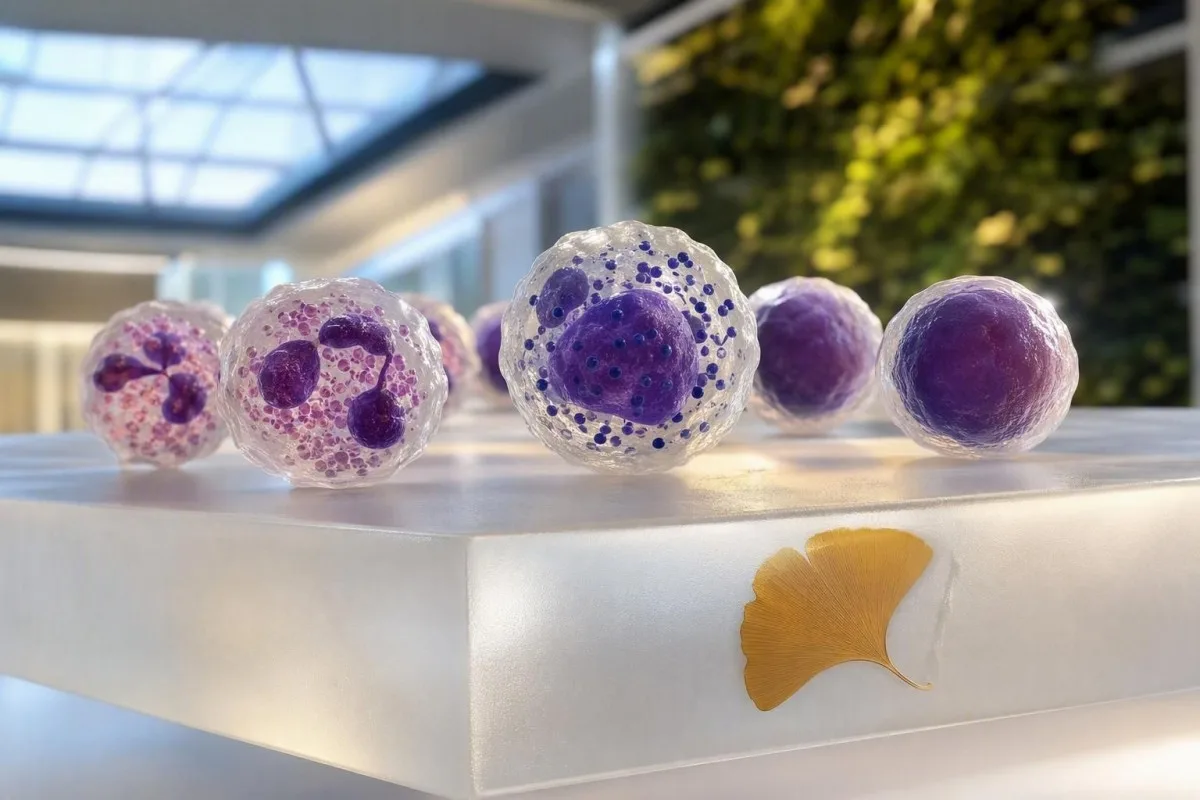
Väčšina dospelých má absolútny počet bazofilov 0,00–0,10 × 10⁹/l (0–100/µl), zatiaľ čo percentuálny podiel je zvyčajne 0–11 %. Mierne nezvyčajný percentuálny podiel často odráža posuny v iných bielych krvinkách; absolútny počet bazofilov je výsledok, ktorý zvyčajne usmerňuje ďalší postup.


- Absolútne bazofily sú zvyčajne 0,00–0,10 × 10⁹/l (0–100/µl) u dospelých a sú klinicky užitočnejšie ako samotné percento.
- Percento bazofilov je bežne 0–11 % bielych krviniek, ale môže sa zvýšiť, keď klesnú neutrofily alebo lymfocyty, aj keď absolútny počet je normálny.
- Deti zvyčajne používajú rovnakú praktickú hornú hranicu 0,10 × 10⁹/l po dojčenskom veku, ale prednosť má vekovo špecifický interval laboratória.
- Opakované CBC za 2–8 týždňov je primerané pri izolovanej, miernej bazofílii po alergii, infekcii alebo zmene liekov.
- Pretrvávajúca bazofília nad 0,20 × 10⁹/l si zaslúži prehľad lekára, najmä pri vysokom počte bielych krviniek, anémii, splenomegálii alebo ústavných príznakoch.
- Urýchlené posúdenie je oprávnená pri výraznej leukocytóze, nevysvetliteľnom úbytku hmotnosti, silných nočných potoch, horúčke alebo skorom pocite plnosti pod ľavými rebrami.
- Nulové bazofily na automatickom diff. počte je bežný a zvyčajne nemá klinický význam.
- Kantesti AI číta bazofily popri celkovom počte bielych krviniek, eozinofilov, počte krvných doštičiek, hemoglobíne a predchádzajúcich výsledkoch namiesto toho, aby jednu vlajku považoval za diagnózu.
Absolútny počet bazofilov verzus percento bazofilov
Absolútne bazofily 0,00–0,10 × 10⁹/l sú u dospelých všeobecne normálne, zatiaľ čo percento bazofilov 0–1% je len podiel z celkového počtu bielych krviniek. Keď sa tieto dve hodnoty nezhodujú, lekári zvyčajne prikladajú väčšiu váhu absolútnemu výsledku.
Percento sa môže zdať vysoké jednoducho preto, lebo iný typ bielych krviniek je nízky. Napríklad 1,5% bazofilov s počtom bielych krviniek 3,0 × 10⁹/l dáva absolútny počet iba 0,045 × 10⁹/l – čo je v mnohých dospelých intervaloch. Preto percentuálna vlajka sama o sebe zriedka povie celý príbeh.
Výpočet je jednoduchý: celkový počet bielych krviniek × percento bazofilov ÷ 100. Počet bielych krviniek 12,0 × 10⁹/l a bazofily 2% dávajú 0,24 × 10⁹/l, čo je skutočné zvýšenie. Širší kontext nájdete v našej príručke k čo obsahuje CBC.
Kantesti je Analyzátor krvných testov s umelou inteligenciou , ktorá prevádza percentá na klinicky porovnateľné absolútne počty, keď zdrojová správa poskytuje diferenciál. Podľa mojej skúsenosti táto jedna konverzia zabráni značnému množstvu zbytočného znepokojenia po bežnej zdravotnej prehliadke.
Prečo je absolútne číslo stabilnejšie
Automatické analyzátory počítajú tisíce bunkových udalostí, ale bazofily sú zvyčajne zriedkavé – často menej ako 1 zo 100 bielych krviniek. Malé analytické a biologické posuny preto môžu posunúť percento zreteľnejšie ako absolútny počet.
Praktické referenčné intervaly bazofilov podľa veku
Väčšina laboratórií používa absolútny referenčný interval bazofilov 0,00–0,10 × 10⁹/l od detstva až po dospelosť, ale novorodenecké rozsahy môžu byť širšie. Použite interval uvedený vedľa vášho výsledku, pretože referenčné limity závisia od metódy analyzátora a miestnej zdravej populácie laboratória.
U dojčiat v prvých týždňoch života niektoré pediatrické laboratóriá akceptujú absolútne bazofily až približne do 0,20–0,40 × 10⁹/l. Imunitný systém novorodenca sa rýchlo adaptuje, takže dospelé hraničné hodnoty by sa nemali uplatňovať na novorodenecký výsledok bez pediatrického vstupu.
Od približne 1 roka života mnohé služby používajú praktický horný limit blízko 0,10 × 10⁹/l, alebo 100/µl. Výsledok 0,11 × 10⁹/l u prosperujúceho dieťaťa s normálnym celkovým počtom bielych krviniek je zvyčajne otázkou opakovania a kontextu, nie núdzovým stavom.
CLSI EP28-A3c vysvetľuje, prečo si laboratóriá stanovujú alebo overujú vlastné referenčné intervaly namiesto požičiavania univerzálneho rozsahu (CLSI, 2010). Naša príručka k vekovým rozsahom neutrofilov ukazuje rovnaký princíp pre iný diferenciálny počet.
Pochopenie jednotiek bazofilov v britských, amerických a medzinárodných správach
Počet bazofilov 0,10 × 10⁹/l zodpovedá 100/µl, takže správy používajúce rôzne jednotky môžu opísať rovnaký výsledok. Úplné krvné obrazce v Spojenom kráľovstve často uvádzajú ×10⁹/l, zatiaľ čo americké laboratóriá bežne používajú bunky/µl alebo K/µl.
Na prevod ×10⁹/l na bunky/µl vynásobte 1 000. Teda 0,05 × 10⁹/l zodpovedá 50/µl; 0,25 × 10⁹/l zodpovedá 250/µl. Správa zobrazujúca 0,0 môže byť zaokrúhlená na jedno desatinné miesto, namiesto aby dokazovala, že bazofily nie sú vôbec prítomné.
Hodnota uvedená ako 0,2 K/µl zodpovedá 0,20 × 10⁹/l. Tento rozdiel je dôležitý, pretože 0,2 a 0,2 K/µl sú úplne odlišné merania. Pacienti si ich pravidelne zamieňajú pri porovnávaní správ z dvoch krajín.
Ak vaša správa uvádza FBC namiesto CBC, zložky sú do značnej miery rovnaké; naša vysvetlivka k britskému kompletnému krvnému obrazu prekladá bežnú terminológiu.
Prečo sa počet bazofilov zvyšuje alebo znižuje
Mierna bazofília najčastejšie sprevádza alergiu, chronický zápal, zotavenie po infekcii alebo imunitný posun vyvolaný liekmi. Nízky počet alebo nulové bazofily zvyčajne nie sú významné, pretože tieto bunky cirkulujú vo veľmi malom počte.
Bazofily nesú receptory pre IgE a môžu uvoľňovať histamín a iné mediátory po expozícii alergénu. Sezónna alergická rinitída, chronická urtikária, astma a niektoré kožné ochorenia sa môžu časovo zhodovať s malým nárastom, hoci normálny počet žiadnu z nich nevylučuje ani nepotvrdzuje.
Hypotyreóza, zápalové ochorenie čriev, reumatické ochorenia a niektoré chronické infekcie sa tiež môžu spájať s bazofíliou. Užitočná otázka nie je “aká choroba to spôsobuje?”, ale “aké iné signály sú prítomné?” – záleží na CRP, eozinofiloch, symptómoch, anamnéze liekov a trajektórii.
Zvýšené IgE a počet eozinofilov môžu podporiť alergický vzor, zatiaľ čo izolované svrbenie si môže vyžadovať širšie posúdenie; náš článok o krvných testoch na svrbiacu pokožku vysvetľuje praktické limity testovania CBC.
Kedy by ste mali zopakovať CBC na bazofily?
Zopakujte CBC o 2–8 týždňov pri miernom, izolovanom zvýšení bazofilov po dočasnom spúšťači, za predpokladu, že sa cítite dobre a zvyšok obrazca je upokojujúci. Zopakujte skôr, zvyčajne v priebehu dní až 2 týždňov, keď sa zvyšuje celkový počet bielych krviniek alebo sú prítomné viaceré abnormálne bunkové línie.
Pri absolútnom počte bazofilov 0,11–0,20 × 10⁹/l po prechladnutí, vzplanutí sennnej nádchy, očkovaní alebo krátkodobej liečbe steroidmi často preferujem jedno pokojné opakovanie pred kaskádou testovania. Pokúste sa použiť rovnaké laboratórium a zaznamenajte nedávne ochorenie, nové lieky, zmeny v fajčení a expozíciu steroidom.
Nesnažte sa “vylepšiť” počet pred opakovaným testom. Hydratácia je rozumná, ale doplnky, antihistaminiká, kortikosteroidy a intenzívne vytrvalostné cvičenie môžu zmeniť širší diferenciál. Naše časovou osou krvných testov podrobnosti o bežných časových efektoch.
Kantesti je platforma na interpretáciu krvného testu AI ktorý porovnáva aktuálny diferenciál s predchádzajúcimi CBC a odlišne označuje konzistentný nárast od jednorazového označenia. Trend počas 3-6 mesiacov je často informatívnejší ako jedno desatinné číslo.
Ako sa pripraviť na spoľahlivé pretestovanie bazofilov
Testovanie bazofilov zvyčajne nevyžaduje pôst, ale opakované CBC je najlepšie interpretovateľné, keď nie ste akútne chorí a podmienky odberu sú podobné. Snažte sa o normálne tekutiny, bežné jedlá a rutinný deň namiesto extrémnych zmien.
Vyhnite sa naplánovaniu neodkladného opakovaného testu počas horúčky, významného alergického záchvatu alebo deň po neobvykle náročnom vytrvalostnom podujatí, ak je cieľom stanoviť východiskovú hodnotu. Akútne stresové hormóny a zmeny tekutín môžu ovplyvniť niekoľko podtypov bielych krviniek na hodiny až dni.
Informujte lekára alebo odberového pracovníka o systémových kortikosteroidoch, lítium, liečbe obsahujúcej epinefrín, nedávnej biologickej liečbe a akýchkoľvek nových doplnkoch. Steroidy častejšie znižujú cirkulujúce bazofily a eozinofily, takže “normálny” výsledok počas ich užívania nemusí predstavovať vašu neliečenú východiskovú hodnotu.
Kvalita vzorky je stále dôležitá. Zrazené vzorky EDTA a oneskorené analýzy môžu spôsobiť, že automatizované diferenciály budú menej spoľahlivé; ak sa niekoľko hodnôt CBC spolu zdá byť zvláštnych, skontrolujte kedy je potrebný nový odber.
Vzory CBC, vďaka ktorým sú zvýšené bazofily významnejšie
Bazofília je znepokojujúcejšia, keď absolútne bazofily presahujú 0,20 × 10⁹/l a vyskytujú sa pri pretrvávajúcich bielych krvinkách nad 11,0 × 10⁹/l, anémii, zmenách trombocytov alebo nezrelých bunkách. Kombinácia - nie samotné bazofily - určuje, ako rýchlo lekári vyšetrujú.
44-ročný pacient, ktorého som prehliadol, mal bazofily 0,28 × 10⁹/l, biele krvinky 16,4 × 10⁹/l, trombocyty 610 × 10⁹/l a skorú sýtosť. Tento obraz si vyžadoval hematologické vyšetrenie v ten istý týždeň; samotný výsledok bazofilov neurobil diagnózu, ale bol dôležitým náznakom.
Bazofília spolu s vysokými neutrofilmi a príznakmi sleziny sa môže vyskytnúť pri myeloproliferatívnych neopláziách vrátane chronickej myeloidnej leukémie. European LeukemiaNet odporúča molekulárne testovanie a špecializované hodnotenie, keď klinický obraz a obraz krvného obrazu vyvolávajú túto možnosť (Hochhaus et al., 2020).
Periférny náter môže rozlíšiť skutočné zmeny diferenciálu od neistoty analyzátora a môže ukázať posun doľava alebo atypické bunky. Prečítajte si viac o dráhach CBC pri rakovine krvi bez predpokladu, že abnormálny počet znamená rakovinu.
Príznaky a výsledky, ktoré si vyžadujú okamžitú lekársku pomoc
Vyhľadajte urgentné lekárske vyšetrenie pri bazofílii s horúčkou, nočným potením, nevysvetliteľným úbytkom hmotnosti, novými modrinami, dýchavičnosťou, silnou únavou alebo plnosťou v ľavej hornej časti brucha. Tieto príznaky nie sú spôsobené samotným mierne zvýšeným výsledkom bazofilov; signalizujú, že je potrebné posúdiť širší klinický obraz.
Celkový počet bielych krviniek nad 30 × 10⁹/l, rýchlo sa zvyšujúce hodnoty alebo viditeľné nezrelé granulocyty v správe by mali byť urgentne prediskutované s predpisujúcim lekárom. Silná bolesť hlavy, zmeny videnia, bolesť na hrudníku alebo neurologické príznaky vyžadujú pohotovostné vyšetrenie bez ohľadu na počet bazofilov.
Väčšina ľudí s 0,11–0,20 × 10⁹/l bazofilmi a bez príznakov nepotrebuje pohotovostnú starostlivosť. Napriek tomu je to jedna z tých oblastí, kde kontext znamená viac ako číslo, najmä ak boli predchádzajúce výsledky 0,02 × 10⁹/l a nový počet stúpa.
Ak máte tiež dýchavičnosť alebo bledosť, sprievodné hodnoty hemoglobínu a trombocytov môžu byť naliehavejšie; pozrite si naše sprievodca krvnými testami pri dýchavičnosti.
Čo znamená nízky počet bazofilov alebo výsledok nula
Výsledok bazofilov 0,00 × 10⁹/l je zvyčajne normálny a zriedka potrebuje opakovať sám o sebe. Bazofily môžu byť pod prahom hlásenia analyzátora, pretože sú v obehu prirodzene riedke.
Akútny stres, infekcia, tehotenstvo, hypertyreóza a liečba kortikosteroidmi môžu dočasne znížiť cirkulujúce bazofily. Napriek tomu neexistuje žiadny uznaný syndróm príznakov spôsobený izolovanými nízkymi bazofilmi, na rozdiel od klinicky významnej neutropénie.
Analytický problém je ľahké prehliadnuť: ak sa spočíta len niekoľko bazofilov, bežná variabilita odberu môže z 0,01 × 10⁹/l urobiť 0,00 × 10⁹/l pri následnom odberu. Toto nie je nevyhnutne biologická zmena.
Praktická rada Dr. Thomasa Kleina je ignorovať príznak nízkeho počtu bazofilov, ak je zvyšok CBC v poriadku a nie sú prítomné žiadne relevantné príznaky. Naša špecializovaná príručka vysvetľuje bazofily na nule.
Bazofily v tehotenstve a neskoršom veku
Tehotenstvo a starnutie nemajú jedinú špeciálnu referenčnú hodnotu bazofilov; interval hlásiacich laboratórií a celkový obraz bielych krviniek zostávajú najlepším odkazom. Tehotenstvo bežne zvyšuje celkový počet bielych krviniek prostredníctvom neutrofilov, čo môže spôsobiť, že percento bazofilov bude vyzerať nižšie bez skutočného zníženia bazofilov.
Počas tehotenstva môže byť celkový počet bielych krviniek 12–15 × 10⁹/l fyziologický, najmä v neskoršom štádiu gravidity, takže interpretácia založená na percentách je ešte menej spoľahlivá. Absolútny počet bazofilov zostáva preferovaný, ale znepokojujúce príznaky stále prevyšujú referenčný interval.
U starších dospelých si novoprestávajúci počet bazofilov nad 0,20 × 10⁹/l zaslúži pozornosť, pretože s vekom sa častejšie vyskytujú lieková záťaž a poruchy kostnej drene. To z toho nerobí diagnostický údaj; jednoducho to znižuje prah pre sledovanie trendu CBC a náteru.
Pre ďalšie špecifické úskalia interpretácie počas tehotenstva si pozrite tehotenské krvné testy – varovné signály.
Lieky, alergie a fluktuácie bazofilov
Alergické príznaky sa môžu vyskytnúť súčasne s mierne zvýšenými bazofilmi, zatiaľ čo systémové kortikosteroidy ich často v priebehu niekoľkých dní znížia. Ani jeden z týchto vzorcov nepotvrdzuje diagnózu alergie ani nedokazuje, že za ňu zodpovedá liek.
Antihistaminiká primárne blokujú histamínové receptory; spoľahlivo nenormalizujú počet bazofilov. Orálny prednizolón a iné systémové glukokortikoidy môžu redistribuovať biele krvinky, často znižujú eozinofily a bazofily, zatiaľ čo zvyšujú cirkulujúce neutrofily.
Lítium je menej častým, ale užitočným liekovým ukazovateľom, pretože môže zvýšiť produkciu bielych krviniek. Biologické lieky, chemoterapia a imunosupresívna liečba by sa nikdy nemali prerušovať kvôli jednému výsledku CBC – opýtajte sa predpisujúceho tímu, ako tento výsledok zapadá do ich plánu monitorovania.
Zvýšený počet bazofilov spolu so sipotom, žihľavkou, opuchom tváre alebo mdlobami by sa mal riešiť ako problém s príznakmi, nie ako laboratórna hádanka. Naša príručka pre vysoké IgE vysvetľuje, kde alergické markery pomáhajú a kde zavádzajú.
Čo lekári kontrolujú po pretrvávajúcej bazofílii
Pretrvávajúca absolútna bazofília zvyčajne vyvoláva opakovanie CBC, manuálne vyšetrenie náteru, preskúmanie liekov a príznakov, potom cielené testovanie, ak je abnormálny celkový počet bielych krviniek alebo iné bunkové línie. Široké rakovinové panely nie sú obvyklým prvým krokom pri miernom izolovanom zvýšení.
Prvým rozdeľovacím bodom je, či je výsledok izolovaný. Stabilný hemoglobín, krvné doštičky, počet bielych krviniek a normálny náter silne podporujú konzervatívny plán; anémia, trombocytóza, leukocytóza alebo splenomegália posúvajú hodnotenie iným smerom.
Keď je myeloproliferatívna porucha pravdepodobná, lekári môžu požiadať o testovanie BCR::ABL1, testovanie JAK2, laktátovú dehydrogenázu, urát a špecializované vyšetrenie. Valent et al. opisujú pretrvávajúcu bazofíliu ako významný nález pri klasifikácii bazofilných a myeloidných neoplaziem (Valent et al., 2022).
Sieť neurónov spoločnosti Kantesti identifikuje kombinácie, ktoré si vyžadujú preskúmanie, ale nediagnostikuje leukémiu z CBC. Naša prístup k medicínskej validácii vysvetľuje, prečo laboratórna interpretácia vyžaduje lekársky dohľad.
Ako sledovať bazofily bez prehnaných reakcií
Významný trend bazofilov je pretrvávajúca smerová zmena naprieč porovnateľnými CBC, nie jednorazový posun z 0,04 na 0,08 × 10⁹/l. Pri referenčnom limite pre dospelých 0,10 × 10⁹/l zostávajú obe hodnoty v rozmedzí napriek číselnému rozdielu.
Po každom odberoch si uložte absolútny počet, percento, celkový počet bielych krviniek, neutrofilov, eozinofilov, hemoglobínu, krvných doštičiek, dátum, nedávne ochorenie a lieky. Tento malý záznam poskytuje vášmu lekárovi viac využiteľných informácií ako snímky obrazovky s izolovanými varovnými signálmi.
Kantesti je Nástroj na analýzu krvných testov poháňaný AI používané v 127+ krajinách na porovnávanie výsledkov CBC v dlhodobom horizonte pri zachovaní uvedeného intervalu zdrojového laboratória. Dr. Thomas Klein odporúča preskúmať najmenej dva porovnateľné výsledky pred pripísaním významu hraničnej zmene diferenciálu.
Užitočné pravidlo: ak absolútny počet zostáva pod 0,10 × 10⁹/l, celkový počet bielych krviniek je stabilný a vy sa cítite dobre, bežná následná kontrola pri vašom ďalšom plánovanom krvnom teste je zvyčajne dostatočná. Použite náš sprievodca rozdielom v krvnom teste na posúdenie, či je posun pravdepodobne skutočný.
Otázky, ktoré treba položiť na kontrolnej prehliadke
Najlepšia následná otázka je: “Aký je môj absolútny počet bazofilov a čo iné sa na CBC zmenilo?” Toto znenie smeruje konverzáciu k premenným, ktoré skutočne menia klinické riziko.
Opýtajte sa, či je počet nový, pretrvávajúci, stúpajúci alebo pravdepodobne reaktívny; či je potrebná kontrola náteru; a kedy by sa mala vykonať ďalšia CBC. Prineste si zoznam nedávnych infekcií, alergických príznakov, liekov, doplnkov, cestovania a rodinnej anamnézy krvných porúch.
Ak máte absolútny počet nad 0,20 × 10⁹/l plus zvýšený celkový počet bielych krviniek, opýtajte sa, či je hematologický vstup vhodný. Ak je počet len mierne nad rozsahom a izolovaný, opýtajte sa, aká zmena by viedla k skoršiemu testovaniu namiesto predpokladania najhoršieho.
Vzdelávacie štandardy Kantesti preskúmané lekármi sú dohliadané prostredníctvom našej Lekárska poradná rada. Od 30. augusta 2026 zostáva najbezpečnejší prístup jednoduchý: interpretujte absolútny počet, potvrďte pretrvávanie a konajte rýchlejšie iba vtedy, keď to širší vzorec vyžaduje.
Často kladené otázky
Aká je normálna hodnota bazofilov u dospelých?
Bežný referenčný interval pre absolútne bazofily u dospelých je 0,00 – 0,10 × 10⁹/l, čo zodpovedá 0 – 100 bunkám/µl. Väčšina laboratórií uvádza percento bazofilov 0 – 1%, hoci percento môže byť zavádzajúce pri zmene celkového počtu bielych krviniek. Referenčný interval uvedený vaším laboratóriom má prednosť, pretože metódy a miestne referenčné populácie sa líšia. Izolovaný výsledok 0,11 × 10⁹/l si zvyčajne vyžaduje kontext alebo plánované zopakovanie namiesto urgentnej starostlivosti.
Sú 2% bazofily vysoké?
2% percent bazofilov je nad mnohými laboratórnymi percentuálnymi intervalmi, ale na posúdenie rizika bez celkového počtu bielych krviniek to nestačí. Pri 4,0 × 10⁹/L bielych krviniek zodpovedá 2% absolútnemu počtu bazofilov 0,08 × 10⁹/L, čo je často normálne. Pri 15,0 × 10⁹/L bielych krviniek zodpovedá rovnakých 2% 0,30 × 10⁹/L a vyžaduje si klinické posúdenie. Pred interpretáciou percentuálneho podielu vždy zistite absolútny počet bazofilov.
Kedy mám zopakovať CBC pri zvýšených bazofiloch?
Opakované vyšetrenie CBC v priebehu 2–8 týždňov je bežne primerané pri miernej izolovanej bazofílii okolo 0,11–0,20 × 10⁹/l po prekonanom ochorení, zhoršení alergie alebo zmene liečby. Opakujte skôr, keď sa celkový počet bielych krviniek zvyšuje, počet bazofilov je vyšší ako 0,20 × 10⁹/l, alebo ak sú abnormálne aj hemoglobín a trombocyty. Ak je to možné, použite rovnaké laboratórium, pretože metódy analyzátorov a referenčné intervaly sa líšia. Horúčka, úbytok hmotnosti, nočné potenie, tvorba modrín alebo pocit plnosti v ľavej hornej časti brucha si vyžadujú skoré lekárske vyšetrenie, namiesto čakania na bežné opakované vyšetrenie.
Sú bazofily nula nebezpečné?
Počet bazofilov 0,00 × 10⁹/l zvyčajne nie je nebezpečný a vo všeobecnosti nevyžaduje žiadne ďalšie sledovanie, ak je zvyšok CBC normálny. Bazofily sú zriedkavé bunky, takže bežný automatizovaný diferenciálny rozpočet môže vykazať nulu, pretože zistený počet klesne pod presnosť zaokrúhlenia alebo hlásenia. Kortikosteroidy, akútny stres, tehotenstvo a infekcie môžu dočasne znížiť cirkulujúce bazofily. Klinici nediagnostikujú imunitnú nedostatočnosť z izolovaných nízkych bazofilov.
Môžu alergie spôsobiť zvýšenie bazofilov?
Alergické stavy sa môžu vyskytnúť spolu s mierne zvýšenými bazofilmi, pretože bazofily sa podieľajú na imunitných reakciách súvisiacich s IgE a uvoľňujú mediátory, ako je histamín. Vysoký počet bazofilov nedokazuje, že príčinou je alergia, a mnohí ľudia s významnými alergickými príznakmi majú normálny počet bazofilov. Počet nad 0,20 × 10⁹/l, ktorý pretrváva po ustúpení alergických príznakov, by mal byť skontrolovaný s celým CBC. Eozinofily, celkové IgE, kožné prejavy a expozícia liekom môžu poskytnúť užitočnejší kontext.
Aký počet bazofilov naznačuje leukémiu?
Žiadne jediné stanovenie počtu bazofilov nediagnostikuje leukémiu, ale pretrvávajúca absolútna bazofília nad 0,20 × 10⁹/l s leukocytózou, anémiou, abnormalitami krvných doštičiek, nezrelými granulocytmi alebo symptómami sleziny by mala viesť k lekárskemu vyšetreniu. Bazofília sa môže vyskytnúť pri chronickej myeloidnej leukémii a iných myeloproliferatívnych neoplazmách, avšak reaktívne príčiny zostávajú častejšie pri miernych izolovaných zvýšeniach. Lekári môžu nariadiť náter a cielené molekulárne testovanie, ako je BCR::ABL1, iba vtedy, keď to podporuje širší obraz. Normálny celkový počet bielych krviniek a stabilný CBC podstatne menia úroveň obáv.
Získajte analýzu krvných testov s podporou AI už dnes
Pridajte sa k viac než 2 miliónom používateľov na celom svete, ktorí dôverujú Kantesti pri okamžitej a presnej analýze laboratórnych testov. Nahrajte svoje výsledky krvných testov a získajte komplexnú interpretáciu biomarkerov 15,000+ v priebehu sekúnd.
📚 Citované publikácie výskumu
Klein, T., Mitchell, S., & Weber, H. (2026). Sprievodca: krvná skupina B negatívna, LDH krvný test a počet retikulocytov. Kantesti AI Medical Research.
Klein, T., Mitchell, S., & Weber, H. (2026). Hnačka po pôste, čierne škvrny v stolici a gastrointestinálny sprievodca 2026. Kantesti AI Medical Research.
📖 Externé lekárske referencie
Clinical and Laboratory Standards Institute (2010). Definícia, stanovenie a overovanie referenčných intervalov v klinickom laboratóriu. CLSI EP28-A3c.
⚕️ Vyhlásenie o lekárskej starostlivosti
Tento článok je určený len na vzdelávacie účely a nepredstavuje lekárske poradenstvo. Pri rozhodnutiach o diagnostike a liečbe sa vždy poraďte s kvalifikovaným poskytovateľom zdravotnej starostlivosti.
Signály dôvery E-E-A-T Trust Signals
Skúsenosti
Klinické hodnotenie vedené lekárom pracovných postupov interpretácie laboratórnych výsledkov.
Odbornosť
Laboratórna medicína so zameraním na to, ako sa biomarkery správajú v klinickom kontexte.
Autoritatívnosť
Napísané Dr. Thomasom Kleinom, recenzia Dr. Sarah Mitchell a prof. Dr. Hans Weber.
Dôveryhodnosť
Interpretácia založená na dôkazoch s jasnými následnými krokmi na zníženie poplachu.