PCR រកឃើញមេរោគ; អង់ទីករបង្ហាញពីការឆ្លើយតបនៃប្រព័ន្ធភាពស៊ាំ។ ការផ្គូផ្គងលទ្ធផលទាំងពីរជាមួយពេលចាប់ផ្តើមរោគសញ្ញា និងពេលវេលាប្រើថ្នាំអង់ទីប៊ីយ៉ូទិក អាចពន្យល់ពីភាពផ្ទុយគ្នាដែលមើលទៅជាក់ស្តែង។

ចំណុចសំខាន់ៗដែលត្រូវចងចាំ
- PCR ដំណាក់កាលដំបូង មានប្រយោជន៍បំផុតក្នុងអំឡុងសប្តាហ៍ដំបូងនៃជំងឺ; PCR វិជ្ជមានក្នុងឈាមទាំងមូលផ្តល់ភស្តុតាងច្បាស់លាស់នៃជំងឺអាណាផ្លាស្មូស៊ីសសកម្ម។
- អង់ទីករនៅដំណាក់កាលដំបូង អាចនៅតែអវិជ្ជមានក្នុងសប្តាហ៍ទី 1 ដូច្នេះ PCR វិជ្ជមានជាមួយ IgG អវិជ្ជមាន គឺជាលំនាំដែលគេរំពឹងទុក—មិនមែនជាកំហុសមន្ទីរពិសោធន៍ជានិច្ចទេ។
- PCR អវិជ្ជមាន មិនបដិសេធជំងឺអាណាផ្លាស្មូស៊ីសទេ ជាពិសេសក្រោយប្រើថ្នាំអង់ទីប៊ីយ៉ូទិក; ភាពរសើបរបស់ PCR អាចថយចុះក្នុងរយៈពេល 48 ម៉ោងបន្ទាប់ពីការព្យាបាលសមស្រប។
- សំណាក IgG គូ ត្រូវបានប្រមូលក្នុងអំឡុង 2 សប្តាហ៍ដំបូងនៃជំងឺ ហើយប្រមូលម្តងទៀត 2–10 សប្តាហ៍ក្រោយមក; ការកើនឡើងបួនដងគាំទ្រការបញ្ជាក់ការឆ្លងថ្មីៗ។
- IgG វិជ្ជមានតែមួយលទ្ធផល មិនអាចបញ្ជាក់ថាជាការឆ្លងថ្មីបានទេ។ តៃទ័រយ៉ាងតិច 1:128 ជាភស្តុតាងគាំទ្រតាមគោលការណ៍ណែនាំរបស់ CDC ប៉ុន្តែមិនមែនជាការណែនាំឱ្យព្យាបាលដោយខ្លួនឯងទេ។
- ពេលវេលានៃការព្យាបាល អាស្រ័យលើការសង្ស័យតាមគ្លីនិក មិនមែនលើការបញ្ជាក់តែមួយមុខទេ។ គ្រូពេទ្យមិនគួរពន្យារពេលផ្តល់ doxycycline ខណៈរង់ចាំលទ្ធផលទេ នៅពេលសង្ស័យថាមានជំងឺអាណាផ្លាស្មូស៊ីស។
- ជំងឺផ្សេងទៀតដែលឆ្លងតាមរយៈចៃ ត្រូវការការធ្វើតេស្តផ្ទាល់ខ្លួន។ Anaplasma PCR មិនធ្វើតេស្តរកជំងឺ Lyme, babesiosis, ehrlichiosis ឬគ្រុនក្តៅ Rocky Mountain ទេ។
- រោគសញ្ញាបន្ទាន់ ដូចជា ភាន់ច្រឡំ ពិបាកដកដង្ហើម មានឈាមហូរថ្មី ឬនោមថយចុះគួរឱ្យកត់សម្គាល់ ត្រូវការការវាយតម្លៃបន្ទាន់ មិនមែនរង់ចាំយកសំណាកម្ដងទៀតទេ។
ហេតុអ្វីបានជាលទ្ធផល PCR និងអង់ទីករនៅដំណាក់កាលដំបូងអាចមិនស្របគ្នា?
លទ្ធផលតេស្តអាណាផ្លាស្មូស៊ីសអាចមិនស៊ីគ្នា ពីព្រោះ PCR រកឃើញ DNA របស់បាក់តេរី ខណៈ IgG រកឃើញការឆ្លើយតបរបស់ប្រព័ន្ធភាពស៊ាំដែលកើតឡើងនៅពេលក្រោយ។ ក្នុងសប្តាហ៍ដំបូង PCR អាចវិជ្ជមាន ហើយអង់ទីករអាចអវិជ្ជមាន; ក្រោយការព្យាបាល PCR អាចក្លាយជាអវិជ្ជមាន ខណៈ IgG កើនឡើង ហើយការឆ្លងដែលសង្ស័យអាចនៅតែត្រូវការការព្យាបាល មុនពេលមានការបញ្ជាក់ពីមន្ទីរពិសោធន៍។
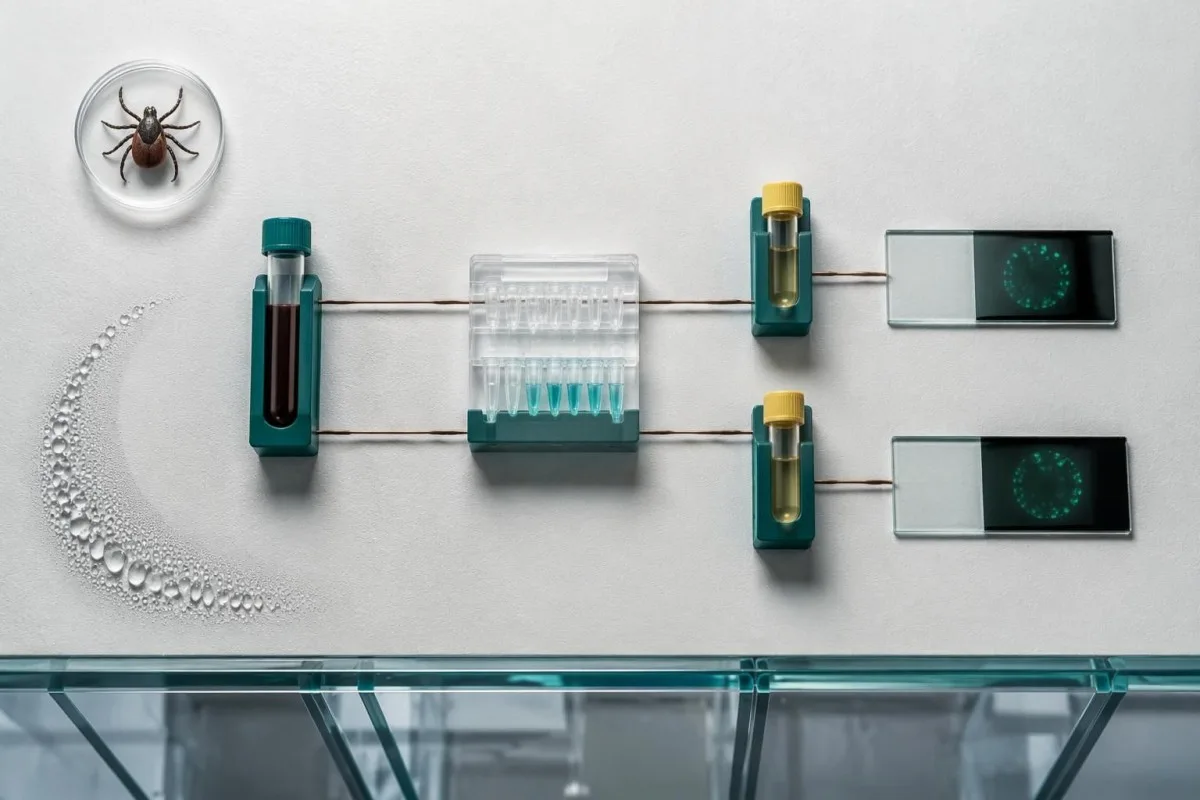
Anaplasma phagocytophilum បង្កឱ្យកើតជំងឺអាណាផ្លាស្មូស៊ីសគ្រាប់ឈាមសប្រភេទ granulocyte លើមនុស្ស ហើយប៉ះពាល់ជាចម្បងដល់នឺត្រូហ្វីល ដែលជាប្រភេទកោសិកាឈាមស។ រោគសញ្ញាជាទូទៅចាប់ផ្តើម 5–14 ថ្ងៃក្រោយត្រូវចៃដែលមានមេរោគខាំ ប៉ុន្តែមនុស្សជាច្រើនមិនដែលដឹងថាត្រូវចៃខាំទេ; ការរាប់ពេលវេលាសម្រាប់ការធ្វើតេស្តមន្ទីរពិសោធន៍គួរចាប់ផ្តើមពីថ្ងៃដំបូងនៃជំងឺ មិនមែនពីកាលបរិច្ឆេទប៉ះពាល់ដែលមិនច្បាស់លាស់នោះទេ។
លទ្ធផលដែលប្រមូលនៅថ្ងៃទី 3 នៃជំងឺ ឆ្លើយសំណួរខុសពីលទ្ធផលដែលប្រមូលនៅថ្ងៃទី 24 ទោះបីរបាយការណ៍ទាំងពីរបញ្ជាក់ថា Anaplasma ក៏ដោយ។ ការប្រៀបធៀប PCR ពេលវេលាពិតដែលបានបោះពុម្ពផ្សាយក្នុង Journal of Clinical Microbiology បានរកឃើញថា ប្រសិទ្ធភាពនៃការធ្វើរោគវិនិច្ឆ័យអាស្រ័យលើពេលវេលានៃជំងឺ ដោយពន្យល់ថាហេតុអ្វីបានជាការរកឃើញដោយផ្ទាល់ និងតេស្តសេរ៉ូមគួរត្រូវបានបកស្រាយរួមគ្នា ជាជាងចាត់ទុកថាជាតេស្តដែលអាចជំនួសគ្នាបាន (Schotthoefer et al., 2013)។
កាន់តេស្ទី គឺជា ឧបករណ៍វិភាគឈាម AI ដែលអាចជួយពន្យល់ពីទំនាក់ទំនងរវាងរបាយការណ៍ Anaplasma និងលទ្ធផល CBC ឬលទ្ធផលថ្លើមដែលភ្ជាប់មកជាមួយ ប៉ុន្តែមិនអាចបញ្ជាក់រោគវិនិច្ឆ័យដោយផ្អែកលើតែលេខបានទេ។ ដើម្បីទទួលបានការបកស្រាយដែលមានប្រយោជន៍ សូមផ្តល់ព័ត៌មាន 3 យ៉ាង៖ ពេលចាប់ផ្តើមរោគសញ្ញា កាលបរិច្ឆេទប្រមូលសំណាក និងពេលលេបថ្នាំអង់ទីប៊ីយោទិចដំបូង; ព័ត៌មានអំពី អង្គការរបស់យើង ពន្យល់អំពីតួនាទីរបស់សេវាកម្ម។
តើលទ្ធផល PCR វិជ្ជមានចំពោះ Anaplasma មានន័យដូចម្តេច?
លទ្ធផល Anaplasma PCR វិជ្ជមានមានន័យថា តេស្តបានរកឃើញ DNA របស់ Anaplasma នៅក្នុងសំណាកដែលបានបញ្ជូន។ ចំពោះអ្នកដែលមានជំងឺស្រួចស្រាវដែលសមស្របនឹងលក្ខណៈគ្លីនិក លទ្ធផល PCR វិជ្ជមានជាក់លាក់តាមប្រភេទលើឈាមទាំងមូល គឺជាភស្តុតាងច្បាស់លាស់នៃជំងឺអាណាផ្លាស្មូស៊ីសសកម្ម; វាមិនវាស់កម្រិតអង់ទីករ មិនកំណត់ភាពធ្ងន់ធ្ងរនៃជំងឺ និងមិនកំណត់អត្តសញ្ញាណការឆ្លងរួមតាមរយៈចៃគ្រប់ប្រភេទដែលអាចមានទេ។

ឈាមទាំងមូល EDTA ត្រូវបានប្រើជាទូទៅសម្រាប់ Anaplasma PCR ពីព្រោះមេរោគនេះពាក់ព័ន្ធនឹងធាតុកោសិកាដែលកំពុងចរាចរ។ សំណាកសេរ៉ូមសម្រាប់តេស្តអង់ទីករ មិនអាចប្រើជំនួសបានដោយស្វ័យប្រវត្តិទេ៖ មុននឹងបកស្រាយលទ្ធផល 2 ដែលហាក់ដូចជាផ្ទុយគ្នា សូមពិនិត្យថាមន្ទីរពិសោធន៍បានទទួលសំណាកដែលតម្រូវសម្រាប់តេស្តនីមួយៗ ហើយកាលបរិច្ឆេទប្រមូលសំណាកទាំងពីរត្រូវបានកត់ត្រាត្រឹមត្រូវ។
របាយការណ៍សន្មតមួយដែលបញ្ជាក់ថា 'បានរកឃើញ DNA របស់ A. phagocytophilum' នៅថ្ងៃទី 4 នៃជំងឺ ជាមួយនឹងគ្រុនក្តៅ និងចំនួនផ្លាកែតធ្លាក់ចុះ គាំទ្រយ៉ាងខ្លាំងដល់រោគវិនិច្ឆ័យតាមគ្លីនិក។ របាយការណ៍ដែលបញ្ជាក់តែថា 'បានរកឃើញប្រភេទ Anaplasma' អាចមកពីតេស្តដែលមានវិសាលភាពទូលំទូលាយ ដូច្នេះគោលដៅជាក់លាក់មានសារៈសំខាន់; សូមសួរថាតើលទ្ធផលកំណត់អត្តសញ្ញាណ A. phagocytophilum ជាក់លាក់ ឬត្រូវការការបញ្ជាក់បន្ថែមពីមន្ទីរពិសោធន៍។
PCR បែបគុណភាពមិនមែនជាពិន្ទុបរិមាណបាក់តេរីទេ។ ទោះបីរបាយការណ៍មានតម្លៃ cycle-threshold ក៏ដោយ ក៏មិនមានកម្រិត Anaplasma សកលណាមួយដែលអាចព្យាករណ៍ពីការចូលសម្រាកពេទ្យ ឬកំណត់រយៈពេលព្យាបាលដែរ; ការពន្យល់របស់យើងអំពី លទ្ធផលគុណភាព ទល់នឹង លទ្ធផលបរិមាណ ជួយបែងចែកការរកឃើញពីការវាស់កំហាប់តាមស្តង់ដារ។
តើ PCR ចំពោះ Anaplasma មានប្រយោជន៍បំផុតនៅពេលណា?
Anaplasma PCR មានភាពរសើបខ្ពស់បំផុតក្នុងសប្តាហ៍ដំបូងនៃជំងឺ មុនពេលថ្នាំអង់ទីប៊ីយោទិចសមស្របកាត់បន្ថយ DNA របស់បាក់តេរីដែលកំពុងចរាចរ។ គោលការណ៍ណែនាំរបស់ CDC បញ្ជាក់ថា ភាពរសើបថយចុះក្នុងរយៈពេល 48 ម៉ោងក្រោយការផ្តល់ថ្នាំអង់ទីប៊ីយោទិចសមស្រប; នេះជាការថយចុះនៃប្រសិទ្ធភាពរោគវិនិច្ឆ័យ មិនមែនជាការធានាថាសំណាកទាំងអស់ក្រោយព្យាបាលនឹងក្លាយជាអវិជ្ជមាននៅម៉ោងដូចគ្នានោះទេ។

ប្រមូលសំណាកសម្រាប់ PCR មុនព្យាបាល ប្រសិនបើអាចធ្វើបានភ្លាមៗ ប៉ុន្តែកុំពន្យារពេលការព្យាបាលចាំបាច់ ដើម្បីរៀបចំការប្រមូលសំណាកឡើយ។ For example, a sample collected on day 5 before the first doxycycline dose is generally more informative than one collected on day 7 after several doses; the MMWR guideline explicitly prioritizes prompt treatment over waiting for confirmation (Biggs et al., 2016).
The 48-hour statement does not apply equally to every antibiotic a person may have taken. A prior course of an antibiotic that does not reliably treat anaplasmosis cannot be assumed to have the same effect as doxycycline; record the drug name, dose, and dose times rather than writing only 'already on antibiotics.'
If the first PCR was collected after 3 days of doxycycline, a negative result should be interpreted with that limitation visible on the report review. Repeating PCR without changing the timing problem may add little; arranging convalescent IgG may be more informative, and a dated blood test timeline prevents treatment-related changes from being mistaken for contradictory evidence.
តើលទ្ធផល IgG វិជ្ជមានចំពោះ Anaplasma មានន័យដូចម្តេច?
The anaplasma IgG positive meaning is evidence of an antibody response, not automatic proof of a current infection. A single IgG result may reflect recent illness, previous exposure, or cross-reactivity; CDC considers a single titer of at least 1:128 supportive laboratory evidence, while confirmation usually requires the clinical picture and direct detection or paired serology.
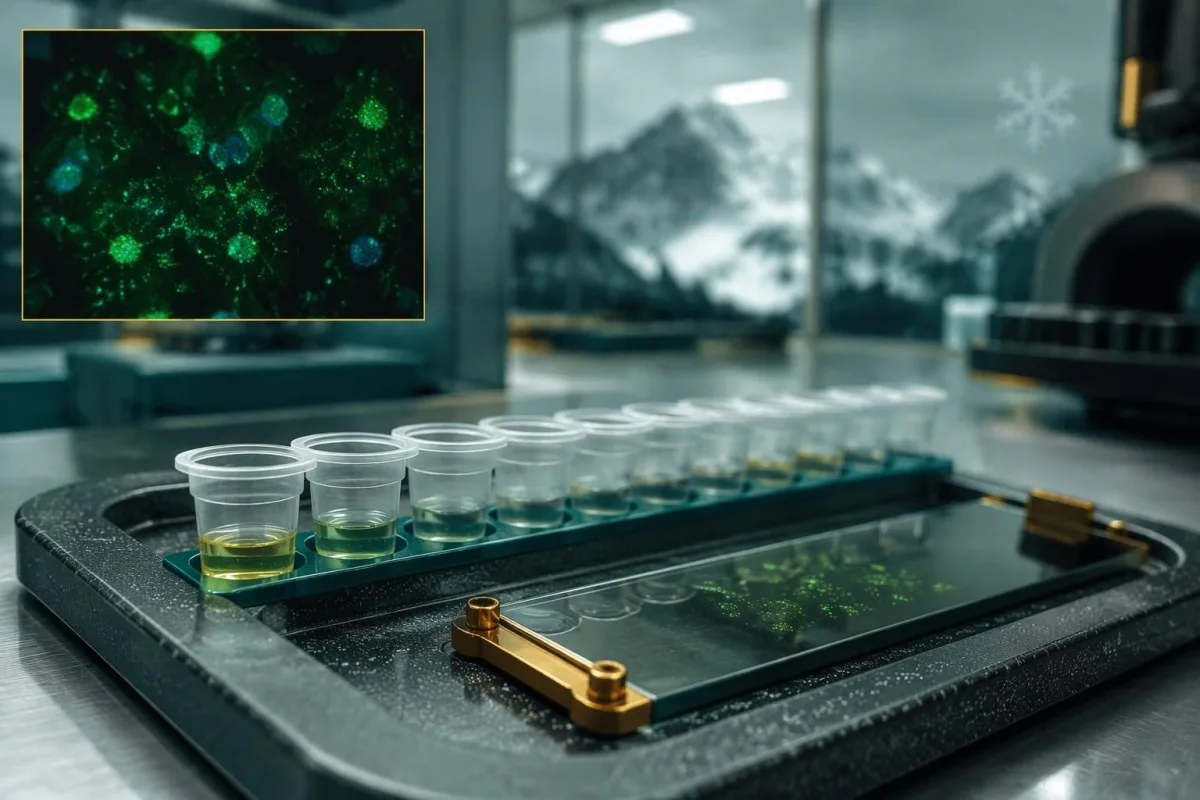
Anaplasma IgG can remain elevated for months, and high titers have been reported up to 4 years after illness. Persistently positive antibodies in a well person do not by themselves justify another antibiotic course; the relevant question is whether there is a new compatible illness, a new exposure, or evidence that the antibody level has changed meaningfully.
In some areas, approximately 5–10% of healthy people may have elevated Anaplasma antibodies because of previous exposure or related organisms, according to CDC testing guidance. That estimate is geographically dependent, not a universal false-positive rate; a low positive in someone with no fever or plausible tick exposure carries a different meaning from the same result during an acute illness.
Kantesti treats 1 positive antibody result as a finding to explain, not a diagnosis to announce. The distinction between immune memory and active disease is covered in ការបកស្រាយលទ្ធផលអង់ទីករវិជ្ជមាន; unlike some vaccine antibody tests, Anaplasma IgG does not provide an established protective-immunity threshold.
តើសំណាក IgG គូបញ្ជាក់ការឆ្លងថ្មីៗយ៉ាងដូចម្តេច?
Paired Anaplasma IgG testing compares an acute specimen from the first 2 weeks of illness with a convalescent specimen collected 2–10 weeks later. A fourfold rise in IgG titer by indirect fluorescent antibody testing is evidence of seroconversion and helps confirm recent infection when the early result was negative or PCR was unavailable.
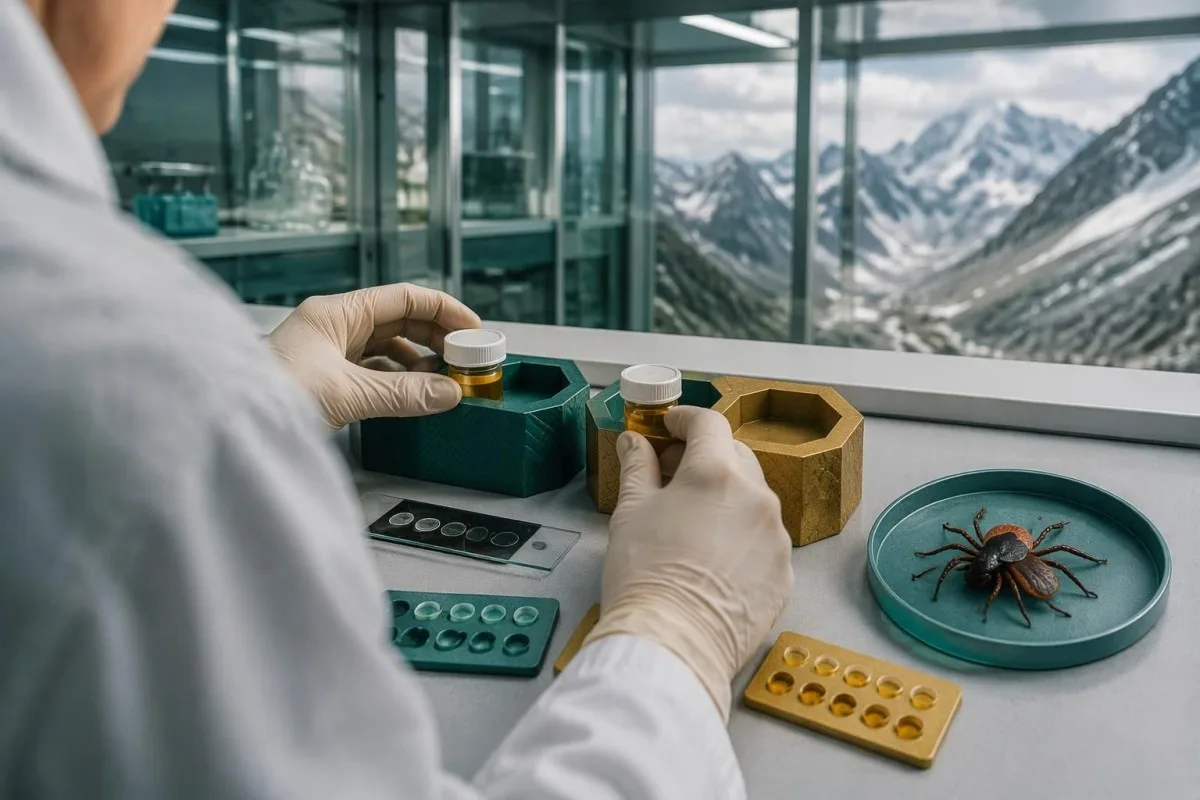
A rise from 1:64 to 1:256 is fourfold; a rise from 1:128 to 1:256 is only twofold. In a hypothetical case, an illness-day-4 titer of 1:64 and a day-28 titer of 1:256 would meet the fourfold criterion, while the smaller increase would not independently confirm infection by that criterion.
Titers are reciprocal dilutions, not concentrations in mg/dL or arbitrary screen-index units. If the acute report gives an index of 1.4 and the later report gives a titer of 1:256, a fourfold change cannot be calculated directly; use the same laboratory and method where possible, and ask whether archived samples can be compared together.
Antibody responses may be weaker or delayed in people receiving immunosuppressive treatment. A person taking B-cell-depleting therapy, for example, may not produce the expected rise over 2 samples, so clinicians may rely more heavily on PCR, clinical findings, and exposure history; IgG, IgA, and IgM patterns can provide background context but do not replace organism-specific testing.
ហេតុអ្វីបានជា IgM និងអង់ទីករដែលមានប្រតិកម្មឆ្លងមិនគួរឱ្យទុកចិត្ត?
Anaplasma IgM is not a reliable stand-alone marker of recent anaplasmosis, and antibodies can cross-react with related Ehrlichia organisms. When both illnesses are plausible, clinicians may request 2 separate organism-specific PCR tests and side-by-side IgG testing; dual antibody positivity does not automatically establish 2 active infections.

IgM does not consistently mean 'new infection' in anaplasmosis. An isolated IgM positive result with negative IgG and negative PCR is therefore insufficient confirmation, particularly if it was obtained on day 2 of a nonspecific illness; the recommended serologic approach is paired IgG interpreted alongside symptoms and the direct-detection window.
Anaplasma phagocytophilum and Ehrlichia species are different organisms, despite overlapping fever, headache, cytopenias, and antibody cross-reactivity. A positive Ehrlichia antibody assay does not substitute for an Anaplasma PCR result; our guide to ehrlichiosis PCR and titers explains why testing for each target matters when 2 diagnoses remain plausible.
Babesia requires separate assessment because doxycycline does not treat babesiosis. In a patient with anemia, elevated LDH, low haptoglobin, or persistent fever after 48 hours of appropriate anaplasmosis treatment, clinicians may consider Babesia PCR or a manually reviewed smear; អង់ទីករ Babesia ប្រៀបធៀបនឹងការឆ្លង explains why an antibody result alone can also mislead.
តើលទ្ធផលអវិជ្ជមាននៅតែអាចមានជំងឺអាណាផ្លាស្មូស៊ីសដែរឬទេ?
An anaplasmosis test false negative is possible when antibodies are checked too early or PCR is collected after its best detection window or after treatment. Negative PCR plus negative IgG during week 1 does not reliably exclude the illness; clinicians must weigh exposure, symptoms, CBC changes, liver enzymes, and the timing of both tests.
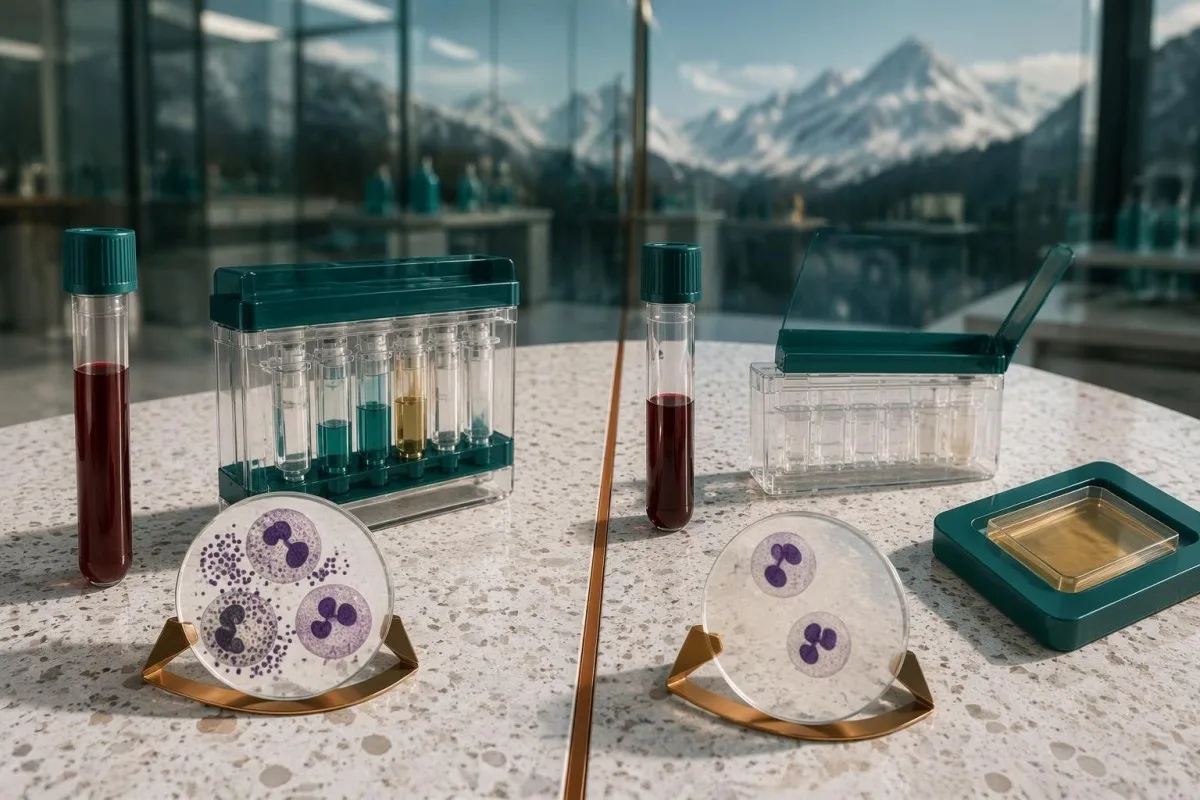
There is no single dependable false-negative percentage for every Anaplasma test. PCR assays differ, studies use different reference standards, and patients present on different illness days; a sensitivity estimate from untreated day-3 specimens cannot simply be applied to a day-9 sample obtained after 4 days of doxycycline (Schotthoefer et al., 2013).
A hypothetical person has fever, platelets of 78 × 10^9/L, a WBC of 2.9 × 10^9/L, and recent woodland exposure, but both tests are negative on illness day 4. That pattern leaves substantial clinical concern even without confirmation; by contrast, the same negative tests in a well person with normal counts and no plausible exposure answer a much lower-risk question.
កាន់តេស្ទី គឺជា វេទិកាបកស្រាយការធ្វើតេស្តឈាម AI that can explain why 2 negative tests may be limited by their collection dates, but it cannot determine whether antibiotics are needed. Our វិធីសាស្ត្រសម្រាប់ការធ្វើឲ្យមានសុពលភាពក្នុងការព្យាបាល (clinical validation) ពិពណ៌នាអំពីវិធានការការពារក្នុងការបកស្រាយ ខណៈដែល checking report source details helps readers verify specimen type, method, and reference comments before relying on a summary.
តើលទ្ធផល CBC និងថ្លើមណាខ្លះដែលគាំទ្រការធ្វើរោគវិនិច្ឆ័យ?
Low white blood cells, low platelets, and raised AST or ALT commonly support suspicion of anaplasmosis, but none is diagnostic alone. Many adult laboratories use WBC reference intervals around 4.0–11.0 × 10^9/L and platelet intervals around 150–450 × 10^9/L; use the ranges printed on your own report.
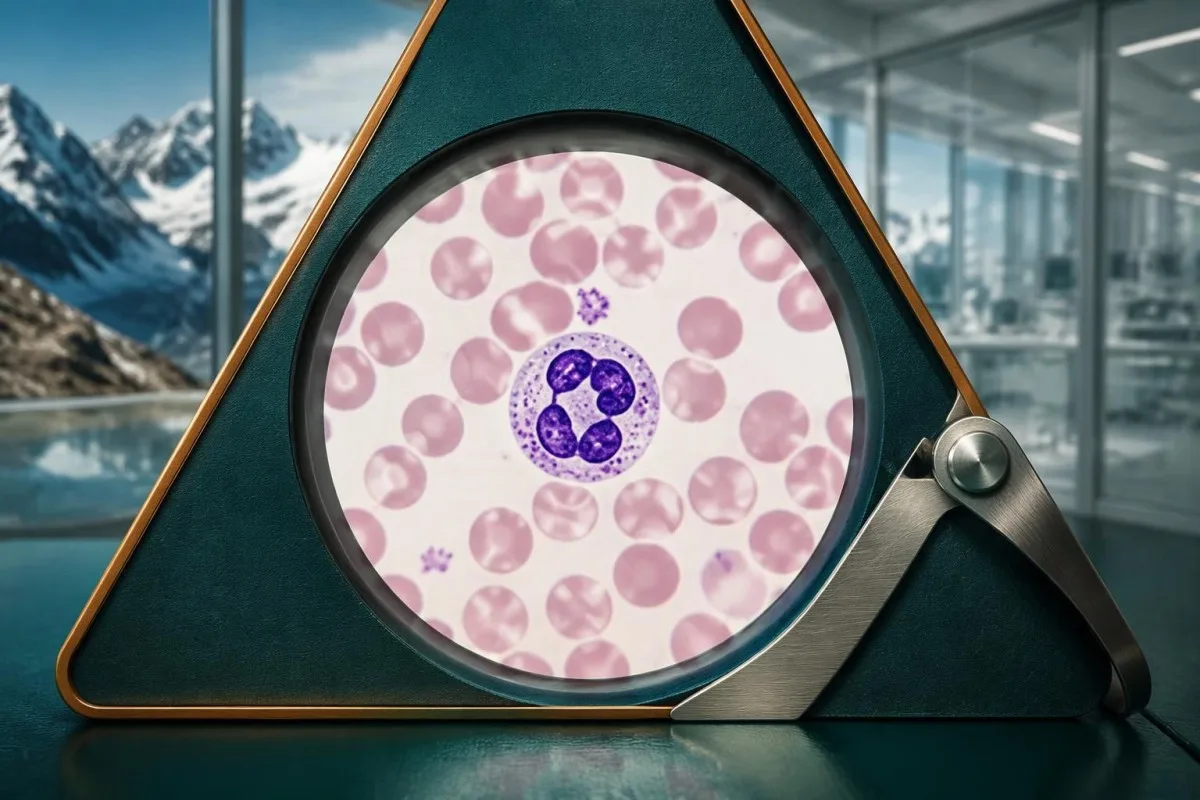
A falling platelet count can be more informative than one mildly low result. A hypothetical decline from 182 to 84 × 10^9/L over 3 days during fever suggests an acute process, whereas a stable count of 138 × 10^9/L for years has a different context; plateletcrit and platelet count are related measurements, but plateletcrit is not an Anaplasma diagnostic test.
AST and ALT indicate cellular injury rather than identifying the organism. An AST of 84 IU/L is approximately 2.1 times an upper limit of 40 IU/L, but muscle injury, other infections, and medication effects can also produce that result; what ALT measures helps distinguish supportive liver findings from proof of a specific cause.
Morulae are clusters of organisms that may be visible inside granulocytes during the first week. Their absence does not exclude anaplasmosis, and their presence is not reliably species-specific because some Ehrlichia organisms can also affect granulocytes; manual microscopy can provide a fast clue, but PCR is needed for clearer organism identification (Bakken and Dumler, 2015).
| កម្រិត | ចន្លោះ | អត្ថន័យ |
|---|---|---|
| ចន្លោះ WBC ទូទៅសម្រាប់មនុស្សពេញវ័យ | 4.0–11.0 × 10^9/L | Laboratory-dependent reference interval; a normal WBC does not exclude early anaplasmosis. |
| WBC below the local interval | Often <4.0 × 10^9/L | Leukopenia supports suspicion during a compatible acute illness but has many other causes. |
| Common adult platelet interval | 150–450 × 10^9/L | Check the local interval and previous results before interpreting a borderline value. |
| Platelets below the local interval | Often <150 × 10^9/L | Thrombocytopenia is a supportive clue; rapid decline and symptoms determine urgency. |
តើការធ្វើតេស្ត Anaplasma ខុសពីការធ្វើតេស្តជំងឺផ្សេងៗដែលចម្លងដោយសត្វចៃយ៉ាងដូចម្តេច?
Anaplasma PCR, Lyme serology, Babesia testing, Ehrlichia PCR, and spotted-fever serology detect different targets and cannot substitute for one another. A laboratory panel tests only the organisms explicitly listed; a negative result for 1 target is not a negative result for all tick-borne illnesses.
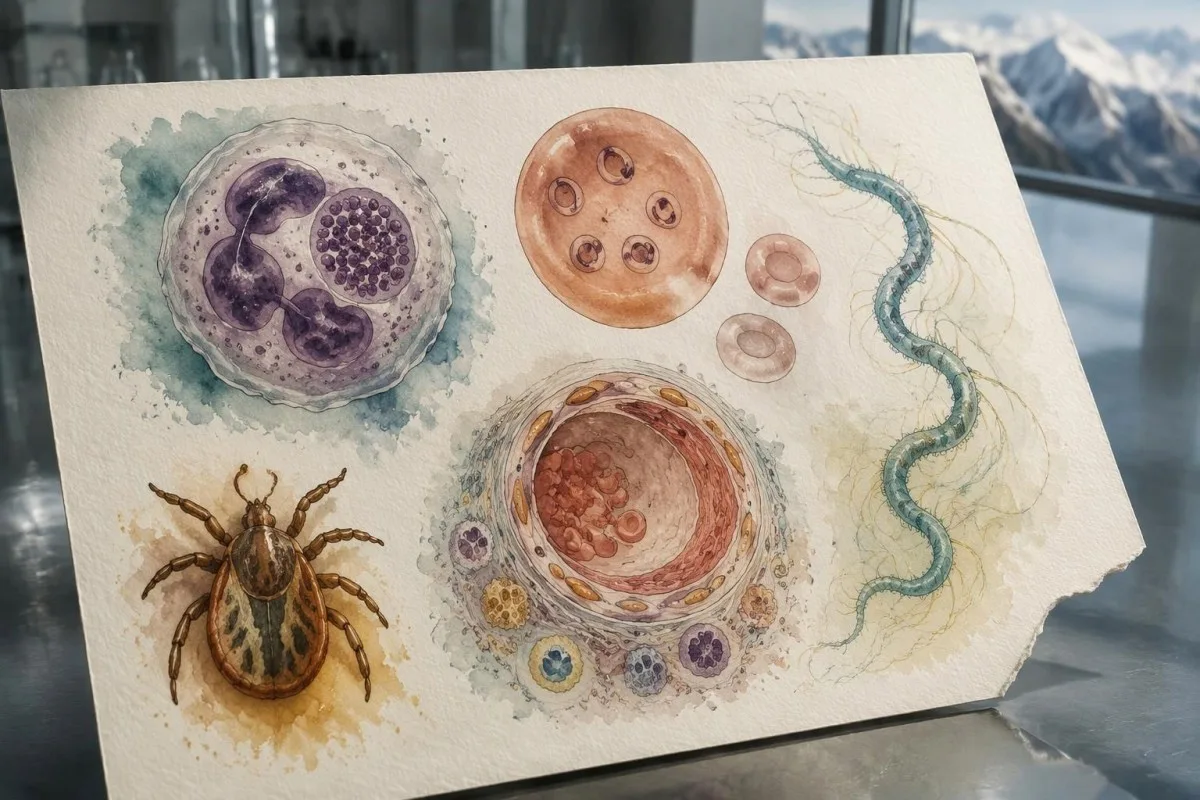
Lyme disease is usually evaluated with a validated two-tier antibody algorithm when testing is indicated. A classic expanding erythema migrans rash can be diagnosed clinically without waiting for positive antibodies, while marked leukopenia or thrombocytopenia should raise concern for an additional diagnosis; an Anaplasma PCR result does not answer either of these 2 Lyme questions.
Rocky Mountain spotted fever may have negative early serology, and whole-blood PCR is less reassuring when negative than it is for some circulating-cell infections. Rash appearance and specimen choice matter, but absence of rash does not make waiting safe; spotted-fever testing windows explains why the Anaplasma PCR window cannot simply be transferred to that illness.
Alpha-gal syndrome is a tick-associated allergy, not an Anaplasma infection. Delayed allergic symptoms roughly 2–6 hours after mammalian meat exposure require an allergy-focused history and appropriate IgE testing rather than PCR or paired Anaplasma IgG; alpha-gal IgE interpretation illustrates how one exposure category can lead to very different diagnostic pathways.
ហេតុអ្វីបានជាការព្យាបាលអាចចាប់ផ្តើមមុនពេលបញ្ជាក់រោគវិនិច្ឆ័យ?
Suspected anaplasmosis should be treated promptly because early tests can be negative and delayed therapy can allow severe illness to develop. The MMWR guideline recommends that clinicians neither delay treatment while awaiting laboratory results nor withhold treatment because an early test is negative; the usual adult doxycycline dose is 100 mg every 12 hours (Biggs et al., 2016).
CDC recommends doxycycline for anaplasmosis in adults and children of all ages. For children weighing less than 45 kg, the usual dose is 2.2 mg/kg every 12 hours, with a maximum of 100 mg per dose; these are clinician-prescribed regimens, not instructions to start leftover medication or adjust a child's dose without assessment.
Treatment commonly lasts 10–14 days to provide coverage for possible concurrent Borrelia infection. Duration still depends on the suspected coinfections and clinical course, so an improving fever after 2 doses is not a reason to stop early; pregnancy, severe drug allergy, vomiting, or organ dysfunction require individualized decisions, sometimes with infectious-disease input.
Starting doxycycline is a clinical decision based on exposure, symptoms, examination, and the overall pattern—not on a single CRP or WBC cutoff. A WBC of 3.0 × 10^9/L during acute fever may strengthen concern even when CRP is only modestly raised; markers ឈាមមិនស៊ីគ្នា explains why one reassuring-looking number should not overrule the complete assessment.
តើគេរំពឹងថានឹងមានការឆ្លើយតបបែបណា ហើយតើពេលណាត្រូវស្វែងរកការព្យាបាលជាបន្ទាន់?
Fever from anaplasmosis usually improves within 24–48 hours of doxycycline, but severe illness may take longer. Difficulty breathing, confusion, new bleeding, fainting, or markedly reduced urination requires emergency assessment; failure to improve is a reason for reassessment, not an instruction to increase the antibiotic dose yourself.
Persistent fever beyond about 48 hours should prompt review of the diagnosis, medication delivery, and possible coinfections. The person may not be absorbing oral treatment because of vomiting, may have an additional illness such as babesiosis, or may have developed a complication; the interval is a practical reassessment point rather than an absolute recovery deadline.
Severe anaplasmosis can involve respiratory failure, kidney injury, or coagulation abnormalities. Falling platelets accompanied by rising creatinine, prolonged clotting times, or new bleeding should not be dismissed as a routine CBC fluctuation; disseminated coagulation laboratory patterns explains why 2 or more changing systems can signal a problem beyond an isolated low count.
Clotting tests assess complications rather than confirming Anaplasma itself. For example, an INR of 1.8 in someone not taking warfarin needs explanation in context, but does not establish anaplasmosis or DIC on its own; our មគ្គុទ្ទេសក៍បកស្រាយលទ្ធផលតេស្តកំណកឈាម helps separate PT, aPTT, D-dimer, and platelet findings without treating them as interchangeable measurements.
តើគួរធ្វើតេស្ត PCR ឬអង់ទីករម្តងទៀតក្រោយការព្យាបាលដែរឬទេ?
Routine PCR or IgG testing is generally not needed to prove cure after clinically successful anaplasmosis treatment. A convalescent IgG sample collected 2–10 weeks after the acute sample can document the diagnosis, but persistent antibodies alone do not demonstrate treatment failure and should not trigger repeated antibiotics in a well person.

A persistently positive IgG is not a test-of-cure result. If a person is well after a completed 10–14-day course, an elevated titer may simply reflect immune memory; if symptoms recur, clinicians should reassess the new symptoms and exposure history rather than assume that the old antibody result proves persistent infection.
CBC, creatinine, and liver enzymes may be repeated when they were abnormal or the illness was severe, but there is no universal day-7 retesting schedule for everyone. Kantesti AI can help organize serial results—for example, platelets rising from 82 to 164 × 10^9/L—while ការពិនិត្យនិន្នាការសុវត្ថិភាពនៃថ្នាំ explains why recovery patterns still require clinical context.
Antibiotic prophylaxis after a tick bite is not recommended specifically to prevent anaplasmosis. After an asymptomatic bite, monitor for fever or other illness over the following 2 weeks and obtain medical advice if symptoms appear; a separate Lyme prophylaxis decision, when indicated, should not be mistaken for an Anaplasma prevention protocol.
តើអ្នកអាចរៀបចំរបាយការណ៍ដែលច្របូកច្របល់ដោយសុវត្ថិភាពយ៉ាងដូចម្តេច?
The safest report review separates organism detection, antibody evidence, supportive blood findings, and clinical timing into 4 distinct questions. Record the assay target, specimen type, result format, collection date, symptom-onset date, and antibiotic start; missing context should remain explicitly unknown rather than being filled in by an AI explanation.

កាន់តេស្ទី គឺជា សេវាកម្មបកស្រាយការធ្វើតេស្តរបស់ AI lab that can explain uploaded laboratory reports and help readers identify questions for their clinician. In a hypothetical 2-report review, our AI should distinguish 'PCR not detected after treatment' from 'paired IgG rise consistent with recent infection,' rather than flattening both statements into a single positive-or-negative label.
An upload is not a substitute for urgent assessment. A photo showing platelets of 74 × 10^9/L cannot reveal whether the person is confused, dehydrated, pregnant, or short of breath; our AI ትርጓሜ ቴክኖሎጂ describes the analytical workflow, but clinical observations and prescribing decisions remain outside what the report alone can establish.
Before sharing 2 samples, check that both belong to the same person and remove identifiers if they are not needed for your purpose. Kantesti does not perform Anaplasma PCR, validate specimen handling, or confirm that an uploaded titer used the same laboratory method; retain the original PDF and ask the laboratory to resolve unclear assay comments or mismatched result units.
តើភស្តុតាងណាខ្លះគួរណែនាំជំហានបន្ទាប់របស់អ្នក?
Anaplasmosis testing decisions should follow condition-specific guidance and diagnostic research, not general blood-test publications. The 2016 MMWR guideline, the 2013 PCR comparison, and the 2015 clinical review support the distinction between early direct detection, later antibody confirmation, and treatment based on clinical suspicion rather than a single laboratory result.

Bring 3 questions to the clinical review: was PCR collected early enough, is paired IgG needed, and do other tick-borne targets require separate testing? If the first specimen followed several doxycycline doses, say so; if the report is a single low-positive IgG, ask what evidence supports current illness before assuming that another antibiotic course is required.
At Kantesti, we distinguish externally published medical evidence from our own educational resources. Our ស្តង់ដារខ្លឹមសារវេជ្ជសាស្ត្រ explain that distinction; the 2 Figshare publications listed below are supplementary general laboratory and digestive-health guides, not studies establishing Anaplasma assay accuracy, treatment efficacy, or diagnostic thresholds.
The general hematology guide can help explain LDH and reticulocyte results when anemia raises a separate concern such as hemolysis. Use the hematology marker background guide for that limited purpose, not to interpret Anaplasma PCR; a 4-fold IgG rise, a positive organism-specific PCR, and the patient's clinical course each provide different kinds of evidence.
សំណួរដែលគេច្រើនសួរ
តើលទ្ធផល PCR សម្រាប់ Anaplasma អាចវិជ្ជមាន ខណៈពេលលទ្ធផលតេស្តអង្គបដិប្រាណអវិជ្ជមានដែរឬទេ?
លទ្ធផល PCR រកឃើញ Anaplasma អាចវិជ្ជមាន ខណៈដែលអង្គបដិប្រាណ IgG អវិជ្ជមានក្នុងអំឡុងសប្តាហ៍ដំបូងនៃជំងឺ ពីព្រោះ DNA របស់បាក់តេរីអាចត្រូវបានរកឃើញមុនពេលប្រព័ន្ធភាពស៊ាំបង្កើតការឆ្លើយតបជាអង្គបដិប្រាណ។ លំនាំនេះអាចគាំទ្រការធ្វើរោគវិនិច្ឆ័យថាមានជំងឺអាណាប្លាស្ម៉ូសសកម្ម ជាជាងបង្ហាញថាមានកំហុសក្នុងមន្ទីរពិសោធន៍។ អាចយកសំណាក IgG ក្នុងដំណាក់កាលស្រួចស្រាវទៅប្រៀបធៀបនឹងសំណាកក្នុងដំណាក់កាលជាសះស្បើយ ដែលប្រមូលបាន ២–១០ សប្តាហ៍ក្រោយមក។ មិនគួរពន្យារពេលការព្យាបាល ដើម្បីរង់ចាំការប្រែប្រួលអង្គបដិប្រាណទេ នៅពេលសង្ស័យថាជំងឺនេះតាមការវាយតម្លៃគ្លីនិក។
តើលទ្ធផល Anaplasma IgG វិជ្ជមានមានន័យថា ខ្ញុំត្រូវការថ្នាំអង់ទីប៊ីយ៉ូទិកដែរឬទេ?
លទ្ធផល Anaplasma IgG វិជ្ជមានតែមួយមិនមានន័យថាត្រូវការថ្នាំអង់ទីប៊ីយ៉ូទិកដោយស្វ័យប្រវត្តិនោះទេ ព្រោះអង្គបដិប្រាណអាចបង្ហាញពីការប៉ះពាល់ពីមុន ឬប្រតិកម្មឆ្លង។ CDC ចាត់ទុកកម្រិតតៃទ័រតែមួយយ៉ាងតិច 1:128 ថាជាភស្តុតាងគាំទ្រ ប៉ុន្តែមិនមែនជាភស្តុតាងច្បាស់លាស់នៃការឆ្លងថ្មីទេ។ កម្រិតអង្គបដិប្រាណអាចនៅតែខ្ពស់អស់រយៈពេលជាច្រើនខែ ហើយមានការរាយការណ៍ថាតៃទ័រខ្ពស់អាចបន្តរហូតដល់ 4 ឆ្នាំក្រោយពេលឈឺ។ គ្រូពេទ្យសម្រេចព្យាបាលដោយផ្អែកលើរោគសញ្ញាបច្ចុប្បន្ន ការប៉ះពាល់ លទ្ធផល PCR និងលទ្ធផលអង្គបដិប្រាណពីការធ្វើតេស្តជាគូ ជាជាងផ្អែកតែលើ IgG ដែលបន្តមាន។
តើដូស៊ីស៊ីគ្លីនអាចធ្វើឱ្យលទ្ធផល PCR រកឃើញអាណាផ្លាស្មា អវិជ្ជមានក្នុងរយៈពេលប៉ុន្មាន?
Anaplasma PCR sensitivity can decrease within 48 hours of appropriate antibiotic treatment, according to CDC guidance. That does not mean every person's PCR becomes negative at exactly 48 hours, because assay performance and circulating organism levels differ. A negative PCR collected after treatment is therefore less reassuring than a well-timed pretreatment result. Record the first doxycycline dose and specimen collection time so the clinician can interpret the result correctly.
អ្វីដែលចាត់ទុកថាជាការកើនឡើងបួនដងនៃអង្គបដិប្រាណប្រឆាំងនឹង Anaplasma?
A rise in Anaplasma IgG titer from 1:64 to 1:256 is fourfold, while a rise from 1:128 to 1:256 is only twofold. Paired testing generally compares an acute specimen from the first 2 weeks of illness with a convalescent specimen collected 2–10 weeks later. The comparison should use compatible methods, ideally the same laboratory's IgG indirect fluorescent antibody assay. An antibody screen index cannot be directly converted into a dilution titer for this calculation.
តើខ្ញុំអាចមានជំងឺអាណាប្លាស្មូសបានទេ បើលទ្ធផល PCR និង IgG អវិជ្ជមានទាំងពីរ?
ជំងឺអាណាប្លាស្ម៉ូស៊ីសអាចនៅតែមាន ទោះបីលទ្ធផល PCR និង IgG សុទ្ធតែអវិជ្ជមានក៏ដោយ ជាពិសេសប្រសិនបើបានប្រមូលសំណាក IgG នៅសប្តាហ៍ទី 1 ហើយបានប្រមូលសំណាក PCR បន្ទាប់ពីប្រើថ្នាំអង់ទីប៊ីយោទិចត្រឹមត្រូវ។ គ្រុនក្តៅ ការប៉ះពាល់នឹងឆ្កដែលអាចកើតមាន ចំនួនផ្លាកែតទាប ចំនួនកោសិកាឈាមសទាប និងអង់ស៊ីមថ្លើមកើនឡើង អាចបន្តគាំទ្រការសង្ស័យតាមគ្លីនិក ទោះបីការធ្វើតេស្តអវិជ្ជមានក៏ដោយ។ គ្រូពេទ្យអាចរៀបចំប្រមូលសំណាក IgG នៅដំណាក់កាលជាសះស្បើយ 2–10 សប្តាហ៍បន្ទាប់ពីសំណាកនៅដំណាក់កាលស្រួចស្រាវ និងវាយតម្លៃរោគវិនិច្ឆ័យផ្សេងទៀតដែលអាចកើតមាន។ មិនគួរទុកជំងឺអាណាប្លាស្ម៉ូស៊ីសដែលសង្ស័យថាមានឱ្យគ្មានការព្យាបាលឡើយ ដោយផ្អែកតែលើលទ្ធផលតេស្តដំបូងអវិជ្ជមានប៉ុណ្ណោះ។
តើរោគសញ្ញាគួរតែប្រសើរឡើងក្នុងរយៈពេលប៉ុន្មាន ហើយតើខ្ញុំត្រូវធ្វើតេស្តបញ្ជាក់ថាជាសះស្បើយឬទេ?
ជាធម្មតា គ្រុនក្តៅដោយសារជំងឺអាណាប្លាស្មូស៊ីសប្រសើរឡើងក្នុងរយៈពេល 24–48 ម៉ោងក្រោយប្រើដូស៊ីស៊ីគ្លីន ទោះបីជាករណីធ្ងន់ធ្ងរអាចត្រូវការពេលយូរជាងនេះក៏ដោយ។ ការបន្តមានគ្រុនក្តៅគួរជំរុញឱ្យមានការវាយតម្លៃឡើងវិញអំពីបញ្ហាការស្រូបយកថ្នាំ ការធ្វើរោគវិនិច្ឆ័យផ្សេង ការឆ្លងរួម ឬផលវិបាក។ ជាទូទៅ មិនចាំបាច់ធ្វើតេស្ត PCR ឬតេស្តអង់ទីករជាប្រចាំ ដើម្បីបញ្ជាក់ថាជាសះស្បើយក្រោយព្យាបាលជោគជ័យទេ; ការធ្វើតេស្ត IgG ជាគូត្រូវបានប្រើជាចម្បងដើម្បីកត់ត្រាការឆ្លងថ្មីៗ។ ពិបាកដកដង្ហើម វង្វេងវង្វាន់ ការហូរឈាមថ្មី ឬការនោមថយចុះយ៉ាងខ្លាំង ត្រូវការការវាយតម្លៃបន្ទាន់ ទោះបីលទ្ធផលមន្ទីរពិសោធន៍បែបណាក៏ដោយ។
ទទួលបានការពន្យល់អំពីលទ្ធផលពិនិត្យឈាមរបស់អ្នក
បង្ហោះរបាយការណ៍មន្ទីរពិសោធន៍របស់អ្នក ហើយ AI របស់ Kantesti នឹងពន្យល់ជីវសញ្ញានីមួយៗជាភាសាសាមញ្ញ ក្នុងរយៈពេលត្រឹមតែប៉ុន្មានវិនាទី។ មនុស្សជាង 2 លាននាក់នៅទូទាំងពិភពលោកបានប្រើប្រាស់។.
ឯកសារយោង
- Klein, T., Mitchell, S., & Weber, H. (2026)។. មគ្គុទ្ទេសក៍អំពីក្រុមឈាម B អវិជ្ជមាន ការធ្វើតេស្តឈាម LDH និងចំនួន Reticulocyte។. ការស្រាវជ្រាវវេជ្ជសាស្ត្រ AI របស់ Kantesti។. ក្រសួងអប់រំយុវជន និងកីឡា
- Klein, T., Mitchell, S., & Weber, H. (2026)។. រាគក្រោយការតមអាហារ ចំណុចខ្មៅក្នុងលាមក និងមគ្គុទ្ទេសក៍ GI ឆ្នាំ 2026។. ការស្រាវជ្រាវវេជ្ជសាស្ត្រ AI របស់ Kantesti។. ក្រសួងអប់រំយុវជន និងកីឡា
- Biggs HM et al. (2016)។. ការធ្វើរោគវិនិច្ឆ័យ និងការគ្រប់គ្រងជំងឺ rickettsia ដែលឆ្លងតាមចៃ៖ ជំងឺគ្រុនក្តៅមានចំណុចស្នាម Rocky Mountain និងជំងឺ rickettsia ផ្សេងទៀតក្នុងក្រុមគ្រុនក្តៅមានចំណុចស្នាម, ជំងឺ ehrlichiosis និងជំងឺ anaplasmosis — សហរដ្ឋអាមេរិក។. អនុសាសន៍ និងរបាយការណ៍ MMWR។. ក្រសួងអប់រំយុវជន និងកីឡា PubMed
- Schotthoefer AM et al. (2013). Comparison of a real-time PCR method with serology and blood smear analysis for diagnosis of human anaplasmosis: importance of infection time course for optimal test utilization. Journal of Clinical Microbiology។. ក្រសួងអប់រំយុវជន និងកីឡា
- Bakken JS and Dumler JS (2015). Human granulocytic anaplasmosis. Infectious Disease Clinics of North America.
- 2M+ការធ្វើតេស្តដែលបានវិភាគ
- 127+ប្រទេស
- 100+ភាសា
អំពីក្រុមវេជ្ជសាស្ត្រ


សញ្ញាទុកចិត្ត E-E-A-T
បទពិសោធន៍
ការពិនិត្យព្យាបាលដោយវេជ្ជបណ្ឌិតលើដំណើរការការបកស្រាយលទ្ធផលមន្ទីរពិសោធន៍។.
ជំនាញ
ផ្តោតលើវិទ្យាសាស្ត្រមន្ទីរពិសោធន៍ថា សញ្ញាសម្គាល់ (biomarkers) មានឥរិយាបថយ៉ាងដូចម្តេចក្នុងបរិបទព្យាបាល។.
ភាពមានសិទ្ធិអំណាច
បានពិនិត្យផ្នែកវេជ្ជសាស្ត្រដោយវេជ្ជបណ្ឌិត Thomas Klein ដោយមានការចូលរួមចំណែកពីវេជ្ជបណ្ឌិត Sarah Mitchell និងសាស្ត្រាចារ្យបណ្ឌិត Hans Weber។.
ភាពគួរឱ្យទុកចិត្ត
ការបកស្រាយដោយផ្អែកលើភស្តុតាង ជាមួយផ្លូវបន្តតាមដានច្បាស់លាស់ ដើម្បីកាត់បន្ថយការភ័យខ្លាច។.






សេចក្តីប្រកាសបដិសេធការទទួលខុសត្រូវផ្នែកវេជ្ជសាស្ត្រ
អត្ថបទនេះមានគោលបំណងសម្រាប់ការអប់រំប៉ុណ្ណោះ ហើយមិនមែនជាការផ្តល់ដំបូន្មានផ្នែកវេជ្ជសាស្ត្រទេ។ សូមពិគ្រោះជាមួយអ្នកផ្តល់សេវាសុខភាពដែលមានសមត្ថភាពជានិច្ច សម្រាប់ការសម្រេចចិត្តអំពីការធ្វើរោគវិនិច្ឆ័យ និងការព្យាបាល។.
បានបោះពុម្ភ · ទាក់ទងក្រុមនិពន្ធ
បោះពុម្ពផ្សាយដោយ Kantesti Ltd ដែលបានចុះបញ្ជីនៅប្រទេសអង់គ្លេស និងវែលស៍ លេខក្រុមហ៊ុន. 17090423, ទីក្រុងឡុងដ៍ ចក្រភពអង់គ្លេស។.
