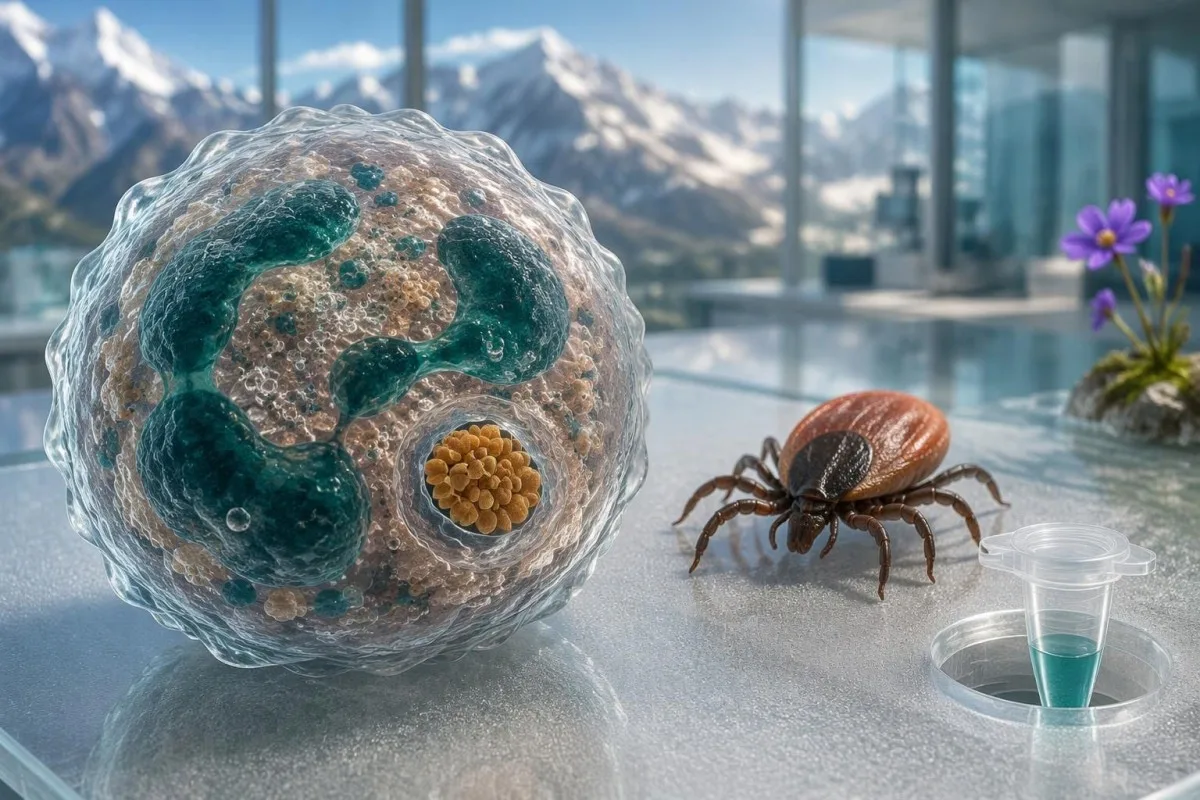
PCR מזהה את האורגניזם; נוגדנים מתעדים את התגובה החיסונית. התאמת שתי התוצאות למועד הופעת התסמינים ולעיתוי נטילת האנטיביוטיקה מסבירה סתירות לכאורה.

נקודות עיקריות
- PCR מוקדם שימושית ביותר במהלך השבוע הראשון למחלה; PCR חיובי מדם מלא מספק ראיה ברורה לאנאפלזמוזיס פעיל.
- נוגדנים מוקדמים עשויים להישאר שליליים במהלך השבוע הראשון, ולכן PCR חיובי עם IgG שלילי הוא דפוס צפוי — ולא בהכרח טעות מעבדה.
- PCR שלילי אינו שולל אנאפלזמוזיס, במיוחד לאחר נטילת אנטיביוטיקה; רגישות PCR עשויה לרדת בתוך 48 שעות מתחילת טיפול מתאים.
- דגימות IgG בזוגות נאספות במהלך השבועיים הראשונים למחלה ושוב כעבור 2–10 שבועות; עלייה פי ארבעה תומכת באישור של זיהום שהתרחש לאחרונה.
- IgG חיובי יחיד אינו יכול לקבוע זיהום חדש. טיטר של לפחות 1:128 הוא עדות תומכת לפי הנחיות ה-CDC, אך אינו הוראה לטיפול בפני עצמו.
- תזמון הטיפול תלוי בחשד הקליני, ולא באישור בלבד. כאשר יש חשד לאנפלזמוזיס, על הרופאים לא לעכב מתן דוקסיציקלין בזמן ההמתנה לתוצאות.
- מחלות אחרות המועברות על ידי קרציות מחייבות בדיקות משלהן. בדיקת PCR לאנפלזמה אינה בודקת מחלת ליים, בבזיוזיס, ארליכיוזיס או קדחת הרי הרוקי.
- תסמינים דחופים כגון בלבול, קושי בנשימה, דימום חדש או ירידה ניכרת במתן שתן, מחייבים הערכת חירום ולא המתנה לדגימה חוזרת.
מדוע תוצאות PCR ונוגדנים עשויות להיות שונות בתחילת המחלה?
תוצאות בדיקת אנפלזמוזיס עשויות להיות סותרות, משום שבדיקת PCR מזהה DNA של חיידקים, בעוד IgG מזהה תגובה חיסונית שמתפתחת מאוחר יותר. במהלך השבוע הראשון, בדיקת PCR עשויה להיות חיובית והנוגדנים שליליים; לאחר טיפול, בדיקת PCR עשויה להפוך לשלילית בעוד רמת IgG עולה, וייתכן שעדיין יידרש טיפול בחשד לזיהום לפני אישור מעבדתי.
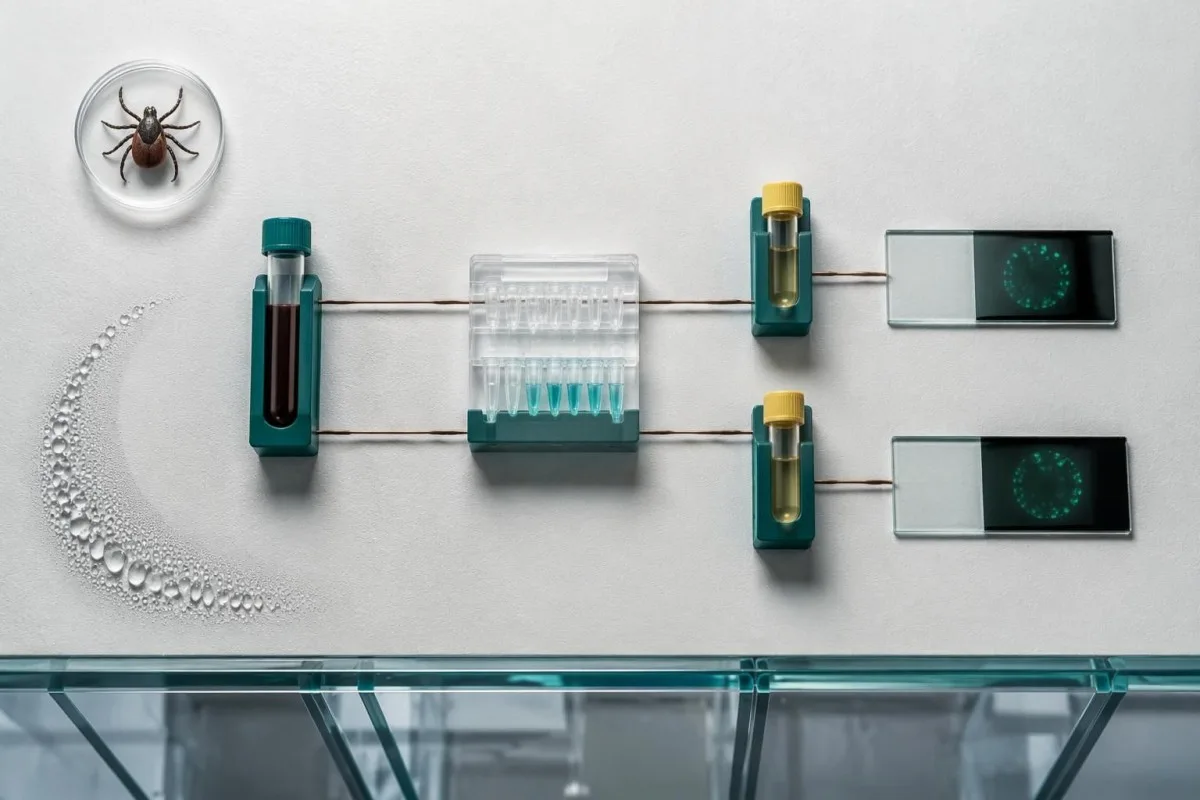
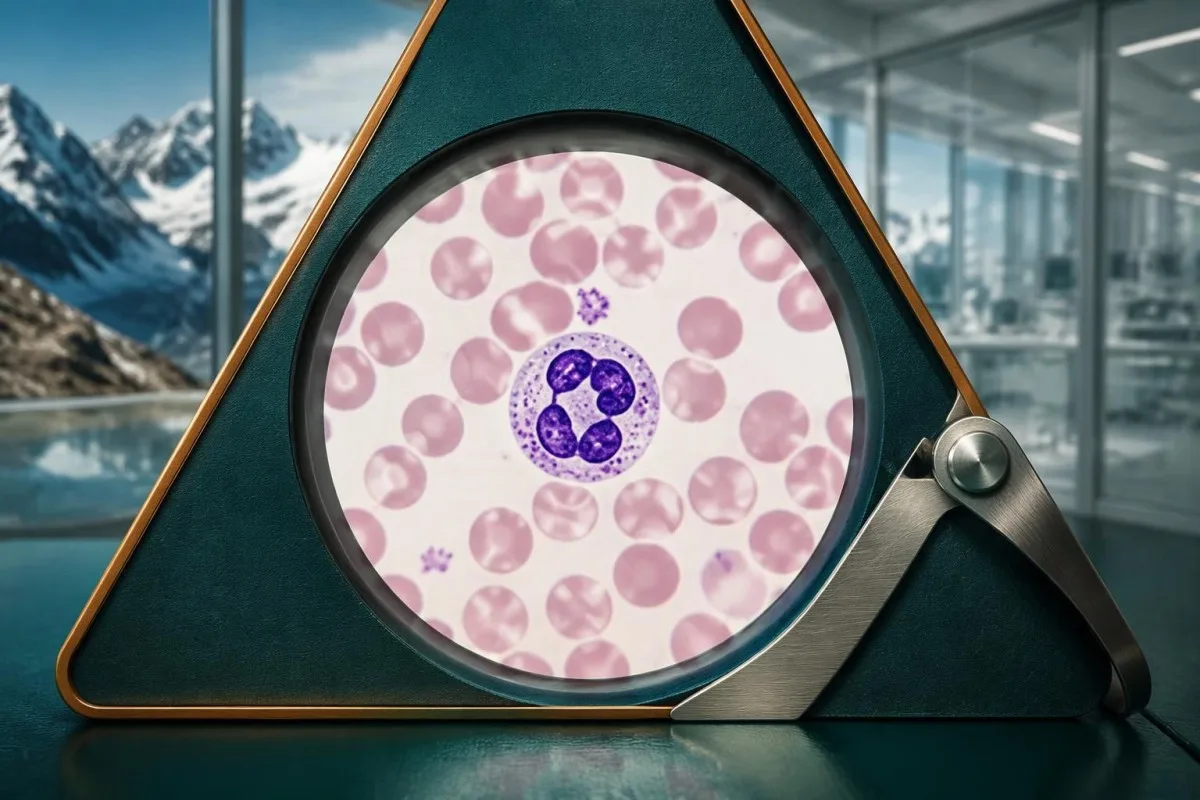
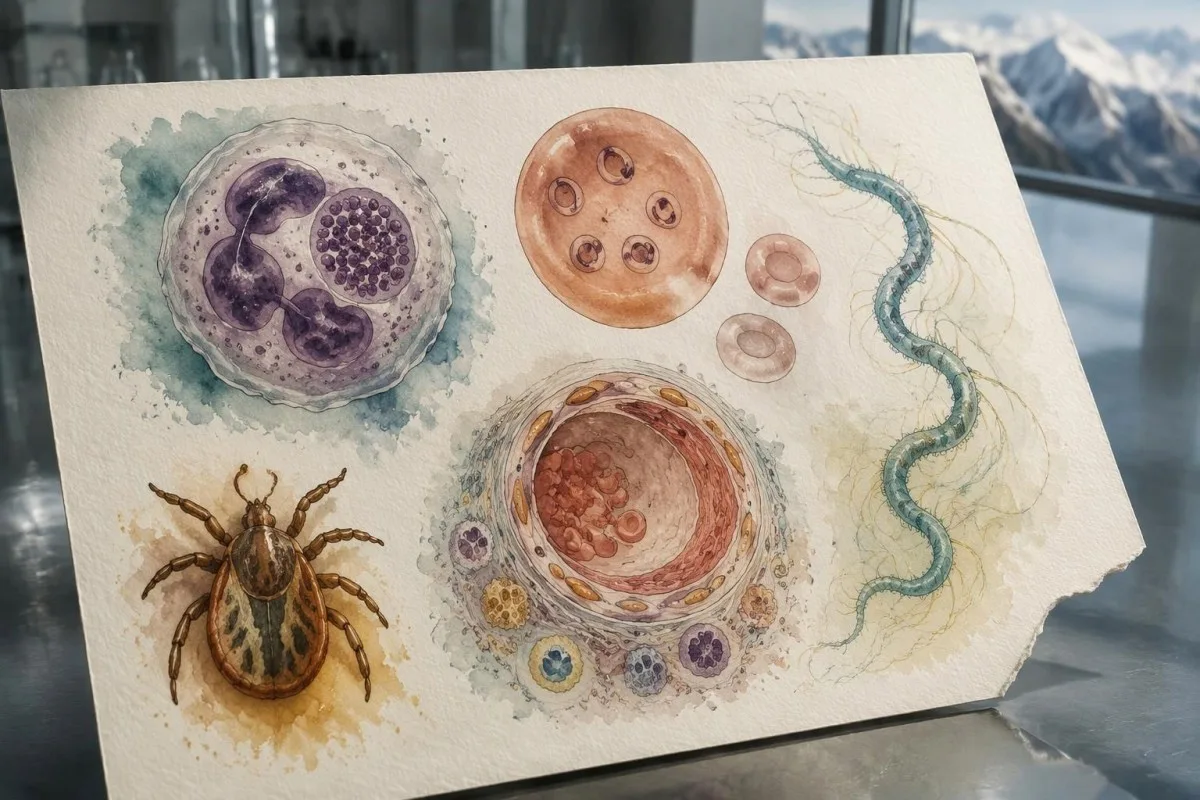
Anaplasma phagocytophilum גורם לאנפלזמוזיס גרנולוציטית בבני אדם ופוגע בעיקר בנויטרופילים, סוג של תאי דם לבנים. התסמינים מתחילים בדרך כלל 5–14 ימים לאחר עקיצת קרציה נגועה, אך רבים כלל אינם מבחינים בקרציה; את ספירת הימים השימושית מבחינה מעבדתית מתחילים ביום הראשון למחלה, ולא במועד החשיפה המשוער שאינו ודאי.
תוצאה שנאספה ביום השלישי למחלה עונה על שאלה אחרת מתוצאה שנאספה ביום ה-24, גם אם בשני הדוחות מופיעה המילה Anaplasma. ההשוואה של בדיקת PCR בזמן אמת שפורסמה ב-Journal of Clinical Microbiology מצאה שהתשואה האבחנתית הייתה תלויה בעיתוי במהלך המחלה, ומסבירה מדוע יש לפרש יחד זיהוי ישיר וסרולוגיה ולא להתייחס אליהם כאל בדיקות חלופיות ושוות ערך (Schotthoefer et al., 2013).
קנטסטי הוא מנתח בדיקות דם בינה מלאכותית שיכולה לסייע בהסבר הקשר בין דוח Anaplasma לבין תוצאות נלוות של CBC או בדיקות כבד, אך אינה יכולה לקבוע אבחנה על סמך המספרים בלבד. לפירוש מועיל יש לספק 3 פרטים: מועד תחילת התסמינים, תאריך איסוף הדגימה ומועד מתן מנת האנטיביוטיקה הראשונה; מידע על הארגון שלנו מסביר את תפקידו של השירות.
מה פירושה של תוצאת PCR חיובית לאנאפלאזמה?
תוצאה חיובית של בדיקת PCR לאנפלזמה פירושה שהבדיקה זיהתה DNA של Anaplasma בדגימה שהוגשה. אצל אדם עם מחלה חריפה שתואמת לתמונה הקלינית, תוצאת PCR חיובית וספציפית למין מדם מלא היא עדות ברורה לאנפלזמוזיס פעילה; היא אינה מודדת רמות נוגדנים, קובעת את חומרת המחלה או מזהה כל זיהום משולב אפשרי המועבר על ידי קרציות.

דם מלא עם EDTA משמש בדרך כלל לבדיקת PCR לאנפלזמה, משום שהאורגניזם קשור למרכיבים תאיים במחזור הדם. דגימת סרום לנוגדנים אינה תחליף קביל באופן אוטומטי: לפני פירוש 2 תוצאות שנראות סותרות, יש לבדוק שהמעבדה קיבלה את הדגימה הנדרשת לכל בדיקה, ושתאריכי האיסוף של שתיהן מתועדים כראוי.
דוח היפותטי המציין 'זוהה DNA של A. phagocytophilum' ביום הרביעי למחלה, בנוכחות חום וירידה בטסיות, תומך מאוד באבחנה הקלינית. דוח המציין רק 'זוהה מין של Anaplasma' עשוי להתבסס על בדיקה רחבה יותר, ולכן יש חשיבות למטרה המדויקת; יש לברר אם התוצאה מזהה באופן ספציפי A. phagocytophilum או אם נדרש בירור מעבדתי נוסף.
בדיקת PCR איכותנית אינה מדד לעומס חיידקי. גם אם הדוח כולל ערך סף מחזור, אין סף אוניברסלי של Anaplasma המנבא אשפוז או מכתיב את משך הטיפול; ההסבר שלנו לגבי תוצאות איכותניות לעומת כמותניות מסייע להבחין בין זיהוי לבין מדידת ריכוז תקנית.
מתי בדיקת PCR לאנאפלאזמה מועילה ביותר?
בדיקת PCR לאנפלזמה היא הרגישה ביותר במהלך השבוע הראשון למחלה, לפני שאנטיביוטיקה מתאימה מפחיתה את כמות ה-DNA החיידקי במחזור הדם. הנחיות ה-CDC קובעות שהרגישות פוחתת בתוך 48 שעות ממתן אנטיביוטיקה מתאימה; מדובר בירידה בתשואה האבחנתית, ולא בהבטחה שכל דגימה לאחר טיפול תהפוך לשלילית באותה שעה בדיוק.

יש לקחת את דגימת ה-PCR לפני הטיפול, אם ניתן לעשות זאת מיד, אך לעולם אין לדחות טיפול נחוץ כדי לארגן את לקיחת הדגימה. לדוגמה, דגימה שנאספה ביום החמישי לפני מנת הדוקסיציקלין הראשונה היא בדרך כלל אינפורמטיבית יותר מדגימה שנאספה ביום השביעי לאחר כמה מנות; הנחיית MMWR נותנת עדיפות מפורשת לטיפול מיידי על פני המתנה לאישור (Biggs et al., 2016).
The 48-hour statement does not apply equally to every antibiotic a person may have taken. A prior course of an antibiotic that does not reliably treat anaplasmosis cannot be assumed to have the same effect as doxycycline; record the drug name, dose, and dose times rather than writing only 'already on antibiotics.'
If the first PCR was collected after 3 days of doxycycline, a negative result should be interpreted with that limitation visible on the report review. Repeating PCR without changing the timing problem may add little; arranging convalescent IgG may be more informative, and a dated blood test timeline prevents treatment-related changes from being mistaken for contradictory evidence.
מה פירושה של תוצאת IgG חיובית לאנאפלאזמה?
The anaplasma IgG positive meaning is evidence of an antibody response, not automatic proof of a current infection. A single IgG result may reflect recent illness, previous exposure, or cross-reactivity; CDC considers a single titer of at least 1:128 supportive laboratory evidence, while confirmation usually requires the clinical picture and direct detection or paired serology.

Anaplasma IgG can remain elevated for months, and high titers have been reported up to 4 years after illness. Persistently positive antibodies in a well person do not by themselves justify another antibiotic course; the relevant question is whether there is a new compatible illness, a new exposure, or evidence that the antibody level has changed meaningfully.
In some areas, approximately 5–10% of healthy people may have elevated Anaplasma antibodies because of previous exposure or related organisms, according to CDC testing guidance. That estimate is geographically dependent, not a universal false-positive rate; a low positive in someone with no fever or plausible tick exposure carries a different meaning from the same result during an acute illness.
Kantesti treats 1 positive antibody result as a finding to explain, not a diagnosis to announce. The distinction between immune memory and active disease is covered in פרשנות לתוצאות נוגדנים חיוביות; unlike some vaccine antibody tests, Anaplasma IgG does not provide an established protective-immunity threshold.
כיצד דגימות IgG בזוגות מאשרות זיהום שהתרחש לאחרונה?
Paired Anaplasma IgG testing compares an acute specimen from the first 2 weeks of illness with a convalescent specimen collected 2–10 weeks later. A fourfold rise in IgG titer by indirect fluorescent antibody testing is evidence of seroconversion and helps confirm recent infection when the early result was negative or PCR was unavailable.
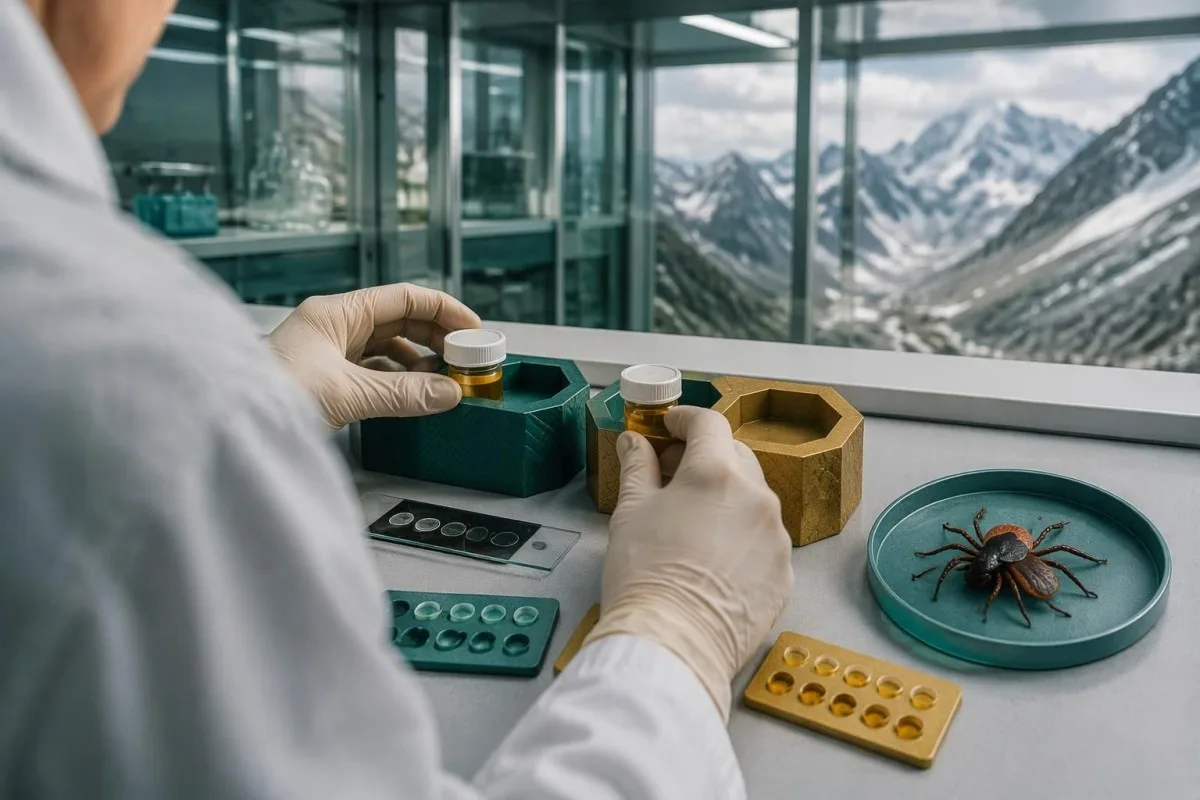
A rise from 1:64 to 1:256 is fourfold; a rise from 1:128 to 1:256 is only twofold. In a hypothetical case, an illness-day-4 titer of 1:64 and a day-28 titer of 1:256 would meet the fourfold criterion, while the smaller increase would not independently confirm infection by that criterion.
Titers are reciprocal dilutions, not concentrations in mg/dL or arbitrary screen-index units. If the acute report gives an index of 1.4 and the later report gives a titer of 1:256, a fourfold change cannot be calculated directly; use the same laboratory and method where possible, and ask whether archived samples can be compared together.
Antibody responses may be weaker or delayed in people receiving immunosuppressive treatment. A person taking B-cell-depleting therapy, for example, may not produce the expected rise over 2 samples, so clinicians may rely more heavily on PCR, clinical findings, and exposure history; IgG, IgA, and IgM patterns can provide background context but do not replace organism-specific testing.
מדוע IgM ונוגדנים בעלי תגובתיות צולבת אינם אמינים?
Anaplasma IgM is not a reliable stand-alone marker of recent anaplasmosis, and antibodies can cross-react with related Ehrlichia organisms. When both illnesses are plausible, clinicians may request 2 separate organism-specific PCR tests and side-by-side IgG testing; dual antibody positivity does not automatically establish 2 active infections.

IgM does not consistently mean 'new infection' in anaplasmosis. An isolated IgM positive result with negative IgG and negative PCR is therefore insufficient confirmation, particularly if it was obtained on day 2 of a nonspecific illness; the recommended serologic approach is paired IgG interpreted alongside symptoms and the direct-detection window.
Anaplasma phagocytophilum and Ehrlichia species are different organisms, despite overlapping fever, headache, cytopenias, and antibody cross-reactivity. A positive Ehrlichia antibody assay does not substitute for an Anaplasma PCR result; our guide to ehrlichiosis PCR and titers explains why testing for each target matters when 2 diagnoses remain plausible.
Babesia requires separate assessment because doxycycline does not treat babesiosis. In a patient with anemia, elevated LDH, low haptoglobin, or persistent fever after 48 hours of appropriate anaplasmosis treatment, clinicians may consider Babesia PCR or a manually reviewed smear; נוגדנים לבבזיה לעומת זיהום explains why an antibody result alone can also mislead.
האם עדיין ייתכן אנאפלזמוזיס למרות תוצאות שליליות?
An anaplasmosis test false negative is possible when antibodies are checked too early or PCR is collected after its best detection window or after treatment. Negative PCR plus negative IgG during week 1 does not reliably exclude the illness; clinicians must weigh exposure, symptoms, CBC changes, liver enzymes, and the timing of both tests.
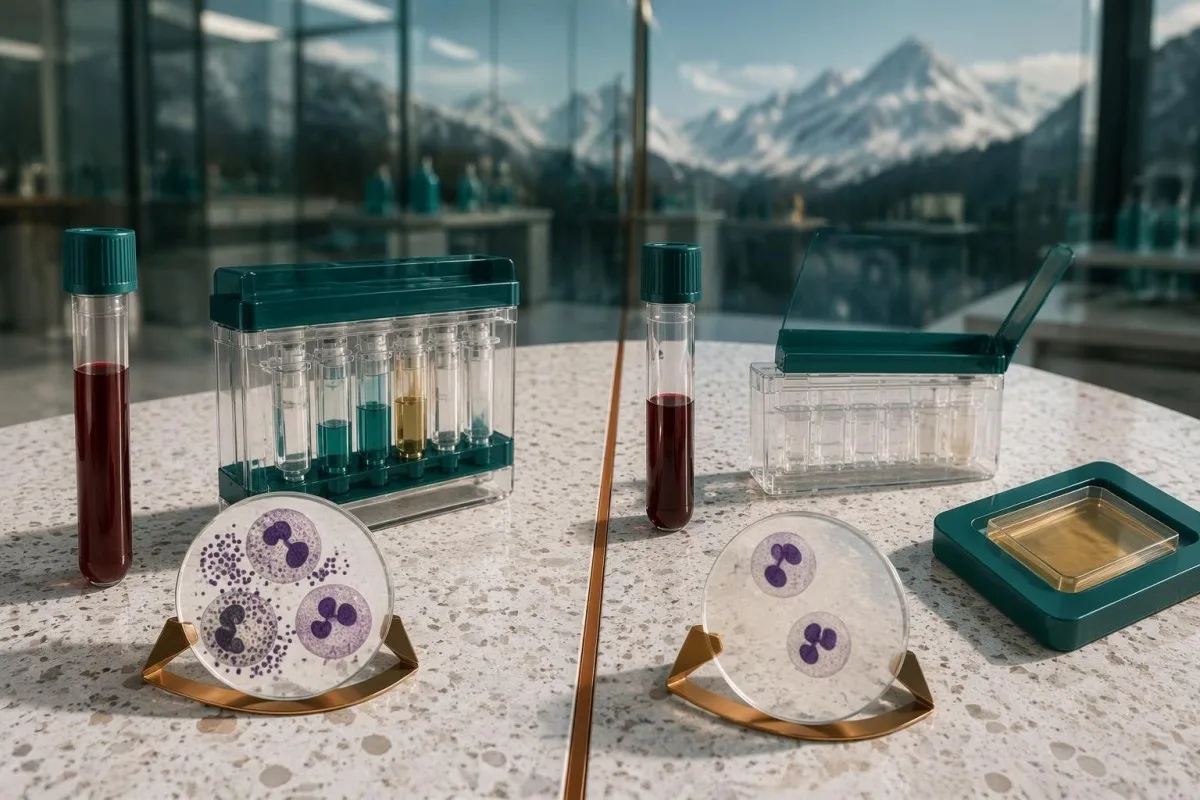
There is no single dependable false-negative percentage for every Anaplasma test. PCR assays differ, studies use different reference standards, and patients present on different illness days; a sensitivity estimate from untreated day-3 specimens cannot simply be applied to a day-9 sample obtained after 4 days of doxycycline (Schotthoefer et al., 2013).
A hypothetical person has fever, platelets of 78 × 10^9/L, a WBC of 2.9 × 10^9/L, and recent woodland exposure, but both tests are negative on illness day 4. That pattern leaves substantial clinical concern even without confirmation; by contrast, the same negative tests in a well person with normal counts and no plausible exposure answer a much lower-risk question.
קנטסטי הוא פלטפורמת פענוח בדיקות דם של AI that can explain why 2 negative tests may be limited by their collection dates, but it cannot determine whether antibiotics are needed. Our גישת אימות קליני מתאר אמצעי זהירות בפרשנות, ואילו checking report source details helps readers verify specimen type, method, and reference comments before relying on a summary.
אילו ממצאים ב-CBC ובכבד תומכים באבחנה?
Low white blood cells, low platelets, and raised AST or ALT commonly support suspicion of anaplasmosis, but none is diagnostic alone. Many adult laboratories use WBC reference intervals around 4.0–11.0 × 10^9/L and platelet intervals around 150–450 × 10^9/L; use the ranges printed on your own report.
A falling platelet count can be more informative than one mildly low result. A hypothetical decline from 182 to 84 × 10^9/L over 3 days during fever suggests an acute process, whereas a stable count of 138 × 10^9/L for years has a different context; plateletcrit and platelet count are related measurements, but plateletcrit is not an Anaplasma diagnostic test.
AST and ALT indicate cellular injury rather than identifying the organism. An AST of 84 IU/L is approximately 2.1 times an upper limit of 40 IU/L, but muscle injury, other infections, and medication effects can also produce that result; what ALT measures helps distinguish supportive liver findings from proof of a specific cause.
Morulae are clusters of organisms that may be visible inside granulocytes during the first week. Their absence does not exclude anaplasmosis, and their presence is not reliably species-specific because some Ehrlichia organisms can also affect granulocytes; manual microscopy can provide a fast clue, but PCR is needed for clearer organism identification (Bakken and Dumler, 2015).
| רמה | טווח | מה פירוש הדבר |
|---|---|---|
| טווח WBC נפוץ במבוגרים | 4.0–11.0 × 10^9/L | Laboratory-dependent reference interval; a normal WBC does not exclude early anaplasmosis. |
| WBC below the local interval | Often <4.0 × 10^9/L | Leukopenia supports suspicion during a compatible acute illness but has many other causes. |
| Common adult platelet interval | 150–450 × 10^9/L | Check the local interval and previous results before interpreting a borderline value. |
| Platelets below the local interval | Often <150 × 10^9/L | Thrombocytopenia is a supportive clue; rapid decline and symptoms determine urgency. |
במה שונות בדיקות לאנאפלאזמה מבדיקות אחרות למחלות המועברות על ידי קרציות?
Anaplasma PCR, Lyme serology, Babesia testing, Ehrlichia PCR, and spotted-fever serology detect different targets and cannot substitute for one another. A laboratory panel tests only the organisms explicitly listed; a negative result for 1 target is not a negative result for all tick-borne illnesses.
Lyme disease is usually evaluated with a validated two-tier antibody algorithm when testing is indicated. A classic expanding erythema migrans rash can be diagnosed clinically without waiting for positive antibodies, while marked leukopenia or thrombocytopenia should raise concern for an additional diagnosis; an Anaplasma PCR result does not answer either of these 2 Lyme questions.
Rocky Mountain spotted fever may have negative early serology, and whole-blood PCR is less reassuring when negative than it is for some circulating-cell infections. Rash appearance and specimen choice matter, but absence of rash does not make waiting safe; spotted-fever testing windows explains why the Anaplasma PCR window cannot simply be transferred to that illness.
Alpha-gal syndrome is a tick-associated allergy, not an Anaplasma infection. Delayed allergic symptoms roughly 2–6 hours after mammalian meat exposure require an allergy-focused history and appropriate IgE testing rather than PCR or paired Anaplasma IgG; alpha-gal IgE interpretation illustrates how one exposure category can lead to very different diagnostic pathways.
מדוע ייתכן שהטיפול יתחיל לפני קבלת האישור?
Suspected anaplasmosis should be treated promptly because early tests can be negative and delayed therapy can allow severe illness to develop. The MMWR guideline recommends that clinicians neither delay treatment while awaiting laboratory results nor withhold treatment because an early test is negative; the usual adult doxycycline dose is 100 mg every 12 hours (Biggs et al., 2016).
CDC recommends doxycycline for anaplasmosis in adults and children of all ages. For children weighing less than 45 kg, the usual dose is 2.2 mg/kg every 12 hours, with a maximum of 100 mg per dose; these are clinician-prescribed regimens, not instructions to start leftover medication or adjust a child's dose without assessment.
Treatment commonly lasts 10–14 days to provide coverage for possible concurrent Borrelia infection. Duration still depends on the suspected coinfections and clinical course, so an improving fever after 2 doses is not a reason to stop early; pregnancy, severe drug allergy, vomiting, or organ dysfunction require individualized decisions, sometimes with infectious-disease input.
Starting doxycycline is a clinical decision based on exposure, symptoms, examination, and the overall pattern—not on a single CRP or WBC cutoff. A WBC of 3.0 × 10^9/L during acute fever may strengthen concern even when CRP is only modestly raised; דלקת לא תואמת סמני דם explains why one reassuring-looking number should not overrule the complete assessment.
איזו תגובה צפויה ומתי נדרש טיפול דחוף?
Fever from anaplasmosis usually improves within 24–48 hours of doxycycline, but severe illness may take longer. Difficulty breathing, confusion, new bleeding, fainting, or markedly reduced urination requires emergency assessment; failure to improve is a reason for reassessment, not an instruction to increase the antibiotic dose yourself.
Persistent fever beyond about 48 hours should prompt review of the diagnosis, medication delivery, and possible coinfections. The person may not be absorbing oral treatment because of vomiting, may have an additional illness such as babesiosis, or may have developed a complication; the interval is a practical reassessment point rather than an absolute recovery deadline.
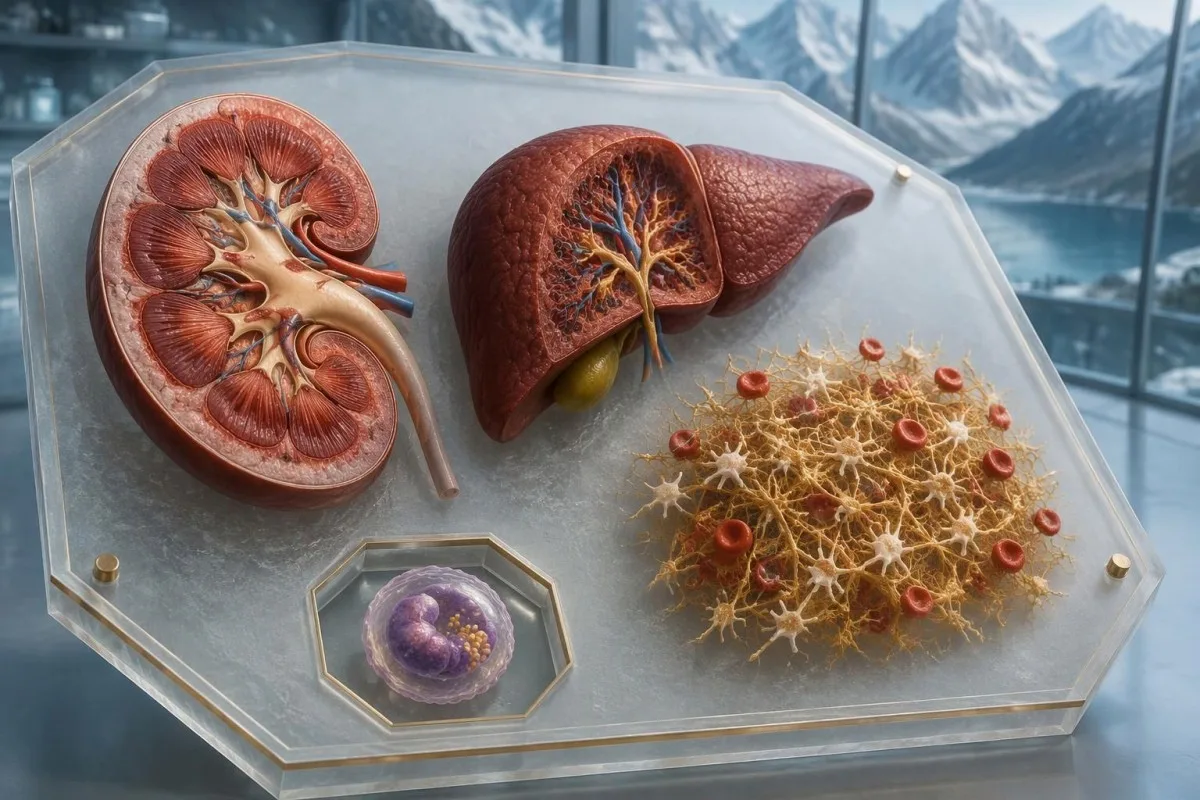
Severe anaplasmosis can involve respiratory failure, kidney injury, or coagulation abnormalities. Falling platelets accompanied by rising creatinine, prolonged clotting times, or new bleeding should not be dismissed as a routine CBC fluctuation; disseminated coagulation laboratory patterns explains why 2 or more changing systems can signal a problem beyond an isolated low count.
Clotting tests assess complications rather than confirming Anaplasma itself. For example, an INR of 1.8 in someone not taking warfarin needs explanation in context, but does not establish anaplasmosis or DIC on its own; our שלנו לפירוש בדיקות קרישה helps separate PT, aPTT, D-dimer, and platelet findings without treating them as interchangeable measurements.
האם יש לחזור על בדיקת PCR או נוגדנים לאחר הטיפול?
Routine PCR or IgG testing is generally not needed to prove cure after clinically successful anaplasmosis treatment. A convalescent IgG sample collected 2–10 weeks after the acute sample can document the diagnosis, but persistent antibodies alone do not demonstrate treatment failure and should not trigger repeated antibiotics in a well person.

A persistently positive IgG is not a test-of-cure result. If a person is well after a completed 10–14-day course, an elevated titer may simply reflect immune memory; if symptoms recur, clinicians should reassess the new symptoms and exposure history rather than assume that the old antibody result proves persistent infection.
CBC, creatinine, and liver enzymes may be repeated when they were abnormal or the illness was severe, but there is no universal day-7 retesting schedule for everyone. Kantesti AI can help organize serial results—for example, platelets rising from 82 to 164 × 10^9/L—while סקירת מגמות בטיחות תרופות explains why recovery patterns still require clinical context.
Antibiotic prophylaxis after a tick bite is not recommended specifically to prevent anaplasmosis. After an asymptomatic bite, monitor for fever or other illness over the following 2 weeks and obtain medical advice if symptoms appear; a separate Lyme prophylaxis decision, when indicated, should not be mistaken for an Anaplasma prevention protocol.
כיצד אפשר לארגן בבטחה דוח מבלבל?
The safest report review separates organism detection, antibody evidence, supportive blood findings, and clinical timing into 4 distinct questions. Record the assay target, specimen type, result format, collection date, symptom-onset date, and antibiotic start; missing context should remain explicitly unknown rather than being filled in by an AI explanation.

קנטסטי הוא שירות פרשנות בדיקות מעבדת ה-AI that can explain uploaded laboratory reports and help readers identify questions for their clinician. In a hypothetical 2-report review, our AI should distinguish 'PCR not detected after treatment' from 'paired IgG rise consistent with recent infection,' rather than flattening both statements into a single positive-or-negative label.
An upload is not a substitute for urgent assessment. A photo showing platelets of 74 × 10^9/L cannot reveal whether the person is confused, dehydrated, pregnant, or short of breath; our טכנולוגיית פרשנות AI שלנו describes the analytical workflow, but clinical observations and prescribing decisions remain outside what the report alone can establish.
Before sharing 2 samples, check that both belong to the same person and remove identifiers if they are not needed for your purpose. Kantesti does not perform Anaplasma PCR, validate specimen handling, or confirm that an uploaded titer used the same laboratory method; retain the original PDF and ask the laboratory to resolve unclear assay comments or mismatched result units.
אילו ראיות צריכות להנחות את הצעדים הבאים?
Anaplasmosis testing decisions should follow condition-specific guidance and diagnostic research, not general blood-test publications. The 2016 MMWR guideline, the 2013 PCR comparison, and the 2015 clinical review support the distinction between early direct detection, later antibody confirmation, and treatment based on clinical suspicion rather than a single laboratory result.

Bring 3 questions to the clinical review: was PCR collected early enough, is paired IgG needed, and do other tick-borne targets require separate testing? If the first specimen followed several doxycycline doses, say so; if the report is a single low-positive IgG, ask what evidence supports current illness before assuming that another antibiotic course is required.
At Kantesti, we distinguish externally published medical evidence from our own educational resources. Our תקני תוכן רפואי explain that distinction; the 2 Figshare publications listed below are supplementary general laboratory and digestive-health guides, not studies establishing Anaplasma assay accuracy, treatment efficacy, or diagnostic thresholds.
The general hematology guide can help explain LDH and reticulocyte results when anemia raises a separate concern such as hemolysis. Use the hematology marker background guide for that limited purpose, not to interpret Anaplasma PCR; a 4-fold IgG rise, a positive organism-specific PCR, and the patient's clinical course each provide different kinds of evidence.
שאלות נפוצות
האם PCR לאנפלזמה יכול להיות חיובי כאשר הנוגדנים שליליים?
בדיקת PCR לאנפלזמה עשויה להיות חיובית בעוד שנוגדני IgG שליליים במהלך השבוע הראשון למחלה, משום שניתן לזהות את ה-DNA החיידקי לפני שמתפתחת תגובת הנוגדנים. דפוס זה עשוי לתמוך באבחנה של אנפלזמוזיס פעילה, ולא להעיד על טעות מעבדה. ניתן להשוות דגימת IgG בשלב החריף לדגימה בשלב ההחלמה, שנאספה 2–10 שבועות לאחר מכן. אין לדחות את הטיפול ולהמתין עד להופעת נוגדנים כאשר קיים חשד קליני למחלה.
האם תוצאה חיובית של IgG לאנפלסמה פירושה שאני זקוק לאנטיביוטיקה?
תוצאה חיובית יחידה של IgG לאנפלזמה אינה מעידה בהכרח על צורך באנטיביוטיקה, משום שנוגדנים עשויים להעיד על חשיפה קודמת או על תגובתיות צולבת. לפי ה-CDC, טיטר יחיד של לפחות 1:128 מהווה ראיה תומכת, אך אינו הוכחה חד-משמעית לזיהום חדש. רמות הנוגדנים עשויות להישאר גבוהות במשך חודשים, ודווח על טיטרים גבוהים עד 4 שנים לאחר המחלה. רופאים מבססים את הטיפול על התסמינים הנוכחיים, החשיפה, ממצאי PCR ותוצאות של בדיקות נוגדנים בזוג דגימות, ולא על IgG מתמשך בלבד.
תוך כמה זמן דוקסיציקלין יכול להפוך את בדיקת ה-PCR לאנפלזמה לשלילית?
Anaplasma PCR sensitivity can decrease within 48 hours of appropriate antibiotic treatment, according to CDC guidance. That does not mean every person's PCR becomes negative at exactly 48 hours, because assay performance and circulating organism levels differ. A negative PCR collected after treatment is therefore less reassuring than a well-timed pretreatment result. Record the first doxycycline dose and specimen collection time so the clinician can interpret the result correctly.
מה נחשב לעלייה פי ארבעה בנוגדנים לאנפלסמה?
A rise in Anaplasma IgG titer from 1:64 to 1:256 is fourfold, while a rise from 1:128 to 1:256 is only twofold. Paired testing generally compares an acute specimen from the first 2 weeks of illness with a convalescent specimen collected 2–10 weeks later. The comparison should use compatible methods, ideally the same laboratory's IgG indirect fluorescent antibody assay. An antibody screen index cannot be directly converted into a dilution titer for this calculation.
האם ייתכן שיש לי אנפלזמוזיס אם בדיקות ה-PCR וה-IgG שליליות?
אנאפלזמוזיס עדיין עשויה להיות קיימת גם כאשר בדיקות PCR ו-IgG שליליות, במיוחד אם דגימת IgG נלקחה במהלך השבוע הראשון ודגימת PCR נלקחה לאחר טיפול אנטיביוטי מתאים. חום, חשיפה אפשרית לקרציות, מספר נמוך של טסיות דם, מספר נמוך של תאי דם לבנים ועלייה באנזימי כבד עשויים לבסס חשד קליני למרות תוצאות שליליות בבדיקות. רופאים עשויים להזמין דגימת IgG בשלב ההחלמה, 2–10 שבועות לאחר הדגימה שנלקחה בשלב החריף, ולבחון אבחנות אפשריות אחרות. אין להשאיר חשד לאנפלזמוזיס ללא טיפול רק משום שתוצאות הבדיקות המוקדמות שליליות.
תוך כמה זמן צפוי שיפור בתסמינים, והאם עליי לבצע בדיקת ריפוי?
החום כתוצאה מאנפלזמוזיס בדרך כלל יורד בתוך 24–48 שעות מתחילת הטיפול בדוקסיציקלין, אם כי במקרים של מחלה קשה הדבר עשוי להימשך זמן רב יותר. חום מתמשך מחייב הערכה מחדש של בעיות בספיגת התרופה, אבחנה אחרת, זיהום משולב או סיבוכים. בדרך כלל אין צורך בבדיקת PCR או נוגדנים שגרתית כדי להוכיח שהטיפול הצליח והמחלה חלפה; בדיקת IgG בזוג דגימות משמשת בעיקר לתיעוד של זיהום שהתרחש לאחרונה. קשיי נשימה, בלבול, דימום חדש או ירידה ניכרת במתן השתן מחייבים הערכה דחופה, ללא קשר לתוצאות המעבדה.
קבלו הסבר על תוצאות בדיקות הדם שלכם
העלו את דוח המעבדה שלכם, וה-AI של Kantesti יסביר כל סמן ביולוגי בשפה פשוטה בתוך שניות. יותר מ-2 מיליון אנשים ברחבי העולם משתמשים בו.
הפניות
- Klein, T., Mitchell, S., & Weber, H. (2026). מדריך לסוג דם B שלילי, לבדיקת LDH בדם ולספירת רטיקולוציטים. מחקר רפואי של Kantesti AI. DOI
- Klein, T., Mitchell, S., & Weber, H. (2026). שלשול לאחר צום, נקודות שחורות בצואה ומדריך למערכת העיכול לשנת 2026. מחקר רפואי של Kantesti AI. DOI
- Biggs HM ואח׳ (2016). אבחון וטיפול במחלות ריקציות המועברות על ידי קרציות: קדחת הרי הרוקי עם כתמים ומחלות ריקציות אחרות מקבוצת קדחת הכתמים, ארליכיוזיס ואנפלזמוזיס — ארצות הברית. המלצות ודוחות של MMWR. DOI PubMed
- Schotthoefer AM et al. (2013). Comparison of a real-time PCR method with serology and blood smear analysis for diagnosis of human anaplasmosis: importance of infection time course for optimal test utilization. Journal of Clinical Microbiology. DOI
- Bakken JS and Dumler JS (2015). Human granulocytic anaplasmosis. Infectious Disease Clinics of North America.
- 2 מיליון+בדיקות שנותחו
- 127+מדינות
- 100+שפות
על הצוות הרפואי


אותות אמון E-E-A-T
הִתנַסוּת
סקירה קלינית בהובלת רופא של תהליכי עבודה לפענוח בדיקות מעבדה.
מוּמחִיוּת
רפואה מעבדתית מתמקדת באופן שבו סמנים ביולוגיים מתנהגים בהקשר קליני.
סמכותיות
נבדק רפואית על ידי ד״ר Thomas Klein, בתרומתם של ד״ר Sarah Mitchell ופרופ׳ ד״ר Hans Weber.
אֲמִינוּת
פרשנות מבוססת-ראיות עם מסלולי המשך ברורים כדי להפחית בהלה.






הצהרה רפואית
מאמר זה מיועד למטרות חינוכיות בלבד ואינו מהווה ייעוץ רפואי. תמיד יש להתייעץ עם גורם מוסמך בתחום הבריאות לצורך החלטות אבחון וטיפול.
פורסם · צרו קשר עם צוות העריכה
פורסם על ידי Kantesti Ltd, הרשומה באנגליה ובוויילס, מספר חברה. 17090423, לונדון, בריטניה.
