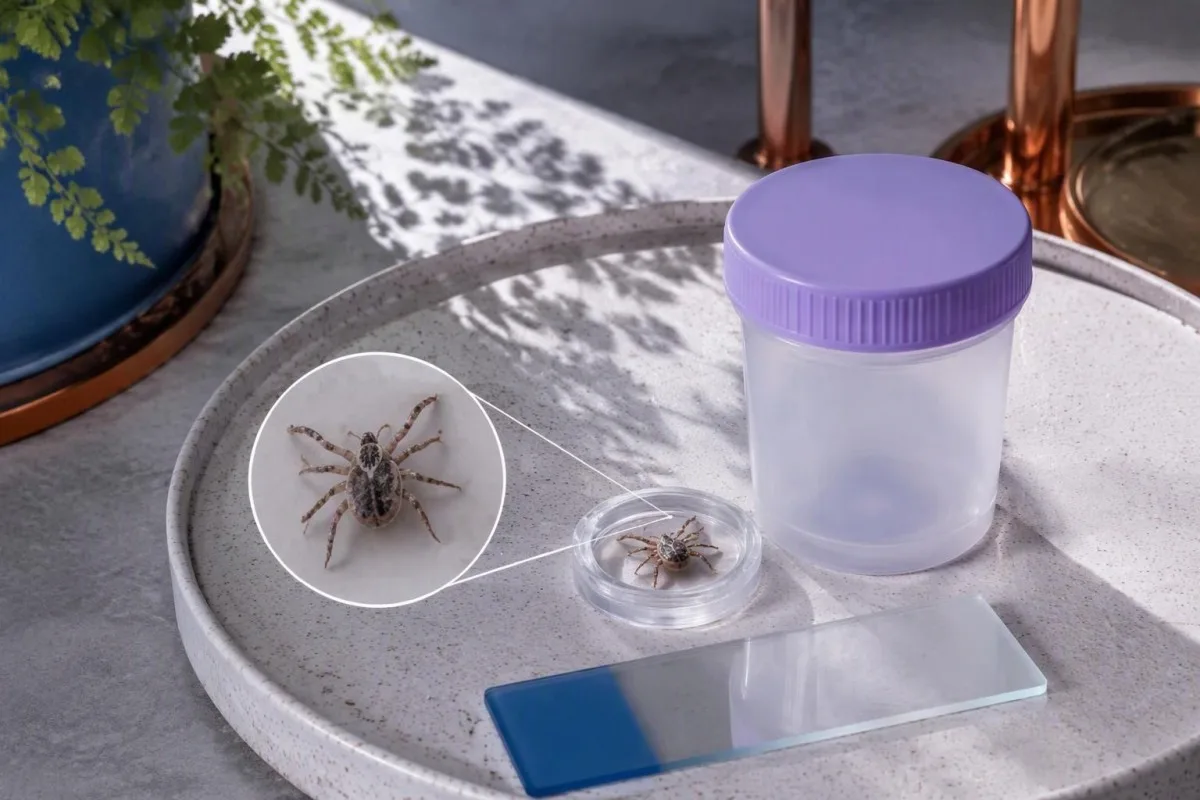
PCR រកឃើញ DNA របស់បាក់តេរី; តេស្តអង់ទីករវាស់ស្ទង់ការឆ្លើយតបភាពស៊ាំដែលកើតឡើងយឺតជាង។ ជំងឺនៅដំណាក់កាលដំបូង និងថ្នាំអង់ទីប៊ីយោទិចអាចធ្វើឱ្យលទ្ធផលទាំងនេះមិនស្របគ្នា ដូច្នេះពេលខ្លះការព្យាបាលចាប់ផ្តើមមុនពេលមានការបញ្ជាក់។.


- លទ្ធផលតេស្តជំងឺអេរលីឈីយ៉ូស៊ីស អាចមិនស្របគ្នា ព្រោះ PCR រកឃើញ DNA របស់បាក់តេរី ខណៈអង់ទីករកើតឡើងនៅពេលក្រោយ; ទាំងតេស្តអង់ទីករអវិជ្ជមាននៅដំណាក់កាលដំបូង និង PCR អវិជ្ជមាន មិនអាចបដិសេធជំងឺដែលសង្ស័យដោយសុវត្ថិភាពបានទេ។.
- ពេលវេលាធ្វើ PCR មានលក្ខខណ្ឌអំណោយផលបំផុតក្នុងសប្តាហ៍ដំបូងនៃរោគសញ្ញា ហើយភាពរសើបថយចុះក្នុងរយៈពេល 48 ម៉ោងបន្ទាប់ពីប្រើថ្នាំអង់ទីប៊ីយោទិចសមស្រប។.
- IgG នៅដំណាក់កាលដំបូង ជារឿយៗមានកម្រិតទាបជាង 1:64 ក្នុងសប្តាហ៍ដំបូង; លទ្ធផលអវិជ្ជមាននៅពេលនោះ មិនអាចធានាថាមិនមានជំងឺដោយខ្លួនឯងបានទេ។.
- តេស្តអង់ទីករជាគូ ប្រើសំណាកដំណាក់កាលស្រួចស្រាវដែលប្រមូលក្នុងរយៈពេល 2 សប្តាហ៍ដំបូង និងសំណាកដំណាក់កាលជាសះស្បើយដែលប្រមូល 2–10 សប្តាហ៍ក្រោយមក។.
- ការកើនឡើង IgG បួនដង មានន័យថាការកើនឡើងដូចជា 1:64 ទៅ 1:256 ហើយផ្តល់ភស្តុតាងនៃការឆ្លងថ្មីៗ នៅពេលបកស្រាយរួមជាមួយស្ថានភាពគ្លីនិក។.
- អង់ទីករ IgG តែមួយ ដែលមានកម្រិតយ៉ាងហោចណាស់ 1:128 គឺជាភស្តុតាងមន្ទីរពិសោធន៍សន្និដ្ឋានតាមការណែនាំរបស់ CDC មិនមែនជាភស្តុតាងបញ្ជាក់ការឆ្លងសកម្ម ឬជាការវាស់កម្រិតធ្ងន់ធ្ងរនោះទេ។.
- ពេលវេលានៃការព្យាបាល អាស្រ័យលើការសង្ស័យផ្នែកគ្លីនិក មិនមែនរង់ចាំការបញ្ជាក់ទេ; doxycycline គឺជាការព្យាបាលជម្រើសដំបូងសម្រាប់មនុស្សពេញវ័យ និងកុមារគ្រប់វ័យ។.
- បន្ទាប់ពីត្រូវធីកខាំ ដោយគ្មានរោគសញ្ញា មិនណែនាំឱ្យធ្វើតេស្ត ehrlichiosis ជាប្រចាំ ឬប្រើថ្នាំអង់ទីប៊ីយ៉ូទិកបង្ការទេ; តាមដានមើលរោគសញ្ញាជំងឺក្នុងរយៈពេល 2 សប្តាហ៍បន្ទាប់។.
ហេតុអ្វីបានជាលទ្ធផល PCR និងអង់ទីករនៃជំងឺអេរលីឈីយ៉ូស៊ីសអាចមិនស្របគ្នា?
លទ្ធផលតេស្ត ehrlichiosis មិនស្របគ្នា ព្រោះ PCR និងអង់ទីករវាស់ដំណាក់កាលខុសគ្នានៃជំងឺ។. PCR អាចប្រែជាវិជ្ជមានមុនពេល IgG កើតមាន ខណៈ IgG អាចនៅតែវិជ្ជមាន បន្ទាប់ពី DNA របស់បាក់តេរីលែងអាចរកឃើញ; ថ្នាំអង់ទីប៊ីយ៉ូទិកក៏អាចធ្វើឱ្យ PCR ប្រែជាអវិជ្ជមានយ៉ាងឆាប់រហ័សផងដែរ។.
A PCR វិជ្ជមាន ប៉ុន្តែ IgG អវិជ្ជមាន ក្នុងសប្តាហ៍ដំបូង គឺសមស្របនឹង ehrlichiosis ដំណាក់កាលដំបូង។ លំនាំផ្ទុយគ្នា—PCR អវិជ្ជមាន ប៉ុន្តែ IgG វិជ្ជមាន—មានការពន្យល់ច្រើនយ៉ាង រួមមានការយកសំណាកនៅពេលក្រោយ ការព្យាបាលមុនពេលប្រមូលសំណាក ការប៉ះពាល់ពីមុន ឬប្រតិកម្មឆ្លងនៃអង់ទីករ; វាមិនមានន័យថាមន្ទីរពិសោធន៍បានធ្វើខុសដោយស្វ័យប្រវត្តិនោះទេ។.
ខ្ញុំឈ្មោះ Thomas Klein, MD ជាប្រធានផ្នែកវេជ្ជសាស្ត្រនៅ Kantesti ហើយរឿងដំបូងដែលខ្ញុំពិនិត្យគឺលំដាប់ព្រឹត្តិការណ៍៖ ការចាប់ផ្តើមរោគសញ្ញា ការប្រមូលសំណាក និងការលេបថ្នាំអង់ទីប៊ីយ៉ូទិកដំបូង។ កាលបរិច្ឆេទទាំង 3 នេះជាញឹកញាប់ពន្យល់បានច្រើនជាងសញ្ញាពណ៌ក្រហម ឬពណ៌បៃតងនៅក្បែរលទ្ធផល។.
សូមពិចារណាអំពីករណីសម្មតិកម្មនៃមនុស្សពេញវ័យម្នាក់ដែលក្តៅខ្លួននៅថ្ងៃចន្ទ ចាប់ផ្តើមប្រើ doxycycline នៅថ្ងៃអង្គារ ហើយប្រមូលសំណាកមន្ទីរពិសោធន៍នៅថ្ងៃព្រហស្បតិ៍៖ PCR អវិជ្ជមាននៅថ្ងៃព្រហស្បតិ៍ មិនអាចបកស្រាយដូចសំណាកអវិជ្ជមានដែលប្រមូលមុនការព្យាបាលបានទេ។ ការពន្យល់របស់យើងអំពី លទ្ធផលអង់ទីករវិជ្ជមាន បែងចែកការចងចាំរបស់ប្រព័ន្ធភាពស៊ាំពីភស្តុតាងនៃជំងឺបច្ចុប្បន្ន។.
កាន់តេស្ទី គឺជា ឧបករណ៍វិភាគឈាម AI ដែលអាចជួយរៀបចំរបាយការណ៍ ehrlichiosis រួមជាមួយ CBC និងលទ្ធផលថ្លើម ប៉ុន្តែមិនអាចបដិសេធជំងឺនេះបានដោយផ្អែកលើលទ្ធផលតេស្តអវិជ្ជមានទេ។ របស់យើង អង្គការ និងការផ្តោតសំខាន់ផ្នែកគ្លីនិករបស់យើង ពិពណ៌នាអំពីសេវាកម្ម; ehrlichiosis ស្រួចស្រាវដែលសង្ស័យ នៅតែត្រូវការការពិនិត្យពីគ្រូពេទ្យ ហើយពេលខ្លះត្រូវពិនិត្យមុនពេលលទ្ធផលមន្ទីរពិសោធន៍ចេញមក។.
តើគួរធ្វើតេស្តនៅពេលណាបន្ទាប់ពីត្រូវធីកខាំ?
ការធ្វើតេស្ត ehrlichiosis បន្ទាប់ពីត្រូវធីកខាំ ជាទូទៅត្រូវបានណែនាំដោយផ្អែកលើរោគសញ្ញា មិនមែនផ្អែកតែលើកាលបរិច្ឆេទដែលត្រូវខាំនោះទេ។. រោគសញ្ញាជាទូទៅចាប់ផ្តើម 5–14 ថ្ងៃបន្ទាប់ពីត្រូវធីកដែលមានមេរោគខាំ ហើយការធ្វើតេស្តលើអ្នកដែលមានសុខភាពល្អក្រោយការប៉ះពាល់ភ្លាមៗ មិនអាចទស្សន៍ទាយបានគួរឱ្យទុកចិត្តថាតើជំងឺនឹងកើតឡើងឬអត់ទេ។.
ការរាប់ពេលវេលាសម្រាប់ធ្វើតេស្តចាប់ផ្តើមពី ថ្ងៃទី 1 នៃជំងឺ, មានន័យថា ថ្ងៃដំបូងដែលក្តៅខ្លួន ឬមានរោគសញ្ញាសមស្រប—មិនមែនចាំបាច់ជាថ្ងៃដែលរកឃើញធីកនោះទេ។ អ្នកដែលត្រូវខាំកាលពី 10 ថ្ងៃមុន ប៉ុន្តែក្តៅខ្លួនត្រឹមតែ 2 ថ្ងៃ នៅតែស្ថិតក្នុងដំណាក់កាលដំបូងនៃរយៈពេលធ្វើរោគវិនិច្ឆ័យ។.
ការមិនចាំថាត្រូវបានខាំ មិនអាចបដិសេធ ehrlichiosis បានទេ។ គ្រូពេទ្យគួរសាកសួរអំពីការប៉ះពាល់នៅខាងក្រៅក្នុងរយៈពេល 2 សប្តាហ៍មុន ការធ្វើដំណើរ ការថែសួន និងការប៉ះពាល់នឹងទីជម្រករបស់ធីក; ធីកតូចៗអាចមិនត្រូវបានកត់សម្គាល់ ហើយអ្នកជំងឺអាចចាំបានថាបានដើរលេង ប៉ុន្តែមិនចាំការត្រូវខាំ។.
លទ្ធផលអង់ទីករអវិជ្ជមានភ្លាមៗក្រោយត្រូវខាំដោយគ្មានរោគសញ្ញា មិនមែនជាលិខិតបញ្ជាក់ថាគ្មានហានិភ័យដែលមានប្រយោជន៍ទេ។ ការណែនាំរបស់ CDC ណែនាំឱ្យតាមដានរោគសញ្ញារយៈពេល 2 សប្តាហ៍ ជំនួសឱ្យការធ្វើតេស្តជាប្រចាំ ឬប្រើ doxycycline បង្ការ ehrlichiosis; មិនគួរយកវិធានការបង្ការជំងឺ Lyme ទៅប្រើលើការឆ្លងមេរោគផ្សេងនោះទេ។.
ការប៉ះពាល់នឹងធីកក៏អាចបង្កបញ្ហាផ្សេងមួយទៀតដែរ៖ ប្រតិកម្មអាលែហ្សីដែលកើតឡើងយឺតបន្ទាប់ពីបរិភោគសាច់ថនិកសត្វ បង្ហាញថាអាចជា អាលែហ្សីអាល់ហ្វា-ហ្គាល់ក្រោយត្រូវធីកខាំ, not the usual ehrlichiosis pattern. Fever, headache, muscle aches, or gastrointestinal symptoms developing 5–14 days after exposure warrant prompt medical assessment instead.
តើតេស្ត PCR សម្រាប់ជំងឺអេរលីឈីយ៉ូស៊ីសរកឃើញអ្វី?
មួយ ehrlichiosis PCR test detects Ehrlichia DNA, usually in whole blood, and is most sensitive during the first week of illness. A positive result strongly supports the diagnosis in a compatible clinical setting, but a negative result cannot reliably exclude ehrlichiosis.
CDC's diagnostic guidance specifies whole-blood PCR and warns that sensitivity decreases within 48 hours of appropriate antibiotics (CDC, 2024a). The sample must meet the receiving laboratory's requirements; serum saved for antibody testing should not automatically be assumed suitable for the molecular assay.
A PCR panel is only as broad as its target list. Ask whether the assay detects E. chaffeensis, E. ewingii, and other locally relevant species; a report with 1 negative organism name is not necessarily a negative test for every cause of ehrlichiosis.
A qualitative PCR usually reports detected or not detected rather than a standardized bacterial burden. If a laboratory provides a cycle-threshold value, I would not use that number alone to grade severity or compare 2 laboratories, because extraction methods and assay targets differ.
Timing also affects molecular testing for other infections, as our explanation of PCR windows and false negatives illustrates. The transferable principle is to document specimen type and treatment exposure; the actual useful window differs by organism, so a 7-day rule for ehrlichiosis should not be generalized.
តើថ្នាំអង់ទីប៊ីយោទិចផ្លាស់ប្តូរការរកឃើញជំងឺអេរលីឈីយ៉ូស៊ីសយ៉ាងដូចម្តេច?
Doxycycline can reduce PCR sensitivity within 48 hours of treatment, so a negative result after antibiotics has less exclusion value than a pretreatment result. Collect samples before the first dose when practical, but never postpone necessary treatment just to preserve a testing window.
ពាក្យ appropriate antibiotics matters: it means treatment active against Ehrlichia, not simply any prescription labeled an antibiotic. Record the medication name, dose, first-dose time, and number of doses taken before collection; 2 days of doxycycline and 2 days of an unrelated antibiotic are different histories.
A pretreatment sample is helpful, but speed wins when the patient is unwell. If sample collection would delay treatment by several hours, a clinician can treat first and document the exposure, then use the later antibody sample and clinical course to complete the assessment.
Early treatment can complicate interpretation of later antibody patterns, but there is no dependable rule saying a certain number of doxycycline doses prevents seroconversion. Do not cancel the planned convalescent sample simply because treatment began on illness day 2; an absent rise still needs clinical interpretation.
Stopping doxycycline for 24–48 hours to make PCR positive again is not an appropriate diagnostic strategy. Our discussion of medication effects on test timing explains why treatment timestamps belong beside laboratory values; a deliberately untreated interval can expose someone to avoidable deterioration.
តើគួរអានតម្លៃតៃទ័រអង់ទីករ Ehrlichia យ៉ាងដូចម្តេច?
Ehrlichia antibody titers are usually interpreted using IgG indirect fluorescent antibody testing. A titer describes the greatest serum dilution that remains reactive; a single IgG titer of at least 1:128 is presumptive evidence under CDC guidance, not confirmation of a new active infection.
លទ្ធផលនៃ 1:256 means reactivity persisted at a dilution of 1 part serum in 256 total parts. It is not a concentration in mg/dL, and a person with 1:512 is not automatically twice as ill as someone with 1:256.
CDC notes that IgG titers are frequently below 1:64 during the first week of illness (CDC, 2024a). Laboratories may label 1:64 borderline, equivocal, or positive according to their own validated criteria, so the report's method and reference interval must travel with the number.
IgM is not a reliable marker of recent ehrlichiosis and should not be used alone to make the diagnosis. An isolated IgM positive on day 3 can be misleading; a compatible syndrome, early PCR, and paired IgG testing provide a more defensible interpretation.
Persistent IgG can remain elevated for many months, and persistent antibodies without new symptoms do not justify another antibiotic course. The distinction between a dilution endpoint and active disease also appears in our guide to interpreting bacterial antibody titers, although each organism has different diagnostic criteria.
ហេតុអ្វីបានជាសំណាកអង់ទីករពីរល្អជាងមួយ?
Paired IgG samples can demonstrate a new immune response that a single positive result cannot establish. CDC recommends an acute sample within the first 2 weeks of illness and a convalescent sample 2–10 weeks later, looking for a fourfold rise in titer.
ឧទាហរណ៍បែបបុរាណគឺ 1:64 followed by 1:256: that is a fourfold rise and supports recent infection. By contrast, 1:128 followed by 1:256 is only a twofold rise, equivalent to 1 standard dilution step, and does not meet the fourfold criterion.
ការប្រើប្រាស់ same laboratory and assay reduces avoidable comparison problems. Two numbers from different methods may look comparable but reflect different antigen preparations, reading techniques, or reporting thresholds; ask whether the laboratory can test the 2 specimens together if interpretation is uncertain.
A baseline reported as below 1:64 is a censored value, not a measured zero. When the later sample becomes clearly positive, the laboratory and clinician should apply the assay's seroconversion criteria rather than inventing a numerical fold rise from an unknown starting concentration.
Arrange the second collection before the patient leaves the first visit; otherwise the 2–10-week window is easily missed once fever resolves. Our explanation of paired infection antibody patterns discusses the broader reasoning, but Q fever's phase-specific antibodies should not be confused with Ehrlichia IgG.
តើអង់ទីករ Ehrlichia អាចមានប្រតិកម្មឆ្លងជាមួយមេរោគឆ្លងផ្សេងទៀតដែរឬទេ?
Ehrlichia and Anaplasma antibodies can cross-react because related organisms share antigens. A positive antibody result therefore may not identify the exact organism, and many commercial laboratories cannot reliably distinguish Ehrlichia species through serology alone.
Where ehrlichiosis and anaplasmosis both occur, CDC recommends testing antibodies against both organisms side by side. If 2 assays are positive, the result may reflect cross-reactivity rather than 2 separate infections; species-specific PCR collected early is often more useful for identifying the cause.
A lone low-positive antibody result carries less weight when there is no fever, no compatible exposure, and normal supporting tests. The same titer of 1:128 means something different in an acutely febrile patient after tick exposure than in an otherwise well person tested months later.
កាន់តេស្ទី គឺជា វេទិកាបកស្រាយការធ្វើតេស្តឈាម AI that helps place reported titers beside collection dates and other laboratory findings. Our វិធីសាស្ត្របកស្រាយដោយ AI explains the approach, but software cannot determine the infecting species from 1 cross-reactive antibody result or compensate for an assay's missing targets.
False-positive and persistent antibody patterns are not unique to tick-borne infections; antibody timing and persistence provides another example. For ehrlichiosis, ask 3 concrete questions: which antigen was used, whether Anaplasma was tested, and whether the result represents new change or an isolated finding.
តើលទ្ធផល CBC និងថ្លើមណាខ្លះដែលគាំទ្រការសង្ស័យថាមានជំងឺអេរលីឈីយ៉ូស៊ីស?
Leukopenia, thrombocytopenia, and elevated liver aminotransferases commonly support suspected ehrlichiosis, particularly with fever and tick exposure. These abnormalities are not specific, and normal results early in illness do not exclude the diagnosis.
A hypothetical panel showing WBC 2.8 × 10⁹/L, platelets 88 × 10⁹/L, and AST 96 U/L deserves more attention when it accompanies new fever after outdoor exposure. Each value has other possible causes; together, the pattern raises concern for a systemic illness rather than an isolated minor abnormality.
A low WBC does not argue against infection. Our explanation of WBC និង CRP ដែលមិនស្របគ្នា shows why an inflammatory illness need not produce leukocytosis; for ehrlichiosis, the direction and rate of change over 24–48 hours may be more informative than one result.
AST and ALT elevations indicate cellular injury but do not, by themselves, establish impaired liver function. An AST of 96 U/L with a laboratory upper limit of 40 U/L is about 2.4 times that limit; bilirubin, coagulation results, medication exposure, and symptoms help assess the broader picture.
Avoid calculating chronic liver fibrosis scores during an acute febrile illness when platelets and AST are temporarily abnormal. Our liver panel terminology guide separates injury markers from other measurements; repeating appropriate tests after recovery is often more useful than assigning a chronic diagnosis from 1 acute panel.
តើការពិនិត្យស្លាយឈាមអាចធ្វើរោគវិនិច្ឆ័យជំងឺអេរលីឈីយ៉ូស៊ីសបានទេ?
A blood smear may show morulae—clusters of organisms inside white cells—but a negative smear does not exclude ehrlichiosis. Microscopy is less sensitive than preferred molecular testing, and the appearance alone may not reliably distinguish all related organisms.
E. chaffeensis typically forms morulae in monocytes, whereas E. ewingii can involve granulocytes; Anaplasma phagocytophilum also affects granulocytes. That distinction is useful educationally, but a single suspicious inclusion should prompt confirmatory testing rather than an overconfident species label.
Timing, organism burden, slide preparation, and the observer's experience affect detection. A smear collected on illness day 4 that does not show morulae cannot substitute for whole-blood PCR, and treatment should not wait for a specialist to find a diagnostic-looking cell.
A smear can answer a separate practical question: is a low platelet count real? If a report flags clumping beside a platelet count of 70 × 10⁹/L, review for ការកកជាប្លាកែត EDTA; the laboratory may need another collection using an alternative anticoagulant.
Artifact and genuine illness can coexist. I would not dismiss fever because clumping explains 1 abnormal number, nor assume every low platelet result is caused by Ehrlichia; the smear, repeat count, medication history, and other CBC components each answer different parts of the problem.
ហេតុអ្វីត្រូវចាប់ផ្តើមការព្យាបាលមុនពេលមានការបញ្ជាក់ពីមន្ទីរពិសោធន៍?
Suspected ehrlichiosis may require immediate doxycycline because delayed treatment can allow severe disease, while early tests can be negative. The CDC treatment guideline explicitly advises against waiting for confirmation when the clinical picture supports a tick-borne rickettsial illness.
Biggs and colleagues' 2016 MMWR guideline emphasizes early empiric doxycycline for suspected ehrlichiosis and related illnesses (Biggs et al., 2016). This is not treating every tick bite; it is treating a compatible acute syndrome before imperfect laboratory timing creates an unsafe delay.
CDC's usual doxycycline dose is 100 mg every 12 hours for adults; children weighing under 45 kg receive 2.2 mg/kg per dose every 12 hours, with a maximum of 100 mg per dose (CDC, 2024b). These are clinician-prescribed regimens, and severe illness may require intravenous treatment or hospitalization.
CDC recommends treatment for at least 5–7 days and until 72 hours after fever subsides, with clinical improvement. Fever often improves within 24–48 hours, but improvement alone is not proof of ehrlichiosis, and absence of improvement should prompt reassessment rather than an automatic extension of the same diagnosis.
Doxycycline does not treat every infection associated with ticks. Persistent fever, anemia, or evidence of hemolysis may justify evaluation for active Babesia infection, depending on exposure geography; a positive Ehrlichia antibody result should not stop the search for an alternative or additional cause.
តើរោគសញ្ញា និងលទ្ធផលណាខ្លះត្រូវការការវាយតម្លៃបន្ទាន់?
Confusion, breathing difficulty, fainting, new significant bleeding, or markedly reduced urine output require urgent assessment when ehrlichiosis is possible. Seek same-day care for compatible fever after tick exposure; do not wait for PCR, antibody results, or a rash to appear.
A rash is not a required feature: CDC reports it in fewer than 30% of adults and up to 60% of children. A febrile adult without a rash can still have ehrlichiosis, and waiting for a skin change may waste the period when treatment is most effective.
The pace of deterioration matters more than a standalone cutoff. A platelet fall from 160 to 75 × 10⁹/L over 48 hours, coupled with confusion or low blood pressure, warrants urgent evaluation even if the PCR result is pending; the same value in a stable chronic condition has different implications.
Severe ehrlichiosis can involve organ dysfunction or coagulation abnormalities, but no 1 routine test establishes the cause. Our discussion of DIC laboratory patterns explains why platelets, fibrinogen, clotting times, and the clinical condition must be assessed together rather than interpreted as independent flags.
Procalcitonin, CRP, and D-dimer cannot reliably distinguish ehrlichiosis from every other systemic illness. The ការធ្វើតេស្តការកកឈាម provides measurement context, but someone becoming confused or breathless needs immediate clinical care—not another 24 hours of home monitoring while an antibody panel is processed.
តើការបកស្រាយប្រែប្រួលដែរឬទេ ចំពោះកុមារ ឬអ្នកជំងឺដែលមានហានិភ័យខ្ពស់?
Children, older adults, and immunocompromised patients need particularly careful clinical assessment, because severe illness may develop and antibody responses can be less dependable in immunosuppression. Doxycycline remains first-line treatment for suspected ehrlichiosis in children of all ages.
The old assumption that doxycycline must always be avoided under age 8 should not delay treatment of suspected ehrlichiosis. CDC and the American Academy of Pediatrics support doxycycline for suspected tick-borne rickettsial disease in children of all ages; the immediate infection risk changes the usual prescribing calculation.
Pregnancy needs urgent individualized prescribing, not an automatic instruction to withhold treatment. Tell the clinician the gestational age and any antibiotic allergy; evidence for alternative regimens is limited, so an infectious-disease specialist may be needed rather than choosing a substitute from 1 online dosing table.
An immunocompromised patient may not produce the expected fourfold antibody rise, and a negative convalescent result requires caution. Include transplant medicines, chemotherapy, and immune-suppressing treatment in the history; Kantesti's គោលការណ៍ឯកជនភាព និងការប្រើប្រាស់ទិន្នន័យ explain handling of uploaded reports, but acute-risk decisions must remain with the treating team.
Travel can change the differential diagnosis completely. Fever after visiting a malaria-endemic area requires urgent evaluation even if a tick was also found; our explanation of malaria testing after travel describes why an initial negative test may need repeat assessment, commonly over 2–3 specimen collections under clinical guidance.
តើអ្នកគួរធ្វើអ្វីនៅពេលទទួលបានលទ្ធផល ឬនៅពេលរោគសញ្ញានៅតែបន្ត?
Follow-up should reconcile the test method, illness day, antibiotic exposure, and clinical response, rather than treating a positive or negative label in isolation. Persistent symptoms require reassessment; persistently positive IgG without new illness does not, by itself, justify additional antibiotics.
Build a 5-item result checklist: first symptom date, collection date, specimen type, exact assay target, and treatment before collection. Add the laboratory's titer reference interval; screenshots that omit these details can make an otherwise clear report surprisingly difficult to interpret.
A negative pretreatment PCR on illness day 3 lowers confidence differently from a negative PCR after 3 days of doxycycline, but neither is an absolute rule-out. Ask the clinician what alternative diagnoses are being considered and whether paired IgG testing will help resolve the remaining uncertainty.
CBC and liver results should be followed according to severity, sometimes within 24–48 ម៉ោង during acute illness and later during recovery. Our guide to ការប្រែប្រួលលទ្ធផលមន្ទីរពិសោធន៍ក្រោយចេញពីមន្ទីរពេទ្យ explains why improving trends may lag behind symptom improvement; persistent abnormalities deserve a broader review rather than a presumed chronic infection.
My advice as Thomas Klein, MD, is to ask 2 questions: what needs action now, and what will the next specimen actually clarify? Kantesti's ក្រុមប្រឹក្សាវេជ្ជសាស្ត្រ supports our clinical focus, but an AI explanation should never be used to stop prescribed doxycycline or delay reassessment when fever persists beyond the expected 24–48-hour response.
ការបោះពុម្ពផ្សាយការស្រាវជ្រាវ និងដែនកំណត់នៃការបកស្រាយ AI
AI interpretation can organize ehrlichiosis reports, but it cannot independently confirm or exclude the infection. As of October 18, 2026, the practical diagnostic approach described here remains grounded in CDC testing guidance and the 2016 tick-borne rickettsial disease guideline, not a claimed 2026 diagnostic breakthrough.
កាន់តេស្ទី គឺជា ឧបករណ៍វិភាគតេស្តឈាមដោយ AI that can help explain why PCR, IgG, platelets, and liver measurements tell different parts of the story. A report collected after 48 hours of doxycycline still needs that treatment context; pattern interpretation cannot recover bacterial DNA that the assay did not detect.
The supplied technical benchmark describes ករណីធ្វើតេស្តសំយោគចំនួន 100,000, not 100,000 patients with suspected ehrlichiosis. Synthetic benchmark performance should not be presented as clinical sensitivity, specificity, or evidence that an AI system can safely rule out tick-borne infection; our ការផ្ទៀងផ្ទាត់ និងស្តង់ដារគ្លីនិក provide additional methodological context.
The 2 research records listed below concern the interpretation engine and a validation framework. They are separate from the external medical references supporting PCR timing, paired IgG testing, and treatment; search links to ResearchGate and Academia.edu are discovery aids, not claims of publication, peer review, or endorsement on those sites.
For an individual patient, 3 pieces of information remain indispensable: exposure history, the course of symptoms, and treatment timing. Even a technically well-structured explanation must yield to bedside assessment when the patient is deteriorating, because a negative laboratory result can coexist with clinically significant early ehrlichiosis.
សំណួរដែលសួរញឹកញាប់
តើលទ្ធផល PCR សម្រាប់ជំងឺអេរលីគីយ៉ូសអាចវិជ្ជមាន ខណៈពេលអង់ទីគ័រអវិជ្ជមានបានដែរឬទេ?
បាទ/ចាស។ ការធ្វើតេស្ត PCR រកជំងឺ Ehrlichiosis អាចផ្តល់លទ្ធផលវិជ្ជមាន មុនពេលអង់ទីករ IgG អាចត្រូវបានរកឃើញ ជាពិសេសក្នុងអំឡុងសប្តាហ៍ដំបូងនៃរោគសញ្ញា។ CDC កត់សម្គាល់ថា កម្រិត IgG ជាញឹកញាប់ទាបជាង 1:64 ក្នុងអំឡុងពេលដំបូងនោះ។ លទ្ធផល PCR វិជ្ជមានក្នុងបរិបទគ្លីនិកដែលស្របគ្នា គាំទ្រដល់ការធ្វើរោគវិនិច្ឆ័យ ហើយមិនគួររង់ចាំរហូតដល់អង់ទីករផ្តល់លទ្ធផលវិជ្ជមាន ទើបចាប់ផ្តើមព្យាបាលនោះទេ។.
តើលទ្ធផល PCR សម្រាប់ជំងឺអឺរលីក្យូស៊ីសអវិជ្ជមាន អាចបដិសេធការឆ្លងបានដែរឬទេ?
លទ្ធផលតេស្ត PCR រកជំងឺអឺលីច៊ីយ៉ូស៊ីសអវិជ្ជមាន មិនអាចច្រានចោលការឆ្លងបានទេ។ PCR មានភាពរសើបខ្ពស់បំផុតក្នុងសប្តាហ៍ដំបូងនៃជំងឺ ហើយភាពរសើបថយចុះក្នុងរយៈពេល 48 ម៉ោងបន្ទាប់ពីការព្យាបាលដោយថ្នាំអង់ទីប៊ីយ៉ូទិកសមស្រប។ ប្រភេទសំណាក គោលដៅរបស់តេស្ត និងពេលវេលាប្រមូលសំណាក ក៏ប៉ះពាល់ដល់ការរកឃើញផងដែរ។ គ្រូពេទ្យអាចបន្តការព្យាបាល និងរៀបចំធ្វើតេស្ត IgG ជាគូ នៅពេលរោគសញ្ញា និងប្រវត្តិប៉ះពាល់នៅតែគួរឱ្យជឿជាក់។.
តើតម្លៃតៃទ័រ IgG ចំពោះ Ehrlichia ចំនួន 1:128 មានន័យដូចម្តេច?
កម្រិតអង់ទីករ IgG ចំពោះ Ehrlichia តែមួយលទ្ធផល 1:128 បំពេញតាមកម្រិតរបស់ CDC សម្រាប់ភស្តុតាងមន្ទីរពិសោធន៍បឋម ប៉ុន្តែវាមិនអាចបញ្ជាក់ដោយខ្លួនឯងថាមានការឆ្លងសកម្មថ្មីនោះទេ។ លទ្ធផលនេះអាចបង្ហាញពីជំងឺថ្មីៗ ការប៉ះពាល់កន្លងមក ឬប្រតិកម្មឆ្លងជាមួយមេរោគដែលមានទំនាក់ទំនងជិតស្និទ្ធ។ ការកើនឡើងបួនដង ដូចជា ពី 1:128 ទៅ 1:512 ក្នុងសំណាកគូដែលប្រមូលបានតាមពេលវេលាសមស្រប ផ្តល់ភស្តុតាងកាន់តែរឹងមាំអំពីការឆ្លងថ្មីៗ។ កម្រិតអង់ទីករនេះមិនមែនជារង្វាស់នៃភាពធ្ងន់ធ្ងរនៃជំងឺទេ។.
តើគួរធ្វើតេស្តអង្គបដិប្រាណ Ehrlichia ម្តងទៀតនៅពេលណា?
CDC ណែនាំឱ្យធ្វើតេស្ត IgG ចំពោះ Ehrlichia ជាគូ ដោយប្រើសំណាកដំណាក់កាលស្រួចស្រាវដែលប្រមូលក្នុងរយៈពេល 2 សប្តាហ៍ដំបូងនៃជំងឺ និងសំណាកដំណាក់កាលជាសះស្បើយដែលប្រមូល 2–10 សប្តាហ៍ក្រោយមក។ ការកើនឡើងបួនដង ដូចជា ពី 1:64 ទៅ 1:256 គាំទ្រថាមានការឆ្លងថ្មីៗ។ ការប្រើមន្ទីរពិសោធន៍ និងវិធីសាស្ត្រធ្វើតេស្តដូចគ្នា ធ្វើឱ្យការប្រៀបធៀបកាន់តែអាចជឿទុកចិត្តបាន។ ការធ្វើតេស្តអង់ទីករឡើងវិញជួយបញ្ជាក់ការឆ្លងនោះជាអតីតកាល; មិនគួរឱ្យវាពន្យារពេលការព្យាបាលជំងឺស្រួចស្រាវដែលសង្ស័យនោះទេ។.
តើខ្ញុំគួរធ្វើតេស្តរកជំងឺអឺលីគីយ៉ូសភ្លាមៗ បន្ទាប់ពីត្រូវធីកខាំឬ?
0 ការធ្វើតេស្តរកជំងឺអេរីលីគីយ៉ូស៊ីសជាប្រចាំ មិនត្រូវបានណែនាំភ្លាមៗបន្ទាប់ពីត្រូវធីកខាំទេ ប្រសិនបើអ្នកមិនមានរោគសញ្ញា។ រោគសញ្ញាជាទូទៅកើតឡើង 5–14 ថ្ងៃបន្ទាប់ពីត្រូវធីកដែលមានមេរោគខាំ ហើយលទ្ធផលតេស្តអវិជ្ជមាននៅដំណាក់កាលដំបូង មិនអាចព្យាករណ៍ថាជំងឺនឹងកើតឡើងឬអត់បានទេ។ តាមដានមើលកម្ដៅខ្លួន ឈឺក្បាល ឈឺសាច់ដុំ ឬរោគសញ្ញាក្រពះពោះវៀន ក្នុងរយៈពេល 2 សប្តាហ៍បន្ទាប់ ហើយស្វែងរកការព្យាបាលឱ្យបានឆាប់ ប្រសិនបើរោគសញ្ញាទាំងនោះកើតឡើង។ មិនត្រូវបានណែនាំឱ្យប្រើថ្នាំអង់ទីប៊ីយ៉ូទិកបង្ការជាក់លាក់ ដើម្បីការពារជំងឺអេរីលីគីយ៉ូស៊ីស បន្ទាប់ពីត្រូវធីកខាំដោយគ្មានរោគសញ្ញានោះទេ។.
ហេតុអ្វីបានជាវេជ្ជបណ្ឌិតចេញវេជ្ជបញ្ជាដូស៊ីស៊ីគ្លីន មុនពេលទទួលបានលទ្ធផលតេស្តរកជំងឺអេរីលីខ្យូស៊ីស?
វេជ្ជបណ្ឌិតអាចចេញវេជ្ជបញ្ជាដុកស៊ីស៊ីគ្លីន មុនពេលទទួលបានលទ្ធផល ព្រោះការធ្វើតេស្តជំងឺអេរីលីក៊ីយ៉ូស៊ីសនៅដំណាក់កាលដំបូងអាចមានលទ្ធផលអវិជ្ជមាន ហើយការពន្យារពេលព្យាបាលអាចបណ្តាលឱ្យជំងឺធ្ងន់ធ្ងរ។ CDC ណែនាំឱ្យព្យាបាលភ្លាមៗ នៅពេលរោគសញ្ញា និងប្រវត្តិនៃការប៉ះពាល់បង្ហាញថាសង្ស័យថាមានជំងឺអេរីលីក៊ីយ៉ូស៊ីស រួមទាំងចំពោះកុមារគ្រប់វ័យផងដែរ។ គ្រុនក្តៅជារឿយៗធូរស្រាលក្នុងរយៈពេល 24–48 ម៉ោង បន្ទាប់ពីទទួលការព្យាបាលសមស្រប ទោះបីជាការឆ្លើយតបនេះមិនបញ្ជាក់ពីរោគវិនិច្ឆ័យក៏ដោយ។ គ្រុនក្តៅដែលមិនបាត់ ការភាន់ច្រឡំ ពិបាកដកដង្ហើម ឬភាពមិនប្រក្រតីនៃលទ្ធផលមន្ទីរពិសោធន៍ដែលកាន់តែអាក្រក់ តម្រូវឱ្យមានការវាយតម្លៃឡើងវិញ។.
ទទួលការវិភាគឈាមដោយ AI ដែលមានថាមពលថ្ងៃនេះ
ចូលរួមជាមួយអ្នកប្រើប្រាស់ជាង 2 លាននាក់នៅទូទាំងពិភពលោក ដែលទុកចិត្ត Kantesti សម្រាប់ការវិភាគលទ្ធផលតេស្តមន្ទីរពិសោធន៍ភ្លាមៗ និងត្រឹមត្រូវ។ ផ្ទុកឡើងលទ្ធផលពិនិត្យឈាមរបស់អ្នក ហើយទទួលការបកស្រាយយ៉ាងទូលំទូលាយនៃសញ្ញាសម្គាល់ (biomarkers) 15,000+ ក្នុងរយៈពេលប៉ុន្មានវិនាទី។.
📚 ឯកសារស្រាវជ្រាវដែលបានយោង
Klein, T., Mitchell, S., & Weber, H. (2026). ការធ្វើសម្រង់បច្ចេកទេសស្វ័យប្រវត្តិដែលបានចុះបញ្ជីជាមុន និងផ្អែកលើ rubric នៃម៉ាស៊ីនបកស្រាយការធ្វើតេស្តឈាម Kantesti លើករណីសាកល្បងសំយោគចំនួន 100,000.។ ការស្រាវជ្រាវវេជ្ជសាស្ត្រដោយ AI របស់ Kantesti។.
Klein, T., Mitchell, S., & Weber, H. (2026). ក្របខ័ណ្ឌបញ្ជាក់សុពលភាពផ្នែកព្យាបាល v2.0 (ទំព័របញ្ជាក់សុពលភាពផ្នែកវេជ្ជសាស្ត្រ).។ ការស្រាវជ្រាវវេជ្ជសាស្ត្រដោយ AI របស់ Kantesti។.
📖 ឯកសារយោងវេជ្ជសាស្ត្រខាងក្រៅ
Centers for Disease Control and Prevention (2024a). Clinical Testing and Diagnosis for Ehrlichiosis. CDC Ehrlichiosis Clinical Guidance.
Centers for Disease Control and Prevention (2024b). Clinical Care of Ehrlichiosis. CDC Ehrlichiosis Clinical Guidance.
Biggs HM et al. (2016). Diagnosis and Management of Tickborne Rickettsial Diseases: Rocky Mountain Spotted Fever and Other Spotted Fever Group Rickettsioses, Ehrlichioses, and Anaplasmosis — United States.។ MMWR Recommendations and Reports។.
⚕️ ការបដិសេធផ្នែកវេជ្ជសាស្ត្រ
អត្ថបទនេះមានគោលបំណងសម្រាប់ការអប់រំប៉ុណ្ណោះ ហើយមិនមែនជាការផ្តល់ដំបូន្មានផ្នែកវេជ្ជសាស្ត្រទេ។ សូមពិគ្រោះជាមួយអ្នកផ្តល់សេវាសុខភាពដែលមានសមត្ថភាពជានិច្ច សម្រាប់ការសម្រេចចិត្តអំពីការធ្វើរោគវិនិច្ឆ័យ និងការព្យាបាល។.
សញ្ញាទុកចិត្ត E-E-A-T
បទពិសោធន៍
ការពិនិត្យព្យាបាលដោយវេជ្ជបណ្ឌិតលើដំណើរការការបកស្រាយលទ្ធផលមន្ទីរពិសោធន៍។.
ជំនាញ
ផ្តោតលើវិទ្យាសាស្ត្រមន្ទីរពិសោធន៍ថា សញ្ញាសម្គាល់ (biomarkers) មានឥរិយាបថយ៉ាងដូចម្តេចក្នុងបរិបទព្យាបាល។.
ភាពមានសិទ្ធិអំណាច
សរសេរដោយវេជ្ជបណ្ឌិត Thomas Klein ជាមួយការពិនិត្យឡើងវិញដោយវេជ្ជបណ្ឌិត Sarah Mitchell និងសាស្ត្រាចារ្យវេជ្ជបណ្ឌិត Hans Weber។.
ភាពគួរឱ្យទុកចិត្ត
ការបកស្រាយដោយផ្អែកលើភស្តុតាង ជាមួយផ្លូវបន្តតាមដានច្បាស់លាស់ ដើម្បីកាត់បន្ថយការភ័យខ្លាច។.