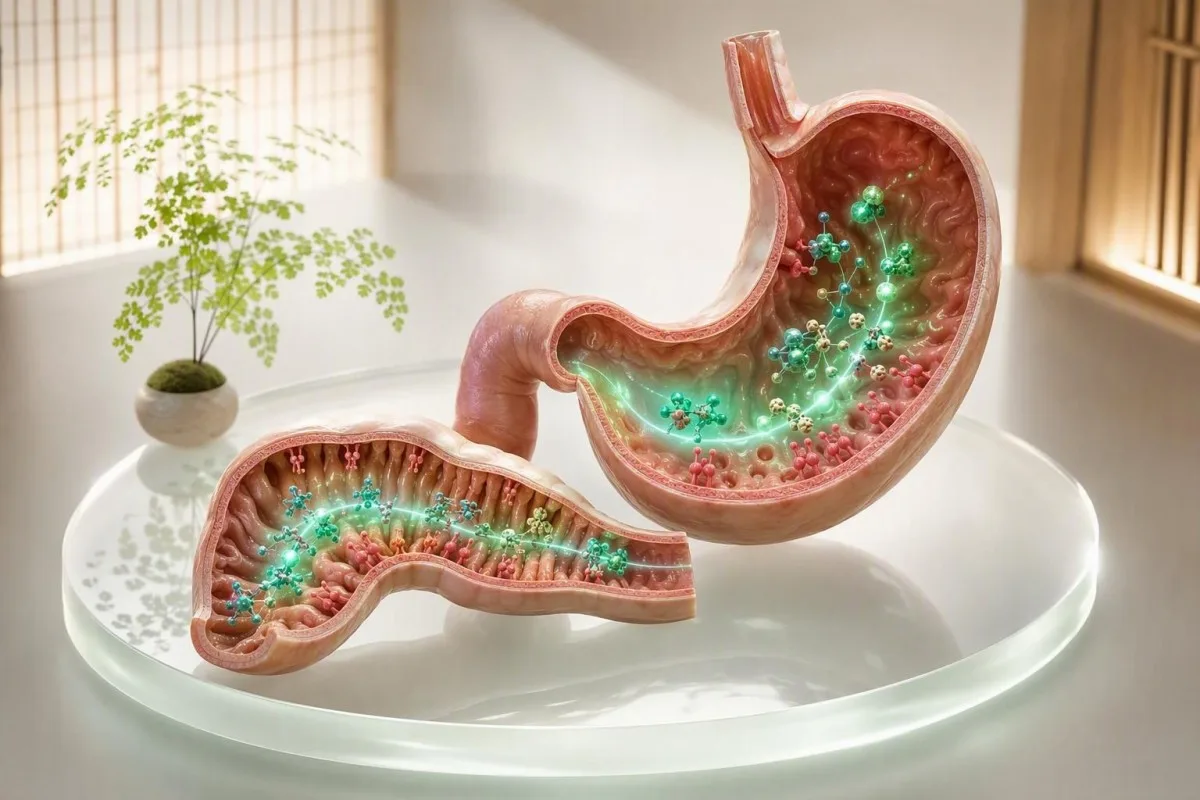
La vitamina B12 affidabile proviene da alimenti di origine animale o da prodotti specificamente fortificati; una dieta nutriente non può risolvere ogni problema di assorbimento. Ecco come aiuto i pazienti ad abbinare scelte alimentari, sintomi, farmaci e risultati di laboratorio.


- Fabbisogno giornaliero di B12 è di 2,4 mcg per la maggior parte degli adulti, 2,6 mcg in gravidanza e 2,8 mcg durante l'allattamento.
- Migliori fonti alimentari includono vongole, fegato, pesce, carne, latticini, uova e alimenti fortificati con B12; gli alimenti vegetali non fortificati non sono fonti affidabili.
- Fegato di manzo fornisce circa 70 mcg di B12 per porzione cotta da 85 g, mentre 250 mL di latte forniscono circa 1,3 mcg.
- Tetto di assorbimento significa che il fattore intrinseco solitamente assorbe solo circa 1,5-2 mcg da un pasto; circa l'1% di una dose orale elevata può ancora entrare passivamente.
- La vitamina B12 sierica sotto 200 pg/mL (148 pmol/L) supporta comunemente la carenza, mentre 200-300 pg/mL spesso richiede l'acido metilmalonico o il contesto della B12 attiva.
- Metformina e farmaci che sopprimono l'acido può ridurre la B12 nel tempo, specialmente quando l'uso continua per diversi anni.
- Sintomi neurologici come intorpidimento, alterazioni dell'andatura, problemi di memoria o perdita del senso di vibrazione richiedono una valutazione medica anche se l'anemia è assente.
- Il solo cibo potrebbe non correggere la carenza causata da anemia perniciosa, chirurgia gastrica, grave malassorbimento o sintomi neurologici significativi.
Quali alimenti forniscono la vitamina B12 più affidabile?
Gli alimenti ricchi di B12 sono quasi esclusivamente alimenti animali e alimenti deliberatamente fortificati con cobalamina. Vongole, fegato, pesce, carne, latte, yogurt, formaggio, uova, cereali per la colazione fortificati e bevande vegetali fortificate sono scelte affidabili quando l'etichetta conferma il contenuto di B12.
Le vongole cotte possono fornire circa 84 mcg per 85 g, e il fegato di manzo cotto circa 70 mcg per 85 g; entrambi superano di molte volte il fabbisogno dell'adulto. Incoraggio comunque la varietà piuttosto che fare affidamento sul fegato frequentemente, perché il fegato è anche eccezionalmente ricco di vitamina A preformata e non è un cibo occasionale giornaliero in gravidanza.
Il pesce è una via di mezzo pratica: la trota cotta fornisce circa 5,4 mcg per 85 g, il salmone circa 2,6 mcg, e il tonno in scatola circa 2,5 mcg. Un paziente a cui non piacciono i crostacei può generalmente soddisfare il fabbisogno alimentare con due porzioni di pesce a settimana più latticini, uova o alimenti fortificati; il nostro guida B12 vs folati spiega perché il folato non può sostituire la cobalamina.
Kantesti è un Analizzatore di analisi del sangue AI che pone un risultato di B12 accanto al volume corpuscolare medio, all'emoglobina, al folato, alla funzionalità renale e al contesto farmacologico. Ciò è importante perché una persona che mangia pesce due volte a settimana può comunque diventare carente se il problema è il fattore intrinseco piuttosto che l'assunzione.
Quanta B12 c'è negli alimenti di uso quotidiano?
Una singola porzione di pesce, carne o latticini può fornire parte o tutto il target di 2,4 mcg per adulti, ma le quantità differiscono notevolmente a seconda dell'alimento e della porzione. Le etichette e le tabelle di composizione degli alimenti sono stime, non una garanzia di ciò che raggiunge la circolazione.
Una tazza da 250 mL di latte vaccino fornisce circa 1,3 mcg, 170 g di yogurt bianco circa 1,0 mcg, un uovo grande circa 0,5 mcg, e 85 g di carne magra di manzo cotta circa 2,4 mcg. I latticini possono quindi supportare in modo significativo l'apporto, anche se due uova a colazione di solito non soddisfano il fabbisogno giornaliero.
Vedo spesso uno schema fuorviante nelle persone che si definiscono 'principalmente vegetariane': uova e formaggio occasionali possono prevenire una grave deplezione, eppure il loro apporto fluttua ancora al di sotto del target per mesi. Questo è uno dei motivi per cui la fatica merita un'indagine più ampia che includa scelte alimentari ricche di ferro e non solo un multivitaminico.
Thomas Klein, MD, consiglia ai pazienti di registrare le porzioni effettive per 7 giorni prima di decidere che la dieta è adeguata. Un diario alimentare che rivela solo 0,5-1,0 mcg al giorno è più clinicamente utile della vaga affermazione: 'Mangio sano'.'
Gli alimenti fortificati con B12 sono sufficienti per i vegani?
Gli alimenti fortificati con B12 possono soddisfare le esigenze dei vegani se consumati in modo costante e in quantità misurate, ma gli alimenti vegetali non fortificati non possono farlo in modo affidabile. Alghe, funghi, alimenti fermentati e lievito alimentare senza un'etichetta aggiunta di B12 non sono sostituti affidabili.
Molte bevande vegetali fortificate forniscono 0,4-1,0 mcg per 250 mL, mentre una porzione di cereali fortificati può fornire 1,0-6,0 mcg. Leggere sempre l'etichetta locale: i prodotti variano a seconda del paese, della ricetta e delle dimensioni della porzione, e 'contiene vitamine' non significa automaticamente che contenga B12.
La cianocobalamina è il fortificante più comune perché rimane stabile durante lo stoccaggio e la cottura. La revisione del 2010 di O'Leary e Samman in Nutrients descrive perché gli analoghi presenti in alcune alghe possono assomigliare chimicamente alla B12 ma non supportano in modo affidabile lo stato della B12 umana (O'Leary & Samman, 2010).
Kantesti è un Piattaforma di interpretazione esami del sangue AI utilizzati per aiutare i lettori a considerare insieme il modello alimentare, la B12 e i relativi marcatori. Le persone che seguono una dieta a base vegetale dovrebbero anche considerare un esame del sangue per il deficit di nutrienti pianificato, piuttosto che aspettare formicolio o esaurimento.
Quali sono i fabbisogni giornalieri di B12 per età e fase della vita?
La maggior parte degli adulti necessita di 2,4 mcg di vitamina B12 al giorno, mentre la gravidanza richiede 2,6 mcg e l'allattamento al seno richiede 2,8 mcg. Questi obiettivi prevengono la carenza nelle persone con normale assorbimento; non sono dosi terapeutiche per la carenza conclamata.
L'apporto dietetico raccomandato negli Stati Uniti è 0,4 mcg dalla nascita ai 6 mesi, 0,9 mcg all'età di 1-3 anni, 1,2 mcg all'età di 4-8 anni, 1,8 mcg all'età di 9-13 anni, E 2,4 mcg dall'età di 14 anni. L'apporto nutritivo di riferimento per adulti nel Regno Unito è inferiore a 1,5 mcg al giorno, quindi le app nutrizionali internazionali potrebbero mostrare obiettivi diversi senza che nessuno dei due sia un errore.
Gli anziani necessitano spesso della stessa quantità alimentare ma hanno una maggiore probabilità di malassorbimento della B12 legato al cibo a causa della ridotta acidità gastrica, gastrite o farmaci. Un appetito normale non esclude questo; la nostra guida ai livelli di B12 nei bambini mostra anche perché il contesto specifico per età è importante.
La B12 è immagazzinata nel fegato, comunemente a 2-5 mg, motivo per cui un apporto insufficiente può richiedere 2-5 anni per diventare evidente. Questo ritardo è clinicamente scomodo: i sintomi possono emergere molto tempo dopo l'inizio di una dieta restrittiva.
Come funziona l'assorbimento della B12 dopo averla mangiata?
L'assorbimento della B12 richiede acido gastrico, enzimi pancreatici e fattore intrinseco dalle cellule dello stomaco prima dell'assorbimento nell'ileo terminale. Un problema in uno qualsiasi di questi passaggi può rendere insufficiente una dieta ricca di B12.
La B12 legata agli alimenti viene rilasciata dalle proteine nello stomaco, si lega prima all'aptocorrina, quindi si trasferisce al fattore intrinseco nell'intestino tenue. Il complesso fattore intrinseco-B12 viene assorbito nell'ileo terminale attraverso un processo mediato da recettori; questo è il motivo per cui una malattia o la rimozione di quel segmento intestinale ha delle conseguenze.
L'assorbimento del fattore intrinseco si satura a circa 1,5-2 mcg per pasto, mentre circa 1% di una dose orale elevata può attraversare per diffusione passiva. Questo piccolo percorso passivo spiega perché i medici utilizzano a volte dosi di trattamento orale da 1.000-2.000 mcg, non perché qualcuno abbia bisogno di 1.000 volte il fabbisogno alimentare.
Per le persone con diarrea cronica, perdita di peso inspiegabile o sospetta coeliaceliace disease, un calcolo dell'apporto non è sufficiente. Discutere il corretto momento di una prova da carico di glutine prima del test può prevenire un work-up falsamente rassicurante.
Cosa blocca l'assorbimento della B12 anche con una buona dieta?
Anemia perniciosa, chirurgia gastrica o intestinale, coeliaceliace disease, malattia di Crohn, metformina a lungo termine e soppressione dell'acidità possono ridurre l'assorbimento della B12. In questi contesti, aumentare il consumo di pesce o cereali fortificati può rallentare il declino, ma potrebbe non correggere la carenza.
La gastrite autoimmune può distruggere le cellule dello stomaco che producono il fattore intrinseco e causare anemia perniciosa, un disturbo dell'assorbimento piuttosto che un fallimento dietetico. Le linee guida NICE NG239, pubblicate nel 2024, raccomandano di considerare il test degli anticorpi anti-fattore intrinseco quando si sospetta una gastrite autoimmune, sebbene un risultato negativo non la escluda completamente.
La carenza di B12 associata alla metformina è reale ma variabile. Nello studio Diabetes Prevention Program Outcomes Study, la B12 bassa o borderline era più comune con la metformina rispetto al placebo dopo 5 anni, e il rischio aumentava con un'esposizione più lunga (Aroda et al., 2016); ecco perché esami del sangue dopo metformina non dovrebbe concentrarsi solo sul glucosio.
Una paziente di 63 anni che ho visitato mangiava salmone settimanalmente e beveva latte quotidianamente, eppure aveva una B12 di 156 pg/mL con dita dei piedi intorpidite dopo anni di metformina e omeprazolo. Il cibo non era il passaggio mancante: l'assorbimento lo era.
Quali esami del sangue chiariscono una possibile carenza di B12?
Una B12 sierica inferiore a 200 pg/mL, o 148 pmol/L, supporta comunemente la carenza, mentre 200-300 pg/mL è una zona indeterminata che beneficia di un contesto di conferma. Acido metilmalonico, omocisteina, B12 attiva, emocromo completo e folato possono risolvere l'incertezza.
L'acido metilmalonico solitamente aumenta quando la B12 cellulare è inadeguata; un MMA superiore a 0,40 micromol/L è spesso considerato elevato, sebbene i cut-off di laboratorio differiscano. L'insufficienza renale può aumentare l'MMA indipendentemente, quindi un eGFR di 35 mL/min/1,73 m² cambia il significato dello stesso risultato.
La macrocitosi è un indizio, non un requisito. Un MCV superiore a 100 fL può verificarsi con la carenza di B12, ma una carenza precoce può avere un MCV normale, e la carenza di ferro può mascherare parzialmente l'ingrossamento delle cellule; confrontare il risultato con la nostra guida al follow-up per MCV elevato.
Kantesti è un Strumento di analisi degli esami del sangue basato su AI che valuta la B12 con MMA, MCV, RDW, creatinina e cambiamenti longitudinali piuttosto che applicare un singolo cut-off. Il quadro diagnostico in Devalia et al. (2014) supporta analogamente l'uso di caratteristiche cliniche e test di seconda linea quando la B12 sierica non risolve la questione.
La carenza di B12 può causare sintomi senza anemia?
Sì, la carenza di B12 può causare sintomi neurologici e cognitivi prima che l'emoglobina diminuisca o l'MCV aumenti. Formicolio, bruciore ai piedi, ridotto equilibrio, perdita della sensibilità vibratoria, umore depresso e annebbiamento cerebrale meritano una valutazione quando persistono.
Un'emoglobina di 13,2 g/dL e un MCV di 92 fL non escludono la carenza funzionale di B12 in una persona con parestesia progressiva. Il recupero neurologico è meno prevedibile quando i sintomi sono presenti da molti mesi, motivo per cui sconsiglio di attendere un'anemia conclamata.
Il folato può normalizzare l'aspetto dell'emocromo mentre il danno nervoso correlato alla B12 continua. Questo è il problema clinico dietro l'avvertimento riguardo all'acido folico ad alte dosi; vedere la nostra spiegazione di alto folato che maschera la B12 per i dettagli pratici.
Una valutazione urgente nello stesso giorno è sensata per un peggioramento rapido della difficoltà nella deambulazione, nuova confusione, debolezza marcata o alterazioni intestinali e vescicali. Questi sintomi hanno diverse cause, ma la B12 dovrebbe far parte di una diagnosi differenziale tempestiva piuttosto che di un esperimento con integratori.
Quando il cibo può correggere la B12 bassa e quando è necessario un trattamento?
Il cibo può correggere un apporto marginalmente basso in qualcuno con un assorbimento intatto, ma una carenza confermata da malassorbimento necessita spesso di trattamento orale ad alto dosaggio o iniezioni. La scelta dipende dalla causa, dalla gravità, dall'aderenza e dai reperti neurologici, non semplicemente dal valore sierico.
Per insufficiente apporto dietetico senza sintomi gravi, i medici possono utilizzare cianocobalamina o metilcobalamina orale in dosi come 50-150 mcg al giorno per il mantenimento, con dosi maggiori quando si corregge la carenza. I regimi esatti variano tra i paesi e dovrebbero seguire il protocollo del medico curante.
Anemia perniciosa, gastrectomia totale, malattia ileale importante o sintomi neurologici sostanziali solitamente cambiano il quadro generale. Il nostro confronto dettagliato di iniezioni e compresse di B12 spiega perché le compresse ad alto dosaggio possono ancora funzionare attraverso l'assorbimento passivo, mentre le iniezioni possono essere preferite quando la certezza o la rapidità sono importanti.
Per la mia esperienza, un piano basato sul cibo è un'eccellente prevenzione ma una scarsa terapia di salvataggio per il malassorbimento sintomatico. La tempistica del controllo dovrebbe includere i sintomi e i marcatori funzionali, non solo un risultato della B12 che sale rapidamente dopo un'iniezione.
La vitamina B12 metilata è migliore della cianocobalamina?
Sia la metilcobalamina che la cianocobalamina possono correggere la carenza di B12 quando dose e assorbimento sono adeguati; le prove non dimostrano che la B12 metilata sia universalmente superiore. La cianocobalamina è stabile, ampiamente studiata e comunemente utilizzata negli alimenti fortificati.
Il corpo converte la cobalamina nelle forme di coenzima attive utilizzate dalla metionina sintasi e dalla metilmalonil-CoA mutasi. Il linguaggio di marketing intorno ai prodotti 'metilati' spesso supera le prove cliniche comparative; assorbimento, dose, costo e consistenza sono solitamente più decisivi.
L'idrossicobalamina è comunemente utilizzata tramite iniezione in diversi sistemi sanitari perché rimane nel corpo più a lungo della cianocobalamina. Le persone con malattia renale cronica o disturbi metabolici insoliti necessitano di consulenza individuale, poiché l'MMA e la scelta del trattamento possono diventare più complessi.
Per un confronto pratico della chimica del prodotto, della logica del dosaggio e del follow-up di laboratorio, leggere B12 metilata contro cianocobalamina. Non interrompere le iniezioni prescritte perché l'etichetta di un integratore promette una forma più 'naturale'.
Come si presenta una giornata tipo di alimentazione ricca di B12?
Una dieta mista può raggiungere 2,4 mcg di B12 con pasti ordinari, mentre un regime vegano richiede una pianificazione deliberata di alimenti fortificati o un integratore. Il piano più affidabile è quello che puoi ripetere durante viaggi, settimane impegnative e cambiamenti di appetito.
Un esempio onnivoro è lo yogurt a colazione (1,0 mcg), un uovo a pranzo (0,5 mcg) e 85 g di salmone a cena (2,6 mcg). Questo fornisce approssimativamente 4,1 mcg prima di tenere conto della variazione dovuta al cibo, mentre distribuire l'assunzione tra i pasti è comodo per la maggior parte delle persone.
Un esempio vegano fortificato potrebbe utilizzare una bevanda vegetale che fornisce 1,0 mcg, cereali che forniscono 1,5 mcg, e lievito alimentare fortificato che fornisce 1,0 mcg. Il problema è la coerenza: cambiare marca può rimuovere bruscamente il nutriente, quindi conserva una foto dell'etichetta nelle tue note sanitarie.
La B12 rientra nel quadro più ampio dei nutrienti idrosolubili, delle proteine, del ferro e dell'apporto energetico. Il nostro guida alle vitamine idrosolubili aiuta a prevenire l'errore comune di considerare una singola vitamina come l'unica spiegazione della stanchezza.
Chi dovrebbe prestare particolare attenzione alla B12 bassa?
Vegani, anziani, persone che assumono metformina o soppressori acidi a lungo termine, pazienti sottoposti a chirurgia gastrica o ileale e persone con malattie infiammatorie intestinali hanno un rischio maggiore di carenza di B12. Il rischio aumenta quando è presente più di un fattore.
L'uso a lungo termine di inibitori della pompa protonica può ridurre il rilascio di B12 dalle proteine alimentari abbassando l'acidità gastrica. L'associazione non è un motivo per interrompere bruscamente un farmaco prescritto, ma è un motivo per chiedere se il monitoraggio sia appropriato dopo 2 anni o più di uso continuativo.
Le persone di età superiore a 60 anni possono sviluppare malassorbimento cibo-cobalamina anche con una dieta varia, a volte associato a gastrite atrofica. Un basso livello di B12 in questo gruppo non è automaticamente 'solo l'età'; può essere un segnale per indagare sui sintomi, sui farmaci e sulla storia autoimmune.
Nostro guida al monitoraggio a lungo termine dei PPI delinea discussioni di laboratorio associate, tra cui magnesio e ferro. La combinazione di B12 bassa con carenza di ferro inspiegabile può indirizzare i medici verso una causa gastrica piuttosto che due lacune dietetiche non correlate.
Quando dovrebbero essere ricontrollati i livelli di B12 dopo aver cambiato dieta o trattamento?
La ripetizione del test avviene spesso 8-12 settimane dopo una modifica della dieta o del trattamento orale, mentre la gravità dei sintomi e il metodo di trattamento possono giustificare una revisione clinica anticipata. Un risultato di B12 sierica può aumentare rapidamente dopo l'integrazione e potrebbe non dimostrare da solo il recupero tissutale.
Un emocromo completo può mostrare una risposta dei reticolociti entro circa 1 settimana dopo un trattamento efficace per l'anemia megaloblastica, mentre l'emoglobina solitamente migliora nel corso di diverse settimane. I sintomi neurologici comunemente recuperano più lentamente e talvolta in modo incompleto, specialmente dopo una carenza prolungata.
L'integrazione a intermittenza può far apparire la B12 sierica normale il giorno del test, mentre MMA, sintomi o macrocitosi rimangono preoccupanti. Questo è uno dei motivi per dire al medico esattamente cosa si è assunto, il dosaggio e la data dell'ultima assunzione prima di interpretare i risultati.
Kantesti AI può confrontare B12, MCV, emoglobina, RDW, folati e creatinina in diversi referti per identificare se una variazione è clinicamente significativa. Per i lettori che apprendono questa abilità, il nostro guida all’analisi delle tendenze degli esami del sangue spiega perché un singolo risultato isolato è raramente l'intera storia.
Quali idee sbagliate sulla B12 possono ritardare le cure appropriate?
La più grande errata convinzione sulla B12 è che mangiare più cibo animale risolverà ogni risultato basso. La dieta aiuta l'assunzione, ma non può ripristinare il fattore intrinseco, invertire le malattie intestinali o sostituire in sicurezza la valutazione dei sintomi neurologici.
Un altro mito è che un risultato elevato di B12 sierica significhi sempre uno stato eccellente. Un risultato superiore a 900 pg/mL riflette comunemente integratori o iniezioni, ma un'elevazione persistente inspiegabile può anche verificarsi con malattie epatiche, malattie renali o alcune condizioni ematologiche; il contesto conta più del panico.
Dal 1 settembre 2026, metterei anche in guardia contro l'uso del miglioramento energetico dopo una singola compressa come prova diagnostica. Effetti placebo, sonno, stato del ferro, malattie della tiroide, depressione e alterazioni del glucosio possono tutti alterare l'energia nel corso di 1-4 settimane senza confermare la carenza di B12.
Il contenuto clinico di Kantesti viene revisionato con il supporto del nostro Comitato consultivo medico, ma un'interpretazione AI non sostituisce mai un esame per i sintomi neurologici in progressione. I lettori possono consultare il nostro approccio di validazione clinica per capire come formuliamo i prompt di follow-up piuttosto che fare una diagnosi.
Quali sono i prossimi passi più sicuri se si sospetta una carenza di B12?
Se si verificano intorpidimento persistente, problemi di equilibrio, alterazioni cognitive, macrocitosi inspiegabile o un risultato di B12 inferiore a 200 pg/mL, consultare un medico piuttosto che affidarsi solo al cibo. Il trattamento precoce è particolarmente rilevante quando i nervi possono essere coinvolti.
Portare un elenco di farmaci, integratori, schema dietetico, diagnosi digestive, interventi chirurgici, assunzione di alcol e referti di laboratorio precedenti. Un medico potrà quindi decidere se ripetere la B12, richiedere MMA o omocisteina, controllare folati e emocromo completo, o indagare sull'anemia perniciosa e sul malassorbimento.
Thomas Klein, MD, raccomanda di evitare l'acido folico ad alte dosi come autotrattamento per la macrocitosi inspiegabile fino a quando la B12 non è stata ragionevolmente valutata. Se non ci sono segnali d'allarme e l'apporto dietetico è chiaramente basso, un piano alimentare o supplementare misurato con un risultato ripetuto in 8-12 settimane è spesso sensato.
Kantesti collega le tendenze dei referti di laboratorio a domande comprensibili per il tuo appuntamento, mantenendo la decisione diagnostica finale al tuo medico. Esplora il nostro guida di riferimento sui biomarcatori per i termini di laboratorio che probabilmente appariranno accanto a un risultato di B12.
Domande frequenti
Qual è l'alimento più ricco di vitamina B12?
Le vongole e il fegato di manzo sono tra gli alimenti più ricchi di vitamina B12. Una porzione cotta di 85 g di vongole può fornire circa 84 mcg di B12, mentre la stessa porzione di fegato di manzo fornisce circa 70 mcg; entrambi superano di gran lunga l'obiettivo giornaliero di 2,4 mcg per gli adulti. Il fegato non dovrebbe essere considerato un alimento quotidiano in gravidanza a causa del suo altissimo contenuto di vitamina A preformata. Per i pasti regolari, pesce, carne, latticini, uova e alimenti fortificati etichettati sono fonti più pratiche.
I vegani riescono ad assumere abbastanza B12 dal solo cibo?
I vegani possono soddisfare il fabbisogno di vitamina B12 solo con il cibo quando utilizzano regolarmente prodotti fortificati con B12 in quantità misurate. Verdure non fortificate, funghi, alghe, tempeh e lievito alimentare non sono fonti affidabili di B12 perché il loro contenuto di cobalamina è assente, incoerente o può includere analoghi inattivi. Molte bevande vegetali fortificate forniscono 0,4-1,0 mcg per 250 mL, ma le formulazioni variano a seconda del paese e della marca. Un integratore di B12 è spesso una protezione più semplice e affidabile per le diete vegane.
Quanta B12 dovrebbe assumere un adulto ogni giorno?
La maggior parte degli adulti necessita di 2,4 mcg di vitamina B12 al giorno secondo le raccomandazioni dietetiche statunitensi (Recommended Dietary Allowance). La gravidanza aumenta il target a 2,6 mcg al giorno e l'allattamento al seno lo aumenta a 2,8 mcg al giorno. L'apporto di riferimento per i nutrienti per gli adulti nel Regno Unito è di 1,5 mcg al giorno, quindi le etichette nutrizionali specifiche per paese possono differire. Questi valori sono target di prevenzione per un normale assorbimento e sono molto inferiori alle dosi di trattamento utilizzate per la carenza diagnosticata.
Posso correggere la carenza di B12 mangiando più carne e uova?
L'aumento di carne, pesce, latticini, uova o alimenti fortificati può correggere la carenza di B12 causata solo da un basso apporto dietetico, ma potrebbe non funzionare quando l'assorbimento è compromesso. L'anemia perniciosa, la celiachia, il morbo di Crohn, la chirurgia gastrica, la chirurgia ileale, la metformina e il trattamento a lungo termine con farmaci soppressori dell'acidità possono ridurre l'assorbimento nonostante una dieta ricca di B12. Un valore di B12 sierica inferiore a 200 pg/mL o 148 pmol/L generalmente giustifica una valutazione clinica della causa. Sintomi neurologici come intorpidimento, scarso equilibrio o alterazioni cognitive non dovrebbero essere gestiti solo con il cibo.
Cosa aiuta l'assorbimento della B12?
L'assorbimento della vitamina B12 dipende da un'adeguata elaborazione gastrica, enzimi pancreatici, fattore intrinseco e un ileo terminale funzionante. Il fattore intrinseco assorbe attivamente solo circa 1,5-2 mcg di B12 da un pasto, mentre circa l'1% di una dose orale elevata può entrare attraverso la diffusione passiva. Assumere B12 con il cibo è ragionevole, ma nessuna combinazione specifica di alimenti può compensare l'assenza del fattore intrinseco o una grave malattia ileale. Potrebbero essere necessari B12 orale ad alte dosi o iniezioni quando l'assorbimento è compromesso.
Qual è il livello di B12 considerato basso?
Un risultato di vitamina B12 sierica inferiore a 200 pg/mL, equivalente a circa 148 pmol/L, supporta comunemente la carenza di B12, sebbene i laboratori utilizzino intervalli di saggio diversi. I risultati da 200-300 pg/mL sono spesso considerati borderline o indeterminati e potrebbero richiedere acido metilmalonico, omocisteina, B12 attiva, emocromo completo, folati, funzionalità renale e contesto sintomatologico. L'acido metilmalonico superiore a circa 0,40 micromol/L supporta la carenza cellulare di B12, ma può anche aumentare con la ridotta funzionalità renale. Un'emoglobina o un MCV normali non escludono in modo affidabile i primi sintomi nervosi correlati alla B12.
Ottieni oggi l’analisi degli esami del sangue con IA (AI-Powered Blood Test Analysis)
Unisciti a oltre 2 milioni di utenti in tutto il mondo che si fidano di Kantesti per un’analisi istantanea e accurata degli esami di laboratorio. Carica i tuoi risultati analisi del sangue e ricevi un’interpretazione completa dei biomarcatori di 15,000+ in pochi secondi.
📚 Pubblicazioni di ricerca di riferimento
Klein, T., Mitchell, S., & Weber, H. (2026). Urobilinogeno nelle urine: guida completa all’analisi delle urine 2026. Kantesti AI Medical Research.
Klein, T., Mitchell, S., & Weber, H. (2026). Guida agli studi sul ferro: TIBC, saturazione del ferro e capacità di legame. Kantesti AI Medical Research.
📖 Riferimenti medici esterni
⚕️ Esclusione di responsabilità medica
Questo articolo ha solo scopo educativo e non costituisce consulenza medica. Consulta sempre un operatore sanitario qualificato per decisioni su diagnosi e trattamento.
Segnali di fiducia E-E-A-T
Esperienza
Revisione clinica guidata da un medico dei flussi di lavoro di interpretazione degli esami.
Competenza
Focus sulla medicina di laboratorio su come i biomarcatori si comportano nel contesto clinico.
autorevolezza
Scritto dal dott. Thomas Klein con revisione della dott.ssa Sarah Mitchell e del Prof. Dr. Hans Weber.
Affidabilità
Interpretazione basata su evidenze, con percorsi di follow-up chiari per ridurre l’allarme.