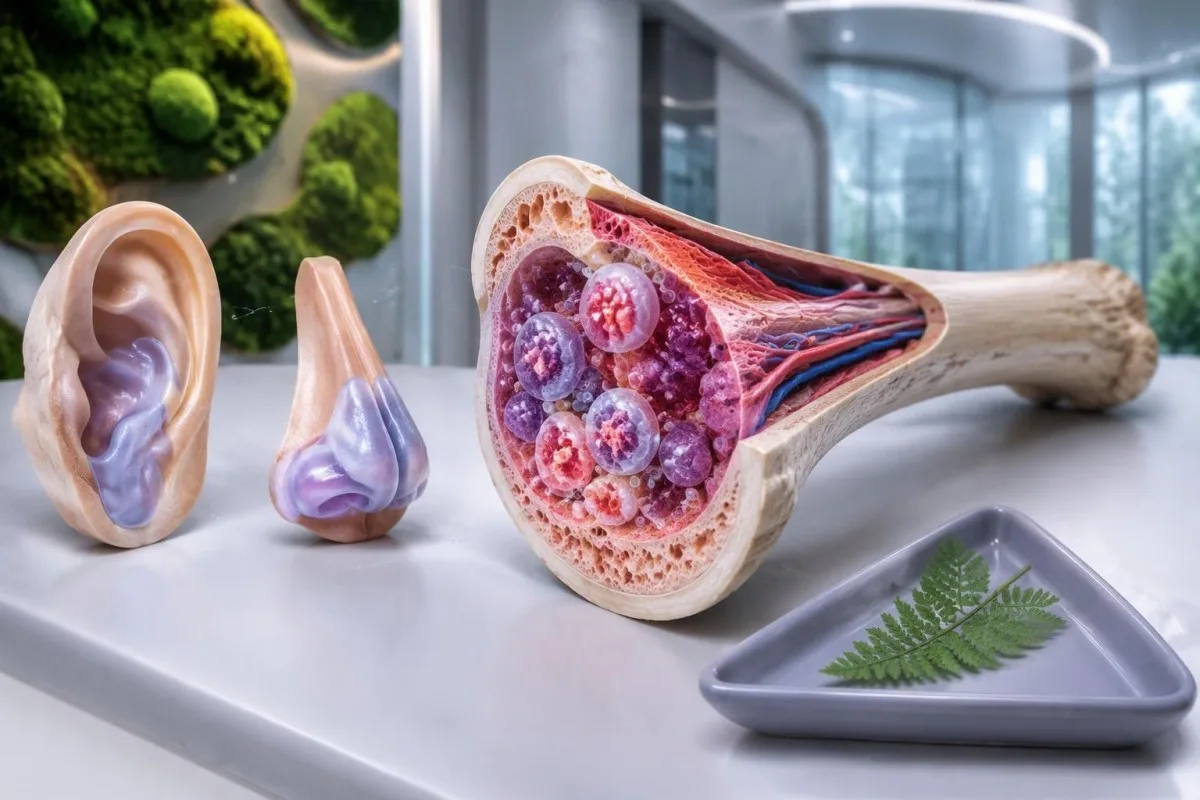
VEXAS sindromea odol-zelula sortzaileetako UBA1 mutazio somatikoek eragindako hanturazko gaixotasun eskuratua da. Sukar errepikaria, belarriko edo sudurreko kartilago puztua eta azaldu gabeko anemia makrozitikoak espezialista baten ebaluazioa eskatu behar dute; diagnostikoa egiteko azterketa genetiko egokia behar da, ez ohiko panel autoimmune bat.

Ondorio nagusiak
- VEXAS sindromea normalean 50 urtetik gorakoengan hasten da, eta hantura sistemikoa odol-zelula sortzaileetako anomaliekin uztartzen ditu.
- Kartilagoaren hantura belarrietan, sudurrean edo arnasbideetan ager daiteke; belarriko kartilagoaren hanturak sarritan belarri-lobulu biguna errespetatzen du.
- Makrozitosia helduengan gutxi gorabehera 100 fL-tik gorako MCV esan nahi du, baina aurkikuntza horrek bakarrik ez du VEXAS diagnostikatzen.
- Plaketak baxuak 150 × 10^9/L-tik beherakoek susmoa indartu dezakete hantura errepikariarekin eta azaldu gabeko anemiarekin batera agertzen direnean.
- CRP normalean 5 mg/L-eko goiko erreferentzia-muga du, nahiz eta laborategi batzuek 10 mg/L erabili; CRPren atalase batek ere ez du VEXAS baieztatzen.
- UBA1 mutazioaren azterketa eskuratutako aldaera patogeno bat bilatzen du, normalean odol periferikoa edo hezur-muina erabiliz, herentziazko arriskuaren ohiko panel bat erabili beharrean.
- Gaixotasun autoimmuneen panelak hala nola ANA, faktore erreumatoidea eta ANCA, ezin dute VEXAS sindromea baieztatu edo baztertu.
- Sintoma larrigarriak barne hartzen dituzte immunosupresio nabarmena jasotzen den bitartean arnasestutasun berria, bularreko mina, arnasbideetako zailtasuna edo 38°C-ko edo gehiagoko sukarra.
Zer da VEXAS sindromea, eta zergatik dira garrantzitsuak odol-zelulen zenbaketak?
VEXAS sindromea inflamazio-gaixotasun autoinflamatorio eskuratu bat da, zelula somatiko batean gertatutako UBA1 mutazio batek odola sortzen duten zeluletan eragindakoa. Inflamazio errepikariaren, kartilago puztuaren eta odol-zenbaketa anormal argitu gabeen konbinazioak —bereziki, 50 urtetik gorako pertsona baten anemia makrozitikoak— susmoa piztu behar du; hala ere, diagnostikoa testuinguru klinikoan UBA1 aldaera patogeno egoki bat identifikatzean oinarritzen da.
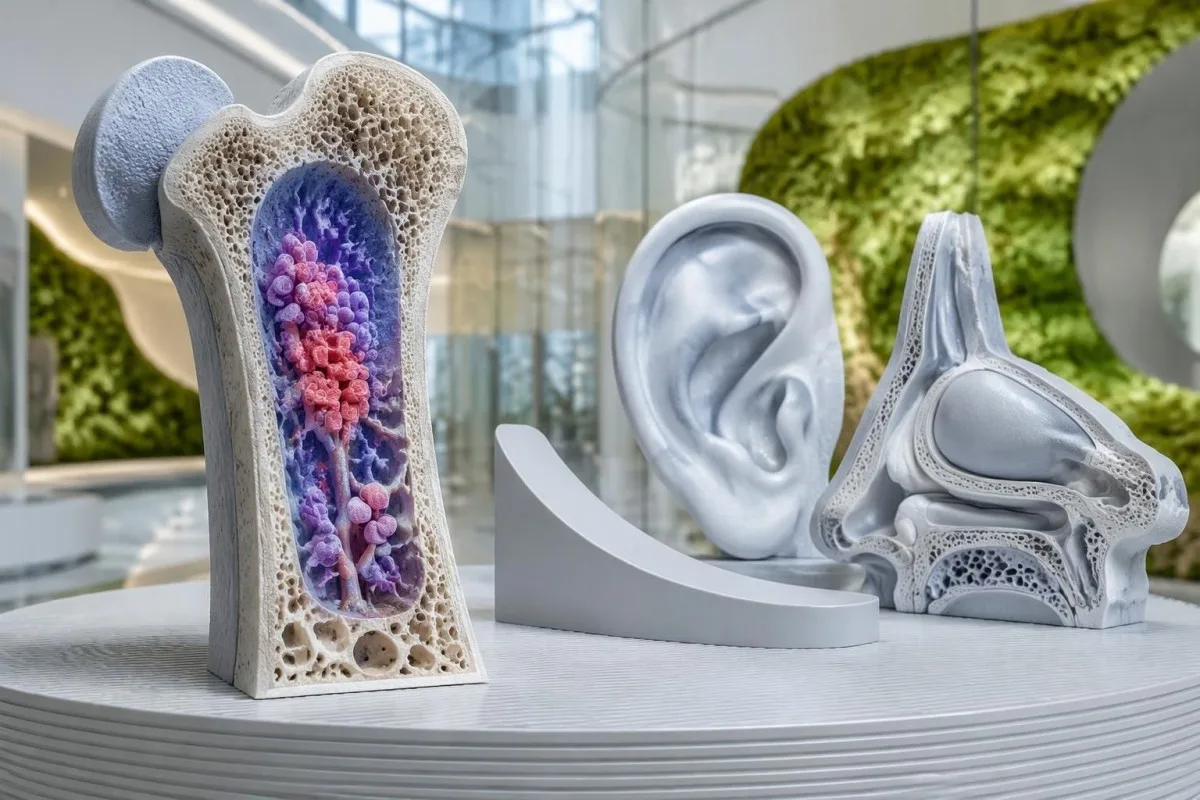
Izenak 5 ezaugarri deskribatzen ditu: bakuoloak, E1 entzima, X-ri lotua, autoinflamatorioa eta somatikoa. Biologiari buruzko pistak dira, ez pertsona guztiek bete beharreko egiaztapen-zerrenda bat; hezur-muineko bakuolo ikusgarriak, kartilago-sintomak eta anemia nabarmena ez dira zertan batera agertu lehen hitzorduan.
Beck et al.-ek VEXAS lehen aldiz deskribatu zuten New England Journal of Medicine aldizkarian, 2020an, helduaroan hasitako inflamazioa UBA1 aldaera eskuratuekin lotuz. Aurkikuntza horrek azaltzen du zergatik jaso izan ditzakeen pertsona batek aurrez diagnostiko bat baino gehiago, hala nola polikondritis errepikaria eta hezur-muineko nahasmendua, kausa komuna ezagutu aurretik.
CRP emaitza altu bakar batek ez du VEXAS bereziki iradokitzen, eta 103 fL-ko MCV batek azalpen ohikoagoak izaten ditu sarritan. Kezka handiagoa da inflamazio-krisiak errepikatzen direnean zitopenia iraunkorrekin edo okerrera doazenekin batera, eredu horrek odol-zelulen ekoizpen anormalarekin lotutako prozesu inflamatorio bat iradokitzen baitu, laborategiko gorabehera isolatu bat baino gehiago.
Kantesti bat da. AI odol-analisi analizatzailea hemoglobina, MCV, plaketak eta CRP nola uztartzen diren azal dezakeena, VEXASen diagnostikoa espezialisten esku utzita. Gure erakundea eta helburua bereizita deskribatzen dira; kargatutako CBC 1ek ezin du UBA1 mutaziorik agerian utzi, ezta azterketa kliniko bat ordezkatu ere.
Nork garatzen du VEXAS, eta UBA1 mutazioa heredatzen al da?
VEXAS sindromeak gizon adinekoei eragiten die gehienetan, eta sintomak 50 urtetik aurrera hasi ohi dira. Gaixotasuna eragiten duen UBA1 mutazioa, oro har, odola sortzen duten zelulen populazio batean eskuratzen da, gurasoengandik heredatu edo jaiotzatik zelula guztietan egon beharrean.
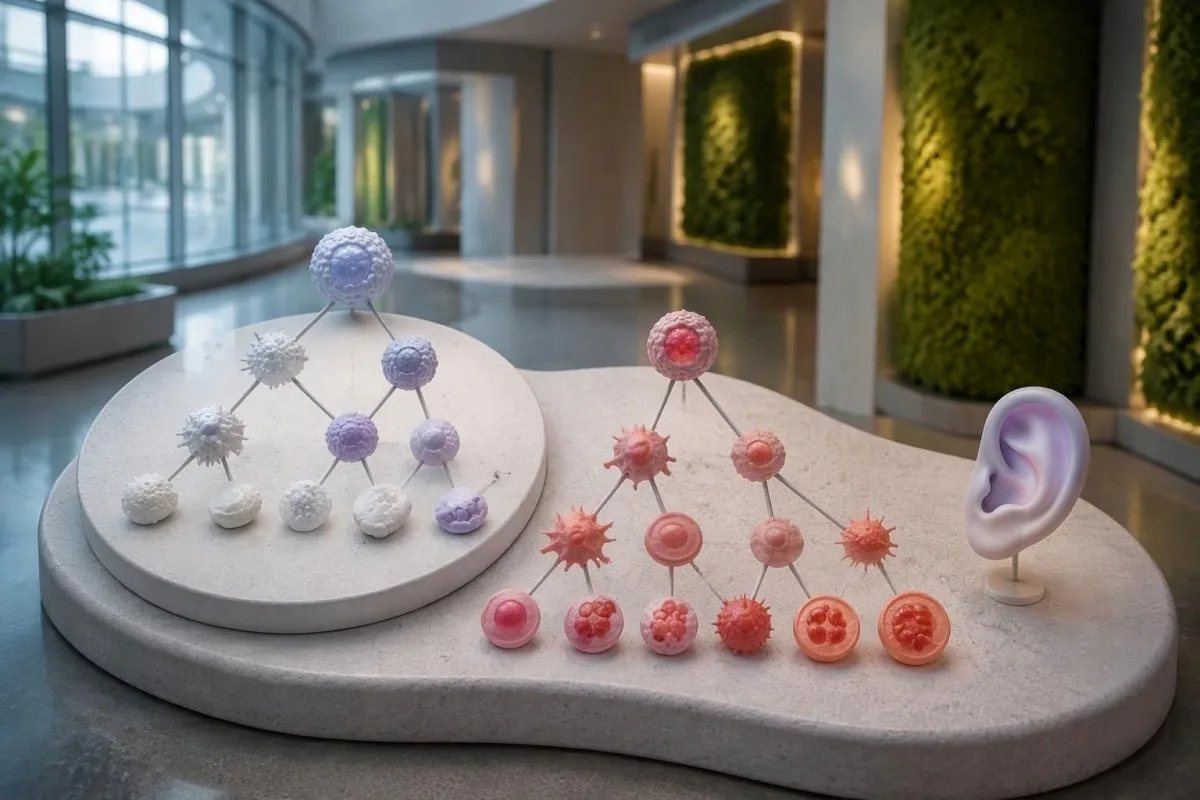
UBA1 X kromosoman dago, eta kaltetutako gizon gehienek X kromosoma 1 dute. VEXAS emakumeengan ere agertzen da, batzuetan kaltetutako zeluletan X kromosoma bat galtzearekin lotuta; hala ere, sexuak bakarrik ez luke ebaluazioa eragotzi behar eredu klinikoak susmo handia pizten duenean.
AEBetako osasun-sistema bateko kohortean 163,096 parte-hartzaile aztertu zituen JAMA ikerketa batean, Beck et al.-ek gaixotasunarekin lotutako UBA1 aldaerak zituzten 11 pertsona identifikatu zituzten. 50 urtetik gorako gizonen artean zenbatetsitako maiztasuna 4,269tik 1 ingurukoa zen; Europako arbasoak nagusi zituen kohorte jakin bat zen, ez mundu osorako prebalentzia-zenbatespena.
Familian aurrekariak egon ohi ez dira, dagokion mutazioa pertsonaren bizitzan zehar agertzen baita. Hori desberdina da gure MEFV azterketari buruzko azalpenak; n lantzen diren sukar errepikari hereditarioen nahasmenduekin; aldaera familiarra bilatzeko senide 2 aztertzea ez da VEXAS somatiko tipikoaren ohiko lehen urratsa.
Genetiko hitzak ez du automatikoki hereditario esan nahi, eta X-ri lotutako gene batek ez du berez esan nahi ondorengoei transmitituko zaienik. Txosten batek aldaera konstituzional bat edo 50 urte baino lehenagoko aurkezpen ezohiko bat iradokitzen badu, genetika klinikoko espezialista batek argi dezake ea komeni den ehun gehigarria aztertzea edo familiari aholkuak ematea.
Zein VEXAS sindromearen sintomak piztu behar lukete susmoa?
VEXAS sindromearen sintomak honako hauek izan ohi dira: sukar errepikaria, larruazaleko aldaketa inflamatorioak, nekea, biriketako afekzioa eta kartilago-inflamazioa. Belarriko edo sudurreko kartilagoaren hantura bereziki adierazgarria da 50 urtetik gorako heldu batean anemia argitu gabearekin edo odol-zenbaketa anormalekin batera gertatzen denean.
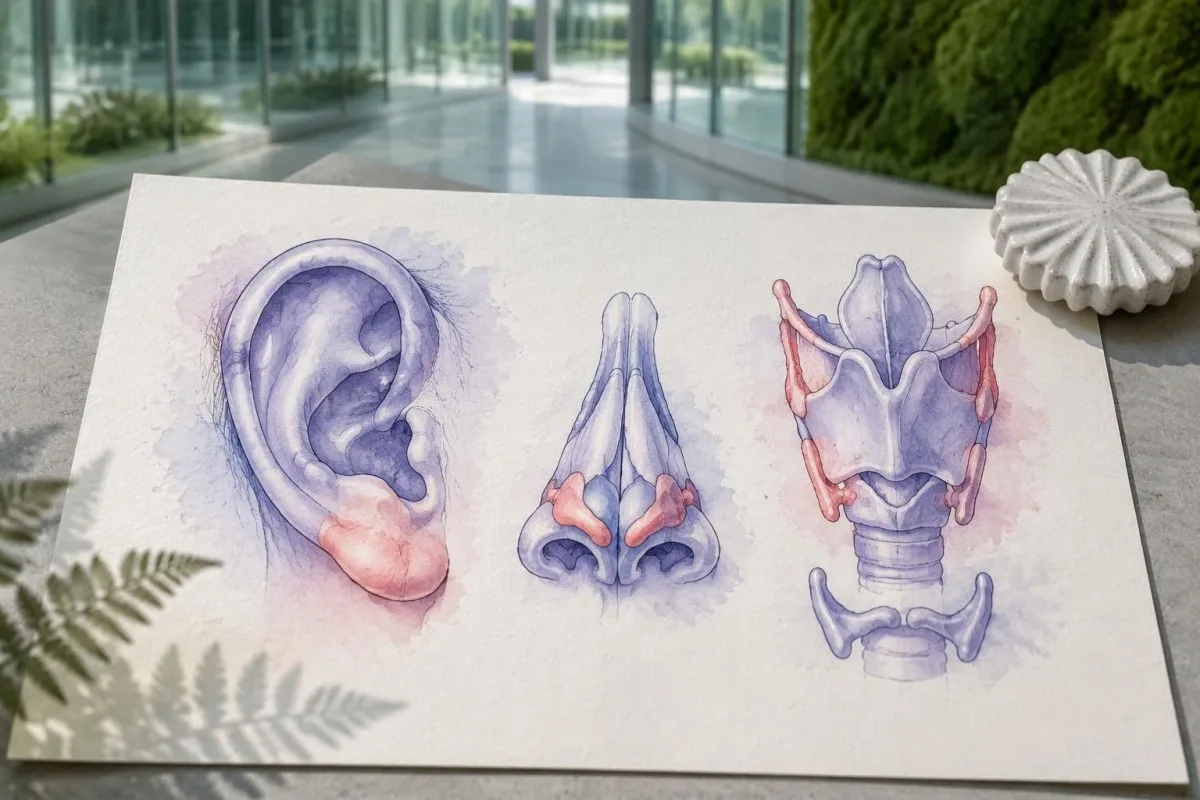
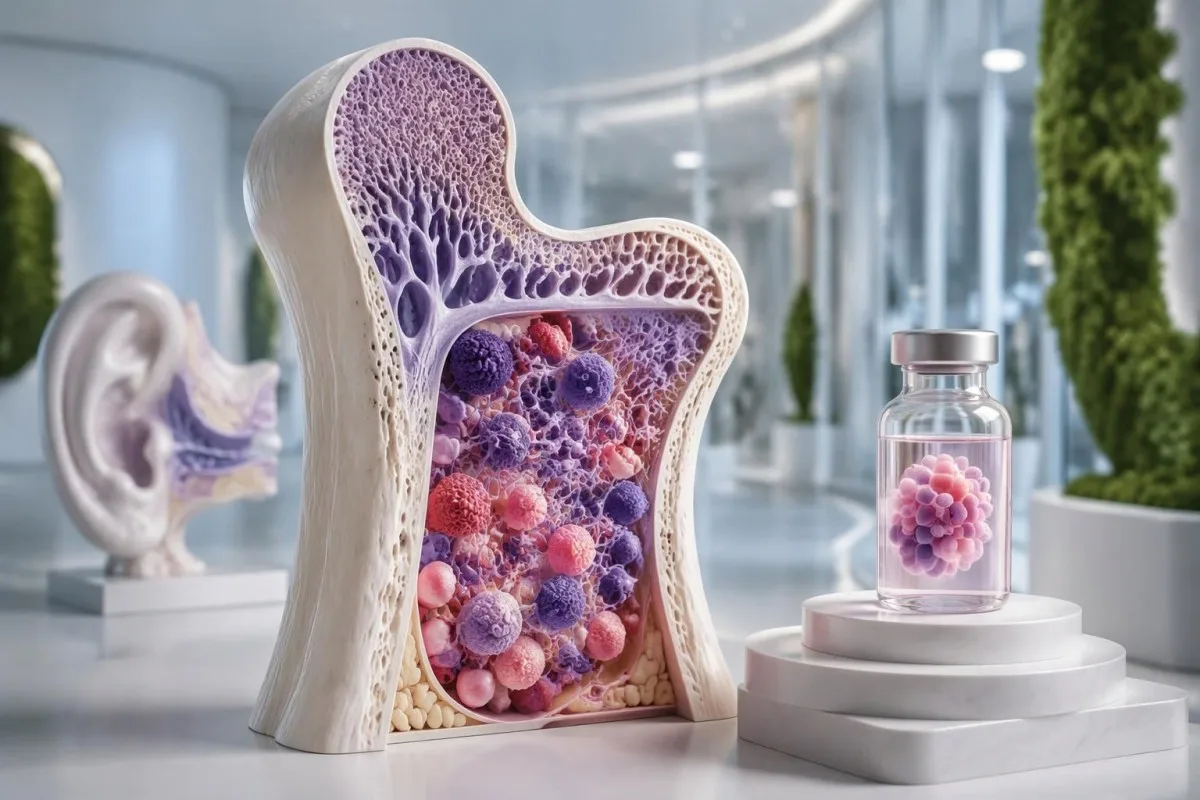
Belarriko kondritisak sarritan goiko belarriaren zati gogorrari eragiten dio, eta belarri-lobulu biguna errespetatzen du, kartilagorik ez baitu. Desberdintasun anatomiko horrek gertakaria zehaztasunez deskribatzen lagun dezake, baina belarri gorri 1ek ere ohikoagoak diren arrazoiak aztertzea eskatzen du, hala nola tokiko infekzioa, lesioa edo dermatitisa.
Larruazaleko agerpenen artean eremu goratu mingarriak, plakak edo kolore morexkako aldaketak egon daitezke; itxurak bakarrik ezin du kausa identifikatu. Ehun-azterketa batek dermatosi neutrofilikoa, baskulitisa eta bestelako prozesuak bereizten lagun dezake; tratatu gabeko 2 gertakari bereiziren argazkiek, berriz, espezialista bati eredu errepikaria ezagutzen lagun diezaiokete.
Inflammatory attacks can resemble established rheumatological conditions, including relapsing polychondritis or polymyalgia rheumatica. Our explanation of PMR laboratory limitations describes why inflammatory markers are not disease-specific; persistent macrocytosis above 100 fL or falling platelets should prompt a broader assessment rather than automatic acceptance of the first label.
New hoarseness, noisy breathing or difficulty breathing needs urgent assessment because airway cartilage can be involved. A useful symptom record includes 3 details for each episode: the affected site, its duration and whether fever or a medication change accompanied it; do not wait for another flare if breathing is affected.
Zein odol-azterketaren eredu izan daiteke VEXAS sindromearen adierazgarri?
Anemia makrozitikoa, sometimes accompanied by low platelets or other cytopenias, is a major laboratory clue to VEXAS. Adult MCV is commonly about 80–100 fL, but neither an MCV above 100 fL nor an elevated CRP result can confirm the condition.
Hemoglobin measures anemia, while MCV measures average red-cell size; the 2 results answer different questions. An MCV of 108 fL with hemoglobin of 10.2 g/dL deserves a different assessment from an isolated MCV of 101 fL with stable hemoglobin, particularly when inflammatory symptoms are also present.
Many laboratories use a platelet reference interval of approximately 150–450 × 10^9/L. A falling platelet count can matter before it crosses the lower limit, and our borderline MCV explanation shows why persistent trends are often more useful than treating one near-boundary number as a diagnosis.
CRP is often markedly elevated during active VEXAS, but infection and many other inflammatory disorders can produce the same result. A hypothetical CRP of 80 mg/L is 16 times an upper limit of 5 mg/L; that comparison describes inflammatory intensity, not the probability of a UBA1 mutation.
RDW describes variation in red-cell size and can help explain a mixed CBC pattern, but it is not a VEXAS-specific biomarker. Our RDW eta MCV gida explains how 2 overlapping processes, such as iron deficiency and macrocytosis, can produce a deceptively ordinary average MCV.
| Maila | Tartea | Zer esan nahi duen |
|---|---|---|
| Typical adult MCV interval | 80–100 fL | Use the reporting laboratory's interval; an in-range result does not exclude early or masked macrocytosis. |
| Makrozitosia | >100 fL | Investigate nutritional, medication, liver, thyroid and marrow causes; this is not a VEXAS diagnostic threshold. |
| Tronbozitopenia | <150 × 10^9/L | Low platelets can support concern when combined with persistent inflammation and unexplained anemia. |
| CRP above the laboratory limit | Often >5 mg/L; some laboratories use >10 mg/L | Indicates an inflammatory response without identifying its cause. |
Zergatik ezin dute ohiko panel autoimmuneek VEXAS baieztatu?
Routine autoimmune panels cannot confirm VEXAS syndrome because they measure antibodies or related immune markers, not acquired UBA1 mutations. ANA, rheumatoid factor, ANCA and complement results may help assess alternative or overlapping conditions, but no combination substitutes for appropriate molecular testing.
ANA testing detects antibodies directed against nuclear components; it does not read the UBA1 gene. A positive ANA at 1:160 may deserve interpretation in its own clinical context, while a negative ANA does not make unexplained fever, chondritis and macrocytic anemia safe to dismiss.
Repeating several antibody panels can create incidental positives without resolving the central question. Our ANA result explanation describes why 1 positive result is not equivalent to a disease diagnosis; the same caution applies when an antibody is found during a suspected VEXAS evaluation.
Complement testing can be useful when clinicians suspect an immune-complex disorder, but normal C3 and C4 cannot exclude VEXAS. The complement and antibody guide explains these 2 proteins; their biological role differs from the acquired enzyme dysfunction caused by a disease-associated UBA1 variant.
Autoinflammatory and autoimmune are related but not interchangeable descriptions: VEXAS is driven principally by abnormal innate immune activity associated with mutated blood-forming cells. Clinicians may still order 2 types of investigation in parallel—antibody testing for alternatives and molecular testing for VEXAS—because another diagnosis can coexist rather than disappear.
Zer beste arrazoi aztertu behar dira VEXASen errua egotzi aurretik?
Vitamin B12 or folate deficiency, medication effects, alcohol use, liver disease, hypothyroidism and marrow disorders can cause macrocytosis. An MCV above 100 fL should trigger evaluation of these possibilities, while recurrent chondritis or unexplained inflammatory attacks may justify investigating VEXAS at the same time.
Vitamin B12 and folate results need interpretation alongside symptoms, treatment history and the CBC. A borderline B12 result may require additional assessment rather than immediate attribution of an MCV of 107 fL to VEXAS; our B12 versus folate explanation also explains why folate treatment can obscure part of a B12 deficiency picture.
Copper deficiency can cause cytopenias and vacuolated marrow precursors, making it an especially relevant mimic. Reviewing high-dose zinc supplements is therefore useful, and our kobrezko maila baxuen ebaluazio-gida explains why 2 supplement ingredients—zinc and copper—may matter even when a product is marketed for general immune support.
Myelodysplastic syndrome can cause macrocytic anemia and may coexist with VEXAS rather than simply compete with it as an explanation. Our MDS confirmation guide distinguishes CBC clues from marrow evidence; 1 abnormal count cannot establish either diagnosis or determine whether both are present.
Medication and infection reviews are essential because treatment can change the very numbers being investigated. For example, glucocorticoids may increase neutrophils while lowering CRP, and a recent transfusion can alter MCV; bring the dates of these events, not just 2 laboratory reports that appear to disagree.
Nola laguntzen du UBA1 azterketa somatikoak VEXAS diagnostikatzen?
VEXAS syndrome diagnosis is established by a disease-associated somatic UBA1 variant in a compatible clinical setting. Peripheral blood is commonly used for testing, while marrow or a more sensitive method may be appropriate after an inconclusive result; many recognized variants affect methionine at position 41.
The request should specify suspected VEXAS and testing for somatic UBA1 variants rather than a general hereditary disease panel. These are 2 different diagnostic tasks: an inherited-risk assay may not include the relevant gene regions, cell source or detection sensitivity needed to identify an acquired clone.
Beck et al. linked UBA1 variants to altered ubiquitin-activating enzyme function in their 2020 New England Journal of Medicine report. Position 41 is a major hotspot, but a hotspot-only test is not equivalent to comprehensive relevant UBA1 analysis, because disease-associated noncanonical variants have also been described.
A negative result needs the laboratory method attached to it before its meaning is clear. An assay validated to detect a 5% variant allele fraction may miss a smaller clone; ask which regions were covered, the reported detection limit and whether the sample was suitable for somatic testing.
Kantesti bat da. AI odol-analisien interpretazio-plataforma that can help explain accompanying CBC and inflammatory-marker results, but it cannot infer a UBA1 sequence from 1 routine report. Our AI teknologiaren azalpena describes report interpretation; molecular diagnosis still requires an accredited laboratory and specialist interpretation.
Nola interpretatu behar duzu UBA1 mutazioaren txostena?
A UBA1 report should state the variant, classification, sample type and testing limitations, often including variant allele fraction. A pathogenic or likely pathogenic disease-associated variant can support VEXAS, but a variant of uncertain significance is not diagnostic, and a 10% allele fraction is not a 10% severity score.
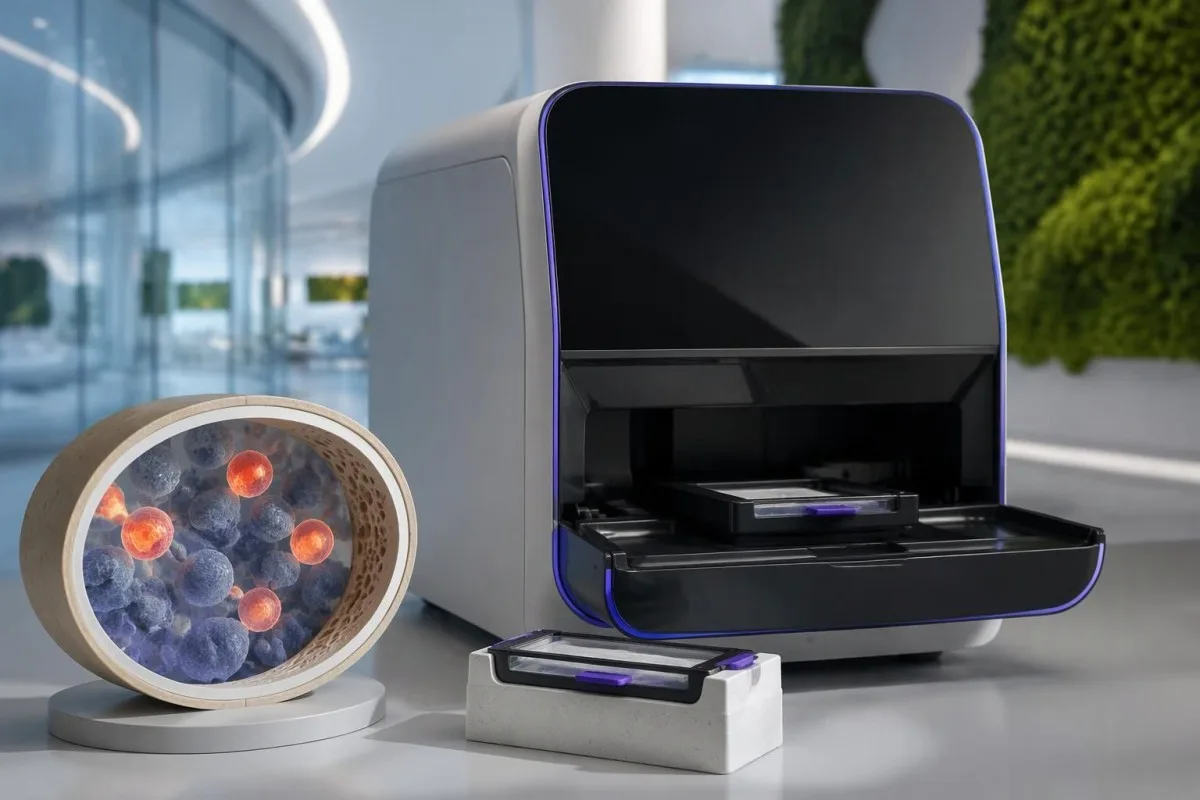
Variant allele fraction is the proportion of analyzed sequence reads carrying a particular change at that location. In a simple 1-X-chromosome model it may approximate the proportion of affected sampled cells, but cell mixtures, chromosome changes and laboratory methods complicate that estimate; it does not directly measure organ damage.
A hypothetical report showing a recognized disease-associated variant at 12% allele fraction may be meaningful even though most reads are unchanged. By contrast, a novel uncertain variant at 40% still requires expert assessment, because abundance cannot turn an unproven genetic finding into an established cause of symptoms.
Different clonal disorders require different molecular or cellular tests, even when anemia and thrombosis overlap. Our PNH clone testing guide explains a separate disorder assessed by flow cytometry; 1 negative PNH test does not evaluate UBA1, and a UBA1 result does not replace PNH testing when indicated.
Kantesti cannot determine whether an uncertain UBA1 finding is disease-causing simply by matching it to an elevated CRP of 70 mg/L. Ask the specialist whether additional sequencing, another specimen or formal variant review is needed, and keep the complete report rather than a screenshot containing only the word positive.
Nahikoa al dira hezur-muineko bakuoloak VEXAS diagnostikatzeko?
Bone marrow vacuoles are a clue, not proof of VEXAS syndrome. Vacuoles may appear in early myeloid and erythroid precursors, but they are neither completely specific nor universally present; an adult with an MCV above 100 fL still needs the broader clinical and molecular assessment.
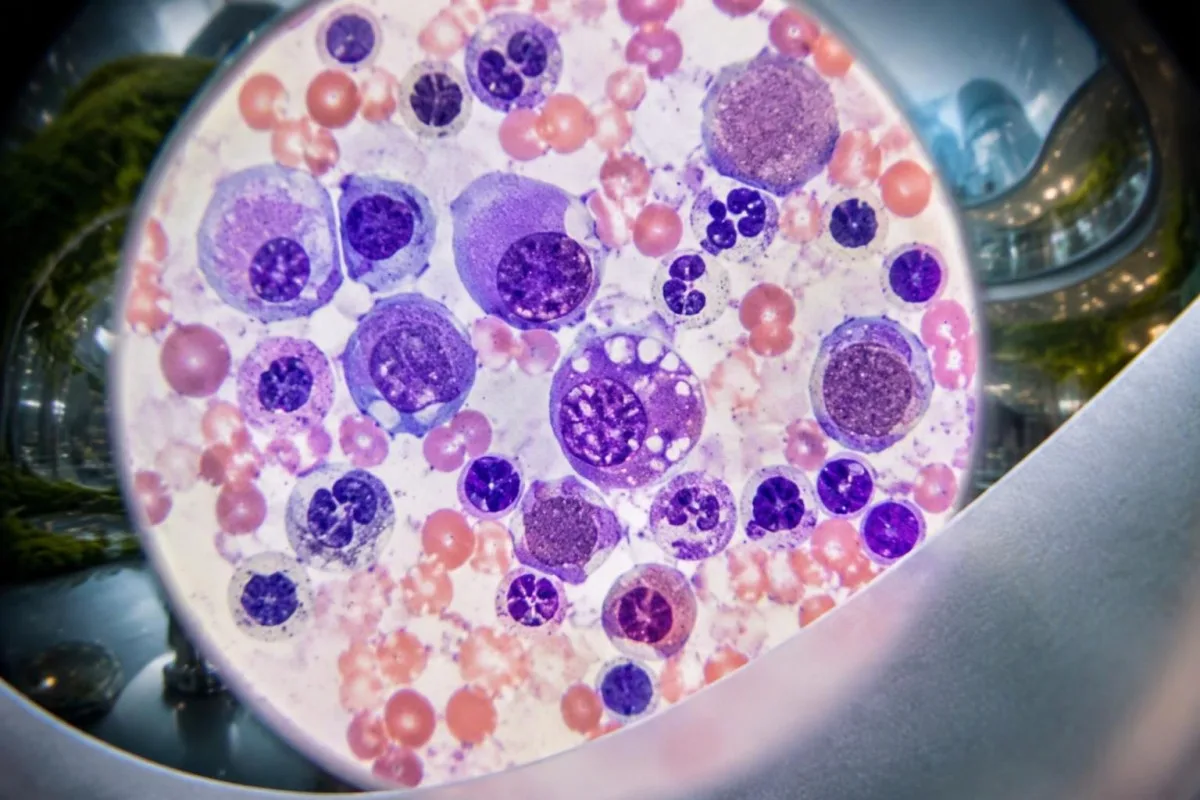
Vacuoles are small clear spaces visible within cells under microscopy, not holes that a patient can see on an ordinary CBC. Their absence on 1 marrow examination does not automatically exclude VEXAS, particularly when specimen quality, disease stage or the specific UBA1 variant affects the appearance.
Copper deficiency, alcohol-related effects and other conditions can produce vacuolated precursors. That overlap is why 2 complementary investigations may be needed: laboratory assessment for reversible mimics and somatic UBA1 testing, rather than treating a descriptive pathology finding as the final diagnosis.
Marrow examination also assesses cellularity, dysplasia and other abnormalities that may influence treatment decisions. Our explanation of teardrop cells and marrow clues describes a different microscopy finding; neither teardrop cells nor vacuoles can independently explain a platelet count of 95 × 10^9/L.
A marrow procedure is not automatically necessary for every isolated MCV of 102 fL, and a positive molecular result may already establish VEXAS in the right context. Hematology decides whether marrow assessment is needed to investigate persistent cytopenias, suspected MDS or another process that would change management.
Noiz da egokia erreumatologiako edo hematologiako ebaluazioa?
Specialist assessment is appropriate when recurrent unexplained inflammation accompanies macrocytic anemia, falling platelets or other persistent cytopenias. Suspicion is higher after age 50, especially with chondritis, inflammatory skin findings or lung involvement; rheumatology and hematology often need to evaluate the pattern together.
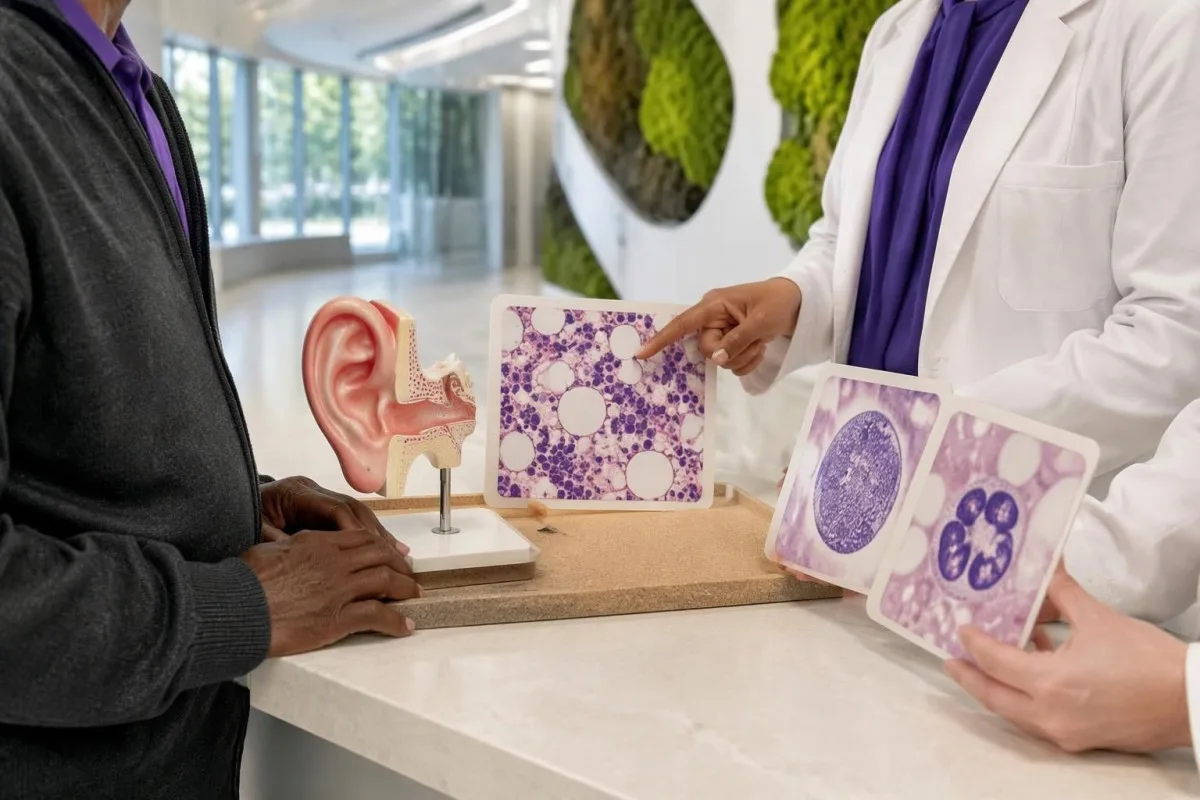
There is no universal CRP level, age boundary or number of attacks that automatically mandates UBA1 testing. A person aged 68 with recurrent ear chondritis and unexplained anemia has a different pretest probability from a person aged 28 with 1 viral fever and an otherwise stable CBC.
Steroid-responsive inflammation that repeatedly returns during dose reduction deserves reassessment, particularly when blood counts remain abnormal. Improvement over 2 days may show that symptoms are inflammatory, but it does not distinguish VEXAS from several other disorders and should not become the only justification for ongoing treatment.
Unexplained pain needs a broader workup when it accompanies constitutional symptoms or changing counts. Our mina probatzeko gida azaldu gabea explains why inflammatory markers are only part of that workup; an MCV above 100 fL adds a marrow-related question that a pain score cannot answer.
A referral should highlight 3 elements: documented inflammatory episodes, the CBC trend and the results of common-cause investigations. If symptoms are progressing rapidly, new organs are involved or transfusions are being considered, ask the referring clinician whether the appointment needs to be expedited rather than waiting for another routine repeat test.
Adibide landua: belarriaren hantura errepikaria eta CBC aldakorra
A hypothetical combination of recurrent chondritis, macrocytic anemia and low platelets warrants specialist evaluation, not an AI-generated diagnosis. Consider a 68-year-old man with hemoglobin 10.2 g/dL, MCV 108 fL, platelets 112 × 10^9/L and CRP 86 mg/L during a third episode of upper-ear swelling.
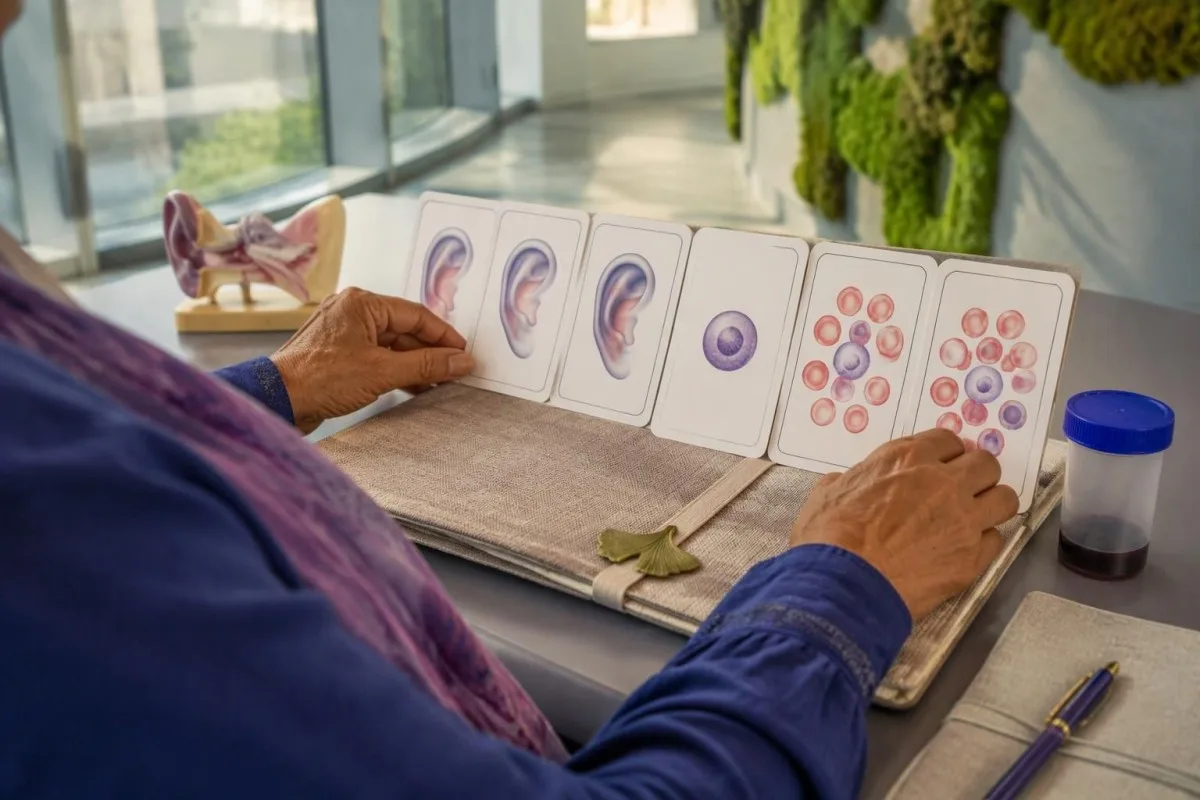
The first reasoning step is to separate symptom severity from diagnostic specificity: CRP of 86 mg/L confirms a substantial inflammatory response but does not identify its cause. The MCV of 108 fL and platelet count of 112 × 10^9/L add evidence that blood-cell production also needs investigation.
Suppose the person's B12, folate and thyroid assessments do not reveal an explanation, and medication, alcohol and liver reviews are unrevealing. A negative ANA would not close the case; the combination of 3 inflammatory episodes and persistent unexplained cytopenias would justify discussing somatic UBA1 testing with hematology and rheumatology.
Now suppose CRP falls to 12 mg/L after prescribed glucocorticoids, but hemoglobin falls to 9.8 g/dL. Those 2 trends are not contradictory: inflammatory activity may improve while marrow dysfunction or another anemia mechanism persists, so treatment response cannot be used as a substitute for investigating the falling hemoglobin.
Kantesti can help explain why those 2 trends deserve separate attention, but cannot establish VEXAS or choose immunosuppressive treatment. Our botiken joeren analisi gidak explains why dose changes, transfusions and intercurrent illness should be recorded beside each result; the example here is entirely hypothetical.
Nola tratatzen dute espezialistek baieztatutako VEXAS sindromea?
VEXAS treatment aims to control inflammation, manage cytopenias and reduce treatment-related harm. Glucocorticoids often suppress symptoms but may be difficult to taper; other options include selected immunomodulators, marrow-directed treatment and allogeneic stem-cell transplantation, with no single regimen appropriate for every adult over 50.
A falling CRP does not by itself establish treatment success if anemia, thrombosis or lung disease is worsening. Specialists follow at least 2 dimensions—clinical inflammatory activity and hematological status—and weigh these against cumulative glucocorticoid exposure, because prolonged treatment can cause infections, diabetes, osteoporosis and muscle weakness.
JAK inhibitors and IL-6-directed therapy are among approaches used by specialists, while azacitidine may be considered in selected patients, particularly with associated marrow disease. Evidence and access vary, and much published experience is observational; a response lasting 6 months in one cohort does not reliably predict an individual's longer-term benefit.
Allogeneic stem-cell transplantation can potentially eliminate the abnormal blood-forming clone and produce sustained remission in selected patients. It also carries substantial risks, including graft-versus-host disease and serious infection, so 2 people of the same age may receive different recommendations because fitness, organ involvement and donor availability differ.
Infection prevention deserves planning before immunosuppression, not only after fever develops. Depending on exposures and the proposed regimen, clinicians may consider screening or prevention measures described in our Strongyloides testing explanation; even 1 relevant past exposure can matter before corticosteroids, and prescribed steroids should never be stopped abruptly without guidance.
Zein sintomak behar dute premiazko edo larrialdiko arreta?
New breathing difficulty, chest pain, airway symptoms, neurological deficits or significant bleeding require urgent assessment in someone with suspected or confirmed VEXAS. Fever of 38°C or higher during substantial immunosuppression also needs prompt clinical advice, particularly when neutrophils are low.
VEXAS is associated with venous thrombosis, so a painful swollen leg or sudden breathlessness should not be dismissed as another inflammatory flare. Normal routine clotting times do not exclude a clot; our koagulazio-panelaren mugen explain why 2 normal tests, PT and aPTT, cannot provide that reassurance.
An absolute neutrophil count below 0.5 × 10^9/L represents severe neutropenia and increases concern when fever occurs. Treatment can also blunt the temperature response, so feeling acutely unwell with shaking chills, confusion or rapidly worsening weakness can require urgent assessment even when a thermometer reads below 38°C.
Breathlessness can reflect lung inflammation, infection, pulmonary embolism or worsening anemia, and these require different treatments. Our breathlessness blood test guide explains why hemoglobin of 8 g/dL may contribute without proving the entire cause; new chest pain or sudden breathing difficulty should not wait for an uploaded report.
Persistent nose or gum bleeding, black stools or a severe new headache needs urgent advice, especially if platelets are very low. A count below 20 × 10^9/L generally warrants prompt clinical review, but the urgency depends on symptoms and context; significant bleeding is an emergency even above that number.
Jarraipena, IAren mugak eta ikerketa-argitalpenak
Useful VEXAS follow-up combines symptoms, treatment history, CBC trends and inflammatory markers, with molecular and marrow findings interpreted by specialists. An AI explanation of 1 laboratory report can support preparation for care, but it cannot diagnose VEXAS, exclude infection or establish whether a UBA1 variant is pathogenic.
Bring original CBC reports, inflammatory markers and the complete UBA1 result, including specimen type and detection limit. Record 3 timeline features beside them: flare dates, medication changes and transfusions; this makes it easier to distinguish a true disease trend from a treatment effect or a change in testing conditions.
Kantesti bat da. AI bidezko odol-analisien analisi-tresna that can explain laboratory patterns without converting an MCV above 100 fL into a rare-disease diagnosis. Genetic reports can reveal sensitive information, so review our pribatutasunari eta datuei buruzko informazioa before sharing records, and include only documents you are authorized to upload.
Kantesti's 2 DOI-linked publications below concern broader blood-test interpretation and RDW education, not clinical trials of VEXAS diagnosis or UBA1 sequencing. They should therefore be read separately from the disease-specific medical studies listed in the external references; neither publication establishes VEXAS-specific diagnostic sensitivity or treatment effectiveness.
Gure metodologia eta arau klinikoak explain the distinction between report interpretation and medical diagnosis. Before the next appointment, write 2 questions: whether the laboratory method adequately assessed somatic UBA1 variants, and whether persistent cytopenias need marrow evaluation; these are more actionable than asking an AI to calculate an unsupported VEXAS probability.
Ohiko galderak
Zeintzuk dira VEXAS sindromearen lehen sintomak?
VEXAS sindromea maiz sukar errepikakor eta azalpenik gabekoarekin, larruazaleko hanturazko aldaketekin, nekearekin edo belarriko edo sudurreko kartilagoa handituta hasten da, normalean 50 urtetik aurrera. Anemia makrozitikoa edo beste odol-zenbaketa anormal batzuk sintoma horien aurretik, aldi berean edo ondoren ager daitezke. Heldu baten MCV 100 fL ingurutik gorakoa izatea aztarna bat da, ez diagnostikoa. Hantura-sintoma errepikakorrek eta zitopenia iraunkor eta azalpenik gabeek erreumatologiako eta hematologiako ebaluazioa eztabaidatzea justifikatzen dute.
Zer testek baieztatzen du VEXAS sindromea?
0 VEXAS sindromea diagnostikatzen da gaixotasunarekin lotutako UBA1 aldaera somatiko bat identifikatuz, bateragarria den egoera kliniko batean. Probetan odol periferikoa erabiltzen da normalean, nahiz eta kasu jakin batzuetan hezur-muina edo saiakuntza sentikorrago bat beharrezkoa izan daitekeen. Ezagutzen diren aldaera askok 41. posizioko metioninari eragiten diote, baina hotspot mugatuen azterketak gaixotasunarekin lotutako beste aldaera batzuk hauteman gabe utz ditzake. Txostena haren aldaeraren sailkapena, genearen estaldura eta detekzio-muga kontuan hartuta interpretatu behar da.
ANA edo panel autoimmune normal batek VEXAS baztertu al dezake?
ANA normala edo ohiko panel autoimmunitario batek ezin du VEXAS sindromea baztertu, proba horiek ez baitituzte UBA1 mutazio somatikoak detektatzen. 1:160eko ANA positibo batek ere ez du VEXAS baieztatzen, ezta nahitaez beste gaixotasun autoimmunitario bat dagoela frogatzen ere. Antigorputzen probek beste aukera batzuk ikertzen lagun dezakete; CBCaren ereduak, sintomek eta proba molekularrek, berriz, galdera desberdinei erantzuten diete. Anemia makrozitiko iraunkorra eta kartilagoaren hantura errepikakorra ez dira baztertu behar antigorputzen probak negatiboak direlako soilik.
VEXAS sindromea heredagarria da, eta nire seme-alabei probak egin behar zaizkie?
0 VEXAS sindrome tipikoa eskuratua izaten da, heredatua izan beharrean; beraz, oro har, ez dago haurrak ohikotasunez aztertu beharrik. UBA1 mutazioa helduaroan sortzen da normalean odola eratzen duten zelulen barruan, eta sintomak 50 urtetik aurrera agertu ohi dira. UBA1 X kromosoman egon arren, horrek ez du esan nahi VEXAS aldaera somatikoa automatikoki transmiti daitekeenik. Aurkikuntza ezohikoak edo konstituzionalak izan daitezkeenak genetika klinikoko espezialista batek aztertu behar ditu.
Emakumeek VEXAS sindromea gara dezakete?
Emakumeek VEXAS sindromea gara dezakete, nahiz eta identifikatutako kasu gehienak gizon adinekoengan gertatzen diren. UBA1 X kromosoman kokatuta dago, eta kaltetutako zeluletan X kromosoma 1 galtzea emakumeengan jakinarazitako mekanismoetako bat da. 2023ko JAMA osasun-sistemako ikerketa batean, gaixotasunarekin lotutako UBA1 aldaerak zituzten 11 parte-hartzaileen artean 2 emakume identifikatu ziren. Sexuak bakarrik ez luke eragotzi behar espezialista baten ebaluazioa, hantura errepikakorra eta odol-zenbaketaren anomalia argitu gabeak oso susmagarriak direnean.
UBA1 test negatibo batek VEXAS sindromea baztertzen al du?
0 A UBA1 proba negatibo batek VEXASen probabilitatea murrizten du soilik lagina eta saiakuntza egokiak izan diren neurrian. ko aldaera-aleloen frakzioa detektatzeko mugarekin, probak klon txikiago bat ez hautematea gerta daiteke, eta hotspotetan soilik oinarritutako probek estalitako eskualdetik kanpoko aldaerak ez hautematea. Susmo kliniko handia izanez gero, espezialista batek estaldura, sentikortasuna eta lagin mota berrikustea justifika daiteke. Behar bezala egindako emaitza negatibo batek ere beste diagnostiko posibleak arretaz berriro ebaluatzea ekarri behar luke, arrazoi argirik gabe probak errepikatu beharrean.
Ba al dago VEXAS sindromearen sendabiderik?
Zelula am-emaileen transplante alogenikoak erremisio iraunkorra eragin dezake, odola sortzen duen klon anormala ordezkatuz; baina hautatutako pazienteentzat baino ez da egokia, eta arrisku handiak dakartza. Beste tratamendu batzuek hantura kontrolatzea, zitopeniak kudeatzea eta glukokortikoideen esposizioa murriztea dute helburu, klona modu fidagarrian desagerrarazi beharrean. 50 urtetik gorako helduengan, sasoi fisikoak, organoen inplikazioak eta hezur-muinaren gaixotasun asoziatuak eragin handia izan dezakete tratamendu-aukeretan. Ez da frogatu VEXAS sendatzen duenik inolako osagarrik, dieta-planek edo odol-analisien adimen artifizial bidezko interpretazioak.
Jaso odol-analisien emaitzak nola irakurri
Kargatu zure laborategiko txostena, eta Kantesti-ren AIak biomarkatzaile bakoitza hizkera arruntean azalduko du segundo gutxitan. Mundu osoan 2 milioi pertsona baino gehiagok erabiltzen dute.
Erreferentziak
- Klein, T., Mitchell, S., & Weber, H. (2026). AI Odol Analisien Analisatzailea: 2,5M proba aztertuak | Osasun Globalaren Txostena 2026. Kantesti AI Ikerketa Medikoa. DOI
- Klein, T., Mitchell, S., & Weber, H. (2026). RDW odol-analisia: RDW-CV, MCV eta MCHCren gida osoa. Kantesti AI Ikerketa Medikoa. DOI
- Beck DB et al. (2020). Somatic Mutations in UBA1 and Severe Adult-Onset Autoinflammatory Disease. New England Journal of Medicine. DOI
- Beck DB et al. (2023). Estimated Prevalence and Clinical Manifestations of VEXAS Syndrome in a Large US Health Care System. JAMA. DOI
- 2M+Aztertutako probak
- 127+Herrialdeak
- 100+Hizkuntzak
Medikuntza-taldeari buruz


E-E-A-T Konfiantza-seinaleak
Esperientzia
Medikuek gidatutako berrikuspen klinikoa laborategiko interpretazioaren lan-fluxuei buruz.
Espezializazioa
Laborategiko medikuntzaren ikuspegia biomarkatzaileek testuinguru klinikoan nola jokatzen duten aztertzean.
Autoritatea
Thomas Klein doktoreak medikoki berrikusia, Sarah Mitchell doktorearen eta Hans Weber irakasle doktorearen ekarpenekin.
Fidagarritasuna
Ebidentzian oinarritutako interpretazioa, alarma murrizteko jarraipen-bide argiekin.





Ohar medikoa
Artikulu hau hezkuntza-helburuetarako da soilik eta ez du mediku-aholkurik ematen. Diagnostiko- eta tratamendu-erabakietarako, beti kontsultatu osasun-profesional kualifikatu bati.
Argitaratua · Jarri harremanetan erredakzio-taldearekin
Kantesti Ltd-k argitaratua, Ingalaterran eta Galesen erregistratua, enpresa zk. 17090423, Londres, Erresuma Batua.
