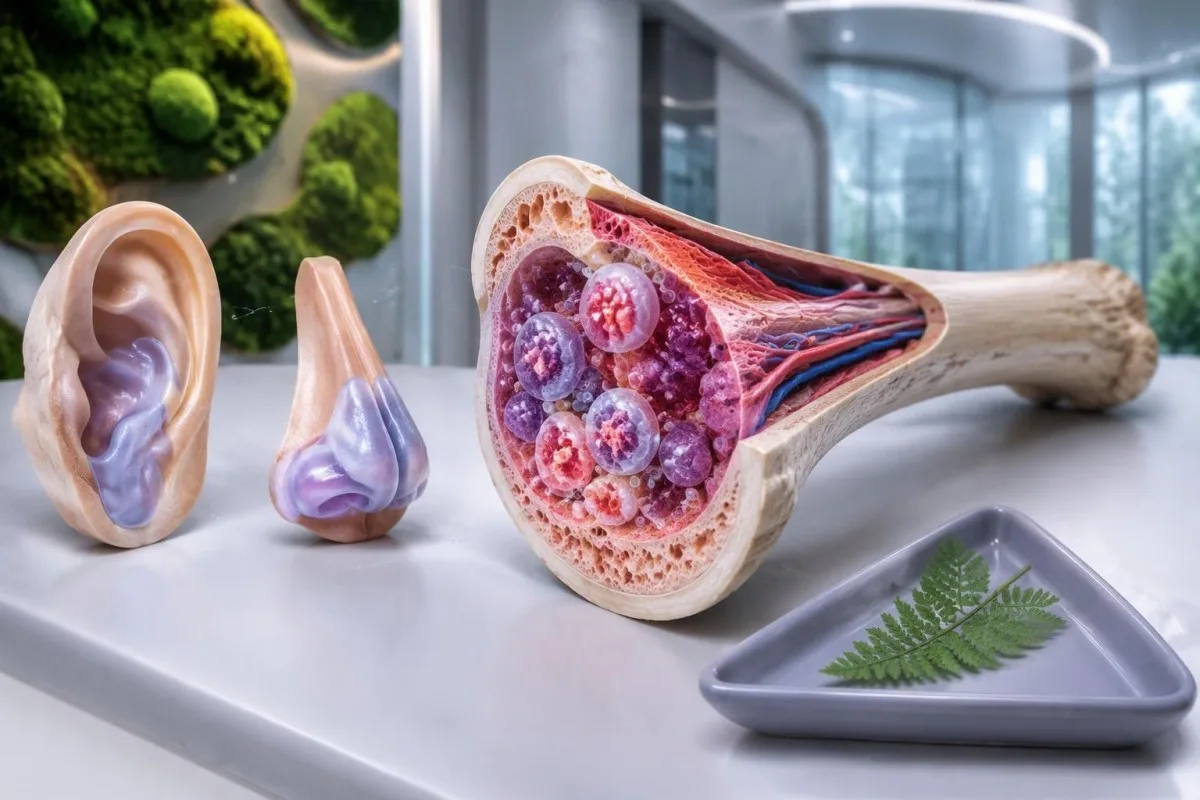
متلازمة VEXAS هي حالة التهابية مكتسبة ناتجة عن طفرات جسدية فـ UBA1 فخلايا تكوين الدم. الحمى المتكررة، وانتفاخ غضروف الودن ولا النيف، وفقر الدم كبير الكريات اللي ما معروفش السبب، خاصهم يخلّيو الطبيب يطلب تقييم عند مختص؛ التشخيص كيتطلب فحوصات جينية مناسبة، ماشي تحاليل روتينية لأمراض المناعة الذاتية.

أهم الخلاصات
- متلازمة VEXAS كتبدأ غالباً من بعد سن 50 وكتجمع بين التهاب عام واختلالات فخلايا تكوين الدم.
- انتفاخ الغضروف يقدر يأثر على الودنين ولا النيف ولا مجرى التنفس؛ التهاب غضروف الودن غالباً ما كيمسّش شحمة الودن اللينة.
- Macrocytosis كتعني أن MCV فوق تقريباً 100 fL عند البالغين، ولكن هاد النتيجة بوحدها ما كتشخّصش VEXAS.
- نقص في الصفائح الدموية أقل من 150 × 10^9/L تقدر تزيد الشك إلا كانت مصاحبة لالتهاب متكرر وفقر دم ما معروفش السبب.
- سي آر بي الحد الأعلى المرجعي ديالها كيكون غالباً 5 mg/L، مع أن شي مختبرات كتعتمد 10 mg/L؛ ما كاين حتى حدّ لـ CRP كيأكد VEXAS.
- فحص طفرة UBA1 كيقلب على متغير مَرَضي مكتسب، غالباً باستعمال الدم المحيطي ولا النخاع العظمي، ماشي لوحة روتينية للمخاطر الوراثية.
- تحاليل أمراض المناعة الذاتية بحال ANA، وعامل الروماتويد وANCA ما كيقدروش يأكدو ولا ينفيو متلازمة VEXAS.
- أعراض عاجلة كيشملو ضيق جديد فالتنفس، ألم فالصدر، صعوبة فالتنفس أو سخانة ديال 38°C ولا كثر، خلال تثبيط مناعي مهم.
شنو هي متلازمة VEXAS، وعلاش تعداد الدم مهم؟
متلازمة VEXAS هو اضطراب التهابي ذاتي مكتسب ناتج على طفرة UBA1 فخلايا تكوين الدم. اجتماع الالتهاب المتكرر، وانتفاخ الغضاريف، وتعدادات الدم غير الطبيعية بلا تفسير—خصوصاً فقر الدم كبير الكريات عند شي واحد فوق 50 عام—خاصو يخلّي الشك فهاد المتلازمة، بينما التشخيص كيعتمد على تحديد متغير ممرض مناسب فـ UBA1، فالسياق السريري.
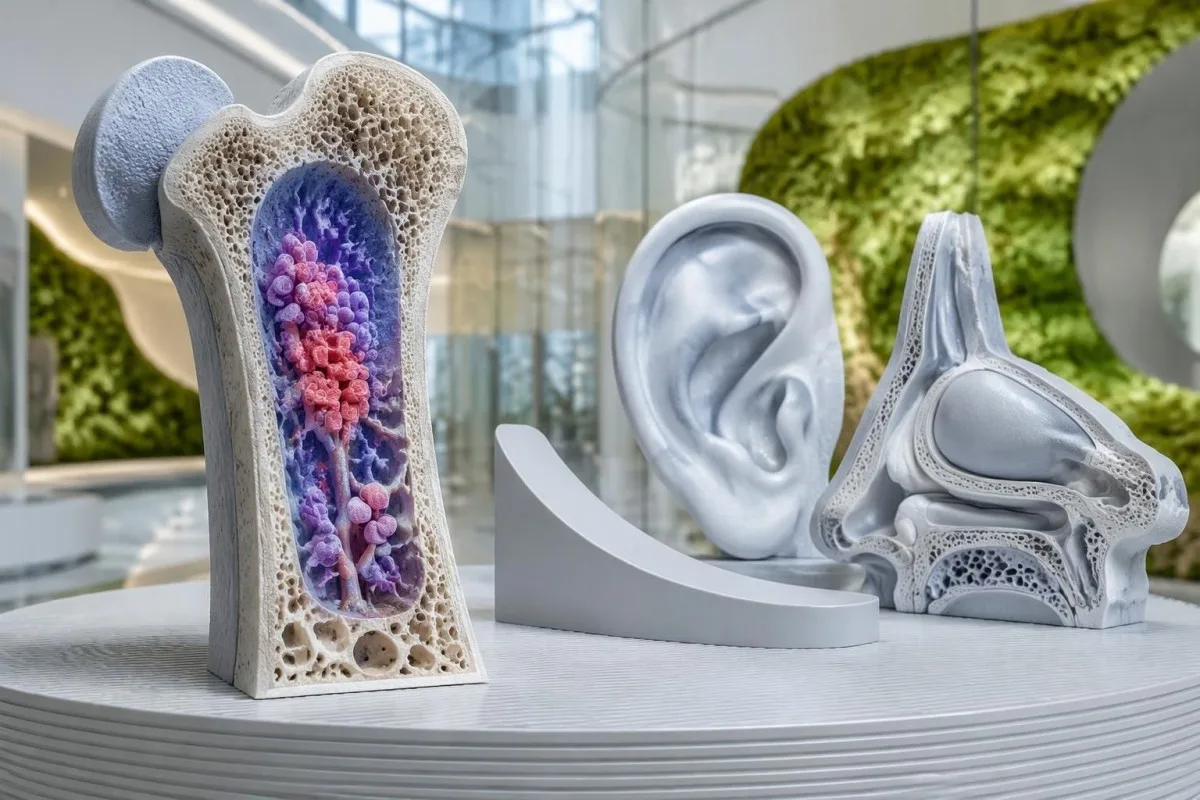
الاسم كيوصف 5 خصائص: الفجوات، وإنزيم E1، والارتباط بالصبغي X، والالتهاب الذاتي، والطفرة الجسدية. هادو مؤشرات على البيولوجيا ديال المرض، ماشي لائحة خاص كل شخص يستوفيها؛ الفجوات اللي كتبان فالنخاع، وأعراض الغضاريف، وفقر الدم الشديد ما كيبانوش بالضرورة كاملين فالموعد الأول.
أول مرة وصفو Beck وآخرون متلازمة VEXAS فـ New England Journal of Medicine عام 2020، وربطو الالتهاب اللي كيبدا عند البالغين بمتغيرات مكتسبة فـ UBA1. هاد الاكتشاف كيفسر علاش شي واحد يقدر يكون خدا من قبل أكثر من تشخيص واحد، بحال التهاب الغضاريف الناكس واضطراب فالنخاع، قبل ما يتعرف السبب المشترك.
نتيجة وحدة مرتفعة ديال CRP ما كتشيرش بالخصوص لمتلازمة VEXAS، وMCV ديال 103 fL كيكون عندو غالباً تفسيرات أكثر شيوعاً. كيزيد القلق ملي كيتعاودو نوبات الالتهاب مع نقص مستمر أو كيزيد فالخلايا الدموية، حيت هاد النمط كيوحي بعملية التهابية مرتبطة بإنتاج غير طبيعي لخلايا الدم، ماشي غير بتقلب معزول فالتحاليل.
كانتيستي هو محلل اختبار الدم بالذكاء الاصطناعي اللي يقدر يفسر كيفاش كيرتبطو الهيموغلوبين وMCV والصفائح الدموية وCRP، مع ترك تشخيص VEXAS للأخصائيين. ديالنا وهدفنا موصوفين كل واحد بوحدو؛ CBC واحد مرفوع ما يقدرش يكشف طفرة UBA1 ولا يعوض الفحص السريري.
شكون كيصاب بـ VEXAS، وواش طفرة UBA1 كتتورث؟
متلازمة VEXAS كتصيب غالباً الرجال الكبار فالسن, ، وعادة كيبداو الأعراض من بعد سن 50. طفرة UBA1 المسببة للمرض كتكون غالباً مكتسبة فمجموعة ديال خلايا تكوين الدم، ماشي موروثة من شي والد ولا موجودة فكل الخلايا من وقت الولادة.
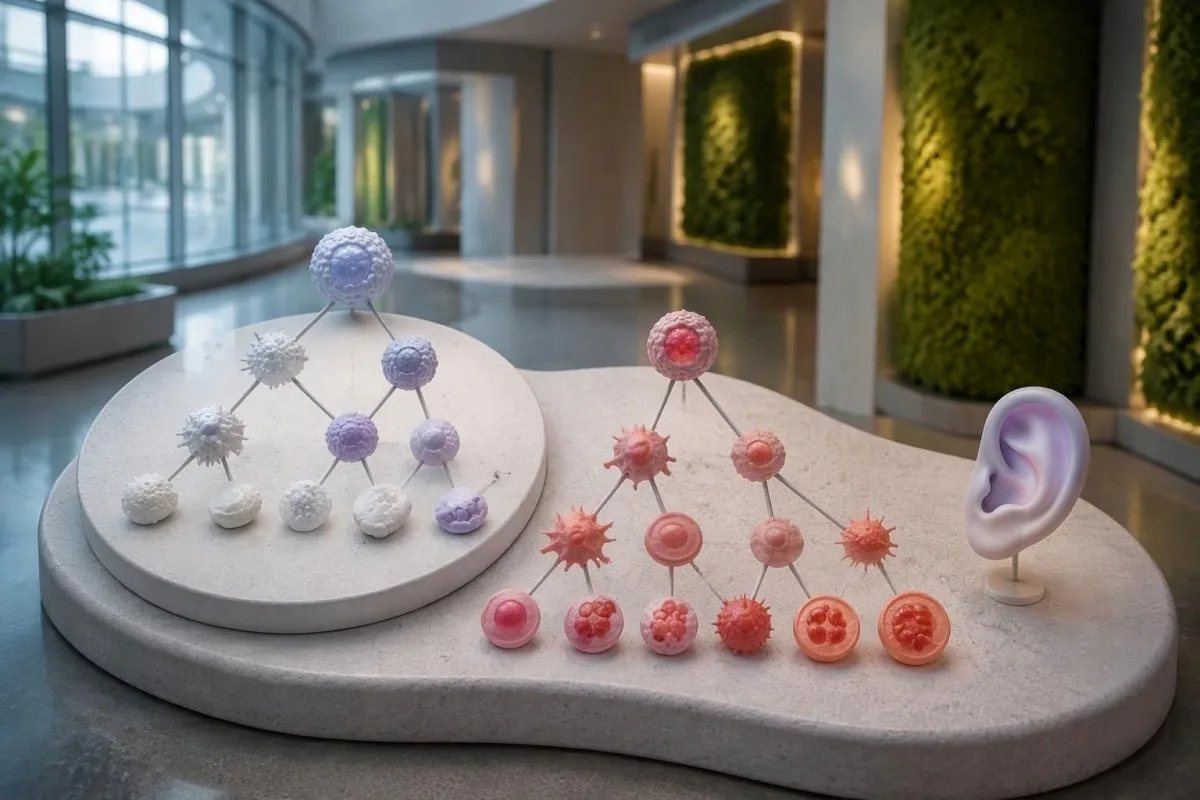
كاين UBA1 فالكروموسوم X، ومعظم الرجال المصابين عندهم كروموسوم X واحد. وكتوقع VEXAS حتى عند النساء، وأحياناً كتكون مرتبطة بفقدان كروموسوم X من الخلايا المصابة، ولكن الجنس بوحدو ما خاصوش يمنع التقييم إلا كان النمط السريري كيوحي بقوة بالمرض.
فدراسة ديال JAMA شملت 163,096 مشارك من مجموعة ديال نظام صحي فالولايات المتحدة، لقاو Beck وآخرون 11 شخص عندهم متغيرات فـ UBA1 مرتبطة بالمرض. التواتر المقدر عند الرجال اللي فوق 50 عام كان تقريباً 1 من كل 4,269؛ هادي كانت مجموعة معينة، أغلب أصول أفرادها أوروبية، وماشي تقدير للانتشار فالعالم كامل.
غالباً ما كاينش تاريخ عائلي، حيت الطفرة المعنية كتبان خلال حياة الشخص. وهاد الشي مختلف على اضطرابات الحمى الناكسة الموروثة اللي تطرقنا ليها فـ الشرح ديال فحص MEFV; ؛ فحص جوج ديال الأقارب باش يتقلبو على متغير عائلي ماشي هو البداية المعتادة فحالات VEXAS الجسدية النموذجية.
كلمة جيني ما كتعنيش تلقائياً أنه وراثي، والجين المرتبط بالصبغي X ما كيعنيش تلقائياً أنه غادي ينتاقل للأولاد. إلا أشار تقرير لمتغير دستوري أو لحالة غير مألوفة قبل سن 50، يقدر أخصائي فالوراثة السريرية يوضح واش مناسب إجراء فحوصات إضافية لأنسجة أخرى ولا استشارة عائلية.
شنو هي أعراض متلازمة VEXAS اللي خاصها تخلّي الطبيب يشك فيها؟
أعراض متلازمة VEXAS كتشمل غالباً الحمى المتكررة، وتغيرات التهابية فالجلد، والعياء، وإصابة الرئة والتهاب الغضاريف. انتفاخ غضروف الأذن ولا الأنف كيولي مفيد بزاف فالتقييم ملي كيوقع مع فقر دم بلا تفسير ولا تعداد دم آخر غير طبيعي عند شخص بالغ فوق 50 عام.
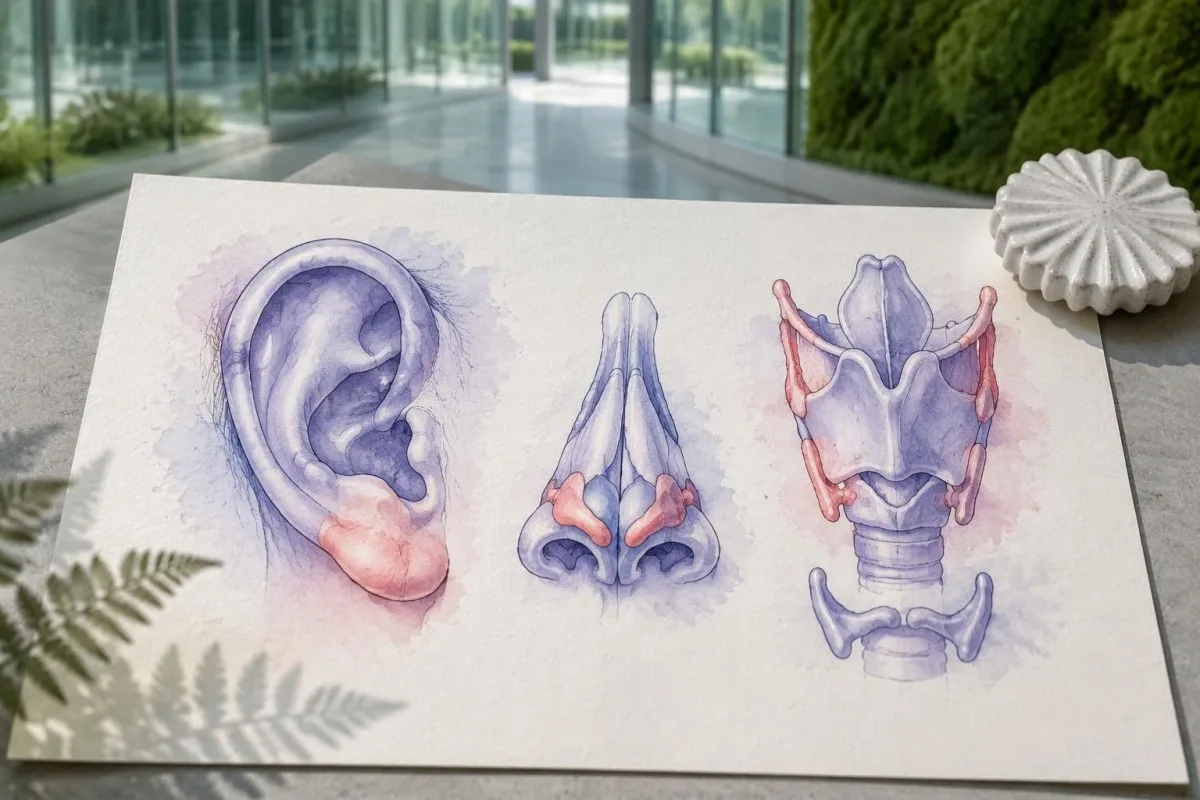
التهاب غضروف الأذن كيمس غالباً الجزء العلوي القاصح من الأذن وكيخلي شحمة الأذن اللينة، اللي ما فيهاش غضروف. هاد الفرق التشريحي يقدر يعاون فوصف النوبة بدقة، ولكن حتى أذن حمرا وحدة خاصها تقييم لأسباب أكثر شيوعاً بحال التهاب موضعي، إصابة ولا التهاب الجلد.
علامات الجلد تقدر تشمل مناطق بارزة ومؤلمة، أو لويحات، أو تغيرات بنفسجية؛ والمظهر بوحدو ما يقدرش يحدد السبب. فحص الأنسجة يقدر يعاون فالتمييز بين التهاب الجلد العدلي، والتهاب الأوعية الدموية، وعمليات أخرى، بينما صور جوج نوبات مختلفين ما تعالجووش تقدر تعاون الأخصائي يتعرف على نمط متكرر.
Inflammatory attacks can resemble established rheumatological conditions, including relapsing polychondritis or polymyalgia rheumatica. Our explanation of PMR laboratory limitations describes why inflammatory markers are not disease-specific; persistent macrocytosis above 100 fL or falling platelets should prompt a broader assessment rather than automatic acceptance of the first label.
New hoarseness, noisy breathing or difficulty breathing needs urgent assessment because airway cartilage can be involved. A useful symptom record includes 3 details for each episode: the affected site, its duration and whether fever or a medication change accompanied it; do not wait for another flare if breathing is affected.
شنو هو نمط تحاليل الدم اللي يقدر يخلّي الطبيب يشك فمتلازمة VEXAS؟
فقر الدم كبير الكريات (Macrocytic anemia), sometimes accompanied by low platelets or other cytopenias, is a major laboratory clue to VEXAS. Adult MCV is commonly about 80–100 fL, but neither an MCV above 100 fL nor an elevated CRP result can confirm the condition.
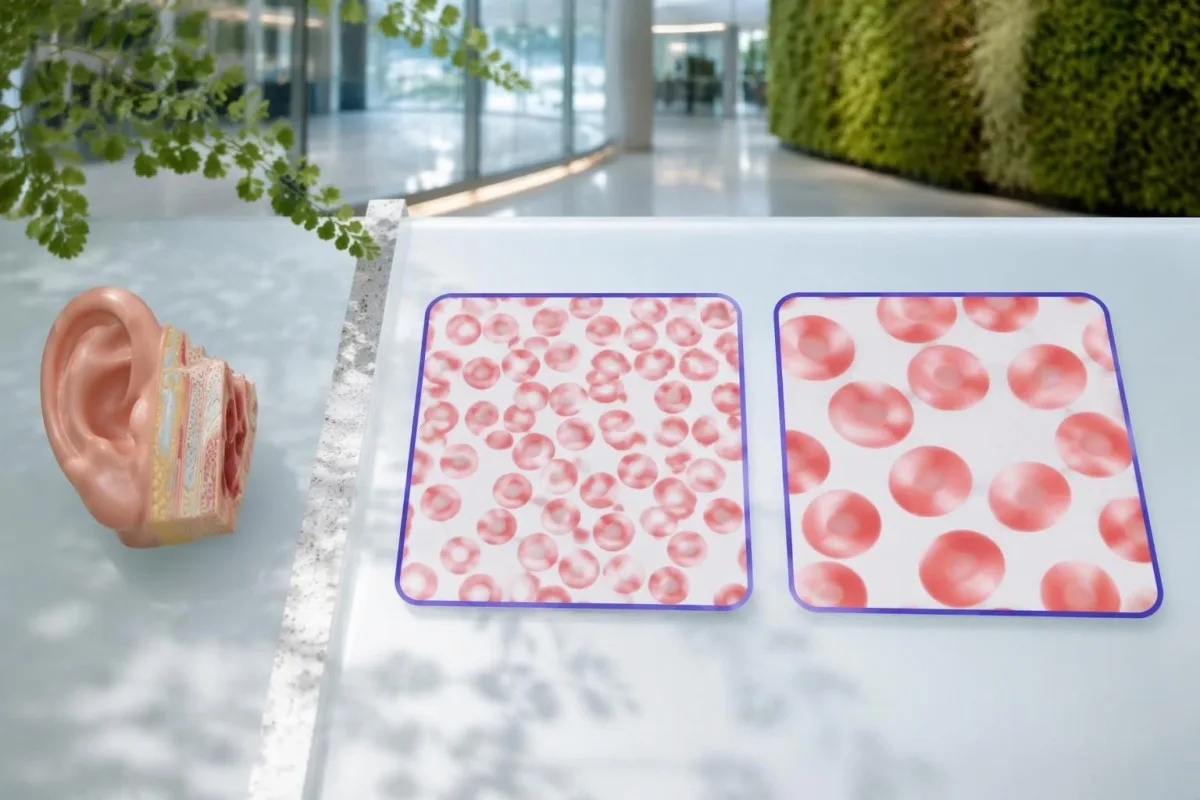
Hemoglobin measures anemia, while MCV measures average red-cell size; the 2 results answer different questions. An MCV of 108 fL with hemoglobin of 10.2 g/dL deserves a different assessment from an isolated MCV of 101 fL with stable hemoglobin, particularly when inflammatory symptoms are also present.
Many laboratories use a platelet reference interval of approximately 150–450 × 10^9/L. A falling platelet count can matter before it crosses the lower limit, and our borderline MCV explanation shows why persistent trends are often more useful than treating one near-boundary number as a diagnosis.
CRP is often markedly elevated during active VEXAS, but infection and many other inflammatory disorders can produce the same result. A hypothetical CRP of 80 mg/L is 16 times an upper limit of 5 mg/L; that comparison describes inflammatory intensity, not the probability of a UBA1 mutation.
RDW describes variation in red-cell size and can help explain a mixed CBC pattern, but it is not a VEXAS-specific biomarker. Our RDW وMCV explains how 2 overlapping processes, such as iron deficiency and macrocytosis, can produce a deceptively ordinary average MCV.
| المستوى | النطاق | شنو كتعني |
|---|---|---|
| Typical adult MCV interval | 80–100 fL | Use the reporting laboratory's interval; an in-range result does not exclude early or masked macrocytosis. |
| Macrocytosis | >100 fL | Investigate nutritional, medication, liver, thyroid and marrow causes; this is not a VEXAS diagnostic threshold. |
| نقص الصفائح الدموية | <150 × 10^9/L | Low platelets can support concern when combined with persistent inflammation and unexplained anemia. |
| CRP above the laboratory limit | Often >5 mg/L; some laboratories use >10 mg/L | Indicates an inflammatory response without identifying its cause. |
علاش تحاليل المناعة الذاتية الروتينية ما كتأكدش VEXAS؟
Routine autoimmune panels cannot confirm VEXAS syndrome because they measure antibodies or related immune markers, not acquired UBA1 mutations. ANA, rheumatoid factor, ANCA and complement results may help assess alternative or overlapping conditions, but no combination substitutes for appropriate molecular testing.
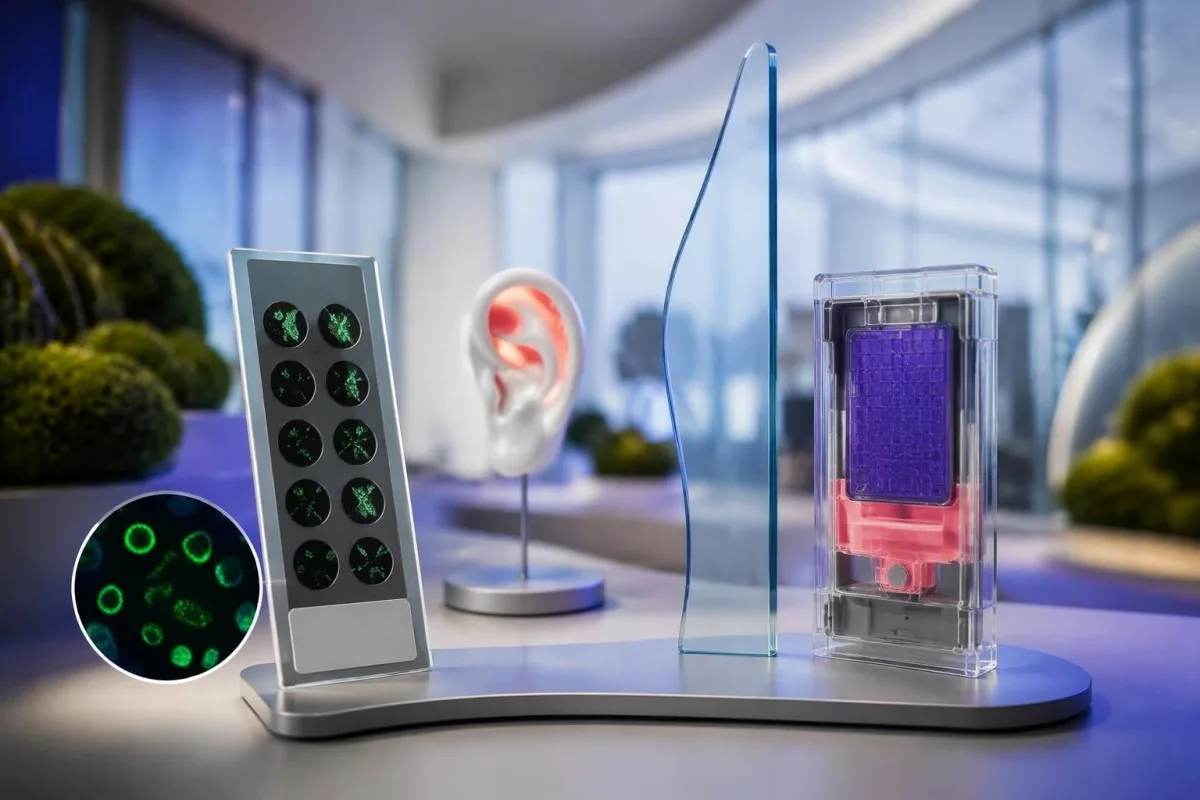
ANA testing detects antibodies directed against nuclear components; it does not read the UBA1 gene. A positive ANA at 1:160 may deserve interpretation in its own clinical context, while a negative ANA does not make unexplained fever, chondritis and macrocytic anemia safe to dismiss.
Repeating several antibody panels can create incidental positives without resolving the central question. Our ANA result explanation describes why 1 positive result is not equivalent to a disease diagnosis; the same caution applies when an antibody is found during a suspected VEXAS evaluation.
Complement testing can be useful when clinicians suspect an immune-complex disorder, but normal C3 and C4 cannot exclude VEXAS. The complement and antibody guide explains these 2 proteins; their biological role differs from the acquired enzyme dysfunction caused by a disease-associated UBA1 variant.
Autoinflammatory and autoimmune are related but not interchangeable descriptions: VEXAS is driven principally by abnormal innate immune activity associated with mutated blood-forming cells. Clinicians may still order 2 types of investigation in parallel—antibody testing for alternatives and molecular testing for VEXAS—because another diagnosis can coexist rather than disappear.
شنو هي الأسباب الأخرى اللي خاص التحقق منها قبل ما ننسبو الحالة لـ VEXAS؟
Vitamin B12 or folate deficiency, medication effects, alcohol use, liver disease, hypothyroidism and marrow disorders can cause macrocytosis. An MCV above 100 fL should trigger evaluation of these possibilities, while recurrent chondritis or unexplained inflammatory attacks may justify investigating VEXAS at the same time.
Vitamin B12 and folate results need interpretation alongside symptoms, treatment history and the CBC. A borderline B12 result may require additional assessment rather than immediate attribution of an MCV of 107 fL to VEXAS; our B12 versus folate explanation also explains why folate treatment can obscure part of a B12 deficiency picture.
Copper deficiency can cause cytopenias and vacuolated marrow precursors, making it an especially relevant mimic. Reviewing high-dose zinc supplements is therefore useful, and our دليل تقييم نقص النحاس explains why 2 supplement ingredients—zinc and copper—may matter even when a product is marketed for general immune support.
Myelodysplastic syndrome can cause macrocytic anemia and may coexist with VEXAS rather than simply compete with it as an explanation. Our MDS confirmation guide distinguishes CBC clues from marrow evidence; 1 abnormal count cannot establish either diagnosis or determine whether both are present.
Medication and infection reviews are essential because treatment can change the very numbers being investigated. For example, glucocorticoids may increase neutrophils while lowering CRP, and a recent transfusion can alter MCV; bring the dates of these events, not just 2 laboratory reports that appear to disagree.
كيفاش كيساعد فحص UBA1 الجسدي فتشخيص VEXAS؟
VEXAS syndrome diagnosis is established by a disease-associated somatic UBA1 variant in a compatible clinical setting. Peripheral blood is commonly used for testing, while marrow or a more sensitive method may be appropriate after an inconclusive result; many recognized variants affect methionine at position 41.
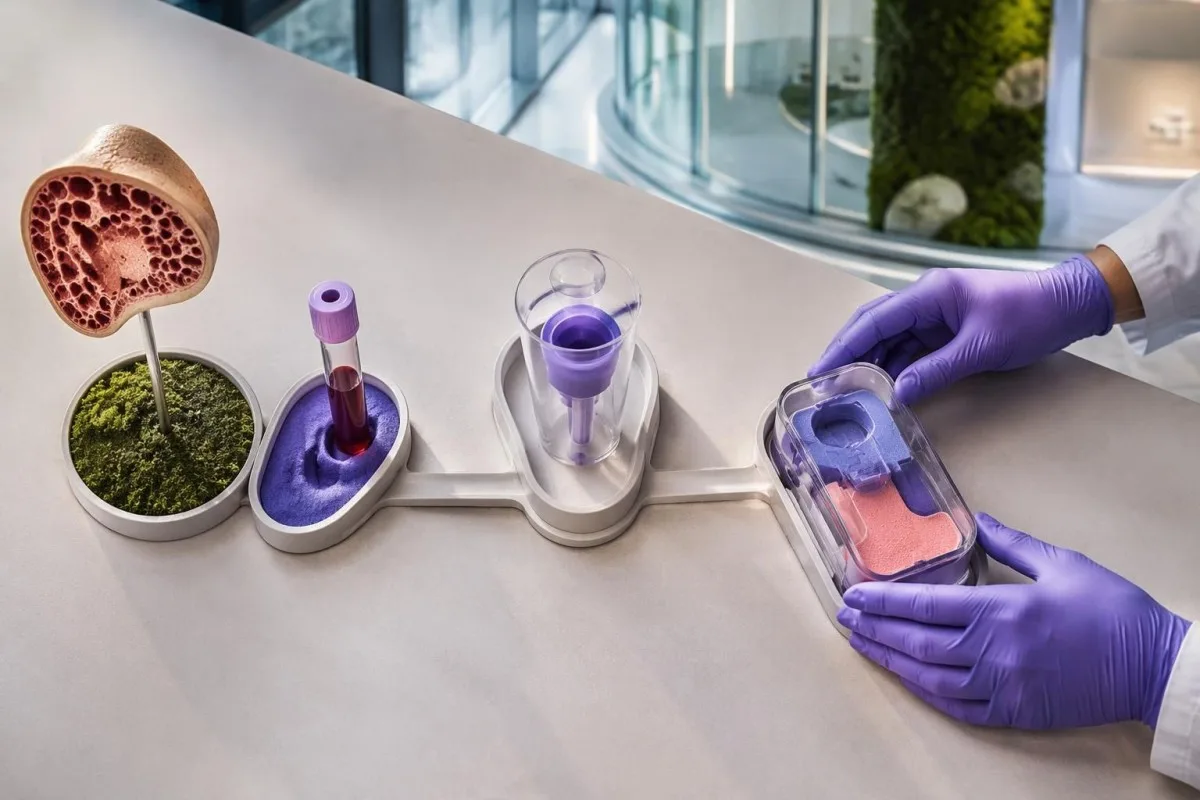
The request should specify suspected VEXAS and testing for somatic UBA1 variants rather than a general hereditary disease panel. These are 2 different diagnostic tasks: an inherited-risk assay may not include the relevant gene regions, cell source or detection sensitivity needed to identify an acquired clone.
Beck et al. linked UBA1 variants to altered ubiquitin-activating enzyme function in their 2020 New England Journal of Medicine report. Position 41 is a major hotspot, but a hotspot-only test is not equivalent to comprehensive relevant UBA1 analysis, because disease-associated noncanonical variants have also been described.
A negative result needs the laboratory method attached to it before its meaning is clear. An assay validated to detect a 5% variant allele fraction may miss a smaller clone; ask which regions were covered, the reported detection limit and whether the sample was suitable for somatic testing.
كانتيستي هو منصة تفسير تحليل الدم ديال AI that can help explain accompanying CBC and inflammatory-marker results, but it cannot infer a UBA1 sequence from 1 routine report. Our شرح تقنية الذكاء الاصطناعي describes report interpretation; molecular diagnosis still requires an accredited laboratory and specialist interpretation.
كيفاش تقرا تقرير طفرة UBA1؟
A UBA1 report should state the variant, classification, sample type and testing limitations, often including variant allele fraction. A pathogenic or likely pathogenic disease-associated variant can support VEXAS, but a variant of uncertain significance is not diagnostic, and a 10% allele fraction is not a 10% severity score.
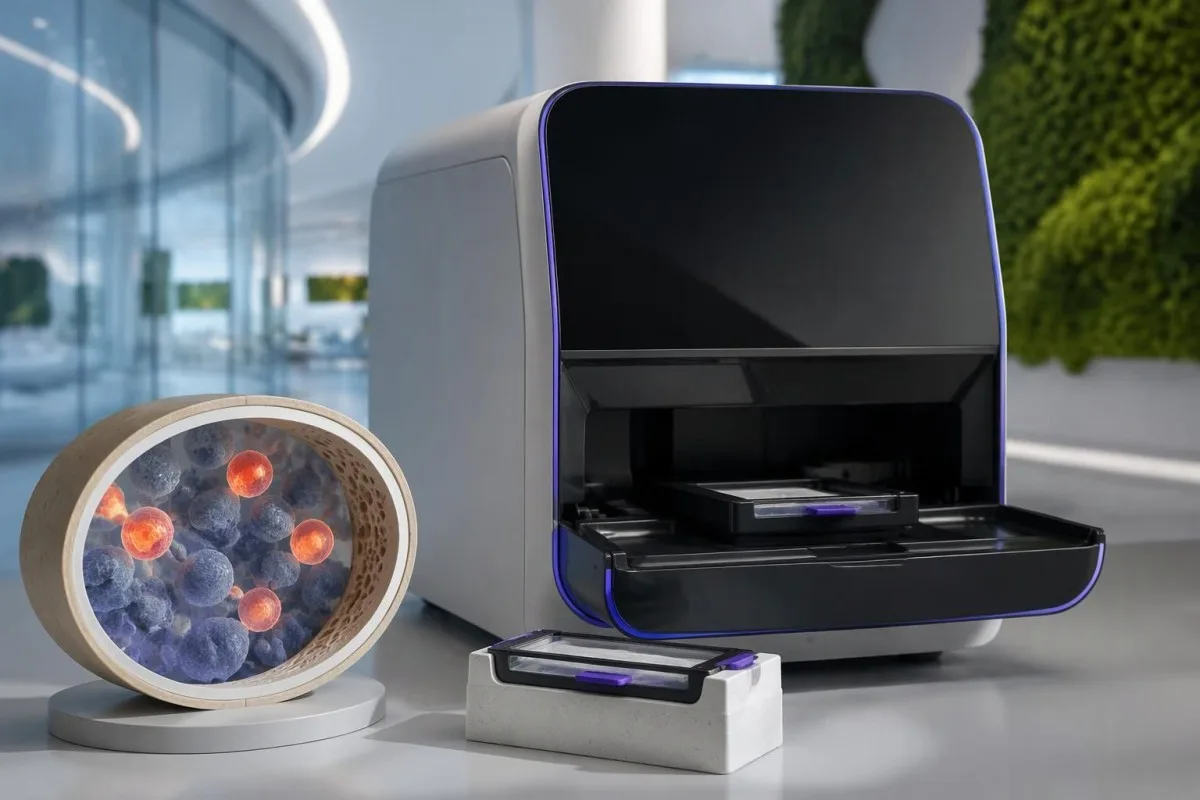
Variant allele fraction is the proportion of analyzed sequence reads carrying a particular change at that location. In a simple 1-X-chromosome model it may approximate the proportion of affected sampled cells, but cell mixtures, chromosome changes and laboratory methods complicate that estimate; it does not directly measure organ damage.
A hypothetical report showing a recognized disease-associated variant at 12% allele fraction may be meaningful even though most reads are unchanged. By contrast, a novel uncertain variant at 40% still requires expert assessment, because abundance cannot turn an unproven genetic finding into an established cause of symptoms.
Different clonal disorders require different molecular or cellular tests, even when anemia and thrombosis overlap. Our PNH clone testing guide explains a separate disorder assessed by flow cytometry; 1 negative PNH test does not evaluate UBA1, and a UBA1 result does not replace PNH testing when indicated.
Kantesti cannot determine whether an uncertain UBA1 finding is disease-causing simply by matching it to an elevated CRP of 70 mg/L. Ask the specialist whether additional sequencing, another specimen or formal variant review is needed, and keep the complete report rather than a screenshot containing only the word positive.
واش الفجوات فالنخاع العظمي كافية لتشخيص VEXAS؟
Bone marrow vacuoles are a clue, not proof of VEXAS syndrome. Vacuoles may appear in early myeloid and erythroid precursors, but they are neither completely specific nor universally present; an adult with an MCV above 100 fL still needs the broader clinical and molecular assessment.
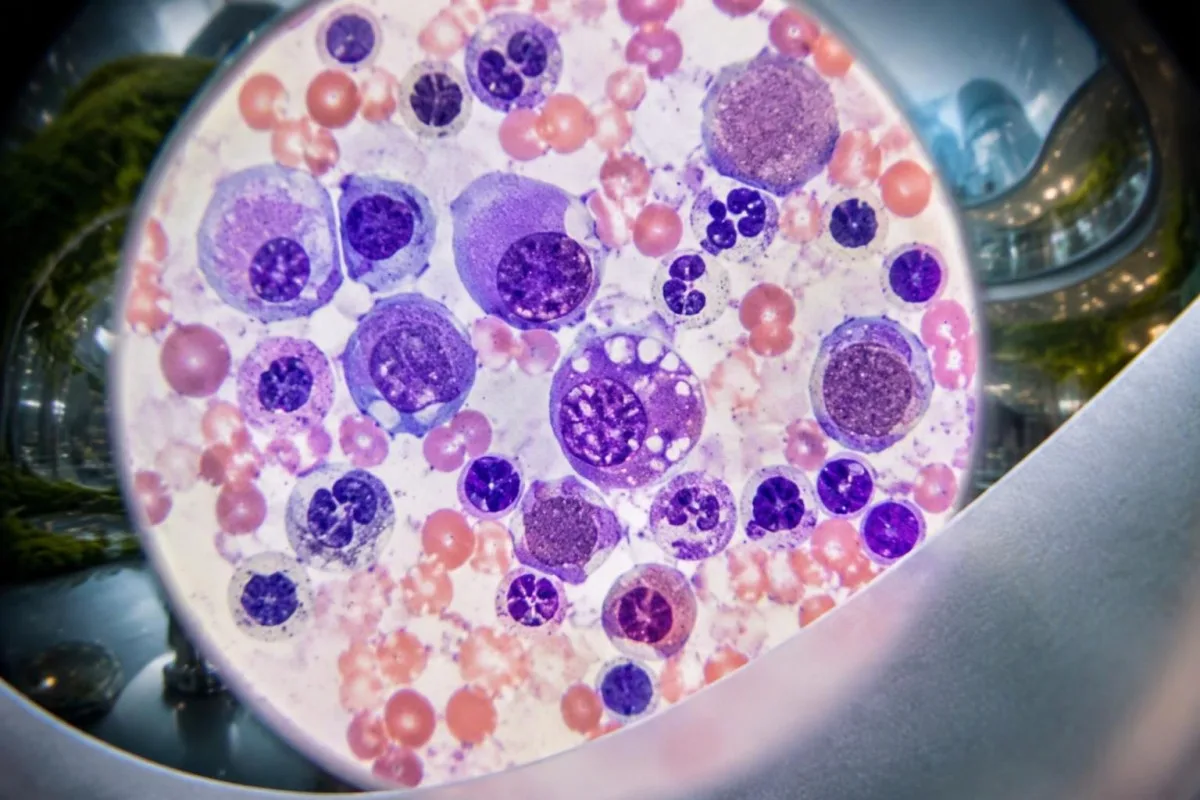
Vacuoles are small clear spaces visible within cells under microscopy, not holes that a patient can see on an ordinary CBC. Their absence on 1 marrow examination does not automatically exclude VEXAS, particularly when specimen quality, disease stage or the specific UBA1 variant affects the appearance.
Copper deficiency, alcohol-related effects and other conditions can produce vacuolated precursors. That overlap is why 2 complementary investigations may be needed: laboratory assessment for reversible mimics and somatic UBA1 testing, rather than treating a descriptive pathology finding as the final diagnosis.
Marrow examination also assesses cellularity, dysplasia and other abnormalities that may influence treatment decisions. Our explanation of teardrop cells and marrow clues describes a different microscopy finding; neither teardrop cells nor vacuoles can independently explain a platelet count of 95 × 10^9/L.
A marrow procedure is not automatically necessary for every isolated MCV of 102 fL, and a positive molecular result may already establish VEXAS in the right context. Hematology decides whether marrow assessment is needed to investigate persistent cytopenias, suspected MDS or another process that would change management.
فوقاش كيكون التقييم عند اختصاصي الروماتيزم ولا أمراض الدم مناسب؟
Specialist assessment is appropriate when recurrent unexplained inflammation accompanies macrocytic anemia, falling platelets or other persistent cytopenias. Suspicion is higher after age 50, especially with chondritis, inflammatory skin findings or lung involvement; rheumatology and hematology often need to evaluate the pattern together.
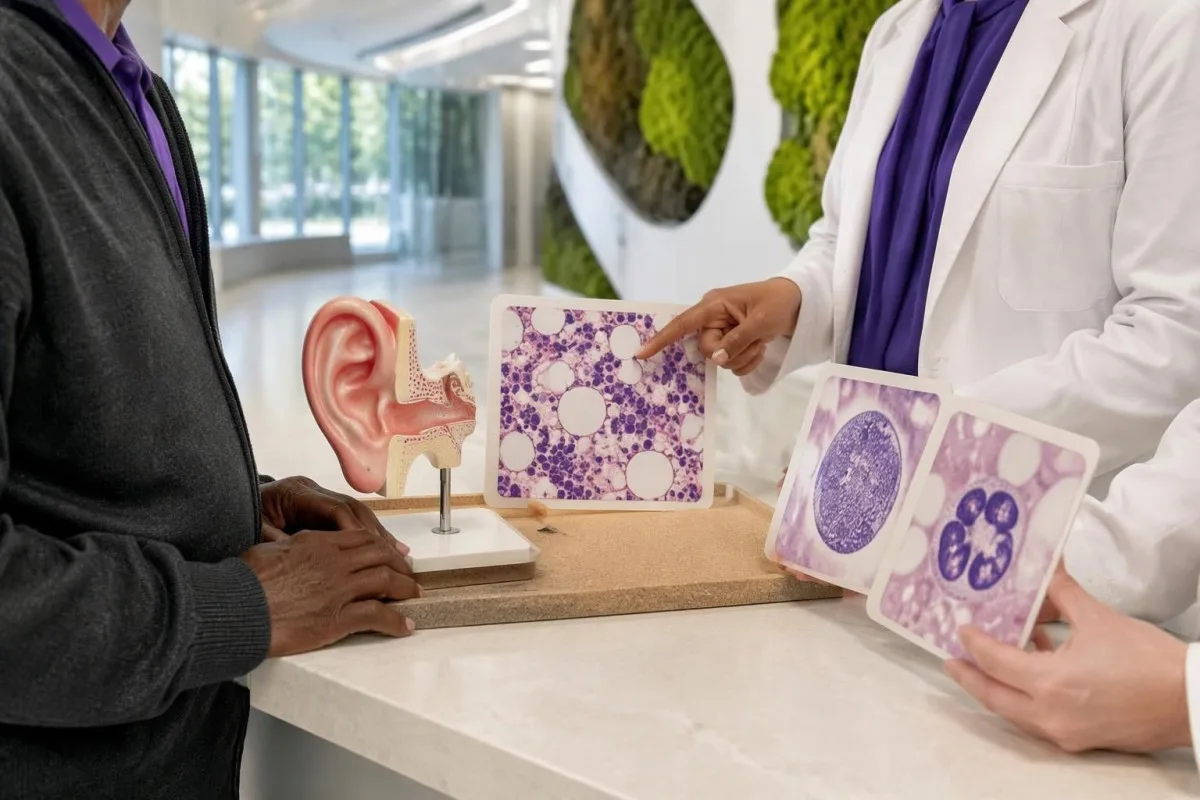
There is no universal CRP level, age boundary or number of attacks that automatically mandates UBA1 testing. A person aged 68 with recurrent ear chondritis and unexplained anemia has a different pretest probability from a person aged 28 with 1 viral fever and an otherwise stable CBC.
Steroid-responsive inflammation that repeatedly returns during dose reduction deserves reassessment, particularly when blood counts remain abnormal. Improvement over 2 days may show that symptoms are inflammatory, but it does not distinguish VEXAS from several other disorders and should not become the only justification for ongoing treatment.
Unexplained pain needs a broader workup when it accompanies constitutional symptoms or changing counts. Our دليل اختبار الألم غير المبرر explains why inflammatory markers are only part of that workup; an MCV above 100 fL adds a marrow-related question that a pain score cannot answer.
A referral should highlight 3 elements: documented inflammatory episodes, the CBC trend and the results of common-cause investigations. If symptoms are progressing rapidly, new organs are involved or transfusions are being considered, ask the referring clinician whether the appointment needs to be expedited rather than waiting for another routine repeat test.
مثال تطبيقي: انتفاخ متكرر فالودن وتغيّر فـ CBC
A hypothetical combination of recurrent chondritis, macrocytic anemia and low platelets warrants specialist evaluation, not an AI-generated diagnosis. Consider a 68-year-old man with hemoglobin 10.2 g/dL, MCV 108 fL, platelets 112 × 10^9/L and CRP 86 mg/L during a third episode of upper-ear swelling.
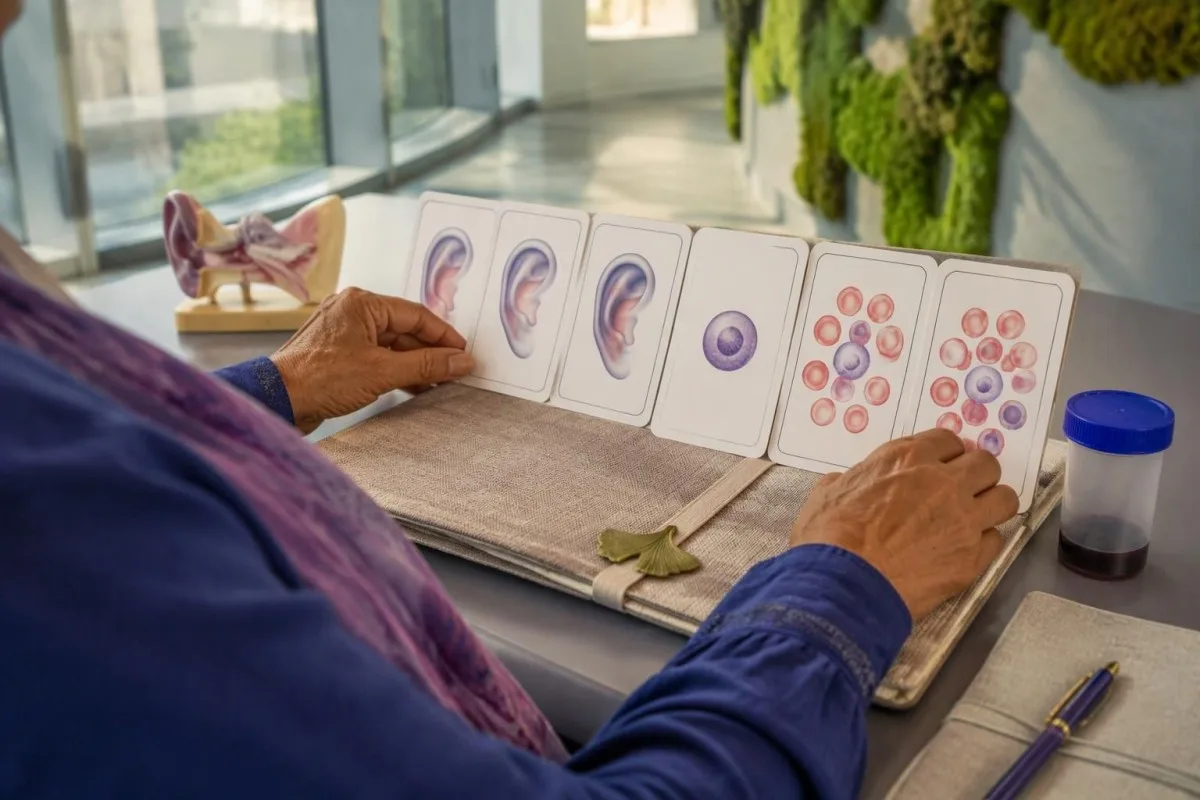
The first reasoning step is to separate symptom severity from diagnostic specificity: CRP of 86 mg/L confirms a substantial inflammatory response but does not identify its cause. The MCV of 108 fL and platelet count of 112 × 10^9/L add evidence that blood-cell production also needs investigation.
Suppose the person's B12, folate and thyroid assessments do not reveal an explanation, and medication, alcohol and liver reviews are unrevealing. A negative ANA would not close the case; the combination of 3 inflammatory episodes and persistent unexplained cytopenias would justify discussing somatic UBA1 testing with hematology and rheumatology.
Now suppose CRP falls to 12 mg/L after prescribed glucocorticoids, but hemoglobin falls to 9.8 g/dL. Those 2 trends are not contradictory: inflammatory activity may improve while marrow dysfunction or another anemia mechanism persists, so treatment response cannot be used as a substitute for investigating the falling hemoglobin.
Kantesti can help explain why those 2 trends deserve separate attention, but cannot establish VEXAS or choose immunosuppressive treatment. Our لتحليل اتجاهات الأدوية explains why dose changes, transfusions and intercurrent illness should be recorded beside each result; the example here is entirely hypothetical.
كيفاش كيعالجو المختصين متلازمة VEXAS المؤكدة؟
VEXAS treatment aims to control inflammation, manage cytopenias and reduce treatment-related harm. Glucocorticoids often suppress symptoms but may be difficult to taper; other options include selected immunomodulators, marrow-directed treatment and allogeneic stem-cell transplantation, with no single regimen appropriate for every adult over 50.
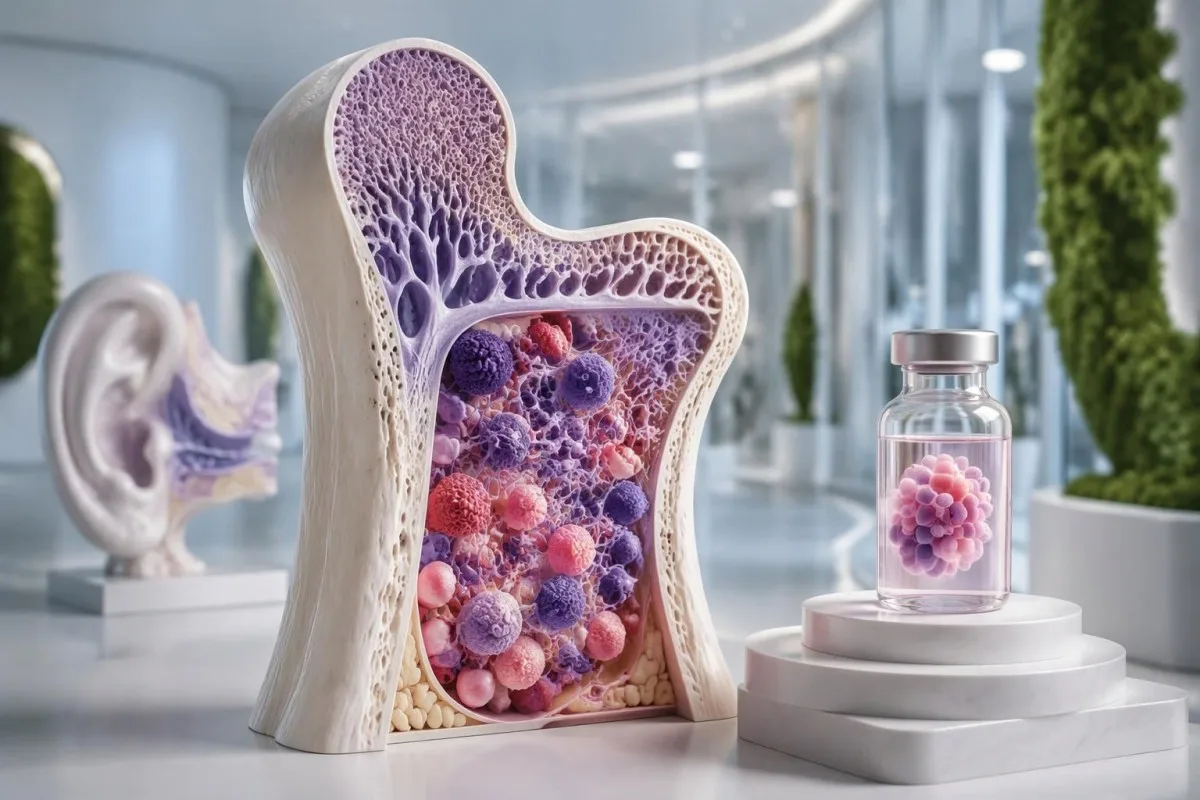
A falling CRP does not by itself establish treatment success if anemia, thrombosis or lung disease is worsening. Specialists follow at least 2 dimensions—clinical inflammatory activity and hematological status—and weigh these against cumulative glucocorticoid exposure, because prolonged treatment can cause infections, diabetes, osteoporosis and muscle weakness.
JAK inhibitors and IL-6-directed therapy are among approaches used by specialists, while azacitidine may be considered in selected patients, particularly with associated marrow disease. Evidence and access vary, and much published experience is observational; a response lasting 6 months in one cohort does not reliably predict an individual's longer-term benefit.
Allogeneic stem-cell transplantation can potentially eliminate the abnormal blood-forming clone and produce sustained remission in selected patients. It also carries substantial risks, including graft-versus-host disease and serious infection, so 2 people of the same age may receive different recommendations because fitness, organ involvement and donor availability differ.
Infection prevention deserves planning before immunosuppression, not only after fever develops. Depending on exposures and the proposed regimen, clinicians may consider screening or prevention measures described in our Strongyloides testing explanation; even 1 relevant past exposure can matter before corticosteroids, and prescribed steroids should never be stopped abruptly without guidance.
شنو الأعراض اللي كتحتاج رعاية مستعجلة ولا مستعجلات؟
New breathing difficulty, chest pain, airway symptoms, neurological deficits or significant bleeding require urgent assessment in someone with suspected or confirmed VEXAS. Fever of 38°C or higher during substantial immunosuppression also needs prompt clinical advice, particularly when neutrophils are low.
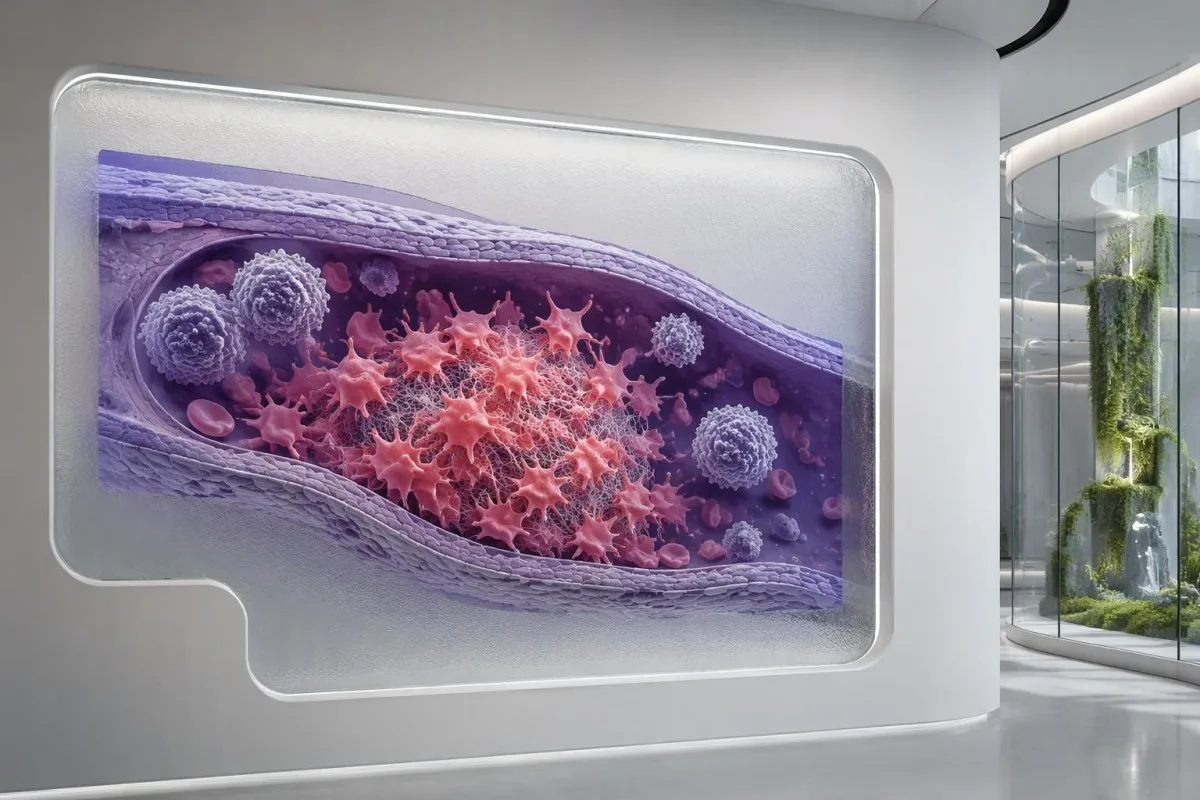
VEXAS is associated with venous thrombosis, so a painful swollen leg or sudden breathlessness should not be dismissed as another inflammatory flare. Normal routine clotting times do not exclude a clot; our محدودية لوحة اختبارات التخثر explain why 2 normal tests, PT and aPTT, cannot provide that reassurance.
An absolute neutrophil count below 0.5 × 10^9/L represents severe neutropenia and increases concern when fever occurs. Treatment can also blunt the temperature response, so feeling acutely unwell with shaking chills, confusion or rapidly worsening weakness can require urgent assessment even when a thermometer reads below 38°C.
Breathlessness can reflect lung inflammation, infection, pulmonary embolism or worsening anemia, and these require different treatments. Our breathlessness blood test guide explains why hemoglobin of 8 g/dL may contribute without proving the entire cause; new chest pain or sudden breathing difficulty should not wait for an uploaded report.
Persistent nose or gum bleeding, black stools or a severe new headache needs urgent advice, especially if platelets are very low. A count below 20 × 10^9/L generally warrants prompt clinical review, but the urgency depends on symptoms and context; significant bleeding is an emergency even above that number.
المتابعة، حدود الذكاء الاصطناعي والمنشورات البحثية
Useful VEXAS follow-up combines symptoms, treatment history, CBC trends and inflammatory markers, with molecular and marrow findings interpreted by specialists. An AI explanation of 1 laboratory report can support preparation for care, but it cannot diagnose VEXAS, exclude infection or establish whether a UBA1 variant is pathogenic.

Bring original CBC reports, inflammatory markers and the complete UBA1 result, including specimen type and detection limit. Record 3 timeline features beside them: flare dates, medication changes and transfusions; this makes it easier to distinguish a true disease trend from a treatment effect or a change in testing conditions.
كانتيستي هو أداة تحليل ديال تحاليل الدم مدعومة بالذكاء الاصطناعي that can explain laboratory patterns without converting an MCV above 100 fL into a rare-disease diagnosis. Genetic reports can reveal sensitive information, so review our معلومات الخصوصية والبيانات before sharing records, and include only documents you are authorized to upload.
Kantesti's 2 DOI-linked publications below concern broader blood-test interpretation and RDW education, not clinical trials of VEXAS diagnosis or UBA1 sequencing. They should therefore be read separately from the disease-specific medical studies listed in the external references; neither publication establishes VEXAS-specific diagnostic sensitivity or treatment effectiveness.
ملكنا منهجية ومعايير سريرية explain the distinction between report interpretation and medical diagnosis. Before the next appointment, write 2 questions: whether the laboratory method adequately assessed somatic UBA1 variants, and whether persistent cytopenias need marrow evaluation; these are more actionable than asking an AI to calculate an unsupported VEXAS probability.
أسئلة متكررة
شنو هما الأعراض اللولين ديال متلازمة VEXAS؟
0 متلازمة VEXAS كتبدأ غالباً بسخانة كتعاود بلا سبب واضح، وتغيّرات التهابية فالجلد، والعياء، أو تورّم الغضروف ديال الودن ولا النيف، وعادةً من بعد سنّ 50 عام. يقدر يبان فقر الدم كبير الكريات أو اختلالات أخرى فتعداد الدم قبل هاد الأعراض، معاها ولا من بعدها. إلا كان MCV عند البالغ كيتجاوز تقريباً 100 fL، فهاد الشي علامة كتستاهل الانتباه، ماشي تشخيص. إلا تكررات الأعراض الالتهابية مع نقص مستمر وغير مفسّر فخلايا الدم، خاص مناقشة تقييم عند اختصاصي الروماتيزم وأمراض الدم.
0 شنو هو الفحص اللي كيأكد متلازمة VEXAS؟
كيتشخّص متلازمة VEXAS بتحديد تغيّر جسدي مكتسب فـ UBA1 مرتبط بالمرض، فإطار سريري متوافق. غالباً كيتدار الاختبار باستعمال الدم المحيطي، ولكن فبعض الحالات ممكن تكون الحاجة لفحص النخاع أو لتحليل أكثر حساسية. بزاف من التغيّرات المعروفة كتمسّ الميثيونين فالموضع 41، ولكن الفحص المحدود للبؤر الساخنة يقدر مايكشفش تغيّرات أخرى مرتبطة بالمرض. خاص تفسير التقرير ياخذ بعين الاعتبار تصنيف التغيّر، والتغطية الجينية، وحدّ الكشف.
واش تحليل ANA عادي ولا تحاليل المناعة الذاتية كيستبعدو VEXAS؟
0 تحليل ANA طبيعي ولا لوحة التحاليل المناعية الذاتية الروتينية ما يقدروش ينفيو متلازمة VEXAS، حيث هاد الفحوصات ما كيكشفوش طفرات UBA1 الجسدية. وحتى ANA إيجابي بنسبة 1:160 ما كيأكدش VEXAS وما كيثبتش بالضرورة وجود مرض مناعي ذاتي آخر. تحاليل الأجسام المضادة تقدر تعاون فالبحث على احتمالات أخرى، بينما أنماط CBC والأعراض والتحاليل الجزيئية كيجاوبو على أسئلة مختلفة. ما خاصش نتجاهلو فقر الدم كبير الكريات المستمر والتهاب الغضاريف اللي كيتعاود، غير حيث تحاليل الأجسام المضادة سلبية.
واش متلازمة VEXAS وراثية، وواش خاص وليداتي يديرو التحاليل؟
0 المتلازمة النموذجية ديال VEXAS مكتسبة وماشي مورّثة، وداكشي علاش الفحوصات الروتينية عند الأطفال ما كتكونش مطلوبة غالباً. طفرة UBA1 المعنية كتظهر عادةً فخلايا تكوين الدم خلال مرحلة البلوغ، وغالباً كتظهر الأعراض من بعد سنّ 50 عام. رغم أن UBA1 كاين فالكروموسوم X، هادشي ما كيعنيش أن متغيّر VEXAS الجسدي كينتاقل بالضرورة. خاص اختصاصي فالوراثة السريرية يراجع النتائج غير المعتادة أو اللي ممكن تكون دستورية.
واش تقدر العيالات يطوّرو متلازمة VEXAS؟
0 النساء يقدرو يطوّرو متلازمة VEXAS، رغم أن أغلب الحالات المعروفة كتوقع عند الرجال الكبار فالسن. الجين UBA1 كاين فالكروموسوم X، وفقدان كروموسوم X واحد فالخلايا المتأثرة هو واحد من الآليات اللي تبلّغ عليها عند النساء. دراسة ديال النظام الصحي نشرتها JAMA فـ2023 لقات جوج نساء من بين 11 مشارك عندهم متغيرات UBA1 مرتبطة بالمرض. الجنس بوحدو ما خاصوش يمنع التقييم من طرف اختصاصي ملي يكون الالتهاب المتكرر واضطرابات تعداد الدم اللي ما معروفش سببها مؤشرات قوية على المرض.
0 واش النتيجة السلبية ديال تحليل UBA1 كتستبعد متلازمة VEXAS؟
اختبار UBA1 السلبي كيقلّل من احتمال VEXAS غير على قدّ ما كانت العيّنة وطريقة التحليل مناسبتين. التحليل اللي كيكشف نسبة الأليلات المتحوّرة ابتداءً من 5% يقدر ما يكشفش عن نسيلة أصغر، والتحليل اللي كيركّز غير على النقاط الساخنة يقدر يفوّت المتحوّرات اللي كاينة خارج المنطقة اللي كيغطيها. إلا كان الشك السريري قوي، ممكن يكون مبرّر طلب مراجعة متخصصة للتغطية والحساسية ونوع العيّنة. والنتيجة السلبية اللي تحصّلات بتحليل سليم خاصها حتى هي تدفع لإعادة تقييم التشخيصات البديلة بعناية، ماشي لتكرار التحليل بلا سبب واضح.
0 واش كاين شي علاج شافي لمتلازمة VEXAS؟
زرع الخلايا الجذعية من متبرّع يقدر يحقق هدوء مستمر للحالة، بتعويض النسيلة غير الطبيعية اللي كتكوّن الدم، ولكن كيناسب غير بعض المرضى وكيحمل مخاطر كبيرة. علاجات أخرى كتهدف للتحكم فالالتهاب، وتدبير نقص خلايا الدم، وتقليل التعرض للغلوكوكورتيكويدات، بدل ما تقضي بشكل موثوق على النسيلة. بالنسبة للبالغين اللي فوق 50 عام، اللياقة البدنية، وإصابة الأعضاء، وأمراض نخاع العظم المصاحبة يقدرو يأثرو بزاف على اختيار العلاج. ما كاين حتى مكمّل غذائي، ولا نظام غذائي، ولا تفسير لتحاليل الدم بالذكاء الاصطناعي تبتات أنه كيعالج VEXAS.
خذ شرح لنتائج تحليل الدم ديالك
حمّل تقرير التحاليل ديالك، وكيشرح AI ديال Kantesti كل مؤشر حيوي بلغة بسيطة فثواني. كايستعملوه أكثر من 2 مليون شخص فالعالم.
مراجع
- كلاين، ت.، ميتشل، س.، و ويبر، هـ. (2026). محلل تحليل الدم بالذكاء الاصطناعي: 2.5M اختبارات محللة | تقرير الصحة العالمية 2026. الأبحاث الطبية ديال Kantesti AI. DOI
- كلاين، ت.، ميتشل، س.، و ويبر، هـ. (2026). تحليل RDW فالدم: دليل شامل على RDW-CV وMCV وMCHC. الأبحاث الطبية ديال Kantesti AI. DOI
- Beck DB et al. (2020). Somatic Mutations in UBA1 and Severe Adult-Onset Autoinflammatory Disease. مجلة نيو إنغلاند الطبية. DOI
- Beck DB et al. (2023). Estimated Prevalence and Clinical Manifestations of VEXAS Syndrome in a Large US Health Care System. JAMA. DOI
- 2 مليون+الاختبارات المُحلَّلة
- 127+بلدان
- 100+اللغات
نبذة عن الفريق الطبي


إشارات الثقة E-E-A-T
خبرة
مراجعة سريرية يقودها الأطباء لسير عمل تفسير التحاليل.
خبرة
تركيز طب المختبر على كيفية سلوك الـ biomarkers في السياق السريري.
السلطة
راجعها طبياً الدكتور Thomas Klein، بمساهمات من الدكتورة Sarah Mitchell والأستاذ الدكتور Hans Weber.
الجدارة بالثقة
تفسير قائم على الأدلة مع مسارات متابعة واضحة لتقليل الإنذار.





إخلاء المسؤولية الطبية
هذه المقالة لأغراض تعليمية فقط ولا تشكل نصيحة طبية. استشر دائمًا مقدم رعاية صحية مؤهلًا لاتخاذ قرارات التشخيص والعلاج.
نُشر · تواصل مع فريق التحرير
منشور من طرف Kantesti Ltd، مسجل في إنجلترا وويلز، رقم الشركة. 17090423, ، لندن، المملكة المتحدة.
