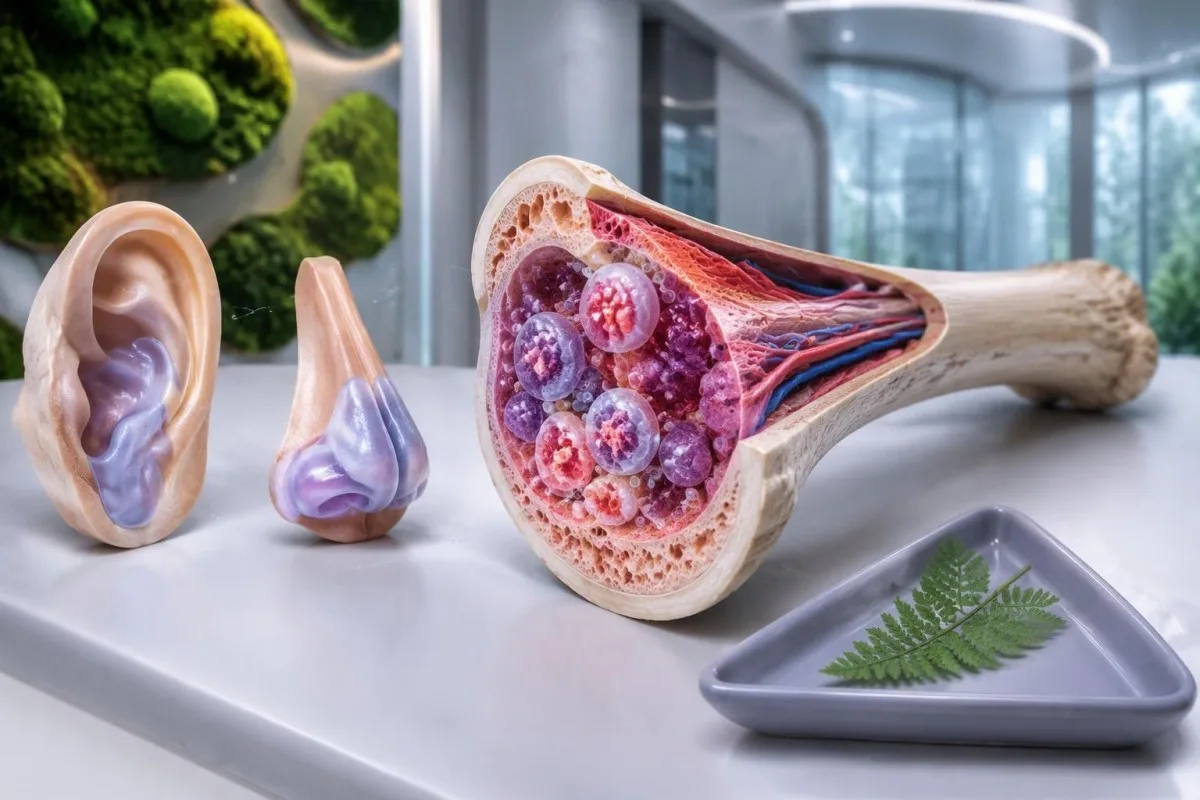
രക്തകോശങ്ങൾ രൂപപ്പെടുന്ന കോശങ്ങളിലെ സോമാറ്റിക് UBA1 മ്യൂട്ടേഷനുകൾ മൂലമുണ്ടാകുന്ന, പിന്നീട് ഉണ്ടാകുന്ന ഒരു കോശജ്വലനാവസ്ഥയാണ് VEXAS സിൻഡ്രോം. ആവർത്തിച്ചുള്ള പനി, ചെവിയിലെയോ മൂക്കിലെയോ തരുണാസ്ഥിയിലെ വീക്കം, കാരണം വ്യക്തമല്ലാത്ത മാക്രോസൈറ്റിക് അനീമിയ എന്നിവയുണ്ടെങ്കിൽ വിദഗ്ധ വിലയിരുത്തൽ തേടണം; രോഗനിർണയത്തിന് അനുയോജ്യമായ ജനിതക പരിശോധന ആവശ്യമാണ്, പതിവ് ഓട്ടോഇമ്യൂൺ പാനൽ മതിയാകില്ല.

പ്രധാന കാര്യങ്ങൾ
- VEXAS സിൻഡ്രോം സാധാരണയായി 50 വയസ്സിന് ശേഷമാണ് തുടങ്ങുന്നത്; വ്യവസ്ഥാപരമായ വീക്കവും രക്തകോശങ്ങൾ രൂപപ്പെടുന്ന കോശങ്ങളിലെ അസാധാരണതകളും ഇതിന്റെ സവിശേഷതകളാണ്.
- തരുണാസ്ഥിയിലെ വീക്കം ചെവികളെയോ മൂക്കിനെയോ ശ്വാസപഥത്തെയോ ബാധിക്കാം; ചെവിയിലെ തരുണാസ്ഥിവീക്കം മൃദുവായ ചെവിത്തുമ്പിനെ സാധാരണയായി ബാധിക്കാറില്ല.
- മാക്രോസൈറ്റോസിസ് മുതിർന്നവരിൽ MCV ഏകദേശം 100 fL-ൽ കൂടുതലാണെന്നാണ് അർത്ഥം, എന്നാൽ ഈ കണ്ടെത്തൽ മാത്രം VEXAS രോഗനിർണയത്തിന് മതിയാകില്ല.
- കുറഞ്ഞ പ്ലേറ്റ്ലെറ്റുകൾ 150 × 10^9/L-ൽ താഴെയുള്ള മൂല്യങ്ങൾ, ആവർത്തിച്ചുള്ള വീക്കവും വിശദീകരിക്കാനാകാത്ത അനീമിയയും കൂടെയുണ്ടെങ്കിൽ, സംശയം ശക്തമാക്കാം.
- സി.ആർ.പി. സാധാരണയായി 5 mg/L ആണ് ഉയർന്ന റഫറൻസ് പരിധി; ചില ലബോറട്ടറികൾ 10 mg/L ഉപയോഗിക്കാറുണ്ട്; ഒരു CRP പരിധിയും VEXAS സ്ഥിരീകരിക്കില്ല.
- UBA1 മ്യൂട്ടേഷൻ പരിശോധന പാരമ്പര്യമായി ലഭിച്ച അപകടസാധ്യത പരിശോധിക്കുന്ന പതിവ് പാനലിന് പകരം, സാധാരണയായി പെരിഫറൽ രക്തമോ അസ്ഥിമജ്ജയോ ഉപയോഗിച്ച് പിന്നീട് ഉണ്ടായ രോഗകാരക വകഭേദം കണ്ടെത്തുകയാണ് ഇതിന്റെ ലക്ഷ്യം.
- സ്വയംപ്രതിരോധ പാനലുകൾ ANA, റ്യൂമറ്റോയ്ഡ് ഫാക്ടർ, ANCA എന്നിവ പോലുള്ളവയ്ക്ക് VEXAS സിൻഡ്രോം സ്ഥിരീകരിക്കാനോ തള്ളിക്കളയാനോ കഴിയില്ല.
- അടിയന്തര ലക്ഷണങ്ങൾ ഗണ്യമായ പ്രതിരോധദമനത്തിനിടെ പുതിയതായി ശ്വാസംമുട്ടൽ, നെഞ്ചുവേദന, ശ്വാസനാളത്തിലെ ബുദ്ധിമുട്ട്, അല്ലെങ്കിൽ 38°C-യോ അതിലധികമോ പനി ഉണ്ടാകുന്നത് ഇതിൽ ഉൾപ്പെടുന്നു.
VEXAS സിൻഡ്രോം എന്താണ്, രക്തകോശങ്ങളുടെ എണ്ണം പ്രധാനമാകുന്നത് എന്തുകൊണ്ട്?
VEXAS സിൻഡ്രോം സോമാറ്റിക് ആയ ഒരു മാറ്റം മൂലമുണ്ടാകുന്ന ആർജിത ഓട്ടോഇൻഫ്ലമേറ്ററി രോഗമാണ് UBA1 മ്യൂട്ടേഷൻ രക്തം രൂപപ്പെടുത്തുന്ന കോശങ്ങളിൽ. ആവർത്തിച്ചുള്ള വീക്കം, വീർത്ത തരുണാസ്ഥി, വിശദീകരിക്കാനാകാത്ത അസാധാരണ രക്താണക്കണക്കുകൾ—പ്രത്യേകിച്ച് 50 വയസ്സിനു മുകളിലുള്ള ഒരാളിൽ മാക്രോസൈറ്റിക് അനീമിയ—എന്നിവയുടെ സംയോജനം സംശയമുണർത്തണം; എന്നാൽ രോഗനിർണയം ക്ലിനിക്കൽ സാഹചര്യത്തിൽ അനുയോജ്യമായ പാത്തോജെനിക് UBA1 വകഭേദം കണ്ടെത്തുന്നതിനെ ആശ്രയിച്ചിരിക്കുന്നു.
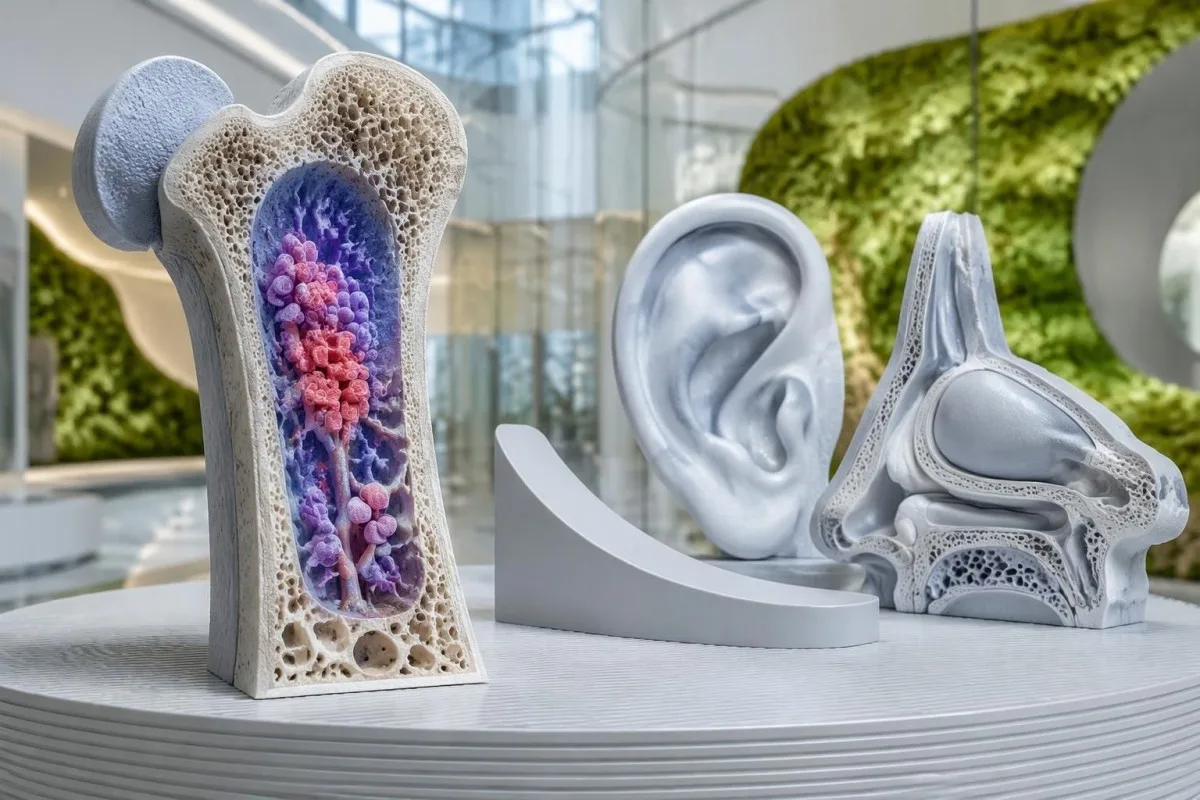
ഈ പേര് 5 സവിശേഷതകളെ വിവരിക്കുന്നു: വാക്യൂളുകൾ, E1 എൻസൈം, X-ലിങ്ക്ഡ്, ഓട്ടോഇൻഫ്ലമേറ്ററി, സോമാറ്റിക്. ഇവ ജൈവപ്രക്രിയയെക്കുറിച്ചുള്ള സൂചനകളാണ്; ഓരോ വ്യക്തിയും പാലിക്കേണ്ട പരിശോധനാപട്ടികയല്ല. മജ്ജയിൽ കാണാവുന്ന വാക്യൂളുകൾ, തരുണാസ്ഥി ലക്ഷണങ്ങൾ, പ്രകടമായ അനീമിയ എന്നിവ ആദ്യ സന്ദർശനത്തിൽ ഒരുമിച്ച് കാണണമെന്നില്ല.
2020-ൽ ന്യൂ ഇംഗ്ലണ്ട് ജേണൽ ഓഫ് മെഡിസിനിൽ Beck et al. ആണ് VEXAS ആദ്യമായി വിവരിച്ചത്; പ്രായപൂർത്തിയായവരിൽ ആരംഭിക്കുന്ന വീക്കത്തെ ആർജിത UBA1 വകഭേദങ്ങളുമായി അവർ ബന്ധപ്പെടുത്തി. പങ്കുവെക്കപ്പെട്ട കാരണം തിരിച്ചറിയപ്പെടുന്നതിന് മുമ്പ്, ഒരാൾക്ക് ആവർത്തിച്ചുള്ള പോളികോൺഡ്രൈറ്റിസ്, മജ്ജാ രോഗം എന്നിവ പോലുള്ള ഒന്നിലധികം രോഗനിർണയങ്ങൾ ലഭിച്ചിരിക്കാമെന്ന് ആ കണ്ടെത്തൽ വിശദീകരിക്കുന്നു.
CRP-യുടെ ഒരു ഉയർന്ന ഫലം മാത്രം VEXAS-നെ പ്രത്യേകമായി സൂചിപ്പിക്കുന്നില്ല; 103 fL എന്ന MCV-ക്കും പലപ്പോഴും കൂടുതൽ സാധാരണമായ വിശദീകരണങ്ങളുണ്ട്. സ്ഥിരമായി തുടരുകയോ വഷളാകുകയോ ചെയ്യുന്ന സൈറ്റോപീനിയകൾക്കൊപ്പം വീക്കത്തിന്റെ ആക്രമണങ്ങൾ ആവർത്തിക്കുമ്പോഴാണ് ആശങ്ക വർധിക്കുന്നത്; കാരണം, ആ മാതൃക ഒറ്റപ്പെട്ട ലബോറട്ടറി വ്യതിയാനത്തെക്കാൾ അസാധാരണമായ രക്തകോശ ഉൽപാദനവുമായി ബന്ധപ്പെട്ട വീക്കപ്രക്രിയയെ സൂചിപ്പിക്കുന്നു.
കാന്റേസ്റ്റി ഒരു AI രക്ത പരിശോധന അനലൈസർ ഹീമോഗ്ലോബിൻ, MCV, പ്ലേറ്റ്ലെറ്റുകൾ, CRP എന്നിവ തമ്മിലുള്ള ബന്ധം വിശദീകരിക്കാൻ കഴിയുന്ന, അതേസമയം VEXAS രോഗനിർണയം വിദഗ്ധർക്ക് വിട്ടുകൊടുക്കുന്ന സംഘടനയും ഉദ്ദേശ്യവും പ്രത്യേകം വിവരിച്ചിരിക്കുന്നു; അപ്ലോഡ് ചെയ്ത 1 CBC-ക്ക് UBA1 മ്യൂട്ടേഷൻ കണ്ടെത്താനോ ക്ലിനിക്കൽ പരിശോധനയ്ക്ക് പകരമാകാനോ കഴിയില്ല.
ആർക്കാണ് VEXAS ഉണ്ടാകുന്നത്, UBA1 മ്യൂട്ടേഷൻ പാരമ്പര്യമായി ലഭിക്കുന്നതാണോ?
VEXAS സിൻഡ്രോം കൂടുതലായും പ്രായമായ പുരുഷന്മാരെയാണ് ബാധിക്കുന്നത്, സാധാരണയായി 50 വയസ്സിനു ശേഷം ലക്ഷണങ്ങൾ ആരംഭിക്കുന്നു. രോഗമുണ്ടാക്കുന്ന UBA1 മ്യൂട്ടേഷൻ പൊതുവേ രക്തം രൂപപ്പെടുത്തുന്ന കോശങ്ങളുടെ ഒരു കൂട്ടത്തിൽ ആർജിതമായി ഉണ്ടാകുന്നതാണ്; മാതാപിതാക്കളിൽ നിന്ന് പാരമ്പര്യമായി ലഭിക്കുന്നതോ ജനനം മുതൽ എല്ലാ കോശങ്ങളിലും കാണപ്പെടുന്നതോ അല്ല.
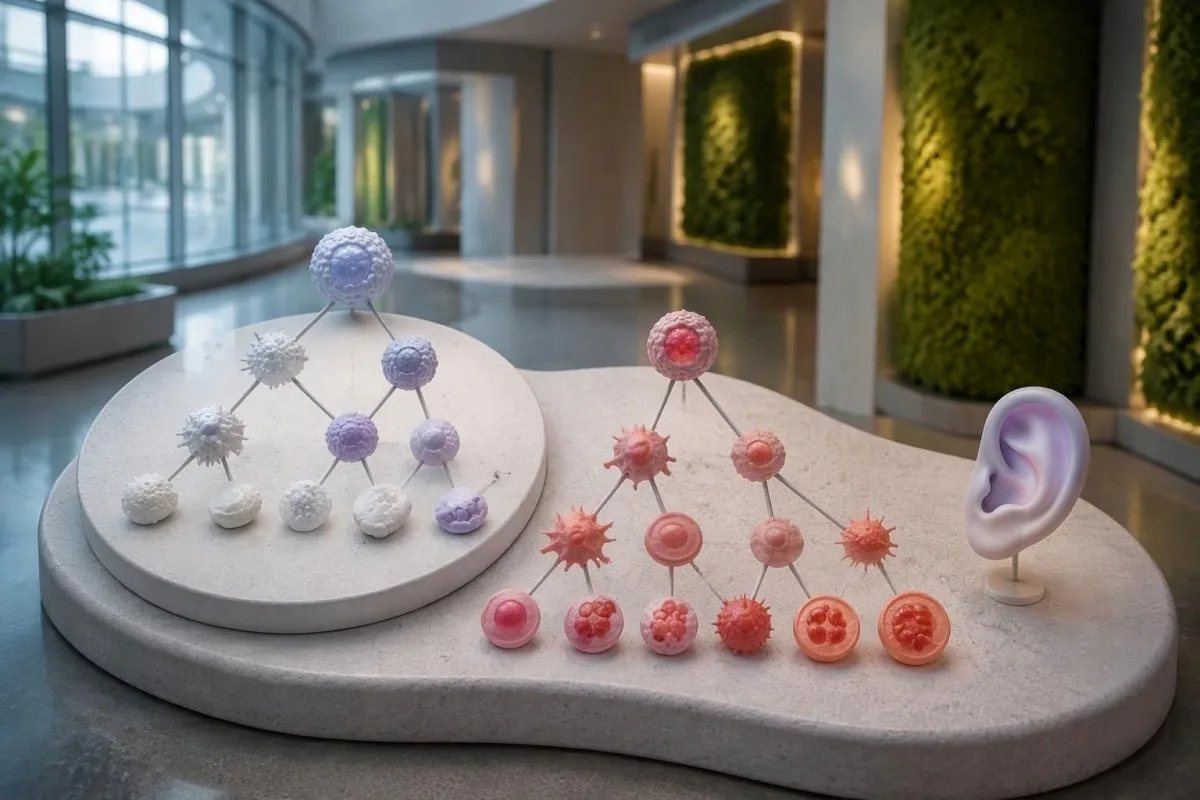
UBA1 X ക്രോമസോമിലാണ് സ്ഥിതിചെയ്യുന്നത്; ബാധിക്കപ്പെട്ട മിക്ക പുരുഷന്മാർക്കും 1 X ക്രോമസോമാണുള്ളത്. സ്ത്രീകളിലും VEXAS ഉണ്ടാകാം; ചിലപ്പോൾ ബാധിക്കപ്പെട്ട കോശങ്ങളിലെ ഒരു X ക്രോമസോം നഷ്ടപ്പെടുന്നതുമായി ഇത് ബന്ധപ്പെട്ടിരിക്കും. എന്നാൽ രോഗലക്ഷണങ്ങളുടെ മാതൃക ശക്തമായി സൂചിപ്പിക്കുന്നുവെങ്കിൽ, ലിംഗം മാത്രം വിലയിരുത്തൽ തടയരുത്.
ഒരു യുഎസ് ആരോഗ്യസംവിധാന കോഹോർട്ടിലെ 163,096 പങ്കാളികളെ ഉൾപ്പെടുത്തിയ JAMA പഠനത്തിൽ, രോഗവുമായി ബന്ധപ്പെട്ട UBA1 വകഭേദങ്ങളുള്ള 11 പേരെ Beck et al. തിരിച്ചറിഞ്ഞു. 50 വയസ്സിനു മുകളിലുള്ള പുരുഷന്മാരിൽ കണക്കാക്കിയ ആവൃത്തി ഏകദേശം 4,269-ൽ 1 ആയിരുന്നു; ഇത് പ്രധാനമായും യൂറോപ്യൻ വംശപരമ്പരയുള്ള ഒരു പ്രത്യേക കോഹോർട്ടിന്റെ കണക്കാണ്, ലോകവ്യാപകമായ വ്യാപനനിരക്കല്ല.
ബന്ധപ്പെട്ട മ്യൂട്ടേഷൻ ഒരാളുടെ ജീവിതകാലത്താണ് ഉണ്ടാകുന്നത് എന്നതിനാൽ കുടുംബചരിത്രം സാധാരണയായി ഉണ്ടാകാറില്ല. നമ്മുടെ MEFV പരിശോധനയെക്കുറിച്ചുള്ള വിശദീകരണം; ൽ വിവരിച്ച പാരമ്പര്യമായി ആവർത്തിക്കുന്ന പനി രോഗങ്ങളിൽ നിന്ന് ഇത് വ്യത്യസ്തമാണ്; കുടുംബപരമായ വകഭേദത്തിനായി 2 ബന്ധുക്കളെ പരിശോധിക്കുന്നത് സാധാരണ സോമാറ്റിക് VEXAS-ന്റെ പതിവ് പ്രാരംഭനടപടിയല്ല.
ജനിതകമെന്ന് പറയുന്നത് പാരമ്പര്യമായി ലഭിക്കുന്നതാണെന്ന് സ്വതവേ അർത്ഥമാക്കുന്നില്ല; അതുപോലെ X-ലിങ്ക്ഡ് ജീൻ എന്നത് കുട്ടികളിലേക്ക് പകരുമെന്നുമല്ല. ഒരു റിപ്പോർട്ട് കോൺസ്റ്റിറ്റ്യൂഷണൽ വകഭേദമോ 50 വയസ്സിനു മുമ്പുള്ള അസാധാരണ അവതരണമോ സൂചിപ്പിക്കുന്നുവെങ്കിൽ, അധിക ടിഷ്യു പരിശോധനയോ കുടുംബ കൗൺസലിങ്ങോ ഉചിതമാണോ എന്ന് ക്ലിനിക്കൽ ജനിതകശാസ്ത്ര വിദഗ്ധന് വ്യക്തമാക്കാനാകും.
VEXAS സിൻഡ്രോമിന്റെ ഏതെല്ലാം ലക്ഷണങ്ങളാണ് സംശയമുണർത്തേണ്ടത്?
VEXAS സിൻഡ്രോമിന്റെ ലക്ഷണങ്ങൾ സാധാരണയായി ആവർത്തിച്ചുള്ള പനി, ചർമ്മത്തിലെ വീക്കമാറ്റങ്ങൾ, ക്ഷീണം, ശ്വാസകോശബാധ, തരുണാസ്ഥിവീക്കം എന്നിവ ഉൾപ്പെടുന്നു. 50 വയസ്സിനു മുകളിലുള്ള ഒരാളിൽ വിശദീകരിക്കാനാകാത്ത അനീമിയയോ മറ്റ് അസാധാരണ രക്താണക്കണക്കുകളോ ഉള്ളപ്പോൾ ചെവിയിലെയോ മൂക്കിലെയോ തരുണാസ്ഥി വീർക്കുന്നത് പ്രത്യേകിച്ച് ശ്രദ്ധേയമാണ്.
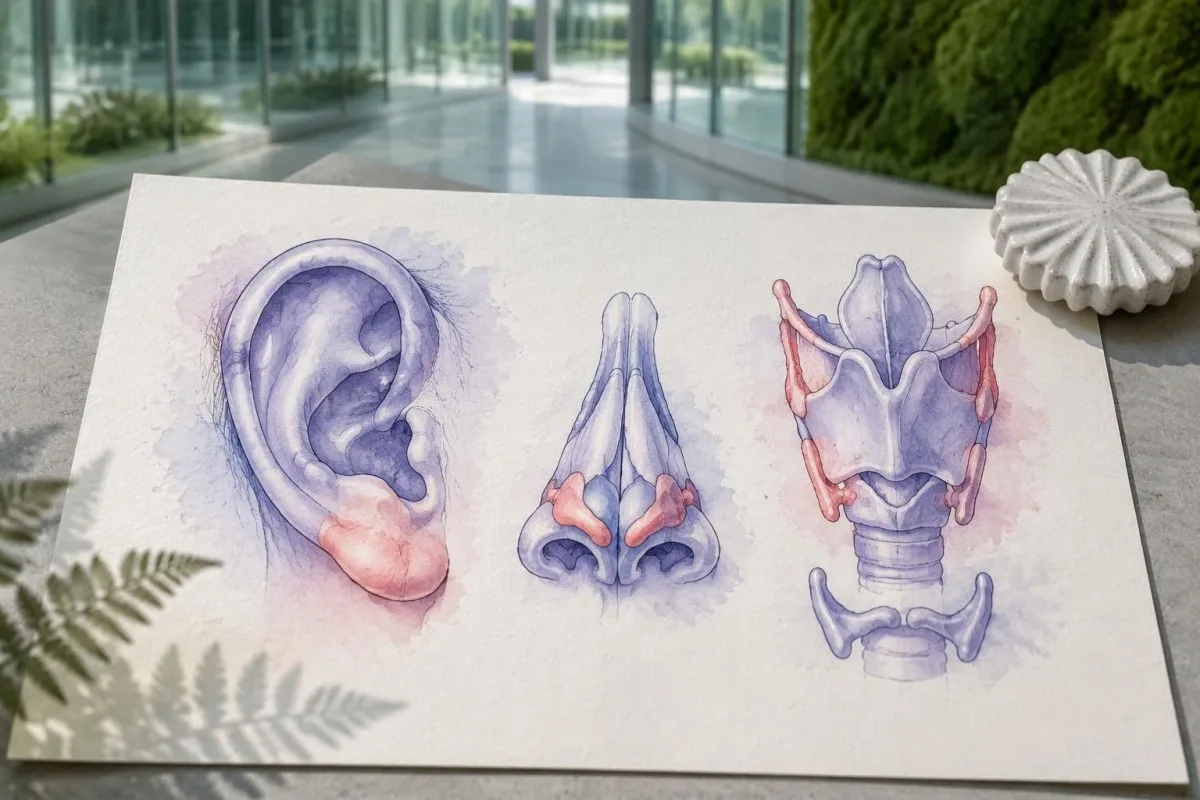
ചെവിയിലെ കോണ്ട്രൈറ്റിസ് പലപ്പോഴും മുകളിലെ ഉറച്ച ചെവിഭാഗത്തെ ബാധിക്കുകയും തരുണാസ്ഥിയില്ലാത്ത മൃദുവായ ചെവിത്തുടുപ്പിനെ ഒഴിവാക്കുകയും ചെയ്യുന്നു. ഈ ശരീരഘടനാപരമായ വ്യത്യാസം ഒരു സംഭവത്തെ കൃത്യമായി വിവരിക്കാൻ സഹായിച്ചേക്കാം; എന്നിരുന്നാലും, ചുവന്ന ഒരു ചെവിക്ക് പോലും പ്രാദേശിക അണുബാധ, പരിക്ക്, ഡെർമറ്റൈറ്റിസ് തുടങ്ങിയ കൂടുതൽ സാധാരണ കാരണങ്ങൾക്കായി പരിശോധന ആവശ്യമാണ്.
ചർമ്മത്തിലെ ലക്ഷണങ്ങളിൽ സ്പർശനവേദനയുള്ള ഉയർന്ന ഭാഗങ്ങൾ, പാടുകൾ, അല്ലെങ്കിൽ പർപ്പിൾ നിറത്തിലുള്ള മാറ്റങ്ങൾ എന്നിവ ഉൾപ്പെടാം; കാഴ്ച മാത്രം കാരണം തിരിച്ചറിയാൻ കഴിയില്ല. ടിഷ്യു പരിശോധനയ്ക്ക് ന്യൂട്രോഫിലിക് ഡെർമറ്റോസിസ്, വാസ്കുലൈറ്റിസ്, മറ്റ് പ്രക്രിയകൾ എന്നിവ വേർതിരിച്ചറിയാൻ സഹായിക്കാം; ചികിത്സിക്കാത്ത 2 വ്യത്യസ്ത സംഭവങ്ങളുടെ ഫോട്ടോകൾ ഒരു ആവർത്തിച്ചുള്ള മാതൃക തിരിച്ചറിയാൻ വിദഗ്ധനെ സഹായിച്ചേക്കാം.
Inflammatory attacks can resemble established rheumatological conditions, including relapsing polychondritis or polymyalgia rheumatica. Our explanation of PMR laboratory limitations describes why inflammatory markers are not disease-specific; persistent macrocytosis above 100 fL or falling platelets should prompt a broader assessment rather than automatic acceptance of the first label.
New hoarseness, noisy breathing or difficulty breathing needs urgent assessment because airway cartilage can be involved. A useful symptom record includes 3 details for each episode: the affected site, its duration and whether fever or a medication change accompanied it; do not wait for another flare if breathing is affected.
ഏത് തരത്തിലുള്ള രക്തപരിശോധനാ ഫലങ്ങളാണ് VEXAS സിൻഡ്രോം സൂചിപ്പിക്കാവുന്നത്?
Macrocytic anemia, sometimes accompanied by low platelets or other cytopenias, is a major laboratory clue to VEXAS. Adult MCV is commonly about 80–100 fL, but neither an MCV above 100 fL nor an elevated CRP result can confirm the condition.
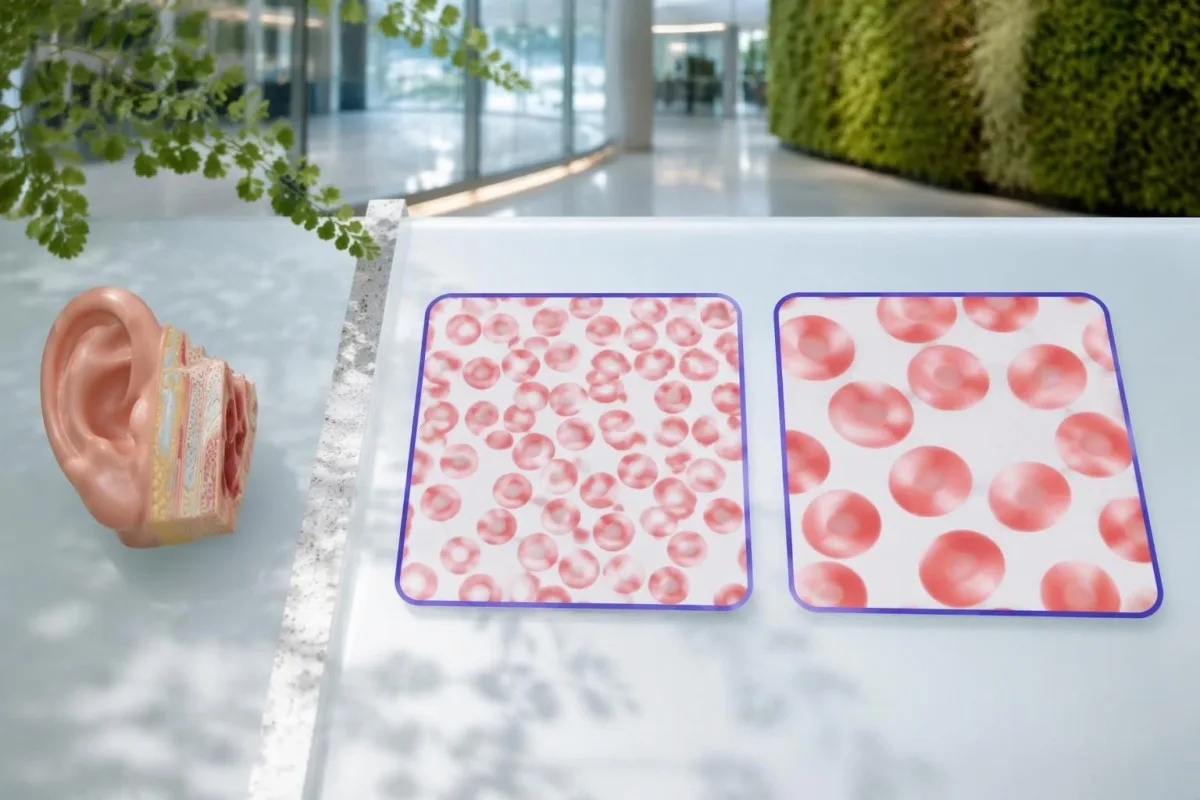
Hemoglobin measures anemia, while MCV measures average red-cell size; the 2 results answer different questions. An MCV of 108 fL with hemoglobin of 10.2 g/dL deserves a different assessment from an isolated MCV of 101 fL with stable hemoglobin, particularly when inflammatory symptoms are also present.
Many laboratories use a platelet reference interval of approximately 150–450 × 10^9/L. A falling platelet count can matter before it crosses the lower limit, and our borderline MCV explanation shows why persistent trends are often more useful than treating one near-boundary number as a diagnosis.
CRP is often markedly elevated during active VEXAS, but infection and many other inflammatory disorders can produce the same result. A hypothetical CRP of 80 mg/L is 16 times an upper limit of 5 mg/L; that comparison describes inflammatory intensity, not the probability of a UBA1 mutation.
RDW describes variation in red-cell size and can help explain a mixed CBC pattern, but it is not a VEXAS-specific biomarker. Our RDWയും MCVയും ഗൈഡ് explains how 2 overlapping processes, such as iron deficiency and macrocytosis, can produce a deceptively ordinary average MCV.
| നില | പരിധി | ഇതിന്റെ അർത്ഥം |
|---|---|---|
| Typical adult MCV interval | 80–100 fL | Use the reporting laboratory's interval; an in-range result does not exclude early or masked macrocytosis. |
| മാക്രോസൈറ്റോസിസ് | >100 fL | Investigate nutritional, medication, liver, thyroid and marrow causes; this is not a VEXAS diagnostic threshold. |
| ത്രോംബോസൈറ്റോപീനിയ | <150 × 10^9/L | Low platelets can support concern when combined with persistent inflammation and unexplained anemia. |
| CRP above the laboratory limit | Often >5 mg/L; some laboratories use >10 mg/L | Indicates an inflammatory response without identifying its cause. |
പതിവ് ഓട്ടോഇമ്യൂൺ പാനലുകൾക്ക് VEXAS സ്ഥിരീകരിക്കാനാകാത്തത് എന്തുകൊണ്ട്?
Routine autoimmune panels cannot confirm VEXAS syndrome because they measure antibodies or related immune markers, not acquired UBA1 mutations. ANA, rheumatoid factor, ANCA and complement results may help assess alternative or overlapping conditions, but no combination substitutes for appropriate molecular testing.
ANA testing detects antibodies directed against nuclear components; it does not read the UBA1 gene. A positive ANA at 1:160 may deserve interpretation in its own clinical context, while a negative ANA does not make unexplained fever, chondritis and macrocytic anemia safe to dismiss.
Repeating several antibody panels can create incidental positives without resolving the central question. Our ANA result explanation describes why 1 positive result is not equivalent to a disease diagnosis; the same caution applies when an antibody is found during a suspected VEXAS evaluation.
Complement testing can be useful when clinicians suspect an immune-complex disorder, but normal C3 and C4 cannot exclude VEXAS. The complement and antibody guide explains these 2 proteins; their biological role differs from the acquired enzyme dysfunction caused by a disease-associated UBA1 variant.
Autoinflammatory and autoimmune are related but not interchangeable descriptions: VEXAS is driven principally by abnormal innate immune activity associated with mutated blood-forming cells. Clinicians may still order 2 types of investigation in parallel—antibody testing for alternatives and molecular testing for VEXAS—because another diagnosis can coexist rather than disappear.
VEXAS ആണെന്ന് കരുതുന്നതിന് മുമ്പ് മറ്റ് ഏതെല്ലാം കാരണങ്ങൾ പരിശോധിക്കണം?
Vitamin B12 or folate deficiency, medication effects, alcohol use, liver disease, hypothyroidism and marrow disorders can cause macrocytosis. An MCV above 100 fL should trigger evaluation of these possibilities, while recurrent chondritis or unexplained inflammatory attacks may justify investigating VEXAS at the same time.
Vitamin B12 and folate results need interpretation alongside symptoms, treatment history and the CBC. A borderline B12 result may require additional assessment rather than immediate attribution of an MCV of 107 fL to VEXAS; our B12 versus folate explanation also explains why folate treatment can obscure part of a B12 deficiency picture.
Copper deficiency can cause cytopenias and vacuolated marrow precursors, making it an especially relevant mimic. Reviewing high-dose zinc supplements is therefore useful, and our കുറഞ്ഞ ചെമ്പ് വിലയിരുത്തൽ ഗൈഡ് explains why 2 supplement ingredients—zinc and copper—may matter even when a product is marketed for general immune support.
Myelodysplastic syndrome can cause macrocytic anemia and may coexist with VEXAS rather than simply compete with it as an explanation. Our MDS confirmation guide distinguishes CBC clues from marrow evidence; 1 abnormal count cannot establish either diagnosis or determine whether both are present.
Medication and infection reviews are essential because treatment can change the very numbers being investigated. For example, glucocorticoids may increase neutrophils while lowering CRP, and a recent transfusion can alter MCV; bring the dates of these events, not just 2 laboratory reports that appear to disagree.
സോമാറ്റിക് UBA1 പരിശോധന VEXAS രോഗനിർണയത്തെ എങ്ങനെ സഹായിക്കുന്നു?
VEXAS syndrome diagnosis is established by a disease-associated somatic UBA1 variant in a compatible clinical setting. Peripheral blood is commonly used for testing, while marrow or a more sensitive method may be appropriate after an inconclusive result; many recognized variants affect methionine at position 41.
The request should specify suspected VEXAS and testing for somatic UBA1 variants rather than a general hereditary disease panel. These are 2 different diagnostic tasks: an inherited-risk assay may not include the relevant gene regions, cell source or detection sensitivity needed to identify an acquired clone.
Beck et al. linked UBA1 variants to altered ubiquitin-activating enzyme function in their 2020 New England Journal of Medicine report. Position 41 is a major hotspot, but a hotspot-only test is not equivalent to comprehensive relevant UBA1 analysis, because disease-associated noncanonical variants have also been described.
A negative result needs the laboratory method attached to it before its meaning is clear. An assay validated to detect a 5% variant allele fraction may miss a smaller clone; ask which regions were covered, the reported detection limit and whether the sample was suitable for somatic testing.
കാന്റേസ്റ്റി ഒരു AI രക്ത പരിശോധന ഫലം മനസ്സിലാക്കൽ പ്ലാറ്റ്ഫോം that can help explain accompanying CBC and inflammatory-marker results, but it cannot infer a UBA1 sequence from 1 routine report. Our AI സാങ്കേതികവിദ്യ വിശദീകരണം describes report interpretation; molecular diagnosis still requires an accredited laboratory and specialist interpretation.
UBA1 മ്യൂട്ടേഷൻ റിപ്പോർട്ട് എങ്ങനെ വായിക്കണം?
A UBA1 report should state the variant, classification, sample type and testing limitations, often including variant allele fraction. A pathogenic or likely pathogenic disease-associated variant can support VEXAS, but a variant of uncertain significance is not diagnostic, and a 10% allele fraction is not a 10% severity score.
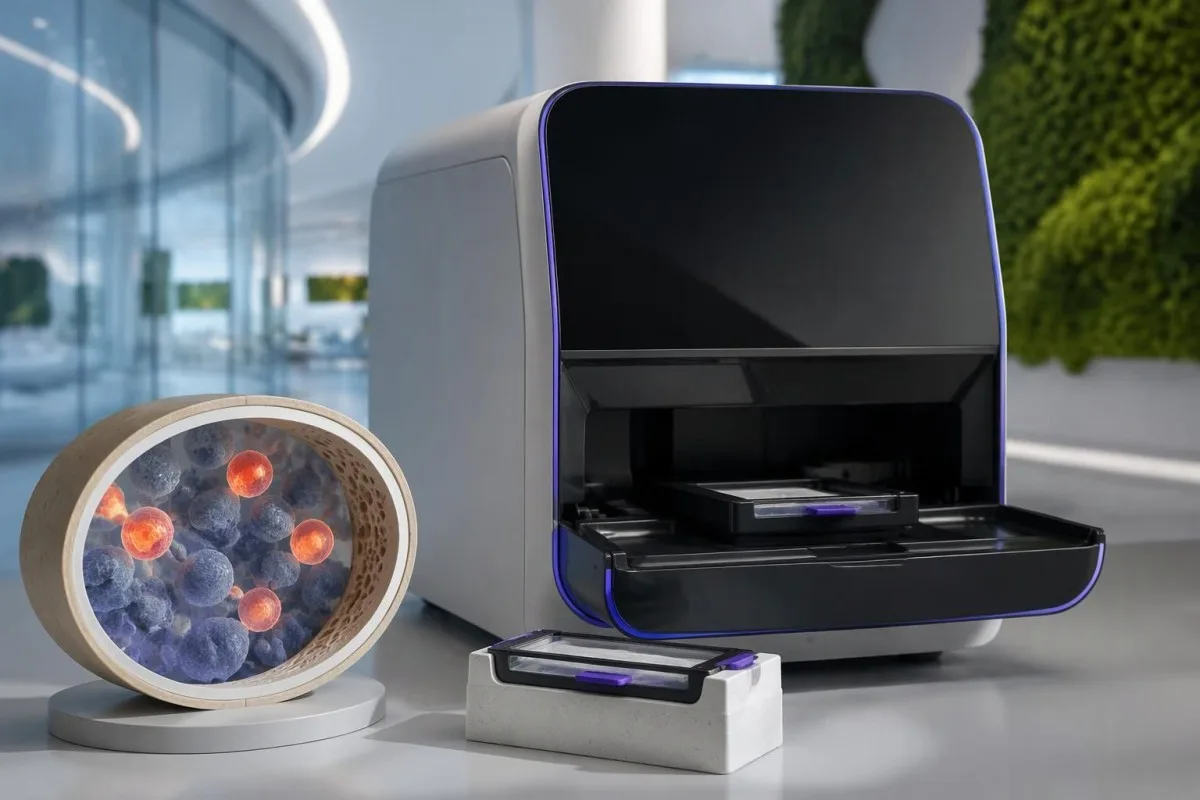
Variant allele fraction is the proportion of analyzed sequence reads carrying a particular change at that location. In a simple 1-X-chromosome model it may approximate the proportion of affected sampled cells, but cell mixtures, chromosome changes and laboratory methods complicate that estimate; it does not directly measure organ damage.
A hypothetical report showing a recognized disease-associated variant at 12% allele fraction may be meaningful even though most reads are unchanged. By contrast, a novel uncertain variant at 40% still requires expert assessment, because abundance cannot turn an unproven genetic finding into an established cause of symptoms.
Different clonal disorders require different molecular or cellular tests, even when anemia and thrombosis overlap. Our PNH clone testing guide explains a separate disorder assessed by flow cytometry; 1 negative PNH test does not evaluate UBA1, and a UBA1 result does not replace PNH testing when indicated.
Kantesti cannot determine whether an uncertain UBA1 finding is disease-causing simply by matching it to an elevated CRP of 70 mg/L. Ask the specialist whether additional sequencing, another specimen or formal variant review is needed, and keep the complete report rather than a screenshot containing only the word positive.
അസ്ഥിമജ്ജയിലെ വാക്യൂളുകൾ മാത്രം VEXAS രോഗനിർണയത്തിന് മതിയോ?
Bone marrow vacuoles are a clue, not proof of VEXAS syndrome. Vacuoles may appear in early myeloid and erythroid precursors, but they are neither completely specific nor universally present; an adult with an MCV above 100 fL still needs the broader clinical and molecular assessment.
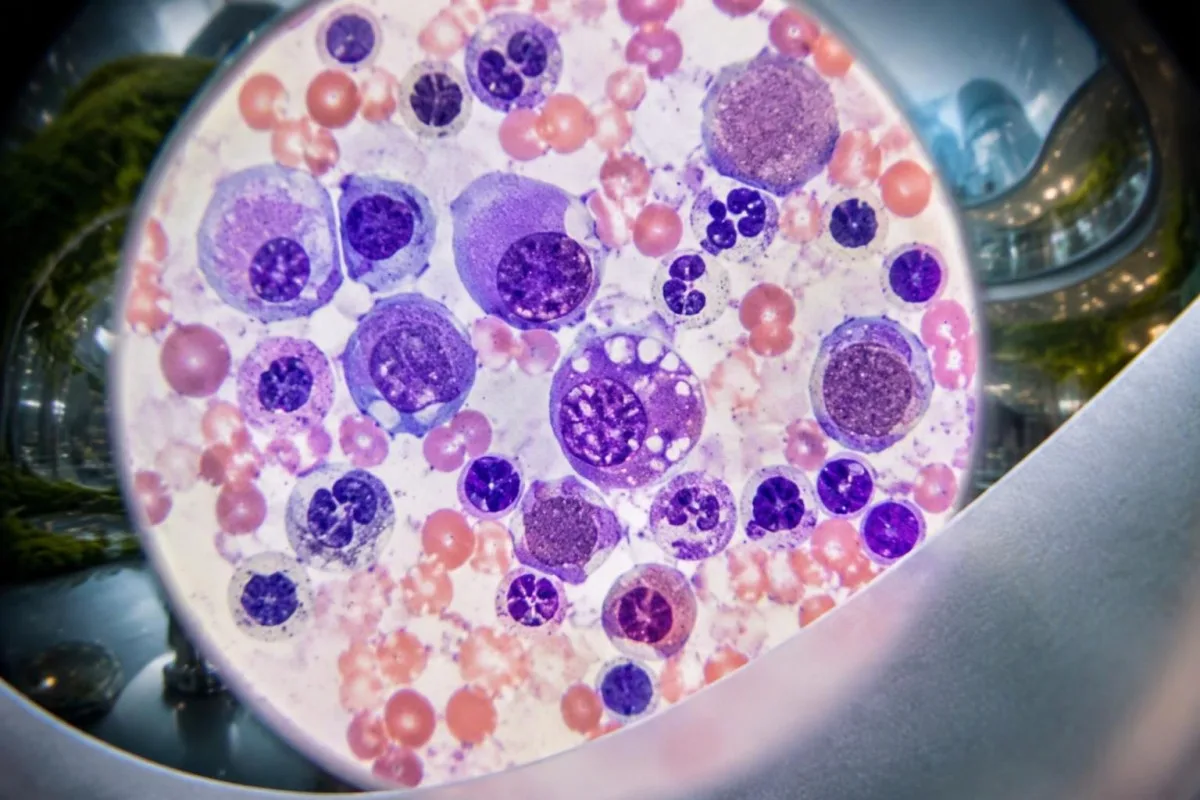
Vacuoles are small clear spaces visible within cells under microscopy, not holes that a patient can see on an ordinary CBC. Their absence on 1 marrow examination does not automatically exclude VEXAS, particularly when specimen quality, disease stage or the specific UBA1 variant affects the appearance.
Copper deficiency, alcohol-related effects and other conditions can produce vacuolated precursors. That overlap is why 2 complementary investigations may be needed: laboratory assessment for reversible mimics and somatic UBA1 testing, rather than treating a descriptive pathology finding as the final diagnosis.
Marrow examination also assesses cellularity, dysplasia and other abnormalities that may influence treatment decisions. Our explanation of teardrop cells and marrow clues describes a different microscopy finding; neither teardrop cells nor vacuoles can independently explain a platelet count of 95 × 10^9/L.
A marrow procedure is not automatically necessary for every isolated MCV of 102 fL, and a positive molecular result may already establish VEXAS in the right context. Hematology decides whether marrow assessment is needed to investigate persistent cytopenias, suspected MDS or another process that would change management.
എപ്പോഴാണ് റ്യൂമറ്റോളജി അല്ലെങ്കിൽ ഹെമറ്റോളജി വിലയിരുത്തൽ ഉചിതമാകുന്നത്?
Specialist assessment is appropriate when recurrent unexplained inflammation accompanies macrocytic anemia, falling platelets or other persistent cytopenias. Suspicion is higher after age 50, especially with chondritis, inflammatory skin findings or lung involvement; rheumatology and hematology often need to evaluate the pattern together.
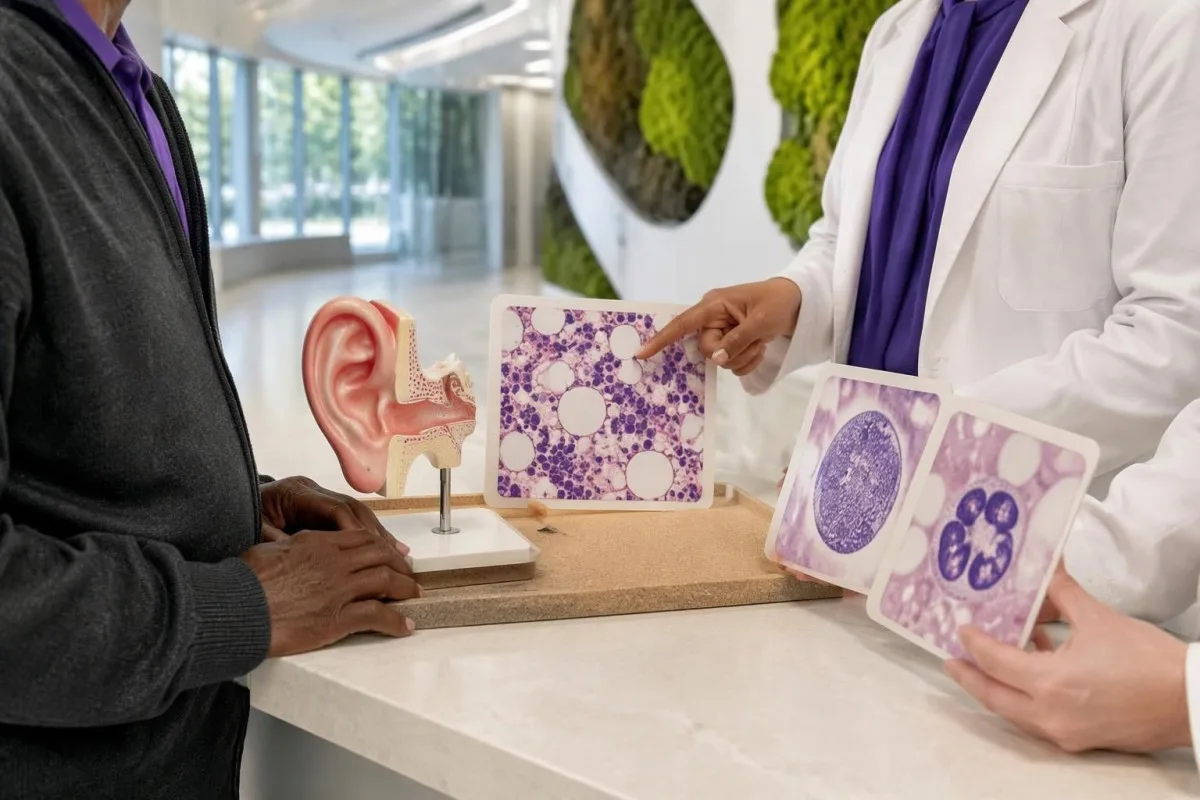
There is no universal CRP level, age boundary or number of attacks that automatically mandates UBA1 testing. A person aged 68 with recurrent ear chondritis and unexplained anemia has a different pretest probability from a person aged 28 with 1 viral fever and an otherwise stable CBC.
Steroid-responsive inflammation that repeatedly returns during dose reduction deserves reassessment, particularly when blood counts remain abnormal. Improvement over 2 days may show that symptoms are inflammatory, but it does not distinguish VEXAS from several other disorders and should not become the only justification for ongoing treatment.
Unexplained pain needs a broader workup when it accompanies constitutional symptoms or changing counts. Our വിശദീകരിക്കാത്ത വേദന പരിശോധന ഗൈഡ് explains why inflammatory markers are only part of that workup; an MCV above 100 fL adds a marrow-related question that a pain score cannot answer.
A referral should highlight 3 elements: documented inflammatory episodes, the CBC trend and the results of common-cause investigations. If symptoms are progressing rapidly, new organs are involved or transfusions are being considered, ask the referring clinician whether the appointment needs to be expedited rather than waiting for another routine repeat test.
ഒരു ഉദാഹരണം: ആവർത്തിച്ചുള്ള ചെവിവീക്കവും മാറിക്കൊണ്ടിരിക്കുന്ന CBC-യും
A hypothetical combination of recurrent chondritis, macrocytic anemia and low platelets warrants specialist evaluation, not an AI-generated diagnosis. Consider a 68-year-old man with hemoglobin 10.2 g/dL, MCV 108 fL, platelets 112 × 10^9/L and CRP 86 mg/L during a third episode of upper-ear swelling.

The first reasoning step is to separate symptom severity from diagnostic specificity: CRP of 86 mg/L confirms a substantial inflammatory response but does not identify its cause. The MCV of 108 fL and platelet count of 112 × 10^9/L add evidence that blood-cell production also needs investigation.
Suppose the person's B12, folate and thyroid assessments do not reveal an explanation, and medication, alcohol and liver reviews are unrevealing. A negative ANA would not close the case; the combination of 3 inflammatory episodes and persistent unexplained cytopenias would justify discussing somatic UBA1 testing with hematology and rheumatology.
Now suppose CRP falls to 12 mg/L after prescribed glucocorticoids, but hemoglobin falls to 9.8 g/dL. Those 2 trends are not contradictory: inflammatory activity may improve while marrow dysfunction or another anemia mechanism persists, so treatment response cannot be used as a substitute for investigating the falling hemoglobin.
Kantesti can help explain why those 2 trends deserve separate attention, but cannot establish VEXAS or choose immunosuppressive treatment. Our മരുന്ന് ട്രെൻഡ് അനലിസിസ് ഗൈഡ് explains why dose changes, transfusions and intercurrent illness should be recorded beside each result; the example here is entirely hypothetical.
സ്ഥിരീകരിച്ച VEXAS സിൻഡ്രോം വിദഗ്ധർ എങ്ങനെ ചികിത്സിക്കുന്നു?
VEXAS treatment aims to control inflammation, manage cytopenias and reduce treatment-related harm. Glucocorticoids often suppress symptoms but may be difficult to taper; other options include selected immunomodulators, marrow-directed treatment and allogeneic stem-cell transplantation, with no single regimen appropriate for every adult over 50.
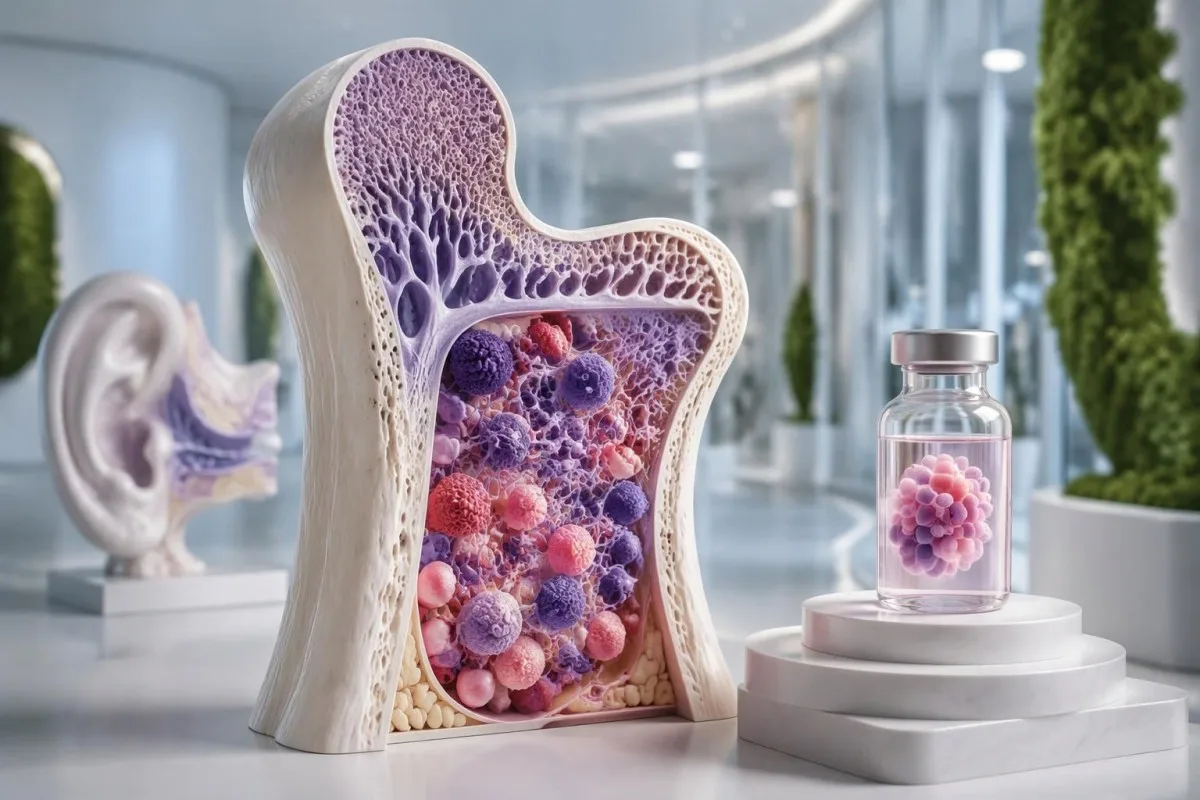
A falling CRP does not by itself establish treatment success if anemia, thrombosis or lung disease is worsening. Specialists follow at least 2 dimensions—clinical inflammatory activity and hematological status—and weigh these against cumulative glucocorticoid exposure, because prolonged treatment can cause infections, diabetes, osteoporosis and muscle weakness.
JAK inhibitors and IL-6-directed therapy are among approaches used by specialists, while azacitidine may be considered in selected patients, particularly with associated marrow disease. Evidence and access vary, and much published experience is observational; a response lasting 6 months in one cohort does not reliably predict an individual's longer-term benefit.
Allogeneic stem-cell transplantation can potentially eliminate the abnormal blood-forming clone and produce sustained remission in selected patients. It also carries substantial risks, including graft-versus-host disease and serious infection, so 2 people of the same age may receive different recommendations because fitness, organ involvement and donor availability differ.
Infection prevention deserves planning before immunosuppression, not only after fever develops. Depending on exposures and the proposed regimen, clinicians may consider screening or prevention measures described in our Strongyloides testing explanation; even 1 relevant past exposure can matter before corticosteroids, and prescribed steroids should never be stopped abruptly without guidance.
അടിയന്തരമോ അത്യാഹിതമോ ആയ പരിചരണം ആവശ്യമായ ലക്ഷണങ്ങൾ ഏതെല്ലാം?
New breathing difficulty, chest pain, airway symptoms, neurological deficits or significant bleeding require urgent assessment in someone with suspected or confirmed VEXAS. Fever of 38°C or higher during substantial immunosuppression also needs prompt clinical advice, particularly when neutrophils are low.
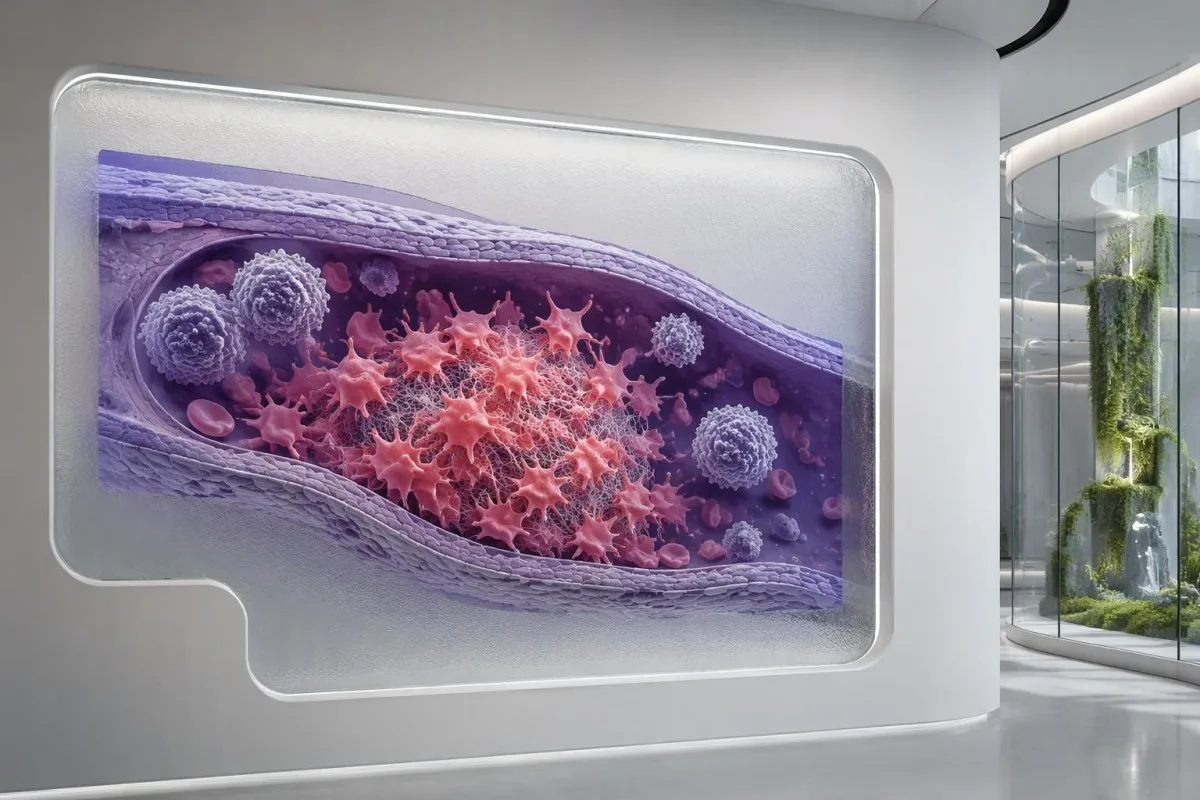
VEXAS is associated with venous thrombosis, so a painful swollen leg or sudden breathlessness should not be dismissed as another inflammatory flare. Normal routine clotting times do not exclude a clot; our കോആഗുലേഷൻ പാനലിന്റെ പരിമിതികൾ explain why 2 normal tests, PT and aPTT, cannot provide that reassurance.
An absolute neutrophil count below 0.5 × 10^9/L represents severe neutropenia and increases concern when fever occurs. Treatment can also blunt the temperature response, so feeling acutely unwell with shaking chills, confusion or rapidly worsening weakness can require urgent assessment even when a thermometer reads below 38°C.
Breathlessness can reflect lung inflammation, infection, pulmonary embolism or worsening anemia, and these require different treatments. Our breathlessness blood test guide explains why hemoglobin of 8 g/dL may contribute without proving the entire cause; new chest pain or sudden breathing difficulty should not wait for an uploaded report.
Persistent nose or gum bleeding, black stools or a severe new headache needs urgent advice, especially if platelets are very low. A count below 20 × 10^9/L generally warrants prompt clinical review, but the urgency depends on symptoms and context; significant bleeding is an emergency even above that number.
തുടർപരിശോധന, AI-യുടെ പരിമിതികൾ, ഗവേഷണ പ്രസിദ്ധീകരണങ്ങൾ
Useful VEXAS follow-up combines symptoms, treatment history, CBC trends and inflammatory markers, with molecular and marrow findings interpreted by specialists. An AI explanation of 1 laboratory report can support preparation for care, but it cannot diagnose VEXAS, exclude infection or establish whether a UBA1 variant is pathogenic.

Bring original CBC reports, inflammatory markers and the complete UBA1 result, including specimen type and detection limit. Record 3 timeline features beside them: flare dates, medication changes and transfusions; this makes it easier to distinguish a true disease trend from a treatment effect or a change in testing conditions.
കാന്റേസ്റ്റി ഒരു AI-ശക്തിയുള്ള രക്തപരിശോധന വിശകലന ഉപകരണം that can explain laboratory patterns without converting an MCV above 100 fL into a rare-disease diagnosis. Genetic reports can reveal sensitive information, so review our സ്വകാര്യതയും ഡാറ്റാ വിവരങ്ങളും before sharing records, and include only documents you are authorized to upload.
Kantesti's 2 DOI-linked publications below concern broader blood-test interpretation and RDW education, not clinical trials of VEXAS diagnosis or UBA1 sequencing. They should therefore be read separately from the disease-specific medical studies listed in the external references; neither publication establishes VEXAS-specific diagnostic sensitivity or treatment effectiveness.
നമ്മുടെ രീതിശാസ്ത്രവും ക്ലിനിക്കൽ മാനദണ്ഡങ്ങളും explain the distinction between report interpretation and medical diagnosis. Before the next appointment, write 2 questions: whether the laboratory method adequately assessed somatic UBA1 variants, and whether persistent cytopenias need marrow evaluation; these are more actionable than asking an AI to calculate an unsupported VEXAS probability.
സാധാരണയായി ചോദിക്കുന്ന ചോദ്യങ്ങൾ
VEXAS സിൻഡ്രോമിന്റെ ആദ്യ ലക്ഷണങ്ങൾ എന്തൊക്കെയാണ്?
VEXAS സിൻഡ്രോം പലപ്പോഴും ആവർത്തിച്ചുണ്ടാകുന്ന, വിശദീകരിക്കാനാകാത്ത പനി, ചർമ്മത്തിലെ വീക്കസംബന്ധമായ മാറ്റങ്ങൾ, ക്ഷീണം, അല്ലെങ്കിൽ ചെവിയിലെയോ മൂക്കിലെയോ തരുണാസ്ഥി വീക്കം എന്നിവയോടെയാണ് തുടങ്ങുന്നത്; സാധാരണയായി 50 വയസ്സിനുശേഷം. ഈ ലക്ഷണങ്ങൾക്ക് മുമ്പോ, ഇവയ്ക്കൊപ്പമോ, ശേഷമോ മാക്രോസൈറ്റിക് അനീമിയയോ മറ്റ് അസാധാരണ രക്തകോശ എണ്ണങ്ങളോ പ്രത്യക്ഷപ്പെടാം. മുതിർന്നവരിൽ ഏകദേശം 100 fL-ൽ കൂടുതലുള്ള MCV ഒരു സൂചനയാണ്, രോഗനിർണയമല്ല. ആവർത്തിച്ചുണ്ടാകുന്ന വീക്കസംബന്ധമായ ലക്ഷണങ്ങളും തുടർച്ചയായ, വിശദീകരിക്കാനാകാത്ത സൈറ്റോപീനിയകളും ഉള്ളപ്പോൾ റ്യൂമറ്റോളജി, ഹെമറ്റോളജി വിലയിരുത്തലുകൾ സംബന്ധിച്ച് ചർച്ച ചെയ്യേണ്ടതാണ്.
VEXAS സിൻഡ്രോം സ്ഥിരീകരിക്കുന്ന പരിശോധന ഏതാണ്?
അനുയോജ്യമായ ക്ലിനിക്കൽ സാഹചര്യത്തിൽ രോഗവുമായി ബന്ധപ്പെട്ട സോമാറ്റിക് UBA1 വേരിയന്റ് കണ്ടെത്തിയാണ് VEXAS സിൻഡ്രോം നിർണയിക്കുന്നത്. പരിശോധനയ്ക്ക് സാധാരണയായി പെരിഫറൽ രക്തമാണ് ഉപയോഗിക്കുന്നത്; എന്നാൽ തിരഞ്ഞെടുത്ത ചില കേസുകളിൽ മജ്ജയോ കൂടുതൽ സംവേദനക്ഷമമായ പരിശോധനാരീതിയോ ആവശ്യമായേക്കാം. തിരിച്ചറിഞ്ഞിട്ടുള്ള പല വേരിയന്റുകളും 41-ാം സ്ഥാനത്തെ മെഥിയോണിനെ ബാധിക്കുന്നവയാണ്, എന്നാൽ പരിമിതമായ ഹോട്ട്സ്പോട്ട് പരിശോധനയിലൂടെ രോഗവുമായി ബന്ധപ്പെട്ട മറ്റു വേരിയന്റുകൾ കണ്ടെത്താതെ പോകാം. വേരിയന്റ് വർഗ്ഗീകരണം, ജീൻ കവറേജ്, കണ്ടെത്തൽ പരിധി എന്നിവ പരിഗണിച്ചായിരിക്കണം റിപ്പോർട്ട് വ്യാഖ്യാനിക്കേണ്ടത്.
സാധാരണ ANA അല്ലെങ്കിൽ ഓട്ടോഇമ്യൂൺ പാനലിന് VEXAS ഒഴിവാക്കാനാകുമോ?
ഈ പരിശോധനകൾ സോമാറ്റിക് UBA1 മ്യൂട്ടേഷനുകൾ കണ്ടെത്താത്തതിനാൽ, സാധാരണ ANA-യോ പതിവ് ഓട്ടോഇമ്യൂൺ പാനലോ VEXAS സിൻഡ്രോം ഇല്ലെന്ന് ഉറപ്പാക്കാനാവില്ല. 1:160 എന്ന നിലയിലുള്ള പോസിറ്റീവ് ANA-യും VEXAS സ്ഥിരീകരിക്കുകയോ മറ്റൊരു ഓട്ടോഇമ്യൂൺ രോഗം ഉണ്ടെന്ന് നിർബന്ധമായും സ്ഥാപിക്കുകയോ ചെയ്യുന്നില്ല. മറ്റ് സാധ്യതകൾ അന്വേഷിക്കാൻ ആന്റിബോഡി പരിശോധനകൾ സഹായിച്ചേക്കാം; അതേസമയം CBC പാറ്റേണുകൾ, ലക്ഷണങ്ങൾ, മോളിക്യുലാർ പരിശോധന എന്നിവ വ്യത്യസ്ത ചോദ്യങ്ങൾക്ക് ഉത്തരം നൽകുന്നു. ആന്റിബോഡി പരിശോധനകൾ നെഗറ്റീവാണ് എന്ന കാരണത്താൽ മാത്രം സ്ഥിരമായ മാക്രോസൈറ്റിക് അനീമിയയും ആവർത്തിച്ചുള്ള തരുണാസ്ഥി വീക്കവും അവഗണിക്കരുത്.
VEXAS സിൻഡ്രോം പാരമ്പര്യമായി പകരുന്നതാണോ, എന്റെ കുട്ടികളെ പരിശോധനയ്ക്ക് വിധേയരാക്കണോ?
സാധാരണ VEXAS സിൻഡ്രോം പാരമ്പര്യമായി ലഭിക്കുന്നതല്ല, മറിച്ച് ആർജിതമാണ്; അതിനാൽ കുട്ടികളിൽ പതിവ് പരിശോധന സാധാരണയായി സൂചിപ്പിക്കാറില്ല. പ്രസക്തമായ UBA1 മ്യൂട്ടേഷൻ സാധാരണയായി പ്രായപൂർത്തിയായ ശേഷമാണ് രക്തകോശങ്ങൾ രൂപപ്പെടുന്ന കോശങ്ങളിൽ ഉണ്ടാകുന്നത്; പലപ്പോഴും 50 വയസ്സിന് ശേഷമാണ് ലക്ഷണങ്ങൾ പ്രത്യക്ഷപ്പെടുന്നത്. UBA1 X ക്രോമസോമിലാണെങ്കിലും, അതുകൊണ്ട് സോമാറ്റിക് VEXAS വകഭേദം സ്വയമേവ പകരുമെന്ന് അർത്ഥമില്ല. അസാധാരണമോ ജന്മനാ ഉണ്ടായതാകാമെന്ന് സംശയിക്കുന്നതോ ആയ കണ്ടെത്തലുകൾ ക്ലിനിക്കൽ ജനിതകശാസ്ത്ര വിദഗ്ധൻ വിലയിരുത്തണം.
സ്ത്രീകൾക്ക് VEXAS സിൻഡ്രോം ഉണ്ടാകുമോ?
സ്ത്രീകൾക്കും VEXAS സിൻഡ്രോം ഉണ്ടാകാം, എന്നിരുന്നാലും തിരിച്ചറിഞ്ഞിട്ടുള്ള മിക്ക കേസുകളും പ്രായമായ പുരുഷന്മാരിലാണ് കാണപ്പെടുന്നത്. UBA1 X ക്രോമസോമിലാണ് സ്ഥിതിചെയ്യുന്നത്; ബാധിത കോശങ്ങളിൽ 1 X ക്രോമസോം നഷ്ടപ്പെടുന്നത് സ്ത്രീകളിൽ റിപ്പോർട്ട് ചെയ്തിട്ടുള്ള ഒരു സംവിധാനമാണ്. 2023-ലെ JAMA ആരോഗ്യസംവിധാന പഠനത്തിൽ, രോഗവുമായി ബന്ധപ്പെട്ട UBA1 വകഭേദങ്ങളുള്ള 11 പങ്കാളികളിൽ 2 സ്ത്രീകളെ തിരിച്ചറിഞ്ഞു. ആവർത്തിച്ചുള്ള വീക്കവും വിശദീകരിക്കാനാകാത്ത രക്തകോശ എണ്ണത്തിലെ വ്യതിയാനങ്ങളും ശക്തമായി സൂചിപ്പിക്കുന്ന സാഹചര്യത്തിൽ, ലിംഗം മാത്രം സ്പെഷ്യലിസ്റ്റിന്റെ വിലയിരുത്തൽ തടയരുത്.
നെഗറ്റീവ് UBA1 പരിശോധന VEXAS സിൻഡ്രോമിനെ ഒഴിവാക്കുമോ?
നെഗറ്റീവ് UBA1 പരിശോധന VEXAS-ന്റെ സാധ്യത കുറയ്ക്കുന്നത്, സാമ്പിളും പരിശോധനാമാർഗവും അനുയോജ്യമായിരുന്ന പരിധിവരെ മാത്രമാണ്. 5% വേരിയന്റ് അല്ലീൽ ഫ്രാക്ഷൻ കണ്ടെത്തൽ പരിധിയുള്ള ഒരു പരിശോധനയ്ക്ക് ചെറിയ ക്ലോണിനെ കണ്ടെത്താനാകാതെ വരാം; ഹോട്ട്സ്പോട്ട്-മാത്രം പരിശോധനയിൽ ഉൾപ്പെടുത്തിയ പ്രദേശത്തിന് പുറത്തുള്ള വേരിയന്റുകളും കണ്ടെത്താനാകാതെ വരാം. ശക്തമായ ക്ലിനിക്കൽ സംശയം പരിശോധനയുടെ കവറേജ്, സംവേദനക്ഷമത, സാമ്പിൾ തരം എന്നിവ വിദഗ്ധർ അവലോകനം ചെയ്യുന്നതിന് ന്യായീകരണമാകാം. വ്യക്തമായ കാരണമില്ലാതെ പരിശോധന ആവർത്തിക്കുന്നതിനുപകരം, ശരിയായി നടത്തിയ നെഗറ്റീവ് ഫലം മറ്റ് രോഗനിർണയ സാധ്യതകൾ സൂക്ഷ്മമായി പുനഃപരിശോധിക്കാനും പ്രേരിപ്പിക്കണം.
VEXAS സിൻഡ്രോമിന് ചികിത്സയുണ്ടോ?
അലോജീനിക് സ്റ്റെം-സെൽ ട്രാൻസ്പ്ലാന്റേഷൻ അസാധാരണ രക്തകോശ-രൂപീകരണ ക്ലോണിനെ മാറ്റിസ്ഥാപിച്ച് ദീർഘകാല റിമിഷൻ ഉണ്ടാക്കാൻ സാധ്യതയുണ്ട്, എന്നാൽ തിരഞ്ഞെടുത്ത രോഗികൾക്ക് മാത്രമേ ഇത് അനുയോജ്യമാകൂ; കൂടാതെ ഗണ്യമായ അപകടസാധ്യതകളും ഇതിലുണ്ട്. ക്ലോണിനെ വിശ്വസനീയമായി ഇല്ലാതാക്കുന്നതിനുപകരം വീക്കം നിയന്ത്രിക്കാനും, സൈറ്റോപീനിയകൾ കൈകാര്യം ചെയ്യാനും, ഗ്ലൂക്കോകോർട്ടിക്കോയിഡ് ഉപയോഗം കുറയ്ക്കാനുമാണ് മറ്റ് ചികിത്സകൾ ലക്ഷ്യമിടുന്നത്. 50 വയസ്സിനു മുകളിലുള്ള മുതിർന്നവരിൽ, ശാരീരിക ക്ഷമത, അവയവങ്ങളുടെ പങ്കാളിത്തം, ബന്ധപ്പെട്ട മജ്ജരോഗം എന്നിവ ചികിത്സാ തിരഞ്ഞെടുപ്പുകളെ ശക്തമായി സ്വാധീനിക്കാം. VEXAS ഭേദമാക്കാൻ ഏതെങ്കിലും സപ്ലിമെന്റോ, ഭക്ഷണക്രമ പദ്ധതിയോ, AI രക്തപരിശോധനാ വ്യാഖ്യാനമോ ഫലപ്രദമാണെന്ന് തെളിയിച്ചിട്ടില്ല.
നിങ്ങളുടെ രക്ത പരിശോധന ഫലം എങ്ങനെ വായിക്കാം
നിങ്ങളുടെ ലാബ് റിപ്പോർട്ട് അപ്ലോഡ് ചെയ്യൂ; Kantesti-യുടെ AI ഓരോ ബയോമാർക്കറും നിമിഷങ്ങൾക്കുള്ളിൽ ലളിതമായ ഭാഷയിൽ വിശദീകരിക്കും. ലോകമെമ്പാടുമുള്ള 2 ദശലക്ഷത്തിലധികം ആളുകൾ ഉപയോഗിക്കുന്നു.
അവലംബം
- ക്ലൈൻ, ടി., മിച്ചൽ, എസ്., & വെബർ, എച്ച്. (2026). AI Blood Test Analyzer: 2.5M ടെസ്റ്റുകൾ വിശകലനം ചെയ്തു | ഗ്ലോബൽ ഹെൽത്ത് റിപ്പോർട്ട് 2026. Kantesti AI മെഡിക്കൽ ഗവേഷണം. ഡി.ഒ.ഐ.
- ക്ലൈൻ, ടി., മിച്ചൽ, എസ്., & വെബർ, എച്ച്. (2026). RDW രക്തപരിശോധന: RDW-CV, MCV, MCHC എന്നിവയ്ക്കുള്ള സമ്പൂർണ ഗൈഡ്. Kantesti AI മെഡിക്കൽ ഗവേഷണം. ഡി.ഒ.ഐ.
- Beck DB et al. (2020). Somatic Mutations in UBA1 and Severe Adult-Onset Autoinflammatory Disease. ന്യൂ ഇംഗ്ലണ്ട് ജേണൽ ഓഫ് മെഡിസിൻ. ഡി.ഒ.ഐ.
- Beck DB et al. (2023). Estimated Prevalence and Clinical Manifestations of VEXAS Syndrome in a Large US Health Care System. JAMA. ഡി.ഒ.ഐ.
- 2മി+വിശകലനം ചെയ്ത പരിശോധനകൾ
- 127+രാജ്യങ്ങൾ
- 100+ഭാഷകൾ
മെഡിക്കൽ സംഘത്തെക്കുറിച്ച്


E-E-A-T വിശ്വാസ സൂചനകൾ
അനുഭവം
ലാബ് ഫലം വ്യാഖ്യാനിക്കുന്ന പ്രവാഹങ്ങളുടെ വൈദ്യനേതൃത്വത്തിലുള്ള ക്ലിനിക്കൽ അവലോകനം.
വൈദഗ്ദ്ധ്യം
ക്ലിനിക്കൽ സാഹചര്യത്തിൽ ബയോമാർക്കറുകൾ എങ്ങനെ പെരുമാറുന്നു എന്നതിൽ ലബോറട്ടറി മെഡിസിൻ കേന്ദ്രീകരിക്കുന്നു.
ആധികാരികത
ഡോ. തോമസ് ക്ലൈൻ മെഡിക്കൽ അവലോകനം നടത്തി; ഡോ. സാറാ മിച്ചലിന്റെയും പ്രൊഫ. ഡോ. ഹാൻസ് വെബറിന്റെയും സംഭാവനകളോടെ.
വിശ്വാസ്യത
അലാറം കുറയ്ക്കാൻ വ്യക്തമായ തുടർനടപടി മാർഗങ്ങളോടെയുള്ള തെളിവാധിഷ്ഠിത വ്യാഖ്യാനം.





മെഡിക്കൽ നിരാകരണ അറിയിപ്പ്
ഈ ലേഖനം വിദ്യാഭ്യാസ ആവശ്യങ്ങൾക്കായി മാത്രമാണ്; ഇത് മെഡിക്കൽ ഉപദേശം എന്ന നിലയിൽ കണക്കാക്കരുത്. രോഗനിർണയത്തിനും ചികിത്സാ തീരുമാനങ്ങൾക്കും വേണ്ടി എപ്പോഴും യോഗ്യതയുള്ള ആരോഗ്യപരിചരണ വിദഗ്ധനെ സമീപിക്കുക.
പ്രസിദ്ധീകരിച്ചത് · എഡിറ്റോറിയൽ സംഘവുമായി ബന്ധപ്പെടുക
Kantesti Ltd പ്രസിദ്ധീകരിച്ചത്, ഇംഗ്ലണ്ടിലും വെയിൽസിലും രജിസ്റ്റർ ചെയ്തിരിക്കുന്നു, കമ്പനി നമ്പർ. 17090423, ലണ്ടൻ, യുണൈറ്റഡ് കിംഗ്ഡം.
