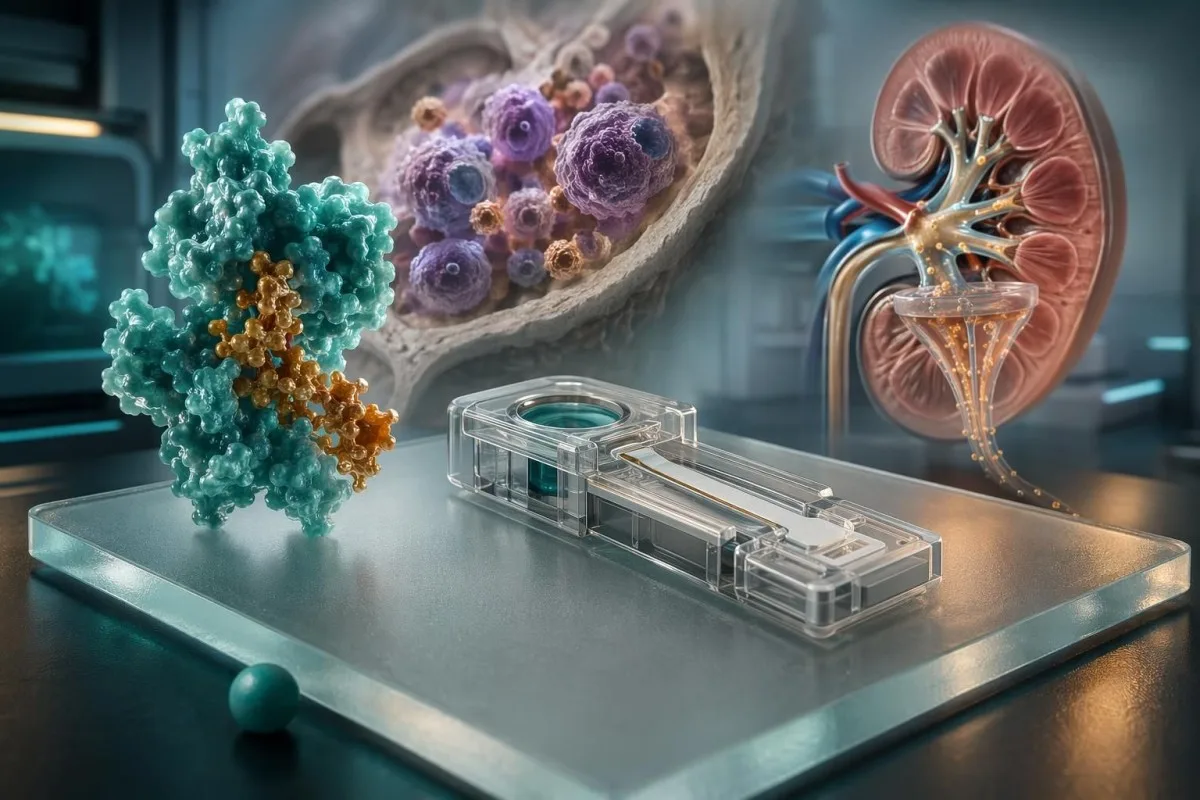
A high beta-2 microglobulin result in myeloma can mean higher plasma-cell burden, reduced kidney clearance, or active immune stimulation. The number is useful only when read beside creatinine/eGFR, albumin, LDH, calcium, CBC, immunoglobulins, and recent infection history.



- Beta-2 microglobulin is usually about 0.7-1.8 mg/L in adults, although some laboratories use upper limits near 2.4 mg/L.
- High beta-2 microglobulin meaning in myeloma depends on both tumor burden and kidney clearance, not one factor alone.
- ISS stage I myeloma requires beta-2 microglobulin below 3.5 mg/L plus albumin at or above 3.5 g/dL.
- ISS stage III myeloma is defined by beta-2 microglobulin at or above 5.5 mg/L, even before LDH or genetics are considered.
- Kidney impairment can raise beta-2 microglobulin sharply because the protein is filtered by the kidney and broken down in proximal tubules.
- Infection or inflammation can raise beta-2 microglobulin through immune-cell activation, especially when CRP, ESR, or WBC are also high.
- Diagnosis of myeloma is not made from beta-2 microglobulin alone; clinicians also use marrow findings, monoclonal protein studies, imaging, calcium, kidney function, and anemia markers.
- Trend direction matters: a fall from 8.0 to 4.5 mg/L during treatment may be encouraging, while a rise with stable creatinine can suggest more active disease.
What beta-2 microglobulin means in myeloma results
Beta-2 microglobulin is a myeloma prognosis marker, not a stand-alone cancer detector. In myeloma, a high result can reflect more plasma-cell activity, impaired kidney clearance, or immune activation from infection or inflammation; the safest interpretation starts by checking creatinine/eGFR and inflammatory markers before assuming cancer progression.
Beta-2 microglobulin is a small protein attached to MHC class I molecules on most nucleated cells. A typical adult serum range is roughly 0.7-1.8 mg/L, but I still see reports with upper limits from 2.0 to 2.4 mg/L, which is why unit and lab-specific ranges matter.
Kantesti is an AI blood test analyzer that reads beta-2 microglobulin beside kidney, protein, CBC, calcium, and inflammation markers rather than treating the value as a lonely red flag; our broader marker library is outlined in the biomarkers guide. That context is the difference between a worrying myeloma signal and a kidney-clearance artifact.
When I review a beta-2 microglobulin of 6.2 mg/L in a patient with creatinine 2.1 mg/dL, I do not interpret it the same way as 6.2 mg/L with creatinine 0.8 mg/dL. Same number. Very different clinical story.
Reference ranges and staging cutoffs patients actually see
Most laboratories consider serum beta-2 microglobulin normal below about 1.8-2.4 mg/L, while myeloma staging uses higher decision points at 3.5 mg/L and 5.5 mg/L. These are not interchangeable; one is a lab reference interval and the others are prognosis thresholds.

A value just above the lab range, such as 2.1 mg/L, may be mild and nonspecific if eGFR is normal and CRP is low. A value above 5.5 mg/L carries staging weight in myeloma, but it still needs kidney interpretation before anyone labels it as tumor burden alone.
Patients often panic because their report says high without explaining whether the result is high by routine reference range or high by myeloma staging. If your report changed units, our guide to lab unit changes may help you avoid comparing apples with oranges.
Some European labs report beta-2 microglobulin in mg/L, while a few older reports may show mcg/mL; numerically, 1 mg/L equals 1 mcg/mL. That conversion is simple, but the reference interval printed on the page should still be used because assay calibration differs.
Why myeloma can push beta-2 microglobulin higher
Myeloma can raise beta-2 microglobulin because malignant plasma cells shed more of this protein and because advanced disease often coexists with kidney stress. The marker is therefore a rough signal of cell burden plus clearance, not a direct count of cancer cells.
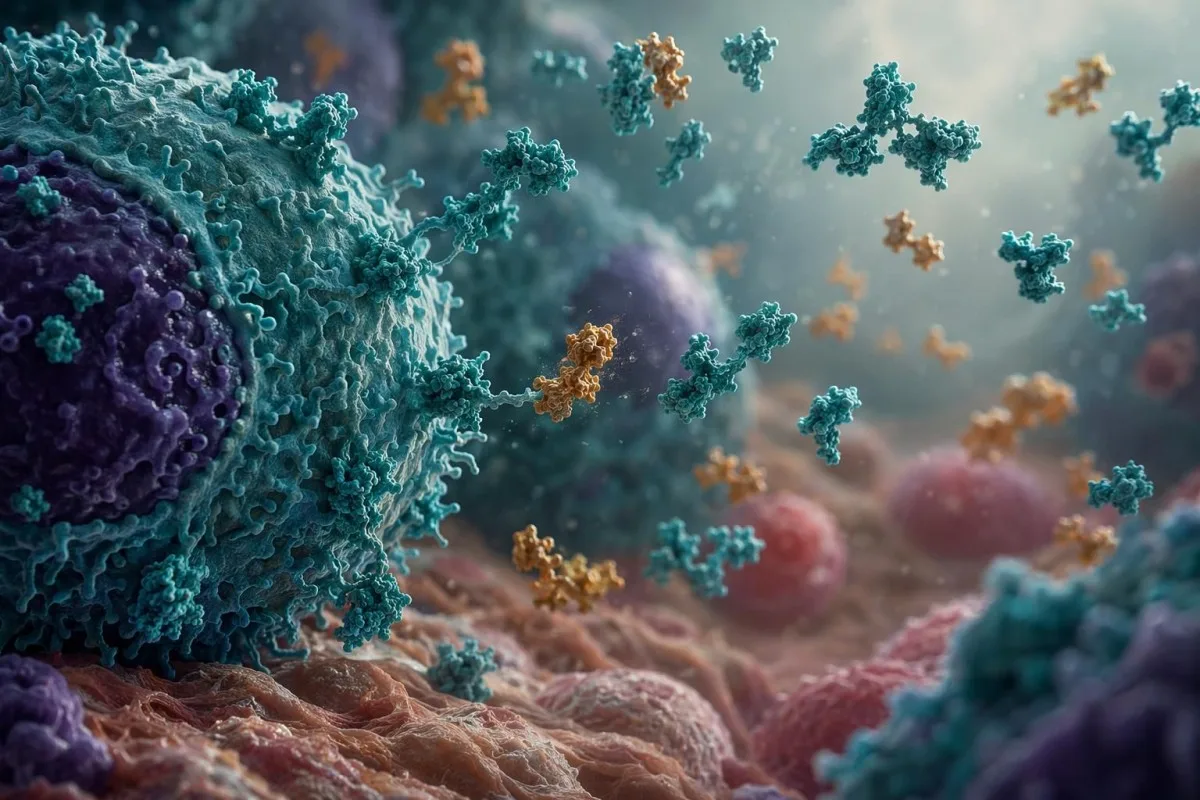
Beta-2 microglobulin sits on the surface of plasma cells and many other immune cells. In patients with a large monoclonal protein load, high globulins, or extensive marrow involvement, serum beta-2 microglobulin often rises in parallel with overall disease activity.
The reason I look at albumin and globulin at the same time is practical: a high total protein with low albumin can point toward a monoclonal protein pattern rather than dehydration alone. For that protein-pattern logic, the serum proteins guide is a useful companion to this article.
A beta-2 microglobulin of 7.0 mg/L with IgG 5,500 mg/dL, anemia, and bone lesions tells a different story from 7.0 mg/L in a patient on dialysis with stable myeloma markers. This is one of those markers where context beats the headline number.
How kidney clearance can exaggerate a high result
Kidney function is the biggest confounder in beta-2 microglobulin interpretation because the protein is filtered through the glomerulus and metabolized in proximal tubules. When eGFR falls below 60 mL/min/1.73 m², serum beta-2 microglobulin can rise even without more active myeloma.
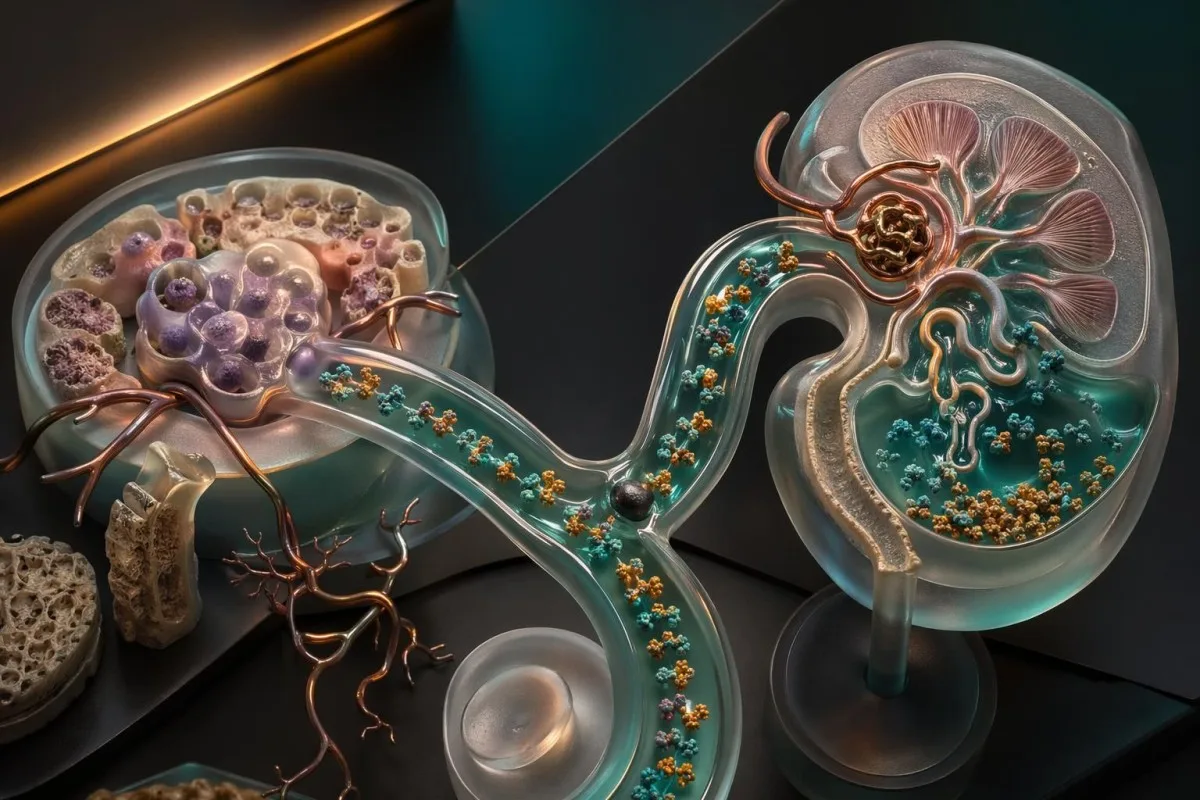
The KDIGO 2024 CKD guideline defines chronic kidney disease by abnormalities lasting at least 3 months, including eGFR below 60 mL/min/1.73 m² or kidney damage markers. That matters because beta-2 microglobulin may accumulate before a patient feels any kidney symptoms.
In clinical review, I pair beta-2 microglobulin with creatinine, eGFR, BUN, urine albumin-creatinine ratio, calcium, and light chains. If you are trying to decode the kidney side of the pattern, our plain-English eGFR guide gives the baseline framework.
Advanced kidney failure can push beta-2 microglobulin into the 20-50 mg/L range, particularly in long-term dialysis patients. That does not mean the myeloma burden is automatically massive; it may mean the kidney can no longer clear the protein efficiently.
Infection and inflammation can raise beta-2 microglobulin too
Infection, autoimmune activity, and other immune stimulation can raise beta-2 microglobulin because activated lymphocytes release more of it. A high result with CRP above 10 mg/L, ESR elevation, fever, or a shifting WBC differential needs caution before being blamed on myeloma.
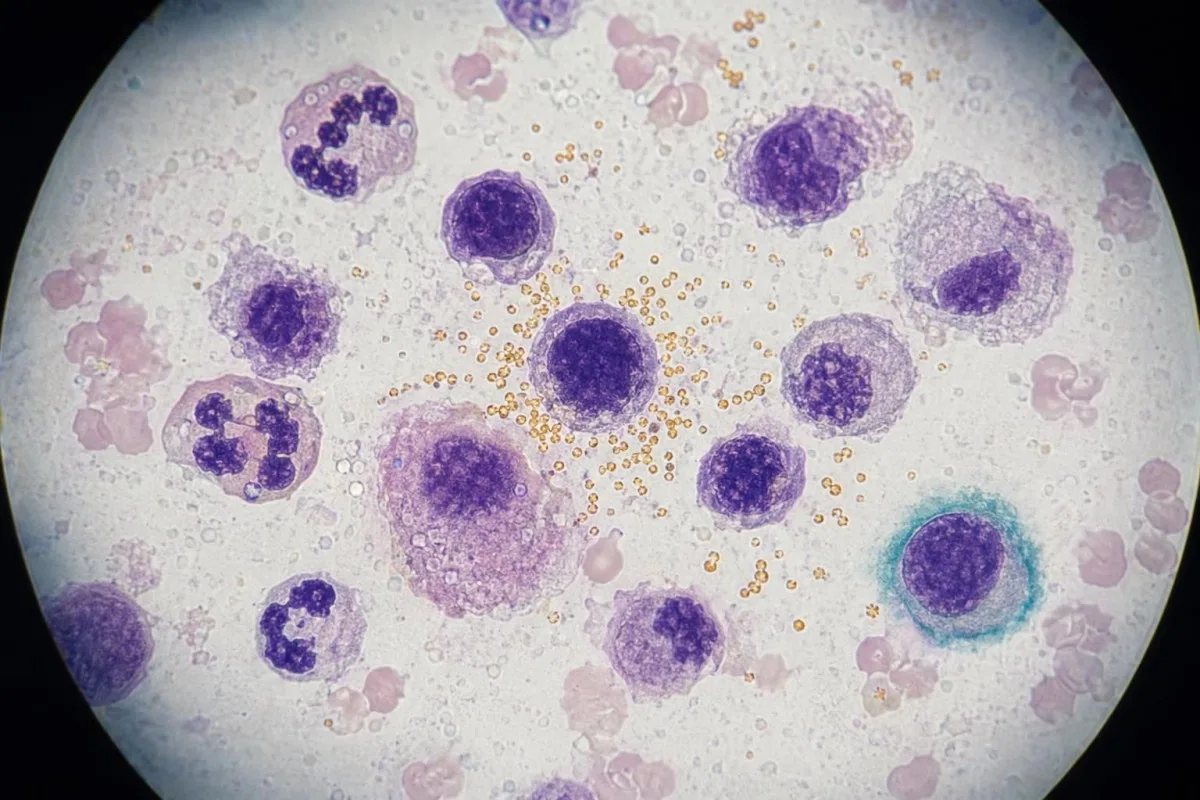
I have seen beta-2 microglobulin jump after pneumonia, shingles, and severe urinary infection, then settle when the immune response cooled. If the beta-2 microglobulin is high on the same day as neutrophils, CRP, or procalcitonin are high, the result may be partly inflammatory.
The practical pattern is simple: compare beta-2 microglobulin with fever history, WBC count, neutrophil-to-lymphocyte pattern, CRP, ESR, and recent vaccination or viral illness. For a deeper marker-by-marker breakdown, see our infection blood test guide.
This does not make the test useless. It means repeating beta-2 microglobulin 2-6 weeks after the acute illness can be more informative than reacting to a single value taken during immune turbulence.
How ISS and R-ISS use beta-2 microglobulin in myeloma
The International Staging System uses beta-2 microglobulin and albumin to estimate prognosis in newly diagnosed myeloma. ISS stage I is beta-2 microglobulin below 3.5 mg/L with albumin at least 3.5 g/dL, while ISS stage III is beta-2 microglobulin at or above 5.5 mg/L.

Greipp et al. published the ISS in the Journal of Clinical Oncology in 2005, using beta-2 microglobulin and albumin because they were widely available and prognostically strong (Greipp et al., 2005). In plain terms, beta-2 microglobulin carried the tumor-burden and renal-clearance signal, while albumin reflected systemic illness and inflammatory suppression.
The Revised ISS added LDH and high-risk cytogenetics, including abnormalities such as del(17p), t(4;14), and t(14;16); Palumbo et al. reported that R-ISS separated survival groups better than ISS alone (Palumbo et al., 2015). If LDH is part of your report, our guide to high LDH patterns explains why it is nonspecific but still prognostically useful.
Kantesti AI interprets beta-2 microglobulin myeloma results by checking whether the staging pattern is internally consistent: beta-2 microglobulin, albumin, LDH, creatinine/eGFR, calcium, hemoglobin, and protein markers should tell a coherent story. If they do not, that mismatch is often where the important clinical question sits.
Using trends to judge response, relapse, or stability
Beta-2 microglobulin trends are more useful than one isolated result, especially after therapy starts. A fall from 8.0 to 4.5 mg/L over treatment can be reassuring, while a rise with unchanged creatinine and rising monoclonal protein deserves faster hematology review.
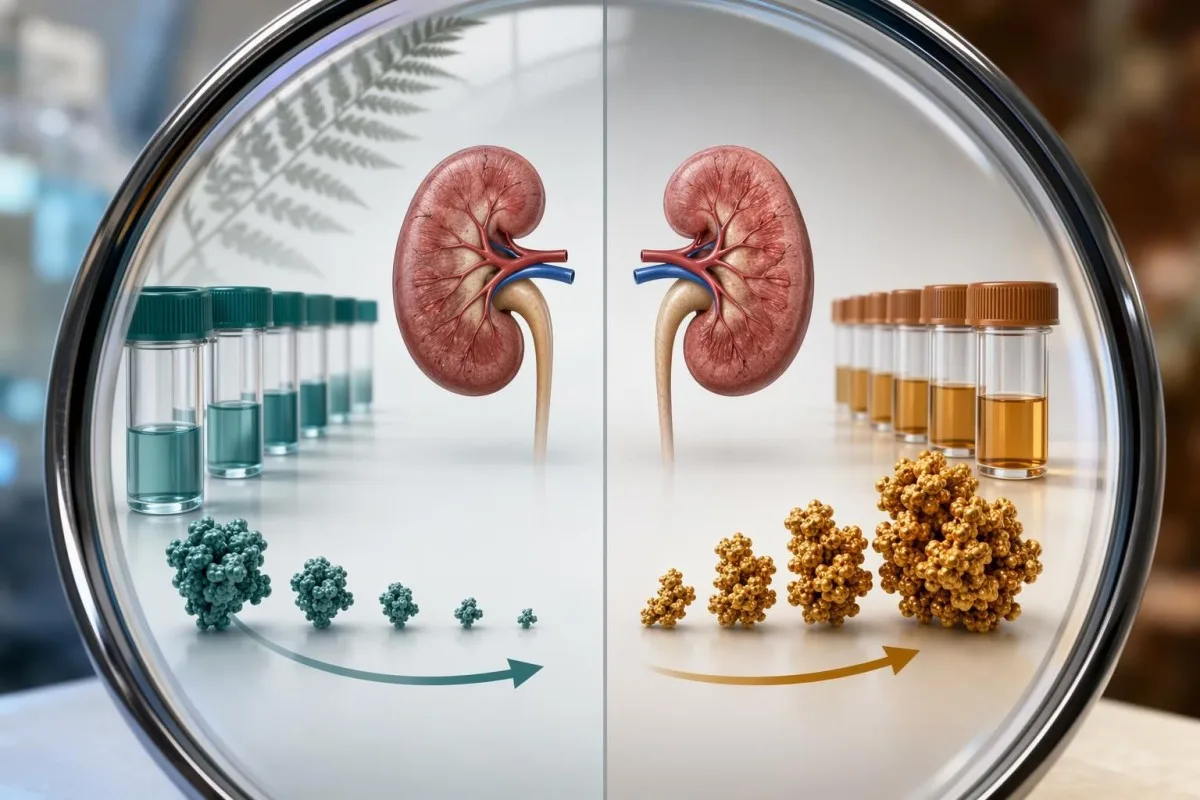
The first follow-up result after treatment may reflect three moving parts at once: fewer plasma cells, recovering kidney function, and less immune activation. That is why a modest fall in beta-2 microglobulin can still be meaningful even if it has not returned to the lab reference range.
I usually trust a trend more when the same laboratory and assay are used, because small method differences can shift values by 10-20%. Kantesti AI stores serial results for side-by-side pattern review, and our trend analysis guide explains how to separate random variation from real movement.
A stable beta-2 microglobulin of 4.0 mg/L with stable eGFR and falling M-protein may be less concerning than a new jump from 2.2 to 3.8 mg/L with normal creatinine and rising free light chains. The slope matters.
Companion tests that stop misinterpretation
Beta-2 microglobulin should be read with a myeloma panel, not alone. The minimum useful context usually includes CBC, creatinine/eGFR, calcium, albumin, LDH, SPEP or immunofixation, quantitative immunoglobulins, serum free light chains, and sometimes urine protein studies.

CBC gives the marrow consequence: hemoglobin below 10 g/dL can reflect anemia from marrow infiltration, kidney disease, or treatment effects. If you are checking which cell lines are affected, our CBC breakdown helps translate hemoglobin, platelets, and white-cell patterns.
Calcium and creatinine are not side notes in myeloma. Calcium above about 11.0 mg/dL and creatinine above 2.0 mg/dL are classic organ-impact signals, although local criteria and baseline values still matter.
Serum free light chains can change quickly because their half-life is measured in hours, while IgG monoclonal proteins may lag because IgG half-life is about 21 days. That timing mismatch explains why beta-2 microglobulin may not move at the exact same pace as every other myeloma marker.
When a high result needs same-day medical attention
A high beta-2 microglobulin result becomes urgent when it travels with kidney failure, high calcium, severe anemia, infection symptoms, confusion, dehydration, reduced urine output, or new neurologic weakness. The beta-2 number itself is rarely the emergency; the cluster around it is.

Seek same-day advice if beta-2 microglobulin is high and creatinine is rising rapidly, potassium is high, urine output is falling, or calcium is above 12 mg/dL. Those combinations can signal acute kidney stress or hypercalcemia that needs treatment before the next routine appointment.
A beta-2 microglobulin of 5.8 mg/L with hemoglobin 7.5 g/dL, fever 38.5°C, and neutropenia is a very different scenario from 5.8 mg/L in a stable outpatient. Our critical values guide explains which lab patterns should not wait.
The symptoms I ask about are boring but lifesaving: thirst, constipation, confusion, bone pain at rest, new back pain, breathlessness, recurrent fever, and less urine. If any of those accompany a suddenly higher result, do not sit on it.
Sample and assay issues that can distort the picture
Serum beta-2 microglobulin usually does not require fasting, but assay method, laboratory range, kidney status, timing after infection, and urine pH can change interpretation. A repeat result is most useful when performed at the same lab under similar clinical conditions.
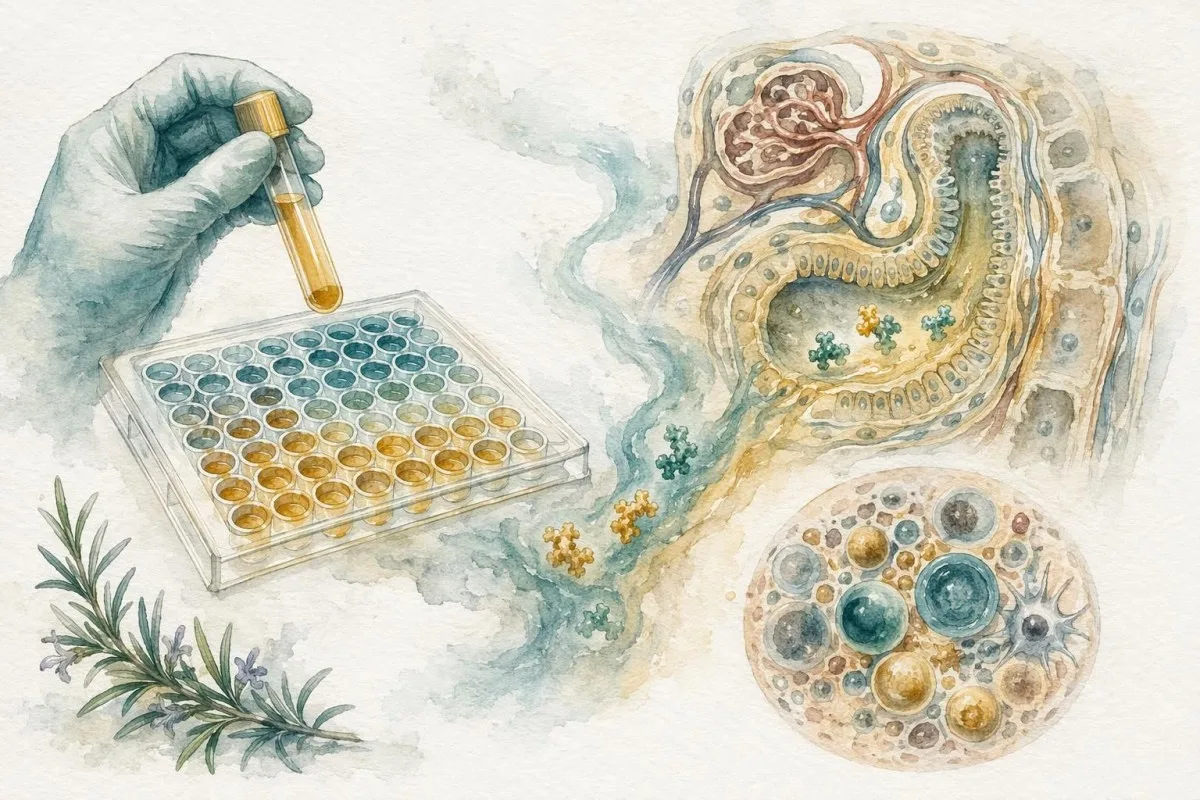
A random non-fasting sample is generally acceptable for the beta-2 microglobulin blood test. Food intake does not usually swing the result the way triglycerides or glucose can, but dehydration can indirectly complicate interpretation by nudging kidney markers.
Urine beta-2 microglobulin is a different test and is more fragile because acidic urine can degrade the protein. If a urine beta-2 microglobulin result is unexpectedly low despite suspected tubular injury, sample pH and handling time are worth asking about.
I tend to repeat unexpected mild elevations after 2-8 weeks, especially if CRP, WBC, or creatinine were abnormal on the first draw. Our guide on repeating abnormal labs gives a practical retest framework without over-testing.
Questions to ask after a high beta-2 microglobulin result
The most useful question is not simply why is it high; it is whether the rise is coming from myeloma biology, kidney clearance, infection, or a mixture. Ask your hematologist to compare beta-2 microglobulin with eGFR, albumin, LDH, monoclonal protein, free light chains, and recent symptoms.

Bring the exact value, units, reference range, date, and any recent illness history. A beta-2 microglobulin of 3.6 mg/L can be a staging boundary, but if it was drawn during a chest infection with CRP 85 mg/L, the conversation should include timing and repeat testing.
Useful questions include: has my eGFR changed by more than 10 mL/min/1.73 m², did my M-protein or light chains rise too, and does this change my ISS or R-ISS category? If the answer is unclear, a structured second opinion review can help organize what to ask next.
Dr. Thomas Klein often tells patients to avoid arguing with a single red flag on a portal screen. The better move is to ask what pattern would change treatment, what pattern would justify watchful waiting, and when the next measurement should happen.
How Kantesti AI reads beta-2 microglobulin in context
Kantesti is an AI blood test interpretation platform that interprets beta-2 microglobulin by cross-checking kidney clearance, protein patterns, inflammatory signals, and myeloma-related markers. Our AI does not diagnose myeloma; it helps structure the lab context so patients can have a better-informed conversation with clinicians.

When a user uploads a PDF or photo, Kantesti AI extracts the value, unit, reference interval, and surrounding markers in about 60 seconds. The system looks for contradictions, such as high beta-2 microglobulin with low eGFR but unchanged monoclonal protein, because that pattern often points toward clearance rather than new tumor burden.
Our clinical team reviews model behavior against physician-defined rules and edge cases, including kidney impairment and inflammatory confounding; the methodology is described in our technology guide. The goal is triage-quality interpretation, not replacing hematology staging, marrow assessment, imaging, or treatment decisions.
Kantesti is used by people in 127+ countries and supports 75+ languages, which matters because myeloma patients often carry results from different laboratories and healthcare systems. Privacy also matters here; myeloma records are deeply personal, and our data handling is designed around GDPR-aligned principles.
What beta-2 microglobulin cannot tell you
Beta-2 microglobulin cannot diagnose myeloma, identify the exact genetic risk group, prove relapse by itself, or measure minimal residual disease. It is a useful prognosis marker, but it is blunt compared with cytogenetics, imaging, marrow assessment, and modern MRD testing.
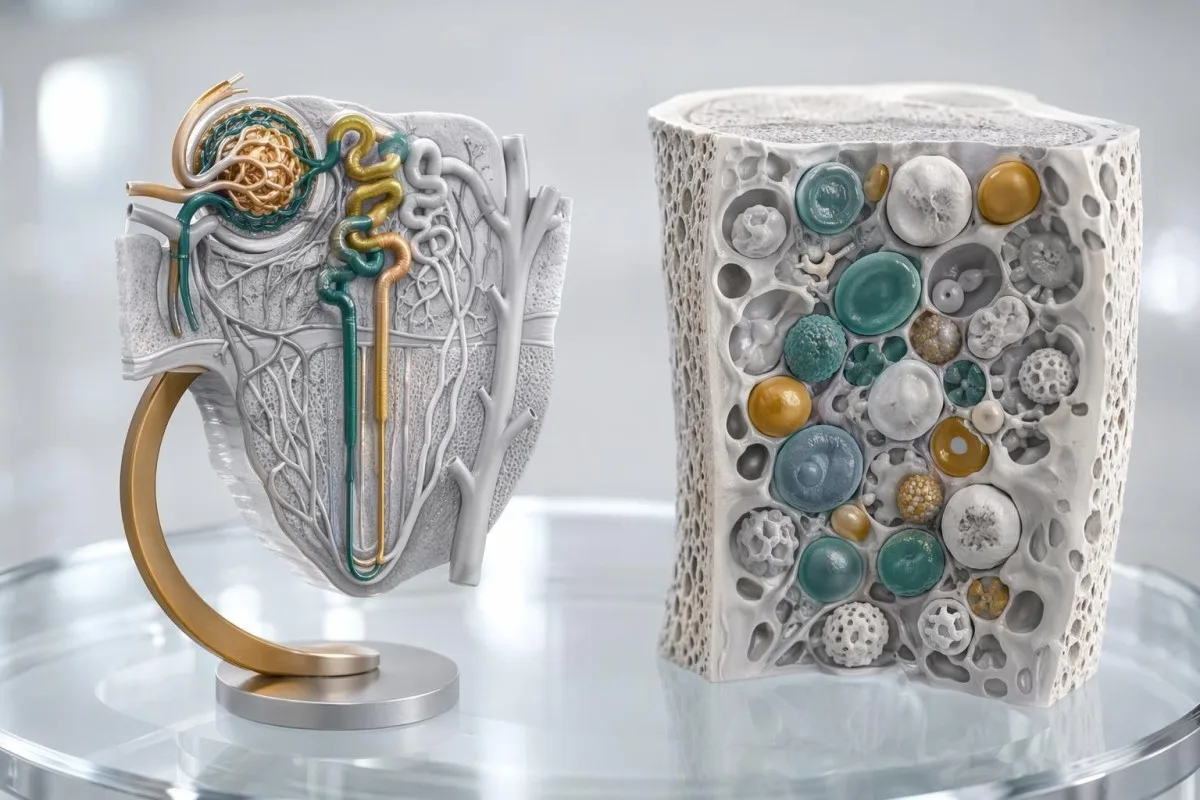
Two patients can both have beta-2 microglobulin 5.6 mg/L and have different outcomes because one has high-risk cytogenetics and the other has kidney-driven elevation. That is why R-ISS and newer risk models add biology, not just burden.
MRD testing can detect disease at levels around 1 in 100,000 or sometimes 1 in 1,000,000 cells depending on the method, which beta-2 microglobulin cannot approach. Kantesti AI flags when a marker is prognostic rather than diagnostic, and our clinical standards are discussed in medical validation.
The evidence is honestly mixed when clinicians try to use small beta-2 microglobulin shifts to make big decisions during deep remission. In my experience, a tiny rise from 2.1 to 2.4 mg/L with stable eGFR and negative disease markers is usually a reason to recheck, not panic.
Research notes and medical review standards
As of June 13, 2026, beta-2 microglobulin remains a validated myeloma staging marker, but its interpretation still depends on kidney function and immune context. Kantesti is an AI lab test interpretation service that presents this distinction clearly because patients are often harmed by overreading one abnormal marker.

This article was written from the clinical perspective of Dr. Thomas Klein, Chief Medical Officer at Kantesti AI, and reviewed against myeloma staging literature rather than generic wellness ranges. Our physician and scientific oversight structure is described on the Medical Advisory Board page.
Kantesti LTD is a UK company, and the About Us page explains how our medical, engineering, and privacy teams work together. For beta-2 microglobulin, that collaboration matters because the interpretation is partly hematology, partly nephrology, and partly lab-method quality control.
The Kantesti research publications listed in the DOI section below document our broader work in AI-supported blood test interpretation, including large-scale global report analysis. They are not a substitute for myeloma guidelines, but they explain how our platform thinks about pattern recognition, trend review, and safety checks.
Frequently Asked Questions
What does a high beta-2 microglobulin mean in myeloma?
A high beta-2 microglobulin in myeloma can mean higher plasma-cell burden, reduced kidney clearance, or immune activation from infection or inflammation. Myeloma staging uses 3.5 mg/L and 5.5 mg/L as major cutoffs, but those numbers should be interpreted with creatinine/eGFR and albumin. A value above 5.5 mg/L may place a patient in ISS stage III, yet kidney impairment can exaggerate the result.
What is the normal beta-2 microglobulin blood test range?
The usual adult serum beta-2 microglobulin range is about 0.7-1.8 mg/L, although some laboratories use upper limits near 2.4 mg/L. The range varies by assay, so the reference interval printed beside your result matters. A mild result such as 2.2 mg/L is not interpreted the same way as 6.0 mg/L, especially in a person with known myeloma.
Can kidney disease raise beta-2 microglobulin without myeloma getting worse?
Yes, kidney disease can raise beta-2 microglobulin because the kidney normally filters and breaks down the protein. When eGFR drops below 60 mL/min/1.73 m², serum beta-2 microglobulin may rise even if myeloma markers are stable. In advanced kidney failure or dialysis, levels can be far higher than routine reference ranges without proving cancer progression.
Is beta-2 microglobulin used to diagnose multiple myeloma?
Beta-2 microglobulin is not used by itself to diagnose multiple myeloma. Diagnosis depends on findings such as clonal plasma cells, monoclonal protein testing, free light chains, imaging, anemia, kidney injury, calcium elevation, or bone involvement. Beta-2 microglobulin is mainly a prognosis and staging marker, with key ISS cutoffs at 3.5 mg/L and 5.5 mg/L.
Can infection make beta-2 microglobulin high?
Yes, infection can make beta-2 microglobulin high because activated immune cells release more of the protein. A high result drawn during fever, CRP above 10 mg/L, ESR elevation, or a high WBC count may partly reflect immune activation. Repeating the test 2-6 weeks after recovery often gives a cleaner myeloma interpretation.
How often should beta-2 microglobulin be repeated in myeloma?
Repeat timing depends on disease phase, treatment plan, and kidney stability, but many clinicians recheck major myeloma labs every 4-12 weeks during active monitoring or therapy. A sudden rise is more meaningful when the same laboratory method is used and creatinine/eGFR is stable. Small changes of 10-20% may reflect assay variation or clinical noise, so trends should be judged with the whole panel.
Get AI-Powered Blood Test Analysis Today
Join over 2 million users worldwide who trust Kantesti for instant, accurate lab test analysis. Upload your blood test results and receive comprehensive interpretation of 15,000+ biomarkers in seconds.
📚 Referenced Research Publications
Klein, T., Mitchell, S., & Weber, H. (2026). AI Blood Test Analyzer: 2.5M Tests Analyzed | Global Health Report 2026. Kantesti AI Medical Research.
Klein, T., Mitchell, S., & Weber, H. (2026). RDW Blood Test: Complete Guide to RDW-CV, MCV & MCHC. Kantesti AI Medical Research.
📖 External Medical References
KDIGO Work Group (2024). KDIGO 2024 Clinical Practice Guideline for the Evaluation and Management of Chronic Kidney Disease. Kidney International Supplements.



⚕️ Medical Disclaimer
This article is for educational purposes only and does not constitute medical advice. Always consult a qualified healthcare provider for diagnosis and treatment decisions.
E-E-A-T Trust Signals
Experience
Physician-led clinical review of lab interpretation workflows.
Expertise
Laboratory medicine focus on how biomarkers behave in clinical context.
Authoritativeness
Written by Dr. Thomas Klein with review by Dr. Sarah Mitchell and Prof. Dr. Hans Weber.
Trustworthiness
Evidence-based interpretation with clear follow-up pathways to reduce alarm.