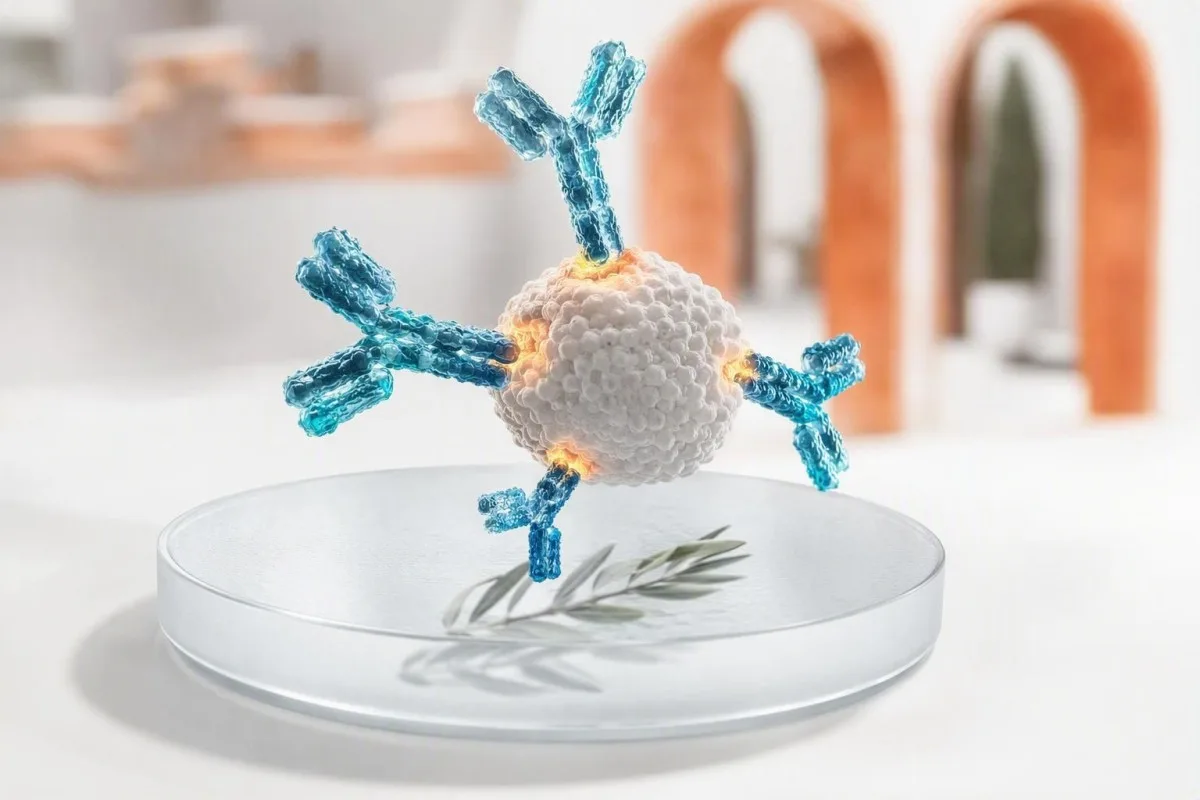
نتيجة إيجابية للأجسام المضادة تعني أن جهازك المناعي تعرف على هدف معين؛ لا تثبت، في حد ذاتها، عدوى نشطة أو مرضًا. فئة الأجسام المضادة، وطريقة الاختبار، والتوقيت، والأعراض، والاختبارات المصاحبة تحدد ما إذا كنت بحاجة إلى طمأنة، أو إعادة اختبار، أو تأكيد، أو رعاية سريرية فورية.


- نتيجة إيجابية للأجسام المضادة تظهر عادةً تعرفًا مناعيًا، وليس بالضرورة مرضًا حاليًا أو عدوى.
- IgM مقابل IgG هو دليل توقيت، وليس ساعة: قد تستمر IgM لأشهر ويمكن أن تظهر IgG مبكرًا.
- الأجسام المضادة للقاح يمكن أن تجعل اختبارات المناعة إيجابية دون الإشارة إلى عدوى طبيعية.
- IgE الخاص بمسببات الحساسية فوق 0.35 kUA/L يشير إلى التحسس، ولكن الأعراض بعد التعرض تثبت الحساسية السريرية.
- إيجابية ANA تحدث لدى ما يصل إلى 20% من البالغين الأصحاء بتراكيز منخفضة، خاصة مع التقدم في السن؛ الأعراض والأجسام المضادة المحددة لها أهمية أكبر.
- تفاعلية فحص فيروس نقص المناعة البشرية تتطلب دائمًا خوارزمية تأكيد معملي قبل إجراء أي تشخيص.
- الأجسام المضادة لـ tTG IgA موثوقة لتقييم الداء البطني فقط عندما يتناول الشخص الغلوتين ولديه ما يكفي من IgA الكلية.
- أعراض عاجلة مثل صعوبة التنفس، الارتباك، اليرقان، ألم الصدر أو طفح جلدي فقاعي واسع الانتشار تفوق نتيجة اختبار الأجسام المضادة الروتينية.
ماذا تخبرك نتيجة إيجابية للأجسام المضادة حقًا
A اختبار الأجسام المضادة الإيجابي يعني أن الفحص اكتشف بروتينات مناعية ترتبط بهدف معين؛ وهو لا لا يعني تلقائيًا أن لديك عدوى نشطة، أو مرض مناعي ذاتي، أو حساسية تتطلب علاجًا. تعتمد الخطوة التالية على نوع الجسم المضاد، وقوة النتيجة، والأعراض، وتوقيت التعرض، وأي اختبارات مقترنة للمستضد أو PCR أو وظائف الأعضاء.
الأجسام المضادة هي بروتينات خلايا بائية يتم إنتاجها بعد التطعيم، أو العدوى، أو التعرض للحساسية، أو المناعة الذاتية، أو أحيانًا لسبب غير ضار سريريًا. تجيب النتيجة الإيجابية على سؤال تحليلي واحد ضيق - “هل تم اكتشاف الارتباط فوق هذا الحد المعملي؟” - بدلاً من السؤال السريري الأوسع حول ما يحدث في جسمك اليوم.
في 15 عامًا من ممارستي السريرية، كان الخطأ الأكثر شيوعًا هو قراءة “إيجابي” كتشخيص. القاعدة العملية للدكتور توماس كلاين هي تحديد الهدف- فيروس، مستضد لقاح، بروتين غذائي، إنزيم الغدة الدرقية، مستضد نووي أو دواء - ثم السؤال عما إذا كان الاختبار يكشف عن التعرض السابق، أو الكائن الحالي، أو التحسيس، أو سوء توجيه المناعة.
Kantesti AI هو محلل اختبار الدم بالذكاء الاصطناعي الذي يقرأ علامات الأجسام المضادة بجانب التواريخ، وفئة الغلوبولين المناعي، والنتائج ذات الصلة بدلاً من اعتبار خط إيجابي واحد كحكم نهائي. هذا السياق مفيد بشكل خاص عندما يقارن المرضى تقارير من مختبرات مختلفة؛; النتائج النوعية والكمية ليست قابلة للتبديل حتى عندما تقول كلتاهما إيجابي.
إيجابية IgG مقابل IgM: لماذا التوقيت أقل بساطة مما يبدو
IgM إيجابي يمكن أن يشير إلى استجابة مناعية حديثة، بينما IgG إيجابي يشير غالبًا إلى التعرض السابق أو استجابة اللقاح؛ لا يؤرخ أي من النمطين المرض بشكل موثوق بمفرده. تنتج بعض العدوى IgG في غضون 7-14 يومًا، وقد يظل IgM قابلاً للكشف لمدة 3-12 شهرًا أو أكثر.
IgM هو جسم مضاد كبير بخمس وحدات غالبًا ما يكون قابلاً للكشف مبكرًا، ولكن حجمه وارتباطه الواسع يجعله أكثر عرضة للتفاعلات المتبادلة. يمكن أن تسبب فيروس إبشتاين بار، وفيروس بارفو B19، والعامل الروماتويدي وبعض الأجسام المضادة المناعية الذاتية تفاعلات IgM مضللة؛ نتيجة IgM منعزلة ذات مستوى منخفض تستحق مزيدًا من الشك بدلاً من الذعر.
عادة ما يستمر IgG بعد تطور الذاكرة المناعية، وأحيانًا لعقود. قد تعكس نتيجة IgG الإيجابية عدوى الطفولة، أو لقاحًا حديثًا، أو أجسامًا مضادة سلبية من الغلوبولين المناعي الوريدي، أو انتقالًا من الأم إلى الرضيع؛ لا يمكن أن تثبت الحماية إلا إذا كان الفحص المحدد له حد وقائي معتمد.
العينات المزدوجة يمكن أن تكون أكثر فائدة من سحب واحد: ارتفاع بمقدار أربع مرات في عيار الأجسام المضادة بين عينتين مأخوذتين بفارق حوالي 2-4 أسابيع يدعم العدوى الحديثة في أمراض مختارة. إذا كانت التقرير يدرج إجمالي IgG و IgA و IgM، فراجع النمط بدلاً من رقم واحد مع دليل تفسير الغلوبولين المناعي.
متى تعني الأجسام المضادة للعدوى مرضًا نشطًا ومتى لا تعني ذلك
الأجسام المضادة للعدوى تظهر عادة التعرض، في حين أن اختبار PCR، أو اختبار المستضد، أو المزرعة، أو ارتفاع العيار هي أدوات أفضل للكشف عن العديد من العدوى النشطة. نتيجة جسم مضاد إيجابية بدون أعراض غالباً ما تكون تاريخية، لكن الاستثناء يعتمد على الكائن الحي وحالتك المناعية.
بالنسبة لالتهاب الكبد C، فإن الجسم المضاد التفاعلي يعني التعرض في مرحلة ما، ولكن فقط RNA HCV القابل للكشف يثبت وجود الفيروس النشط حالياً. بالنسبة لالتهاب الكبد B، فإن التركيبة مهمة: المستضد السطحي، والجسم المضاد السطحي، والجسم المضاد الأساسي تفصل العدوى النشطة، والعدوى المتعافية، وحصانة اللقاح بشكل أفضل بكثير من علامة إيجابية واحدة.
فيروس نقص المناعة البشرية هو حالة أخرى حيث الصياغة مهمة للغاية. فحص الجيل الرابع التفاعلي ليس تشخيصًا؛ المختبر يتبعه بفحص مناعي للتمييز بين HIV-1/HIV-2، وعند الحاجة، اختبار الحمض النووي. يحتاج الشخص الذي يتناول الوقاية بعد التعرض إلى اختبار خاص بالوقت، كما هو موضح في دليلنا اختبار HIV بعد PEP.
رأيت مريضاً بصحة جيدة خائفاً من جسم مضاد إيجابي لداء الزهري ثلاثي الأبعاد بعد العلاج قبل 18 عاماً. عادة ما تظل الاختبارات ثلاثية الأبعاد إيجابية مدى الحياة، بينما يساعد عيار RPR أو VDRL في تقدير النشاط الحالي والاستجابة؛; أنماط اختبار الزهري توضح هذا التمييز بشكل أوضح.
كيف تختلف الأجسام المضادة للقاح عن الأجسام المضادة بعد العدوى
تظهر الأجسام المضادة المتعلقة باللقاح أن الجهاز المناعي استجاب لمستضد اللقاح؛ لا يعني ذلك أن اللقاح سبب عدوى نشطة. قد تظل النتيجة الإيجابية أقل من مؤشر حماية معروف، لأن الأجسام المضادة الرابطة والأجسام المضادة المحيدة الوظيفية ليست متطابقة.
تركيزات الأجسام المضادة لـ Hepatitis B surface 10 mIU/mL أو أعلى المقاسة بعد 1-2 أشهر من سلسلة تطعيم موثقة تعتبر بشكل عام واقية في الأشخاص ذوي المناعة السليمة. Anti-HBc، الجسم المضاد الأساسي لالتهاب الكبد B، لا ينتج عن تطعيم التهاب الكبد B القياسي؛ وجوده يشير إلى التعرض الطبيعي ويجب أن يستدعي تفسير لوحة كاملة.
يتم فحص الأجسام المضادة للحصبة الألمانية IgG بشكل شائع قبل الحمل لأنها تشير إلى مناعة سابقة، وليس مرض حصبة ألمانية نشط. تحدد المختبرات عتبات خاصة بالاختبار، وعادة ما يتم التعامل مع النتائج الحدودية على أنها غير مناعية لتخطيط ما قبل الحمل بدلاً من تفسيرها كعدوى حديثة؛ التوقيت مفصل في دليلنا دليل اختبار الحصبة الألمانية.
Kantesti AI هو منصة تفسير تحليل الدم ديال AI الذي يفصل بين الأجسام المضادة نمط اللقاح والأجسام المضادة نمط العدوى عندما يتضمن التقرير العلامات المصاحبة ذات الصلة. السؤال العملي غالباً ما يكون ليس “هل أنا إيجابي؟” بل “ما هو المستضد الذي تم قياسه، ومتى تم تطعيمي، وهل تغير هذه النتيجة خطة الحماية اليوم؟”
لماذا قد لا تعني نتيجة اختبار الأجسام المضادة للحساسية الإيجابية وجود حساسية
جسم مضاد محدد لمسببات الحساسية إيجابي IgE يشير الاختبار إلى التحسس، مما يعني أن IgE يتعرف على مسبب للحساسية؛ لا يشخص الحساسية السريرية بدون تاريخ رد فعل متوافق. قيمة أعلى من 0.35 kUA/L هي عتبة إيجابية تحليلية شائعة، وليست عتبة عالمية لتجنب طعام أو دواء.
القصة قبل الاختبار أهم مما يدركه الكثير من الناس. إذا كان الشخص يأكل الفول السوداني أسبوعياً دون خلايا النحل، أو الأزيز، أو القيء، أو الانهيار، فلا ينبغي أن يؤدي مجرد وجود IgE إيجابي ضعيف للفول السوداني إلى تجنبه؛ التقييد الغذائي غير الضروري يمكن أن يسبب ضرراً غذائياً واجتماعياً.
تنص المبادئ التوجيهية لمسببات الحساسية الغذائية التي ترعاها NIAID على أن اختبارات وخز الجلد و IgE المحدد تحدد الأطعمة المحتملة المسببة للحساسية ولكنها لا تستطيع تشخيص الحساسية الغذائية بشكل مستقل (Sampson et al.، 2010). في حالات مختارة، يستخدم أخصائي الحساسية اختبار المكونات الم resolución أو تحدي الغذاء الفموي تحت إشراف طبي، والذي يظل المعيار المرجعي لحل عدم اليقين.
يتم قياس IgE الكلي بوحدات IU/mL ويمكن أن يكون مرتفعاً في حالات الإكزيما، والتعرض للطفيليات، والتدخين، والعديد من الحالات المناعية؛ لا يمكنه تحديد مسبب الحساسية. يمكن لاختبار المكونات التمييز بين بروتين تخزين مستقر وبروتين مرتبط بحبوب اللقاح متفاعل بشكل متقاطع، وهو فرق تم استكشافه في دليلنا مقال حول اختبارات الحساسية الجزيئية.
لماذا تتطلب الأجسام المضادة لأمراض المناعة الذاتية أعراضًا ودلائل عضوية
الأجسام المضادة للمناعة الذاتية يمكن أن تسبق المرض، أو تصاحبه، أو توجد لدى الأشخاص الأصحاء؛ نتيجة إيجابية وحدها نادراً ما تثبت تشخيص المناعة الذاتية. يتصرف الأطباء عندما يتطابق نمط الجسم المضاد مع الأعراض، ونتائج الفحص، ومؤشرات الالتهاب، أو التغيرات العضوية الموضوعية.
جسم مضاد نووي، أو أنا, ، إيجابي بتراكيز منخفضة في حوالي 13% من الناس عند 1:80 وحوالي 20% عند 1:40 في دراسات سكانية، مع معدلات أعلى لدى النساء وكبار السن. لا يشخص النمط المتجانس أو المرقط الذئبة. يعتبر ANA أفضل اختبار بوابة عندما تجعل الصورة السريرية مرض النسيج الضام معقولاً.
يستخدم إطار تصنيف الذئبة EULAR/ACR لعام 2019 ANA بتراكيز لا تقل عن 1:80 كمعيار للدخول، ثم يتطلب ميزات سريرية ومناعية إضافية موزونة (Aringer et al.، 2019). بروتين جديد في البول، انخفاض C3/C4، نقص خلايا الدم، تورم المفاصل الالتهابي، أو طفح جلدي حساس للضوء مقنع يغير الإلحاح أكثر بكثير من ANA ضعيف وحده.
يصبح Anti-dsDNA أكثر أهمية عند اقترانه بمكمل منخفض ونتائج الكلى، على الرغم من أن طرق الفحص تختلف بشكل كبير. دليل متابعة anti-dsDNA و نظرة عامة على اختبار المكمل تفسير سبب قيام الأخصائي بتكرار الاختبار على منصة مختلفة.
الأجسام المضادة الخاصة بالأعضاء: أمثلة الغدة الدرقية، والداء البطني، والمعدة
تحدد الأجسام المضادة الخاصة بالأعضاء الاستهداف المناعي للأنسجة، لكنها لا تظهر دائمًا ما إذا كان العضو تالفًا حاليًا أو يحتاج إلى علاج. تتطلب الأجسام المضادة لبيروكسيداز الغدة الدرقية، والأجسام المضادة لترانسغلوتاميناز الأنسجة، والأجسام المضادة للعامل الداخلي اختبارات مصاحبة مختلفة.
الأجسام المضادة لـ TPO شائعة في التهاب الغدة الدرقية هاشيموتو ويمكن أن تكون موجودة لسنوات بينما تظل TSH و free T4 طبيعية. لدى شخص بالغ غير حامل مع وظائف طبيعية للغدة الدرقية، تدعم النتيجة عادةً المراقبة الدورية لـ TSH بدلاً من علاج هرمونات الغدة الدرقية؛ الحمل، وخطط الخصوبة، والأعراض يمكن أن تغير هذا النهج.
نتيجة tTG-IgA يقترح مرض الاضطرابات الهضمية فقط إذا كان الشخص لا يزال يستهلك الغلوتين وإجمالي IgA كافٍ. يمكن أن يجعل نقص IgA الانتقائي tTG-IgA سلبيًا بشكل خاطئ، لذلك يستخدم الأطباء اختبارات ببتيد الغليادين أو tTG المستندة إلى IgG عندما يكون إجمالي IgA منخفضًا؛ انظر شرحنا لـ سلبيات IgA المنخفض.
الجسم المضاد للعامل الداخلي محدد نسبيًا ولكنه ليس حساسًا جدًا لفقر الدم الخبيث. عندما يكون إيجابيًا إلى جانب انخفاض B12، وارتفاع حمض الميثيل مالونيك، وتضخم الكريات الحمر، يكون النمط مقنعًا؛ بدون هذا النمط، أتجنب علاج تسمية معملية بدلاً من المريض. اختبار فقر الدم الخبيث يوضح تسلسل التأكيد المعتاد.
ما الذي يسبب نتيجة إيجابية كاذبة للأجسام المضادة
تنشأ نتائج الأجسام المضادة الإيجابية الخاطئة عندما يكتشف الفحص ارتباطًا غير مقصود، وليس عندما يقوم المختبر ببساطة “بارتكاب خطأ”. الأجسام المضادة المتفاعلة، عامل الروماتويد، التحفيز المناعي الحديث، الغلوبولين المناعي السلبي، وانخفاض احتمالية الاختبار قبل السريري هي أسباب شائعة.
الخصوصية ليست الكمال. ينتج اختبار ذو خصوصية 99% حوالي 10 نتائج إيجابية خاطئة لكل 1000 شخص سلبي حقًا تم اختباره؛ عندما يكون المرض نادرًا، يمكن أن تفوق تلك النتائج الإيجابيات الحقيقية. هذا هو السبب في أن الفحص الواسع لشخص بدون أعراض غالبًا ما يخلق غموضًا بدلاً من الطمأنينة.
البيوتين مشهور بتداخله مع بعض فحوصات الهرمونات والقلب، بينما يمكن للأجسام المضادة غير النوعية (heterophile antibodies) وعامل الروماتويد أن تتداخل مع بعض الفحوصات المناعية. يمكن للمختبر أحيانًا تخفيف العينة، أو استخدام كواشف مانعة، أو تكرار النتيجة على منصة فحص أخرى، أو إجراء طريقة تأكيدية أكثر تحديدًا.
نتيجة إيجابية تتعارض مع صورة سريرية غير لافتة تمامًا ليست شيئًا يتم تجاهله؛ إنها سبب للتحقق. يقارن Kantesti AI العلامات المتناقضة وتواريخ الاختبار، و قائمة تدقيق دقة نتائج المختبر يمكن أن يساعدك في تسجيل المكملات، التسريب الحديث، والأمراض قبل التحدث مع الطبيب طالب الفحص.
نتيجة إيجابية لاختبار الأجسام المضادة ولكن لا توجد أعراض: خطة فرز عملية
عندما يكون اختبار الأجسام المضادة إيجابيًا ولكنك تشعر بتحسن، يحتاج معظم الناس إلى توضيح بدلاً من الرعاية الطارئة. الخطوات الأولى الأكثر أمانًا هي التحقق من الفحص الدقيق، والتحقق من تواريخ التعرض والتطعيم، والبحث عن الاختبار المصاحب الذي يؤكد المرض الحالي أو مشاركة الأعضاء.
ابدأ بالتقرير نفسه: سجّل اسم المادة التحليلية، فئة الأجسام المضادة، المؤشر الرقمي أو العيار، فترة المرجع، طريقة المختبر وتاريخ الجمع. “تفاعلي” يمكن أن يعني نسبة إشارة إلى عتبة أعلى بقليل من 1.0 أو نتيجة أقوى بكثير؛ لا تستخدم المختبرات عتبات متطابقة، وغالباً ما يتتبع الحجم الاحتمالية السريرية.
بعد ذلك، اسأل عما إذا كان هناك اختبار للمرض النشط. تشمل الأمثلة PCR لالتهاب الكبد C، واختبارات RPR المتسلسلة للزهري، واختبارات البراز أو التنفس للملوية البوابية النشطة، واختبار TSH/free T4 للأجسام المضادة للغدة الدرقية، وتحليل البول بالإضافة إلى الكرياتينين لمشاكل الكلى المتعلقة بالذئبة.
اعتبارًا من 8 سبتمبر 2026، لن أوصي ببدء المضادات الحيوية أو مضادات الفيروسات أو الأنظمة الغذائية الخالية من الغلوتين أو أدوية الغدة الدرقية أو تجنب الأطعمة بشكل مستقل فقط بناءً على نتيجة جسم مضاد معزولة. احتفظ بملف PDF الأصلي، وسجل خط الأساس الخاص بك مع تتبّع التحاليل عبر الزمن, ، ورتب مراجعة روتينية ما لم تكن هناك أعراض تنذر بالخطر.
الاختبارات التأكيدية التي تغير الخطوة التالية
يعتمد أفضل اختبار تأكيدي على ما تستهدفه الأجسام المضادة: الكشف الجزيئي يؤكد العديد من العدوى، واختبارات الوظائف توضح الحساسية، واختبارات وظائف الأعضاء تقيّم التأثير المناعي الذاتي. تكرار نفس اختبار الأجسام المضادة مفيد فقط عندما يكون التغيير المتوقع بمرور الوقت ذا معنى سريري.
بالنسبة لنتيجة فحص فيروس نقص المناعة البشرية التفاعلية، فإن مسار التأكيد الانعكاسي هو فحص تفاضلي يليه اختبار الحمض النووي لفيروس نقص المناعة البشرية إذا كانت النتائج غير حاسمة. بالنسبة للأجسام المضادة لالتهاب الكبد C، فإن الحمض النووي الريبوزي لفيروس HCV هو المتابعة الحاسمة؛ بالنسبة للأجسام المضادة الأساسية لالتهاب الكبد B الإيجابية، فإن المستضد السطحي، والأجسام المضادة السطحية، وأحيانًا الحمض النووي لفيروس HBV توضح النمط.
في حالة الاشتباه في الداء البطني، يجب اتخاذ قرارات الخزعة أثناء التعرض الكافي للغلوتين للاختبار. في حالة الحساسية الغذائية المحتملة، يأخذ أخصائي الحساسية في الاعتبار تاريخ التعرض، ومستوى IgE المحدد، وملف المكونات، وخطر التحدي - وليس لوحة من نتائج إيجابية منخفضة غير ذات صلة تم طلبها دون سؤال سريري.
Kantesti AI هو أداة تحليل ديال تحاليل الدم مدعومة بالذكاء الاصطناعي التي يمكنها تنظيم هذه العلامات المرتبطة في قائمة أسئلة جاهزة للطبيب، ولكنها لا تحل محل الاختبار التأكيدي أو التشخيص. إذا لم تكن متأكدًا من مدى الثقة في نتيجة شاذة، فإن معايير التحقق الطبي يوضح سبب أهمية التحقق والإشراف السريري.
الأعراض التي تجعل نتيجة إيجابية للأجسام المضادة أكثر إلحاحًا
نتيجة جسم مضاد إيجابية تستدعي تقييمًا عاجلاً عندما تصاحبها صعوبة في التنفس، أو تورم في الوجه أو الحلق، أو إغماء، أو ارتباك، أو ألم في الصدر، أو يرقان، أو طفح جلدي ينتشر بسرعة، أو جفاف شديد، أو ضعف عصبي جديد. الأعراض - وليس رقم الجسم المضاد وحده - تحدد الإلحاح.
الحساسية المفرطة المحتملة هي حالة طارئة: ظهور خلايا النحل المنتشرة فجأة مع أزيز، وضيق في الحلق، وقيء مستمر، أو دوخة، أو انخفاض ضغط الدم بعد التعرض يتطلب خدمات الطوارئ والأدرينالين الموصوف إذا كان متاحًا. جسم مضاد غذائي أو سمي إيجابي من أشهر مضت لا يتنبأ بهذا الخطر الفوري ولا ينفيه.
يجب أن يؤدي اليرقان الجديد مع البول الداكن، أو ألم البطن الشديد، أو الحمى، أو الارتباك إلى تقييم في نفس اليوم سواء كانت الأجسام المضادة لالتهاب الكبد الفيروسي إيجابية أم لا. إنزيمات الكبد، البيليروبين، INR، واختبار مسببات الأمراض المباشر تساعد في التمييز بين التاريخ المناعي والمرض الكبدي الصفراوي النشط؛; مكوّنات فحص وظائف الكبد سياق مفيد.
تصبح المخاوف المناعية الذاتية حساسة للوقت مع سعال الدم، أو ضيق التنفس، أو ارتفاع الكرياتينين السريع، أو الإسهال الدموي، أو تغير الرؤية، أو النوبات، أو ضعف أحادي الجانب جديد. لقد تعلمت عدم طمأنة شخص بناءً على عيار جسم مضاد borderline عندما يكون مسار أعراضه يتدهور بوضوح.
هل الرقم الأعلى للأجسام المضادة يعني مرضًا أكثر حدة؟
قد يزيد مؤشر الجسم المضاد الأعلى أو العيار أحيانًا من احتمالية أن تكون النتيجة حقيقية، ولكنه لا يقيس عادةً شدة المرض. قيم الفحص خاصة بالطريقة، ولا يمكن مقارنة نتيجة 80 AU/mL مباشرة مع 80 U/mL من مختبر آخر.
في أمراض المناعة الذاتية، قد تتبع اتجاهات anti-dsDNA أحيانًا نشاط الذئبة، خاصة عند قياسها باستمرار بنفس الطريقة وتفسيرها مع المكملات وبروتين البول. ومع ذلك، فإن عيار ANA هو مقياس ضعيف لشدة الذئبة ولا ينبغي تكراره لدى شخص مستقر.
بالنسبة للعدوى، قد يدعم إشارة الجسم المضاد القوية التعرض السابق ولكنه نادرًا ما يشير إلى العدوى. اختبارات الأجسام المضادة المحيدة متخصصة وقد تختلف عتباتها الوقائية حسب العامل الممرض والعمر ومنتج اللقاح وكبت المناعة؛ مجرد فحص IgG تجاري بسيط ليس جواز سفر للمناعة الشخصية.
عند مقارنة التقارير، احتفظ بالمختبر والفحص والوحدات مرئية. يجب أن يتجاوز التغيير البيولوجي الحقيقي التباين التحليلي العادي والتباين اليومي، ولهذا السبب فإن دليل مقارنة فحوصات الدم لدينا يركز على التواريخ والطرق بدلاً من العلامات الملونة وحدها.
الحمل والأطفال وقمع المناعة يغيرون التفسير
يمكن للحمل والرضع والعلاج المثبط للمناعة أن يغير كلاً من إنتاج الأجسام المضادة وسلامة الانتظار للتأكيد. في هذه المجموعات، قد تعكس النتيجة الإيجابية الأجسام المضادة للأم، أو انخفاض الاستجابة للقاح، أو خطر إعادة التنشيط، أو الحاجة إلى استشارة أخصائي مبكرة.
IgG ديال الأم كيعبر المشيمة و كيبقى باين فالرضيع لعدة شهور، بينما IgM ديال الأم عامة ما كيعبرش. داكشي علاش، بوزيتيفية IgG عند الرضيع كتعكس مناعة الأم، بينما IgM الخاص بالكائن الدقيق أو الكشف المباشر يقدر يستاهل تقييم أكثر تركيز حسب العدوى والعمر.
خلال الحمل، نتائج الأجسام المضادة ديال الروبيلا أو البارفيروس كيتفسرو مع تواريخ التعرض، اختبار الأvidité و عينات متكررة بدلا من IgM واحدة. IgM اللي كتكون إيجابية خاطئة مشكلة معروفة، و الإنذار لي يمكن تجنبه يمكن يؤدي لتحقيقات غازية غير ضرورية؛ تدخل طبيب النساء أو الأمراض المعدية منطقي ملي يكون التعرض ممكن.
الأشخاص اللي كيخدو ريتوكسيماب، كورتيكوستيرويدات بجرعة عالية، العلاج الكيميائي أو أدوية زرع الأعضاء يقدر تكون عندهم استجابات ضعيفة أو ما كايناش للأجسام المضادة رغم العدوى أو التطعيم. بالنسبة لقرارات الأسرة،, حدود تفسير الذكاء الاصطناعي عند الأطفال و ال المجلس الاستشاري الطبي لـ Kantesti كتعزز الحاجة لمراجعة من طرف الطبيب.
كيفية التحضير لمراجعة مفيدة من الطبيب لنتيجة إيجابية
جيبو التقرير الكامل للمختبر، سبب طلب التحليل، تواريخ الأعراض أو التعرض، تاريخ التطعيم، الأدوية و النتائج السابقة. هاد المعلومات تقدر تحول نتيجة مضادة إيجابية غامضة لخطوة واضحة خلال موعد واحد.
كتبو خمسة حقائق قبل الزيارة: اليوم الأول للأعراض، آخر تعرض ممكن، تواريخ التطعيم، الأدوية المثبطة للمناعة أو حقن الغلوبولين المناعي، و واش الأعراض كتحسن أو كتقصح. حمى بدات قبل 3 أيام من أخذ العينة كتفسر بشكل مختلف تماما عن إرهاق بدأ قبل 6 أشهر.
طرحو ثلاثة أسئلة مركزة: “إيش كيحدد هاد التحليل؟”، “إيش التحليل اللي كيأسس المرض النشط أو تأثير العضو؟”، و “إيش النتيجة اللي غاتغير العلاج؟” الدكتور توماس كلاين كيقول هاد الأسئلة كتنقص التحاليل المكررة الغير ضرورية و كتساعد المرضى يمشيو بإطار زمني محدد — اليوم، 1-2 أسبوع، أو مراقبة روتينية.
الذكاء الاصطناعي Kantesti كيدعم مراجعة التقارير بأمان بأكثر من 75 لغة و كيقدر يظهر التحاليل المصاحبة الناقصة من PDF مصور أو محمل في حوالي 60 ثانية. ديالنا دليل تقنية الذكاء الاصطناعي كيشرح طريقة مطابقة السياق، بينما فريقنا السريري كي توفر الإشراف الطبي وراء تفسير النتائج الموجهة للمرضى.
الأسئلة الشائعة
آش كيعني إلا كانت نتيجة ديال الأجسام المضادة إيجابية و أنا ما عندي حتى شي أعراض؟
نتيجة إيجابية للأجسام المضادة بدون أعراض غالباً ما تشير إلى التعرض السابق، أو التطعيم، أو التحسيس، أو نتيجة تحتاج إلى تأكيد بدلاً من مرض نشط. الخطوة التالية تعتمد على الهدف: الأجسام المضادة لالتهاب الكبد C تحتاج إلى RNA لالتهاب الكبد C، وفحص HIV الإيجابي يحتاج إلى خوارزمية تأكيد معملية، والأجسام المضادة للغدة الدرقية تحتاج إلى TSH و free T4. نتيجة إيجابية منخفضة معزولة أقل إقناعاً عند عدم وجود تاريخ تعرض أو أعراض متوافقة. اطلب الرعاية الفورية إذا ظهر يرقان جديد، صعوبة في التنفس، ارتباك، ألم في الصدر، أو طفح جلدي يتفاقم بسرعة.
واش IgM بوزيتيف و IgG نيكاتيف دائما كيعني عدوى جديدة؟
IgM إيجابي مع IgG سلبي يمكن أن يحدث مبكراً في العدوى، لكنه لا يثبت دائماً عدوى جديدة. قد يتفاعل IgM بشكل متقاطع مع بروتينات مناعية غير مرتبطة، وبعض الاختبارات تنتج نتائج IgM إيجابية خاطئة بشكل متكرر أكثر من نتائج IgG. قد يكرر الأطباء الفحص المصلي بعد 1-2 أسابيع، ويطلبون اختبار PCR أو المستضد، أو يستخدمون اختبار تأكيدي أكثر تحديداً. يعتمد التفسير الصحيح أيضاً على الجدول الزمني للمرض والكائن الحي المحدد الذي تم اختباره.
واش اللقاح يمكن ليه يخلي test ديال antibody يخرج بوزيتيف؟
وي، اللقاحات تجعل اختبارات الأجسام المضادة إيجابية بشكل شائع للمستضد الموجود في اللقاح. بالنسبة لالتهاب الكبد B، فإن تركيز مضاد HBs لا يقل عن 10 mIU/mL مقاسًا بعد 1-2 شهر من سلسلة مكتملة يشير عمومًا إلى استجابة لقاح واقية لدى الأشخاص الأصحاء. التطعيم القياسي لالتهاب الكبد B لا ينتج مضاد HBc، لذا فإن إيجابية الأجسام المضادة لللب تشير إلى التعرض الطبيعي بدلاً من التطعيم وحده. الإيجابية المتعلقة باللقاح لا تعني أن لديك عدوى نشطة.
واش ممكن يكون عندك تحليل ديال الأجسام المضادة ذاتية إيجابي وتكون بصحة جيدة؟
أيوا، الناس اللي بصحتهم يمكن يكون عندهم antibodies ديال المناعة الذاتية إيجابية، خصوصا نتائج ANA منخفضة. ANA كيمكن تكتشف عند تقريبا 13% ديال الناس بنسبة 1:80 وحوالي 20% بنسبة 1:40، داكشي علاش ماشي test بوحدو ديال لولوبوس. الأعراض بحال التورم ديال المفاصل بسبب الالتهاب، قروح الفم، طفح جلدي حساس للضوء، complement منخفض، بروتين في البول أو تغيرات في عدد خلايا الدم كتحدد واش خاص استشارة طبية. نتيجة إيجابية خاصها تفسر في سياق السبب اللي تطلب على قبلو la.
واش هاد التحليلة ديال IgE الإيجابية كتعني أنني خصني نتفادى هاد الماكله؟
لا، نتيجة إيجابية خاصة بالـ IgE للأطعمة تعني التحسس ولا تثبت أن أكل الطعام يسبب رد فعل تحسسي. العديد من المختبرات تسمي النتائج فوق 0.35 kUA/L إيجابية، لكن هذا الحد مصمم للكشف بدلاً من قرار تجنب عالمي. الشخص الذي يأكل الطعام بانتظام دون طفح جلدي، أو أزيز، أو تقيؤ متكرر، أو دوخة يجب ألا يستثنيه تلقائيًا من نظامه الغذائي. يمكن لأخصائي الحساسية استخدام تاريخ التفاعل، واختبار المكونات، وأحيانًا تحدي غذائي فموي تحت إشراف لتوضيح الخطر.
شحال كتبقى الأجسام المضادة إيجابية بعد الإصابة؟
مدة الأجسام المضادة تختلف كثيراً حسب العدوى وفئة الأجسام المضادة. قد يختفي IgM في غضون أسابيع ولكنه يمكن أن يستمر لمدة 3-12 شهراً أو أطول، بينما يمكن أن تظل IgG قابلة للقياس لسنوات أو مدى الحياة. غالباً ما تظل الأجسام المضادة للزهري الحلزوني إيجابية مدى الحياة بعد العلاج الناجح، في حين تستخدم عيارات RPR أو VDRL لمتابعة النشاط. لذلك، فإن نتيجة الأجسام المضادة الإيجابية لا يمكن أن تخبرك بشكل موثوق متى حدثت العدوى بدون معلومات سريرية ومخبرية أخرى.
احصل على تحليل الدم بالذكاء الاصطناعي اليوم
انضم إلى أكثر من 2 مليون مستخدم عالمي يثقون في Kantesti لتحليل فوري ودقيق لنتائج التحاليل المخبرية. ارفع نتائج تحليل الدم الخاصة بك واحصل على تفسير شامل لـ 15,000+ للـ biomarkers في ثوانٍ.
📚 أبحاث منشورة مُشار إليها
Klein, T., Mitchell, S., & Weber, H. (2026). دعم القرار السريري بمساعدة الذكاء الاصطناعي متعدد اللغات للفرز المبكر للحمى النزفية: التصميم، التحقق الهندسي، والنشر في العالم الحقيقي عبر 50,000 تقرير اختبار دم مفسر. Figshare. https://www.researchgate.net/. Kantesti بحث طبي بالذكاء الاصطناعي.
Klein, T., Mitchell, S., & Weber, H. (2026). اختبار تقني آلي قائم على مقياس، مسجل مسبقاً، لمحرك تفسير اختبارات الدم Kantesti على 100,000 حالة اختبار اصطناعية. Figshare. https://www.academia.edu/. Kantesti بحث طبي بالذكاء الاصطناعي.
📖 مراجع طبية خارجية
⚕️ إخلاء مسؤولية طبية
هذه المقالة لأغراض تعليمية فقط ولا تشكل نصيحة طبية. استشر دائمًا مقدم رعاية صحية مؤهلًا لاتخاذ قرارات التشخيص والعلاج.
إشارات الثقة E-E-A-T
خبرة
مراجعة سريرية يقودها الأطباء لسير عمل تفسير التحاليل.
خبرة
تركيز طب المختبر على كيفية سلوك الـ biomarkers في السياق السريري.
السلطة
مكتوب من طرف الدكتور Thomas Klein مع مراجعة من طرف الدكتورة Sarah Mitchell والأستاذ الدكتور Hans Weber.
الجدارة بالثقة
تفسير قائم على الأدلة مع مسارات متابعة واضحة لتقليل الإنذار.