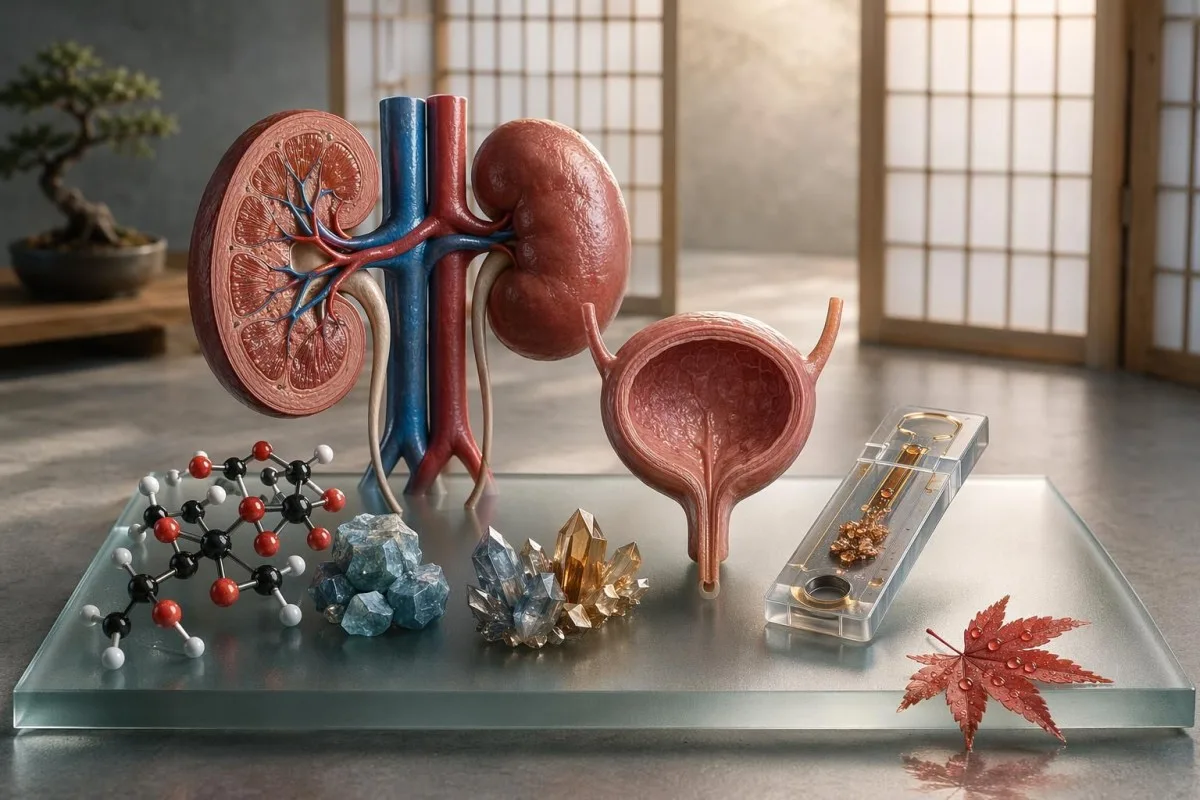
Nocturia often has a measurable biochemical clue. The trick is reading glucose, kidney, electrolyte, PSA, and medication patterns together rather than blaming age too quickly.


- Blood sugar and night urination often connect when fasting glucose is ≥126 mg/dL, random glucose is ≥200 mg/dL with symptoms, or HbA1c is ≥6.5%.
- HbA1c below 5.7% is usually normal, 5.7–6.4% suggests prediabetes, and ≥6.5% meets a diabetes threshold if confirmed.
- Kidney concentration clues include eGFR, creatinine, BUN, sodium, serum osmolality, urine specific gravity, and urine albumin-creatinine ratio.
- Urine ACR below 30 mg/g is usually normal; 30–300 mg/g suggests early kidney damage even when creatinine still looks fine.
- Sodium normally runs 135–145 mmol/L; high sodium with dilute urine raises concern for water-balance or concentration problems.
- Calcium above roughly 10.5 mg/dL can cause thirst, constipation, and excess urination, including nocturia.
- PSA does not diagnose the cause of nocturia, but an elevated or fast-rising PSA can be a prostate-related clue that needs context.
- Medication effects are common: loop diuretics, thiazides, SGLT2 diabetes drugs, lithium, evening steroids, alcohol, and late caffeine can all worsen night urination.
- Desmopressin can reduce nocturnal urine production in selected patients, but serum sodium must be checked because hyponatremia can be dangerous.
- Kantesti AI can read uploaded lab PDFs or photos in about 60 seconds and highlight nocturia-related patterns across glucose, kidney, electrolytes, PSA, and medication-risk markers.
Which blood tests actually help explain nocturia?
A blood test for night urination should usually check glucose or HbA1c, kidney function, electrolytes, calcium, and sometimes PSA, BNP, TSH, and medication-safety markers. Nocturia is not automatically aging. In clinic, I look for diabetes, kidney concentration problems, prostate-related clues, fluid overload, low or high sodium, high calcium, and drug effects before calling it benign. You can upload results to Kantesti AI and compare them with symptom timing.
Nocturia means waking from sleep to pass urine at least once, but most patients seek help when it happens 2 or more times nightly. Cornu et al. described nocturia as a symptom with multiple mechanisms, not a single diagnosis, in a 2012 European Urology review (Cornu et al., 2012).
The first split I make is simple: is the body making too much urine overnight, or is the bladder/prostate system unable to store it? Blood and urine labs help with the first question; a bladder diary, post-void residual, and exam help with the second.
A patient I remember, a 58-year-old teacher, was told for 3 years that nighttime urination was age. Her HbA1c was 7.8%, urine glucose was positive, and the problem eased once glucose improved; our deeper guide to bedtime blood sugar explains why the night can expose missed daytime hyperglycemia.
How do glucose and HbA1c separate diabetes from bladder aging?
Blood sugar and night urination are linked because excess glucose pulls water into urine once blood glucose rises above the kidney’s reabsorption capacity. HbA1c ≥6.5%, fasting glucose ≥126 mg/dL, or random glucose ≥200 mg/dL with classic symptoms supports diabetes if confirmed.
The American Diabetes Association lists diabetes thresholds as HbA1c ≥6.5%, fasting plasma glucose ≥126 mg/dL, 2-hour OGTT glucose ≥200 mg/dL, or random glucose ≥200 mg/dL with symptoms (American Diabetes Association Professional Practice Committee, 2026). Normal fasting glucose is usually 70–99 mg/dL.
Here is the physiology patients actually feel: when glucose spills into urine, water follows it. The renal glucose threshold is often quoted around 180 mg/dL, but I see variation; older adults and people with kidney changes may spill glucose at lower or higher levels.
HbA1c can mislead when red cell turnover is abnormal, so a nocturia blood test panel sometimes needs fasting glucose, fructosamine, or repeat testing. If your A1c and glucose disagree, our diabetes blood test guide walks through the patterns.
Which kidney labs suggest poor overnight urine concentration?
Kidney concentration problems are suggested by abnormal creatinine, eGFR, BUN, sodium, serum osmolality, urine specific gravity, or albumin-creatinine ratio. eGFR below 60 mL/min/1.73 m² for 3 months meets a chronic kidney disease criterion when persistent.
Creatinine alone misses early kidney stress because it changes with muscle mass, diet, and hydration. KDIGO 2024 recommends using eGFR and urine albumin categories together for CKD risk, because an ACR of 30 mg/g can matter even when creatinine looks ordinary (KDIGO CKD Work Group, 2024).
BUN is usually 7–20 mg/dL, and creatinine commonly sits around 0.59–1.04 mg/dL in many adult women and 0.74–1.35 mg/dL in many adult men, though labs differ. A high BUN/creatinine ratio can reflect dehydration, high protein intake, gastrointestinal fluid loss, or reduced kidney blood flow rather than intrinsic kidney failure.
When I review nocturia with a normal creatinine but low urine specific gravity, I slow down. A urine specific gravity near 1.010 repeatedly can mean the kidney is not concentrating well; our urine ACR guide explains why urine markers often move before blood markers.
How do sodium, calcium, potassium and osmolality change the story?
Electrolyte results can point to water-balance problems that ordinary bladder advice misses. Sodium normally runs 135–145 mmol/L, potassium 3.5–5.0 mmol/L, calcium about 8.6–10.2 mg/dL, and serum osmolality about 275–295 mOsm/kg.
High sodium above 145 mmol/L with excessive thirst can suggest water loss, inadequate intake, diabetes insipidus physiology, or medication effects. Low sodium below 135 mmol/L is a different problem; it may occur with thiazides, SSRIs, heart failure, kidney disease, or desmopressin therapy.
Calcium deserves more attention than it gets. A calcium result above roughly 10.5 mg/dL can cause thirst, constipation, fatigue, and frequent urination; if albumin is abnormal, corrected calcium or ionized calcium is usually more useful than total calcium alone.
Low potassium below 3.5 mmol/L can reduce kidney concentrating ability and cause muscle weakness or palpitations. For a deeper view of the same sodium-potassium-CO2 pattern, see our electrolyte panel explainer.
Can PSA explain waking to urinate at night?
PSA can be a prostate-related clue, but it does not prove why a person wakes to urinate. Age, prostate size, infection, ejaculation, cycling, recent instrumentation, and cancer risk all change how PSA should be read.
Common age-adjusted PSA reference cutoffs are roughly <2.5 ng/mL in the 40s, <3.5 ng/mL in the 50s, <4.5 ng/mL in the 60s, and <6.5 ng/mL in the 70s, but clinicians disagree on exact cutoffs. PSA velocity and free PSA may matter more than one isolated number.
The reason PSA can mislead is that nocturia often comes from benign enlargement, bladder overactivity, sleep apnea, edema, or diabetes rather than cancer. A man with PSA 2.1 ng/mL and a high post-void residual may have more obstruction than a man with PSA 5.0 ng/mL after a urinary infection.
If PSA is being checked, avoid ejaculation and long cycling for about 48 hours when possible, and delay testing after urinary infection or catheterisation. Our PSA range guide gives the age context many lab portals omit.
Which medication effects show up in frequent urination at night labs?
Medication-related nocturia is common, and labs often show the mechanism. Diuretics alter sodium and potassium, SGLT2 drugs cause glucose loss in urine, lithium can impair urine concentration, and desmopressin can lower sodium.
Loop diuretics such as furosemide can cause nighttime urination if taken late, but moving the dose is not always safe in heart failure. Thiazides can produce sodium below 135 mmol/L or potassium below 3.5 mmol/L, and those abnormalities can be more dangerous than the nocturia itself.
SGLT2 inhibitors intentionally make the kidney excrete glucose, so urine glucose may stay positive even when serum glucose is improving. I warn patients that the first 1–4 weeks can bring more urination, genital irritation, and dehydration risk if fluid intake is poor.
Lithium is the classic medication I do not want to miss. A lithium level target is often 0.6–1.2 mmol/L, but nephrogenic diabetes insipidus can happen even with therapeutic levels; our medication monitoring guide covers which labs should be repeated after dose changes.
When do BNP and albumin point to nighttime fluid shifts?
BNP, NT-proBNP, albumin, kidney labs, and liver markers can reveal nocturia caused by fluid redistribution rather than excess drinking. This pattern often appears when ankle swelling improves overnight and urine production rises while lying down.
BNP below 100 pg/mL makes significant heart failure less likely in many settings, while higher values need context from age, kidney function, and symptoms. NT-proBNP is often considered low-risk below 125 pg/mL in stable outpatients under 75, but acute-care cutoffs are higher.
Albumin normally sits around 3.5–5.0 g/dL. Low albumin can allow fluid to move into tissues during the day, then return to circulation at night, increasing urine volume after bedtime.
One practical clue: if socks leave deep marks at 6 p.m. and nocturia peaks before 2 a.m., I think about edema physiology. Our BNP blood test article explains why heart strain markers must be interpreted with kidney results, not alone.
Do thyroid, cortisol or sleep hormones belong in the panel?
TSH and selected hormone tests can help when nocturia arrives with weight change, palpitations, fatigue, heat intolerance, or disrupted sleep. TSH is commonly interpreted around 0.4–4.0 mIU/L, though lab and pregnancy ranges differ.
Hyperthyroidism can increase thirst, bowel frequency, anxiety, and sleep fragmentation; patients may interpret the awakenings as bladder trouble. A low TSH with high free T4 is a stronger clue than a mildly low TSH by itself.
Morning cortisol usually falls somewhere around 5–25 µg/dL, but this range is method-dependent and not a simple nocturia screen. I use cortisol testing when there are clues such as unexplained low sodium, low blood pressure, steroid exposure, or marked fatigue.
Sleep apnea is a big blind spot because it can cause nocturnal natriuresis without a dramatic blood-test abnormality. If snoring, witnessed pauses, or morning headaches are present, our thyroid panel guide is only one part of the workup; sleep assessment may matter more.
Why pair urinalysis with a nocturia blood test?
Urinalysis and urine ACR often make a nocturia blood test interpretable. Blood results show systemic drivers, while urine results show glucose spill, protein leak, infection clues, concentration capacity, and kidney filtration stress.
Urine specific gravity usually ranges from about 1.005–1.030. A very dilute sample after overnight fluid restriction may suggest impaired concentration, while a very concentrated sample can point toward dehydration or high solute load.
Urine glucose with normal serum glucose may occur with SGLT2 medication or renal glycosuria. Urine ketones with glucose above 250 mg/dL, nausea, abdominal pain, or rapid breathing is a different and more urgent pattern.
Urine ACR is one of my favourite early-warning tests because ACR 30–300 mg/g can precede major creatinine changes. For readers who want the full dipstick-and-microscopy context, our urinalysis guide covers what blood tests cannot show.
How should labs be timed before blaming age?
Timing matters because glucose, sodium, creatinine, PSA, and urine concentration can all shift with meals, exercise, hydration, sex, cycling, and medication timing. A repeat test under cleaner conditions often prevents a wrong label.
For fasting glucose and triglyceride-heavy metabolic panels, 8–12 hours fasting is often used, but water is allowed unless your clinician says otherwise. Dehydration can falsely raise albumin, calcium, sodium, BUN, and hematocrit.
Do not over-clean the result. If nocturia happens after late meals, alcohol, or a new medication, the real-world pattern may be more useful than a perfect fasting sample taken on an unusually disciplined day.
PSA is best repeated after avoiding ejaculation and long cycling for about 48 hours when feasible. Our fasting versus non-fasting guide explains which markers genuinely move and which barely change.
What lab patterns separate the main causes?
Nocturia labs work best as patterns, not isolated flags. High glucose with urine glucose suggests osmotic diuresis; high sodium with dilute urine suggests water-balance trouble; high BNP with edema suggests nocturnal fluid redistribution.
A single creatinine of 1.25 mg/dL can be normal for a muscular person and abnormal for a frail older adult. A single sodium of 133 mmol/L can be medication-related, hormone-related, or dilutional from heart or kidney disease.
This is where trends earn their keep. If eGFR falls from 92 to 68 over 18 months while ACR rises from 12 to 75 mg/g, I worry more than I would about one borderline eGFR on a dehydrated day.
Kantesti AI compares current and prior reports when users upload them, which helps distinguish noise from direction. Our blood test variability article shows why a 5% shift and a 40% shift should not be treated the same.
When is night urination a same-day medical issue?
Night urination needs same-day care when it comes with very high glucose, severe thirst, confusion, fever, flank pain, blood in urine, new leg swelling, shortness of breath, or sodium outside a safe range. Do not wait weeks with these patterns.
Random glucose above 300 mg/dL with vomiting, ketones, weight loss, or rapid breathing can signal dangerous metabolic decompensation. Even people without known diabetes can present this way, especially after infection or steroid treatment.
Sodium below 125 mmol/L or above 155 mmol/L can affect the brain and should not be managed with online advice. New confusion, seizure, severe weakness, or fainting makes the situation urgent regardless of the exact number.
Fever with back pain, reduced urine output, or a rapidly rising creatinine can mean kidney infection or obstruction. Our critical lab values guide explains which results usually require immediate contact rather than routine follow-up.
How Kantesti AI interprets nocturia-related lab patterns
Kantesti AI interprets nocturia-related labs by reading glucose, HbA1c, creatinine, eGFR, BUN, electrolytes, calcium, PSA, BNP, albumin, thyroid markers, urine ACR, and medication-risk patterns together. Our platform returns an interpretation in about 60 seconds after PDF or photo upload.
Kantesti is used by more than 2M users across 127+ countries and 75+ languages, so our neural network sees unit differences that trip people up: mg/dL versus mmol/L, ng/mL versus µg/L, and age-adjusted reference ranges. That matters when comparing PSA, glucose, or creatinine across labs.
Our clinical standards are reviewed through medical validation processes, and our AI does not treat a flagged value as a diagnosis. A calcium of 10.6 mg/dL with albumin 5.0 g/dL means something different from calcium 10.6 mg/dL with albumin 3.0 g/dL.
As Dr. Thomas Klein, I still tell patients that AI interpretation should support, not replace, clinical judgment. Our AI blood test platform can highlight why a nocturia blood test looks diabetic, renal, medication-related, or mixed, and our published clinical validation benchmark shows how we test the engine against specialist-reviewed cases.
What should you ask for if you wake to urinate twice nightly?
If you wake to urinate 2 or more times nightly for more than 2–3 weeks, ask about glucose or HbA1c, BMP or CMP, calcium, eGFR, BUN, urinalysis, urine ACR, medication timing, and PSA when appropriate for age and risk.
Bring a 3-day bladder diary if you can: bedtime, wake time, urine volumes, evening fluids, caffeine, alcohol, edema, and medication timing. A diary often explains why a normal lab panel still leaves someone waking at 1 a.m. and 4 a.m.
Ask whether your clinician wants fasting glucose, HbA1c, CMP, magnesium, serum osmolality, urine osmolality, urine specific gravity, ACR, PSA, BNP, or TSH. Not everyone needs everything; the right list depends on thirst, swelling, snoring, prostate symptoms, diabetes risk, and medicines.
You can try a free upload through Try Free AI Blood Test Analysis before your appointment and take the interpretation to your clinician. If you need help with data correction or account questions, Contact Us is the safest route.
Kantesti research publications and source trail
Kantesti publishes biomarker-focused research notes so patients and clinicians can inspect how common lab markers are explained. This nocturia article uses the same pattern-based philosophy: one value rarely tells the whole story, but related markers often do.
Kantesti Research Team. (2026). RDW Blood Test: Complete Guide to RDW-CV, MCV & MCHC. Zenodo. https://doi.org/10.5281/zenodo.18202598. ResearchGate: ResearchGate | Academia.edu: Academia.edu.
Kantesti Research Team. (2026). BUN/Creatinine Ratio Explained: Kidney Function Test Guide. Zenodo. https://doi.org/10.5281/zenodo.18207872. ResearchGate: ResearchGate | Academia.edu: Academia.edu.
Medical review is overseen by physicians and advisors listed on our Medical Advisory Board. Dr. Thomas Klein and the clinical team update articles as ranges, guidelines, and assay methods change; the Kantesti Blog keeps those updates visible rather than buried.
Frequently Asked Questions
What is the best blood test for night urination?
The best blood test for night urination is usually a small panel, not one marker: fasting glucose or HbA1c, creatinine with eGFR, BUN, sodium, potassium, calcium, and sometimes PSA, BNP, TSH, and serum osmolality. HbA1c ≥6.5% or fasting glucose ≥126 mg/dL points toward diabetes if confirmed. eGFR below 60 mL/min/1.73 m² or urine ACR above 30 mg/g suggests kidney involvement. The exact test list depends on thirst, swelling, medications, age, and prostate symptoms.
Can high blood sugar make me urinate more at night?
Yes, high blood sugar can cause night urination because glucose in the urine pulls water with it. Diabetes is supported by HbA1c ≥6.5%, fasting glucose ≥126 mg/dL, or random glucose ≥200 mg/dL with classic symptoms such as thirst and weight loss. Some people spill glucose into urine around a blood glucose level of 180 mg/dL, but the threshold varies. If nocturia arrived with thirst or blurred vision, glucose testing should not be delayed.
Does a PSA blood test show why I wake up to pee?
A PSA blood test can provide a prostate-related clue, but it does not directly show why you wake up to urinate. PSA can rise from benign enlargement, infection, ejaculation, cycling, procedures, or prostate cancer risk, so context matters. Age-adjusted PSA cutoffs are often around <2.5 ng/mL in the 40s, <3.5 ng/mL in the 50s, <4.5 ng/mL in the 60s, and <6.5 ng/mL in the 70s. A bladder diary and post-void residual often explain nocturia better than PSA alone.
Which kidney tests matter most for frequent urination at night?
The kidney tests that matter most for frequent urination at night are creatinine, eGFR, BUN, sodium, serum osmolality, urinalysis, urine specific gravity, and urine albumin-creatinine ratio. eGFR below 60 mL/min/1.73 m² for 3 months is a chronic kidney disease threshold, while ACR above 30 mg/g can show early kidney damage. A urine specific gravity near 1.010 repeatedly may suggest poor concentration. Blood tests and urine tests are strongest when interpreted together.
Can low sodium or high calcium cause nocturia?
Yes, sodium and calcium abnormalities can contribute to nocturia or signal a water-balance problem. Sodium normally runs 135–145 mmol/L; values below 125 mmol/L or above 155 mmol/L can be urgent, especially with confusion, weakness, or seizures. Calcium above about 10.5 mg/dL can cause thirst, constipation, fatigue, and increased urination. Albumin, PTH, vitamin D, kidney function, and medication history help explain why calcium is high.
Can medications cause night urination even if my labs are normal?
Yes, medications can cause night urination even when routine labs look normal. Loop diuretics and thiazides increase urine production, SGLT2 diabetes medicines cause glucose loss in urine, lithium can impair kidney concentration, and evening steroids can disturb sleep and fluid balance. Desmopressin may reduce nocturnal urine production in selected patients, but sodium must be monitored because levels below 135 mmol/L can be unsafe. Timing changes should be clinician-guided, especially in heart failure or kidney disease.
When should night urination be checked urgently?
Night urination should be checked urgently if it occurs with random glucose above 300 mg/dL, ketones, vomiting, rapid breathing, severe thirst, confusion, fever, flank pain, reduced urine output, new swelling, or shortness of breath. Sodium below 125 mmol/L or above 155 mmol/L is also a same-day concern. Blood in urine, severe pelvic pain, or inability to pass urine needs prompt assessment. Do not assume these symptoms are normal aging.
Get AI-Powered Blood Test Analysis Today
Join over 2 million users worldwide who trust Kantesti for instant, accurate lab test analysis. Upload your blood test results and receive comprehensive interpretation of 15,000+ biomarkers in seconds.
📚 Referenced Research Publications
Klein, T., Mitchell, S., & Weber, H. (2026). RDW Blood Test: Complete Guide to RDW-CV, MCV & MCHC. Kantesti AI Medical Research.
Klein, T., Mitchell, S., & Weber, H. (2026). BUN/Creatinine Ratio Explained: Kidney Function Test Guide. Kantesti AI Medical Research.
📖 External Medical References
KDIGO CKD Work Group (2024). KDIGO 2024 Clinical Practice Guideline for the Evaluation and Management of Chronic Kidney Disease. Kidney International.
American Diabetes Association Professional Practice Committee (2026). 2. Diagnosis and Classification of Diabetes: Standards of Care in Diabetes—2026. Diabetes Care.
⚕️ Medical Disclaimer
This article is for educational purposes only and does not constitute medical advice. Always consult a qualified healthcare provider for diagnosis and treatment decisions.
E-E-A-T Trust Signals
Experience
Physician-led clinical review of lab interpretation workflows.
Expertise
Laboratory medicine focus on how biomarkers behave in clinical context.
Authoritativeness
Written by Dr. Thomas Klein with review by Dr. Sarah Mitchell and Prof. Dr. Hans Weber.
Trustworthiness
Evidence-based interpretation with clear follow-up pathways to reduce alarm.