ئانتىترومبىن پائالىيىتىنىڭ تۆۋەن بولۇشى ۋارىسلىق خاراكتېرلىك يېتىشمەسلىكنى ئۆزلۈكىدىن بىلدۈرمەيدۇ: جىددىي قان ئۇيۇش، گېپارىن، ئېغىر كېسەللىك ياكى ئاقسىل يوقىتىش ئۇنى ۋاقىتلىق تۆۋەنلىتىشى مۇمكىن. دوختۇرلار داۋاملىشىۋاتقان نورمالسىزلىقنى مۇۋاپىق ۋاقىتتا پائالىيەت تەكشۈرۈشى، بەزىدە ئانتىگېن تەكشۈرۈشى ۋە دورىلارنى كۆزدە تۇتقان تەجرىبىخانا پىلانى ئارقىلىق جەزملەشتۈرىدۇ—كۆپىنچە قان ئۇيۇشنى داۋالاشنىڭ دەسلەپكى 3 ئېيىدىن كېيىن.

مۇھىم خۇلاسىلەر
- Oke ntụaka: چوڭلاردا ئانتىترومبىن پائالىيىتى ئادەتتە 80–120% ئەتراپىدا بولىدۇ؛ ئۆز تەكشۈرۈش دوكلاتىڭىزدا بېرىلگەن ئارىلىقنى ئىشلىتىڭ.
- بىر قېتىملىق تۆۋەن نەتىجە: يېڭى قان ئۇيۇش ياكى گېپارىن بىلەن داۋالاش جەريانىدىكى 65% پائالىيەت نەتىجىسى ۋارىسلىق خاراكتېرلىك ئانتىترومبىن يېتىشمەسلىكىنى جەزملەشتۈرەلمەيدۇ.
- قايتا تەكشۈرۈش ۋاقتى: ئەنگلىيە قان كېسەللىكلىرى جەمئىيىتى جىددىي قان ئۇيۇشنى داۋالاش ئۈچۈن قان ئۇيۇشقا قارشى دورا ئىشلىتىش باشلانغاندىن كېيىن، تەبىئىي قان ئۇيۇشقا قارشى ماددىلارنىڭ يېتىشمەسلىكىنى پەقەت 3 ئايدىن كېيىن تەكشۈرۈشنى تەۋسىيە قىلىدۇ.
- پائالىيەت بىلەن ئانتىگېننىڭ پەرقى: I تىپلىق يېتىشمەسلىك ئادەتتە ھەر ئىككى ئۆلچەمنى تۆۋەنلىتىدۇ؛ II تىپلىق يېتىشمەسلىك فۇنكسىيەنى تۆۋەنلىتىدۇ، ئەمما ئانتىگېن نورمال بولۇشى مۇمكىن.
- دورىلارنىڭ تەسىرى: Apixaban، rivaroxaban ۋە edoxaban فاكتور Xa ئاساسىدىكى تەھلىللەردە پائالىيەتنى يالغان يۇقىرى كۆرسىتىشى مۇمكىن؛ dabigatran ترومبىن ئاساسىدىكى تەھلىللەردە شۇنداق قىلىشى مۇمكىن.
- ئاقسىل يوقىتىش: قۇرامىغا يەتكەنلەردە نېفروتېك دائىرىدىكى ئاقسىل ئاجرىلىپ چىقىش، ئادەتتە 24 سائەتتە كەم دېگەندە 3.5 g بولىدۇ ۋە ئېرىشىپ كېيىنكى ئانتىترومبىننىڭ تۆۋەنلىشىگە تۆھپە قوشۇشى مۇمكىن.
- ئائىلىنى باھالاش: جەزملەشتۈرۈلگەن گېتېروزىگوت ۋارىسلىق كەمچىللىكى ئادەتتە ھەر بىر بالىغا مۇناسىۋەتلىك ۋارىيانتنى ۋارىسلىق قىلىش ئۈچۈن 50% پۇرسەت بېرىدۇ — قان ئۇيۇش پەيدا بولۇشىنىڭ 50% مۇقەررەرلىكىنى ئەمەس.
- دورىغا بىخەتەرلىك بەلگىلىگەن دوختۇرنىڭ شەخسىي پىلانى بولماي تۇرۇپ، تەجرىبىخانا نەتىجىسىنى تېخىمۇ ئېنىق قىلىش ئۈچۈن ھەرگىز قان ئۇيۇشقا قارشى داۋالاشنى توختاتماڭ.
ئانتىترومبىن پائالىيىتىنىڭ تۆۋەن بولۇشى ئەمەلىيەتتە نېمىدىن دېرەك بېرىدۇ؟
ئانتىترومبىن پائالىيىتى تۆۋەن دېگەنلىك، تەجرىبىخانا تەكشۈرۈشىدە مۆلچەردىكىدىن ئازراق قان ئۇيۇشقا قارشى ئىقتىدار بايقالغانلىقىنى بىلدۈرىدۇ؛ بۇ نەتىجە ئۆز ئالدىغا سەۋەبنى ئېنىقلىمايدۇ. قۇرامىغا يەتكەنلەر ئۈچۈن تەجرىبىخانا بەلگىلىگەن تۆۋەن چەكتىن—كۆپىنچە 80% ئەتراپىدا—تۆۋەن نەتىجە ۋارىسلىق كەمچىللىكى، ۋاقىتلىق سەرپ بولۇش، ئىشلەپچىقىرىشنىڭ ئازىيىشى، ئاقسىل يوقىتىش ياكى تەكشۈرۈشتىكى مەسىلىنى كۆرسىتىشى مۇمكىن.

ئانتىترومبىن تروْمبىن (IIa فاكتورى دەپمۇ ئاتىلىدۇ) ۋە Xa فاكتورى قاتارلىق ئېنزىملارنى چەكلەش ئارقىلىق قان ئۇيۇشنى چەكلەيدۇ. 60% پائالىيەت نەتىجىسى تەكشۈرۈشنىڭ تەڭشەش ئۆلچىمىگە سېلىشتۇرغاندا ئىقتىدارنى تەسۋىرلەيدۇ؛ بۇ قان ئايلىنىشىڭىزنىڭ 60% قوغدالغانلىقىنى ياكى قان ئۇيۇش ئېھتىماللىقىڭىزنىڭ 40% ئىكەنلىكىنى بىلدۈرمەيدۇ.
ئادەتتىكى قان ئۇيۇش تەكشۈرۈشلىرىنىڭ نورمال بولۇشى ئانتىترومبىن كەمچىللىكىنى رەت قىلمايدۇ، چۈنكى PT ۋە aPTT ۋارىسلىق قىلىنغان قان ئۇيۇش خاھىشىنىڭ ھەممىسىنى تەكشۈرىدىغان سىناق ئەمەس. بىزنىڭ چۈشەندۈرۈشىمىز نورمال قان ئۇيۇش تەكشۈرۈشلىرىنىڭ چەكلىمىلىرى بۇ سوئاللارنى ئايرىپ چۈشىنىشكە ياردەم بېرىدۇ: قان ئۇيۇش ۋاقتىنىڭ ئۇزىرىغان-ئۇزىرىمىغانلىقى ۋە مەلۇم بىر تەبىئىي قان ئۇيۇشقا قارشى ماددىنىڭ نورمال ئىشلەيدىغان-ئىشلىمەيدىغانلىقى — 2 خىل ئوخشىمىغان باھالاشتۇر.
Kantesti بولسا قان تەكشۈرۈش ئانالىزاتورى بولۇپ، پائالىيەت پىرسەنتىنى دورا تارىخى ۋە مۇناسىۋەتلىك تەجرىبىخانا نەتىجىلىرى بىلەن بىرگە باھالاشقا ياردەم بېرىدۇ؛ 1 نورمالسىز بەلگىنى دىياگنوز دەپ قارىمايدۇ. بىزنىڭ شىركەت ئارقا كۆرۈنۈشى ۋە مەقسىتى بۇ رولنى چۈشەندۈرىدۇ؛ ۋارىسلىق كەمچىللىكى يەنىلا دوختۇر يېتەكچىلىكىدە جەزملەشتۈرۈلۈشى كېرەك، جىددىي ئالامەتلەر بولسا ھەر قانداق AI چۈشەندۈرۈشىدىن مۇستەقىل باھالىنىشى كېرەك.
ئانتىترومبىن پائالىيىتىنىڭ قايسى دائىرىسى تۆۋەن دەپ قارىلىدۇ؟
قۇرامىغا يەتكەنلەرنىڭ ئانتىترومبىن پائالىيىتى ئادەتتە تەخمىنەن 80–120% پايدىلىنىش ئارىلىقىدا بولىدۇ، گەرچە بەزى تەجرىبىخانىلار 80–130% ياكى باشقا دەلىللەنگەن ئارىلىقنى ئىشلەتسىمۇ. شۇڭا 75% پائالىيەت كۆپىنچە چېگراۋى تۆۋەن ھېسابلىنىدۇ، ئەمما 75% ياكى باشقا ھەر قانداق يەككە چېگرا ۋارىسلىق كەمچىللىكىنى ئىسپاتلىمايدۇ ياكى جىددىي داۋالاشنى بەلگىلىمەيدۇ.

گېتېروزىگوت ۋارىسلىق ئانتىترومبىن كەمچىللىكى بار نۇرغۇن كىشىلەردە پائالىيەت تەخمىنەن 40–70% ئەتراپىدا بولىدۇ، ئەمما ئېرىشىپ كېيىنكى ئەھۋاللارمۇ ئوخشاش قىممەتلەرنى پەيدا قىلالايدۇ. ئەكسىچە، بەزى ۋارىسلىق ۋارىيانتلىرى يېنىكرەك تۆۋەنلەشنى كەلتۈرۈپ چىقىرىدۇ ياكى بەزى تەكشۈرۈشلەردە بايقالمай قالىدۇ؛ دوختۇرلار تۆۋەنلەش دەرىجىسىنى يالغۇز گېن ئىزى دەپ قارىماي، قايتا تەكشۈرۈش نەتىجىلىرى بىلەن بىرلىكتە شەرھلەيدۇ.
ياش چۈشەندۈرۈشكە زور تەسىر كۆرسىتىدۇ: مۇددىتىدە تۇغۇلغان ساغلام يېڭى تۇغۇلغان بوۋاقلاردا ئانتىترومبىن پائالىيىتى قۇرامىغا يەتكەنلەرنىڭ قىممىتىنىڭ تەخمىنەن 40–60% ىچە بولۇشى، بوۋاقلىق دەۋرىدە ئۆرلەپ بېرىشى مۇمكىن. بالدۇر تۇغۇلۇش قوشۇمچە ئۆزگىرىش پەيدا قىلىدۇ، ھامىلىدارلىقنىڭ ئاخىرقى مەزگىلى ياكى تۇغۇتتىن كېيىنكى دەسلەپكى مەزگىلمۇ نەتىجىگە تەسىر كۆرسىتىشى مۇمكىن؛ قۇرامىغا يەتكەنلەرنىڭ 80% تۆۋەن چېگراسىنى پەرۋاسىز قوللىنىش خاتا بەلگە قويۇشقا ئېلىپ كېلىشى مۇمكىن.
ئېنىقلا پەرەز خاراكتېرلىك مىسالدا، ئومۇمىي ئەھۋالى ياخشى، پائالىيىتى 78% ۋە ئىلگىرى قان ئۇيۇش تارىخى يوق قۇرامىغا يەتكەن كىشىنى باھالاش، ئېغىر سېپسىس مەزگىلىدە پائالىيىتى 42% بولغان قۇرامىغا يەتكەن كىشىنى باھالاشتىن پەرقلىنىدۇ. ھەر ئىككى دوكلاتتا ئوخشاش تۆۋەن بەلگە كۆرۈنسىمۇ، يېتەكچىمىز دائىرىدىن چىققان تەجرىبىخانا نەتىجىلىرى پايدىلىنىش چەكلىرىنىڭ دىياگنوز قويۇش ياكى داۋالاش چېگراسى بىلەن نېمە ئۈچۈن ئوخشاش ئەمەسلىكىنى چۈشەندۈرىدۇ.
| دەرىجە | دائىرە | مەنىسى |
|---|---|---|
| قۇرامىغا يەتكەنلەرنىڭ كۆپ ئۇچرايدىغان ئارىلىقى | تەخمىنەن 80–120% | ئادەتتە دائىرە ئىچىدە بولىدۇ، ئەمما تەجرىبىخانىنىڭ ئۆز ئارىلىقى ۋە تەكشۈرۈشنىڭ سەزگۈرلۈكى ئالدىنقى ئورۇندا تۇرىدۇ. |
| چېگراۋى تۆۋەنلەش | 70–79% | Often warrants context review and appropriately timed confirmation; not a diagnosis. |
| Clear reduction | 50–69% | Compatible with inherited or acquired deficiency; activity alone cannot distinguish them. |
| كۆرۈنەرلىك تۆۋەنلەش | Below 50% | Requires clinical review, especially during illness or thrombosis; the percentage alone does not establish an emergency. |
ئانتىترومبىن ئانتىگېنى بىلەن پائالىيىتى: قانداق پەرقى بار؟
بىر antithrombin activity test measures how effectively the protein inhibits a coagulation enzyme, while antithrombin antigen measures how much protein is present. Type I inherited deficiency generally lowers both; type II generally lowers activity despite a relatively normal antigen concentration, making these 2 tests complementary rather than interchangeable.
Most routine activity methods are chromogenic assays: the laboratory adds an enzyme and measures how much remains after antithrombin has inhibited it. The ISTH laboratory recommendations favor activity testing first, followed by antigen measurement when activity is low, with exclusion of acquired causes and assay interference before classification (Van Cott et al., 2020).
Consider 2 hypothetical repeat profiles obtained under suitable conditions: activity 52% with antigen 49% supports a quantitative pattern, whereas activity 52% with antigen 101% supports a qualitative pattern. These examples are not diagnostic formulas, because acquired illness can lower both measurements and antigen assays do not explain whether a functional result was distorted by medication.
Type II deficiency includes reactive-site, heparin-binding-site and other functional abnormalities; the choice of assay can change how readily a variant is detected. Kantesti’s explanations therefore distinguish quantity from performance, a distinction also illustrated by protein level versus function in C1 esterase inhibitor testing—but those are different proteins with different clinical consequences.
جىددىي قان ئۇيۇش ئانتىترومبىننى ۋاقىتلىق تۆۋەنلىتەمدۇ؟
Acute thrombosis can temporarily reduce antithrombin activity through consumption, particularly when accompanied by illness, procedures or treatment effects. A value such as 58% during a newly diagnosed deep vein thrombosis therefore cannot reliably distinguish an inherited baseline deficiency from a reduction caused by the current event.

The British Society for Haematology recommends testing deficiencies of natural anticoagulants only after 3 months of anticoagulation for acute thrombosis, because early results are unreliable and rarely change immediate management (Arachchillage et al., 2022). This is a recommendation about diagnostic timing, not an instruction to delay treating a suspected clot or to stop anticoagulants at month 3.
A hypothetical patient has activity of 61% during a pulmonary embolism and 96% after recovery using an appropriate assay. That change supports a temporary reduction, but comparing 2 percentages remains incomplete unless the clinician knows whether heparin, a direct oral anticoagulant, replacement products or different laboratory methods affected either measurement.
D-dimer answers a different question: it reflects fibrin formation and breakdown, not antithrombin quantity or inherited status. Our clotting tests and D-dimer guide explains why an elevated D-dimer and low activity can occur together during 1 acute event without proving that the low antithrombin caused the clot.
نېمە ئۈچۈن گېپارىن بىلەن داۋالاش ئانتىترومبىن پائالىيىتىنى تۆۋەنلىتىشى مۇمكىن؟
Heparin can lower circulating antithrombin during treatment, so a low result obtained while receiving unfractionated or low-molecular-weight heparin may reflect an acquired reduction. Heparin also depends on antithrombin for much of its anticoagulant effect; activity of 50% during treatment can therefore raise both diagnostic and medication-monitoring questions.
Reduced antithrombin can contribute to apparent heparin resistance, but an unexpectedly high dose requirement does not prove inherited deficiency. During 1 episode of severe illness, increased factor VIII or fibrinogen may shorten aPTT-based impressions of anticoagulation even when heparin exposure is adequate, so clinicians may reassess the monitoring method rather than simply escalate treatment.
Some heparin anti-Xa assays add exogenous antithrombin and others do not; this difference can affect what the result says about heparin concentration versus its activity in the patient. Ask the laboratory about 2 separate methods—the antithrombin activity assay and the heparin monitoring assay—because their handling of antithrombin and heparin is not necessarily identical.
A platelet fall of more than 50% during heparin exposure raises a separate possibility, heparin-induced thrombocytopenia, which is not diagnosed by low antithrombin. Our explanation of PF4 testing and HIT assessment describes that distinction; decisions about changing heparin, using replacement antithrombin or scheduling a repeat require the treating team, not a self-directed medication pause.
ئېغىر كېسەللىك ۋە DIC ئانتىترومبىننى قانداق ئازايتىدۇ؟
Sepsis, disseminated intravascular coagulation and major physiological stress can reduce antithrombin through consumption, impaired production and altered distribution. A markedly low result—for example, 35%—during critical illness is often an acquired finding; it cannot be used alone to label someone with lifelong hereditary antithrombin deficiency.

DIC is assessed from a pattern, not 1 abnormal protein: falling platelets, prolonged PT, increased fibrin-related markers and sometimes reduced fibrinogen provide the relevant context. Fibrinogen may initially remain normal or elevated because it is an acute-phase protein, so a preserved fibrinogen concentration does not automatically rule out evolving consumption.
For a hypothetical example, activity of 38%, platelets of 72 × 10^9/L and worsening PT during a major systemic illness point toward an acquired coagulation disturbance rather than an isolated inherited finding. Our DIC laboratory pattern explanation shows why trends across several measurements are more informative than repeatedly checking antithrombin while the illness remains active.
Recent antithrombin concentrate or plasma treatment can raise measured activity and obscure the underlying baseline, adding a second source of uncertainty during the same hospital stay. A result of 105% after replacement does not exclude inherited deficiency, just as 35% before recovery does not prove it; document the product and timing before interpreting either percentage.
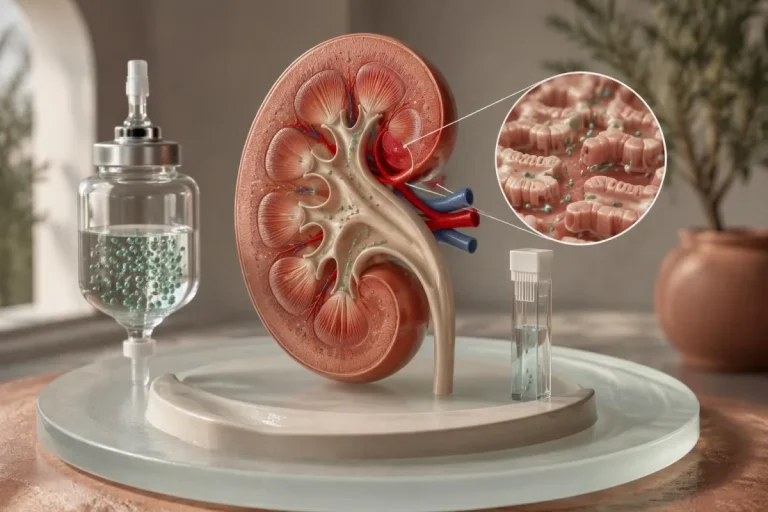
بۆرەكتىن ئاقسىل يوقىتىش ئانتىترومبىن پائالىيىتىنىڭ تۆۋەن بولۇشىنى كەلتۈرۈپ چىقىرامدۇ؟
Heavy urinary protein loss can contribute to acquired antithrombin reduction, particularly in nephrotic syndrome. Adult nephrotic-range proteinuria is conventionally at least 3.5 g per 24 hours; clinicians interpret antithrombin alongside urine protein, serum albumin and the underlying kidney disorder, rather than relying on creatinine or eGFR alone.
A normal eGFR does not exclude substantial protein leakage through the glomerular filtration barrier. For example, an adult with eGFR 95 mL/min/1.73 m², albumin 22 g/L and urine protein 6 g per day may have a strong acquired explanation for low activity despite apparently reassuring filtration results; persistent كۆپۈكلۈك سۈيدۈك ۋە ئاقسىل سىنىقى deserve assessment in that context.
The relationship between nephrotic syndrome, antithrombin levels and clot risk is not uniform: not every person with nephrotic syndrome has low antithrombin, and the thrombotic tendency involves more than urinary loss of 1 protein. Underlying diagnosis matters, including membranous nephropathy, where PLA2R results and kidney monitoring help explain the kidney process rather than prove an inherited clotting disorder.
Kantesti is an AI blood test interpretation platform that can organize an antithrombin percentage alongside albumin and kidney markers, but it cannot infer the amount of urinary protein from eGFR alone. If activity remains 62% while heavy protein loss continues, repeat testing may still describe the acquired condition; the cleaner inherited assessment usually follows clinical stabilization and improvement of that competing explanation.
جىگەر كېسىلى ياكى باشقا داۋالاشلار ئانتىترومبىننى تۆۋەنلىتەمدۇ؟
Reduced liver synthesis can lower antithrombin, especially in advanced liver disease, while certain treatments such as L-asparaginase can also cause acquired reductions. An activity of 55% alongside other abnormalities requires review of protein production, protein loss and treatment history before clinicians consider a genetic explanation.
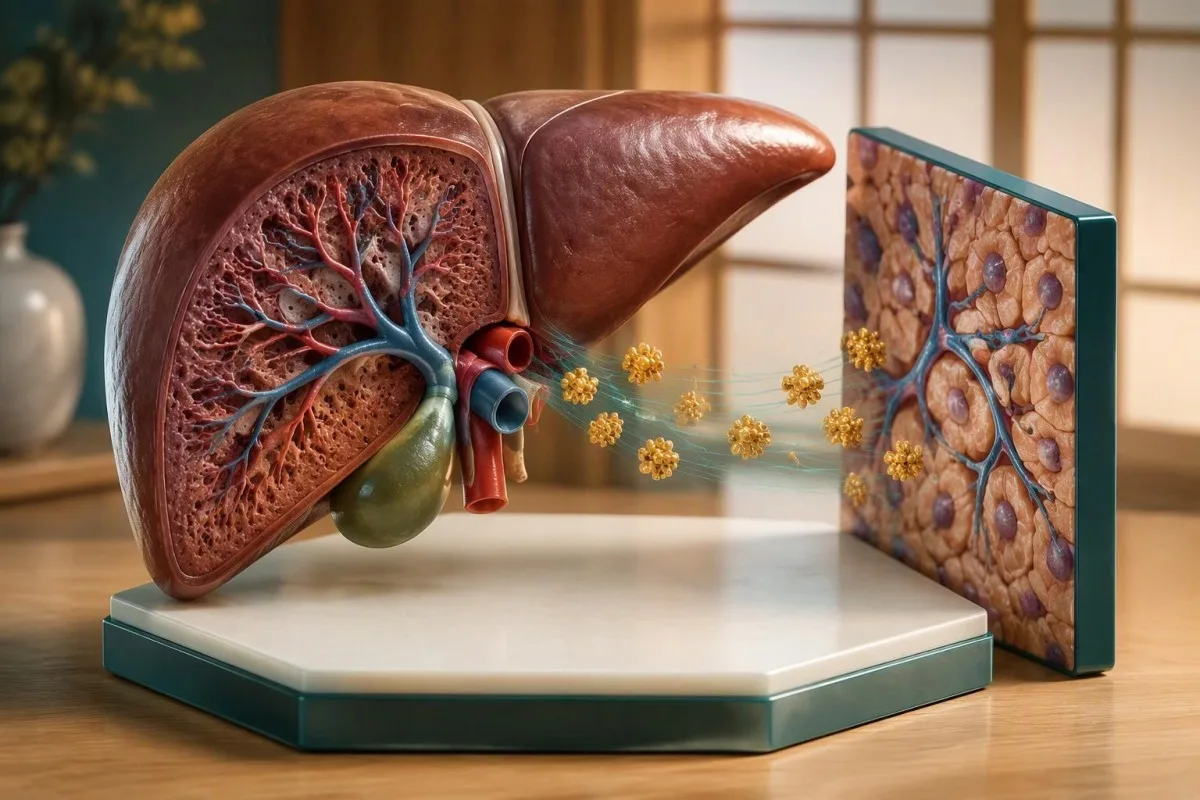
ALT and AST reflect injury more than protein-making capacity, so normal or mildly elevated enzymes do not guarantee normal antithrombin production. If activity is 57%, albumin is 25 g/L and INR is 1.6, impaired synthesis becomes a possibility—but warfarin, nutrition and protein loss can confound that pattern, as our بېغىر تەكشۈرۈش نەتىجىسىنى قانداق ئوقۇش يېتەكچىمىز شۇنى چۈشەندۈرىدۇ.
Albumin cannot serve as a substitute antithrombin test because the 2 proteins have different turnover and can respond differently to illness or therapy. Our albumin and serum protein guide helps interpret the surrounding panel; a normal albumin does not exclude inherited antithrombin deficiency, and a low albumin does not prove that the liver caused it.
L-asparaginase can reduce anticoagulant proteins during cancer treatment, creating an acquired thrombosis risk that may need active management rather than merely a future repeat test. Major procedures, extracorporeal support and recent replacement products can also complicate 1 measurement; eating more protein or taking a vitamin supplement does not correct a SERPINC1-related defect or replace treatment of the underlying acquired cause.
قايسى قان ئۇيۇشقا قارشى دورىلار ئانتىترومبىن تەكشۈرۈشىگە دەخلى قىلىدۇ؟
Direct oral anticoagulants can falsely increase antithrombin activity, potentially masking deficiency rather than causing a low flag. Apixaban, rivaroxaban and edoxaban interfere with factor Xa-based activity assays, while dabigatran can interfere with thrombin-based assays; the same patient’s 2 results may therefore differ because of assay design.
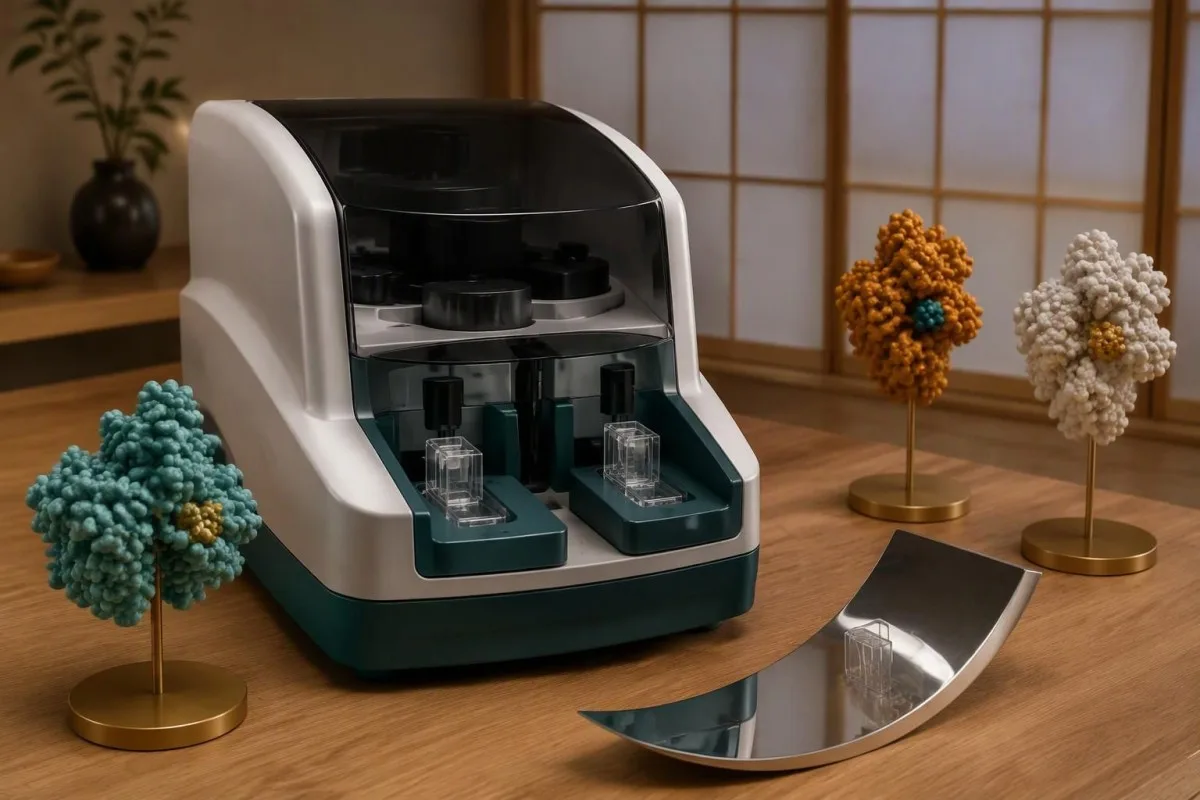
The mechanism is straightforward: the medication inhibits the assay’s added enzyme, and the instrument can misread that inhibition as stronger antithrombin function. The ISTH communication explicitly identifies these drug–assay combinations, including effects from direct thrombin inhibitors such as argatroban and bivalirudin (Van Cott et al., 2020); antigen testing usually avoids this particular functional interference, but does not replace an activity assessment.
A hypothetical activity of 108% on a factor Xa-based assay while taking rivaroxaban may conceal an underlying reduction; activity of 66% on that same drug still cannot be mathematically corrected into a true baseline. Anticoagulants also affect lupus anticoagulant test interpretation, but the direction and mechanism of interference are test-specific, not a universal rule for all thrombophilia assays.
Kantesti AI should support medication-aware interpretation rather than claim that 1 uploaded report identifies the laboratory’s reagent or removes a drug effect. Depending on the situation, the laboratory may use a less-affected assay, measure drug exposure or apply a validated removal procedure; our تېخنىكىلىق تەكشۈرۈش ۋە نازارەت describes the broader standards behind interpretation, not a guarantee that AI can resolve missing assay information.
ئەۋرىشكىنى بىر تەرەپ قىلىشتىكى مەسىلە كۈتۈلمىگەن تۆۋەن نەتىجىنى چۈشەندۈرۈپ بېرەلەمدۇ؟
Sample quality and assay differences can make antithrombin results unreliable, especially when the laboratory flags collection or processing problems. Coagulation samples typically require a 9:1 ratio of sample to citrate anticoagulant; underfilling, inappropriate handling or an unsuitable specimen should be considered before interpreting an isolated abnormal percentage.

A hematocrit above approximately 55% may require citrate adjustment for coagulation testing because the amount of plasma relative to citrate is reduced. This is a laboratory preparation issue, not evidence of hereditary deficiency; if activity is 73% in a flagged specimen, ask whether the laboratory accepted the sample as valid and whether recollection is preferable to repeating the same material.
Hemolysis, lipemia and marked discoloration can interfere with optical methods, although the effect depends on the instrument and reagent rather than having 1 predictable direction. Our guides to hemolysis-related result distortion ۋە lipemic specimens and redraws explain why a specimen-quality warning needs a method-specific answer instead of an automatic diagnosis.
Changing laboratories can create a second problem: an activity of 76% by one method and 84% by another may reflect analytical differences rather than biological recovery. Using the same laboratory helps trend comparison, but persistent clinical suspicion may justify a specialist laboratory using an alternative assay that is more sensitive to certain inherited variants; consistency and diagnostic sensitivity are 2 different goals.
ئانتىترومبىن پائالىيىتى تۆۋەن بولسا قاچان قايتا تەكشۈرۈش كېرەك؟
Repeat antithrombin testing should occur after temporary causes have settled and medication effects have been addressed. Following an acute clot, the BSH recommendation is to wait until after 3 months of anticoagulation before testing natural anticoagulant deficiencies; the safest collection date then depends on the drug, assay and clinical situation.

An incidental borderline result in a well adult without a recent clot does not automatically require the same 3-month wait, because that interval addresses acute thrombosis. The clinician may instead arrange a separate repeat once collection issues and acquired causes are reviewed, adding antigen testing if activity remains low; there is no universally validated waiting interval that fits every outpatient finding.
Heparin-related reductions may recover after treatment ends, but laboratory policies and ongoing illness affect when a repeat becomes meaningful. For a DOAC, a fixed 48-hour pause is not universally adequate or safe: kidney function, dose timing, drug accumulation and assay sensitivity matter, and choosing a compatible method may avoid interrupting treatment entirely.
Kantesti’s trend tools can help organize 2 measurements with their dates, but a timeline should also record clot onset, heparin exposure, the last relevant medication dose and any replacement products. Our explanation of دوختۇرخانىدىن چىققاندىن كېيىنقى نەتىجىلەر supports that workflow; warfarin does not usually lower antithrombin as it lowers vitamin K-dependent proteins, so protein C or S stopping rules should not be copied automatically.
قايسى نەتىجىلەر ۋارىسلىق خاراكتېرلىك ئانتىترومبىن يېتىشمەسلىكىنى قوللايدۇ؟
Inherited antithrombin deficiency becomes more likely when activity remains low on separate, interpretable samples, acquired causes are excluded and the personal or family history fits. Two concordant results provide stronger evidence than 1 result during illness, but activity, antigen and sometimes SERPINC1 testing must still be considered together.

A clearly hypothetical profile of activity 54% and 56% on 2 suitable occasions, antigen 51%, no major protein loss and a first-degree relative with confirmed deficiency would support a quantitative inherited pattern. Early or recurrent venous thrombosis increases suspicion, but age alone is not diagnostic, and absence of a family history does not exclude a new variant or previously unrecognized disease.
SERPINC1 testing can help establish a molecular explanation when the laboratory phenotype is convincing and the result could affect management or family counseling. A variant of uncertain significance is not equivalent to a diagnosis, while a negative genetic test does not necessarily exclude every relevant change; the ISTH recommendations also note that molecular testing may identify defects missed by activity assays (Van Cott et al., 2020).
Antithrombin and protein S deficiency require different interpretive rules, even when they appear on the same thrombophilia panel. Our guide to low protein S activity explains several contrasting confounders; a type II antithrombin heparin-binding-site variant can also have a different risk profile from type I deficiency, so 1 generic risk estimate should not be applied to all confirmed variants.
ئائىلە ئەزالىرىنى قاچان تەكشۈرۈش مۇۋاپىق؟
Family evaluation is usually considered after the original patient’s inherited deficiency is convincingly confirmed, especially when the result could change prevention, hormone choices or pregnancy planning. Most inherited antithrombin deficiency is autosomal dominant, giving each child of a heterozygous carrier a 50% chance of inheriting the relevant variant—not a certainty of thrombosis.
The BSH guideline discourages routine thrombophilia testing of all first-degree relatives but supports selective evaluation for relatives of people with antithrombin, protein C or protein S deficiency when results could influence management (Arachchillage et al., 2022). Our خەتەرگە ئاساسلانغان ئائىلە تەكشۈرۈش قوللانمىسى explains why testing 1 relevant inherited condition can be more useful than ordering a broad panel without a clinical question.
ASH’s 2023 thrombophilia guideline similarly supports selective testing in certain families with known high-risk deficiencies, including decisions about estrogen exposure and prophylaxis during particular risk situations (Middeldorp et al., 2023). Many recommendations are conditional and based on very low-certainty evidence; antithrombin deficiency should not be treated as interchangeable with factor V Leiden results, which often carry a different risk profile.
Kantesti’s Family Health Risk feature can help organize information shared with consent, but it cannot determine whether a relative inherited a SERPINC1 variant from 1 family member’s activity percentage. Testing children requires age-aware laboratory interpretation and an assessment of whether the result would change care now; predictive testing also deserves counseling about privacy, uncertainty and the difference between inherited susceptibility and an actual clot.
ئىز قوغلاپ داۋاملاشتۇرۇش پىلانىڭىز ۋە مەنبە تەكشۈرۈشىڭىز نېمىلەرنى ئۆز ئىچىگە ئېلىشى كېرەك؟
Bring the original percentage, reference interval, medication list and sampling date to follow-up, along with details of the clot, illness or protein loss that could explain the result. Two decisions come first: whether the current finding needs clinical action and whether repeat testing would genuinely change treatment or family counseling.
A low activity percentage alone does not automatically require lifelong anticoagulation or antithrombin concentrate; treatment depends on previous thrombosis, the provoking circumstances, bleeding risk and the confirmed diagnosis. New one-sided leg swelling needs prompt assessment, while sudden shortness of breath, chest pain or fainting requires emergency care even if the last activity was 100%—do not wait for a repeat thrombophilia panel.
Kantesti is an AI lab test interpretation service that can help organize the 2-stage workflow of context review followed by clinician-directed confirmation, not replace hematology advice or authorize medication interruption. Our مەسئۇلىيەتچان سۈنئىي ئەقىل پىرىنسىپلىرىمىز describe that boundary; use AI explanations to prepare precise questions, including which enzyme the assay uses and whether activity and antigen should be collected together.
The clinical recommendations here draw on 3 directly relevant external sources: the ISTH laboratory communication, the BSH testing guideline and the ASH thrombophilia guideline. The 2 Zenodo publications below provide background on serum proteins and immune-related laboratory context—not clinical trials validating antithrombin diagnosis; our 0 تېببىي مەزمۇن ئۆلچەملىرى ۋە كومپلېمېنت ۋە ئۆزلۈكىدىن ئىممۇنىتېت تەكشۈرۈشى قوللانمىمىز help readers distinguish supporting education from condition-specific evidence.
دائىملىق سورالدىغان سوئاللار
ئانتىتروومبىن پائالىيىتىنىڭ تۆۋەن بولۇشى ھەمىشە تۇغما يېتىشمەسلىكنى بىلدۈرەمدۇ؟
0 تۆۋەن ئانتىترومبىن پائالىيىتى ھەمىشە ۋارىسلىق خاراكتېرلىك كەمچىللىكنى بىلدۈرمەيدۇ. 60% لىق پائالىيەت جىددىي قان تومۇر قېتىشىش، گېپارىن بىلەن داۋالاش، ئېغىر كېسەللىك، جىگەر كېسەللىكىنىڭ ئىلغار باسقۇچى ياكى سۈيدۈك بىلەن كۆپ مىقداردا ئاقسىل يوقىتىش جەريانىدا كۆرۈلۈشى مۇمكىن. كلىنىكىلىق دوختۇرلار بۇ ئېرىشىلگەن سەۋەبلەرنى تەكشۈرۈپ چىققاندىن كېيىن، مۇۋاپىق ۋاقىتتا ئېلىنغان ئايرىم ئەۋرىشكىلەردە تۆۋەنلەشنىڭ داۋاملىشىدىغان-داۋاملاشمايدىغانلىقىنى ئىزدەيدۇ. ئانتىگېن تەكشۈرۈشى ۋە بەزىدە SERPINC1 تەكشۈرۈشى جەزملەشتۈرۈلگەن نورمالسىزلىقنى تۈرگە ئايرىشقا ياردەم بېرىدۇ.
قان ئۇيۇقىدىن كېيىن ئانتىترومبىن پائالىيىتى تەكشۈرۈشىنى قاچان قايتا قىلىش كېرەك؟
0 ئۆتكۈر قان نوكچىسىدىن كېيىن، ئەنگلىيە قان كېسەللىكلىرى جەمئىيىتى تەبىئىي قان ئۇيۇشۇشقا قارشى ئامىللارنىڭ كەمچىللىكىنى پەقەت 3 ئايلىق قان ئۇيۇشۇشقا قارشى داۋالاشتىن كېيىن تەكشۈرۈشنى تەۋسىيە قىلىدۇ. ئەمەلىي قان ئەۋرىشكىسى ئېلىش پىلانىدا يەنە ئەسلىگە كېلىش، ئىشلىتىلىۋاتقان قان ئۇيۇشۇشقا قارشى دورا ۋە تەجرىبىخانا تەكشۈرۈش ئۇسۇلى نەزەرگە ئېلىنىشى كېرەك. بۇ تەۋسىيە ھەممە ئادەم 3 ئايدىن كېيىن دورىسىنى توختىتىشى كېرەك دېگەنلىك ئەمەس. رېتسېپ بەرگەن دوختۇرنىڭ كۆرسەتمىسى بولمىسا، تەكشۈرۈش ئۈچۈن قان ئۇيۇشۇشقا قارشى داۋالاشنى ھەرگىز ئۈزمەڭ.
0 ئانتىترومبىن ئانتىگېنى بىلەن پائالىيىتىنىڭ پەرقى نېمە؟
0. ئانتىترومبىندىن پائالىيەتنى ئۆلچەش ئۇنىڭ ئىقتىدارىنى، ئانتىترومبىندىن ئانتىگېننى ئۆلچەش بولسا ئاقسىل مىقدارىنى كۆرسىتىدۇ. I تىپلىق كەملىك ئادەتتە ھەر ئىككى نەتىجىنى تۆۋەنلىتىدۇ؛ II تىپلىق كەملىك بولسا ئانتىگېن بىر قەدەر نورمال بولغان تەقدىردىمۇ، ئادەتتە پائالىيەتنى تۆۋەنلىتىدۇ. مەسىلەن، پائالىيەتنىڭ قايتا ئۆلچەنگەن نەتىجىسى 52%، ئانتىگېننىڭ نەتىجىسى 101% بولسا، سۈپەت جەھەتتىكى ئۆزگىرىشنى كۆرسىتىدۇ، لېكىن ئېرىشكەن كېسەللىك ئەھۋاللىرى ۋە دورىلارنىڭ تەسىرى تەكشۈرۈلمىسە، ئىرسىي سەۋەب بارلىقىنى ئىسپاتلىمايدۇ. ئانتىگېننى تەكشۈرۈش ئىقتىدارنى توغرا باھالاشنىڭ ئورنىنى ئالالمايدۇ.
ئاپىكسابان ياكى رىۋاروكسابان ئانتىترومبىن نەتىجىلىرىگە تەسىر كۆرسىتەمدۇ؟
0. ئاپىكسابان ۋە رىۋاروكسابان فاكتور Xa ئاساسىدىكى تەكشۈرۈشلەردە ئانتىترومبىن پائالىيىتىنى يالغان يۇقىرى كۆرسىتىپ، يېتىشمەسلىكنى يوشۇرۇپ قويۇشى مۇمكىن. دابيگاتران ترومبىن ئاساسىدىكى تەكشۈرۈشلەردە كۆرۈنەرلىك پائالىيەتنى ئوخشاشلا يۇقىرى كۆرسىتىشى مۇمكىن. شۇڭا ئارىلىشىدىغان دورىنى ئىچىۋاتقاندا چىققان 100% نەتىجىسى كۆرۈنگەندەك ئۇنچە خاتىرجەم قىلارلىق بولماسلىقى مۇمكىن. تەجرىبىخانا تەسىرى ئازراق بولغان ئۇسۇلنى ياكى دەلىللەنگەن باشقا ئىستراتېگىيەنى تاللىشى مۇمكىن؛ دورىنى ئۆز ئالدىڭىزغا توختىتىش خەتەرلىك.
70% قان ئۇيۇشتۇرۇشقا قارشى تۇرغۇچى ماددىنىڭ پائالىيىتى خەتەرلىكمۇ؟
0. 70% نىڭ ئانتىترومبىن پائالىيىتى نۇرغۇن چوڭلارغا ئىشلىتىلىدىغان تەجرىبىخانا پايدىلىنىش ئارىلىقىدىن تۆۋەن، ئەمما پىرسەنتنىڭ ئۆزىلا جىددىي ئەھۋالنى كۆرسەتمەيدۇ ياكى شەخسىي قان ئۇيۇش خەۋپىنى مىقدار جەھەتتىن بەلگىلىمەيدۇ. ئۇنىڭ مەنىسى تەكشۈرۈش ئۇسۇلى، دورىلار، ئىلگىرىكى قان ئۇيۇش ئەھۋاللىرى، ئائىلە تارىخى ۋە ھازىرقى كېسەللىككە باغلىق. يەككە نەتىجە ئادەتتە كلىنىكىلىق باھالاش ۋە مۇۋاپىق تەستىقلاش پىلانىنى تەلەپ قىلىدۇ. تۇيۇقسىز نەپەس سىقىلىش، كۆكرەك ئاغرىش، ھوشىدىن كېتىش ياكى پۇتنىڭ بىر تەرىپىدە يېڭىدىن ئىششىق پەيدا بولۇش بۇ پىرسەنتتىن مۇستەقىل ھالدا باھالاشنى تەلەپ قىلىدۇ.
0 ئەگەر مەندە ئانتىترومبىن يېتىشمەسلىك بولسا، ئائىلەمدىكىلەر تەكشۈرتۈشى كېرەكمۇ؟
0. ۋارىسلىق قىلىنغان ئانتىترومبىن كەمچىللىكى قايىل قىلارلىق دەرىجىدە جەزملەشتۈرۈلگەندىن كېيىن، بولۇپمۇ نەتىجە قان ئۇيۇشنىڭ ئالدىنى ئېلىش، ھورمون تاللاش ياكى ھامىلىدارلىقنى پىلانلاشقا تەسىر كۆرسىتىدىغان بولسا، ئائىلە ئەزالىرىنى تاللاپ تەكشۈرۈش مۇۋاپىق بولۇشى مۇمكىن. گېتېروزىگوت توشۇغۇچىنىڭ مۇناسىۋەتلىك ۋارىيانتنى ھەر بىر بالىسىغا يەتكۈزۈش ئېھتىماللىقى ئادەتتە 50%، ئەمما بۇ بالىدا قان ئۇيۇش كېسىلىنىڭ پەيدا بولىدىغانلىقىغا 50% كاپالەتلىك قىلمايدۇ. BSH ۋە ASH كۆرسەتمىلىرى ھەر بىر تۇغقاننى پەرقلەندۈرمەي تەكشۈرۈشتىن كۆرە، قارارغا ياردەم بېرىشنى مەقسەت قىلغان باھالاشنى قوللايدۇ. بالىلارغا ياشىغا ماس چۈشەندۈرۈش بېرىش ۋە تەكشۈرۈشنىڭ ھازىرقى داۋالاش پىلانىنى ئۆزگەرتىش-ئۆزگەرتمەيدىغانلىقىنى مۇزاكىرە قىلىش كېرەك.
قان تەكشۈرۈش نەتىجىسىنى قانداق ئوقۇش
تەجرىبىخانا دوكلاتىڭىزنى يوللاڭ، Kantesti نىڭ سۈنئىي ئەقىلى ھەر بىر بىئوماركېرنى بىر نەچچە سېكۇنت ئىچىدە ئاددىي تىلدا چۈشەندۈرىدۇ. دۇنيا بويىچە 2 مىليوندىن ئارتۇق ئادەم ئىشلىتىدۇ.
پايدىلانغان ماتېرىياللار
- Klein, T., Mitchell, S., & Weber, H. (2026). قان زەردابى ئاقسىللىرى يېتەكچىسى: گلوبۇلىن، ئالبۇمېن ۋە A/G نىسبىتى قان تەكشۈرۈشى. Kantesti AI Medical Research. DOI
- Klein, T., Mitchell, S., & Weber, H. (2026). C3 C4 تولۇقلاش قان تەكشۈرۈشى ۋە ANA تىترى يېتەكچىسى. Kantesti AI Medical Research. DOI
- Van Cott EM et al. (2020). Recommendations for clinical laboratory testing for antithrombin deficiency; Communication from the SSC of the ISTH. Journal of Thrombosis and Haemostasis. DOI
- Arachchillage DJ قاتارلىقلار (2022). قان كېسەللىكلىرى جەمئىيىتىنىڭ قان ئۇيۇشۇشقا مايىللىقنى تەكشۈرۈش بويىچە كۆرسەتمىسى. ئەنگلىيە قان كېسەللىكلىرى ژۇرنىلى. DOI
- Middeldorp S قاتارلىقلار (2023). تومۇر ئىچىدىكى قان ئۇيۇشۇشنى باشقۇرۇش بويىچە ئامېرىكا قان كېسەللىكلىرى جەمئىيىتىنىڭ 2023-يىللىق كۆرسەتمىلىرى: قان ئۇيۇشۇشقا مايىللىقنى تەكشۈرۈش. Blood Advances. DOI
- 2M +تەھلىل قىلىنغان تەكشۈرۈشلەر
- 127+دۆلەتلەر
- 100+تىللار
تېببىي گۇرۇپپا ھەققىدە


E-E-A-T ئىشەنچ سىگناللىرى
تەجرىبە
دوختۇر رەھبەرلىكىدىكى لابوراتورىيە تەبىرىنى چۈشەندۈرۈش خىزمەت ئېقىملىرىنى بالىياتقۇچلۇق تەكشۈرۈش.
مۇتەخەسسىسلىك
بىئوماركىرلارنىڭ كىلىنىكىلىق مۇھىتتا قانداق ھەرىكەت قىلىدىغانلىقىغا مەركەزلەشكەن لابوراتورىيە تېبابىتى.
ھوقۇقدارلىق
دوكتور توماس كلېين تېببىي جەھەتتىن تەكشۈرگەن، دوكتور سارا مىچېل ۋە پروفېسسور دوكتور خانس ۋېبېرنىڭ تۆھپىسى بىلەن تەييارلانغان.
ئىشەنچلىكلىك
ئاگاھلاندۇرۇشنى ئازايتىش ئۈچۈن ئېنىق كېيىنكى قەدەملەر بىلەن ئىسپات-ئاساسلىق تەبىر.




تېببىي ئاگاھلاندۇرۇش
بۇ ماقالە پەقەت تەربىيە-ئوقۇتۇش مەقسىتى ئۈچۈن بولۇپ، داۋالاش مەسلىھەتىنى تەشكىل قىلمايدۇ. دىئاگنوز قويۇش ۋە داۋالاش قارارلىرى ئۈچۈن ھەمىشە لاياقەتلىك ساغلاملىق مۇلازىمىتى تەمىنلىگۈچى بىلەن مەسلىھەتلىشىڭ.
Published · تەھرىر گۇرۇپپىسى بىلەن ئالاقىلىشىڭ
ئەنگلىيە ۋە ۋېلىشتا تىزىمغا ئېلىنغان Kantesti Ltd تەرىپىدىن نەشر قىلىنغان، شىركەت نومۇرى:. 17090423, ، لوندون، ئەنگلىيە.
