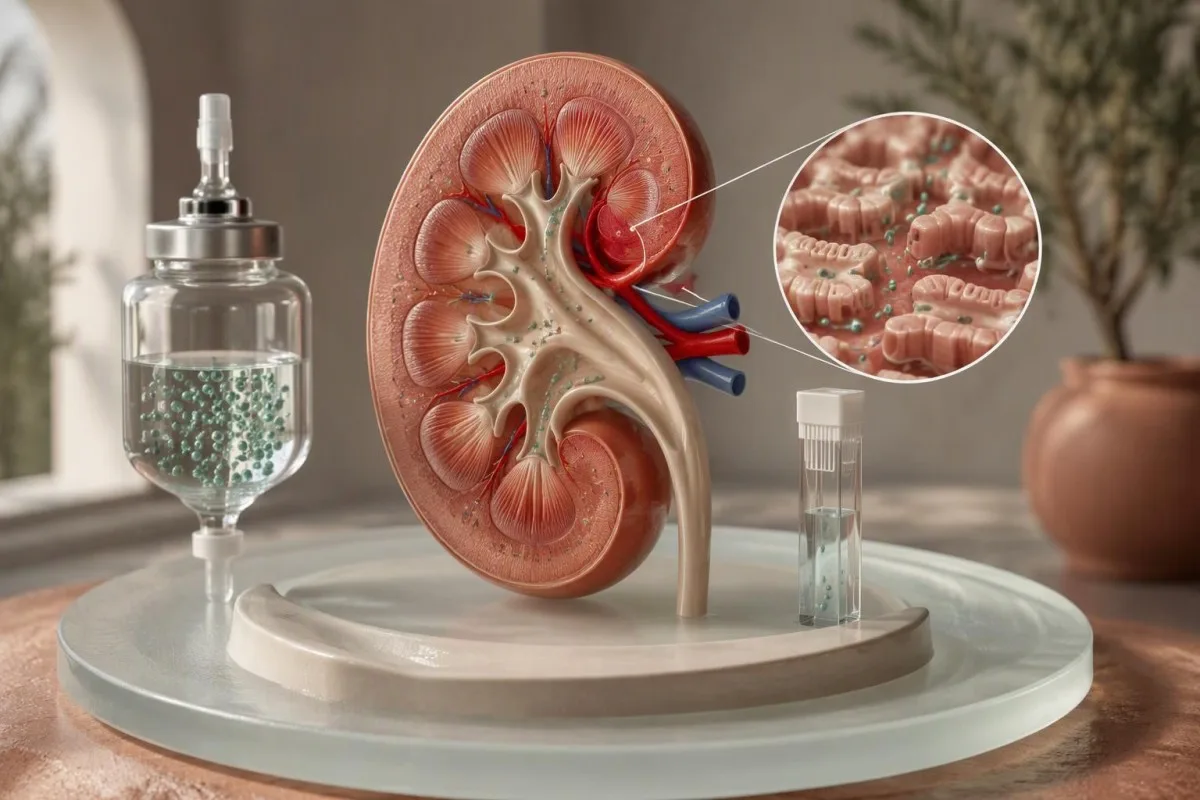
گېنتامىيسىننىڭ سەۋىيەسىنى دورا مىقدارى، دورا بېرىش تەرتىپى ۋە ئەۋرىشكە ئېلىنغان ئېنىق ۋاقىت بىلەن بىللە قارىغاندىلا چۈشىنىشكە بولىدۇ. ئادەتتىكى داۋالاشتا چوققا ۋە ئەڭ تۆۋەن سەۋىيە نىشانلىرى ئىشلىتىلىدۇ؛ ئۇزارتما ئارىلىقلىق داۋالاشتا كۆپىنچە ۋاقىت بەلگىلەنگەن قويۇقلۇق ۋە شۇ كېلىشىمگە خاس جەدۋەل ئىشلىتىلىدۇ، بۆرەك تەكشۈرۈشلىرى بىلەن ئاڭلاش ياكى تەڭپۇڭلۇق ئالامەتلىرى بولسا ئايرىم بىخەتەرلىك تەكشۈرۈشى بىلەن تەمىنلەيدۇ.

مۇھىم خۇلاسىلەر
- گېنتامىيسىن سەۋىيەسى ئانتىبىئوتىكنىڭ قويۇقلۇقىنى ئۆلچەيدۇ، ئادەتتە mg/L بىلەن ئىپادىلىنىدۇ؛ 1 mg/L 1 µg/mL گە تەڭ.
- ئادەتتىكى چوققا چوڭلاردا نىشان سەۋىيەسى كۆپىنچە 5–10 mg/L ئەتراپىدا بولىدۇ، ئەمما يۇقۇملىنىش، كۆرسەتمە ۋە ئەۋرىشكە ئېلىش ئۇسۇلى ئەمەلىي نىشاننى بەلگىلەيدۇ.
- ئادەتتىكى ئەڭ تۆۋەن سەۋىيە نىشانى كۆپىنچە 1 mg/L دىن تۆۋەن بولىدۇ؛ بەزى كېلىشىملەردە 2 mg/L دىن تۆۋەن بولۇش ئىشلىتىلىدۇ. بۇ چەكلەرنىڭ ھېچقايسىسى زەھەرلىك تەسىرنىڭ بولماسلىقىغا كاپالەتلىك قىلمايدۇ.
- ئەۋرىشكە ئېلىش ۋاقتى ئېنىق خاتىرىلىنىشى كېرەك: ئادەتتىكى تومۇردىن بېرىلىدىغان دورىنىڭ چوققا سەۋىيە ئەۋرىشكىسى ئادەتتە پۈركۈش تۈگىگەندىن 30 مىنۇت كېيىن، ئەڭ تۆۋەن سەۋىيە ئەۋرىشكىسى بولسا كېيىنكى ھەقىقىي دورا مىقدارى بېرىلىشتىن بۇرۇنقى 30 مىنۇت ئىچىدە ئېلىنىدۇ.
- ئۇزارتما ئارىلىقلىق نازارەت ئۆزگىچە: Hartford كېلىشىمى بويىچە لاياقەتلىك 7 mg/kg مىقدار باشلانغاندىن 6–14 سائەت كېيىن ئېلىنغان قويۇقلۇق ئۆلچىنىدۇ.
- بۆرەك زەخىملىنىشى كرىئاتىنىن 48 سائەت ئىچىدە كەم دېگەندە 0.3 mg/dL ياكى 26.5 µmol/L ئۆرلىسە، نەتىجە تەجرىبىخانا دائىرىسى ئىچىدە قالغان تەقدىردىمۇ KDIGO ئۆلچەملىرىگە چۈشىدۇ.
- ئاڭلاش ۋە تەڭپۇڭلۇققا زەھەرلىك تەسىر قارىماققا قوبۇل قىلغىلى بولىدىغان قويۇقلۇق بولغان تەقدىردىمۇ يۈز بېرىشى مۇمكىن؛ يېڭىدىن پەيدا بولغان قۇلاق غوڭۇلداش، ئاڭلاشنىڭ ئۆزگىرىشى، تەڭپۇڭلۇق بۇزۇلۇشى ياكى كۆرۈشنىڭ تەۋرىنىشىگە دەرھال كلىنىكىلىق باھا بېرىش كېرەك.
- دورىنىڭ مىقدارىنى تاللاش بۇ ئىشلارغا رېتسېپ يازغان داۋالاش گۇرۇپپىسى ياكى كلىنىكىلىق دورىگەر مەسئۇل. دورا مىقدارىنى ئۆز ئالدىڭىزغا ھەرگىز ئۆزگەرتمەڭ، تومۇردىن دورا بېرىشنى كېچىكتۈرمەڭ ياكى توردىكى نوموگراممىنى قوللانماڭ.
گېنتامىيسىن سەۋىيەسى زادى نېمىنى ئۆلچەيدۇ؟
گېنتامىيسىن سەۋىيەسى تەجرىبىخانا ئەۋرىشكىسىدىكى گېنتامىيسىن قويۇقلۇقىنى ئۆلچەيدۇ؛ ئۇ ئۆزىلا بۆرەك ئىقتىدارىنى ياكى داۋالاشنىڭ مۇۋەپپەقىيىتىنى كۆرسەتمەيدۇ. 2 mg/L نەتىجىسىنىڭ خاتىرجەم قىلارلىق، ئەندىشە قوزغايدىغان ياكى چۈشەندۈرگىلى بولمايدىغان بولۇشى ئۇنىڭ كېيىنكى مىقداردىن بۇرۇنقى ئەۋرىشكە، مىقداردىن كېيىن بالدۇر ئېلىنغان ئەۋرىشكە ياكى ۋاقتى بەلگىلەنگەن ئۇزارتىلغان ئارىلىق ئۆلچىمى بولۇشىغا باغلىق.
تەجرىبىخانىلار ئادەتتە گېنتامىيسىننى mg/L ياكى µg/mL, بىرلىكىدە دوكلات قىلىدۇ؛ بۇلار سان جەھەتتىن تەڭ: 1 mg/L 1 µg/mL غا تەڭ. نەتىجە يېنىدا بېسىلغان داۋالاش ئارىلىقى پەقەت ئادەتتىكى مىقدارلاشنى كۆرسىتىشى مۇمكىن؛ ئۇنى كۈندە بىر قېتىملىق داۋالاشقا ياكى يۈرەك ئىچكى پەردە ياللۇغىنىڭ تاللانغان داۋالاش تەرتىپلىرىدىكى تۆۋەن مىقدارلىق بىرىكمە داۋالاشقا ئاپتوماتىك قوللانماسلىق كېرەك.
كانتېستى بىر AI قان تەكشۈرۈش ئانالىزچىسى بۇلار 2 mg/L گېنتامىيسىن قويۇقلۇقىنى چۈشەندۈرۈشتىن بۇرۇن مىقدار ۋە ۋاقىت ئۇچۇرىنىڭ نېمە ئۈچۈن زۆرۈر ئىكەنلىكىنى چۈشەندۈرۈشكە ياردەم بېرىدۇ. بىزنىڭ تەشكىلىي قوللىشىمىز ۋە كلىنىكىلىق مەقسىتىمىز دوختۇرخانىنىڭ رېتسېپ بېرىش مۇلازىمىتىدىن ئايرىم؛ بىز ئانتىبىئوتىك مىقدارىغا رۇخسەت بەرمەيمىز ياكى دورىنىڭ داۋالاش سەۋىيەسىنى نازارەت قىلىشنىڭ ئورنىنى ئالمايمىز.
ئايرىم تەجرىبىخانا ئاگاھلاندۇرۇشى دىئاگنوز ئەمەس. مەسىلەن، 12 mg/L دەپ يۇقىرى بەلگە قويۇلغان پەرەزلىك دوكلات ئادەتتىكى چوققا قويۇقلۇقتىن ئېشىپ كەتكەنلىكنى ئەمەس، بەلكى ئۇزارتىلغان ئارىلىق مىقدارىدىن كېيىن مۇۋاپىق ۋاقىتتا ئۆلچەنگەن قويۇقلۇقنى كۆرسىتىشى مۇمكىن؛ بىزنىڭ نورمال دائىرىدىن چىققان تەجرىبىخانا بەلگىلىرىگە چۈشەندۈرۈشىمىز قوشۇپ بېرىلگەن پايدىلىنىش ئارىلىقىنىڭ نېمە ئۈچۈن خاتا چۈشەنچە پەيدا قىلىدىغانلىقىنى بايان قىلىدۇ.
گېنتامىيسىننى نازارەت قىلىش ۋاقىتنىڭ ئۆزگىرىشى نەتىجىنى نېمە ئۈچۈن ئۆزگەرتىدۇ؟
گېنتامىيسىننى نازارەت قىلىشتا ۋاقىت مۇھىم، چۈنكى قويۇقلۇق دورا بېرىش جەريانىدا ئۆرلەيدۇ، بەدەن سۇيۇقلۇقلىرىغا تارقىلىدۇ، ئاندىن بۆرەكلەر ئۇنى تازىلاپ چىقارغاندا تۆۋەنلەيدۇ. كلىنىكا خادىملىرىغا كەم دېگەندە 3 ۋاقىت بەلگىسى لازىم: تومۇردىن دورا بېرىشنىڭ باشلىنىش ۋاقتى، تاماملىنىش ۋاقتى ۋە ئەۋرىشكە ئېلىنغان ۋاقىت؛ قالدۇق ئەڭ تۆۋەن قويۇقلۇقنى چۈشەندۈرگەندە كېيىنكى مىقدارنىڭ ھەقىقىي ۋاقتىمۇ كېرەك.
بۆرەك ئىقتىدارى نورمال بولغاندا، گېنتامىيسىننىڭ يوقىلىش يېرىم ئۆمرى ئادەتتە تەخمىنەن 2–3 سائەت, بولىدۇ، ئەمما كېسەللىك ۋە تارقىلىشتىكى ئۆزگىرىشلەر قويۇقلۇق ئەگرى سىزىقىنى ئۆزگەرتەلەيدۇ. تومۇردىن دورا بېرىش تاماملىنىشى بىلەنلا ئېلىنغان ئەۋرىشكە تارقىلىش باسقۇچىنى كۆرسىتىشى مۇمكىن؛ ئۇ دوختۇرخانا بەلگىلىگەن ئۇسۇلدا كېيىن ئېلىنغان چوققا ئەۋرىشكە بىلەن تەڭ ئەمەس.
بېكىتىلگەن مىقدار بېرىش ۋاقتى دورا بېرىلگەنلىك خاتىرىسىنىڭ ئورنىنى باسالمايدۇ. پەرەزلىك 08:00 دىكى مىقدار 09:10 غىچە كېچىكتۈرۈلسە، 09:00 دە ئېلىنغان ئەۋرىشكە يەنىلا مىقداردىن بۇرۇنقى ئەۋرىشكە ھېسابلىنىدۇ؛ ئەمما دورا 08:00 دە بېرىلدى دەپ قارالغان خاتىرە ئۇنى خاتا ھالدا مىقداردىن كېيىنكى ئەۋرىشكە دەپ بەلگىلىشى مۇمكىن؛ بۇ پەرق كلىنىكىلىق سوئالنى پۈتۈنلەي ئۆزگەرتىدۇ.
ئەۋرىشكىنى دورا تومۇرىدىن ئېلىش، قالدۇق گېنتامىيسىن ئەۋرىشكىنى بۇلغىسا، نەتىجىنىڭ يالغاندىن يۇقىرى چىقىشىغا سەۋەب بولۇشى مۇمكىن؛ شۇڭا خادىملار يەرلىك ئەۋرىشكە ئېلىش ۋە تۇرۇبىنى يۇيۇش تەرتىپلىرىگە ئەمەل قىلىدۇ. باشقا دورىلارنى ئۆلچىگەندىمۇ ۋاقىتقا مۇناسىۋەتلىك مەسىلىلەر كۆرۈلىدۇ، ئەمما كۈتۈش مۇددىتى ئوخشىمايدۇ؛ بىزنىڭ دىگوكسىن ئەۋرىشكىسىنى ئېلىش ۋاقتى توغرىسىدىكى چۈشەندۈرۈشىمىز گېنتامىيسىن بېرىش جەدۋىلى سۈپىتىدە قوللىنىلماسلىقى كېرەك.
ئادەتتىكى چوققا ۋە ئەڭ تۆۋەن سەۋىيە نازارىتى قانداق ئىشلەيدۇ؟
گېنتامىيسىننى ئادەتتىكى نازارەت قىلىشتا، دورا مىقدارىدىن كېيىنكى چوققا قويۇقلۇق تەسىرنى، كېيىنكى مىقداردىن ئىلگىرىكى ئەڭ تۆۋەن قويۇقلۇق بولسا قالدۇق دورىنى باھالاش ئۈچۈن ئىشلىتىلىدۇ. For selected adults receiving divided doses, intervals may be 8 or 12 hours, but kidney function and the treatment indication determine the prescribed schedule.
After an intravenous infusion, a conventional gentamicin peak level is commonly collected 30 minutes after the infusion finishes; some protocols specify a different time. A gentamicin trough level is commonly collected within 30 minutes before the next actual dose, and intramuscular administration uses a different post-dose sampling convention.
Some services obtain the first paired measurements around the 3rd or 4th dose, when concentrations are approaching a repeatable pattern in patients with stable clearance. That is not a reason to postpone assessment in someone with worsening kidney function, unexpected dosing, or symptoms; such patients may require earlier measurements and individualized pharmacokinetic review.
A peak and trough are useful only if the preceding doses were actually administered as documented. A missed dose, a changed infusion duration, or a sample collected 2 hours early can invalidate an otherwise neat-looking pair; similar documentation principles appear in our carbamazepine trough timing guide, although the therapeutic targets are unrelated.
دوختۇرلار گېنتامىيسىننىڭ قانداق چوققا سەۋىيەسىنى نىشان قىلىدۇ؟
A conventional gentamicin peak level commonly targets approximately 5–10 mg/L in adults, but there is no universal target for every infection. Some low-dose synergy protocols use peaks around 3–5 mg/L, while extended-interval concentrations must not be judged against the conventional peak range.
Gentamicin exhibits concentration-dependent antibacterial activity: for susceptible Gram-negative organisms, a peak-to-minimum inhibitory concentration ratio around 8–10 is a commonly used pharmacodynamic goal. The minimum inhibitory concentration, or MIC, describes the organism's susceptibility; a peak of 8 mg/L has a different meaning when the MIC is 0.5 rather than 2 mg/L.
A low measured peak does not always mean the prescribed dose was too small. A hypothetical patient with major fluid expansion might have a larger distribution volume, while a peak sample collected 90 minutes late could be lower simply because elimination has continued; the pharmacist distinguishes these possibilities before changing treatment.
Selected combination regimens use gentamicin for synergy, not the same exposure goals used for stand-alone Gram-negative treatment. High-level aminoglycoside resistance can prevent that synergy and is not solved by chasing a higher concentration; our antifungal trough target discussion illustrates why drug-specific targets cannot be borrowed across treatments.
| دەرىجە | دائىرە | مەنىسى |
|---|---|---|
| Conventional adult peak | Commonly 5–10 mg/L | Illustrative target used by some protocols; indication and the specified collection time determine interpretation. |
| Selected synergy peak | Often 3–5 mg/L | Applies only to particular low-dose combination protocols, not every endocarditis regimen. |
| Conventional adult trough | Often <1 mg/L; some protocols <2 mg/L | Lower residual exposure reduces concern about accumulation but does not exclude toxicity. |
| Extended-interval concentration | No universal peak-and-trough reference interval | Interpret using the actual elapsed time and the validated protocol for the administered dose. |
گېنتامىيسىننىڭ ئەڭ تۆۋەن سەۋىيەسى يۇقىرى بولسا نېمىدىن دېرەك بېرىدۇ؟
A high, correctly timed gentamicin trough level suggests that substantial drug remains before the next dose, often because clearance is reduced or the interval is too short. Many conventional protocols aim below 1 mg/L; others accept below 2 mg/L, so the prescribing service's target must be checked.
A trough is a clearance signal, not a direct measurement of kidney tissue exposure. Gentamicin can accumulate within renal proximal tubular cells over repeated treatment, so a trough below 1 mg/L does not erase the effects of cumulative exposure, concurrent nephrotoxic medicines, or a kidney problem that is only beginning.
The direction of causation can run both ways: reduced kidney function raises gentamicin concentrations, and gentamicin-associated tubular injury can further reduce clearance. For example, a hypothetical trough rising from 0.6 to 1.4 mg/L on an unchanged schedule may prompt review of creatinine trends, actual dose times, fluid status, and other medicines rather than a conclusion based on the concentration alone.
A sample collected 2 hours before the next dose will usually be higher than a true pre-dose trough and should not be casually relabeled. Conversely, a sample after an unusually long delay may look reassuring without representing the usual schedule; our tacrolimus trough interpretation guide explains the same documentation problem with a different drug.
ئۇزارتما ئارىلىقلىق گېنتامىيسىن نازارىتى قانداق پەرقلىنىدۇ؟
Extended-interval gentamicin uses a larger individual dose followed by a longer drug-free interval, and monitoring often relies on a timed post-dose concentration rather than conventional paired levels. Selected adult protocols use approximately 5–7 mg/kg per dose, but the exact dose, interval, and eligibility criteria are service-specific.
The rationale combines concentration-dependent killing with a post-antibiotic effect, meaning bacterial growth may remain suppressed after the circulating concentration falls. A once-daily regimen therefore does not require a conventional trough to remain detectably therapeutic; intentionally low late concentrations are part of the strategy, not proof that treatment has stopped working.
Selected extended-interval protocols use 24-, 36-, or 48-hour intervals, but once-daily is an imprecise label when impaired clearance requires longer spacing. Some hospitals use a pre-dose concentration, some a single timed nomogram sample, and others 2 concentrations or model-based exposure estimates; these approaches are not interchangeable without their accompanying dosing rules.
Extended-interval treatment is not suitable for every patient or indication, and reduced renal toxicity in selected populations does not mean zero risk. Our vancomycin exposure monitoring guide explains another antibiotic-specific approach; the vancomycin AUC target of 400–600 mg·h/L is not a gentamicin target.
Hartford نوموگراممىسى قاچان گېنتامىيسىن سەۋىيەسىنى چۈشەندۈرۈشكە ئىشلىتىلىدۇ؟
The Hartford nomogram applies to qualifying extended-interval aminoglycoside treatment using a 7 mg/kg dose and a concentration collected 6–14 hours after infusion start. It helps clinicians choose an interval; it is not a universal chart for any gentamicin dose, any collection time, or any patient.
The original Hartford experience described 2,184 adult patients receiving a once-daily aminoglycoside program, providing the clinical background for its dose-and-time framework (Nicolau et al., 1995). The 6–14-hour measurement is sometimes called a random level, but random here means not a conventional peak or trough—not that its timing is optional.
Hospitals restrict or modify this approach in populations such as pregnancy, dialysis, unstable renal function, major burns, cystic fibrosis, or selected endocarditis regimens. A hypothetical concentration of 2.2 mg/L collected 10 hours after a 5 mg/kg dose cannot simply be plotted on an unmodified 7 mg/kg Hartford chart to obtain a reliable interval.
If the sample falls outside the validated window, clinicians may request another level or calculate individualized pharmacokinetics rather than force a point onto the chart. Our delayed drug-clearance explanation illustrates why elapsed time is part of a drug result, although methotrexate rescue thresholds have no role in gentamicin dosing.
پەرەز قىلىنغان ئىككى گېنتامىيسىن تەكشۈرۈش دوكلاتى قانداق سېلىشتۇرۇلىدۇ؟
Two identical gentamicin results can mean different things when the sampling schedules differ. The following 2 hypothetical examples demonstrate conventional and extended-interval interpretation; they are not dosing instructions, and neither example supplies enough information for a patient to choose the next dose.

In hypothetical example A, a conventional infusion starts at 08:00, ends at 08:30, and the prescribed peak sample is collected at 09:00. A result of 8 mg/L fits many conventional peak targets if the indication agrees; a separate 15:40 sample before a 16:00 dose provides the trough information that the peak cannot supply.
In hypothetical example B, an eligible 70 kg adult receives a clinician-prescribed 490 mg dose, corresponding to 7 mg/kg, with infusion start at 08:00. A sample at 18:00 is 10 hours after infusion start and is interpreted under the applicable extended-interval protocol; calling that result a low peak or a high trough would ask the wrong question.
Neither timeline establishes kidney safety without baseline and follow-up renal information, and the prescribed dosing weight may differ from scale weight. Before collection, patients can confirm that staff have the actual administration record and the intended test type; our baseline sample preparation checklist helps distinguish useful preparation from unnecessary fasting or medication changes.
دوختۇرلار گېنتامىيسىن بىلەن مۇناسىۋەتلىك بۆرەك زەخىملىنىشىنى قانداق بايقايدۇ؟
Clinicians assess possible gentamicin-associated kidney injury using creatinine changes, urine output, exposure history, and alternative causes—not the gentamicin concentration alone. KDIGO defines acute kidney injury by a creatinine rise of at least 0.3 mg/dL within 48 hours, a rise to at least 1.5 times baseline within 7 days, or qualifying low urine output.
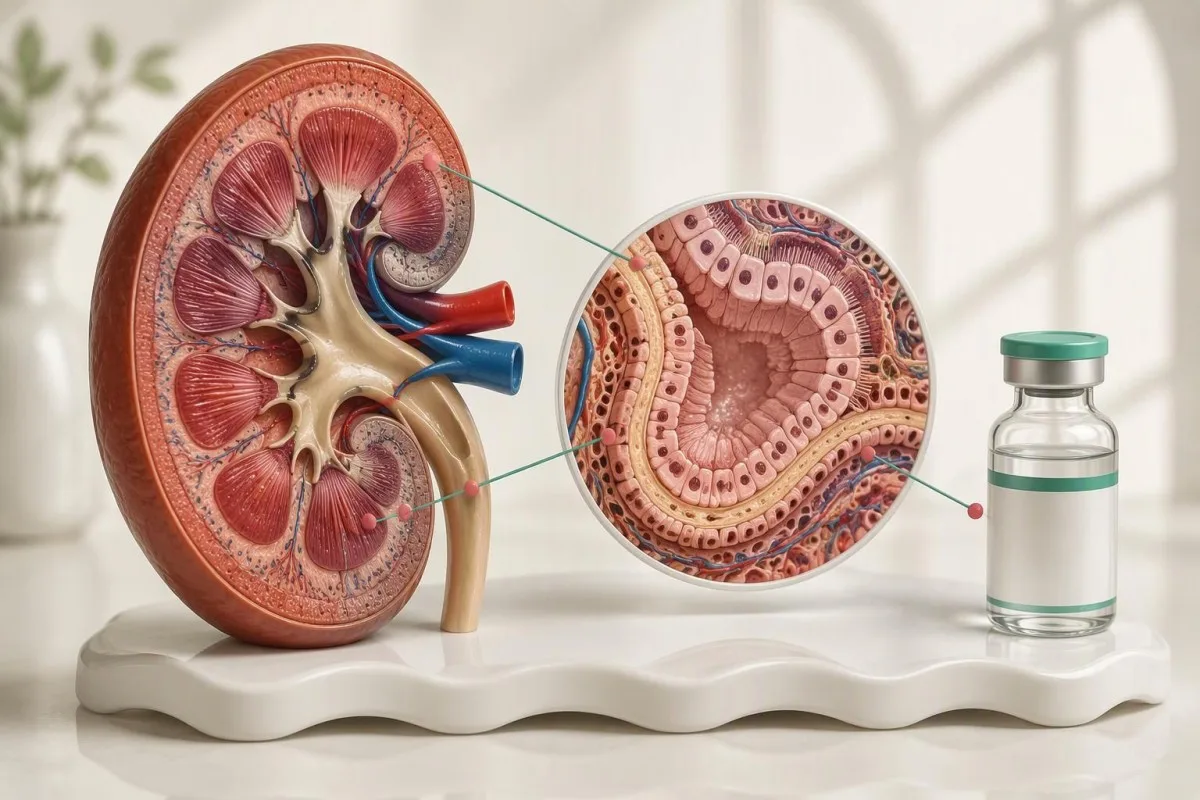
The 0.3 mg/dL threshold equals 26.5 µmol/L, and it can identify injury even when both values sit inside the laboratory interval (KDIGO Acute Kidney Injury Work Group, 2012). For example, a hypothetical creatinine increase from 0.7 to 1.0 mg/dL within 48 hours meets that criterion; normal-looking is not the same as unchanged.
KDIGO's urine-output criterion includes less than 0.5 mL/kg/hour for 6 hours: for a 70 kg adult, that is below 35 mL/hour over the specified period. Gentamicin-associated injury can also be non-oliguric, meaning urine output remains relatively preserved, so passing urine normally does not rule out an important creatinine rise.
Sepsis, low blood pressure, dehydration, urinary obstruction, and other medicines can produce similar changes, and attribution requires clinical assessment. Our BUN ۋە كرىياتىنىن نىسبىتى (ratio) چۈشەندۈرىدۇ explains useful context without treating the ratio as diagnostic; seek prompt advice for markedly reduced urine or the warning signs described in our low kidney function symptoms ماقالىسىدىمۇ چىقىدۇ.
گېنتامىيسىن سەۋىيەسى بىلەن بىللە قايسى بۆرەك ۋە ئېلېكتىرولىت تەكشۈرۈشلىرى ئېلىپ بېرىلىدۇ؟
Gentamicin safety monitoring usually includes baseline and repeat serum creatinine, with electrolytes and urine assessment when clinically indicated. Hospitalized adults often have daily renal checks during ongoing treatment, but outpatient schedules depend on stability, treatment duration, local protocol, and whether a change occurs within 24–48 hours.
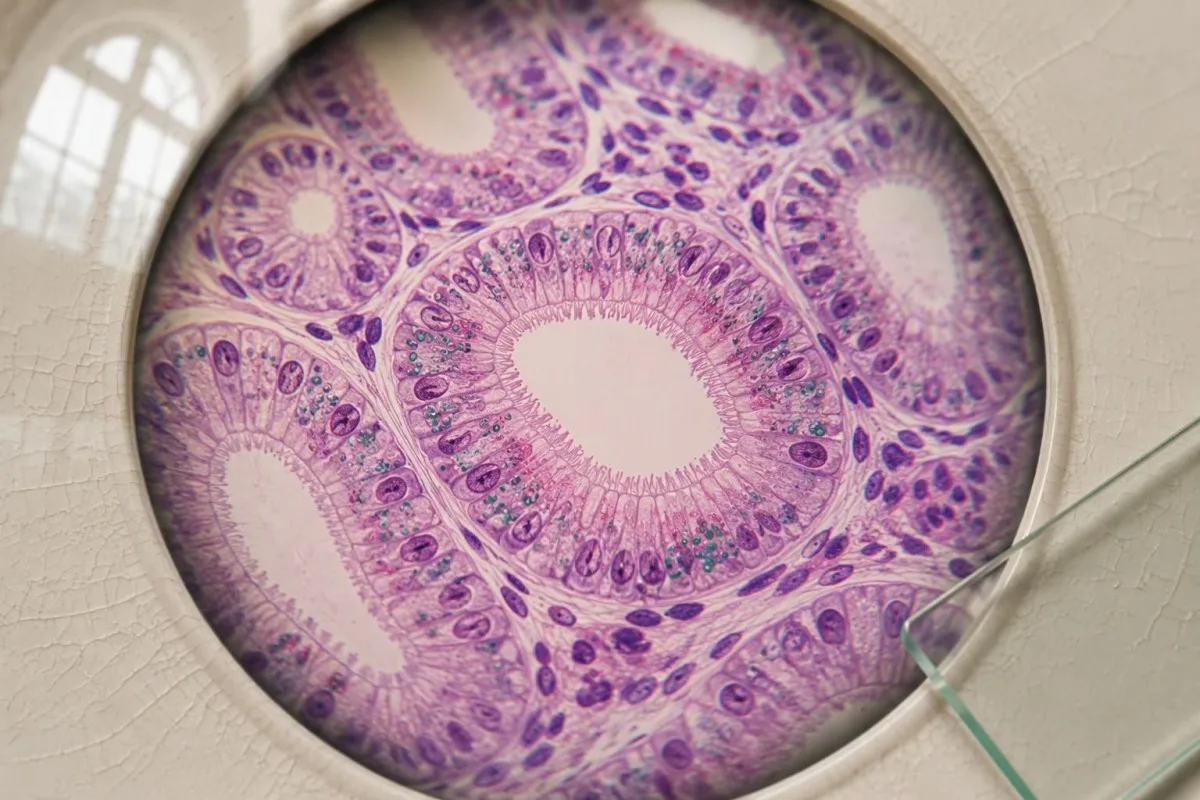
Creatinine is a delayed marker of changing filtration, and automated eGFR assumes relatively steady creatinine production and clearance. During evolving acute kidney injury, an eGFR reported as 60 mL/min/1.73 m² may not accurately describe current clearance; clinicians often rely on the trajectory and an appropriate drug-dosing renal assessment rather than the printed number alone.
Aminoglycoside-related tubular dysfunction can cause magnesium or potassium wasting, sometimes before a major creatinine increase. For example, a hypothetical magnesium of 0.55 mmol/L with new weakness deserves assessment of renal losses, gastrointestinal losses, and medicines; our electrolyte safety patterns explain why replacement must reflect the whole clinical picture.
Urinary granular casts can support tubular injury but neither prove gentamicin caused it nor reliably exclude injury when absent. Our granular cast interpretation guide separates suggestive findings from diagnosis; the broader سۈيدۈك تەكشۈرۈش (urinalysis) چۈشەندۈرۈش يېتەكچىسى explains why 1 urine specimen cannot substitute for serial renal assessment.
كىمگە گېنتامىيسىن بىخەتەرلىكىنى تېخىمۇ شەخسىيلەشتۈرۈپ نازارەت قىلىش كېرەك؟
Patients with unstable kidney function, major changes in body-fluid volume, repeated exposure, or concurrent nephrotoxic medicines need particularly individualized gentamicin monitoring. Older adults, neonates, pregnancy, dialysis, obesity, and severe illness can also make standard adult dosing assumptions unreliable; a 7 mg/kg protocol should not be generalized across these groups.
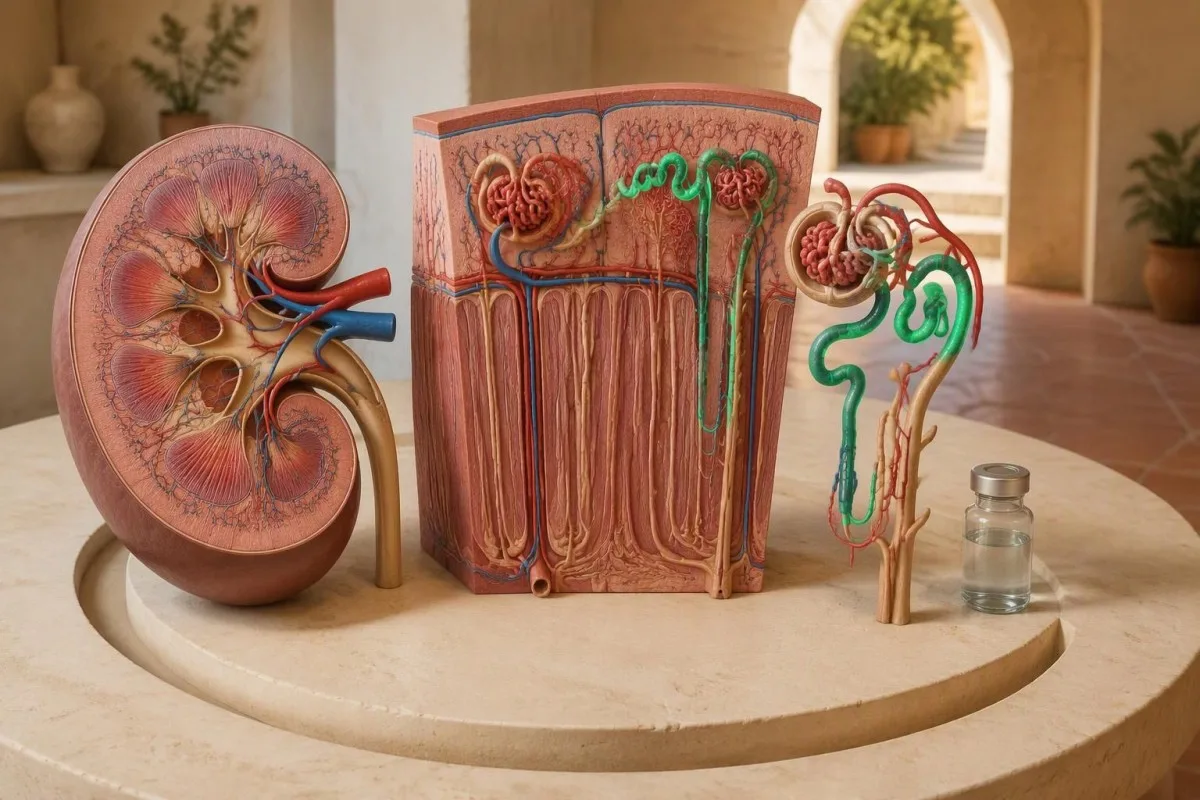
Risk generally increases with cumulative exposure and longer treatment, particularly when courses extend beyond approximately 5–7 days, although shorter courses are not risk-free. Concurrent vancomycin, amphotericin B, some chemotherapy agents, and nonsteroidal anti-inflammatory medicines can complicate renal safety; dehydration or low blood pressure may add a second stressor rather than an independent laboratory clue.
The dosing weight is not always the measured weight: obesity may require an adjusted-weight method, while ascites, edema, major burns, or critical illness can alter the distribution volume. A hypothetical 100 kg patient therefore should not calculate a dose by multiplying scale weight by 7; the hospital's weight convention and renal method are part of the prescription.
A creatinine clearance expressed in mL/min is not identical to an indexed eGFR expressed in mL/min/1.73 m², and low muscle mass can hide impaired filtration behind a modest creatinine value. Our dehydration and filtration explanation describes reversible changes, but a new decline during gentamicin treatment still needs review rather than being assumed temporary.
سەۋىيەسى قوبۇل قىلارلىق بولسىمۇ، گېنتامىيسىن ئاڭلاش ياكى تەڭپۇڭلۇققا تەسىر كۆرسىتەمدۇ؟
Gentamicin can cause hearing or vestibular toxicity even when measured concentrations fall within the prescribed targets. New tinnitus, hearing change, unsteadiness, or oscillopsia—vision that appears to bounce during walking—requires prompt contact with the treatment team; there is no serum concentration that guarantees inner-ear safety.
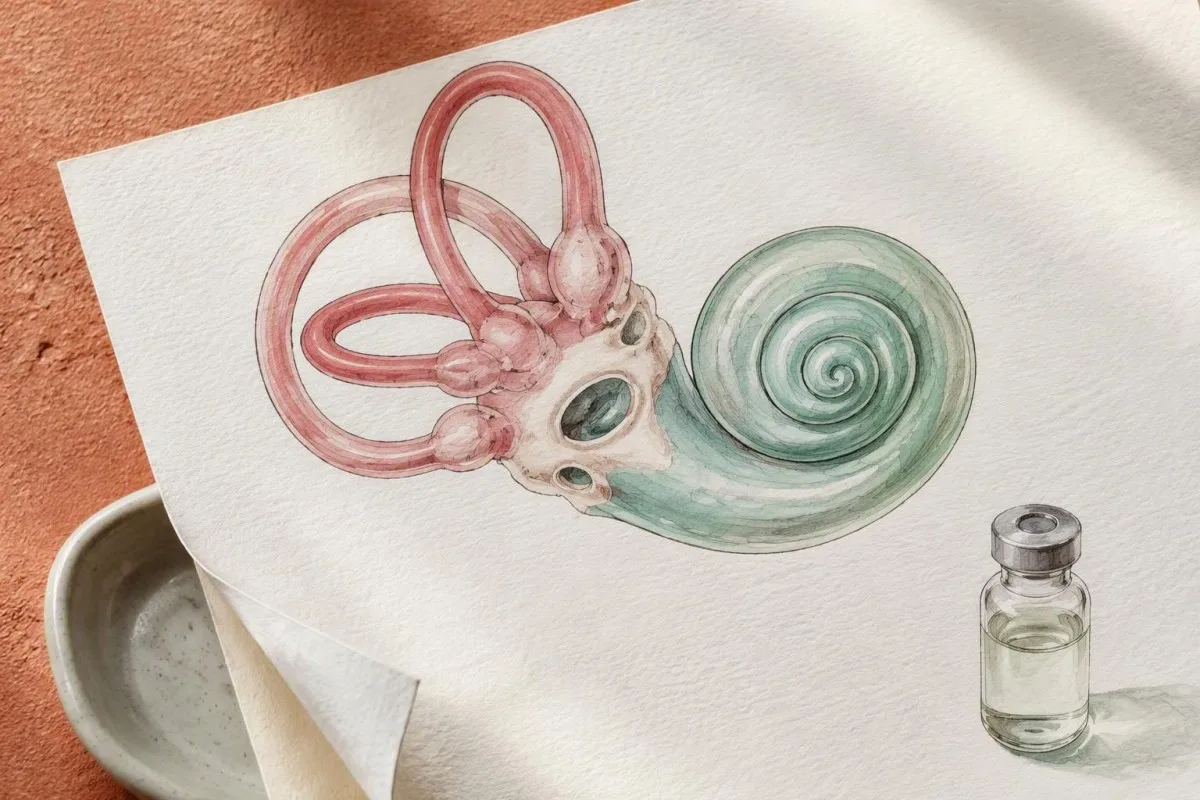
Gentamicin is particularly associated with vestibular toxicity, which affects balance and visual stability rather than hearing alone. Bilateral vestibular impairment may cause difficulty walking in darkness or bouncing vision without dramatic spinning vertigo; after even 1 new symptom, patients should report the change instead of waiting for the next routine blood test.
Baseline hearing and balance history helps interpret subsequent changes, and clinicians may arrange audiometry, including high-frequency assessment, or vestibular testing for prolonged or higher-risk treatment. A normal conventional hearing test does not exclude early high-frequency change or a vestibular problem; symptoms can emerge or progress after the final dose, and some effects are permanent.
The MT-RNR1 variants m.1555A>G and m.1494C>T are associated with increased aminoglycoside-related hearing-loss risk. The CPIC guideline recommends avoiding aminoglycosides in people with relevant high-risk variants unless the seriousness of the condition and lack of suitable alternatives justify treatment (McDermott et al., 2022); genetic testing must not delay urgent treatment without a clinician-directed plan.
كانتېستى بىر AI قان تەكشۈرۈش نەتىجىسىنى چۈشەندۈرۈش سۇپىسى, but a gentamicin concentration of 0.8 mg/L cannot establish normal hearing or vestibular function. Our مەسئۇلىيەتچان سۈنئىي ئەقىل چېگراسى explain why laboratory interpretation must remain separate from examination, audiology, emergency assessment, and decisions about the next antibiotic administration.
گېنتامىيسىن نەتىجىسى كۈتۈلمىگەن بولسا نېمە قىلىشىڭىز كېرەك؟
Contact the prescribing team or clinical pharmacist about an unexpected gentamicin result, especially when the next dose is approaching or symptoms have appeared. Do not independently change the dose or interval; a concentration of 2 mg/L means different things under different protocols, and an urgent decision needs the administration record.

Provide 5 practical details: the reported concentration and units, dose, infusion start and finish, sample collection time, and the latest creatinine with its earlier baseline. Also mention missed or delayed doses, urine changes, tinnitus, hearing change, imbalance, and nonprescription medicines; symptoms deserve attention even when the laboratory has not marked the result high.
If you are in hospital, alert the nurse or treatment team immediately rather than altering the infusion equipment yourself. If you receive home infusions, use the service's urgent contact route before the next planned administration when there is a concerning result; our secure clinical result-sharing guide explains how to preserve the original report and its timestamps.
Kantesti AI can support explanation of units and trends, but it cannot confirm whether an 18:00 sample belongs on a hospital's nomogram or authorize a treatment change. When sharing results for educational interpretation, remove unnecessary identifiers and review our مەخپىيەتلىك ۋە سانلىق مەلۇمات ئۇچۇرى; privacy precautions must never delay urgent medical contact.
گېنتامىيسىننى سۈنئىي ئەقىل ئارقىلىق چۈشەندۈرۈشنىڭ تەتقىقات مۇھىتى ۋە چەكلىمىلىرى
Clinical interpretation of gentamicin levels depends on validated dosing protocols, kidney-injury definitions, and separate assessment of hearing and balance. The 3 external medical references below support those clinical discussions; the 2 additional Kantesti publications describe platform or educational work and are not gentamicin dosing or toxicity-validation studies.
The Hartford program, KDIGO acute kidney injury criteria, and CPIC aminoglycoside pharmacogenetics guideline answer 3 different questions: how to interpret a qualifying timed level, how to recognize kidney injury, and when genetic susceptibility changes antibiotic selection. None can turn an unlabeled concentration into a complete treatment decision, and differences between hospital targets should be resolved using the patient's actual protocol.
كانتېستى بىر AI ئارقىلىق قوزغىتىلغان قان تەكشۈرۈش تەھلىل قورالى that can help organize gentamicin results alongside creatinine and electrolyte trends when the required context is supplied. A 0.3 mg/dL creatinine rise still requires clinician assessment regardless of how a report is summarized; our تېخنىكىلىق ۋە كلىنىكىلىق نازارەتچىلىكىمىز describes evaluation boundaries rather than claiming validation for autonomous gentamicin dosing.
The Global Health Report 2026 and the RDW guide listed below are 2 separate publications, not evidence that AI can prevent aminoglycoside toxicity. Kantesti's 0 تېببىي مەزمۇن ئۆلچەملىرى distinguish educational interpretation from prescribing; patients should use this article to ask better timing and safety questions, not to choose their next dose.
دائىملىق سورالدىغان سوئاللار
گېنتامىكسىننىڭ نورمال ئەڭ تۆۋەن قان سەۋىيەسى قانچىلىك؟
گېنتامىتسىننىڭ ئادەتتىكى ئەڭ تۆۋەن قان سەۋىيەسى كۆپىنچە 1 mg/L دىن تۆۋەن بولۇشنى نىشان قىلىدۇ، گەرچە بەزى كېلىشىملەردە 2 mg/L دىن تۆۋەن بولۇش قوللىنىلسىمۇ. ئەۋرىشكىنى ئادەتتە كېيىنكى ھەقىقىي دورا مىقدارىدىن 30 مىنۇت بۇرۇنقى ۋاقىت ئىچىدە ئېلىش كېرەك، پەقەت پىلانلانغان ۋاقتىدىن بۇرۇن ئېلىشلا كۇپايە قىلمايدۇ. ئارىلىقى ئۇزارتىلغان دورا بېرىش تۈزۈملىرىدە دورا بېرىشتىن بۇرۇنقى باشقا بىر چەك ياكى ۋاقىتقا باغلىق نوموگرامما قويۇقلۇقى قوللىنىلىشى مۇمكىن. قوبۇل قىلارلىق ئەڭ تۆۋەن قان سەۋىيەسى بۆرەك، ئاڭلاش ياكى تەڭپۇڭلۇققا زەھەرلىك تەسىر بولمايدۇ، دېگەنلىك ئەمەس.
گېنتامىكسىننىڭ چوققا سەۋىيەسىنى قاچان ئېلىش كېرەك؟
A conventional intravenous gentamicin peak level is commonly collected 30 minutes after the infusion ends, but the prescribing service's protocol determines the exact time. For example, an infusion ending at 08:30 may require collection at 09:00 under that protocol. A sample collected immediately after infusion or much later cannot automatically be compared with the same target. Extended-interval monitoring and intramuscular administration use different sampling conventions.
2 mg/L گېنتامىيسىن مىقدارى بەك يۇقىرىمۇ؟
0] گېنتامىيسىن مىقدارى 2 mg/L بولغان نەتىجىنى دورا بېرىش تەرتىپى ۋە قان ئەۋرىشكىسى ئېلىنغان ۋاقىت بولماي تۇرۇپ تۈرگە ئايرىغىلى بولمايدۇ. ئۇ نۇرغۇن ئەنئەنىۋى ئەڭ تۆۋەن مىقدار كېلىشىملىرىدىكى نىشاندىن ئېشىپ كېتىدۇ، ئەمما دورا ئارىلىقى ئۇزارتىلغان تەرتىپتە ۋاقىت بويىچە كۈتۈلىدىغان قويۇقلۇق بولۇشى مۇمكىن. ئەۋرىشكىنىڭ بالدۇر، كېچىكىپ ئېلىنىشى ياكى دورا قۇيۇش لىنىيەسىنىڭ بۇلغىنىشىمۇ ئۇنىڭ ئىزاھاتىنى ئۆزگەرتەلەيدۇ. كېيىنكى دورا مىقدارىنى ئۆزىڭىز ئۆزگەرتمەي، دورا يېزىپ بەرگەن داۋالاش گۇرۇپپىسى بىلەن ئالاقىلىشىڭ.
0) كۈندە بىر قېتىم دورا بېرىش تەرتىپىدە گېنتامىيسىن مىقدارى قاچان ئۆلچىنىدۇ؟
0) لاياقەتلىك 7 mg/kg Hartford تەرتىپىدە، گېنتامىيسىن قويۇۋېتىش باشلانغاندىن 6–14 سائەت ئۆتكەندە ئۆلچىنىدۇ. باشقا ئۇزارتىلغان ئارىلىقلىق كېلىشىملەردە دورا بېرىشتىن بۇرۇنقى بىر ئۆلچەش، دورا بېرىلگەندىن كېيىنكى ئىككى ئۆلچەش ياكى باشقا دورا مىقدارى ۋە ۋاقىت جەدۋىلى قوللىنىلىشى مۇمكىن. «ئىختىيارىي» دېگەن سۆز ئۆلچەش ۋاقتىنىڭ مۇھىم ئەمەسلىكىنى بىلدۈرمەيدۇ. قويۇقلۇق پەقەت بېرىلگەن دورا مىقدارى ۋە بىمارغا ماس كېلىدىغان كېلىشىم بويىچەلا چۈشەندۈرۈلۈشى كېرەك.
0 گېنتامىيسىننىڭ مىقدارى نورمال بولغاندا بۆرەكلەرگە زىيان يەتكۈزەمدۇ؟
جېنتامىيسىنغا مۇناسىۋەتلىك بۆرەك زەخىملىنىشى، دورا قويۇقلۇقى بېكىتىلگەن نىشان دائىرىسىدە بولسىمۇ كۆرۈلۈشى مۇمكىن، چۈنكى جۇغلانما تەسىر ۋە بىمارغا خاس خەتەر ئامىللىرىمۇ مۇھىم. 48 سائەت ئىچىدە كرىئاتىنىننىڭ كەم دېگەندە 0.3 mg/dL ياكى 26.5 µmol/L ئېشىشى KDIGO نىڭ ئۆتكۈر بۆرەك زەخىملىنىشى ئۆلچىمىگە توشىدۇ. ئامىنوگلىكوزىدقا مۇناسىۋەتلىك تۇرۇبچىق زەخىملىنىشىدە سۈيدۈك چىقىرىش مىقدارى نىسبەتەن نورمال ھالەتتە قېلىشى مۇمكىن. كلىنىكىلىق خادىملار پەقەت بىر دورا سەۋىيەسىگە تايانماستىن، كرىئاتىنىننىڭ تەرتىپلىك ئۆلچەملىرىنى، سۈيدۈك چىقىرىش مىقدارىنى، باشقا دورىلارنى ۋە باشقا ئېھتىماللىق سەۋەبلەرنى باھالايدۇ.
گېنتامىيسىن داۋالاشتىن كېيىن ئاڭلاش ئىقتىدارىنىڭ تۆۋەنلىشى ياكى باش قېيىشنى كەلتۈرۈپ چىقىرامدۇ؟
گېنتامىنسىنغا مۇناسىۋەتلىك ئاڭلاش ياكى تەڭپۇڭلۇق ئالامەتلىرى داۋالاش توختىغاندىن كېيىن پەيدا بولۇشى ياكى ئېغىرلىشىشى مۇمكىن، قان زەردابىدىكى مىقدارنىڭ قوبۇل قىلغىلى بولىدىغان دائىرىدە بولۇشى بۇ ئېھتىماللىقنى يوققا چىقارمايدۇ. قۇلاق شاۋقۇنى، ئاڭلاشنىڭ ئۆزگىرىشى، داۋاملىق تەڭپۇڭسىزلىق ياكى ماڭغاندا كۆرۈشنىڭ تەۋرىنىشى قاتارلىق ھەتتا بىر يېڭى ئالامەتمۇ دەرھال كلىنىكىلىق تەكشۈرۈشنى تەلەپ قىلىدۇ. گېنتامىنسىن روشەن ئاڭلاش ئىقتىدارى يوقىلىشى ياكى ئايلىنىش خاراكتېرلىك باش قېيىش بولمىسىمۇ، تەڭپۇڭلۇققا مۇناسىۋەتلىك ئىچكى قۇلاق ئىقتىدارىغا تەسىر كۆرسىتىشى مۇمكىن. گېنتامىنسىننىڭ قويۇقلۇقى ئىچكى قۇلاق ئىقتىدارىنى تەكشۈرۈش ئۇسۇلى بولمىغاچقا، باھالاش ئاڭلاش ۋە تەڭپۇڭلۇق سىناقلىرىنى ئۆز ئىچىگە ئېلىشى مۇمكىن.
قان تەكشۈرۈش نەتىجىسىنى قانداق ئوقۇش
تەجرىبىخانا دوكلاتىڭىزنى يوللاڭ، Kantesti نىڭ سۈنئىي ئەقىلى ھەر بىر بىئوماركېرنى بىر نەچچە سېكۇنت ئىچىدە ئاددىي تىلدا چۈشەندۈرىدۇ. دۇنيا بويىچە 2 مىليوندىن ئارتۇق ئادەم ئىشلىتىدۇ.
پايدىلانغان ماتېرىياللار
- Klein, T., Mitchell, S., & Weber, H. (2026). AI قان تەكشۈرۈش ئانالىزچىسى: 2.5M تەكشۈرۈش ئانالىز قىلىندى | دۇنيا سەھىيە دوكلاتى 2026. Kantesti AI Medical Research. DOI
- Klein, T., Mitchell, S., & Weber, H. (2026). RDW قان تەكشۈرۈشى: RDW-CV، MCV ۋە MCHC توغرىسىدىكى تولۇق قوللانما. Kantesti AI Medical Research. DOI
- Nicolau DP et al. (1995). Experience with a once-daily aminoglycoside program administered to 2,184 adult patients. Antimicrobial Agents and Chemotherapy. DOI
- KDIGO Acute Kidney Injury Work Group (2012). KDIGO Clinical Practice Guideline for Acute Kidney Injury. Kidney International Supplements.
- McDermott JH et al. (2022). Clinical Pharmacogenetics Implementation Consortium Guideline for the Use of Aminoglycosides Based on MT-RNR1 Genotype. Clinical Pharmacology & Therapeutics. DOI
- 2M +تەھلىل قىلىنغان تەكشۈرۈشلەر
- 127+دۆلەتلەر
- 100+تىللار
تېببىي گۇرۇپپا ھەققىدە


E-E-A-T ئىشەنچ سىگناللىرى
تەجرىبە
دوختۇر رەھبەرلىكىدىكى لابوراتورىيە تەبىرىنى چۈشەندۈرۈش خىزمەت ئېقىملىرىنى بالىياتقۇچلۇق تەكشۈرۈش.
مۇتەخەسسىسلىك
بىئوماركىرلارنىڭ كىلىنىكىلىق مۇھىتتا قانداق ھەرىكەت قىلىدىغانلىقىغا مەركەزلەشكەن لابوراتورىيە تېبابىتى.
ھوقۇقدارلىق
دوكتور توماس كلېين تېببىي جەھەتتىن تەكشۈرگەن، دوكتور سارا مىچېل ۋە پروفېسسور دوكتور خانس ۋېبېرنىڭ تۆھپىسى بىلەن تەييارلانغان.
ئىشەنچلىكلىك
ئاگاھلاندۇرۇشنى ئازايتىش ئۈچۈن ئېنىق كېيىنكى قەدەملەر بىلەن ئىسپات-ئاساسلىق تەبىر.
تېببىي ئاگاھلاندۇرۇش
بۇ ماقالە پەقەت تەربىيە-ئوقۇتۇش مەقسىتى ئۈچۈن بولۇپ، داۋالاش مەسلىھەتىنى تەشكىل قىلمايدۇ. دىئاگنوز قويۇش ۋە داۋالاش قارارلىرى ئۈچۈن ھەمىشە لاياقەتلىك ساغلاملىق مۇلازىمىتى تەمىنلىگۈچى بىلەن مەسلىھەتلىشىڭ.
Published · تەھرىر گۇرۇپپىسى بىلەن ئالاقىلىشىڭ
ئەنگلىيە ۋە ۋېلىشتا تىزىمغا ئېلىنغان Kantesti Ltd تەرىپىدىن نەشر قىلىنغان، شىركەت نومۇرى:. 17090423, ، لوندون، ئەنگلىيە.
