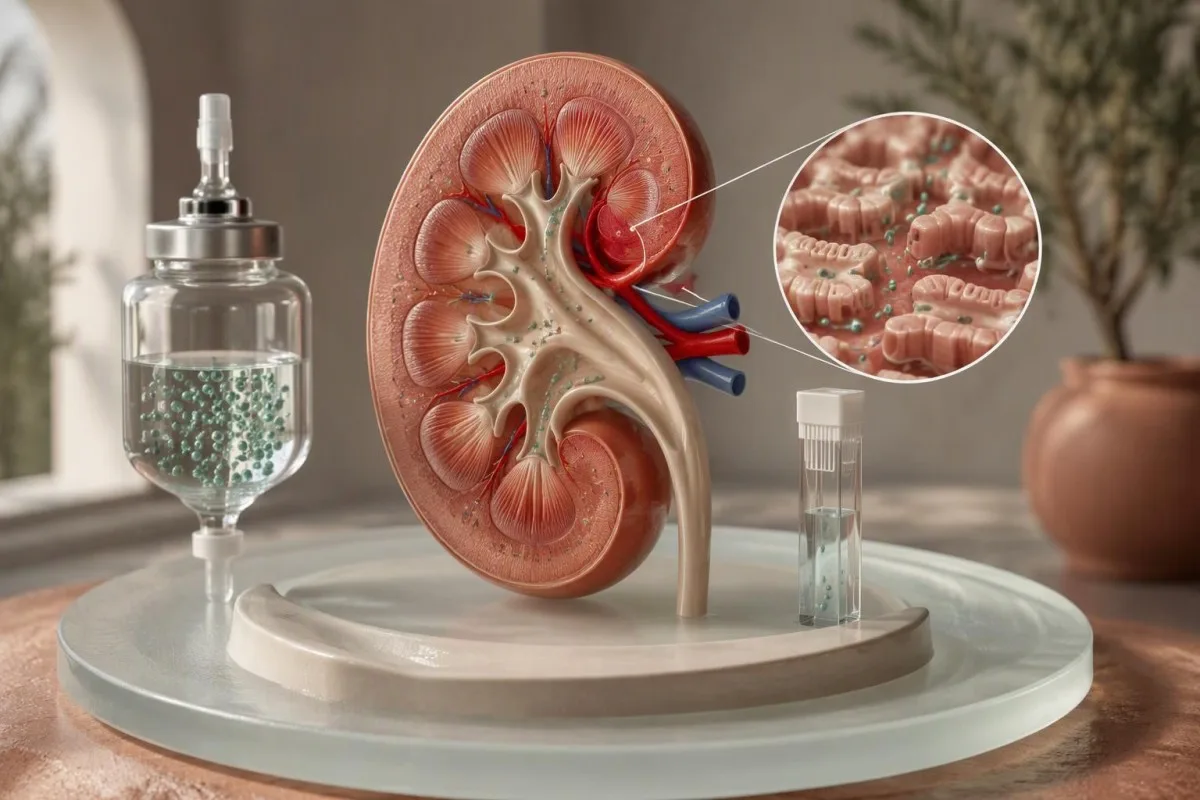
Գենտամիցինի մակարդակներն իմաստ ունեն միայն դեղաչափի, դեղաչափման ռեժիմի և նմուշառման ճշգրիտ ժամանակի համատեքստում։ Ավանդական բուժման դեպքում կիրառվում են առավելագույն և նվազագույն մակարդակների թիրախներ․ երկարացված միջակայքերով բուժման դեպքում հաճախ օգտագործվում են որոշակի ժամանակին չափված կոնցենտրացիա և տվյալ արձանագրությանը հատուկ գրաֆիկ, իսկ երիկամների հետազոտություններն ու լսողության կամ հավասարակշռության ախտանշանները անվտանգության առանձին ստուգումներ են։.

ძირითადი დასკვნები
- Գենտամիցինի մակարդակները չափում են հակաբիոտիկի կոնցենտրացիան, սովորաբար՝ mg/L-ով․ 1 mg/L-ը հավասար է 1 µg/mL-ի։.
- Ավանդական առավելագույն մակարդակի թիրախները մեծահասակների մոտ սովորաբար 5–10 mg/L-ի սահմաններում են, սակայն իրական թիրախը որոշվում է վարակի, ցուցման և նմուշառման եղանակի հիման վրա։.
- Ավանդական նվազագույն մակարդակի թիրախները հաճախ 1 mg/L-ից ցածր են․ որոշ արձանագրություններում կիրառվում է 2 mg/L-ից ցածր շեմը։ Այս շեմերից ոչ մեկը չի երաշխավորում թունավոր ազդեցությունների բացակայությունը։.
- Նմուշառման ժամանակը պետք է գրանցվի ճշգրտորեն․ ներերակային ներարկման դեպքում ավանդական առավելագույն մակարդակը սովորաբար որոշվում է ինֆուզիայի ավարտից 30 րոպե անց, իսկ նվազագույնը՝ հաջորդ իրական դեղաչափից մինչև 30 րոպե առաջ։.
- Երկարացված միջակայքերով մոնիթորինգը განსხვავდება: ჰარტფორდის პროტოკოლში გამოიყენება კონცენტრაცია, რომელიც აღებულია შესაბამისი 7 მგ/კგ დოზის დაწყებიდან 6–14 საათის შემდეგ.
- თირკმლის დაზიანება შეიძლება აკმაყოფილებდეს KDIGO-ის კრიტერიუმებს, თუ კრეატინინი 48 საათის განმავლობაში სულ მცირე 0.3 მგ/დლ-ით, ანუ 26.5 µმოლ/ლ-ით, მოიმატებს — მაშინაც კი, თუ შედეგი ლაბორატორიულ დიაპაზონში რჩება.
- სმენისა და წონასწორობის ტოქსიკურობა შეიძლება განვითარდეს მაშინაც კი, როცა კონცენტრაციები ერთი შეხედვით მისაღებია; ყურებში ახლად დაწყებული შუილი, სმენის ცვლილება, წონასწორობის დარღვევა ან მხედველობის დაბინდვა საჭიროებს ექიმის მიერ დაუყოვნებლივ შეფასებას.
- დოზის გადაწყვეტილებები მკურნალობის დანიშვნის გუნდს ან კლინიკურ ფარმაცევტს ეკუთვნის. არასოდეს შეცვალოთ დოზა დამოუკიდებლად, არ გადადოთ ინფუზია და არ გამოიყენოთ ონლაინ ნომოგრამა.
Ի՞նչ են իրականում չափում գենտամիցինի մակարդակները։
გენტამიცინის დონე აჩვენებს გენტამიცინის კონცენტრაციას ლაბორატორიულ ნიმუშში და თავისთავად არ აფასებს თირკმლის ფუნქციას ან მკურნალობის წარმატებას. 2 მგ/ლ-ის შედეგი შეიძლება დამამშვიდებელი, საყურადღებო ან არაინტერპრეტირებადი იყოს იმის მიხედვით, ეს არის ნარჩენი კონცენტრაცია, დოზის მიღების შემდეგ ადრეულ ეტაპზე აღებული ნიმუში თუ განსაზღვრულ დროს აღებული ნიმუში გახანგრძლივებული ინტერვალით დოზირებისას.
ლაბორატორიები გენტამიცინს, როგორც წესი, გამოსახავენ მგ/ლ-ში ან µგ/მლ-ში, რომლებიც რიცხობრივად ეკვივალენტურია: 1 მგ/ლ უდრის 1 µგ/მლ-ს. შედეგთან მითითებული თერაპიული დიაპაზონი შესაძლოა მხოლოდ სტანდარტულ დოზირებას ეხებოდეს; ის ავტომატურად არ უნდა გავრცელდეს დღეში ერთხელ დოზირებაზე ან ენდოკარდიტის ზოგიერთი სქემისას გამოყენებულ დაბალდოზიან კომბინირებულ მკურნალობაზე.
კანტესტი არის AI სისხლის ტესტის ანალიზატორი რაც შეიძლება დაგვეხმაროს იმის ახსნაში, თუ რატომ არის საჭირო გენტამიცინის 2 მგ/ლ კონცენტრაციის ინტერპრეტაციამდე დოზირებისა და სინჯის აღების დროის გათვალისწინება. ჩვენი ორგანიზაცია და კლინიკური მიზანი განცალკევებულია საავადმყოფოს დანიშნულების სამსახურისგან; ჩვენ არ ვამტკიცებთ ანტიბიოტიკის დოზებს და არ ვანაცვლებთ თერაპიული მედიკამენტური მონიტორინგის ჩატარებას.
ლაბორატორიული შედეგის ცალკეული გამაფრთხილებელი აღნიშვნა დიაგნოზი არ არის. მაგალითად, ჰიპოთეტური პასუხი, რომელშიც 12 მგ/ლ მაღალია მონიშნული, შესაძლოა ასახავდეს გახანგრძლივებული ინტერვალით მიღებული დოზის შემდეგ სწორ დროს გაზომილ კონცენტრაციას და არა სტანდარტული რეჟიმისას ზედმეტად მაღალ პიკურ კონცენტრაციას; ჩვენი განმარტება ლაბორატორიული სიგნალების, რომლებიც სცილდება ნორმას აღწერს, რატომ შეიძლება თანდართულმა საცნობარო ინტერვალმა შეცდომაში შეგვიყვანოს.
Ինչո՞ւ է գենտամիցինի մոնիթորինգի ժամանակը փոխում արդյունքը։
გენტამიცინის მონიტორინგის დრო მნიშვნელოვანია, რადგან კონცენტრაცია შეყვანის დროს იზრდება, სხეულის სითხეებში ნაწილდება, შემდეგ კი მცირდება თირკმელებით გამოყოფის შედეგად. ნარჩენი კონცენტრაციის ინტერპრეტაციისას კლინიცისტებს სჭირდებათ სულ მცირე 3 დროის აღნიშვნა: ინფუზიის დაწყება, ინფუზიის დასრულება და ნიმუშის აღება, აგრეთვე მომდევნო დოზის მიღების ზუსტი დრო.
თირკმლის ნორმალური ფუნქციის დროს გენტამიცინის ელიმინაციის ნახევარდაშლის პერიოდი ხშირად დაახლოებით 2–3 საათით, -ია, თუმცა დაავადებამ და განაწილების ცვლილებებმა შეიძლება კონცენტრაციის მრუდი შეცვალოს. ინფუზიის დასრულებისთანავე აღებულმა ნიმუშმა შეიძლება განაწილების ფაზა ასახოს; ის არ არის ურთიერთჩანაცვლებადი მოგვიანებით აღებულ პიკურ კონცენტრაციასთან, რომლის განსაზღვრის მეთოდსაც საავადმყოფო ადგენს.
დაგეგმილი დოზის დრო ვერ ჩაანაცვლებს შეყვანის ჩანაწერს. ჰიპოთეტურ შემთხვევაში, როცა 08:00 საათზე დაგეგმილი დოზა 09:10-მდე გადაიდო, 09:00 საათზე აღებული ნიმუში კვლავ დოზამდელია, მაშინ როცა გრაფიკი, რომელშიც ვარაუდობენ, რომ დოზა 08:00 საათზე იქნა შეყვანილი, შესაძლოა შეცდომით დოზის შემდგომად მონიშნოს; ეს განსხვავება კლინიკურ კითხვას სრულიად ცვლის.
ინფუზიის ხაზიდან ნიმუშის აღებამ შეიძლება ცრუ მაღალი შედეგი მოგვცეს, თუ ნარჩენი გენტამიცინი სინჯს დააბინძურებს, ამიტომ პერსონალი სინჯის აღებისა და ხაზის გამორეცხვის ადგილობრივ პროცედურებს იცავს. დროის განსაზღვრის პრობლემები სხვა მედიკამენტებთანაც გვხვდება, თუმცა საჭირო ლოდინის პერიოდი განსხვავებულია; ჩვენი დიგოქსინის სინჯის აღების დროის განმარტება არ უნდა გამოიყენოთ გენტამიცინის დოზირების გრაფიკის სახით.
Ինչպե՞ս է իրականացվում ավանդական մոնիթորինգը՝ առավելագույն և նվազագույն մակարդակների որոշմամբ։
გენტამიცინის სტანდარტული მონიტორინგი მოიცავს დოზის შემდეგ პიკური კონცენტრაციის განსაზღვრას ექსპოზიციის შესაფასებლად და დოზამდე ნარჩენი კონცენტრაციის განსაზღვრას მომდევნო შეყვანამდე დარჩენილი პრეპარატის შესაფასებლად. For selected adults receiving divided doses, intervals may be 8 or 12 hours, but kidney function and the treatment indication determine the prescribed schedule.
After an intravenous infusion, a conventional gentamicin peak level is commonly collected 30 minutes after the infusion finishes; some protocols specify a different time. A gentamicin trough level is commonly collected within 30 minutes before the next actual dose, and intramuscular administration uses a different post-dose sampling convention.
Some services obtain the first paired measurements around the 3rd or 4th dose, when concentrations are approaching a repeatable pattern in patients with stable clearance. That is not a reason to postpone assessment in someone with worsening kidney function, unexpected dosing, or symptoms; such patients may require earlier measurements and individualized pharmacokinetic review.
A peak and trough are useful only if the preceding doses were actually administered as documented. A missed dose, a changed infusion duration, or a sample collected 2 hours early can invalidate an otherwise neat-looking pair; similar documentation principles appear in our carbamazepine trough timing guide, although the therapeutic targets are unrelated.
Գենտամիցինի առավելագույն ի՞նչ մակարդակի են ձգտում կլինիցիստները։
A conventional gentamicin peak level commonly targets approximately 5–10 mg/L in adults, but there is no universal target for every infection. Some low-dose synergy protocols use peaks around 3–5 mg/L, while extended-interval concentrations must not be judged against the conventional peak range.
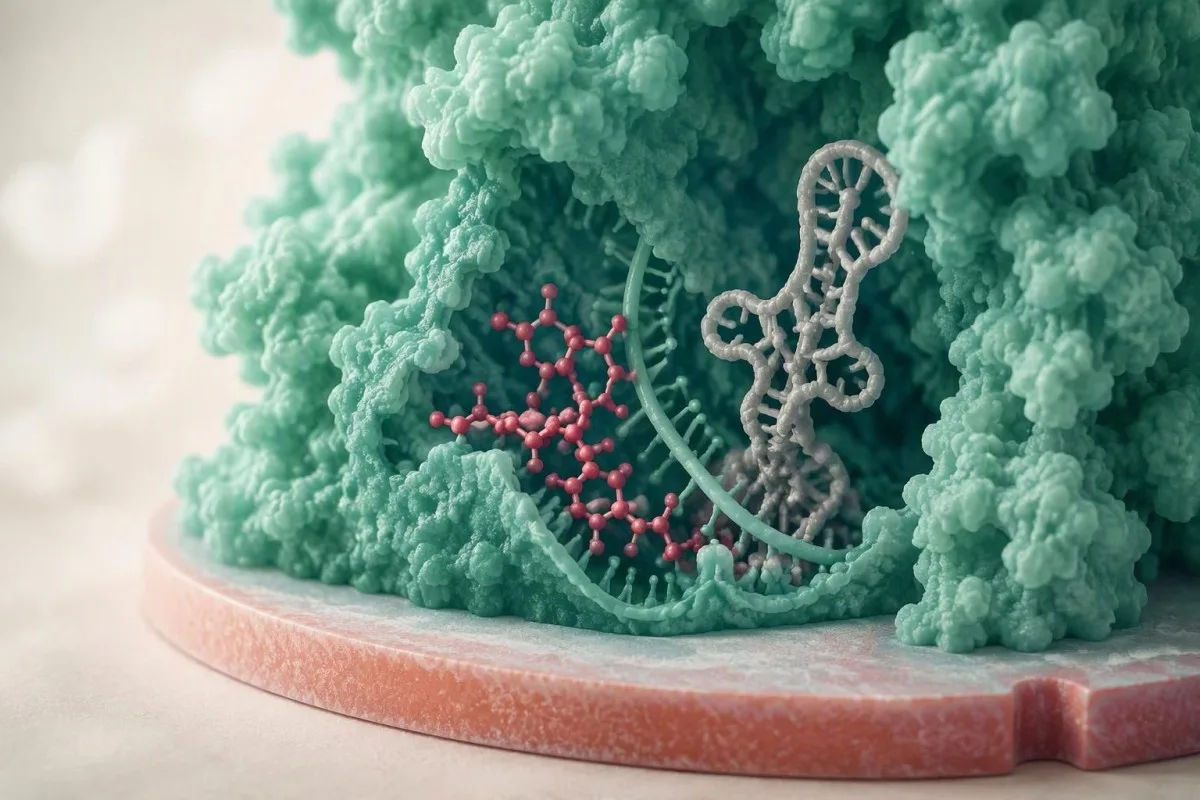
Gentamicin exhibits concentration-dependent antibacterial activity: for susceptible Gram-negative organisms, a peak-to-minimum inhibitory concentration ratio around 8–10 is a commonly used pharmacodynamic goal. The minimum inhibitory concentration, or MIC, describes the organism's susceptibility; a peak of 8 mg/L has a different meaning when the MIC is 0.5 rather than 2 mg/L.
A low measured peak does not always mean the prescribed dose was too small. A hypothetical patient with major fluid expansion might have a larger distribution volume, while a peak sample collected 90 minutes late could be lower simply because elimination has continued; the pharmacist distinguishes these possibilities before changing treatment.
Selected combination regimens use gentamicin for synergy, not the same exposure goals used for stand-alone Gram-negative treatment. High-level aminoglycoside resistance can prevent that synergy and is not solved by chasing a higher concentration; our antifungal trough target discussion illustrates why drug-specific targets cannot be borrowed across treatments.
| დონე | დიაპაზონი | მნიშვნელობა |
|---|---|---|
| Conventional adult peak | Commonly 5–10 mg/L | Illustrative target used by some protocols; indication and the specified collection time determine interpretation. |
| Selected synergy peak | Often 3–5 mg/L | Applies only to particular low-dose combination protocols, not every endocarditis regimen. |
| Conventional adult trough | Often <1 mg/L; some protocols <2 mg/L | Lower residual exposure reduces concern about accumulation but does not exclude toxicity. |
| Extended-interval concentration | No universal peak-and-trough reference interval | Interpret using the actual elapsed time and the validated protocol for the administered dose. |
Ի՞նչ կարող է վկայել գենտամիցինի բարձր նվազագույն մակարդակը։
A high, correctly timed gentamicin trough level suggests that substantial drug remains before the next dose, often because clearance is reduced or the interval is too short. Many conventional protocols aim below 1 mg/L; others accept below 2 mg/L, so the prescribing service's target must be checked.
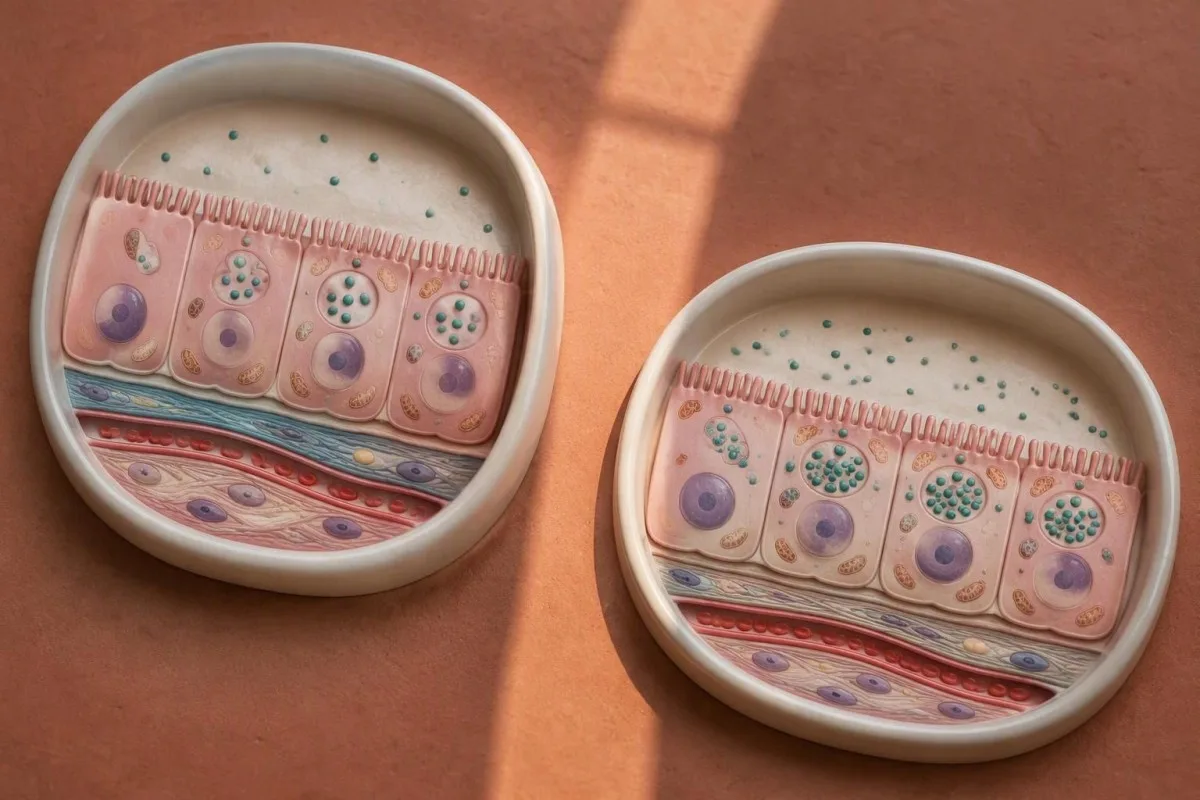
A trough is a clearance signal, not a direct measurement of kidney tissue exposure. Gentamicin can accumulate within renal proximal tubular cells over repeated treatment, so a trough below 1 mg/L does not erase the effects of cumulative exposure, concurrent nephrotoxic medicines, or a kidney problem that is only beginning.
The direction of causation can run both ways: reduced kidney function raises gentamicin concentrations, and gentamicin-associated tubular injury can further reduce clearance. For example, a hypothetical trough rising from 0.6 to 1.4 mg/L on an unchanged schedule may prompt review of creatinine trends, actual dose times, fluid status, and other medicines rather than a conclusion based on the concentration alone.
A sample collected 2 hours before the next dose will usually be higher than a true pre-dose trough and should not be casually relabeled. Conversely, a sample after an unusually long delay may look reassuring without representing the usual schedule; our tacrolimus trough interpretation guide explains the same documentation problem with a different drug.
Ինչո՞վ է տարբերվում երկարացված միջակայքերով գենտամիցինի մոնիթորինգը։
Extended-interval gentamicin uses a larger individual dose followed by a longer drug-free interval, and monitoring often relies on a timed post-dose concentration rather than conventional paired levels. Selected adult protocols use approximately 5–7 mg/kg per dose, but the exact dose, interval, and eligibility criteria are service-specific.
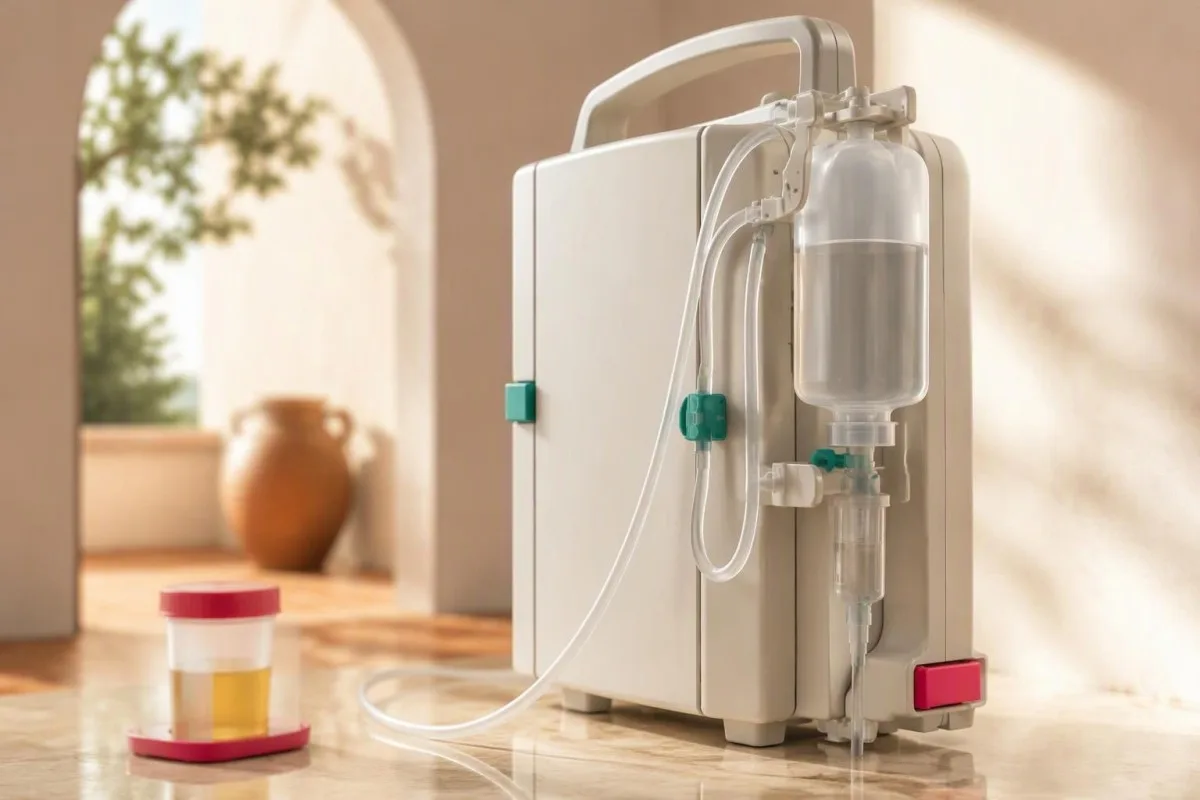
The rationale combines concentration-dependent killing with a post-antibiotic effect, meaning bacterial growth may remain suppressed after the circulating concentration falls. A once-daily regimen therefore does not require a conventional trough to remain detectably therapeutic; intentionally low late concentrations are part of the strategy, not proof that treatment has stopped working.
Selected extended-interval protocols use 24-, 36-, or 48-hour intervals, but once-daily is an imprecise label when impaired clearance requires longer spacing. Some hospitals use a pre-dose concentration, some a single timed nomogram sample, and others 2 concentrations or model-based exposure estimates; these approaches are not interchangeable without their accompanying dosing rules.
Extended-interval treatment is not suitable for every patient or indication, and reduced renal toxicity in selected populations does not mean zero risk. Our vancomycin exposure monitoring guide explains another antibiotic-specific approach; the vancomycin AUC target of 400–600 mg·h/L is not a gentamicin target.
Ե՞րբ կարող է Հարթֆորդի նոմոգրամը մեկնաբանել գենտամիցինի մակարդակները։
The Hartford nomogram applies to qualifying extended-interval aminoglycoside treatment using a 7 mg/kg dose and a concentration collected 6–14 hours after infusion start. It helps clinicians choose an interval; it is not a universal chart for any gentamicin dose, any collection time, or any patient.
The original Hartford experience described 2,184 adult patients receiving a once-daily aminoglycoside program, providing the clinical background for its dose-and-time framework (Nicolau et al., 1995). The 6–14-hour measurement is sometimes called a random level, but random here means not a conventional peak or trough—not that its timing is optional.
Hospitals restrict or modify this approach in populations such as pregnancy, dialysis, unstable renal function, major burns, cystic fibrosis, or selected endocarditis regimens. A hypothetical concentration of 2.2 mg/L collected 10 hours after a 5 mg/kg dose cannot simply be plotted on an unmodified 7 mg/kg Hartford chart to obtain a reliable interval.
If the sample falls outside the validated window, clinicians may request another level or calculate individualized pharmacokinetics rather than force a point onto the chart. Our delayed drug-clearance explanation illustrates why elapsed time is part of a drug result, although methotrexate rescue thresholds have no role in gentamicin dosing.
Ինչպե՞ս են համեմատվում գենտամիցինի երկու հիպոթետիկ հետազոտությունների արդյունքները։
Two identical gentamicin results can mean different things when the sampling schedules differ. The following 2 hypothetical examples demonstrate conventional and extended-interval interpretation; they are not dosing instructions, and neither example supplies enough information for a patient to choose the next dose.

In hypothetical example A, a conventional infusion starts at 08:00, ends at 08:30, and the prescribed peak sample is collected at 09:00. A result of 8 mg/L fits many conventional peak targets if the indication agrees; a separate 15:40 sample before a 16:00 dose provides the trough information that the peak cannot supply.
In hypothetical example B, an eligible 70 kg adult receives a clinician-prescribed 490 mg dose, corresponding to 7 mg/kg, with infusion start at 08:00. A sample at 18:00 is 10 hours after infusion start and is interpreted under the applicable extended-interval protocol; calling that result a low peak or a high trough would ask the wrong question.
Neither timeline establishes kidney safety without baseline and follow-up renal information, and the prescribed dosing weight may differ from scale weight. Before collection, patients can confirm that staff have the actual administration record and the intended test type; our baseline sample preparation checklist helps distinguish useful preparation from unnecessary fasting or medication changes.
Ինչպե՞ս են կլինիցիստները հայտնաբերում գենտամիցինի հետ կապված երիկամների վնասումը։
Clinicians assess possible gentamicin-associated kidney injury using creatinine changes, urine output, exposure history, and alternative causes—not the gentamicin concentration alone. KDIGO defines acute kidney injury by a creatinine rise of at least 0.3 mg/dL within 48 hours, a rise to at least 1.5 times baseline within 7 days, or qualifying low urine output.
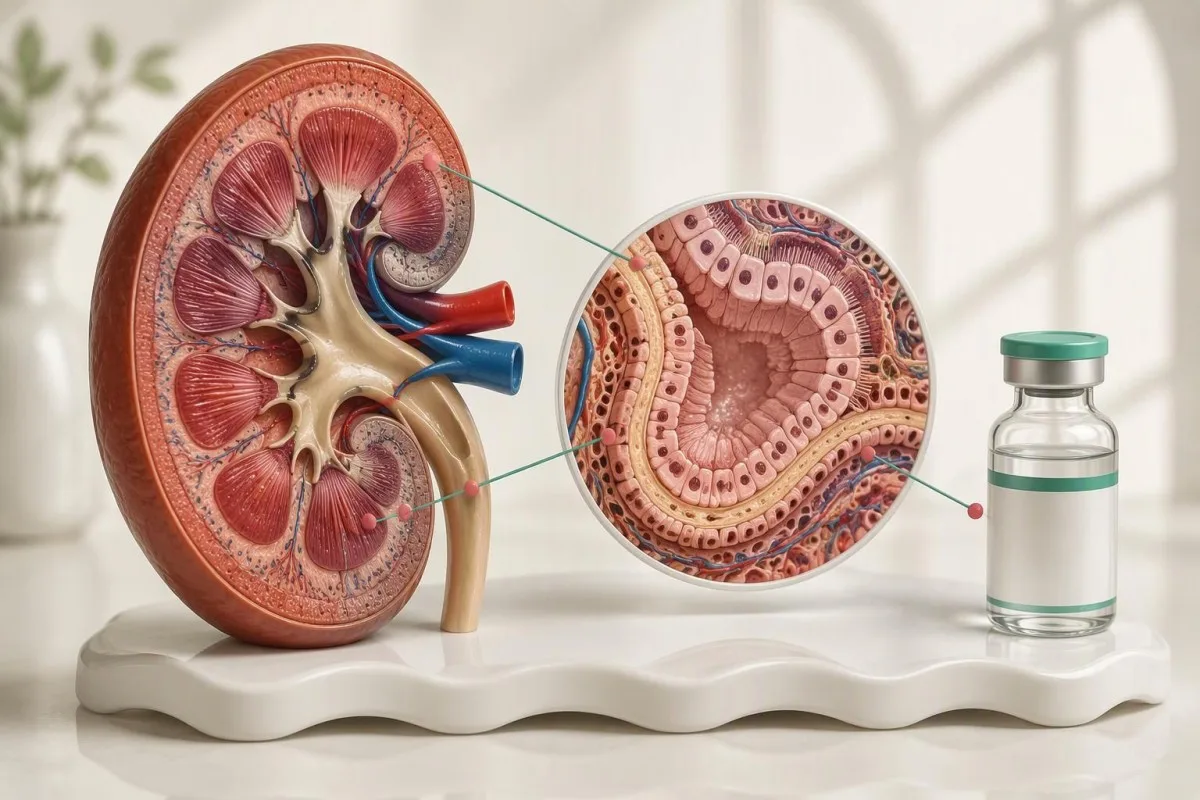
The 0.3 mg/dL threshold equals 26.5 µmol/L, and it can identify injury even when both values sit inside the laboratory interval (KDIGO Acute Kidney Injury Work Group, 2012). For example, a hypothetical creatinine increase from 0.7 to 1.0 mg/dL within 48 hours meets that criterion; normal-looking is not the same as unchanged.
KDIGO's urine-output criterion includes less than 0.5 mL/kg/hour for 6 hours: for a 70 kg adult, that is below 35 mL/hour over the specified period. Gentamicin-associated injury can also be non-oliguric, meaning urine output remains relatively preserved, so passing urine normally does not rule out an important creatinine rise.
Sepsis, low blood pressure, dehydration, urinary obstruction, and other medicines can produce similar changes, and attribution requires clinical assessment. Our BUN და კრეატინინის თანაფარდობა გიდობს explains useful context without treating the ratio as diagnostic; seek prompt advice for markedly reduced urine or the warning signs described in our low kidney function symptoms სტატიაში.
Երիկամների և էլեկտրոլիտների ի՞նչ հետազոտություններ են ուղեկցում գենտամիցինի մակարդակների չափմանը։
Gentamicin safety monitoring usually includes baseline and repeat serum creatinine, with electrolytes and urine assessment when clinically indicated. Hospitalized adults often have daily renal checks during ongoing treatment, but outpatient schedules depend on stability, treatment duration, local protocol, and whether a change occurs within 24–48 hours.
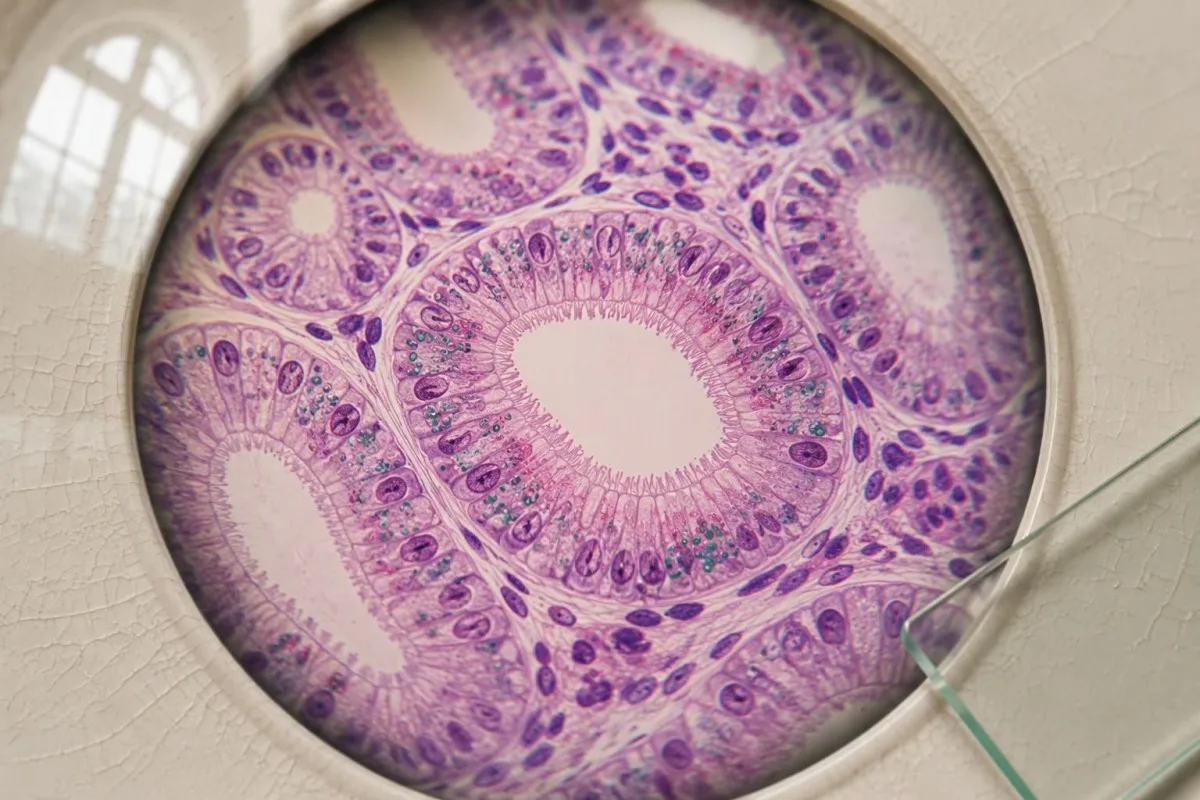
Creatinine is a delayed marker of changing filtration, and automated eGFR assumes relatively steady creatinine production and clearance. During evolving acute kidney injury, an eGFR reported as 60 mL/min/1.73 m² may not accurately describe current clearance; clinicians often rely on the trajectory and an appropriate drug-dosing renal assessment rather than the printed number alone.
Aminoglycoside-related tubular dysfunction can cause magnesium or potassium wasting, sometimes before a major creatinine increase. For example, a hypothetical magnesium of 0.55 mmol/L with new weakness deserves assessment of renal losses, gastrointestinal losses, and medicines; our electrolyte safety patterns explain why replacement must reflect the whole clinical picture.
Urinary granular casts can support tubular injury but neither prove gentamicin caused it nor reliably exclude injury when absent. Our granular cast interpretation guide separates suggestive findings from diagnosis; the broader შარდის ანალიზის ინტერპრეტაციის სახელმძღვანელო explains why 1 urine specimen cannot substitute for serial renal assessment.
Ո՞ւմ է անհրաժեշտ գենտամիցինի անվտանգության ավելի անհատականացված մոնիթորինգ։
Patients with unstable kidney function, major changes in body-fluid volume, repeated exposure, or concurrent nephrotoxic medicines need particularly individualized gentamicin monitoring. Older adults, neonates, pregnancy, dialysis, obesity, and severe illness can also make standard adult dosing assumptions unreliable; a 7 mg/kg protocol should not be generalized across these groups.
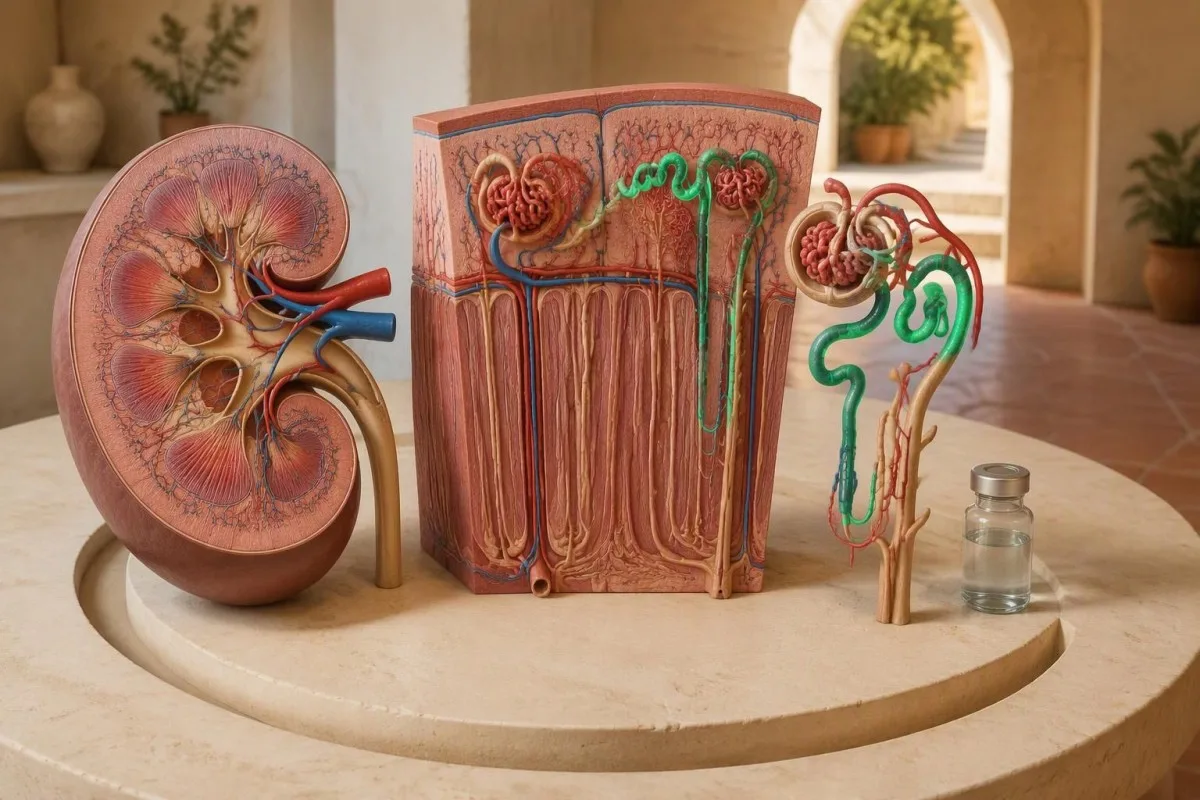
Risk generally increases with cumulative exposure and longer treatment, particularly when courses extend beyond approximately 5–7 days, although shorter courses are not risk-free. Concurrent vancomycin, amphotericin B, some chemotherapy agents, and nonsteroidal anti-inflammatory medicines can complicate renal safety; dehydration or low blood pressure may add a second stressor rather than an independent laboratory clue.
The dosing weight is not always the measured weight: obesity may require an adjusted-weight method, while ascites, edema, major burns, or critical illness can alter the distribution volume. A hypothetical 100 kg patient therefore should not calculate a dose by multiplying scale weight by 7; the hospital's weight convention and renal method are part of the prescription.
A creatinine clearance expressed in მლ/წთ-ში is not identical to an indexed eGFR expressed in mL/min/1.73 m², and low muscle mass can hide impaired filtration behind a modest creatinine value. Our dehydration and filtration explanation describes reversible changes, but a new decline during gentamicin treatment still needs review rather than being assumed temporary.
Կարո՞ղ է գենտամիցինը ազդել լսողության կամ հավասարակշռության վրա՝ ընդունելի մակարդակների պայմաններում։
Gentamicin can cause hearing or vestibular toxicity even when measured concentrations fall within the prescribed targets. New tinnitus, hearing change, unsteadiness, or oscillopsia—vision that appears to bounce during walking—requires prompt contact with the treatment team; there is no serum concentration that guarantees inner-ear safety.
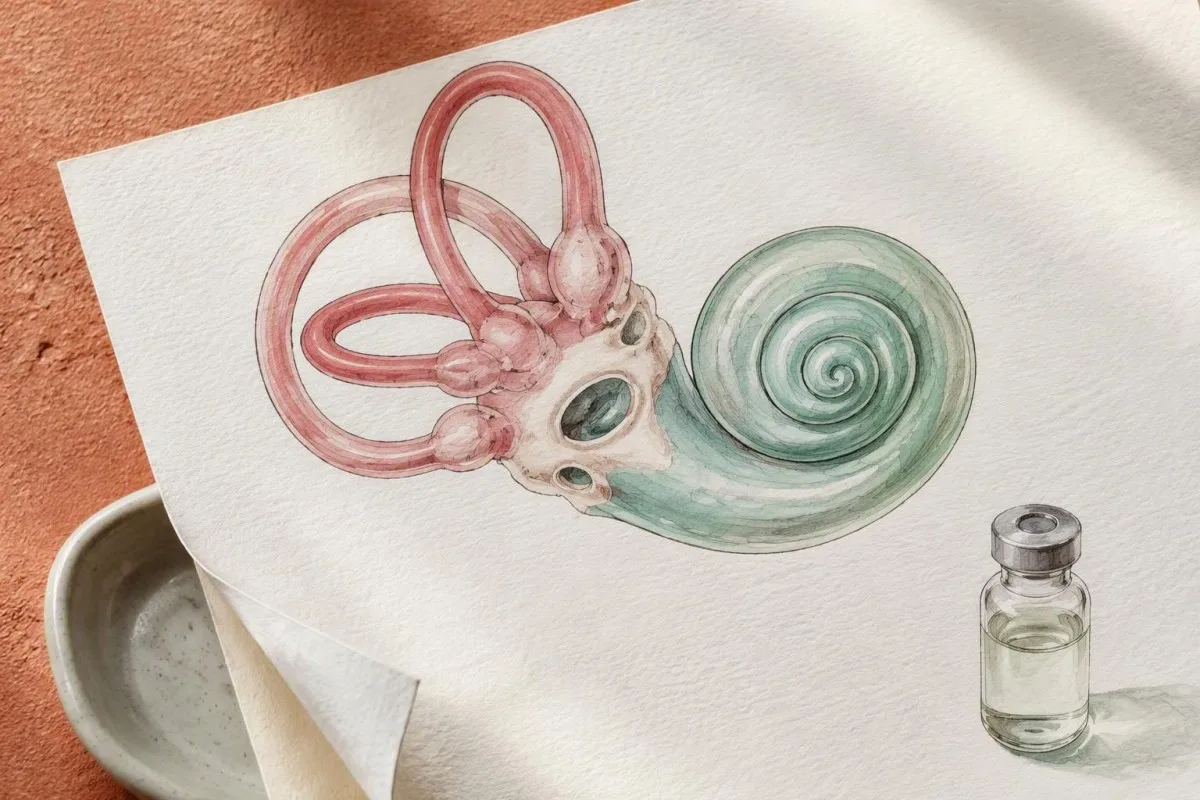
Gentamicin is particularly associated with vestibular toxicity, which affects balance and visual stability rather than hearing alone. Bilateral vestibular impairment may cause difficulty walking in darkness or bouncing vision without dramatic spinning vertigo; after even 1 new symptom, patients should report the change instead of waiting for the next routine blood test.
Baseline hearing and balance history helps interpret subsequent changes, and clinicians may arrange audiometry, including high-frequency assessment, or vestibular testing for prolonged or higher-risk treatment. A normal conventional hearing test does not exclude early high-frequency change or a vestibular problem; symptoms can emerge or progress after the final dose, and some effects are permanent.
The MT-RNR1 variants m.1555A>G and m.1494C>T are associated with increased aminoglycoside-related hearing-loss risk. The CPIC guideline recommends avoiding aminoglycosides in people with relevant high-risk variants unless the seriousness of the condition and lack of suitable alternatives justify treatment (McDermott et al., 2022); genetic testing must not delay urgent treatment without a clinician-directed plan.
კანტესტი არის AI სისხლის ანალიზის განმარტების პლატფორმა, but a gentamicin concentration of 0.8 mg/L cannot establish normal hearing or vestibular function. Our პასუხისმგებლიანი AI-ის საზღვრები explain why laboratory interpretation must remain separate from examination, audiology, emergency assessment, and decisions about the next antibiotic administration.
Ի՞նչ պետք է անել գենտամիցինի անսպասելի արդյունքի դեպքում։
Contact the prescribing team or clinical pharmacist about an unexpected gentamicin result, especially when the next dose is approaching or symptoms have appeared. Do not independently change the dose or interval; a concentration of 2 mg/L means different things under different protocols, and an urgent decision needs the administration record.

Provide 5 practical details: the reported concentration and units, dose, infusion start and finish, sample collection time, and the latest creatinine with its earlier baseline. Also mention missed or delayed doses, urine changes, tinnitus, hearing change, imbalance, and nonprescription medicines; symptoms deserve attention even when the laboratory has not marked the result high.
If you are in hospital, alert the nurse or treatment team immediately rather than altering the infusion equipment yourself. If you receive home infusions, use the service's urgent contact route before the next planned administration when there is a concerning result; our secure clinical result-sharing guide explains how to preserve the original report and its timestamps.
Kantesti AI can support explanation of units and trends, but it cannot confirm whether an 18:00 sample belongs on a hospital's nomogram or authorize a treatment change. When sharing results for educational interpretation, remove unnecessary identifiers and review our გაეცანით კონფიდენციალურობისა და მონაცემების შესახებ ინფორმაციას; privacy precautions must never delay urgent medical contact.
Գենտամիցինի՝ արհեստական բանականության օգնությամբ մեկնաբանման հետազոտական համատեքստն ու սահմանափակումները
Clinical interpretation of gentamicin levels depends on validated dosing protocols, kidney-injury definitions, and separate assessment of hearing and balance. The 3 external medical references below support those clinical discussions; the 2 additional Kantesti publications describe platform or educational work and are not gentamicin dosing or toxicity-validation studies.
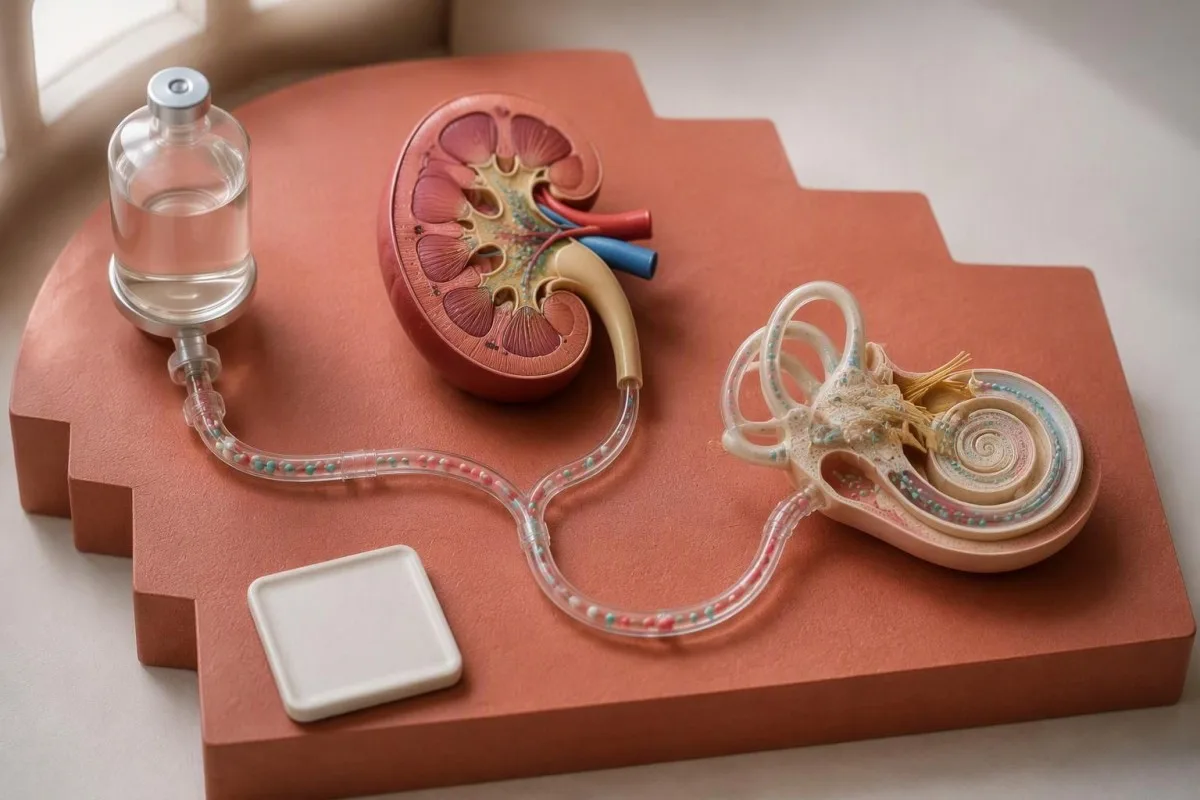
The Hartford program, KDIGO acute kidney injury criteria, and CPIC aminoglycoside pharmacogenetics guideline answer 3 different questions: how to interpret a qualifying timed level, how to recognize kidney injury, and when genetic susceptibility changes antibiotic selection. None can turn an unlabeled concentration into a complete treatment decision, and differences between hospital targets should be resolved using the patient's actual protocol.
კანტესტი არის AI-ზე დაფუძნებული სისხლის ანალიზის (blood test analysis) ხელსაწყო that can help organize gentamicin results alongside creatinine and electrolyte trends when the required context is supplied. A 0.3 mg/dL creatinine rise still requires clinician assessment regardless of how a report is summarized; our ტექნიკური და კლინიკური ზედამხედველობა describes evaluation boundaries rather than claiming validation for autonomous gentamicin dosing.
The Global Health Report 2026 and the RDW guide listed below are 2 separate publications, not evidence that AI can prevent aminoglycoside toxicity. Kantesti's სამედიცინო შინაარსის სტანდარტები distinguish educational interpretation from prescribing; patients should use this article to ask better timing and safety questions, not to choose their next dose.
ხშირად დასმული კითხვები
რა არის გენტამიცინის ნორმალური ნარჩენი კონცენტრაცია?
გენტამიცინის ტრადიციული მინიმალური კონცენტრაციის სამიზნედ ხშირად 1 მგ/ლ-ზე ნაკლები მნიშვნელობა განისაზღვრება, თუმცა ზოგიერთი პროტოკოლი 2 მგ/ლ-ზე ნაკლებ მნიშვნელობას იყენებს. ნიმუში, ჩვეულებრივ, მომდევნო რეალურ დოზამდე 30 წუთის განმავლობაში უნდა აიღონ და არა უბრალოდ მის დაგეგმილ დრომდე. გახანგრძლივებული ინტერვალით დანიშვნის სქემებისთვის შეიძლება გამოყენებული იყოს დოზის წინ განსხვავებული ზღვარი ან განსაზღვრულ დროს გაზომილი კონცენტრაციის ნომოგრამა. მისაღები მინიმალური კონცენტრაცია არ გამორიცხავს თირკმლის, სმენის ან წონასწორობის დარღვევის ტოქსიკურობას.
როდის უნდა აიღონ სისხლის ნიმუში გენტამიცინის პიკური დონის განსაზღვრისთვის?
A conventional intravenous gentamicin peak level is commonly collected 30 minutes after the infusion ends, but the prescribing service's protocol determines the exact time. For example, an infusion ending at 08:30 may require collection at 09:00 under that protocol. A sample collected immediately after infusion or much later cannot automatically be compared with the same target. Extended-interval monitoring and intramuscular administration use different sampling conventions.
გენტამიცინის 2 მგ/ლ კონცენტრაცია ზედმეტად მაღალია?
გენტამიცინის 2 მგ/ლ დონის კლასიფიკაცია დოზირების რეჟიმისა და სინჯის აღების დროის ცოდნის გარეშე შეუძლებელია. ის მრავალი ტრადიციული რეჟიმის შემთხვევაში სამიზნე მინიმალურ კონცენტრაციას გადააჭარბებდა, თუმცა გახანგრძლივებული ინტერვალით დოზირების რეჟიმისას მოსალოდნელი, განსაზღვრულ დროს გაზომილი კონცენტრაცია შეიძლება იყოს. ადრე ან გვიან აღებულმა სინჯმა ან ინფუზიის დაბინძურებული ხაზიდან აღებულმა სინჯმა შეიძლება მისი ინტერპრეტაციაც შეცვალოს. მიმართეთ დანიშნულების გამცემ სამედიცინო გუნდს და თავად ნუ შეცვლით მომდევნო დოზას.
0 როდის იღებენ გენტამიცინის დონეს დღეში ერთხელ დოზირებისას?
შესაბამისი 7 მგ/კგ ჰარტფორდის რეჟიმის შემთხვევაში, გენტამიცინის კონცენტრაციას ინფუზიის დაწყებიდან 6–14 საათის შემდეგ იღებენ. გახანგრძლივებული ინტერვალით დოზირების სხვა პროტოკოლებში შეიძლება გამოიყენონ დოზამდე გაზომვა, დოზის შემდეგ 2 გაზომვა ან დოზებისა და დროის სხვა გრაფიკი. სიტყვა „შემთხვევითი“ არ ნიშნავს, რომ აღების დრო უმნიშვნელოა. კონცენტრაციის ინტერპრეტაცია უნდა მოხდეს მხოლოდ მიღებული დოზისა და პაციენტისთვის შესაბამისი პროტოკოლის გამოყენებით.
შეუძლია თუ არა გენტამიცინმა თირკმელები დააზიანოს, როცა მისი დონე ნორმალურია?
გენტამიცინთან დაკავშირებული თირკმლის დაზიანება შეიძლება განვითარდეს მაშინაც კი, თუ კონცენტრაციები დანიშნულ სამიზნე დიაპაზონშია, რადგან მნიშვნელოვანია როგორც კუმულაციური ექსპოზიცია, ისე პაციენტისთვის სპეციფიკური რისკი. კრეატინინის სულ მცირე 0.3 მგ/დლ-ით ან 26.5 µმოლ/ლ-ით მომატება 48 საათის განმავლობაში KDIGO-ს თირკმლის მწვავე დაზიანების ერთ-ერთ კრიტერიუმს აკმაყოფილებს. ამინოგლიკოზიდებთან დაკავშირებული მილაკოვანი დაზიანებისას შარდის გამოყოფა შესაძლოა შედარებით ნორმალური დარჩეს. კლინიცისტები აფასებენ კრეატინინის დინამიკას, შარდის გამოყოფას, სხვა მედიკამენტებსა და ალტერნატიულ მიზეზებს და არა მხოლოდ ერთი პრეპარატის დონეს.
შეიძლება თუ არა გენტამიცინმა მკურნალობის შემდეგ სმენის დაქვეითება ან თავბრუსხვევა გამოიწვიოს?
გენტამიცინთან დაკავშირებული სმენის ან წონასწორობის სიმპტომები შეიძლება მკურნალობის დასრულების შემდეგ გამოვლინდეს ან პროგრესირდეს, ხოლო შრატში პრეპარატის დასაშვები დონე ამ შესაძლებლობას არ გამორიცხავს. თუნდაც 1 ახალი სიმპტომი — მაგალითად, ტინიტუსი, სმენის ცვლილება, მუდმივი წონასწორობის დარღვევა ან სიარულისას მხედველობის ხტუნვა — საჭიროებს დროულ კლინიკურ შეფასებას. გენტამიცინმა შეიძლება გავლენა მოახდინოს ვესტიბულურ ფუნქციაზე სმენის აშკარა დაქვეითების ან ტრიალის შეგრძნების გარეშე. შეფასება შეიძლება მოიცავდეს სმენისა და ვესტიბულურ ტესტებს, რადგან გენტამიცინის კონცენტრაცია შიდა ყურის ფუნქციის ტესტი არ არის.
მიიღეთ სისხლის ანალიზის შედეგების ახსნა
ატვირთეთ თქვენი ლაბორატორიული ანგარიში და Kantesti-ის AI რამდენიმე წამში თითოეულ ბიომარკერს მარტივი ენით აგიხსნით. მას მსოფლიოში 2 მილიონზე მეტი ადამიანი იყენებს.
ცნობები
- Klein, T., Mitchell, S., & Weber, H. (2026). AI სისხლის ანალიზის ანალიზატორი: 2.5M ტესტი გაანალიზდა | გლობალური ჯანმრთელობის ანგარიში 2026. Kantesti AI-ის სამედიცინო კვლევა. DOI
- Klein, T., Mitchell, S., & Weber, H. (2026). RDW-ის სისხლის ტესტი: RDW-CV-ის, MCV-ისა და MCHC-ის სრული გზამკვლევი. Kantesti AI-ის სამედიცინო კვლევა. DOI
- Nicolau DP et al. (1995). Experience with a once-daily aminoglycoside program administered to 2,184 adult patients. Antimicrobial Agents and Chemotherapy. DOI
- KDIGO Acute Kidney Injury Work Group (2012). KDIGO Clinical Practice Guideline for Acute Kidney Injury. Kidney International Supplements.
- McDermott JH et al. (2022). Clinical Pharmacogenetics Implementation Consortium Guideline for the Use of Aminoglycosides Based on MT-RNR1 Genotype. Clinical Pharmacology & Therapeutics. DOI
- 2 მილიონი+გაანალიზებული ტესტები
- 127+ქვეყნები
- 100+ენები
სამედიცინო გუნდის შესახებ


E-E-A-T სანდოობის სიგნალები
გამოცდილება
ექიმის ხელმძღვანელობით კლინიკური მიმოხილვა ლაბორატორიული ინტერპრეტაციის სამუშაო პროცესებზე.
ექსპერტიზა
ლაბორატორიული მედიცინის აქცენტი იმაზე, როგორ იქცევიან ბიომარკერები კლინიკურ კონტექსტში.
ავტორიტეტულობა
სამედიცინო თვალსაზრისით რეცენზირებულია დოქტორ თომას კლაინის მიერ, დოქტორ სარა მიტჩელისა და პროფესორ ჰანს ვებერის მონაწილეობით.
სანდოობა
მტკიცებულებებზე დაფუძნებული ინტერპრეტაცია, მკაფიო შემდგომი ნაბიჯებით, რათა შემცირდეს განგაშის დონე.
სამედიცინო პასუხისმგებლობის შეზღუდვის განცხადება
ეს სტატია მხოლოდ საგანმანათლებლო მიზნებისთვისაა და არ წარმოადგენს სამედიცინო რჩევას. დიაგნოზისა და მკურნალობის გადაწყვეტილებებისთვის ყოველთვის მიმართეთ კვალიფიციურ ჯანდაცვის სპეციალისტს.
გამოქვეყნდა · დაუკავშირდით სარედაქციო გუნდს
გამოქვეყნებულია Kantesti Ltd-ის მიერ, რეგისტრირებულია ინგლისსა და უელსში, კომპანიის №. 17090423, ლონდონი, გაერთიანებული სამეფო.
