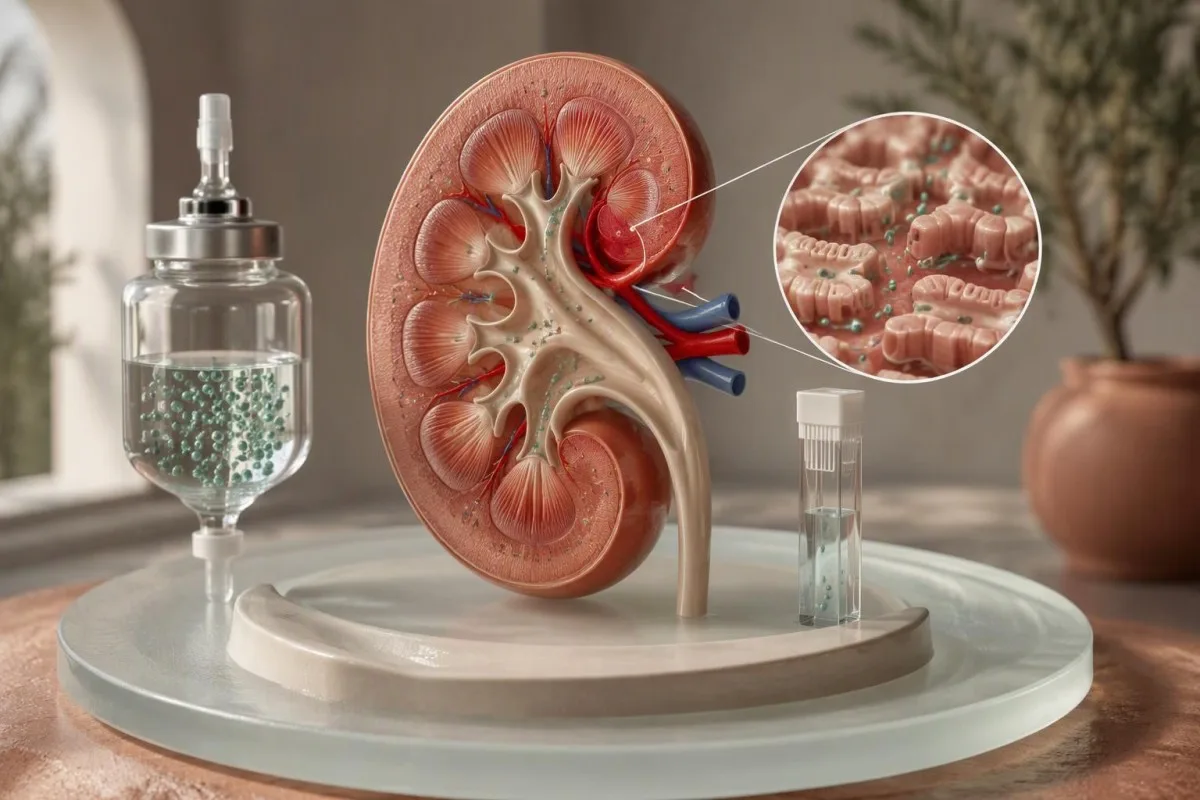
Os níveis de gentamicina só fazem sentido quando considerados em conjunto com a dose, o esquema de administração e o horário exato da coleta. O tratamento convencional usa metas de pico e vale; o tratamento em intervalos estendidos costuma usar uma concentração coletada em horário específico e um gráfico próprio do protocolo, enquanto os exames renais e os sintomas auditivos ou de equilíbrio constituem verificações de segurança separadas.

Principais conclusões
- Níveis de gentamicina medem a concentração do antibiótico, geralmente em mg/L; 1 mg/L equivale a 1 µg/mL.
- Pico convencional as metas costumam ficar em torno de 5–10 mg/L em adultos, mas a infecção, a indicação e o método de coleta determinam a meta real.
- Vale convencional as metas costumam ser inferiores a 1 mg/L; alguns protocolos usam valores inferiores a 2 mg/L. Nenhum dos limites garante ausência de toxicidade.
- Horário da coleta deve ser registrado com precisão: o pico intravenoso convencional costuma ser coletado 30 minutos após o término da infusão, e o vale, nos 30 minutos anteriores à próxima dose efetivamente administrada.
- Monitoramento em intervalos estendidos é diferente: o protocolo de Hartford usa uma concentração coletada de 6 a 14 horas após o início de uma dose qualificadora de 7 mg/kg.
- Lesão renal pode atender aos critérios KDIGO com um aumento da creatinina de pelo menos 0,3 mg/dL, ou 26,5 µmol/L, em 48 horas — mesmo quando o resultado permanece dentro do intervalo de referência do laboratório.
- Toxicidade auditiva e do equilíbrio pode ocorrer apesar de concentrações aparentemente aceitáveis; zumbido recente, alteração auditiva, desequilíbrio ou visão oscilante exigem avaliação clínica imediata.
- Decisões de dose cabem à equipe responsável pela prescrição ou ao farmacêutico clínico. Nunca altere uma dose por conta própria, atrase uma infusão ou aplique um nomograma online.
O que os níveis de gentamicina realmente medem?
Os níveis de gentamicina medem a concentração de gentamicina em uma amostra laboratorial, não a função renal nem o sucesso do tratamento por si só. Um resultado de 2 mg/L pode ser tranquilizador, preocupante ou impossível de interpretar, dependendo de ser uma concentração de vale, uma amostra precoce pós-dose ou uma medição cronometrada em intervalo estendido.
Os laboratórios costumam informar a gentamicina em mg/L ou µg/mL, unidades numericamente equivalentes: 1 mg/L equivale a 1 µg/mL. Um intervalo terapêutico impresso junto ao resultado pode se referir apenas à posologia convencional; ele não deve ser aplicado automaticamente ao tratamento uma vez ao dia nem ao tratamento combinado com doses baixas em determinados esquemas para endocardite.
Kantesti é um Analisador de teste de sangue de IA que podem ajudar a explicar por que uma concentração de gentamicina de 2 mg/L precisa do contexto da dose e do horário antes de ser interpretada. Nossos organização e propósito clínico são independentes do serviço hospitalar de prescrição; não autorizamos doses de antibióticos nem substituímos a monitorização terapêutica de medicamentos.
Um sinalizador laboratorial isolado não é um diagnóstico. Por exemplo, um laudo hipotético sinalizado como alto em 12 mg/L pode refletir uma concentração coletada no horário adequado após uma dose em intervalo estendido, em vez de um pico convencional excessivo; nossa explicação sobre alertas laboratoriais fora do intervalo descreve por que o intervalo de referência apresentado pode induzir a erro.
Por que o horário de monitoramento da gentamicina altera o resultado?
O momento da monitorização da gentamicina é importante porque a concentração aumenta durante a administração, distribui-se pelos fluidos corporais e depois diminui à medida que os rins a eliminam. Os médicos precisam de pelo menos 3 horários registrados: início da infusão, fim da infusão e coleta da amostra, além do horário real da dose seguinte ao interpretar uma concentração de vale.
Com função renal normal, a meia-vida de eliminação da gentamicina costuma ser de aproximadamente 2–3 horas, embora a doença e as alterações na distribuição possam modificar a curva de concentração. Uma amostra coletada imediatamente após uma infusão pode captar a fase de distribuição; ela não é intercambiável com um pico posterior coletado segundo o método especificado pelo hospital.
O horário previsto para a dose não substitui o registro de administração. Em um exemplo hipotético de uma dose prevista para as 08:00, mas atrasada até as 09:10, uma amostra coletada às 09:00 ainda é pré-dose, enquanto um prontuário que presume que a administração ocorreu às 08:00 poderia classificá-la incorretamente como pós-dose; essa diferença altera completamente a questão clínica.
A coleta de amostras de uma linha de infusão pode produzir um resultado falsamente alto se a gentamicina residual contaminar a amostra, por isso a equipe segue os procedimentos locais de coleta e lavagem. Também ocorrem problemas de horário com outros medicamentos, mas o período de espera necessário varia; nossa explicação sobre o horário de coleta da digoxina não deve ser usada como esquema para a gentamicina.
Como funciona o monitoramento convencional de pico e vale?
A monitorização convencional da gentamicina usa um pico pós-dose para avaliar a exposição e uma concentração de vale pré-dose para avaliar o medicamento residual antes da administração seguinte. For selected adults receiving divided doses, intervals may be 8 or 12 hours, but kidney function and the treatment indication determine the prescribed schedule.
After an intravenous infusion, a conventional gentamicin peak level is commonly collected 30 minutes after the infusion finishes; some protocols specify a different time. A gentamicin trough level is commonly collected within 30 minutes before the next actual dose, and intramuscular administration uses a different post-dose sampling convention.
Some services obtain the first paired measurements around the 3rd or 4th dose, when concentrations are approaching a repeatable pattern in patients with stable clearance. That is not a reason to postpone assessment in someone with worsening kidney function, unexpected dosing, or symptoms; such patients may require earlier measurements and individualized pharmacokinetic review.
A peak and trough are useful only if the preceding doses were actually administered as documented. A missed dose, a changed infusion duration, or a sample collected 2 hours early can invalidate an otherwise neat-looking pair; similar documentation principles appear in our carbamazepine trough timing guide, although the therapeutic targets are unrelated.
Qual nível de pico de gentamicina os profissionais de saúde buscam?
A conventional gentamicin peak level commonly targets approximately 5–10 mg/L in adults, but there is no universal target for every infection. Some low-dose synergy protocols use peaks around 3–5 mg/L, while extended-interval concentrations must not be judged against the conventional peak range.
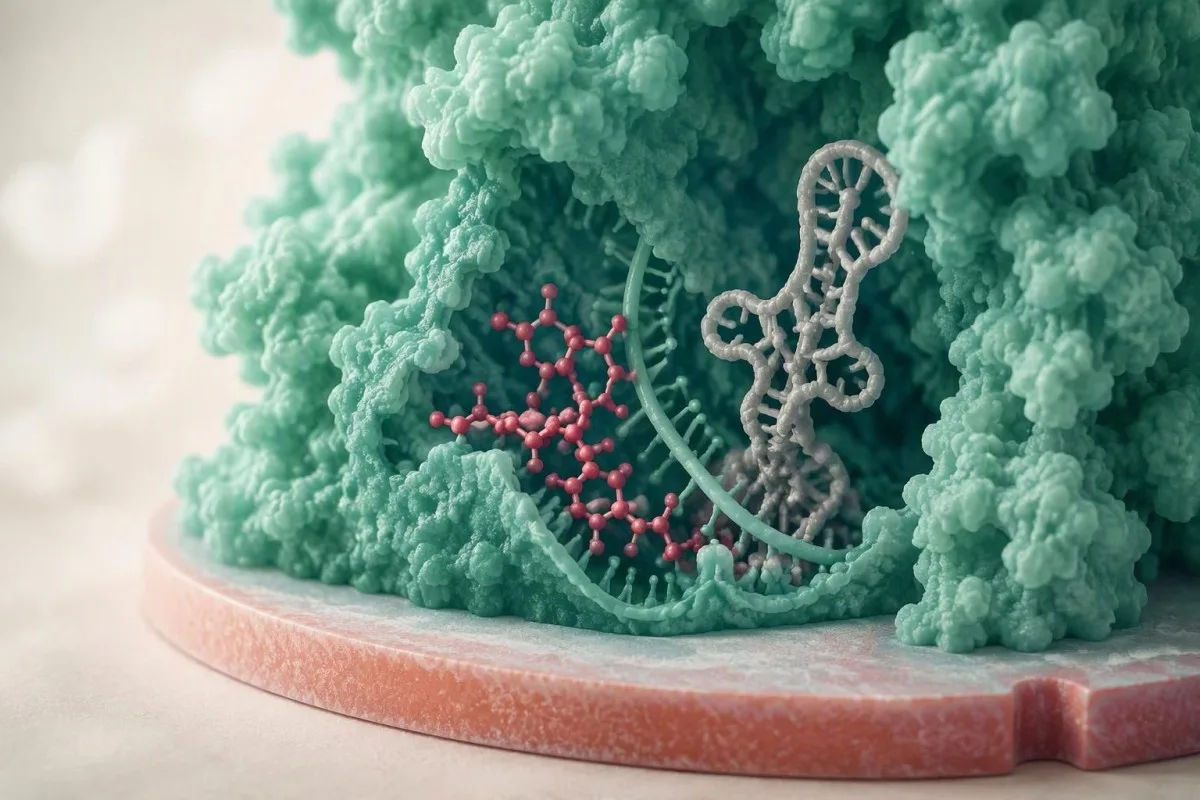
Gentamicin exhibits concentration-dependent antibacterial activity: for susceptible Gram-negative organisms, a peak-to-minimum inhibitory concentration ratio around 8–10 is a commonly used pharmacodynamic goal. The minimum inhibitory concentration, or MIC, describes the organism's susceptibility; a peak of 8 mg/L has a different meaning when the MIC is 0.5 rather than 2 mg/L.
A low measured peak does not always mean the prescribed dose was too small. A hypothetical patient with major fluid expansion might have a larger distribution volume, while a peak sample collected 90 minutes late could be lower simply because elimination has continued; the pharmacist distinguishes these possibilities before changing treatment.
Selected combination regimens use gentamicin for synergy, not the same exposure goals used for stand-alone Gram-negative treatment. High-level aminoglycoside resistance can prevent that synergy and is not solved by chasing a higher concentration; our antifungal trough target discussion illustrates why drug-specific targets cannot be borrowed across treatments.
| Nível | Intervalo | O que significa |
|---|---|---|
| Conventional adult peak | Commonly 5–10 mg/L | Illustrative target used by some protocols; indication and the specified collection time determine interpretation. |
| Selected synergy peak | Often 3–5 mg/L | Applies only to particular low-dose combination protocols, not every endocarditis regimen. |
| Conventional adult trough | Often <1 mg/L; some protocols <2 mg/L | Lower residual exposure reduces concern about accumulation but does not exclude toxicity. |
| Extended-interval concentration | No universal peak-and-trough reference interval | Interpret using the actual elapsed time and the validated protocol for the administered dose. |
O que um nível elevado de vale de gentamicina sugere?
A high, correctly timed gentamicin trough level suggests that substantial drug remains before the next dose, often because clearance is reduced or the interval is too short. Many conventional protocols aim below 1 mg/L; others accept below 2 mg/L, so the prescribing service's target must be checked.
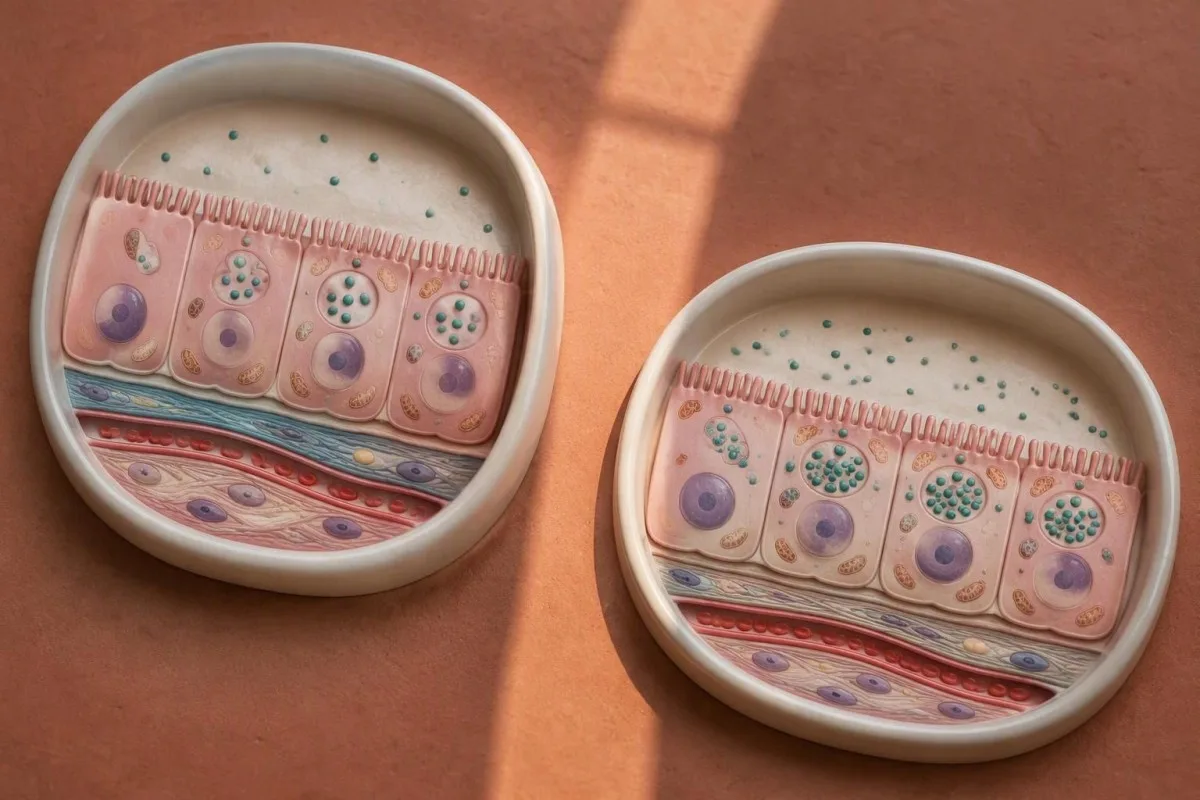
A trough is a clearance signal, not a direct measurement of kidney tissue exposure. Gentamicin can accumulate within renal proximal tubular cells over repeated treatment, so a trough below 1 mg/L does not erase the effects of cumulative exposure, concurrent nephrotoxic medicines, or a kidney problem that is only beginning.
The direction of causation can run both ways: reduced kidney function raises gentamicin concentrations, and gentamicin-associated tubular injury can further reduce clearance. For example, a hypothetical trough rising from 0.6 to 1.4 mg/L on an unchanged schedule may prompt review of creatinine trends, actual dose times, fluid status, and other medicines rather than a conclusion based on the concentration alone.
A sample collected 2 hours before the next dose will usually be higher than a true pre-dose trough and should not be casually relabeled. Conversely, a sample after an unusually long delay may look reassuring without representing the usual schedule; our tacrolimus trough interpretation guide explains the same documentation problem with a different drug.
Em que o monitoramento da gentamicina em intervalos estendidos difere?
Extended-interval gentamicin uses a larger individual dose followed by a longer drug-free interval, and monitoring often relies on a timed post-dose concentration rather than conventional paired levels. Selected adult protocols use approximately 5–7 mg/kg per dose, but the exact dose, interval, and eligibility criteria are service-specific.
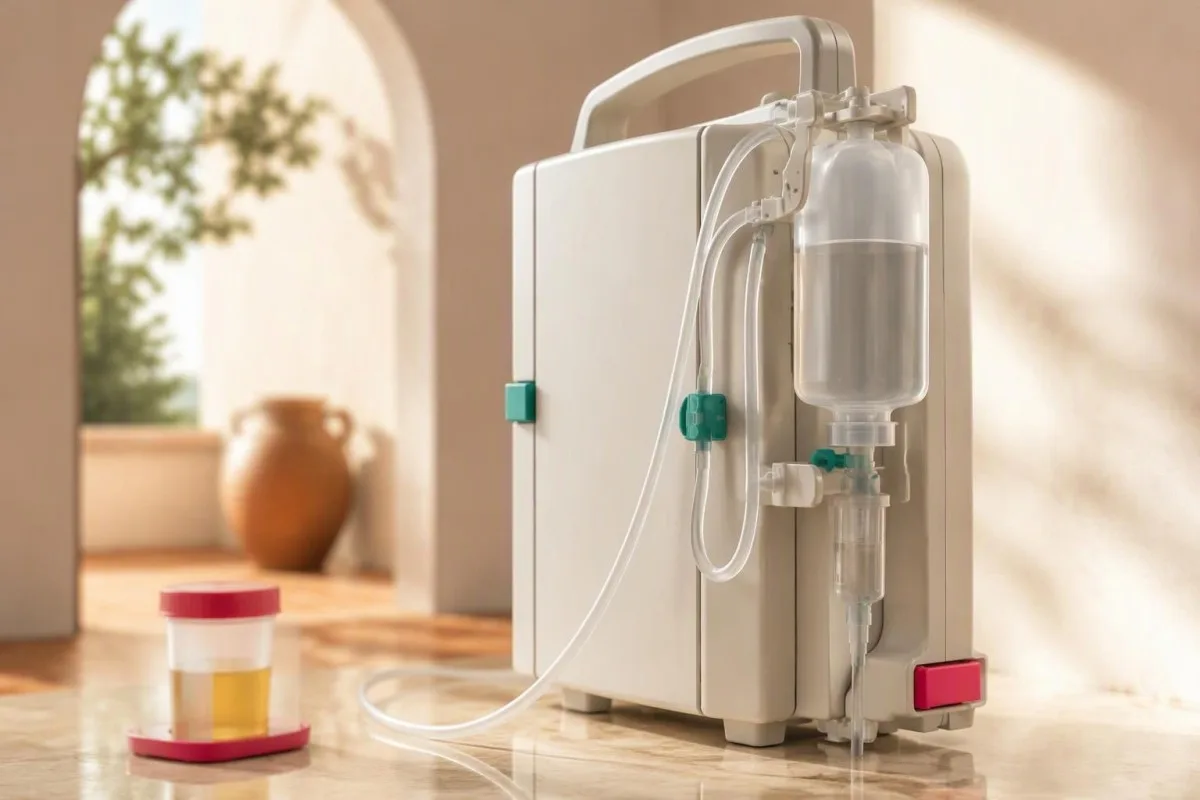
The rationale combines concentration-dependent killing with a post-antibiotic effect, meaning bacterial growth may remain suppressed after the circulating concentration falls. A once-daily regimen therefore does not require a conventional trough to remain detectably therapeutic; intentionally low late concentrations are part of the strategy, not proof that treatment has stopped working.
Selected extended-interval protocols use 24-, 36-, or 48-hour intervals, but once-daily is an imprecise label when impaired clearance requires longer spacing. Some hospitals use a pre-dose concentration, some a single timed nomogram sample, and others 2 concentrations or model-based exposure estimates; these approaches are not interchangeable without their accompanying dosing rules.
Extended-interval treatment is not suitable for every patient or indication, and reduced renal toxicity in selected populations does not mean zero risk. Our vancomycin exposure monitoring guide explains another antibiotic-specific approach; the vancomycin AUC target of 400–600 mg·h/L is not a gentamicin target.
Quando um nomograma de Hartford pode interpretar os níveis de gentamicina?
The Hartford nomogram applies to qualifying extended-interval aminoglycoside treatment using a 7 mg/kg dose and a concentration collected 6–14 hours after infusion start. It helps clinicians choose an interval; it is not a universal chart for any gentamicin dose, any collection time, or any patient.
The original Hartford experience described 2,184 adult patients receiving a once-daily aminoglycoside program, providing the clinical background for its dose-and-time framework (Nicolau et al., 1995). The 6–14-hour measurement is sometimes called a random level, but random here means not a conventional peak or trough—not that its timing is optional.
Hospitals restrict or modify this approach in populations such as pregnancy, dialysis, unstable renal function, major burns, cystic fibrosis, or selected endocarditis regimens. A hypothetical concentration of 2.2 mg/L collected 10 hours after a 5 mg/kg dose cannot simply be plotted on an unmodified 7 mg/kg Hartford chart to obtain a reliable interval.
If the sample falls outside the validated window, clinicians may request another level or calculate individualized pharmacokinetics rather than force a point onto the chart. Our delayed drug-clearance explanation illustrates why elapsed time is part of a drug result, although methotrexate rescue thresholds have no role in gentamicin dosing.
Como se comparam dois laudos hipotéticos de gentamicina?
Two identical gentamicin results can mean different things when the sampling schedules differ. The following 2 hypothetical examples demonstrate conventional and extended-interval interpretation; they are not dosing instructions, and neither example supplies enough information for a patient to choose the next dose.

In hypothetical example A, a conventional infusion starts at 08:00, ends at 08:30, and the prescribed peak sample is collected at 09:00. A result of 8 mg/L fits many conventional peak targets if the indication agrees; a separate 15:40 sample before a 16:00 dose provides the trough information that the peak cannot supply.
In hypothetical example B, an eligible 70 kg adult receives a clinician-prescribed 490 mg dose, corresponding to 7 mg/kg, with infusion start at 08:00. A sample at 18:00 is 10 hours after infusion start and is interpreted under the applicable extended-interval protocol; calling that result a low peak or a high trough would ask the wrong question.
Neither timeline establishes kidney safety without baseline and follow-up renal information, and the prescribed dosing weight may differ from scale weight. Before collection, patients can confirm that staff have the actual administration record and the intended test type; our baseline sample preparation checklist helps distinguish useful preparation from unnecessary fasting or medication changes.
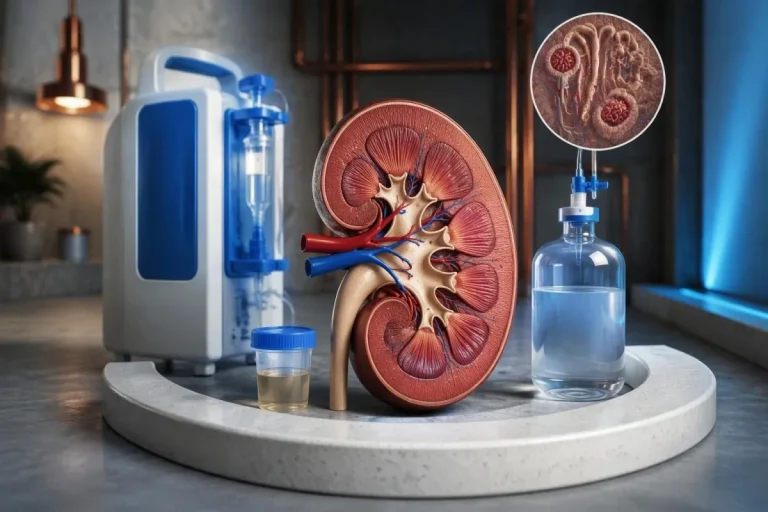
Como os profissionais de saúde detectam lesão renal associada à gentamicina?
Clinicians assess possible gentamicin-associated kidney injury using creatinine changes, urine output, exposure history, and alternative causes—not the gentamicin concentration alone. KDIGO defines acute kidney injury by a creatinine rise of at least 0.3 mg/dL within 48 hours, a rise to at least 1.5 times baseline within 7 days, or qualifying low urine output.
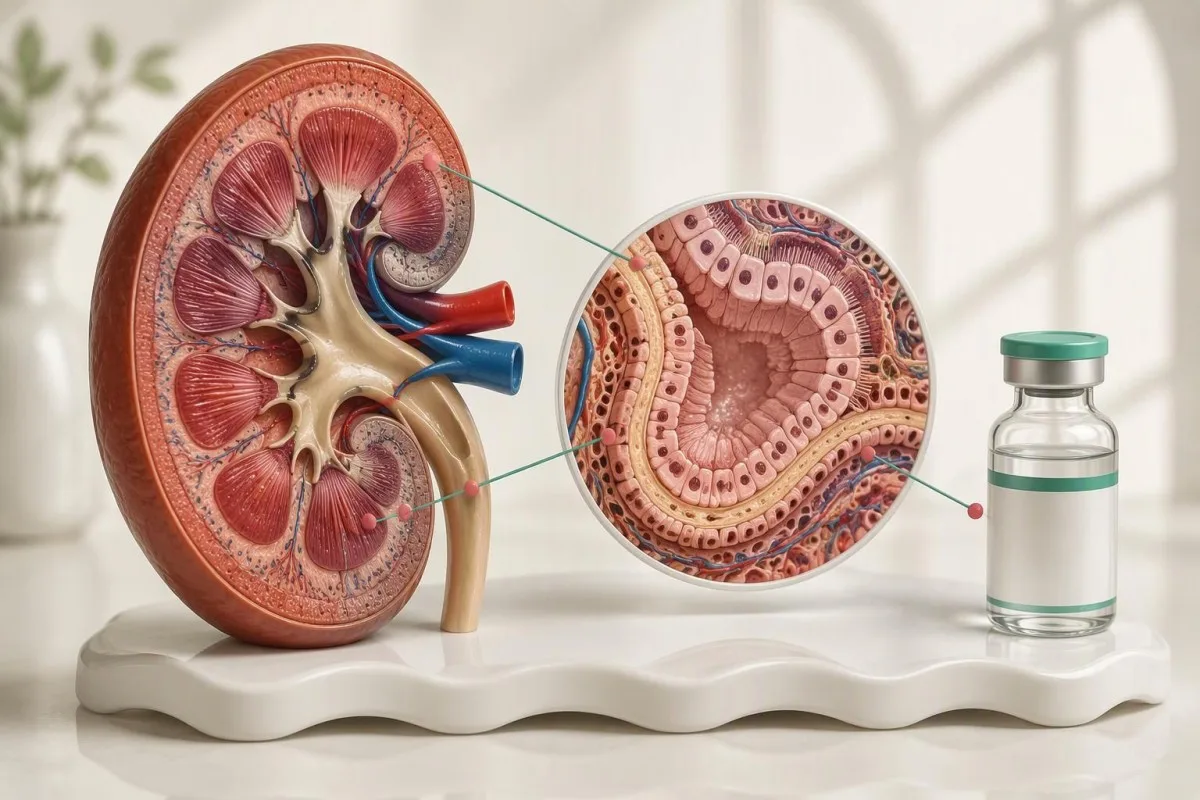
O 0.3 mg/dL threshold equals 26.5 µmol/L, and it can identify injury even when both values sit inside the laboratory interval (KDIGO Acute Kidney Injury Work Group, 2012). For example, a hypothetical creatinine increase from 0.7 to 1.0 mg/dL within 48 hours meets that criterion; normal-looking is not the same as unchanged.
KDIGO's urine-output criterion includes less than 0.5 mL/kg/hour for 6 hours: for a 70 kg adult, that is below 35 mL/hour over the specified period. Gentamicin-associated injury can also be non-oliguric, meaning urine output remains relatively preserved, so passing urine normally does not rule out an important creatinine rise.
Sepsis, low blood pressure, dehydration, urinary obstruction, and other medicines can produce similar changes, and attribution requires clinical assessment. Our guia da razão entre BUN e creatinina explains useful context without treating the ratio as diagnostic; seek prompt advice for markedly reduced urine or the warning signs described in our low kidney function symptoms artigo.
Quais exames renais e de eletrólitos acompanham os níveis de gentamicina?
Gentamicin safety monitoring usually includes baseline and repeat serum creatinine, with electrolytes and urine assessment when clinically indicated. Hospitalized adults often have daily renal checks during ongoing treatment, but outpatient schedules depend on stability, treatment duration, local protocol, and whether a change occurs within 24–48 hours.
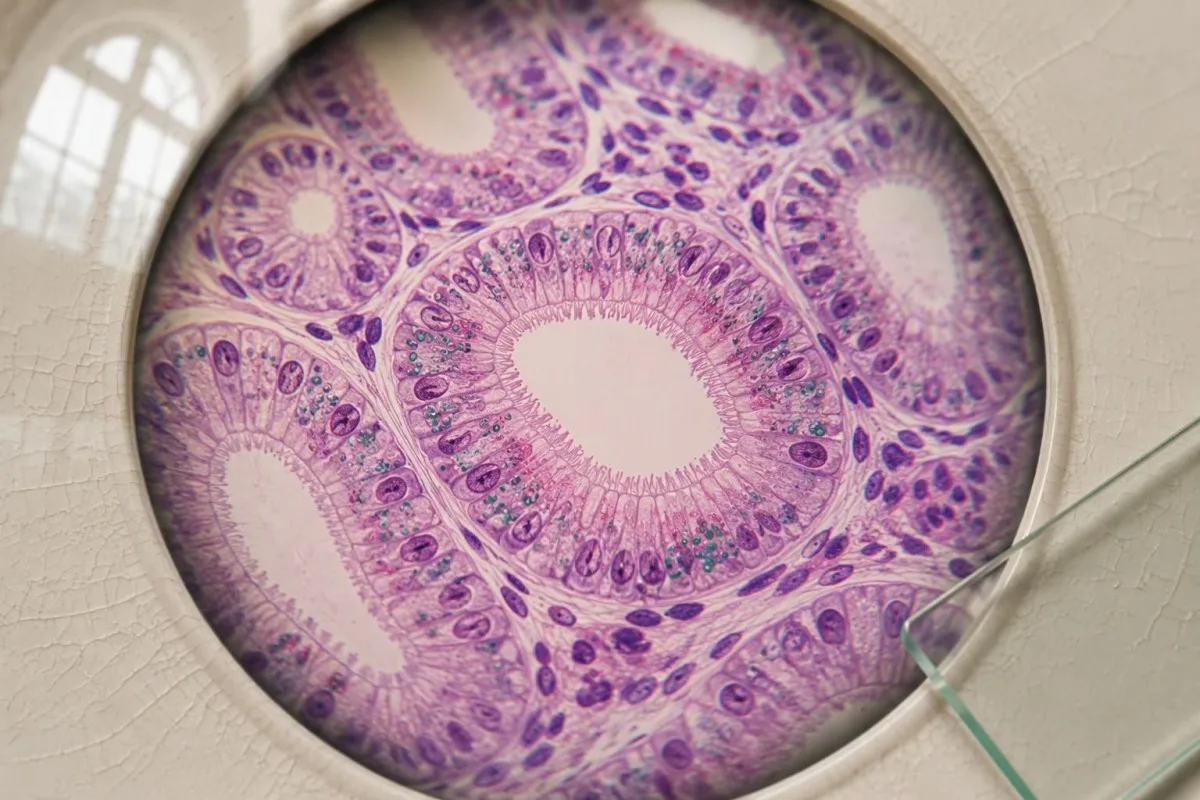
Creatinine is a delayed marker of changing filtration, and automated eGFR assumes relatively steady creatinine production and clearance. During evolving acute kidney injury, an eGFR reported as 60 mL/min/1.73 m² may not accurately describe current clearance; clinicians often rely on the trajectory and an appropriate drug-dosing renal assessment rather than the printed number alone.
Aminoglycoside-related tubular dysfunction can cause magnesium or potassium wasting, sometimes before a major creatinine increase. For example, a hypothetical magnesium of 0.55 mmol/L with new weakness deserves assessment of renal losses, gastrointestinal losses, and medicines; our electrolyte safety patterns explain why replacement must reflect the whole clinical picture.
Urinary granular casts can support tubular injury but neither prove gentamicin caused it nor reliably exclude injury when absent. Our granular cast interpretation guide separates suggestive findings from diagnosis; the broader de interpretação da urinálise explains why 1 urine specimen cannot substitute for serial renal assessment.
Quem precisa de monitoramento de segurança da gentamicina mais individualizado?
Patients with unstable kidney function, major changes in body-fluid volume, repeated exposure, or concurrent nephrotoxic medicines need particularly individualized gentamicin monitoring. Older adults, neonates, pregnancy, dialysis, obesity, and severe illness can also make standard adult dosing assumptions unreliable; a 7 mg/kg protocol should not be generalized across these groups.
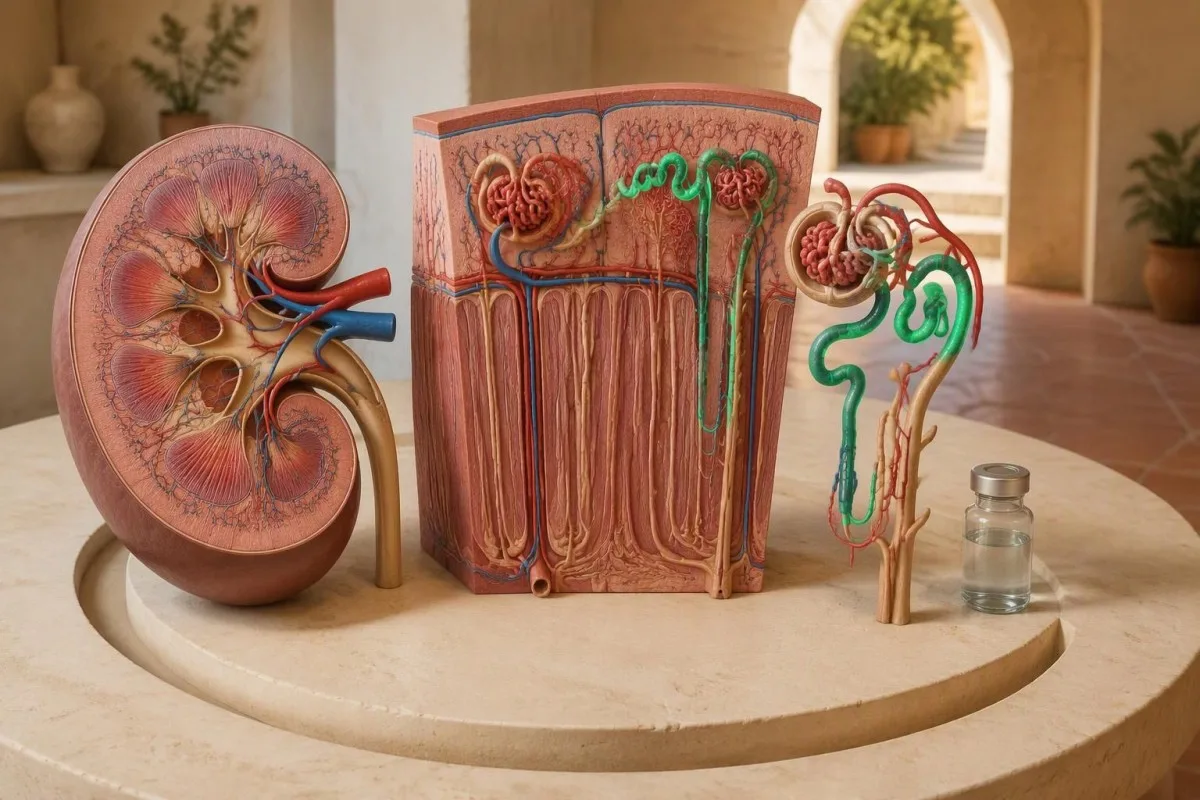
Risk generally increases with cumulative exposure and longer treatment, particularly when courses extend beyond approximately 5–7 days, although shorter courses are not risk-free. Concurrent vancomycin, amphotericin B, some chemotherapy agents, and nonsteroidal anti-inflammatory medicines can complicate renal safety; dehydration or low blood pressure may add a second stressor rather than an independent laboratory clue.
The dosing weight is not always the measured weight: obesity may require an adjusted-weight method, while ascites, edema, major burns, or critical illness can alter the distribution volume. A hypothetical 100 kg patient therefore should not calculate a dose by multiplying scale weight by 7; the hospital's weight convention and renal method are part of the prescription.
A creatinine clearance expressed in mL/min is not identical to an indexed eGFR expressed in mL/min/1.73 m², and low muscle mass can hide impaired filtration behind a modest creatinine value. Our dehydration and filtration explanation describes reversible changes, but a new decline during gentamicin treatment still needs review rather than being assumed temporary.
A gentamicina pode afetar a audição ou o equilíbrio mesmo com níveis aceitáveis?
Gentamicin can cause hearing or vestibular toxicity even when measured concentrations fall within the prescribed targets. New tinnitus, hearing change, unsteadiness, or oscillopsia—vision that appears to bounce during walking—requires prompt contact with the treatment team; there is no serum concentration that guarantees inner-ear safety.
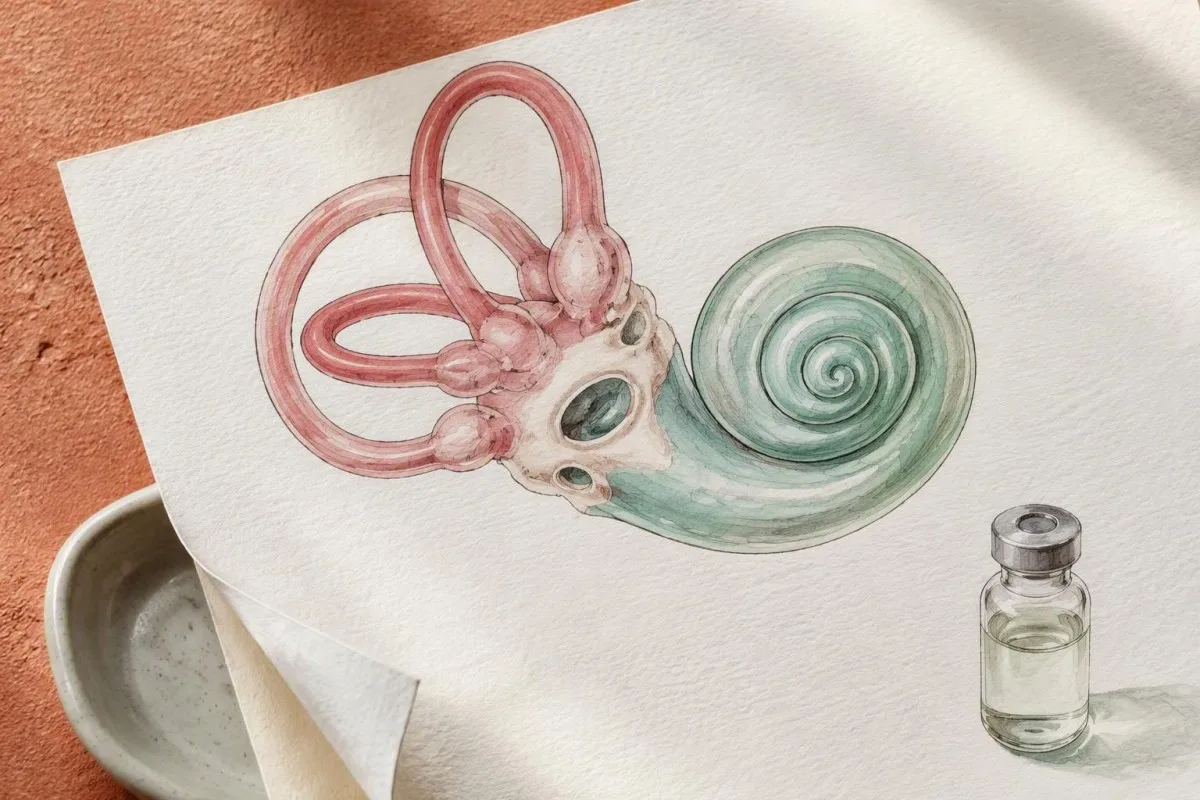
Gentamicin is particularly associated with vestibular toxicity, which affects balance and visual stability rather than hearing alone. Bilateral vestibular impairment may cause difficulty walking in darkness or bouncing vision without dramatic spinning vertigo; after even 1 new symptom, patients should report the change instead of waiting for the next routine blood test.
Baseline hearing and balance history helps interpret subsequent changes, and clinicians may arrange audiometry, including high-frequency assessment, or vestibular testing for prolonged or higher-risk treatment. A normal conventional hearing test does not exclude early high-frequency change or a vestibular problem; symptoms can emerge or progress after the final dose, and some effects are permanent.
O MT-RNR1 variants m.1555A>G and m.1494C>T are associated with increased aminoglycoside-related hearing-loss risk. The CPIC guideline recommends avoiding aminoglycosides in people with relevant high-risk variants unless the seriousness of the condition and lack of suitable alternatives justify treatment (McDermott et al., 2022); genetic testing must not delay urgent treatment without a clinician-directed plan.
Kantesti é um plataforma de interpretação de exame de sangue da AI, but a gentamicin concentration of 0.8 mg/L cannot establish normal hearing or vestibular function. Our limites de IA responsável explain why laboratory interpretation must remain separate from examination, audiology, emergency assessment, and decisions about the next antibiotic administration.
O que você deve fazer diante de um resultado inesperado de gentamicina?
Contact the prescribing team or clinical pharmacist about an unexpected gentamicin result, especially when the next dose is approaching or symptoms have appeared. Do not independently change the dose or interval; a concentration of 2 mg/L means different things under different protocols, and an urgent decision needs the administration record.

Provide 5 practical details: the reported concentration and units, dose, infusion start and finish, sample collection time, and the latest creatinine with its earlier baseline. Also mention missed or delayed doses, urine changes, tinnitus, hearing change, imbalance, and nonprescription medicines; symptoms deserve attention even when the laboratory has not marked the result high.
If you are in hospital, alert the nurse or treatment team immediately rather than altering the infusion equipment yourself. If you receive home infusions, use the service's urgent contact route before the next planned administration when there is a concerning result; our secure clinical result-sharing guide explains how to preserve the original report and its timestamps.
Kantesti AI can support explanation of units and trends, but it cannot confirm whether an 18:00 sample belongs on a hospital's nomogram or authorize a treatment change. When sharing results for educational interpretation, remove unnecessary identifiers and review our informações sobre privacidade e dados; privacy precautions must never delay urgent medical contact.
Contexto da pesquisa e limitações da interpretação de gentamicina por IA
Clinical interpretation of gentamicin levels depends on validated dosing protocols, kidney-injury definitions, and separate assessment of hearing and balance. The 3 external medical references below support those clinical discussions; the 2 additional Kantesti publications describe platform or educational work and are not gentamicin dosing or toxicity-validation studies.
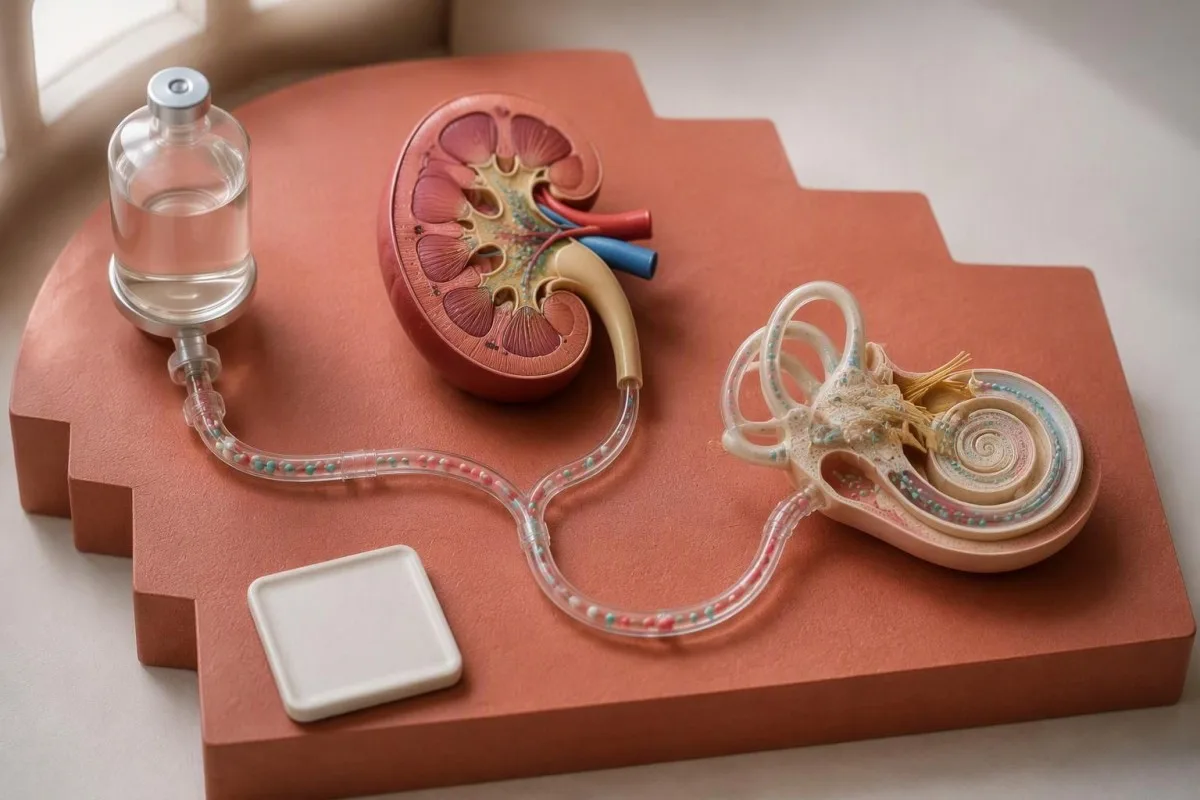
The Hartford program, KDIGO acute kidney injury criteria, and CPIC aminoglycoside pharmacogenetics guideline answer 3 different questions: how to interpret a qualifying timed level, how to recognize kidney injury, and when genetic susceptibility changes antibiotic selection. None can turn an unlabeled concentration into a complete treatment decision, and differences between hospital targets should be resolved using the patient's actual protocol.
Kantesti é um Ferramenta de análise de exames de sangue com IA that can help organize gentamicin results alongside creatinine and electrolyte trends when the required context is supplied. A 0.3 mg/dL creatinine rise still requires clinician assessment regardless of how a report is summarized; our acompanhamento técnico e clínico describes evaluation boundaries rather than claiming validation for autonomous gentamicin dosing.
The Global Health Report 2026 and the RDW guide listed below are 2 separate publications, not evidence that AI can prevent aminoglycoside toxicity. Kantesti's padrões de conteúdo médico distinguish educational interpretation from prescribing; patients should use this article to ask better timing and safety questions, not to choose their next dose.
Perguntas frequentes
Qual é um nível normal de vale da gentamicina?
Um nível mínimo convencional de gentamicina costuma ser mantido abaixo de 1 mg/L, embora alguns protocolos usem um valor abaixo de 2 mg/L. Em geral, a amostra precisa ser coletada nos 30 minutos anteriores à próxima dose efetivamente administrada, e não simplesmente antes do horário programado. Esquemas de intervalo estendido podem usar um limiar pré-dose diferente ou uma concentração obtida em horário específico para um nomograma. Um nível mínimo aceitável não descarta toxicidade renal, auditiva ou do equilíbrio.
Quando deve ser coletado o nível de pico de gentamicina?
A conventional intravenous gentamicin peak level is commonly collected 30 minutes after the infusion ends, but the prescribing service's protocol determines the exact time. For example, an infusion ending at 08:30 may require collection at 09:00 under that protocol. A sample collected immediately after infusion or much later cannot automatically be compared with the same target. Extended-interval monitoring and intramuscular administration use different sampling conventions.
Um nível de gentamicina de 2 mg/L é muito alto?
Um nível de gentamicina de 2 mg/L não pode ser classificado sem o esquema posológico e o horário da coleta da amostra. Ele excederia o alvo em muitos protocolos convencionais de concentração mínima, mas poderia ser uma concentração esperada em determinado horário durante um esquema de intervalos estendidos. Uma amostra coletada cedo ou tarde, ou de uma linha de infusão contaminada, também pode alterar sua interpretação. Entre em contato com a equipe responsável pela prescrição em vez de alterar a próxima dose por conta própria.
Quando é medida a concentração de gentamicina para a administração uma vez ao dia?
Para um regime Hartford de 7 mg/kg que atenda aos critérios, a concentração de gentamicina é coletada de 6 a 14 horas após o início da infusão. Outros protocolos de intervalo estendido podem usar uma medição pré-dose, 2 medições pós-dose ou um gráfico diferente de dose e tempo. A palavra aleatória não significa que o horário da coleta não seja importante. A concentração só deve ser interpretada usando o protocolo adequado à dose administrada e ao paciente.
A gentamicina pode causar danos aos rins quando o nível está normal?
A lesão renal associada à gentamicina pode ocorrer apesar de concentrações dentro das metas prescritas, pois a exposição cumulativa e os riscos específicos do paciente também são importantes. Um aumento da creatinina de pelo menos 0,3 mg/dL, ou 26,5 µmol/L, em 48 horas atende a um critério KDIGO para lesão renal aguda. O débito urinário pode permanecer relativamente normal na lesão tubular relacionada aos aminoglicosídeos. Os profissionais de saúde avaliam a creatinina em série, o débito urinário, outros medicamentos e causas alternativas, em vez de se basearem em um único nível do medicamento.
A gentamicina pode causar perda auditiva ou tontura após o tratamento?
Sintomas auditivos ou de equilíbrio relacionados à gentamicina podem surgir ou progredir após o término do tratamento, e níveis séricos aceitáveis não excluem essa possibilidade. Mesmo 1 novo sintoma — como zumbido, alteração auditiva, desequilíbrio persistente ou visão oscilante ao caminhar — merece avaliação clínica imediata. A gentamicina pode afetar a função vestibular sem perda auditiva evidente ou vertigem rotatória. A avaliação pode incluir testes auditivos e vestibulares, pois a concentração de gentamicina não é um teste da função do ouvido interno.
Entenda os resultados do seu exame de sangue
Envie o laudo do seu exame, e a IA da Kantesti explica cada biomarcador em linguagem simples em segundos. Usada por mais de 2 milhões de pessoas em todo o mundo.
Referências
- Klein, T., Mitchell, S., & Weber, H. (2026). AI Blood Test Analyzer: 2,5M de Testes Analisados | Global Health Report 2026. Pesquisa médica com IA da Kantesti. DOI
- Klein, T., Mitchell, S., & Weber, H. (2026). Exame de sangue RDW: guia completo sobre RDW-CV, MCV e MCHC. Pesquisa médica com IA da Kantesti. DOI
- Nicolau DP et al. (1995). Experience with a once-daily aminoglycoside program administered to 2,184 adult patients. Antimicrobial Agents and Chemotherapy. DOI
- KDIGO Acute Kidney Injury Work Group (2012). KDIGO Clinical Practice Guideline for Acute Kidney Injury. Kidney International Supplements.
- McDermott JH et al. (2022). Clinical Pharmacogenetics Implementation Consortium Guideline for the Use of Aminoglycosides Based on MT-RNR1 Genotype. Clinical Pharmacology & Therapeutics. DOI
- 2 milhões+Exames analisados
- 127+Países
- 100+Idiomas
Sobre a equipe médica


Sinais de confiança E-E-A-T
Experiência
Revisão clínica orientada por médicos dos fluxos de interpretação de exames laboratoriais.
Especialização
Foco em medicina laboratorial sobre como os biomarcadores se comportam no contexto clínico.
Autoridade
Revisado clinicamente pelo Dr. Thomas Klein, com contribuições da Dra. Sarah Mitchell e do Prof. Dr. Hans Weber.
Confiabilidade
Interpretação baseada em evidências, com caminhos de acompanhamento claros para reduzir alarmes.
Aviso médico
Este artigo é apenas para fins educacionais e não constitui aconselhamento médico. Consulte sempre um profissional de saúde qualificado para decisões de diagnóstico e tratamento.
Publicado · Entre em contato com a equipe editorial
Publicado por Kantesti Ltd, registrado na Inglaterra e no País de Gales, número da empresa. 17090423, Londres, Reino Unido.
