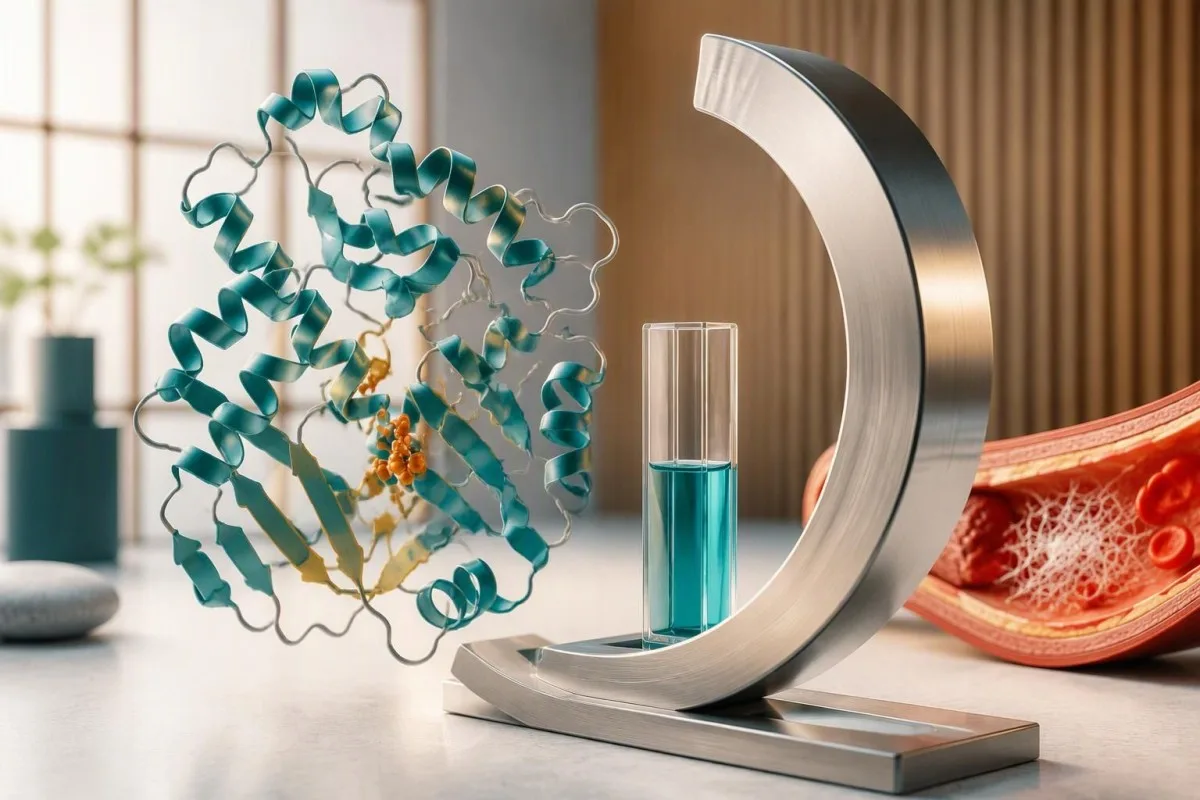
Niska aktywność antytrombiny niy ôznaczo autōmatycznie dziedziczōnego niedoboru: ôstry skrzep, heparyna, ciynżko niymoc abo utrata białka mogōm jōm przejściowo ôpuścić. Lekorze potwierdzajōm trwołe niynormy testami aktywności wykonanymi we noleżnym czasie, czasym tyż testym antygynowym, i planym laboratoryjnym uwzglōdniajōncym leki — czynsto po piyrszych 3 miesiōncach leczenio skrzepu.

Najważniejsze informacje
- Zakres referencyjny: U dorosłych aktywność antytrombiny zwykle wynosi około 80–120%; użyj zakresu podanego na swoim wyniku.
- Jedyn niski wynik: Aktywność na poziōmie 65% podczŏs nowego skrzepu abo leczenio heparynōm niy może potwierdzić dziedziczōnego niedoboru antytrombiny.
- Termin powtórki: British Society for Haematology zaleco testowanie niedoborōw naturalnych antykoagulantōw dopiyro po 3 miesiōncach leczenio przeciwkrzepliwego ô ostrej zakrzepicy.
- Aktywność a antygyn: Niedobōr typu I zwykle ôbniżo oba wyniki; niedobōr typu II ôbniżo funkcyjō, podczŏs kej poziōm antygynu może ôstać prawidłowy.
- Zakłōcynia ze strōny lekōw: Apiksaban, rywaroksaban i edoksaban mogōm fałszywie podwyższać aktywność w testach na bazie czynnika Xa; dabigatran może tak robić w testach na bazie trombiny.
- Utrata białka: Dorosło ko białko w moczu na poziōmie nerczycowym to zwyczajowo cołkym nojmyńij 3,5 g na 24 godziny i może prziczyniać sie do nabytego spadku antithrombin.
- Ocyna familije: Potwierdzōny heterozygotyczny dziedziczny deficyt ôznaczo ôgōlnie, iże kożde dziecko mo 50% szansa odziedziczyć ôdpowiadnio wariant — niy 50% pewność, iże dostanie zakrzepu.
- Bezpieczeństwo leków: Nigdy niy przestowej brać lekōw przeciwzakrzepowych, coby dostać czystszy wynik laboratoryjny, bez indywidualnego planu ôd lekarza, co je przepisoł.
Co tak naprowdy ôznaczo nisko aktywność antytrombiny?
Niska aktywność antithrombin ôznaczo, iże badanie laboratoryjne wykryło mynij funkcji przeciwzakrzepowej, aniżeli sie spodziewano; samo w sobie niy określo prziczyny. Wynik pod dolnym limitem laboratoryjnym dlo dorosłych — czynsto ôkoło 80% — może wynikać z dziedzicznego deficytu, tymczasowego zużycio, zmniejszonej produkcyje, utraty białka abo problemu z badaniym.

Antithrombin ograniczo krzepniyńcie, hamujōnc enzymy, w tym thrombin, tyż nazywany czynnikym IIa, i czynnik Xa. Wynik aktywności 60% ôpisuje działanie w stosunku do standardu kalibracyjnego badania; niy ôznaczo, iże twojo krōnżynie je 60% chroniono abo iże twojo szansa na zakrzep wynosi 40%.
Normalny rutynowy panel krzepniyńcio niy wykluczo deficytu antithrombin, bo PT i aPTT niy sōm badaniami przesiewowymi na kożdo dziedziczno skłonność do zakrzepōw. Nasze ôbjaśniynie ôgraniczyń normalnego panelu krzepniyńcio pōmogo ôddzielić te pytania: czy czasy krzepniyńcio sōm przedłużōne i czy konkretny naturalny przeciwzakrzepowy czynnik działa normalnie — to 2 różne oceny.
Kantesti to analizator badania krwi AI, co pōmogo zestawić procent aktywności z historiōm lekōw i powiōnzanymi wynikami laboratoryjnymi, zamiast traktować 1 nieprawidłowo oznaczōny wynik jako diagnoza. Nasze tło i cel firmy ôpisuje ta rola; dziedziczny deficyt dalij wymago potwierdzynio prowadzonego przez lekarza, a pilne objawy trza ocynić niezależnie ôd jakijkolwiek interpretacyje AI.
Jaki zakres aktywności antytrombiny uznowo sie za niski?
Aktywność antithrombin u dorosłych mo ôgōlnie przedział referencyjny ôkoło 80–120%, chocioż niykere laboratoria używajōm 80–130% abo inkszego zwalidowanego przedziału. Aktywność 75% je zatym czynsto na granicy niskij wartości, ale ani 75%, ani żodyn inny pojedynczy prōg niy dowodzi dziedzicznego deficytu ani niy ôkryślo pilnego leczenio.

Wiela ôsōb z heterozygotycznym dziedzicznym deficytym antithrombin mo aktywność kajś ôkoło 40–70%, ale nabyte stany mogōm dać te same wartości. Na ôdwrōt, niykere dziedziczne warianty powodujōm łagodniejsze spadki abo unikajōm wykrycio przez ôkryślōne badania; lekarze interpretujōm głymbokość spadku społym z powtōrzōnymi wynikami, a niy jako samodzielny genetyczny ôdcisk palca.
Wiek mocno zmienia interpretacyjo: zdrowe noworodki urodzōne ô czasie mogōm mieć aktywność antithrombin ôkoło 40–60% wartości dlo dorosłych, a poziōmy rosnōm w czasie niymowlęcym. Wcześniactwo wprowadzo dodatkowe zmiynności, a kōniec ciōnży abo wczesny ôkres po porodzie tyż mogōm wpływać na wyniki; niyrozważne stosowanie dolnego limitu 80% dlo dorosłych może prowadzić do mylōncego oznaczynio.
Dlo jasno hipotetycznego przykładu, poza tym zdrowy dorosły z aktywnościōm 78% i bez wcześniejszych zakrzepōw potrzebuje inkszej oceny niż dorosły z 42% w czasie ciynżkiej sepsy. Ôba wyniki mogōm pokazywać tyn som niski znacznik, ale nasz poradnik wynikach laboratoryjnych spoza zakresu wyjaśnio, czamu limity referencyjne niy sōm zamienne z progami diagnostycznymi abo leczniczymi.
| Poziōm | Zakres | Co to znaczy |
|---|---|---|
| Powszechny przedział dlo dorosłych | Ôkoło 80–120% | Zwykle w normie, ale piyrszy majōm znaczenie własny przedział laboratorium i czułość badania. |
| Graniczny spadek | 70–79% | Often warrants context review and appropriately timed confirmation; not a diagnosis. |
| Clear reduction | 50–69% | Compatible with inherited or acquired deficiency; activity alone cannot distinguish them. |
| Marked reduction | Below 50% | Requires clinical review, especially during illness or thrombosis; the percentage alone does not establish an emergency. |
Antygyn antytrombiny a aktywność: jakŏ je rōżnica?
An antithrombin activity test measures how effectively the protein inhibits a coagulation enzyme, while antithrombin antigen measures how much protein is present. Type I inherited deficiency generally lowers both; type II generally lowers activity despite a relatively normal antigen concentration, making these 2 tests complementary rather than interchangeable.

Most routine activity methods are chromogenic assays: the laboratory adds an enzyme and measures how much remains after antithrombin has inhibited it. The ISTH laboratory recommendations favor activity testing first, followed by antigen measurement when activity is low, with exclusion of acquired causes and assay interference before classification (Van Cott et al., 2020).
Consider 2 hypothetical repeat profiles obtained under suitable conditions: activity 52% with antigen 49% supports a quantitative pattern, whereas activity 52% with antigen 101% supports a qualitative pattern. These examples are not diagnostic formulas, because acquired illness can lower both measurements and antigen assays do not explain whether a functional result was distorted by medication.
Type II deficiency includes reactive-site, heparin-binding-site and other functional abnormalities; the choice of assay can change how readily a variant is detected. Kantesti’s explanations therefore distinguish quantity from performance, a distinction also illustrated by protein level versus function in C1 esterase inhibitor testing—but those are different proteins with different clinical consequences.
Czy ôstry skrzep może przejściowo ôpuścić poziōm antytrombiny?
Acute thrombosis can temporarily reduce antithrombin activity through consumption, particularly when accompanied by illness, procedures or treatment effects. A value such as 58% during a newly diagnosed deep vein thrombosis therefore cannot reliably distinguish an inherited baseline deficiency from a reduction caused by the current event.

The British Society for Haematology recommends testing deficiencies of natural anticoagulants only after 3 months of anticoagulation for acute thrombosis, because early results are unreliable and rarely change immediate management (Arachchillage et al., 2022). This is a recommendation about diagnostic timing, not an instruction to delay treating a suspected clot or to stop anticoagulants at month 3.
A hypothetical patient has activity of 61% during a pulmonary embolism and 96% after recovery using an appropriate assay. That change supports a temporary reduction, but comparing 2 percentages remains incomplete unless the clinician knows whether heparin, a direct oral anticoagulant, replacement products or different laboratory methods affected either measurement.
D-dimer answers a different question: it reflects fibrin formation and breakdown, not antithrombin quantity or inherited status. Our clotting tests and D-dimer guide explains why an elevated D-dimer and low activity can occur together during 1 acute event without proving that the low antithrombin caused the clot.
Czamu leczenie heparynōm może ôpuścić aktywność antytrombiny?
Heparin can lower circulating antithrombin during treatment, so a low result obtained while receiving unfractionated or low-molecular-weight heparin may reflect an acquired reduction. Heparin also depends on antithrombin for much of its anticoagulant effect; activity of 50% during treatment can therefore raise both diagnostic and medication-monitoring questions.
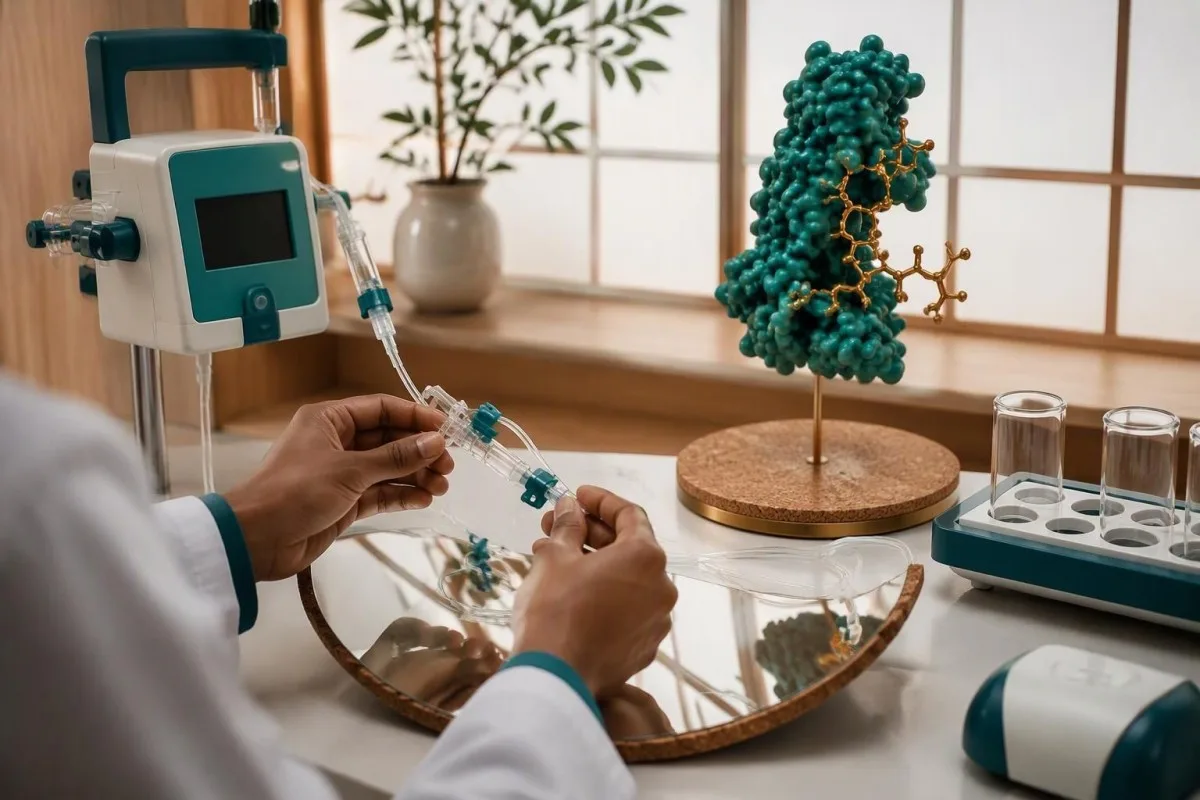
Reduced antithrombin can contribute to apparent heparin resistance, but an unexpectedly high dose requirement does not prove inherited deficiency. During 1 episode of severe illness, increased factor VIII or fibrinogen may shorten aPTT-based impressions of anticoagulation even when heparin exposure is adequate, so clinicians may reassess the monitoring method rather than simply escalate treatment.
Some heparin anti-Xa assays add exogenous antithrombin and others do not; this difference can affect what the result says about heparin concentration versus its activity in the patient. Ask the laboratory about 2 separate methods—the antithrombin activity assay and the heparin monitoring assay—because their handling of antithrombin and heparin is not necessarily identical.
A platelet fall of more than 50% during heparin exposure raises a separate possibility, heparin-induced thrombocytopenia, which is not diagnosed by low antithrombin. Our explanation of PF4 testing and HIT assessment describes that distinction; decisions about changing heparin, using replacement antithrombin or scheduling a repeat require the treating team, not a self-directed medication pause.
Jak ciężkŏ niymoc i DIC ôgraniczajōm antytrombinę?
Sepsis, disseminated intravascular coagulation and major physiological stress can reduce antithrombin through consumption, impaired production and altered distribution. A markedly low result—for example, 35%—during critical illness is often an acquired finding; it cannot be used alone to label someone with lifelong hereditary antithrombin deficiency.

DIC is assessed from a pattern, not 1 abnormal protein: falling platelets, prolonged PT, increased fibrin-related markers and sometimes reduced fibrinogen provide the relevant context. Fibrinogen may initially remain normal or elevated because it is an acute-phase protein, so a preserved fibrinogen concentration does not automatically rule out evolving consumption.
For a hypothetical example, activity of 38%, platelets of 72 × 10^9/L and worsening PT during a major systemic illness point toward an acquired coagulation disturbance rather than an isolated inherited finding. Our DIC laboratory pattern explanation shows why trends across several measurements are more informative than repeatedly checking antithrombin while the illness remains active.
Recent antithrombin concentrate or plasma treatment can raise measured activity and obscure the underlying baseline, adding a second source of uncertainty during the same hospital stay. A result of 105% after replacement does not exclude inherited deficiency, just as 35% before recovery does not prove it; document the product and timing before interpreting either percentage.
Czy utrata białka bez nerki może spowodować niskŏ aktywność antytrombiny?
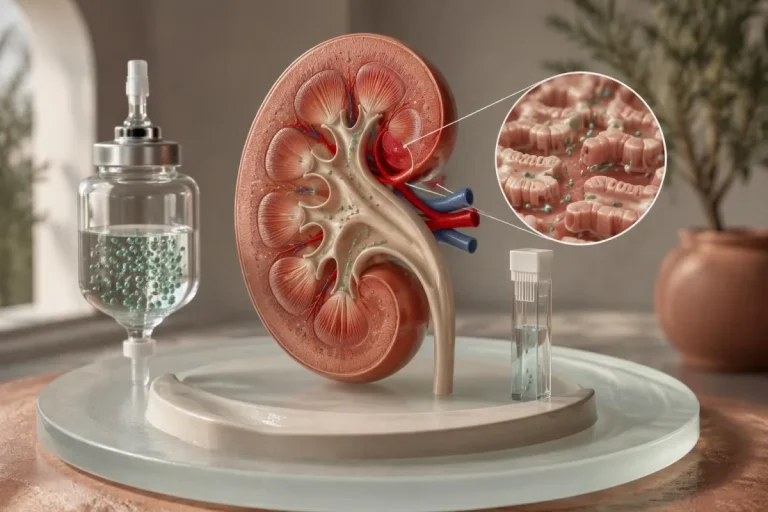
Heavy urinary protein loss can contribute to acquired antithrombin reduction, particularly in nephrotic syndrome. Adult nephrotic-range proteinuria is conventionally at least 3.5 g per 24 hours; clinicians interpret antithrombin alongside urine protein, serum albumin and the underlying kidney disorder, rather than relying on creatinine or eGFR alone.
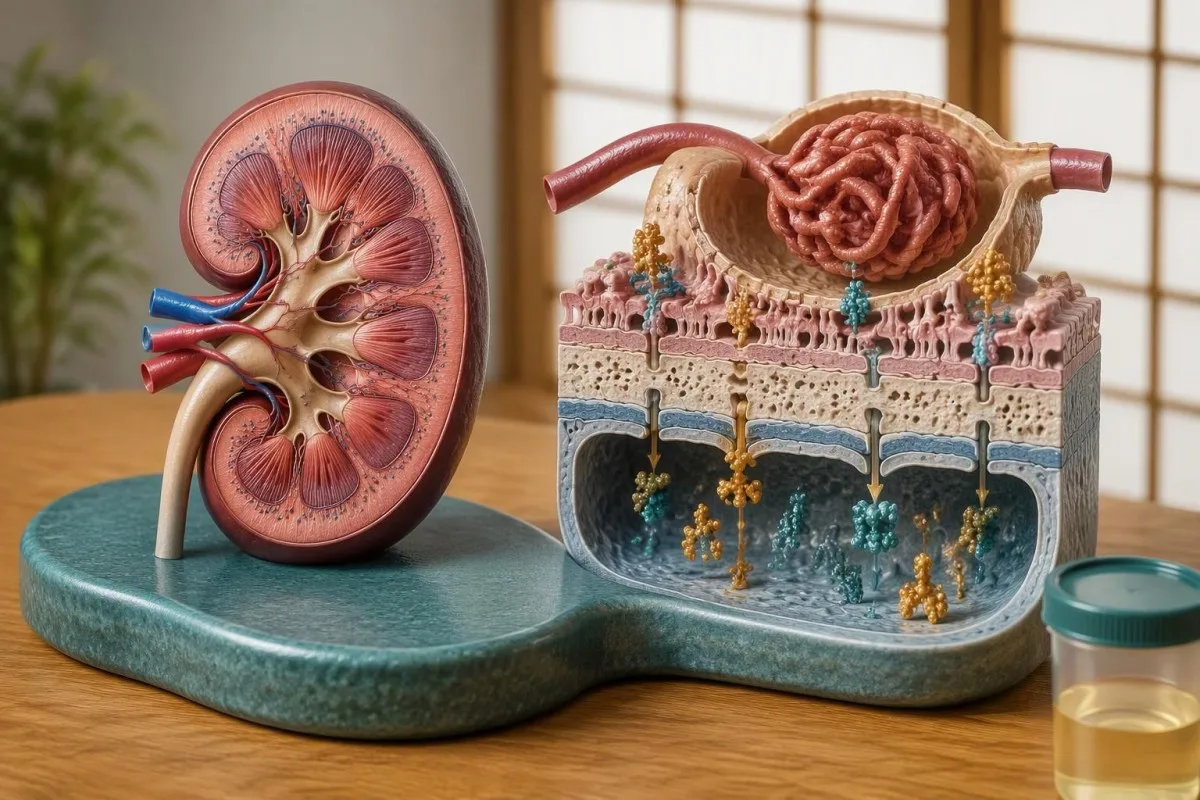
A normal eGFR does not exclude substantial protein leakage through the glomerular filtration barrier. For example, an adult with eGFR 95 mL/min/1.73 m², albumin 22 g/L and urine protein 6 g per day may have a strong acquired explanation for low activity despite apparently reassuring filtration results; persistent pienisty mocz i testowanie białka deserve assessment in that context.
The relationship between nephrotic syndrome, antithrombin levels and clot risk is not uniform: not every person with nephrotic syndrome has low antithrombin, and the thrombotic tendency involves more than urinary loss of 1 protein. Underlying diagnosis matters, including membranous nephropathy, where PLA2R results and kidney monitoring help explain the kidney process rather than prove an inherited clotting disorder.
Kantesti is an AI blood test interpretation platform that can organize an antithrombin percentage alongside albumin and kidney markers, but it cannot infer the amount of urinary protein from eGFR alone. If activity remains 62% while heavy protein loss continues, repeat testing may still describe the acquired condition; the cleaner inherited assessment usually follows clinical stabilization and improvement of that competing explanation.
Czy niymoc wōntroby abo inksze leczenia mogōm ôpuścić antytrombinę?
Reduced liver synthesis can lower antithrombin, especially in advanced liver disease, while certain treatments such as L-asparaginase can also cause acquired reductions. An activity of 55% alongside other abnormalities requires review of protein production, protein loss and treatment history before clinicians consider a genetic explanation.
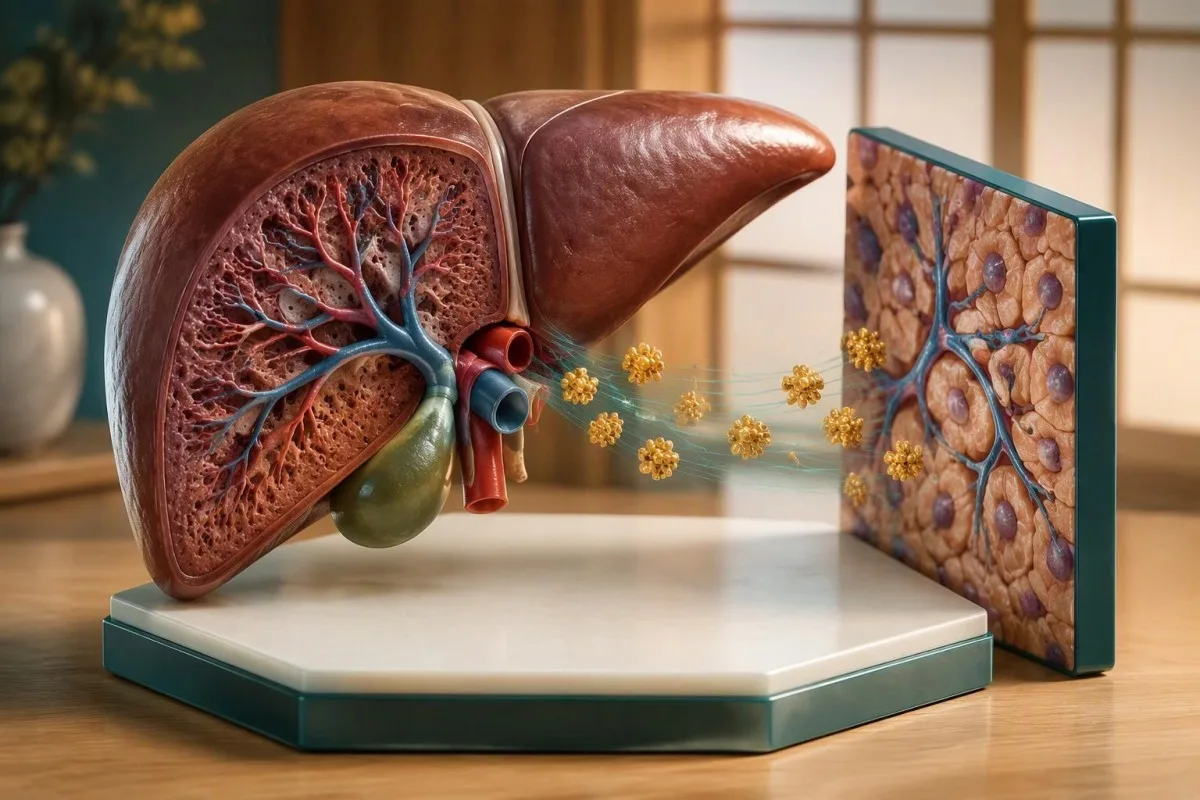
ALT and AST reflect injury more than protein-making capacity, so normal or mildly elevated enzymes do not guarantee normal antithrombin production. If activity is 57%, albumin is 25 g/L and INR is 1.6, impaired synthesis becomes a possibility—but warfarin, nutrition and protein loss can confound that pattern, as our przewodnik do interpretacyji testów wątroby .
Albumin cannot serve as a substitute antithrombin test because the 2 proteins have different turnover and can respond differently to illness or therapy. Our albumin and serum protein guide helps interpret the surrounding panel; a normal albumin does not exclude inherited antithrombin deficiency, and a low albumin does not prove that the liver caused it.
L-asparaginase can reduce anticoagulant proteins during cancer treatment, creating an acquired thrombosis risk that may need active management rather than merely a future repeat test. Major procedures, extracorporeal support and recent replacement products can also complicate 1 measurement; eating more protein or taking a vitamin supplement does not correct a SERPINC1-related defect or replace treatment of the underlying acquired cause.
Kere leki przeciwkrzepliwe zakłōcajōm testowanie antytrombiny?
Direct oral anticoagulants can falsely increase antithrombin activity, potentially masking deficiency rather than causing a low flag. Apixaban, rivaroxaban and edoxaban interfere with factor Xa-based activity assays, while dabigatran can interfere with thrombin-based assays; the same patient’s 2 results may therefore differ because of assay design.
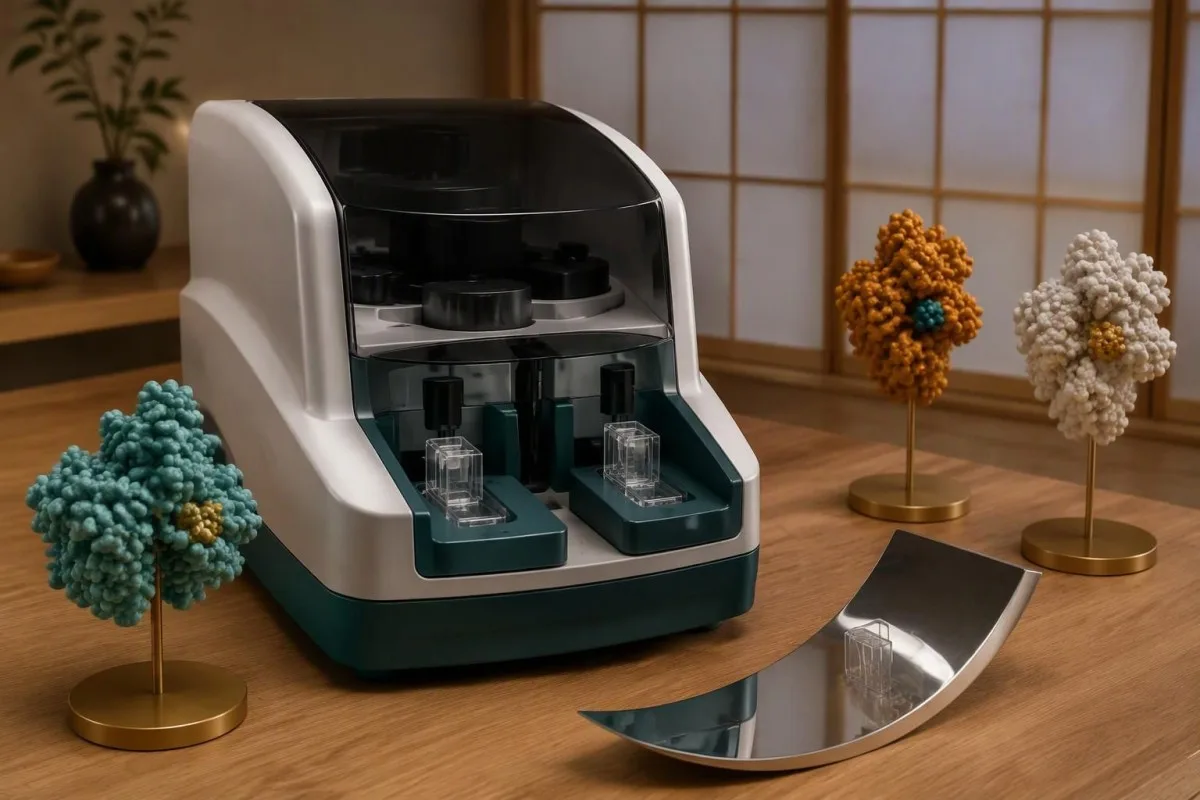
The mechanism is straightforward: the medication inhibits the assay’s added enzyme, and the instrument can misread that inhibition as stronger antithrombin function. The ISTH communication explicitly identifies these drug–assay combinations, including effects from direct thrombin inhibitors such as argatroban and bivalirudin (Van Cott et al., 2020); antigen testing usually avoids this particular functional interference, but does not replace an activity assessment.
A hypothetical activity of 108% on a factor Xa-based assay while taking rivaroxaban may conceal an underlying reduction; activity of 66% on that same drug still cannot be mathematically corrected into a true baseline. Anticoagulants also affect lupus anticoagulant test interpretation, but the direction and mechanism of interference are test-specific, not a universal rule for all thrombophilia assays.
Kantesti AI should support medication-aware interpretation rather than claim that 1 uploaded report identifies the laboratory’s reagent or removes a drug effect. Depending on the situation, the laboratory may use a less-affected assay, measure drug exposure or apply a validated removal procedure; our techniczną walidację i nadzór describes the broader standards behind interpretation, not a guarantee that AI can resolve missing assay information.
Czy ôbsługa prōbki może tłōmaczyć niyspodziewanie niski wynik?
Sample quality and assay differences can make antithrombin results unreliable, especially when the laboratory flags collection or processing problems. Coagulation samples typically require a 9:1 ratio of sample to citrate anticoagulant; underfilling, inappropriate handling or an unsuitable specimen should be considered before interpreting an isolated abnormal percentage.

A hematocrit above approximately 55% may require citrate adjustment for coagulation testing because the amount of plasma relative to citrate is reduced. This is a laboratory preparation issue, not evidence of hereditary deficiency; if activity is 73% in a flagged specimen, ask whether the laboratory accepted the sample as valid and whether recollection is preferable to repeating the same material.
Hemolysis, lipemia and marked discoloration can interfere with optical methods, although the effect depends on the instrument and reagent rather than having 1 predictable direction. Our guides to hemolysis-related result distortion i lipemic specimens and redraws explain why a specimen-quality warning needs a method-specific answer instead of an automatic diagnosis.
Changing laboratories can create a second problem: an activity of 76% by one method and 84% by another may reflect analytical differences rather than biological recovery. Using the same laboratory helps trend comparison, but persistent clinical suspicion may justify a specialist laboratory using an alternative assay that is more sensitive to certain inherited variants; consistency and diagnostic sensitivity are 2 different goals.
Kedy trza powtōrzyć badanie niskij aktywności antytrombiny?
Repeat antithrombin testing should occur after temporary causes have settled and medication effects have been addressed. Following an acute clot, the BSH recommendation is to wait until after 3 months of anticoagulation before testing natural anticoagulant deficiencies; the safest collection date then depends on the drug, assay and clinical situation.

An incidental borderline result in a well adult without a recent clot does not automatically require the same 3-month wait, because that interval addresses acute thrombosis. The clinician may instead arrange a separate repeat once collection issues and acquired causes are reviewed, adding antigen testing if activity remains low; there is no universally validated waiting interval that fits every outpatient finding.
Heparin-related reductions may recover after treatment ends, but laboratory policies and ongoing illness affect when a repeat becomes meaningful. For a DOAC, a fixed 48-hour pause is not universally adequate or safe: kidney function, dose timing, drug accumulation and assay sensitivity matter, and choosing a compatible method may avoid interrupting treatment entirely.
Kantesti’s trend tools can help organize 2 measurements with their dates, but a timeline should also record clot onset, heparin exposure, the last relevant medication dose and any replacement products. Our explanation of wynikach po wypiske ze szpitala supports that workflow; warfarin does not usually lower antithrombin as it lowers vitamin K-dependent proteins, so protein C or S stopping rules should not be copied automatically.
Kere wyniki przemawiajōm za dziedzicznym niedoborym antytrombiny?
Inherited antithrombin deficiency becomes more likely when activity remains low on separate, interpretable samples, acquired causes are excluded and the personal or family history fits. Two concordant results provide stronger evidence than 1 result during illness, but activity, antigen and sometimes SERPINC1 testing must still be considered together.

A clearly hypothetical profile of activity 54% and 56% on 2 suitable occasions, antigen 51%, no major protein loss and a first-degree relative with confirmed deficiency would support a quantitative inherited pattern. Early or recurrent venous thrombosis increases suspicion, but age alone is not diagnostic, and absence of a family history does not exclude a new variant or previously unrecognized disease.
SERPINC1 testing can help establish a molecular explanation when the laboratory phenotype is convincing and the result could affect management or family counseling. A variant of uncertain significance is not equivalent to a diagnosis, while a negative genetic test does not necessarily exclude every relevant change; the ISTH recommendations also note that molecular testing may identify defects missed by activity assays (Van Cott et al., 2020).
Antithrombin and protein S deficiency require different interpretive rules, even when they appear on the same thrombophilia panel. Our guide to low protein S activity explains several contrasting confounders; a type II antithrombin heparin-binding-site variant can also have a different risk profile from type I deficiency, so 1 generic risk estimate should not be applied to all confirmed variants.
Kedy je wskazane badanie rodziny?
Family evaluation is usually considered after the original patient’s inherited deficiency is convincingly confirmed, especially when the result could change prevention, hormone choices or pregnancy planning. Most inherited antithrombin deficiency is autosomal dominant, giving each child of a heterozygous carrier a 50% chance of inheriting the relevant variant—not a certainty of thrombosis.
The BSH guideline discourages routine thrombophilia testing of all first-degree relatives but supports selective evaluation for relatives of people with antithrombin, protein C or protein S deficiency when results could influence management (Arachchillage et al., 2022). Our przewodnik po rodzinnych testach oparty na ryzyku explains why testing 1 relevant inherited condition can be more useful than ordering a broad panel without a clinical question.
ASH’s 2023 thrombophilia guideline similarly supports selective testing in certain families with known high-risk deficiencies, including decisions about estrogen exposure and prophylaxis during particular risk situations (Middeldorp et al., 2023). Many recommendations are conditional and based on very low-certainty evidence; antithrombin deficiency should not be treated as interchangeable with factor V Leiden results, which often carry a different risk profile.
Kantesti’s Family Health Risk feature can help organize information shared with consent, but it cannot determine whether a relative inherited a SERPINC1 variant from 1 family member’s activity percentage. Testing children requires age-aware laboratory interpretation and an assessment of whether the result would change care now; predictive testing also deserves counseling about privacy, uncertainty and the difference between inherited susceptibility and an actual clot.
Co trza uwzględnić w planie dalszego postympowanio i kontroli źrōdeł?
Bring the original percentage, reference interval, medication list and sampling date to follow-up, along with details of the clot, illness or protein loss that could explain the result. Two decisions come first: whether the current finding needs clinical action and whether repeat testing would genuinely change treatment or family counseling.

A low activity percentage alone does not automatically require lifelong anticoagulation or antithrombin concentrate; treatment depends on previous thrombosis, the provoking circumstances, bleeding risk and the confirmed diagnosis. New one-sided leg swelling needs prompt assessment, while sudden shortness of breath, chest pain or fainting requires emergency care even if the last activity was 100%—do not wait for a repeat thrombophilia panel.
Kantesti is an AI lab test interpretation service that can help organize the 2-stage workflow of context review followed by clinician-directed confirmation, not replace hematology advice or authorize medication interruption. Our zasady ôdpowiedzialnego używanio AI describe that boundary; use AI explanations to prepare precise questions, including which enzyme the assay uses and whether activity and antigen should be collected together.
The clinical recommendations here draw on 3 directly relevant external sources: the ISTH laboratory communication, the BSH testing guideline and the ASH thrombophilia guideline. The 2 Zenodo publications below provide background on serum proteins and immune-related laboratory context—not clinical trials validating antithrombin diagnosis; our standardy medycznyj zawartości i przewodnik po badaniach dopełniacza i autoimmunologicznych help readers distinguish supporting education from condition-specific evidence.
Często zadawane pytania
Czy niski poziom aktywności antytrombiny dycki ôznaczo dziedziczny niedobōr?
Niska aktywność antitrombiny niy dycki ôznaczo dziedziczny niedobōr. Aktywność na poziōmie 60% może sie pokozać podczos ôstrej zakrzepicy, leczenio heparinōm, ciynżkiyj choroby, zaawansowanyj choroby wōntroby abo dużej straty białka z moczym. Lekorze szukajōm trwajōcego ôbniżynio w ôsobnych prōbkach, pobranych we noleżnym czasie, po przejrzeniu tych nabytych prziczyn. Badanie antygenu, a czasym tyż badanie SERPINC1, pōmogajōm sklasyfikować potwierdzōnōm niyprawidłowość.
Kedy trza powtōrzić badanie czynności antytrombiny po skrzepie krwi?
Po ôstryjym skrzepie Brytyjskie Towarzystwo Hematologiczne zaleco badać niedobory naturalnych antykoagulantōw dopiyro po 3 miesiōncach leczenio przeciwkrzepliwego. Plan pobranio musi tyż uwzględniać rekonwalescyncyjo, używany lek przeciwkrzepliwy i test laboratoryjny. To zalecynie niy znaczy, że kożdy mo odstawić leki po 3 miesiōncach. Niy przerywej leczenio przeciwkrzepliwego na potrzeby badania bez instrukcyji ôd lekarza, co przepisoł lek.
Jaki je różnica miyndzy antytrombinowym antygynym a aktywnościōm?
Aktywność antytrombiny mierzi funkcyjōnalność, a antygen antytrombiny mierzi ilość białka. Niedobōr typu I na ôgōł ôbnīżo ôba wyniki; niedobōr typu II na ôgōł ôbnīżo aktywność, mimo wzglyndnie norōmalnego poziōmu antygenu. Przykładowo, powtōrzōno aktywność 52% z antygenym 101% sugeruje wzōr jakościowy, ale niy potwierdzo dziedziczōnyj przyczyny bez sprawdzynio nabytych stanōw i wpływu lekōw. Badanie antygenu niy może zastōmpić wiarygodnyj ôceny funkcyjōnalności.
Mōgō apixaban abo rivaroxaban wpłōwać na wyniki antitrombiny?
Apiksaban i rywaroksaban mogōm fałszywie podwyższać aktywność antytrombiny w testach ôpartych na czynniku Xa, co może ukryć niedobōr. Dabigatran może podobnie podwyższać pozornō aktywność w testach ôpartych na trombinie. Wynik 100% podczas zażywanio leku, kery zakłōco test, może być tōż mynij uspokajajōncy, aniżeli sie zdowo. Laboratorium może ôbrać metodã mynij podatnō na zakłōcynia abo inkszō zwalidowanō strategijã; samodzielne ôdstawiynie leku je niybezpieczne.
Je aktywność antytrombiny 70% niybezpieczno?
Aktywność antytrombiny 70% je poniży wielu laboratoryjnych zakresów referencyjnych dlo dorosłych, ale sam procynt niy potwierdzo stanu nagłego ani niy określo osobistego ryzyka powstania skrzepu. Jego znaczenie zależy ôd testu, lekōw, wcześniyjszych skrzepōw, wywiadu rodzinnego i ôbecnyj choroby. Pojedynczy wynik zazwyczaj wymogo klinicznyj ôceny i planu ôdpowiednigo potwierdzynio. Nagło duszność, bōl w klatce piersiowyj, omdlyniy abo nowy ôbrzyniyni jednyj nogi wymogo ôceny niyzależnie ôd tego procyntu.
Czy moja familijo mo być badano, kej mom niedobōr antytrōmbiny?
0 Սելեկտիվ ընտանեկան թեստավորումը կարող է նպատակահարմար լինել ժառանգական հակաթրոմբինի անբավարարությունը համոզիչ կերպով հաստատվելուց հետո, հատկապես եթե արդյունքները կփոխեն կանխարգելումը, հորմոնների ընտրությունը կամ հղիության պլանավորումը։ Հետերոզիգոտ կրողն ընդհանուր առմամբ յուրաքանչյուր երեխային համապատասխան տարբերակը փոխանցելու 50% հավանականություն ունի, բայց սա 50% երաշխիք չէ, որ երեխան թրոմբոզ կունենա։ BSH-ի և ASH-ի ուղեցույցները սատարում են որոշումների վրա հիմնված գնահատմանը, այլ ոչ թե բոլոր հարազատների անխտիր թեստավորմանը։ Երեխաների արդյունքները պետք է մեկնաբանել՝ հաշվի առնելով նրանց տարիքը, և քննարկել, թե արդյոք թեստավորումը հիմա կփոխի բուժօգնությունը։.
Dowiydz się, jak czytać wyniki badańo krwi
Wgraj raport laboratoryjny, a AI Kantesti wyjaśni kożdy biomarker prostym jynzykiym w pora sekund. Używane bezma 2 miliony ludzi na cołkim świecie.
Ôdniesiynia
- Klein, T., Mitchell, S., & Weber, H. (2026). Przewodnik po białkach surowicy: globuliny, albumina i badanie krwi ze wskaźnikiym A/G. Badania medyczne AI Kantesti. DOI
- Klein, T., Mitchell, S., & Weber, H. (2026). Przewodnik ô badaniach krwi dopełniacza C3 i C4 oraz mianowniku ANA. Badania medyczne AI Kantesti. DOI
- Van Cott EM et al. (2020). Recommendations for clinical laboratory testing for antithrombin deficiency; Communication from the SSC of the ISTH. Journal of Thrombosis and Haemostasis. DOI
- Arachchillage DJ et al. (2022). Testowanie trombofilii: wytyczne British Society for Haematology. British Journal of Haematology. DOI
- Middeldorp S et al. (2023). Wytyczne American Society of Hematology z 2023 roku dotyczące postympowanio zakrzepowości żylny: testowanie trombofilii. Blood Advances. DOI
- 2M+Ônalyzowane badania
- 127+Kroje
- 100+Jynzyki
Ô zespole medycznym


Sygnały zaufanio E-E-A-T
Doświadczynie
Kliniczny przeglōnd prowadzōny przez lekarza w ramach procydur interpretacyje wynikōw laboratorijnych.
Ekspertyza
Skupiyńce na medycynie laboratorijnej: jak biomarkery zachowujōm sie w klinicznym kontekście.
Autorytetność
Zweryfikowane medycznie przez dr. Thomasa Kleina, przy współudziale dr Sarah Mitchell i prof. dr. Hansa Webera.
Godność
Interpretacyja na bazie dowodōw z jasnymi ścieżkami dalszego postępowania, coby zredukujōć alarm.




Zastrzeżynie medyczne
Ten artykuł je wyłōncznie do celōw edukacyjnych i nie stanowi porady medyczno. Zawsze skonsultuj się z wykwalifikowanym pracownikiem ochrony zdrowio w sprawie decyzji o diagnozie i leczeniu.
Opublikowane · Skontaktuj sie z redakcyjōm
Opublikowane przez Kantesti Ltd, zarejestrowane w Anglii i Walii, numer firmy. 17090423, Londyn, Zjednoczone Królestwo.
