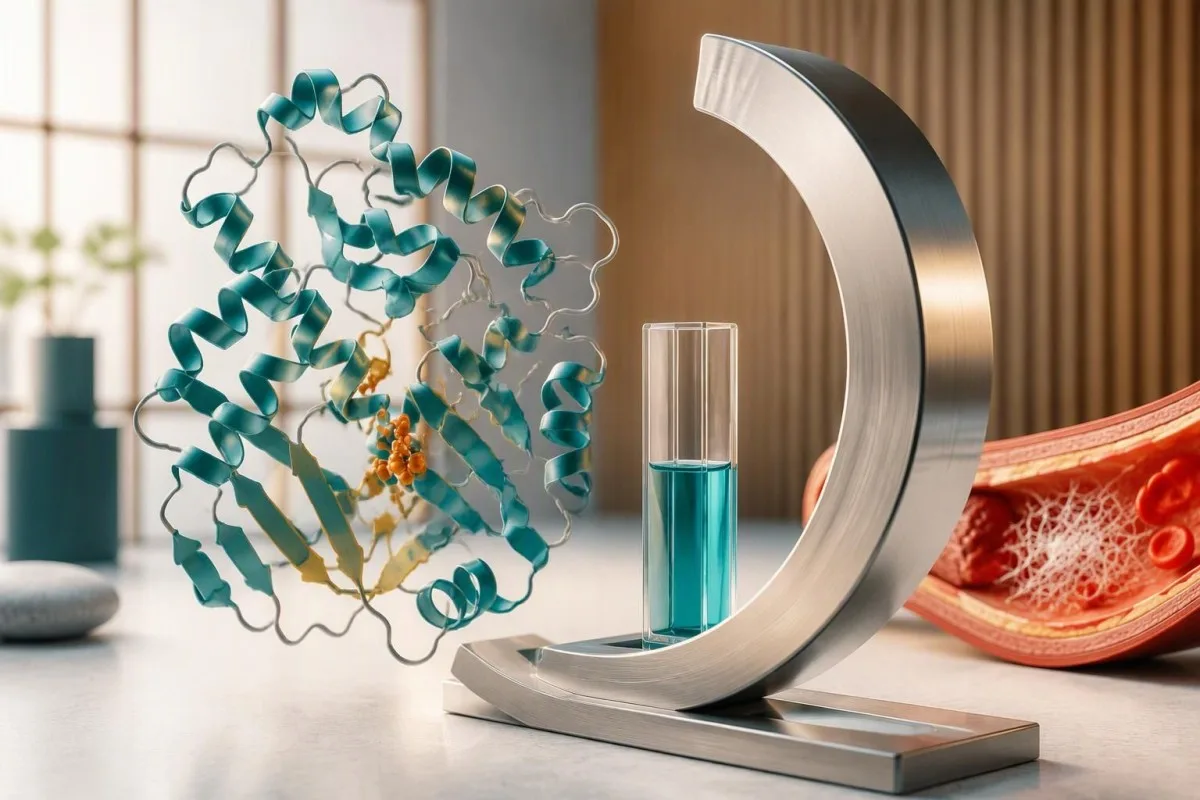
এণ্টিথ্ৰম্বিনৰ কাৰ্যকলাপ কম হ’লেই বংশগত অভাৱ বুলি স্বয়ংক্ৰিয়ভাৱে বুজায় নেকি: তীব্ৰ তেজৰ গোট, হেপাৰিন, গুৰুতৰ অসুস্থতা বা প্ৰ’টিন হেৰুৱালে ইয়াৰ মাত্ৰা সাময়িকভাৱে কমিব পাৰে। চিকিৎসকসকলে উপযুক্ত সময়ত কৰা কাৰ্যকলাপ পৰীক্ষা, কেতিয়াবা এণ্টিজেন পৰীক্ষা, আৰু ঔষধৰ কথা বিবেচনা কৰা পৰীক্ষাগাৰ পৰিকল্পনাৰ জৰিয়তে স্থায়ী অস্বাভাৱিকতা নিশ্চিত কৰে—সাধাৰণতে তেজৰ গোটৰ চিকিৎসাৰ প্ৰথম 3 মাহৰ পিছত।.

মূল কথাসমূহ
- النطاق المرجعي: প্ৰাপ্তবয়স্কৰ এণ্টিথ্ৰম্বিনৰ কাৰ্যকলাপ সাধাৰণতে 80–120%-ৰ আশে-পাশে থাকে; নিজৰ প্ৰতিবেদনত ছপা কৰা পৰিসৰটো ব্যৱহাৰ কৰক।.
- এটা কম ফলাফল: নতুনকৈ হোৱা তেজৰ গোট বা হেপাৰিন চিকিৎসাৰ সময়ত 65% কাৰ্যকলাপে বংশগত এণ্টিথ্ৰম্বিনৰ অভাৱ নিশ্চিত কৰিব নোৱাৰে।.
- পুনৰ পৰীক্ষাৰ সময়: British Society for Haematology-এ তীব্ৰ থ্ৰম্ব’ছিছৰ বাবে এণ্টিকোৱাগুলেচন কৰাৰ 3 মাহৰ পিছতহে প্ৰাকৃতিক এণ্টিকোৱাগুলেণ্টৰ অভাৱ পৰীক্ষা কৰিবলৈ পৰামৰ্শ দিয়ে।.
- কাৰ্যকলাপ বনাম এণ্টিজেন: Type I অভাৱত সাধাৰণতে দুয়োটা জোখ কমে; Type II অভাৱত কাৰ্যক্ষমতা কমে, কিন্তু এণ্টিজেনৰ মাত্ৰা স্বাভাৱিক থাকিব পাৰে।.
- ঔষধৰ প্ৰভাৱ: factor Xa-ভিত্তিক পৰীক্ষাত Apixaban, rivaroxaban আৰু edoxaban-এ কাৰ্যকলাপৰ ফলাফল মিছাকৈ বঢ়াব পাৰে; thrombin-ভিত্তিক পৰীক্ষাত dabigatran-এ তেনেকুৱা কৰিব পাৰে।.
- প্ৰ’টিন হেৰুওৱা: প্ৰাপ্তবয়স্কৰ নেফ্ৰ’টিক-ৰেঞ্জৰ প্ৰ’টিনিউৰিয়া পৰম্পৰাগতভাৱে প্ৰতি 24 ঘণ্টাত কমেও 3.5 g হয় আৰু ই অৰ্জিত এণ্টিথ্ৰম্বিন হ্ৰাসত অৰিহণা যোগাব পাৰে।.
- পৰিয়ালৰ মূল্যায়ন: নিশ্চিত হেটেৰ’জাইগাছ বংশগত অভাৱত সাধাৰণতে প্ৰতিজন সন্তানৰ সংশ্লিষ্ট ভেৰিয়েণ্টটো উত্তৰাধিকাৰসূত্ৰে পোৱাৰ সম্ভাৱনা 50%—তেজৰ গোট বন্ধাৰ 50% নিশ্চয়তা নহয়।.
- ঔষধৰ সুৰক্ষা: ঔষধ প্ৰেছক্ৰাইব কৰা চিকিৎসকৰ ব্যক্তিগতকৃত পৰিকল্পনা অবিহনে অধিক নিৰ্ভুল পৰীক্ষাগাৰৰ ফল পাবলৈ কেতিয়াও এণ্টিকোৱাগুলেচন বন্ধ নকৰিব।.
এণ্টিথ্ৰম্বিনৰ কাৰ্যকলাপ কম হোৱাৰ প্ৰকৃত অৰ্থ কি?
এণ্টিথ্ৰম্বিনৰ কাৰ্যকলাপ কম মানে পৰীক্ষাগাৰৰ পৰীক্ষাত আশা কৰাতকৈ কম এণ্টিকোৱাগুলেণ্ট কাৰ্যক্ষমতা ধৰা পৰিছে; ইয়াৰ দ্বাৰা নিজে নিজে কাৰণটো চিনাক্ত নহয়। প্ৰাপ্তবয়স্কৰ পৰীক্ষাগাৰৰ নিম্ন সীমাতকৈ তলৰ ফল—যি প্ৰায়ে 80%-ৰ ওচৰত হয়—বংশগত অভাৱ, সাময়িক ক্ষয়, উৎপাদন হ্ৰাস, প্ৰ’টিন হেৰুৱা বা পৰীক্ষাৰ সমস্যাৰ ফল হ’ব পাৰে।.

এণ্টিথ্ৰম্বিনে থ্ৰম্বিন, যাক ফেক্টৰ IIa বুলিও কোৱা হয়, আৰু ফেক্টৰ Xa-কে ধৰি এনজাইমসমূহক বাধা দি ৰক্তজমাট প্ৰক্ৰিয়া সীমিত কৰে। 60%-ৰ কাৰ্যকলাপৰ ফলই পৰীক্ষাৰ কেলিব্ৰেচন মানৰ তুলনাত কাৰ্যক্ষমতা বুজায়; ইয়াৰ অৰ্থ আপোনাৰ ৰক্তসঞ্চালন 60% সুৰক্ষিত বা আপোনাৰ ৰক্তজমাটৰ সম্ভাৱনা 40% নহয়।.
নিয়মীয়া ক্লটিং পেনেল স্বাভাৱিক হ’লেও এণ্টিথ্ৰম্বিনৰ অভাৱ নুই নহয়, কাৰণ PT আৰু aPTT সকলো বংশগত ৰক্তজমাট প্ৰৱণতাৰ স্ক্ৰীনিং পৰীক্ষা নহয়। আমাৰ ব্যাখ্যা স্বাভাৱিক কোৱাগুলেচন পেনেলৰ সীমাবদ্ধতা এয়ে এই প্ৰশ্নসমূহ পৃথক কৰাত সহায় কৰে: কোৱাগুলেচনৰ সময় বৃদ্ধি পাইছে নে নাই আৰু কোনো নিৰ্দিষ্ট প্ৰাকৃতিক এণ্টিকোৱাগুলেণ্টে স্বাভাৱিকভাৱে কাম কৰে নে নাই—এই দুটা বেলেগ মূল্যায়ন।.
Kantesti হৈছে AI-চালিত ৰক্ত পৰীক্ষা বিশ্লেষক, যিয়ে 1টা অস্বাভাৱিক সংকেতক ৰোগ নিৰ্ণয় বুলি গণ্য কৰাৰ সলনি, ঔষধৰ ইতিহাস আৰু সম্পৰ্কিত পৰীক্ষাগাৰৰ ফলৰ সৈতে কাৰ্যকলাপৰ শতাংশ বিবেচনা কৰাত সহায় কৰে। আমাৰ কোম্পানীৰ পটভূমি আৰু উদ্দেশ্য সেই ভূমিকা ব্যাখ্যা কৰে; বংশগত অভাৱ নিশ্চিত কৰিবলৈ এতিয়াও চিকিৎসকৰ তত্ত্বাৱধানত পৰীক্ষা-নিৰীক্ষা প্ৰয়োজন, আৰু জৰুৰী লক্ষণসমূহৰ মূল্যায়ন যিকোনো AI ব্যাখ্যাৰ পৰা স্বাধীনভাৱে কৰিব লাগিব।.
এণ্টিথ্ৰম্বিনৰ কাৰ্যকলাপৰ কোনটো পৰিসৰ কম বুলি গণ্য কৰা হয়?
প্ৰাপ্তবয়স্কৰ এণ্টিথ্ৰম্বিনৰ কাৰ্যকলাপ সাধাৰণতে প্ৰায় 80–120%-ৰ ৰেফাৰেন্স পৰিসৰ থাকে, যদিও কিছুমান পৰীক্ষাগাৰে 80–130% বা আন এটা প্ৰমাণিত পৰিসৰ ব্যৱহাৰ কৰে। সেয়েহে 75%-ৰ কাৰ্যকলাপ প্ৰায়ে সীমান্তৱৰ্তীভাৱে কম হয়, কিন্তু 75% বা আন কোনো একক সীমাই বংশগত অভাৱ প্ৰমাণ নকৰে বা জৰুৰীকালীন চিকিৎসা নিৰ্ধাৰণ নকৰে।.

হেটেৰ’জাইগাছ বংশগত এণ্টিথ্ৰম্বিনৰ অভাৱ থকা বহু লোকৰ কাৰ্যকলাপ প্ৰায় 40–70%-ৰ ভিতৰত থাকে, কিন্তু অৰ্জিত অৱস্থাইও একে মান সৃষ্টি কৰিব পাৰে। ইয়াৰ বিপৰীতে, কিছুমান বংশগত ভেৰিয়েণ্টে মৃদু হ্ৰাস ঘটায় বা নিৰ্দিষ্ট পৰীক্ষাত ধৰা নপৰে; চিকিৎসকসকলে হ্ৰাসৰ মাত্ৰা পুনৰ কৰা পৰীক্ষাৰ ফলৰ সৈতে মিলাই ব্যাখ্যা কৰে, ইয়াক একক জেনেটিক ফিংগাৰপ্ৰিণ্ট হিচাপে নহয়।.
বয়সে ব্যাখ্যাত যথেষ্ট প্ৰভাৱ পেলায়: পূৰ্ণম্যাদী সুস্থ নৱজাতকৰ এণ্টিথ্ৰম্বিনৰ কাৰ্যকলাপ প্ৰাপ্তবয়স্কৰ মানৰ প্ৰায় 40–60% হ’ব পাৰে, আৰু শৈশৱৰ আৰম্ভণিতে এই মান বৃদ্ধি পায়। অপৰিপক্ব জন্মই অতিৰিক্ত তাৰতম্য ঘটায়, আৰু গৰ্ভাৱস্থাৰ শেষভাগ বা প্ৰসৱৰ পিছৰ প্ৰাৰম্ভিক সময়েও ফলত প্ৰভাৱ পেলাব পাৰে; প্ৰাপ্তবয়স্কৰ 80% নিম্ন সীমা নিৰ্বিচাৰে প্ৰয়োগ কৰিলে বিভ্ৰান্তিকৰ লেবেল সৃষ্টি হ’ব পাৰে।.
একেবাৰে কাল্পনিক উদাহৰণ হিচাপে, পূৰ্বে ৰক্তজমাট নোহোৱা আৰু অন্যথা সুস্থ প্ৰাপ্তবয়স্কৰ 78% কাৰ্যকলাপৰ মূল্যায়ন, তীব্ৰ চেপছিছৰ সময়ত 42% কাৰ্যকলাপ থকা প্ৰাপ্তবয়স্কৰ মূল্যায়নতকৈ পৃথক হ’ব লাগে। দুয়োটা প্ৰতিবেদনত একে নিম্ন সংকেত দেখা যাব পাৰে, কিন্তু আমাৰ নিৰ্দেশিকা গৱেষণাগাৰৰ বাহিৰৰ ফলাফল ৰেফাৰেন্স সীমা কিয় ৰোগ নিৰ্ণয় বা চিকিৎসাৰ সীমাৰ সৈতে একে নহয়, সেয়া ব্যাখ্যা কৰে।.
| স্তৰ | পৰিসৰ | ইয়াৰ অৰ্থ |
|---|---|---|
| প্ৰাপ্তবয়স্কৰ সাধাৰণ পৰিসৰ | প্ৰায় 80–120% | সাধাৰণতে পৰিসৰৰ ভিতৰত, কিন্তু পৰীক্ষাগাৰৰ নিজা পৰিসৰ আৰু পৰীক্ষাৰ সংবেদনশীলতাই অগ্ৰাধিকাৰ পায়।. |
| সীমান্তৱৰ্তী হ্ৰাস | 70–79% | Often warrants context review and appropriately timed confirmation; not a diagnosis. |
| Clear reduction | 50–69% | Compatible with inherited or acquired deficiency; activity alone cannot distinguish them. |
| স্পষ্টভাৱে হ্ৰাস | Below 50% | Requires clinical review, especially during illness or thrombosis; the percentage alone does not establish an emergency. |
এণ্টিথ্ৰম্বিন এণ্টিজেন বনাম কাৰ্যকলাপ: পাৰ্থক্য কি?
এন antithrombin activity test measures how effectively the protein inhibits a coagulation enzyme, while antithrombin antigen measures how much protein is present. Type I inherited deficiency generally lowers both; type II generally lowers activity despite a relatively normal antigen concentration, making these 2 tests complementary rather than interchangeable.

Most routine activity methods are chromogenic assays: the laboratory adds an enzyme and measures how much remains after antithrombin has inhibited it. The ISTH laboratory recommendations favor activity testing first, followed by antigen measurement when activity is low, with exclusion of acquired causes and assay interference before classification (Van Cott et al., 2020).
Consider 2 hypothetical repeat profiles obtained under suitable conditions: activity 52% with antigen 49% supports a quantitative pattern, whereas activity 52% with antigen 101% supports a qualitative pattern. These examples are not diagnostic formulas, because acquired illness can lower both measurements and antigen assays do not explain whether a functional result was distorted by medication.
Type II deficiency includes reactive-site, heparin-binding-site and other functional abnormalities; the choice of assay can change how readily a variant is detected. Kantesti’s explanations therefore distinguish quantity from performance, a distinction also illustrated by protein level versus function in C1 esterase inhibitor testing—but those are different proteins with different clinical consequences.
তীব্ৰ তেজৰ গোটে এণ্টিথ্ৰম্বিনৰ মাত্ৰা সাময়িকভাৱে কমাব পাৰেনে?
Acute thrombosis can temporarily reduce antithrombin activity through consumption, particularly when accompanied by illness, procedures or treatment effects. A value such as 58% during a newly diagnosed deep vein thrombosis therefore cannot reliably distinguish an inherited baseline deficiency from a reduction caused by the current event.

The British Society for Haematology recommends testing deficiencies of natural anticoagulants only after 3 months of anticoagulation for acute thrombosis, because early results are unreliable and rarely change immediate management (Arachchillage et al., 2022). This is a recommendation about diagnostic timing, not an instruction to delay treating a suspected clot or to stop anticoagulants at month 3.
A hypothetical patient has activity of 61% during a pulmonary embolism and 96% after recovery using an appropriate assay. That change supports a temporary reduction, but comparing 2 percentages remains incomplete unless the clinician knows whether heparin, a direct oral anticoagulant, replacement products or different laboratory methods affected either measurement.
D-dimer answers a different question: it reflects fibrin formation and breakdown, not antithrombin quantity or inherited status. Our clotting tests and D-dimer guide explains why an elevated D-dimer and low activity can occur together during 1 acute event without proving that the low antithrombin caused the clot.
হেপাৰিন চিকিৎসাই এণ্টিথ্ৰম্বিনৰ কাৰ্যকলাপ কিয় কমাব পাৰে?
Heparin can lower circulating antithrombin during treatment, so a low result obtained while receiving unfractionated or low-molecular-weight heparin may reflect an acquired reduction. Heparin also depends on antithrombin for much of its anticoagulant effect; activity of 50% during treatment can therefore raise both diagnostic and medication-monitoring questions.
Reduced antithrombin can contribute to apparent heparin resistance, but an unexpectedly high dose requirement does not prove inherited deficiency. During 1 episode of severe illness, increased factor VIII or fibrinogen may shorten aPTT-based impressions of anticoagulation even when heparin exposure is adequate, so clinicians may reassess the monitoring method rather than simply escalate treatment.
Some heparin anti-Xa assays add exogenous antithrombin and others do not; this difference can affect what the result says about heparin concentration versus its activity in the patient. Ask the laboratory about 2 separate methods—the antithrombin activity assay and the heparin monitoring assay—because their handling of antithrombin and heparin is not necessarily identical.
A platelet fall of more than 50% during heparin exposure raises a separate possibility, heparin-induced thrombocytopenia, which is not diagnosed by low antithrombin. Our explanation of PF4 testing and HIT assessment describes that distinction; decisions about changing heparin, using replacement antithrombin or scheduling a repeat require the treating team, not a self-directed medication pause.
গুৰুতৰ অসুস্থতা আৰু DIC-এ এণ্টিথ্ৰম্বিন কেনেকৈ হ্ৰাস কৰে?
Sepsis, disseminated intravascular coagulation and major physiological stress can reduce antithrombin through consumption, impaired production and altered distribution. A markedly low result—for example, 35%—during critical illness is often an acquired finding; it cannot be used alone to label someone with lifelong hereditary antithrombin deficiency.

DIC is assessed from a pattern, not 1 abnormal protein: falling platelets, prolonged PT, increased fibrin-related markers and sometimes reduced fibrinogen provide the relevant context. Fibrinogen may initially remain normal or elevated because it is an acute-phase protein, so a preserved fibrinogen concentration does not automatically rule out evolving consumption.
For a hypothetical example, activity of 38%, platelets of 72 × 10^9/L and worsening PT during a major systemic illness point toward an acquired coagulation disturbance rather than an isolated inherited finding. Our DIC laboratory pattern explanation shows why trends across several measurements are more informative than repeatedly checking antithrombin while the illness remains active.
Recent antithrombin concentrate or plasma treatment can raise measured activity and obscure the underlying baseline, adding a second source of uncertainty during the same hospital stay. A result of 105% after replacement does not exclude inherited deficiency, just as 35% before recovery does not prove it; document the product and timing before interpreting either percentage.
বৃক্কৰ পৰা প্ৰ’টিন হেৰুৱালে এণ্টিথ্ৰম্বিনৰ কাৰ্যকলাপ কম হ’ব পাৰেনে?
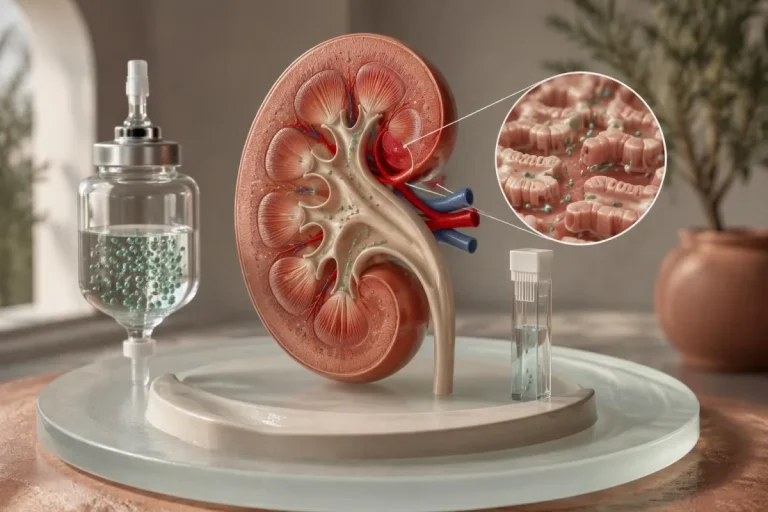
Heavy urinary protein loss can contribute to acquired antithrombin reduction, particularly in nephrotic syndrome. Adult nephrotic-range proteinuria is conventionally at least 3.5 g per 24 hours; clinicians interpret antithrombin alongside urine protein, serum albumin and the underlying kidney disorder, rather than relying on creatinine or eGFR alone.
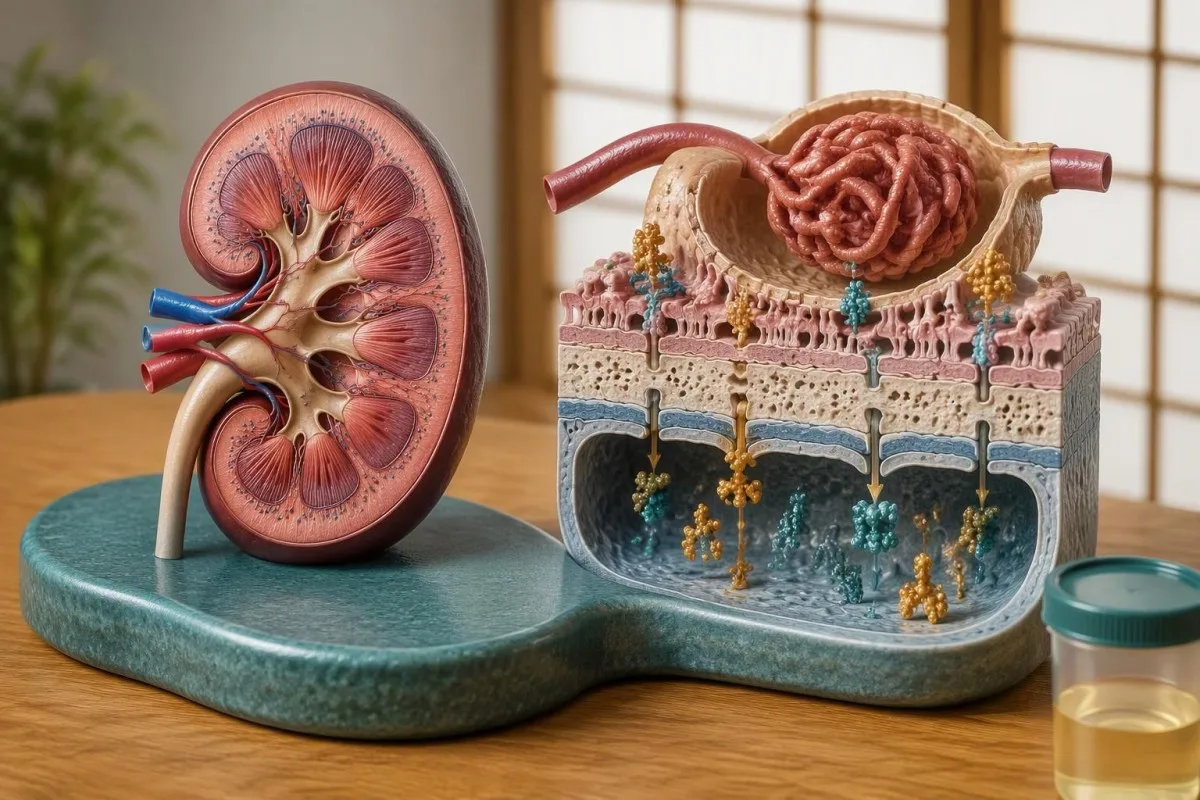
A normal eGFR does not exclude substantial protein leakage through the glomerular filtration barrier. For example, an adult with eGFR 95 mL/min/1.73 m², albumin 22 g/L and urine protein 6 g per day may have a strong acquired explanation for low activity despite apparently reassuring filtration results; persistent ফেনা সদৃশ মূত্র আৰু প্ৰোটিন পৰীক্ষা deserve assessment in that context.
The relationship between nephrotic syndrome, antithrombin levels and clot risk is not uniform: not every person with nephrotic syndrome has low antithrombin, and the thrombotic tendency involves more than urinary loss of 1 protein. Underlying diagnosis matters, including membranous nephropathy, where PLA2R results and kidney monitoring help explain the kidney process rather than prove an inherited clotting disorder.
Kantesti is an AI blood test interpretation platform that can organize an antithrombin percentage alongside albumin and kidney markers, but it cannot infer the amount of urinary protein from eGFR alone. If activity remains 62% while heavy protein loss continues, repeat testing may still describe the acquired condition; the cleaner inherited assessment usually follows clinical stabilization and improvement of that competing explanation.
যকৃতৰ ৰোগ বা আন চিকিৎসাই এণ্টিথ্ৰম্বিনৰ মাত্ৰা কমাব পাৰেনে?
Reduced liver synthesis can lower antithrombin, especially in advanced liver disease, while certain treatments such as L-asparaginase can also cause acquired reductions. An activity of 55% alongside other abnormalities requires review of protein production, protein loss and treatment history before clinicians consider a genetic explanation.
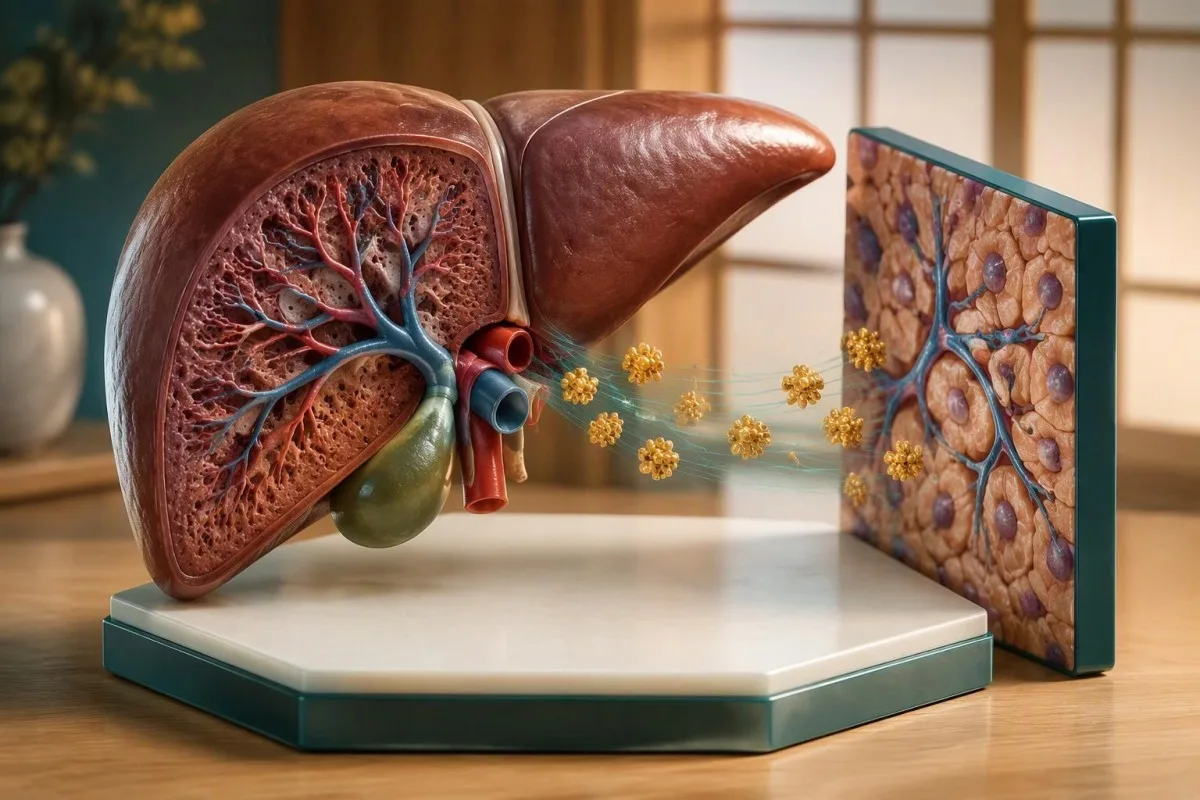
ALT and AST reflect injury more than protein-making capacity, so normal or mildly elevated enzymes do not guarantee normal antithrombin production. If activity is 57%, albumin is 25 g/L and INR is 1.6, impaired synthesis becomes a possibility—but warfarin, nutrition and protein loss can confound that pattern, as our যকৃত পৰীক্ষাৰ ফলাফল কেনেকৈ পঢ়িব গাইড এ ব্যাখ্যা কৰে।.
Albumin cannot serve as a substitute antithrombin test because the 2 proteins have different turnover and can respond differently to illness or therapy. Our albumin and serum protein guide helps interpret the surrounding panel; a normal albumin does not exclude inherited antithrombin deficiency, and a low albumin does not prove that the liver caused it.
L-asparaginase can reduce anticoagulant proteins during cancer treatment, creating an acquired thrombosis risk that may need active management rather than merely a future repeat test. Major procedures, extracorporeal support and recent replacement products can also complicate 1 measurement; eating more protein or taking a vitamin supplement does not correct a SERPINC1-related defect or replace treatment of the underlying acquired cause.
কোনবোৰ এণ্টিকোৱাগুলেণ্টে এণ্টিথ্ৰম্বিন পৰীক্ষাত বাধা দিয়ে?
Direct oral anticoagulants can falsely increase antithrombin activity, potentially masking deficiency rather than causing a low flag. Apixaban, rivaroxaban and edoxaban interfere with factor Xa-based activity assays, while dabigatran can interfere with thrombin-based assays; the same patient’s 2 results may therefore differ because of assay design.
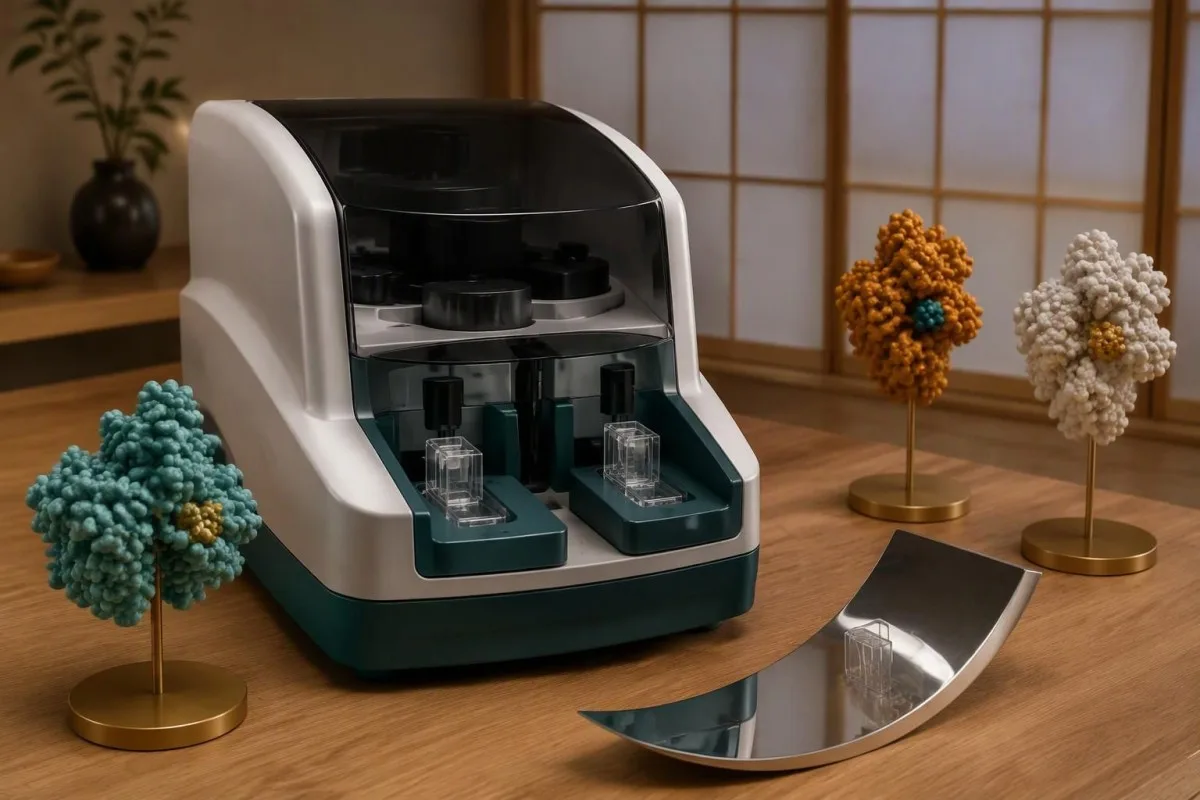
The mechanism is straightforward: the medication inhibits the assay’s added enzyme, and the instrument can misread that inhibition as stronger antithrombin function. The ISTH communication explicitly identifies these drug–assay combinations, including effects from direct thrombin inhibitors such as argatroban and bivalirudin (Van Cott et al., 2020); antigen testing usually avoids this particular functional interference, but does not replace an activity assessment.
A hypothetical activity of 108% on a factor Xa-based assay while taking rivaroxaban may conceal an underlying reduction; activity of 66% on that same drug still cannot be mathematically corrected into a true baseline. Anticoagulants also affect lupus anticoagulant test interpretation, but the direction and mechanism of interference are test-specific, not a universal rule for all thrombophilia assays.
Kantesti AI should support medication-aware interpretation rather than claim that 1 uploaded report identifies the laboratory’s reagent or removes a drug effect. Depending on the situation, the laboratory may use a less-affected assay, measure drug exposure or apply a validated removal procedure; our কাৰিকৰী (technical) বৈধতা (validation) আৰু তদাৰক (oversight) describes the broader standards behind interpretation, not a guarantee that AI can resolve missing assay information.
নমুনা চম্ভালাৰ পদ্ধতিয়ে অপ্ৰত্যাশিতভাৱে কম ফলাফলৰ ব্যাখ্যা দিব পাৰেনে?
Sample quality and assay differences can make antithrombin results unreliable, especially when the laboratory flags collection or processing problems. Coagulation samples typically require a 9:1 ratio of sample to citrate anticoagulant; underfilling, inappropriate handling or an unsuitable specimen should be considered before interpreting an isolated abnormal percentage.
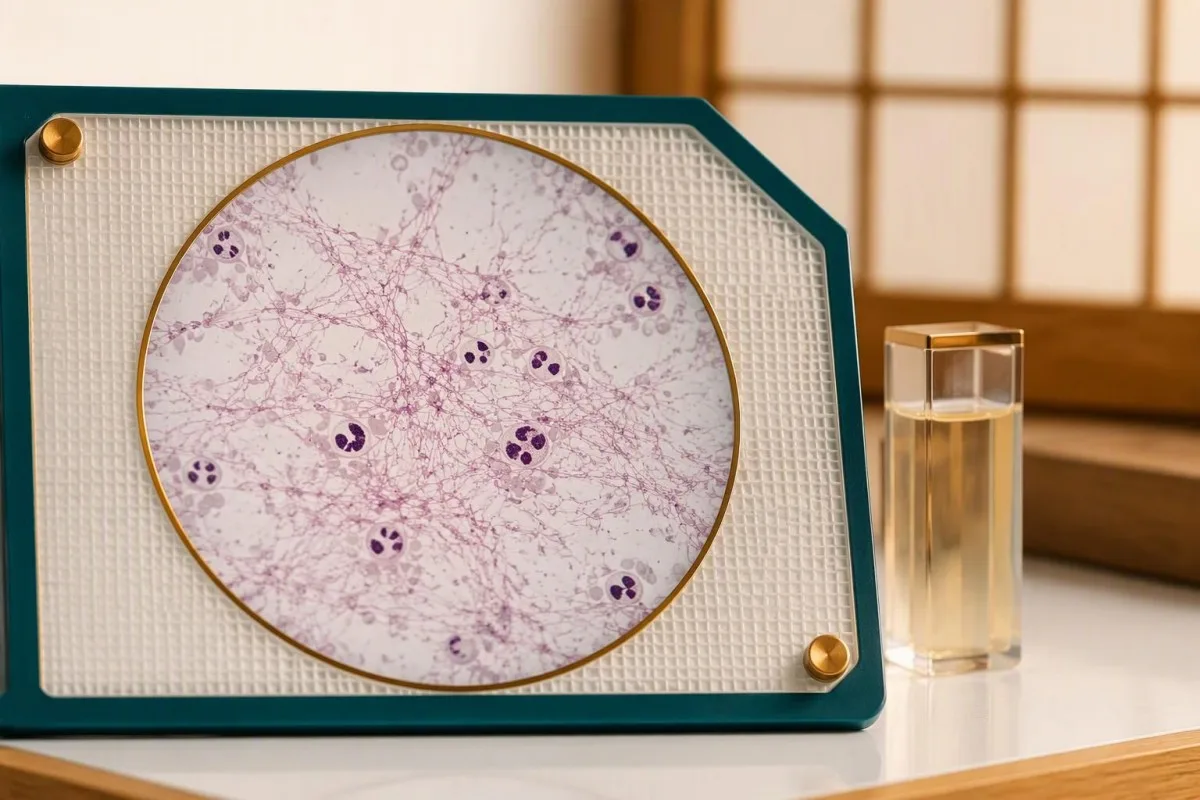
A hematocrit above approximately 55% may require citrate adjustment for coagulation testing because the amount of plasma relative to citrate is reduced. This is a laboratory preparation issue, not evidence of hereditary deficiency; if activity is 73% in a flagged specimen, ask whether the laboratory accepted the sample as valid and whether recollection is preferable to repeating the same material.
Hemolysis, lipemia and marked discoloration can interfere with optical methods, although the effect depends on the instrument and reagent rather than having 1 predictable direction. Our guides to hemolysis-related result distortion আৰু lipemic specimens and redraws explain why a specimen-quality warning needs a method-specific answer instead of an automatic diagnosis.
Changing laboratories can create a second problem: an activity of 76% by one method and 84% by another may reflect analytical differences rather than biological recovery. Using the same laboratory helps trend comparison, but persistent clinical suspicion may justify a specialist laboratory using an alternative assay that is more sensitive to certain inherited variants; consistency and diagnostic sensitivity are 2 different goals.
এণ্টিথ্ৰম্বিনৰ কাৰ্যকলাপ কম পালে কেতিয়া পুনৰ পৰীক্ষা কৰিব লাগে?
Repeat antithrombin testing should occur after temporary causes have settled and medication effects have been addressed. Following an acute clot, the BSH recommendation is to wait until after 3 months of anticoagulation before testing natural anticoagulant deficiencies; the safest collection date then depends on the drug, assay and clinical situation.

An incidental borderline result in a well adult without a recent clot does not automatically require the same 3-month wait, because that interval addresses acute thrombosis. The clinician may instead arrange a separate repeat once collection issues and acquired causes are reviewed, adding antigen testing if activity remains low; there is no universally validated waiting interval that fits every outpatient finding.
Heparin-related reductions may recover after treatment ends, but laboratory policies and ongoing illness affect when a repeat becomes meaningful. For a DOAC, a fixed 48-hour pause is not universally adequate or safe: kidney function, dose timing, drug accumulation and assay sensitivity matter, and choosing a compatible method may avoid interrupting treatment entirely.
Kantesti’s trend tools can help organize 2 measurements with their dates, but a timeline should also record clot onset, heparin exposure, the last relevant medication dose and any replacement products. Our explanation of চিকিৎসালয়ৰ পৰা छुट्टी পোৱাৰ পিছৰ ফলাফল supports that workflow; warfarin does not usually lower antithrombin as it lowers vitamin K-dependent proteins, so protein C or S stopping rules should not be copied automatically.
কোনবোৰ তথ্যই বংশগত এণ্টিথ্ৰম্বিনৰ অভাৱৰ সমৰ্থন কৰে?
Inherited antithrombin deficiency becomes more likely when activity remains low on separate, interpretable samples, acquired causes are excluded and the personal or family history fits. Two concordant results provide stronger evidence than 1 result during illness, but activity, antigen and sometimes SERPINC1 testing must still be considered together.

A clearly hypothetical profile of activity 54% and 56% on 2 suitable occasions, antigen 51%, no major protein loss and a first-degree relative with confirmed deficiency would support a quantitative inherited pattern. Early or recurrent venous thrombosis increases suspicion, but age alone is not diagnostic, and absence of a family history does not exclude a new variant or previously unrecognized disease.
SERPINC1 testing can help establish a molecular explanation when the laboratory phenotype is convincing and the result could affect management or family counseling. A variant of uncertain significance is not equivalent to a diagnosis, while a negative genetic test does not necessarily exclude every relevant change; the ISTH recommendations also note that molecular testing may identify defects missed by activity assays (Van Cott et al., 2020).
Antithrombin and protein S deficiency require different interpretive rules, even when they appear on the same thrombophilia panel. Our guide to low protein S activity explains several contrasting confounders; a type II antithrombin heparin-binding-site variant can also have a different risk profile from type I deficiency, so 1 generic risk estimate should not be applied to all confirmed variants.
কেতিয়া পৰিয়ালৰ সদস্যৰ মূল্যায়ন উপযুক্ত?
Family evaluation is usually considered after the original patient’s inherited deficiency is convincingly confirmed, especially when the result could change prevention, hormone choices or pregnancy planning. Most inherited antithrombin deficiency is autosomal dominant, giving each child of a heterozygous carrier a 50% chance of inheriting the relevant variant—not a certainty of thrombosis.
The BSH guideline discourages routine thrombophilia testing of all first-degree relatives but supports selective evaluation for relatives of people with antithrombin, protein C or protein S deficiency when results could influence management (Arachchillage et al., 2022). Our ঝুঁকি-ভিত্তিক পৰিয়াল পৰীক্ষাৰ নিৰ্দেশিকা explains why testing 1 relevant inherited condition can be more useful than ordering a broad panel without a clinical question.
ASH’s 2023 thrombophilia guideline similarly supports selective testing in certain families with known high-risk deficiencies, including decisions about estrogen exposure and prophylaxis during particular risk situations (Middeldorp et al., 2023). Many recommendations are conditional and based on very low-certainty evidence; antithrombin deficiency should not be treated as interchangeable with factor V Leiden results, which often carry a different risk profile.
Kantesti’s Family Health Risk feature can help organize information shared with consent, but it cannot determine whether a relative inherited a SERPINC1 variant from 1 family member’s activity percentage. Testing children requires age-aware laboratory interpretation and an assessment of whether the result would change care now; predictive testing also deserves counseling about privacy, uncertainty and the difference between inherited susceptibility and an actual clot.
আপোনাৰ পৰৱৰ্তী অনুসৰণৰ পৰিকল্পনা আৰু উৎস পৰীক্ষাত কি কি অন্তৰ্ভুক্ত হ’ব লাগে?
Bring the original percentage, reference interval, medication list and sampling date to follow-up, along with details of the clot, illness or protein loss that could explain the result. Two decisions come first: whether the current finding needs clinical action and whether repeat testing would genuinely change treatment or family counseling.

A low activity percentage alone does not automatically require lifelong anticoagulation or antithrombin concentrate; treatment depends on previous thrombosis, the provoking circumstances, bleeding risk and the confirmed diagnosis. New one-sided leg swelling needs prompt assessment, while sudden shortness of breath, chest pain or fainting requires emergency care even if the last activity was 100%—do not wait for a repeat thrombophilia panel.
Kantesti is an AI lab test interpretation service that can help organize the 2-stage workflow of context review followed by clinician-directed confirmation, not replace hematology advice or authorize medication interruption. Our দায়িত্বশীল AI-ৰ নীতিসমূহে describe that boundary; use AI explanations to prepare precise questions, including which enzyme the assay uses and whether activity and antigen should be collected together.
The clinical recommendations here draw on 3 directly relevant external sources: the ISTH laboratory communication, the BSH testing guideline and the ASH thrombophilia guideline. The 2 Zenodo publications below provide background on serum proteins and immune-related laboratory context—not clinical trials validating antithrombin diagnosis; our চিকিৎসা বিষয়বস্তুৰ মানদণ্ড আৰু কমপ্লিমেণ্ট আৰু স্ব-প্ৰতিৰক্ষা পৰীক্ষাৰ নিৰ্দেশিকা help readers distinguish supporting education from condition-specific evidence.
সাধাৰণতে সোধা প্ৰশ্ন
কম এণ্টিথ্ৰম্বিন কাৰ্যকলাপৰ অৰ্থ সদায় বংশগত অভাৱ নেকি?
কম এণ্টিথ্ৰম্বিন কাৰ্যকলাপৰ অৰ্থ সদায় বংশগত অভাৱ নহয়। 60% কাৰ্যকলাপ তীব্ৰ থ্ৰম্ব’ছিছ, হেপাৰিন চিকিৎসা, গুৰুতৰ অসুস্থতা, উন্নত যকৃতৰ ৰোগ বা প্ৰস্ৰাৱৰ জৰিয়তে প্ৰ’টিনৰ অধিক ক্ষয়ৰ সময়ত দেখা দিব পাৰে। এই আহৰণ কৰা ব্যাখ্যাসমূহ বিবেচনা কৰাৰ পিছত চিকিৎসকসকলে পৃথক পৃথক, উপযুক্ত সময়ত সংগ্ৰহ কৰা নমুনাত স্থায়ী হ্ৰাস আছে নে নাই পৰীক্ষা কৰে। এণ্টিজেন পৰীক্ষা আৰু কেতিয়াবা SERPINC1 পৰীক্ষাই নিশ্চিত অস্বাভাৱিকতাক শ্ৰেণীবদ্ধ কৰাত সহায় কৰে।.
তেজস্ক্ৰিয় ৰক্তৰ গোট বান্ধি যোৱাৰ পিছত এণ্টিথ্ৰম্বিন কাৰ্যকলাপৰ পৰীক্ষা কেতিয়া পুনৰ কৰিব লাগে?
তীব্ৰ ৰক্তগোট মৰা ঘটনাৰ পিছত, ব্ৰিটিছ ছ’চাইটি ফৰ হেমাট’লজীয়ে ৩ মাহ এণ্টিকোৱাগুলেচন চিকিৎসাৰ পিছতহে প্ৰাকৃতিক এণ্টিকোৱাগুলেণ্টৰ অভাৱসমূহৰ পৰীক্ষা কৰিবলৈ পৰামৰ্শ দিয়ে। প্ৰকৃত নমুনা সংগ্ৰহৰ পৰিকল্পনাত আৰোগ্য, ব্যৱহৃত এণ্টিকোৱাগুলেণ্ট আৰু পৰীক্ষাগাৰৰ পৰীক্ষা-পদ্ধতিৰ কথাও বিবেচনা কৰিব লাগিব। এই পৰামৰ্শৰ অৰ্থ এয়া নহয় যে সকলোৱে ৩ মাহত ঔষধ বন্ধ কৰিব লাগে। দৰব লিখি দিয়া চিকিৎসকৰ নিৰ্দেশনা অবিহনে পৰীক্ষাৰ বাবে কেতিয়াও এণ্টিকোৱাগুলেচন বন্ধ নকৰিব।.
এণ্টিথ্ৰম্বিন এণ্টিজেন আৰু কাৰ্যকলাপৰ মাজত পাৰ্থক্য কি?
এণ্টিথ্ৰম্বিনৰ কাৰ্যকলাপে কাৰ্যক্ষমতা জোখে, আনহাতে এণ্টিথ্ৰম্বিন এণ্টিজেনে প্ৰ’টিনৰ পৰিমাণ জোখে। টাইপ I অভাৱত সাধাৰণতে দুয়োটা ফলাফল কম হয়; টাইপ II অভাৱত তুলনামূলকভাৱে স্বাভাৱিক এণ্টিজেন থকা সত্ত্বেও সাধাৰণতে কাৰ্যকলাপ কম হয়। উদাহৰণস্বৰূপে, 52% কাৰ্যকলাপৰ পুনৰ পৰীক্ষাৰ সৈতে 101% এণ্টিজেন পোৱা গ’লে গুণগত ধৰণৰ আৰ্হিৰ ইংগিত দিয়ে, কিন্তু অধিগৃহীত অৱস্থা আৰু ঔষধৰ প্ৰভাৱ পৰীক্ষা নকৰাকৈ ই বংশগত কাৰণ নিশ্চিত নকৰে। এণ্টিজেন পৰীক্ষাই বৈধ কাৰ্যকৰী মূল্যায়নৰ বিকল্প হ’ব নোৱাৰে।.
এপিক্সাবান বা ৰিভাৰক্সাবানে এণ্টিথ্ৰম্বিনৰ ফলাফলত প্ৰভাৱ পেলাব পাৰেনে?
Apixaban আৰু rivaroxaban-এ factor Xa-ভিত্তিক পৰীক্ষাত antithrombin-ৰ কাৰ্যকলাপ মিছাকৈ বৃদ্ধি কৰিব পাৰে, যাৰ ফলত অভাৱ ধৰা নপৰিব পাৰে। Dabigatran-এ একেদৰে thrombin-ভিত্তিক পৰীক্ষাত আপাত কাৰ্যকলাপ বৃদ্ধি কৰিব পাৰে। গতিকে, হস্তক্ষেপকাৰী ঔষধ গ্ৰহণ কৰি থাকোঁতে 100% ফলাফল দেখাতকৈ কম আশ্বাসজনক হ’ব পাৰে। পৰীক্ষাগাৰে কম প্ৰভাৱিত হোৱা পদ্ধতি বা আন কোনো প্ৰমাণিত কৌশল বাছি ল’ব পাৰে; নিজে ঔষধ বন্ধ কৰাটো বিপজ্জনক।.
70% এণ্টিথ্ৰম্বিন কাৰ্যকলাপ বিপজ্জনক নেকি?
0. 70%-ৰ এণ্টিথ্ৰম্বিন সক্ৰিয়তা প্ৰাপ্তবয়স্কৰ বহুতো পৰীক্ষাগাৰৰ ৰেফাৰেন্স ব্যৱধানতকৈ কম, কিন্তু কেৱল শতাংশটোৱে জৰুৰী অৱস্থা নিৰ্ধাৰণ নকৰে বা ব্যক্তিগত তেজ গোট মৰা-সম্পৰ্কীয় বিপদৰ পৰিমাণ নাজনায়। ইয়াৰ অৰ্থ পৰীক্ষা-পদ্ধতি, ঔষধ, পূৰ্বৰ তেজ গোট মৰা, পৰিয়ালৰ ইতিহাস আৰু বৰ্তমানৰ অসুস্থতাৰ ওপৰত নিৰ্ভৰ কৰে। কেৱল এই ফলাফলৰ বাবে সাধাৰণতে চিকিৎসকৰ পৰ্যালোচনা আৰু উপযুক্ত নিশ্চিতকৰণৰ পৰিকল্পনা প্ৰয়োজন হয়। হঠাৎ উশাহ লোৱাত কষ্ট, বুকুৰ বিষ, অজ্ঞান হোৱা বা ভৰিৰ এফালে নতুনকৈ ফুলা দেখা দিলে সেই শতাংশৰ পৰা স্বতন্ত্ৰভাৱে মূল্যায়ন কৰাব লাগে।.
মোৰ এণ্টিথ্ৰ'ম্বিনৰ অভাৱ থাকিলে মোৰ পৰিয়ালৰ পৰীক্ষা কৰা উচিতনে?
বংশগত এণ্টিথ্ৰম্বিনৰ অভাৱ নিশ্চিতভাৱে প্ৰমাণিত হোৱাৰ পিছত নিৰ্বাচিত পৰিয়ালৰ সদস্যসকলৰ পৰীক্ষা উপযুক্ত হ’ব পাৰে, বিশেষকৈ যেতিয়া ফলাফলে প্ৰতিৰোধ, হৰম’ন সম্পৰ্কীয় পছন্দ বা গৰ্ভধাৰণৰ পৰিকল্পনা সলনি কৰিব পাৰে। হেটেৰ’জাইগাছ বাহকে সাধাৰণতে প্ৰতিটো সন্তানলৈ সংশ্লিষ্ট ভেৰিয়েণ্টটো প্ৰেৰণ কৰাৰ 50% সম্ভাৱনা থাকে, কিন্তু ইয়াৰ অৰ্থ এইটো নহয় যে শিশুটোৰ থ্ৰম্ব’ছিছ হোৱাটো 50% নিশ্চিত। BSH আৰু ASH-ৰ নিৰ্দেশনাই প্ৰতিজন আত্মীয়ৰ নিৰ্বিচাৰ পৰীক্ষাৰ পৰিৱৰ্তে সিদ্ধান্ত-নিৰ্ভৰ মূল্যায়নক সমৰ্থন কৰে। শিশুৰ ক্ষেত্ৰত বয়স-উপযোগী ব্যাখ্যা দিয়াৰ লগতে পৰীক্ষাই বৰ্তমানৰ যত্নৰ ধৰণ সলনি কৰে নে নকৰে, সেই বিষয়ে আলোচনা কৰা প্ৰয়োজন।.
আপোনাৰ তেজ পৰীক্ষাৰ ফলাফল কেনেকৈ পঢ়িব
আপোনাৰ পৰীক্ষাগাৰৰ প্ৰতিবেদন আপল’ড কৰক আৰু Kantesti-ৰ AI-এ কেইছেকেণ্ডৰ ভিতৰতে প্ৰতিটো বায়’মাৰ্কাৰ সহজ ভাষাত বুজাই দিয়ে। বিশ্বজুৰি 2 নিযুততকৈও অধিক লোকে ব্যৱহাৰ কৰে।.
তথ্যসূত্ৰ
- ক্লেইন, টি., মিচেল, এস., ও ওয়েবার, এইচ. (২০২৬)।. ছিৰাম প্ৰটিনৰ নিৰ্দেশিকা: গ্ল’বিউলিন, এলবুমিন আৰু A/G অনুপাতৰ তেজ পৰীক্ষা।. Kantesti AI চিকিৎসা গৱেষণা।. DOI
- ক্লেইন, টি., মিচেল, এস., ও ওয়েবার, এইচ. (২০২৬)।. C3 C4 পৰিপূৰক তেজ পৰীক্ষা আৰু ANA টাইটাৰ গাইড।. Kantesti AI চিকিৎসা গৱেষণা।. DOI
- Van Cott EM et al. (2020). Recommendations for clinical laboratory testing for antithrombin deficiency; Communication from the SSC of the ISTH. Journal of Thrombosis and Haemostasis. DOI
- Arachchillage DJ et al. (2022)।. থ্ৰম্ব’ফিলিয়া পৰীক্ষা: ব্ৰিটিছ ছ’চাইটি ফৰ হেমাট’লজিৰ নিৰ্দেশনা।. ব্ৰিটিছ জাৰ্নেল অৱ হেমাট’লজি।. DOI
- Middeldorp S et al. (2023)।. ভেনাছ থ্ৰম্ব’ইম্বলিজমৰ ব্যৱস্থাপনাৰ বাবে আমেৰিকান ছ’চাইটি অৱ হেমাট’লজিৰ ২০২৩ চনৰ নিৰ্দেশনা: থ্ৰম্ব’ফিলিয়া পৰীক্ষা।. ব্লাড এডভান্সেছ।. DOI
- ২M+বিশ্লেষণ কৰা পৰীক্ষাসমূহ
- 127+দেশসমূহ
- 100+ভাষাসমূহ
চিকিৎসা দলৰ বিষয়ে


E-E-A-T বিশ্বাস সংকেত
অভিজ্ঞতা
চিকিৎসক-নিৰ্দেশিত লেব ব্যাখ্যা কাৰ্যপ্ৰবাহৰ ক্লিনিকেল পৰ্যালোচনা।.
বিশেষজ্ঞতা
ক্লিনিকেল পৰিপ্ৰেক্ষিতত বায়’মাৰ্কাৰসমূহ কেনেকৈ আচৰণ কৰে—সেই বিষয়ে লেবৰেটৰী মেডিচিনৰ গুৰুত্ব।.
কৰ্তৃত্বশীলতা
ডাঃ Thomas Klein-এ চিকিৎসা পৰ্যালোচনা কৰিছে; ডাঃ Sarah Mitchell আৰু অধ্যাপক ডাঃ Hans Weber-ৰ অৱদান আছে।.
বিশ্বাসযোগ্যতা
স্পষ্ট অনুসৰণ পথৰ সৈতে প্ৰমাণ-ভিত্তিক ব্যাখ্যা—আতংক কমাবলৈ।.





চিকিৎসা-সম্পৰ্কীয় অস্বীকাৰোক্তি
এই লেখাটো কেৱল শিক্ষামূলক উদ্দেশ্যৰ বাবে, আৰু ই চিকিৎসাজনিত পৰামৰ্শ নহয়। ৰোগ নিৰ্ণয় আৰু চিকিৎসাৰ সিদ্ধান্তৰ বাবে সদায় যোগ্য স্বাস্থ্যসেৱা বিশেষজ্ঞৰ সৈতে পৰামৰ্শ কৰক।.
প্ৰকাশিত · সম্পাদকীয় দলৰ সৈতে যোগাযোগ কৰক
Kantesti Ltd-ৰ দ্বাৰা প্ৰকাশিত, ইংলেণ্ড আৰু ৱেলছত পঞ্জীয়নভুক্ত, কোম্পানী নং।. 17090423, লণ্ডন, যুক্তৰাজ্য।.
