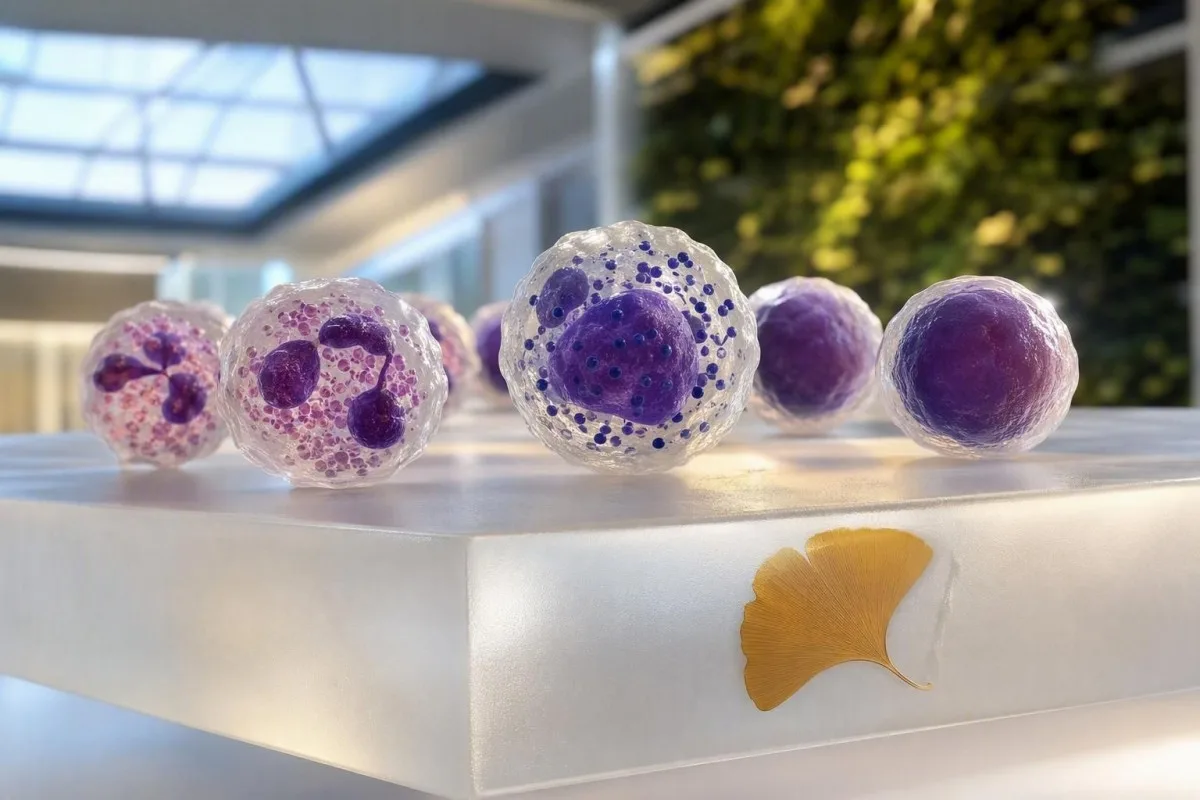
ผู้ใหญ่ส่วนใหญ่มีจำนวนเบโซฟิลสัมบูรณ์ 0.00–0.10 × 10⁹/L (0–100/µL) ในขณะที่เปอร์เซ็นต์มักอยู่ที่ 0–1% เปอร์เซ็นต์ที่ผิดปกติเล็กน้อยมักสะท้อนถึงการเปลี่ยนแปลงของเซลล์เม็ดเลือดขาวชนิดอื่น จำนวนเบโซฟิลสัมบูรณ์เป็นผลลัพธ์ที่มักจะนำไปสู่การติดตามผล.


- เบโซฟิลแบบสัมบูรณ์ โดยปกติคือ 0.00–0.10 × 10⁹/L (0–100/µL) ในผู้ใหญ่ และมีประโยชน์ทางคลินิกมากกว่าเปอร์เซ็นต์เพียงอย่างเดียว.
- ร้อยละของเบโซฟิล โดยทั่วไปคือ 0–1% ของเซลล์เม็ดเลือดขาว แต่อาจเพิ่มขึ้นเมื่อจำนวนนิวโทรฟิลหรือลิมโฟไซต์ลดลง แม้ว่าจำนวนสัมบูรณ์จะปกติก็ตาม.
- เด็ก มักใช้ขีดจำกัดบนที่ใช้ได้จริง 0.10 × 10⁹/L หลังวัยทารก แต่ช่วงอายุเฉพาะของห้องปฏิบัติการจะมีความสำคัญเหนือกว่า.
- การตรวจ CBC ซ้ำ ใน 2–8 สัปดาห์เป็นเรื่องสมเหตุสมผลสำหรับภาวะเบโซฟิลสูงเล็กน้อยที่แยกได้หลังจากอาการแพ้ การติดเชื้อ หรือการเปลี่ยนแปลงยา.
- ภาวะเบโซฟิลสูงอย่างต่อเนื่อง เกิน 0.20 × 10⁹/L สมควรได้รับการทบทวนจากแพทย์ โดยเฉพาะอย่างยิ่งเมื่อมีเซลล์เม็ดเลือดขาวสูง ภาวะโลหิตจาง ม้ามโต หรืออาการทั่วไป.
- ตรวจทบทวนอย่างเร่งด่วน มีความจำเป็นสำหรับภาวะเม็ดเลือดขาวสูงอย่างชัดเจน น้ำหนักลดโดยไม่ทราบสาเหตุ เหงื่อออกตอนกลางคืนมากเกินไป มีไข้ หรือรู้สึกอิ่มเร็วใต้ซี่โครงด้านซ้าย.
- เบโซฟิลเป็นศูนย์ ในการตรวจแยกส่วนอัตโนมัติเป็นเรื่องปกติและมักไม่มีความสำคัญทางคลินิก.
- คันเตสตี เอไอ อ่านผลนิวโทรฟิลร่วมกับจำนวนเซลล์เม็ดเลือดขาวทั้งหมด, อีโอซิโนฟิล, จำนวนเกล็ดเลือด, ฮีโมโกลบิน และผลลัพธ์ก่อนหน้า แทนที่จะใช้ค่าที่ผิดปกติเพียงค่าเดียวเป็นการวินิจฉัย.
จำนวนเบโซฟิลสัมบูรณ์เทียบกับเปอร์เซ็นต์เบโซฟิล
จำนวนนิวโทรฟิลสัมบูรณ์ 0.00–0.10 × 10⁹/L โดยทั่วไปถือว่าปกติในผู้ใหญ่, ในขณะที่ เปอร์เซ็นต์ของนิวโทรฟิล 0–11% เป็นเพียงสัดส่วนของจำนวนเซลล์เม็ดเลือดขาวทั้งหมด เมื่อทั้งสองค่าขัดแย้งกัน แพทย์มักจะให้น้ำหนักกับผลลัพธ์สัมบูรณ์มากกว่า.
เปอร์เซ็นต์อาจดูสูงเพียงเพราะเซลล์เม็ดเลือดขาวชนิดอื่นต่ำ ตัวอย่างเช่น นิวโทรฟิล 1.5% ร่วมกับจำนวนเซลล์เม็ดเลือดขาว 3.0 × 10⁹/L จะให้ผลจำนวนสัมบูรณ์เพียง 0.045 × 10⁹/L ซึ่งอยู่ในช่วงปกติของผู้ใหญ่ส่วนใหญ่ นั่นคือเหตุผลที่ค่าเปอร์เซ็นต์ที่ผิดปกติเพียงค่าเดียวมักจะบอกเรื่องราวทั้งหมดไม่ได้.
การคำนวณตรงไปตรงมา: จำนวนเซลล์เม็ดเลือดขาวทั้งหมด × เปอร์เซ็นต์นิวโทรฟิล ÷ 100 จำนวนเซลล์เม็ดเลือดขาว 12.0 × 10⁹/L และนิวโทรฟิล 2% ให้ผล 0.24 × 10⁹/L ซึ่งเป็นการเพิ่มขึ้นที่แท้จริง สำหรับบริบทที่กว้างขึ้น โปรดดูคู่มือของเราเกี่ยวกับ สิ่งที่ CBC ประกอบด้วย.
คันเตสตีเป็น เครื่องวิเคราะห์ผลเลือด AI ซึ่งแปลงเปอร์เซ็นต์เป็นจำนวนสัมบูรณ์ที่เปรียบเทียบได้ทางคลินิก เมื่อรายงานต้นฉบับให้ผลการนับแยกเซลล์ จากประสบการณ์ของฉัน การแปลงเพียงครั้งเดียวนี้สามารถป้องกันความกังวลที่ไม่จำเป็นจำนวนมากหลังจากการตรวจสุขภาพประจำปี.
เหตุผลที่จำนวนสัมบูรณ์มีความเสถียรมากกว่า
เครื่องวิเคราะห์อัตโนมัติจะนับเหตุการณ์ของเซลล์หลายพันเหตุการณ์ แต่นิวโทรฟิลมักจะพบได้น้อย โดยปกติแล้วจะน้อยกว่า 1 ใน 100 ของเซลล์เม็ดเลือดขาว ดังนั้น การเปลี่ยนแปลงเล็กน้อยในการวิเคราะห์และทางชีวภาพสามารถทำให้เปอร์เซ็นต์เปลี่ยนแปลงได้อย่างเห็นได้ชัดมากกว่าจำนวนสัมบูรณ์.
ช่วงอ้างอิงเบโซฟิลที่ใช้ได้จริงตามอายุ
ห้องปฏิบัติการส่วนใหญ่ใช้ช่วงอ้างอิงของนิวโทรฟิลสัมบูรณ์ 0.00–0.10 × 10⁹/L ตั้งแต่เด็กจนโต, แต่อาจมีช่วงที่กว้างกว่าสำหรับทารกแรกเกิด ใช้ช่วงที่พิมพ์ไว้ข้างผลลัพธ์ของคุณ เนื่องจากขีดจำกัดอ้างอิงขึ้นอยู่กับวิธีการวิเคราะห์และประชากรสุขภาพในพื้นที่ของห้องปฏิบัติการ.
สำหรับทารกในช่วงสัปดาห์แรกของชีวิต ห้องปฏิบัติการกุมารเวชศาสตร์บางแห่งยอมรับจำนวนนิวโทรฟิลสัมบูรณ์ได้ถึงประมาณ 0.20–0.40 × 10⁹/L ระบบภูมิคุ้มกันของทารกแรกเกิดกำลังปรับตัวอย่างรวดเร็ว ดังนั้น ไม่ควรนำเกณฑ์ของผู้ใหญ่มาใช้กับผลลัพธ์ของทารกแรกเกิดโดยไม่ได้รับคำแนะนำจากกุมารแพทย์.
ตั้งแต่ประมาณ 1 ปีขึ้นไป บริการหลายแห่งใช้ขีดจำกัดบนที่ใช้ได้จริงประมาณ 0.10 × 10⁹/L หรือ 100/µL ผลลัพธ์ 0.11 × 10⁹/L ในเด็กที่แข็งแรงและมีจำนวนเซลล์เม็ดเลือดขาวรวมปกติ มักจะเป็นคำถามให้ทวนซ้ำและดูบริบท ไม่ใช่กรณีฉุกเฉิน.
CLSI EP28-A3c อธิบายว่าเหตุใดห้องปฏิบัติการจึงกำหนดหรือตรวจสอบช่วงอ้างอิงของตนเอง แทนที่จะใช้ช่วงสากล (CLSI, 2010) คู่มือ ช่วงอายุของนิวโทรฟิล แสดงหลักการเดียวกันสำหรับการนับแยกเซลล์ชนิดอื่น.
ทำความเข้าใจหน่วยเบโซฟิลในรายงานของสหราชอาณาจักร สหรัฐอเมริกา และระหว่างประเทศ
จำนวนเบโซฟิล 0.10 × 10⁹/L เท่ากับ 100/µL, ดังนั้นรายงานที่ใช้หน่วยต่างกันสามารถอธิบายผลลัพธ์เดียวกันได้ การนับเม็ดเลือดสมบูรณ์ของสหราชอาณาจักรมักรายงานเป็น ×10⁹/L ในขณะที่ห้องปฏิบัติการในสหรัฐอเมริกามักใช้ cells/µL หรือ K/µL.
ในการแปลง ×10⁹/L เป็น cells/µL ให้คูณด้วย 1,000 ดังนั้น 0.05 × 10⁹/L เท่ากับ 50/µL; 0.25 × 10⁹/L เท่ากับ 250/µL รายงานที่แสดง 0.0 อาจปัดเศษเป็นทศนิยมหนึ่งตำแหน่งแทนที่จะพิสูจน์ว่าไม่มีเบโซฟิลเลย.
ค่าที่ระบุว่า 0.2 K/µL เท่ากับ 0.20 × 10⁹/L ความแตกต่างนั้นสำคัญเพราะ 0.2% และ 0.2 K/µL เป็นการวัดที่แตกต่างกันอย่างสิ้นเชิง ผู้ป่วยมักสับสนระหว่างการเปรียบเทียบรายงานจากสองประเทศ.
หากรายงานของคุณระบุว่า FBC แทนที่จะเป็น CBC ส่วนประกอบส่วนใหญ่จะเหมือนกัน; ของเรา คำอธิบายการนับเม็ดเลือดสมบูรณ์ของสหราชอาณาจักร แปลคำศัพท์ทั่วไป.
ทำไมจำนวนเบโซฟิลจึงเพิ่มขึ้นหรือลดลง
ภาวะเบโซฟิเลียเล็กน้อยมักมาพร้อมกับอาการแพ้ การอักเสบเรื้อรัง การฟื้นตัวจากการติดเชื้อ หรือการเปลี่ยนแปลงของระบบภูมิคุ้มกันที่เกี่ยวข้องกับยา. จำนวนน้อยหรือไม่มีเบโซฟิลเลยโดยปกติไม่มีนัยสำคัญเนื่องจากเซลล์เหล่านี้หมุนเวียนในจำนวนที่น้อยมาก.
เบโซฟิลมีตัวรับสำหรับ IgE และสามารถปล่อยฮิสตามีนและสารสื่ออื่นๆ หลังจากการสัมผัสสารก่อภูมิแพ้ โรคจมูกอักเสบจากภูมิแพ้ตามฤดูกาล, ลมพิษเรื้อรัง, โรคหืด และโรคผิวหนังบางชนิดอาจมาพร้อมกับการเพิ่มขึ้นเล็กน้อย แม้ว่าจำนวนปกติจะไม่สามารถยืนยันหรือปฏิเสธโรคเหล่านี้ได้ก็ตาม.
ภาวะพร่องไทรอยด์, โรคลำไส้อักเสบ, โรคข้ออักเสบ และการติดเชื้อเรื้อรังบางชนิดอาจเกี่ยวข้องกับภาวะเบโซฟิเลียด้วย คำถามที่เป็นประโยชน์ไม่ใช่ “โรคอะไรทำให้เกิดสิ่งนี้?” แต่ “มีสัญญาณอื่น ๆ อะไรอีกบ้าง?” — CRP, อีโอซิโนฟิล, อาการ, ประวัติการใช้ยา และแนวโน้ม ล้วนมีความสำคัญ.
ค่า IgE และจำนวนอีโอซิโนฟิลที่สูงขึ้นสามารถสนับสนุนรูปแบบอาการแพ้ได้ ในขณะที่อาการคันเพียงอย่างเดียวอาจต้องการการตรวจสอบที่กว้างขึ้น บทความของเราเกี่ยวกับ การตรวจเลือดสำหรับอาการคัน อธิบายข้อจำกัดในทางปฏิบัติของการทดสอบ CBC.
เมื่อใดควรตรวจ CBC ซ้ำสำหรับเบโซฟิล
ทำซ้ำ CBC ใน 2–8 สัปดาห์สำหรับการเพิ่มขึ้นของเบโซฟิลเล็กน้อยเพียงอย่างเดียวหลังจากปัจจัยกระตุ้นชั่วคราว โดยที่คุณรู้สึกสบายดีและส่วนที่เหลือของการนับปกติ. ทำซ้ำเร็วกว่าปกติ โดยทั่วไปภายในไม่กี่วันถึง 2 สัปดาห์ เมื่อจำนวนเซลล์เม็ดเลือดขาวทั้งหมดเพิ่มขึ้นหรือมีเซลล์หลายชนิดที่ผิดปกติ.
สำหรับจำนวนเบโซฟิลสัมบูรณ์ 0.11–0.20 × 10⁹/L หลังจากเป็นหวัด, ภูมิแพ้กำเริบ, การฉีดวัคซีน หรือการใช้สเตียรอยด์ระยะสั้น ฉันมักจะเลือกการทำซ้ำครั้งเดียวแบบสบายๆ แทนที่จะเป็นการทดสอบที่ซับซ้อน พยายามใช้ห้องปฏิบัติการเดียวกัน และบันทึกอาการป่วยล่าสุด, ยาใหม่, การเปลี่ยนแปลงการสูบบุหรี่ และการสัมผัสสเตียรอยด์.
อย่าพยายาม “ปรับปรุง” จำนวนก่อนการทดสอบซ้ำ การดื่มน้ำให้เพียงพอเป็นสิ่งสมเหตุสมผล แต่ผลิตภัณฑ์เสริมอาหาร, ยาแก้แพ้, ยาสเตียรอยด์ และการออกกำลังกายแบบหนักหน่วงสามารถเปลี่ยนแปลงการแยกส่วนประกอบที่กว้างขึ้นได้ ของเรา คู่มือการตีความผลเลือดตามช่วงเวลา แสดงรายละเอียดเกี่ยวกับผลกระทบด้านเวลาที่พบบ่อย.
คันเตสตีเป็น แพลตฟอร์มการแปลผลตรวจเลือดของ AI ที่เปรียบเทียบผล CBC ปัจจุบันกับผล CBC ก่อนหน้าและแจ้งเตือนเมื่อมีการเพิ่มขึ้นอย่างต่อเนื่องแตกต่างจากการแจ้งเตือนเพียงครั้งเดียว แนวโน้มในช่วง 3-6 เดือนมักจะให้ข้อมูลมากกว่าจุดทศนิยมจุดเดียว.
วิธีเตรียมตัวสำหรับการตรวจเบโซฟิลซ้ำที่น่าเชื่อถือ
การตรวจเบโซฟิลโดยทั่วไปไม่จำเป็นต้องอดอาหาร แต่การตรวจ CBC ซ้ำจะตีความได้ดีที่สุดเมื่อคุณไม่ได้ป่วยเฉียบพลันและเงื่อนไขการเก็บตัวอย่างใกล้เคียงกัน. ตั้งเป้าหมายที่การดื่มน้ำปกติ การรับประทานอาหารทั่วไป และกิจวัตรประจำวัน แทนที่จะเป็นการเปลี่ยนแปลงที่รุนแรง.
หลีกเลี่ยงการนัดหมายเพื่อตรวจซ้ำที่ไม่เร่งด่วนในช่วงที่มีไข้ มีอาการแพ้อย่างรุนแรง หรือในวันถัดไปหลังจากการออกกำลังกายที่หนักหน่วงเป็นพิเศษ หากเป้าหมายคือการกำหนดค่าพื้นฐาน ฮอร์โมนความเครียดเฉียบพลันและการเปลี่ยนแปลงของของเหลวสามารถส่งผลต่อเซลล์เม็ดเลือดขาวหลายกลุ่มได้นานหลายชั่วโมงถึงหลายวัน.
แจ้งแพทย์หรือนักโลหิตวิทยาเกี่ยวกับการใช้คอร์ติโคสเตียรอยด์ทั่วร่างกาย ลิเทียม การรักษาที่มียาเอพิเนฟริน การบำบัดด้วยชีววัตถุล่าสุด และอาหารเสริมใหม่ๆ สเตียรอยด์มักจะลดปริมาณเบโซฟิลและอีโอซิโนฟิลในกระแสเลือด ดังนั้นผลลัพธ์ที่ “ปกติ” ขณะที่ใช้ยาเหล่านี้อาจไม่สะท้อนถึงค่าพื้นฐานของคุณเมื่อไม่ได้ใช้ยา.
คุณภาพของตัวอย่างยังคงมีความสำคัญ ตัวอย่าง EDTA ที่ลิ่มเลือดและการวิเคราะห์ที่ล่าช้าอาจทำให้การแยกส่วนของเครื่องอัตโนมัติน้อยลง หากค่า CBC หลายค่าดูผิดปกติร่วมกัน ให้ตรวจสอบ เมื่อจำเป็นต้องเก็บตัวอย่างใหม่.
รูปแบบ CBC ที่ทำให้เบโซฟิลสูงมีความสำคัญมากขึ้น
ภาวะเบโซฟิลสูงน่ากังวลมากขึ้นเมื่อจำนวนเบโซฟิลสัมบูรณ์เกิน 0.20 × 10⁹/L และเกิดขึ้นร่วมกับเซลล์เม็ดเลือดขาวที่สูงอย่างต่อเนื่องเกิน 11.0 × 10⁹/L ภาวะโลหิตจาง การเปลี่ยนแปลงของเกล็ดเลือด หรือเซลล์ที่ยังไม่เจริญเต็มที่. การรวมกันของปัจจัยเหล่านี้ ไม่ใช่แค่เบโซฟิลเพียงอย่างเดียว เป็นตัวกำหนดว่าแพทย์จะทำการสืบค้นเร็วแค่ไหน.
ผู้ป่วยอายุ 44 ปีที่ผมได้ตรวจ มีเบโซฟิล 0.28 × 10⁹/L, เซลล์เม็ดเลือดขาว 16.4 × 10⁹/L, เกล็ดเลือด 610 × 10⁹/L และมีอาการอิ่มเร็ว รูปแบบนั้นสมควรได้รับการส่งต่อไปยังแผนกโลหิตวิทยาภายในสัปดาห์เดียวกัน ผลเบโซฟิลเพียงอย่างเดียวไม่ได้ทำให้เกิดการวินิจฉัย แต่เป็นเบาะแสที่สำคัญ.
ภาวะเบโซฟิลสูงร่วมกับภาวะนิวโทรฟิลสูงและอาการของม้ามอาจเกิดขึ้นในกลุ่มโรคเนื้องอกของไขกระดูก รวมถึงมะเร็งเม็ดเลือดขาวชนิดเรื้อรัง European LeukemiaNet แนะนำให้ทำการตรวจทางโมเลกุลและการประเมินโดยผู้เชี่ยวชาญเมื่อรูปแบบทางคลินิกและผลเลือดบ่งชี้ถึงความเป็นไปได้นั้น (Hochhaus et al., 2020).
การตรวจสเมียร์จากเลือดส่วนปลายสามารถแยกความแตกต่างของการเปลี่ยนแปลงที่แท้จริงจากการวิเคราะห์ของเครื่องวิเคราะห์และอาจแสดงการเลื่อนไปทางซ้ายหรือเซลล์ที่ผิดปกติ อ่านเพิ่มเติมเกี่ยวกับ เส้นทางการตรวจ CBC สำหรับมะเร็งเม็ดเลือด โดยไม่ต้องสันนิษฐานว่าจำนวนที่ผิดปกติหมายถึงมะเร็ง.
อาการและผลการตรวจที่ต้องการการดูแลทางการแพทย์อย่างเร่งด่วน
ควรขอการประเมินทางการแพทย์อย่างเร่งด่วนสำหรับภาวะเบโซฟิลสูงร่วมกับอาการไข้ เหงื่อออกตอนกลางคืนมาก น้ำหนักลดโดยไม่ทราบสาเหตุ มีรอยช้ำใหม่ หายใจถี่ อ่อนเพลียอย่างรุนแรง หรือรู้สึกแน่นบริเวณท้องส่วนบนด้านซ้าย. อาการเหล่านี้ไม่ได้เกิดจากผลเบโซฟิลที่สูงเล็กน้อยเพียงอย่างเดียว แต่เป็นสัญญาณว่าภาพรวมทางคลินิกจำเป็นต้องได้รับการประเมิน.
จำนวนเม็ดเลือดขาวรวมสูงกว่า 30 × 10⁹/L ค่าที่เพิ่มขึ้นอย่างรวดเร็ว หรือการมองเห็นเซลล์เม็ดเลือดขาวชนิด granulocytes ที่ยังไม่เจริญเต็มที่ในรายงาน ควรปรึกษาแพทย์ผู้สั่งตรวจทันที อาการปวดศีรษะอย่างรุนแรง การมองเห็นเปลี่ยนแปลง เจ็บหน้าอก หรืออาการทางระบบประสาท จำเป็นต้องได้รับการประเมินฉุกเฉินโดยไม่คำนึงถึงจำนวนเบโซฟิล.
คนส่วนใหญ่ที่มีเบโซฟิล 0.11–0.20 × 10⁹/L และไม่มีอาการไม่จำเป็นต้องได้รับการดูแลฉุกเฉิน อย่างไรก็ตาม นี่เป็นหนึ่งในกรณีที่บริบทมีความสำคัญมากกว่าตัวเลข โดยเฉพาะอย่างยิ่งหากผลก่อนหน้านี้คือ 0.02 × 10⁹/L และจำนวนใหม่กำลังเพิ่มขึ้น.
หากคุณมีอาการหายใจถี่หรือซีดด้วย ค่าฮีโมโกลบินและเกล็ดเลือดที่เกี่ยวข้องอาจมีความสำคัญเร็วกว่า; ดูที่ คู่มือตรวจเลือดเรื่องหายใจถี่.
ความหมายของเบโซฟิลต่ำหรือผลเป็นศูนย์
ผลเบโซฟิล 0.00 × 10⁹/L โดยทั่วไปถือว่าปกติและไม่ค่อยจำเป็นต้องตรวจซ้ำเพียงอย่างเดียว. เบโซฟิลอาจต่ำกว่าเกณฑ์การรายงานของเครื่องวิเคราะห์เนื่องจากมีจำนวนน้อยตามธรรมชาติในกระแสเลือด.
ความเครียดเฉียบพลัน การติดเชื้อ การตั้งครรภ์ ภาวะต่อมไทรอยด์ทำงานเกิน และการรักษาด้วยคอร์ติโคสเตียรอยด์ สามารถลดจำนวนเบโซฟิลในกระแสเลือดได้ชั่วคราว อย่างไรก็ตาม ไม่พบกลุ่มอาการที่เกิดจากภาวะเบโซฟิลต่ำเพียงอย่างเดียว ซึ่งแตกต่างจากภาวะนิวโทรฟิลต่ำที่มีความสำคัญทางคลินิก.
ปัญหาการวิเคราะห์อาจมองข้ามได้ง่าย: หากมีการนับเบโซฟิลเพียงไม่กี่ตัว ความแปรปรวนของการสุ่มตัวอย่างตามปกติสามารถทำให้ 0.01 × 10⁹/L กลายเป็น 0.00 × 10⁹/L ในการเจาะเลือดครั้งต่อไป นั่นไม่จำเป็นต้องเป็นการเปลี่ยนแปลงทางชีวภาพ.
คำแนะนำที่เป็นประโยชน์ของ Dr. Thomas Klein คือให้เพิกเฉยต่อการแจ้งเตือนเบโซฟิลต่ำเมื่อผล CBC ส่วนที่เหลือปกติดีและไม่มีอาการที่เกี่ยวข้อง คู่มือเฉพาะของเราจะอธิบาย เบโซฟิลเป็นศูนย์.
เบโซฟิลในการตั้งครรภ์และช่วงชีวิตหลัง
การตั้งครรภ์และอายุที่เพิ่มขึ้นไม่มีเกณฑ์ตัดเฉพาะสำหรับเบโซฟิล ช่วงของห้องปฏิบัติการที่รายงานและรูปแบบเซลล์เม็ดเลือดขาวทั้งหมดเป็นข้อมูลอ้างอิงที่ดีที่สุด. การตั้งครรภ์มักจะเพิ่มจำนวนเซลล์เม็ดเลือดขาวทั้งหมดผ่านนิวโทรฟิล ซึ่งอาจทำให้เปอร์เซ็นต์เบโซฟิลดูต่ำลงโดยไม่มีการลดลงของเบโซฟิลอย่างแท้จริง.
ในระหว่างตั้งครรภ์ จำนวนเซลล์เม็ดเลือดขาวทั้งหมด 12–15 × 10⁹/L อาจเป็นเรื่องปกติทางสรีรวิทยา โดยเฉพาะอย่างยิ่งในช่วงหลังของการตั้งครรภ์ ดังนั้นการตีความตามเปอร์เซ็นต์จึงมีความน่าเชื่อถือน้อยลง จำนวนเบโซฟิลสัมบูรณ์ยังคงเป็นที่ต้องการมากกว่า แต่หากมีอาการที่น่ากังวลก็ยังคงมีความสำคัญเหนือช่วงอ้างอิง.
ในผู้สูงอายุ จำนวนเบโซฟิลที่คงที่ใหม่เกิน 0.20 × 10⁹/L ควรได้รับการให้ความสนใจ เนื่องจากภาระยาและการผิดปกติของไขกระดูกจะพบบ่อยขึ้นตามอายุ แต่นั่นไม่ได้ทำให้เป็นการวินิจฉัย เพียงแต่เป็นการลดเกณฑ์สำหรับการพิจารณาแนวโน้ม CBC และการกระจายสไลด์.
สำหรับข้อผิดพลาดในการตีความเฉพาะของการตั้งครรภ์อื่นๆ โปรดดู สัญญาณอันตรายของการตรวจเลือดขณะตั้งครรภ์.
ยา อาการแพ้ และความผันผวนของเบโซฟิล
อาการแพ้อาจเกิดขึ้นพร้อมกับเบโซฟิลที่สูงขึ้นเล็กน้อย ในขณะที่ยาคอร์ติโคสเตียรอยด์ทั่วร่างกายมักจะลดระดับลงภายในไม่กี่วัน. รูปแบบใดรูปแบบหนึ่งไม่สามารถยืนยันการวินิจฉัยโรคภูมิแพ้ หรือพิสูจน์ว่ายาเป็นสาเหตุได้.
ยาแก้แพ้ฮิสตามีนจะยับยั้งตัวรับฮิสตามีนเป็นหลัก และไม่ได้ทำให้จำนวนเบโซฟิลกลับมาเป็นปกติอย่างน่าเชื่อถือ Prednisolone แบบรับประทานและ glucocorticoids ทั่วร่างกายอื่นๆ สามารถกระจายเซลล์เม็ดเลือดขาวใหม่ได้ โดยมักจะลดจำนวน eosinophils และ basophils ในขณะที่เพิ่มจำนวน neutrophils ในกระแสเลือด.
ลิเทียมเป็นยาที่ใช้กันน้อยกว่าแต่มีประโยชน์ เนื่องจากสามารถเพิ่มการผลิตเซลล์เม็ดเลือดขาวได้ ยาชีวภาพ ยาเคมีบำบัด และการรักษาที่ปรับเปลี่ยนระบบภูมิคุ้มกัน ไม่ควรหยุดยาโดยเด็ดขาดเนื่องจากผล CBC เพียงครั้งเดียว – ให้สอบถามทีมแพทย์ผู้สั่งยาว่าผลลัพธ์ดังกล่าวเข้ากับการวางแผนการติดตามผลของพวกเขาอย่างไร.
จำนวนเบโซฟิลที่สูงขึ้นควบคู่ไปกับอาการหายใจดังเสียงหวีด ผื่นลมพิษ ใบหน้าบวม หรืออาการหน้ามืด ควรได้รับการจัดการว่าเป็นปัญหาด้านอาการ ไม่ใช่งานที่ต้องไขปริศนาจากห้องปฏิบัติการ คู่มือ IgE สูง อธิบายว่าเครื่องหมายภูมิแพ้ช่วยได้อย่างไร และเมื่อใดที่ทำให้เข้าใจผิด.
แพทย์ตรวจสอบอะไรหลังจากมีภาวะเบโซฟิลสูงอย่างต่อเนื่อง
ภาวะเบโซฟิลสูงสัมบูรณ์ที่คงที่ มักจะกระตุ้นให้มีการตรวจ CBC ซ้ำ การตรวจสอบสไลด์ด้วยกล้องจุลทรรศน์ การทบทวนยาและอาการ แล้วจึงทำการทดสอบเฉพาะทางหากจำนวนเซลล์เม็ดเลือดขาวทั้งหมดหรือสายเซลล์อื่น ๆ ผิดปกติ. แผงตรวจมะเร็งแบบครอบคลุมไม่ใช่ขั้นตอนแรกสำหรับการเพิ่มขึ้นเพียงเล็กน้อยที่แยกออกมา.
จุดแยกแรกคือผลลัพธ์นั้นแยกออกมาหรือไม่ ฮีโมโกลบิน เกล็ดเลือด จำนวนเซลล์เม็ดเลือดขาวที่คงที่ และการตรวจสไลด์ปกติ สนับสนุนแผนการจัดการอย่างระมัดระวัง ภาวะโลหิตจาง เกล็ดเลือดสูง เม็ดเลือดขาวสูง หรือม้ามโต จะผลักดันการประเมินไปในทิศทางอื่น.
เมื่อมีความเป็นไปได้ของโรคไขกระดูกเพิ่มจำนวน (myeloproliferative disorder) แพทย์อาจขอให้มีการตรวจ BCR::ABL1, JAK2, lactate dehydrogenase, urate และการปรึกษาผู้เชี่ยวชาญ Valent et al. อธิบายภาวะเบโซฟิลสูงที่คงที่ว่าเป็นสิ่งที่ค้นพบที่มีความหมายในการจำแนกชนิดของเนื้องอกชนิดเบโซฟิลและไมอีลอยด์ (Valent et al., 2022).
เครือข่ายประสาทเทียมของ Kantesti ระบุชุดข้อมูลที่ควรได้รับการทบทวน แต่ไม่สามารถวินิจฉัยมะเร็งเม็ดเลือดขาวจาก CBC ได้ แนวทางการยืนยันทางการแพทย์ อธิบายว่าเหตุใดการตีความผลการตรวจทางห้องปฏิบัติการจึงต้องมีการควบคุมดูแลทางคลินิก.
วิธีติดตามเบโซฟิลโดยไม่ตื่นตระหนกเกินไป
แนวโน้มค่าเบโซฟิลที่มีความหมายคือการเปลี่ยนแปลงในทิศทางที่คงที่เมื่อเทียบกับผล CBC ที่เปรียบเทียบกันได้ ไม่ใช่การเปลี่ยนแปลงเพียงครั้งเดียวจาก 0.04 เป็น 0.08 × 10⁹/ลิตร. ด้วยขีดจำกัดอ้างอิงสำหรับผู้ใหญ่ที่ 0.10 × 10⁹/ลิตร ค่าทั้งสองยังคงอยู่ในช่วง แม้จะมีความแตกต่างกันทางตัวเลขก็ตาม.
บันทึกจำนวนเซลล์ที่แน่นอน, เปอร์เซ็นต์, จำนวนเซลล์เม็ดเลือดขาวทั้งหมด, นิวโทรฟิล, อีโอซิโนฟิล, ฮีโมโกลบิน, เกล็ดเลือด, วันที่, การเจ็บป่วยล่าสุด และยา หลังจากการเจาะเลือดแต่ละครั้ง บันทึกย่อเล็กๆ นี้ให้ข้อมูลที่มีประโยชน์มากกว่าแก่แพทย์ของคุณมากกว่าภาพหน้าจอของสัญญาณเตือนที่แยกได้.
คันเตสตีเป็น เครื่องมือวิเคราะห์ผลตรวจเลือดที่ขับเคลื่อนด้วย AI ใช้ในกว่า 70 ประเทศเพื่อเปรียบเทียบผล CBC ตามแนวโน้ม ขณะเดียวกันก็รักษาช่วงที่กำหนดโดยห้องปฏิบัติการต้นฉบับไว้ ดร. โทมัส ไคลน์ แนะนำให้ตรวจสอบผลลัพธ์ที่เปรียบเทียบกันได้อย่างน้อยสองรายการ ก่อนที่จะกำหนดความหมายให้กับการเปลี่ยนแปลงของเซลล์เม็ดเลือดที่ก้ำกึ่ง.
กฎที่เป็นประโยชน์: หากจำนวนเซลล์ที่แน่นอนยังคงต่ำกว่า 0.10 × 10⁹/ลิตร จำนวนเซลล์เม็ดเลือดขาวทั้งหมดคงที่ และคุณรู้สึกสบายดี การติดตามผลตามปกติในการตรวจเลือดครั้งต่อไปที่วางแผนไว้ก็เพียงพอแล้ว ใช้ของเรา คู่มือความแตกต่างของผลตรวจเลือด เพื่อตัดสินว่าการเปลี่ยนแปลงน่าจะเกิดขึ้นจริงหรือไม่.
คำถามที่ควรถามในการนัดหมายติดตามผล
คำถามติดตามผลที่ดีที่สุดคือ “จำนวนเบโซฟิลที่แน่นอนของฉันคือเท่าใด และมีอะไรเปลี่ยนแปลงอีกบ้างในผล CBC?” การใช้คำพูดนี้จะนำการสนทนาไปสู่ตัวแปรที่ส่งผลต่อความเสี่ยงทางคลินิกจริงๆ.
สอบถามว่าจำนวนเซลล์นั้นใหม่, คงที่, เพิ่มขึ้น, หรือน่าจะเกิดจากการตอบสนอง; ว่าจำเป็นต้องมีการทบทวนสเมียร์หรือไม่; และเมื่อใดควรทำการตรวจ CBC ครั้งต่อไป นำรายการการติดเชื้อล่าสุด, อาการภูมิแพ้, ยา, อาหารเสริม, การเดินทาง, และประวัติครอบครัวเกี่ยวกับโรคเลือดมาด้วย.
หากคุณมีจำนวนเซลล์ที่แน่นอนสูงกว่า 0.20 × 10⁹/ลิตร ร่วมกับจำนวนเซลล์เม็ดเลือดขาวทั้งหมดที่สูงขึ้น ให้สอบถามว่าการปรึกษาแพทย์โลหิตวิทยาเหมาะสมหรือไม่ หากจำนวนเซลล์สูงกว่าช่วงเพียงเล็กน้อยและแยกได้ ให้สอบถามว่าการเปลี่ยนแปลงใดจะกระตุ้นให้มีการตรวจเร็วขึ้น แทนที่จะสันนิษฐานว่าเลวร้ายที่สุด.
มาตรฐานการศึกษาที่ได้รับการทบทวนโดยแพทย์ของ Kantesti อยู่ภายใต้การกำกับดูแลผ่าน คณะกรรมการที่ปรึกษาทางการแพทย์. ของเรา ณ วันที่ 30 สิงหาคม 2026 แนวทางที่ปลอดภัยที่สุดยังคงเรียบง่าย: ตีความจำนวนเซลล์ที่แน่นอน, ยืนยันความคงที่, และดำเนินการเร็วขึ้นเฉพาะเมื่อรูปแบบที่กว้างขึ้นเป็นสิ่งที่จำเป็น.
คำถามที่พบบ่อย
ค่าเบโซฟิลปกติในผู้ใหญ่คือเท่าใด
ช่วงอ้างอิงปกติสำหรับจำนวนเบโซฟิลสัมบูรณ์ในผู้ใหญ่คือ 0.00–0.10 × 10⁹/L ซึ่งเท่ากับ 0–100 เซลล์/µL ห้องปฏิบัติการส่วนใหญ่รายงานเปอร์เซ็นต์เบโซฟิลที่ 0–1% แม้ว่าเปอร์เซ็นต์อาจทำให้เข้าใจผิดได้เมื่อจำนวนเม็ดเลือดขาวทั้งหมดเปลี่ยนแปลง ช่วงอ้างอิงที่พิมพ์โดยห้องปฏิบัติการของคุณเองจะมีผลบังคับใช้เหนือกว่าเนื่องจากวิธีการและประชากรกลุ่มอ้างอิงในท้องถิ่นแตกต่างกัน ผลลัพธ์ 0.11 × 10⁹/L เพียงอย่างเดียวมักจะต้องพิจารณาบริบทหรือการตรวจซ้ำตามแผน แทนที่จะเป็นการดูแลฉุกเฉิน.
2% basophils สูงหรือไม่?
เปอร์เซ็นต์ของเบโซฟิลที่ 2% สูงกว่าช่วงเปอร์เซ็นต์ของห้องปฏิบัติการหลายแห่ง แต่ก็ยังไม่เพียงพอที่จะประเมินความเสี่ยงได้หากไม่มีจำนวนเซลล์เม็ดเลือดขาวทั้งหมด เมื่อมีเซลล์เม็ดเลือดขาว 4.0 × 10⁹/L, 2% จะเท่ากับจำนวนเบโซฟิลสัมบูรณ์ 0.08 × 10⁹/L ซึ่งมักจะอยู่ในเกณฑ์ปกติ เมื่อมีเซลล์เม็ดเลือดขาว 15.0 × 10⁹/L, 2% เดียวกันจะเท่ากับ 0.30 × 10⁹/L และควรได้รับการทบทวนทางคลินิก ตรวจสอบจำนวนเบโซฟิลสัมบูรณ์เสมอก่อนตีความเปอร์เซ็นต์.
เมื่อใดที่ควรตรวจ CBC ซ้ำสำหรับภาวะเบโซฟิลสูง?
การตรวจ CBC ซ้ำใน 2–8 สัปดาห์นั้นสมเหตุสมผลโดยทั่วไปสำหรับภาวะเบโซฟิลสูงเล็กน้อยเพียงอย่างเดียวประมาณ 0.11–0.20 × 10⁹/L หลังจากเจ็บป่วย อาการแพ้กำเริบ หรือการเปลี่ยนแปลงยา ควรตรวจซ้ำเร็วกว่านั้นเมื่อจำนวนเม็ดเลือดขาวรวมเพิ่มขึ้น จำนวนเบโซฟิลสูงกว่า 0.20 × 10⁹/L หรือฮีโมโกลบินและเกล็ดเลือดก็มีความผิดปกติเช่นกัน ควรใช้ห้องปฏิบัติการเดียวกันเมื่อเป็นไปได้ เนื่องจากวิธีการวิเคราะห์และช่วงอ้างอิงแตกต่างกัน ไข้ น้ำหนักลด เหงื่อออกตอนกลางคืน รอยช้ำ หรืออาการแน่นท้องส่วนบนด้านซ้าย ควรได้รับการตรวจทางการแพทย์ทันที แทนที่จะรอการตรวจซ้ำตามกำหนด.
เซลล์เม็ดเลือดขาวชนิดเบโซฟิลเป็นศูนย์อันตรายหรือไม่
จำนวนบโซฟิล 0.00 × 10⁹/L โดยทั่วไปไม่อันตรายและมักไม่ต้องติดตามผลหากผล CBC ส่วนอื่นปกติ บโซฟิลเป็นเซลล์ที่พบได้น้อย ดังนั้นการนับแยกอัตโนมัติตามปกติอาจรายงานเป็นศูนย์เนื่องจากจำนวนที่ตรวจพบต่ำกว่าค่าปัดเศษหรือความแม่นยำในการรายงาน คอร์ติโคสเตียรอยด์ ความเครียดเฉียบพลัน การตั้งครรภ์ และการติดเชื้อ สามารถลดจำนวนบโซฟิลในเลือดได้ชั่วคราว แพทย์ไม่ได้วินิจฉัยภาวะภูมิคุ้มกันบกพร่องจากจำนวนบโซฟิลต่ำเพียงอย่างเดียว.
ภูมิแพ้ทำให้เกิดภาวะเบโซฟิลสูงได้หรือไม่
ภาวะภูมิแพ้สามารถเกิดขึ้นร่วมกับภาวะเบโซฟิลสูงเล็กน้อยได้ เนื่องจากเบโซฟิลมีส่วนร่วมในการตอบสนองทางภูมิคุ้มกันที่เกี่ยวข้องกับ IgE และปล่อยสารสื่อกลาง เช่น ฮีสตามีน จำนวนเบโซฟิลที่สูงไม่ได้พิสูจน์ว่าภูมิแพ้เป็นสาเหตุ และคนจำนวนมากที่มีอาการภูมิแพ้ที่สำคัญมีจำนวนเบโซฟิลปกติ จำนวนที่สูงกว่า 0.20 × 10⁹/L ที่คงอยู่หลังจากอาการภูมิแพ้ทุเลาลง ควรได้รับการพิจารณาร่วมกับการตรวจ CBC ทั้งหมด อีโอซิโนฟิล, IgE ทั้งหมด, อาการทางผิวหนัง และการได้รับยา อาจให้บริบทที่เป็นประโยชน์มากกว่า.
ค่าเบโซฟิลบ่งชี้ว่าเป็นมะเร็งเม็ดเลือดขาวคือเท่าใด
จำนวนเบโซฟิลเพียงค่าเดียวไม่สามารถวินิจฉัยลูคีเมียได้ แต่หากมีภาวะเบโซฟิลสูงอย่างต่อเนื่อง (absolute basophilia) เกิน 0.20 × 10⁹/L ร่วมกับภาวะเม็ดเลือดขาวสูง (leukocytosis) ภาวะโลหิตจาง (anaemia) ความผิดปกติของเกล็ดเลือด (platelet abnormalities) การมีเม็ดเลือดขาวชนิดแกรนูโลไซต์ที่ยังไม่เจริญเต็มที่ (immature granulocytes) หรืออาการของม้ามโต (splenic symptoms) ควรได้รับการประเมินทางการแพทย์ ภาวะเบโซฟิลสูง (basophilia) อาจพบได้ในภาวะเม็ดเลือดขาวชนิดไมอีลอยด์เรื้อรัง (chronic myeloid leukaemia) และกลุ่มอาการเนื้องอกในไขกระดูกชนิดเพิ่มจำนวน (myeloproliferative neoplasms) อื่นๆ แต่สาเหตุจากการตอบสนอง (reactive causes) ยังคงพบได้บ่อยกว่าสำหรับการสูงขึ้นเพียงเล็กน้อยและแยกเดี่ยว แพทย์อาจสั่งตรวจสเมียร์ (smear) และการตรวจทางโมเลกุลแบบเจาะจง เช่น BCR::ABL1 เมื่อรูปแบบโดยรวมสนับสนุนเท่านั้น การนับเม็ดเลือดขาวทั้งหมด (total white count) ที่ปกติและ CBC ที่คงที่ จะช่วยลดระดับความกังวลได้อย่างมาก.
รับการวิเคราะห์ผลตรวจเลือดด้วย AI วันนี้
เข้าร่วมผู้ใช้งานมากกว่า 2 ล้านคนทั่วโลกที่ไว้วางใจ Kantesti สำหรับการวิเคราะห์ผลตรวจทางห้องแล็บแบบทันทีและแม่นยำ อัปโหลดผลตรวจเลือดของคุณ แล้วรับการอ่านผลตรวจเลือดอย่างครอบคลุมของไบโอมาร์กเกอร์ 15,000+ ภายในไม่กี่วินาที.
📚 งานวิจัยที่อ้างอิง
Klein, T., Mitchell, S., & Weber, H. (2026). คู่มือกรุ๊ปเลือดบีลบ การตรวจเลือด LDH และการนับเม็ดเลือดแดงตัวอ่อน.
Klein, T., Mitchell, S., & Weber, H. (2026). อาการท้องเสียหลังอดอาหาร, จุดดำในอุจจาระ และคู่มือระบบทางเดินอาหาร ปี 2026.
📖 อ้างอิงทางการแพทย์ภายนอก
Clinical and Laboratory Standards Institute (2010). การกำหนด, การจัดตั้ง, และการตรวจสอบช่วงอ้างอิงในห้องปฏิบัติการทางคลินิก. CLSI EP28-A3c.
⚕️ ข้อสงวนสิทธิ์ทางการแพทย์
บทความนี้จัดทำเพื่อวัตถุประสงค์ด้านการศึกษาเท่านั้น และไม่ถือเป็นคำแนะนำทางการแพทย์ โปรดปรึกษาผู้ให้บริการด้านสุขภาพที่มีคุณสมบัติเหมาะสมเสมอสำหรับการตัดสินใจด้านการวินิจฉัยและการรักษา.
สัญญาณความน่าเชื่อถือ E-E-A-T
ประสบการณ์
การทบทวนเชิงคลินิกโดยแพทย์ที่นำโดยกระบวนการตีความผลตรวจในห้องแล็บ.
ความเชี่ยวชาญ
โฟกัสด้านเวชศาสตร์ห้องปฏิบัติการเกี่ยวกับพฤติกรรมของไบโอมาร์กเกอร์ในบริบททางคลินิก.
อำนาจ
เขียนโดย ดร. โธมัส ไคลน์ (Dr. Thomas Klein) พร้อมทบทวนโดย ดร. ซาราห์ มิตเชลล์ (Dr. Sarah Mitchell) และ ศ.ดร. ฮันส์ เวเบอร์ (Prof. Dr. Hans Weber).
ความน่าเชื่อถือ
การตีความที่อิงหลักฐาน พร้อมเส้นทางการติดตามที่ชัดเจนเพื่อลดความตื่นตระหนก.