D-dimer iliyoinuliwa kidogo kwa 72 haifasiriwi kwa njia ile ile kama nambari hiyo hiyo ikiwa ni 32. Sehemu ngumu ni kujua ni lini marekebisho ya umri ni salama—na lini dalili zinashinda hesabu hizo.


- mtihani wa damu wa D-dimer hupima uharibifu wa fibrin; matokeo ya juu yanaonyesha uundaji na uharibifu mahali fulani, lakini hayathibitishi kuwepo kwa donge.
- Kikomo cha kawaida mara nyingi huwa 500 ng/mL FEU, pia huandikwa kama 0.50 mg/L FEU, lakini maabara hutumia vitengo tofauti.
- Kikomo cha D-dimer kilichorekebishwa kwa umri baada ya umri wa miaka 50 kwa kawaida ni umri × 10 ng/mL FEU; mtu wa miaka 78 anaweza kuwa na kikomo cha 780 ng/mL FEU.
- Kikomo cha D-dimer kulingana na umri kinapaswa kutumiwa tu wakati uwezekano wa kimatibabu ni mdogo au wa kati, si wakati dalili zinaashiria kwa nguvu embolism ya mapafu au DVT.
- Upigaji picha wa haraka bado unahitajika kwa maumivu ya kifua, kupumua ghafla kwa shida, kuzimia, oksijeni kuwa chini, kukohoa damu, au mguu uliovimba na unaouma, hata kama D-dimer iko kwenye mpaka (borderline).
- Vitengo vya FEU dhidi ya DDU kwa sababu thamani za FEU huwa takriban mara mbili ya thamani za DDU; 500 ng/mL FEU ni takriban 250 ng/mL DDU.
- Watu wazima wenye umri mkubwa mara nyingi huonekana juu zaidi kwa sababu mzunguko wa msingi wa kuvunjika kwa fibrin, mwitikio wa tishu za mishipa ya damu, mabadiliko ya uondoaji kupitia figo, hatari ya saratani, na viwango vya maambukizi huongezeka kadri umri unavyoongezeka.
- Matokeo ya mpaka ni salama zaidi zinapotafsiriwa pamoja na alama ya Wells au Geneva, kiwango cha oksijeni, mapigo ya moyo, sababu za hatari, na muda wa dalili.
Kipimo cha damu cha D-dimer kinamaanisha nini baada ya umri wa miaka 50
Baada ya umri wa miaka 50, a mtihani wa damu wa D-dimer inaweza kutafsiriwa kwa kikomo kilichorekebishwa kwa umri: umri × 10 ng/mL FEU. Kwa hiyo mtu mwenye umri wa miaka 70 anaweza kuzingatiwa kuwa hana tatizo (negative) chini ya 700 ng/mL FEU ikiwa uwezekano wa kuganda kwa damu ni mdogo au wa kati. Lakini dalili hushinda. Kupumua kwa shida mpya, maumivu ya kifua, kuzimia, oksijeni ya chini, kukohoa damu, au mguu mmoja uliovimba na unaoumiza bado huhitaji upigaji picha wa haraka, hata kama nambari iko karibu tu na kikomo.
Mimi ni Thomas Klein, MD, na katika kazi ya mapitio ya kimatibabu naona mtego uleule kila wiki: mtu mwenye umri wa miaka 76 mwenye D-dimer ya 620 ng/mL FEU anambiwa kuwa ni “ya juu,” kisha anahofia. Kwa umri wa miaka 76, kikomo kilichorekebishwa kwa umri ni 760 ng/mL FEU, hivyo 620 inaweza kuwa negative pekee wakati hali ya kliniki inaonekana kutia moyo.
Matokeo ya D-dimer yaliyo juu ya 500 ng/mL FEU ni ya kawaida baada ya miaka 65, na ndiyo maana kikomo cha kudumu cha watu wazima huleta kengele nyingi za uongo. Timu yetu ya madaktari, ikiwemo waidhinishaji waliotajwa kwenye bodi ya ushauri wa matibabu, hutibu D-dimer kama kipimo cha “kukanusha” (rule-out), si utambuzi.
Kantesti ni kichanganuzi cha kipimo cha damu cha AI kinachosoma D-dimer pamoja na umri, vitengo, dalili, hali ya ujauzito au upasuaji, viashiria vya figo, na viashiria vya uvimbe. Muktadha huo ni muhimu kwa sababu matokeo ya 520 ng/mL FEU kwa mtu mwenye umri wa miaka 52 mwenye utulivu ni tofauti na thamani ile ile kwa mtu mwenye umri wa miaka 82 aliye na kiwango cha oksijeni cha 90%.
Kwa nini matokeo ya D-dimer mara nyingi huwa juu kadri watu wanavyozeeka
D-dimer huongezeka kadri umri unavyoongezeka kwa sababu mishipa ya damu na tishu za wazee huwa na uundaji na uharibifu wa fibrin wa msingi zaidi. Kuongezeka huku mara nyingi si tatizo moja tu; ni athari ya pamoja ya kuzeeka kwa mishipa ya damu, uvimbe wa muda mrefu, uondoaji polepole, taratibu nyingi za matibabu, na magonjwa mengi yasiyoonekana.
Kufikia mwishoni mwa miaka ya 60, watu wengi wenye afya njema huwa na ongezeko dogo la viashiria vya uanzishaji wa kuganda hata bila thrombosis ya mshipa wa kina (deep vein thrombosis) au embolism ya mapafu. Hii haimaanishi kuwa mwili “umejaa mabonge”; inamaanisha kuwa mfumo wa hemostasis una kelele zaidi kuliko ulivyokuwa akiwa na umri wa miaka 30.
Tatizo la vitendo ni uhalisia (specificity). Kwa watu wazee, kikomo cha kudumu cha 500 ng/mL FEU kinaweza kuainisha sehemu kubwa ya magonjwa yasiyo ya kuganda kama chanya, hasa nimonia, kushindwa kwa moyo, uharibifu wa figo, saratani, kiwewe, na kujiunga hospitalini hivi karibuni. Kwa mtazamo mpana wa mgonjwa, mwongozo wetu kiwango cha kawaida cha D-dimer unaeleza kwa nini “kawaida” si mara zote nambari moja.
Mara nyingi naeleza D-dimer kama moshi, si moto. Moshi unaweza kutoka kwa embolism hatari ya mapafu, lakini pia unaweza kutoka kwa maambukizi ya hivi karibuni yenye CRP ya 80 mg/L au kuanguka na michubuko siku 5 zilizopita. Nambari hiyo inahitaji hoja za kimatibabu; haiibadilishi.
Jinsi kikomo cha D-dimer kilichorekebishwa kwa umri kinavyohesabiwa
Kiwango cha kawaida kikomo cha D-dimer kilichorekebishwa kwa umri baada ya 50 ni umri × 10 ng/mL FEU. Mtu mwenye umri wa miaka 60 hutumia 600 ng/mL FEU, mwenye miaka 75 hutumia 750 ng/mL FEU, na mwenye miaka 88 hutumia 880 ng/mL FEU wakati kipimo kinaporipoti vitengo vya FEU.

Utafiti wa ADJUST-PE katika JAMA uligundua kuwa vikomo vilivyorekebishwa kwa umri viliongeza kwa usalama idadi ya wagonjwa wazee ambao embolism ya mapafu inaweza kukataliwa bila kupigwa CT (Righini et al., 2014). Kwa wagonjwa wenye umri wa miaka 75 au zaidi, uwiano uliokataliwa kwa D-dimer uliongezeka kutoka takriban 6.4% kwa kikomo cha 500 ng/mL FEU hadi 29.7% kwa kutumia marekebisho ya umri.
Mtandao wa neva wa Kantesti huutendea kama Kikomo cha D-dimer kulingana na umri, si kama mwanga wa kijani wa ulimwengu wote. Matokeo ya 690 ng/mL FEU akiwa na umri wa miaka 70 yanaweza kuwa chini ya kikomo cha 700, lakini tu ikiwa uwezekano wa kabla ya kipimo (pretest probability) si mkubwa na sampuli ilichukuliwa kabla ya kuanza anticoagulation.
Unapolinganisha viashiria kadhaa vya kibayolojia, marekebisho ya umri yanapaswa kuwepo kando ya paneli nyingine, si kwenye “silo” ya mawazo. Yetu biomarker guide imejengwa kwa kanuni ileile: matokeo moja hubadilisha maana yake yanapounganishwa na umri, utendaji wa figo, uvimbe, na dalili.
Hila muhimu ya kuzingatia kitandani ni kupuuza tarakimu ya mwisho ya umri na kuongeza sifuri. Umri wa miaka 63 huwa takriban 630 ng/mL FEU; umri wa miaka 81 huwa takriban 810 ng/mL FEU. Bado naangalia kitengo kabla ya kusema chochote cha kutuliza.
Vitengo vya FEU dhidi ya DDU vinaweza kuifanya nambari ionekane mara mbili
Ripoti za D-dimer kwa kawaida huonyeshwa kama FEU au DDU, na 500 ng/mL FEU ni sawa kwa takriban na 250 ng/mL DDU. Kusoma vibaya kitengo kunaweza kufanya matokeo yaonekane mara mbili zaidi au kutoa hisia za uongo za kutuliza.
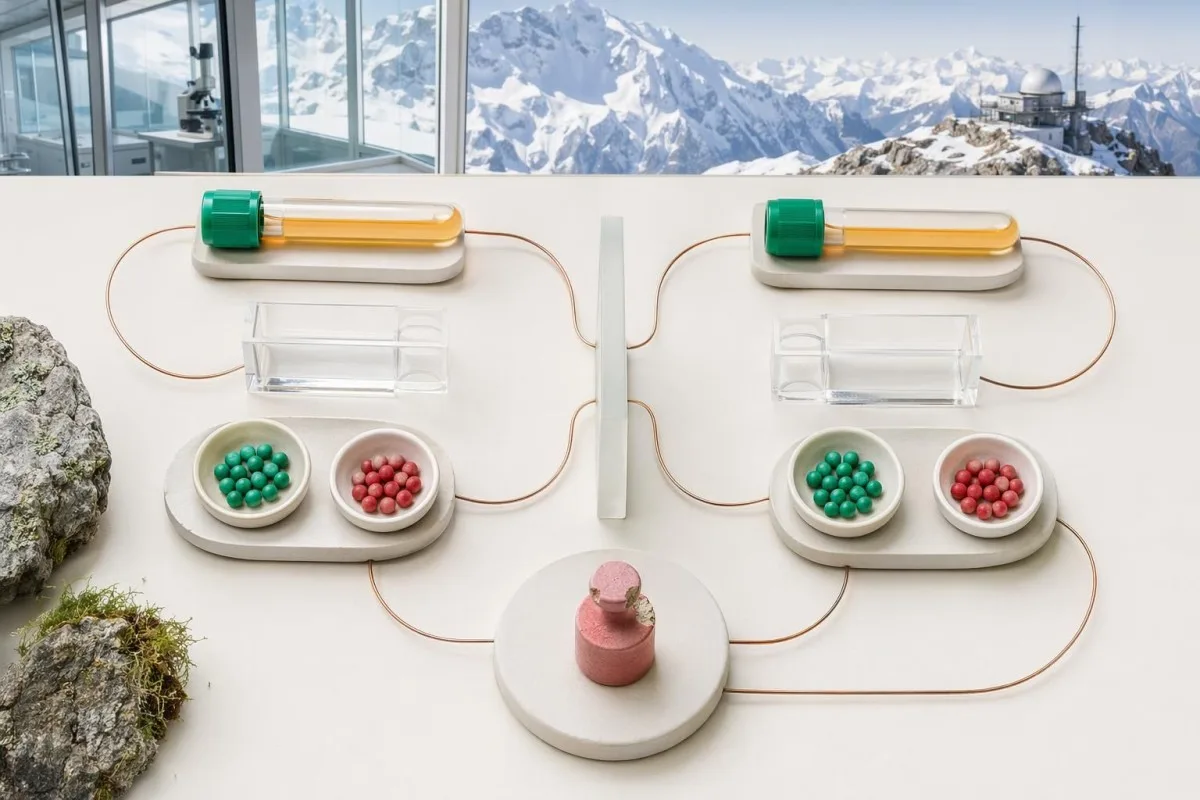
FEU humaanisha vitengo sawa na fibrinogen; DDU humaanisha vitengo vya D-dimer. Mifumo mingi ya marekebisho ya umri huchapishwa kama ng/mL FEU, hivyo kikomo cha kawaida cha 500 ng/mL FEU huwa umri × 10 baada ya 50.
Ikiwa maabara yako hutumia DDU, kikomo cha takriban kilichorekebishwa kwa umri ni umri × 5 ng/mL DDU. Kikomo cha umri wa miaka 72 kingekuwa takriban 720 ng/mL FEU au 360 ng/mL DDU, ingawa urekebishaji wa kipimo (assay) hutegemea maabara.
Hapa ndipo muhtasari mwingi wa “matokeo ya mtihani wa D-dimer yamefafanuliwa” hushindwa kuwasaidia wagonjwa: hunukuu kikomo kimoja bila kubadilisha kitengo. Yetu vipimo vya kuganda kwa damu hulinganisha D-dimer na PT, INR, aPTT, na fibrinogen kwa sababu ripoti za kuganda kwa damu mara nyingi huwasilishwa kama kundi.
Maabara nyingine za Ulaya huripoti mg/L FEU, ambapo 0.50 mg/L FEU sawa na 500 ng/mL FEU. Ripoti ya 0.68 mg/L FEU kwa umri wa miaka 70 ni 680 ng/mL FEU, ambayo iko chini ya kikomo cha 700 ng/mL FEU kilichorekebishwa kwa umri ikiwa uwezekano wa kimatibabu ni mdogo.
Marekebisho ya umri ni salama tu baada ya uwezekano wa awali (pretest probability) kuangaliwa
D-dimer iliyorekebishwa kwa umri imethibitishwa kwa wagonjwa wenye uwezekano mdogo au wa kati wa kimatibabu, si kwa watu ambao tayari wanaonekana kuwa na uwezekano mkubwa wa kuwa na damu kuganda. Madaktari kwa kawaida huunganisha dalili, mapigo, kiwango cha oksijeni, historia ya awali ya kuganda kwa damu, saratani, upasuaji, kutokutembea, na matokeo ya uchunguzi kabla ya kuamini kikomo.
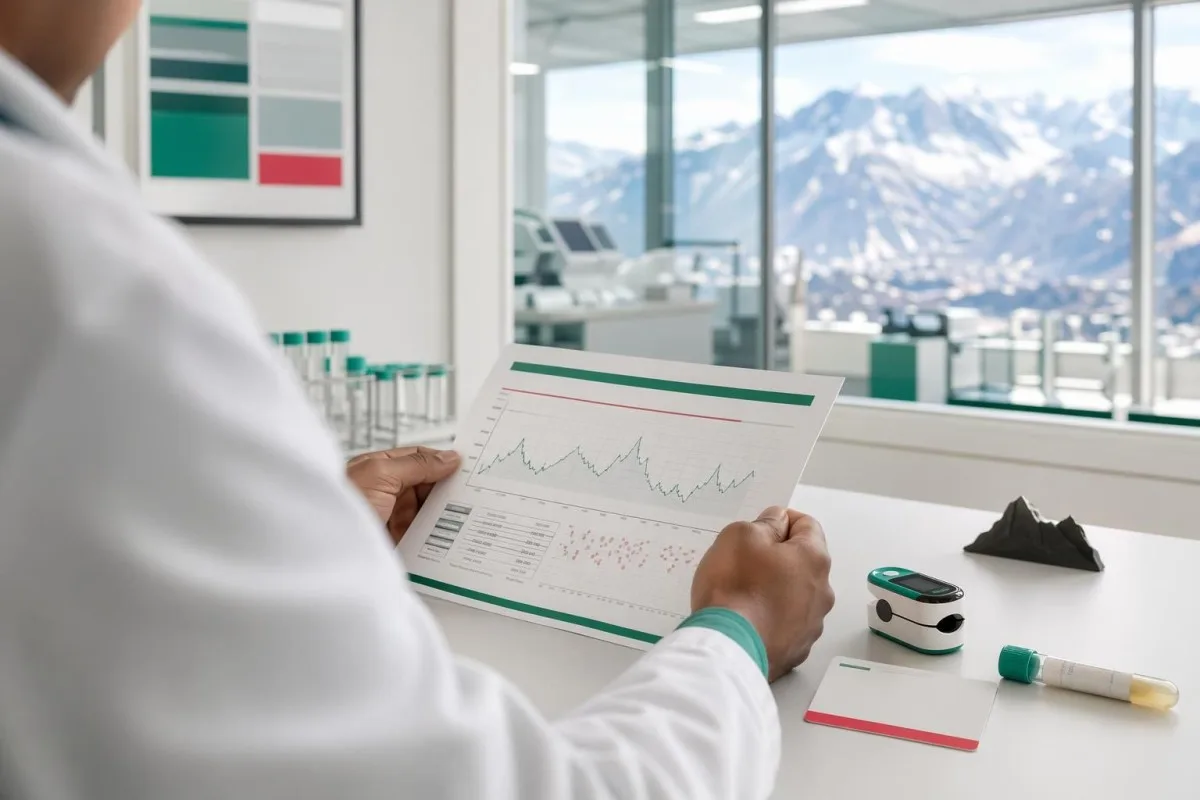
Mwongozo wa 2019 wa Jumuiya ya Ulaya ya Magonjwa ya Moyo (European Society of Cardiology) kuhusu embolism ya mapafu unaunga mkono upimaji wa D-dimer tu kwa wagonjwa wenye uwezekano mdogo au wa kati; wagonjwa wenye uwezekano mkubwa kwa ujumla wanapaswa kuendelea na upigaji picha (Konstantinides et al., 2020). Tofauti hiyo huzuia matokeo ya kawaida au ya mpaka kuchelewesha utambuzi.
Jaribio la PEGeD katika Jarida la New England Journal of Medicine pia lilionyesha kuwa D-dimer inaweza kurekebishwa kulingana na uwezekano wa kimatibabu, huku vikomo vya juu vikitumika kwa wagonjwa wa hatari ndogo chini ya kanuni zilizoainishwa (Kearon et al., 2019). Hii si “kubahatisha”; ni upangaji rasmi wa hatari.
Kwa wahudumu wa afya, alama ya Wells bado ni muhtasari wa vitendo: dalili za DVT, mapigo ya moyo zaidi ya 100/min, kutokutembea, VTE ya awali, haemoptysis, saratani, na kama PE ndiyo utambuzi unaowezekana zaidi. Utafiti wetu wa mtindo wa mwongozo wa alama za kuganda kwa damu unaingia zaidi jinsi D-dimer ilivyo kando ya protini C na aPTT.
Kwa uzoefu wangu, kesi zisizo salama huwa si za hila kwa kutazama nyuma. Mgonjwa mwenye maumivu ya kifua yanayozidi kwa kupumua (pleuritic), mapigo ya moyo ya 118/min, na kiwango cha oksijeni cha 91% haipaswi kutulizwa na D-dimer ya 610 ng/mL FEU akiwa na umri wa miaka 68.
Dalili zinazohitaji bado kupigwa picha ya haraka ya kuganda kwa damu
Upigaji picha wa haraka unahitajika dalili zinapopendekeza embolism ya mapafu au thrombosis ya mshipa wa kina, hata kama D-dimer iko kwenye mpaka au chini ya kikomo kilichorekebishwa kwa umri. Kupumua kwa ghafla kuwa ngumu, maumivu ya kifua yanayoambatana na kupumua, kuzimia, oksijeni ya chini, kukohoa damu, mapigo ya haraka, au mguu mmoja uliovimba unaoumiza vinapaswa kutibiwa kama hali ya muda muhimu.
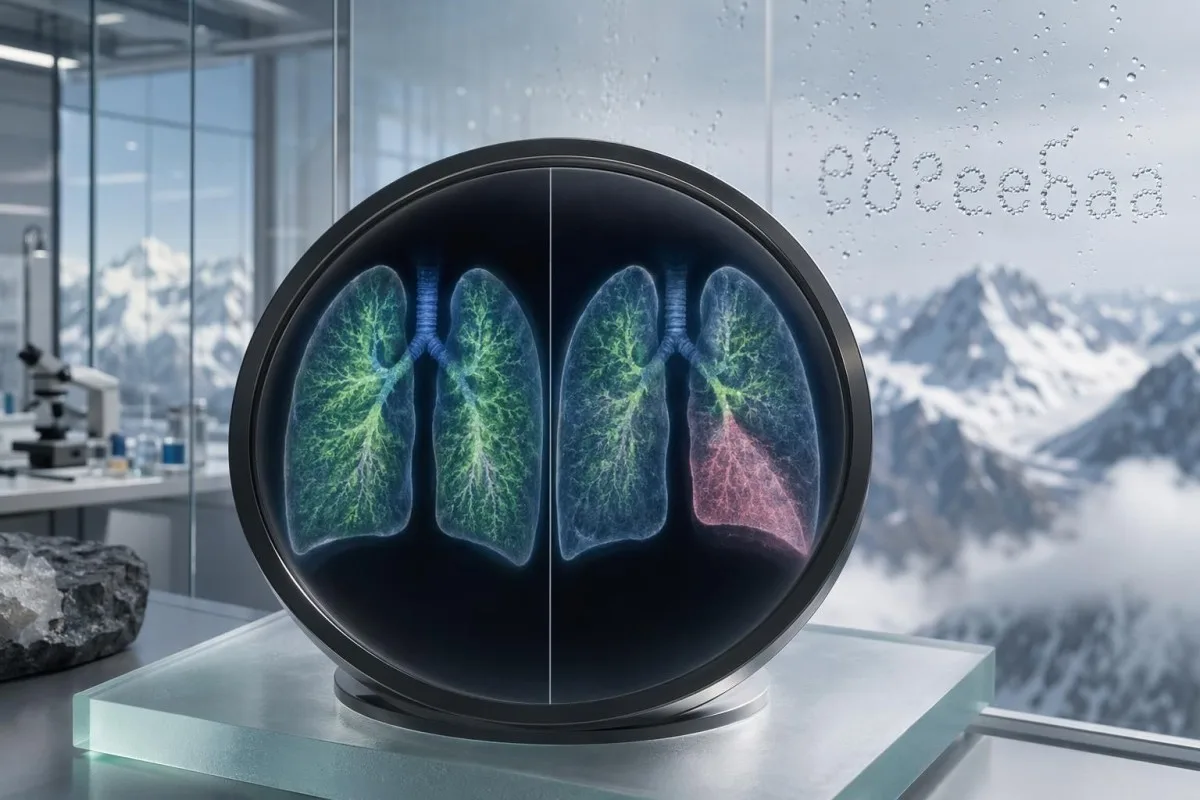
Embolism ya mapafu inaweza kujitokeza kwa kiwango cha oksijeni chini ya 92%, mapigo ya moyo zaidi ya 100/min, maumivu makali ya kifua, kupumua kuwa ngumu mpya, au kuanguka. X-ray ya kifua ya kawaida haiithibitishi kuwa haipo, na D-dimer ya mpaka haifanyi hadithi ya hatari kubwa kutoweka.
Katika mapitio ya kimatibabu ya Kantesti, tunabainisha mchanganyiko wa dalili badala ya kufuatilia namba ya D-dimer peke yake. Mtu mwenye umri wa miaka 58 mwenye D-dimer ya 540 ng/mL FEU na haemoptysis anahitaji njia tofauti kuliko mtu wa miaka 58 mwenye 540 baada ya ugonjwa mdogo wa virusi na bila dalili za moyo na mapafu.
Makala yetu ya kina zaidi kuhusu dalili za D-dimer ya juu ni muhimu kwa sababu hutenganisha hatari ya maabara na hatari ya dalili. Zinaingiliana, lakini si kitu kimoja.
Ikiwa una kupumua kwa shida sana, kuzimia, midomo ya bluu, shinikizo la kifua, kuchanganyikiwa, au mguu unaovimba haraka, hii ni eneo la dharura. Usingoje saa 24 kwa D-dimer ya kurudia; upigaji picha na tathmini ya kimatibabu ndiyo hatua salama zaidi inayofuata.
Mguu mmoja uliovimba unaweza kuhitaji ultrasound hata matokeo yakionekana kuwa ya mpaka (borderline)
Ndama au paja moja lililovimba na kuuma bado linaweza kuhitaji ultrasound ya mishipa ya damu hata kama D-dimer imeongezeka kidogo tu. Hatari ya DVT huwa juu zaidi wakati uvimbe ni upande mmoja, mpya, unaouma, unaohusishwa na joto, au hutokea baada ya kutokutembea, upasuaji, safari ndefu, saratani, ujauzito, au kuganda kwa damu kwa awali.

DVT haithibitishwi kwa D-dimer; inathibitishwa kwa ultrasound ya kubana (compression ultrasound) katika mazingira sahihi ya kimatibabu. DVT ya karibu (proximal) kwenye paja kwa kawaida ni hatari zaidi kuliko donge lililo kwenye ndama pekee kwa sababu lina uwezekano mkubwa wa kusafiri hadi kwenye mapafu (embolising).
Dalili ya kimatibabu ninayoamini zaidi ni kutofautiana (asymmetry). Tofauti ya ukubwa wa mduara wa ndama zaidi ya cm 3, ikipimwa takribani cm 10 chini ya tibial tuberosity, ni sehemu ya Wells scoring kwa DVT na hubadilisha maana ya D-dimer ya mpaka (borderline).
Si uvimbe wote unaohusiana na donge, bila shaka. Albumin ya chini, ugonjwa wa figo, kushindwa kwa moyo, ugonjwa wa mfumo wa limfu, na uvimbe unaotokana na dawa vinaweza kuiga au kuchanganya picha; yetu vidokezo vya maabara vya uvimbe vinaeleza visababishi hivyo visivyo vya donge.
Hali ngumu ni ya mgonjwa mzee aliye kwenye diuretic mwenye uvimbe wa kifundo cha mguu wa muda mrefu ambaye hugundua mguu mmoja umeanza kuwa mbaya zaidi ndani ya saa 48. Singeacha D-dimer iliyorekebishwa kwa umri peke yake kutuliza kesi hiyo; ultrasound ni nafuu, ni ya haraka, na mara nyingi ndiyo ya kuamua.
Sababu za kawaida zisizo za kuganda kwa damu zinazofanya D-dimer kuwa juu kwa watu wazee
D-dimer inaweza kuwa juu bila donge hatari kwa sababu magonjwa mengi huamsha mzunguko wa kuvunjika kwa fibrin. Maambukizi, saratani, upasuaji wa hivi karibuni, kiwewe, kushindwa kwa moyo, uharibifu wa figo, ugonjwa wa ini, matatizo ya uchochezi, kiharusi, na kulazwa hospitalini vyote vinaweza kuongeza D-dimer juu ya 500 ng/mL FEU.
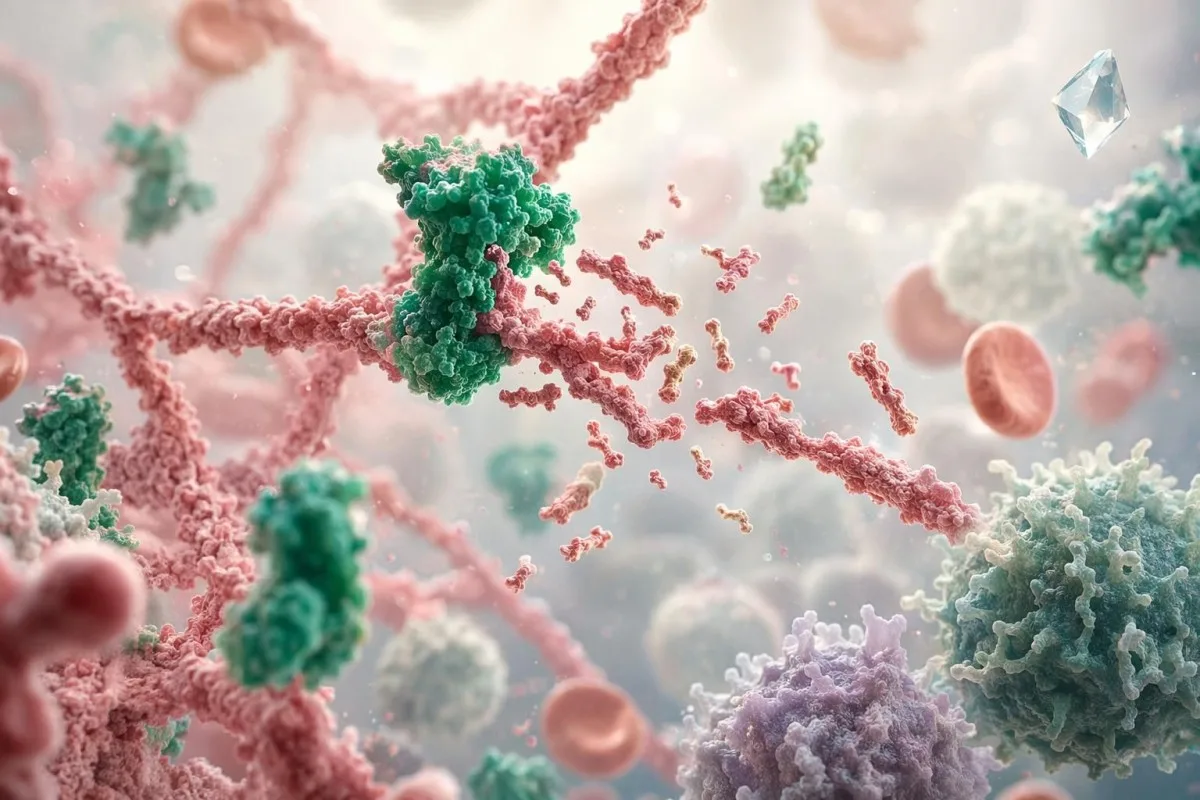
Idadi hiyo huwa inaongezeka kadri hali inavyozidi kuwa mbaya. Maambukizi madogo ya kifua yanaweza kutoa 700 ng/mL FEU, ilhali sepsis, saratani iliyoendelea, au kiwewe kikubwa vinaweza kutoa maelfu kadhaa ya ng/mL FEU bila matokeo kukueleza hasa tatizo liko wapi.
Uchochezi na kuganda huongea wenyewe. Wakati CRP ni 100 mg/L na seli nyeupe za damu ni 16 × 10⁹/L, D-dimer inaweza kuonyesha mwitikio wa kimfumo wa tishu badala ya donge la msingi; yetu mwongozo wa viashiria vya maambukizi inaeleza muundo huo.
Kazi ya figo pia ina umuhimu. GFR iliyopunguzwa (eGFR) inaweza kuhusiana na D-dimer ya juu kwa sehemu kwa sababu wagonjwa wazee na dhaifu huwa na ugonjwa zaidi wa mishipa na mzigo wa uchochezi, na kwa sehemu kwa sababu uondoaji (clearance) wa protini kadhaa huwa hautabiriki.
Makosa ya kimatibabu ni kudhani “si donge” maana yake “hakuna kitu.” D-dimer ya 2,400 ng/mL FEU yenye homa, kupungua uzito, upungufu wa damu (anaemia), au vimeng’enya vya ini visivyo vya kawaida bado inahitaji uchunguzi; si lazima tu iwe CT pulmonary angiogram kama hatua ya kwanza.
Mimba, upasuaji, na maambukizi hubadilisha sheria
Vizingiti vya D-dimer vilivyorekebishwa kwa umri si mwafaka rahisi kwa ujauzito, wiki za mwanzo baada ya upasuaji, au maambukizi makubwa ya hivi karibuni. Katika mazingira hayo, D-dimer mara nyingi huongezeka kwa sababu kuganda na ukarabati wa tishu vinatarajiwa kuwa hai.

Baada ya upasuaji mkubwa, D-dimer inaweza kubaki juu kwa siku hadi wiki, wakati mwingine zaidi ya 1,000 ng/mL FEU hata bila donge jipya. Muda halisi hutegemea uharibifu wa tishu, kutokuwa na mwendo (immobility), maambukizi, na kama kinga ya anticoagulation ilitumika.
Ujauzito ni njia tofauti ya uchunguzi. D-dimer huongezeka katika trimester zote, na wahudumu wa afya wanaweza kutumia kanuni (algorithms) zinazobadilishwa kwa ujauzito badala ya sheria ya kawaida ya umri × 10; makala yetu kuhusu ujauzito na upasuaji inaeleza tofauti hizo.
COVID na maambukizi mengine yanaweza kuacha “mkia” wa D-dimer iliyoongezeka. Matokeo ya 900 ng/mL FEU siku 10 baada ya ugonjwa wa homa yanaweza kuonyesha nafuu, lakini maumivu mapya ya kifua au kushuka kwa kiwango cha oksijeni hubadilisha hatari mara moja.
Ninajaribu kubana muda: siku ya 1 ya dalili, siku ya 14 ya upasuaji, siku ya 3 ya safari ya ndege, siku ya 7 ya homa. D-dimer hupoteza maana wakati muda hauko wazi kwa sababu thamani ile ile inaweza kuwa kelele ya nafuu isiyo na madhara au dalili ya mapema ya donge.
Ni lini D-dimer inaweza kuonekana ikitoa uhakikisho wa uongo
D-dimer inaweza kuwa chini kwa uongo au isiwe na msaada zaidi ikiwa dalili zimekuwepo kwa siku nyingi, anticoagulants zilianza kabla ya kipimo, donge ni dogo au limejitenga, au kipimo (assay) kina unyeti mdogo. Matokeo hasi hupunguza hatari; hayafuta hadithi ya hatari ya juu.
D-dimer ni muhimu zaidi mapema wakati wa tathmini, kabla ya matibabu. Kama mtu alitumia anticoagulation ya tiba kwa saa 24 hadi 48 kabla ya kupima, ishara ya kuvunjika kwa fibrin inaweza kushuka vya kutosha kufanya tafsiri isiwe safi.
Dalili zilizoanza siku 10 hadi 14 mapema pia zinaweza kuchanganya mambo. Ganzi linaweza kuwa limeimarika, limetatuliwa kwa sehemu, au limezalisha D-dimer inayoweza kupimika kidogo wakati mtu hatimaye anapofika kliniki.
Kantesti ni zana ya uchambuzi wa damu inayotumia AI inayotumiwa na wagonjwa katika zaidi ya nchi 127, lakini matokeo yetu yameundwa kuashiria kutokuwa na uhakika badala ya kutoa utambuzi wa ganzi. mwongozo wa teknolojia inaeleza jinsi mfumo wetu unavyotenganisha tafsiri ya maabara na kufanya maamuzi ya dharura.
Daktari anaposikia “nilizimia jana na sasa siwezi kutembea hadi chumbani” asifarijiwe na D-dimer ya mpaka. Kesi hiyo inahitaji uchunguzi, kipimo cha oksijeni, ECG, na mara nyingi upigaji picha.
Upigaji picha wa haraka wa kuganda kwa damu kwa kawaida unahusisha nini
Upigaji picha wa haraka kwa tuhuma ya emboli ya mapafu kwa kawaida ni CT pulmonary angiography, upimaji wa V/Q, au ultrasound ya kubana kulingana na dalili, hali ya ujauzito, utendaji kazi wa figo, mzio wa kontrasti, na upatikanaji wa ndani. Matokeo ya D-dimer husaidia kuamua kama upigaji picha unahitajika; hayachagui upimaji yenyewe.
CT pulmonary angiography ni ya haraka na hutumiwa sana, lakini inahitaji kontrasti yenye iodini na huweka kifua kwenye mionzi. Kwa mgonjwa mwenye eGFR chini ya 30 mL/min/1.73 m², hatari ya kontrasti huwa sehemu ya uamuzi.
Upimaji wa V/Q unaweza kuwa muhimu wakati kontrasti ya CT si bora, hasa kama X-ray ya kifua ni ya kawaida. Ultrasound ya mguu inaweza kuthibitisha DVT na kuhalalisha matibabu bila CT ya kifua katika baadhi ya kesi zilizochaguliwa.
Kabla ya upigaji picha, madaktari mara nyingi huangalia creatinine, eGFR, hali ya ujauzito inapohusika, kueneza kwa oksijeni, ECG, na wakati mwingine troponin au BNP ikiwa mkazo wa PE unashukiwa. Yetu mwongozo wa matokeo ya figo husaidia wagonjwa kuelewa kwa nini namba za figo ghafla huwa muhimu kabla ya kontrasti.
Ikiwa upigaji picha unathibitisha PE, uamuzi unaofuata ni ukali. PE ndogo iliyo thabiti yenye kueneza kwa oksijeni 97% ni tofauti na PE kubwa yenye shinikizo la chini la damu, troponin iliyoongezeka, na mkazo wa upande wa kulia wa moyo.
Jinsi tafsiri ya AI inavyopaswa kushughulikia muktadha wa D-dimer
Tafsiri ya AI inapaswa kutibu D-dimer kama kiashiria kinachotegemea muktadha, si lebo ya “juu” au “ya kawaida” ya kubinari. Matokeo salama zaidi huzingatia umri, vitengo, aina ya kipimo, muda, dalili, sababu za hatari, na vipimo vingine vinavyohusiana kama CRP, CBC, creatinine, platelets, PT/INR, na fibrinogen.
Kantesti ni huduma ya kutafsiri vipimo vya maabara inayotumia AI inayoweza kutambua wakati D-dimer iko juu ya kikomo cha kudumu cha maabara lakini chini ya kizingiti kinachorekebishwa kwa umri. Tofauti hiyo ni muhimu kwa sababu lango nyingi za maabara huweka 510 ng/mL FEU kuwa si la kawaida bila kueleza umri.
Safu ya pili ni maneno ya usalama. Ikiwa dalili alizoingiza mtumiaji ni pamoja na maumivu ya kifua, kupumua kwa shida, kuzimia, kukohoa damu, au uvimbe wa mguu mmoja, mfumo unapaswa kuelekeza kwenye tathmini ya haraka ya kimatibabu badala ya “subiri na uone.”
Yetu mipaka ya tafsiri ya AI makala hii inasema moja kwa moja: AI inaweza kueleza mifumo kwa takriban sekunde 60, lakini haiwezi kusikiliza mapafu yako, kupima oksijeni, au kuamua kama mashine ya CT inahitajika usiku wa leo.
Kwenye foleni yangu ya mapitio, alama muhimu zaidi ya AI si “D-dimer iko juu.” Ni “D-dimer iko juu kwa umri huu na imeambatana na dalili zinazoongeza uwezekano wa ganzi,” ambayo ni sentensi ya uaminifu zaidi kimatibabu.
Ni lini kurudia D-dimer husaidia—na ni lini hupoteza muda
Kurudia D-dimer kunaweza kusaidia wakati matokeo ya awali yalichukuliwa mapema sana, yaliripotiwa kwa vitengo vya kutatanisha, au yalipatikana wakati wa kichocheo cha muda kilicho wazi. Kurudia si sahihi wakati dalili za sasa zinaashiria PE au DVT; upigaji picha usicheleweshwe kwa namba ya pili.
Kipimo cha kurudia baada ya wiki 1 hadi 2 kinaweza kuwa sawa wakati D-dimer iliongezeka kidogo wakati wa ugonjwa wa virusi na dalili zimeisha kikamilifu. Kushuka kutoka 1,100 hadi 520 ng/mL FEU kunaweza kuunga mkono nafuu, ingawa bado hakuthibitishi kilichotokea.
Kurudia huwa na manufaa kidogo baada ya upasuaji kwa sababu maadili yanaweza kubaki juu kwa wiki kadhaa. Mgonjwa aliye thabiti siku 10 baada ya upasuaji anahitaji tathmini ya hatari na wakati mwingine ultrasound, si vipimo vya kila siku vya D-dimer.
Wagonjwa mara nyingi huuliza seti ya pili ya macho wakati lango linasema “si la kawaida” lakini daktari anasema “hakuna cha kuwa na wasiwasi.” Yetu maoni ya pili mwongozo unaeleza ni lini aina hiyo ya mapitio inafaa na ni lini huduma ya siku hiyo hiyo ni salama zaidi.
Ukirudia D-dimer, irudie kwa mfumo ule ule wa vitengo ikiwa inawezekana. Kulinganisha 0.74 mg/L FEU na 390 ng/mL DDU bila kubadilisha ni kichocheo cha kuchanganyikiwa.
Maswali ya kuuliza wakati D-dimer yako iko kwenye mpaka (borderline)
D-dimer ya mpaka inapaswa kuibua maswali bora, si faraja ya moja kwa moja au CT ya moja kwa moja. Uliza kuhusu vitengo, kikomo chako kilichorekebishwa kwa umri, hatari yako ya Wells au Geneva, muda wa dalili, vichocheo vya hivi karibuni, na ni mabadiliko gani ya dalili yanapaswa kukuelekeza kwenye huduma ya dharura.

Swali la kwanza ni rahisi: “Je, hii ni FEU au DDU?” La pili ni, “Ni kikomo gani kinatumika kwa umri wangu?” Mtu mwenye umri wa miaka 69 aliye na 640 ng/mL FEU anaweza kuwa chini ya kikomo kilichorekebishwa kwa umri, ilhali 640 ng/mL DDU ni kiwango tofauti cha wasiwasi.
Kisha uliza, “Uwezekano wangu wa kimatibabu ulikuwa upi kabla ya kipimo?” Kama hakuna aliyefikiria mapigo, kiwango cha oksijeni, uvimbe wa mguu mmoja, upasuaji wa hivi karibuni, tiba ya estrojeni, saratani, au VTE ya awali, matokeo yanaweza kuwa yamefasiriwa kwa ukali mdogo kupita kiasi.
Uliza mpango kwa maandishi ikiwa unaweza: dalili za kufuatilia, kama uchunguzi wa ultrasound unahitajika, kama CT inahitajika, na kama kurudia kipimo kuna maana. Yetu utofauti wa vipimo vya damu mwongozo wetu huwasaidia wagonjwa kuelewa kwa nini mabadiliko madogo ya maabara yasichukuliwe kama bei za hisa.
Mimi huwaambia wagonjwa waweke namba tatu karibu: thamani ya D-dimer pamoja na kitengo, kiwango cha oksijeni ikiwa kimepimwa, na mapigo ya moyo wakati wa kupumzika. Namba hizo tatu, zikichanganywa na dalili, mara nyingi humwambia mtaalamu wa afya mengi zaidi kuliko bendera ya D-dimer peke yake.
Hitimisho: tumia marekebisho ya umri, lakini usipuuze dalili
D-dimer iliyorekebishwa kwa umri baada ya miaka 50 ni njia nzuri ya kupunguza uchunguzi usio wa lazima, lakini ni salama tu ndani ya tathmini iliyo na muundo wa kimatibabu. Tumia umri × 10 ng/mL FEU kwa vipimo vingi, thibitisha kitengo, na tafuta huduma ya dharura wakati dalili zinaonyesha PE au DVT.
Tangu tarehe 13 Juni 2026, kanuni yangu ya vitendo ni hii: mtu mwenye umri wa miaka 74 aliye na hatari ndogo na D-dimer 680 ng/mL FEU anaweza kuepuka CT, lakini mtu mwenye umri wa miaka 74 mwenye kupumua kwa shida na mapigo 120/min na oksijeni 91% anahitaji tathmini ya haraka. Nambari ileile inaweza kumaanisha mambo tofauti.
Yaliyomo ya matibabu ya Kantesti yanakaguliwa dhidi ya viwango vya kimatibabu, si tu dhidi ya vipindi vya marejeo vya maabara. Yetu uthibitisho wa kimatibabu ukurasa unaeleza jinsi usimamizi wa daktari na ulinganishaji wa kiufundi unavyoathiri namna tunavyowasilisha lugha ya hatari.
Ikiwa D-dimer yako iko kwenye mpaka, usibishane na nambari hiyo peke yake. Uliza kama kikomo kilichorekebishwa kwa umri kilitumika, kama dalili zako hubadilisha uwezekano wa kabla ya kipimo, na kama ultrasound au CT inahitajika leo.
Ufasiri salama ni wa unyenyekevu. D-dimer ni bora sana katika kuondoa uwezekano wa kuganda kwa damu kwa kundi sahihi la wagonjwa, ni duni katika kuthibitisha kuganda, na ni hatari inapoweza kutumika kupindua hadithi ya kimatibabu yenye hatari kubwa.
Maswali Yanayoulizwa Mara Kwa Mara
Je, kikomo cha D-dimer kilichorekebishwa kwa umri baada ya miaka 50 ni kipi?
Kikomo cha kawaida cha D-dimer kilichorekebishwa kwa umri baada ya umri wa miaka 50 ni umri × 10 ng/mL FEU. Kwa mfano, kikomo ni 600 ng/mL FEU katika umri wa miaka 60, 750 ng/mL FEU katika umri wa miaka 75, na 880 ng/mL FEU katika umri wa miaka 88. Kanuni hii inapaswa kutumiwa tu wakati uwezekano wa kimatibabu wa kuganda kwa damu (kifua) ni mdogo au wa kati, si wakati dalili zinaashiria kwa nguvu emboli ya mapafu au DVT.
Je, D-dimer ya 700 ni ya juu kwa mtu mwenye umri wa miaka 70?
D-dimer ya 700 ng/mL FEU iko karibu sana na kikomo cha kawaida kilichorekebishwa kwa umri kwa mtu mwenye umri wa miaka 70. Inaweza kutibiwa kama hasi tu ikiwa mtu ana uwezekano mdogo au wa kati wa kimatibabu na hana dalili zozote za kutia wasiwasi kama vile kupumua ghafla kwa shida, maumivu ya kifua, kuzimia, oksijeni ya chini, kukohoa damu, au mguu mmoja uliovimba na unaoumiza. Ikiwa kitengo ni DDU badala ya FEU, 700 ng/mL DDU si sawa na FEU na inahitaji tafsiri tofauti.
Kwa nini D-dimer huongezeka kadri umri unavyoongezeka?
D-dimer huongezeka kadri umri unavyoongezeka kwa sababu uundaji na uharibifu wa msingi wa fibrin huwa na shughuli zaidi kadri mishipa ya damu, tishu, na mifumo ya kinga ya mwili inavyozeeka. Watu wazee pia huwa na viwango vya juu vya maambukizi, saratani, uharibifu wa figo, kushindwa kwa moyo, upasuaji, na kulazwa hospitalini, vyote hivyo vinaweza kuongeza D-dimer zaidi ya 500 ng/mL FEU bila kuthibitisha kuwepo kwa damu kuganda. Ndiyo maana mipaka inayorekebishwa kwa umri hupunguza matokeo chanya yasiyo sahihi baada ya umri wa miaka 50.
Je, D-dimer ya kawaida iliyorekebishwa kwa umri inaweza kukosa kuganda kwa damu?
Ndiyo, D-dimer ya kawaida iliyorekebishwa kwa umri inaweza kukosa kuganda kwa damu katika hali fulani, hasa ikiwa uwezekano wa kimatibabu ni mkubwa, dalili zimekuwepo kwa siku 10 hadi 14, dawa za kuzuia kuganda zilianza kabla ya kupima, au kuganda ni kidogo. D-dimer ni salama zaidi kama kipimo cha kuondoa uwezekano (rule-out) kwa wagonjwa walio na hatari ndogo au ya kati. Dalili za hatari kubwa zinapaswa kusababisha upigaji picha badala ya kutuliza kwa kuzingatia namba iliyo karibu na mpaka.
Ni dalili gani zinahitaji upigaji picha hata kama D-dimer iko karibu na mpaka?
Kupumua kwa ghafla kwa shida, maumivu ya kifua yanayoongezeka unapovuta pumzi, kuzimia, kujaa kwa oksijeni chini ya takriban 92%, kukohoa damu, mapigo ya moyo zaidi ya 100 kwa dakika, au mguu mmoja uliovimba na unaoumiza unaweza kuhalalisha upigaji picha wa dharura hata wakati D-dimer iko karibu na mpaka. Upigaji picha unaweza kumaanisha CT pulmonary angiography, kipimo cha V/Q, au ultrasound ya kubana kulingana na hali ya kliniki. Matokeo ya D-dimer hayapaswi kuondoa muundo wa dalili wa hatari kubwa.
Je, tofauti kati ya FEU na DDU katika matokeo ya D-dimer ni ipi?
FEU na DDU ni mifumo tofauti ya kuripoti kwa D-dimer, na thamani za FEU kwa takriban ni mara mbili ya thamani za DDU. Kiwango cha kawaida cha kukata cha 500 ng/mL FEU ni sawa kwa takriban na 250 ng/mL DDU. Milinganyo inayorekebishwa kwa umri kwa kawaida huandikwa kwa FEU kama umri × 10 ng/mL baada ya umri wa miaka 50, ilhali uwiano wa takriban wa DDU ni umri × 5 ng/mL.
Je, nipime tena kipimo cha D-dimer kilicho karibu na mpaka?
Kurudia D-dimer iliyo kwenye mpaka kunaweza kuwa na maana wakati dalili ziko katika hatari ndogo, kitengo cha awali hakikuwa wazi, au matokeo yalitokea wakati wa kichocheo cha muda kama vile maambukizi ya upole. Kurudia baada ya wiki 1 hadi 2 kunaweza kuonyesha kama thamani inashuka, kwa mfano kutoka 1,100 hadi 520 ng/mL FEU. Usisubiri kufanya kipimo cha kurudia ikiwa una maumivu ya kifua, kupumua kwa shida, kuzimia, oksijeni ya chini, au mguu mmoja uliovimba na unaoumiza.
Pata Uchambuzi wa Vipimo vya Damu kwa AI Leo
Jiunge na zaidi ya watumiaji 2 milioni duniani kote wanaoamini Kantesti kwa uchambuzi wa papo hapo na sahihi wa vipimo vya maabara. Pakia matokeo yako ya vipimo vya damu na upate tafsiri ya kina ya viashiria vya 15,000+ ndani ya sekunde.
📚 Machapisho ya Utafiti Yanayorejelewa
Klein, T., Mitchell, S., & Weber, H. (2026). Mwongozo wa Afya wa Wanawake: Ovulation, Kukoma Hedhi na Dalili za Homoni. Kantesti uchambuzi wa damu kwa AI ya utafiti wa matibabu.
Klein, T., Mitchell, S., & Weber, H. (2026). Usaidizi wa AI wa Kliniki wa Uamuzi wa Mapema wa Hantavirus: Muundo, Uhandisi wa Uthibitishaji, na Utekelezaji Halisi kwa Ripoti 50,000 za Vipimo vya Damu Vilivyotafsiriwa. Kantesti uchambuzi wa damu kwa AI ya utafiti wa matibabu.
📖 Marejeo ya Nje ya Tiba
⚕️ Kanusho la Kimatibabu
Makala haya ni kwa madhumuni ya elimu tu na si ushauri wa kimatibabu. Wasiliana na mtoa huduma aliyehitimu kila wakati kwa maamuzi ya utambuzi na matibabu.
E-E-A-T Trust Signals
Uzoefu
Mapitio ya kimatibabu inayoongozwa na daktari ya mifumo ya tafsiri ya maabara.
Utaalamu
Kuzingatia dawa za maabara kuhusu jinsi viashiria (biomarkers) vinavyobadilika katika muktadha wa kliniki.
Mamlaka
Imeandikwa na Dk. Thomas Klein kwa mapitio ya Dk. Sarah Mitchell na Prof. Dk. Hans Weber.
Uaminifu
Tafsiri inayotegemea ushahidi yenye njia zilizo wazi za ufuatiliaji ili kupunguza tahadhari za hofu.