Blago povišen D-dimer na 72 ne tumači se na isti način kao isti broj na 32. Težak deo je znati kada je korekcija po uzrastu bezbedna — i kada simptomi nadjačavaju matematiku.



- тест крви за D-димер meri razgradnju fibrina; visok rezultat sugeriše stvaranje i razgradnju negde u organizmu, ali ne dokazuje postojanje tromba.
- Standardna granična vrednost često je 500 ng/mL FEU, takođe zapisano kao 0.50 mg/L FEU, ali laboratorije koriste različite jedinice.
- Granična vrednost D-dimera korigovana po uzrastu nakon 50. godine obično iznosi uzrast × 10 ng/mL FEU; osoba od 78 godina može imati graničnu vrednost od 780 ng/mL FEU.
- Granična vrednost D-dimera po uzrastu treba koristiti samo kada je klinička verovatnoća niska ili srednja, a ne kada simptomi snažno ukazuju na plućnu emboliju ili DVT.
- Hitno snimanje i dalje je potrebno za bol u grudima, iznenadnu otežanu disanju, nesvesticu, nizak saturaciju kiseonikom, iskašljavanje krvi, ili otečenu bolnu nogu, čak i uz graničan D-dimer.
- FEU naspram DDU jedinica zato što su FEU vrednosti približno dvostruko veće od DDU vrednosti; 500 ng/mL FEU je oko 250 ng/mL DDU.
- Stariji često su više zbog bazalnog prometa fibrina, reakcije vaskularnog tkiva, promena klirensa bubrega, rizika od raka i porasta učestalosti infekcija sa godinama.
- Гранични резултати najsigurnije se tumače uz Wells ili Geneva skor, saturaciju kiseonikom, puls, faktore rizika i vreme pojave simptoma.
Šta znači krvni test D-dimera nakon 50. godine
Posle 50. godine, a тест крви за D-димер može se tumačiti uz starosno prilagođeni prag: starost × 10 ng/mL FEU. Tako se osoba od 70 godina može smatrati negativnom ispod 700 ng/mL FEU ako je verovatnoća ugruška niska ili srednja. Ali simptomi imaju prednost. Nova otežana disanja, bol u grudima, nesvestica, nizak nivo kiseonika, iskašljavanje krvi ili jedna otečena bolna noga i dalje zahtevaju hitno snimanje, čak i kada je broj samo graničan.
Ja sam Tomas Klajn, MD, i u kliničkoj reviziji viđam isti zamak svake nedelje: 76-godišnjak sa D-dimerom od 620 ng/mL FEU dobije informaciju da je “visok”, pa se uplaši. Sa 76 godina, starosno prilagođeni prag je 760 ng/mL FEU, pa 620 može biti negativno samo kada je klinička slika ohrabrujuća.
Rezultat D-dimera iznad 500 ng/mL FEU je čest posle 65. godine, i zato fiksni prag za odrasle stvara mnogo lažnih uzbuna. Naš tim lekara, uključujući recenzente navedene na медицински саветодавни одбор, tretira D-dimer kao test za isključenje, a ne kao dijagnozu.
Kantesti je analizator za analizu krvi pomoću veštačke inteligencije koji očitava D-dimer zajedno sa godinama, jedinicama, simptomima, statusom trudnoće ili operacije, markerima za bubrege i inflamatornim markerima. Taj kontekst je bitan jer je rezultat od 520 ng/mL FEU kod mirne 52-godišnjakinje drugačiji od istog broja kod 82-godišnjaka sa saturacijom kiseonikom od 90%.
Zašto rezultati D-dimera često rastu kako ljudi stare
D-dimer raste sa godinama jer stariji krvni sudovi i tkiva imaju više bazalne formacije i razgradnje fibrina. Porast obično nije jedan jedini problem; to je zbirni efekat vaskularnog starenja, hronične inflamacije, sporijeg klirensa, više medicinskih procedura i više „tihih“ oboljenja.
Do kasnih 60-ih, mnoge zdrave osobe imaju male poraste markera aktivacije koagulacije čak i bez duboke venske tromboze ili plućne embolije. To ne znači da je telo “puno ugrušaka”; znači da je hemostatski sistem bučniji nego sa 30 godina.
Praktičan problem je specifičnost. Kod starijih odraslih, fiksni prag od 500 ng/mL FEU može označiti velik deo stanja bez ugruška kao pozitivno, naročito pneumoniju, srčanu slabost, oštećenje bubrega, rak, traumu i nedavno bolničko prijemanje. Za širi pogled na pacijente, naš нормалан опсег D-димера vodič objašnjava zašto “normalno” nije uvek jedan broj.
D-dimer često opisujem kao dim, a ne kao vatru. Dim može poticati od opasne plućne embolije, ali može i od nedavne infekcije sa CRP-om od 80 mg/L ili od pada sa nagnječenjem 5 dana ranije. Broj traži kliničko razmišljanje; ne zamenjuje ga.
Kako se izračunava granična vrednost D-dimera korigovana po uzrastu
Уобичајено starosno prilagođeni prag za D-dimer posle 50. godine iznosi starost × 10 ng/mL FEU. Osoba od 60 godina koristi 600 ng/mL FEU, osoba od 75 godina koristi 750 ng/mL FEU, a osoba od 88 godina koristi 880 ng/mL FEU kada test izveštava FEU jedinice.

Studija ADJUST-PE u časopisu JAMA pokazala je da starosno prilagođeni pragovi bezbedno povećavaju broj starijih pacijenata kod kojih se plućna embolija može isključiti bez CT snimanja (Righini et al., 2014). Kod pacijenata od 75 ili više godina, udeo koji se isključuje na osnovu D-dimera porastao je sa oko 6.4% uz prag od 500 ng/mL FEU na 29.7% uz starosno prilagođavanje.
Kantesti-ova neuronska mreža to tretira kao Granična vrednost D-dimera po uzrastu, a ne kao univerzalno zeleno svetlo. Rezultat od 690 ng/mL FEU sa 70 godina može biti ispod praga od 700, ali samo ako pretest verovatnoća nije visoka i uzorak je uzet pre antikoagulacije.
Ако упоређујете неколико биомаркера, прилагођавање узрасту треба да стоји поред осталих ставки у панелу, а не у некој менталној изолованој „сили“. Наш biomarker guide је изграђен на истом принципу: један резултат мења значење када се упари са узрастом, функцијом бубрега, инфламацијом и симптомима.
Корисан трик за кревет пацијента је да занемарите последњу цифру узраста и додате нулу. Са 63 године то постаје око 630 ng/mL FEU; са 81 годином око 810 ng/mL FEU. Још увек проверим јединицу пре него што кажем било шта умирујуће.
FEU naspram DDU jedinica može udvostručiti prividni broj
Извештаји о D-dimer-у се обично приказују као FEU или DDU, и 500 ng/mL FEU је приближно еквивалентно 250 ng/mL DDU. Погрешно читање јединице може учинити да резултат изгледа двоструко виши или лажно умирујући.
FEU значи фибриноген-еквивалентне јединице; DDU значи јединице за D-dimer. Већина формула прилагођених узрасту објављује се као ng/mL FEU, па стандардни cutoff од 500 ng/mL FEU постаје узраст × 10 након 50.
Ако ваш лабораторијски тест користи DDU, груба еквивалентна граница прилагођена узрасту је узраст × 5 ng/mL DDU. Граница за 72 године била би око 720 ng/mL FEU или 360 ng/mL DDU, иако калибрација специфична за анализу и даље је важна.
Ту многе “објашњене” сажетке резултата D-dimer теста не успевају да помогну пацијентима: наводе једну једину границу без конверзије јединица. Наш водич за тестирање згрушавања пореди D-dimer са PT, INR, aPTT и фибриногеном јер се извештаји о коагулацији често достављају као група.
Неке европске лабораторије наводе mg/L FEU, где 0.50 mg/L FEU одговара 500 ng/mL FEU. Извештај од 0.68 mg/L FEU у доби од 70 година је 680 ng/mL FEU, што је испод граничне вредности прилагођене узрасту од 700 ng/mL FEU ако је клиничка вероватноћа ниска.
Korekcija po uzrastu je bezbedna samo nakon provere pretest verovatnoće
D-димер прилагођен узрасту валидиран је за пацијенте са ниском или средњом клиничком вероватноћом, а не за особе које већ делују као да имају тромб. Лекари обично комбинују симптоме, фреквенцију пулса, ниво кисеоника, претходну историју тромба, рак, операцију, имобилизацију и налазе прегледа пре него што поверују граничној вредности.

Смерница Европског друштва за кардиологију за плућну емболију из 2019. године подржава тестирање D-димера само код пацијената са ниском или средњом вероватноћом; код пацијената са високом вероватноћом генерално треба одмах прећи на снимање (Konstantinides et al., 2020). Та разлика спречава да нормалан или гранични резултат одложи дијагнозу.
Испитивање PEGeD у New England Journal of Medicine такође је показало да се D-димер може прилагодити клиничкој вероватноћи, уз више граничне вредности код пацијената са ниским ризиком по структурисаним правилима (Kearon et al., 2019). Ово није “нагађање”; то је формално разврставање ризика.
За клиничаре, Wells скор остаје практична скраћеница: знаци DVT, срчана фреквенција изнад 100/min, имобилизација, претходни VTE, хемоптизија, рак и да ли је PE највероватнија дијагноза. Наш приступ у стилу истраживања vodič za markere koagulacije иде дубље у то како се D-димер уклапа поред протеина C и aPTT.
По мом искуству, небезбедни случајеви ретко су суптилни уназад. Пацијент са плеуритичким болом у грудима, тахикардијом од 118/min и засићењем кисеоником од 91% не треба да буде умирен D-димером од 610 ng/mL FEU у доби од 68 година.
Simptomi koji i dalje zahtevaju hitno snimanje tromba
Хитно снимање је потребно када симптоми указују на плућну емболију или дубоку венску тромбозу, чак и ако је D-димер граничан или испод граничне вредности прилагођене узрасту. Изненадна отежана дисања, бол у грудима при дисању, онесвешћивање, низак кисеоник, искашљавање крви, брз пулс или једна отечена болна нога треба да се третирају као временски осетљиво.
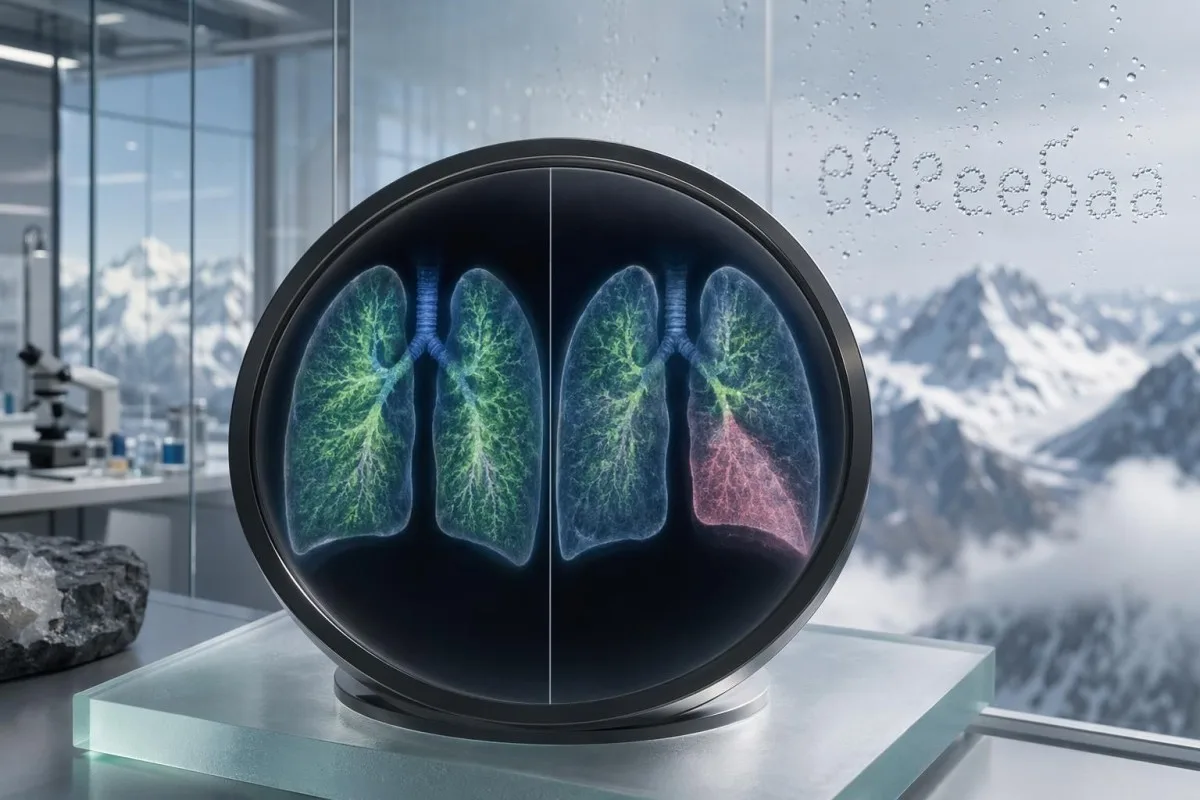
Плућна емболија може се јавити са засићењем кисеоником испод 92%, пулсом изнад 100/min, оштрим болом у грудима, новом отежаном дисањем или колапсом. Нормалан рендген грудног коша не искључује, а гранични D-димер не чини причу високог ризика неважном.
У Kantesti клиничком прегледу истичемо комбинације симптома, а не само јуримо за бројем D-димера. Особа од 58 година са D-димером од 540 ng/mL FEU и хемоптизом треба другачији пут него особа од 58 година са 540 након благог вирусног обољења и без кардиопулмоналних симптома.
Наш дубљи чланак о симптомима високог D-димера користан је јер одваја лабораторијски ризик од ризика на основу симптома. Њих двоје се преклапају, али нису идентични.
Ако имате тешку отежану дисања, онесвешћивање, плаве усне, притисак у грудима, конфузију или ногу која се брзо отиче, ово је подручје за хитну помоћ. Не чекајте 24 сата на поновљени D-димер; снимање и клиничка процена су сигурнији следећи корак.
Jedna otečena noga može zahtevati ultrazvuk uprkos graničnom rezultatu
Једно отечено, болно теле или бутина и даље може захтевати венски ултразвук чак и када је D-димер само благо повишен. Ризик од DVT је већи када је оток једностран, нов, осетљив на додир, повезан са топлотом, или се јавља након имобилизације, операције, дугог путовања, рака, трудноће или претходног тромба.

DVT se ne dijagnostikuje D-dimerom; dijagnostikuje se kompresionim ultrazvukom u odgovarajućem kliničkom kontekstu. Proksimalni DVT u butini je obično opasniji od izolovanog tromba u potkolenici, jer ima veću šansu da embolizuje u pluća.
Najviše verujem kliničkom znaku asimetrije. Razlika u obimu potkolenice većoj od 3 cm, merena oko 10 cm ispod tibijalne tuberoznosti, deo je Wellsovog bodovanja za DVT i menja značenje graničnog D-dimera.
Naravno, ne otiče sve zbog tromba. Niska albuminemija, bubrežna bolest, srčana slabost, limfatička bolest i edem povezan sa lekovima mogu oponašati ili zbuniti sliku; naš laboratorijski tragovi za otok obuhvataju te uzroke koji nisu povezani sa trombom.
Zgodan (težak) scenario je stariji pacijent na diureticima sa hroničnim otokom oko skočnog zgloba koji primeti da je jedna noga postala lošija u roku od 48 sati. Ne bih prepustio da se taj slučaj reši samo na osnovu D-dimera prilagođenog uzrastu; ultrazvuk je jeftin, brz i često konačan.
Uobičajeni nemedicinski razlozi (ne-trombotski) zbog kojih je D-dimer visok kod starijih osoba
D-dimer može biti povišen i bez opasnog tromba, jer mnoge bolesti aktiviraju razgradnju fibrina. Infekcija, rak, nedavna operacija, trauma, srčana slabost, oštećenje bubrega, bolest jetre, inflamatorni poremećaji, moždani udar i hospitalizacija mogu svi podići D-dimer iznad 500 ng/mL FEU.
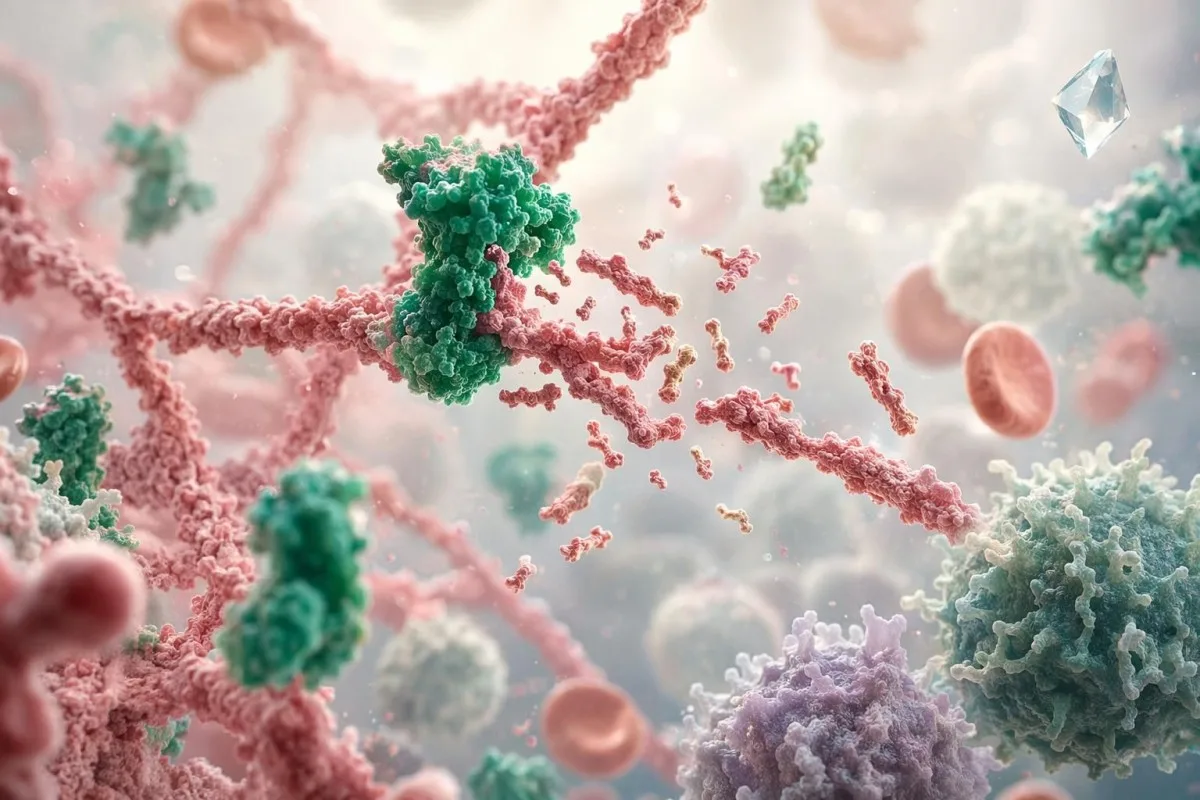
Broj ima tendenciju rasta sa težinom. Blaga infekcija grudnog koša može proizvesti 700 ng/mL FEU, dok sepsa, uznapredovali rak ili velika trauma mogu proizvesti nekoliko hiljada ng/mL FEU, a da rezultat ne kaže tačno gde je problem.
Inflamacija i koagulacija razgovaraju međusobno. Kada je CRP 100 mg/L, a leukociti 16 × 10⁹/L, D-dimer može odražavati sistemski odgovor tkiva, a ne primarni tromb; naš водич за маркере инфекције objašnjava taj obrazac.
Važna je i funkcija bubrega. Smanjen eGFR može korelirati sa višim D-dimerom delom zato što stariji, krhkiji pacijenti imaju više vaskularne bolesti i inflamatornog opterećenja, a delom zato što je klirens nekoliko proteina manje predvidljiv.
Klinička greška je pretpostaviti da “nije tromb” znači “ništa”. D-dimer od 2.400 ng/mL FEU uz temperaturu, gubitak telesne težine, anemiju ili abnormalne enzime jetre i dalje zaslužuje obradu, samo ne nužno kao prvi korak CT plućne angiografije.
Trudnoća, operacije i infekcije menjaju pravila
Granične vrednosti D-dimera prilagođene uzrastu nisu jednostavno primenljive na trudnoću, prve nedelje nakon operacije ili nedavnu značajnu infekciju. U tim situacijama D-dimer često raste jer se očekuje da su koagulacija i popravka tkiva aktivne.

Nakon velike operacije, D-dimer može ostati povišen danima do nedeljama, ponekad iznad 1.000 ng/mL FEU i bez novog tromba. Tačan vremenski tok zavisi od povrede tkiva, nepokretnosti, infekcije i toga da li je korišćena preventivna antikoagulacija.
Trudnoća je poseban dijagnostički put. D-dimer raste kroz tromesečja, a kliničari mogu koristiti algoritme prilagođene trudnoći umesto standardnog pravila „uzrast × 10”; naš članak o trudnoći i operaciji objašnjava te izuzetke.
COVID i druge infekcije mogu ostaviti „rep” povišenog D-dimera. Nalaz od 900 ng/mL FEU 10 dana nakon febrilne bolesti može odražavati oporavak, ali nova bol u grudima ili pad saturacije kiseonikom odmah menja rizik.
Pokušavam da preciziram vreme: dan 1 simptoma, dan 14 operacije, dan 3 leta, dan 7 temperature. D-dimer gubi značenje kada je vremenska linija nejasna, jer ista vrednost može biti bezazlen šum oporavka ili rani znak tromba.
Kada D-dimer može delovati lažno uveravajuće
D-dimer može biti lažno nizak ili manje koristan ako su simptomi prisutni već mnogo dana, ako su antikoagulansi započeti pre testa, ako je tromb mali ili izolovan, ili ako test ima ograničenu osetljivost. Negativan rezultat snižava rizik; ne briše priču visokog rizika.
D-dimer je najkorisniji rano u proceni, pre lečenja. Ako je neko primio terapijsku antikoagulaciju 24 do 48 sati pre testiranja, signal razgradnje fibrina može pasti dovoljno da interpretacija bude manje čista.
Simptomi koji su počeli 10 do 14 dana ranije takođe mogu zamutiti sliku. Ugrušak se možda stabilizovao, delimično razrešio ili je do trenutka kada osoba konačno dođe u ambulantu proizveo manje merljiv D-dimer.
Kantesti je alat za analizu krvi zasnovan na veštačkoj inteligenciji koji koriste pacijenti u više od 127 zemalja, ali naši rezultati su dizajnirani da ukažu na neizvesnost, a ne da postave dijagnozu ugruška. технолошки водич objašnjava kako naš sistem odvaja tumačenje laboratorijskih nalaza od hitnog odlučivanja.
Kliničar koji čuje “onesvestio sam se juče i sada ne mogu da pređem sobu” ne treba da se umiri graničnim D-dimerom. U tom slučaju potrebni su pregled, merenje saturacije kiseonikom, EKG i često snimanje.
Šta obično obuhvata hitno snimanje tromba
Hitno snimanje kod sumnje na plućnu emboliju obično je CT plućna angiografija, V/Q skeniranje ili kompresiona ultrasonografija, u zavisnosti od simptoma, statusa trudnoće, funkcije bubrega, alergije na kontrast i dostupnosti u lokalnoj sredini. Rezultat D-dimera pomaže da se odluči da li je snimanje potrebno; on sam po sebi ne bira vrstu pregleda.
CT plućna angiografija je brza i široko se koristi, ali zahteva jodirani kontrast i izlaže grudni koš zračenju. Kod pacijenta sa eGFR ispod 30 mL/min/1.73 m², rizik od kontrasta postaje deo odluke.
V/Q skeniranje može biti korisno kada CT kontrast nije idealan, posebno ako je rendgen grudnog koša normalan. Ultrazvuk noge može potvrditi DVT i opravdati lečenje bez CT grudnog koša u odabranim slučajevima.
Pre snimanja, lekari često proveravaju kreatinin, eGFR, status trudnoće kada je relevantno, saturaciju kiseonikom, EKG i ponekad troponin ili BNP ako se sumnja na opterećenje PE. Naš vodičem za rezultat za bubrege pomaže pacijentima da razumeju zašto bubrežni brojevi iznenada postaju važni pre kontrasta.
Ako snimanje potvrdi PE, sledeća odluka je težina. Mala stabilna PE sa saturacijom kiseonikom 97% razlikuje se od velike PE sa niskim krvnim pritiskom, povišenim troponinom i opterećenjem desnog srca.
Kako bi AI tumačenje trebalo da rukuje kontekstom D-dimera
Tumačenje uz pomoć AI treba da tretira D-dimer kao marker koji zavisi od konteksta, a ne kao binarnu oznaku „visok“ ili „normalan“. Najbezbedniji rezultat uzima u obzir godine, jedinice, tip analize, vreme, simptome, faktore rizika i povezane laboratorijske nalaze kao što su CRP, CBC, kreatinin, trombociti, PT/INR i fibrinogen.
Kantesti je servis za tumačenje laboratorijskih testova zasnovan na veštačkoj inteligenciji koji može prepoznati kada je D-dimer iznad fiksnog graničnog nivoa laboratorije, ali ispod praga prilagođenog uzrastu. Ta razlika je korisna jer mnogi laboratorijski portali obeležavaju 510 ng/mL FEU kao abnormalno bez objašnjavanja uzrasta.
Drugi sloj je formulacija radi bezbednosti. Ako simptomi koje je korisnik uneo uključuju bol u grudima, kratak dah, nesvesticu, iskašljavanje krvi ili jednostrano oticanje noge, sistem treba da usmeri ka hitnoj kliničkoj proceni, a ne “pratite i sačekajte”.”
Наше AI tumačenje ograničenja članak je tu direktan: AI može objasniti obrasce za oko 60 sekundi, ali ne može da sluša vaša pluća, meri kiseonik, niti da odluči da li je večeras potreban CT skener.
U mom ličnom redu za pregled, najkorisnija AI “zastavica” nije “D-dimer visok”. To je „D-dimer visok za ovaj uzrast i uparen sa simptomima koji povećavaju verovatnoću ugruška“, što je mnogo klinički iskrenija rečenica.
Kada ponavljanje D-dimera pomaže — i kada gubi vreme
Ponovljeni D-dimer može pomoći kada je originalni rezultat uzet prerano, prijavljen u zbunjujućim jedinicama ili dobijen tokom jasnog privremenog okidača. Ponovno testiranje nije odgovarajuće kada trenutni simptomi ukazuju na PE ili DVT; snimanje ne treba odlagati zbog drugog broja.
Ponovni test nakon 1 do 2 nedelje može biti razuman kada je D-dimer blago povišen tokom virusne bolesti i kada su simptomi potpuno smireni. Pad sa 1.100 na 520 ng/mL FEU može podržati oporavak, iako i dalje ne dijagnostikuje šta se dogodilo.
Ponovljanje je manje korisno nakon operacije jer vrednosti mogu ostati povišene nekoliko nedelja. Stabilan pacijent 10 dana nakon operacije zahteva procenu rizika i ponekad ultrazvuk, a ne svakodnevne provere D-dimera.
Pacijenti često traže drugi set očiju kada portal kaže “abnormalno”, ali lekar kaže “nije zabrinjavajuće”. Naš drugo mišljenje vodič objašnjava kada je takav pregled koristan i kada je bezbednije zbrinjavanje istog dana.
Ako ponavljate D-dimer, ponovite ga u istom sistemu jedinica ako je moguće. Poređenje 0,74 mg/L FEU sa 390 ng/mL DDU bez konverzije je recept za zabunu.
Pitanja koja treba postaviti kada je vaš D-dimer graničan
Granični D-dimer treba da pokrene bolja pitanja, a ne automatsko uveravanje ili automatsko CT snimanje. Pitajte za jedinicu, vaš prag prilagođen uzrastu, vaš Wells ili Geneva rizik, vreme pojave simptoma, nedavne okidače i kakva promena simptoma treba da vas uputi u hitnu ambulantu.

Прво питање је једноставно: “Да ли је ово FEU или DDU?” Друго је: “Који cutoff важи за моје године?” Особа од 69 година са 640 ng/mL FEU може бити испод cutoff-а прилагођеног узрасту, док је 640 ng/mL DDU другачији ниво забринутости.
Затим питајте: “Која је била моја клиничка вероватноћа пре теста?” Ако нико није разматрао пулс, засићеност кисеоником, оток ноге на једној страни, недавно хируршко лечење, терапију естрогеном, рак или претходни VTE, резултат је можда протумачен превише уско.
Питајте за план у писаној форми ако можете: симптоми на које треба пазити, да ли је потребан ултразвук, да ли је потребан CT и да ли има смисла поновити тестирање. Наш варијабилности крвних тестова водич помаже пацијентима да разумеју зашто мале лабораторијске промене не треба читати као берзанске цене.
Обично кажем пацијентима да држе при руци три бројке: вредност D-димера са јединицом, засићеност кисеоником ако је мерена, и пулс у мировању. Та три броја, заједно са симптомима, често кажу клиничару много више него што то чини само „заставица“ за D-димер.
Zaključak: koristite korekciju po uzrastu, ali ne ignorišite simptome
D-димер прилагођен узрасту после 50. године је паметан начин да се смањи непотребно снимање, али је безбедан само у оквиру структурисане клиничке процене. Користите узраст × 10 ng/mL FEU за многе анализе, проверите јединицу и потражите хитну медицинску помоћ када симптоми указују на PE или DVT.
Од 13. јуна 2026. године, моје практично правило је ово: особа са ниским ризиком, 74 године, са D-димером 680 ng/mL FEU може избећи CT, али 74-годишњак који је без даха са пулсом 120/min и засићеношћу кисеоником 91% захтева хитну процену. Исти број може значити различите ствари.
Медицински садржај Kantesti се проверава у односу на клиничке стандарде, не само на лабораторијске референтне интервале. Наш клиничка валидација страница објашњава како лекарски надзор и техничко бенчмаркинг обликују начин на који представљамо језик ризика.
Ако је ваш D-димер граничан, не расправљајте се са бројем изоловано. Питајте да ли је коришћен cutoff прилагођен узрасту, да ли се ваша симптоматика мења пре-тестне вероватноће и да ли је данас потребан ултразвук или CT.
Безбедно тумачење је скромно. D-димер је одличан за искључивање тромбова у правом групи пацијената, слаб за доказивање тромбова и опасан када се користи да поништи причу високог клиничког ризика.
Често постављана питања
Koliki je prag D-dimera prilagođen uzrastu nakon 50. godine?
Uobičajena prilagođena starosti granična vrednost D-dimera nakon 50. godine iznosi starost × 10 ng/mL FEU. Na primer, granična vrednost je 600 ng/mL FEU sa 60 godina, 750 ng/mL FEU sa 75 godina i 880 ng/mL FEU sa 88 godina. Ovo pravilo treba koristiti samo kada je klinička verovatnoća tromba niska ili srednja, a ne kada simptomi snažno ukazuju na plućnu emboliju ili DVT.
Da li je D-dimer od 700 visok kod 70-godišnjaka?
D-dimer od 700 ng/mL FEU je tačno na uobičajenom, starosno prilagođenom graničnom nivou za osobu od 70 godina. Može se tretirati kao negativan samo ako osoba ima nisku ili srednju kliničku verovatnoću i nema zabrinjavajućih simptoma kao što su nagla otežana disanja, bol u grudima, nesvestica, nizak saturacioni nivo kiseonika, iskašljavanje krvi ili jedna otečena bolna noga. Ako je jedinica DDU umesto FEU, 700 ng/mL DDU nije ekvivalentno i zahteva drugačije tumačenje.
Zašto se D-dimer povećava s godinama?
D-dimer raste s godinama jer se osnovno stvaranje i razgradnja fibrina pojačavaju kako krvni sudovi, tkiva i inflamatorni sistemi stare. Starije osobe takođe imaju veće stope infekcija, karcinoma, oštećenja bubrega, srčane slabosti, operacija i hospitalizacije, a sve to može povisiti D-dimer iznad 500 ng/mL FEU bez dokazivanja tromba. Zbog toga pragovi korigovani prema uzrastu smanjuju lažno pozitivne rezultate nakon 50. godine.
Može li normalan D-dimer prilagođen uzrastu da propusti ugrušak?
Da, normalan D-dimer prilagođen uzrastu može propustiti ugrušak u određenim situacijama, naročito ako je klinička verovatnoća visoka, simptomi prisutni 10 do 14 dana, antikoagulansi su započeti pre testiranja ili je ugrušak mali. D-dimer je najbezbedniji kao test za isključenje (rule-out) kod pacijenata sa niskim ili srednjim rizikom. Simptomi visokog rizika treba da vode ka snimanju, a ne ka uveravanju na osnovu graničnog broja.
Koji simptomi zahtevaju snimanje čak i uz granično povišen D-dimer?
Iznenadna kratkoća daha, bol u grudima koji se pogoršava pri disanju, nesvestica, saturacija kiseonikom ispod približno 92%, iskašljavanje krvi, puls iznad 100/min, ili jedna otečena bolna noga mogu opravdati hitno snimanje čak i kada je D-dimer graničan. Snimanje može značiti CT plućnu angiografiju, V/Q sken ili kompresionu ultrasonografiju u zavisnosti od kliničke situacije. Rezultat D-dimera ne bi trebalo da nadjača obrazac simptoma visokog rizika.
Koja je razlika između FEU i DDU u rezultatima D-dimera?
FEU i DDU su različiti sistemi izveštavanja za D-dimer, a vrednosti FEU su približno dvostruko veće od vrednosti DDU. Standardni prag od 500 ng/mL FEU približno je ekvivalentan 250 ng/mL DDU. Formule prilagođene uzrastu obično se za FEU pišu kao uzrast × 10 ng/mL nakon 50. godine, dok je približna DDU ekvivalentna vrednost uzrast × 5 ng/mL.
Da li treba da ponovim granični D-dimer test?
Ponovno određivanje granično povišenog D-dimera može biti razumno kada su simptomi niskog rizika, kada je originalna jedinica bila nejasna ili kada je rezultat nastao tokom privremenog okidača, kao što je blaga infekcija. Ponovljeno određivanje nakon 1 do 2 nedelje može pokazati da li vrednost opada, na primer sa 1.100 na 520 ng/mL FEU. Ne čekajte na ponovljeno testiranje ako imate bol u grudima, otežano disanje, nesvesticu, sniženu saturaciju kiseonikom ili jednu otečenu i bolnu nogu.
Укључите AI анализу крвне слике данас
Придружите се више од 2 милиона корисника широм света који верују Kantesti-у за тренутну и прецизну анализу лабораторијских тестова. Отпремите своје резултате крвне слике и добијте свеобухватно тумачење 15,000+ биомаркера за неколико секунди.
📚 Референциране научне публикације
Klajn, T., Mičel, S., i Veber, H. (2026). Водич за здравље жена: Овулација, менопауза и хормонски симптоми. Kantesti AI Medical Research.
Klajn, T., Mičel, S., i Veber, H. (2026). Višejezična AI podrška kliničkom odlučivanju za ranu trijažu Hantavirusa: Dizajn, inženjerska validacija i primena u realnom svetu na preko 50.000 interpretiranih izveštaja o analizi krvi. Kantesti AI Medical Research.
📖 Спољне медицинске референце
⚕️ Медицинска одрицање одговорности
Овај чланак је само у образовне сврхе и не представља медицински савет. За одлуке о дијагнози и лечењу увек се консултујте са квалификованим здравственим радником.
Е-Е-А-Т сигнали поверења
Искуство
Клиничка ревизија процеса тумачења лабораторијских налаза коју води лекар.
Експертиза
Фокус на лабораторијску медицину: како се биомаркери понашају у клиничком контексту.
Ауторитативност
Написао др Томас Клајн, уз рецензију др Саре Мичел и проф. др Ханса Вебера.
Поузданост
Тумачење засновано на доказима, са јасним путевима праћења како би се смањила узнемиреност.