![[N] deuchainn fala D-dimer air a shealltainn le pìosan fibrin, tiùb citrate, agus cuvette assay](https://www.kantesti.net/wp-content/uploads/2026/06/d-dimer-blood-test-age-adjusted-cutoff-after-50-d-dimer-fibrin-fragment-citrate-assay-hero.webp "Deuchainn fala D-dimer an dèidh 50: Stairsneachan aoise air am mìneachadh 1")
Chan eil D-dimer beagan àrd aig 72 air a mhìneachadh san aon dòigh ’s a tha an aon àireamh aig 32. Is e an rud cruaidh fios a bhith agad cuin a tha atharrachadh a rèir aois sàbhailte — agus cuin a tha comharraidhean a’ dol thairis air na matamataig.


- deuchainn fala D-dimer a’ tomhas briseadh sìos fibrin; tha toradh àrd a’ moladh cruthachadh clot agus briseadh sìos an àiteigin, ach chan eil e a’ dearbhadh clot.
- Stairsneach àbhaisteach gu tric 500 ng/mL FEU, sgrìobhte cuideachd mar 0.50 mg/L FEU, ach bidh obair-lannan a’ cleachdadh diofar aonadan.
- Stairsneach D-dimer atharraichte a rèir aois an dèidh aois 50 mar as trice tha e aois × 10 ng/mL FEU; dh’ fhaodadh gum bi stairsneach aig neach 78-bliadhna de 780 ng/mL FEU.
- Stairsneach D-dimer a rèir aois bu chòir a chleachdadh a-mhàin nuair a tha coltachd clionaigeach ìosal no eadar-mheadhanach, chan ann nuair a tha comharraidhean a’ moladh gu làidir embolism sgamhain no DVT.
- Ìomhaigheachd èiginneach tha feum fhathast air airson pian-ciste, giorrad obann an anail, fannachadh, ocsaidean ìosal, casadaich fala, no cas shèidte phianail, eadhon le D-dimer aig ìre crìche.
- Aonadan FEU an aghaidh DDU matter oir tha luachan FEU timcheall air dà uair luachan DDU; tha 500 ng/mL FEU mu 250 ng/mL DDU.
- Inbhich nas sine gu tric nas àirde oir tha tionndadh bun-loidhne fibrin, freagairt maothraidh shoithichean-fala, atharrachaidhean ann an glanadh nan dubhagan, cunnart aillse, agus ìrean gabhaltachd ag èirigh le aois.
- Toraidhean crìche (Borderline) as sàbhailte nuair a thèid an mìneachadh còmhla ri sgòr Wells no Geneva, sùghaidh ocsaidean, ìre cuisle, factaran cunnart, agus àm nan comharraidhean.
Dè tha deuchainn fala D-dimer a’ ciallachadh an dèidh aois 50
Às dèidh aois 50, a deuchainn fala D-dimer faodar a mhìneachadh le gearradh dheth air atharrachadh a rèir aois: aois × 10 ng/mL FEU. Mar sin dh’fhaodadh neach 70-bliadhna a bhith air a mheas àicheil fo 700 ng/mL FEU ma tha coltachd clota ìosal no eadar-mheadhanach. Ach buannaichidh na comharraidhean. Feumaidh giorrachadh anail ùr, pian ciste, fannachadh, ocsaidean ìosal, casadaich fala, no aon chas aon-phàirteach swollen is goirt fhathast ìomhaigheachd èiginneach, eadhon nuair nach eil an àireamh ach air crìoch.
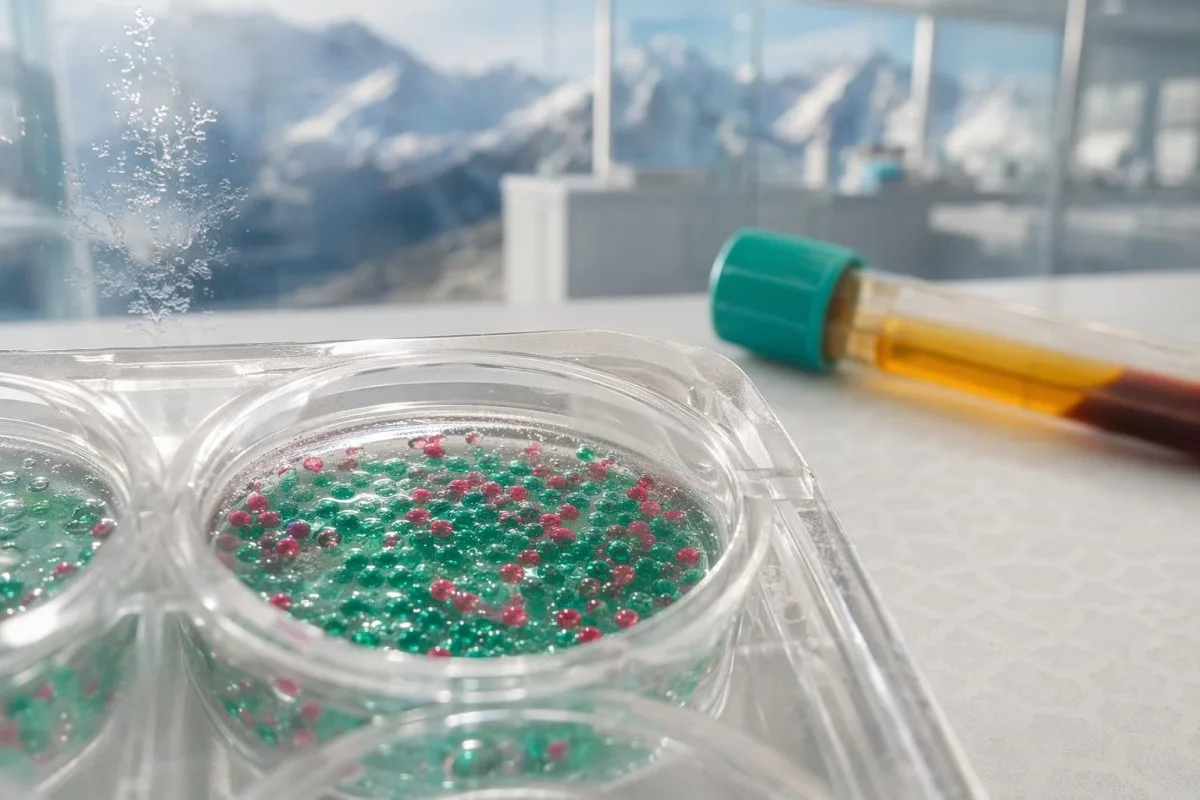
“S e Thomas Klein, MD, a th” annam, agus ann an obair ath-bhreithneachaidh clionaigeach chì mi an aon ribe gach seachdain: fear 76-bliadhna le D-dimer de 620 ng/mL FEU agus thèid innse dha gu bheil e “àrd,” agus an uair sin bidh e fo eagal. Aig aois 76, ’s e an gearradh dheth air atharrachadh a rèir aois 760 ng/mL FEU, agus mar sin faodaidh 620 a bhith àicheil dìreach nuair a tha an dealbh clionaigeach a’ toirt misneachd.
Tha toradh D-dimer os cionn 500 ng/mL FEU cumanta às dèidh 65, agus is ann air sgàth sin a tha gearradh dheth stèidhichte do dh’inbhich a’ cruthachadh mòran rabhaidhean meallta. Bidh an sgioba lighiche againn, a’ gabhail a-steach luchd-ath-bhreithneachaidh a tha air an bòrd comhairleachaidh meidigeach, a’ làimhseachadh D-dimer mar dheuchainn “gus cuir às,” chan ann mar dhearbhadh.
’S e inneal-anailisiche deuchainn fala AI a th’ ann an Kantesti a leughas D-dimer còmhla ri aois, aonadan, comharraidhean, inbhe torrachais no lannsaireachd, comharran dubhaig, agus comharran sèididh. Tha an co-theacsa cudromach oir tha toradh 520 ng/mL FEU ann an neach 52-bliadhna socair eadar-dhealaichte bhon aon luach ann an neach 82-bliadhna le sùghaidh ocsaidean de 90%.
Carson a bhios toraidhean D-dimer gu tric nas àirde mar a bhios daoine a’ fàs nas sine
Bidh D-dimer ag èirigh le aois oir tha soithichean-fala agus maothran nas sine a’ cruthachadh agus a’ briseadh sìos fibrin bun-loidhne nas motha. Mar as trice chan e aon duilgheadas shingilte a th’ anns an àrdachadh; ’s e buaidh cho-chruinnichte aoisachadh shoithichean-fala, sèid leantainneach, glanadh nas slaodaiche, barrachd mhodhan meidigeach, agus barrachd tinneas sàmhach.
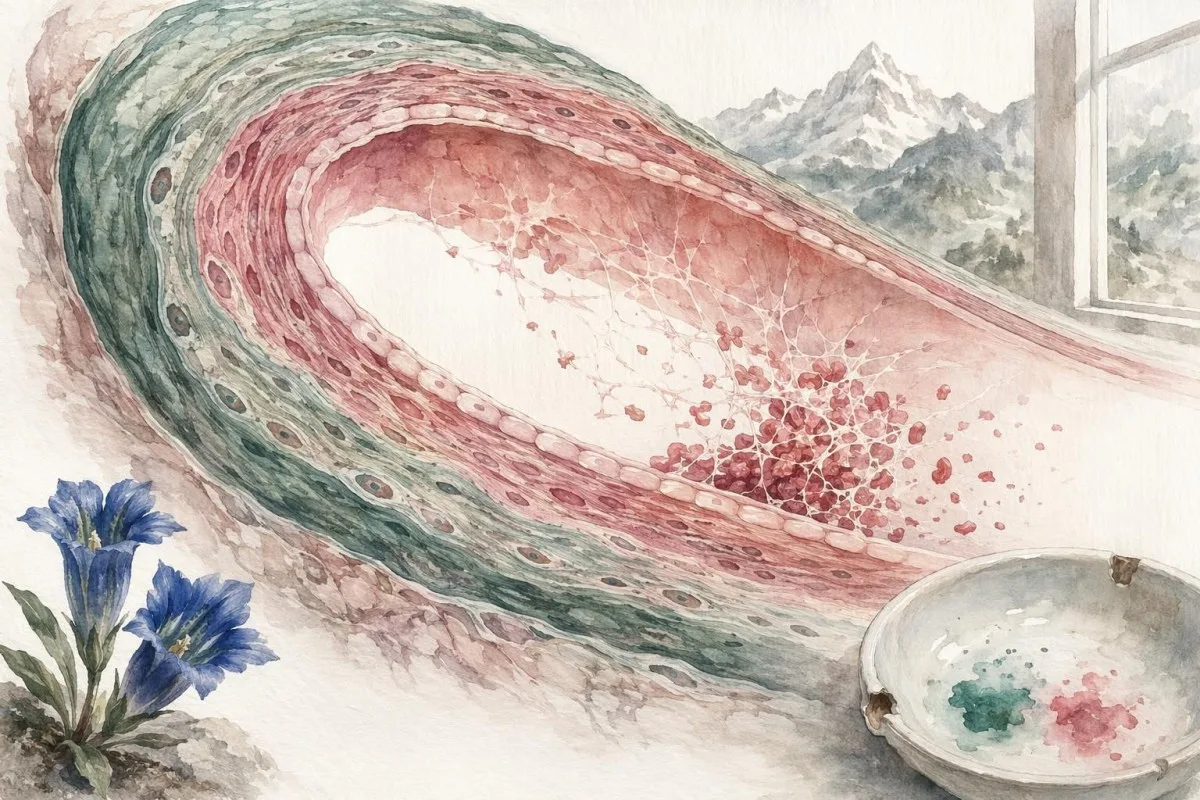
Ro dheireadh nan 60an, tha àrdachadh beag ann an comharran gnìomhachaidh coagulation aig mòran dhaoine fallain eadhon gun thrombosis vein domhainn no embolism sgamhain. Chan eil sin a“ ciallachadh gu bheil an corp ”làn de chlotaichean”; tha e a’ ciallachadh gu bheil an siostam haemostatach nas fuaimneach na bha e aig aois 30.
’S e an duilgheadas practaigeach sònrachas. Ann an inbhich nas sine, faodaidh gearradh dheth stèidhichte 500 ng/mL FEU bileag a chur air cuibhreann mòr de thinneasan nach eil clotaichean mar dheimhinneach, gu h-àraidh neumonia, fàilligeadh cridhe, bacadh dubhaig, aillse, trauma, agus inntrigeadh o chionn ghoirid don ospadal. Airson sealladh nas fharsainge air euslaintich, tha an raon àbhaisteach D-dimer a“ mìneachadh carson nach eil ”àbhaisteach” an-còmhnaidh dìreach aon àireamh.
Bidh mi gu tric a’ mìneachadh D-dimer mar cheò, chan e teine. Faodaidh ceò tighinn bho embolism sgamhain cunnartach, ach dh’fhaodadh e tighinn cuideachd bho ghalar o chionn ghoirid le CRP de 80 mg/L no bho thuiteam le bruising 5 làithean roimhe sin. Tha an àireamh ag iarraidh reusanachadh clionaigeach; chan eil i ga chur na àite.
Mar a thèid an stairsneach D-dimer atharraichte a rèir aois a thomhas
an raon àbhaisteach gearradh dheth D-dimer air atharrachadh a rèir aois às dèidh 50 tha e aois × 10 ng/mL FEU. Bidh neach 60-bliadhna a’ cleachdadh 600 ng/mL FEU, bidh neach 75-bliadhna a’ cleachdadh 750 ng/mL FEU, agus bidh neach 88-bliadhna a’ cleachdadh 880 ng/mL FEU nuair a bhios an assay ag aithris aonadan FEU.

Lorg an sgrùdadh ADJUST-PE ann an JAMA gun do mheudaich gearraidhean dheth air atharrachadh a rèir aois gu sàbhailte an àireamh de dh’ euslaintich nas sine far an gabhas embolism sgamhain a chur às às aonais ìomhaigheachd CT (Righini et al., 2014). Ann an euslaintich 75 no nas sine, dh’èirich a’ chuibhreann a chaidh a chur às le D-dimer bho mu 6.4% leis a’ ghearradh dheth 500 ng/mL FEU gu 29.7% le atharrachadh a rèir aois.
Bidh lìonra neòil Kantesti ga làimhseachadh mar Stairsneach D-dimer a rèir aois, chan ann mar sholas uaine uile-choitcheann. Faodaidh toradh de 690 ng/mL FEU aig aois 70 a bhith fo ghearradh dheth 700, ach dìreach ma tha coltachd ro-dheuchainn nach eil àrd agus gun deach an sampall a thogail mus deach anticoagulation a thòiseachadh.
Ma tha thu a’ coimeas grunn biomarcadairean, bu chòir atharrachadh a rèir aoise a bhith ri taobh a’ phannail eile, chan ann ann an “silo” inntinn. Tha ar biomarker guide air a thogail timcheall air an aon phrionnsapal: bidh aon thoradh a’ faighinn ciall eadar-dhealaichte nuair a thèid a chur còmhla ri aois, gnìomh nan dubhagan, sèid, agus comharraidhean.
Cleas feumail aig an leabaidh euslaintich ’s e a bhith a’ leigeil seachad an fhigear mu dheireadh de dh’aois agus a’ cur neoni ris. Bidh aois 63 mu 630 ng/mL FEU; bidh aois 81 mu 810 ng/mL FEU. Bidh mi fhathast a’ sgrùdadh an aonad mus can mi dad sam bith a tha a’ toirt misneachd.
Faodaidh aonadan FEU an aghaidh DDU an àireamh a tha coltach a dhùblachadh
Mar as trice bidh aithisgean D-dimer air an sealltainn mar FEU no DDU, agus tha 500 ng/mL FEU co-ionann gu garbh ri 250 ng/mL DDU. Faodaidh mì-leughadh an aonad toirt air toradh coimhead dà uair cho àrd no a bhith gu meallta a’ toirt misneachd.
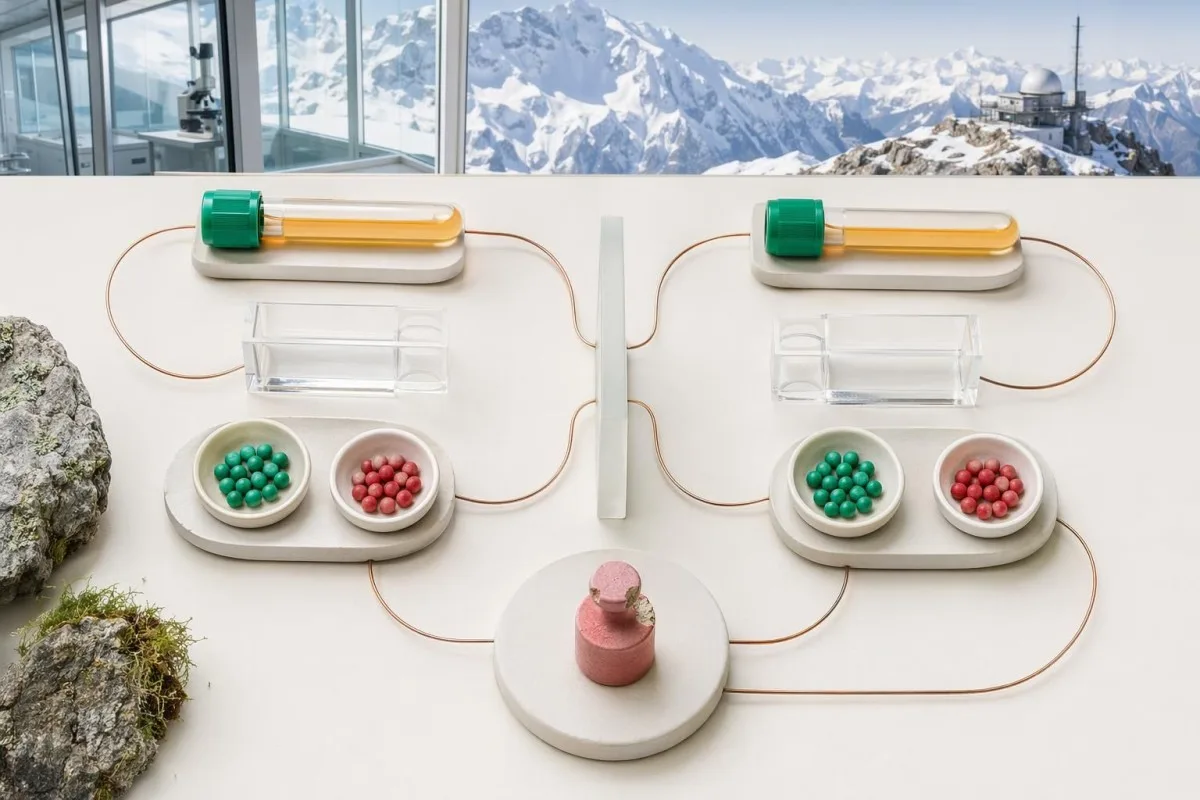
Tha FEU a’ ciallachadh aonadan co-ionann fibrinogen; tha DDU a’ ciallachadh aonadan D-dimer. Tha a’ mhòr-chuid de fhoirmlean atharraichte a rèir aoise air am foillseachadh mar ng/mL FEU, agus mar sin bidh an stairsneach àbhaisteach 500 ng/mL FEU a’ fàs aois × 10 às dèidh 50.
Ma bhios do obair-lann a’ cleachdadh DDU, ’s e an stairsneach co-ionann garbh a tha atharraichte a rèir aoise aois × 5 ng/mL DDU. Bhiodh stairsneach airson neach 72 bliadhna mu 720 ng/mL FEU no 360 ng/mL DDU, ged a tha calibration sònraichte an deuchainn fhathast cudromach.
Seo far am bi mòran de gheàrr-chunntasan “mìneachadh toraidhean deuchainn D-dimer” a’ fàiligeadh euslaintich: bidh iad a’ toirt seachad aon stairsneach gun atharrachadh aonadan. Tha ar stiùireadh deuchainn clotadh againn a’ coimeas D-dimer le PT, INR, aPTT, agus fibrinogen oir bidh aithisgean mu clotting gu tric a’ tighinn mar phasgan.
Bidh cuid de dh’obraichean-lann Eòrpach a’ aithris mg/L FEU, far a bheil 0.50 mg/L FEU co-ionann ri 500 ng/mL FEU. Ma tha aithisg de 0.68 mg/L FEU aig aois 70, bidh e 680 ng/mL FEU, a tha fo stairsneach 700 ng/mL FEU atharraichte a rèir aoise ma tha coltachd clionaigeach ìosal.
Chan eil atharrachadh a rèir aois sàbhailte ach an dèidh dhut coltachd ro-dheuchainn a bhith air a sgrùdadh
Tha D-dimer le atharrachadh a rèir aois air a dhearbhadh airson euslaintich le coltachd clionaigeach ìosal no eadar-mheadhanach, chan ann do dhaoine a tha mu thràth coltach gu bheil clot aca. Mar as trice bidh dotairean a’ cur ri chèile comharraidhean, ìre cuisle, ìre ocsaidean, eachdraidh clot roimhe, aillse, lannsaireachd, neo-ghluasad, agus toraidhean an sgrùdaidh mus earb iad an gearradh.
Tha stiùireadh Comann Eòrpach nan Cridhe (European Society of Cardiology) airson embolism sgamhain ann an 2019 a’ toirt taic do dheuchainn D-dimer a-mhàin ann an euslaintich le coltachd ìosal no eadar-mheadhanach; bu chòir do dh’euslaintich le coltachd àrd mar as trice gluasad air adhart gu ìomhaigheachd (Konstantinides et al., 2020). Bidh an eadar-dhealachadh sin a’ cur casg air toradh àbhaisteach no crìochach bho bhith a’ dàil air breithneachadh.
Sheall deuchainn PEGeD anns an New England Journal of Medicine cuideachd gum faodar D-dimer a chur an sàs a rèir coltachd clionaigeach, le soghraidhean nas àirde air an cleachdadh ann an euslaintich le cunnart ìosal fo riaghailtean structaraichte (Kearon et al., 2019). Chan e “tomhas air thuaiream” a tha seo; ’s e seòrsachadh foirmeil air cunnart.
Do luchd-clionaig, tha sgòr Wells fhathast na gheàrr-chunntas practaigeach: comharran DVT, ìre cridhe os cionn 100/min, neo-ghluasad, VTE roimhe, haemoptysis, aillse, agus a bheil PE ’s e an dearbhadh as coltaiche. Tha an rannsachadh againn stiùireadh comharran coagulation a’ dol nas doimhne a-steach do mar a tha D-dimer a’ suidhe ri taobh protein C agus aPTT.
Anns an eòlas agam, chan eil na cùisean cunnartach gu math falaichte nuair a thig e gu bhith a’ coimhead air ais. Cha bu chòir euslainteach le pian broilleach pleuritic, tachycardia de 118/min, agus sùghaidh ocsaidean de 91% a bhith air a shocrachadh le D-dimer de 610 ng/mL FEU aig aois 68.
Comharraidhean a dh’ fheumas ìomhaigheachd èiginneach airson clot
Tha feum air ìomhaigheachd èiginneach nuair a tha comharraidhean a’ moladh embolism sgamhain no thrombosis vein domhainn, eadhon ma tha D-dimer crìochach no fo ghearradh le atharrachadh a rèir aois. Bu chòir dèiligeadh ri giorrad analachaidh gu h-obann, pian broilleach le anail, fannachadh, ocsaidean ìosal, casadaich fala, cuisle luath, no aon chas a tha swollen agus goirt mar chùis a tha mothachail air ùine.
Faodaidh embolism sgamhain nochdadh le sùghaidh ocsaidean fo 92%, cuisle os cionn 100/min, pian broilleach geur, giorrad analachaidh ùr, no tuiteam. Chan eil X-ray broilleach àbhaisteach ga chur às, agus chan eil D-dimer crìochach a’ toirt air falbh sgeulachd le cunnart àrd.
Ann an ath-sgrùdadh clionaigeach de Kantesti, bidh sinn a’ comharrachadh measgachadh chomharran seach a bhith a’ leantainn àireamh D-dimer a-mhàin. Feumaidh fear no boireannach 58-bliadhna le D-dimer de 540 ng/mL FEU agus haemoptysis slighe eadar-dhealaichte na fear no boireannach 58-bliadhna le 540 às dèidh tinneas viral tlàth agus gun chomharran cardiopulmonary.
Tha an artaigil nas doimhne againn air comharraidhean D-dimer àrd feumail oir tha e a’ sgaradh cunnart obair-lann bho chunnart chomharran. Tha an dà rud a’ dol thairis air a chèile, ach chan eil iad co-ionann.
Ma tha giorrad analachaidh cruaidh agad, fannachadh, bilean gorma, teannachadh broilleach, troimh-chèile, no cas a tha a’ dol suas gu luath, ’s e seo raon èiginn. Na feitheamh 24 uair airson D-dimer eile; ’s e ìomhaigheachd agus measadh clionaigeach an ath cheum as sàbhailte.
Faodaidh aon chas shèidte feum a dhèanamh de ultrasound fiù ’s le toradh crìche
Faodaidh laogh no sliasaid aon-thaobhach, swollen agus goirt fhathast feum a bhith air ultrasound venous eadhon nuair nach eil D-dimer ach beagan àrd. Tha cunnart DVT nas àirde nuair a tha an sèid aon-thaobhach, ùr, tairgseach, co-cheangailte ri blàths, no a’ tachairt às dèidh neo-ghluasad, lannsaireachd, siubhal fada, aillse, torrachas, no clot roimhe.

Chan eil DVT air a dhearbhadh le D-dimer; tha e air a dhearbhadh le ultrasound teannachaidh san t-suidheachadh clionaigeach ceart. Mar as trice tha DVT proximal anns an sliasaid nas cunnartaiche na clot air leth anns an laoigh, oir tha barrachd cothroim ann gun tèid e gu na sgamhain mar embolus.
’S e neo-chothromachd an comharra clionaigeach as motha a tha mi a’ earbsa. Tha eadar-dhealachadh ann an cuairt-thomhas na laoighe de barrachd air 3 cm, air a thomhas mu 10 cm fo tuberosity an tibia, na phàirt de sgòradh Wells airson DVT agus atharraichidh e brìgh D-dimer crìche.
Chan eil a h-uile sèid co-cheangailte ri clot, gu dearbh. Faodaidh albumin ìosal, tinneas nan dubhagan, fàilligeadh cridhe, tinneas lymphatach, agus oedema air adhbhrachadh le cungaidhean an dealbh a mhìneachadh no a chur am mealladh; ar comharran obair-lann airson sèid a’ còmhdach nan adhbharan sin nach eil co-cheangailte ri clot.
’S e an suidheachadh duilich an t-euslainteach nas sine air diuretic le sèid leantainneach anns an adhbrann a mhothaicheas gu bheil aon chas air fàs nas miosa thar 48 uair. Cha leigeadh mi le D-dimer air atharrachadh a rèir aois a-mhàin an cùis sin a rèiteachadh; tha ultrasound saor, luath, agus gu tric cinnteach.
Adhbharan cumanta nach eil co-cheangailte ri clot carson a tha D-dimer àrd ann an inbhich nas sine
Faodaidh D-dimer a bhith àrd gun clot cunnartach, oir bidh mòran ghalaran a’ gnìomhachadh tionndadh fibrin. Faodaidh galar gabhaltach, aillse, lannsaireachd o chionn ghoirid, trauma, fàilligeadh cridhe, milleadh air na dubhagan, tinneas an grùthain, eas-òrdughan inflammatory, stròc, agus ospadalachadh uile putadh D-dimer os cionn 500 ng/mL FEU.
Mar as trice bidh an àireamh ag èirigh le cho dona ’s a tha e. Faodaidh galar-ciste tlàth 700 ng/mL FEU a thoirt gu buil, ach faodaidh sepsis, aillse adhartach, no prìomh trauma grunn mhìltean ng/mL FEU a thoirt gu buil gun innse dhut gu mionaideach càite a bheil an duilgheadas.
Tha còmhradh eadar sèid agus coagulation. Nuair a tha CRP 100 mg/L agus ceallan fala geala 16 × 10⁹/L, dh’fhaodadh D-dimer a bhith a’ nochdadh freagairt siostamach clò seach clot bun-sgoile; ar stiùireadh comharran galar a’ mìneachadh a’ phàtrain sin.
Tha gnìomh nan dubhagan cudromach cuideachd. Faodaidh eGFR nas ìsle a bhith co-cheangailte ri D-dimer nas àirde, gu ìre air sgàth gu bheil euslaintich nas sine agus nas laige a’ fulang barrachd tinneas vascùrach agus eallach inflammatory, agus gu ìre air sgàth gu bheil glanadh grunn phròtainean a’ fàs nas neo-sheasmhaiche.
“S e an mearachd clionaigeach a bhith a” gabhail ris gu bheil “chan e clot” a’ ciallachadh “chan eil dad.” Tha D-dimer de 2,400 ng/mL FEU le fiabhras, call cuideim, anaemia, no enzyman grùthain neo-àbhaisteach fhathast airidh air sgrùdadh, dìreach chan ann gu riatanach mar CT pulmonary angiogram mar a’ chiad cheum.
Bidh torrachas, lannsaireachd, agus galar ag atharrachadh nan riaghailtean
Chan eil gearraidhean D-dimer air an atharrachadh a rèir aois freagarrach gu sìmplidh airson torrachas, na ciad sheachdainean às dèidh lannsaireachd, no galar gabhaltach cudromach o chionn ghoirid. Anns na suidheachaidhean sin, bidh D-dimer gu tric ag èirigh oir thathar an dùil gum bi coagulation agus càradh clò gnìomhach.

Às dèidh prìomh lannsaireachd, faodaidh D-dimer fuireach àrd airson làithean gu seachdainean, uaireannan os cionn 1,000 ng/mL FEU eadhon gun clot ùr. Tha an clàr-ama mionaideach an urra ri dochann clò, neo-ghluasad, galar, agus an deach anticoagulation dìonach a chleachdadh.
Tha torrachas na shlighe breithneachaidh air leth. Bidh D-dimer ag èirigh thar nan trimesters, agus ’s dòcha gun cleachd luchd-clionaig algairimichean a tha freagarrach do thoircheas seach an riaghailt àbhaisteach aois × 10; artaigil againn air torrachas agus lannsaireachd a’ mìneachadh nan eisgeachdan sin.
Faodaidh COVID agus galairean eile fàgail “earball” de D-dimer àrd. Dh’fhaodadh toradh de 900 ng/mL FEU 10 làithean às dèidh tinneas le fiabhras a bhith a’ nochdadh ath-bheothachadh, ach bidh pian ciste ùr no tuiteam ann an sùghaidh ocsaidean ag atharrachadh a’ chunnart sa bhad.
Bidh mi a’ feuchainn ri àm a shuidheachadh: latha 1 nan comharraidhean, latha 14 na lannsaireachd, latha 3 an itealaich, latha 7 an fhiabhrais. Bidh D-dimer a’ call brìgh nuair a tha an clàr-ama neo-shoilleir, oir faodaidh an aon luach a bhith na fhuaim ath-bheothachaidh gun chron no na chomharra tràth air clot.
Cuin a dh’ fhaodas D-dimer coimhead ro-thaitneach gu meallta
Faodaidh D-dimer a bhith ro ìosal gu meallta no nas lugha feumail ma tha comharraidhean air a bhith ann airson iomadh là, ma chaidh anticoagulants a thòiseachadh mus deach an deuchainn a dhèanamh, ma tha an clot beag no air leth, no ma tha mothachadh cuibhrichte aig an assay. Bidh toradh àicheil a’ lùghdachadh cunnart; chan eil e a’ cuir às do sgeulachd àrd-chunnart.
Tha D-dimer as fheumaile tràth ann an measadh, mus tèid làimhseachadh. Ma ghabh cuideigin anticoagulation leigheasach airson 24 gu 48 uair mus deach deuchainn a dhèanamh, dh’fhaodadh an comharra briseadh sìos fibrin tuiteam gu leòr gus am bi mìneachadh nas neo-ghlan.
Faodaidh comharran a thòisich 10 gu 14 latha roimhe sin an t-uisge a dhèanamh nas doilleir cuideachd. Dh’fhaodadh gum biodh clot air seasmhachadh, air pàirt a rèiteachadh, no air D-dimer a dhèanamh nas lugha a ghabhas tomhas ro àm ’s a thèid an neach mu dheireadh gu clionaig.
Tha Kantesti na inneal anailis fala le cumhachd AI a bhios euslaintich a’ cleachdadh ann an còrr is 127 dùthaich, ach tha na toraidhean againn air an dealbhadh gus mì-chinnt a chomharrachadh seach breithneachadh clot a thoirt seachad. An iùl teicneòlais mìneachadh mar a bhios an siostam againn a’ sgaradh mìneachadh obair-lann bho cho-dhùnaidhean èiginn.
Cha bu chòir do lighiche a chluinneas “dh’fhannaich mi an-dè agus a-nis chan urrainn dhomh coiseachd tarsainn an t-seòmair” a bhith air a shocrachadh le D-dimer crìochach. Feumaidh an cùis sgrùdadh, tomhas ocsaidean, ECG, agus gu tric ìomhaigheachd.
Dè tha ìomhaigheachd èiginneach airson clot mar as trice a’ gabhail a-steach
Mar as trice ’s e CT pulmonary angiography, scan V/Q, no ultrasound teannachaidh a th’ ann an ìomhaigheachd èiginneach airson embolism sgamhain a tha fo amharas, a rèir nan comharran, inbhe torrachais, gnìomhachd nan dubhagan, aileirdsidh do chontrast, agus cothrom ionadail. Bidh an toradh D-dimer a’ cuideachadh le co-dhùnadh a bheil feum air ìomhaigheachd; chan eil e leis fhèin a’ taghadh an scan.
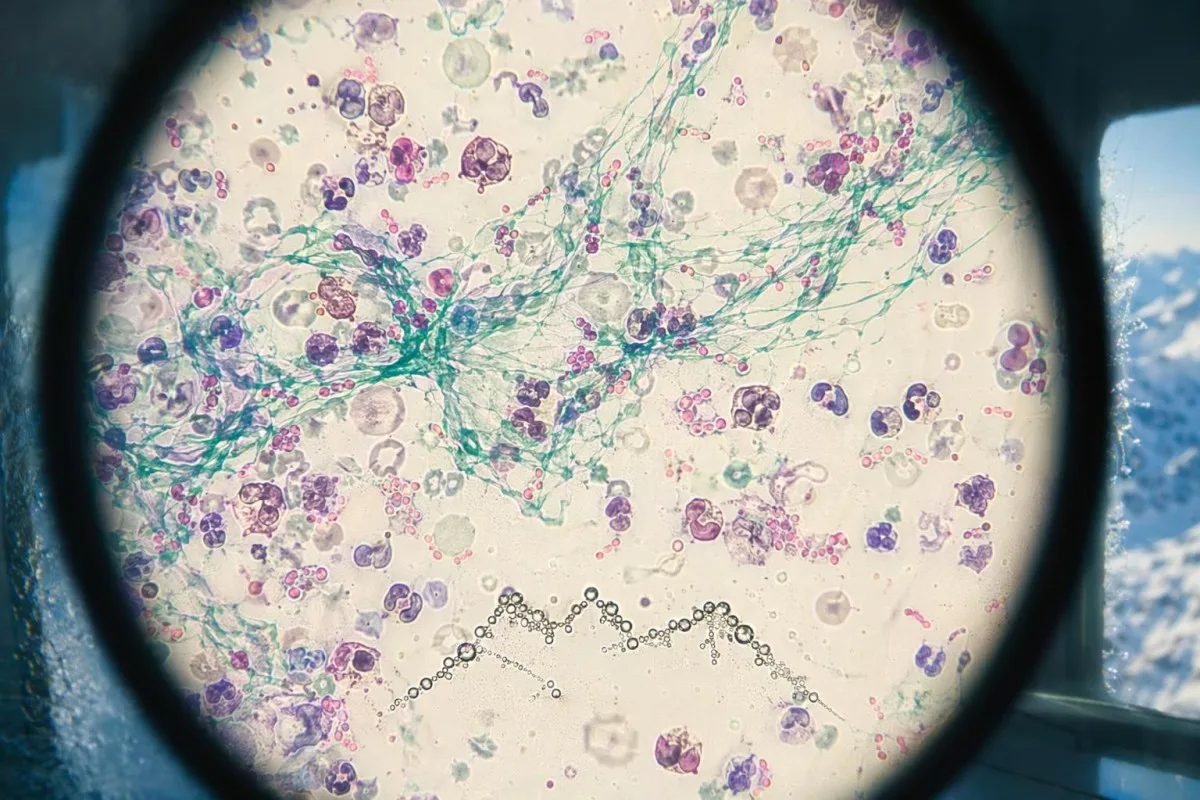
Tha CT pulmonary angiography luath agus air a chleachdadh gu farsaing, ach feumaidh e contrast iodinated agus bheir e rèididheachd dhan bhroilleach. Ann an euslainteach le eGFR fo 30 mL/min/1.73 m², bidh cunnart contrast na phàirt den cho-dhùnadh.
Faodaidh scan V/Q a bhith feumail nuair nach eil contrast CT cho freagarrach, gu h-àraidh ma tha X-ray a’ bhroilleach àbhaisteach. Faodaidh ultrasound na coise dearbhadh DVT agus làimhseachadh a dhèanamh reusanta gun CT a’ bhroilleach ann an cuid de chùisean taghte.
Mus tèid ìomhaigheachd a dhèanamh, bidh dotairean gu tric a’ sgrùdadh creatinine, eGFR, inbhe torrachais far a bheil e iomchaidh, saturation ocsaidean, ECG, agus uaireannan troponin no BNP ma tha amharas air cuideam PE. An iùl toraidh dubhag againn a’ cuideachadh euslaintich a thuigsinn carson a tha àireamhan dubhaig gu h-obann cudromach mus tèid contrast a chleachdadh.
Ma dhearbhas ìomhaigheachd PE, is e an ath cho-dhùnadh cho dona ’s a tha e. Tha PE beag seasmhach le saturation ocsaidean 97% eadar-dhealaichte bho PE mòr le bruthadh-fala ìosal, troponin àrd, agus cuideam air taobh deas a’ chridhe.
Mar a bu chòir do mhìneachadh le AI dèiligeadh ri co-theacsa D-dimer
Bu chòir do mhìneachadh AI D-dimer a làimhseachadh mar chomharra a tha an urra ri co-theacsa, chan ann mar leubail dà-chànanach “àrd no àbhaisteach”. Tha an toradh as sàbhailte a’ beachdachadh air aois, aonadan, seòrsa assay, àm, comharran, factaran cunnairt, agus deuchainnean co-cheangailte leithid CRP, CBC, creatinine, platelets, PT/INR, agus fibrinogen.
Tha Kantesti na sheirbheis mìneachaidh deuchainn-lann le AI a dh’fhaodas aithneachadh nuair a tha D-dimer os cionn gearradh stèidhichte an obair-lann ach fo stairsneach air atharrachadh a rèir aois. Tha an eadar-dhealachadh sin feumail oir bidh mòran de phortalan obair-lann a’ comharrachadh 510 ng/mL FEU mar neo-àbhaisteach gun a bhith a’ mìneachadh aois.
Is e an dàrna ìre cànan sàbhailteachd. Ma tha comharran a chuireas an neach-cleachdaidh a-steach a“ gabhail a-steach pian ciste, giorrad analach, fannachadh, casadaich fala, no sèid aon-thaobhach sa chas, bu chòir don t-siostam gluasad a dh’ionnsaigh measadh clionaigeach èiginneach seach ”coimhead is feitheamh.”
Ar crìochan mìneachaidh sgrùdadh fala AI tha an artaigil seo gu math cruaidh mu dheidhinn: Faodaidh AI pàtrain a mhìneachadh ann an timcheall air 60 diog, ach chan urrainn dhi èisteachd ri do sgamhanan, ocsaidean a thomhas, no co-dhùnadh a dhèanamh am feum thu scan CT an-diugh.
Anns an t-sreath sgrùdaidh agam fhìn, “s e an bratach AI as fheumaile nach eil ”D-dimer àrd.“ ”S e “D-dimer àrd airson an aois seo agus còmhla ri comharran a tha a’ togail coltachd clot,” rud a tha na seantans fada nas onarach gu clionaigeach.
Cuin a chuidicheas ath-aithris D-dimer — agus cuin a bhios e a’ caitheamh ùine
Faodaidh ath-aithris D-dimer cuideachadh nuair a chaidh an toradh tùsail a tharraing ro thràth, nuair a chaidh aithris ann an aonadan troimh-chèile, no nuair a chaidh fhaighinn rè brosnachadh soilleir sealach. Chan eil ath-aithris iomchaidh nuair a tha comharran làithreach a’ moladh PE no DVT; cha bu chòir dàil a chur air ìomhaigheachd airson an dàrna àireamh.
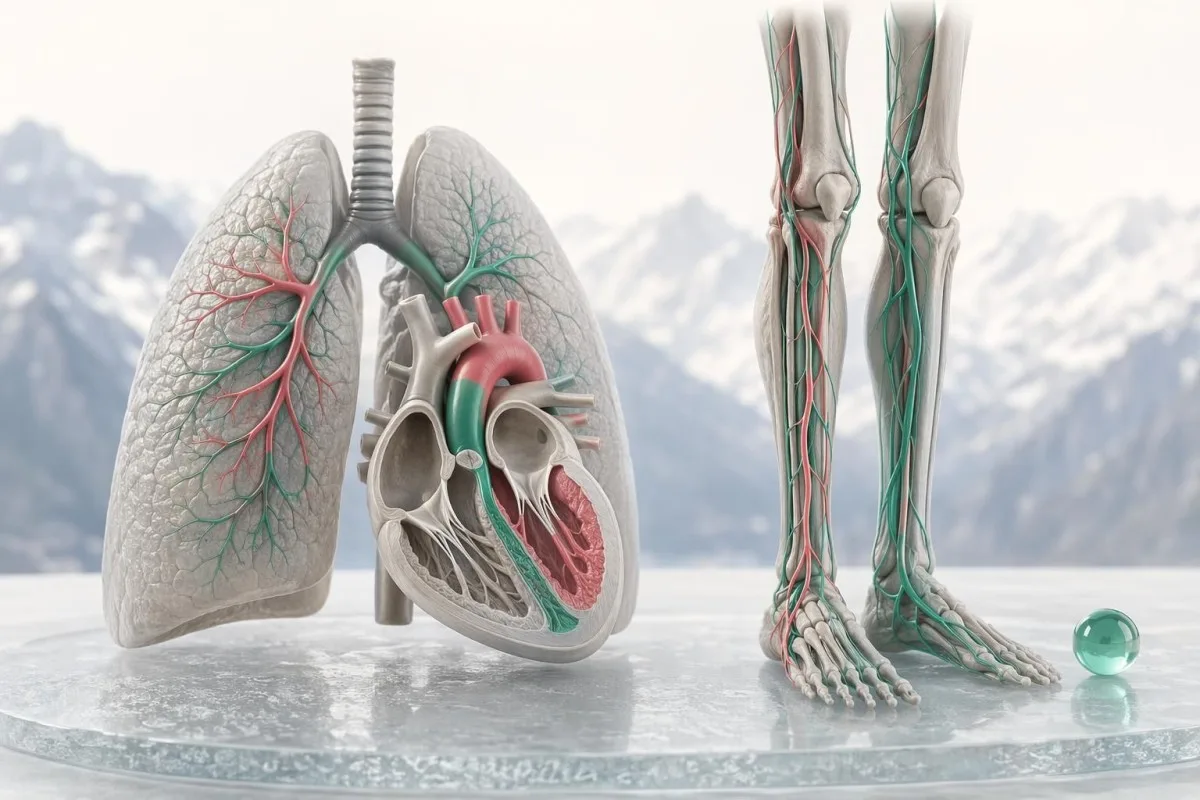
Faodaidh deuchainn ath-aithriseach às dèidh 1 gu 2 sheachdain a bhith reusanta nuair a chaidh D-dimer a thogail gu socair rè tinneas viral agus gu bheil na comharran air socrachadh gu tur. Faodaidh tuiteam bho 1,100 gu 520 ng/mL FEU taic a thoirt do shlànachadh, ged nach eil e fhathast a’ breithneachadh dè thachair.
Tha ath-aithris nas lugha feumail às dèidh obair-lannsa oir dh’fhaodadh na luachan fuireach àrd airson grunn sheachdainean. Feumaidh euslainteach seasmhach 10 latha às dèidh na h-obrach measadh cunnairt agus uaireannan ultrasound, chan e sgrùdaidhean D-dimer làitheil.
Bidh euslaintich gu tric ag iarraidh dàrna seata sùilean nuair a tha am portal ag ràdh “neo-àbhaisteach” ach an dotair ag ràdh “chan eil dragh.” An dàrna beachd mìneachadh cuin a tha an seòrsa ath-sgrùdaidh sin feumail agus cuin a tha cùram an aon latha nas sàbhailte.
Ma nì thu ath-aithris air D-dimer, dèan e san aon t-siostam aonadan ma ghabhas e. Tha coimeas 0.74 mg/L FEU le 390 ng/mL DDU gun tionndadh na reasabaidh airson troimh-chèile.
Ceistean ri faighneachd nuair a tha do D-dimer aig ìre crìche
Bu chòir do D-dimer crìochach ceistean nas fheàrr a bhrosnachadh, chan e dearbhadh fèin-ghluasadach no scan CT fèin-ghluasadach. Faighnich mu na h-aonadan, an stairsneach agad air atharrachadh a rèir aois, do Wells no Geneva risk, àm nan comharran, brosnachadh o chionn ghoirid, agus dè an atharrachadh ann an comharran a bu chòir do chuir gu cùram èiginneach.

Tha a“ chiad cheist sìmplidh: ”A bheil seo FEU no DDU?“ Is e an dàrna ceist, ”Dè an stairsneach a tha buntainneach don aois agam?” Dh’fhaodadh gum bi neach 69-bliadhna le 640 ng/mL FEU fo stairsneach air atharrachadh a rèir aois, ach tha 640 ng/mL DDU na ìre eile a tha na adhbhar barrachd dragh.
An uair sin faighnich, “Dè bha an coltas clionaigeach agam mus deach an deuchainn a dhèanamh?” Mura robh duine a’ beachdachadh air cuisle, sùghaidh ocsaidean, sèid ann an aon chas, lannsaireachd o chionn ghoirid, leigheas estrogen, aillse, no VTE roimhe, dh’fhaodadh gun deach an toradh a mhìneachadh ro chumhang.
Iarr am plana sgrìobhte ma ghabhas e: na comharraidhean airson coimhead, a bheil feum air ultrasound, a bheil feum air CT, agus a bheil e ciallach deuchainn a-rithist. Our caochlaideachd deuchainn fala bidh an stiùireadh againn a’ cuideachadh euslaintich a thuigsinn carson nach bu chòir gluasadan beaga ann an obair-lann a leughadh mar phrìsean stoc.
Mar as trice innis mi do dh’euslaintich cumail ri trì àireamhan: luach D-dimer leis an aonad, sùghaidh ocsaidean ma chaidh a thomhas, agus cuisle fois. Bidh na trì àireamhan sin, còmhla ri comharraidhean, gu tric ag innse don lighiche tòrr nas motha na an rabhadh D-dimer leis fhèin.
An co-dhùnadh: cleachd atharrachadh a rèir aois, ach na leig seachad comharraidhean
Tha D-dimer air atharrachadh a rèir aois an dèidh 50 na dhòigh glic air ìomhaighean neo-riatanach a lùghdachadh, ach chan eil e sàbhailte ach taobh a-staigh measadh clionaigeach structaraichte. Cleachd aois × 10 ng/mL FEU airson mòran de dheuchainnean, dearbhaich an aonad, agus iarr cùram èiginneach nuair a tha comharraidhean a’ moladh PE no DVT.
Mar 13 Ògmhios 2026, is e seo an riaghailt phractaigeach agam: dh’fhaodadh gum bi neach 74-bliadhna le cunnart ìosal agus D-dimer 680 ng/mL FEU a’ seachnadh CT, ach feumaidh neach 74-bliadhna a tha gann an anail le cuisle 120/min agus oxygen 91% measadh èiginneach. Faodaidh an aon àireamh ciall eadar-dhealaichte a bhith ann.
Tha susbaint meidigeach Kantesti air a sgrùdadh an aghaidh inbhean clionaigeach, chan ann dìreach an aghaidh raointean iomraidh obair-lann. Our dearbhadh clionaigeach tha an duilleag againn a’ mìneachadh mar a tha stiùireadh lighiche agus measaidhean teicnigeach a’ cumadh an dòigh anns a bheil sinn a’ taisbeanadh cànan mu chunnart.
Ma tha an D-dimer agad crìche, na bi ag argamaid leis an àireamh leis fhèin. Faighnich an deach stairsneach air atharrachadh a rèir aois a chleachdadh, an atharraich na comharraidhean agad an coltas ro-dheuchainn, agus a bheil feum air ultrasound no CT an-diugh.
Tha an mìneachadh sàbhailte iriosal. Tha D-dimer sàr-mhath air clots a chur às anns a’ bhuidheann cheart euslaintich, bochd air clots a dhearbhadh, agus cunnartach nuair a thèid a chleachdadh gus sgeul clionaigeach àrd-chunnart a chur an dàrna taobh.
Ceistean Bitheanta
Dè an ìre gearraidh D-dimer air atharrachadh a rèir aois às dèidh 50?
Is e an ìre gearraidh àbhaisteach atharraichte a rèir aois airson D-dimer às dèidh aois 50 aois × 10 ng/mL FEU. Mar eisimpleir, ’s e 600 ng/mL FEU an ìre gearraidh aig aois 60, 750 ng/mL FEU aig aois 75, agus 880 ng/mL FEU aig aois 88. Cha bu chòir an riaghailt seo a chleachdadh ach nuair a tha coltachd clionaigeach an clot ìosal no eadar-mheadhanach, chan ann nuair a tha comharraidhean a’ moladh gu làidir embolism sgamhain no DVT.
A bheil D-dimer de 700 àrd ann an duine 70 bliadhna a dh’aois?
Tha D-dimer de 700 ng/mL FEU dìreach aig a’ chrìoch àbhaisteach air atharrachadh a rèir aois airson neach 70 bliadhna a dh’aois. Faodar a làimhseachadh mar àicheil a-mhàin ma tha coltas clionaigeach ìosal no eadar-mheadhanach aig an neach agus nach eil comharraidhean draghail ann leithid giorrachadh obann an anail, pian ciste, fannachadh, ocsaidean ìosal, casadaich fala, no aon chas swollen is goirt. Ma tha an aonad DDU seach FEU, chan eil 700 ng/mL DDU co-ionann agus feumaidh e mìneachadh eadar-dhealaichte.
Carson a bhios D-dimer ag àrdachadh le aois?
Bidh D-dimer ag àrdachadh le aois oir bidh cruthachadh agus briseadh bun-loidhne fibrin a’ fàs nas gnìomhaiche mar a bhios soithichean fala, figheagan, agus siostaman sèid a’ fàs nas sine. Tha ìrean nas àirde de ghalar gabhaltach, aillse, bacadh dubhaig, fàilligeadh cridhe, lannsaireachd, agus ospadalachd aig inbhich nas sine cuideachd, agus faodaidh iad sin uile D-dimer a thogail os cionn 500 ng/mL FEU gun dearbhadh gu bheil clò ann. Sin as coireach gu bheil gearraidhean air an atharrachadh a rèir aois a’ lùghdachadh toraidhean ceàrr-positif às dèidh aois 50.
An urrainn do D-dimer àbhaisteach air atharrachadh a rèir aois clot a chall?
Tha, faodaidh D-dimer àbhaisteach air atharrachadh a rèir aois clot a chall ann an cuid de shuidheachaidhean taghte, gu h-àraidh ma tha coltas clionaigeach àrd, ma tha na comharraidhean air a bhith ann airson 10 gu 14 latha, ma chaidh anticoagulants a thòiseachadh mus deach deuchainn a dhèanamh, no ma tha an clot beag. Tha D-dimer as sàbhailte mar dheuchainn gus cuir às (rule-out) a dhèanamh ann an euslaintich le cunnart ìosal no meadhanach. Bu chòir do chomharran le cunnart àrd leantainn gu ìomhaigheachd seach dearbhadh bho àireamh chrìochnaichte.
Dè na comharraidhean a dh’fheumas ìomhaigheachd eadhon le D-dimer crìochnaichte?
Giorrachadh obann air an anail, pian sa bhroilleach a dh’fhàsas nas miosa le anail, fannachadh, sùghaidh ocsaidean fo mu 92%, casadaich fala, cuisle os cionn 100/mionaid, no aon chas ata is goirt faodaidh e ìomhaigheachd èiginneach a dhearbhadh eadhon nuair a tha an D-dimer aig crìochan. Faodaidh ìomhaigheachd ciallachadh angiography sgamhain CT, scan V/Q, no ultrasound teannachaidh a rèir an t-suidheachaidh clionaigeach. Cha bu chòir do thoradh an D-dimer a dhol an aghaidh pàtran comharraidhean àrd-chunnart.
Dè an diofar eadar FEU agus DDU ann an toraidhean D-dimer?
Tha FEU agus DDU nan siostaman aithris eadar-dhealaichte airson D-dimer, agus tha luachan FEU timcheall air dà uair luachan DDU. Tha gearradh àbhaisteach de 500 ng/mL FEU co-ionann gu ìre mhòr ri 250 ng/mL DDU. Mar as trice tha foirmlean air an atharrachadh a rèir aois air an sgrìobhadh airson FEU mar aois × 10 ng/mL às dèidh aois 50, agus tha co-ionann DDU garbh mar aois × 5 ng/mL.
Am bu chòir dhomh deuchainn D-dimer crìcheil a-rithist a dhèanamh?
Faodaidh e a bhith reusanta D-dimer crìoch-chrìche a-rithist nuair a tha na comharraidhean le cunnart ìosal, nuair nach robh an aonad tùsail soilleir, no nuair a thachair an toradh ri linn brosnachaidh sealach leithid galar tlàth. Dh’fhaodadh ath-dhèanamh an dèidh 1 gu 2 sheachdain sealltainn a bheil an luach a’ tuiteam, mar eisimpleir bho 1,100 gu 520 ng/mL FEU. Na feitheamh ri deuchainn ath-aithris ma tha pian broilleach, giorrad analach, fannachadh, ocsaidean ìosal, no aon chas ata is goirt agad.
Faigh Mion-sgrùdadh Deuchainn Fala le Cumhachd AI an-diugh
Thig còmhla ri còrr is 2 mhillean neach air feadh an t-saoghail a tha a’ earbsa Kantesti airson mion-sgrùdadh sa bhad, ceart air deuchainnean obair-lann. Luchdaich suas na toraidhean deuchainn fala agad agus faigh mìneachadh coileanta air biomarcair 15,000+ ann an diogan.
📚 Foillseachaidhean Rannsachaidh le Iomraidhean
Klein, T., Mitchell, S., & Weber, H. (2026). Stiùireadh Slàinte nam Ban: Ovulation, Menopause & Comharraidhean Hormonail. Rannsachadh Leigheis AI Kantesti.
Klein, T., Mitchell, S., & Weber, H. (2026). Taic Co-dhùnaidh Clionaigeach Le Taic AI Ioma-chànanach airson Triàsadh Hantavirus Tràth: Dealbhadh, Dheimhinneachadh Innleadaireachd, agus Cur an sàs san t-Saoghal Fìor thairis air 50,000 Aithisg deuchainn fala eadar-theangaichte. Rannsachadh Leigheis AI Kantesti.
📖 Iomraidhean Meidigeach Taobh a-muigh
⚕️ Àicheadh Meidigeach
Tha an artaigil seo dìreach airson adhbharan foghlaim agus chan eil e a’ dèanamh comhairle mheidigeach. Cuir fios an-còmhnaidh gu solaraiche cùram slàinte teisteanasach airson co-dhùnaidhean breithneachaidh is leigheis.
Comharran earbsa E-E-A-T
Eòlas
Lèirmheas clionaigeach air a stiùireadh le lighiche air sruthan-obrach mìneachaidh obair-lann.
Eòlas
Fòcas air leigheas obair-lann air mar a bhios bith-chomharraidhean (biomarkers) a’ giùlan ann an co-theacsa clionaigeach.
Ùghdarrasachd
Air a sgrìobhadh le Dr. Thomas Klein le ath-sgrùdadh le Dr. Sarah Mitchell agus Prof. Dr. Hans Weber.
Earbsachd
Mìneachadh stèidhichte air fianais le slighean leanmhainn soilleir gus dragh a lughdachadh.