72-də yüngül yüksək D-dimer eyni rəqəmin 32-də olmasından fərqli şərh olunur. Çətin hissə yaşa görə düzəlişin nə vaxt təhlükəsiz olduğunu — və nə vaxt simptomların riyaziyyatı üstələdiyini bilməkdir.



- D-dimer qan testi fibrin parçalanmasını ölçür; yüksək nəticə haradasa laxtalanma əmələ gəlməsi və parçalanmanın baş verdiyini göstərir, amma laxtanın olduğunu sübut etmir.
- Standart hədd çox vaxt 500 ng/mL FEU olur, həmçinin 0.50 mg/L FEU kimi də yazılır, lakin laboratoriyalar fərqli vahidlərdən istifadə edir.
- Yaşa görə düzəlişli D-dimer həddi 50 yaşdan sonra adətən yaş × 10 ng/mL FEU; 78 yaşlıda hədd 780 ng/mL FEU ola bilər.
- Yaşa görə D-dimer həddi yalnız klinik ehtimal aşağı və ya orta olduqda istifadə edilməlidir; simptomlar ağciyər emboliyasını və ya DVT-ni güclü şəkildə düşündürürsə istifadə edilməməlidir.
- Təcili görüntüləmə hətta D-dimer sərhəddə olsa belə, sinə ağrısı, qəfil nəfəs darlığı, huşun itirilməsi, aşağı oksigen, qanlı öskürək və ya şişmiş ağrılı ayaq üçün yenə də lazımdır.
- FEU vs DDU vahidləri çünki FEU dəyərləri DDU dəyərlərindən təxminən iki dəfədir; 500 ng/mL FEU təxminən 250 ng/mL DDU-ya bərabərdir.
- Yaşlılar tez-tez daha yüksək olur, çünki bazal fibrin dövranı, damar toxumasının reaksiyası, böyrək klirensi dəyişir, xərçəng riski və infeksiya göstəriciləri yaşla artır.
- Sərhəd nəticələr Wells və ya Ceneva balı, oksigen saturasiyası, nəbz, risk faktorları və simptomların başlanma vaxtı ilə birlikdə şərh edildikdə ən təhlükəsizdir.
50 yaşdan sonra D-dimer qan testi nə deməkdir
50 yaşdan sonra, a D-dimer qan testi yaşa uyğunlaşdırılmış kəsim həddi ilə şərh edilə bilər: yaş × 10 ng/mL FEU. Beləliklə, 70 yaşlı şəxs, laxtalanma ehtimalı aşağı və ya aralıqdırsa, 700 ng/mL FEU-dan aşağı olduqda mənfi sayılır. Amma simptomlar üstün gəlir. Yeni nəfəs darlığı, sinə ağrısı, huşun itirilməsi, aşağı oksigen, qanlı öskürək və ya bir şişmiş ağrılı ayaq yenə də təcili görüntüləmə tələb edir; hətta rəqəm yalnız sərhəddə olsa belə.
Mən Thomas Klein, MD, və klinik baxış işində hər həftə eyni tələni görürəm: 76 yaşlı bir insana D-dimer 620 ng/mL FEU deyilir və “yüksək” olduğu bildirilir, sonra panikaya düşür. 76 yaşda yaşa uyğunlaşdırılmış kəsim həddi 760 ng/mL FEU-dur, buna görə 620 mənfi ola bilər yalnız klinik mənzərə inandırıcı olduqda.
65 yaşdan sonra 500 ng/mL FEU-dan yuxarı D-dimer nəticəsi çox yaygındır və buna görə sabit yetkin kəsim həddi çoxlu sayda yalançı həyəcan siqnalları yaradır. Həkimlərdən ibarət komandamız, o cümlədən tibbi məsləhətçi şuradan, D-dimeri diaqnoz kimi deyil, “istisnaedici” test kimi qiymətləndirir.
Kantesti yaş, vahidlər, simptomlar, hamiləlik və ya cərrahiyyə statusu, böyrək göstəriciləri və iltihab markerləri ilə birlikdə D-dimeri oxuyan AI qan analitikidir. Bu kontekst vacibdir, çünki sakit 52 yaşlıda 520 ng/mL FEU nəticəsi, oksigen saturasiyası 90% olan 82 yaşlıda eyni dəyərdən fərqlidir.
Niyə D-dimer nəticələri yaş artdıqca çox vaxt daha yüksək çıxır
D-dimer yaşla artır çünki yaşlı qan damarları və toxumalarında daha çox fon fibrin əmələ gəlməsi və parçalanması olur. Bu artım adətən tək bir problemdən deyil; damar qocalması, xroniki iltihab, daha yavaş klirens, daha çox tibbi prosedur və daha çox “səssiz” xəstəliyin birgə təsirindən yaranır.
60 yaşların sonuna yaxın, bir çox sağlam insanda dərin ven trombozu və ya ağciyər emboliyası olmasa belə, koaqulyasiya aktivləşmə markerlərində kiçik artımlar olur. Bu, bədənin “laxtalarla dolu” olması demək deyil; bu, hemostaz sisteminin 30 yaşdakından daha “səs-küylü” olması deməkdir.
Praktik problem spesifiklikdir. Yaşlılarda 500 ng/mL FEU sabit kəsim həddi, xüsusilə pnevmoniya, ürək çatışmazlığı, böyrək zədələnməsi, xərçəng, travma və yaxın vaxtlarda xəstəxanaya qəbul kimi laxtalanma olmayan xəstəliklərin böyük bir hissəsini müsbət kimi işarələyə bilər. Daha geniş xəstə baxışı üçün bizim D-dimerin normal diapazonu bələdçi “normal”ın həmişə tək bir rəqəm olmadığını izah edir.
Mən tez-tez D-dimeri “od” yox, “duman” kimi təsvir edirəm. Duman təhlükəli ağciyər emboliyasından gələ bilər, amma həm də 80 mg/L CRP ilə yaxın vaxtlarda baş vermiş infeksiyadan və ya 5 gün əvvəl göyərmə ilə düşmədən də gələ bilər. Bu rəqəm klinik düşüncəni tələb edir; onu əvəz etmir.
Yaşa görə düzəlişli D-dimer həddi necə hesablanır
Adətən yaşa uyğunlaşdırılmış D-dimer kəsim həddi 50 yaşdan sonra yaş × 10 ng/mL FEU-dur. 60 yaşlı 600 ng/mL FEU-dan istifadə edir, 75 yaşlı 750 ng/mL FEU, 88 yaşlı isə analiz FEU vahidləri ilə hesabat verəndə 880 ng/mL FEU-dan istifadə edir.

JAMA-da dərc olunan ADJUST-PE tədqiqatı yaşa uyğunlaşdırılmış kəsim hədlərinin KT görüntüləməsi olmadan ağciyər emboliyası istisna edilə bilən yaşlı xəstələrin sayını təhlükəsiz şəkildə artırdığını göstərdi (Righini et al., 2014). 75 yaş və yuxarı xəstələrdə D-dimer ilə istisna edilən pay 500 ng/mL FEU kəsim həddi ilə təxminən 6.4%-dən yaşa uyğunlaşdırma ilə 29.7%-ə yüksəldi.
Kantesti-nin neyron şəbəkəsi bunu Yaşa görə D-dimer həddi, kimi qəbul edir, universal “yaşıl işıq” kimi yox. 70 yaşda 690 ng/mL FEU nəticəsi 700 kəsim həddinin altına düşə bilər, amma yalnız ilkin test ehtimalı yüksək deyilsə və nümunə antikoaqulyasiyadan əvvəl götürülübsə.
Bir neçə biomarkerin müqayisə edilməsi zamanı yaşın tənzimlənməsi panelin qalan hissəsinin yanında olmalıdır, ayrıca “zehni silo”da yox. Bizim biomarker bələdçimiz həmin eyni prinsipə əsaslanır: bir nəticə yaş, böyrək funksiyası, iltihab və simptomlarla birlikdə qiymətləndirildikdə məna dəyişir.
Yataq kənarında faydalı bir hiylə son rəqəmi yaşdan çıxarıb onun yerinə sıfır əlavə etməkdir. 63 yaş təxminən 630 ng/mL FEU olur; 81 yaş isə təxminən 810 ng/mL FEU. Mən hələ də hər hansı təsəlliverici söz deməzdən əvvəl vahidi yoxlayıram.
FEU ilə DDU vahidləri görünən rəqəmi iki dəfə artıra bilər
D-dimer hesabatları adətən FEU və ya DDU kimi göstərilir və 500 ng/mL FEU təxminən 250 ng/mL DDU-ya bərabərdir. Vahidin səhv oxunması nəticənin iki dəfə yüksək görünməsinə və ya yanlış olaraq təsəlliverici görünməsinə səbəb ola bilər.
FEU fibrinogen ekvivalent vahidlərini bildirir; DDU isə D-dimer vahidlərini. Əksər yaşa uyğunlaşdırılmış formulalar ng/mL FEU kimi dərc olunur, buna görə standart 500 ng/mL FEU həddi 50-dən sonra yaş × 10 olur.
Laboratoriyanız DDU istifadə edirsə, yaşa uyğunlaşdırılmış kobud ekvivalent hədd yaş × 5 ng/mL DDU-dur. 72 yaş üçün hədd təxminən 720 ng/mL FEU və ya 360 ng/mL DDU olar, baxmayaraq ki, analizə xas kalibrləmə yenə də önəmlidir.
Bir çox “D-dimer test nəticələri izah edildi” tipli xülasələr məhz burada xəstələri yanıltır: vahid çevirməsi etmədən tək bir hədd sitat gətirirlər. Bizim laxtalanma testləri üzrə bələdçimiz D-dimeri PT, INR, aPTT və fibrinogenlə müqayisə edir, çünki laxtalanma barədə hesabatlar çox vaxt bir qrup şəklində gəlir.
Bəzi Avropa laboratoriyaları mg/L FEU bildirir; burada 0.50 mg/L FEU 500 ng/mL FEU-ya bərabərdir. 70 yaşda 0.68 mg/L FEU hesabatı 680 ng/mL FEU deməkdir və klinik ehtimal aşağıdırsa, yaşa uyğunlaşdırılmış 700 ng/mL FEU həddinin altındadır.
Yaşa görə düzəliş yalnız ilkin ehtimal (pretest probability) yoxlanıldıqdan sonra təhlükəsizdir
Yaşa uyğunlaşdırılmış D-dimer yalnız aşağı və ya orta klinik ehtimallı xəstələr üçün təsdiqlənib, artıq laxtalanma ehtimalı yüksək görünən insanlar üçün deyil. Həkimlər adətən kəsim həddinə güvənməzdən əvvəl simptomları, nəbzi, oksigen səviyyəsini, əvvəlki laxta tarixçəsini, xərçəngi, cərrahiyyəni, immobilizasiyanı və müayinə nəticələrini birləşdirirlər.
2019-cu il Avropa Kardiologiya Cəmiyyəti (ESC) ağciyər emboliyası üzrə təlimatı D-dimer testini yalnız aşağı və ya orta ehtimallı xəstələrdə dəstəkləyir; yüksək ehtimallı xəstələr isə ümumən görüntüləmə (Konstantinides və b., 2020) mərhələsinə keçməlidir. Bu fərq normal və ya sərhəddə nəticənin diaqnozu gecikdirməsinin qarşısını alır.
New England Journal of Medicine-dəki PEGeD sınağı da göstərdi ki, D-dimer klinik ehtimala uyğunlaşdırıla bilər; strukturlaşdırılmış qaydalar altında aşağı riskli xəstələrdə daha yüksək hədlərdən istifadə olunur (Kearon və b., 2019). Bu “təxmin” deyil; formal riskin ayrılmasıdır.
Klinik praktikada Wells skoru praktiki qısa yoldur: DVT əlamətləri, dəqiqədə 100-dən yuxarı ürək döyüntüsü, immobilizasiya, əvvəlki VTE, hemoptizi, xərçəng və PE-nin ən çox ehtimal olunan diaqnoz olub-olmaması. Bizim tədqiqat üslublu laxtalanma göstəricisi bələdçisi məqaləmiz D-dimerin protein C və aPTT ilə necə yanaşı yerləşdiyini daha dərindən araşdırır.
Mənim təcrübəmə görə, təhlükəli hallar geriyə baxanda nadir hallarda incə olur. Plevritik sinə ağrısı, dəqiqədə 118 nəbət taxikardiyası və oksigen saturasiyası 91% olan bir xəstəyə 68 yaşında 610 nq/mL FEU D-dimerinə görə arxayınlıq verilməməlidir.
Yenə də təcili olaraq laxtalanma (clot) görüntüləməsi tələb edən simptomlar
Simptomlar ağciyər emboliyası və ya dərin ven trombozunu düşündürürsə, D-dimer sərhəddə və ya yaşa uyğunlaşdırılmış kəsim həddindən aşağı olsa belə təcili görüntüləmə lazımdır. Birdən başlayan nəfəs darlığı, nəfəs alarkən sinə ağrısı, huşun itirilməsi, aşağı oksigen, qanlı öskürək, sürətli nəbz və ya tez şişən ağrılı bir ayaq vaxtla bağlı (time-sensitive) vəziyyət kimi müalicə edilməlidir.
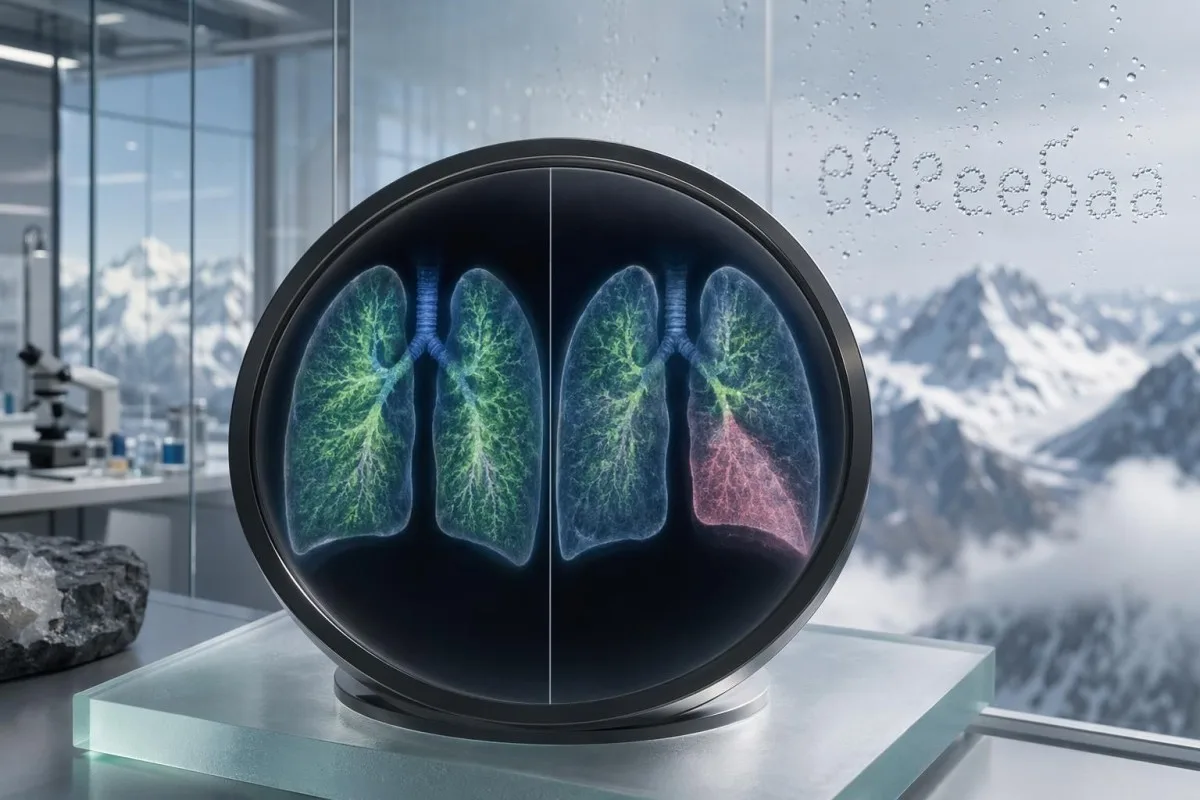
Ağciyər emboliyası oksigen saturasiyası 92%-dən aşağı, nəbzi 100/dəq-dən yuxarı, kəskin sinə ağrısı, yeni nəfəs darlığı və ya kollaps ilə özünü göstərə bilər. Normal sinə rentgeni onu istisna etmir və sərhəddə D-dimer yüksək riskli hekayəni yox etmir.
Kantesti klinik icmalda biz D-dimer rəqəmini təkcə arxasınca getməkdənsə, simptom kombinasiyalarını işarələyirik. D-dimeri 540 nq/mL FEU və hemoptizi olan 58 yaşlı şəxs, yüngül virus infeksiyasından sonra və kardiopulmonar simptomlar olmadan 540 olan 58 yaşlıdan fərqli yola ehtiyac duyur.
Bizim daha dərin məqaləmizdə yüksək D-dimer simptomları laborator risklə simptom riskini ayırdığı üçün faydalıdır. İkisi üst-üstə düşür, amma eyni deyil.
Əgər sizdə ağır nəfəs darlığı, huşun itirilməsi, göyərmiş dodaqlar, sinə təzyiqi, çaşqınlıq və ya ayağın sürətlə şişməsi varsa, bu təcili yardım (fövqəladə) zonasındadır. Təkrar D-dimer üçün 24 saat gözləməyin; görüntüləmə və klinik qiymətləndirmə daha təhlükəsiz növbəti addımdır.
Tək şişmiş ayaq sərhəddə nəticə olsa belə ultrasəs tələb edə bilər
Tək bir şişmiş, ağrılı baldır və ya bud yenə də D-dimer yalnız yüngül yüksəldikdə belə venoz ultrasəs tələb edə bilər. Şişkinlik birtərəfli olduqda, yenidirsə, həssasdırsa, istiliklə əlaqəlidirsə və ya immobilizasiya, cərrahiyyə, uzun səfər, xərçəng, hamiləlik və ya əvvəlki laxta fonunda yaranırsa DVT riski daha yüksəkdir.

DVT D-dimer ilə diaqnoz qoyulmur; düzgün klinik şəraitdə kompressiya ultrasəsi ilə diaqnoz qoyulur. Bud nahiyəsində proksimal DVT adətən baldırda təcrid olunmuş laxtadan daha təhlükəlidir, çünki ağciyərlərə embolizasiya ehtimalı daha yüksəkdir.
Ən çox güvəndiyim klinik işarə asimmetriyadır. Tibial tüberkuldən təxminən 10 sm aşağıda ölçülən baldır çevrəsində 3 sm-dən çox fərq DVT üçün Wells qiymətləndirməsinin bir hissəsidir və sərhəddə olan D-dimerin mənasını dəyişir.
Əlbəttə, bütün şişkinlik laxtalanma ilə bağlı olmur. Aşağı albumin, böyrək xəstəliyi, ürək çatışmazlığı, limfatik xəstəlik və dərmanla əlaqəli ödem mənzərəni təqlid edə və ya qarışdıra bilər; bizim şişkinlik laboratoriya göstəriciləri laxtaya aid olmayan bu səbəbləri də əhatə edir.
Çətin ssenari diuretik qəbul edən, xroniki topuq şişkinliyi olan yaşlı xəstədədir; o, 48 saat ərzində bir ayağının daha da pisləşdiyini görür. Mən bu işi yalnız yaşa uyğunlaşdırılmış D-dimerə əsasən yekunlaşdırmazdım; ultrasəs ucuzdur, sürətlidir və çox vaxt qəti nəticə verir.
Yaşlılarda D-dimerin yüksək olmasının laxtalanma ilə bağlı olmayan ümumi səbəbləri
D-dimer təhlükəli laxta olmadan da yüksək ola bilər, çünki bir çox xəstəliklər fibrin dövranını aktivləşdirir. İnfeksiya, xərçəng, yaxınlarda əməliyyat, travma, ürək çatışmazlığı, böyrək funksiyasının pozulması, qaraciyər xəstəliyi, iltihabi xəstəliklər, insult və xəstəxanaya yatış hamısı D-dimeri 500 ng/mL FEU-dan yuxarı itələyə bilər.
Say göstəricisi adətən ağırlıq artdıqca yüksəlir. Yüngül sinə infeksiyası 700 ng/mL FEU verə bilər, halbuki sepsis, inkişaf etmiş xərçəng və ya böyük travma nəticəni problemə dəqiq olaraq “harada” olduğunu göstərmədən bir neçə min ng/mL FEU-ya qədər qaldıra bilər.
İltihab və koaqulyasiya bir-biri ilə danışır. CRP 100 mg/L, leykositlər isə 16 × 10⁹/L olduqda, D-dimer ilkin laxtadan çox sistemik toxuma reaksiyasını əks etdirə bilər; bizim infeksiya markerləri bələdçimiz bu nümunəni izah edir.
Böyrək funksiyası da önəmlidir. Azalmış eGFR qismən daha yüksək D-dimer ilə əlaqələnə bilər, çünki yaşlı və daha zəif xəstələrdə daha çox damar xəstəliyi və iltihabi yük olur; qismən də bir neçə zülalın klirensi daha az proqnozlaşdırıla bilən olur.
Klinik səhv “laxta deyil” deməklə “heç nə deyil” kimi düşünməkdir. Qızdırma, çəki itkisi, anemiya və ya anormal qaraciyər fermentləri ilə birlikdə 2,400 ng/mL FEU D-dimer yenə də araşdırma tələb edir, sadəcə ilk addım kimi mütləq CT pulmonary angiogram (ağciyər arteriyalarının KT angioqrafiyası) olmaya bilər.
Hamiləlik, cərrahiyyə və infeksiya qaydaları dəyişir
Yaşa uyğunlaşdırılmış D-dimer kəsim hədləri hamiləlik üçün, əməliyyatdan sonrakı ilk həftələr üçün və ya yaxın zamanda əhəmiyyətli infeksiya üçün sadə şəkildə uyğun gəlmir. Bu hallarda D-dimer çox vaxt yüksəlir, çünki koaqulyasiya və toxuma bərpasının aktiv olması gözlənilir.

Böyük əməliyyatdan sonra D-dimer yeni laxta olmasa belə günlərlə və həftələrlə yüksək qala bilər; bəzən 1,000 ng/mL FEU-dan da yuxarı olur. Dəqiq zaman xətti toxuma zədələnməsindən, hərəkətsizlikdən, infeksiyadan və profilaktik antikoaqulyasiyanın istifadə edilib-edilməməsindən asılıdır.
Hamiləlik ayrıca diaqnostik yol sayılır. D-dimer trimestrlər üzrə yüksəlir və klinisyenlər standart yaş × 10 qaydasından daha çox hamiləliyə uyğunlaşdırılmış alqoritmlərdən istifadə edə bilərlər; bizim məqaləmizdə hamiləlik və əməliyyat bu istisnaları izah edir.
COVID və digər infeksiyalar D-dimerin yüksəlmiş “quyruğu”nu buraxa bilər. Qızdırmalı xəstəlikdən 10 gün sonra 900 ng/mL FEU nəticəsi sağalmanı əks etdirə bilər, amma yeni sinə ağrısı və ya oksigen saturasiyasının düşməsi riski dərhal dəyişir.
Mən vaxtı dəqiqləşdirməyə çalışıram: simptomun 1-ci günü, əməliyyat günü 14, uçuş günü 3, qızdırma günü 7. Zaman xətti qeyri-müəyyən olanda D-dimer mənasını itirir, çünki eyni göstərici zərərsiz sağalma səs-küyü də ola bilər, laxtaya erkən işarə də.
D-dimerin yalançı olaraq rahatlaşdırıcı görünə bildiyi hallar
Simptomlar çox gün əvvəl başlamışsa, testdən əvvəl antikoaqulyantlar başlanıbsa, laxta kiçik və ya təcrid olunmuşdursa, yaxud analizin həssaslığı məhduddursa, D-dimer yalançı aşağı ola bilər və ya daha az faydalı ola bilər. Mənfi nəticə riski azaldır; yüksək riskli hekayəni “silmir”.
D-dimer qiymətləndirmənin erkən mərhələsində, müalicədən əvvəl ən faydalıdır. Əgər kiminsə testdən 24–48 saat əvvəl terapevtik antikoaqulyasiya qəbul edibsə, fibrin parçalanma siqnalı o qədər azala bilər ki, interpretasiya daha az aydın olsun.
10-14 gün əvvəl başlayan simptomlar da vəziyyəti “bulanıqlaşdıra” bilər. Şəxs nəhayət klinikaya müraciət edənədək tromb sabitləşmiş, qismən həll olmuş və ya ölçülə bilən D-dimerin miqdarını daha az göstərmiş ola bilər.
Kantesti xəstələr tərəfindən 127-dən çox ölkədə istifadə olunan, süni intellektlə işləyən qan testi analiz alətidir, amma nəticələrimiz tromb diaqnozu verməkdən çox qeyri-müəyyənliyi işarələmək üçün nəzərdə tutulub. Sistem texnologiya bələdçisi laboratoriya şərhini təcili qərarvermədən necə ayırdığını izah edir.
“Dün huşumu itirdim və indi otağın o biri tərəfinə qədər gedə bilmirəm” deyən həkim sərhəddə (borderline) D-dimer nəticəsi ilə təsəlli verilməməlidir. Bu hal müayinə, oksigenin ölçülməsi, EKQ və çox vaxt görüntüləmə tələb edir.
Təcili laxtalanma görüntüləməsi adətən nələri əhatə edir
Şübhəli ağciyər emboliyası üçün təcili görüntüləmə adətən KT ağciyər angioqrafiyası, V/Q skan etmə və ya kompressiya ultrasəsidir; bu, simptomlara, hamiləlik statusuna, böyrək funksiyasına, kontrast allergiyasına və yerli mövcudluğa görə dəyişir. D-dimer nəticəsi görüntüləmənin lazım olub-olmadığını qərarlaşdırmağa kömək edir; skanı təkbaşına seçmir.
KT ağciyər angioqrafiyası sürətlidir və geniş istifadə olunur, amma tərkibində yod olan kontrast tələb edir və sinəni radiasiyaya məruz qoyur. eGFR-i 30 mL/dəq/1.73 m²-dən aşağı olan xəstədə kontrast riski qərarın bir hissəsinə çevrilir.
KT kontrastı ideal olmadıqda, xüsusilə də döş qəfəsinin rentgeni normal olduqda, V/Q skan faydalı ola bilər. Bəzi seçilmiş hallarda ayaq (baldır) ultrasəsi DVT-ni təsdiqləyə və döş KT-siz müalicəni əsaslandıra bilər.
Görüntüləmədən əvvəl həkimlər çox vaxt kreatinin, uyğun olduqda hamiləlik statusu, oksigen saturasiyası, EKQ yoxlayır və PE-yə (ağciyər emboliyasına) şübhə varsa bəzən troponin və ya BNP də ölçür. Bizim böyrək nəticələri bələdçisi ilə cütləşdirin kontrastdan əvvəl böyrək göstəricilərinin qəfil niyə önəmli olduğunu xəstələrə anlamağa kömək edir.
Görüntüləmə PE-ni təsdiqləyirsə, növbəti qərar ağırlıq dərəcəsidir. Oksigen saturasiyası 97% olan kiçik və stabil PE, aşağı qan təzyiqi, yüksəlmiş troponin və sağ ürək yüklənməsi (strain) olan böyük PE-dən fərqlidir.
AI şərhi D-dimer kontekstini necə nəzərə almalıdır
Süni intellektin şərhi D-dimeri ikili (bəli/yox) yüksək-normal etiket kimi deyil, kontekstdən asılı marker kimi qəbul etməlidir. Ən təhlükəsiz nəticə yaş, vahidlər, analiz növü, vaxtlama, simptomlar, risk faktorları və CRP, CBC, kreatinin, trombositlər, PT/INR və fibrinogen kimi əlaqəli laborator göstəriciləri nəzərə alır.
Kantesti laboratoriya testinin şərhi üzrə AI xidmətidir; D-dimerin laboratoriyanın sabit kəsim həddindən yuxarı, amma yaşa uyğunlaşdırılmış hədddən aşağı olduğu halları müəyyən edə bilər. Bu fərq faydalıdır, çünki bir çox laboratoriya portalları 510 ng/mL FEU-nu yaşını izah etmədən anormal kimi işarələyir.
İkinci qat təhlükəsizlik ifadələridir. İstifadəçi tərəfindən daxil edilən simptomlara sinə ağrısı, nəfəs darlığı, huşun itirilməsi, qanlı öskürək və ya birtərəfli ayaq şişkinliyi daxildirsə, sistem “gözlə və gözlə” əvəzinə təcili klinik qiymətləndirməyə yönəltməlidir.”
Bizim AI şərhinin məhdudiyyətləri Bu məqalə bunu sərt şəkildə deyir: AI təxminən 60 saniyədə nümunələri izah edə bilər, amma ağciyərlərini dinləyə, oksigeni ölçə və bu gecə KT aparatının lazım olub-olmadığına qərar verə bilməz.
Öz baxış növbəmdə ən faydalı AI işarəsi “D-dimer yüksəkdir” deyil. “Bu yaş üçün D-dimer yüksəkdir və tromb ehtimalını artıran simptomlarla birlikdədir” — bu, klinik baxımdan daha dürüst bir cümlədir.
D-dimeri təkrar etmək nə vaxt kömək edir — və nə vaxt vaxt itkisidir
D-dimerin təkrar edilməsi ilkin nəticə çox erkən götürülübsə, çaşdırıcı vahidlərdə bildirilibsə və ya aydın bir müvəqqəti tetikleyici zamanı əldə edilibsə kömək edə bilər. Hazırkı simptomlar PE və ya DVT-ni düşündürürsə, təkrar etmək uyğun deyil; ikinci rəqəm üçün görüntüləmə gecikdirilməməlidir.
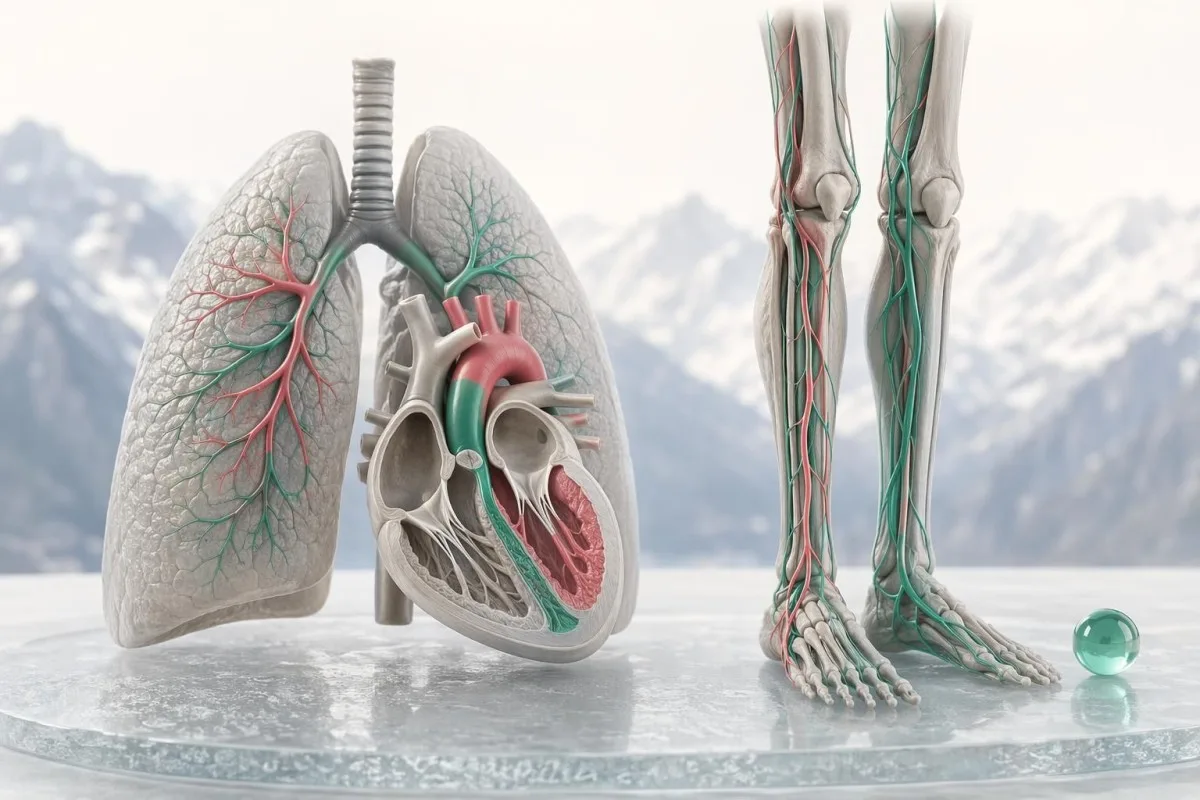
1-2 həftə sonra təkrar test, D-dimer virus xəstəliyi zamanı yüngül yüksəldilmiş və simptomlar tam sakitləşmişdirsə məqbul ola bilər. 1,100-dən 520 ng/mL FEU-ya düşmə sağalmanı dəstəkləyə bilər, baxmayaraq ki, yenə də nə baş verdiyini diaqnoz qoymur.
Təkrar etmə əməliyyatdan sonra daha az faydalıdır, çünki göstəricilər bir neçə həftə yüksək qala bilər. Əməliyyatdan 10 gün sonra stabil xəstə gündəlik D-dimer yoxlaması yox, risk qiymətləndirilməsi və bəzən də ultrasəs tələb edir.
Xəstələr tez-tez portal “anormal” deyəndə, həkim isə “narahat edəcək bir şey yoxdur” deyəndə ikinci dəfə baxılmasını istəyirlər. Bizim ikinci rəy bələdçi bu cür yoxlamanın nə vaxt faydalı olduğunu və eyni gün qayğının nə vaxt daha təhlükəsiz olduğunu izah edir.
Əgər D-dimeri təkrar edirsinizsə, mümkün olduqda eyni vahid sistemində təkrar edin. Konversiya etmədən 0.74 mg/L FEU ilə 390 ng/mL DDU-nu müqayisə etmək çaşqınlıq üçün reseptdir.
D-dimeriniz sərhəddə olanda veriləcək suallar
Sərhəddə (borderline) D-dimer daha yaxşı suallar doğurmalıdır, avtomatik təsəlli və ya avtomatik KT yox. Vahid barədə, yaşa uyğunlaşdırılmış kəsim həddiniz barədə, Wells və ya Ceneva riskiniz barədə, simptomların nə vaxt başladığı barədə, yaxın zamanda olan tetikleyicilər barədə və hansı simptom dəyişikliyinin sizi təcili yardıma yönləndirməli olduğunu soruşun.

İlk sual sadədir: “Bu FEU-dur, yoxsa DDU?” İkincisi isə: “Mənim yaşım üçün hansı kəsim (cutoff) tətbiq olunur?” 69 yaşlı birində 640 ng/mL FEU yaşa uyğunlaşdırılmış kəsimdən aşağı ola bilər, amma 640 ng/mL DDU fərqli səviyyədə narahatlıq yaradır.
Sonra soruşun: “Testdən əvvəl klinik ehtimalım nə idi?” Əgər heç kim nəbzi, oksigen saturasiyasını, bir tərəfli ayaqda şişkinliyi, yaxınlarda əməliyyatı, estrogen terapiyasını, xərçəngi və ya əvvəlki VTE-ni nəzərə almayıbsa, nəticə çox dar çərçivədə şərh oluna bilər.
Əgər mümkündürsə, planı yazılı şəkildə istəyin: izlənməli simptomlar, USM (ultrasəs) lazımdırmı, KT (CT) lazımdırmı və təkrar testin mənası varmı. Bizim qan analizi dəyişkənliyi bələdçimiz xəstələrə izah edir ki, kiçik laborator dəyişiklikləri səhm qiymətləri kimi oxumaq olmaz.
Mən adətən xəstələrə üç rəqəmi əlində saxlamağı deyirəm: vahidi ilə birlikdə D-dimer dəyəri, ölçülmüşdürsə oksigen saturasiyası və istirahət nəbzi. Bu üç rəqəm, simptomlarla birlikdə, çox vaxt təkcə D-dimerin “siqnal” verməsindən daha çox şey deyir.
Yekun nəticə: yaşa görə düzəlişdən istifadə edin, amma simptomları görməməzlikdən gəlməyin
50 yaşdan sonra yaşa uyğunlaşdırılmış D-dimer lazımsız görüntüləməni azaltmaq üçün ağıllı yoldur, amma yalnız strukturlaşdırılmış klinik qiymətləndirmə daxilində təhlükəsizdir. Bir çox analiz üçün yaş × 10 ng/mL FEU istifadə edin, vahidi yoxlayın və simptomlar PE və ya DVT-ni düşündürəndə təcili tibbi yardıma müraciət edin.
13 iyun 2026-cı il tarixinə olan praktik qaydam budur: D-dimeri 680 ng/mL FEU olan aşağı riskli 74 yaşlı KT-dən qaça bilər, amma nəbzi 120/dəq və oksigeni 91% olan nəfəsi kəsilən 74 yaşlı təcili qiymətləndirmə tələb edir. Eyni rəqəm fərqli şeylər ifadə edə bilər.
Kantesti-nin tibbi məzmunu yalnız laboratoriya istinad aralıqları ilə deyil, klinik standartlara uyğun olaraq nəzərdən keçirilir. Bizim klinik təsdiqləmə səhifəmiz həkim nəzarətinin və texniki benchmark-ların risk dilini təqdim etmə tərzimizi necə formalaşdırdığını izah edir.
D-dimeriniz sərhəddədirsə, rəqəmlə təkbaşına mübahisə etməyin. Yaşınıza uyğunlaşdırılmış kəsimin istifadə edilib-edilmədiyini, simptomlarınızın testdən əvvəlki ehtimalı dəyişib-dəyişmədiyini və bu gün USM və ya KT-yə ehtiyac olub-olmadığını soruşun.
Təhlükəsiz şərh təvazökardır. D-dimer düzgün xəstə qrupunda laxtanı istisna etməkdə əladır, laxtanı sübut etməkdə zəifdir və yüksək riskli klinik hekayəni üstələmək üçün istifadə ediləndə təhlükəlidir.
Tez-tez verilən suallar
50 yaşdan sonra yaşa uyğunlaşdırılmış D-dimer kəsim dəyəri nədir?
Yaşdan düzəldilmiş adi D-dimer kəsim həddi 50 yaşdan sonra yaş × 10 nq/mL FEU təşkil edir. Məsələn, kəsim həddi 60 yaşda 600 nq/mL FEU, 75 yaşda 750 nq/mL FEU və 88 yaşda 880 nq/mL FEU-dur. Bu qayda yalnız laxtalanma ehtimalı klinik olaraq aşağı və ya orta olduqda istifadə edilməlidir; simptomlar ağciyər emboliyasını və ya DVT-ni güclü şəkildə düşündürdükdə istifadə edilməməlidir.
70 yaşlı bir insanda 700 D-dimer yüksəkdirmi?
700 ng/mL FEU D-dimeri 70 yaşlı üçün tipik yaşa uyğunlaşdırılmış həddin düz yanında (sərhədində) yerləşir. Yalnız şəxsdə aşağı və ya orta klinik ehtimal varsa və qəfil nəfəs darlığı, sinə ağrısı, huşun itirilməsi, aşağı oksigen, qanlı öskürək və ya şişkin və ağrılı tək ayaq kimi narahatedici simptomlar yoxdursa, mənfi kimi qəbul edilə bilər. Əgər vahid FEU deyil, DDU-dirsə, 700 ng/mL DDU ekvivalent deyil və fərqli şərh tələb edir.
D-dimer niyə yaş artdıqca yüksəlir?
D-dimer yaşla artır, çünki əsas fibrin əmələ gəlməsi və parçalanması qan damarları, toxumalar və iltihabi sistemlər yaşlandıqca daha aktiv olur. Yaşlı insanlarda həmçinin infeksiya, xərçəng, böyrək funksiyasının pozulması, ürək çatışmazlığı, cərrahiyyə və hospitalizasiya göstəriciləri daha yüksəkdir; bunların hamısı D-dimerin laxtalanma sübut etmədən 500 ng/mL FEU-dan yuxarı qalxmasına səbəb ola bilər. Buna görə də yaşa uyğunlaşdırılmış hədlər 50 yaşdan sonra yalan-müsbət nəticələri azaldır.
Normal yaşa uyğunlaşdırılmış D-dimer laxtalanmanı qaçıra bilərmi?
Bəli, normal yaşa uyğunlaşdırılmış D-dimer bəzi hallarda laxtanı qaçıra bilər; xüsusən də klinik ehtimal yüksək olduqda, simptomlar 10–14 gün ərzində mövcud olduqda, analizdən əvvəl antikoaqulyantlar başlanmış olduqda və ya laxta kiçik olduqda. D-dimer adətən aşağı və ya orta riskli xəstələrdə istisnaedici (rule-out) test kimi ən təhlükəsizdir. Yüksək riskli simptomlar sərhəddə (borderline) rəqəmdən təsəlli almaqdan daha çox görüntüləmə (imaging) tələb etməlidir.
Hansı simptomlar sərhəddə olan D-dimerə baxmayaraq görüntüləmə tələb edir?
Birdən başlayan nəfəs darlığı, nəfəs aldıqca pisləşən sinə ağrısı, huşun itirilməsi, təxminən 92%-dən aşağı oksigen saturasiyası, qanlı öskürək, dəqiqədə 100-dən yuxarı nəbz və ya şişkin və ağrılı tək ayaq D-dimer sərhəddə olduqda belə təcili görüntüləmə üçün əsas ola bilər. Görüntüləmə klinik vəziyyətdən asılı olaraq KT-pulmoner angioqrafiya, V/Q skan və ya kompressiya ultrasəsi demək ola bilər. D-dimer nəticəsi yüksək riskli simptomlar üzrə nümunəni üstələməməlidir.
D-dimer nəticələrində FEU ilə DDU arasındakı fərq nədir?
FEU və DDU D-dimer üçün fərqli hesabat sistemləridir və FEU dəyərləri təxminən DDU dəyərlərindən iki dəfədir. 500 ng/mL FEU üçün standart kəsim həddi təxminən 250 ng/mL DDU-ya ekvivalentdir. Yaşa uyğunlaşdırılmış formulalar adətən FEU üçün yaş × 10 ng/mL kimi, yaş 50-dən sonra yazılır, halbuki DDU üçün təxmini ekvivalent yaş × 5 ng/mL-dir.
Sərhəddə olan D-dimer testini təkrar etməliyəmmi?
Sərhəddə D-dimerin təkrar yoxlanılması simptomlar aşağı risklidirsə, ilkin vahid aydın deyildisə və ya nəticə yüngül infeksiya kimi müvəqqəti bir tetikleyici zamanı yaranıbsa əsaslı ola bilər. 1–2 həftə sonra təkrar yoxlama dəyərin azalmasını göstərməyə kömək edə bilər; məsələn, 1,100-dən 520 nq/mL FEU-ya düşmə. Sinə ağrısı, nəfəs darlığı, huşun itməsi, aşağı oksigen göstəricisi və ya bir şişmiş, ağrılı ayaq varsa təkrar test üçün gözləməyin.
Bu gün AI ilə gücləndirilmiş qan analizi nəticələrinin şərhini əldə edin
Ani və dəqiq laborator analiz şərhinə güvənən dünya üzrə 2 milyondan çox istifadəçiyə qoşulun. Qan analizinin nəticələrini yükləyin və bir neçə saniyəyə 15,000+ biomarkerlərinin hərtərəfli şərhini alın.
📚 İstinad edilən tədqiqat nəşrləri
Klein, T., Mitchell, S., & Weber, H. (2026). Qadın Sağlamlığı Təlimatı: Ovulyasiya, Menopoz və Hormonal Simptomlar. Kantesti AI Tibbi Tədqiqatlar.
Klein, T., Mitchell, S., & Weber, H. (2026). Erkən Hantavirus Triage üçün Çoxdilli Süni Zəka ilə Dəstəklənən Klinik Qərar Qəbulu: 50,000 Yorumlanmış Qan Testi Reportunda Dizayn, Mühəndislik Təsdiqi və Reallıq Tətbiqi. Kantesti AI Tibbi Tədqiqatlar.
📖 Xarici Tibbi İstinadlar
⚕️ Tibbi Məsuliyyətdən İmtina
Bu məqalə yalnız təhsil məqsədlidir və tibbi məsləhət təşkil etmir. Diaqnoz və müalicə qərarları üçün həmişə ixtisaslı səhiyyə işçisi ilə məsləhətləşin.
E-E-A-T Etibar Siqnalları
Təcrübə
Həkim rəhbərliyi ilə laborator şərh iş axınlarının klinik icmalı.
Ekspertiza
Biomarkerlərin klinik kontekstdə necə davrandığına dair laboratoriya təbabəti diqqəti.
Səlahiyyətlilik
Dr. Thomas Klein tərəfindən yazılıb; Dr. Sarah Mitchell və Prof. Dr. Hans Weber tərəfindən nəzərdən keçirilib.
Etibarlılıq
Aydın izləmə yolları ilə həyəcanı azaltmağa yönəlmiş sübuta əsaslanan şərh.