
Lekko podwyższony D-dimer na 72 nie je interpretowany tak samo jak ta sama liczba na 32. Trudne je to, coby wiedzieć, kiedy korekta do wieku je bezpieczna — a kiedy objawy przeważają nad matematyką.



- badanie krwi na D-dimer miary rozpadu fibryny; wysoki wynik sugeruje powstawanie i rozpad zakrzepu gdzieś w organizmie, ale nie dowodzi, że zakrzep je.
- Standardowa granica to często 500 ng/mL FEU, też zapisywane jako 0.50 mg/L FEU, ale laboratoria używają różnych jednostek.
- Granica D-dimer skorygowana do wieku po 50-tce zwykle wynosi wiek × 10 ng/mL FEU; osoba w wieku 78 lat może mieć granicę 780 ng/mL FEU.
- Granica D-dimer według wieku powinna być używana jedynie wtedy, gdy prawdopodobieństwo kliniczne je niskie albo pośrednie, a nie wtedy, gdy objawy mocno sugerują zatorowość płucną albo DVT.
- Pilne obrazowanie je nadal potrzebne przy bólu w klatce piersiowej, nagłej duszności, omdleniu, niskim wysyceniu tlenem, krwiopluciu albo spuchniętej bolącej nodze, nawet jak D-dimer je na granicy.
- jednostki FEU vs DDU chodzi o to, że wartości FEU są mniej więcej dwa razy wyższe niż wartości DDU; 500 ng/mL FEU odpowiada około 250 ng/mL DDU.
- Starsi ludzie często są wyższe, ponieważ podstawowy obrót fibryny, reakcja tkanek naczyniowych, zmiany klirensu przez nerki, ryzyko nowotworu i częstość infekcji rosną wraz z wiekiem.
- Wyniki graniczne są najbezpieczniejsze, gdy interpretuje się je wraz z punktacją Wells lub Genewy, saturacją tlenu, częstością tętna, czynnikami ryzyka oraz czasem trwania objawów.
Co znaczy badanie krwi D-dimer po 50-tce
Po 50. roku życia, a badanie krwi na D-dimer można to interpretować z użyciem odcięcia skorygowanego wiekiem: wiek × 10 ng/mL FEU. Tak więc u 70-latka można uznać wynik za ujemny poniżej 700 ng/mL FEU, jeśli prawdopodobieństwo zakrzepu jest niskie lub pośrednie. Ale objawy wygrywają. Nowa duszność, ból w klatce piersiowej, omdlenie, niskie wysycenie tlenem, krwioplucie lub jedna obrzęknięta bolesna noga nadal wymagają pilnego obrazowania, nawet gdy liczba jest tylko na granicy.
Nazywam się Thomas Klein, MD, i w pracy przeglądowej w klinice widzę co tydzień ten sam błąd: 76-latek z D-dimerem 620 ng/mL FEU słyszy, że to “wysokie”, a potem wpada w panikę. W wieku 76 lat odcięcie skorygowane wiekiem wynosi 760 ng/mL FEU, więc 620 może być ujemne tylko gdy obraz kliniczny jest uspokajający.
Wynik D-dimeru powyżej 500 ng/mL FEU jest częsty po 65. roku życia, i dlatego stałe odcięcie dla dorosłych generuje wiele fałszywych alarmów. Nasz zespół lekarzy, w tym recenzenci wymienieni w medyczno rada doradczo, traktuje D-dimer jako test wykluczający, a nie jako rozpoznanie.
Kantesti to analizator AI do badań krwi, który odczytuje D-dimer wraz z wiekiem, jednostkami, objawami, statusem ciąży lub zabiegu, markerami nerkowymi oraz markerami stanu zapalnego. Ten kontekst ma znaczenie, ponieważ wynik 520 ng/mL FEU u spokojnego 52-latka jest inny niż ta sama wartość u 82-latka z saturacją tlenu 90%.
Czemu wyniki D-dimer często rosną, jak ludzie starzeją się
D-dimer rośnie wraz z wiekiem ponieważ starsze naczynia krwionośne i tkanki wytwarzają więcej fibryny w tle i ulegają jej większemu rozpadowi. Wzrost zwykle nie wynika z jednego problemu; to skutek łączny starzenia naczyniowego, przewlekłego stanu zapalnego, wolniejszego klirensu, większej liczby procedur medycznych i bardziej „cichej” choroby.
Pod koniec lat 60. wiele zdrowych osób ma niewielkie wzrosty markerów aktywacji krzepnięcia nawet bez zakrzepicy żył głębokich lub zatorowości płucnej. To nie znaczy, że organizm jest “pełen skrzepów”; oznacza, że układ hemostazy jest głośniejszy niż w wieku 30 lat.
Praktyczny problem dotyczy swoistości. U osób starszych stałe odcięcie 500 ng/mL FEU może oznaczać jako dodatnie dużą część chorób niezwiązanych ze skrzepem, zwłaszcza zapalenie płuc, niewydolność serca, upośledzenie czynności nerek, nowotwór, uraz oraz niedawne przyjęcie do szpitala. Dla szerszego spojrzenia na pacjenta nasz normalny zakres D-dimer przewodnik wyjaśnia, dlaczego “norma” nie zawsze oznacza jedną liczbę.
Często opisuję D-dimer jako dym, a nie ogień. Dym może pochodzić z groźnej zatorowości płucnej, ale może też wynikać z niedawnej infekcji z CRP 80 mg/L albo z upadku z siniakami 5 dni wcześniej. Ta liczba prosi o rozumowanie kliniczne; nie zastępuje go.
Jak se liczy granica D-dimer skorygowana do wieku
zwykło odcięcie D-dimeru skorygowane wiekiem po 50. roku życia wynosi wiek × 10 ng/mL FEU. 60-latek używa 600 ng/mL FEU, 75-latek używa 750 ng/mL FEU, a 88-latek używa 880 ng/mL FEU, gdy test raportuje jednostki FEU.

Badanie ADJUST-PE w JAMA wykazało, że odcięcia skorygowane wiekiem bezpiecznie zwiększały liczbę starszych pacjentów, u których zatorowość płucną można było wykluczyć bez obrazowania tomografią komputerową (Righini i wsp., 2014). U pacjentów w wieku 75 lat lub starszych odsetek wykluczonych na podstawie D-dimeru wzrósł z około 6.4% przy odcięciu 500 ng/mL FEU do 29.7% po zastosowaniu korekty wieku.
Sieć neuronowa Kantesti traktuje to jako Granica D-dimer według wieku, a nie jako uniwersalną zieloną lampkę. Wynik 690 ng/mL FEU u 70-latka może być poniżej odcięcia 700, ale tylko wtedy, gdy wstępne prawdopodobieństwo nie jest wysokie i próbkę pobrano przed zastosowaniem antykoagulacji.
Jeśli porównujesz kilka biomarkerów, korekta wieku powinna stać obok reszty panelu, a nie w osobnym „mentalnym” odosobnieniu. Nasze przewodnik po biomarkerach jest zbudowane na tej samej zasadzie: jedno badanie zmienia znaczenie, gdy zestawi się je z wiekiem, funkcją nerek, stanem zapalnym i objawami.
Przydatny „trik” przy łóżku chorego to pominąć ostatnią cyfrę wieku i dodać zero. Wiek 63 staje się około 630 ng/mL FEU; wiek 81 staje się około 810 ng/mL FEU. Zanim powiem cokolwiek uspokajającego, nadal sprawdzam jednostkę.
Jednostki FEU versus DDU mogą podwoić pozorną liczbę
Raporty D-dimeru zwykle podaje się jako FEU lub DDU, a 500 ng/mL FEU jest w przybliżeniu równoważne 250 ng/mL DDU. Błędne odczytanie jednostki może sprawić, że wynik będzie wyglądał na dwa razy wyższy albo fałszywie uspokajający.

FEU oznacza jednostki równoważne fibrynogenowi; DDU oznacza jednostki D-dimeru. Większość wzorów skorygowanych o wiek jest publikowana jako ng/mL FEU, więc standardowy próg 500 ng/mL FEU staje się wiek × 10 po 50.
Jeśli w twoim laboratorium stosuje się DDU, w przybliżeniu skorygowany o wiek próg wynosi wiek × 5 ng/mL DDU. Próg dla osoby w wieku 72 lat wynosiłby około 720 ng/mL FEU lub 360 ng/mL DDU, choć kalibracja zależna od testu nadal ma znaczenie.
Właśnie tutaj wiele podsumowań “wyjaśnienie wyników testu D-dimer” zawodzi pacjentów: cytują pojedynczy próg bez przeliczenia jednostek. Nasze przewodnik do badań krzepniyńca porównuje D-dimer z PT, INR, aPTT i fibrynogenem, ponieważ raporty krzepnięcia często przychodzą w pakiecie.
Niektóre europejskie laboratoria podają mg/L FEU, gdzie 0,50 mg/L FEU odpowiada 500 ng/mL FEU. Raport 0,68 mg/L FEU w wieku 70 lat to 680 ng/mL FEU, co jest poniżej progu 700 ng/mL FEU skorygowanego o wiek, jeśli prawdopodobieństwo kliniczne jest niskie.
Korekta do wieku je bezpieczna dopiero po sprawdzeniu wstępnego prawdopodobieństwa
D-dimer skorygowany wiekiem jest zwalidowany dla pacjentów z niskim lub pośrednim prawdopodobieństwem klinicznym, nie dla osób, które już wyglądają na to, że mają zakrzep. Lekarze zwykle łączą objawy, tętno, poziom tlenu, wcześniejszą historię zakrzepu, nowotwór, zabieg chirurgiczny, unieruchomienie oraz wyniki badania, zanim zaufają granicy.

Wytyczne Europejskiego Towarzystwa Kardiologicznego dotyczące zatorowości płucnej z 2019 roku wspierają badanie D-dimeru wyłącznie u pacjentów z niskim lub pośrednim prawdopodobieństwem; u pacjentów z wysokim prawdopodobieństwem zazwyczaj należy przejść od razu do diagnostyki obrazowej (Konstantinides i wsp., 2020). Ta różnica zapobiega opóźnieniu rozpoznania przez wynik prawidłowy lub graniczny.
Badanie PEGeD w “New England Journal of Medicine” także pokazało, że D-dimer można dostosować do prawdopodobieństwa klinicznego, stosując wyższe progi u pacjentów z grupy niskiego ryzyka według ustrukturyzowanych zasad (Kearon i wsp., 2019). To nie „zgadywanie”; to formalne sortowanie ryzyka.
Dla klinicystów skala Wells pozostaje praktycznym skrótem: objawy zakrzepicy żył głębokich (DVT), tętno powyżej 100/min, unieruchomienie, wcześniejsze VTE, krwioplucie, nowotwór oraz to, czy zatorowość płucna (PE) jest najbardziej prawdopodobną diagnozą. Nasz artykuł w stylu badawczym przewodnik po markerach krzepniōcia wchodzi głębiej w to, jak D-dimer współgra z białkiem C i aPTT.
Z mojego doświadczenia przypadki niebezpieczne rzadko są w hindsight subtelne. Pacjent z bólem w klatce piersiowej nasilanym oddechem, tachykardią 118/min i wysyceniem tlenem 91% nie powinien być uspokojony D-dimerem 610 ng/mL FEU w wieku 68 lat.
Objawy, co jeszcze wymagają pilnego obrazowania zakrzepu
Pilna diagnostyka obrazowa jest potrzebna, gdy objawy sugerują zatorowość płucną lub zakrzepicę żył głębokich, nawet jeśli D-dimer jest graniczny albo poniżej granicy skorygowanej wiekiem. Nagła duszność, ból w klatce piersiowej nasilany oddechem, omdlenie, niskie wysycenie tlenem, krwioplucie, szybkie tętno albo jedna szybko obrzęknięta bolesna noga powinny być traktowane jako sytuacja pilna czasowo.
Zatorowość płucna może objawiać się wysyceniem tlenu poniżej 92%, tętnem powyżej 100/min, ostrym bólem w klatce piersiowej, nową dusznością lub zapaścią. Prawidłowe RTG klatki piersiowej nie wyklucza tego, a graniczny D-dimer nie sprawia, że historia wysokiego ryzyka znika.
W przeglądzie klinicznym z Kantesti sygnalizujemy zestawy objawów, a nie gonimy wyłącznie liczbę D-dimeru. 58-latek z D-dimerem 540 ng/mL FEU i krwiopluciem potrzebuje innej ścieżki niż 58-latek z 540 po łagodnej infekcji wirusowej i bez objawów ze strony układu krążenia i oddechowego.
Nasz pogłębiony artykuł o objawach wysokiego D-dimeru jest przydatny, bo rozdziela ryzyko laboratoryjne od ryzyka związanego z objawami. Te dwa obszary się pokrywają, ale nie są identyczne.
Jeśli masz ciężką duszność, omdlenie, sinienie ust, ucisk w klatce piersiowej, splątanie albo nogę, która szybko się powiększa, to jest teren ratunkowy. Nie czekaj 24 godziny na powtórny D-dimer; diagnostyka obrazowa i ocena kliniczna to bezpieczniejszy następny krok.
Jedna spuchnięta noga może wymagać ultrasonografii, mimo że wynik je na granicy
Pojedynczo obrzęknięta, bolesna łydka albo udo nadal może wymagać ultrasonografii żył, nawet gdy D-dimer jest tylko łagodnie podwyższony. Ryzyko DVT jest większe, gdy obrzęk jest jednostronny, nowy, tkliwy, towarzyszy mu uczucie ciepła albo pojawia się po unieruchomieniu, operacji, długiej podróży, nowotworze, ciąży lub wcześniejszym zakrzepie.

Zakrzepica żył głębokich (DVT) nie jest rozpoznawana na podstawie D-dimeru; rozpoznaje się ją za pomocą uciskowej ultrasonografii w odpowiednim kontekście klinicznym. Proksymalna DVT w udzie jest zwykle groźniejsza niż izolowany zakrzep w łydce, ponieważ ma większą szansę na zatorowość do płuc.
Najbardziej ufam wskazówce klinicznej, jaką jest asymetria. Różnica obwodu łydki większa niż 3 cm, mierzona około 10 cm poniżej guzowatości piszczeli, wchodzi w punktację w skali Wells dla DVT i zmienia znaczenie granicznego D-dimeru.
Oczywiście nie każdy obrzęk jest związany z zakrzepem. Niskie stężenie albuminy, choroba nerek, niewydolność serca, choroby limfatyczne oraz obrzęk związany z lekami mogą naśladować obraz lub go zaciemniać; nasze wskazówki laboratoryjne dotyczące obrzęku obejmują te przyczyny niezwiązane z zakrzepem.
Trudny scenariusz to starszy pacjent leczony diuretykiem z przewlekłym obrzękiem kostek, u którego zauważono, że jedna noga pogorszyła się w ciągu 48 godzin. Nie pozwoliłbym, aby sam skorygowany wiekiem D-dimer przesądził tę sprawę; ultrasonografia jest tania, szybka i często rozstrzygająca.
Częste nie-zakrzepowe powody, czemu D-dimer je wysoki u starszych osób
D-dimer może być podwyższony bez groźnego zakrzepu, ponieważ wiele chorób aktywuje obrót fibryny. Infekcja, nowotwór, niedawna operacja, uraz, niewydolność serca, upośledzenie czynności nerek, choroby wątroby, zaburzenia zapalne, udar oraz hospitalizacja mogą wszystkie podnieść D-dimer powyżej 500 ng/mL FEU.

Zwykle liczba ta rośnie wraz z ciężkością. Łagodna infekcja klatki piersiowej może dać 700 ng/mL FEU, podczas gdy sepsa, zaawansowany nowotwór lub poważny uraz mogą dać kilka tysięcy ng/mL FEU, nie mówiąc ci dokładnie, gdzie leży problem.
Zapalenie i krzepnięcie „rozmawiają” ze sobą. Gdy CRP wynosi 100 mg/L, a leukocyty 16 × 10⁹/L, D-dimer może odzwierciedlać ogólnoustrojową odpowiedź tkankową, a nie pierwotny zakrzep; nasze przewodnik po markerach infekcji wyjaśnia ten wzorzec.
Liczy się też czynność nerek. Obniżone eGFR może korelować z wyższym D-dimerem częściowo dlatego, że starsi, bardziej schorowani pacjenci mają więcej chorób naczyniowych i większy „ładunek” zapalny, a częściowo dlatego, że klirens kilku białek staje się mniej przewidywalny.
Błędem klinicznym jest założenie, że “to nie zakrzep” znaczy “nic”. D-dimer 2,400 ng/mL FEU przy gorączce, utracie masy ciała, anemii lub nieprawidłowych enzymach wątrobowych nadal wymaga diagnostyki, tylko niekoniecznie jako pierwszego kroku tomografia komputerowa tętnic płucnych z kontrastem.
Ciąża, operacje i infekcje zmieniają zasady
Skorygowane wiekiem progi D-dimeru nie pasują prosto do ciąży, pierwszych tygodni po operacji ani do niedawnej istotnej infekcji. W tych sytuacjach D-dimer często rośnie, ponieważ oczekuje się aktywnego krzepnięcia i naprawy tkanek.

Po dużej operacji D-dimer może pozostawać podwyższony przez dni do tygodni, czasem powyżej 1,000 ng/mL FEU nawet bez nowego zakrzepu. Dokładna oś czasu zależy od uszkodzenia tkanek, unieruchomienia, infekcji oraz tego, czy zastosowano profilaktyczną antykoagulację.
Ciąża to osobna ścieżka diagnostyczna. D-dimer rośnie w kolejnych trymestrach, a klinicyści mogą używać algorytmów dostosowanych do ciąży zamiast standardowej reguły „wiek × 10”; nasz artykuł o ciąży i operacji wyjaśnia te wyjątki.
COVID i inne infekcje mogą zostawić „ogon” podwyższonego D-dimeru. Wynik 900 ng/mL FEU 10 dni po chorobie przebiegającej z gorączką może odzwierciedlać powrót do zdrowia, ale nowy ból w klatce piersiowej lub spadek saturacji tlenu natychmiast zmienia ryzyko.
Staram się ustalić czas: dzień 1 objawów, dzień 14 po operacji, dzień 3 lotu, dzień 7 gorączki. D-dimer traci znaczenie, gdy oś czasu jest niejasna, ponieważ ta sama wartość może oznaczać nieszkodliwy szum po rekonwalescencji albo wczesną wskazówkę zakrzepu.
Kiedy D-dimer może wyglądać fałszywie uspokajająco
D-dimer może być fałszywie niski lub mniej przydatny, jeśli objawy trwały wiele dni, antykoagulanty rozpoczęto przed badaniem, zakrzep jest mały lub izolowany, albo test ma ograniczoną czułość. Wynik ujemny obniża ryzyko; nie usuwa historii wysokiego ryzyka.
D-dimer jest najbardziej użyteczny na początku oceny, przed leczeniem. Jeśli ktoś przyjmował terapeutyczną antykoagulację przez 24 do 48 godzin przed badaniem, sygnał rozpadu fibryny może spaść na tyle, że interpretacja będzie mniej czytelna.
Objawy, które zaczęły sie 10 do 14 dni wcześniej, mogą też zamącić obraz. Zakrzep mógł sie ustabilizować, częściowo ustąpić albo wytworzyć mniej mierzalny D-dimer, zanim osoba w końcu zgłosi sie do poradni.
Kantesti to narzędzie do analizy badań krwi oparte na AI, z którego korzystają pacjenci w ponad 127 krajach, ale nasze wyniki są zaprojektowane, żeby sygnalizować niepewność, a nie stawiać rozpoznanie zakrzepu. przewodnik technologiczny wyjaśnia, jak nasz system oddziela interpretację laboratoryjną od podejmowania decyzji w sytuacji zagrożenia.
Lekarz, który słyszy “wczoraj zemdlałem i teraz nie mogę przejść przez pokój”, nie powinien sie uspokajać granicznym D-dimerem. W tym przypadku trzeba zbadać pacjenta, zmierzyć tlen, zrobić EKG i często wykonać obrazowanie.
Co zwykle obejmuje pilne obrazowanie zakrzepu
Pilne badanie obrazowe przy podejrzeniu zatorowości płucnej zwykle obejmuje tomografię komputerową tętnic płucnych (CT pulmonary angiography), scyntygrafię V/Q albo ultrasonografię uciskową, zależnie od objawów, statusu ciąży, funkcji nerek, alergii na kontrast i dostępności lokalnie. Wynik D-dimeru pomaga zdecydować, czy obrazowanie jest potrzebne; nie wybiera samodzielnie rodzaju badania.

CT pulmonary angiography jest szybkie i powszechnie stosowane, ale wymaga kontrastu jodowanego i naraża klatkę piersiową na promieniowanie. U pacjenta z eGFR poniżej 30 mL/min/1,73 m² ryzyko kontrastu staje sie częścią decyzji.
Scyntygrafia V/Q może być przydatna, gdy kontrast w CT nie jest idealny, szczególnie jeźli RTG klatki piersiowej jest prawidłowe. USG żył kończyn dolnych może potwierdzić zakrzepicę żył głębokich (DVT) i uzasadnić leczenie bez CT klatki piersiowej w wybranych przypadkach.
Przed badaniem obrazowym lekarze często sprawdzają kreatyninę, eGFR, status ciąży, jeźli to istotne, saturację tlenu, EKG i czasem troponinę albo BNP, jeźli podejrzewa sie obciążenie zatorowością płucną (PE). Nasze poradnikym wyniku z nerek pomaga pacjentom zrozumieć, dlaczego parametry nerkowe nagle stają sie ważne przed podaniem kontrastu.
Jeźli obrazowanie potwierdza PE, kolejną decyzją jest ciężkość. Mała, stabilna PE przy saturacji tlenu 97% różni sie od dużej PE z niskim ciśnieniem krwi, podwyższoną troponiną i przeciążeniem prawego serca.
Jak AI powinna uwzględniać kontekst przy interpretacji D-dimer
Interpretacja przez AI powinna traktować D-dimer jako marker zależny od kontekstu, a nie jako etykietę binarną „wysoki albo prawidłowy”. Najbezpieczniejszy wynik uwzględnia wiek, jednostki, typ testu, czas pobrania, objawy, czynniki ryzyka oraz powiązane badania, takie jak CRP, CBC, kreatynina, płytki krwi, PT/INR i fibrynogen.

Kantesti to usługa interpretacji badań laboratoryjnych przez AI, która potrafi wykryć, kiedy D-dimer jest powyżej stałego progu laboratorium, ale poniżej progu skorygowanego o wiek. Ta różnica jest przydatna, bo wiele portali laboratoryjnych oznacza 510 ng/mL FEU jako nieprawidłowe, nie wyjaśniając wieku.
Druga warstwa to sformułowania dotyczące bezpieczeństwa. Jeźli objawy wpisane przez użytkownika obejmują ból w klatce piersiowej, duszność, omdlenie, krwioplucie albo jednostronny obrzęk nogi, system powinien kierować ku pilnej ocenie klinicznej, a nie “obserwuj i czekaj”.”
Nasz jak czytać wyniki badańo krwi artykuł jest w tym temacie bez ogródek: AI może wyjaśnić wzorce w około 60 sekund, ale nie potrafi posłuchać twoich płuc, zmierzyć tlenu ani zdecydować, czy dziś wieczór potrzebny jest tomograf komputerowy.
W mojej własnej kolejce do przeglądu najprzydatniejsza flaga AI nie brzmi “D-dimer wysoki”. Brzmi “D-dimer wysoki jak na ten wiek i w parze z objawami, które zwiększają prawdopodobieństwo zakrzepu”, co jest o wiele bardziej uczciwym klinicznie zdaniem.
Kiedy ponowne badanie D-dimer pomaga — a kiedy je stracony czas
Powtarzanie D-dimeru może pomóc, jeźli pierwotny wynik został pobrany za wcześnie, podano go w mylących jednostkach albo uzyskano go w trakcie wyraźnego, przejściowego czynnika wyzwalającego. Powtarzanie nie jest odpowiednie, jeźli obecne objawy sugerują PE albo DVT; nie należy opóźniać obrazowania dla drugiej liczby.
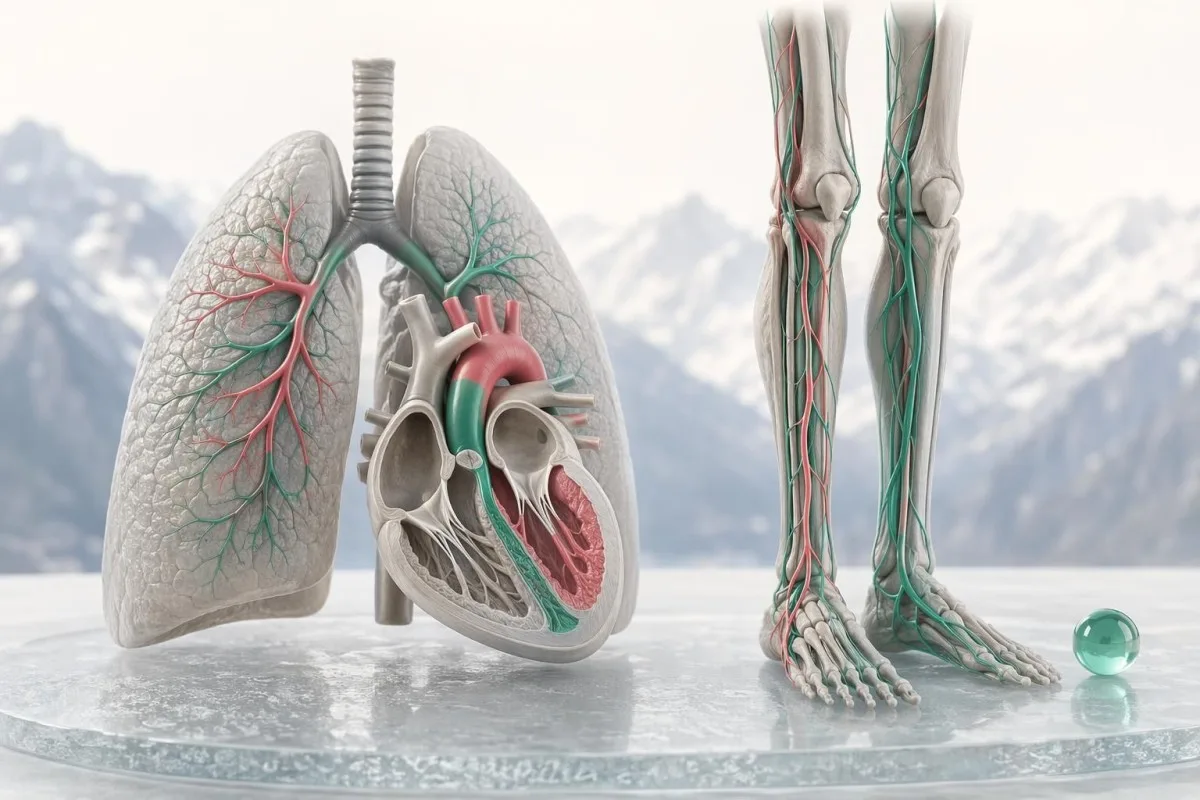
Powtórny test po 1 do 2 tygodniach może być rozsądny, jeźli D-dimer był łagodnie podwyższony podczas infekcji wirusowej i objawy w pełni sie uspokoiły. Spadek z 1,100 do 520 ng/mL FEU może wspierać powrót do zdrowia, choć nadal nie diagnozuje, co dokładnie sie stało.
Powtarzanie jest mniej pomocne po operacji, bo wartości mogą pozostawać wysokie przez kilka tygodni. Stabilny pacjent 10 dni po zabiegu potrzebuje oceny ryzyka i czasem USG, a nie codziennych kontroli D-dimeru.
Pacjenci często proszą o drugą parę oczu, gdy portal mówi “nieprawidłowe”, ale lekarz mówi “nie ma powodów do niepokoju”. Nasze druga opinia wyjaśnia, kiedy taki przegląd jest przydatny, a kiedy bezpieczniejsze jest leczenie tego samego dnia.
Jeźli powtarzasz D-dimer, powtórz go w tym samym systemie jednostek, jeźli to możliwe. Porównywanie 0,74 mg/L FEU z 390 ng/mL DDU bez przeliczenia to przepis na zamieszanie.
Pytania do zadania, jak twój D-dimer je na granicy
Graniczny D-dimer powinien skłonić do lepszych pytań, a nie do automatycznego uspokajania ani automatycznego kierowania na CT. Zapytaj o jednostki, swój próg skorygowany o wiek, swoje ryzyko Wells albo Genewy, czas wystąpienia objawów, niedawne czynniki wyzwalające oraz to, jaka zmiana objawów ma cię skierować do pilnej opieki.

Pierwsze pytanie jest proste: “Czy to FEU, czy DDU?” Drugie brzmi: “Jaki próg dotyczy mojego wieku?” U 69-latka z FEU 640 ng/mL wynik może być poniżej progu skorygowanego wiekiem, podczas gdy DDU 640 ng/mL oznacza inny poziom niepokoju.
Następnie zapytaj: “Jaka była moja kliniczna ocena prawdopodobieństwa przed badaniem?” Jeśli nikt nie brał pod uwagę tętna, saturacji tlenu, jednostronnego obrzęku nogi, niedawnej operacji, terapii estrogenowej, nowotworu ani wcześniejszego VTE, wynik mógł zostać zinterpretowany zbyt wąsko.
Poproś o plan na piśmie, jeśli możesz: jakie objawy obserwować, czy potrzebne jest USG, czy potrzebne jest TK oraz czy ma sens powtórzenie badań. Nasz zmienności wyników badań krwi przewodnik pomaga pacjentom zrozumieć, dlaczego niewielkie przesunięcia w badaniach laboratoryjnych nie powinny być czytane jak notowania giełdowe.
Zwykle mówię pacjentom, żeby mieli pod ręką trzy liczby: wartość D-dimeru z jednostką, saturację tlenu, jeśli była mierzona, oraz tętno spoczynkowe. Te trzy liczby, w połączeniu z objawami, często mówią klinicyście znacznie więcej niż sam „alarm” D-dimeru.
W skrócie: używaj korekty do wieku, ale nie ignoruj objawów
D-dimer skorygowany wiekiem po 50. roku życia to sprytny sposób na ograniczenie niepotrzebnego obrazowania, ale jest bezpieczny tylko w ramach uporządkowanej oceny klinicznej. Stosuj wiek × 10 ng/mL FEU dla wielu testów, zweryfikuj jednostkę i szukaj pilnej pomocy, gdy objawy sugerują PE lub DVT.
Według stanu na 13 czerwca 2026 r. moja praktyczna zasada jest taka: niskiego ryzyka 74-latek z D-dimerem 680 ng/mL FEU może uniknąć TK, ale 74-latek z dusznością, tętno 120/min i saturacją 91% wymaga pilnej oceny. Ta sama liczba może oznaczać coś innego.
Treść medyczna Kantesti jest weryfikowana w oparciu o standardy kliniczne, a nie tylko o laboratoryjne zakresy referencyjne. Nasz walidacyjo kliniczno strona wyjaśnia, jak nadzór lekarzy i techniczne benchmarki kształtują sposób, w jaki przedstawiamy język ryzyka.
Jeśli Twój D-dimer jest graniczny, nie spieraj się z samą liczbą. Zapytaj, czy zastosowano próg skorygowany wiekiem, czy zmieniają się objawy przed badaniem (prawdopodobieństwo wstępne) oraz czy dziś potrzebne jest USG lub TK.
Bezpieczna interpretacja jest pokorna. D-dimer jest świetny w wykluczaniu zakrzepów u właściwej grupy pacjentów, słaby w potwierdzaniu zakrzepów i niebezpieczny, gdy używa się go do przeważenia wysokiego ryzyka w obrazie klinicznym.
Czynsto zadawane pytania
Jaki je próg D-dimeru skorygowany do wieku po 50?
Zwykły skorygowany wiekiem próg D-dimeru po 50. roku życia wynosi wiek × 10 ng/ml FEU. Na przykład próg wynosi 600 ng/ml FEU w wieku 60 lat, 750 ng/ml FEU w wieku 75 lat oraz 880 ng/ml FEU w wieku 88 lat. Zasady tej należy używać tylko wtedy, gdy klindoprawdopodobieństwo zakrzepu jest niskie lub pośrednie, a nie wtedy, gdy objawy wyraźnie sugerują zatorowość płucną lub zakrzepicę żył głębokich.
Czy D-dimer wynoszący 700 jest wysoki u 70-latka?
D-dimer o wartości 700 ng/ml FEU jest dokładnie na typowym progu skorygowanym wiekiem dla 70-latka. Może być potraktowany jako ujemny tylko wtedy, gdy u danej osoby występuje małe lub pośrednie prawdopodobieństwo kliniczne oraz brak niepokojących objawów, takich jak nagła duszność, ból w klatce piersiowej, omdlenie, niskie wysycenie tlenem, krwioplucie lub jedna obrzęknięta bolesna noga. Jeśli jednostką jest DDU zamiast FEU, 700 ng/ml DDU nie jest równoważne i wymaga innej interpretacji.
Dlaczego D-dimer wzrasta z wiekiem?
D-dimer wzrasta wraz z wiekiem, bo podstawowe tworzenie i rozpad fibryny stajom sie bardziej aktywne, jak naczynia krwionośne, tkanki i układy zapalne starzejōm sie. Starsi ludzie majōm też wyższe wskaźniki infekcyji, nowotworów, upośledzynia nerek, niewydolności serca, zabiegów i hospitalizacyji, co wszyjske moze podwyższyć D-dimer ponad 500 ng/mL FEU bez dowodu zakrzepu. Dlatego progi skorygowane do wieku zmniejszōm wyniki fałszywie dodatnie po 50. roku życia.
Czy zwykły, skorygowany wiekiem D-dimer może przeoczyć zakrzep?
Tak, prawidłowy wiekowo skorygowany D-dimer może przecać zakrzep w wybranych sytuacjach, szczególnie jeżeliby kliniczno prawdopodobieństwo je wysokie, objawy trwają 10 do 14 dni, leki przeciwkrzepliwe były wprowadzone przed badaniym abo zakrzep je mały. D-dimer je z reguły najbezpieczniejszy jako test do wykluczynia u pacjentów z niskim abo pośrednim ryzykiem. Wysokoryzykowne objawy powinny prowadzić do obrazowania, a nie do uspokojenia na podstawie granicznego wyniku.
Jakie objawy wymagają obrazowania nawet przy granicznie podwyższonym D-dimerze?
Nagłe duszność, ból w klatce piersiowej, co sie nasila przy oddychaniu, omdlenie, saturacja tlenu poniżyj około 92%, krwioplucie, tętno powyżej 100/min, abo jedna spuchnięta bolesna noga mogą uzasadniać pilne badanie obrazowe nawet wtedy, gdy wynik D-dimeru je na granicy. Badanie obrazowe może oznaczać tomografię komputerową tętnic płucnych (CT angiografię), scyntygrafię V/Q abo ultrasonografię uciskową, zależnie od sytuacji klinicznej. Wynik D-dimeru nie powinien przeważyć nad wzorcem objawów o wysokim ryzyku.
Jaka je różnica miyndzy FEU a DDU w wynikach D-dimeru?
FEU i DDU to różne systemy raportowania dla D-dimeru, a wartości FEU są mniej więcej dwukrotnie większe niż wartości DDU. Standardowy próg 500 ng/mL FEU jest w przybliżeniu równoważny 250 ng/mL DDU. Wzory uwzględniające wiek zwykle zapisuje się dla FEU jako wiek × 10 ng/mL po 50. roku życia, natomiast przybliżony odpowiednik DDU to wiek × 5 ng/mL.
Czy mam powtórzyć badanie D-dimerów na granicy wyniku?
Powtarzanie granicznego D-dimeru może być uzasadnione, gdy objawy są niskiego ryzyka, pierwotna jednostka była niejasna albo wynik pojawił się w trakcie przejściowego czynnika wyzwalającego, takiego jak łagodna infekcja. Powtórzenie po 1 do 2 tygodniach może pokazać, czy wartość spada, na przykład z 1 100 do 520 ng/ml FEU. Nie czekaj na powtórne badanie, jeśli masz ból w klatce piersiowej, duszność, omdlenie, niskie wysycenie tlenem lub jedną obrzękniętą, bolesną nogę.
Zdobōdź analizō krwi z AI dzisiaj
Dołącz do wiyncyj niż 2 milionōw użytkownikōw na całym świecie, co ufajōm Kantesti za natychmiastowō i dokładnō analizō badań labolatoryjnych. Wgraj swoje wyniki badańo krwi i dostōń kompleksowō interpretacyjo biomarkerōw 15,000+ w sekundach.
📚 Publikacyje badawcze z referencjami
Klein, T., Mitchell, S., & Weber, H. (2026). Przewodnik ô zdrowiu kobiyt: Owulacyjo, menopauza i ôbjawy hormōnalne. Kantesti AI Medycynne Badań.
Klein, T., Mitchell, S., & Weber, H. (2026). Multilingwalne AI Wsparty Kliniczny System Doradzania przy Wczesnym Sortowaniu Hantawirusa: Projekt, Walidacja Inżynieryjna i Wdrożenie w Rzeczywistości na 50,000 Raportach Badań Krwi. Kantesti AI Medycynne Badań.
📖 Zewnętrzne medyczne referencyje

⚕️ Uchylynie ôd ôdpowiedzialności medycznyj
Ten artykuł je wyłōncznie do celōw edukacyjnych i nie stanowi porady medyczno. Zawsze skonsultuj się z wykwalifikowanym pracownikiem ochrony zdrowio w sprawie decyzji o diagnozie i leczeniu.
Sygnały zaufanio E-E-A-T
Doświadczynie
Kliniczny przeglōnd prowadzōny przez lekarza w ramach procydur interpretacyje wynikōw laboratorijnych.
Ekspertyza
Skupiyńce na medycynie laboratorijnej: jak biomarkery zachowujōm sie w klinicznym kontekście.
Autorytetność
Napisane przez dr. Thomasa Kleina z przeglōndym przez dr. Sarah Mitchell i prof. dr. Hansa Webera.
Godność
Interpretacyja na bazie dowodōw z jasnymi ścieżkami dalszego postępowania, coby zredukujōć alarm.