Незначительно повышенный D-димер на 72 не интерпретируется так же, как то же число в 32. Самое сложное — знать, когда возрастная коррекция безопасна, а когда симптомы перекрывают математику.



- анализ крови на D-димер Показатели распада фибрина; высокий результат предполагает образование и распад тромба где-то, но не доказывает наличие тромба.
- Стандартный порог часто составляет 500 нг/мл FEU, также записывается как 0,50 мг/л FEU, но лаборатории используют разные единицы.
- Порог D-димера с учетом возраста после 50 лет обычно равен возраст × 10 нг/мл FEU; у 78-летнего порог может составлять 780 нг/мл FEU.
- Порог D-димера по возрасту следует использовать только при низкой или промежуточной клинической вероятности, а не когда симптомы сильно указывают на тромбоэмболию легочной артерии или ТГВ.
- Срочная визуализация все равно нужна при боли в груди, внезапной одышке, обмороке, низкой сатурации, кашле с кровью или отекшей болезненной ноге, даже при пограничном D-димере.
- Единицы FEU vs DDU потому что значения FEU примерно вдвое выше значений DDU; 500 нг/мл FEU соответствует примерно 250 нг/мл DDU.
- Пожилые люди часто бывают выше из‑за повышенного базового фибринового оборота, сосудистой тканевой реакции, изменений клиренса почками, риска рака и роста частоты инфекций с возрастом.
- Пограничные результаты наиболее безопасны, когда их интерпретируют вместе с баллами по шкалам Wells или Geneva, сатурацией кислорода, частотой пульса, факторами риска и временем появления симптомов.
Что означает анализ крови на D-димер после 50 лет
После 50 лет, a анализ крови на D-димер это можно интерпретировать по возраст‑корригированному порогу: возраст × 10 нг/мл FEU. Так, 70‑летний может считаться отрицательным при значении ниже 700 нг/мл FEU, если вероятность тромбоза низкая или промежуточная. Но решают симптомы. Новая одышка, боль в груди, обморок, низкая сатурация, кровохарканье или одна отёчная болезненная нога всё равно требуют срочной визуализации, даже если показатель лишь на границе.
Я Томас Кляйн, MD, и в клиническом разборе я каждую неделю вижу одну и ту же ловушку: 76‑летнему человеку с D‑димером 620 нг/мл FEU говорят, что это “высоко”, а затем он впадает в панику. В 76 лет возраст‑корригированный порог составляет 760 нг/мл FEU, поэтому 620 может быть отрицательным только когда клиническая картина обнадёживает.
Результат D‑димера выше 500 нг/мл FEU часто встречается после 65 лет, и именно поэтому фиксированный порог для взрослых вызывает множество ложных тревог. Наша врачебная команда, включая рецензентов, указанных в медицинский консультативный совет, рассматривает D‑димер как тест для исключения, а не как диагноз.
Kantesti — это анализатор ИИ для анализа крови, который считывает D‑димер вместе с возрастом, единицами измерения, симптомами, статусом беременности или хирургического вмешательства, маркерами почек и маркерами воспаления. Этот контекст важен, потому что результат 520 нг/мл FEU у спокойного 52‑летнего отличается от того же значения у 82‑летнего с сатурацией кислорода 90%.
Почему результаты D-димера часто бывают выше по мере старения
D‑димер растёт с возрастом потому что у пожилых сосуды и ткани имеют больше фонового образования и распада фибрина. Рост обычно не связан с одной единственной проблемой; это совокупный эффект сосудистого старения, хронического воспаления, более медленного клиренса, большего числа медицинских процедур и более скрытых заболеваний.
К концу 60‑х у многих здоровых людей даже без тромбоза глубоких вен или тромбоэмболии лёгочной артерии отмечаются небольшие повышения маркеров активации коагуляции. Это не значит, что организм “полон тромбов”; это значит, что система гемостаза шумнее, чем в 30 лет.
Практическая проблема — специфичность. У пожилых людей фиксированный порог 500 нг/мл FEU может пометить как положительные большую долю состояний без тромбоза, особенно пневмонию, сердечную недостаточность, нарушение функции почек, рак, травму и недавнюю госпитализацию. Для более широкого взгляда на пациента наше референсный диапазон D-димера руководство объясняет, почему “норма” не всегда сводится к одному числу.
Я часто описываю D‑димер как дым, а не огонь. Дым может исходить от опасной тромбоэмболии лёгочной артерии, но он также может быть следствием недавней инфекции с CRP 80 мг/л или падения с ушибами, случившегося 5 дней назад. Число требует клинического рассуждения; оно не заменяет его.
Как рассчитывают порог D-димера с учетом возраста
Обычно возраст‑корригированный порог D‑димера после 50 лет равен возраст × 10 нг/мл FEU. 60‑летний использует 600 нг/мл FEU, 75‑летний — 750 нг/мл FEU, а 88‑летний — 880 нг/мл FEU, когда анализатор сообщает единицы FEU.

В исследовании ADJUST‑PE в JAMA было показано, что возраст‑корригированные пороги безопасно увеличивают число пожилых пациентов, у которых тромбоэмболию лёгочной артерии можно исключить без КТ (Righini et al., 2014). У пациентов 75 лет и старше доля случаев, исключённых по D‑димеру, выросла примерно с 6.4% при пороге 500 нг/мл FEU до 29.7% при возрастной коррекции.
Нейросеть Kantesti рассматривает это как Порог D-димера по возрасту, а не как универсальный зелёный свет. Результат 690 нг/мл FEU в 70 лет может быть ниже порога 700, но только если дообследовательная вероятность не высокая и образец взят до начала антикоагулянтной терапии.
Если вы сравниваете несколько биомаркеров, коррекция на возраст должна располагаться рядом с остальной панелью, а не в отдельном «мысленном изоляторе». Наш руководство по биомаркерам построен на том же принципе: один результат меняет смысл, когда его сопоставляют с возрастом, функцией почек, воспалением и симптомами.
Полезный «прикроватный» трюк — игнорировать последнюю цифру возраста и добавить ноль. 63 года становятся примерно 630 нг/мл FEU; 81 год — примерно 810 нг/мл FEU. Я всё равно проверяю единицы измерения, прежде чем что-то говорить успокаивающее.
Единицы FEU против DDU могут удваивать кажущееся число
Отчёты по D-димеру обычно приводятся как FEU или DDU, и 500 нг/мл FEU примерно эквивалентны 250 нг/мл DDU. Ошибка в прочтении единиц может сделать результат вдвое выше или ложно успокоить.
FEU означает единицы, эквивалентные фибриногену; DDU означает единицы D-димера. Большинство формул с поправкой на возраст публикуются как нг/мл FEU, поэтому стандартный порог 500 нг/мл FEU становится возраст × 10 после 50.
Если в вашей лаборатории используют DDU, приблизительный эквивалент порога с поправкой на возраст — возраст × 5 нг/мл DDU. Порог для 72-летнего пациента будет примерно 720 нг/мл FEU или 360 нг/мл DDU, хотя калибровка зависит от конкретного анализа.
Именно здесь многие сводки “объяснение результатов анализа на D-димер” не помогают пациентам: они приводят один порог без пересчёта единиц. Наш руководство по тестам свёртываемости сравнивает D-димер с PT, INR, aPTT и фибриногеном, потому что отчёты о свертывании часто приходят «пакетом».
Некоторые европейские лаборатории сообщают в мг/л FEU, где 0,50 мг/л FEU соответствует 500 нг/мл FEU. Сообщение о 0,68 мг/л FEU в возрасте 70 лет — это 680 нг/мл FEU, что находится ниже порога 700 нг/мл FEU с поправкой на возраст, если клиническая вероятность низкая.
Возрастная коррекция безопасна только после проверки предтестовой вероятности
Д-димер с учетом возраста валидирован для пациентов с низкой или промежуточной клинической вероятностью, но не для людей, которые уже выглядят так, будто у них есть тромб. Врачи обычно объединяют симптомы, частоту пульса, уровень кислорода, предшествующую историю тромбоза, рак, хирургическое вмешательство, иммобилизацию и данные осмотра, прежде чем доверять порогу.

Руководство Европейского общества кардиологов по тромбоэмболии легочной артерии за 2019 год поддерживает тестирование Д-димера только у пациентов с низкой или промежуточной вероятностью; пациентам с высокой вероятностью обычно следует сразу переходить к визуализации (Konstantinides et al., 2020). Это различие предотвращает задержку диагностики при нормальном или пограничном результате.
Испытание PEGeD в New England Journal of Medicine также показало, что Д-димер можно корректировать с учетом клинической вероятности, применяя более высокие пороги у пациентов с низким риском по структурированным правилам (Kearon et al., 2019). Это не “угадывание”; это формальная сортировка риска.
Для клиницистов шкала Уэллса остается практичным кратким ориентиром: признаки ТГВ, частота сердечных сокращений выше 100/мин, иммобилизация, предшествующий ВТЭ, кровохарканье, рак и то, является ли ТЭЛА наиболее вероятным диагнозом. Наш материал в стиле исследования руководство по маркерам коагуляции углубляется в то, как Д-димер соотносится с протеином C и aPTT.
По моему опыту, небезопасные случаи редко бывают незаметными задним числом. Пациента с плевритической болью в груди, тахикардией 118/мин и сатурацией кислорода 91% не следует успокаивать Д-димером 610 нг/мл FEU в возрасте 68 лет.
Симптомы, которые все равно требуют срочной визуализации тромба
Срочная визуализация необходима, когда симптомы предполагают тромбоэмболию легочной артерии или тромбоз глубоких вен, даже если Д-димер пограничный или ниже порога с учетом возраста. Внезапная одышка, боль в груди при дыхании, обморок, низкая сатурация, кашель с кровью, учащенный пульс или одна отекшая болезненная нога должны рассматриваться как ситуации, зависящие от времени.
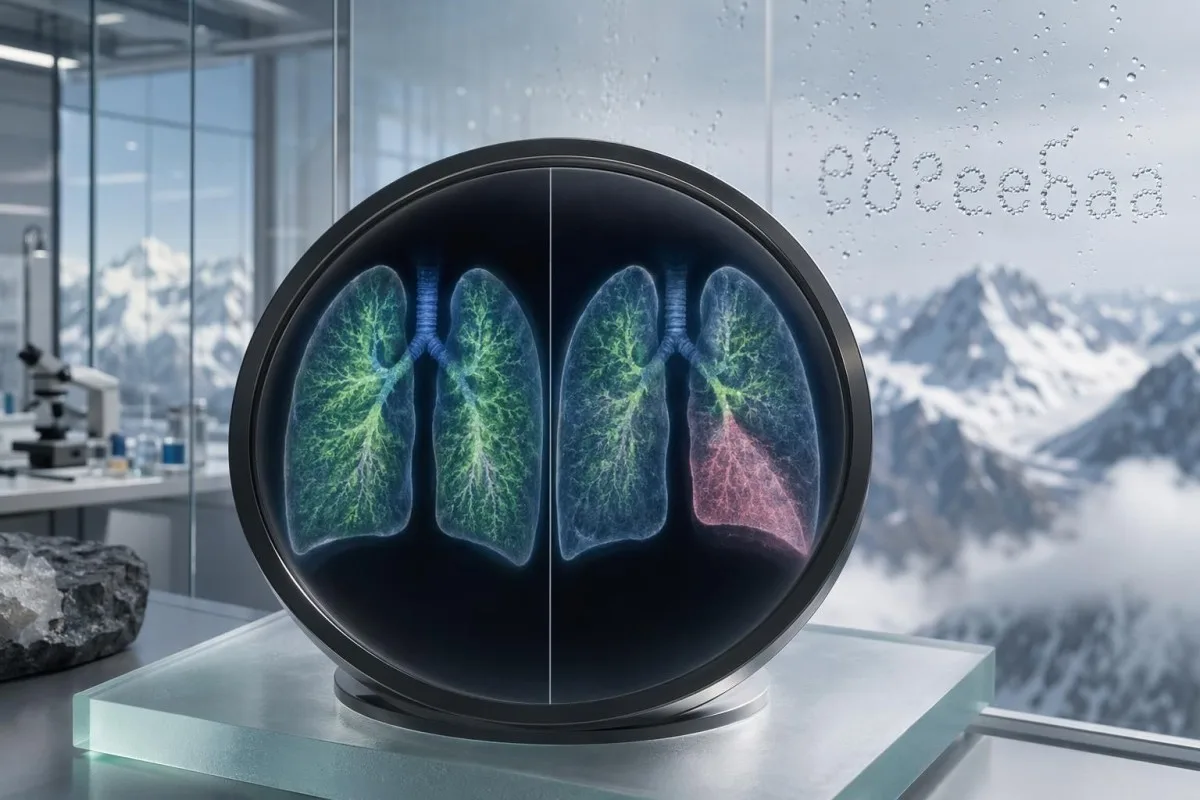
Тромбоэмболия легочной артерии может проявляться сатурацией кислорода ниже 92%, пульсом выше 100/мин, резкой болью в груди, новой одышкой или коллапсом. Нормальная рентгенограмма грудной клетки не исключает это, а пограничный Д-димер не делает историю высокого риска менее вероятной.
В клиническом обзоре Kantesti мы отмечаем сочетания симптомов, а не просто «гоняемся» за числом Д-димера. 58-летнему с Д-димером 540 нг/мл FEU и кровохарканьем нужен другой путь, чем 58-летнему с 540 после легкого вирусного заболевания и без симптомов со стороны сердечно-легочной системы.
Наша более глубокая статья о симптомах с высоким Д-димером полезна, потому что отделяет лабораторный риск от риска по симптомам. Эти риски пересекаются, но они не идентичны.
Если у вас выраженная одышка, обморок, синие губы, чувство давления в груди, спутанность сознания или нога быстро увеличивается в объеме, это зона неотложной помощи. Не ждите 24 часа для повторного Д-димера; визуализация и клиническая оценка — более безопасный следующий шаг.
Одна отекшая нога может потребовать УЗИ даже при пограничном результате
Один отекший, болезненный голень или бедро все еще может требовать венозного ультразвукового исследования, даже когда Д-димер повышен лишь незначительно. Риск ТГВ выше, когда отек односторонний, новый, болезненный при пальпации, связан с ощущением тепла или возникает после иммобилизации, операции, длительной поездки, рака, беременности или предшествующего тромбоза.

ТГВ не диагностируют по D-димеру; его диагностируют с помощью компрессионного УЗИ в соответствующей клинической ситуации. Проксимальный ТГВ в бедре обычно опаснее, чем изолированный тромб в голени, потому что вероятность эмболизации в лёгкие у него выше.
Самый важный клинический признак, которому я доверяю больше всего, — это асимметрия. Разница окружности голени более 3 см, измеренная примерно на 10 см ниже бугристости большеберцовой кости, входит в шкалу Wells для ТГВ и меняет значение пограничного D-димера.
Конечно, не весь отёк связан с тромбом. Низкий альбумин, заболевания почек, сердечная недостаточность, лимфатические заболевания и отёки, связанные с лекарствами, могут имитировать картину или запутывать её; наш лабораторные подсказки при отёках охватывают эти причины, не связанные с тромбами.
Сложный сценарий — пожилой пациент на диуретике с хроническим отёком голеностопа, который замечает, что одна нога стала хуже в течение 48 часов. Я бы не стал полагаться только на D-димер с поправкой на возраст, чтобы закрыть этот случай; УЗИ дешёвое, быстрое и часто даёт окончательный ответ.
Частые неклотные причины, почему D-димер бывает высоким у пожилых
D-димер может быть повышен без опасного тромбоза, потому что многие заболевания активируют оборот фибрина. Инфекция, рак, недавняя операция, травма, сердечная недостаточность, нарушение функции почек, заболевания печени, воспалительные расстройства, инсульт и госпитализация могут все поднять D-димер выше 500 нг/мл FEU.
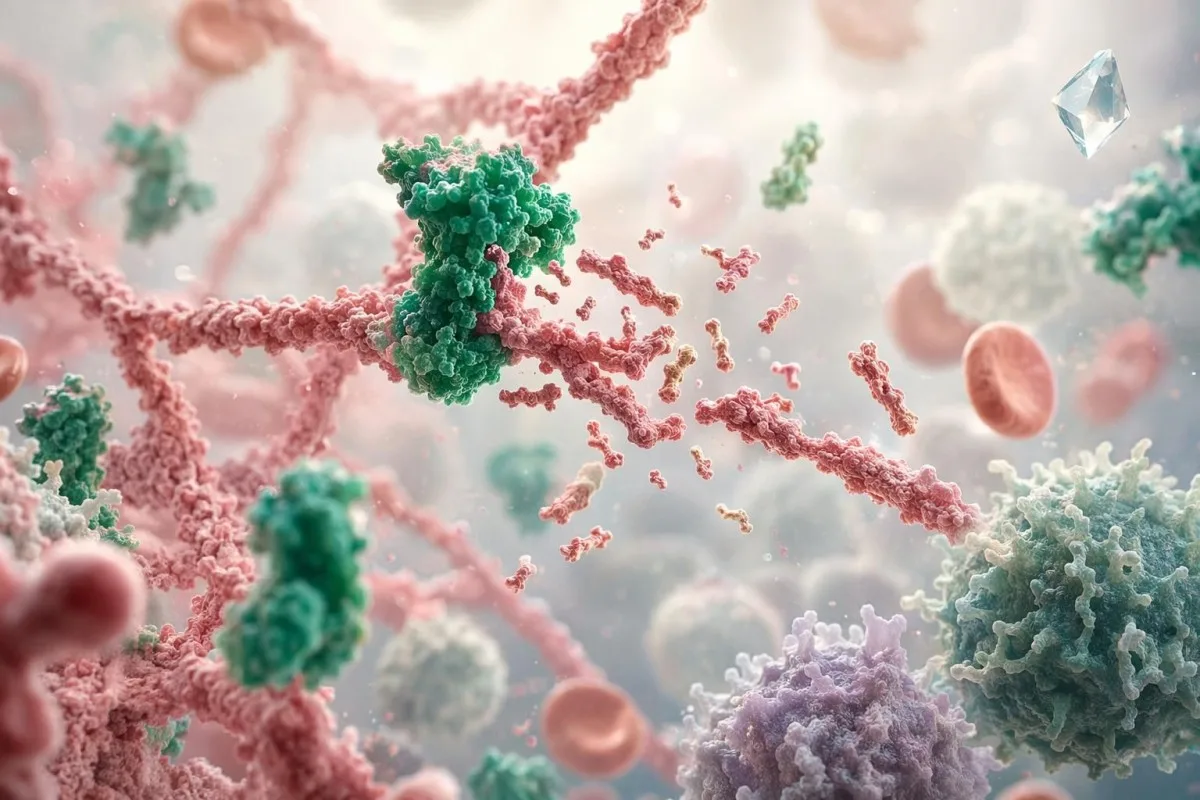
Показатель, как правило, растёт по мере тяжести. Лёгкая инфекция грудной клетки может давать 700 нг/мл FEU, тогда как сепсис, распространённый рак или тяжёлая травма могут давать несколько тысяч нг/мл FEU, не сообщая вам точно, где именно проблема.
Воспаление и коагуляция «разговаривают» друг с другом. Когда CRP составляет 100 мг/л и число лейкоцитов — 16 × 10⁹/л, D-димер может отражать системную тканевую реакцию, а не первичный тромб; наш памятка по маркерам инфекции объясняет этот паттерн.
Важна и функция почек. Снижение eGFR может коррелировать с более высоким D-димером отчасти потому, что у пожилых, более хрупких пациентов больше сосудистых заболеваний и воспалительная нагрузка, а отчасти потому, что клиренс нескольких белков становится менее предсказуемым.
Клиническая ошибка — считать, что “это не тромб” означает “ничего”. D-димер 2 400 нг/мл FEU при температуре, потере веса, анемии или аномальных печёночных ферментах всё равно требует обследования, просто не обязательно начинать с КТ-ангиографии лёгочных артерий.
Беременность, хирургическое вмешательство и инфекция меняют правила
Пороговые значения D-димера с поправкой на возраст не подходят простым образом для беременности, для первых недель после операции или при недавней значимой инфекции. В этих ситуациях D-димер часто повышается, потому что ожидается активность коагуляции и тканевой репарации.

После обширной операции D-димер может оставаться повышенным в течение дней и недель, иногда выше 1 000 нг/мл FEU даже без нового тромба. Точная временная динамика зависит от повреждения тканей, иммобилизации, инфекции и того, использовалась ли профилактическая антикоагуляция.
Беременность — отдельный диагностический путь. D-димер повышается в течение триместров, и клиницисты могут использовать алгоритмы, адаптированные под беременность, а не стандартное правило «возраст × 10»; наша статья о беременности и операции объясняет эти исключения.
COVID и другие инфекции могут оставить «хвост» повышенного D-димера. Результат 900 нг/мл FEU через 10 дней после фебрильного заболевания может отражать восстановление, но новая боль в груди или снижение сатурации кислородом меняют риск немедленно.
Я стараюсь уточнить сроки: день 1 симптомов, день 14 операции, день 3 перелёта, день 7 лихорадки. D-димер теряет смысл, когда временная шкала размыта, потому что одно и то же значение может быть безобидным шумом восстановления или ранним признаком тромба.
Когда D-димер может выглядеть ложно успокаивающе
D-димер может быть ложно низким или менее полезным, если симптомы длятся уже много дней, антикоагулянты начали до теста, тромб небольшой или изолированный, либо анализ имеет ограниченную чувствительность. Отрицательный результат снижает риск; он не «стирает» историю высокого риска.
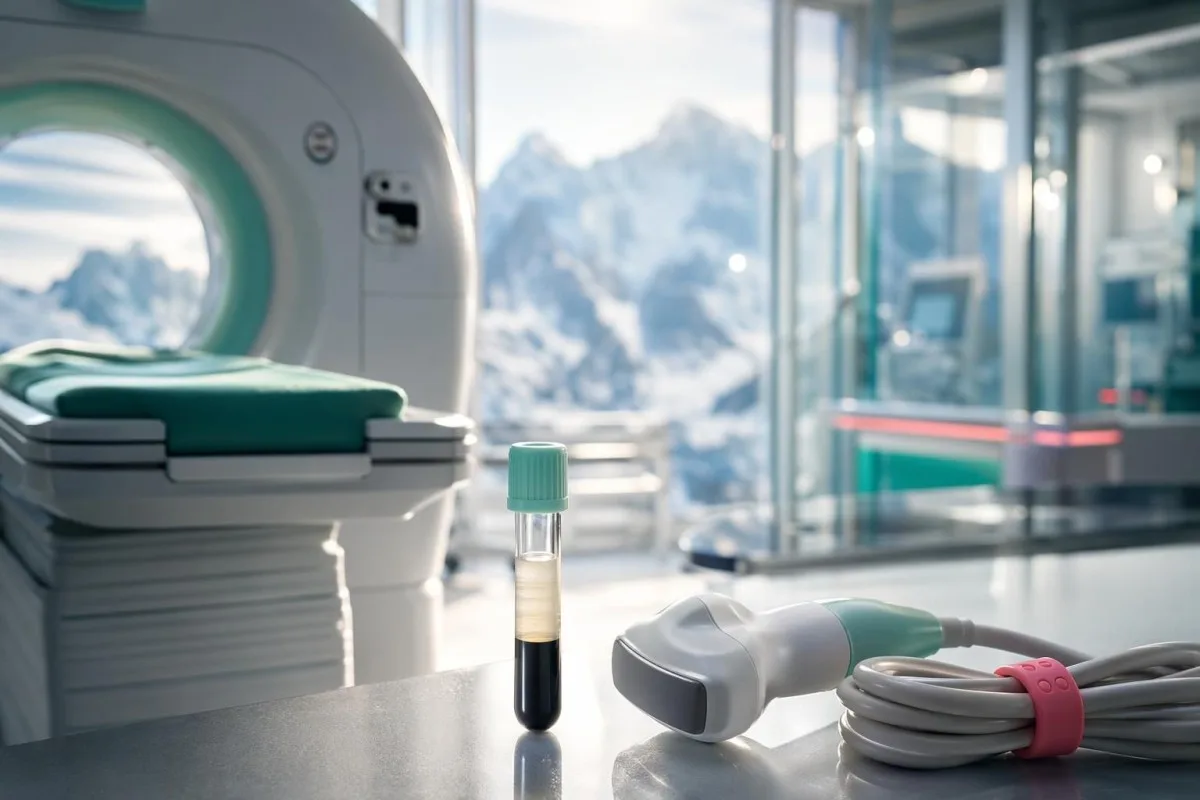
D-димер наиболее полезен в начале оценки, до лечения. Если человек получал терапевтическую антикоагуляцию за 24–48 часов до тестирования, сигнал распада фибрина может снизиться настолько, что интерпретация станет менее чистой.
Симптомы, начавшиеся за 10–14 дней до этого, тоже могут «замутить» картину. Сгусток мог стабилизироваться, частично разрешиться или к тому моменту, когда человек наконец обращается в клинику, вырабатывать меньше измеряемого D-димера.
Kantesti — это инструмент анализа крови с поддержкой ИИ, которым пользуются пациенты более чем в 127 странах, но наши результаты предназначены для выявления неопределённости, а не для постановки диагноза тромбоза. руководство по технологии объясняет, как наша система отделяет лабораторную интерпретацию от экстренного принятия решений.
Врач, который слышит: “Я потерял сознание вчера и теперь не могу пройти через комнату”, не должен успокаиваться пограничным D-димером. В этом случае нужны осмотр, измерение сатурации, ЭКГ и часто — визуализация.
Что обычно включает срочная визуализация тромба
Срочная визуализация при подозрении на тромбоэмболию лёгочной артерии обычно выполняется в виде КТ-ангиографии лёгочных артерий, В/К-сканирования или компрессионного УЗИ — в зависимости от симптомов, статуса беременности, функции почек, аллергии на контраст и доступности в конкретном регионе. Результат D-димера помогает решить, нужна ли визуализация; сам по себе он не выбирает, какое именно исследование делать.
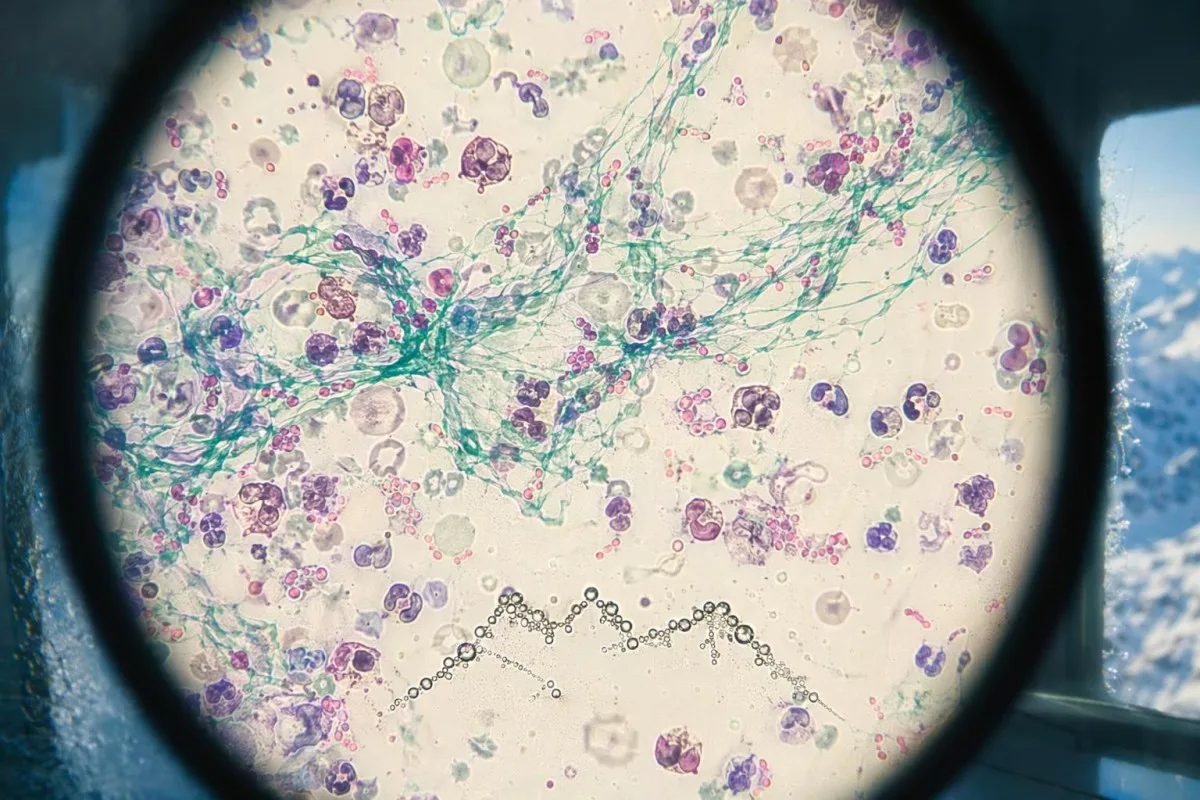
КТ-ангиография лёгочных артерий быстра и широко применяется, но требует йодсодержащего контраста и подвергает грудную клетку воздействию радиации. У пациента с eGFR ниже 30 мл/мин/1,73 м² риск контрастирования становится частью решения.
В/К-сканирование может быть полезным, когда контраст при КТ не является идеальным вариантом, особенно если рентген грудной клетки нормальный. УЗИ вен ноги может подтвердить ТГВ и обосновать лечение без КТ грудной клетки в выбранных случаях.
Перед визуализацией врачи часто проверяют креатинин, eGFR, статус беременности при необходимости, сатурацию, ЭКГ и иногда тропонин или BNP, если предполагается нагрузка на ПЭ. Наш руководством по результатам для почек помогает пациентам понять, почему показатели функции почек внезапно становятся важными до введения контраста.
Если визуализация подтверждает ПЭ, следующий шаг — оценка тяжести. Небольшая стабильная ПЭ при сатурации 97% отличается от большой ПЭ с низким артериальным давлением, повышенным тропонином и признаками перегрузки правых отделов сердца.
Как интерпретация ИИ должна учитывать контекст D-димера
Интерпретация ИИ должна рассматривать D-димер как маркёр, зависящий от контекста, а не как бинарную метку «высокий/нормальный». Самый безопасный результат учитывает возраст, единицы измерения, тип анализа, время сдачи, симптомы, факторы риска и связанные лабораторные показатели, такие как CRP, CBC, креатинин, тромбоциты, PT/INR и фибриноген.
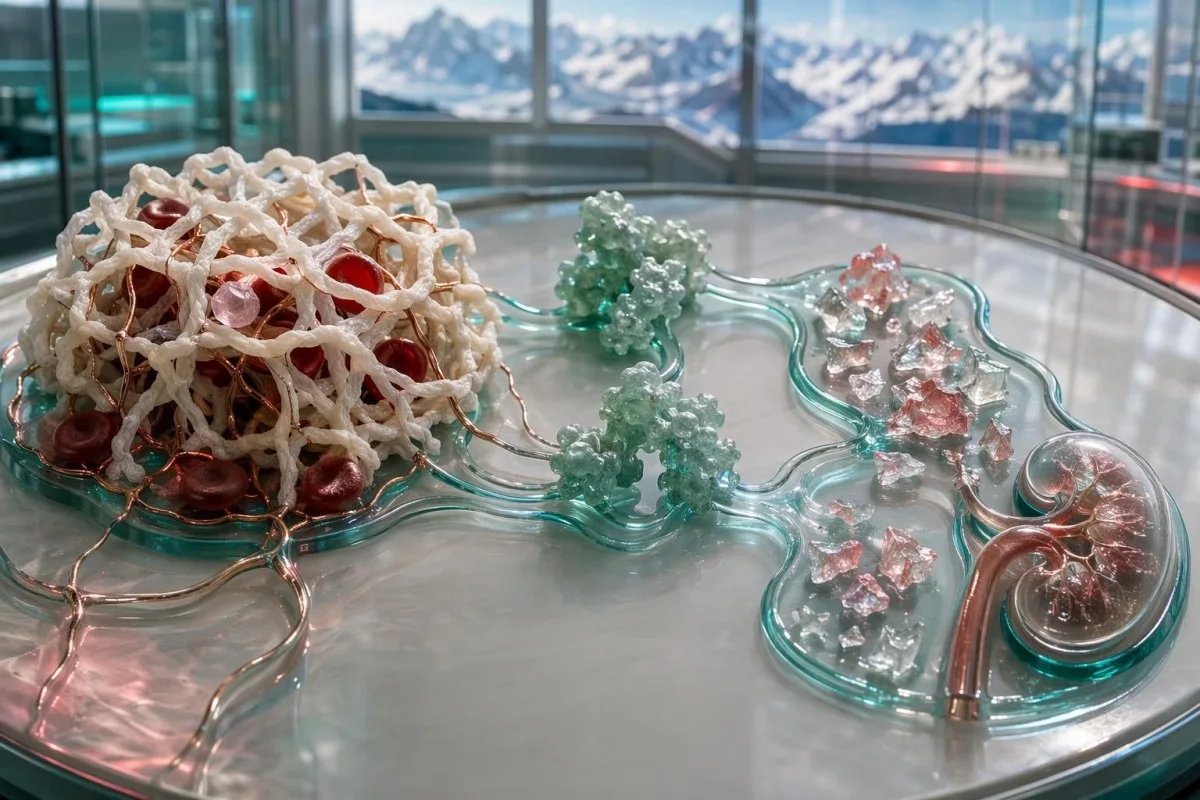
Kantesti — это сервис интерпретации лабораторных анализов с ИИ, который может определить, когда D-димер выше фиксированного порога лаборатории, но ниже порога, скорректированного по возрасту. Это различие полезно, потому что многие лабораторные порталы отмечают 510 нг/мл FEU как «аномальный», не объясняя возраст.
Второй слой — формулировки по безопасности. Если введённые пользователем симптомы включают боль в груди, одышку, обморок, кашель с кровью или односторонний отёк ноги, система должна направлять к срочной клинической оценке, а не к “наблюдай и жди”.”
Наш ограничениях ИИ-интерпретации статья говорит об этом прямо: ИИ может объяснить паттерны примерно за 60 секунд, но он не может «послушать» ваши лёгкие, измерить сатурацию и решить, нужен ли вам КТ-сканер сегодня вечером.
В моей собственной очереди проверок самый полезный ИИ-флаг — это не “D-димер высокий”. Это “D-димер высокий для этого возраста и в сочетании с симптомами, которые повышают вероятность тромбоза”, — это гораздо более клинически честная фраза.
Когда повторный D-димер помогает — и когда это тратит время
Повторение D-димера может помочь, если исходный результат был получен слишком рано, сообщён в запутанных единицах или взят во время очевидного чёткого временного триггера. Повторять его неуместно, когда текущие симптомы предполагают ПЭ или ТГВ; не следует откладывать визуализацию ради второго числа.
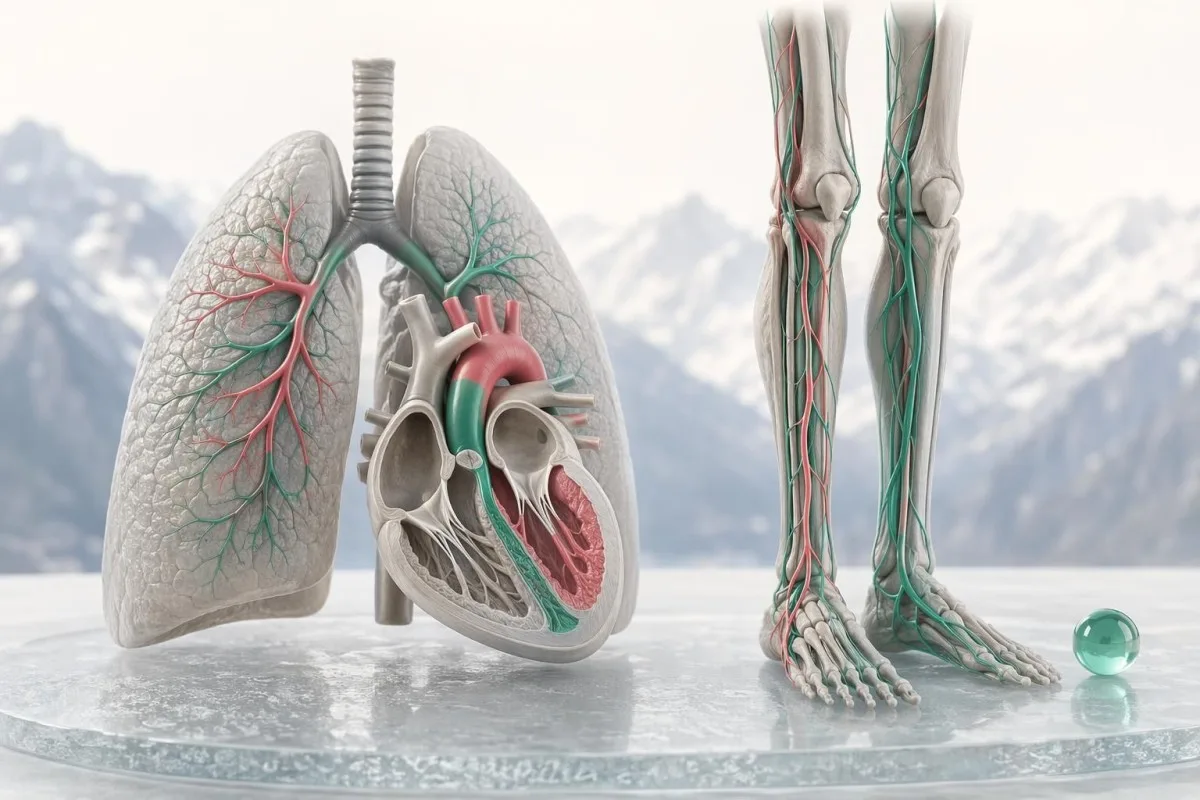
Повторный тест через 1–2 недели может быть разумным, если D-димер был слегка повышен во время вирусного заболевания и симптомы полностью утихли. Снижение с 1,100 до 520 нг/мл FEU может поддерживать восстановление, хотя это всё равно не диагностирует, что именно произошло.
Повторять менее полезно после операции, потому что значения могут оставаться высокими в течение нескольких недель. Стабильному пациенту через 10 дней после операции нужна оценка риска и иногда УЗИ, а не ежедневные проверки D-димера.
Пациенты часто просят второй взгляд, когда на портале написано “аномально”, а врач говорит “не стоит беспокоиться”. Наш второе мнение гид объясняет, когда такой пересмотр полезен, и когда безопаснее обратиться за помощью в тот же день.
Если вы повторяете D-димер, по возможности повторяйте в той же системе единиц. Сравнение 0.74 мг/л FEU с 390 нг/мл DDU без пересчёта — это рецепт путаницы.
Вопросы, которые стоит задать, если ваш D-димер пограничный
Пограничный D-димер должен побуждать задавать более правильные вопросы, а не автоматически успокаивать или автоматически направлять на КТ. Спросите про единицы измерения, ваш порог, скорректированный по возрасту, ваш риск по Wells или Geneva, время появления симптомов, недавние триггеры и то, какое изменение симптомов должно отправить вас в неотложную помощь.

Первый вопрос простой: “Это FEU или DDU?” Второй: “Какой порог применяется для моего возраста?” У 69-летнего человека с 640 нг/мл FEU результат может быть ниже порога с учетом возраста, тогда как 640 нг/мл DDU — это другой уровень настороженности.
Затем спросите: “Какова была моя клиническая вероятность до теста?” Если никто не учитывал частоту пульса, сатурацию кислорода, односторонний отек ноги, недавнюю операцию, терапию эстрогенами, рак или предшествующий ВТЭ, результат мог быть интерпретирован слишком узко.
Попросите план в письменном виде, если можете: какие симптомы отслеживать, нужна ли ультразвуковая диагностика, нужна ли КТ и имеет ли смысл повторное тестирование. Наш вариабельности анализов крови гид помогает пациентам понять, почему небольшие сдвиги в анализах не следует читать как котировки акций.
Обычно я говорю пациентам держать под рукой три показателя: значение D-димера с единицами измерения, сатурацию кислорода, если она измерялась, и пульс в покое. Эти три показателя в сочетании с симптомами часто сообщают врачу гораздо больше, чем один лишь «флаг» D-димера.
Итог: используйте возрастную коррекцию, но не игнорируйте симптомы
D-димер с учетом возраста после 50 лет — разумный способ снизить число ненужных исследований, но он безопасен только в рамках структурированной клинической оценки. Используйте возраст × 10 нг/мл FEU для многих анализов, проверьте единицы измерения и обращайтесь за неотложной помощью, когда симптомы указывают на ТЭЛА или ТГВ.
По состоянию на 13 июня 2026 года мой практический принцип такой: у 74-летнего пациента с низким риском и D-димером 680 нг/мл FEU можно избежать КТ, но у 74-летнего человека с одышкой при пульсе 120/мин и сатурации 91% требуется срочная оценка. Одинаковое число может означать разное.
Медицинское содержание Kantesti проверяется по клиническим стандартам, а не только по лабораторным референсным интервалам. Наш клиническая валидация страница объясняет, как врачебный надзор и технический бенчмаркинг формируют то, как мы представляем формулировки риска.
Если ваш D-димер пограничный, не спорьте с числом в отрыве от контекста. Спросите, использовали ли порог с учетом возраста, меняются ли ваши симптомы до теста (предтестовая вероятность) и нужна ли сегодня ультразвуковая диагностика или КТ.
Безопасная интерпретация — скромная. D-димер отлично подходит для исключения тромбов у правильной группы пациентов, плохо — для доказательства тромбов и опасен, когда его используют, чтобы «перечеркнуть» клиническую картину высокого риска.
Часто задаваемые вопросы
Какой возраст-скорректированный порог D-димера после 50 лет?
Обычный возраст-скорректированный порог D-димера после 50 лет составляет возраст × 10 нг/мл FEU. Например, порог равен 600 нг/мл FEU в возрасте 60 лет, 750 нг/мл FEU в возрасте 75 лет и 880 нг/мл FEU в возрасте 88 лет. Это правило следует применять только тогда, когда клиническая вероятность тромбоза низкая или промежуточная, а не когда симптомы явно указывают на тромбоэмболию легочной артерии или ТГВ.
Является ли D-димер 700 высоким у 70-летнего?
D-димер 700 нг/мл FEU находится прямо на типичном возраст-скорректированном пороге отсечки для 70-летнего. Его можно считать отрицательным только если у человека низкая или промежуточная клиническая вероятность и отсутствуют настораживающие симптомы, такие как внезапная одышка, боль в груди, обморок, низкая сатурация, кровохарканье или одна отёчная болезненная нога. Если единицы измерения — DDU, а не FEU, то 700 нг/мл DDU не эквивалентно и требует иного толкования.
Почему D-димер увеличивается с возрастом?
D-димер увеличивается с возрастом, потому что базовое образование фибрина и его распад становятся более активными по мере старения кровеносных сосудов, тканей и воспалительных систем. У пожилых людей также выше частота инфекций, рака, нарушения функции почек, сердечной недостаточности, хирургических вмешательств и госпитализаций, все из которых могут повышать D-димер выше 500 нг/мл FEU, не доказывая наличие тромба. Именно поэтому возраст-скорректированные пороговые значения уменьшают число ложноположительных результатов после 50 лет.
Может ли обычный возраст-скорректированный D-димер пропустить тромб?
Да, нормальный возраст-скорректированный D-димер может не выявить тромб в отдельных ситуациях, особенно если клиническая вероятность высокая, симптомы сохраняются в течение 10–14 дней, антикоагулянты были начаты до проведения теста или тромб небольшой. D-димер, как правило, наиболее безопасен как тест для исключения (rule-out) у пациентов с низким или промежуточным риском. Симптомы высокого риска должны приводить к проведению визуализирующих исследований, а не к успокоению на основании пограничного значения.
Какие симптомы требуют визуализации даже при пограничном уровне D-димера?
Внезапная одышка, боль в груди, усиливающаяся при дыхании, обморок, сатурация кислорода ниже примерно 92%, кашель с кровью, пульс выше 100/мин или одна отекшая болезненная нога могут служить основанием для срочной визуализации даже при пограничном D-димере. Визуализация может означать КТ-ангиографию легочных артерий, В/К-сканирование или компрессионное УЗИ в зависимости от клинической ситуации. Результат D-димера не должен отменять паттерн симптомов высокого риска.
Чем отличается FEU от DDU в результатах D-димера?
FEU и DDU — это разные системы отчетности для D-димера, и значения FEU примерно вдвое выше значений DDU. Стандартный порог 500 нг/мл FEU примерно эквивалентен 250 нг/мл DDU. Формулы с учетом возраста обычно записывают для FEU как возраст × 10 нг/мл после 50 лет, тогда как грубый эквивалент для DDU — возраст × 5 нг/мл.
Нужно ли повторить анализ D-димера на границе нормы?
Повторное определение пограничного D-димера может быть обоснованным, если симптомы имеют низкий риск, исходная единица измерения была неясной или результат получен на фоне временного триггера, например при легкой инфекции. Повторное исследование через 1–2 недели может показать, снижается ли показатель, например с 1100 до 520 нг/мл FEU. Не откладывайте повторное тестирование, если у вас есть боль в груди, одышка, обморок, низкая сатурация кислорода или одна отечная болезненная нога.
Получите анализ крови с помощью ИИ уже сегодня
Присоединяйтесь к более чем 2 миллионам пользователей по всему миру, которые доверяют Kantesti для мгновенного и точного анализа лабораторных тестов. Загрузите результаты анализа крови и получите комплексную интерпретацию биомаркеров 15,000+ за считанные секунды.
📚 Ссылки на научные публикации
Кляйн, Т., Митчелл, С., и Вебер, Х. (2026). Руководство по женскому здоровью: овуляция, менопауза и гормональные симптомы. Kantesti AI Medical Research.
Кляйн, Т., Митчелл, С., и Вебер, Х. (2026). Многоязычная ИИ-система поддержки принятия клинических решений для ранней сортировки хантавирусных инфекций: разработка, валидация проектирования и внедрение в реальных условиях для 50 000 интерпретированных отчетов о анализах крови. Kantesti AI Medical Research.
📖 Внешние медицинские источники
⚕️ Медицинское предупреждение
Эта статья предназначена только для образовательных целей и не является медицинской консультацией. Всегда консультируйтесь с квалифицированным специалистом здравоохранения по вопросам диагностики и решений по лечению.
Сигналы доверия E-E-A-T
Опыт
Клинический обзор рабочих процессов интерпретации лабораторных данных под руководством врача.
Экспертиза
Акцент на лабораторной медицине: как биомаркеры ведут себя в клиническом контексте.
Авторитетность
Написано доктором Томасом Кляйном при рецензировании доктором Сарой Митчелл и профессором доктором Хансом Вебером.
Доверие
Интерпретация на основе доказательств с понятными маршрутами дальнейших действий, чтобы снизить тревожность.