72 ላይ ያለ ትንሽ ከፍ ያለ D-dimer እንደ 32 ላይ ያለው ተመሳሳይ ቁጥር አይታይም። ከባዱ ነገር የዕድሜ ማስተካከያ መቼ ደህና እንደሆነ — እና መቼ ምልክቶች የሂሳቡን ውጤት እንደሚበልጡ መለየት ነው።.



- የD-dimer የደም ምርመራ ፋይብሪን መፍረስን ይለካል፤ ከፍ ያለ ውጤት በየቦታው መርጋት መፈጠር እና መፍረስ እንደነበር ያሳያል፣ ነገር ግን መርጋት መኖሩን በትክክል አያረጋግጥም።.
- መደበኛ መቆራጠጥ (cutoff) ብዙ ጊዜ 500 ng/mL FEU ነው፣ እንዲሁም 0.50 mg/L FEU ተብሎ ይጻፋል፣ ግን ላቦራቶሪዎች የተለያዩ ክፍሎችን ይጠቀማሉ።.
- የዕድሜ-የተስተካከለ D-dimer መቆራጠጥ (cutoff) ከዕድሜ 50 በኋላ ብዙ ጊዜ ዕድሜ × 10 ng/mL FEU ነው፤ የ78 ዓመት ሰው የመቆራጠጥ መጠን 780 ng/mL FEU ሊኖረው ይችላል።.
- በዕድሜ መሰረት D-dimer መቆራጠጥ (cutoff) የሚጠቀሙት የክሊኒካል እድል ዝቅተኛ ወይም መካከለኛ ሲሆን ብቻ ነው፣ ምልክቶች የ pulmonary embolism ወይም DVT በጣም የሚያሳስቡ ሲሆኑ ግን አይደለም።.
- ወዲያውኑ ምስል ማረጋገጫ (imaging) የደረት ህመም፣ ድንገተኛ የመተንፈስ እጥረት፣ መውደቅ (fainting)፣ ዝቅተኛ ኦክሲጅን፣ ደም የሚያስከትል ሳል (coughing blood)፣ ወይም የተወጠረ እና የሚያማርር እግር ካለ እንኳን ድንበር ላይ ያለ D-dimer ቢኖር አሁንም ይፈለጋል።.
- FEU እና DDU የመለኪያ ክፍሎች ምክንያቱም የFEU እሴቶች በግምት ከDDU እሴቶች ሁለት እጥፍ ናቸው፤ 500 ng/mL FEU ወደ 250 ng/mL DDU ያህል ነው።.
- አረጋውያን ብዙ ጊዜ ከፍ ይሆናሉ ምክንያቱም መሠረታዊ የፋይብሪን መፍረስ/መተካት መጠን፣ የደም ሥር ቲሹ ምላሽ፣ የኩላሊት ማጽዳት ለውጦች፣ የካንሰር አደጋ፣ እና የኢንፌክሽን መጠን ከእድሜ ጋር ይጨምራሉ።.
- የግራ ውጤቶች ከWells ወይም Geneva ነጥብ ጋር፣ የኦክሲጅን መጠጥ (oxygen saturation)፣ የልብ ምት (pulse rate)፣ የአደጋ መንስኤዎች፣ እና የምልክቶች ጊዜ ጋር ሲተረጎሙ በጣም ደህና ናቸው።.
ከዕድሜ 50 በኋላ የ D-dimer የደም ምርመራ ምን ማለት ነው
ከ50 ዓመት በኋላ ሀ የD-dimer የደም ምርመራ ከእድሜ ጋር የተስተካከለ መቁረጫ (cutoff) በመጠቀም ሊተረጎም ይችላል፦ እድሜ × 10 ng/mL FEU። ስለዚህ 70 ዓመት ያለው ሰው የክሎት እድል ዝቅተኛ ወይም መካከለኛ ከሆነ ከ700 ng/mL FEU በታች እንደ አሉታዊ (negative) ሊቆጠር ይችላል። ነገር ግን ምልክቶቹ ይበልጣሉ። አዲስ የመተንፈስ እጥረት (breathlessness)፣ የደረት ህመም (chest pain)፣ መውደቅ/መደንገጥ (fainting)፣ ዝቅተኛ ኦክሲጅን፣ ደም መተንፈስ (coughing blood)፣ ወይም አንድ የተደነገገ የሚያማምር እግር (one swollen painful leg) እንኳን ቁጥሩ በድንበር ደረጃ ብቻ ቢሆን አሁንም አስቸኳይ ምስል ማጥናት (urgent imaging) ይፈልጋል።.
እኔ ቶማስ ክላይን (Thomas Klein) ነኝ፣ MD፣ በክሊኒካዊ ግምገማ ስራ ውስጥ በየሳምንቱ የሚደጋገር ይህን ተግባር እመለከታለሁ፦ 76 ዓመት ያለው ሰው የD-dimer 620 ng/mL FEU ሲኖረው “ከፍተኛ ነው” ተብሎ ይነገረዋል፣ ከዚያም ይደናገጣል። በ76 ዓመት ዕድሜ የተስተካከለው መቁረጫ 760 ng/mL FEU ስለሆነ 620 አሉታዊ (negative) ሊሆን ይችላል ብቻ የክሊኒካዊ ሁኔታው ምስል እርግጠኛ ሲሆን።.
ከ65 በኋላ 500 ng/mL FEU በላይ የሆነ D-dimer ውጤት ብዙ ጊዜ ይታያል፣ ስለዚህ ቋሚ የአዋቂ መቁረጫ ብዙ የሐሰት ማንቂያዎችን ያመጣል። የእኛ የሐኪሞች ቡድን፣ በ የሕክምና አማካሪ ቦርድ, ላይ የተዘረዘሩ ገምጋሚዎችን ጨምሮ፣ D-dimerን እንደ “ማስቀረት/ማስወገድ” ሙከራ (rule-out test) እንጂ እንደ ምርመራ (diagnosis) አይቆጥረውም።.
Kantesti የAI የደም ምርመራ ተንታኝ (analyzer) ነው፤ እሱም D-dimerን ከእድሜ፣ ከክፍሎች (units)፣ ከምልክቶች፣ ከእርግዝና (pregnancy) ወይም ከቀዶ ጥገና ሁኔታ (surgery status)፣ ከኩላሊት ምልክቶች (kidney markers)፣ እና ከእሳት/ኢንፍላማቶሪ ምልክቶች (inflammatory markers) ጋር ያነባል። ይህ አውድ ጠቃሚ ነው፣ ምክንያቱም 520 ng/mL FEU ውጤት በረጋ 52 ዓመት ሰው ውስጥ ከሆነ በ82 ዓመት ሰው ውስጥ ከ90% የኦክሲጅን መጠጥ ጋር ያለው ተመሳሳይ እሴት የተለየ ነው።.
ለምን D-dimer ውጤቶች ብዙ ጊዜ ሰዎች ሲያረጁ ከፍ ይሄዳሉ
D-dimer ከእድሜ ጋር ይጨምራል ምክንያቱም የቆዩ የደም ሥር እና ቲሹዎች ብዙ የመሠረት ፋይብሪን መፍጠር እና መፍረስ አላቸው። መጨመሩ ብዙ ጊዜ አንድ ብቻ ችግኝ አይደለም፤ የደም ሥር እርጅና (vascular aging)፣ የረጅም ጊዜ ኢንፍላሜሽን (chronic inflammation)፣ ቀርፋፋ ማጽዳት (slower clearance)፣ ተጨማሪ የሕክምና ሂደቶች (more medical procedures)፣ እና ብዙ ጊዜ ዝም የሚሉ በሽታዎች (more silent illness) የተዋሃደ ውጤት ነው።.
በ60ዎቹ መጨረሻ ዙሪያ፣ ብዙ ጤናማ ሰዎች ጥልቅ የደም ሥር መዝጋት (deep vein thrombosis) ወይም የሳንባ ኤምቦሊዝም (pulmonary embolism) ሳይኖር እንኳ የcoagulation activation ማስታወቂያ መጠኖች ትንሽ መጨመር ያሳያሉ። ይህ ሰውነቱ “በክሎት ተሞልቷል” ማለት አይደለም፤ ማለት የሄሞስታቲክ ስርዓቱ በ30 ዓመት እድሜ ከነበረው ይልቅ የበለጠ ጩኸት ያለው ነው።.
ተግባራዊው ችግኝ የተለይቶ መለየት (specificity) ነው። በእድሜ የገፉ አዋቂዎች ውስጥ ቋሚ 500 ng/mL FEU መቁረጫ ብዙ የክሎት ያልሆኑ በሽታዎችን እንደ አዎንታዊ (positive) ሊሰይም ይችላል፤ በተለይ የሳንባ ምች (pneumonia)፣ የልብ ድካም (heart failure)፣ የኩላሊት ጉዳት (kidney impairment)፣ ካንሰር (cancer)፣ ጉዳት/ግጭት (trauma)፣ እና በቅርቡ ወደ ሆስፒታል መግባት (recent hospital admission)። ለተስፋፋ የታካሚ እይታ፣ የእኛ የD-dimer መደበኛ ክልል መመሪያ ለምን “መደበኛ” ሁልጊዜ አንድ ቁጥር አይደለም እንደሆነ ያብራራል።.
እኔ ብዙ ጊዜ D-dimerን እንደ ጭስ (smoke) እገልጻለሁ፣ እንጂ እንደ እሳት (fire) አይደለም። ጭስ አደገኛ የሳንባ ኤምቦሊዝም ሊመጣ ይችላል፣ ግን ከCRP 80 mg/L ጋር ያለ ቅርብ ኢንፌክሽን (recent infection) ወይም 5 ቀን በፊት የደረሰ መውደቅ እና መጎዳት (bruising) ምክንያትም ሊሆን ይችላል። ቁጥሩ ለክሊኒካዊ አስተሳሰብ ጥሪ ነው፤ እሱን አይተካም።.
የዕድሜ-የተስተካከለ D-dimer መቆራጠጥ (cutoff) እንዴት ይሰላል
ተለመደው ከእድሜ ጋር የተስተካከለ D-dimer መቁረጫ ከ50 በኋላ እድሜ × 10 ng/mL FEU ነው። 60 ዓመት ሰው 600 ng/mL FEU ይጠቀማል፣ 75 ዓመት ሰው 750 ng/mL FEU ይጠቀማል፣ እና 88 ዓመት ሰው 880 ng/mL FEU ይጠቀማል፤ ምርመራው የFEU ክፍሎች ሲያሳይ።.

በJAMA ውስጥ የተገኘው ADJUST-PE ጥናት የእድሜ-ተስተካክለ መቁረጫዎች በCT ምስል ሳይደረግ የሳንባ ኤምቦሊዝም ሊታለፍ የሚችልባቸውን የእድሜ በገፉ ታካሚዎች ቁጥር በደህና ሁኔታ እንደሚጨምር አረጋግጧል (Righini et al., 2014)። በ75 ወይም ከዚያ በላይ ታካሚዎች ውስጥ በD-dimer የታለፈው ክፍል ከ500 ng/mL FEU መቁረጫ ጋር ከግምት 6.4% ወደ 29.7% በእድሜ ማስተካከል ተጨምሯል።.
የKantesti ነርቭ ኔትወርክ ይህን እንደ በዕድሜ መሰረት D-dimer መቆራጠጥ (cutoff), ሳይሆን እንደ አጠቃላይ አረንጓዴ መብራት (universal green light) አይቆጥረውም። በ70 ዓመት ዕድሜ 690 ng/mL FEU ውጤት ከ700 መቁረጫ በታች ሊሆን ይችላል፣ ግን የቅድመ-ምርመራ እድል (pretest probability) ከፍተኛ ካልሆነ እና ናሙናው ከanticoagulation በፊት ከተወሰደ ብቻ ነው።.
ብዙ ባዮማርከሮችን እያነጻጸሩ ከሆነ፣ የዕድሜ ማስተካከያ ከቀሪው ፓነል ጎን ሊቀመጥ ይገባል፣ በአእምሮ ስንጥቅ ውስጥ አይደለም። እኛ የባዮማርከር መመሪያ በዚያው መርህ የተመሰረተ ነው፦ አንድ ውጤት ከዕድሜ፣ የኩላሊት ተግባር፣ እብጠት፣ እና ምልክቶች ጋር ሲጣመር ትርጉሙ ይለወጣል።.
በአልጋ አጠገብ የሚረዳ ቀላል መንገድ የዕድሜውን መጨረሻ አሃዝ ችላ በማለት ዜሮ መጨመር ነው። ዕድሜ 63 ወደ 630 ng/mL FEU ይሆናል፤ ዕድሜ 81 ወደ 810 ng/mL FEU ይሆናል። እርግጠኛ የሚያረጋግጥ ነገር ከመናገር በፊት አሁንም ክፍሉን እመለከታለሁ።.
FEU ከ DDU የሚለያዩ ክፍሎች የታየውን ቁጥር ሊያጠፋ ይችላል (ሊያጥፋ ይችላል)
የD-dimer ሪፖርቶች ብዙ ጊዜ FEU ወይም DDU እንደ ክፍል ይታያሉ፣ እና 500 ng/mL FEU በግምት 250 ng/mL DDU ጋር እኩል ነው. ። ክፍሉን በስህተት መረዳት ውጤቱን ሁለት እጥፍ እንደሚመስል ወይም በሐሰት እርጋታ እንደሚሰጥ ሊያደርግ ይችላል።.
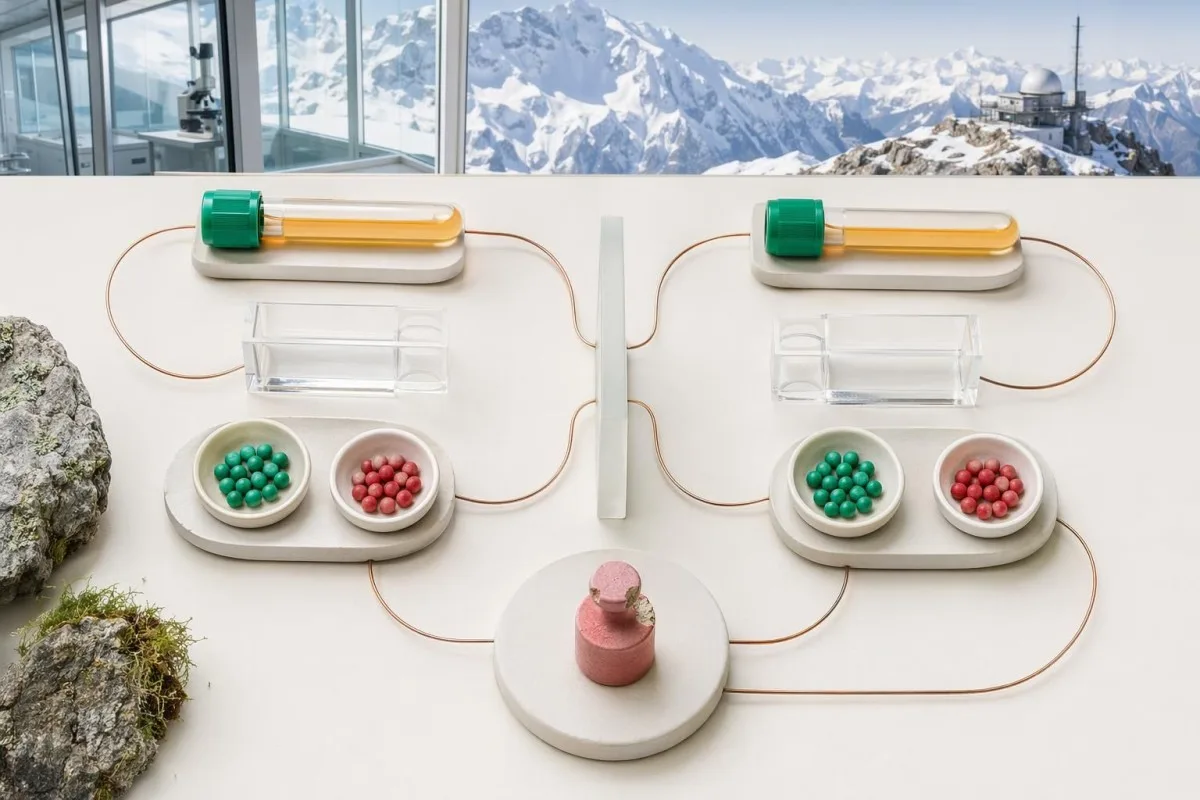
FEU ማለት fibrinogen equivalent units ነው፤ DDU ማለት D-dimer units ነው። አብዛኞቹ የዕድሜ-ተስተካክሎ ቀመሮች እንደ ng/mL FEU ይታተማሉ፣ ስለዚህ የመደበኛው 500 ng/mL FEU መቁረጫ ከ50 በኋላ ዕድሜ × 10 ይሆናል።.
ላቦራቶሪዎ DDU ከሚጠቀም ከሆነ፣ በግምት የዕድሜ-ተስተካክሎ መቁረጫው ዕድሜ × 5 ng/mL DDU ነው። የ72 ዓመት መቁረጫ በግምት 720 ng/mL FEU ወይም 360 ng/mL DDU ይሆናል፣ ሆኖም የምርመራ-ተኮር ካሊብሬሽን አሁንም ጠቃሚ ነው።.
ይህ ቦታ ነው ብዙ የ“D-dimer test results explained” ማጠቃለያዎች ታካሚዎችን የሚያሳስቱት፦ አንድ ብቻ መቁረጫ ይጠቅሳሉ ነገር ግን የክፍል ልወጣ አያደርጉም። እኛ የመደበኛ ምርመራ መመሪያ (coagulation testing guide) D-dimerን ከPT፣ INR፣ aPTT፣ እና fibrinogen ጋር እናወዳድራለን፣ ምክንያቱም የመዝገብ ሪፖርቶች ብዙ ጊዜ እንደ ክላስተር ይመጣሉ።.
አንዳንድ የአውሮፓ ላቦራቶሪዎች mg/L FEU ይገልጻሉ፣ በዚህም 0.50 mg/L FEU 500 ng/mL FEU እኩል ነው። በዕድሜ 70 የ0.68 mg/L FEU ሪፖርት 680 ng/mL FEU ነው፣ የክሊኒካዊ እድል ዝቅተኛ ከሆነ ግን ከዕድሜ-ተስተካክሎ 700 ng/mL FEU መቁረጫ በታች ይቀመጣል።.
የዕድሜ ማስተካከያ ደህና የሚሆነው የቅድመ-ምርመራ እድል (pretest probability) ከተ yox በኋላ ብቻ ነው
የዕድሜ ማስተካከያ D-dimer ለታካሚዎች ተረጋግጧል ከ ዝቅተኛ ወይም መካከለኛ የክሊኒካዊ እድል ጋር, ነገር ግን ቀድሞውኑ መንጋጋ እንዳለ የሚመስሉ ሰዎች ላይ አይደለም። ሐኪሎች መቁረጫውን ለመተማመን ብዙ ጊዜ ምልክቶችን፣ የልብ ምትን፣ የኦክሲጅን ደረጃን፣ የቀድሞ የመንጋጋ ታሪክን፣ ካንሰርን፣ ቀዶ ጥገናን፣ መታገድን (immobilisation) እና የፈተና ግኝቶችን ያጣምራሉ።.
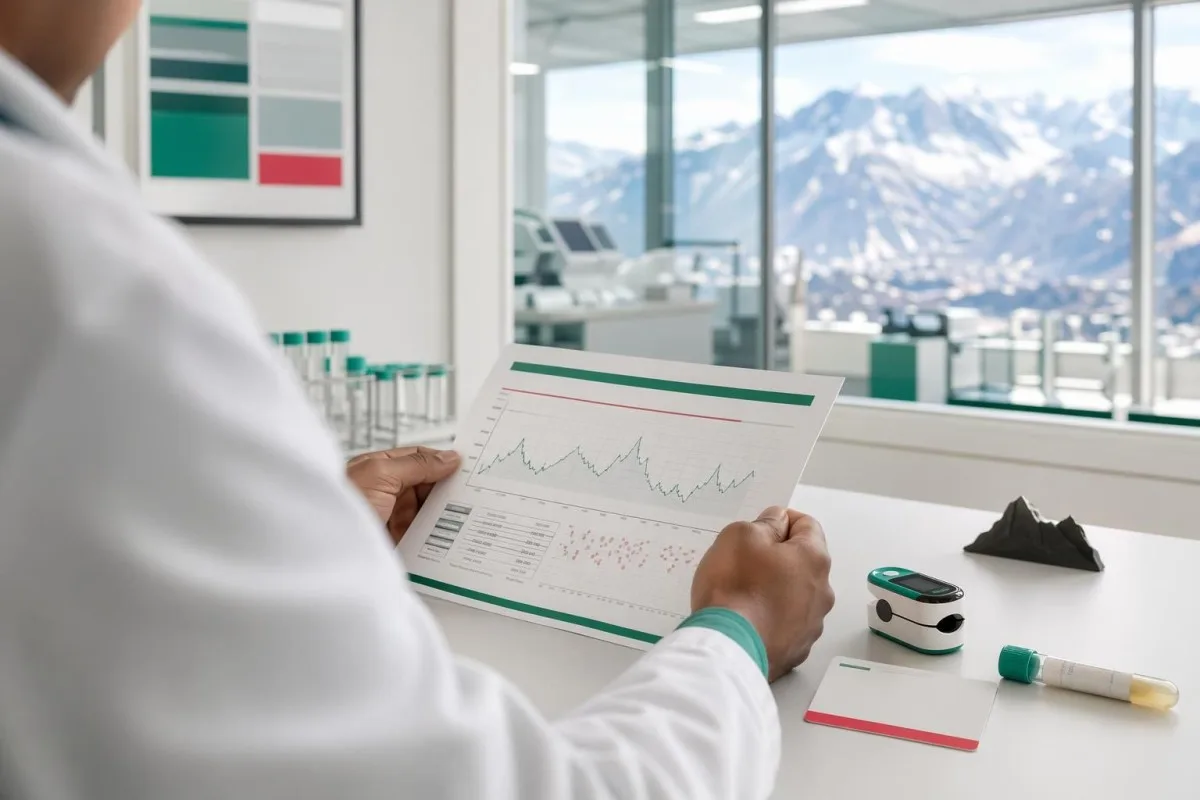
የ2019 የአውሮፓ የልብ ማህበር (European Society of Cardiology) የሳንባ እንቅስቃሴ መንጋጋ (pulmonary embolism) መመሪያ የD-dimer ምርመራን በዝቅተኛ ወይም መካከለኛ እድል ላላቸው ታካሚዎች ብቻ ይደግፋል፤ ከፍተኛ እድል ላላቸው ታካሚዎች በአጠቃላይ ወደ ምስል ምርመራ (imaging) መሄድ አለባቸው (Konstantinides et al., 2020)። ይህ ልዩነት መደበኛ ወይም ድንበር ውጤት ምርመራን እንዳይዘገይ ይከላከላል።.
በNew England Journal of Medicine ውስጥ የታተመው የPEGeD ጥናት ደግሞ D-dimer እንደ ክሊኒካዊ እድል ሊስተካከል እንደሚችል አሳይቷል፤ በመዋቅራዊ ደንቦች ስር በዝቅተኛ-አደጋ ታካሚዎች ላይ ከፍ ያሉ መቁረጫዎች ይጠቀማሉ (Kearon et al., 2019)። ይህ “ግምት መስራት” አይደለም፤ መደበኛ የአደጋ ማስተካከያ ነው።.
ለሐኪሎች፣ የWells ነጥብ አሁንም ተግባራዊ አጭር መግለጫ ነው፦ የDVT ምልክቶች፣ የልብ ምት ከ100/ደቂቃ በላይ፣ መታገድ (immobilisation)፣ የቀድሞ VTE፣ haemoptysis፣ ካንሰር፣ እና PE እጅግ የሚመስል ምርመራ መሆኑ ነው። የእኛ የጥናት-ዘይቤ የመርጋት ምልክት መመሪያ ወደ ዝርዝር ይገባል፤ D-dimer ከprotein C እና aPTT ጎን ለጎን እንዴት እንደሚቀመጥ።.
በእኔ ልምድ፣ አደገኛ ጉዳዮች በኋላ ሲታይ ብዙ ጊዜ በጣም የማይጠቁሙ አይደሉም። የደረት ህመም በመተንፈስ ሲባባስ (pleuritic chest pain)፣ የልብ ምት 118/ደቂቃ ታክካርዲያ (tachycardia)፣ እና የኦክሲጅን መጠን 91% ያለ ታካሚ በዕድሜ 68 ላይ 610 ng/mL FEU በD-dimer ብቻ ሊያረጋጋ አይገባም።.
አሁንም ወዲያውኑ የመርጋት ምስል ማረጋገጫ (clot imaging) የሚፈልጉ ምልክቶች
ምልክቶቹ የpulmonary embolism ወይም የdeep vein thrombosis እንደሚጠቁሙ ከሆነ አስቸኳይ ምስል ምርመራ ያስፈልጋል፣ ምንም እንኳ D-dimer ድንበር ላይ ወይም ከዕድሜ-ማስተካከያ መቁረጫ በታች ቢሆን። ድንገተኛ መተንፈስ እጥረት፣ በመተንፈስ ጋር የሚመጣ የደረት ህመም፣ መውደቅ (fainting)፣ ዝቅተኛ ኦክሲጅን፣ ደም መተንፈስ (coughing blood)፣ ፈጣን የልብ ምት፣ ወይም አንድ እግር ብቻ በፍጥነት የሚያብጥ እና የሚያማምር ከሆነ እንደ ጊዜ-ተኮር ሁኔታ ይታከሙ።.
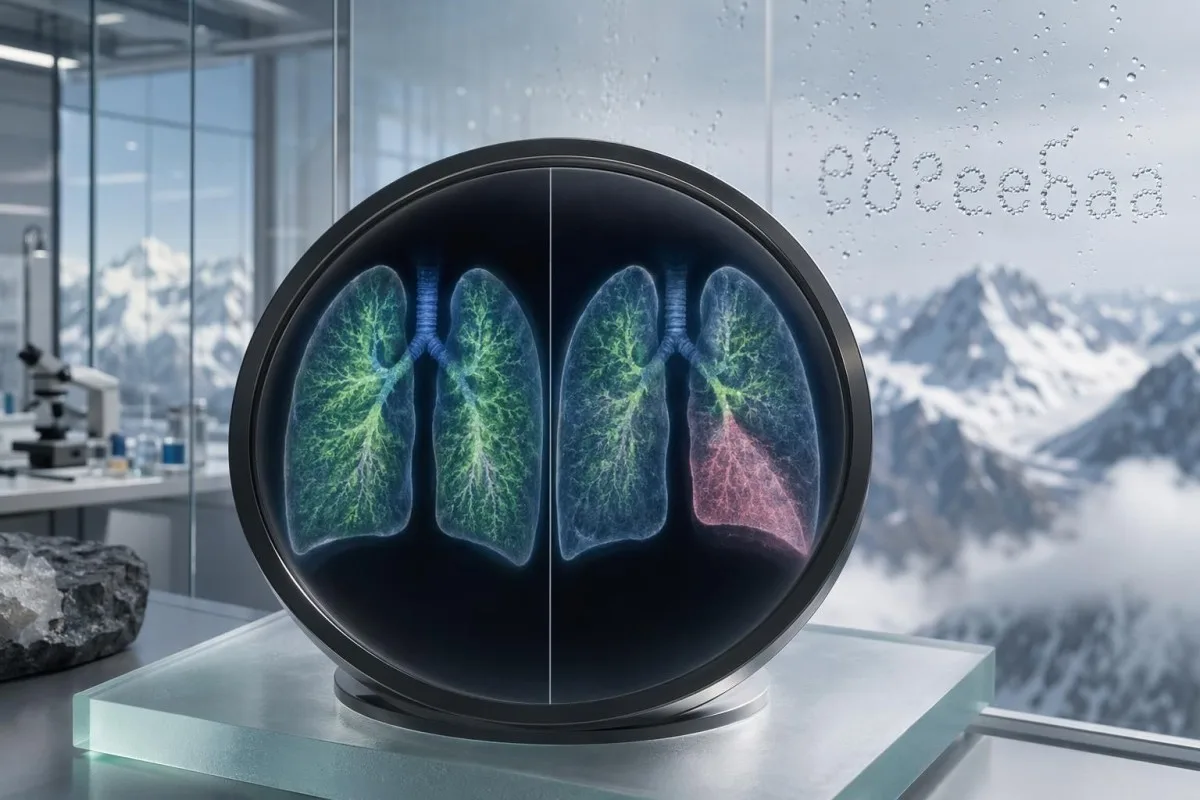
የpulmonary embolism እንደ ኦክሲጅን መጠን ከ92% በታች፣ የልብ ምት ከ100/ደቂቃ በላይ፣ ሹል የደረት ህመም፣ አዲስ መተንፈስ እጥረት፣ ወይም መውደቅ (collapse) ሊታይ ይችላል። መደበኛ የደረት ኤክስሬይ አይክለክለውም፣ እና ድንበር ላይ ያለ D-dimer ከፍተኛ-አደጋ ታሪክ እንዲጠፋ አያደርግም።.
በKantesti ክሊኒካዊ ግምገማ ውስጥ፣ የD-dimer ቁጥርን ብቻ ለመከታተል ሳይሆን የምልክት ጥምረቶችን እናሳያለን። ዕድሜ 58 ያለ ሰው የD-dimer 540 ng/mL FEU እና haemoptysis ካለው ከቀላል የቫይረስ በሽታ በኋላ እና የልብ-ሳንባ ምልክቶች የሌሉ 540 ያለ ዕድሜ 58 ሰው የሚፈልገው የተለየ መንገድ ነው።.
በእኛ ጥልቅ ጽሑፍ ላይ ስለ ከፍተኛ D-dimer ምልክቶች ጠቃሚ ነው፤ ላቦራቶሪ አደጋን ከምልክት አደጋ ይለያል። ሁለቱ ይደባለቃሉ፣ ግን አንድ አይደሉም።.
ከባድ መተንፈስ እጥረት፣ መውደቅ (fainting)፣ ሰማያዊ ከንፈር (blue lips)፣ የደረት ግፊት (chest pressure)፣ ግራ መጋባት (confusion)፣ ወይም እግር በፍጥነት የሚያብጥ ከሆነ ይህ የአስቸኳይ ሁኔታ ክልል ነው። ለተመሳሳይ ምርመራ 24 ሰዓት አይጠብቁ፤ ምስል ምርመራ እና ክሊኒካዊ ግምገማ የሚቀጥለው የተሻለ እርምጃ ናቸው።.
አንድ እግር ብቻ የተወጠረ ሊሆን ቢችልም ድንበር ላይ ያለ ውጤት ቢኖርም አልትራሳውንድ ሊያስፈልግ ይችላል
አንድ ብቻ የታበጠ እና የሚያማምር ጥጃ (calf) ወይም ጭን (thigh) እንኳን D-dimer በትንሹ ብቻ ከፍ ቢል የደም ሥር የደም ምርመራ አልትራሳውንድ (venous ultrasound) ሊያስፈልግ ይችላል። DVT አደጋ ከፍ ይላል ማብጡ በአንድ ጎን ሲሆን፣ አዲስ ሲሆን፣ ሲያማምር (tender) ሲሆን፣ ከሙቀት ጋር ሲያያዝ፣ ወይም ከመታገድ (immobilisation)፣ ከቀዶ ጥገና፣ ከረጅም ጉዞ (long travel)፣ ካንሰር፣ እርግዝና (pregnancy)፣ ወይም ከቀድሞ መንጋጋ በኋላ ሲከሰት።.

DVT በ D-dimer አይመረመርም፤ በትክክለኛው የክሊኒካዊ ሁኔታ ስር በመጭመቂያ አልትራሳውንድ ይመረመራል። በጭኑ ውስጥ ያለ ቅርብ የሆነ DVT ብቻ የጥጃ መርጋት ከሆነ ይልቅ ብዙ ጊዜ አደገኛ ነው፣ ምክንያቱም ወደ ሳንባ ለመላክ ዕድሉ ከፍ ስለሆነ።.
እኔ እጅግ የምታመነው ክሊኒካዊ ፍንጭ አሲሜትሪ ነው። ከ tibial tuberosity በታች ወደ 10 ሴ.ሜ ገደማ በመለካት የጥጃ ዙሪያ ልዩነት ከ3 ሴ.ሜ በላይ መሆን ለ DVT የ Wells ነጥብ አካል ነው እና የ borderline D-dimer ትርጉሙን ይቀይራል።.
በእርግጥ ሁሉም እብጠት ከመርጋት ጋር የተያያዘ አይደለም። ዝቅተኛ አልቡሚን፣ የኩላሊት በሽታ፣ የልብ ድካም፣ የሊምፋቲክ በሽታ፣ እና በመድሃኒት የሚመጣ እብጠት ምስሉን ሊመስሉ ወይም ሊያደናግሩ ይችላሉ፤ እኛ የእብጠት የላቦራቶሪ ፍንጮች እነዚህን ከመርጋት ውጭ የሆኑ ምክንያቶች ይሸፍናል።.
አስቸጋሪው ሁኔታ የእድሜ ተጠቃሚው በዲዩሬቲክ ላይ ያለ እና በረጅም ጊዜ የተከማቸ የእግር ጭንቅላት እብጠት ያለው ሰው ነው፤ ከ48 ሰዓታት በላይ በአንድ እግሉ መባባስ መታየቱን ሲያስተውል። የእድሜ መለኪያ የተዘጋጀ ብቻ የ D-dimer ለዚህ ጉዳይ ብቻ እንዲያስተካክል አልፈቅድም፤ አልትራሳውንድ ርካሽ፣ ፈጣን፣ እና ብዙ ጊዜ ወሳኝ መወሰኛ ነው።.
በአረጋውያን ውስጥ D-dimer ከፍ የሚሆን የተለመዱ የመርጋት ያልሆኑ ምክንያቶች
D-dimer አደገኛ መርጋት ሳይኖር ከፍ ሊሆን ይችላል፣ ምክንያቱም ብዙ በሽታዎች የፋይብሪን መተካከል/መበስበስ ሂደትን ያነቃቃሉ። ኢንፌክሽን፣ ካንሰር፣ ቅርብ የተደረገ ቀዶ ጥገና፣ ጉዳት (ትራውማ)፣ የልብ ድካም፣ የኩላሊት ጉዳት፣ የጉበት በሽታ፣ ኢንፍላማቶሪ መታወክ (inflammatory disorders)፣ ስትሮክ፣ እና ሆስፒታል መቆየት ሁሉም D-dimer ከ500 ng/mL FEU በላይ ሊያደርሱ ይችላሉ።.
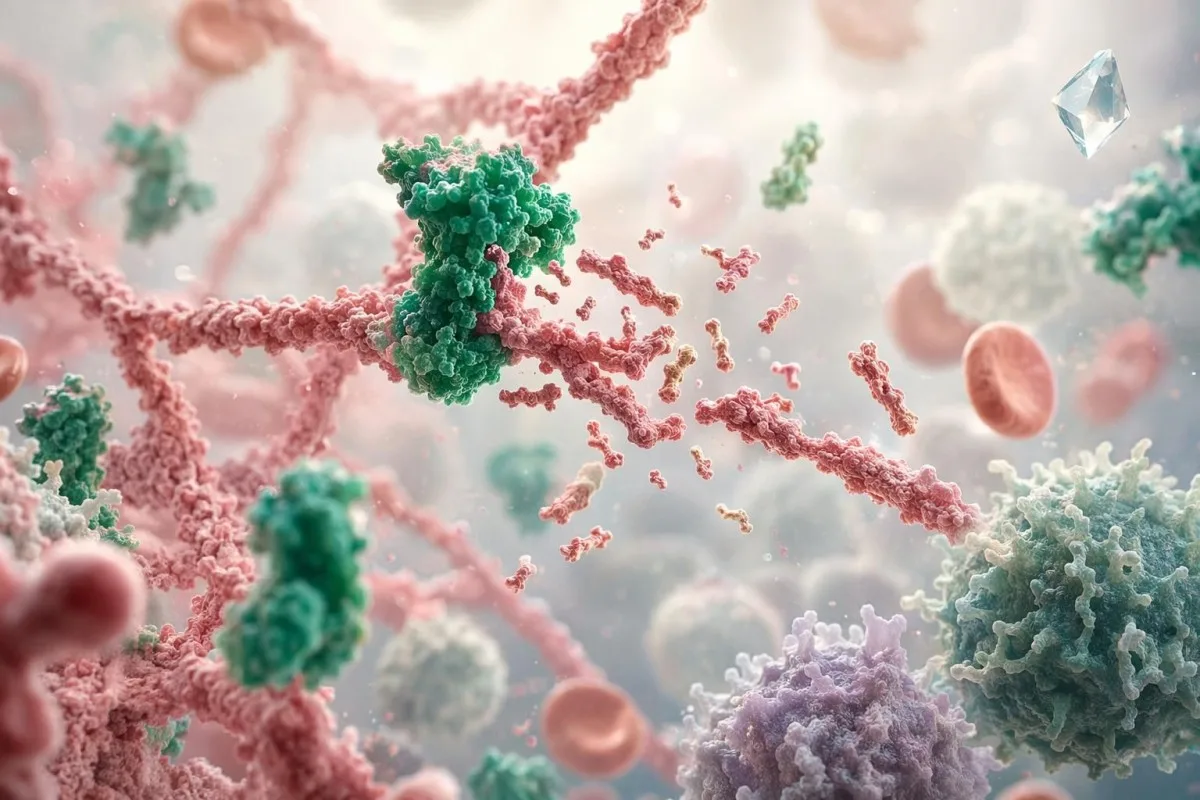
መጠኑ ከከባድነት ጋር እንደሚጨምር ይታያል። ቀላል የደረት ኢንፌክሽን 700 ng/mL FEU ሊያመጣ ይችላል፣ ነገር ግን ሴፕሲስ፣ የተራቀቀ ካንሰር፣ ወይም ከባድ ትራውማ በርካታ ሺህ ng/mL FEU ሊያመጡ ይችላሉ፣ ውጤቱ ግን ችግኙ በትክክል የት እንደሆነ አይነግርዎትም።.
ኢንፍላሜሽን እና መርጋት አንዱ ለሌላው ይነጋገራሉ። CRP 100 mg/L ሲሆን እና የነጭ የደም ሕዋሳት 16 × 10⁹/L ሲሆን፣ D-dimer የመጀመሪያ መርጋት ሳይሆን የስርአተ-አካል የቲሹ ምላሽ ሊያመለክት ይችላል፤ እኛ የኢንፌክሽን መለኪያ መመሪያ ይህን ንድፍ ያብራራል።.
የኩላሊት ተግባርም ጠቃሚ ነው። የተቀነሰ eGFR ከፍ ያለ D-dimer ጋር በከፊል ሊዛመድ ይችላል፣ በከፊልም ምክንያቱ እድሜ የገፉ እና ደካማ ተጠቃሚዎች ብዙ የደም ሥር በሽታ እና የኢንፍላማቶሪ ጭነት ስለሚኖራቸው ነው፣ በከፊልም የተለያዩ ፕሮቲኖች ማጽዳት ትክክለኛ መጠን መገመት የማይታመን ስለሚሆን ነው።.
የክሊኒካዊ ስህተት የሚሆነው “መርጋት አይደለም” ማለት “ምንም አይደለም” ማለት ነው። የ D-dimer 2,400 ng/mL FEU ከትኩሳት፣ ክብደት መቀነስ፣ ደም ማነስ (anaemia)፣ ወይም የተዛባ የጉበት ኢንዛይሞች ጋር አሁንም ምርመራ ይገባዋል፣ ግን በመጀመሪያ እርምጃ ሁልጊዜ የ CT pulmonary angiogram እንዲሆን አይግድዎትም።.
እርግዝና፣ ቀዶ ጥገና፣ እና ኢንፌክሽን ህጎቹን ይለውጣሉ
የእድሜ መለኪያ የተዘጋጀ D-dimer መቁረጫዎች ለእርግዝና፣ ቀዶ ጥገና ከተደረገ በኋላ ለመጀመሪያዎቹ ሳምንታት፣ ወይም ለቅርብ ጊዜ ላይ ለተከተለ ከባድ ኢንፌክሽን ቀላል ተስማሚ አይደሉም። በእነዚህ ሁኔታዎች ውስጥ D-dimer ብዙ ጊዜ ይጨምራል፣ ምክንያቱም መርጋት (coagulation) እና የቲሹ ጥገና ንቁ መሆን ይጠበቃል።.

ከባድ ቀዶ ጥገና በኋላ፣ D-dimer ለቀናት እስከ ሳምንታት ድረስ ከፍ ሊቆይ ይችላል፣ አንዳንዴም አዲስ መርጋት ሳይኖር እንኳ ከ1,000 ng/mL FEU በላይ። ትክክለኛው የጊዜ መስመር በቲሹ ጉዳት፣ ተንቀሳቃሽነት መቀነስ (immobility)፣ ኢንፌክሽን፣ እና መከላከያ የሚሰጥ ፀረ-መርጋት መድሃኒት (preventive anticoagulation) መጠቀሙ ላይ ይመረኮዛል።.
እርግዝና የተለየ የምርመራ መንገድ ነው። D-dimer በሶስቱ ሶስተኛ ክፍሎች (trimesters) ውስጥ ይጨምራል፣ እና ሐኪሎች የመደበኛውን የእድሜ × 10 ህግ ሳይሆን የእርግዝና ተስማሚ አልጎሪዝሞች ሊጠቀሙ ይችላሉ፤ በእኛ ስለ እርግዝና እና ቀዶ ጥገና እነዚህን ልዩነቶች ያብራራል።.
COVID እና ሌሎች ኢንፌክሽኖች የ D-dimer ከፍ ያለ የቀሪ ጅራት (tail) ሊተዉ ይችላሉ። ከትኩሳት በኋላ 10 ቀን ያህል 900 ng/mL FEU የሚያሳይ ውጤት ማገገምን ሊያመለክት ይችላል፣ ነገር ግን አዲስ የደረት ህመም ወይም የኦክሲጅን መጠን መቀነስ አደጋውን በወዲያውኑ ይቀይራል።.
ጊዜውን ለመወሰን እሞክራለሁ፦ የምልክት ቀን 1፣ የቀዶ ጥገና ቀን 14፣ የበረራ ቀን 3፣ የትኩሳት ቀን 7። የጊዜ መስመሩ ግልጽ ካልሆነ የ D-dimer ትርጉሙ ይዳክማል፣ ምክንያቱም ተመሳሳይ እሴት ጎጂ ያልሆነ የማገገም ጫጫታ ወይም የመጀመሪያ ፍንጭ ለመርጋት ሊሆን ይችላል።.
D-dimer ሐሰተኛ ሁኔታ የሚያረጋግጥ መቼ ነው
ምልክቶቹ ለብዙ ቀናት ከቆዩ፣ ፀረ-መርጋት መድሃኒቶች ከምርመራው በፊት ተጀምረው ከሆነ፣ መርጋቱ ትንሽ ወይም ብቻውን ከሆነ፣ ወይም የምርመራ መለኪያው የተወሰነ የመገኘት ችሎታ (sensitivity) ካለው የ D-dimer ውጤት በሐሰት ዝቅተኛ ሊሆን ወይም ያነሰ ጠቃሚ ሊሆን ይችላል። አሉታዊ ውጤት አደጋውን ይቀንሳል፤ ነገር ግን ከፍተኛ-አደጋ ታሪክን አያጠፋም።.
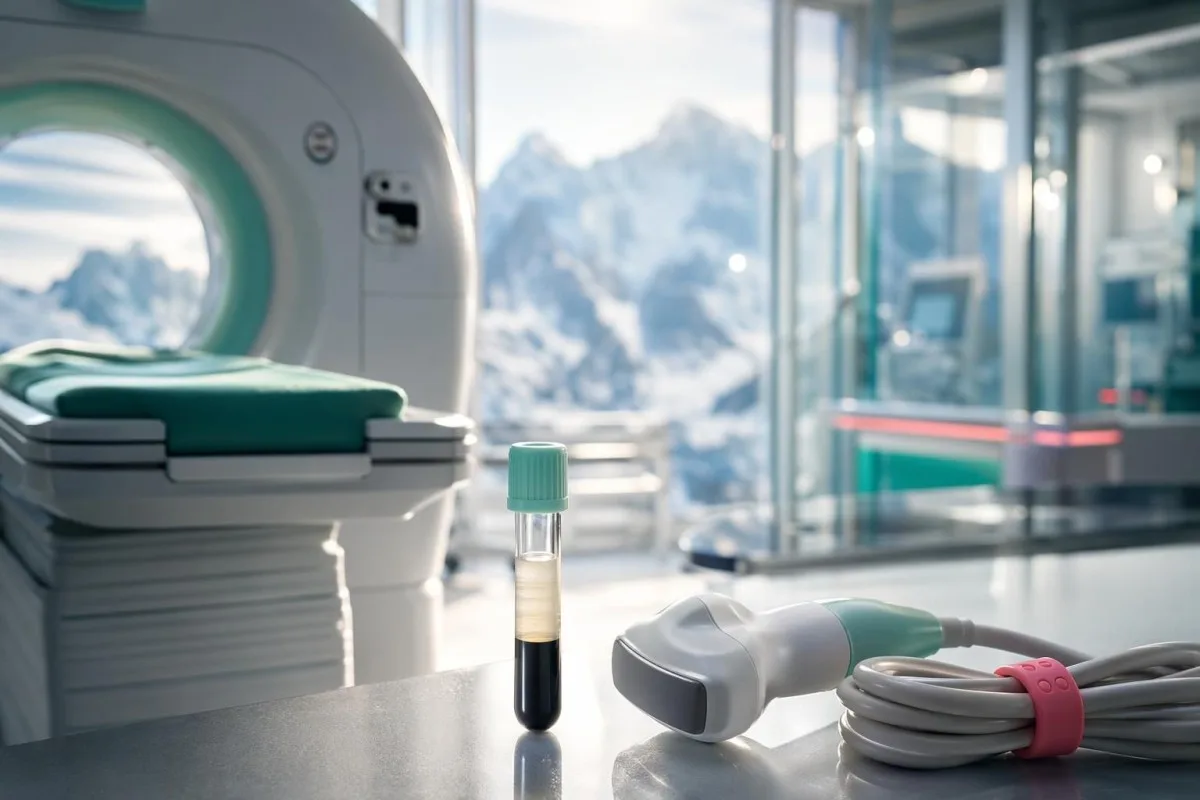
D-dimer በመጀመሪያ ምርመራ ወቅት በጣም ጠቃሚ ነው፣ ከሕክምና በፊት። አንድ ሰው ለ24 እስከ 48 ሰዓታት በፊት ለምርመራ የሚሰጥ መጠን (therapeutic anticoagulation) ከወሰደ፣ የፋይብሪን መፍረስ ምልክት በቂ ዝቅ ሊል ይችላል፣ ይህም ትርጓሜውን ያነሰ ግልጽ ያደርገዋል።.
၁၀ မှ ၁၄ ရက်အတွင်း စတင်ခဲ့သော လက္ခဏာများကလည်း အခြေအနေကို မရှင်းမလင်းဖြစ်စေနိုင်သည်။ လူနာသည် နောက်ဆုံးတွင် ကလিনစ်သို့ လာရောက်ချိန်တွင် သွေးခဲသည် တည်ငြိမ်သွားနိုင်သည်၊ အနည်းငယ် ပြန်လည်ကောင်းမွန်လာနိုင်သည်၊ သို့မဟုတ် တိုင်းတာနိုင်သော D-dimer ပမာဏ လျော့နည်းသွားနိုင်သည်။.
Kantesti သည် နိုင်ငံပေါင်း ၁၂၇ ကျော်ရှိ လူနာများက အသုံးပြုသည့် AI အခြေပြု သွေးစစ်ချက် ခွဲခြမ်းစိတ်ဖြာရေးကိရိယာတစ်ခုဖြစ်သည်၊ သို့သော် ကျွန်ုပ်တို့၏ output များသည် သွေးခဲရောဂါကို စစ်ဆေးသတ်မှတ်ပေးမည့်အစား မသေချာမှုကို အချက်ပြရန် ဒီဇိုင်းလုပ်ထားသည်။ အဆိုပါ ቴክኖሎጂ መመሪያ သည် ကျွန်ုပ်တို့၏ စနစ်သည် ဓာတ်ခွဲခန်းအနက်ဖွင့်ခြင်းကို အရေးပေါ် ဆုံးဖြတ်ချက်ချခြင်းမှ မည်သို့ ခွဲခြားပေးသည်ကို ရှင်းပြသည်။.
“မနေ့က မူးလဲသွားပြီး အခု အခန်းတစ်ခန်းကို ဖြတ်လျှောက်မရတော့ဘူး” ဟု ကြားရသော ဆရာဝန်တစ်ဦးသည် အနားသတ် (borderline) D-dimer ကြောင့် စိတ်ချစေမထားသင့်ပါ။ ထိုအခြေအနေသည် စစ်ဆေးမှု၊ အောက်ဆီဂျင်တိုင်းတာမှု၊ ECG နှင့် မကြာခဏဆိုသလို ပုံရိပ်ဖော်ခြင်း လိုအပ်သည်။.
ወዲያውኑ የመርጋት ምስል ማረጋገጫ ብዙ ጊዜ ምን ያካትታል
သံသယရှိ pulmonary embolism အတွက် အရေးပေါ် ပုံရိပ်ဖော်ခြင်းသည် ပုံမှန်အားဖြင့် CT pulmonary angiography၊ V/Q scanning၊ သို့မဟုတ် compression ultrasound ဖြစ်ပြီး လက္ခဏာများ၊ ကိုယ်ဝန်ရှိ/မရှိ၊ ကျောက်ကပ်လုပ်ဆောင်ချက်၊ contrast allergy နှင့် ဒေသအလိုက် ရရှိနိုင်မှုတို့အပေါ် မူတည်သည်။ D-dimer ရလဒ်သည် ပုံရိပ်ဖော်ရန် လိုအပ်/မလိုအပ် ဆုံးဖြတ်ရာတွင် ကူညီပေးသည်။ သို့သော် စကင်ကို တစ်ခုတည်းဖြင့် ရွေးချယ်ပေးခြင်း မဟုတ်ပါ။.
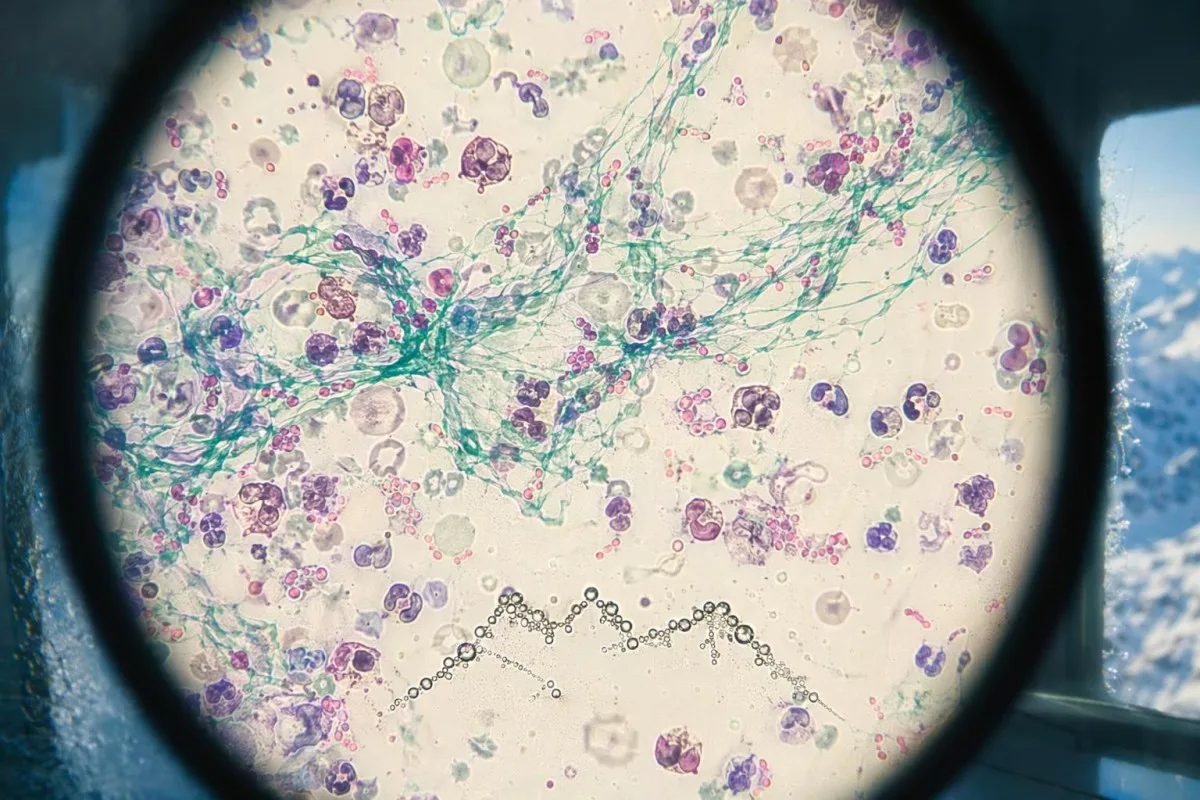
CT pulmonary angiography သည် မြန်ပြီး ကျယ်ကျယ်ပြန့်ပြန့် အသုံးပြုကြသော်လည်း iodinated contrast လိုအပ်ပြီး ရင်ဘတ်ကို ဓာတ်ရောင်ခြည်ထိတွေ့စေသည်။ eGFR 30 mL/min/1.73 m² အောက်ရှိသော လူနာတွင် contrast အန္တရာယ်သည် ဆုံးဖြတ်ချက်၏ အစိတ်အပိုင်းတစ်ခု ဖြစ်လာသည်။.
CT contrast သည် မသင့်တော်သည့်အခါ V/Q scanning သည် အသုံးဝင်နိုင်သည်၊ အထူးသဖြင့် ရင်ဘတ် X-ray သည် ပုံမှန်ဖြစ်လျှင်။ ခြေထောက် ultrasound သည် DVT ကို အတည်ပြုနိုင်ပြီး သတ်မှတ်ထားသော အခြေအနေများတွင် ရင်ဘတ် CT မလိုဘဲ ကုသမှုကို အကြောင်းပြနိုင်သည်။.
ပုံရိပ်ဖော်ခြင်း မပြုမီ ဆရာဝန်များသည် မကြာခဏ creatinine၊ သက်ဆိုင်ရာအလိုက် ကိုယ်ဝန်ရှိ/မရှိ၊ oxygen saturation၊ ECG နှင့် PE သံသယရှိပါက တစ်ခါတစ်ရံ troponin သို့မဟုတ် BNP ကို စစ်ဆေးကြသည်။ ကျွန်ုပ်တို့၏ የኩላሊት ውጤት መመሪያ ጋር ያጣምሩ သည် contrast မတိုင်မီ ကျောက်ကပ်ဆိုင်ရာ ဂဏန်းများသည် ရုတ်တရက် အရေးကြီးလာရခြင်းကို လူနာများ နားလည်စေရန် ကူညီပေးသည်။.
ပုံရိပ်ဖော်ခြင်းက PE ကို အတည်ပြုပါက နောက်ဆုံး ဆုံးဖြတ်ချက်မှာ ပြင်းထန်မှု (severity) ဖြစ်သည်။ oxygen saturation 97% ရှိပြီး တည်ငြိမ်သော သေးငယ်သည့် PE သည် သွေးဖိအားနိမ့်၊ troponin မြင့်၊ နှင့် right-heart strain ရှိသော ကြီးမားသည့် PE နှင့် မတူပါ။.
የAI ትርጓሜ የD-dimer አውድ (context) እንዴት መያዝ አለበት
AI အနက်ဖွင့်ခြင်းသည် D-dimer ကို binary “မြင့်/ပုံမှန်” အညွှန်းအဖြစ်မဟုတ်ဘဲ အခြေအနေအလိုက် (context-dependent) အညွှန်းအဖြစ် ဆက်ဆံသင့်သည်။ အလုံခြုံဆုံး output သည် အသက်၊ ယူနစ်များ၊ assay အမျိုးအစား၊ အချိန်ကာလ၊ လက္ခဏာများ၊ အန္တရာယ်အချက်များနှင့် CRP၊ CBC၊ creatinine၊ platelets၊ PT/INR၊ fibrinogen စသည့် ဆက်စပ်ဓာတ်ခွဲခန်းရလဒ်များကို ထည့်သွင်းစဉ်းစားသည်။.
Kantesti သည် D-dimer သည် ဓာတ်ခွဲခန်း၏ သတ်မှတ်ထားသော cutoff ထက် မြင့်နေသော်လည်း အသက်-ညှိ (age-adjusted) သတ်မှတ်ချက်အောက်တွင် ရှိနေသည့်အချိန်ကို ဖော်ထုတ်နိုင်သည့် AI ဓာတ်ခွဲခန်း စစ်ဆေးမှု အနက်ဖွင့်ခြင်း ဝန်ဆောင်မှုတစ်ခုဖြစ်သည်။ ဤကွာခြားချက်သည် အသုံးဝင်သည်၊ အကြောင်းမှာ များစွာသော ဓာတ်ခွဲခန်း portal များသည် အသက်ကို မရှင်းပြဘဲ 510 ng/mL FEU ကို မမှန် (abnormal) အဖြစ် အမှတ်အသားပြုထားတတ်သောကြောင့် ဖြစ်သည်။.
ဒုတိယအလွှာမှာ လုံခြုံရေးဆိုင်ရာ စကားလုံးရေးသားမှု (safety wording) ဖြစ်သည်။ အသုံးပြုသူထည့်သွင်းသည့် လက္ခဏာများတွင် ရင်ဘတ်နာခြင်း၊ အသက်ရှုမဝခြင်း၊ မူးလဲခြင်း၊ သွေးပါချောင်းဆိုးခြင်း၊ သို့မဟုတ် တစ်ဖက်တည်း ခြေထောက်ဖောင်းခြင်း ပါဝင်ပါက စနစ်သည် “စောင့်ကြည့်ပြီး မစိုးရိမ်” (watch and wait) ဟု မညွှန်ကြားဘဲ အရေးပေါ် ဆေးဘက်ဆိုင်ရာ အကဲဖြတ်မှုဆီသို့ ညွှန်ပြသင့်သည်။”
የእኛ የAI ትርጓሜ ገደቦች article က ဒီအချက်ကို တိုက်ရိုက်ပြောထားသည်—AI သည် ပုံစံများကို ၆၀ စက္ကန့်ခန့်အတွင်း ရှင်းပြနိုင်သော်လည်း သင့်အဆုတ်ကို နားထောင်နိုင်ခြင်း၊ အောက်ဆီဂျင်ကို တိုင်းတာနိုင်ခြင်း၊ သို့မဟုတ် ဒီည CT စကင်နာ လိုမလို ဆုံးဖြတ်နိုင်ခြင်း မရှိပါ။.
ကျွန်ုပ်၏ ကိုယ်ပိုင် review queue ထဲတွင် အသုံးဝင်ဆုံး AI အချက်ပြမှုမှာ “D-dimer မြင့်” မဟုတ်ပါ။ “ဒီအသက်အတွက် D-dimer မြင့်ပြီး သွေးခဲဖြစ်နိုင်ခြေကို မြှင့်တင်ပေးသည့် လက္ခဏာများနှင့် တွဲနေသည်” ဖြစ်သည်—၎င်းသည် ပိုမို ဆေးဘက်ဆိုင်ရာအရ သမာသမတ်ကျသော စကားတစ်ခွန်းဖြစ်သည်။.
D-dimer እንደገና መመርመር መርዳት የሚችለው መቼ ነው — እና ጊዜ የሚባክን መቼ ነው
မူလရလဒ်ကို အလွန်စောစီးစွာ ထုတ်ယူထားခြင်း၊ ရှုပ်ထွေးစေမည့် ယူနစ်များဖြင့် ဖော်ပြထားခြင်း၊ သို့မဟုတ် ရှင်းလင်းသော ယာယီ လှုံ့ဆော်မှု (temporary trigger) အတွင်း ရယူထားခြင်း ဖြစ်ပါက D-dimer ကို ထပ်မံစစ်ဆေးခြင်းက ကူညီနိုင်သည်။ လက်ရှိ လက္ခဏာများက PE သို့မဟုတ် DVT ကို ညွှန်ပြနေပါက ထပ်မံစစ်ဆေးခြင်းသည် မသင့်တော်ပါ။ ဒုတိယဂဏန်းတစ်ခုကြောင့် ပုံရိပ်ဖော်ခြင်းကို မနှောင့်နှေးသင့်ပါ။.
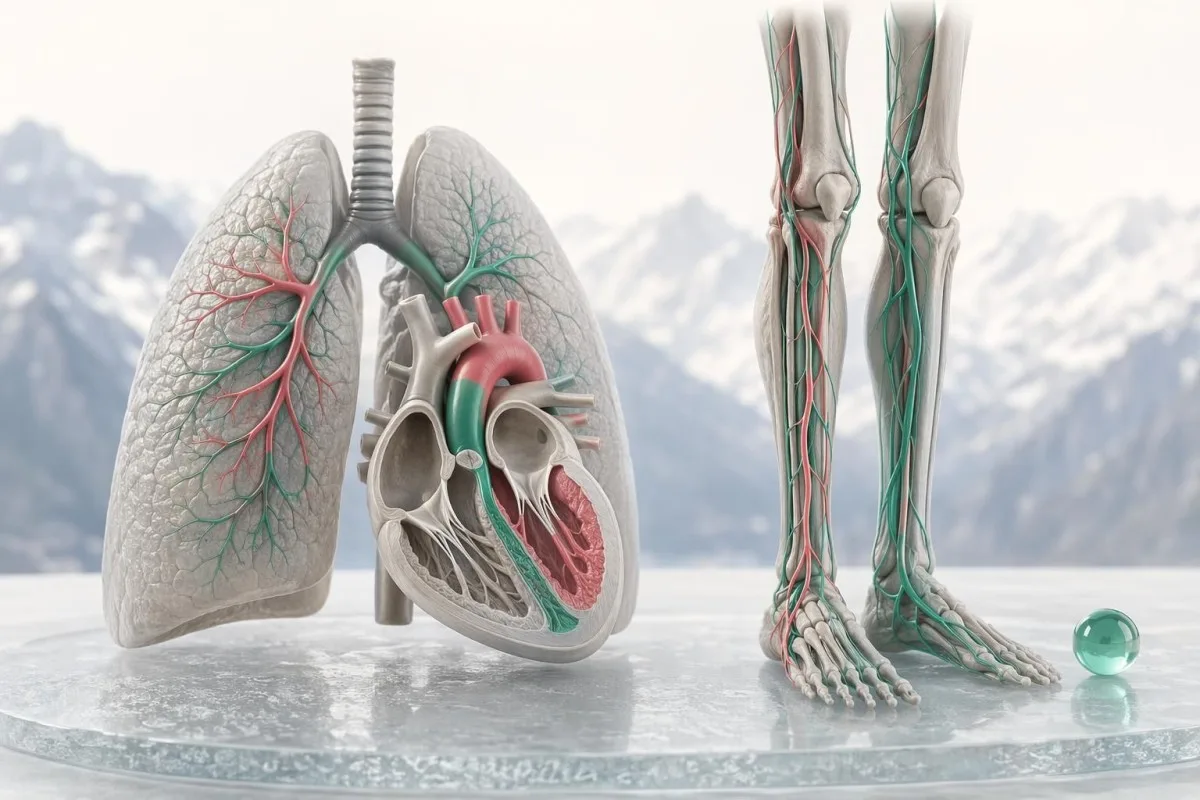
၁ မှ ၂ ပတ်အကြာတွင် D-dimer ကို ထပ်စစ်ခြင်းသည် D-dimer သည် ဗိုင်းရပ်စ်ရောဂါတစ်ခုအတွင်း အနည်းငယ် မြင့်နေပြီး လက္ခဏာများသည် လုံးဝ သက်သာသွားပြီဆိုပါက သင့်တော်နိုင်သည်။ 1,100 မှ 520 ng/mL FEU သို့ ကျဆင်းသွားခြင်းသည် ပြန်လည်ကောင်းမွန်လာခြင်းကို ထောက်ခံနိုင်သော်လည်း ဖြစ်ပျက်ခဲ့သည်ကို မည်သို့မည်ပုံ ရောဂါအဖြစ် သတ်မှတ်ပေးခြင်း မဟုတ်သေးပါ။.
ခွဲစိတ်ပြီးနောက် ထပ်စစ်ခြင်းသည် ပိုမိုအကူအညီနည်းပါးသည်၊ အကြောင်းမှာ တန်ဖိုးများသည် အပတ်များစွာကြာအောင် မြင့်နေတတ်သောကြောင့် ဖြစ်သည်။ ခွဲစိတ်ပြီး ၁၀ ရက်အကြာတွင် တည်ငြိမ်နေသော လူနာတစ်ဦးသည် နေ့စဉ် D-dimer စစ်ဆေးခြင်းမဟုတ်ဘဲ အန္တရာယ်အကဲဖြတ်မှုနှင့် တစ်ခါတစ်ရံ ultrasound လိုအပ်သည်။.
portal က “abnormal” ဟု ပြောသော်လည်း ဆရာဝန်က “မစိုးရိမ်ရ” ဟု ဆိုသည့်အခါ လူနာများသည် မကြာခဏ မျက်လုံးတစ်စုံထပ်တိုးပြီး ပြန်စစ်ပေးရန် တောင်းဆိုကြသည်။ ကျွန်ုပ်တို့၏ ሁለተኛ አስተያየት guide သည် ထိုမျိုး ပြန်လည်သုံးသပ်ခြင်းသည် ဘယ်အချိန်တွင် အသုံးဝင်ပြီး တစ်နေ့တည်း ပြုစုစောင့်ရှောက်မှု (same-day care) သည် ဘယ်အချိန်တွင် ပိုမိုလုံခြုံကြောင်း ရှင်းပြသည်။.
သင် D-dimer ကို ထပ်စစ်ပါက ဖြစ်နိုင်လျှင် အတူတူ ယူနစ်စနစ်ဖြင့် ထပ်စစ်ပါ။ conversion မလုပ်ဘဲ 0.74 mg/L FEU ကို 390 ng/mL DDU နှင့် နှိုင်းယှဉ်ခြင်းသည် ရှုပ်ထွေးမှုအတွက် အကြောင်းရင်းတစ်ခု ဖြစ်သည်။.
D-dimer ድንበር ላይ ሲሆን ሊጠየቁ የሚገቡ ጥያቄዎች
အနားသတ် (borderline) D-dimer သည် အလိုအလျောက် စိတ်ချစေခြင်း (automatic reassurance) သို့မဟုတ် အလိုအလျောက် CT စကင်ဖော်ခြင်း (automatic CT scanning) မဟုတ်ဘဲ ပိုမိုကောင်းမွန်သော မေးခွန်းများကို မေးရန် လိုအပ်သည်။ ယူနစ်၊ သင့်အသက်-ညှိ cutoff၊ သင့် Wells သို့မဟုတ် Geneva အန္တရာယ်၊ လက္ခဏာများ စတင်ချိန်၊ မကြာသေးမီက လှုံ့ဆော်မှုများ၊ နှင့် လက္ခဏာပြောင်းလဲမှုတစ်ခုက သင့်ကို အရေးပေါ် ဆေးခန်းသို့ ပို့သင့်မည်ကို မေးပါ။.

የመጀመሪያው ጥያቄ ቀላል ነው፦ “ይህ FEU ነው ወይስ DDU?” ሁለተኛው ደግሞ፦ “ለእኔ እድሜ የሚፈጸም ድንበር (cutoff) ምንድነው?” 69 ዓመት ያለው ሰው 640 ng/mL FEU ካለው የእድሜ-ተመጣጣኝ ድንበር ስር ሊሆን ይችላል፤ 640 ng/mL DDU ግን የተለየ የስጋት ደረጃ ነው።.
ከዚያ ይጠይቁ፦ “ከምርመራው በፊት የእኔ የሕክምና እድል (clinical probability) ምን ነበር?” ማንም ሰው የልብ ምት (pulse)፣ የኦክሲጅን መጠን (oxygen saturation)፣ በአንድ ጎን የእግር መወፈር (one-sided leg swelling)፣ ቅርብ የቀዶ ጥገና (recent surgery)፣ የኢስትሮጅን ሕክምና (estrogen therapy)፣ ካንሰር (cancer) ወይም ቀደም ያለ VTE ካልተመለከተ፣ ውጤቱ በጣም ጠባብ መልኩ ሊተረጎም ይችላል።.
በቻሉት መጠን እቅዱን በጽሑፍ ይጠይቁ፦ የሚከታተሉት ምልክቶች፣ የአልትራሳውንድ (ultrasound) ያስፈልጋል ወይስ አይ፣ የCT ያስፈልጋል ወይስ አይ፣ እና የተደጋጋሚ ምርመራ መኖሩ ትርጉም አለው ወይስ አይ። እኛ የየደም ምርመራ ልዩነት መመሪያችን ታካሚዎች ለምን ትንሽ የላቦራቶሪ ለውጦች እንደ የአክሲዮን ዋጋ መነበብ እንደማይገባ እንዲረዱ ይረዳል።.
ብዙ ጊዜ ለታካሚዎቼ ሶስት ቁጥሮች እንዲያዘጋጁ እነግራቸዋለሁ፦ የD-dimer ዋጋ ከክፍሉ (unit) ጋር፣ የኦክሲጅን መጠን (oxygen saturation) ከተለካ ጋር፣ እና የመቀመጥ ሁኔታ የልብ ምት (resting pulse)። እነዚህ ሶስት ቁጥሮች ከምልክቶች ጋር ተያይዞ ብዙ ጊዜ በብቻው የD-dimer ምልክት ከሚያሳየው በላይ ለሐኪሙ ይበልጥ ይነግራሉ።.
መደምደሚያ፦ የዕድሜ ማስተካከያ ይጠቀሙ፣ ግን ምልክቶችን አይተዉ
ከ50 በኋላ የእድሜ-ተመጣጣኝ D-dimer መጠቀም ያልተፈለገ ምስል ማስመርመር (imaging) ለመቀነስ ጥሩ መንገድ ነው፣ ነገር ግን በተዋቀረ የሕክምና ግምገማ ውስጥ ብቻ ደህና ነው። ለብዙ ምርመራዎች የእድሜ × 10 ng/mL FEU ይጠቀሙ፣ የክፍሉን (unit) ያረጋግጡ፣ እና ምልክቶች PE ወይም DVT እንደሚያሳዩ ሲጠቁሙ ወዲያውኑ አስቸኳይ እንክብካቤ (urgent care) ይፈልጉ።.
ከሰኔ 13 ቀን 2026 ጀምሮ የሚሰራልኝ ተግባራዊ ህግ ይህ ነው፦ ዝቅተኛ-ስጋት ያለው 74 ዓመት ሰው የD-dimer 680 ng/mL FEU ካለው CT ላይ ላይወጣ ሊችል ይችላል፣ ነገር ግን የተንፈስ እጥረት ያለው 74 ዓመት ሰው የልብ ምት 120/min እና ኦክሲጅን 91% ያስፈልገዋል ወዲያውኑ የሕክምና ግምገማ። ያንን ተመሳሳይ ቁጥር የተለያዩ ትርጉሞች ሊኖሩት ይችላሉ።.
የKantesti የሕክምና ይዘት ከላቦራቶሪ የማጣቀሻ ክልሎች ብቻ ሳይሆን በክሊኒካዊ መመዘኛዎች መሠረት ይገመገማል። እኛ ክሊኒካዊ ማረጋገጫ ገጹ የሐኪሞች ክትትል እና ቴክኒካዊ መመዘኛ መለኪያ (technical benchmarking) የስጋት ቋንቋን እንዴት እንደምናቀርብ እንደሚቀርጹ ያብራራል።.
የD-dimer ውጤትዎ ድንበር ላይ ከሆነ በብቻው ቁጥሩን አይከራከሩ። የእድሜ-ተመጣጣኝ ድንበር (cutoff) ተጠቅሟል ወይስ አይ፣ ምልክቶችዎ ከምርመራ በፊት የእድል ግምት (pretest probability) ይቀይራሉ ወይስ አይ፣ እና ዛሬ የአልትራሳውንድ ወይም CT ያስፈልጋል ወይስ አይ፣ ይጠይቁ።.
ደህና ትርጓሜ ትህትና ነው። D-dimer በትክክለኛው የታካሚ ቡድን ውስጥ መዝጋት (clots) እንዳይኖር ለመካድ ጎበዝ ነው፣ መዝጋት እንዳለ ለማረጋገጥ ደካማ ነው፣ እና ከፍተኛ-ስጋት የክሊኒካዊ ታሪክ ላይ ለመተካት ሲጠቀም አደገኛ ነው።.
በተደጋጋሚ የሚጠየቁ ጥያቄዎች
50 ከሆነ በኋላ የዕድሜ-ተመጣጣኝ ዲ-ዳይመር መቆራረጥ መጠን ስንት ነው?
50ን ከዕድሜ ጋር የተስተካከለ የተለመደው የD-ዳይመር መቆራረጥ መጠን ከዕድሜ በኋላ ዕድሜ × 10 ng/mL FEU ነው። ለምሳሌ፣ በዕድሜ 60 መቆራረጡ 600 ng/mL FEU ነው፣ በዕድሜ 75 750 ng/mL FEU ነው፣ እና በዕድሜ 88 880 ng/mL FEU ነው። ይህ ደንብ የመርጋት የህክምና ግምት ዝቅተኛ ወይም መካከለኛ ሲሆን ብቻ መጠቀም አለበት፤ ምልክቶቹ የሳንባ ኤምቦሊዝም ወይም DVT በጣም ጠንካራ ሲያሳዩ ግን አይጠቀሙ።.
የD-ዳይመር መጠን 700 በ70 ዓመት ሰው ውስጥ ከፍተኛ ነው?
D-dimer 700 ng/mL FEU ለ70 ዓመት ሰው የተለመደ የእድሜ-ተመጣጣኝ መቁረጫ ገደብ ላይ በትክክል ይገኛል። እንደ አሉታዊ ሊታሰብ የሚችለው ሰውየው ዝቅተኛ ወይም መካከለኛ የክሊኒካዊ እድል ካለው እና እንደ ድንገተኛ መተንፈስ እጥረት፣ የደረት ህመም፣ መውደቅ/መሳት፣ ዝቅተኛ ኦክሲጅን፣ ደም የሚያስነጥስ ሳል፣ ወይም አንድ የተንጠለጠለ የሚያማም እግር ያሉ አሳሳቢ ምልክቶች ከሌሉ ብቻ ነው። ክፍሉ በFEU ሳይሆን DDU ከሆነ 700 ng/mL DDU ከFEU ጋር አይመጣጠንም እና የተለየ ትርጓሜ ያስፈልጋል።.
ዲ-ዳይመር ለምን ከእድሜ ጋር ይጨምራል?
D-다이머 እድሜ ሲጨምር ይጨምራል፣ ምክንያቱም መሠረታዊ ፋይብሪን መፍጠር እና መፍረስ የደም ሥሮች፣ ቲሹዎች እና የእብጠት ስርዓቶች ሲያረጁ እንቅስቃሴ ይበልጣል። አረጋውያን ደግሞ የኢንፌክሽን መጠን ከፍ ያለ፣ ካንሰር፣ የኩላሊት ጉዳት፣ የልብ ድካም፣ ቀዶ ጥገና እና ሆስፒታል መቀመጥ መጠን ከፍ ያለ ስለሆነ ሁሉም እነዚህ ያለ ክሎት ማረጋገጥ ያለ 500 ng/mL FEU በላይ የD-다이머 መጠን ሊያሳድጉ ይችላሉ። ስለዚህ ከ50 ዓመት በኋላ የእድሜ-ተመጣጣኝ መቁረጫዎች የሐሰት-አዎንታዊ ውጤቶችን ይቀንሳሉ።.
የተለመደ ዕድሜ-ተመጣጣኝ ዲ-ዳይመር መደበኛ ቢሆንም መርጋት (clot) ሊያመልጥ ይችላል?
አዎ፣ መደበኛ የዕድሜ-ተመጣጣኝ ዲ-ዳይመር በተመረጡ ሁኔታዎች ውስጥ አንዳንድ ጊዜ መርጋትን ሊያመልጥ ይችላል፣ በተለይም የሕክምና ግምት ከፍተኛ ከሆነ፣ ምልክቶቹ ከ10 እስከ 14 ቀናት ድረስ ከቆዩ ከሆነ፣ ምርመራው ከመደረጉ በፊት ፀረ-መርጋት መድሀኒቶች ተጀምረው ከሆነ፣ ወይም መርጋቱ ትንሽ ከሆነ። ዲ-ዳይመር በመርሃ-ግብር ሁኔታ እንደ መከላከያ ምርመራ (rule-out) በዝቅተኛ ወይም መካከለኛ አደጋ ላላቸው ታካሚዎች ውስጥ በጣም ደህና ነው። ከፍተኛ አደጋ ያሳዩ ምልክቶች ከድንበር ቁጥር ላይ ብቻ ማረጋገጥ ሳይሆን ምስል ማጥናት (imaging) ሊያስፈልግ ይገባል።.
የትኞቹ ምልክቶች ከድንበር ዲ-ዲመር ጋር እንኳን ምስል ማጥናት (imaging) የሚያስፈልጉት ናቸው?
ድንገተኛ አጭር እስትንፋስ፣ ከመተንፈስ ጋር የሚባባስ የደረት ህመም፣ መውደቅ/መሳት፣ የኦክሲጅን መጠን ከግምት በታች ወደ 92%፣ ደም የሚያስከትል ሳል፣ የልብ ምት ከ100/ደቂቃ በላይ፣ ወይም አንድ የተዳከመ/የተጨመረ እና የሚያማም እግር ካለ የD-dimer ውጤቱ በመካከለኛ ወሰን ላይ ቢሆንም አስቸኳይ ምስል ማስመር ሊያስፈልግ ይችላል። ምስል ማስመር እንደ የክሊኒካዊ ሁኔታው ሊሆን ይችላል፤ የCT ፑልሞናሪ አንጂዮግራፊ፣ የV/Q ስካን፣ ወይም የመጭመቂያ የእግር አልትራሳውንድ። የD-dimer ውጤት ከፍተኛ-አደጋ የምልክት ንድፍን ሊተካ አይገባም።.
የ D-dimer ውጤቶች ውስጥ FEU እና DDU መካከል ምን ልዩነት አለ?
FEU እና DDU ለ D-dimer የተለያዩ የሪፖርቲንግ ስርዓቶች ናቸው፣ እና FEU እሴቶች በግምት ከ DDU እሴቶች ሁለት እጥፍ ናቸው። የ500 ng/mL FEU መደበኛ መቆራረጫ መጠን በግምት 250 ng/mL DDU ጋር እኩል ነው። ከእድሜ ጋር የተስተካከሉ ቀመሮች ብዙውን ጊዜ ለ FEU እንደ “እድሜ × 10 ng/mL” ከእድሜ 50 በኋላ ይጻፋሉ፣ ለ DDU ደግሞ በግምት እኩል መጠን “እድሜ × 5 ng/mL” ነው።.
ድንበር ያለው ዲ-ዳይመር ምርመራን እንደገና ማድረግ አለብኝ?
නැවත ድንበር-ደረጃ D-ඩයිመር መለካት በምልክቶች ዝቅተኛ አደጋ ሲኖር፣ የመጀመሪያው ክፍል ግልጽ ካልሆነ፣ ወይም ውጤቱ እንደ ቀላል ኢንፌክሽን ያለ ጊዜያዊ ቀስቃሽ ሁኔታ ውስጥ የተከሰተ ከሆነ ተገቢ ሊሆን ይችላል። ከ1 እስከ 2 ሳምንት በኋላ ደግሞ እሴቱ እየወረደ መሆኑን ለማሳየት ሊረዳ ይችላል፤ ለምሳሌ ከ1,100 ወደ 520 ng/mL FEU እንደሚወርድ። የደረት ህመም፣ እስትንፋስ እጥረት፣ መውደቅ/ማዞር (ማደንዘዝ)፣ ዝቅተኛ ኦክሲጅን፣ ወይም አንድ የተከሰተ የተጨመረ ህመም ያለበት እግር ካለዎት የደጋሚ ምርመራ ለመጠበቅ አይጠብቁ።.
ዛሬ የAI-የኃይል የደም ምርመራ ትንተና ያግኙ
በፍጥነት እና ትክክለኛ የላቦራቶሪ ምርመራ ትንተና ለማግኘት Kantestiን የሚያምኑ ከ2 ሚሊዮን በላይ ተጠቃሚዎችን ይቀላቀሉ። የደም ምርመራ ውጤትዎን ይስቀሉ እና በ15,000+ ባዮማርከሮች ላይ የተሟላ ትርጓሜን በሰከንዶች ውስጥ ይቀበሉ።.
📚 የተጠቀሱ የምርምር ህትመቶች
📖 ውጫዊ የሕክምና ማጣቀሻዎች
⚕️ የሕክምና ማስተባበያ
ይህ ጽሑፍ ለትምህርታዊ ዓላማ ብቻ ነው እና የሕክምና ምክር አይደለም። ለምርመራ እና ለሕክምና ውሳኔዎች ሁልጊዜ ብቁ የጤና ባለሙያን ያማክሩ።.
የE-E-A-T እምነት ምልክቶች
ልምድ
በሐኪም መሪነት የላቦራቶሪ ትርጓሜ የስራ ፍሰቶች ክሊኒካዊ ግምገማ።.
ባለሙያነት
በክሊኒካዊ አውድ ውስጥ ባዮማርከሮች እንዴት እንደሚሰሩ ላይ የላቦራቶሪ ሕክምና ትኩረት።.
ስልጣን ያለው
በዶክተር ቶማስ ክላይን የተፃፈ ከዶክተር ሳራ ሚቸል እና ፕሮፌሰር ዶክተር ሃንስ ዌበር ግምገማ ጋር።.
አስተማማኝነት
ለማስጠንቀቂያ ምላሽ መቀነስ ግልጽ የቀጣይ መንገዶች ያለው በማስረጃ የተደገፈ ትርጓሜ።.